

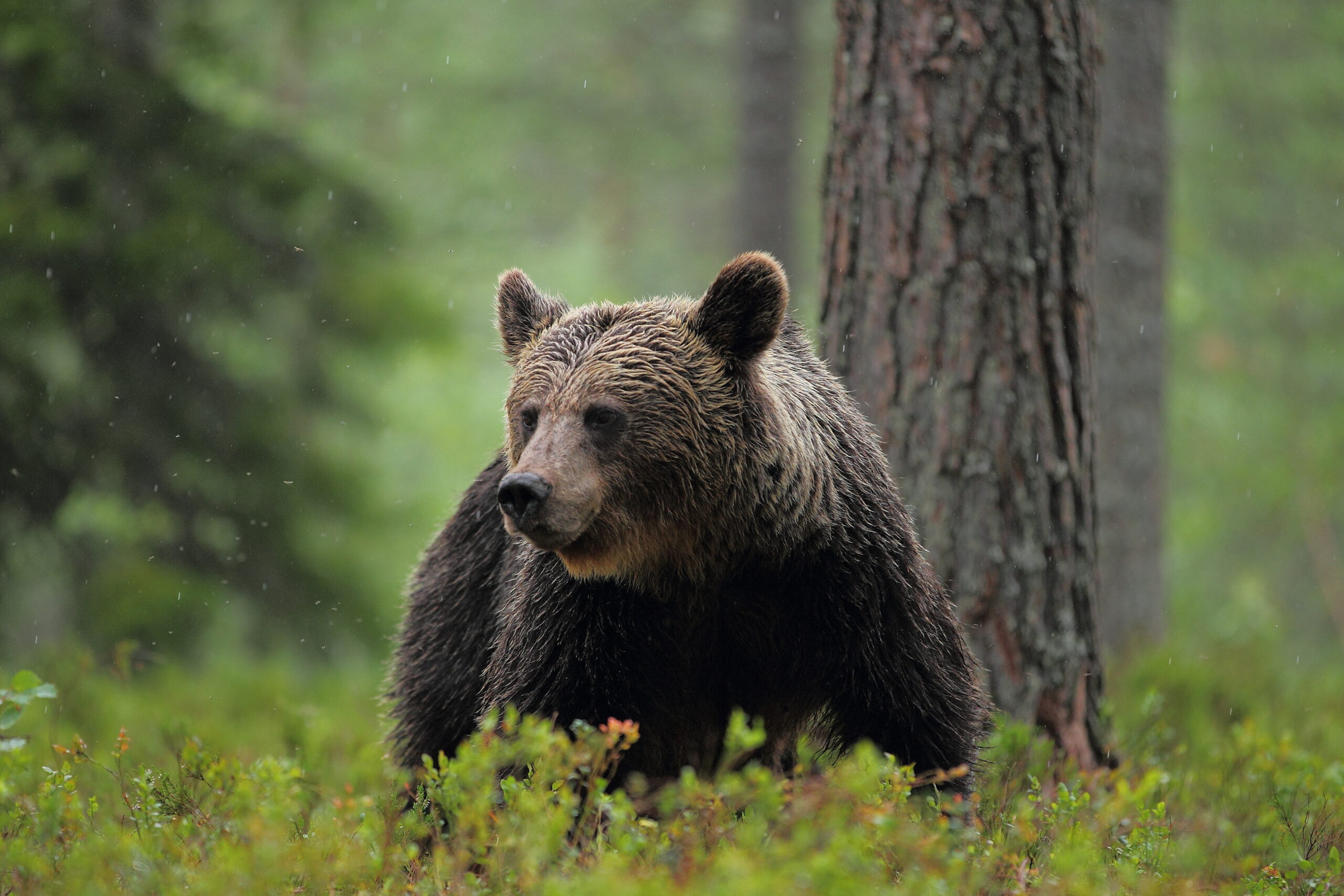
Bears sleep in winter. Many backcountry enthusiasts would like to believe this. "Are all bears hibernating?" "What are the chances of encountering one in the snowy mountains this winter?" "When will bears wake up from hibernation?" We spoke to Professor Toshio Tsubota of the Hokkaido University Graduate School of Veterinary Medicine, a leading researcher in bear research in Japan
“The bear problem of 2025: "abnormal" becomes a part of everyday life

This winter, the presence of bears has become more of a concern than usual in Japan's mountainous regions. In 2025, human injuries caused by bears in Japan became more serious, with approximately 230 people killed or injured between April and November, according to data from the Ministry of the Environment, and the death toll reaching a record high of 13
There were over 30,000 reported sightings. Even in urban areas, there were a series of sightings and incidents, causing widespread social anxiety. Local governments were forced to strengthen countermeasures, introducing new systems and implementing emergency measures. The kanji character for "bear" (kuma) was also chosen as the kanji for the year to represent the state of society in 2025, marking the year in which bears were recognized as a social issue
The animals that live in Japan are brown bears and Asiatic black bears
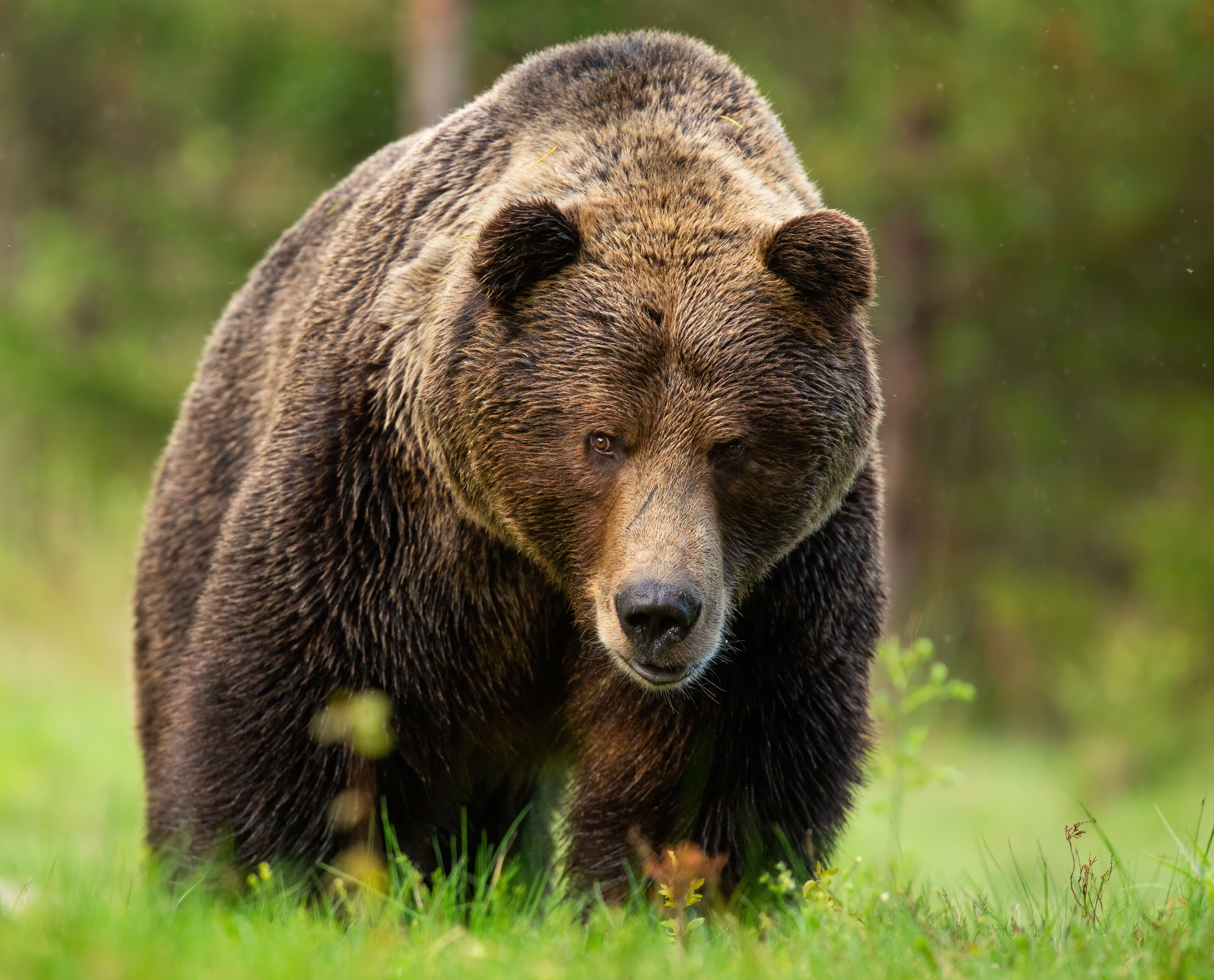
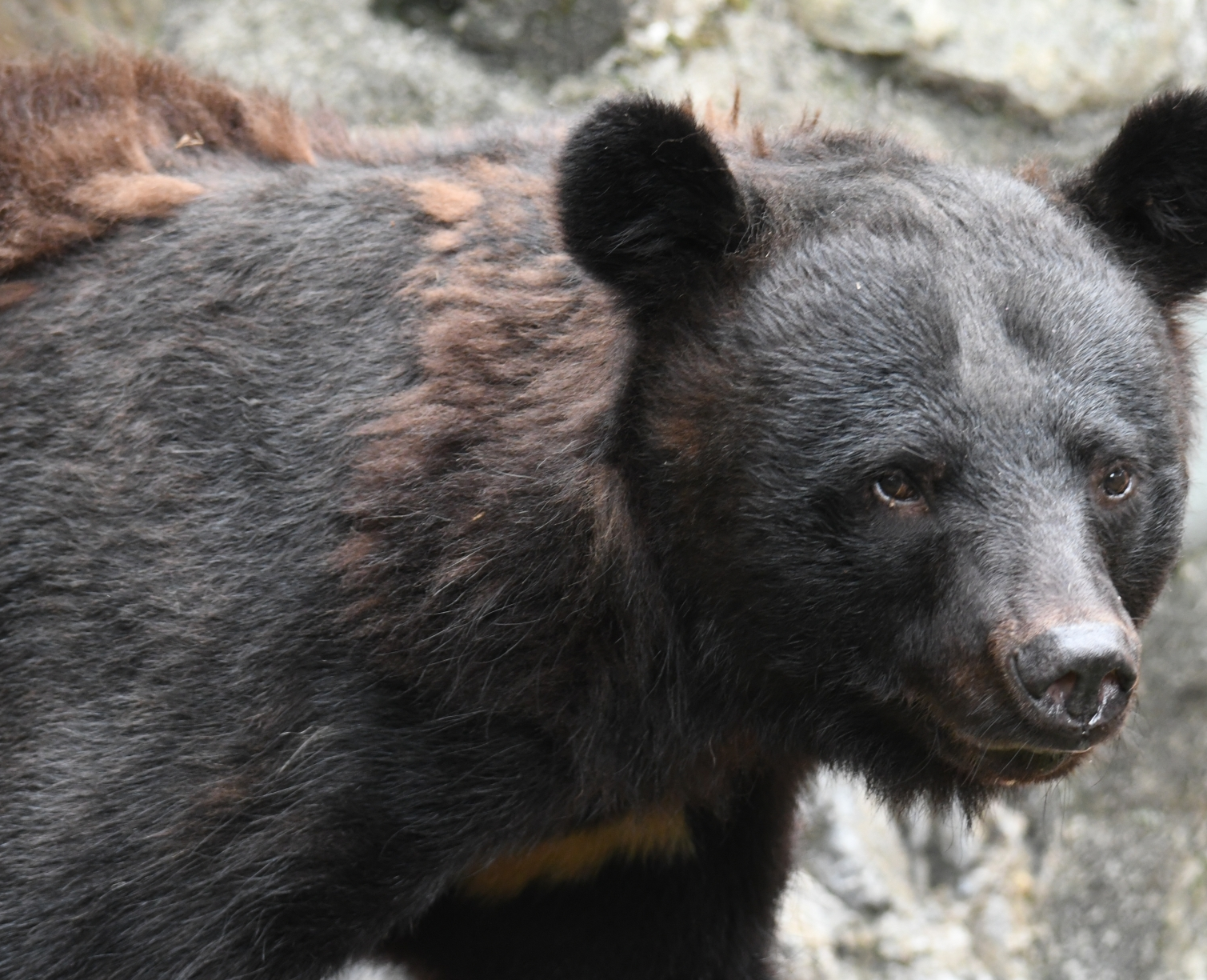
There are two types of bears that live in Japan: brown bears and Asiatic black bears
Brown bears are found in Hokkaido. They are overwhelmingly huge, with large heads and bodies. Males weigh in at over 200-400kg, with some even weighing as much as 500kg.
Asiatic black bears often have a crescent-shaped white pattern on their chest called a "moon ring," and males weigh around 80-120kg, so there is considerable variation in size.
Brown bears only live in Hokkaido, and are not found in Honshu. Asiatic black bears are the only bears that can be found in Honshu, and they do not live in Hokkaido.
Even something like that might sound fresh to many people, so Professor Tsubota taught us the basics first
"Throughout their evolutionary history, Asiatic black bears could only enter Honshu. The Tsugaru Strait at the tip of Tohoku is quite deep, so they were unable to cross over to Hokkaido. On the other hand, brown bears once entered Honshu, but then became extinct, leaving only Hokkaido. This was around 20,000 to 340,000 years ago."
Brown bears are significantly larger, and their strength is incredible. There have been numerous reports of them overturning or lifting iron cages weighing over 300 kg. Furthermore, their short-distance running speed is comparable to that of a racehorse. Even though Asiatic black bears are smaller than brown bears, they still have enough strength to bend car doors and split tree trunks
"The destructive power and speed of both are unimaginable. There isn't much difference in their aggressive temperament. Asiatic black bears may be a little more aggressive. However, in terms of their ecology and how they live throughout the year, they are almost the same. All bears in Japan hibernate."
Backcountry users who are breathing a sigh of relief after hearing this should listen a little further
Bear hibernation
Why do bears hibernate?
"Hibernation is an adaptive mechanism that bears have acquired over the course of evolution to help them survive. It is a survival strategy for getting through the winter when food is scarce. Bears are basically herbivores, eating only grass and nuts. When winter comes and food becomes scarce, they not only stop moving, but also lower their body temperature and slow their metabolism. They reduce their breathing rate and heart rate to about one-tenth of normal, and keep their energy consumption to an absolute minimum of about 10%
Bears sleep under a physiological mechanism that is completely different from human sleep. During hibernation, they don't eat, drink water, or excrete at all. Yet they can maintain this state for several months, a deep, quiet life-sustaining mode
The hibernation period is generally from late November to early April. The hibernation period varies from year to year, but this year they hibernated a little earlier. I think many of them began hibernation around early November
I spoke with Professor Tsubota on December 26th. I couldn't help but want to ask him the following question
-Can we assume that most bears are now hibernating?
"Right now, about 99% of bears are hibernating. However, there are about 50,000 Asiatic black bears and 10,000 brown bears living in Japan. There are also individual differences."
- Once bears go to sleep, do they ever wake up and become active until hibernation ends? Do they wake up frequently even in the middle of winter and move around looking for food?
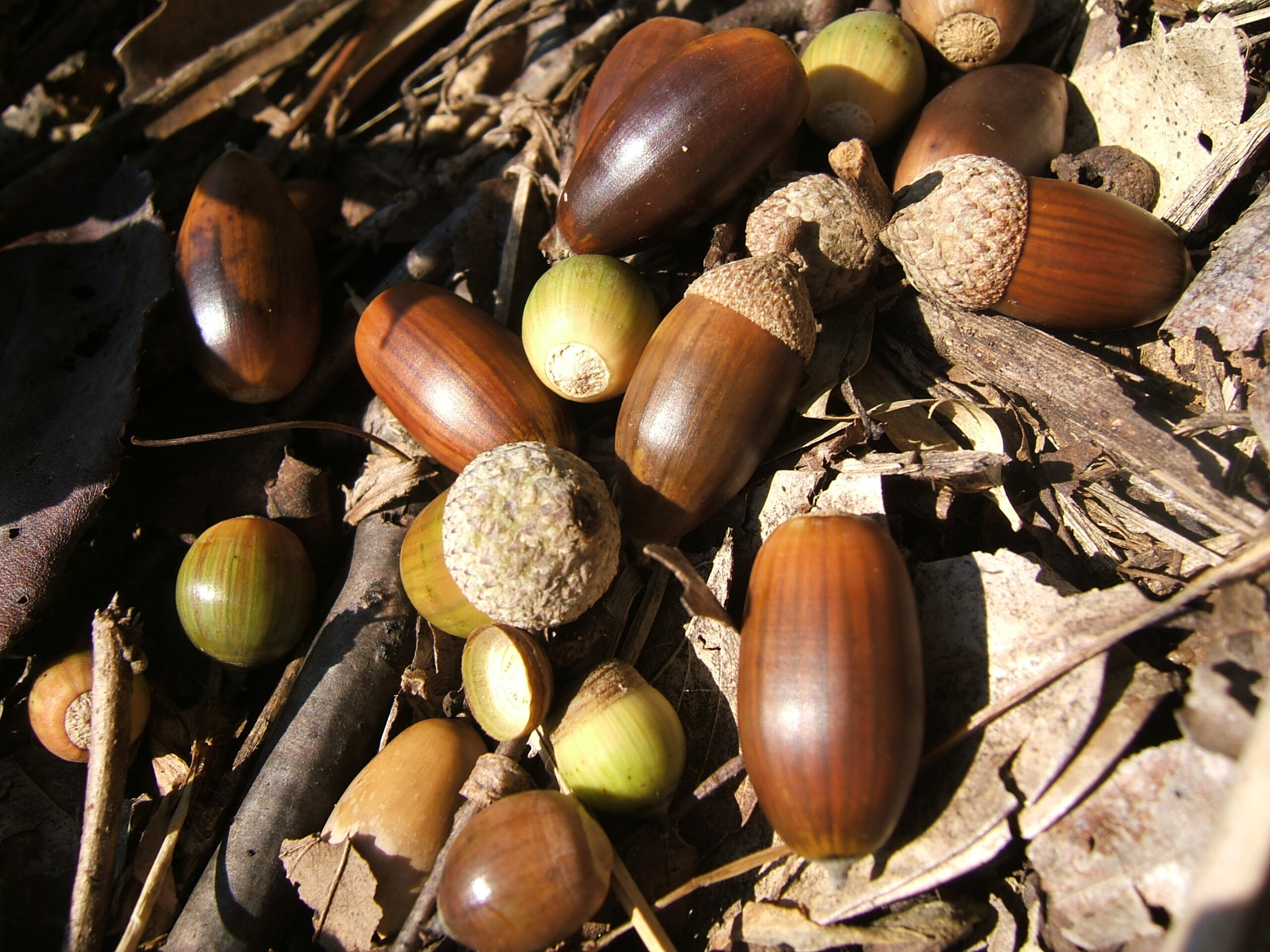
"That's highly unlikely. However, this year has been quite tough for bears, as there have been very few acorns in the fall. Before hibernating, they store four or five months' worth of energy as body fat
Therefore, it is extremely important to store up as much fat as possible before hibernation, and their main food at that time is acorns. There have been very few acorns, so I think they probably haven't put on enough body fat this year.
So, they may wake up earlier, and even in the middle of winter, if they run out of body fat they will die, so they may wake up once that happens.
The amount of body fat stored in hibernating bears varies from individual to individual, so we don't know the actual situation. We also conducted a survey and caught a bear in early autumn, but it wasn't very fat. We thought it was because they weren't eating enough food and weren't gaining body fat. We think they go into hibernation as is, so it may be a bit harsh."
When the "basically herbivorous" rule is broken
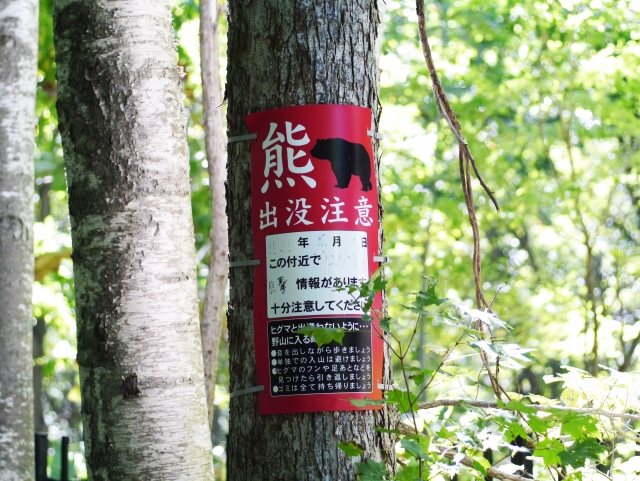
The number of bear attacks in 2025 is expected to be the worst on record, with people being attacked and seriously injured, and fatalities. We asked Professor Tsubota directly about this
- If a bear is hungry, will it eat anything other than nuts? Are bears that harm people just so hungry that they attack people for that reason?
"No, 80 to 90 percent of their diet consists of plants. Unlike polar bears, brown bears generally do not attack other animals for the purpose of eating. However, they are originally carnivores, and their bodies are made to eat meat. So, for example, if they come across a deer carcass, or in Hokkaido, dead dolphins or whales often wash up on the shore, they will happily eat such things
So, if they get the chance, they will eat. But they don't generally kill people for that reason. However, in a case that occurred in Iwate Prefecture this year, a reptile actively attacked a person and ate their flesh. They
don't say this in the news, but the fact that it dragged the person into the grass means that it was preying on them. It was the same at Rausu-dake in Hokkaido. Before that, a newspaper delivery man was attacked in Fukushima Town in southern Hokkaido, and he was also dragged into the grass and eaten.
I don't think they were attacking to eat at first, but after the attack and the person died, they tried to eat them and were able to eat them. I think that was the case at first. However, once they learn that, the second and third time they will actively attack people. If they learn that attacking will get them meat, that kind of thing can happen. Two people were attacked in Iwate Prefecture, so I think the second person was actively attacked by the same individual."
Hearing such a real truth sends chills down my spine..
"However, there are only a few individuals that do such bad things. Most years there is zero damage caused by predation, so I think it is an extremely rare case. However, I think it is important to remember that these animals have the potential to do such things."
When will bears wake up from hibernation this winter?

When will the bears emerge from hibernation this winter?
"Generally, they start appearing in April, but the time they come out varies depending on the location and the feeding conditions of the year. It also depends on the weather in early spring
In early spring, it gets warmer and the snow begins to melt, which inevitably causes water to seep into the hibernation holes. This makes it uncomfortable, and more bears wake up. Normally, some bears wake up and resume their activity in late March, and this year some may wake up as early as March. It varies from individual to individual, so it's not possible to make an accurate prediction. It also depends on the region. Warmer regions tend to have shorter hibernation periods, after all."
Something strange is happening to the bears

Could the extent of the bear damage in 2025 be due to an extreme food shortage that affected the bears' behavior? Professor Tsubota points out:
"The large number of deer sightings in residential areas in Iwate and Akita prefectures was a pattern that differed from normal years. A considerable number of people were attacked and some damage was caused by deer feeding, so it is not simply due to a poor acorn harvest
One reason is that bears are becoming more accustomed to people. The number of hunters is decreasing, so bears are no longer being chased in the mountains. Also, people are increasingly leaving satoyama (village woodlands), which is causing depopulation, and so bears are finding their way into these areas
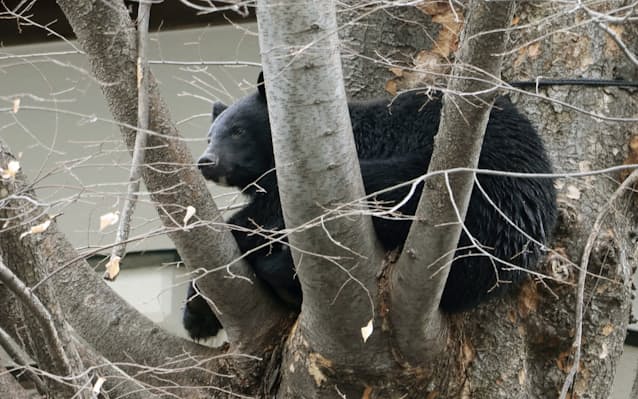
Depopulated areas are places where people used to do things like burn charcoal or gather firewood. That's where the trees used to grow. These are mostly oaks such as Konara and Mizunara, which produce acorns. They're left abandoned, and there are persimmon and chestnut trees planted in people's yards that are left untended. Bears are increasingly finding their way into these areas, so they're coming close to human habitation and probably watching out for people
However, bears are no longer being harmed by humans, nor are they being chased by hunters, so I think that bears are beginning to realize that humans are not such a scary animal. I think that this is also behind the current situation."
Backcountry Risks

"Where do bears hibernate?" "There's no way we'll encounter a bear in the snowy mountains during our tour, right?" "What should we do if a bear appears in front of us?"
I'm sure there are many users who are planning to go backcountry skiing this season who are concerned or worried about these things
Professor Tsubota says
"Basically, just going into the mountains carries the risk of encountering bears, so it's best to assume that wherever you are, there are bear hibernation dens, and go into the mountains with that in mind
All we can do is to avoid stepping on the bears' hibernation holes, but this is difficult. Even we don't know where the bears hibernate. They're basically deep in the mountains, but I think they probably decide on their hibernation location between summer and autumn
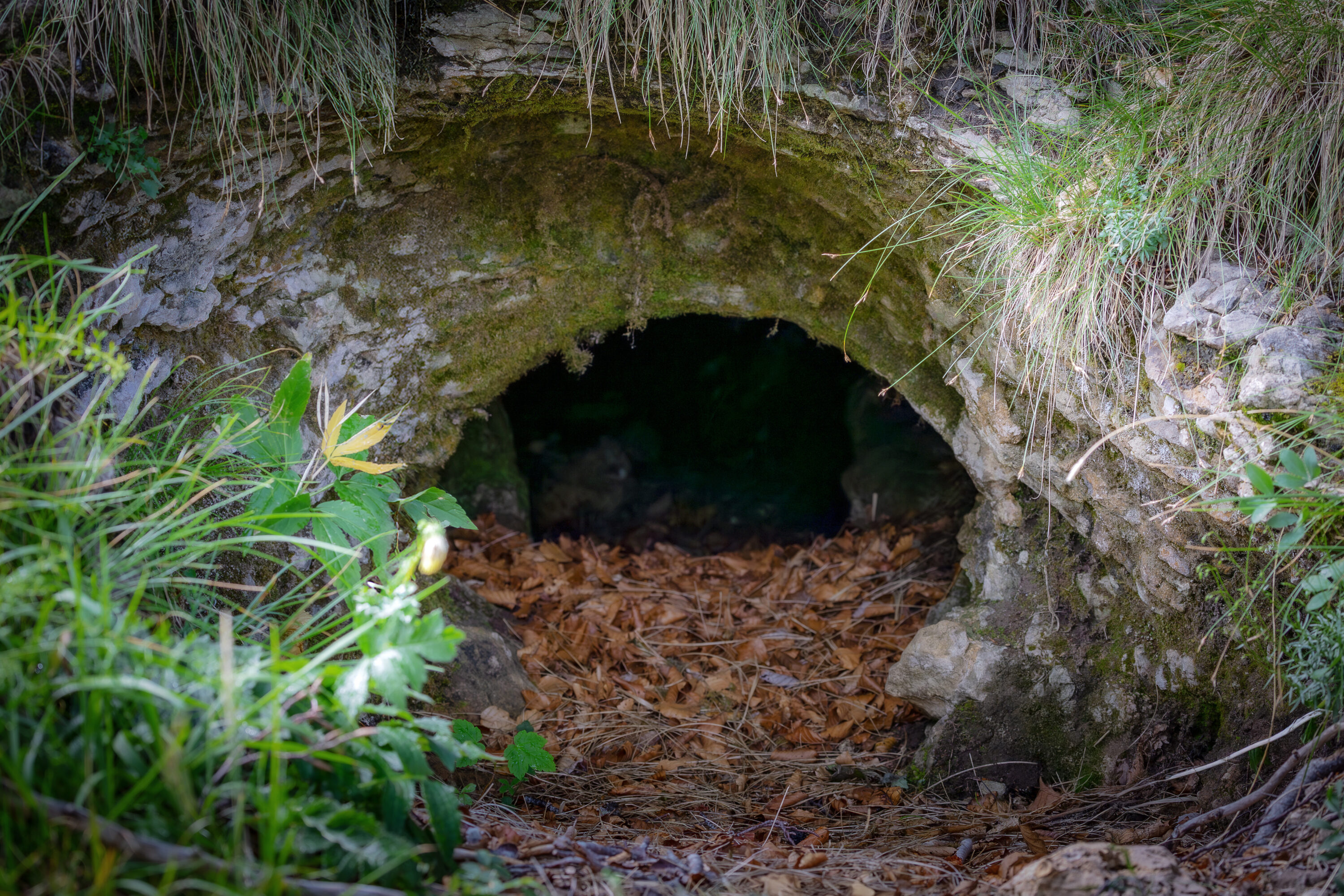
The most common method is to make use of the roots of trees to create holes. Also, when large trees die, they often leave hollows inside. They often use holes at the base of large trees, or tree hollows. First of all, be careful not to go near such places
However, they also use rock caves, dig small holes in the ground, and even dig dens on steep, open slopes. In other words, if you're walking in the snowy mountains, you should assume that there could be a bear den anywhere."
What to prepare for in case of an emergency
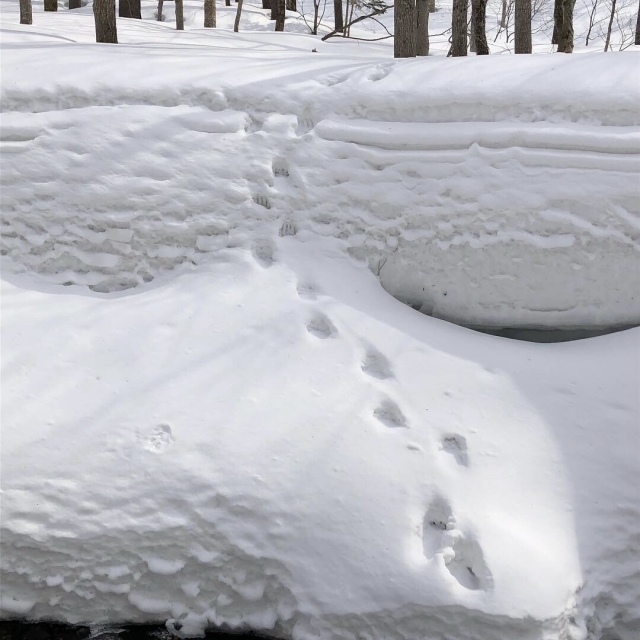
Professor Tsubota's talk made it clear that caution is necessary no matter where you are in the mountains, even in the depths of winter. The risks increase even more from March onwards, when people start to wake up from hibernation. So
what kind of preparations and mindset should you have if you're heading into the mountains?
"You should definitely bring bear spray
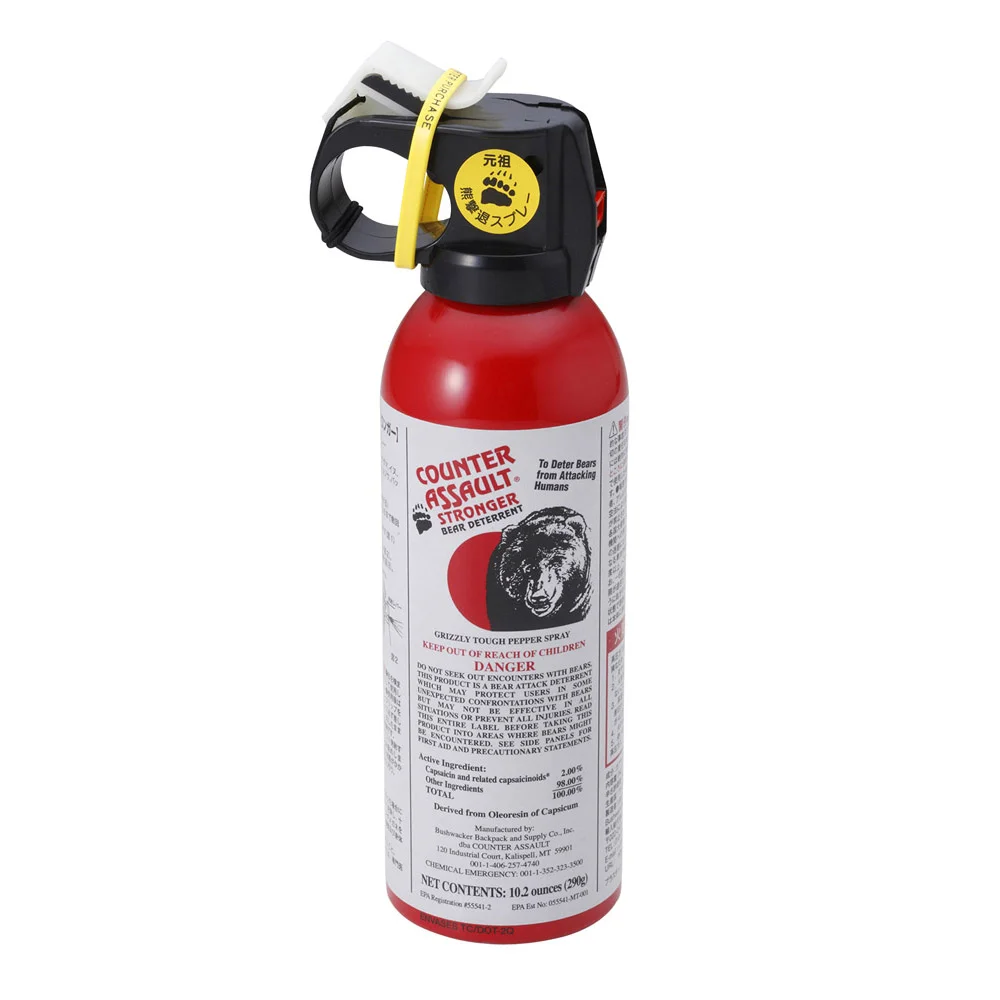
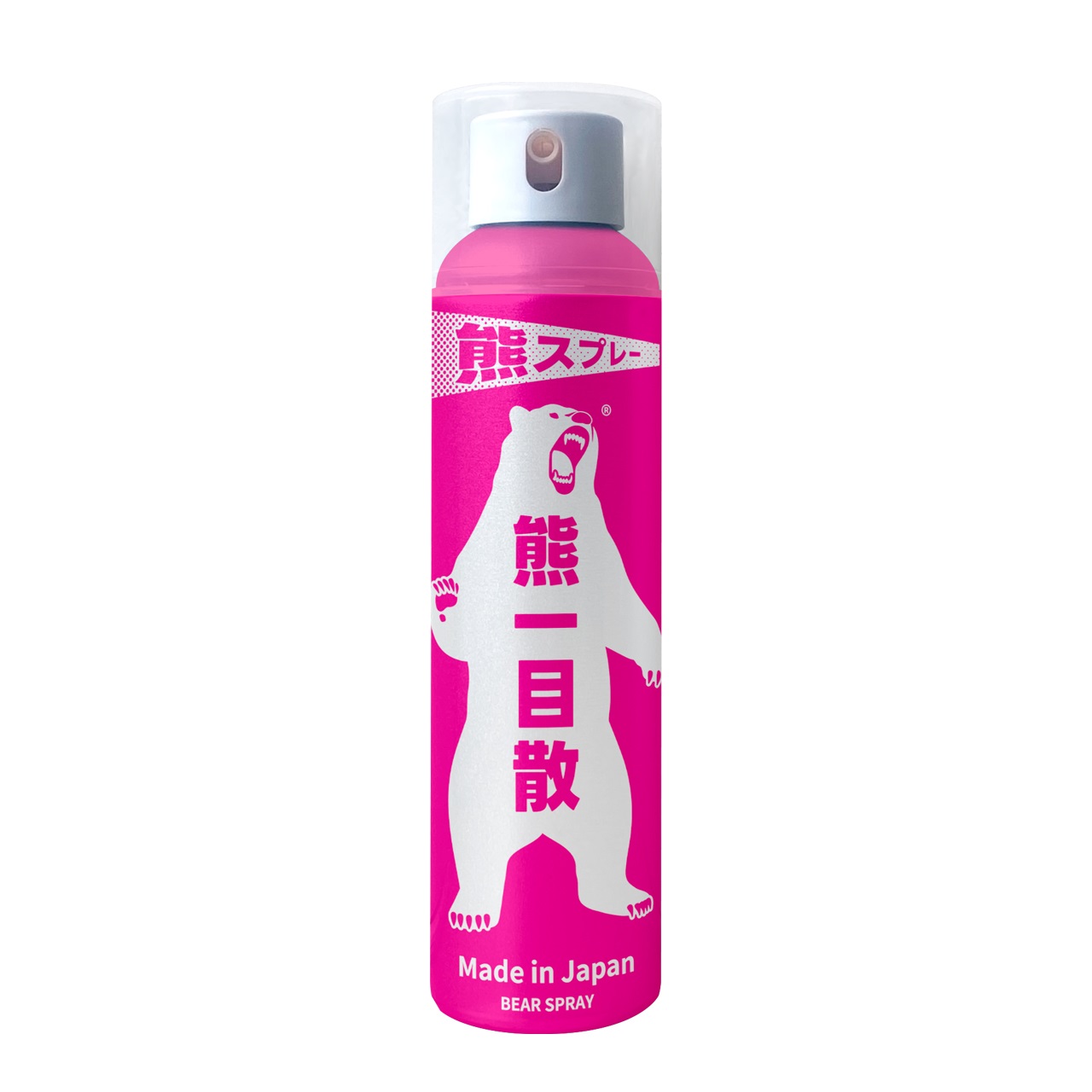
There have been quite a few counterfeit products on the market recently, so you need to be careful. While there are no products recommended by the Japanese government, the bear repellent spray called "COUNTER ASSAULT" is registered with the US EPA (Environmental Protection Agency) and is a standard product for dealing with bear encounters in North America, and is highly rated by wildlife control experts
It's currently the most expensive, costing nearly 20,000 yen, but it's available in Japan. Recently, sprays with the same specifications as overseas products, such as "Kuma Ichimokusan," have been released in Japan. Prices range from around 9,000 to 15,000 yen, so the quality is fine, but there are also quite a few cheaper ones on the market, and tear gas sprays are a big no-no."
Bear repellent spray contains a chemical called capsaicin, a component of chili peppers, which has a strong, pungent odor and causes severe pain when it hits the mucous membranes of the eyes, nose, and throat. This is how bears run away when sprayed with the spray
"The spray is only effective if it is sprayed at least 5 to 10 meters from the bear and for 7 or 8 seconds. It is the ultimate last resort. If you do encounter a bear, you must remain calm and not run away with your back turned. This is absolutely essential. Watch the bear's behavior and act in a way that gradually increases your distance."
https://e-mot.co.jp/product/02191/
https://kumaichimokusan.com/
How about a bear bell?
"The bell rings to let bears know of your presence when you enter an area where bears are present. There's no point in ringing a bell while the bears are hibernating, but once the bears start to become active again, it's a good idea to carry a bell with you
Of course, it is also important to properly manage the food you bring into the mountains. Never leave leftover food lying around and let it be eaten by bears
It cannot be said that "it is safe and secure just because it is winter." The fact remains that "going into the mountains means entering bear habitat," even in winter. When heading out into the backcountry, please refer to materials published by the Forestry Agency and be fully prepared and mentally prepared before entering the mountains."
Forestry Agency "How to avoid encountering bears"
https://www.rinya.maff.go.jp/j/kokusei/attach/pdf/nyuurin-3.pdf
The person who taught me

Toshio Tsubota
Professor, Department of Wildlife Science, Graduate School of Veterinary Medicine, Hokkaido University / Director, Hokkaido University Museum
. Born in Osaka in 1961. Completed the doctoral program at the Graduate School of Veterinary Medicine, Hokkaido University, earning his Doctor of Veterinary Medicine. He has held his current position since April 2007. His specialty is wildlife medicine, with research into bear reproduction and ecology being his life's work for the past 40 years. He has served as representative of the Asia-Pacific Section of the Wildlife Disease Association (WDA), president of the Japanese Society of Wildlife Medicine, president of the Wildlife Science Subcommittee of the Japanese Veterinary Association, and representative of the Japan Bear Network. He currently serves as chairman of the Wildlife Division of the Hokkaido Veterinary Medical Association, president of the Brown Bear Society, and president of the Wildlife Rehabilitator Association. His major publications include "Bears of Japan: Biology of Brown Bears and Asiatic Black Bears (New Edition)" (University of Tokyo Press) and "Polar Bears: A Complete Guide to Their Ecology and Behavior" (University of Tokyo Press).
The new book, "Together with Bears: The Future of Polar Bears, Brown Bears, and Asiatic Black Bears," by Tsubota Toshio, Sato Yoshikazu, and Yamazaki Koji (University of Tokyo Press, 2026), is scheduled to be published on January 23rd