

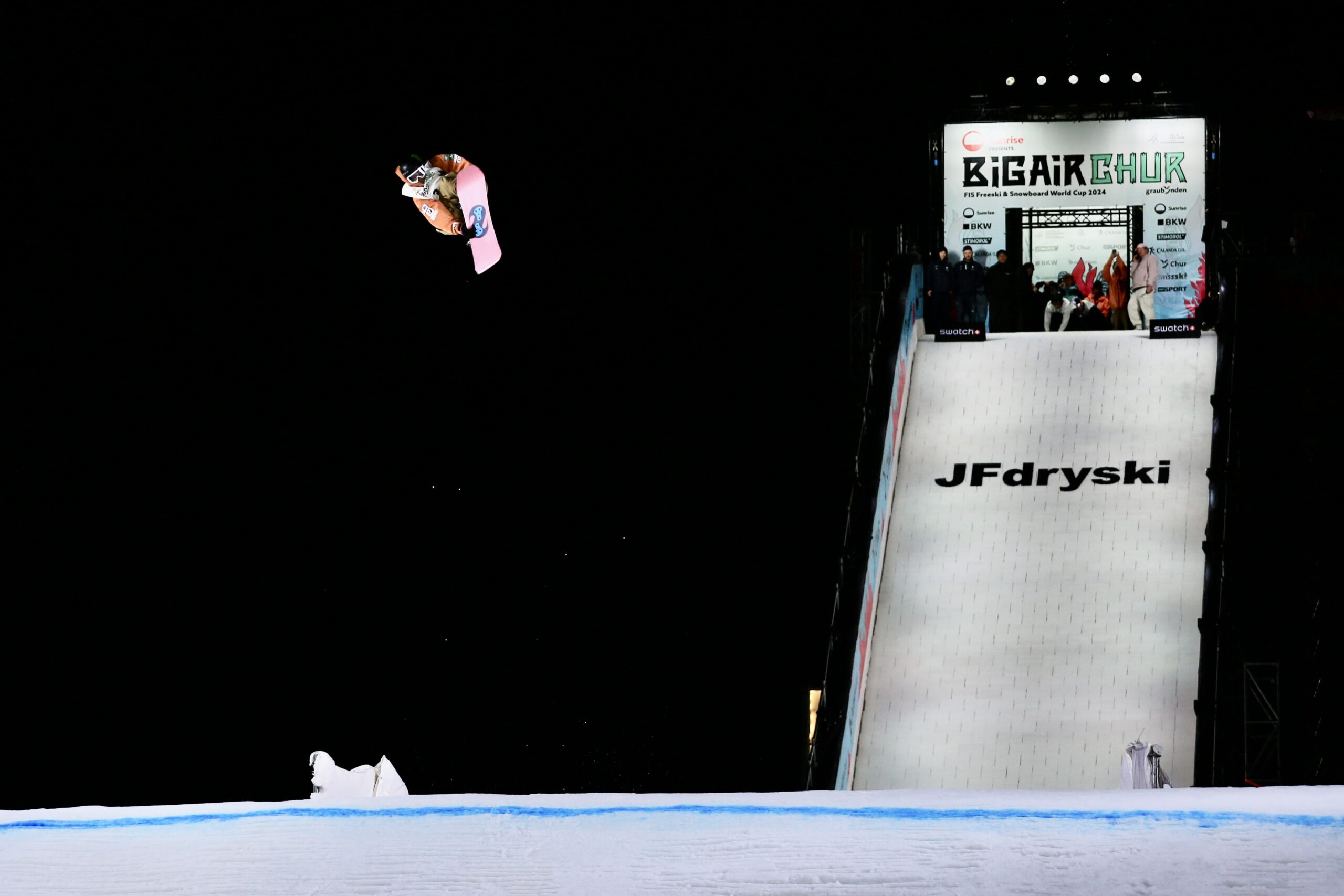
Why has Japanese snowboarding become so strong? And where are the sports of slopestyle and big air headed? Tatsuki Inamura, who now serves as the All Japan coach and is watching the world contest scene he once competed in, offers his expert analysis of the current state of slopestyle and big air, as well as the outcome of the battle at the Milan-Cortina Olympics
The sport is changing faster than ever before
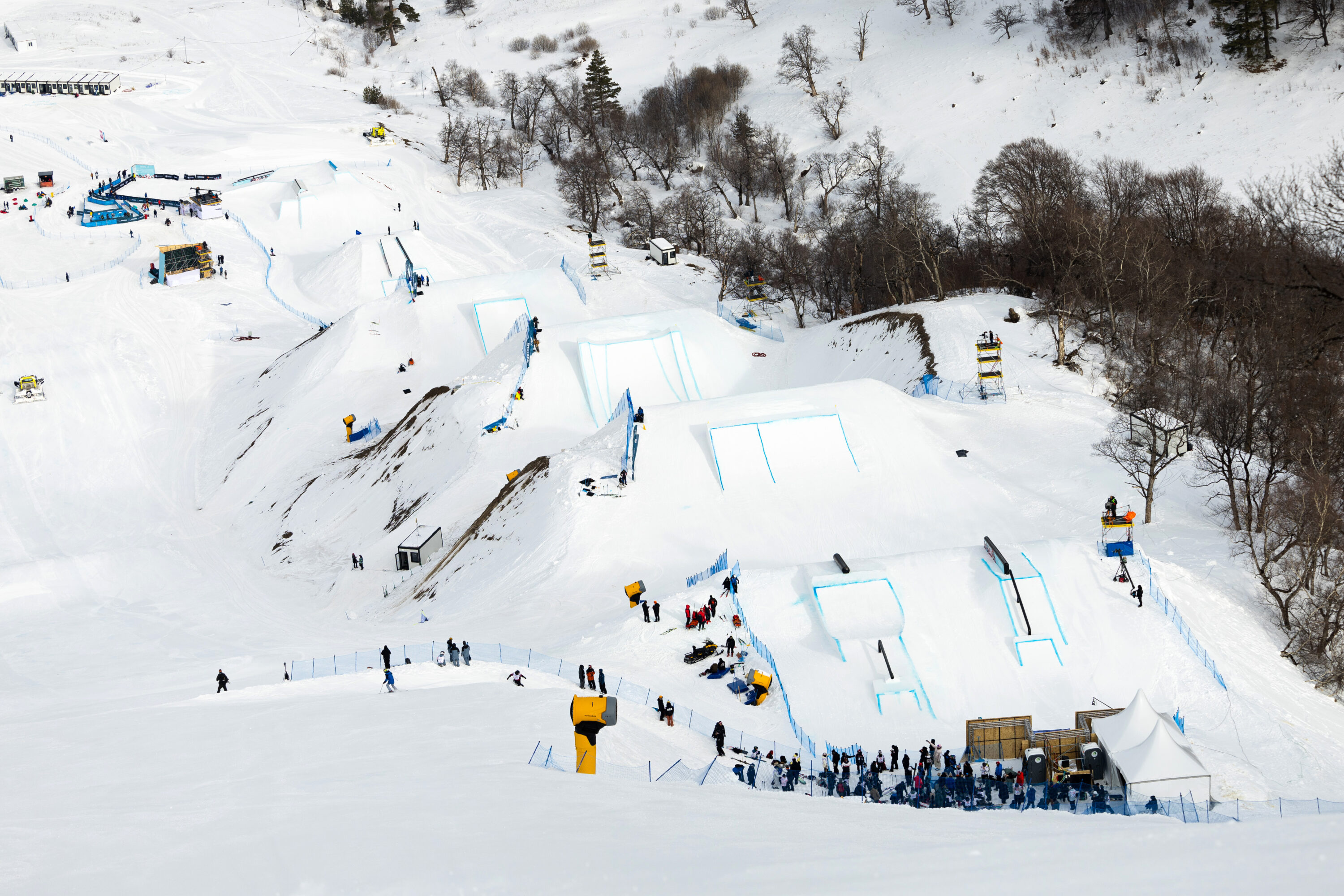
Photo: Miha Matavz/@fisparkandpipe
I would like to write this column from my own perspective on the two snowboarding events in which I am currently involved as a coach for the Japanese national team: slopestyle and big air
First, let's talk about each event. Slopestyle is made up of multiple sections, with competitors performing different tricks in each section, and the flow and execution of the entire run is evaluated. On the other hand, Big Air is a competition where competitors compete on the difficulty and execution of a trick in a single jump. Big Air may seem like a cut-out jump section of Slopestyle, but in reality, the abilities and techniques required are very different
As a result, it is not always the case that the same skater can achieve results in both disciplines, and the "ideal skater who can win" is clearly different for each discipline. This trend has become even more pronounced in recent years. Behind this is not only the evolution of tricks, but also changes in judging methods that have had a major impact
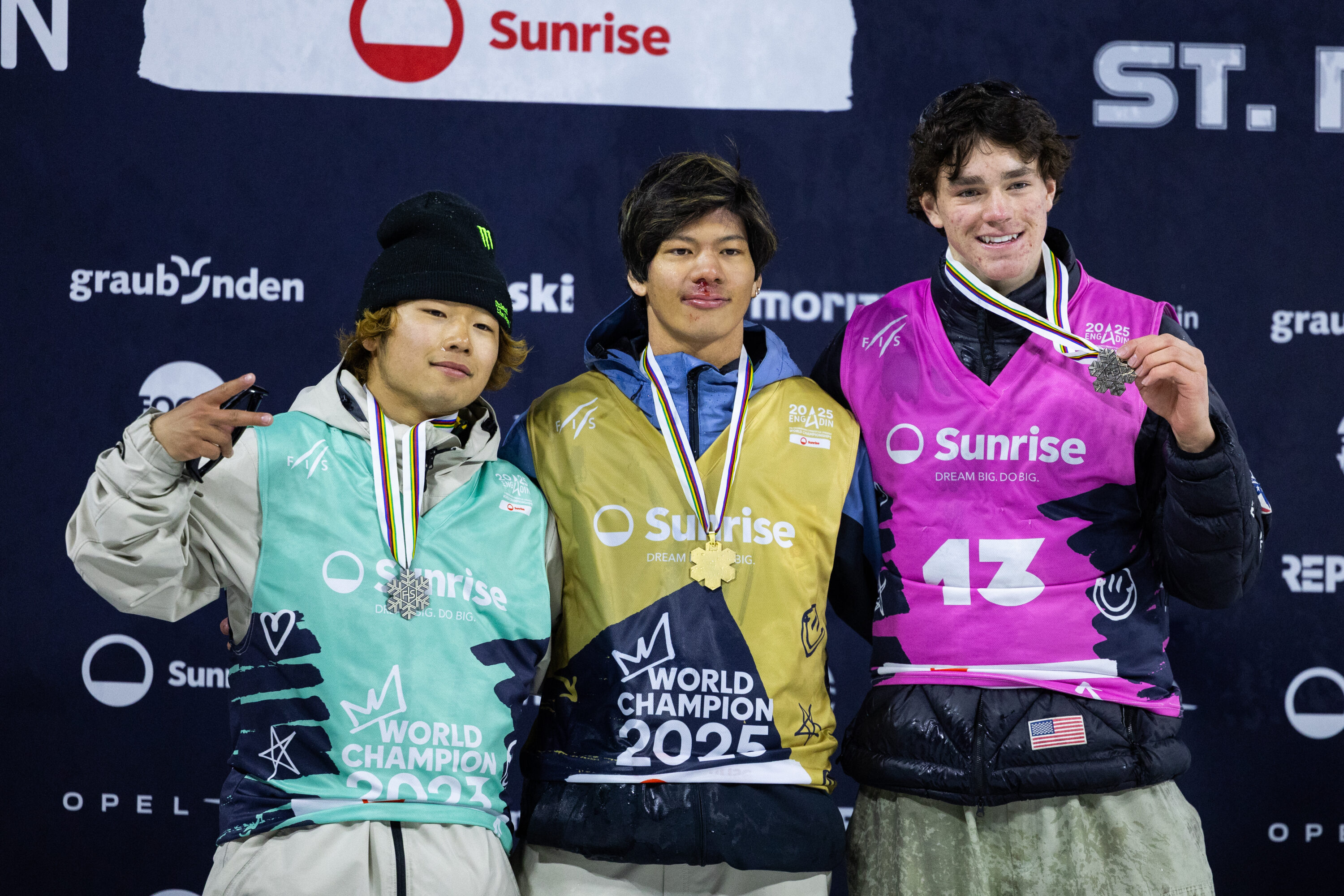
Even among these, the performance of Japanese athletes has been outstanding. At last year's World Championships (Switzerland), which attracted much attention as the year before the Olympics, Japanese athletes dominated the podium in the women's big air event, and Japanese athletes also won the first and second place in the men's event. In the slopestyle event, the women's team also came second and third, and the Japanese team achieved outstanding results by capturing seven of the 12 podium spots in both events
There is no doubt about Japan's strength in both events
However, it cannot be said that slopestyle has the same absolute advantage as big air, and I believe that this is due to the change in the scoring method
Big Air
(BA) , and Slopestyle (SS) competition for versatility and perfection.
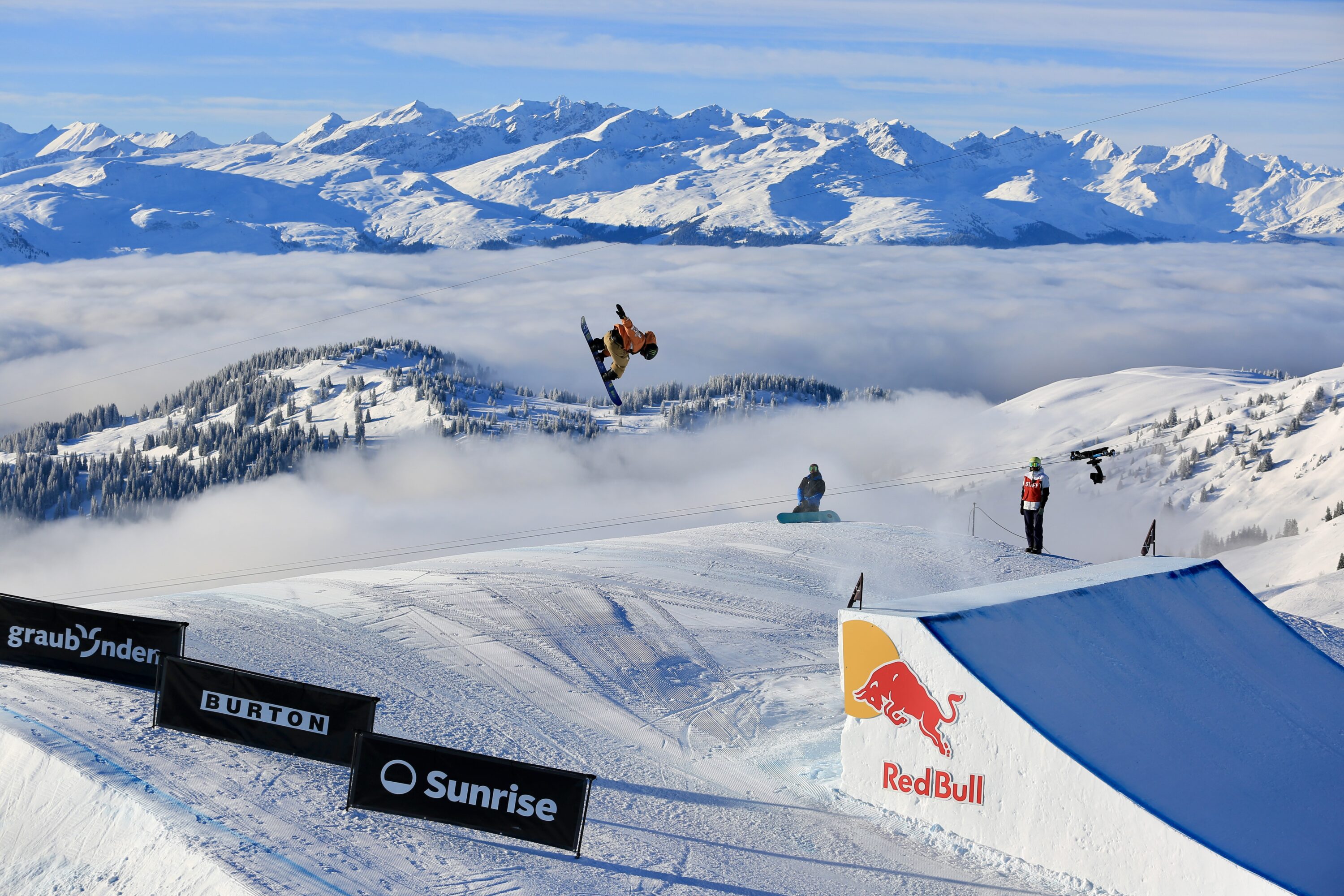
Anyone who has been following the competition scene in recent years will know that the number of rotations has evolved significantly. Last year, at the world's top competition, X GAMES 2025, Taito Ogihara became the first person in the world to successfully land a backside 2340 (6 1/2 rotations). We have finally entered the era of 6 1/2 rotations
When someone breaks through a barrier, the overall level of the sport is raised in a flash. This is how the sport has always evolved
Among these, Big Air and Slopestyle have become more clearly divergent. Big Air is a discipline where the simplest elements of difficulty, execution, and landing are what judges the competitors, and this essence has not changed much over the years
Meanwhile, two years ago, an evaluation item called "composition" was introduced in the slopestyle event
A detailed explanation would take too long to go into here, but in short, it is an evaluation standard that places more emphasis on perfection and variation. This is an extremely challenging initiative that aims to differentiate the two events while also looking to develop the sport as a whole
This composition item accounts for 40 points out of a total of 100 points in this competition, making it a very important element
Not only the difficulty of the trick is important, but also the direction of rotation, whether to use vertical or horizontal rotation, whether to use a main stance or switch stance, and the type of grab, and how a run is constructed is also important
In the past, the jump section was given more weight in the evaluation, and athletes with strong jumps tended to be evaluated more easily, but in modern slopestyle events, the composition of the jib section has become extremely important. It is true that countries are confused by this change, but on the other hand, it is also true that this evaluation standard has produced athletes who can demonstrate their strengths
As a side note, because the judging method is different from the conventional one, discussions have been held between the athletes, coaches, and judges at almost every tournament in recent years. The judges are concerned with the future of the athletes, coaches, and the sport as a whole. Discussions are held amid a mix of different interests, and the judging criteria are being explored
In my personal opinion, as this is a judged event, the judging method is the factor that will determine the future of the sport
The approach of creating something while listening to the opinions of everyone involved is very much like snowboarding. While I have my doubts about this approach, one thing is certain: the sport is currently in the midst of a major turning point
Why are Japanese teams so strong?
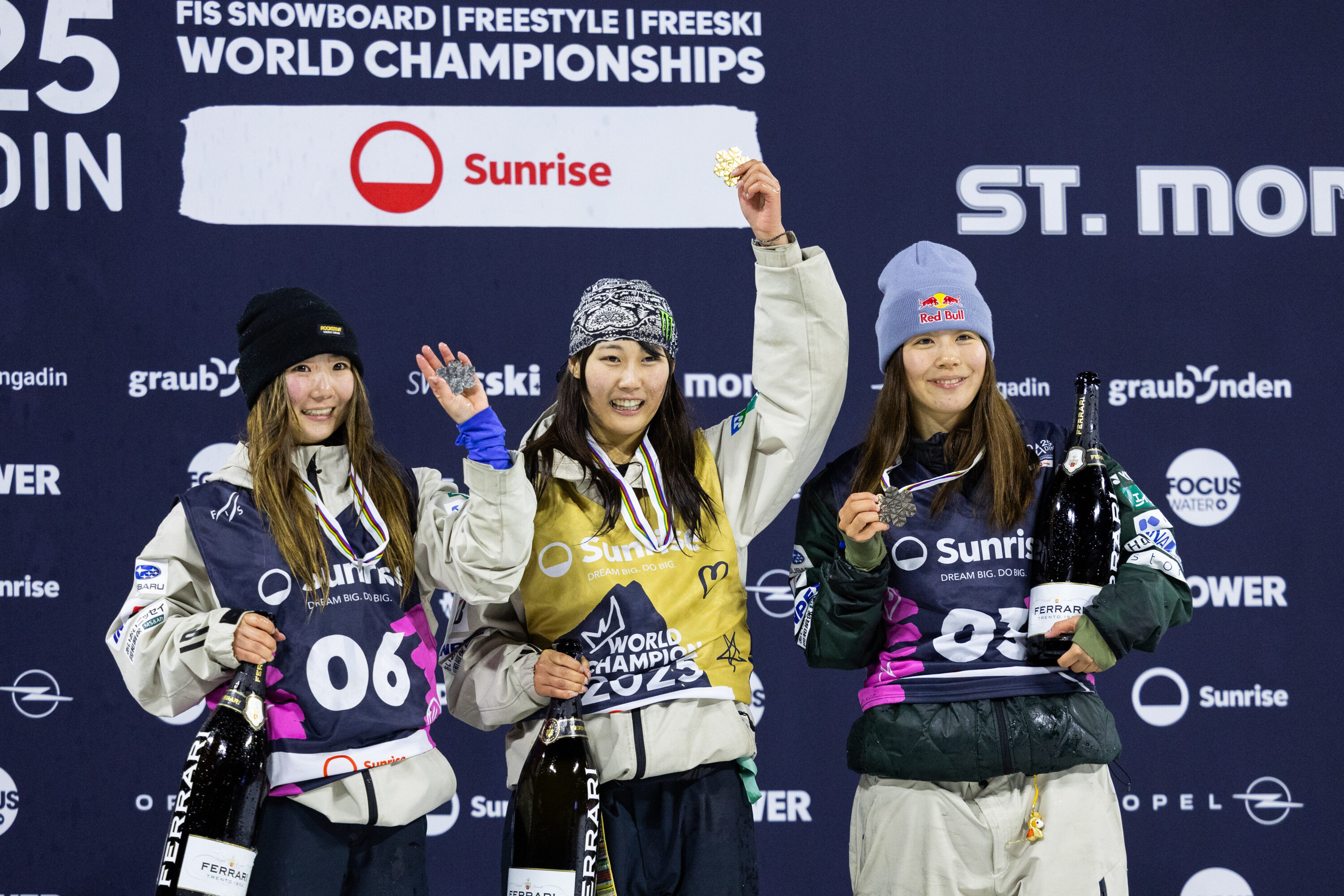
The biggest reason why Japan has been so strong is the abundance of air mat jumping facilities. Starting with the world's first air mat jumping facility, "Kobe Kings," which opened in 2003, facilities have been developed in various regions, creating an environment where jumpers can safely practice jumping all year round
As a result, highly specialized instructors have been developed in each region, and many children's snowboarders have been practicing on air mats since they were little. I call them the "air mat native generation," and it's great that they now have an environment where they can hone their jumping skills safely and with high quality. Even around the world, it's rare to find an environment with such a well-organized support system, and I expect this advantage to continue for at least a few more years
Japan is also a country with an extremely large number of coaches in this sport. I am always amazed by this fact whenever I talk to coaches from overseas. The high level of Japanese athletes in this sport is largely due to the presence of coaches who have supported athletes in each region. This is an indisputable fact.
Typical examples include Sakanishi Sho, who is the personal coach of Hasegawa Teisho and Murase Kokoro, and Sato Yasuhiro, who is the personal coach of Iwabuchi Reira and Fukada Mari, and there are many other excellent coaches in Japan.
This is by no means due to the national team's training structure or system. The fact that local coaches have been doing the kind of coaching that would normally be done at the national team level on a daily basis has greatly expanded the scope and intensity of training. As someone involved with the team, this is something I am always grateful for
Facilities are created, coaches are trained there, and high-level athletes are produced from all over the country. As a result, domestic competition is born, and athletes who win that competition go on to become athletes who can compete on the world stage. The domestic training environment, the national character that allows for steady training, and the characteristics of the sport that do not reveal physical differences - I believe that these factors have combined to make this sport develop
However, not all environments are world-class
Japan's snow conditions are far inferior to those of other countries. Due to a combination of factors, including Japan's humid climate, the difficulty of maintaining courses due to snowfall, and the altitude, a snow course suitable for hosting a world championship has yet to be realized. Creating a world-class course requires maintenance costs, and the difficulty of making it a viable business likely also contributes to this. The fact that Japan has been able to achieve such results despite these circumstances is proof that high-quality training is being conducted at air mat jump facilities. If Japan were to have the world's best snow conditions, how strong would Japan become?
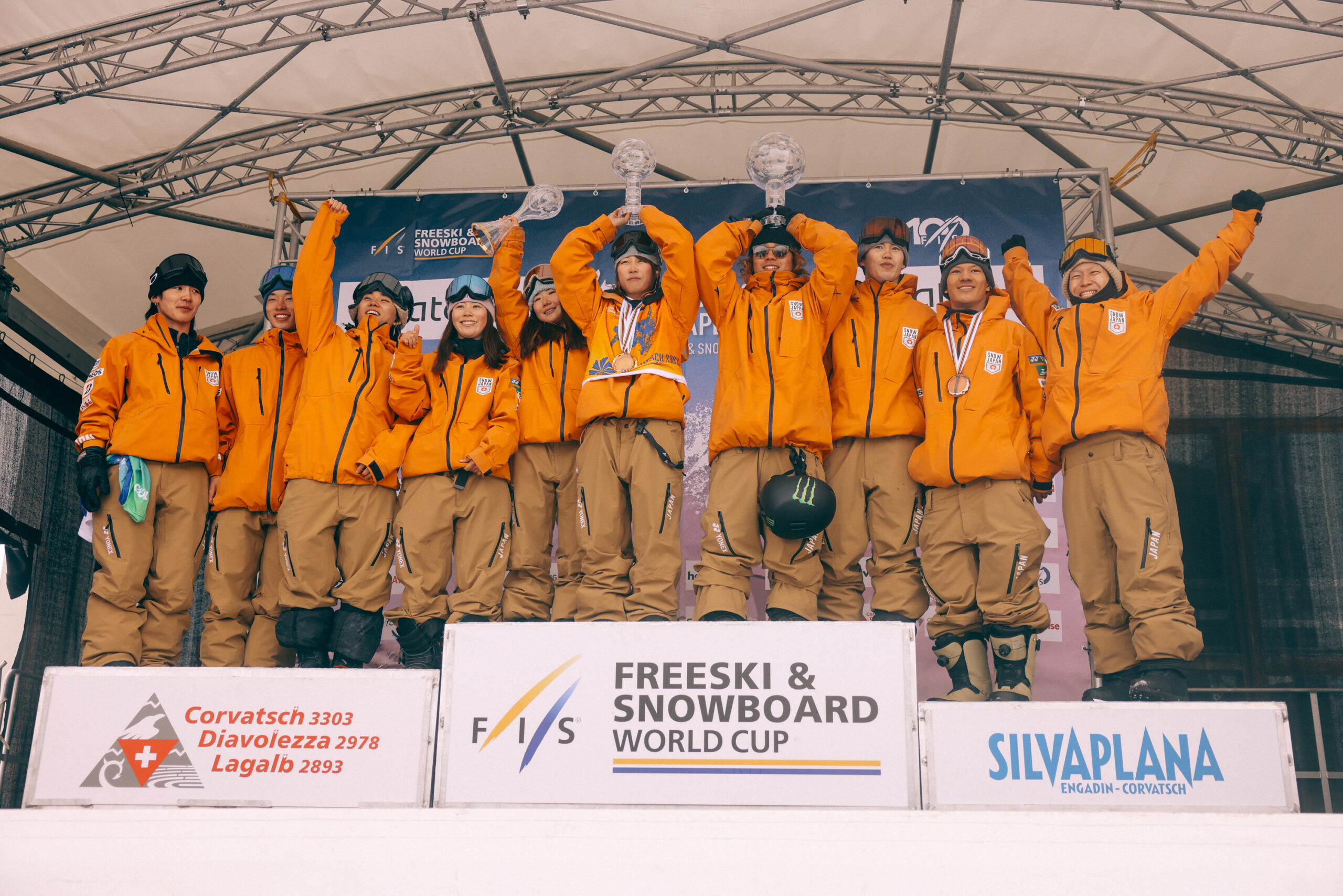
Photo: Dasha Nosova/@fisparkandpipe
Highlights of the competition at the Milan-Cortina Olympics
Let's take a look at the highlights of the Milan-Cortina Olympics by event.
First up is the big air event, which will be held early in the Olympics and is expected to produce the most success.
The Big Air rules state that the winner will be determined by the total of the two best runs, each with a different rotational direction, out of three attempts. The number of rotations varies depending on the size of the jump, but based on the course specifications currently announced, the deciding factor for the women's competition will likely be what they bring to the table in the other direction after landing a 1440 (quadruple) in one direction.
In addition to Japanese athletes, skaters such as last year's Big Air annual champion Mia Brookes (Great Britain), Zoi Sadowski-Synnott (New Zealand), who is considered the world's best, and Anna Gasser (Austria), the Big Air champion at the last Beijing Olympics, are sure to be competing for the podium.
The men's competition is expected to be even more intense. No skater has been able to perfectly execute the 2160 (six jumps) in this season's World Cup, but one of the keys to the Olympic final will be to first land the trick successfully. Then, what else can be combined with it in the other direction? To stand out, there will inevitably come a time when a skater will be required to take on a risky challenge
It's entirely possible that Japanese athletes will dominate the podium, but the biggest obstacle standing in their way is the previous Beijing Olympic champion, Su Yiming (China). He won two consecutive big air events in December 2025, an impressive feat. His victory despite the pressure of being held in his home country speaks volumes about his strength
The slopestyle event will also be a fierce battle for both men and women. The courses announced this time are relatively simple in design compared to recent years, meaning that differences in tricks are more likely to be reflected directly in the scores. In particular, the construction of the jib section is important in slopestyle, with strict scrutiny being placed on variation and perfection. It's not just about staying on the rails until the end, but skiers are also required to carefully consider the slippage of the board, the push-off on the rails, and the trick variations and details involved. In slopestyle, it's really impossible to know who will win. That's what makes this event so interesting
From this season to the Olympics - Overall summary
It can be said with confidence that Japan's snowboard slopestyle/big air team, competing in the Milan-Cortina Olympics, is the strongest team ever. Since the last Beijing Olympics, there has been a rapid generational change with the rise of young athletes, and talented athletes have blossomed all at once as they gain experience
Incidentally, I believe that recent rule changes are not unrelated to the trend of Japanese athletes dominating the podium. That's how strong this team is. This generation is made up of native air mat riders and trained by excellent local coaches. This generation is also the first to have grown up in a truly well-equipped environment for Japanese snowboarding
Of course, there have been many great athletes in the past. But who could have imagined a future where Japanese athletes would dominate the world? Facilities were created, coaches were trained alongside athletes, and know-how was accumulated. And so, over the course of history, Japanese athletes have evolved
What kind of story will the strongest team in history write at this Olympics? Expectations are only growing