

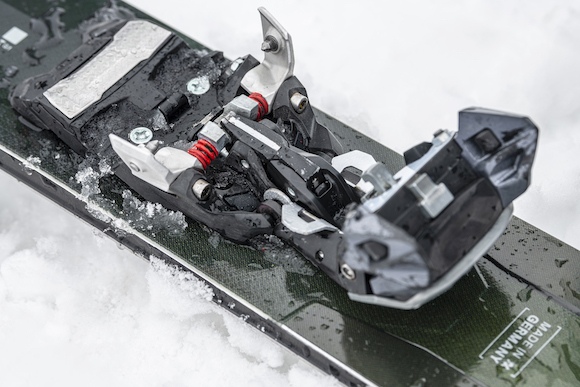
The call for lightweight gear has been around for quite some time. Manufacturers are competing to make every gram lighter, from skis and boots to clothing and backpacks.
Bindings are no exception. Tech-type bindings, which are lightweight and offer excellent walking performance, are favored by touring enthusiasts. For those heading to the mountains, tech bindings are the way to go. However, for those who want to push the envelope, frame touring bindings or alpine trekkers are the way to go. The trend has been polarized.
However, three seasons ago, Salomon, ATOMIC, and ARMADA, all led by the Amer Group, introduced the SHIFT binding, and last season, MARKER introduced the DUKE PT.
These two models can be summed up as "walkable alpine bindings." They transform into tech bindings when walking and into alpine bindings when skiing.
Because tech bindings are specialized for walking performance, they inevitably cause concerns about toe pressure and a lack of power transmission when turning.
However, these two models can be transformed from tech bindings into bindings with step-in toe pieces.
We would like to explain the differences in the mechanisms and intended styles of these bindings, which have heralded the dawn of a new era in the world of bindings
MARKER DUKE PT works and what we specialize in
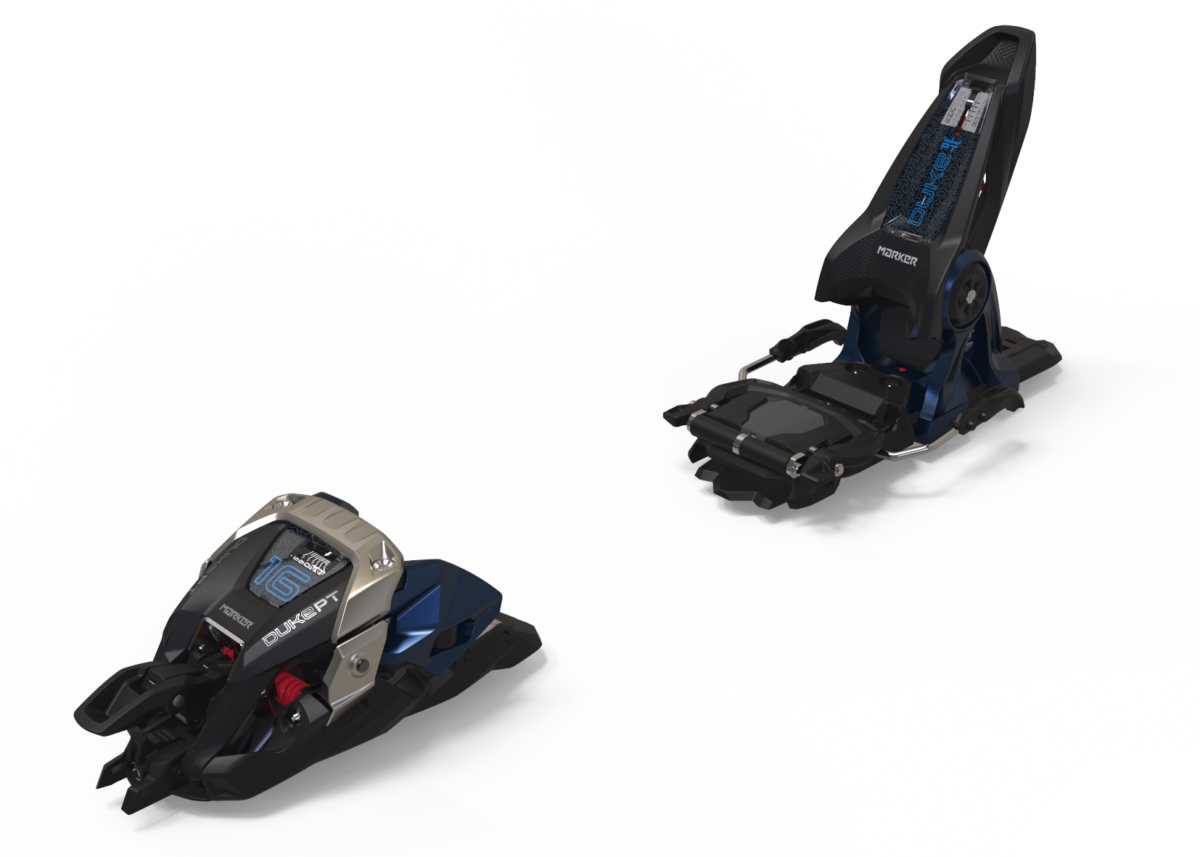
To put it simply, the DUKE PT is designed based on the company's flagship model, the Jester. While the heel piece remains largely the same, the toe piece is made deformable, allowing it to function as a tech binding when walking and providing the same stable glide as the Jester when skiing. The toe piece housing weighs 300g, so storing it in a backpack or similar when climbing reduces the weight on your feet
The most distinctive feature of the DUKE PT is its excellent gliding performance. Freeride requires quick turns to adapt to changing slopes, making board maneuverability crucial. Compared to the company's demo and race bindings, the Jester is designed to be more compact, with the toe and heel pieces concentrated in the center of the foot. The heel piece is also designed with a vertical spring, rather than a horizontal spring, which is more effective on jumps and rough slopes. Freeride models are designed this way to directly transfer the power transmitted from the foot to the board, resulting in excellent swing weight
How SHIFT bindings work and what they are good at
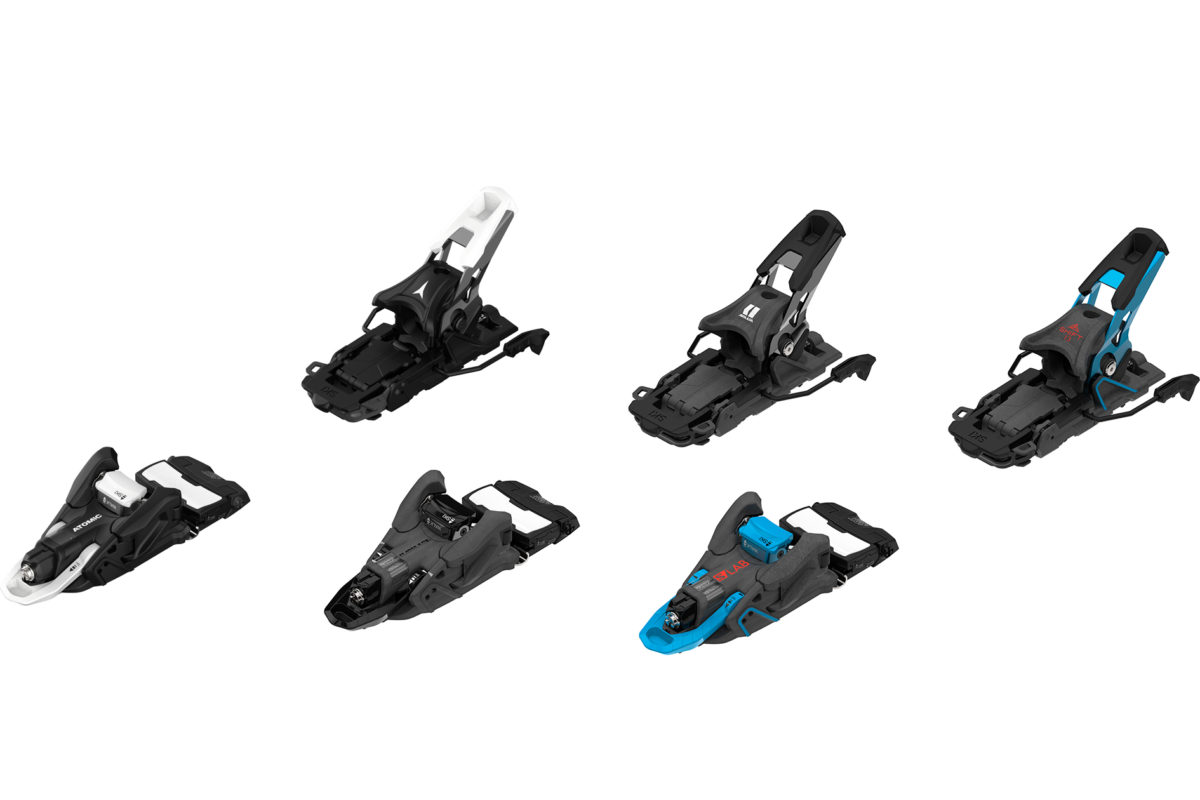
From the left, it is available from three brands: ATOMIC, ARMADA, and SALOMON. The performance is the same but the color is different.
The SHIFT MNC surprised the ski scene when it was released three years ago. Unlike the DUKE PT, this binding has no detachable housing on the toe piece, making it a touring and alpine binding all in one
Its greatest appeal is its light weight, weighing just 885g per shoe, comparable to tech bindings. At the time, skiers were faced with a choice between tech bindings if they prioritized walking comfort and speed, and frame tours or alpine trekkers if they prioritized skiing, even if they were a little heavier. This revolutionary item was released for skiers who were forced to choose between these two options
For comparison, tech bindings from other manufacturers weigh between 550g and 700g. Frame touring bindings weigh around 1100g. Salomon's alpine bindings, the STH WTR 16, weigh 1220g. While significantly lighter than alpine and frame touring bindings, they are still comparable to tech bindings
It's a step-in type, and the welt of the toe piece holds your toes in place. This means your toes don't feel light, and you get a firm hold. The glide performance is almost the same as regular alpine bindings. There's no doubt that you can glide just as well as with alpine bindings, but keep in mind that just because they're "light" doesn't mean they're as rigid as regular alpine bindings
What situations and styles is it recommended for?
Riders who use the DUKE PT liken this model to a "walkable Jester." As these words suggest, it's no exaggeration to say that the toe piece of Marker's top-of-the-line Jester model is equipped with the functionality of Marker's Alpinist (lightweight tech binding). As you can imagine, this means you can walk easily and quickly to your destination, while still enjoying top-notch gliding performance. You won't have to worry about mashing or cliff jumping
The intended style is that this is the perfect item for aggressive skiers who want to hike up and enjoy freeriding on the snowy mountains to their heart's content
On the contrary, SHIFT is a good fit for skiers who prioritize lightness while still wanting to ski safely on moderate slopes. It is chosen by skiers who want to reduce weight, and by those who are worried about heavy bindings, but still want a sense of security when skiing. In other words, it is a performance that everyone wants, and the SHIFT MNC is a binding that matches the preferences of a wide range of users
Also, bindings only perform to their full potential when paired with the board. It's best to buy boards that fit your riding style and choose bindings to match those boards. For example, if you're planning on going on a tour with lightweight boards and carrying a light load, the DUKE PT probably won't be a good match. Conversely, if you're planning on riding steep slopes with heavy, rigid boards, the SHIFT MNC is the wrong choice
Please also consider compatibility with your board when making your selection. The DUKE PT comes in release values of 16 and 12, while the SHIFT MNC comes in release values of 13 and 10. The difference in release value will likely be a deciding factor in your choice