

Of all the ski gear, bindings have undergone the most innovative evolution. Their history has focused on the pursuit of gliding performance and safety, but with the current increase in demand for backcountry skiing, there is also a growing desire for lighter, more comfortable hiking capabilities. In this context, compatibility with boots is becoming increasingly important. There is also a lack of understanding surrounding "misconceptions about release." It's important to understand this, as it directly impacts your own safety
*The editorial department has compiled basic information about bindings after interviewing Ryusuke Miura of MDV Sports (Marker Bindings) and Tomoya Takahashi of Dynafit
POINT 1 Broadly classified into 5 types
Currently, there are many different models released by various companies in each category, making it difficult to choose, but we have deliberately divided them into five types. For bindings to function properly and safely, they must be compatible with the boots, so it is best to purchase them from a specialist store, including installation and adjustment. As a reminder, authorized retailers in Japan will not sell incompatible boots and bindings
[1_ALPEN BINDING]
Ski bindings feature a reliable and safe safety release mechanism that has been cultivated over the years. Anyone can easily attach and remove them, and the separate type allows you to utilize the natural flex of the skis, which is a major advantage.

DIN=7-16 ¥38,500
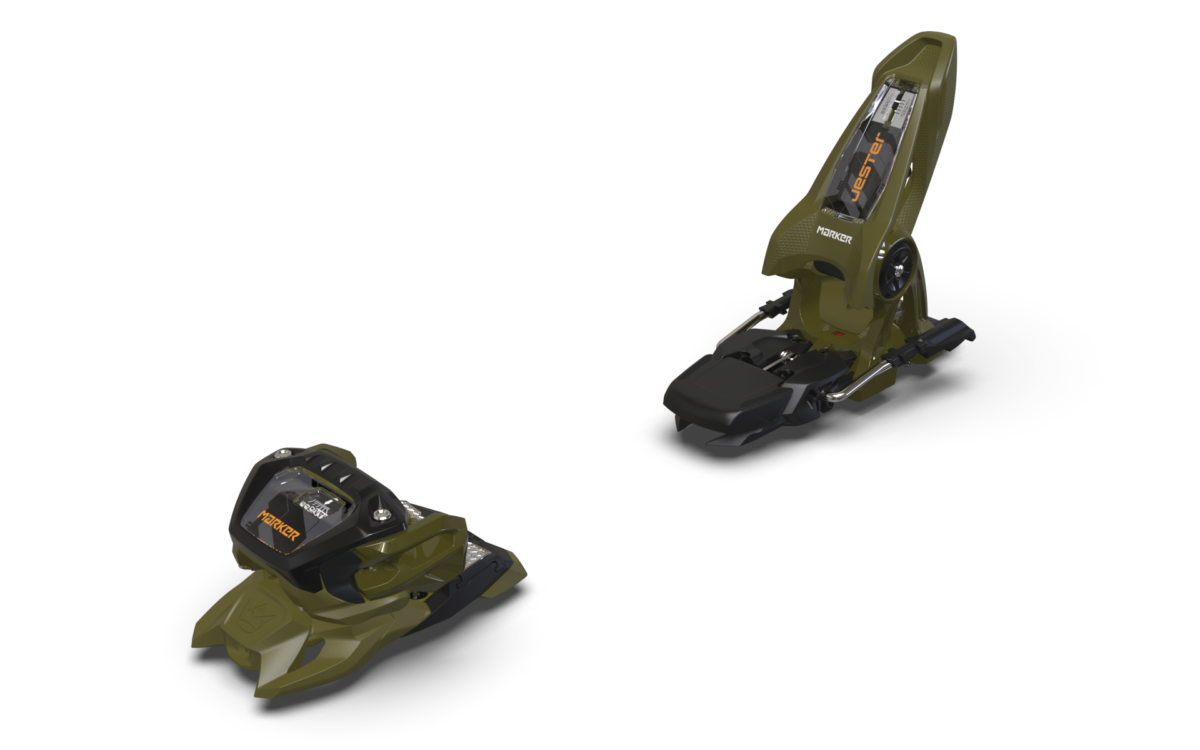
DIN=6-16 ¥61,600
[2_FLAME TOUR BINDING]
The biggest advantage is that it can be used with your existing alpine ski boots. The fitting and release process is the same as for alpine bindings, which is also a good thing. However, when using the climbing mode, it is difficult to lift your heel and walk with the heavy heel piece.
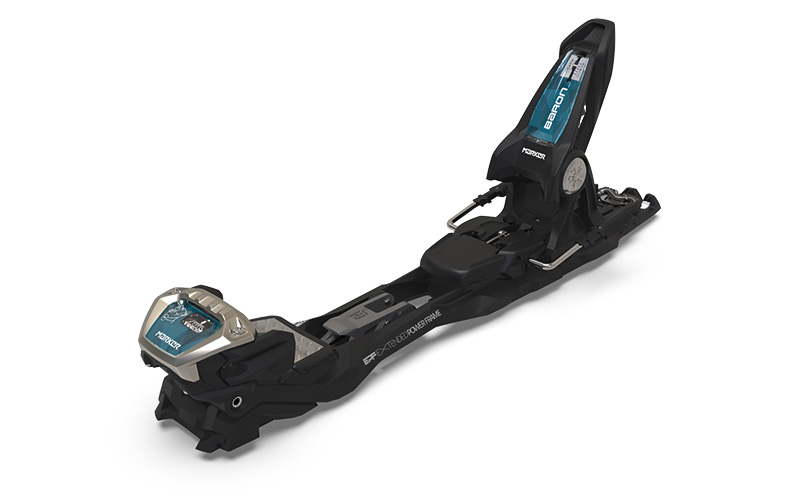
DIN=4−13 W=1390g (1/2pair) ¥61,600
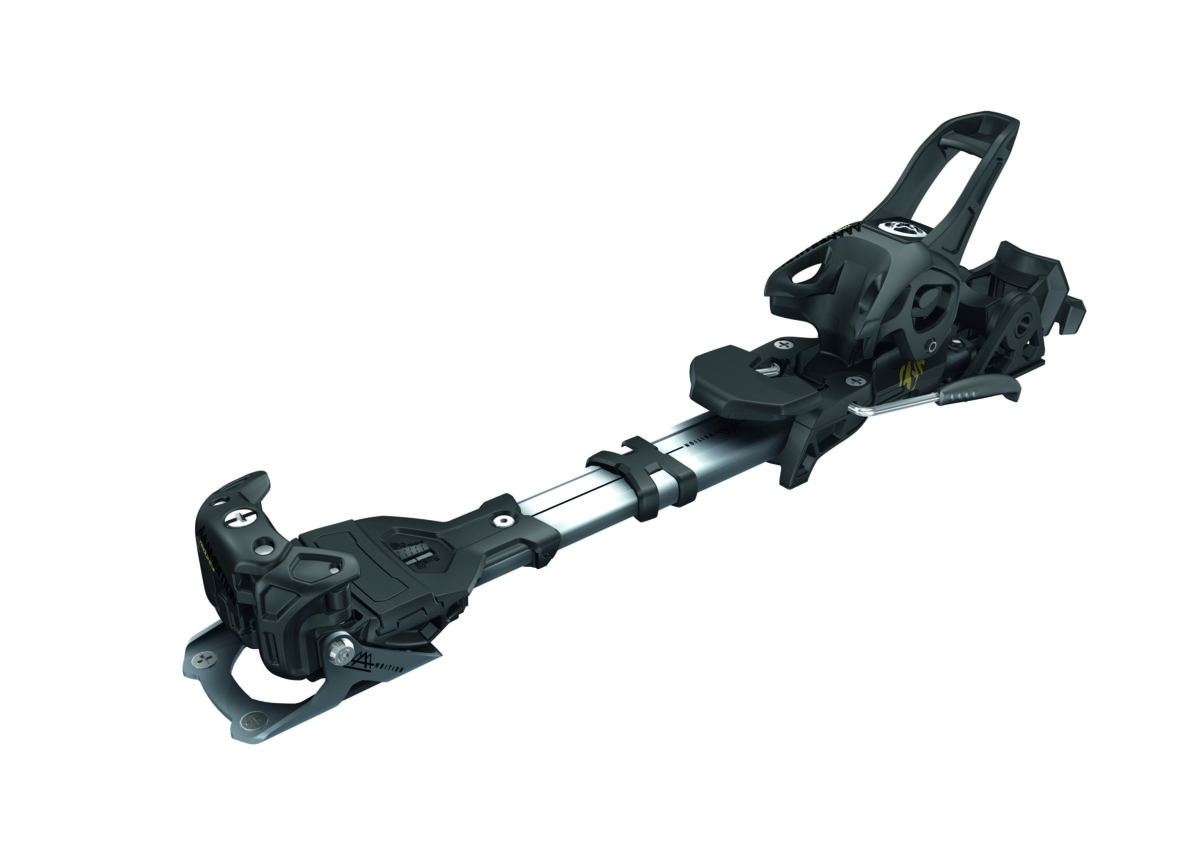
DIN=4−12 W=1980g ¥55,000
[3_TEC BINDING]
A simple and lightweight mechanism that holds the toe with a pin, so when hiking, the only thing lifting your foot is the weight of the boot. It is very lightweight and advantageous for hiking uphill, but the feeling of hold when sliding and the safety release function are slightly inferior to alpine types.
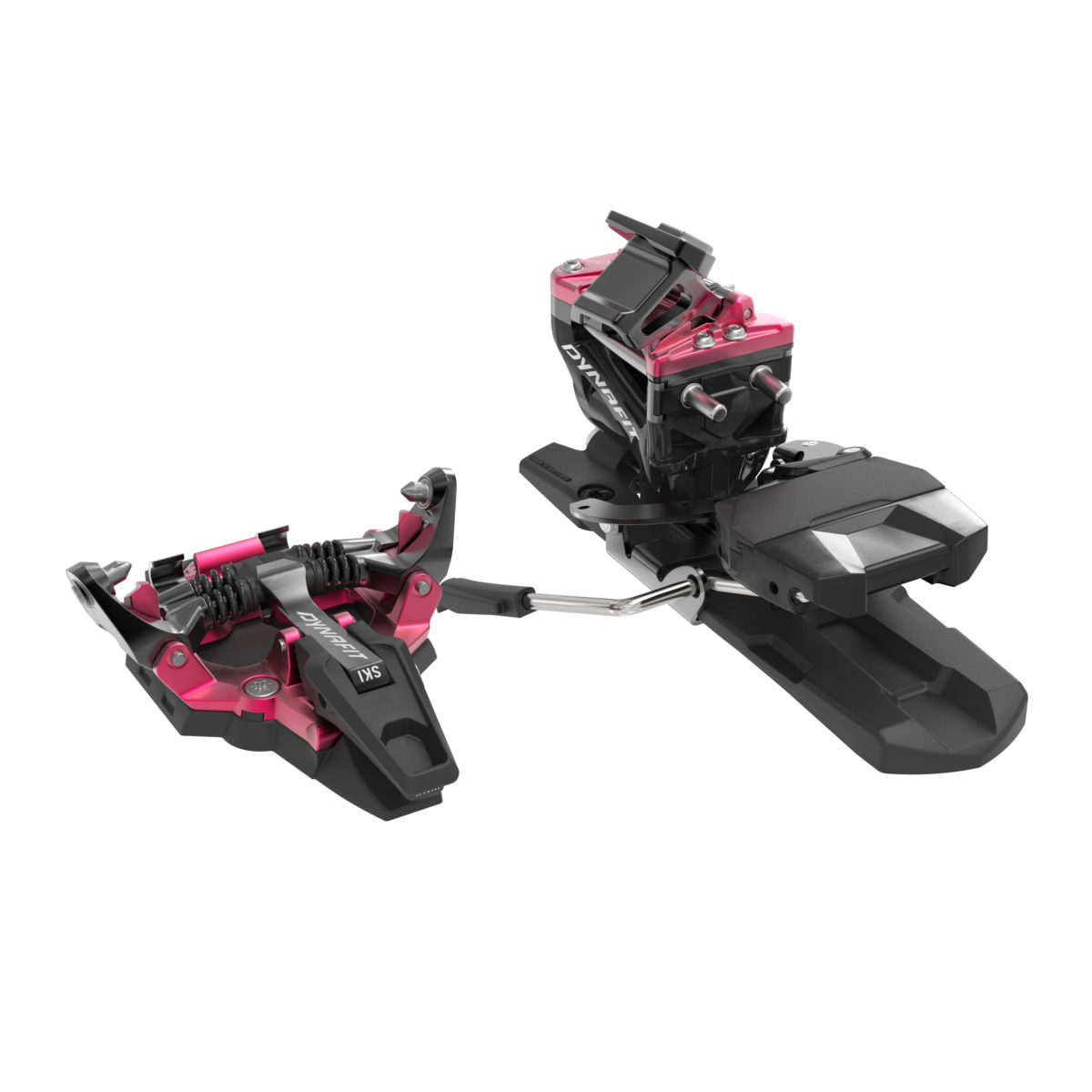
DIN=4−10 W=520g ¥73,700
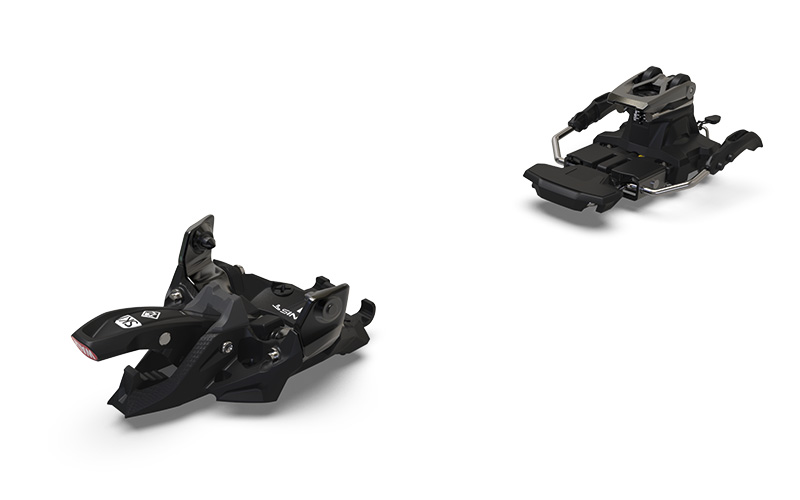
DIN = 6-12 W = 360g (with brake) 270g (without brake)
¥90,200 (with brake) ¥80,300 (without brake)
[4_HYBRID TEC BINDING]
Equipped with a heel piece that presses down on the heel edge with spring force, similar to alpine bindings, it provides excellent heel hold when skiing. When hiking, the toe system and lightweight design, similar to tech bindings, are advantageous.
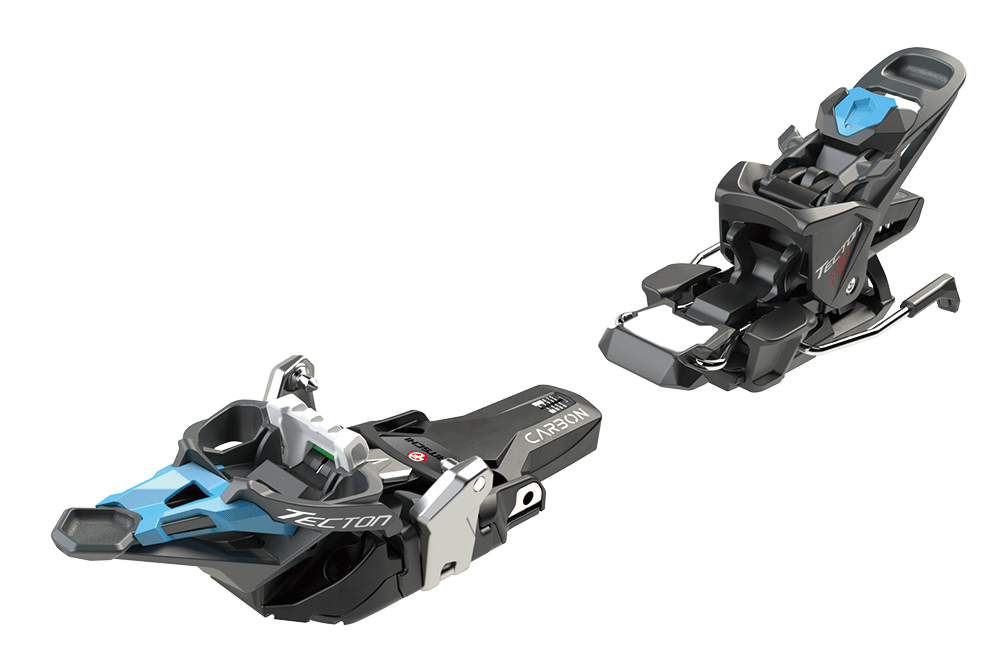
DIN=5-13 W=550g (1/2pair) ¥87,450
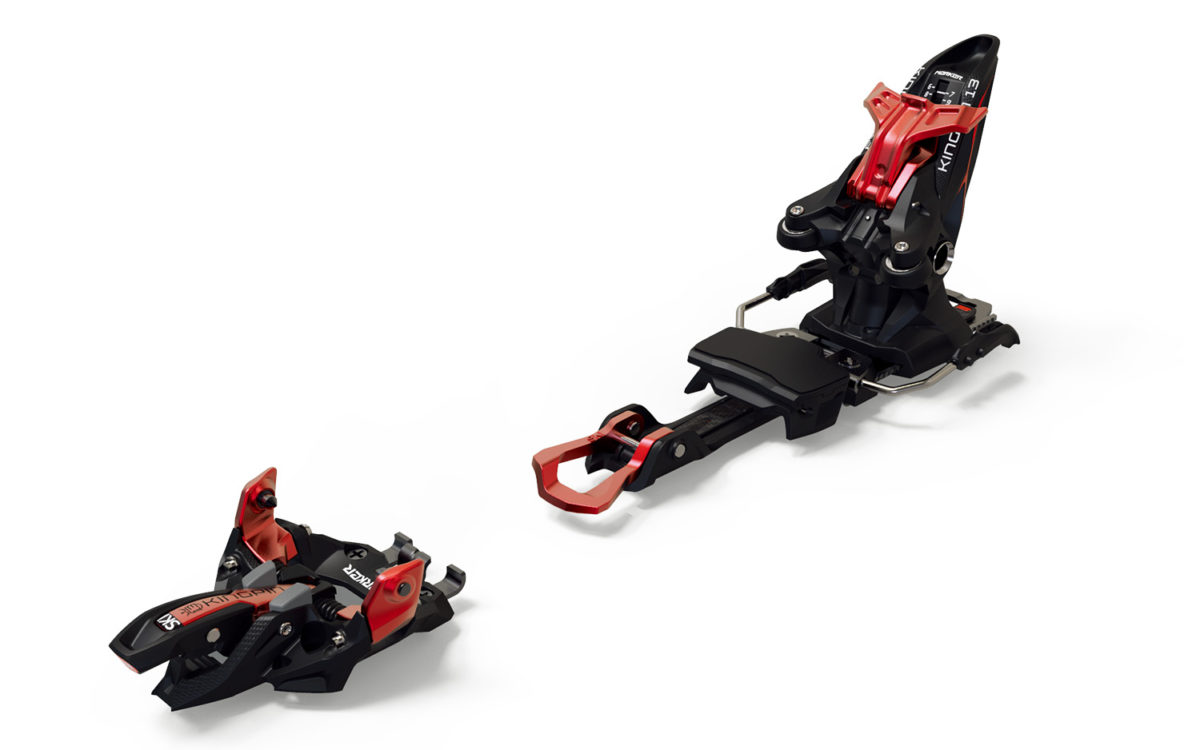
DIN=6ー13 W=715g (1/2pair) ¥118,800
[5_DUKE PT/SHIFT]
"Salomon Shift" and "Marker Duke PT". The sliding mechanism is the same as the alpine type. When climbing, you can hike lightly like with tech bindings by using the tech parts with adjustable toe pieces.
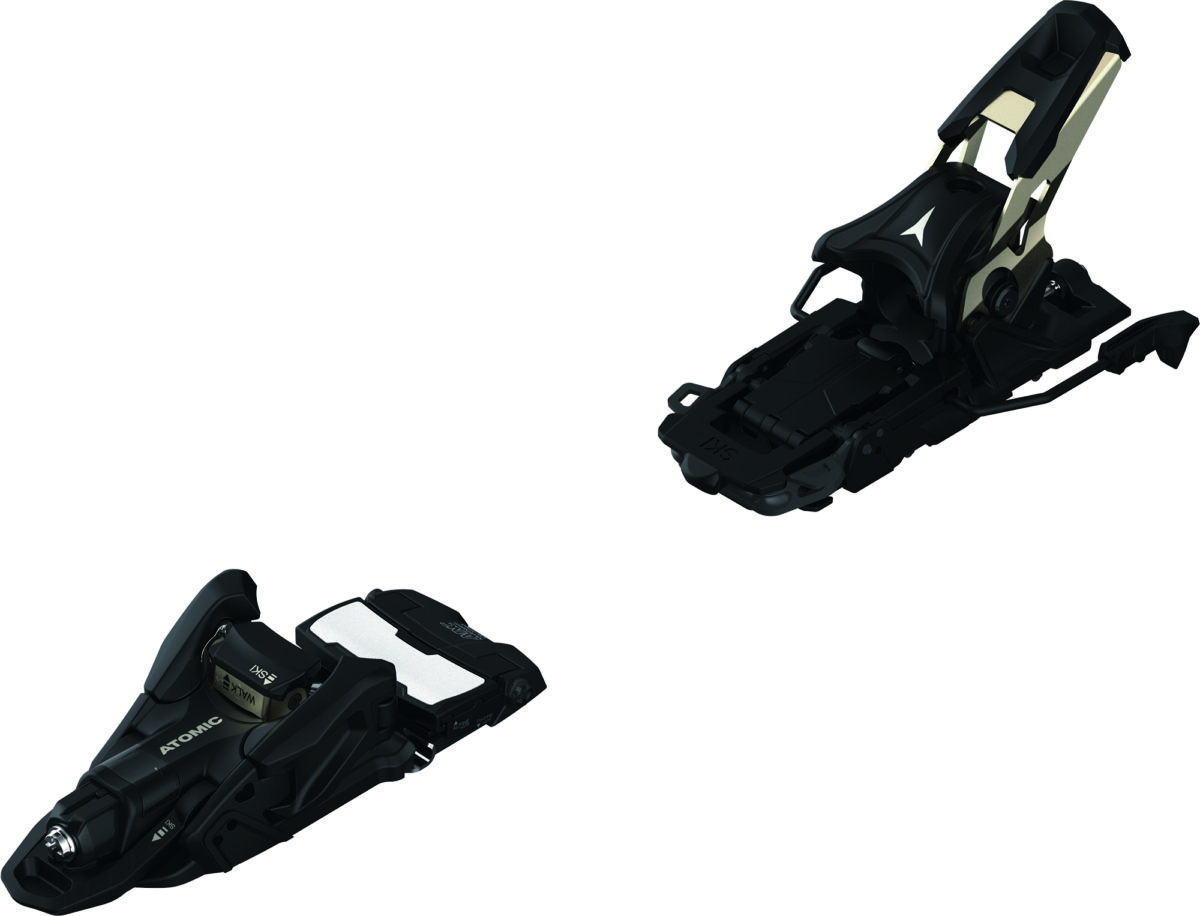
DIN=6-13 W=880g(1/2pair)
¥93,500
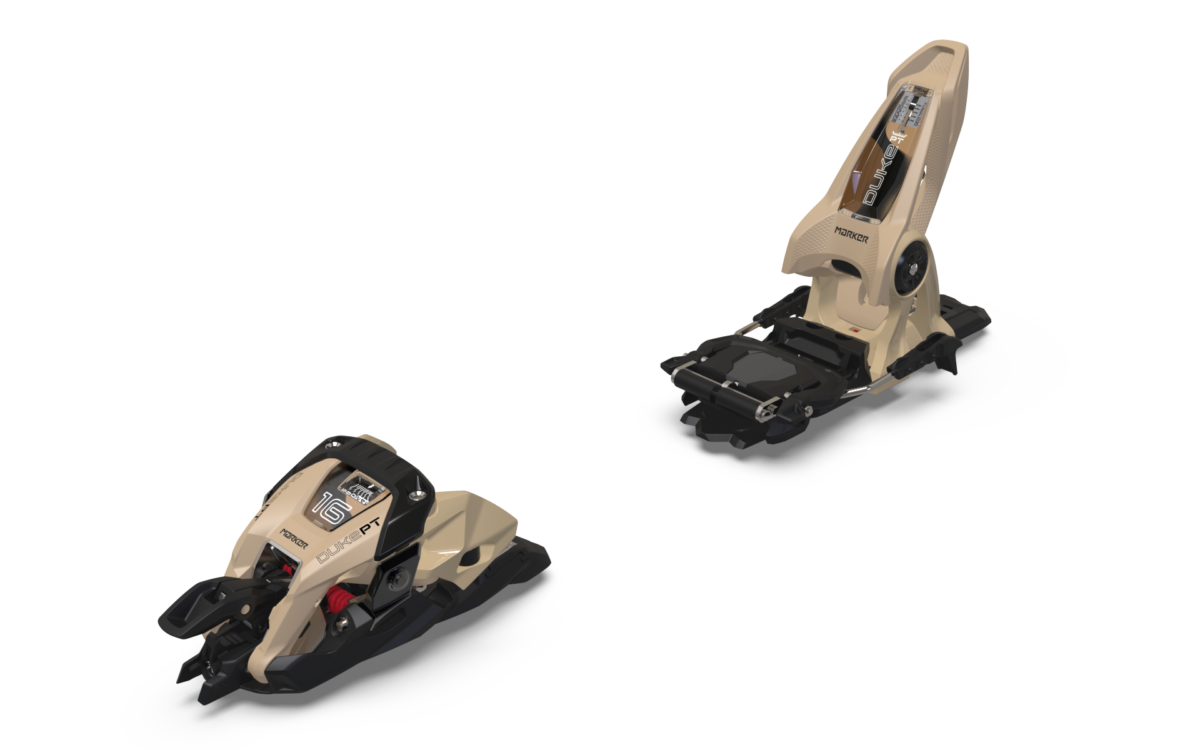
DIN= 6-16 W=1350g (1/2pair)
¥115,500
POINT 2 Release mechanism
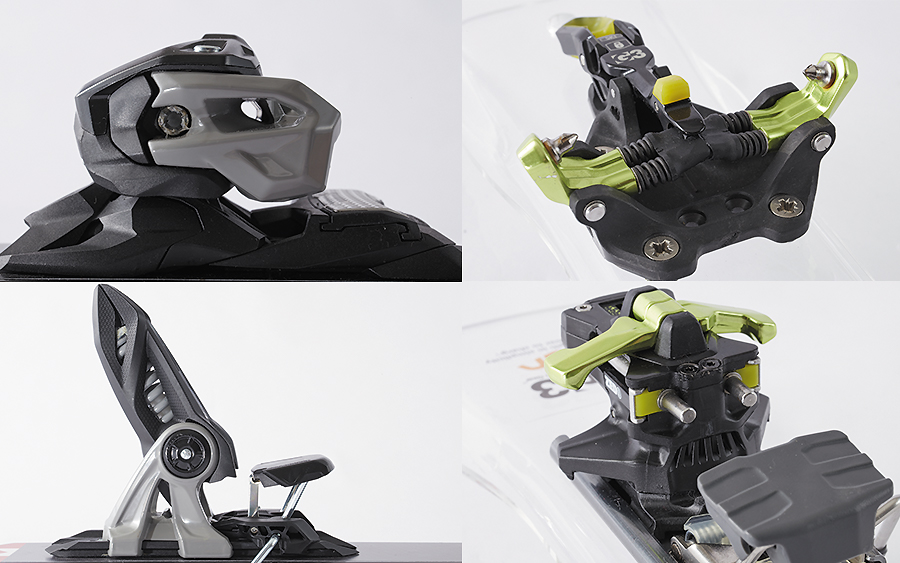
Although the boots appear to be fixed in place while skiing, they actually move in and out of the space between the heel and toe pieces in small increments due to the force of the turn and the impact from the snow surface. The spring built into the binding constantly works to return the boots to the correct position. This is the important function of the binding, its "recovery."
When the force applied to the binding is so great that the spring cannot return it to its original position, the binding will release the boot. This is the basic mechanism of the safety release function
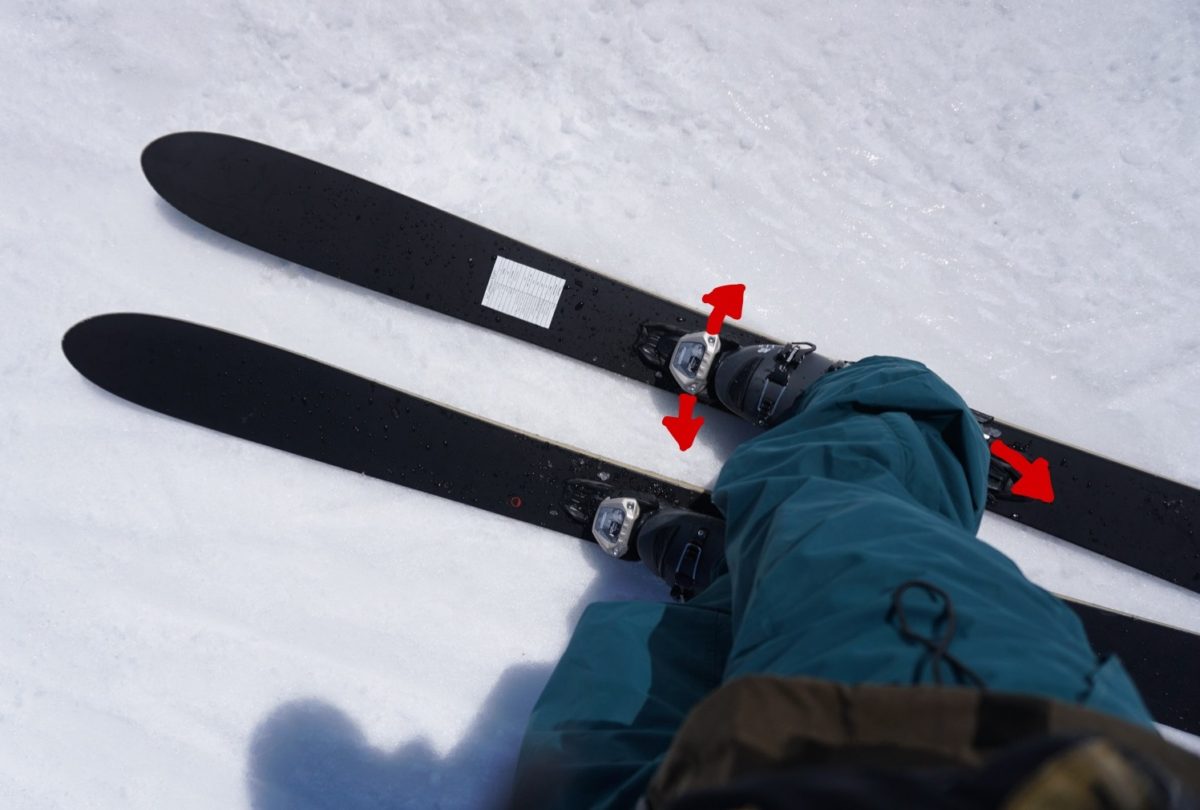
During a safety release, the toe piece releases the boot left and right, while the heel piece releases it upward. There are various release mechanisms depending on the brand and model, but in fact, the basis for all release is a combination of horizontal and vertical movements, and this combined vertical and horizontal release is what allows them to respond even to backward twisting falls, which are considered the riskiest
The heel releases the boot upwards, and the toe releases the boot sideways. This is the basis of the release function
POINT 3 Tech binding release function
Tech bindings also have a safety release function, which primarily releases the boot by rotating the heel piece. At the same time, the boot also comes off the toe piece, which is subject to excessive force. As you can see from the use of the locking function in hike mode, it's a small spring that releases with little force. Some models also have an independent release function in the toe piece, and even with this, the system still seems to have room for improvement compared to alpine-style release mechanisms
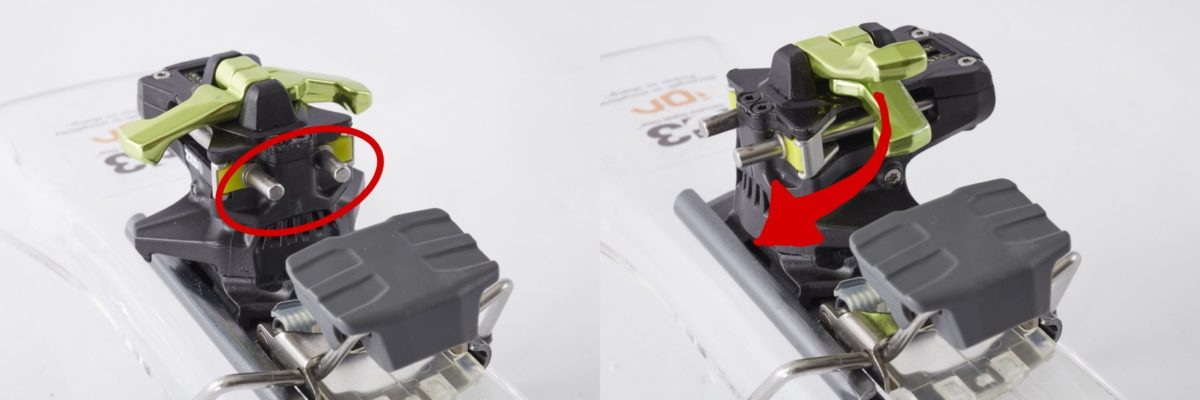
Right) If there is vibration or impact that exceeds the length of the bars, the heel piece rotates to release the boot.
POINT 4 Is it strictly forbidden to adjust the release value?
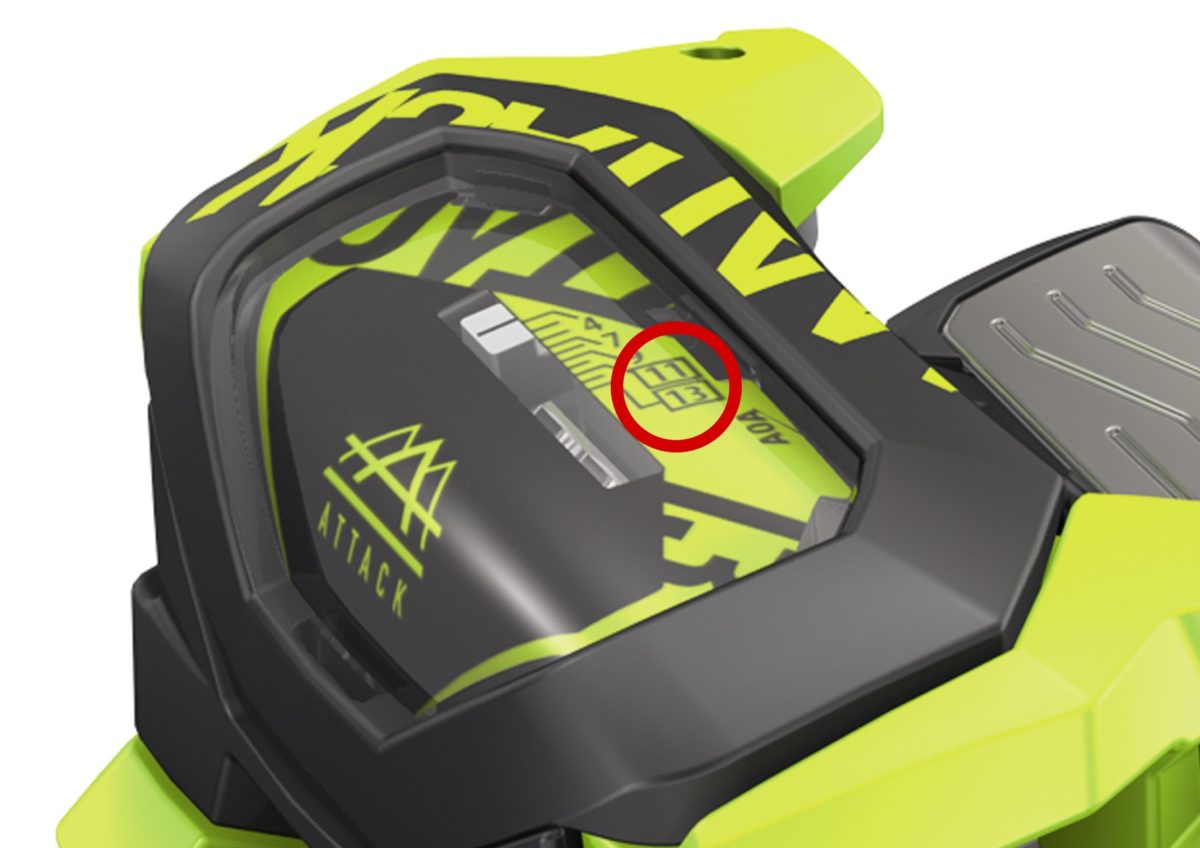
Only trained SBB-certified technicians can install and adjust bindings; adjustments made by anyone other than the owner (even the owner) are void due to safety concerns. Furthermore, setting the release value to 11 or higher is entirely at your own risk. This is because, regardless of the manufacturer, all products are designed to have a release value of up to 10, as long as the weight is within the recommended range for each model

POINT 5 Are there no misconceptions?
There is no such thing as "mis-release" in bindings that have been properly adjusted by an SBB-certified technician. Mis-release occurs when a force greater than the appropriate value is applied, such as when landing from a jump or skiing down a steep slope with rough footing. For this reason, many competitive and rider-class skiers tighten the bindings beyond the appropriate release value, but even in this case, the risk is entirely at their own risk. It is important to understand that neither the retailer nor the manufacturer will provide any warranty coverage
POINT 6 Compatibility with boots
For example, flat-soled alpine boots and rounded touring boots cannot be used with the same bindings because of the difference in welt height. Also, while the rubber block soles of touring boots are comfortable to walk in, they do not allow the retention and safety release functions of alpine bindings to function properly
This led to the creation of international standards set by the International Organization for Standardization (ISO). The aim of standardizing standards is to ensure compatibility and safe function between different manufacturers, categories, and models. Currently, there are two ISO standards for bindings and boots, and the compatibility between them is summarized in the table below

MARKER's "SOLE ID," SALOMON/ATOMIC's "MNC," TYROLIA's "MN," and other OEM brand bindings can be made compatible with both alpine (ISO5355) and touring (ISO9523) boot sole standards by adjusting the height of the gliding AFD on the toe piece. Bindings that are compatible with GripWalk are always marked with the GripWalk mark
Supervised by Ryusuke Miura (MDV Sports Japan), Tomoya Takahashi (Dynafit)
Text by Chikara Terakura