

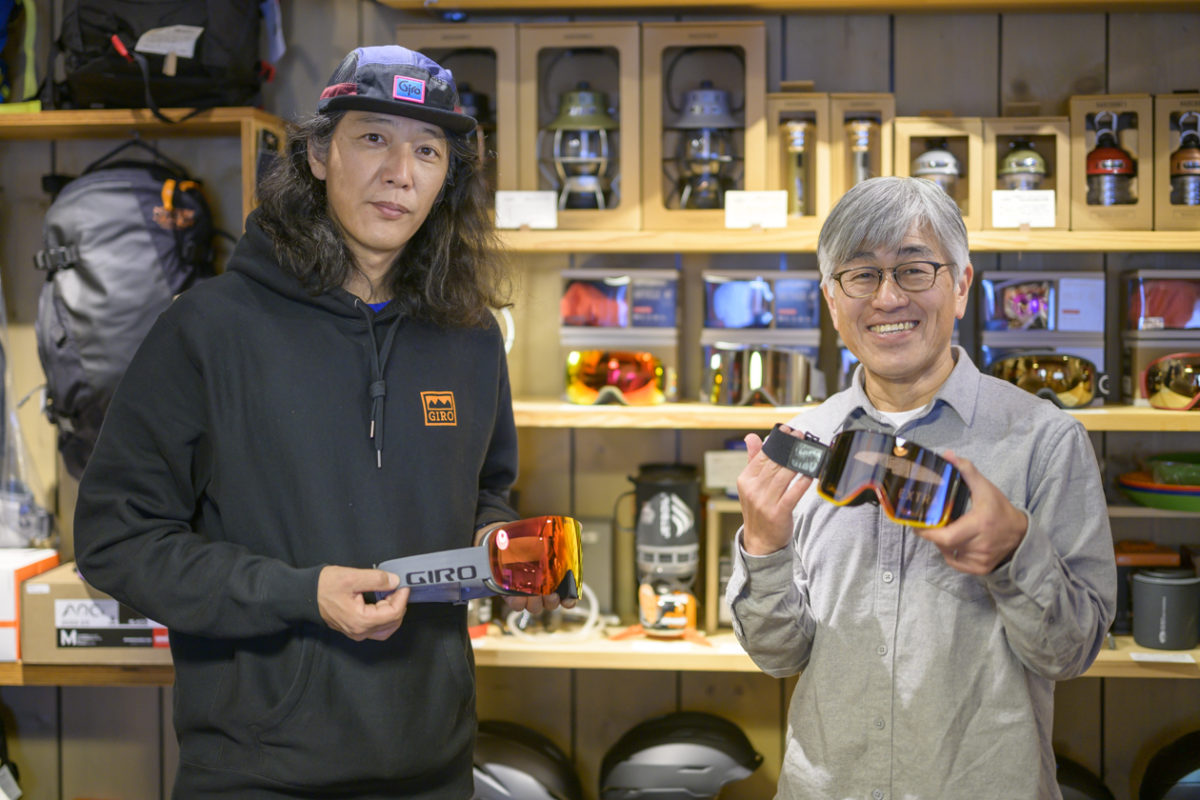
Yamaki Tadahiro is a professional skier who runs beginner-friendly backcountry tours across Japan, even while skiing in remote areas. Hayashi Takuro is a freelance writer who contributes to ski and snowboard magazines and runs the outdoor equipment store "Transit Higashikawa" in Hokkaido. Both skiers are GIRO avid users, so why do they continue to use this product? To find out the reason, we asked them the question of "When choosing goggles."
Photo/ Yukinori Otsuka
If you view goggles as a practical item
Hayashi: Yamaki-san, thank you for joining us today
Yamaki: Thank you very much
Hayashi: First off, how long have you been with GIRO, Mr. Yamaki?
Yamaki: Yes, it's been 15 years since the first year that GIRO decided to make snow goggles
Hayashi: Professional skiers have been using GIRO as their equipment for that long. From your perspective, what do you think are the key points to consider when choosing goggles?
Yamaki: You've gotten straight to the point (laughs). Well, one thing I think is that goggles are like skis and boots, they're completely practical items. The question is how useful they are on the snow
Hayashi: That's true
Yamaki: That's why I think functionality is the most important thing
Hayashi: That was the quickest answer I could get (laughs). I think that's correct. One thing I've noticed is that goggles have two aspects: functionality and marketability, but when choosing a product, you end up discussing these two aspects together
Yamaki: Ah, I totally understand that. Product quality means things like appearance, price, and brand image, right?
Hayashi: Yes, that's right
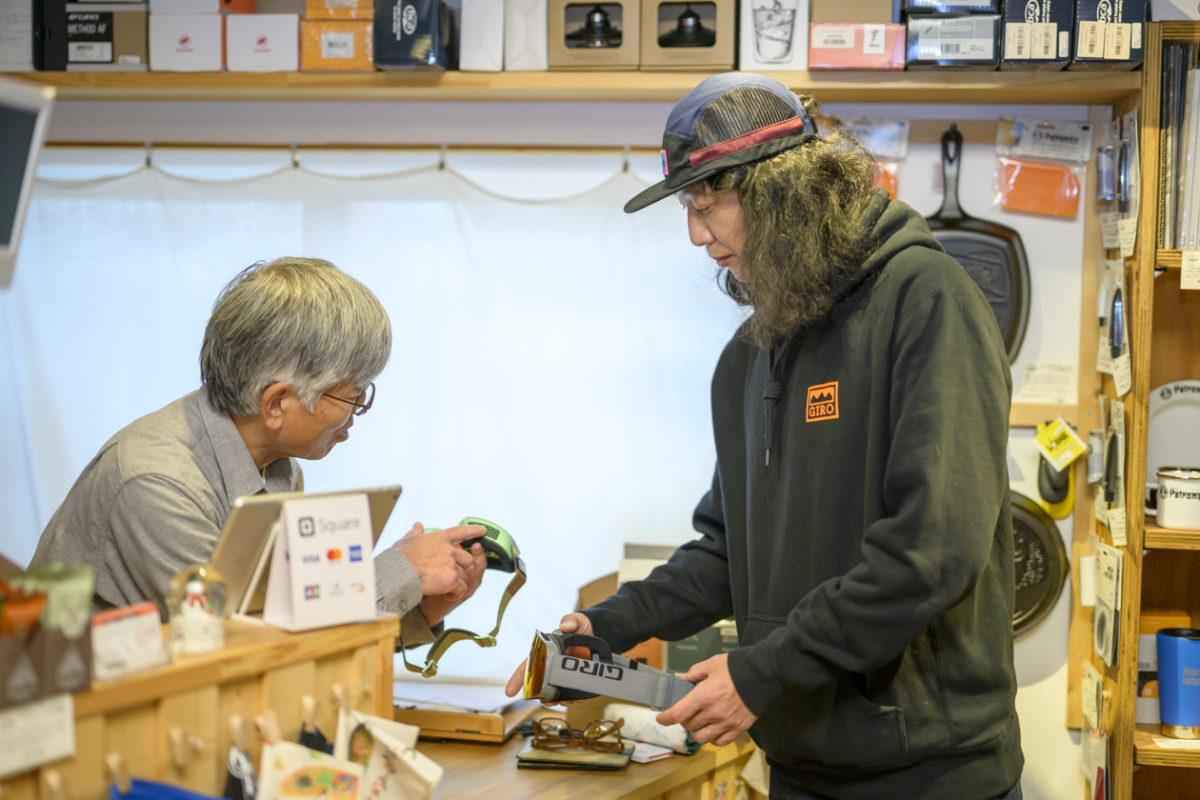
Yamaki: So, functionality includes things like field of view, lens characteristics, anti-fogging, and fit?
Hayashi: That's right. These two things should be discussed in terms of completely different values, but it feels like they're mixed together without any clear boundaries. That's why I think users aren't able to properly sort out what they want
Yamaki: Yeah, yeah
Hayashi: I realized this after I started running my own shop and speaking directly to customers
Yamaki: I think that perspective is very easy to understand
Hayashi: Yamaki-san, do you get the impression that GIRO is focused on functionality?
Yamaki: That's definitely true. Of course, there are products with really cool designs, like the Fender collaboration models from CONTOUR, AXIS, and METHOD that are out this season, and there are also models with great value for money like the BLOK, so I think they really value product quality. But the basic functionality that underlies all of these products is high-level. There's something about the basic construction that makes it seem like it's one level above the rest
Hayashi: Is it like building a foundation with functionality and then adding marketability on top of that?
Yamaki: That's right. So you can't go wrong by choosing based on product quality. But if you carefully consider functionality before making your selection, you'll end up with goggles that are truly easy to use, and I think it'll take you to a new world where you'll realize goggles are so easy to see through!
GIRO specs directly linked to functionality
Hayashi: So, I think we should focus on functionality
Yamaki: Yes
Hayashi: I'd like to ask about the four main functionalities: field of view, lens characteristics, anti-fogging, and fit
Yamaki: Yes
Hayashi: Yamaki-san, you've been using CONTOUR for a long time. What's the reason behind that?
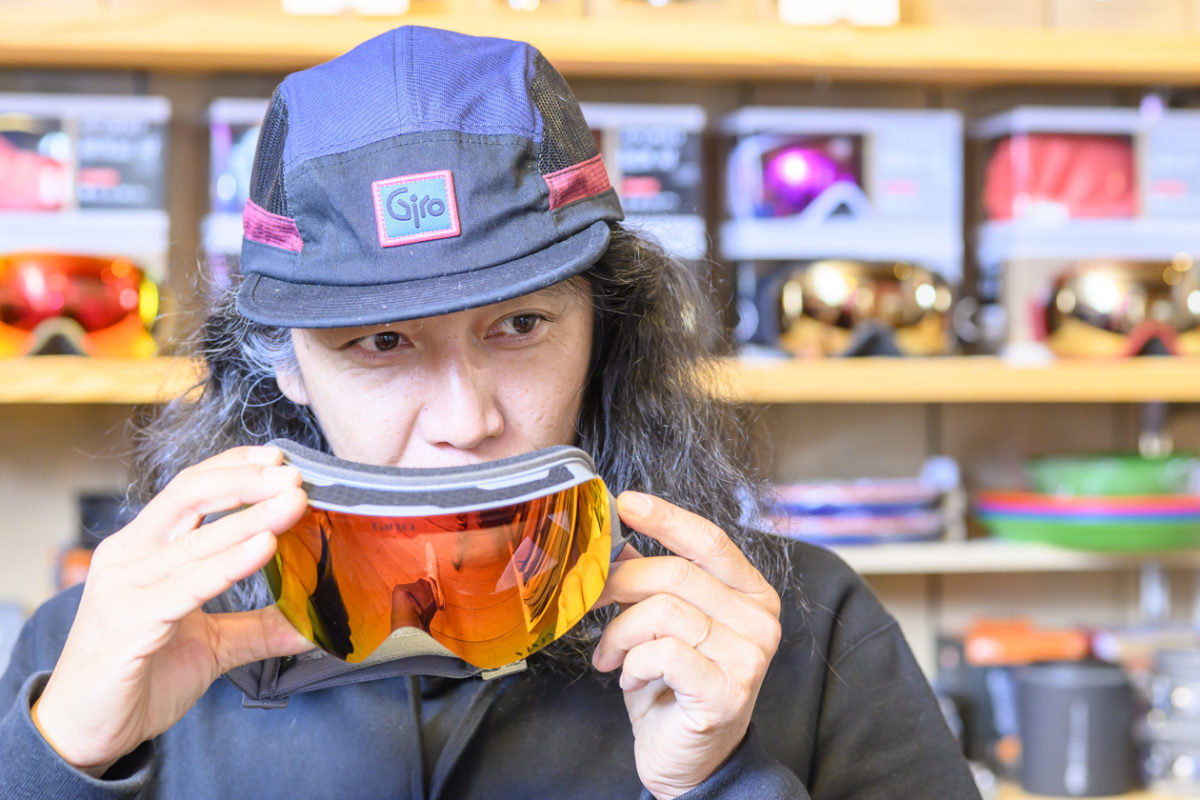
Yamaki: The CONTOUR has a very wide field of view. It uses a frameless design called EXV+ technology, but the lateral field of view is the same as with the naked eye. When you're skating, you look at all sorts of things in detail. It would be great if you could see by just moving your eyeballs at that time. If you had to move your neck because the frame was in your field of view and it was hard to see, you wouldn't be able to keep up with things
Hayashi: That's an opinion that only a professional can have
Yamaki: No, no, it's true even though we don't realize it. When you're skating, your eyes move more than you think. I think if you use CONTOUR, you'll realize that the field of view of goggles you've used up until now has been so narrow (laughs)
Hayashi: I see
Yamaki: What about you, Hayashi? What do you like about it functionally?
Hayashi: I'm really into VIVID lenses. They're not dazzling even on a bright sunny day. I can ski until the evening without feeling any inconvenience. The range that can be covered with just one lens is incredibly wide
Yamaki: That's true. Also, VIVID is easy to see in flat light on cloudy days or in a snowstorm
Hayashi: That's right. The worse the conditions, the better it becomes. It enhances contrast in weak light, so the scenery at night games becomes clearer and easier to see
Yamaki: Actually, I like dark lenses. Even before VIVID came out, when it was hard to get contrast on cloudy days or in a snowstorm, I would use a slightly darker lens to tone down the image
Hayashi: Is that so? It seems like the opposite of the usual method
VIVID lens technology effectively manipulates blue light by filtering in contrast-enhancing blue light and blocking harmful UV rays. By intelligently manipulating blue light, VIVID lenses eliminate blurred vision and provide clearer vision for your skating line. This reduces eye fatigue, improves responsiveness, enhances confidence, and provides precise vision without color saturation. For more information, please watch this video
Yamaki: If you use bright lenses because you can't see in flat light, your eyes get used to the brightest part of your field of vision, making it hard to see in the dark. So when VIVID came out, I tried them out and really liked how the slightly darker lenses looked. Shadows in dark places were clearer than ever before
Hayashi: This is a good one!
Yamaki: That's true. I thought, "This is what I wanted!" And then I realized that although I had chosen dark lenses, it wasn't a matter of darkness, but of light transmittance. Lenses that are simply dark make it impossible to see in shadows, but lenses with lower transmittance simply suppress light across the entire range, from dark to bright, so you can see shadows even in the dark. Being able to see the way I like is very important to me
Hayashi: I see
Yamaki: Mr. Hayashi, do you have any experiences like that?
Hayashi: I love VIVID's Onyx lenses for sunny days. They look red. The moment you put them on, the scenery looks like a sunset, but after 10 minutes, you forget what color lenses you're wearing. There's no color bias, and the colors of the scenery look natural
Yamaki: Yeah, I know that feeling very well
Hayashi: Some brands of goggles make it seem like you're looking through colored lenses, and it's hard to wipe that off all day, but GIRO doesn't have that color bias. I take photos too, so the lack of color bias is really helpful
Anti-fogging airflow
Yamaki: Hayashi-san, you normally wear glasses, but do you wear contacts when you're skating?
Hayashi: No. I have double vision, which means I see things double. This can only be corrected with glasses, so I wear glasses even when I skate
Yamaki: So doesn't that limit your options for goggles?
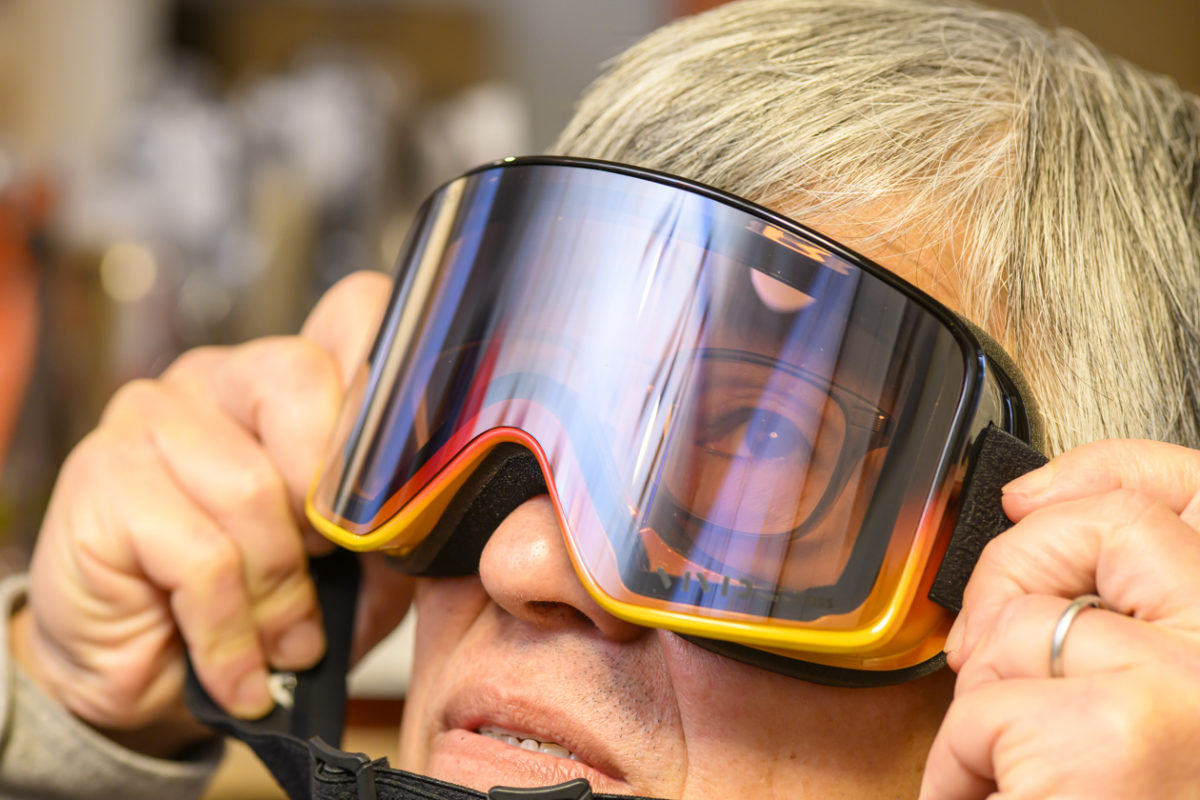
Hayashi: Actually, that's one of the reasons I chose GIRO. Almost all of GIRO's models have frames that are compatible with glasses. Of course, it depends on the size of your glasses, but I've been able to wear glasses without any problems
Yamaki: I see. But don't your glasses get fogged up?
Hayashi: Maybe it's because of the good airflow, but it almost never happens when I'm skiing. If I leave my goggles on while hiking uphill, they might fog up, but I've rarely had any issues with my glasses fogging up when I'm using them normally
Yamaki: That's true, I've also had trouble with my goggles fogging up..
Hayashi: In your case, Yamaki-san, there are times when you have to hurry back up because the weather looks like it's going to change during filming, right?
Yamaki: In those cases, I try to take my goggles off, but I don't think they've fogged up much even when I'm climbing with them on. Well, the CONTOUR goggles I use have magnetic lenses, so I can just remove the lenses
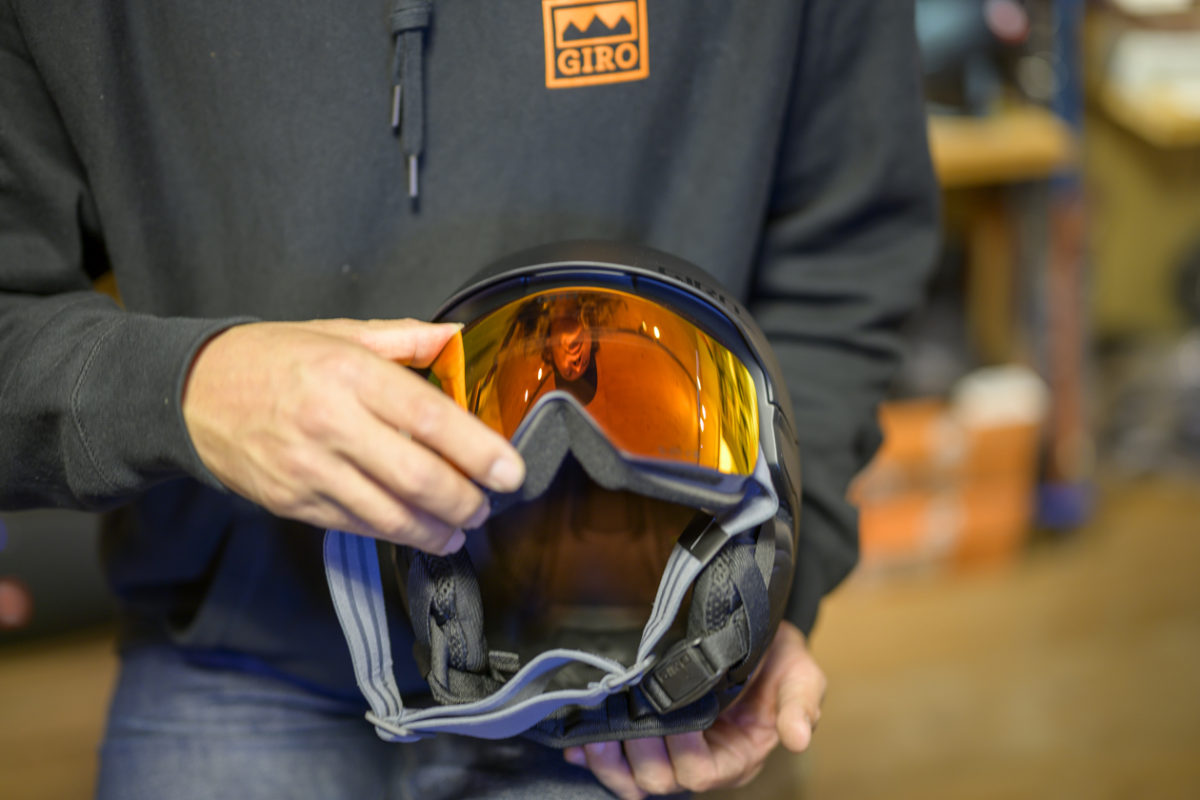
Hayashi: Yamaki-san, your helmet is also a GIRO, so it might be even less likely to fog up
Yamaki: That's true. Recently, goggle manufacturers have started making helmets, and helmet manufacturers have started making goggles, so it seems like goggles and helmets are becoming a set. Since they're made by the same company, the shapes are bound to match. Also, the wind that enters the helmet is effectively diverted to the goggles to prevent fogging, and the thickness of the helmet and the height of the base of the goggle straps are perfectly matched
Hayashi: It seems like all the little details have been put to good use
Yamaki: In that sense, it's best to get goggles and a helmet from the same manufacturer. And by the way, a helmet is essential. You can't go out and buy a helmet if you suddenly realize you're in trouble and about to hit something
Hayashi: The best thing is for people to laugh and think, "I was wearing this, but it was no use, it was an expensive purchase and a waste."
Yamaki: I really think that's true
I want to check compatibility, not just whether it's good or bad
Yamaki: I'm a GIRO athlete, so I only use GIRO products, but Hayashi-san is also a writer, so he uses a variety of products
Hayashi: That's right
Yamaki: But you still use GIRO now, and you have GIRO in your own shop
Hayashi: Yes
Yamaki: Is there any reason for that?
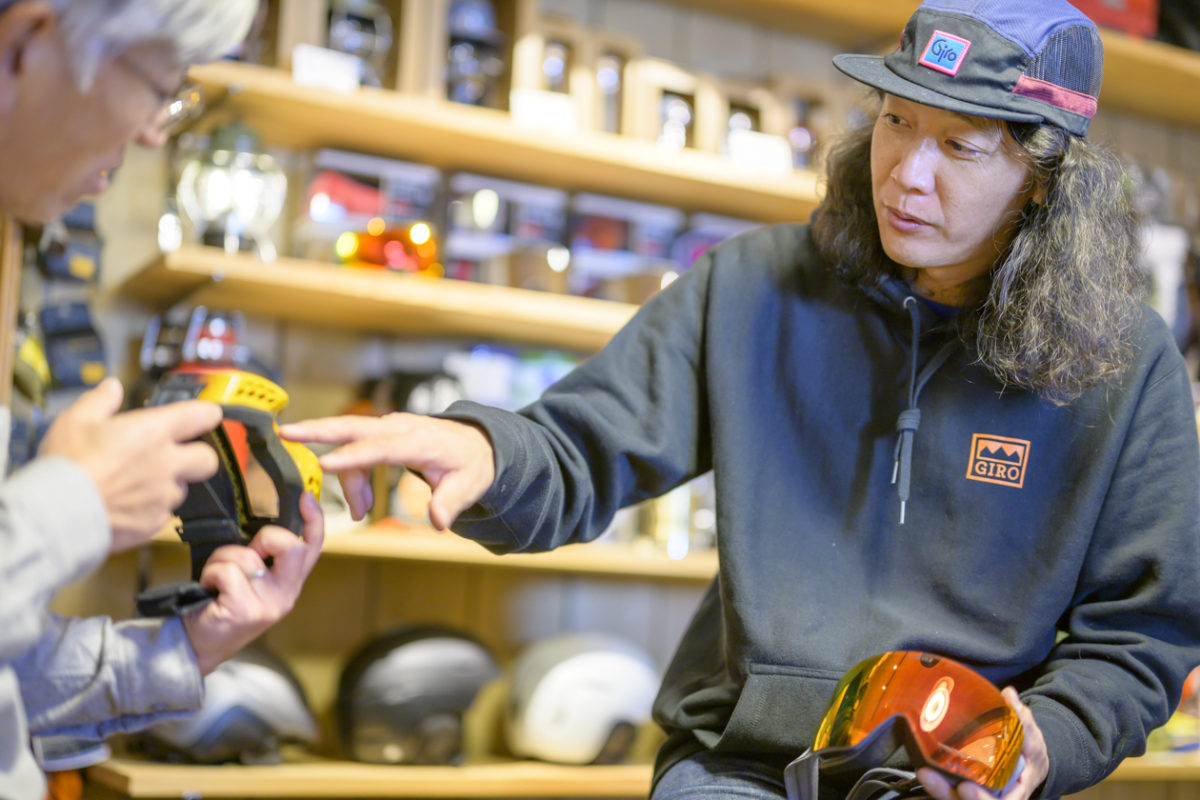
Hayashi: Well, in a word, as I said earlier, the VIVID lenses were a perfect fit
Yamaki: You must sometimes explain that to customers, right? How do you explain it to them?
Hayashi: Well, as you know, the human eye perceives three colors of light: red, green, and blue. Broadly speaking, modern high-contrast goggle lenses can be divided into three types: those that emphasize red, those that emphasize red and green, and those that emphasize blue, based on the wavelengths of colors that humans perceive.
Of these, the VIVID lens, developed jointly by GIRO and the prestigious German optical manufacturer ZEISS, emphasizes blue. Snow appears white because it diffuses light of various colors, just like how clear ice appears when shaved ice turns white. The actual color of snow is blue. So,
at GIRO, we emphasize light and dark based on the natural color of snow, making shadows more pronounced and allowing you to see clearly even in low-light conditions like cloudy days or blizzards.
Yamaki: Oh, that's easy to understand
Hayashi: First of all, I want people to know that there are differences in characteristics, such as those that emphasize red, those that emphasize red and green, and those that emphasize blue. It's not a matter of which is better or worse, or which is more powerful.
The characteristics of the human eye differ depending on the individual and race, and people have preferences for how they see. It would be great if you could choose goggle lenses that suit the characteristics of your eyes.
Yamaki: Yeah, that's certainly true
Hayashi: The problem is, even if you try on the goggles at the store, you can't tell what it will look like on the snow
Yamaki: That's true
Hayashi: Recently, I've started seeing signs in stores warning customers not to touch the goggles. With so much online shopping, I think people have fewer opportunities to actually touch the products. So when choosing goggles, people end up relying on product information such as brand image, design, price, and reputation
Yamaki: Yeah, yeah
Hayashi: But I think functionality is the most important thing. In that case, the only thing we can do is have users try them out on the snow and decide for themselves whether they like the way they see, whether these goggles don't fog up easily, or whether this foam is comfortable to wear for long periods of time. That's why we rent GIRO goggles at Transit
Yamaki: Ah, that's great
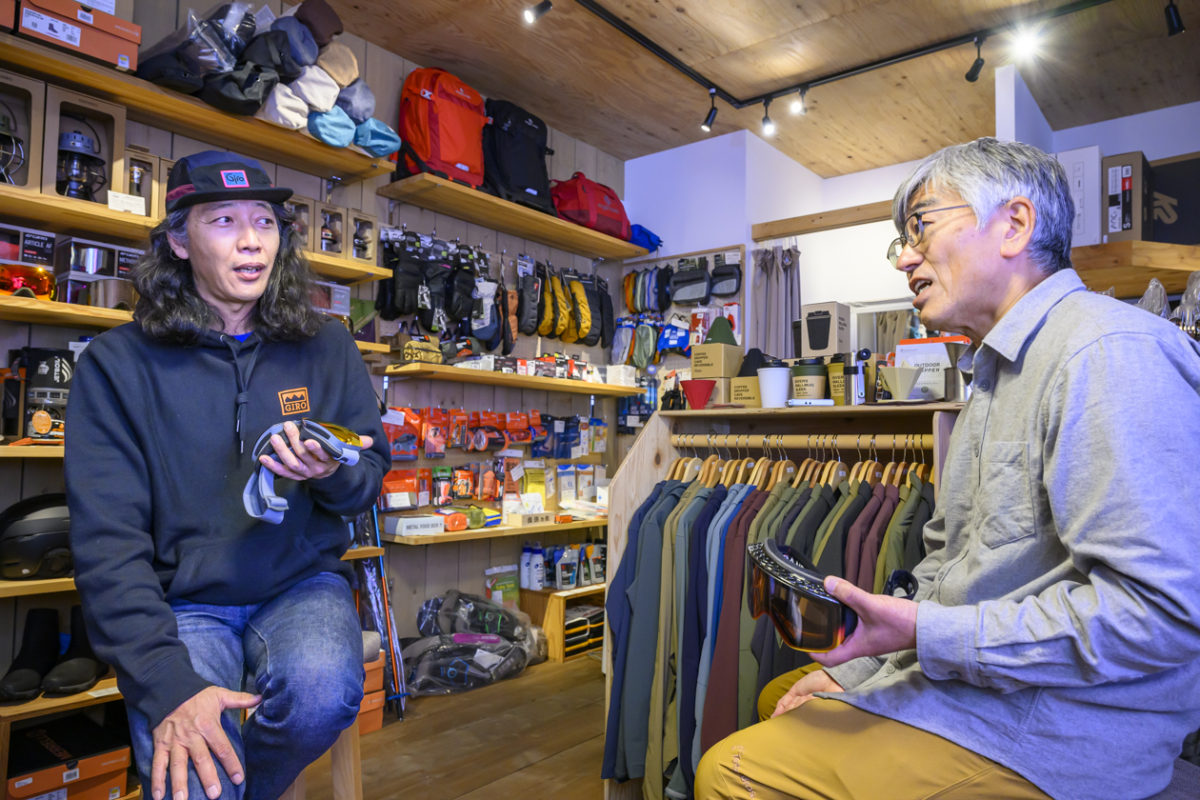
Hayashi: We only have a small selection of models in stock in our store, but if you try the VIVID lenses on in your usual field and compare them with your own goggles, you can see for yourself whether GIRO is right for you, and I think you'll be convinced of its functionality
Yamaki: This is a service that can only be provided by a shop so close to the mountains
Hayashi: As Yamaki-san said, goggles are practical items. So I think that buyers want to try them out for themselves. We want them to try out GIRO goggles on the snow and see how well they suit them. How well do the VIVID lenses, which emphasize blue, suit them? Just knowing that will bring you much closer to choosing the right goggles
Small considerations for long-term use
Yamaki: Also, there's one thing that's been bothering me
Hayashi: Yes
Yamaki: After skiing, I often see people putting their goggles on the dashboard of their car and blowing the defroster on them to dry them out
Hayashi: Yes, I see it often
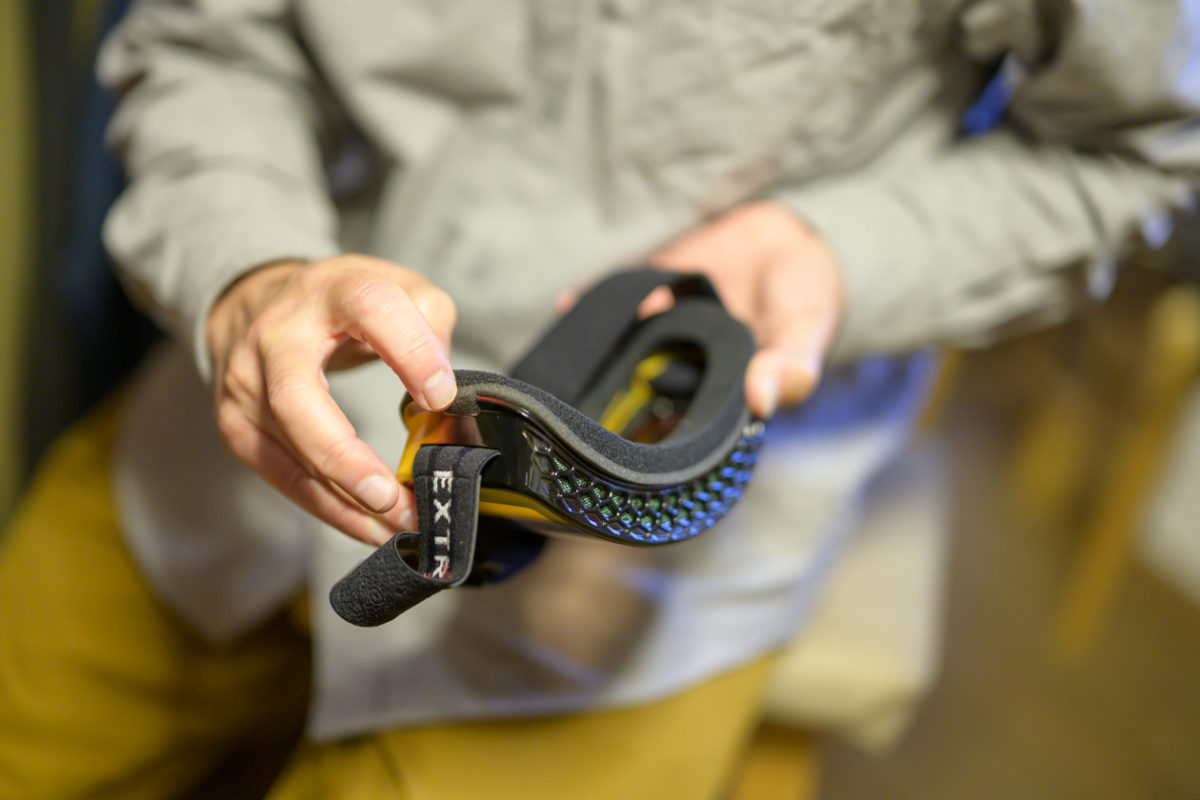
Yamaki: This isn't just limited to GIRO, but I think it's best to avoid it. Defrosters use hot air, and in some cases the adhesive on the foam can deteriorate
Hayashi: I see. But in the first place, is there really no need to dry it so quickly?
Yamaki: That's right. It only needs to dry before the next time you ski, so it should be fine to dry it more slowly. It's less likely to deteriorate if you dry it at a temperature close to the actual conditions in which you'll use it. In that sense, I think it's best to dry it somewhere with a lower temperature, like the back seat of a car
Hayashi: What if there's still snow on the ground after you finish skiing?
Yamaki: That's not good. It would be troublesome if moisture got in between the double lenses. I recommend removing any snow that can be removed and letting it dry slowly at a low room temperature
Hayashi: It means treating them gently
Yamaki: That's right. It's a small thing, but if you take a little care when wiping wet lenses, drying used goggles, or storing them during the summer, try not to put stress on the product. Just doing that will make it last a lot longer
Hayashi: It's not a cheap purchase after all
Yamaki: That's true. I sometimes carry several spare pairs and use my goggles in extremely harsh conditions, changing them one after another. I know this because I've done so many different things. If you treat them with care, your goggles will last a long time
Hayashi: It feels better to continue using highly functional items for a long time
Yamaki: Above all, highly functional skis make skating itself even more enjoyable. So I want people to think about choosing skis that are truly suited to them and based on their functionality
Hayashi: I see, thank you very much
Yamaki: Let's ski a lot this winter too!
GIRO's popular CONTOUR model, also used by Masahiro Yamaki
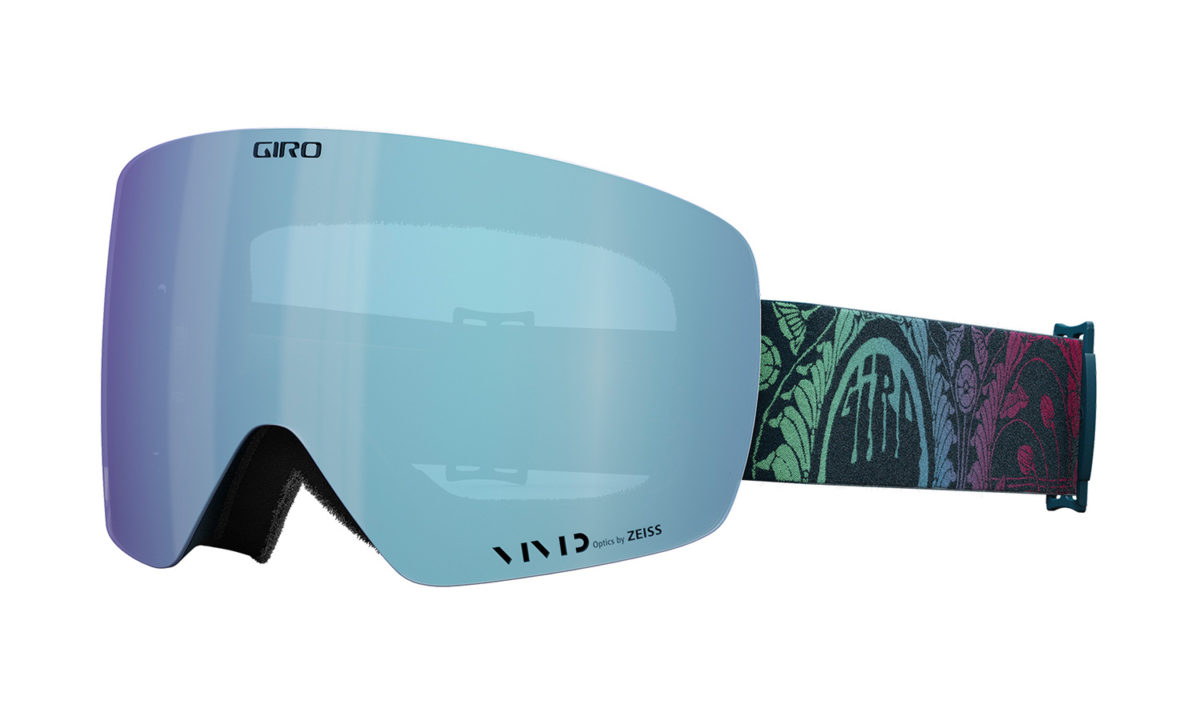
This frameless model boasts a field of view almost identical to that of the naked eye. GIRO's unique EXV+ technology provides a natural view that makes the frame seem unnoticeable. The lenses are equipped with GIRO's unique VIVID lenses, which enhance the natural color of the snow, enhancing the contrast of shadows and ensuring clear visibility even on cloudy or snowy days. The quick-change lens system uses magnets, allowing for easy lens replacement while remaining durable and preventing the lenses from coming off even in the event of a fall. A spare lens for cloudy weather is included
The person who taught me
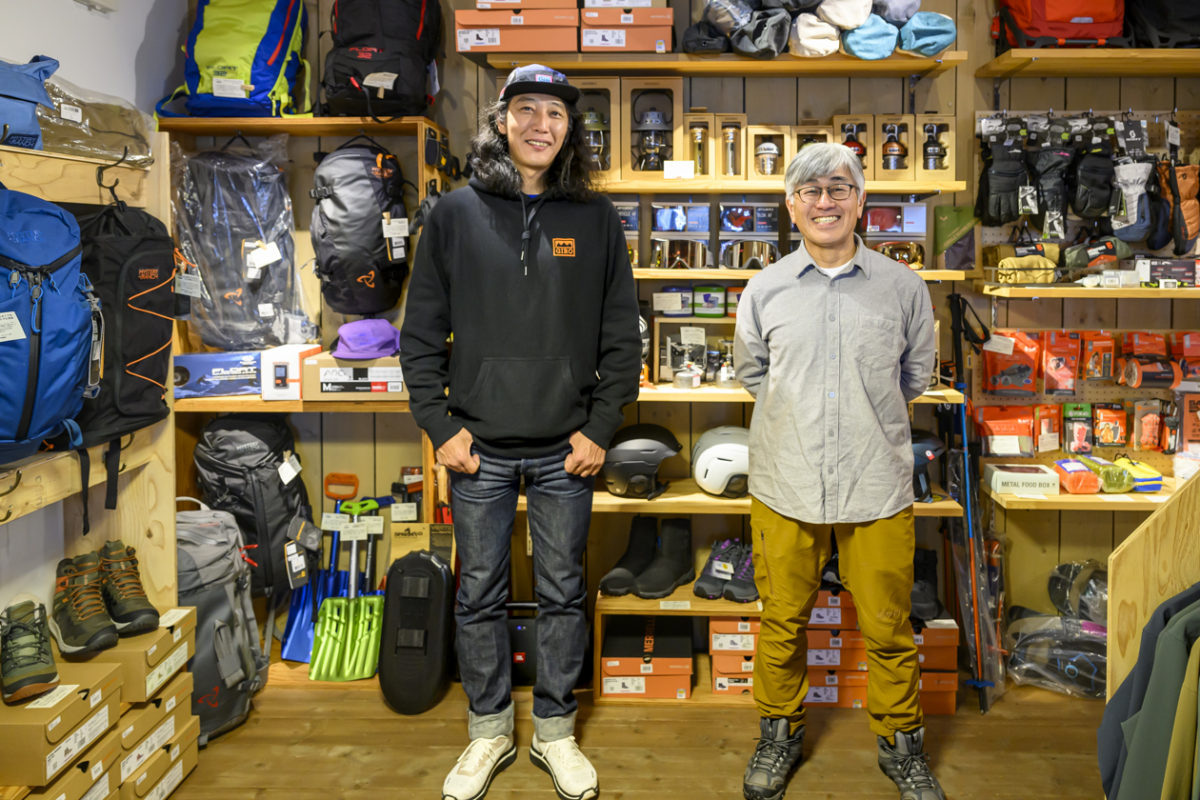
Masahiro Yamaki
He lives in Sapporo, Hokkaido. He has skied down many of the world's biggest mountains, starting with Denali (6,190m) in North America in 2000, followed by Pisco Peak (5,475m) in the Andes in South America in 2006 and Pequeno Alpamayo (5,370m) in the Andes in South America in 2010. He is also dedicated to enriching ski culture in Japan by hosting technique camps and deep snow courses for beginners. He is interested in various DIY projects and is also known as a fan of old cars
Takuro Hayashi
For many years, he has worked as an editor, writer, and photographer, primarily for snowboarding, skiing, and outdoor magazines. His love of skiing led him to move to Hokkaido in 2014, where he opened "Transit Higashikawa," a travel and outdoor gear store in Higashikawa Town at the foot of Mount Asahidake. Many of the products on display are selected based on the deep knowledge and experience he has cultivated over the years. Looking at the detailed descriptions of each post on Instagram, his stance is immediately clear. The store is open from the morning, making it a great place to stop by before heading out to the field