
Avoiding risks on snowy mountains and enjoying backcountry skiing safely
Unlike managed ski resorts, there are many hidden risks in the wild snowy mountains. As a general rule, you should avoid going out alone, but friends and acquaintances who go with you won't necessarily avoid danger. Guide clubs are not only for people who have never been in the backcountry before, but also for those who have anxiety or disabilities about going to a place for the first time
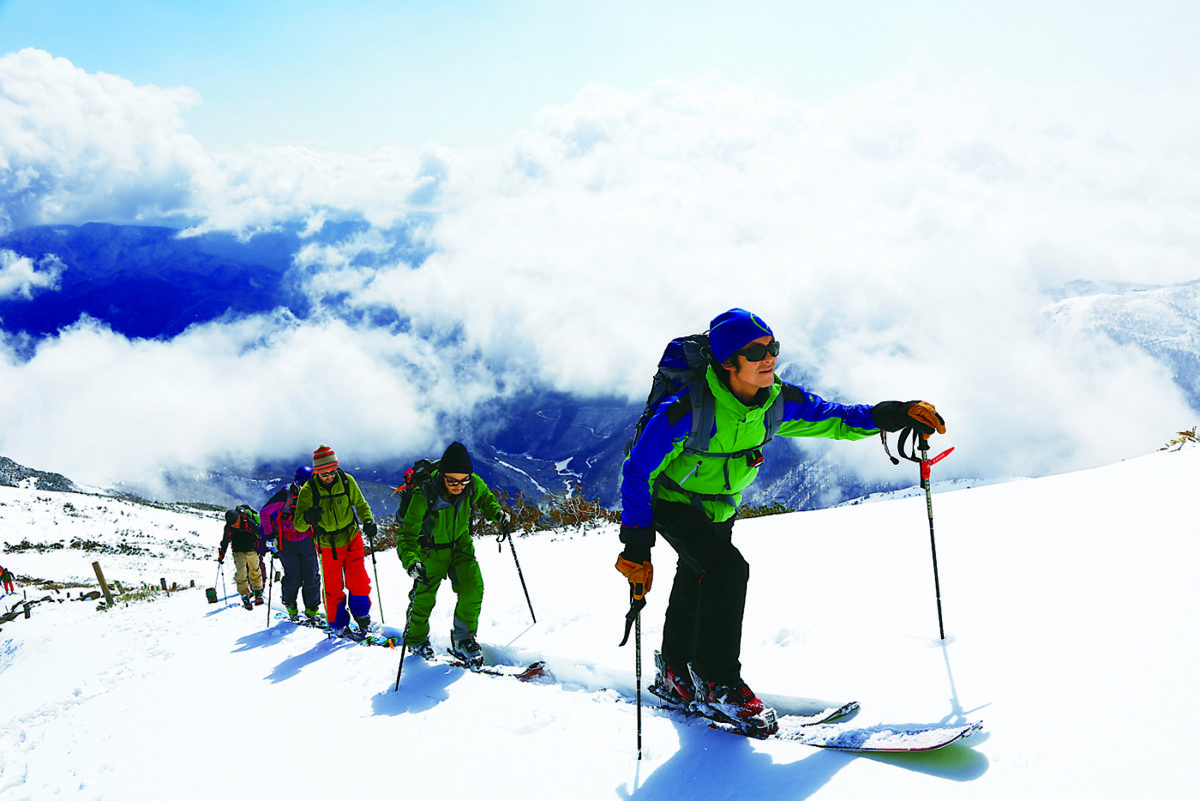
Backcountry guides ensure the safety of your activities in the snowy mountains. Guides who are certified by the Japan Mountain Guides Association (JMGA) have extensive training and experience, which is why their guiding skills are generally high. They are also genuine skiers and snowboarders who simply love to ski
In the backcountry, you can concentrate on skiing because you're with a guide
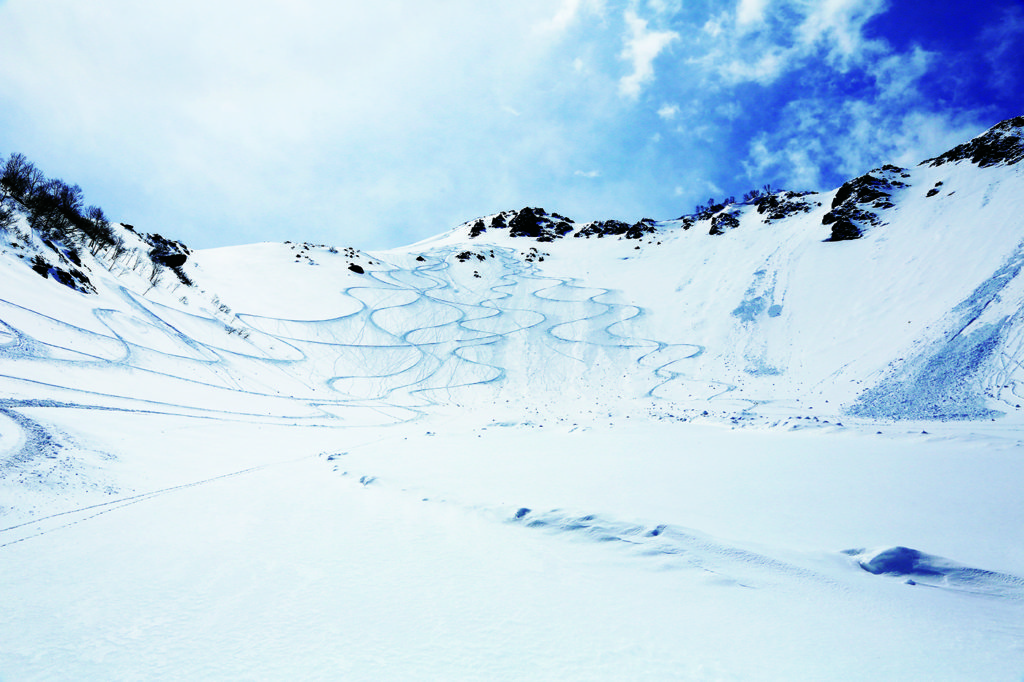
The biggest benefit of joining a guided tour is that you can concentrate on skiing. You'll receive instruction on how to walk to the slopes that won't tire you out, and you'll also receive advice on how to ski depending on the snow conditions when you're out and about. Even if the conditions are bad, a guide who is well-versed in the terrain and weather conditions can help you find slopes that are perfect for skiing, even if you wouldn't be able to find them on your own. With the information that only a guide who regularly visits the site can provide, they can guide you to the safest and best slopes for that day
Also, by visiting guide clubs in various locations at different times of the year, you can get a feel for the characteristics of the snow and terrain in that area, and learn how each person maintains a safety margin. So if you join a guide club, it's a good idea to take the initiative to observe the guides' actions. What do they do when they arrive at the field, where do they put their backpacks when putting on their skins, what route do they choose when climbing a slope, etc. Each guide has their own reason for every action. By breaking this down and understanding it for yourself, you can build your own backcountry knowledge and experience
What are backcountry guide clubs like?
- I don't have fat skis, is that okay?
-
Rentals are also available!
If you have the skills, you can ski in powder snow with any equipment. However, if you want to enjoy the deep snow in the peak season, don't hesitate to rent skis. Some guide clubs offer ski rentals, so it's a good idea to use those
It is preferable to have bindings that can be used for climbing, but even if you don't have them, you can carry your skis and climb using snowshoes
- What equipment do I need? Is it enough to just bring equipment to slide?
-
Safety gear is required even on guided tours
An avalanche beacon, shovel, and probe are three essential items for any tour. Even if you don't have them, most guide clubs that run tours have them available for rental, so you don't have to worry. Some guide clubs also offer rentals of backpacks, skins, snowshoes, and skiing equipment.
- What else should I bring besides skiing equipment?
-
In addition to skiing equipment and safety gear, the following gear is required:
- Backpack : A backpack with the ability to attach skis or snowboards
- Snacks : Food that is easy to eat during breaks or while on the move. Rice balls or bread that can be bought at a convenience store are sufficient.
- Drinks : It's best to bring hot drinks in an insulated water bottle. Be careful, as bottled water can freeze during the coldest winter months.
- Goggles, sunglasses : The ones you normally use when skiing on the slopes are sufficient. Use sunglasses when climbing. It is recommended to have spare goggles and sunglasses on hand.
- Clothing : The clothes you normally wear on the slopes are sufficient. However, it's best to have a quick-drying base layer, a warm mid-layer such as fleece, and waterproof and breathable outerwear. It's also a good idea to bring a beanie, balaclava, or neck tube.
It is best to prepare the above items beforehand. Some places offer backpack rentals, so it is a good idea to check in advance
- I have never used safety gear
-
There will be a training session before the tour
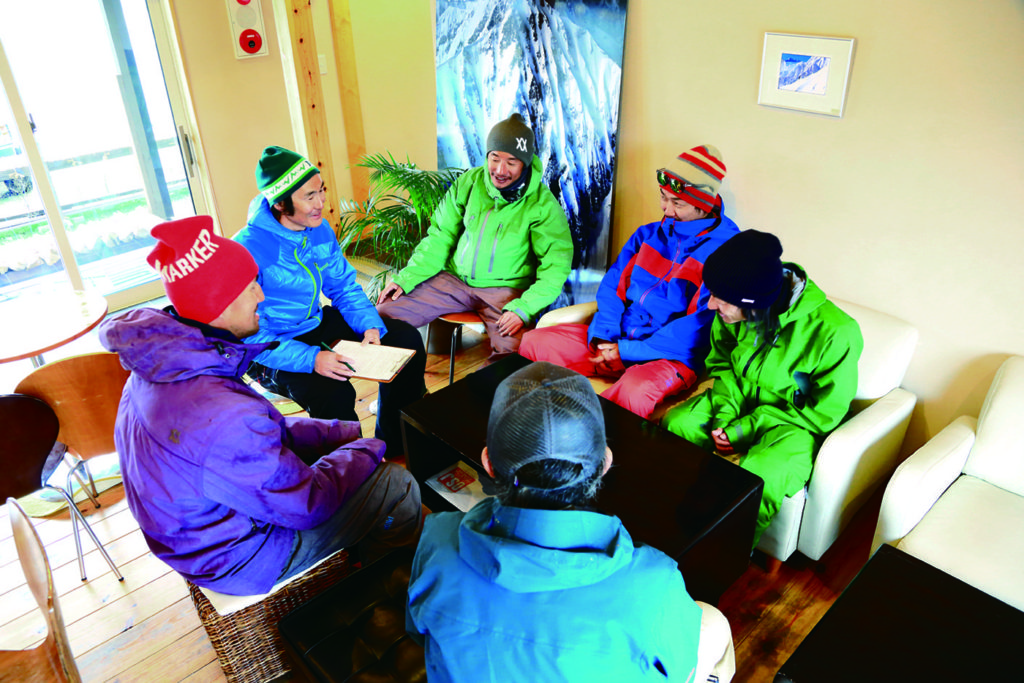
Rental gear is useless if you don't know how to use it. Many beginner tours have participants practice using the equipment before setting off. In particular, "beacon searching," which involves burying a beacon in the snow, is something that even repeat tour participants usually practice before setting off
- I'm not sure if I can slide..
-
It's fun if you can control your skiing down the slopes!
When signing up for a tour, participants are asked to provide information about their backcountry experience and skiing skills, and groups are assigned based on their answers, so it is rare for experts and beginners to travel together in the same group
There are also tours available for first-time guides, and if the conditions are right, almost anyone can enjoy skiing in the powder. However, some guide clubs do not offer tours for beginners, so be sure to check the tour details carefully when signing up
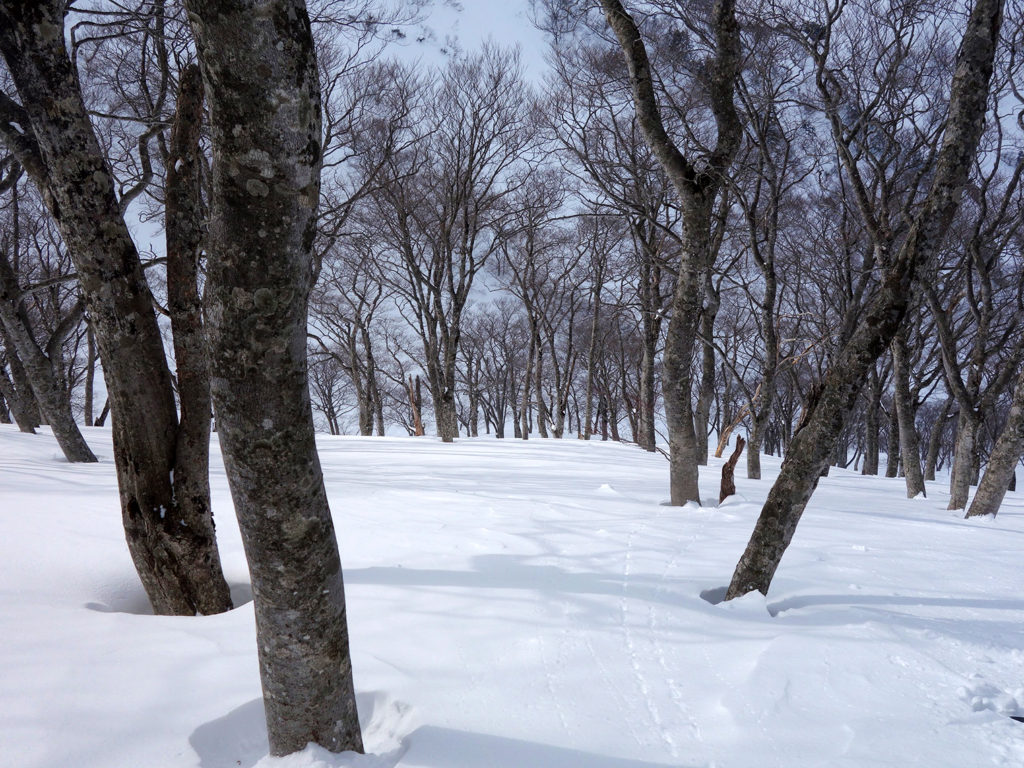
- How long will the activities and hiking take?
-
For first-time participants, the average activity time is 4 to 5 hours, with an average hiking time of about 1.5 hours
The amount of time spent hiking and skiing varies greatly depending on the mountain range and the tour. Tours for first-time participants are set up with ample time for a relaxed pace, so you can rest assured
- I can't imagine hiking up. What if I can't make it?
-
As long as you climb at a pace that doesn't make you out of breath, you should be fine!
Guided tours often have two people: a lead guide and a tail guide. The lead guide will adjust the group's range of movement, climbing time, and rest times, taking into account the group's physical strength and build. Therefore, even if you fall behind, you won't be left behind, so don't worry.
It's natural for beginners to not know their own pace. A good rule of thumb is that if you get out of breath while climbing, it's a sign that you're going too fast. The basic rule is to keep climbing at a steady pace, no matter how slow it is. You should avoid pushing yourself beyond your physical strength, thinking that you have to walk as hard as you can without bothering others.
There are also other ways to wear a backpack and do pole work that won't tire you out. Beginner tours are conducted while sharing this know-how, so you might want to consider joining from there first.
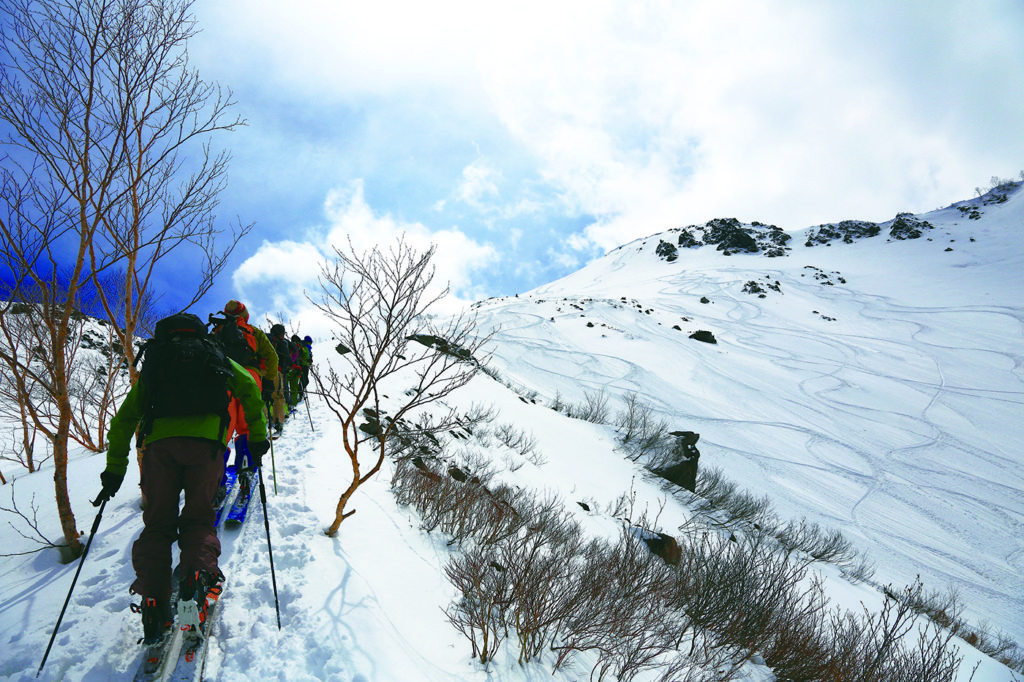
- Will you never get lost?
-
There's no way to completely eliminate risk in the backcountry
It's impossible to say "never." On tours, guests and guides work together to reduce risk. Guests don't ski based on their own judgment or convenience, and guides lead guests on routes that allow them to enjoy the most while avoiding danger
In the backcountry, it is important to always be aware of dangers, so that anything can happen. There are many dangers in the backcountry, such as avalanches, trips and slides, cracks and snow bridges, obstacles such as standing trees, rocks and fallen trees, and weather conditions
- Can the guide Grab give me some advice before joining the tour?
-
It is best to resolve any questions or concerns you may have before attending
Most guide clubs have websites where you can make inquiries. These days, there are many ways to contact them, including through their websites, email, and social media, so you can easily clear up any questions or concerns you may have. Calling them is also an effective way to ask. However, since many guides are busy during the day and evenings on weekends, it's best to avoid those times
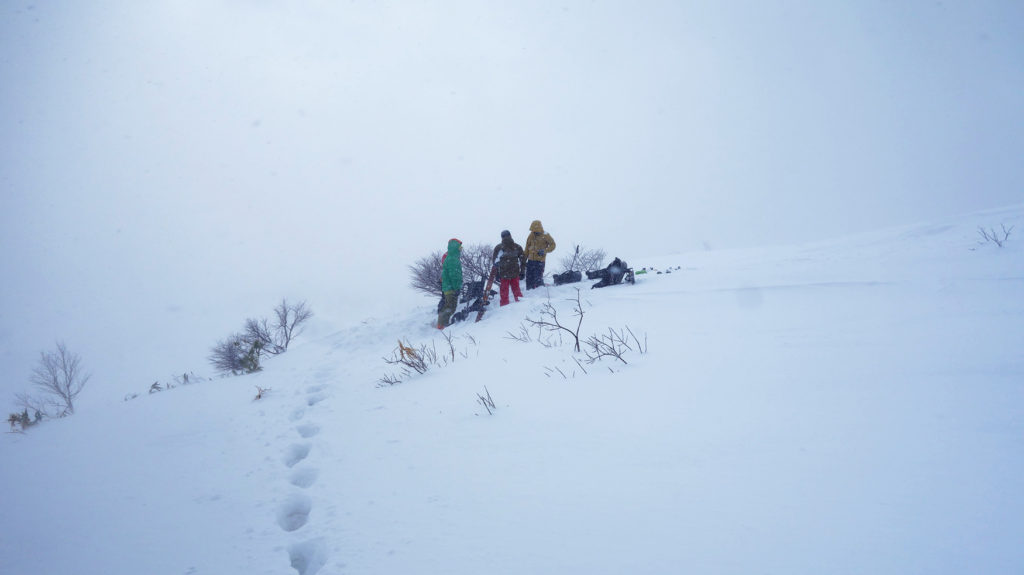
STEEP introduces backcountry guide clubs across the country by area. Use this as a reference when heading out into the backcountry