
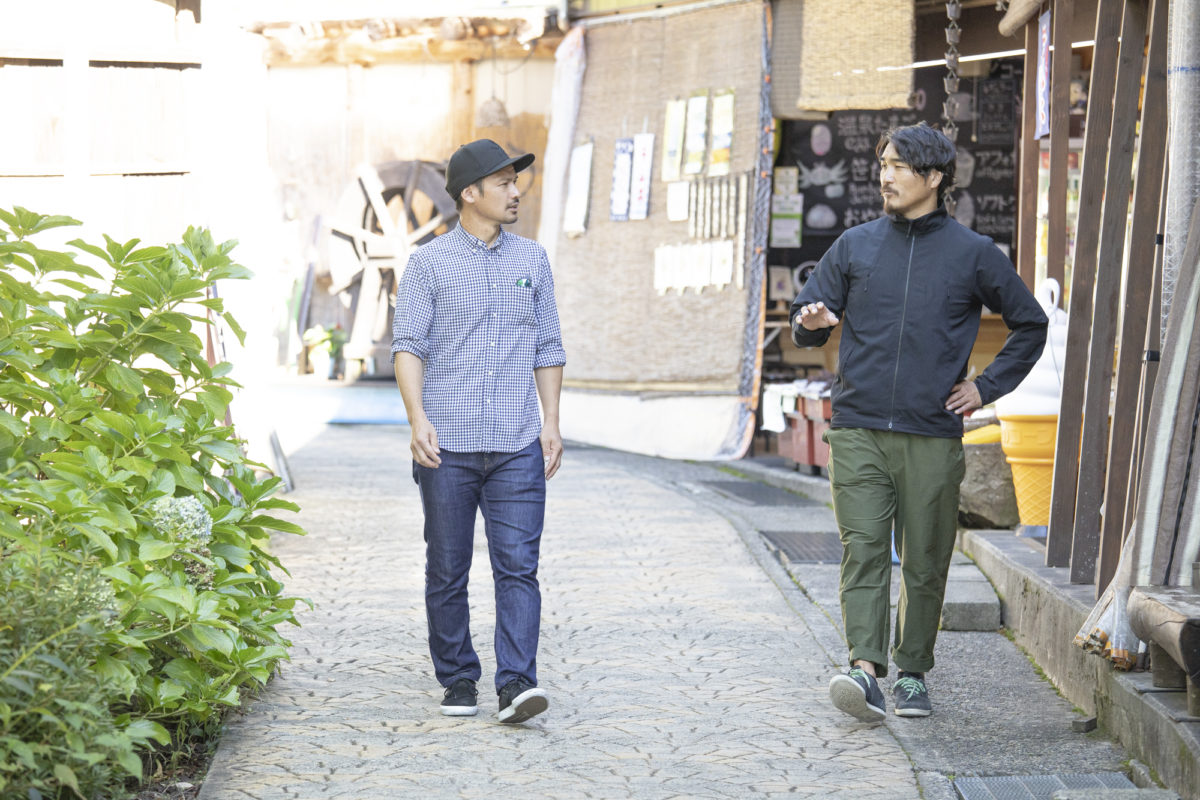
Born in the snowy region of northern Shinshu, Sekiya Kazushige and Kono Katsuyuki inevitably took up skiing. The older brother was introduced to freeskiing in Colorado, USA, while the younger brother honed his alpine skiing skills in Austria
■ Ski study abroad experience
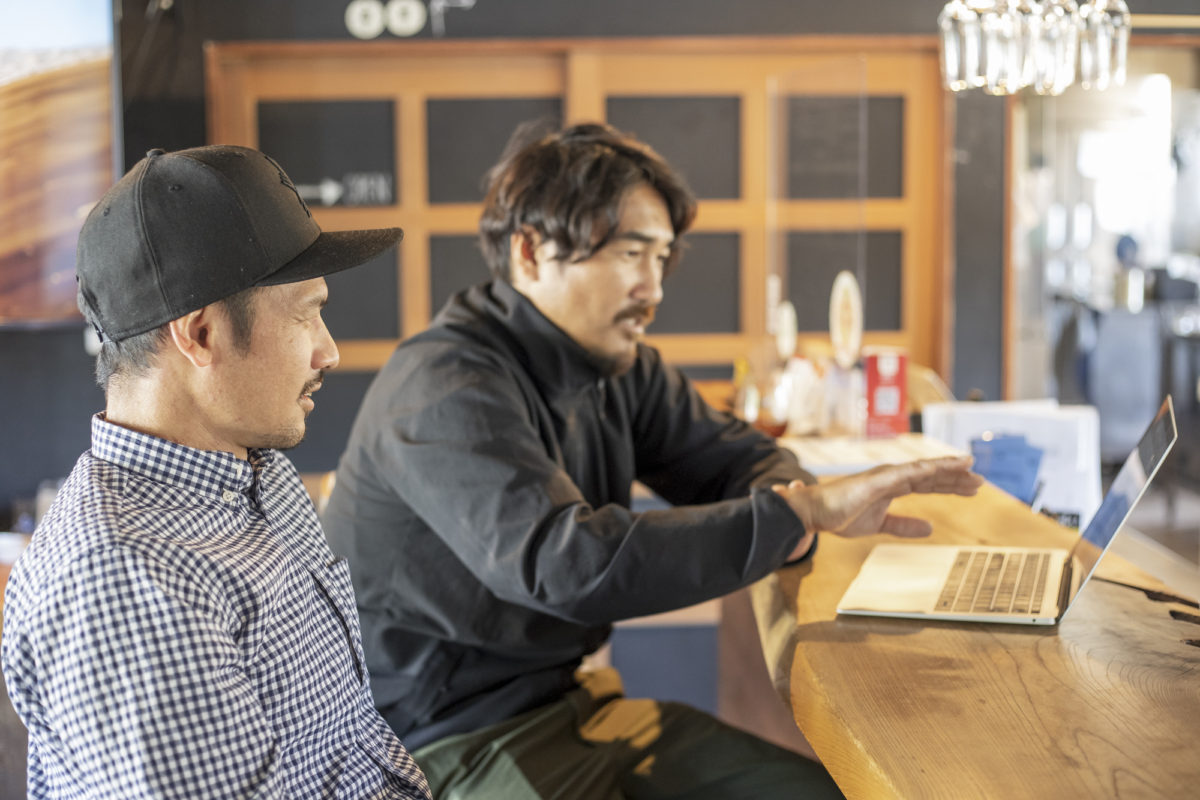
Kono: I'm one year younger than you in terms of grade. Sekiya-san, you were both born in the Hokushin area, so do you remember when you first put on skis?
Sekiya: I was born in Obuse, which doesn't have a ski resort, and in elementary school there wasn't a team, so I skied alone. Looking back now, I've been a powder junkie since I was a child. A friend of my dad's was on patrol at Giant Ski Resort in Shiga Kogen, so from the time I was in the fourth grade of elementary school I would take the Nagano Electric Railway to the last stop, Yudanaka Station, then change onto a bus and commute to Shiga Kogen by myself. I'd change at the patrol station and ski in the powder until dark. I'm only about 120cm tall, so I couldn't breathe or see in front of me, and it was tough. My parents would buy me a neck warmer so I could breathe. Looking back, that's when I got hooked on powder, and I'm still skiing to this day
Kono: What a greedy elementary school student (laughs)
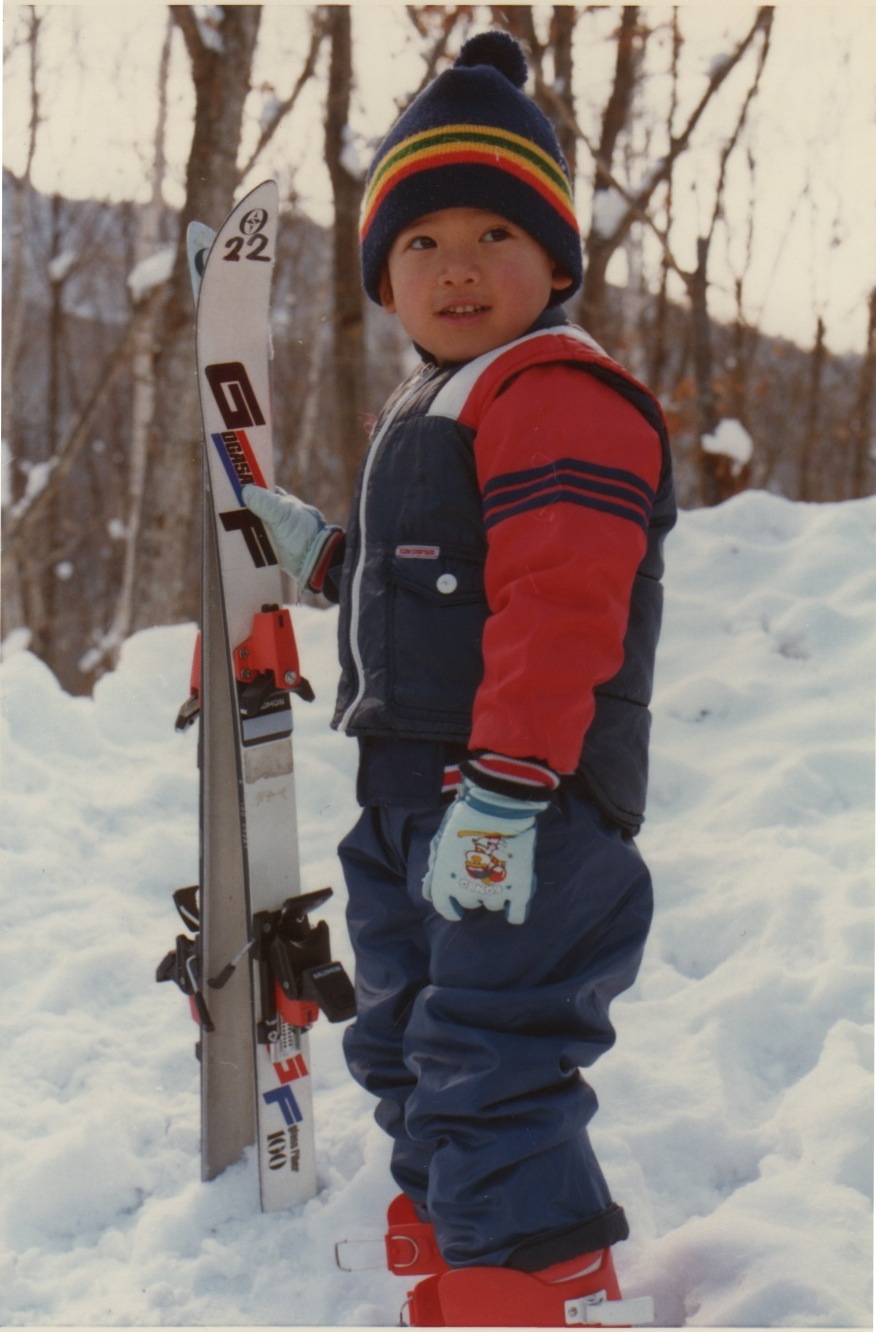
Sekiya: I started pole skiing in junior high school, devoured magazines like Ski Journal and Ski Comp, moved into the Iiyama Minami High School ski club dormitory, and took the sport seriously. That was the unforgettable year of the Nagano Olympics. I saw Salomon's famous 1080 freestyle skis at BRAVOSKI and thought, "This is what I want to do!" Then I went into the park on twin-tip skis and started flying. If it weren't for that, I might have ended up snowboarding. It was such an amazing experience to see what you could do on skis

Sekiya: Katsu was a thoroughbred athlete born in Nozawa Onsen Village, a mecca for skiing. Do you remember when you first put on skis?
Kono: No, I can't remember at all. I was on skis as soon as I was old enough to understand. My grandfather ran a restaurant on the slopes, so I would go there every day and ski with friends and regulars. Then, in the first grade of elementary school, I joined the Nozawa Onsen Junior Ski Club, where I now coach, and started racing. Every day, I would ski on thin boards, from the packed snow on the slopes to the powder. My talent blossomed in the sixth grade of elementary school, and I became number one in Nagano Prefecture. Even after I went to junior high school, I remained at the top of the nation. It was around that time that I started to think about the world.
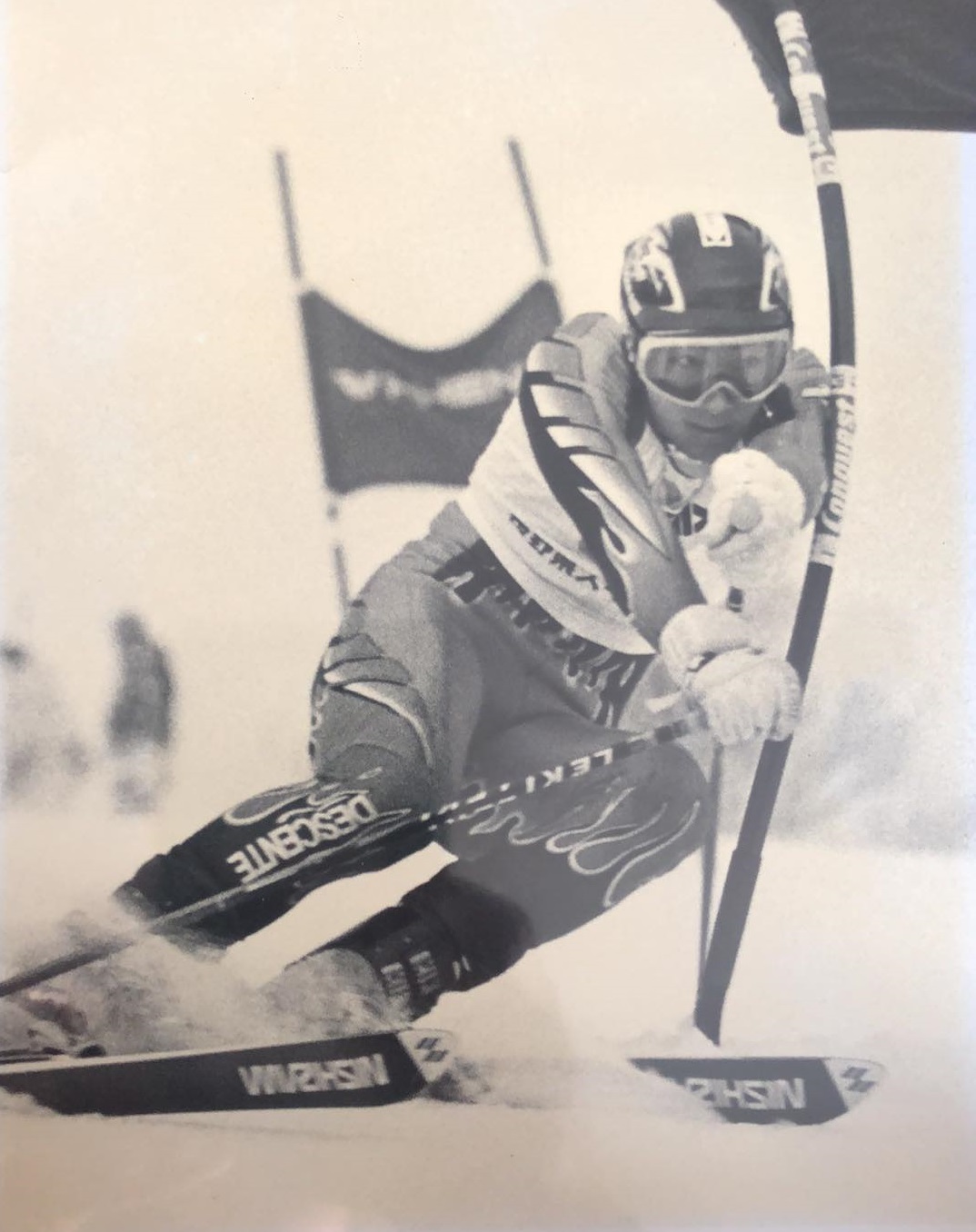
Sekiya: I was surprised when you suddenly went to Austria by yourself in the summer of your first year of high school. How old were you in Europe?
Kono: I was 21 years old. I was based in Austria and did alpine skiing for five years, and in the last year I went back and forth between Austria and Japan
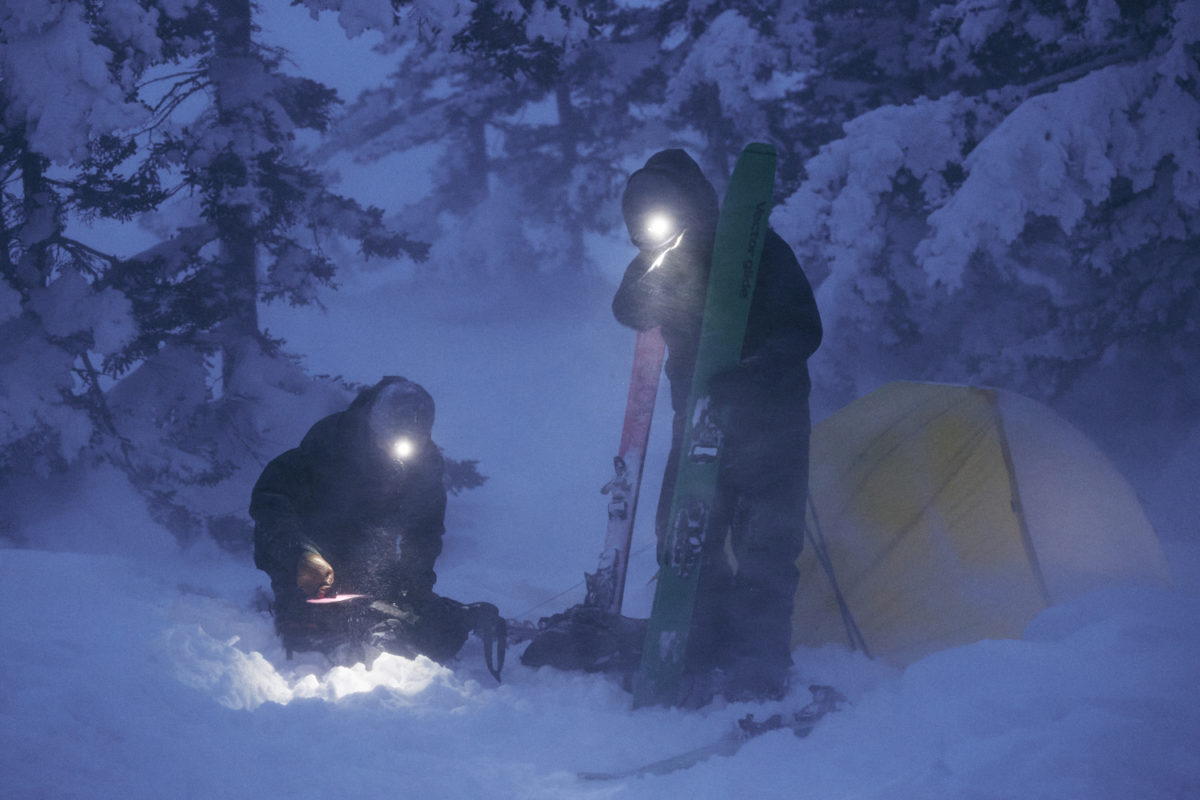
Sekiya: Did you go to school there?
Kono: Yes, I went to a commercial high school in Schladming to study ski business. Seigo Kato, an active alpine racer from Nozawa Onsen, also graduated from junior high school and moved to Europe, just like me, and attended the same high school. However, I was working locally as a member of the Japanese national team, so I hardly went to school. Later, due to an injury, I retired from the front lines of alpine skiing and started ski cross.
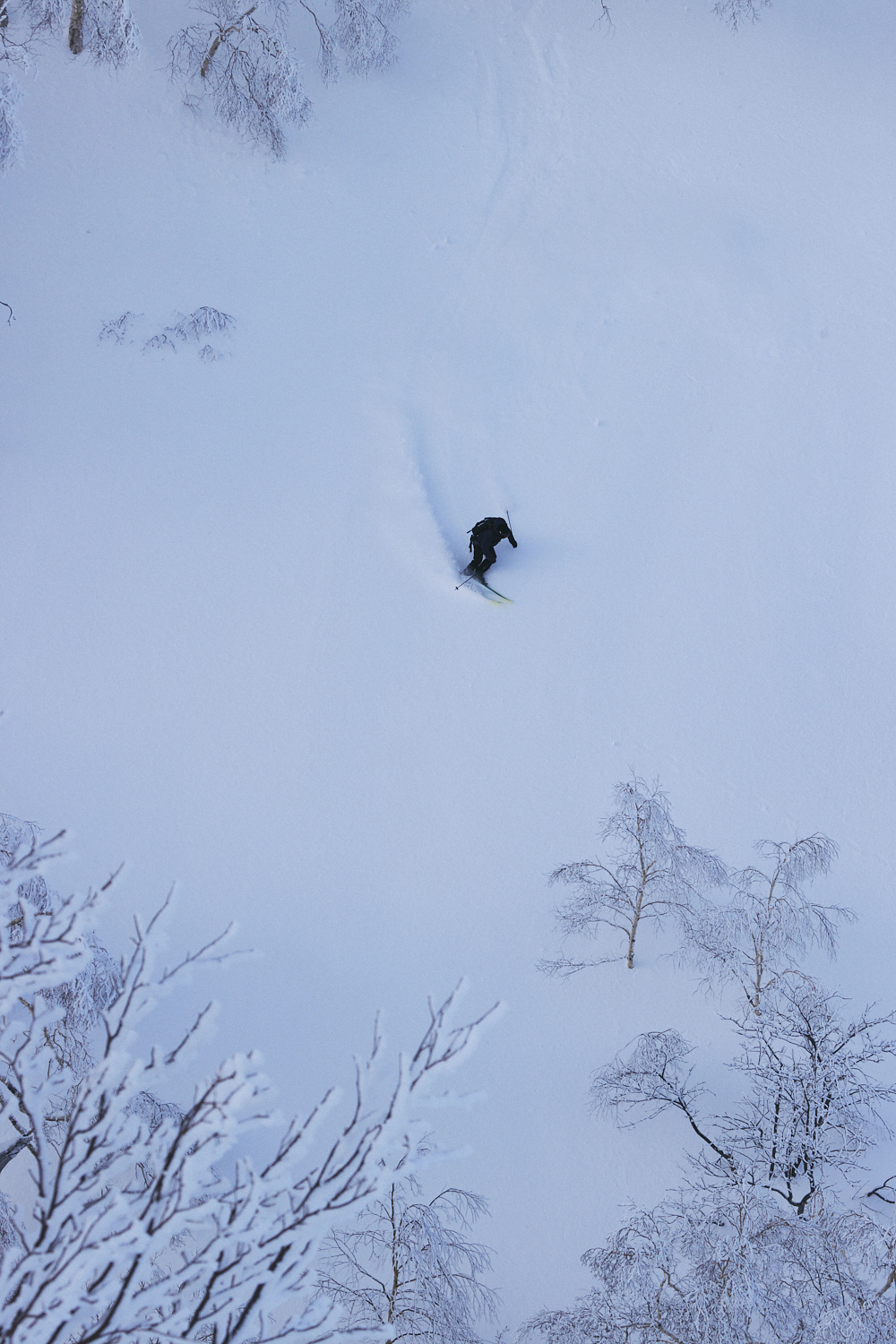
Sekiya: That was around 2000. I was 26 years old, and TEAM MCV (a ski film production group based in Nozawa Onsen, led by brothers Masayuki and Yudai Ueno and brothers Katsuyuki and Kenji Kono) was shooting a ski video when I returned from America and met Katsu again. I had also been in Colorado for about five years
Kono: Was your father's time in America influencing your decision to move to the United States?
Sekiya: My dad lived in America for about four years in the 1970s and did hot dog skiing, which could be said to be the origin of freeskiing. He was the first Japanese person to go to Vail. So it's in my blood (laughs). I often heard stories about skiing in America from a young age, and my parents ran a restaurant at the time, and they would often buy 16mm ski film from America and show it in the restaurant
Kono: Brainwashed (laughs). That's why you went to Colorado, not Salt Lake City or Jackson
Sekiya: I started attending Denver Community College, but I wanted to ski, so I went to Breckenridge two or three times a week and spent all my time skating in the ski park. I studied English with "Freeze Magazine" (laughs). Back then, there weren't many skiers at the ski park. 90% were snowboarders. Around 2000, when I was there, North American freestyle skiing was at its peak and it was incredibly exciting. Being able to experience it live at its most exciting time has been a lifesaver for me in skiing. Before the X Games, guys like Candid Thovex would come to practice, and they'd do the "spin, spin, slide" routine so perfectly that I wondered if it was a video game. I think I lived in Colorado at a good time
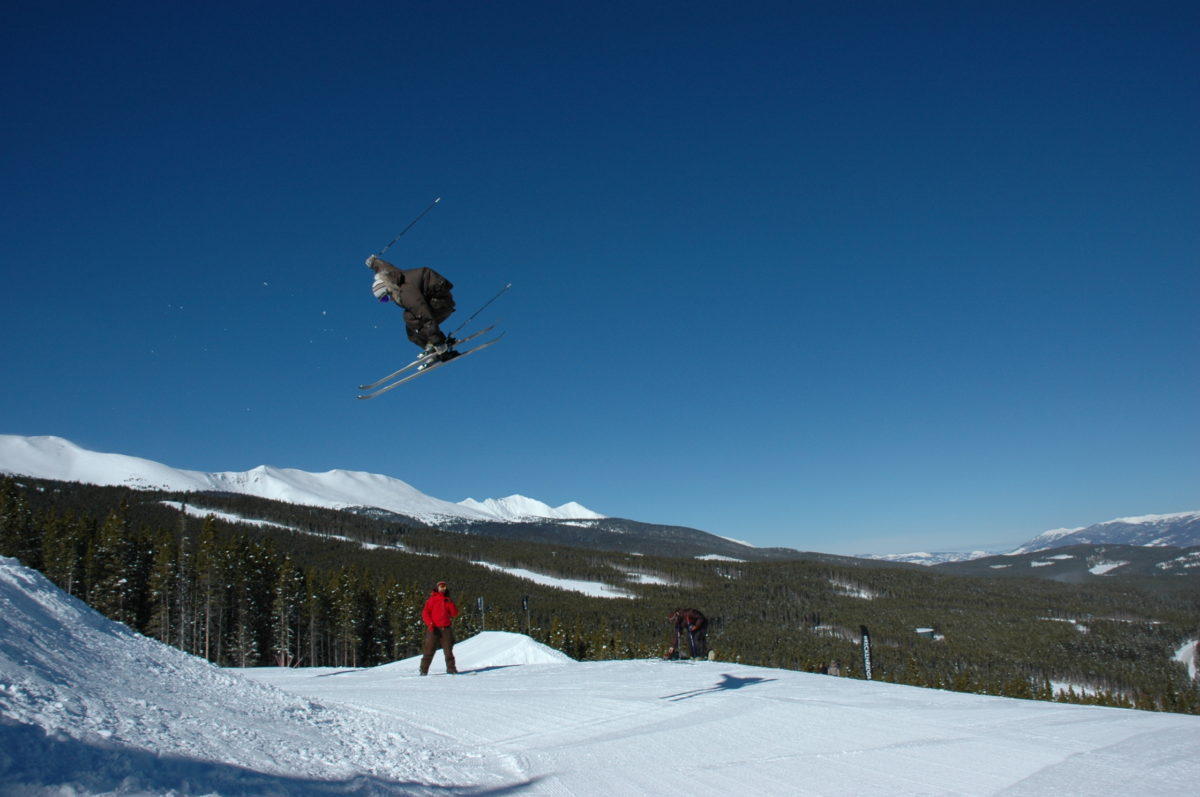
Kono: So you were introduced to freestyle. So why did you come back?
Sekiya: When I was 24, I was playing soccer for fun and tore a ligament in my knee
Kono: Is that soccer? (laughs)
Sekiya: It healed nicely, but my knee would hurt whenever I went to the park, so I started going to the backcountry with friends and skiing in powder. Then, I thought, "Huh? Isn't the snow hard?" The snow in Japan is softer. On top of that, the competition is incredibly fierce. By 10am, all the good snow is gone, and I thought, "Huh? There used to be more snow in Japan." The guys over there were all excited about the 15cm of fresh snow.
Kono: You first realized the benefits of Japow in Colorado
Sekiya: Yeah, when I got back to Japan, it was like heaven (laughs). I met Katsu right away and I remember him saying, "Sekiya-san, you have a nice collection." At the time, I was riding the second model of the Armada JJ, a signature model by Rein/Skogen, and it was a niche board you don't see in Japan, so he was really interested. We started skiing together from then on. For me, having just returned from America, the potential of Nozawa was a shock. You could ski so much with lift access, and no one was skiing there. It's unheard of in North America. After that, I stayed there for about three seasons, and I greedily skied powder in Nozawa Onsen, my base. This was before foreigners came to Japan, right?
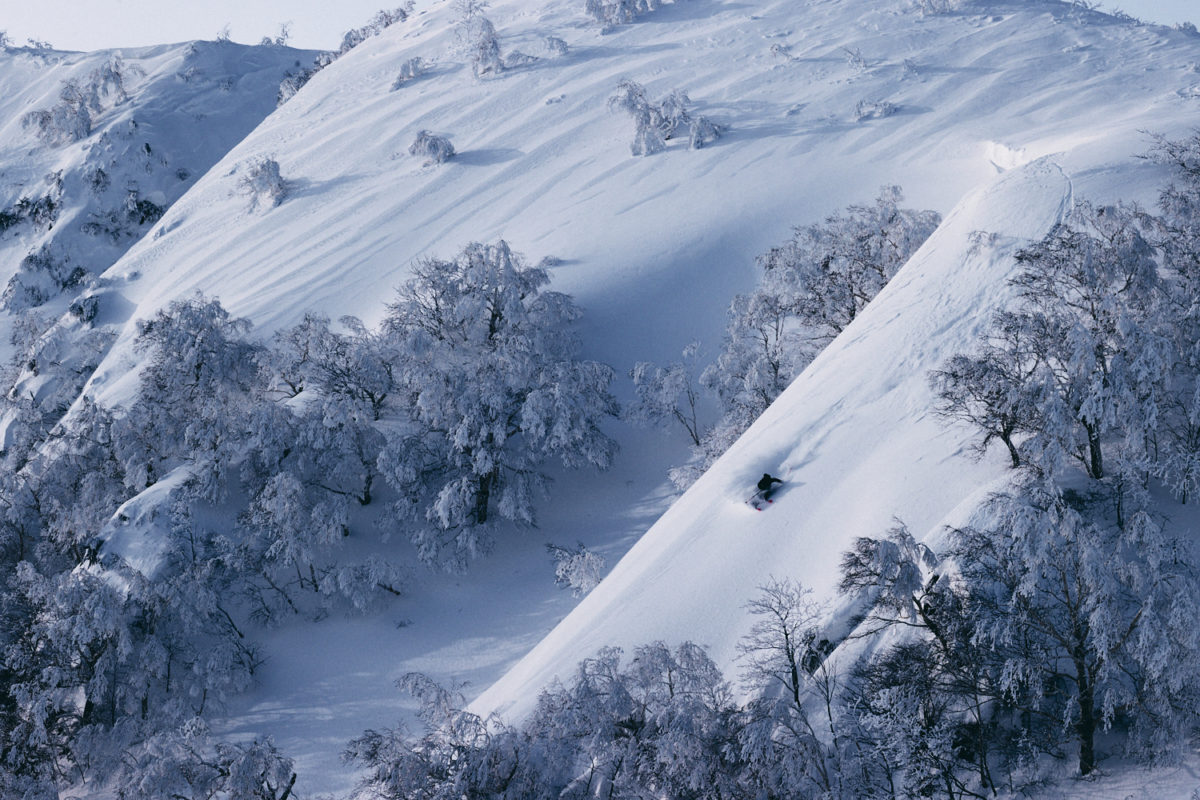
Kono: Japanese customers weren't even skiing in powder snow. Powder boards, fat skis, and other equipment weren't available yet. We were the only ones skiing
Profile
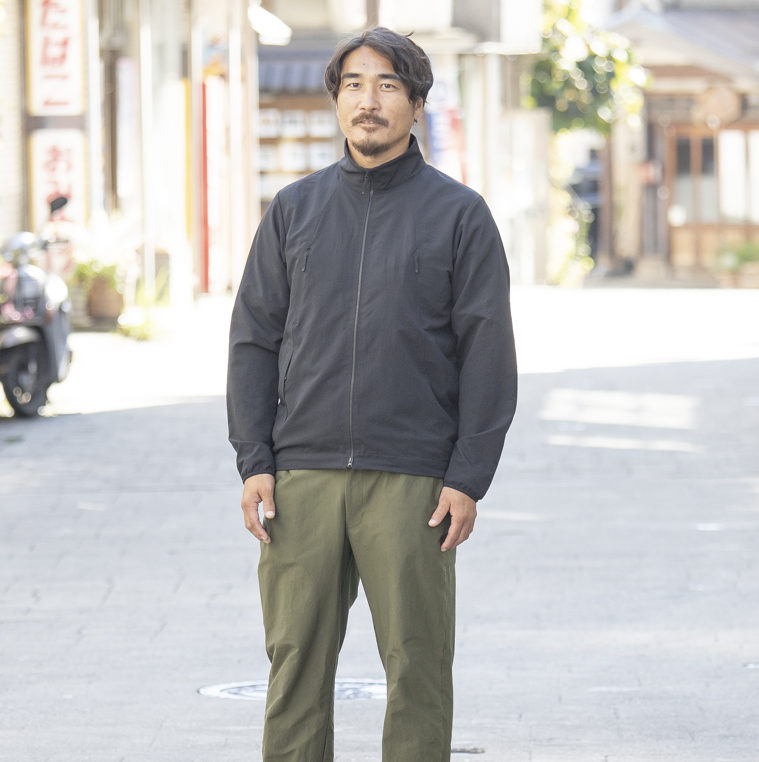
Katsuyuki Kono
Born in Nozawa Onsen Village, Nagano Prefecture in 1981. He began alpine skiing at a young age and moved to Austria alone after graduating from junior high school. He returned to Japan at the age of 21 and competed in the Ski Cross World Cup. He is now back in Nozawa Onsen Village, where he runs the rental shop Shirakaba and Shichirabe Coffee, and is on the snow every day as a coach for the Nozawa Onsen Junior Ski Club. https://shirakaba8.com/cafe/
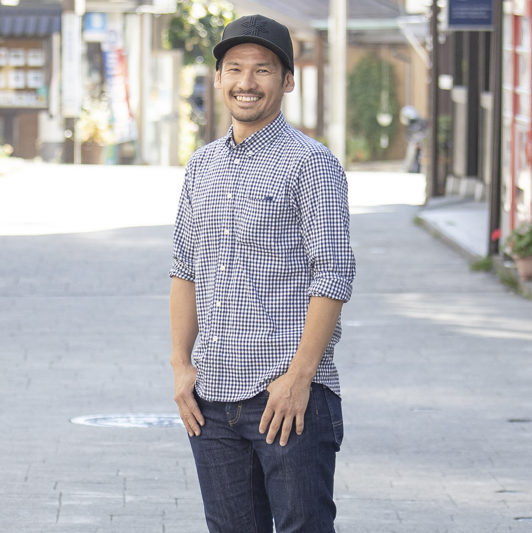
Kazushige Sekiya
Born in Obuse, Nagano Prefecture in 1980. He devoted himself to competitive skiing until high school, and after graduating, he was drawn to the freeski movement and went to Colorado, USA to study, entering the world of freeskiing. He currently runs "SKINAGANO," a private guide service for inbound tourists based in Kijimadaira Village in Northern Shinshu. https://www.goskinagano.com
Photo / Takanori Ota, Takeshi Wakabayashi (YUKIMI STUDIO)
Interviewer / Shinya Moriyama
Recorded in November 2021
Part 2 is here
Read more