
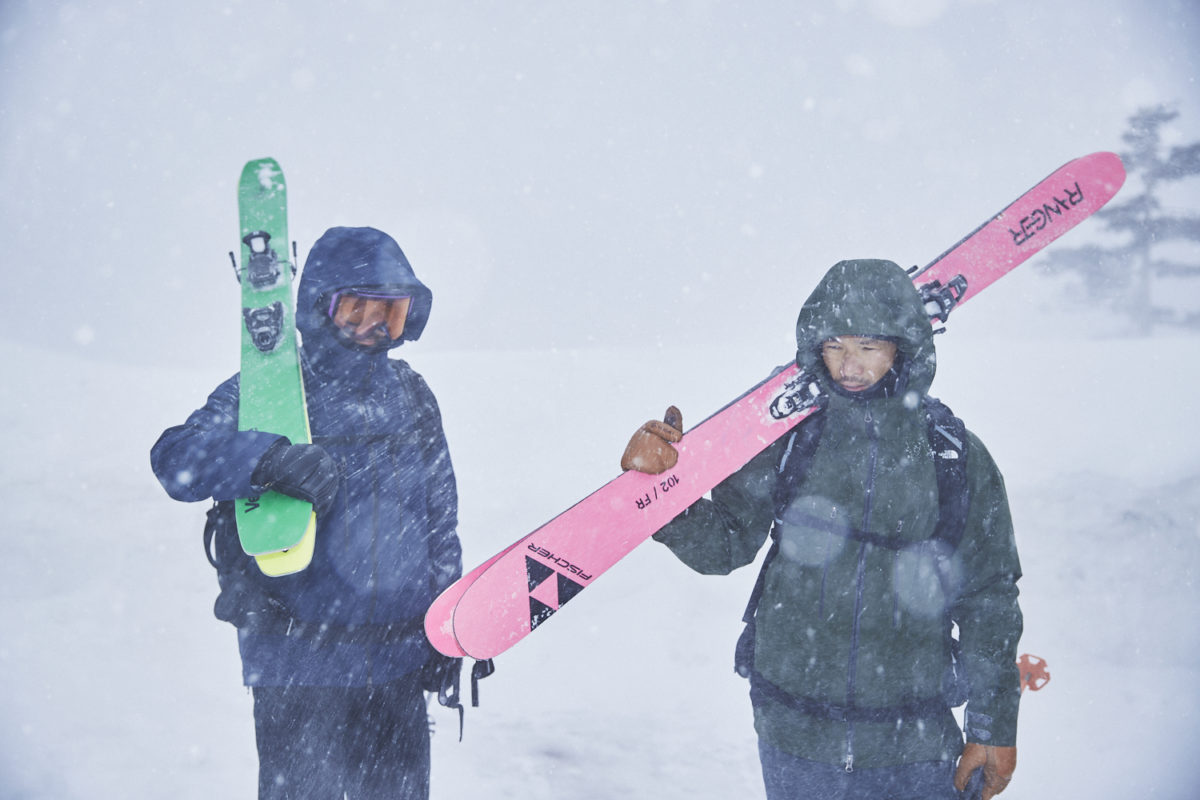
After experiencing the ski scene in Europe and the United States, Kazushige Sekiya and Katsuyuki Kono returned to their hometowns in northern Shinshu and started snow businesses targeting inbound tourists. We asked them about their skiing careers so far and their outlook for the future
■Becoming the current lifestyle
Sekiya: After that, the number of foreign customers gradually increased, and I thought maybe I could make a business out of it, so I started "SKINAGANO." I imagined it to be similar to an instructor at a private ski school in America. Ski schools in Japan are mainly places to teach technique, but North America is different. People with money to spare hire an instructor, and instead of looking at a map and finding their own way, the instructor takes them to good places, places that suit their level. They pay 100,000 yen a day for this. There was no one doing that in Japan, so I thought there would be a demand, and so I started it. It's more like a slope guide than an instructor
Kono: Many foreign visitors are more interested in having fun skiing than worrying about technical details. There have also been an increasing number of accidents occurring when people go under ropes outside the ski resort's jurisdiction, so I think there's a great demand for slope guides like Sekiya
Sekiya: The main reason I decided to start "SKINAGANO" was that I thought it was a waste, or rather uninteresting, for foreign guests to come to Japan, spend money at accommodations run by foreigners or with foreign guides, and then go home without speaking Japanese or experiencing Japanese culture. I wanted to give back to the local economy by introducing them to as many local accommodations as possible and taking them to restaurants run by locals. I also wanted them to learn about Japanese culture, customs, and food culture, and become repeat customers. So that they would come again. It wasn't like they came once and then thought, "That's enough."
Kono: How many years has SKINAGANO been around? Was it launched after the earthquake?
Sekiya: Yes, this is my eighth season. Speaking of Nozawa Onsen and Iiyama, the number of foreign tourists has increased dramatically since the Hokuriku Shinkansen was opened. There are many different opinions, but if foreign tourists hadn't come, Nozawa Onsen would have had a hard time, right? When I came back from America, there was no one at the ski resorts on weekdays
Kono: It was really hard. I might have aged quite a bit (laughs)
Sekiya: When we started "SKINAGANO," many people told us that foreign skiers were just a passing fad and would soon stop coming. Trends don't matter to me, and I felt that my hometown, with its snow and mountains, has something original, including its culture and history, that's not found anywhere else in the world, and that I needed to properly introduce it. If we can confidently introduce the charms of our hometown, people will definitely return. Even if they don't come in person, I'd be happy if word spread through word of mouth that they had a blast at Nagano's ski resorts. My share is small, but I believe that by attending to each and every foreign customer, the charms of Hokushin will gradually spread to the world
Kono: I think it was two years ago when I went to Europe and the locals were talking about Japan the whole time I was in the gondola. It was snowing heavily at the time and someone who had experienced Japau said, "Japan isn't just like this," but I couldn't say, "No, it's raining pretty hard," but the good stories about Japan just kept getting bigger and spreading (laughs). Everyone said they wanted to go there at least once in their lifetime. If Europeans are saying that, then Japau must be pretty well known around the world now
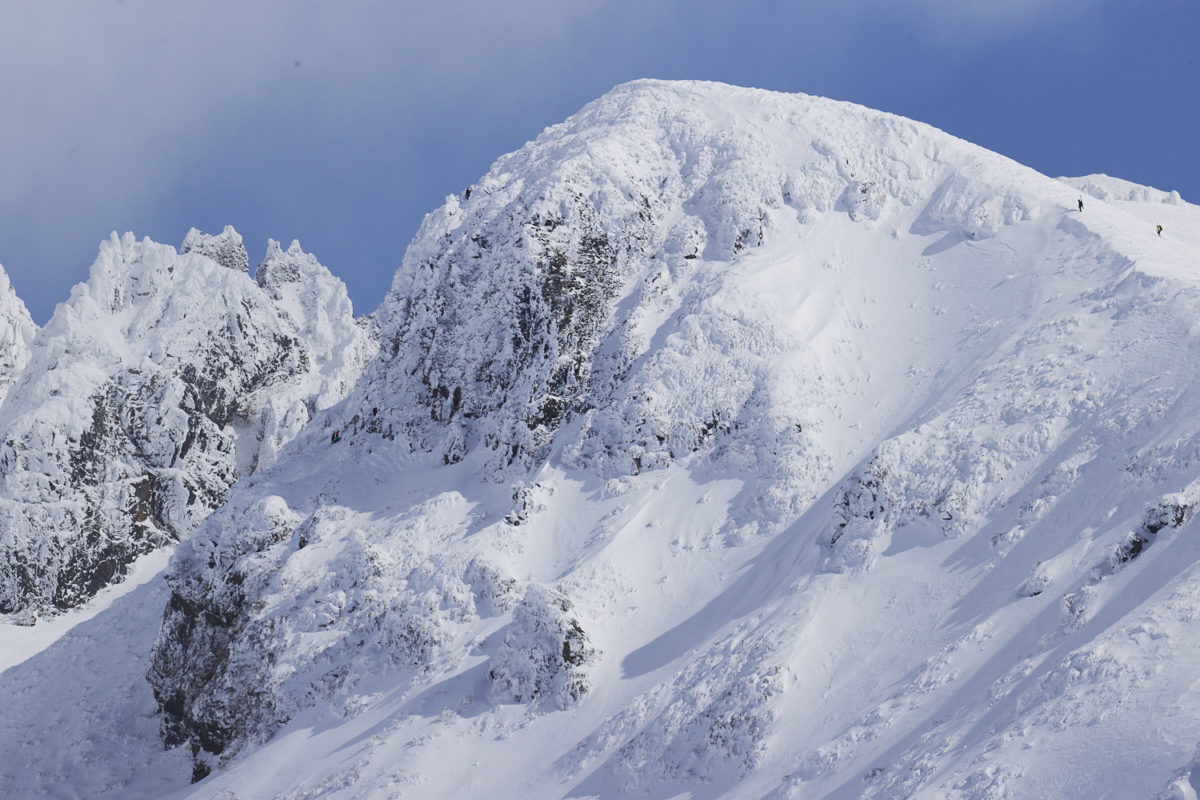
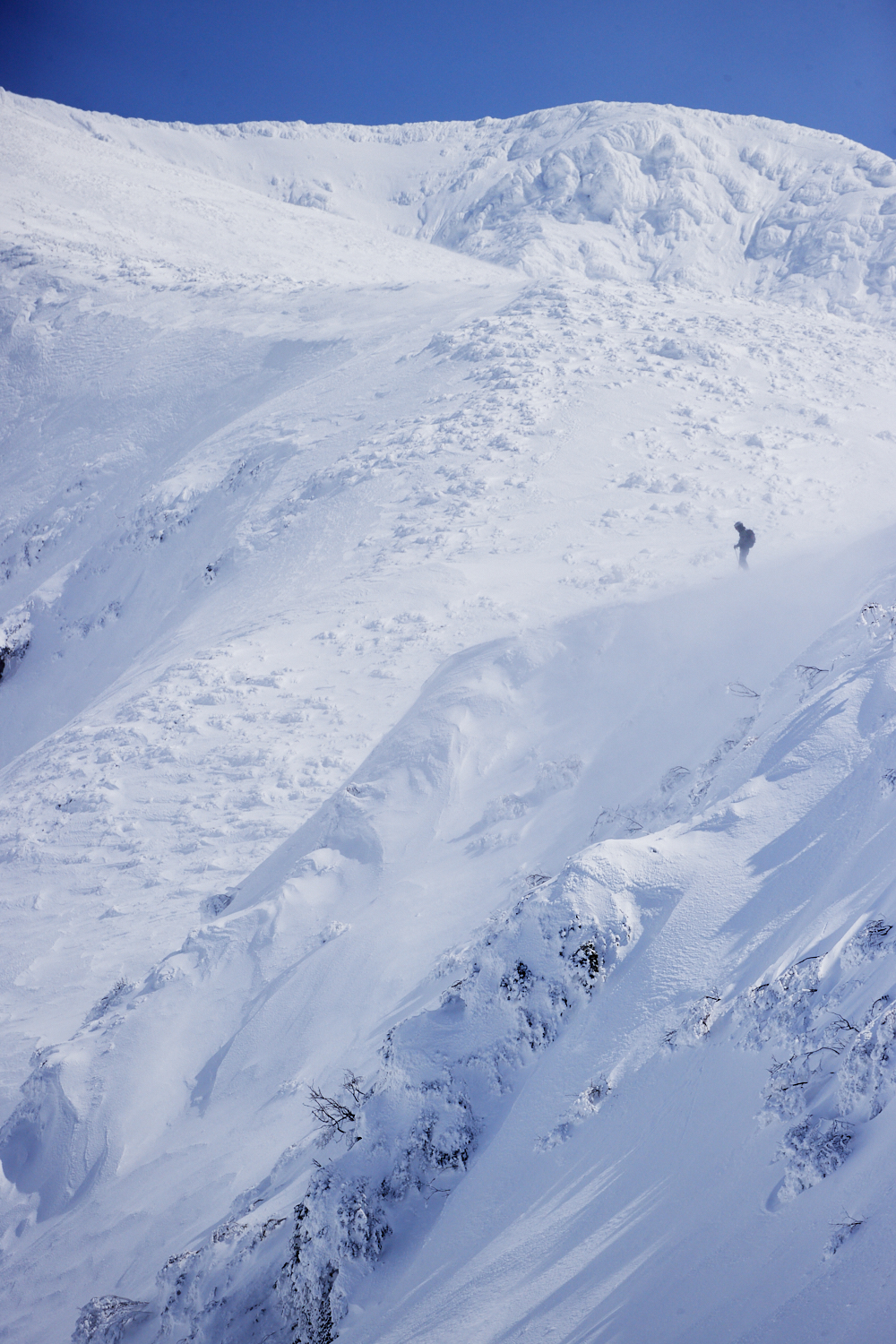
Sekiya: Americans and Australians alike all say they want to go there at least once in their lifetime. There's no other country where it snows so consistently. That's why everyone comes. If you stay for a week, you're sure to get snow somewhere. In North America or Europe, it's not uncommon to stay at a ski resort for a week and not get a single snowfall. Even if it snows heavily, it doesn't snow for a week or two, and the snow gets harder and harder. Also, in the Hokuriku area, it often snows and then clears up. Everyone comes hoping for a shower of fresh powder, but it's not just powder. The snow is generally soft throughout the season. Even if it's not slushy, even on groomed runs, the snow is soft, so as long as it's sunny, it's fun. The recent trend of only hyping powder isn't good, is it?
Kono: If there's a lot of snowfall continuously, you can ski in a variety of different areas, from ridgelines to forest areas
Sekiya: Katsu, you opened Shichirabe Coffee while helping out at your family's inn, Shirakaba. What was the trigger for that?
Kono: I've been running Shichirabe Coffee for six years, but back then, inbound tourism hadn't reached its peak yet. I was convinced that it would continue to grow, and I started it from a skier's perspective, thinking it would be nice to have a place where you could have a beer after skiing. It was common for overseas ski resorts to have bars you could drop into
Sekiya: The experiences I gained from traveling around the European ski resorts have been useful here. I hardly attended classes, but what I learned at the Austrian business high school is still useful to me (laughs)
Kono: Actually, there was a time before the COVID-19 pandemic when I thought about closing the inn. Thankfully, we had so many inbound tourists that we couldn't keep up. It all happened so quickly that we didn't have time to prepare to welcome them. I thought I'd take down the Shichirobe Coffee sign and turn it into a working space that could only be used by guests staying at the Shirakaba next door, to add value to the inn. Then COVID-19 hit. But now I finally have time to get things in order. Now I'm thinking, what should I do next?
Sekiya: During the peak of inbound tourism, I was constantly working for about two months and couldn't ski. It was definitely too busy. Maybe COVID-19 was a good opportunity to reassess my position.
Also, Katsu, you're also a coach at the Nozawa Onsen Junior Ski Club, so you must be busy. When did you start?
Kono: About four years ago. Every day, I would practice in the morning, skate in the afternoon, and then skate at night. It felt like I was back in my student days
Sekiya: Nozawa is amazing. It's Katsu, Yudai (Ueno Yudai), and Shu-chan. They're all athletes who know the world, so of course the next generation will grow. Was it in 2019 that your student, Sasaoka Sora, won the National Junior High School Ski Championship?
Kono: Yes, he was selected as a national training athlete along with Taiga Kono, who is two years younger than him, and it looks like he'll be going on a European tour this year. Our domestic head coach is Kyosuke Kono, a native of Nozawa Onsen Village, and we're grateful to Akira Sasaki's "Akira's Project" for financial support (laughs).
Sora Sasaoka is currently a third-year high school student, but he spends his weekends studying cooking here at Shichiryobei Coffee. Next week, we're hosting a three-day donation dinner, with half of the proceeds going toward his travel expenses. My goal is to nurture athletes who can earn tangible income while competing and live independently even after they retire. I want to teach skiing in a way that connects people, so that they can see not only their sport but society as a whole. I tell them to be independent, not rely on someone else to pay for their competition expenses. Otherwise, they'll end up being subjugated by their parents or losing the ability to make their own decisions. By constantly telling them this, they've started to make their own decisions. I wanted him to go to Europe, but he said he wanted to go to a university in Japan, which was a shame. If he had said he wanted to go to Europe, I would have given him the full amount of the donation (laughs).
Sekiya: So you want him to go to Europe as soon as possible because you think it was a good experience for you?
Kono: Ever since I was little, I was surrounded by seniors who had been to Europe, and I'd heard a lot from them, so I always thought that if I was serious about skiing, it had to be Europe, not Japan. Then, at the age of 15, I made the decision to go to Europe myself. Going to Europe at 15 has become a great asset for me. That's why I want people to see the world while they're young. It's not too late to go after you're 20, but you'll absorb something completely different. Fewer young people are going abroad these days, so I feel a responsibility to develop more international talent. Nozawa is accepting people, but there are fewer people looking in from the outside
Sekiya: Yes, it's important to look at your country, its nature, culture, and history from the outside
Kono: Sekiya-san is also looking at Japan from the outside, so he has the same sensibilities as me, and has made his business successful through inbound tourism. Going overseas isn't just about becoming a world-class athlete; it's also about becoming an adult who broadens his perspective by looking in from the outside.
We both love skiing, so we went overseas, came back, and made skiing our livelihood. As I approach 40, I think it's actually quite okay if you pursue what you love (laughs). Sekiya-san, do you have a vision for five or ten years from now?
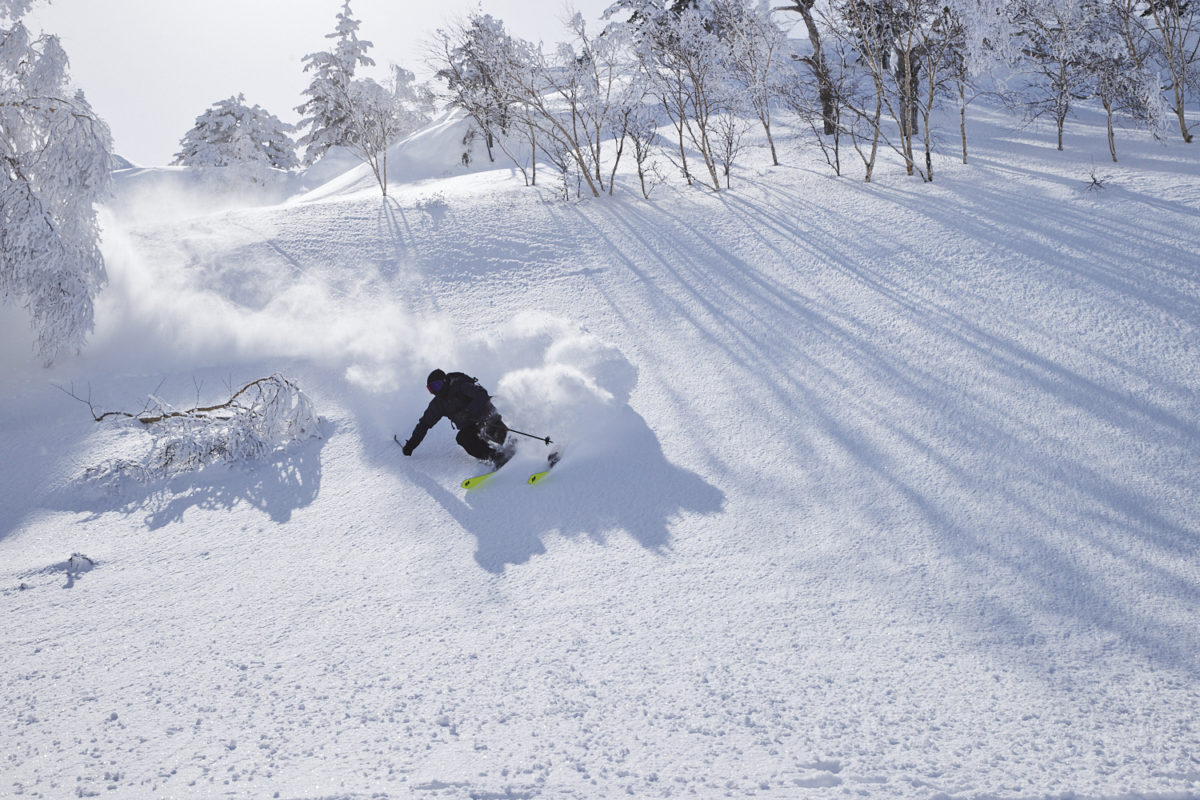
Sekiya: I'd like to continue working as a private guide for inbound tourists. Communicating the nature and culture of my hometown is fun and rewarding work. I'd also like to operate my own travel agency. I'd love to handle everything from arranging accommodations to bookings, but the COVID-19 pandemic has completely changed the situation, so I'm currently at a standstill. Anyway, my goal, as I mentioned earlier, is to give back to local businesses. Now that
I'm a parent, I want to create opportunities for Japanese children to enjoy skiing. I'm currently offering freeride clinics for adults, and I'd like to offer a junior version of that, a place to share the joys of freeriding. Skiing isn't just about competition and the basics. I hope to convey the joy of freeskiing to the next generation of skiers, showing them that they can ski freely. Speaking
of myself, I never get bored of skiing, so I'll probably keep doing it until my body can't move anymore. Equipment is constantly improving, too. Speaking of which, Katsu, you've been snowboarding a lot lately, haven't you? You're getting pretty good at it.
Kono: When I ski privately, I snowboard by far more often. I wouldn't say it out loud, but if possible, I'd like to become a snowboarder (laughs). Part of it is that I have a lot of friends who are snowboarders, but I'm hooked. Snowboarding was the first time I was able to see skiing from the outside. I realized that it's important to see it from the outside, just like when I went to Austria at 15
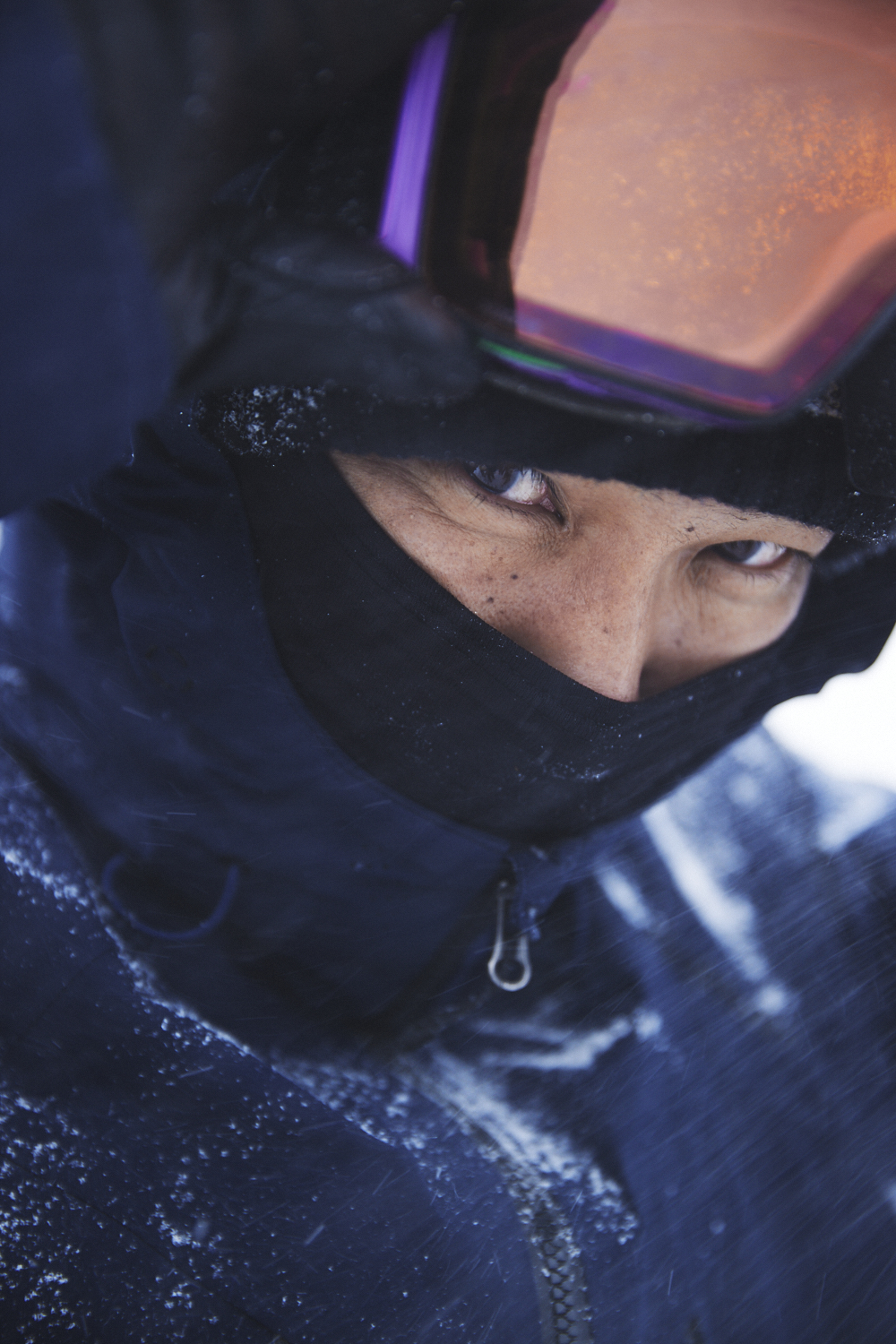
Kono: Skiing is difficult but fun. I've been skiing for over 30 years, but I still haven't gotten any better
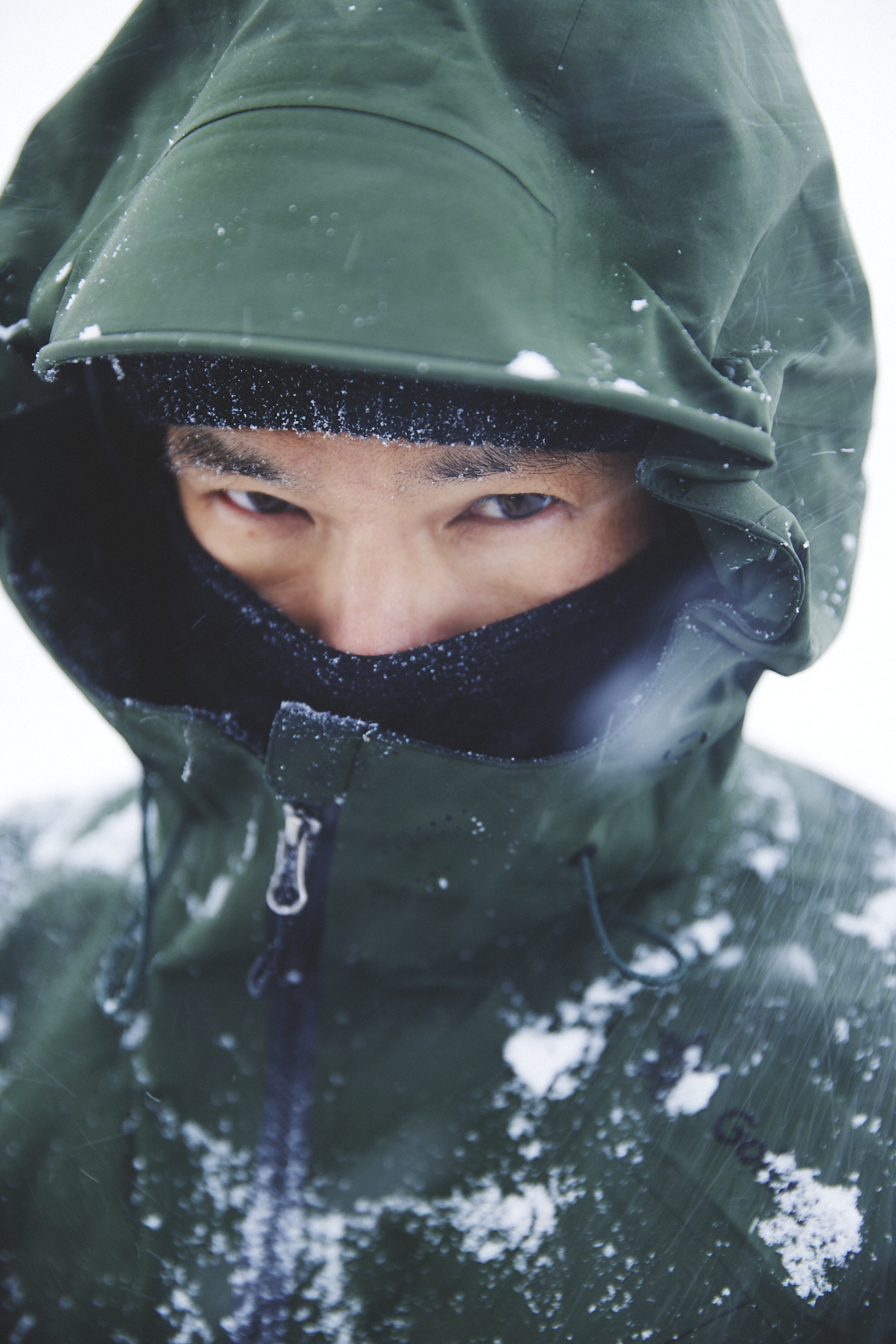
Sekiya: I think the desire to become a good skier will never disappear until the day we die. Whether it's fresh snow or packed snow, the essence of skiing is unwavering and profound. That's why we can't quit
Profile
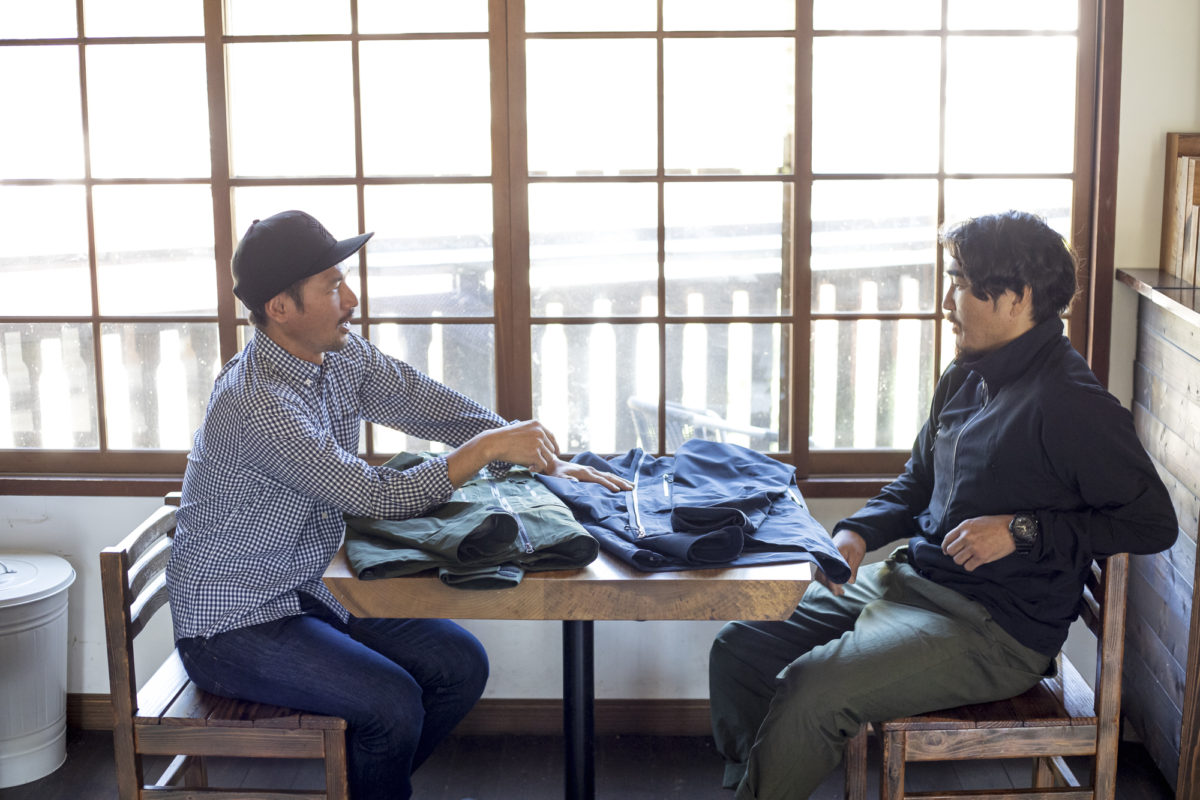
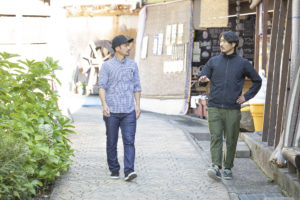
Kazushige Sekiya (left)
Born in Obuse, Nagano Prefecture in 1980. He devoted himself to competitive skiing until high school, and after graduating, he was drawn to the freeski movement and went to Colorado, USA to study, entering the world of freeskiing. He currently runs "SKINAGANO," a private guide service for inbound tourists based in Kijimadaira Village in Northern Shinshu. https://www.goskinagano.com
Katsuyuki Kono (right)
Born in Nozawa Onsen Village, Nagano Prefecture in 1981. He began alpine skiing at a young age and moved to Austria alone after graduating from junior high school. He returned to Japan at the age of 21 and competed in the Ski Cross World Cup. He is now back in Nozawa Onsen Village, where he runs the rental shop Shirakaba and Shichirabe Coffee, and is on the snow every day as a coach for the Nozawa Onsen Junior Ski Club. https://shirakaba8.com/cafe/
Photo / Takanori Ota, Takeshi Wakabayashi (YUKIMI STUDIO)
Interviewer / Shinya Moriyama
Recorded in November 2021
The first part is here
Read more