


Photo: Tony Harrington
"THINK SNOW" Thinking about the future of snow is nearly equal to thinking about the future of the Earth. May we continue to enjoy the dream of skiing on powder snow forever... May the cold winters that bring us snow be sustainable on Earth... What needs to be done to protect snow? Let's start by looking at global efforts to combat climate change to find clues for actions that each individual can take
The process of addressing climate change
Even now, the concentration of greenhouse gases in the atmosphere continues to increase, and there are concerns that global warming will continue to worsen in the future. What is known as global warming in Japan is an environmental issue that is more commonly referred to internationally as "climate change," and has become widespread worldwide. Did you know that in order to tackle climate change on a global scale, numerous international conferences have been held, and governments around the world have created international treaties to combat climate change?
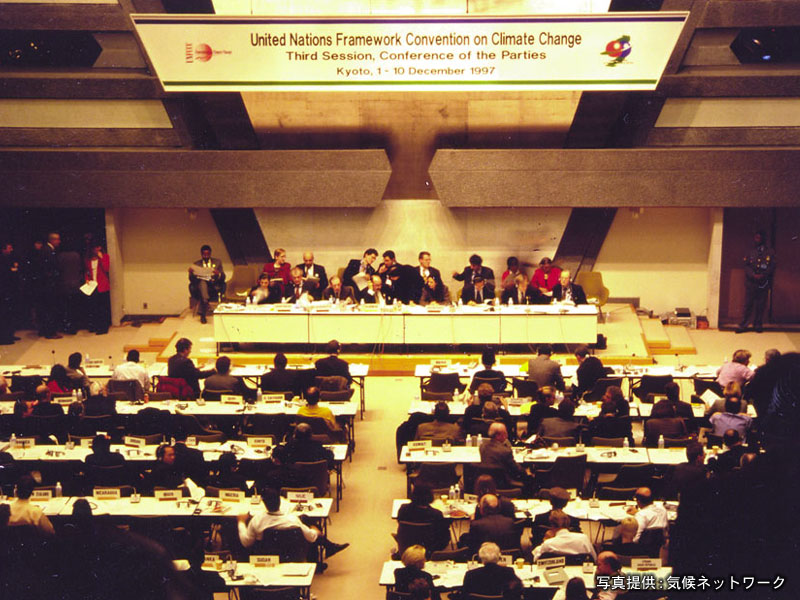
1997 Kyoto Protocol enacted
The Kyoto Protocol was enacted in 1997. This was the first global commitment to reduce CO₂ emissions
"Reduce greenhouse gas emissions by approximately 5% between 2008 and 2012 compared to 1990 levels"
In addition, each country set targets for reducing greenhouse gas emissions, with the EU promising an 8% reduction, the United States a 7%, and Japan a 6% reduction. A national project called "Team Minus 6°C" was launched to achieve this. Many people will likely have fond memories of this logo

The following six initiatives were undertaken under the slogan "Aim for a 1kg CO2 reduction per person per day."
ACT1: Reduce waste by adjusting the temperature: "Set the air conditioner to 28°C and the heater to 20°C."
ACT2: Reduce waste by using water: "Turn off the tap frequently.
" ACT3: Reduce waste by using your car: "Drive eco-friendly."
ACT4: Reduce waste by choosing products: "Choosing eco-friendly products."
ACT5: Reduce waste through shopping and garbage: "Refuse excessive packaging."
ACT6: Reduce waste by using electricity: "Unplug the power cord from the outlet frequently."
This led to the creation of a new style known as "Cool Biz" and the practice of "STOP!", which encourages fuel-efficient eco-driving by avoiding idling, sudden starts and stops... Did you all start doing this at the time?
2015 Paris Agreement comes into force
Japan successfully achieved the 6% CO₂ reduction target, which was considered difficult at the time. The successor to the Kyoto Protocol was the Paris Agreement, which was agreed upon at the Conference of the Parties to the United Nations Framework Convention on Climate Change (commonly known as COP), held in Paris in 2015 to discuss international agreements on greenhouse gas reductions. Japan has also completed the ratification process and become a signatory to the Paris Agreement
The Paris Agreement set out the following long-term global goals:
- Paris Agreement (adopted in December 2015, entered into force in November 2016)
- We will strive to keep the rise in global average temperature well below 2°C above pre-industrial levels, and to limit it to 1.5°C
. To achieve this, we will peak global greenhouse gas emissions as soon as possible and
achieve a balance between greenhouse gas emissions and absorption (by forests, etc.) in the second half of the 21st century .
The Paris Agreement requires all participating countries and regions, including developing countries, to set greenhouse gas reduction and control targets for the period after 2020, and all countries are obligated to submit and update their greenhouse gas emission reduction targets as "Nationally Determined Contributions (NDCs)" every five years
Japan has set a mid-term goal of reducing greenhouse gas emissions by 26% by fiscal 2030 from fiscal 2013 levels
In Japan, most CO₂ emissions are generated by power generation, factory operations, and automobile use. Therefore, it is important to consider power generation methods, energy conservation in factories, and the spread of electric vehicles that do not emit CO₂. In particular, it is desirable to utilize environmentally friendly power generation methods such as solar, wind, geothermal, and hydroelectric power, which do not generate CO₂
Renewable energy sources such as solar, wind, geothermal, small- and medium-sized hydroelectric power, and biomass do not emit greenhouse gases and can be produced domestically, making them important domestic energy sources with promising future prospects
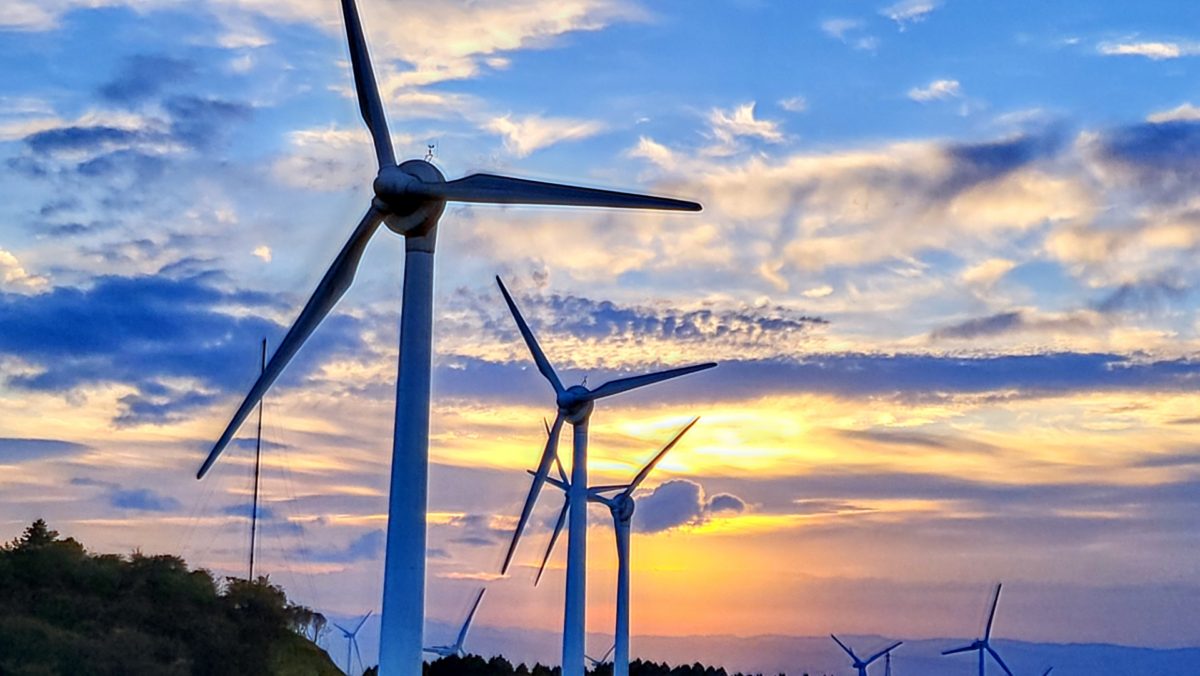
For example, ski resorts use huge amounts of electricity to operate lifts, light the slopes, operate artificial snow machines, operate resort facilities, etc. In order to reduce greenhouse gas emissions, companies that operate ski resorts have begun to switch to renewable energy sources such as wind, hydropower, and solar power
2050CN Carbon Neutral Declaration - Towards a Carbon-Free Society
Furthermore, in June 2019, the "Long-term Strategy as a Growth Strategy based on the Paris Agreement" was formulated and submitted to the United Nations. Prime Minister Suga at the time declared that "Japan aims to reduce greenhouse gas emissions to zero overall by 2050, in other words, to achieve carbon neutrality and a decarbonized society by 2050."
In October 2020, the Japanese government declared that it would aim to achieve carbon neutrality by 2050, meaning that it would reduce greenhouse gas emissions to zero overall
"Carbon neutrality, which means reducing emissions to zero overall," means subtracting the "absorption" of greenhouse gases, such as afforestation and forest management, from the "emissions" of carbon dioxide and other greenhouse gases, resulting in a total that is essentially zero. In order to achieve carbon neutrality, it is necessary to not only reduce greenhouse gas emissions but also to preserve and strengthen absorption. Protecting forests and greenery is, of course, also an important measure
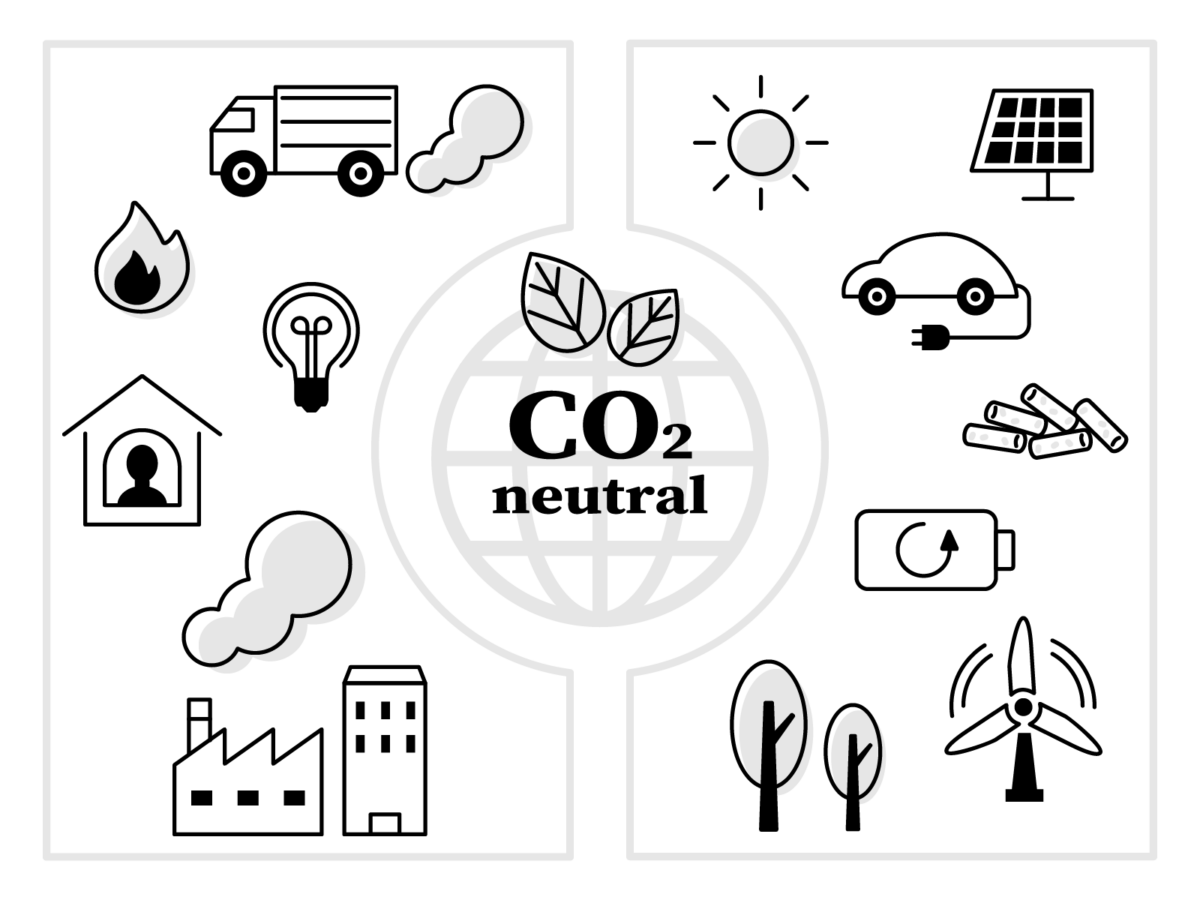
The world is currently working towards achieving this goal, with more than 120 countries and regions setting the goal of becoming carbon neutral by 2050
▼YouTube video/Learning through animation "Carbon Zero" (3 minutes 28 seconds)
Raising greenhouse gas reduction target to 46% by 2030
On April 22, 2021, at the Leaders Summit on Climate, the Japanese government announced that it would raise its greenhouse gas reduction target for fiscal year 2030 to 46% below 2013 levels. While it was noted that this would be "a more than 70% increase from the previous target, and no small feat," the government's Global Warming Prevention Headquarters announced its commitment to implementing measures, including "maximizing the use of decarbonized energy sources, such as renewable energy," and "supporting local decarbonization efforts."
If global warming continues at its current rate, the future of snow is a concern. To protect our precious snow and white fields, now is the time for each and every one of us to consciously take action and do what we can.
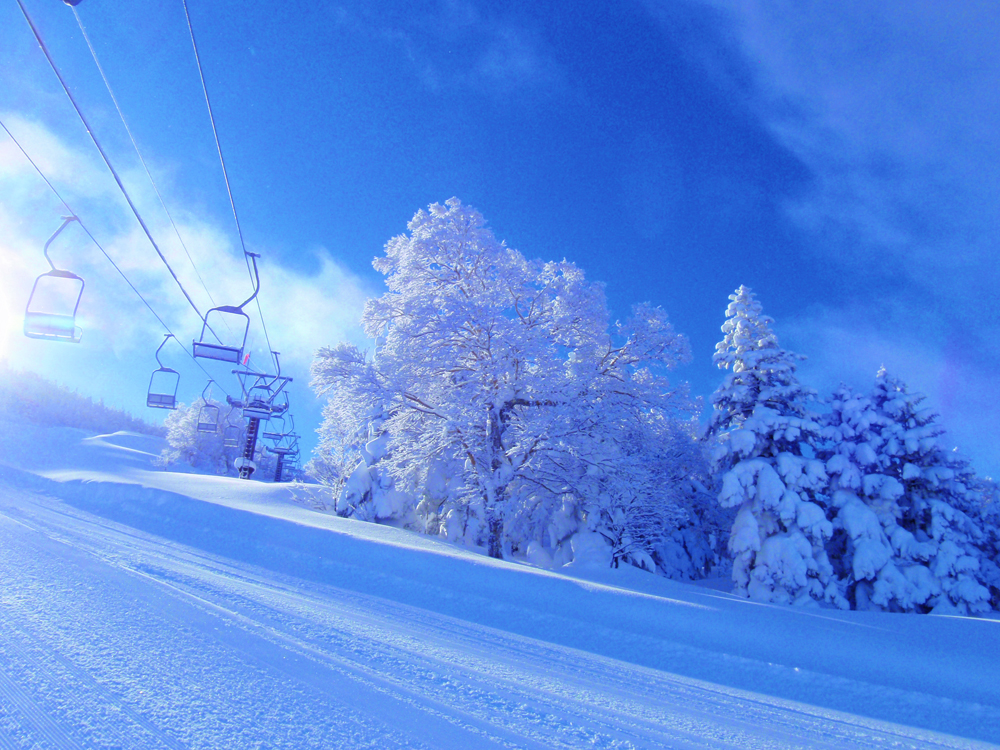
10 individual actions you can take to combat climate change
There are many things we can do to combat climate change by being conscious in our daily lives, such as conserving electricity that uses coal, oil, and gas as fuel, using transportation methods that reduce greenhouse gas emissions, preventing food waste, buying less and using things for longer by repairing them, recycling, and choosing products from environmentally friendly companies as consumers.If we also get those around us involved, we can surely bring about even bigger changes
The UN website suggests "10 actions that individuals can take" to help curb climate change: https://www.unic.or.jp/activities/economic_social_development/sustainable_development/climate_change_un/actnow/
- Save energy at home
- Walk, cycle or take public transport
- Eat more vegetables
- Consider long-distance transportation
- Reduce food waste
- Reduce, reuse, repair, recycle
- Changing your home's energy source
- Switch to an electric car
- Choose environmentally friendly products
- Speak up

Let's think about these actions from the perspective of a skier or snowboarder
| 1 | Save energy at home |
| Many of the electrical appliances we use at home emit CO₂. Even small actions like "saving energy at home" can lead to significant CO₂ reductions if everyone puts it into practice | |
| 2 | Walk, cycle or take public transport |
| Most cars burn diesel or gasoline, emitting a lot of CO₂. If you drive your own car to go skiing, try using the train or bus occasionally. Also, try carpooling as much as possible to reduce the amount of car use | |
| 3 | Eat more vegetables |
| Producing plant-based foods produces fewer greenhouse gas emissions and requires less energy, land and water. Eating less meat and dairy in favor of more vegetables, fruits, legumes and nuts reduces the burden on the environment | |
| 4 | Consider long-distance transportation |
| Airplanes burn a lot of fossil fuels and emit a lot of greenhouse gases. Taking a train to Hokkaido to go skiing might be unrealistic, but if you're going by car, you have the option of choosing a nearby ski resort | |
| 5 | Reduce food waste |
| Do you eat everything you eat at campsites or lodgings? When food is wasted, the energy used in production and transportation is also wasted. Eat all the food and meals you buy every day. There are children suffering from hunger all over the world | |
| 6 | Reduce, reuse, repair, recycle |
| Gear is essential for enjoying skiing. But think about it for a moment. If you repair your skiwear, you might be able to wear it longer. What about all-mountain skis that you can use anywhere? Wouldn't it be okay to buy second-hand skis? There are many ways to practice "reduce, reuse, repair, recycle" in your skiing life | |
| 7 | Changing your home's energy source |
| If you are serious about living an eco-friendly life, switching your home's electricity to renewable energy sources like wind and solar power is an ideal attempt. There are now many different power companies to choose from, and many easy-to-use plans are available, such as bundled plans for mobile phones and electricity | |
| 8 | Switch to an electric car |
| If you are thinking about replacing your car, consider an electric vehicle as your next choice. The barrier to purchasing an EV is steadily falling, and the installation of EV stations at resorts is accelerating | |
| 9 | Choose environmentally friendly products |
| Everything we use, buy, and our consumption behavior affects the global environment. What we choose to do is important. For example, choosing clothing and wax made from environmentally friendly materials, choosing resorts that use renewable energy, and choosing products and services from companies that have an environmentally friendly corporate stance can all contribute to climate change | |
| 10 | Speak up |
| Involving others can bring about greater change than the actions of one person alone. To "raise your voice," why not join the activities of people and organizations that are actively working to combat climate change for the future of snow? |
[References]
Introduction to SDGs: Changing the Future for Everyone, by Norifumi Kanie (Iwanami Shoten);
Understanding the Shape of the Earth in 2030 Through Data, by Kenji Fuma (Nikkei BP);
30 Ways to Protect the World from Climate Change: Our Climate Justice!,
by the International Environmental NGO FoE Japan Climate Change and Energy Team (Godo Publishing);
A Book to Understand the Basics of Environmental Issues, by Hitoshi Kadowaki (Hidewa System);
Global Environmental Keyword Dictionary, by the Global Environmental Research Group (Chuohoki);
Greenhouse Gas Reduction and Emissions Trading, by Mizuho Corporate and Mizuho Information & Research Institute (Nikkan Kogyo Shimbun)