

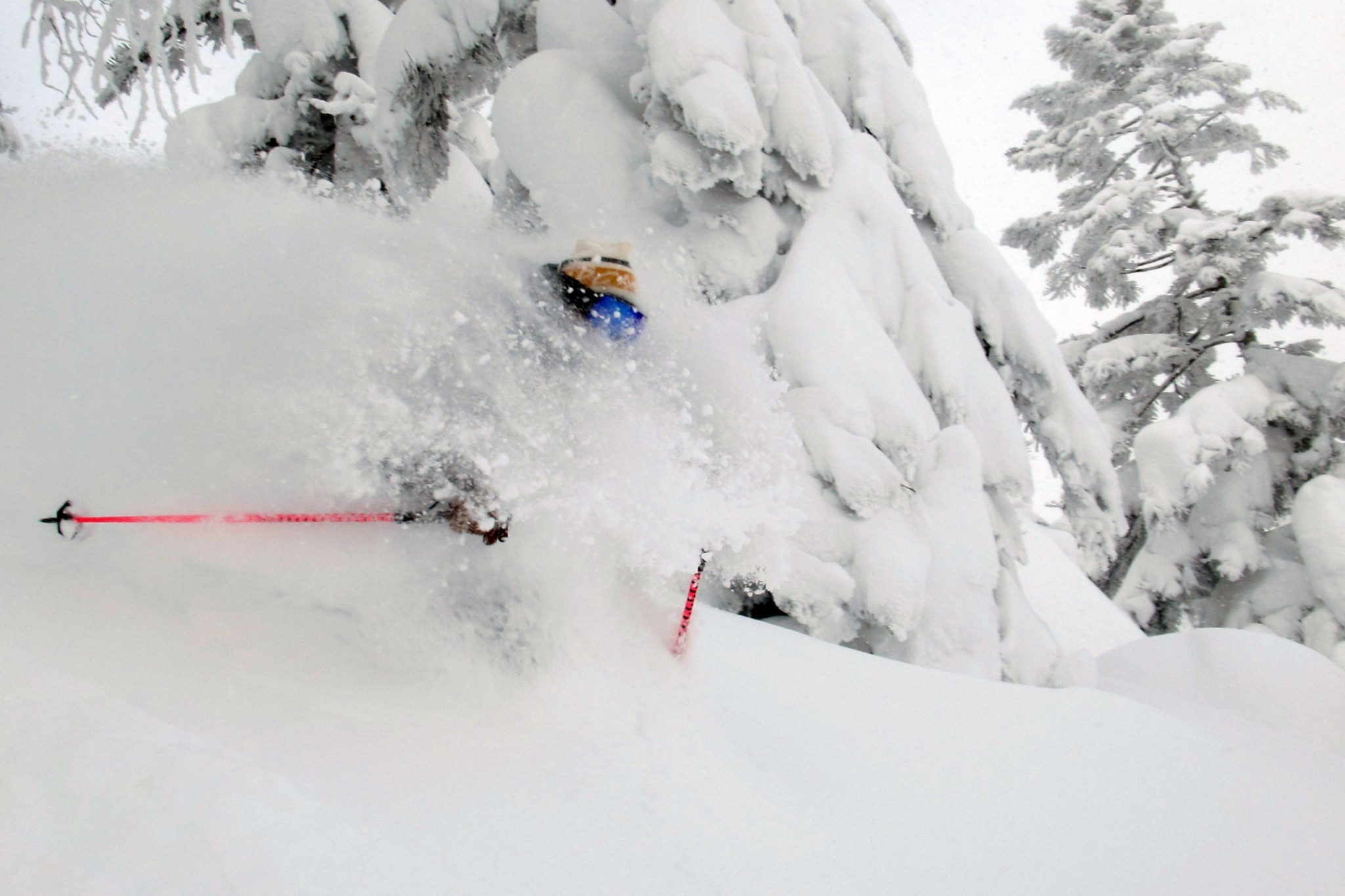
The quality of Japan's powder snow is top-notch, and countless inbound skiers and snowboarders travel to Japan from all over the world in search of it. But what if your home mountain was Whistler in Canada, one of the world's best, and you could ski as much powder as you wanted? Yet, you still make the effort to come to Japan every year in the middle of winter, when the snow is at its best. Why?
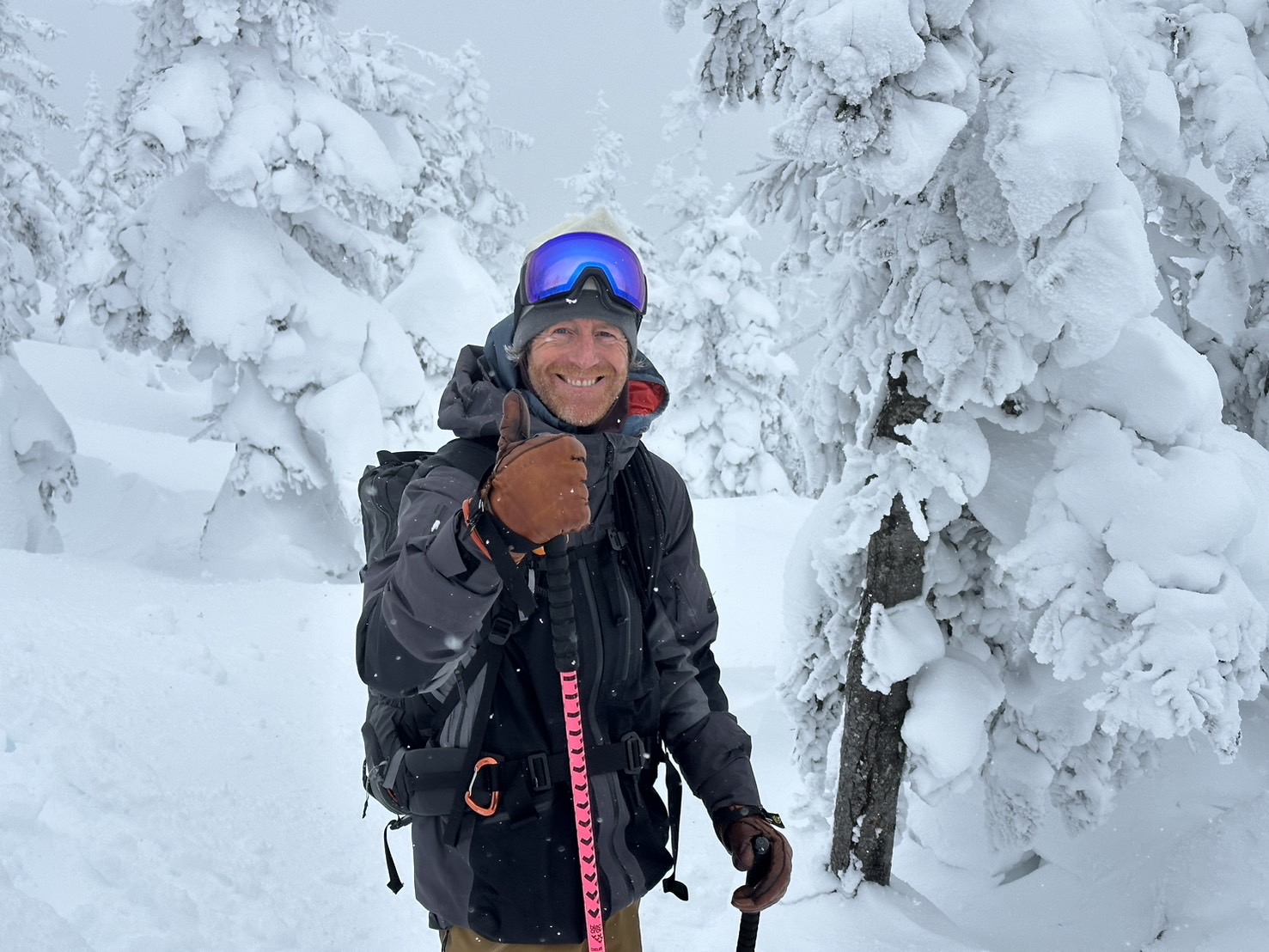
Skier Shane Szocs
We'd like to introduce you to a Canadian with an incredible love for Japan. He lives in Whistler, one of North America's top snow resorts. His name is Shane Zack. In his younger days, he represented Canada in moguls, and as a member of the Canadian Air Force, which took twin-tip skiing by storm in its early days, he has been a leading figure in the freeriding world
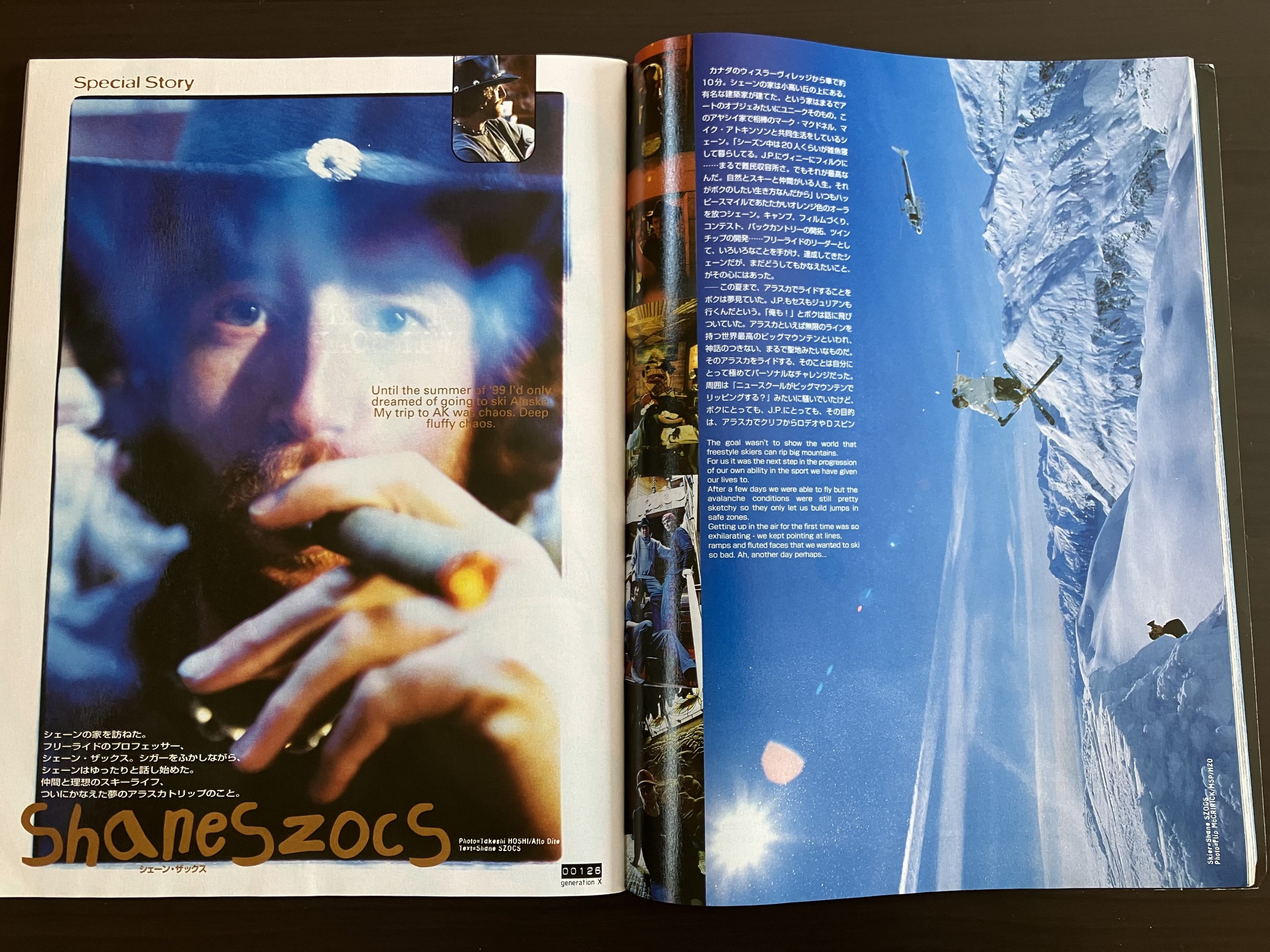
This is an article about Shane from the freeskiing magazine "Generation-X," which was published around the time he was at the height of his success. With his movie-star-like presence and dynamic riding, he always attracted attention in the freeskiing world
Canadians aiming to become core JAPOWs
Shane's first visit to Japan dates back about 30 years. He began visiting Japan when he was in his early 20s. It has been about 20 years since then. Long before inbound tourism began, he visited famous ski areas in Japan, including Niseko, Naeba, Nozawa Onsen, and Shiga Kogen. After coming here as a skier, he fell in love with the quality of Japan's snow and seized every opportunity to visit Japan
When Shane turned 40, the number of inbound tourists to Japan for skiing and snowboarding gradually began to increase. Shane had been active as a professional skier up until that point, but he gradually began to want to ski in Japan for himself. One year, he went on an unscheduled two-week heiski trip to Tohoku with his Japanese friend CHIYASU
The goal was to find a snow spot with excellent snow quality that would give him a real Japanese feel. The reason was that Japanese ski resorts like Niseko, Hakuba, and Myoko were becoming increasingly famous, and even though he had come all the way to Japan to ski, "it was full of foreigners and English, and it didn't feel Japanese at all. I wanted to ski in a Japanese-style ski resort without foreigners."
We looked at the slopes of the ski resorts on Google Earth beforehand and visited several local ski areas in Tohoku that we had our eye on. Shane found many ski areas that he liked in each prefecture: Aomori, Iwate, Akita, Miyagi, and Yamagata. Among them, there was one place that really stood out. The snow quality was excellent and it looked like it would be great for exploring the side country and backcountry. There was also a rustic hot spring nearby that was full of Japanese atmosphere
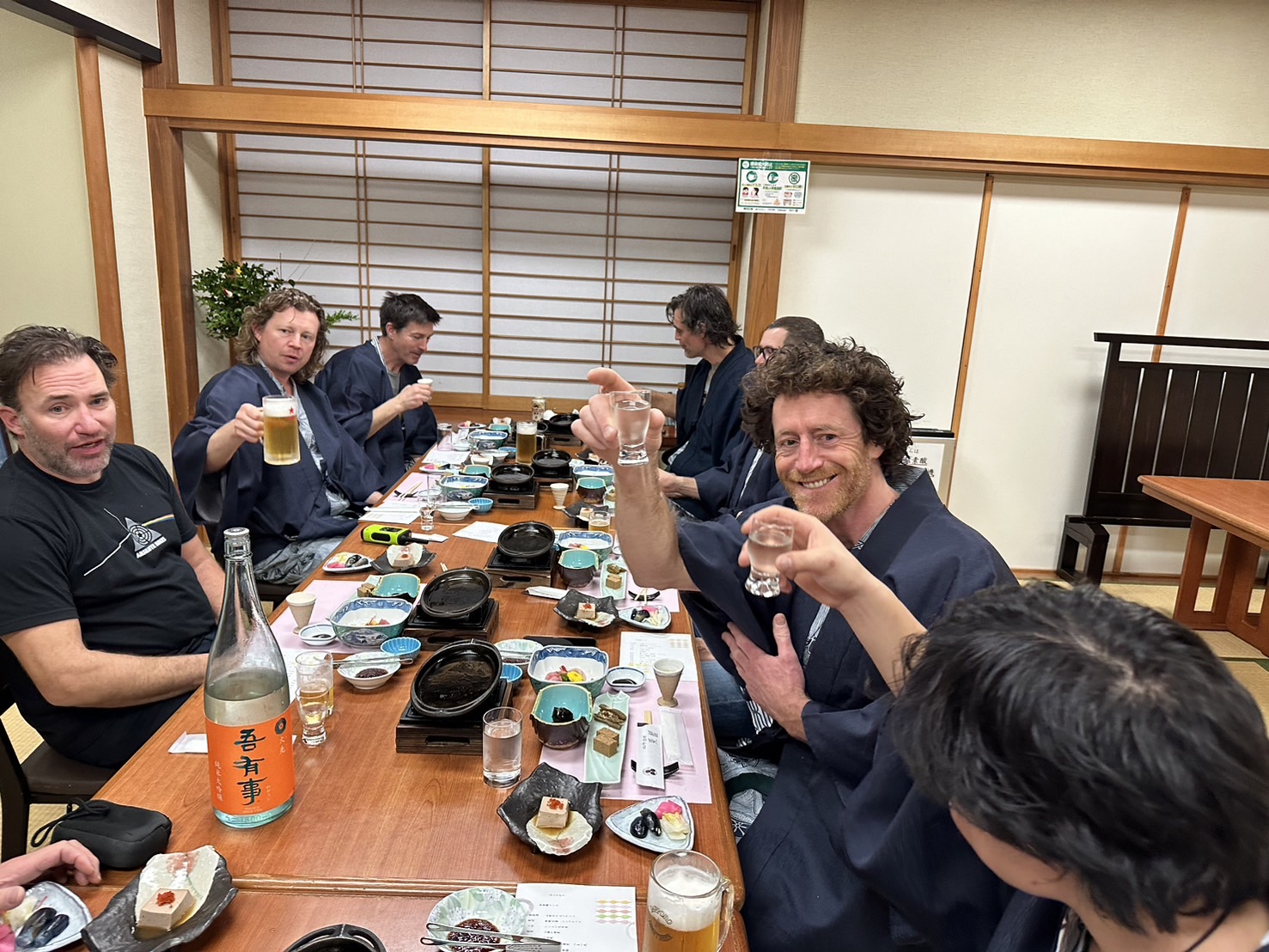
Since 2013, Shane and his friends have been staying at the ski resort every year for about 10 days to two weeks. They bring Canadian whiskey with them and always greet the patrols and ski resort staff with a polite "We'll ski the backcountry safely, so please take care of us." So, even when they come, the resort staff seem to be welcoming them with open arms, saying things like, "They've come in large numbers again. I hope we can attract more inbound tourists like them."
We were unable to visit for three years due to the COVID-19 pandemic, but will restart in 2023. This year (2024), we skied nonstop with eight Canadian and American skiers from mid-January to early February
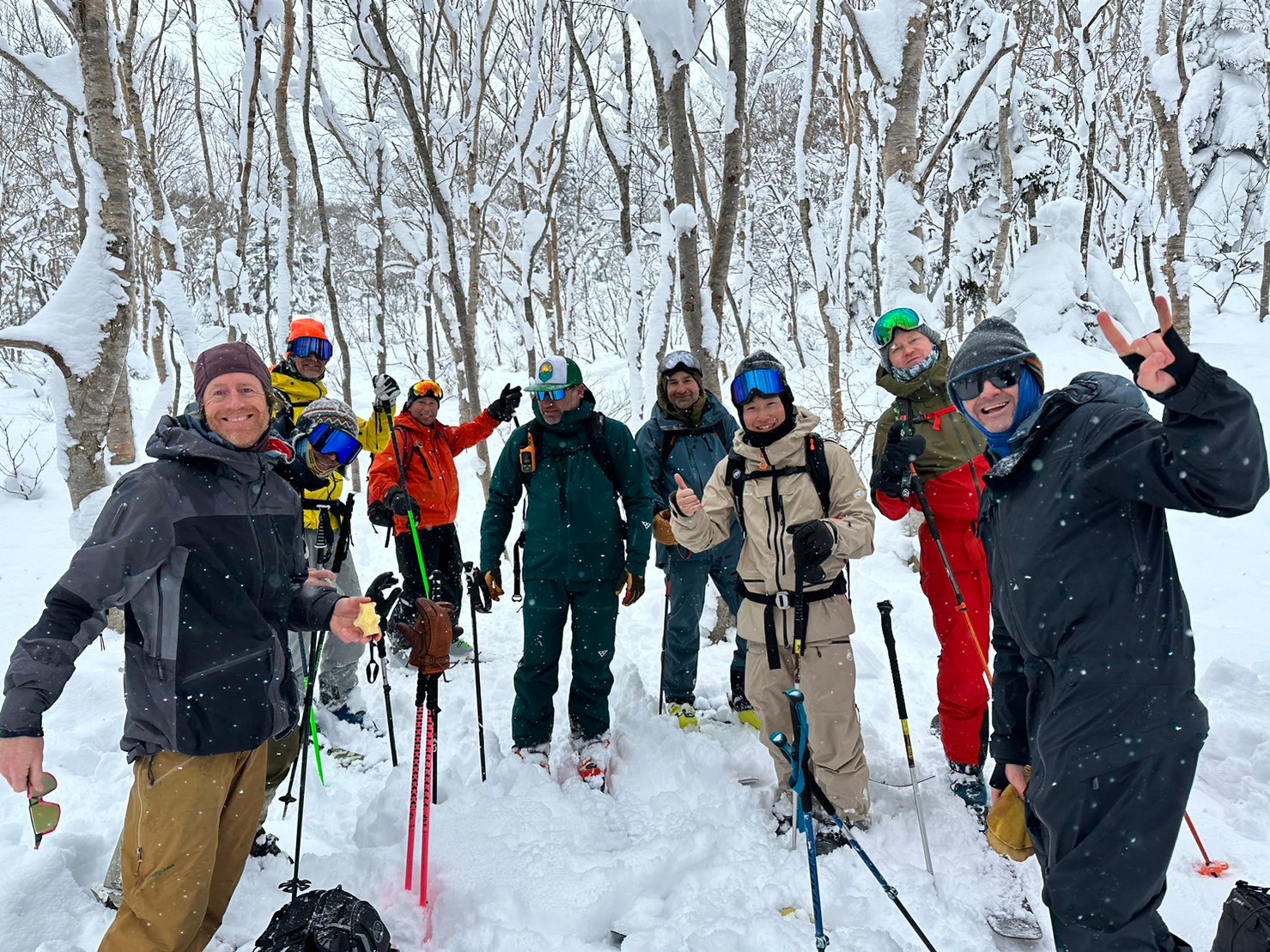
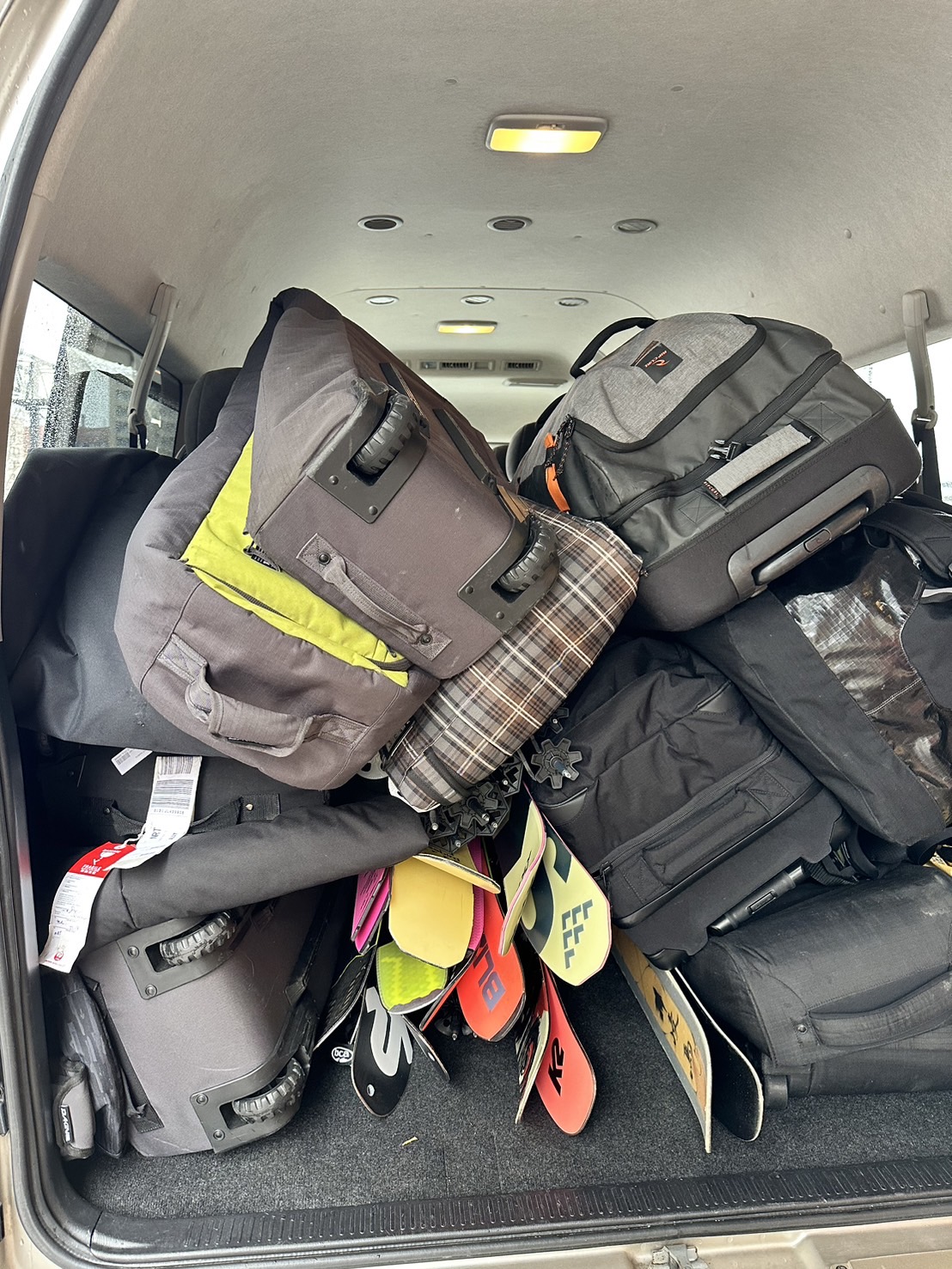
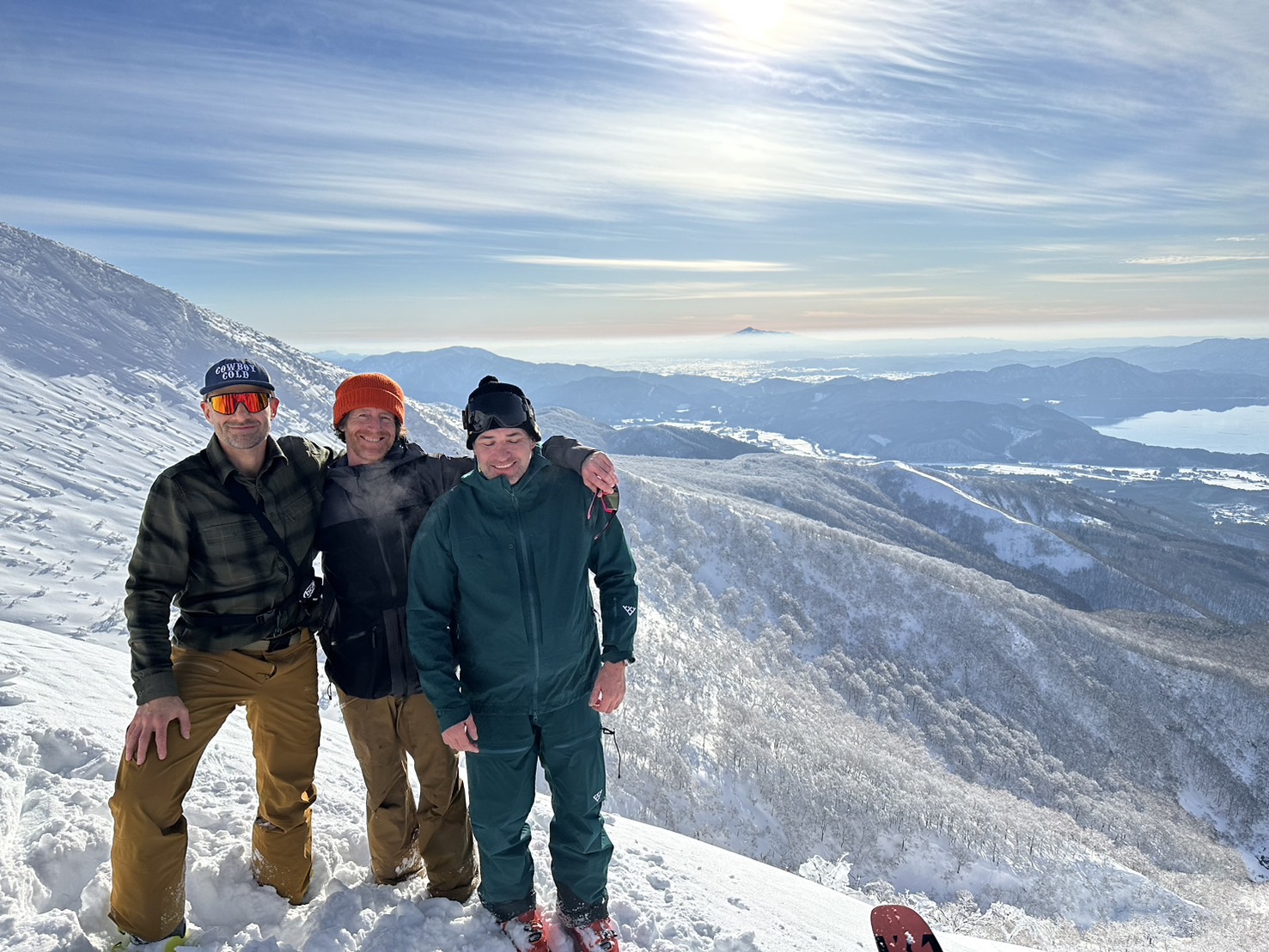
We asked Shane why he comes to a local ski resort every year in January during peak season, even though he lives in the famous and incredibly nice resort of Whistler.
Q. Why do you leave Whistler and come all the way to Japan during peak season?
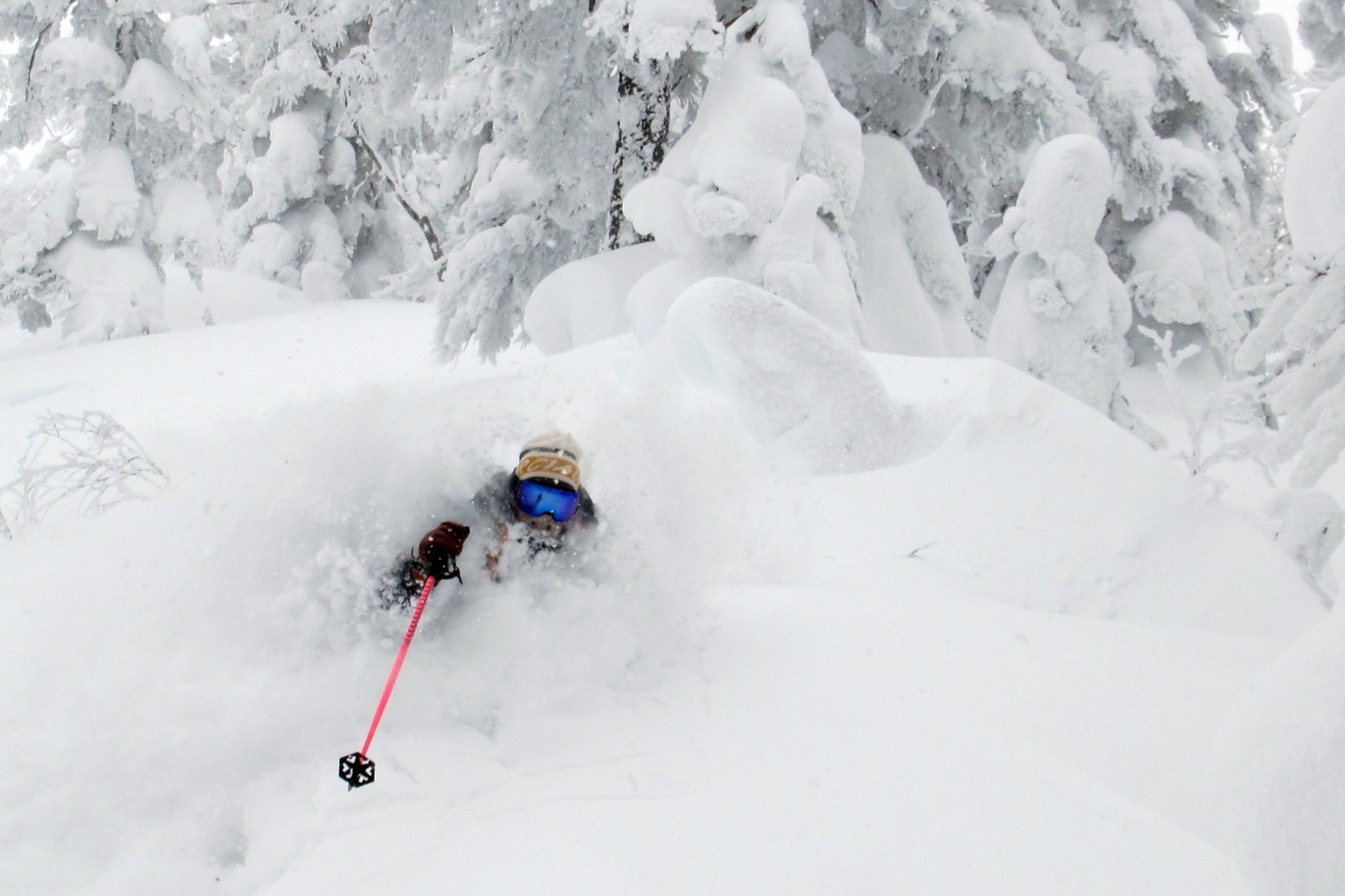
Shane: "It's important to visit Japan during the coldest time of the year, when a major cold wave hits. That's the same time as Whistler, but the season in Japan is shorter. We try to come in January or February if possible. It's certainly hard to leave Whistler during peak season when the conditions are great, but Japan is different. That's what makes it so appealing.
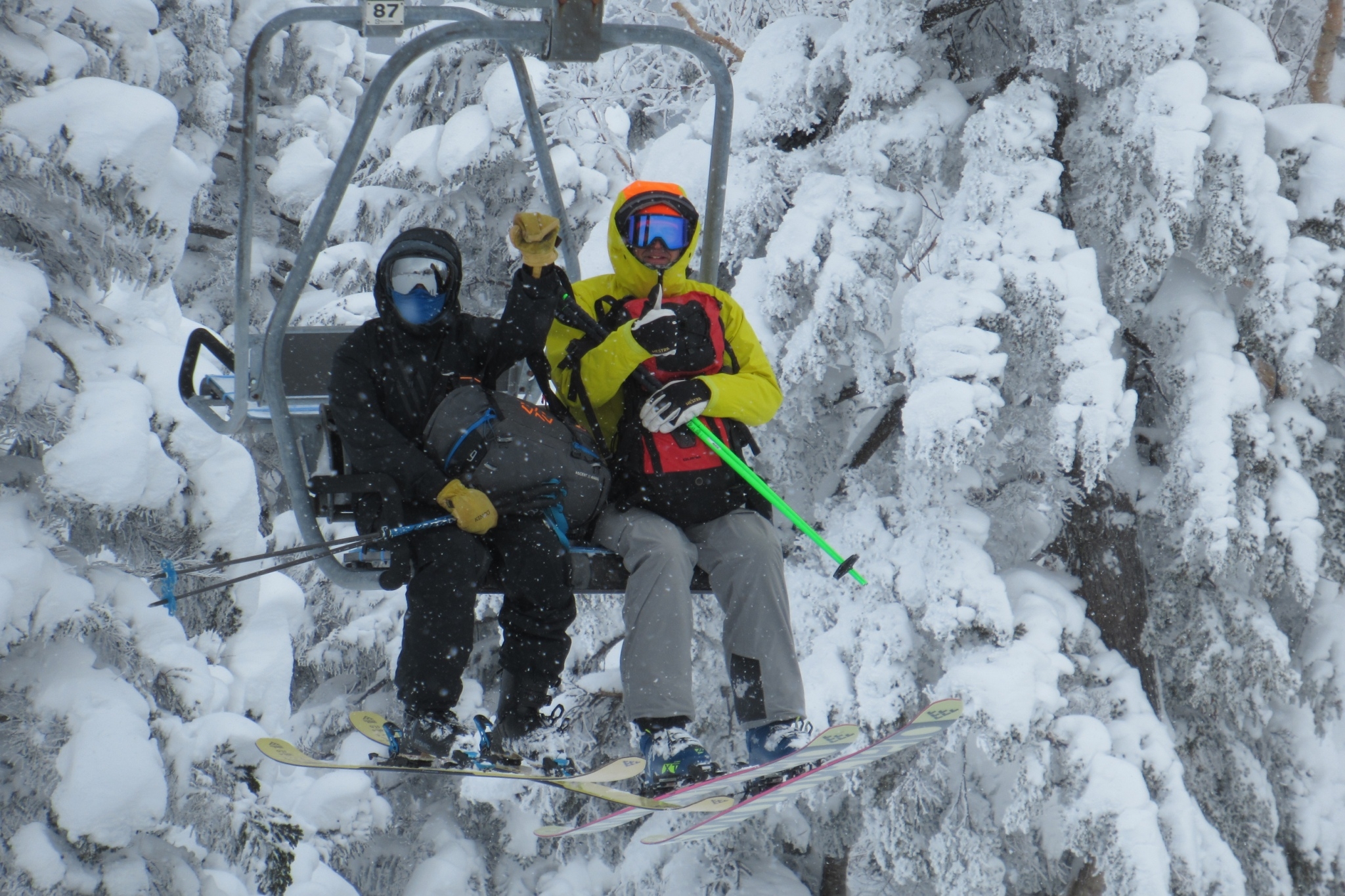
Just look! You're riding a retro two-seater chairlift like this, at a small resort, with powder and hardly any people around. We love this kind of thing!"
Q. What is the best thing about traveling to Japan?
Shane: "I think the good things about Hokkaido and Honshu are a little different, especially in Tohoku. Hokkaido has a lot of Australians, so I think that's because it's easier to access. It's further north, so the season is a lot longer. But Honshu has more variety in the mountain topography. There's no doubt that the snow quality is "JAPOW," just like Hokkaido. Hokkaido has its good points, while Honshu offers options that are unique to Honshu. Variety is what makes a ski trip to Japan great."
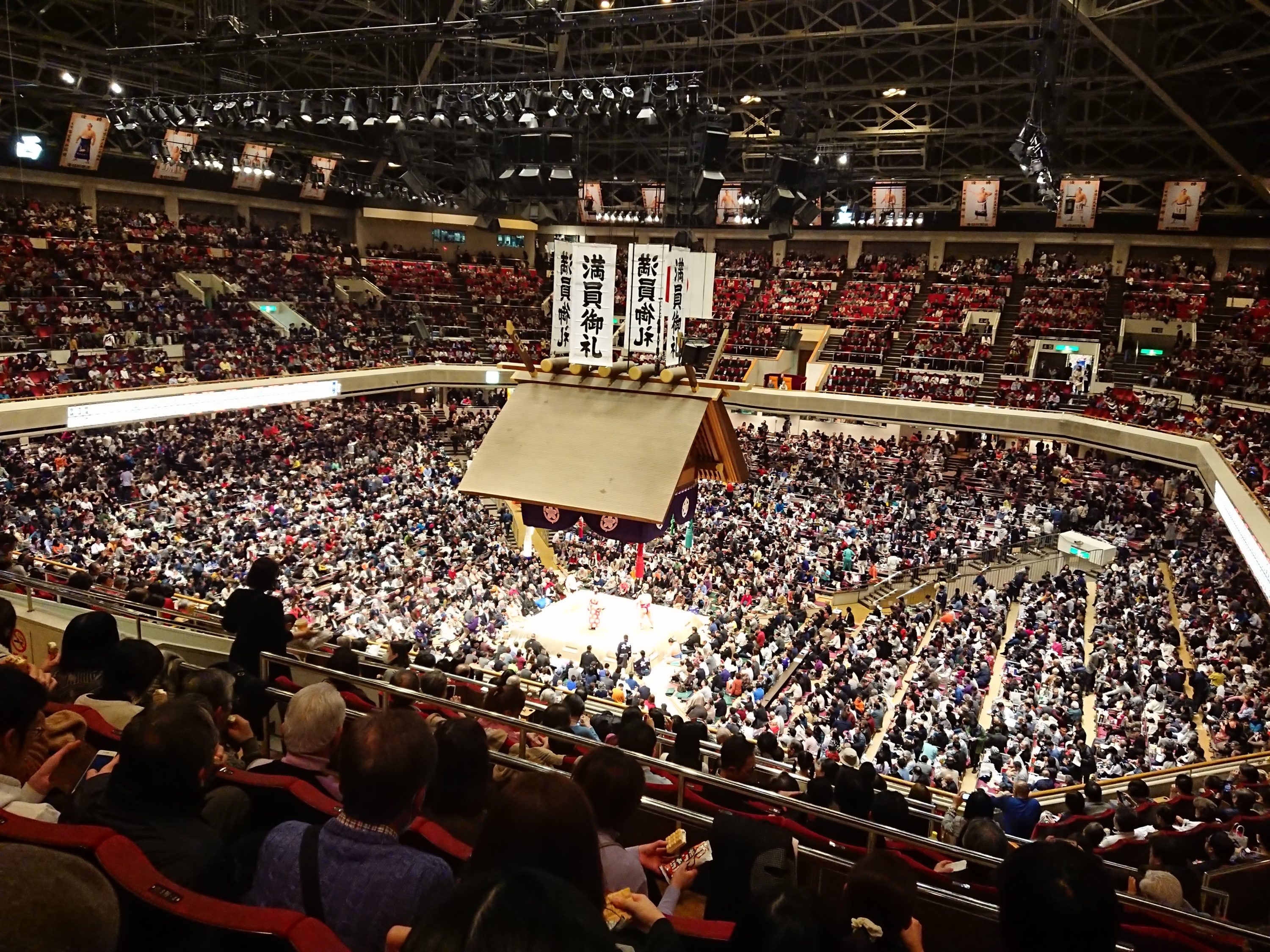
Q. Why do you take a journey that lasts more than 10 days?
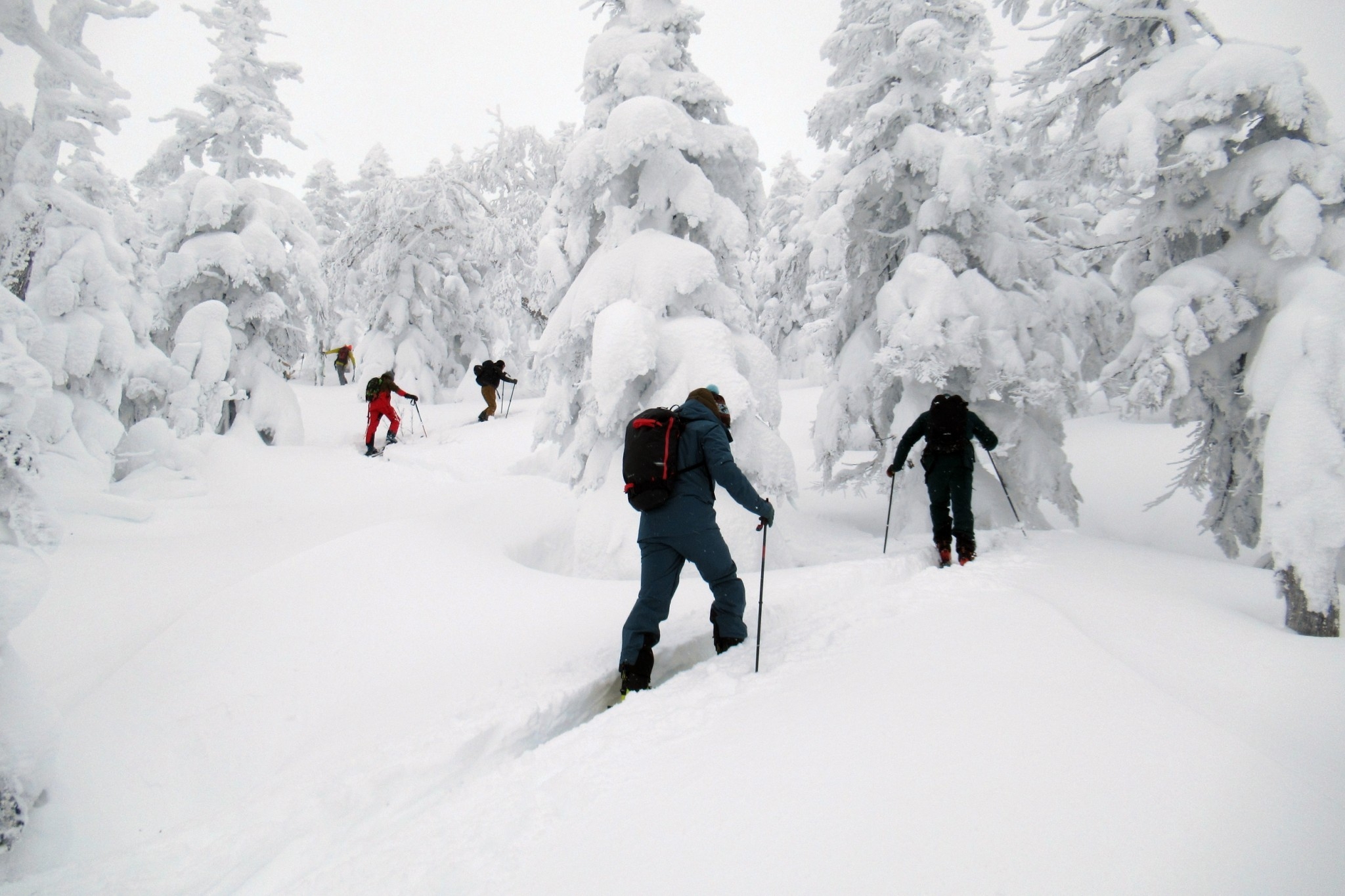
Shane: "If you want to ski in really good conditions, you're not guaranteed to get it in five days or a week. If you stay longer, fresh snow may fall during your stay. That's what happened this time. It snowed steadily over the last five days. There's also food, hot springs, and I love sumo, so if you want to enjoy sumo in Tokyo in January, you'll need about two weeks."
Q. What is your most unforgettable memory from your trip to Japan?
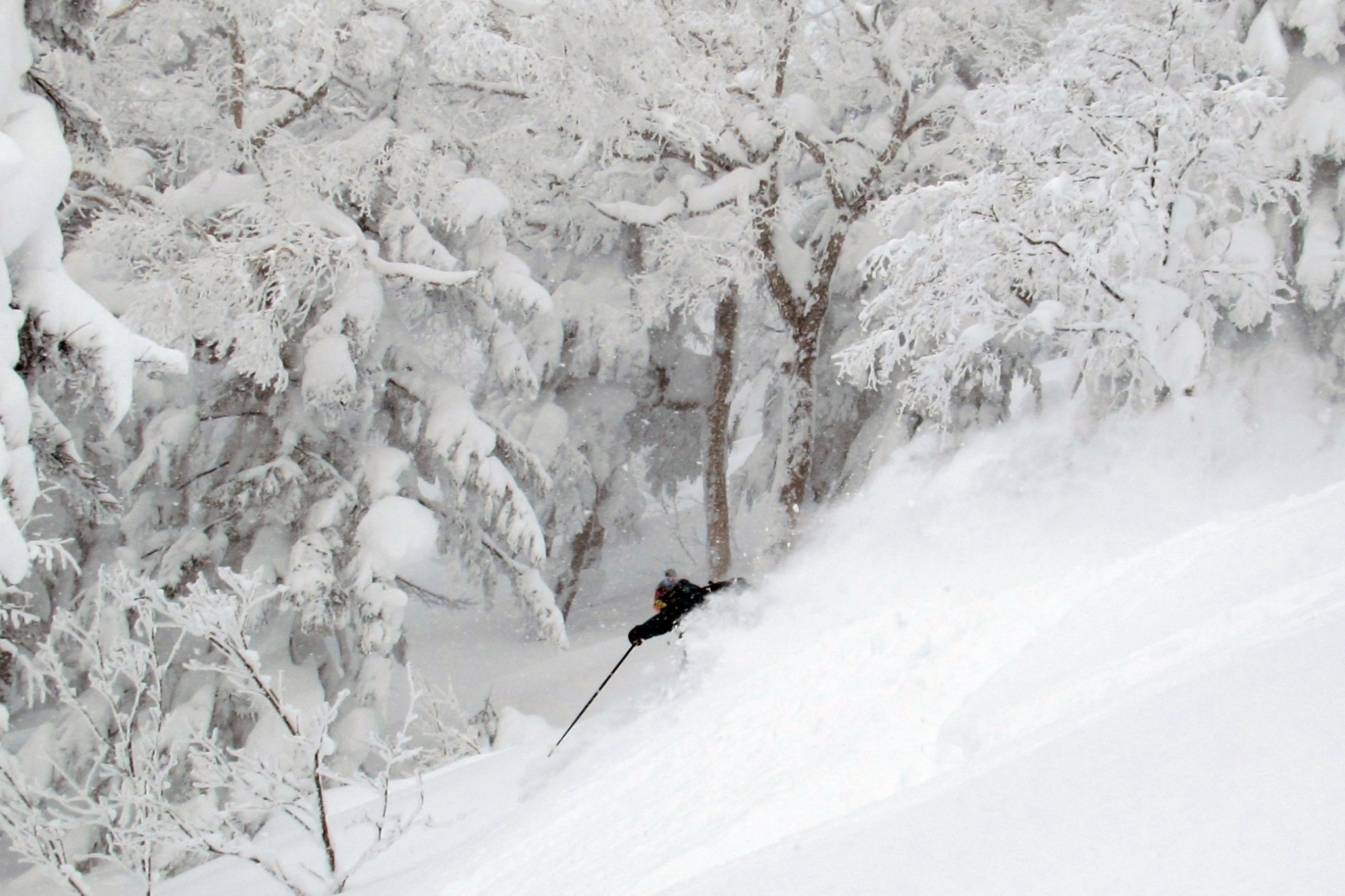
Shane: "Well, I have so many amazing memories and deep days, it's hard to choose... But if I had to choose, it would probably be my 30th birthday, when I skied at Seki Onsen in Myoko, where I miraculously hit five epic runs. I had so many powder tree runs all to myself. I was on the lifts and skiing all afternoon, all by myself. It was amazing."
Q. Bonus question: What do you think are the biggest changes in the ski industry over the last 15 years?
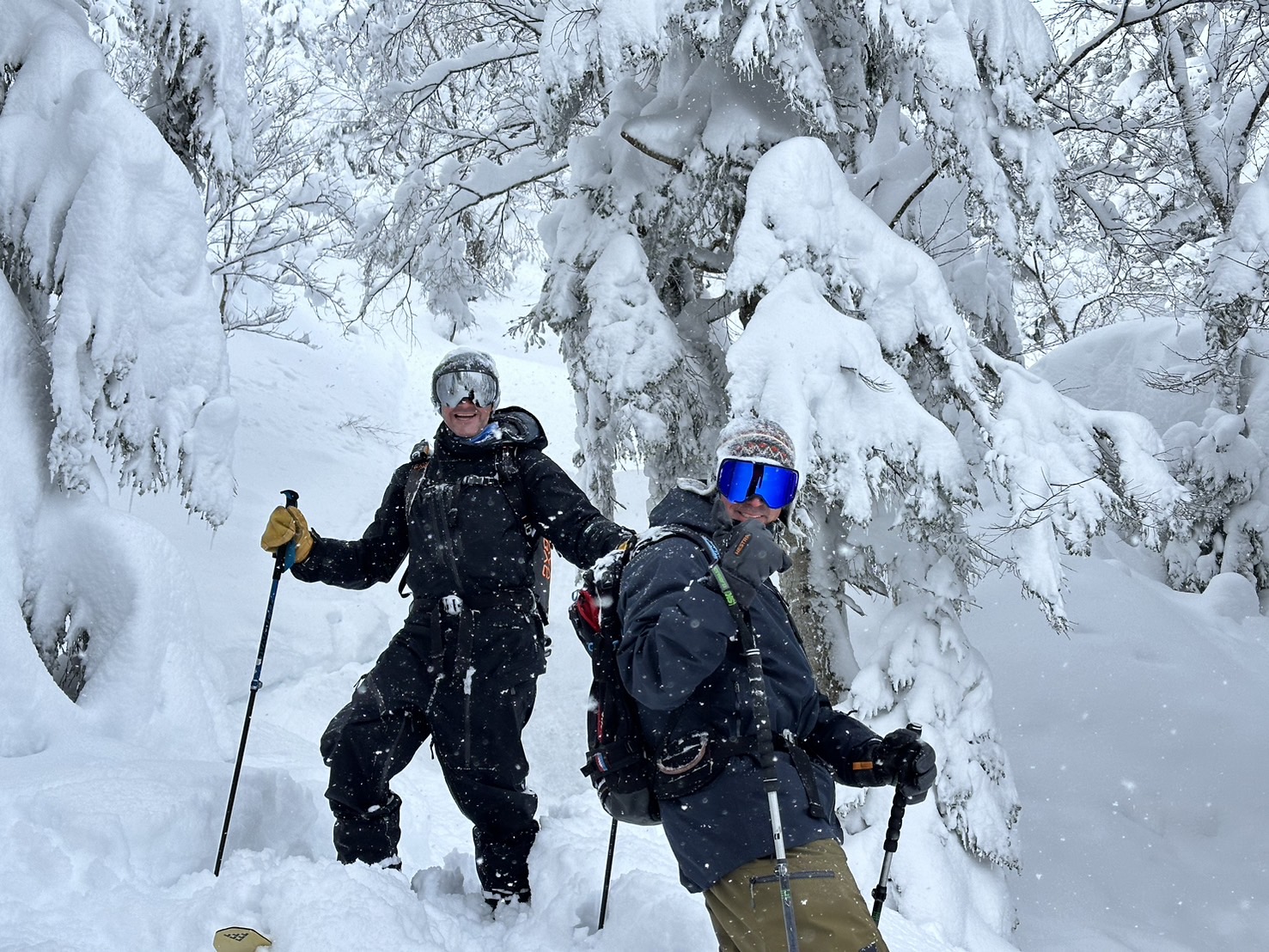
Shane: "I think there have been so many changes in the last 15 years. The tricks that young people are doing are incredibly difficult, not only in the park but also in the backcountry. Even the equipment has evolved so much that ski boots, bindings, and everything else is designed to fit together perfectly
If you want to go somewhere like this in the backcountry, there is a gear that is perfectly suited to that situation. At the same time, there are many skis that can be used for all sorts of things, from backcountry to on-piste, and are very versatile. It's really amazing. It's very convenient for skiing both on the slopes and in the backcountry, as on this trip."
It's a secret
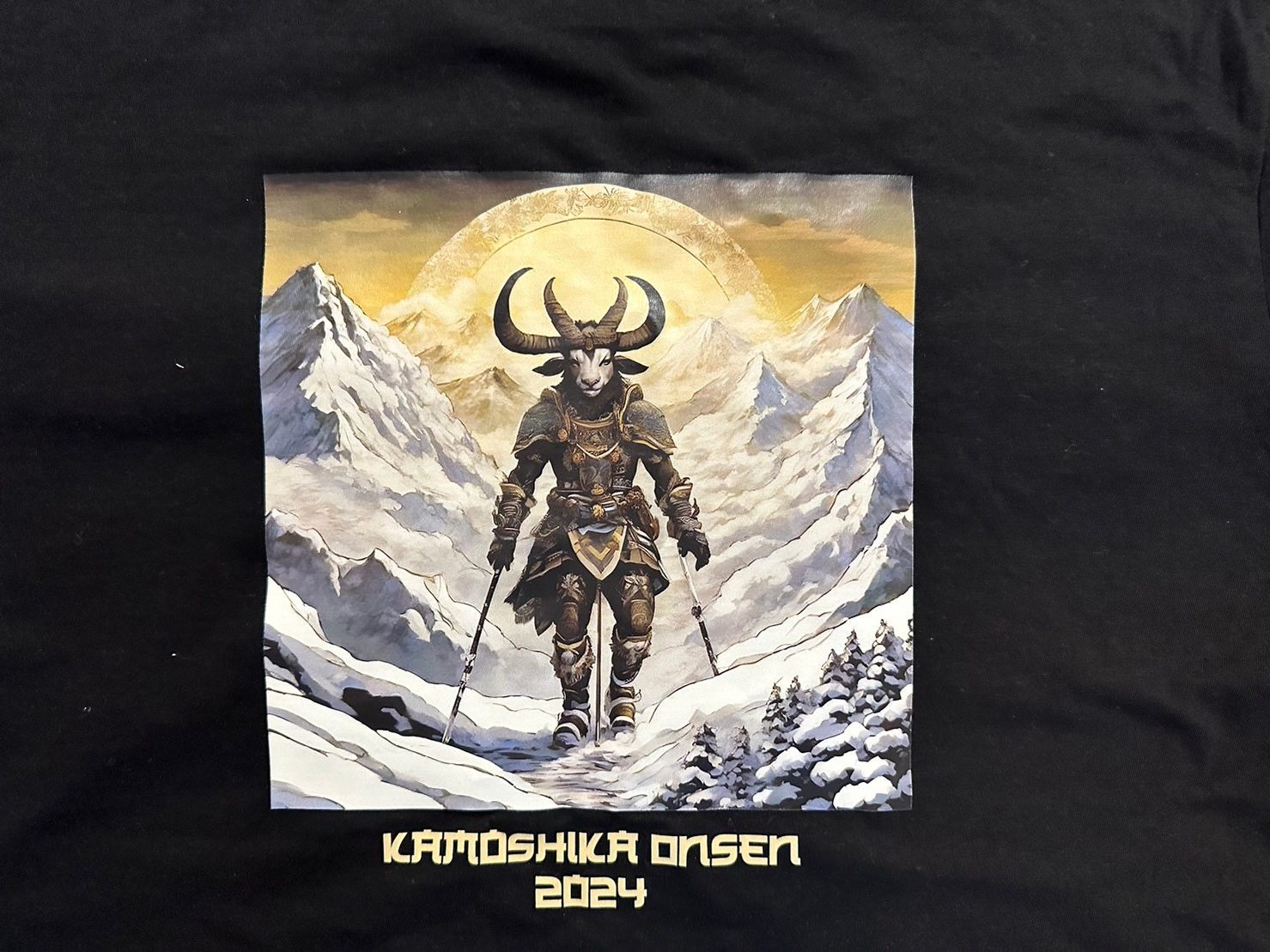
The name of the ski resort they go to is a secret. It's a small ski resort in Tohoku with a hot spring nearby, and they call it "Kamoshika Onsen."
With the inbound tourism boom in full swing, foreigners like Shane who have left Niseko and Hakuba are looking for new spots. If possible, Shane would like to protect the environment of Kamoshika Onsen, which has a low percentage of foreign visitors. This is why he agreed to be interviewed on the condition that the name of the place not be made public. "I wouldn't want a ski spot like this, which shows the great things about Japan, to become like a foreign one," says Shane. We Japanese are proud that Japanese ski resorts are so beloved and cherished
It may be good to accelerate development and transform ski areas into Western-style resorts that satisfy inbound tourists, but we should also listen to the messages of foreign skiers who visit year after year in search of ski resorts that retain a Japanese feel
Thanks to Shane Szocs, Ryoma Chiyasu, Kamoshika Onsen Crew
Photo: Jun Yanagisawa, Hiroshi Owada
Editing: Chise