

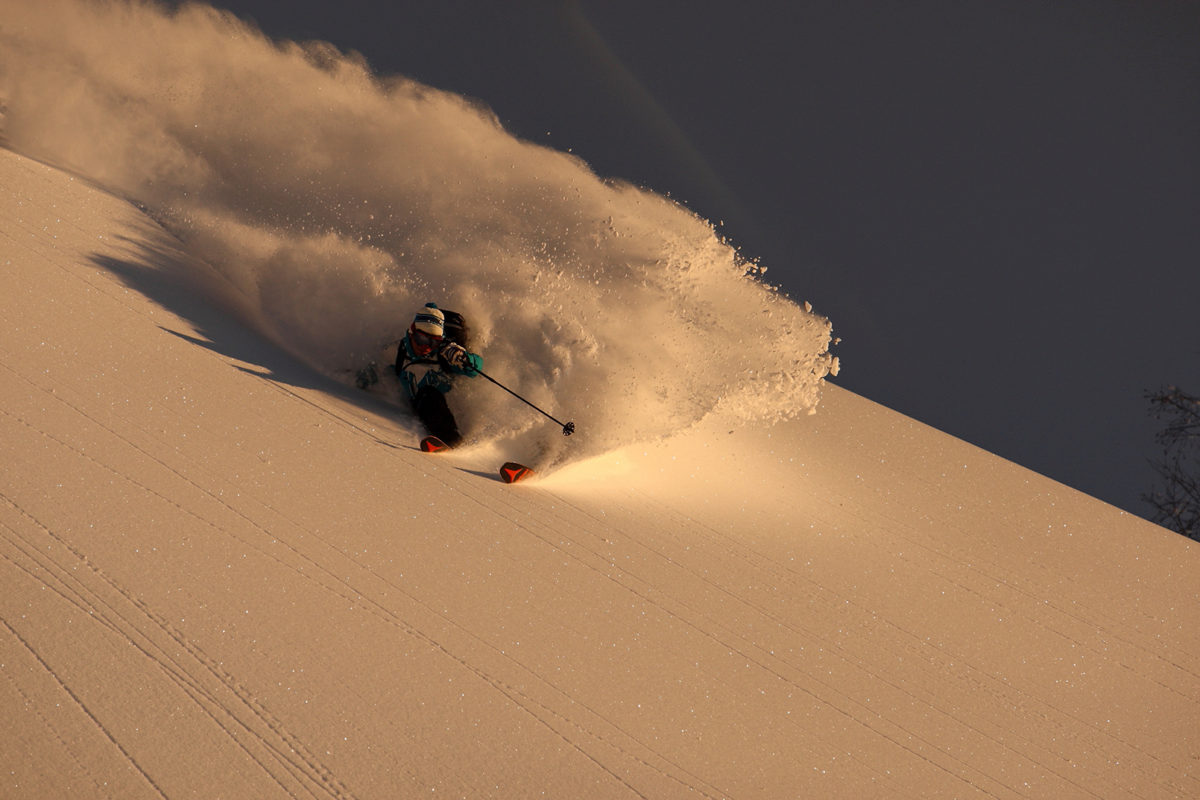
We bring you the latest interview with Tsuyoshi Kodama, who is celebrating his 20th year as a professional skier. Since quitting his part-time job at the age of 26, he has lived solely on skis. We took a closer look at the source of his motivation, as he carved trails into the snowy mountains of the world and charmed many skaters with his riding and entertaining expressions. The interviewer is Chikara Terakura, editor-in-chief of "Fall Line". I have known Kodama for 20 years.
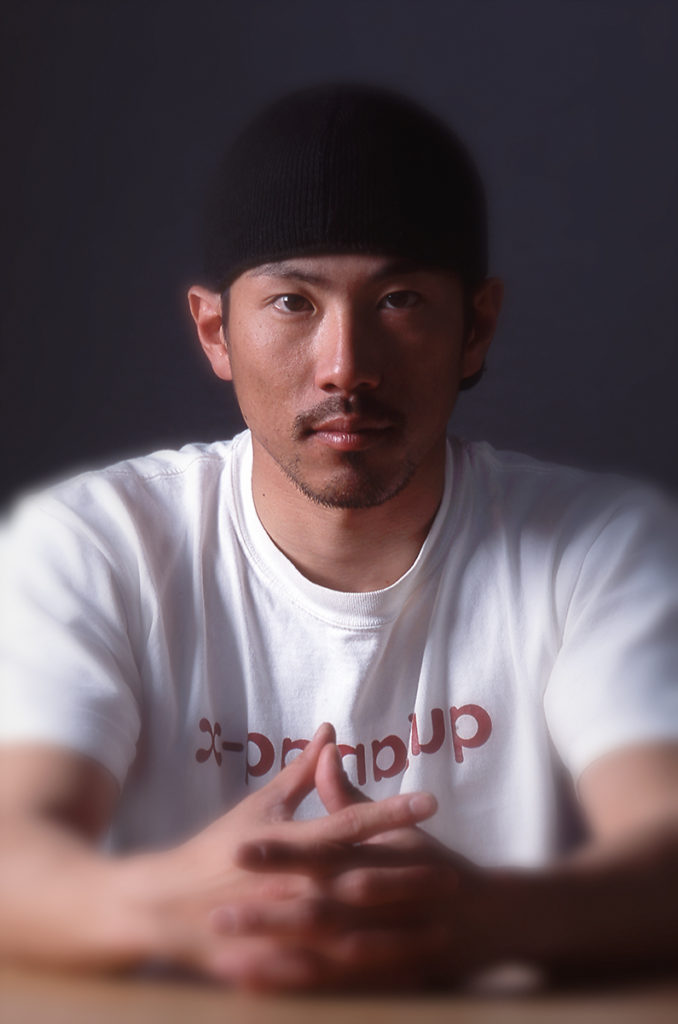
Photo / Norimichi Kameda
The 2019-20 season was plagued by little snow and the coronavirus. How long did Takeshi Kodama continue to ski?
──When was your last skiing session of the last season (2019-20)?
It was the beginning of April. Up until then, I had been filming and skiing relatively normally. Then, when it became increasingly clear that people should refrain from mountain activities, I packed up my skis. After that, in June, I went to Tokachi and Daisetsu three times to ski on the remaining snow, and I consider that to be my final skiing trip
──What did you do during the self-isolation period?
I spent time at home with my family. Well, even if I struggled, there was only so much I could do. My children couldn't go to school, so I helped them with their studies. My children are getting older, and thinking about the future, I think it was a valuable opportunity to spend time with my family
──I heard that the annual "Sliding Around the World" event has also been canceled
That's right. We were originally supposed to depart in the third week of March. We had already decided on our destination and were making preparations. We had been talking with photographer Kei Sato from early on, and we ultimately decided to postpone the trip at the end of February
Where did you plan to go this year?
Well, that's a secret, as always. Our rule is never to tell anyone where we're going until we return home, not even to people who have helped us out or our sponsors. You asked knowing that, right?
──I thought I'd slipped it in casually, but it seems like your guard is pretty strong (laughs)
That's about it (laughs)
Why is Kodama Takeshi good at writing manuscripts?
──This is something I've wanted to ask for a while, but why is Kodama Takeshi so good at writing manuscripts? Among the writers, he writes manuscripts that are overwhelmingly compelling to read. Why is that?
Well, I owe it all to the experience of writing for ski magazines, starting with "BRAVOSKI," since way back when. I learned a lot from the editorial staff
──As someone who has been in charge of editing since the beginning, I can say that Take's manuscripts were easy to read from the very beginning, and it was a hot topic within the editorial department. I wondered why he was so good
Is that so?
──That's right. I don't remember making any major markings in Take's manuscript, and I don't think I ever criticized him for his writing. I did, however, give him direction on the theme and structure
That may be true. I don't think it was pointed out much in the writing
--So how did you manage to write it? It didn't seem like you were struggling, in fact it seemed like you were having fun
Actually, I've loved writing since I was a child. So I used to write a lot. When I was in elementary school, I would write the class newspaper without permission and hand it out to everyone. I might have been a bit of an oddball. Also, when I was in high school, I wrote mystery novels (laughs). I was
hooked on them for a while. Writing is fun, isn't it? It's interesting to lay out many plot threads along the way and then tie them all up...
--So, did you read a lot of books as well?
I read. I loved books. My dad was a Japanese teacher, and he would often buy easy-to-read, interesting books to bring home. Of course, I loved manga, but I also started to notice the appeal of printed text. I think that was when I was in the upper grades of elementary school. After that, I started reading a lot of books
--What kind of books were you reading?
First, adventure stories like "The Swiss Family Robinson." After that, I moved on to mysteries, historical works, and non-fiction. I read a lot of different things. I also read foreign poetry collections and serious foreign literature. I also read Goethe and Hesse in the mountains. Mountains and books go well together, so I feel like I progressed even further once I started climbing mountains
──I thought so. Reading is essential for good writing
But for a while after I joined the Dolphins, I had kind of forgotten about it. I was so absorbed in skiing that I didn't have time to read. After a while, I started reading ski magazines, and I read Terakura's articles in "BRAVOSKI," as well as Shoji's serial. It occurred to me that it would be fun to write about skiing, something I love, and that's when I remembered it again. That's what expression is all about
──First there was Shoji Katsushi's serial "Outside the Ski Slope," and then Kodama Takeshi and Sasaki Daisuke's serials began, taking over from there. It's quite moving to think that this was over 15 years ago. Looking back, Take's serials started off with long articles straight away, though
I think there were a lot of people who looked forward to "BRAVOSKI" back then. The serials and columns were especially interesting. I think it was also a generational thing. I think a lot of people were around our age, and we were all from the magazine generation
──The editorial department also put a lot of effort into serialization
Back then, there were quite a few pages that had a greasy smell. I liked that. On the other hand, there are fewer pages in today's "BRAVOSKI" that have that strong smell like back then. It feels a bit neater, if I may say so myself
The story of how Tsuyoshi Kodama became a professional skier
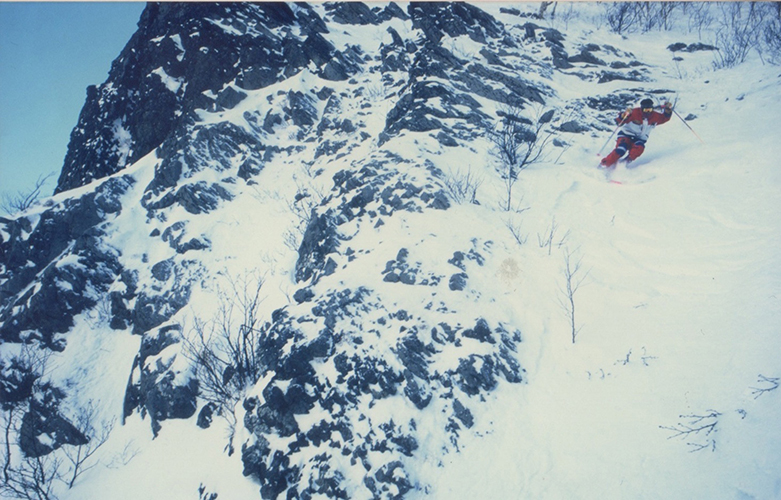
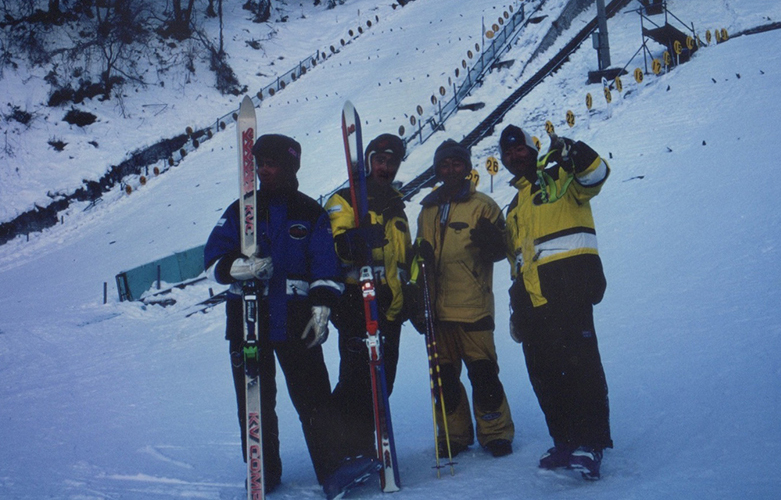
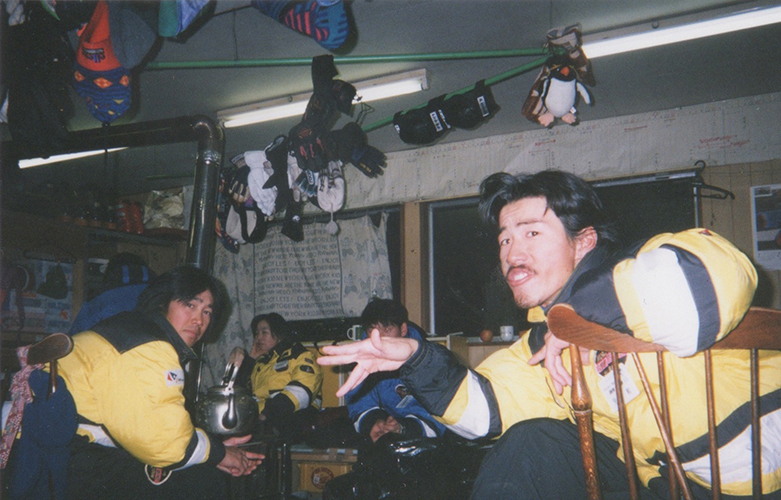
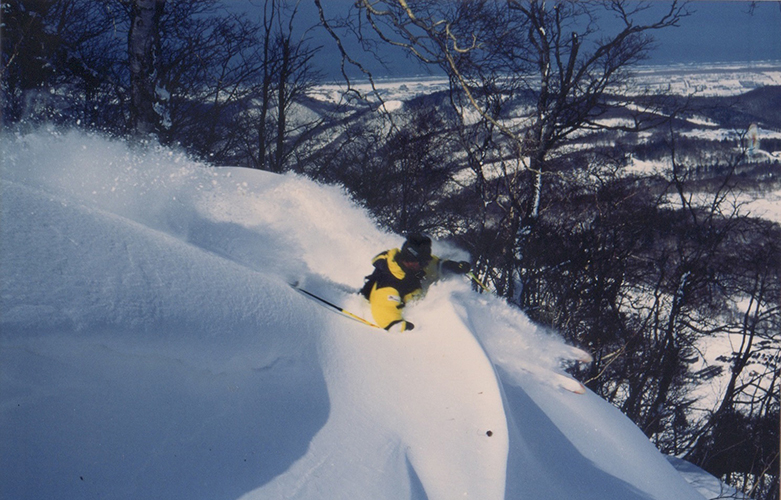
Tsuyoshi Kodama was born in July 1974 in Teine Ward, Sapporo. He started skiing at the age of four, and often went to the Teine Ski Resort (now Sapporo Teine), which was close to his home. However, during his junior and senior high school years, he neglected skiing and was instead absorbed in club activities such as volleyball
One day, while he was living his university life "like a chronic May blues," as he calls it, he saw a flyer advertising a "ski instructor position," and so he went to work for Yuichiro Miura & Snow Dolphin Ski School, based in Teine Highlands
From there, Kodama began his full-fledged training in skiing, aiming to become a full-fledged ski instructor. He was 19 years old at the time, a late start for someone who wanted to make skiing the focus of their activities. No one could have predicted at the time that a university student who loved skiing and had no competitive experience would later become a leading figure in the skiing scene as a professional skier
There are three main factors that contributed to Kodama's rapid growth into a strong, technical skier. One was the training environment at Teine Highland, which is packed with some of the hardest runs in the country. The second was the free-spirited atmosphere of Miura and the Snow Dolphins, where "skiing well and drinking well are virtues." The third was the presence of Daisuke Sasaki, an extremely cool riding partner and rival
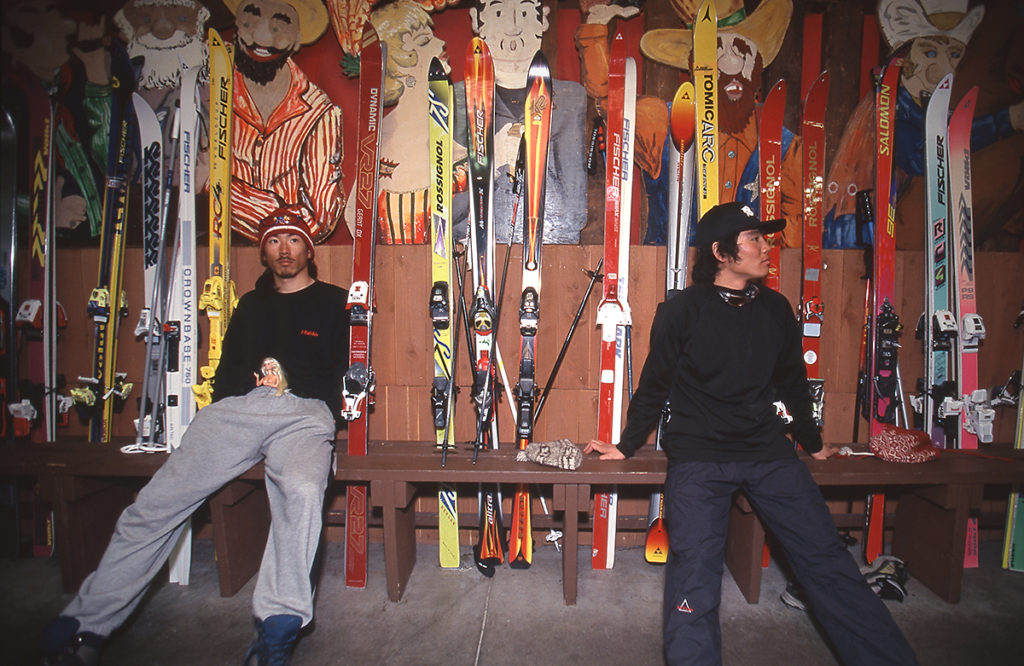
Daisuke Sasaki, who had just graduated from high school, joined the Dolphins as a trainee two years after Kodama. For the next few seasons, he and his teammate, two years younger than him, skied like crazy, competing against each other. The accumulation of that hard work laid the foundation for his future as a professional skier
Through this friendly rivalry, Kodama and Sasaki began to make their names known on the front stage of the freeskiing scene. Ebisu Films' "icon" series always featured them, and they appeared on the covers and pages of various ski magazines. This was also fueled by the growing interest in backcountry skiing at the time
Kodama Takeshi Profile
1974 Born in Teine Ward, Sapporo City
1993 Started skiing at Yuichiro Miura & Snow Dolphin Ski School
1996 Participated in the 1st Japan Extreme Championship
1998-1999 Solo ski training in Crested Butte, Colorado
2000 Skied downhill from the summit of Mount McKinley (now Denali), the highest peak in North America (Namara Kakei-X)
2001 Skied the Northern Kuril Islands (Namara Kakei-X)
2001 Released the first film in the "icon of what they are" (EBIS Films) series 2002
Solo skiing trip across South America
2003 Sea kayaking and skiing expedition to Greenland (Namara Kakei-X)
2004 Skied downhill from the summit of Mera Peak in
2005 Married
2005 Climbed Mount Everest, the highest peak in the world
2007 Hokkaido Snow Sports Executive Committee established
in 2008. First child born in 2008.
Ski downhill in the Himalayas and unclimbed peaks in Western Nepal
in 2010. Second child born in 2012.
Globetrotting 1: Lebanon.
2013. 10th year Greenland expedition (Namarashekke-X). 2014.
Globetrotting 2: Morocco.
Globetrotting
3: Iceland. Globetrotting 4: Kashmir. 2017. Globetrotting 5: Russia.
2018. Globetrotting 6: Greece.
2019. Globetrotting 7: China.
What did Kodama do after his adventurous expedition came to an end?
──In preparation for this interview, I tried to open the official website to check a few things, but it was already gone
Ah, yes. That's right (lol). I started the official website after getting advice from a lot of people, but I couldn't update it very often. Eventually, I shifted to Facebook, and the website was left abandoned... I recently an Instagram account , so please check it out.
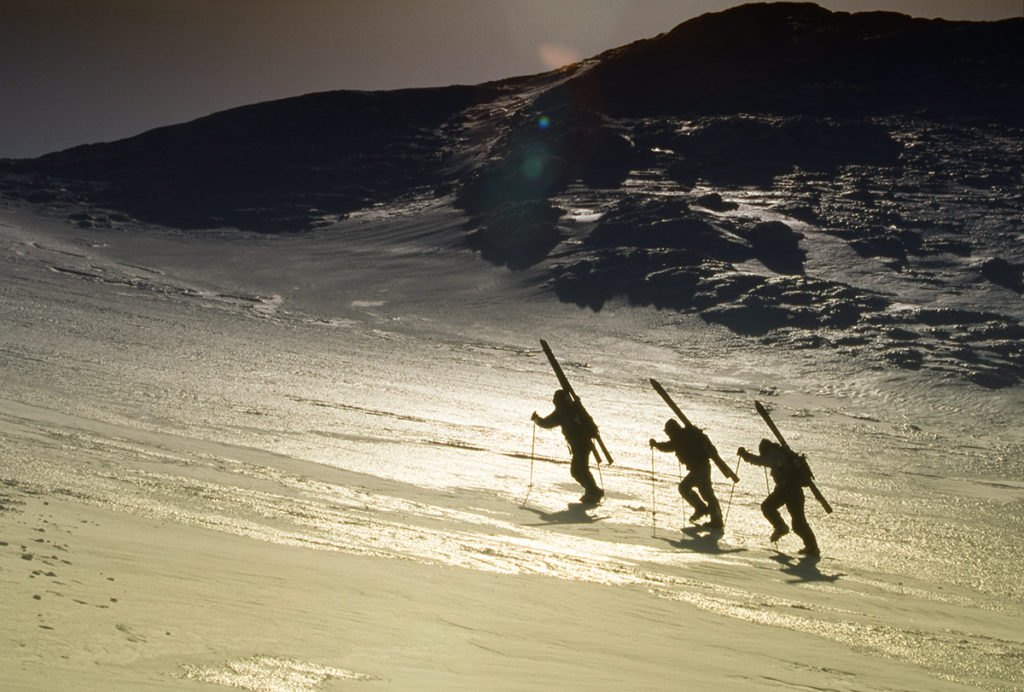
──If we take a quick look at Kodama Takeshi's career so far, there was his time training as a skier with the Dolphins, his time on the Namara-Keiki-X expedition with Daisuke Sasaki and Masahiro Yamaki, and then, for some reason, he climbed Mount Everest. There was a bit of a gap between then and "Sliding Around the Earth" (started in 2012). After getting married, climbing Mount Everest, and having a child, did you feel like you settled down a bit?
That's right. Right around the time I finished Everest, my living situation changed drastically. I got married, had children... It was around the time that skiing started to decline significantly, and several ski resorts began to close. I was pondering questions like, "What is the future of skiing really like as a professional skier?" That's why I started an activity called "Snow Education" with some friends
──Is that the Hokkaido Snow Sports Executive Committee of 2007?
That's exactly right. Skiing and snowboarding are so fascinating, so why is their popularity declining? We thought there must be something about them that hasn't been communicated to the public yet. So we decided to take action within our capabilities, and started various initiatives
For example, we approached people from different fields, such as schools and art, to talk about collaborating with us. We did all sorts of things, like holding art events together and various meetings on the snow
Thanks to this, my network expanded and I was approached by many people, both directly and indirectly. I thought it was important for people in the field like us to take action, so for about five years I tried everything I could
──I remember well the column you contributed to "Fall Line 2007." It was a futuristic sci-fi story about how Sapporo City has made snow sports the central focus of its administration. I was impressed that you could write a story like this, and it really showed your strong interest in ski culture. So, how will your "snow education" activities progress from now on?
Of course, I'm still continuing with it. Although it's local to Hokkaido, the TV program "LOVE SKI HOKKAIDO," which Iyama Keisuke and Sasaki Akira lead, was born from this activity, and I also have the opportunity to speak at schools, academic conferences, and educational gatherings. However, I'm not as proactive as I used to be. Personally, I feel like I'm at a bit of a standstill
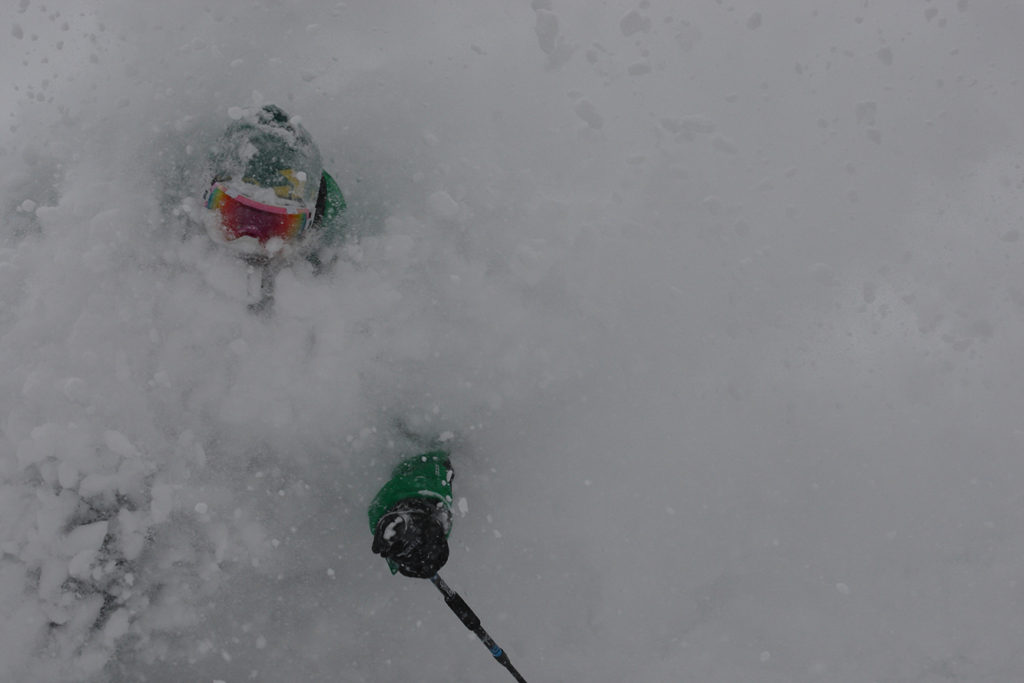
──Why are things at a standstill?
That's right. When we first started, we had a pretty big vision for the development of snow sports and the environment surrounding them. For the current ski and snowboard industry, the young people who will follow, and our children
However, the more seriously I got involved in this activity, the more I felt like it was going in a different direction from the skiing that I had originally wanted to continue. Of course, I still had those initial feelings, but I felt like I needed to think about the balance a bit
For example, people from large companies and government agencies asked for events aimed at non-skiers. Skiing is quite a challenge, so they thought it would be better to focus on playing in the snow as part of "snow education." That's the direction things were heading. And so, as someone who was at the center of the executive team, I was forced to shift my focus to playing in the snow and put aside skiing
──You wanted to spread the word about skiing
That's right. Also, as the scale of our activities grew, our opponents became larger organizations like large corporations and government agencies, and we even met and spoke with the Governor of Hokkaido, and our activities became increasingly political. Well, we didn't get as far as the Governor, but if we continued on this path, our activities would inevitably head in that direction
──There are quite a few former athletes who are devoting themselves to such activities
I'm still active, and as a skier, I'm all about skiing. I can't forget my roots - skiing. I'm happiest when I'm on the snow, and just like Yuichiro Miura, who is still active and skiing, that's a sanctuary that must never be lost
So I went back to basics. I thought about what was important to me, and decided to go back to a style of keeping my feet on the ground and not overreaching myself
However, raising awareness of snow sports remains important, so while I will continue to support and take part in activities within my reach, my main focus remains being a skier, which goes without saying
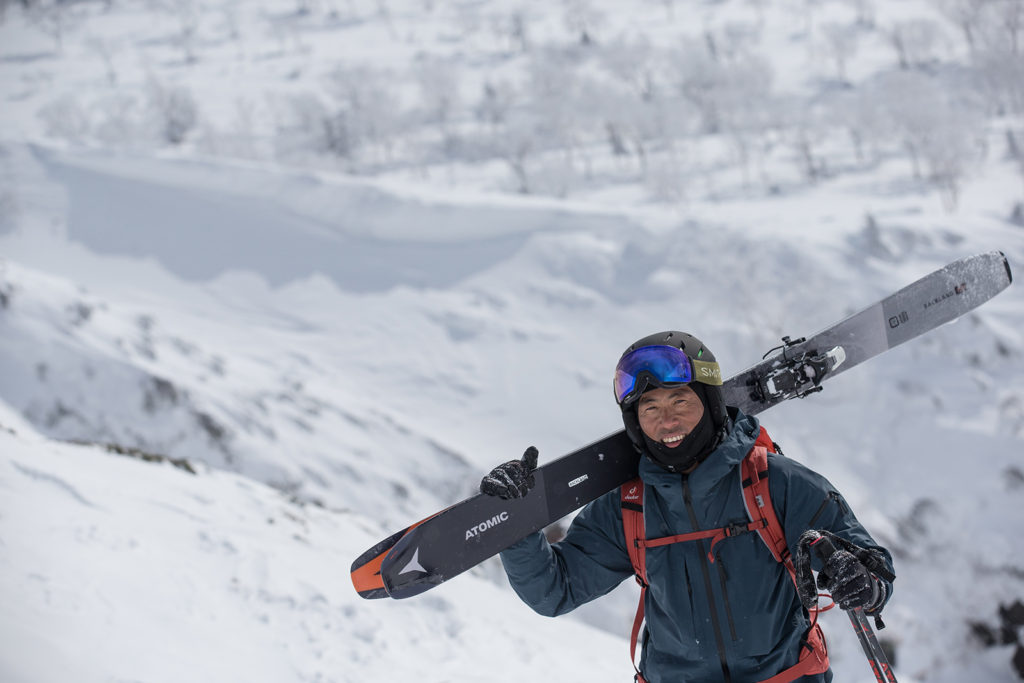
to be continued
Text / Chikara Terakura