

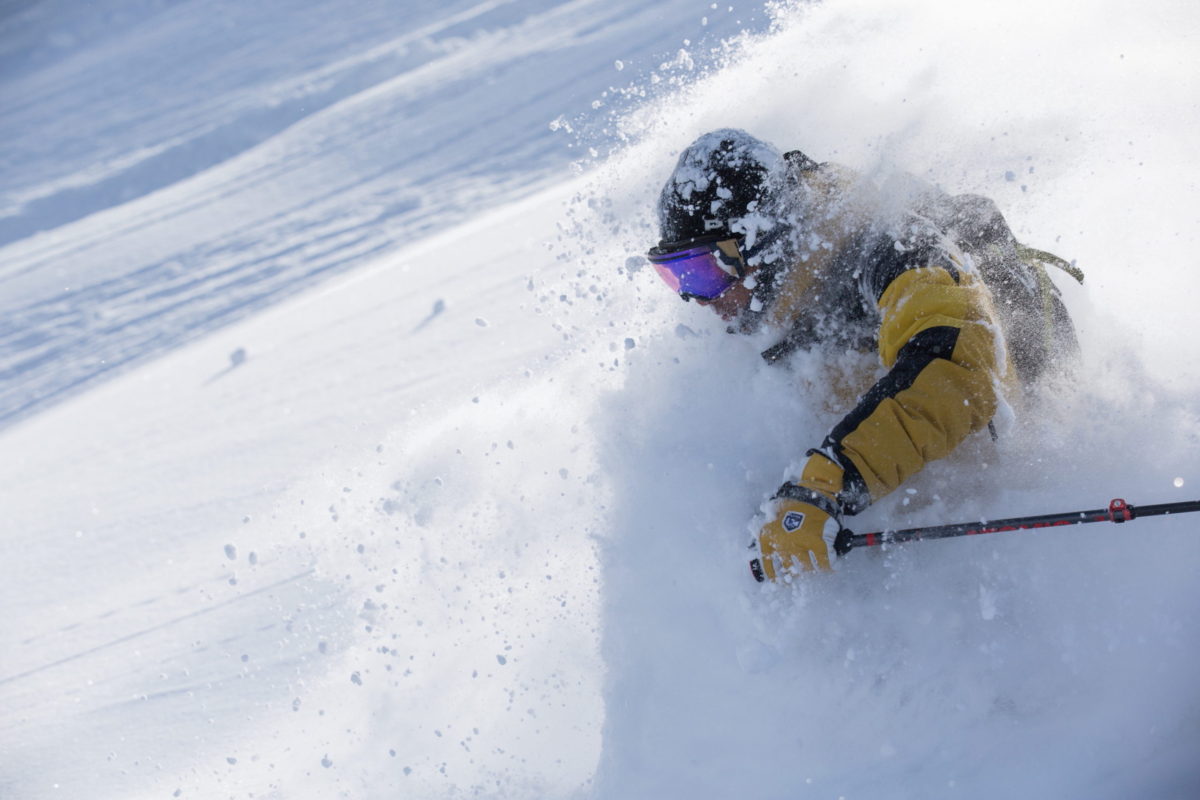
We bring you the latest interview with Tsuyoshi Kodama, who is celebrating his 20th year as a professional skier this year. Since quitting his part-time job at the age of 26, he has made a living solely from skiing. He has carved tracks on snow-capped mountains around the world, and has captivated many skiers with his riding and entertaining expressions. We delve into the source of his motivation. The interviewer is Chikara Terakura, editor-in-chief of "Fall Line," who has known Kodama for 20 years
Click here for the first part
Why did Kodama start his "global sliding journey"?
Recently, while working as a professional skier in Japan, Kodama Tsuyoshi has teamed up with photographer Sato Kei to embark on an overseas ski trip titled
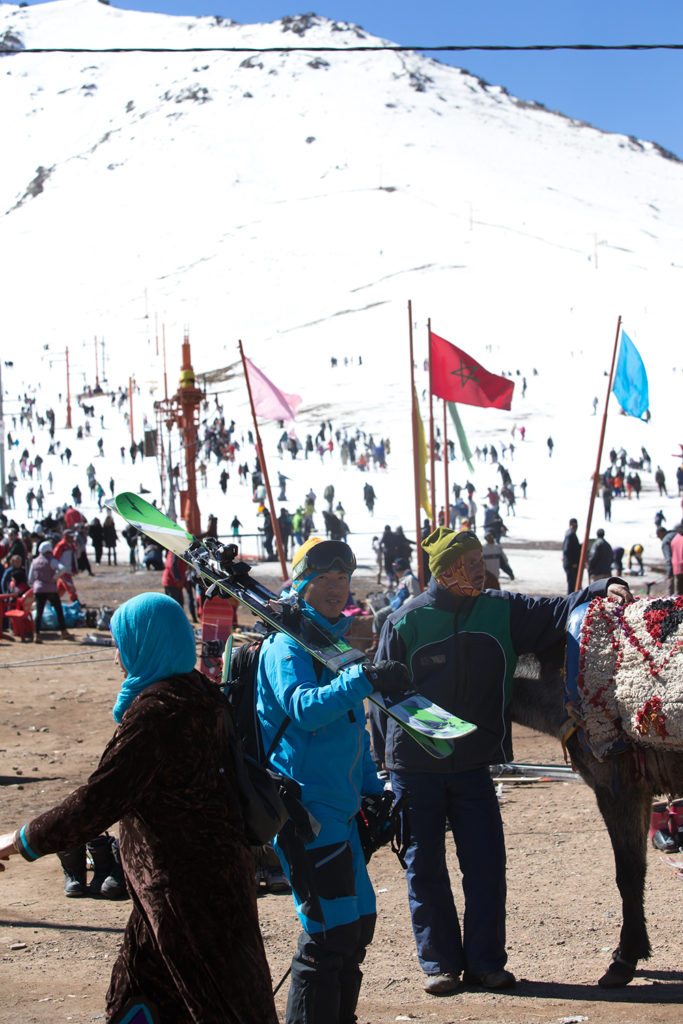
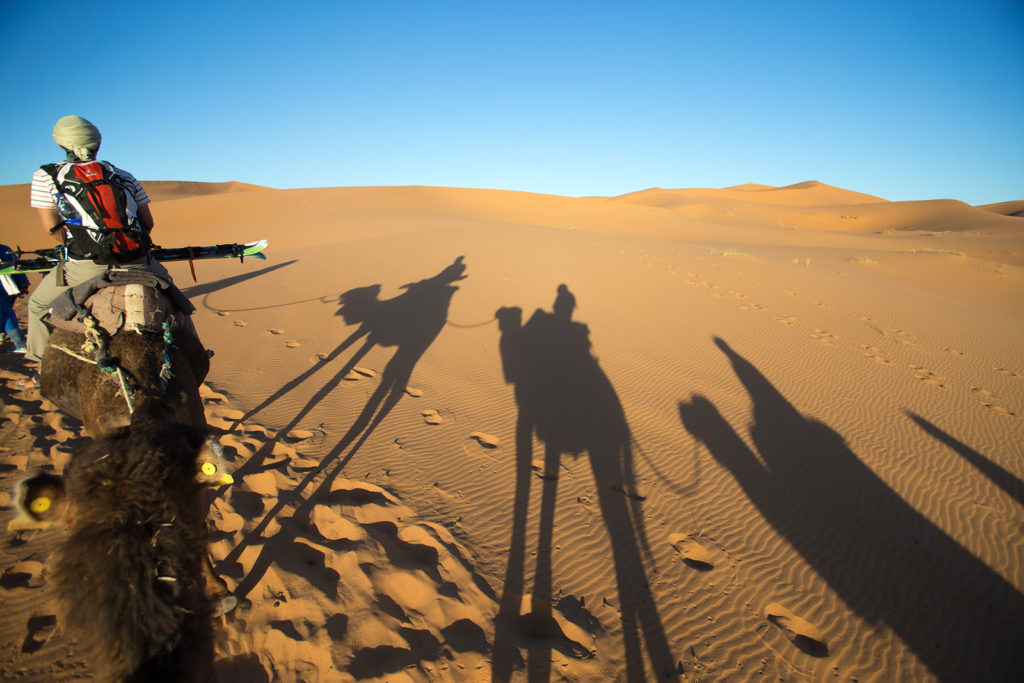
"Ride the Earth—A Journey Around the World." Starting with Lebanon in 2012, they've done seven trips over eight seasons (taking a break in 2013 for their second expedition to Greenland). They've chosen countries and regions that are hardly associated with ski trips, including Morocco, Iceland, Kashmir, Russia, Greece, and last year, China.
As mentioned in the first part, this year's trip was postponed due to the effects of COVID-19, but this series is now the focus of Kodama Tsuyoshi's professional skiing activities.
──First of all, could you explain again why you started "Sliding Around the Earth"?
Being a professional skier involves traveling, and up until now, my photography trips, including my own expeditions, have often involved traveling with a fairly large group of people. That was fun in its own way, but looking back, I realized that the most fulfilling times for me were, for example, when I went to Colorado alone to train as a ski warrior, or when I traveled alone for two months in South America to rehabilitate from an injury
──I see
However, since I was traveling alone, meaning no photographer was accompanying me, there were no works left behind. So I always wondered if I could take a trip like that again, and if there was a photographer I could go with
I was looking for friends of my generation who could travel on a budget and share the same perspectives and experiences. One of the triggers was when I went on a trip to Alaska with photographer Kei Sato. This trip was featured in "Fall Line."
──"Fall Line 2011" is a trip to Alaska with Taisuke Kusunoki, Yu Sasaki, and snowboarders Dekachou and Shinya Nakagawa
That's right. Until then, Alaska had been a place for me to go and capture the images I wanted to capture, and it was heli-skiing photography, where I sought the ultimate riding in an area known as the "holy land."
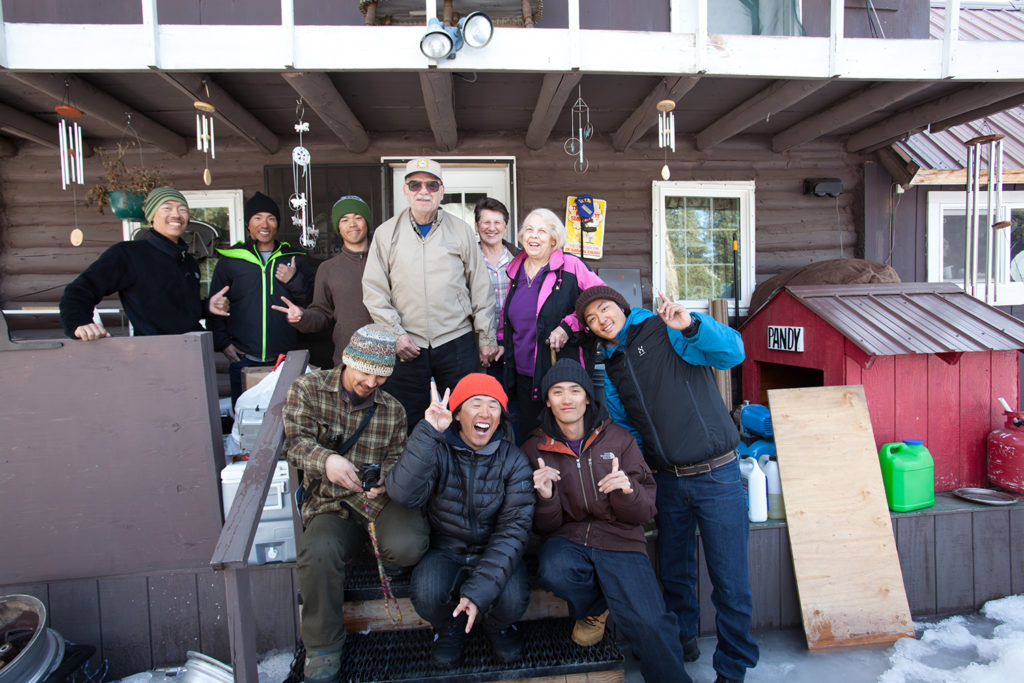
However, in Alaska this time, I tried to save money by not spending too much, and instead just climbed and skied in the nearby backcountry. This new style was very fresh and fun for me
After that trip, I felt like it would be a fun trip with Kei. So I told him about my vague plan, and he seemed pretty enthusiastic, saying, "If that's the case," and after talking to a few magazines, we ended up being featured in the now-defunct ski journal "Last Frontier." And that was the beginning
What criteria did you use to decide on your destination?
We thought it would be good to have a place that would make everyone say "Huh?". I had the image of everyone, including Professor Miura, going on ski trips all over the world, so we thought that if we traveled to a slightly unusual place, we would get a better feel for the vastness of the world. So, after doing some research, we decided that Lebanon would be good. It would make a big impact
──To be honest, I didn't have high expectations until I opened the pages. After wandering through a Middle Eastern desert, they turn around in the patchy brown snow and high-five. "There's snow!" That's the kind of story I was imagining, if I may be so rude
To be honest, we went to Lebanon not knowing much about what kind of place it was, but we were surprised when we got there
--I had no idea it was filled with such amazing snowy mountains, ski culture, and rich stories
Looking back, it was a series of miraculous coincidences during a short, packed schedule. I was very anxious because it was my first time. But the greater the anxiety, the stronger the impression that follows
──What scene left the most impression on you?
This is a day at the ski resort featured in the cover photo. The ski resort is blessed with beautiful terrain and abundant snow, and in the distance you can see the city of Beirut, a city of 3 million people, and the Mediterranean Sea shining beyond
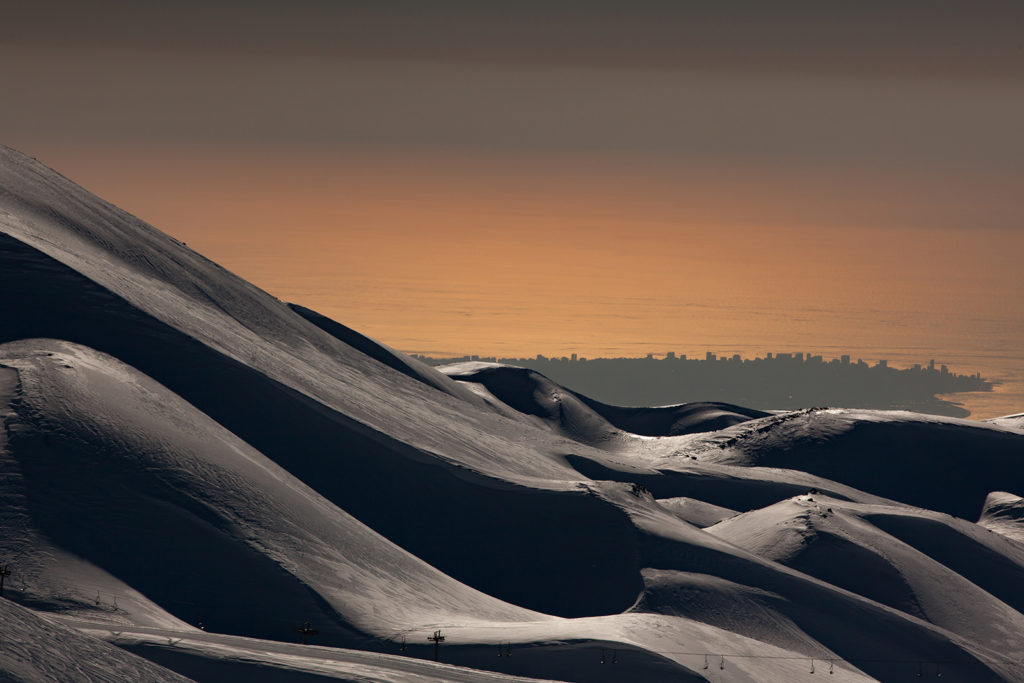
I still can't forget that scene. I've been skiing for decades and have skied all over the world, but I was amazed that I could encounter such an unexpected sight while skiing. The world is big, and we still don't know much about it. That's why I want to know more, and ski more. I felt such a strong urge
--It's interesting that you've traveled from Greenland, which is like the edge of the earth, to the top of Mount Everest, and yet you woke up to the world at a ski resort in the Middle East
For some reason, it actually made me realize how vast the Earth is. If you go to Greenland or the Himalayas, it's only natural that you'll encounter amazing scenery. But I never expected to come across such a heavenly place near an ordinary ski resort in my everyday living area
--An unexpected encounter, an unexpected surprise
That's right. It's amazing to think that we could find ourselves in a place like this. The adventure of venturing into uncharted mountains is an extraordinary world, and of course there are many new discoveries to be made. But in places where people live ordinary lives, we have surprising and fresh encounters. That's why our "journey across the globe" is not an adventure. It's a "journey."
At first, I didn't think I'd be able to turn this trip into a series, but this experience motivated me to continue this journey every year
Is it true that you didn't do any research before going on this "Globetrotting Journey"?
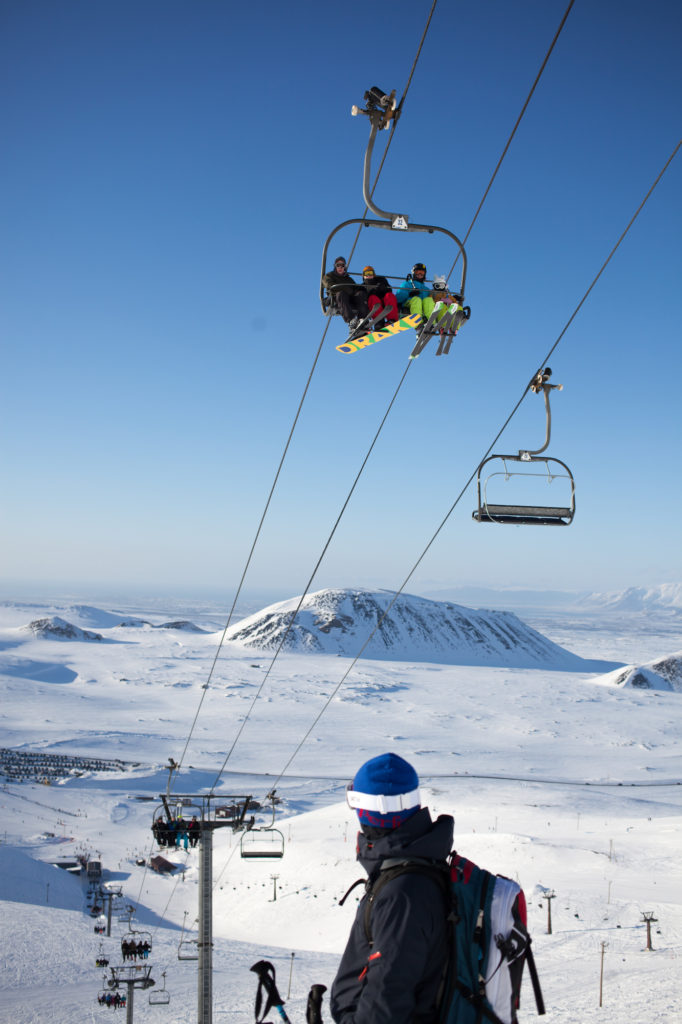
How much research do you actually do before heading out?
We try not to do any research before we go out. That's become a bit of a rule for us. In this day and age, the more you research, the more you can dig up. But doing that isn't fun. We want to go and be surprised (laughs)
--Won't that cause any problems?
For example, Greece and Iceland are tourist destinations, so you can leave without doing any research and still get by just fine. On the other hand, Lebanon and Kashmir have their own quirks and are extremely unsafe. Even so, we're proud to say that we had a fairly enjoyable trip there
──As expected
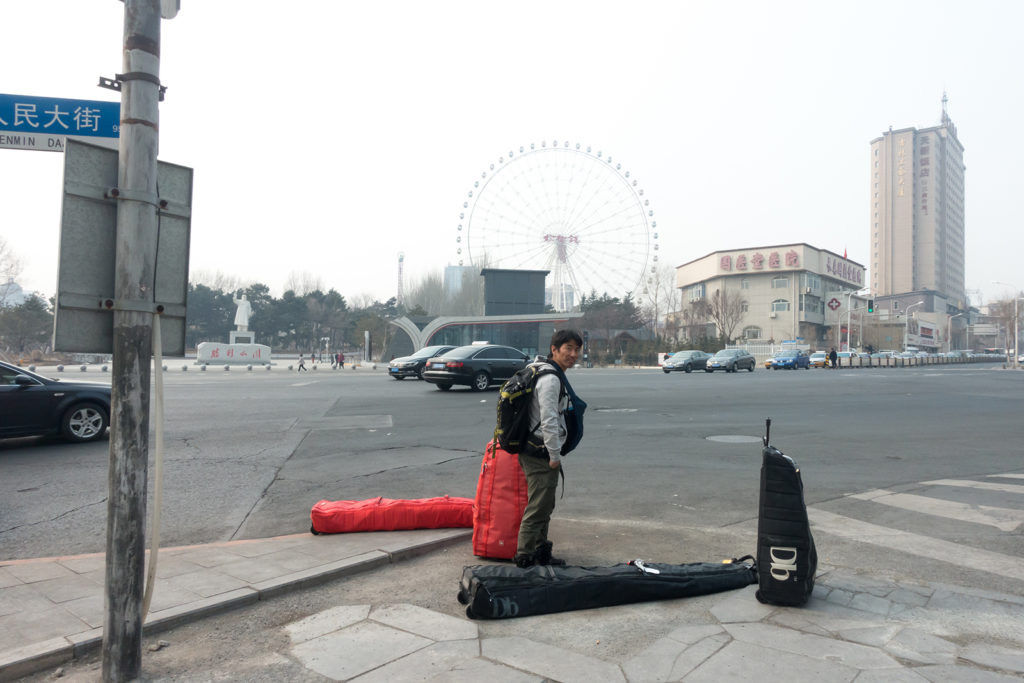
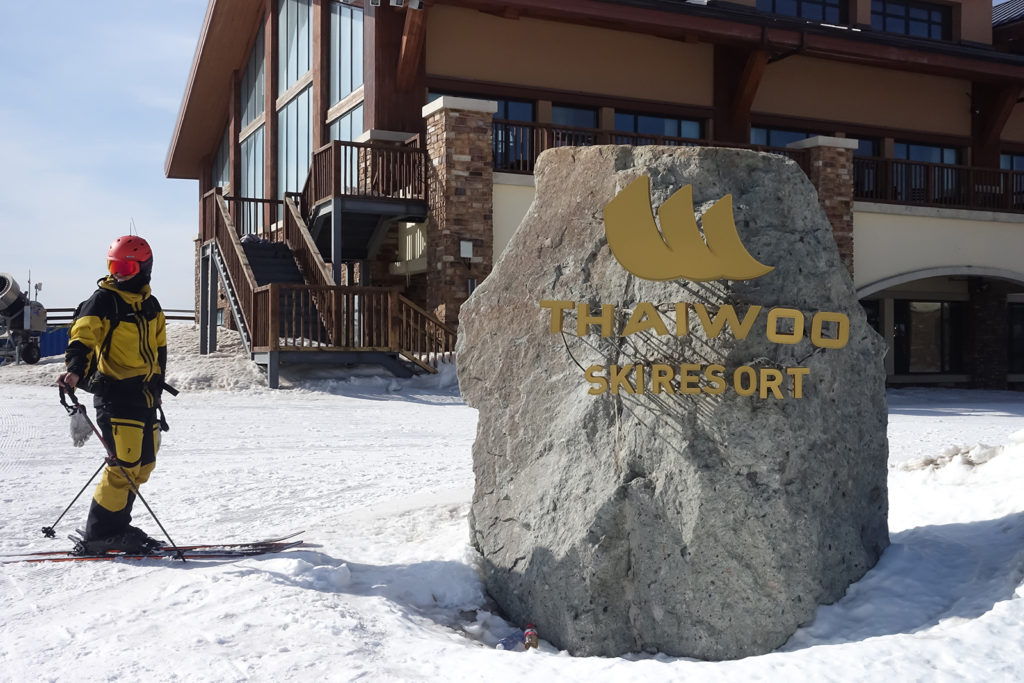
However, China was the only country that didn't work. Nothing worked. I was feeling at ease with China, or in a sense, I was a little dismissive. It's our neighboring country, a country that uses kanji, and I have lots of Chinese friends, so I thought I'd be able to manage somehow
──I think I understand
The first thing I discovered was that none of the credit cards I'd used in Japan were accepted. Visa, Mastercard, and American Express were accepted. Most people there use electronic money, and even cash is shunned
Still, we managed to get by by managing our cash, but China is so large that we travel by plane a lot. And every time we did, we ended up overcharging our credit cards because we had so much luggage. But we couldn't use our credit cards, so our cash was quickly running out, and eventually we ran out
--Haha. So what happened?
It would be the worst if I got stuck here, so I decided to run away and return to Japan before that happened
──We've been defeated
I was defeated. Actually, I had planned to go twice at different times from the beginning. China is so big that the main seasons are different depending on the region. But in the end, I didn't even get to do half of what I wanted to do on my first trip
──Aren't accidents also part of the fun of traveling?
That's true, but it went beyond that. For example, Lebanon and Kashmir are, in a sense, very resilient. If you give them a little push when you're in trouble, they'll be flexible..
But that's not the case in China. The laws and regulations are extremely strict, and the police are extremely powerful and dangerous. It almost feels like you might never come back if you're caught. In that sense, it was my first time in a country where recovery doesn't work
──I see
Recovery was the best part. Whenever something went wrong, I just thought, "Yay, I've got another story to tell," but since I couldn't recover, it wasn't even a story. It was a really difficult situation
What is the budget for "Sliding Around the World"?
──I'm impressed not only by the content of your trips, but also by the fact that you publish them as photo books each time
My first trip to Lebanon was as part of a magazine project, but when I got there it was unexpectedly good, and I ended up taking so many photos that I couldn't fit them all into the pages of the magazine. What should I do? Wouldn't it be a waste to just include it in the magazine? So after discussing it a bit, I decided to publish it as a book as well. Ski Journal was the publisher for the first year, and from the second year onwards it was HS, a publisher in Sapporo
──I think this is a book that would be difficult to publish even for a publisher that publishes ski magazines
That's right. Several people in the publishing industry have told me that I'm making the book I really want to make
--Those words are half praise and half envy, I think. I understand how you feel. In fact, even if I proposed a book about skiing in Lebanon or Morocco at a meeting, I don't think anyone would understand. They'd probably ask, "Who on earth would buy that?"
That's true (laughs). If you think about it, it's all thanks to the courage of the person in charge at HS, the company that's running it now. They really support our spirit and are doing their best
--What kind of publisher is it?
This is the publisher that published Namakaze-X's Greenland expedition book, "GREENLAND - Sea and Mountains, 10 Years of History" (by Namakaze-X Greenland Expedition). I worked desperately on that book over the course of about a month, and it seems they saw how hard I worked and wanted to work with me. I've been friends with the editor ever since, and he's been a great supporter and understanding friend
--How do you make a profit?
It seems that the publisher plans to make it pay off in the long term. Each time, it sells fairly well at first, but then it seems to sell more slowly over the next few years. We also collect sponsorship fees and other support, and do our best to prepare the book so that it can be released without the publisher having to spend as much money as possible
──Will this be an income for Take and Kei?
We have budgeted for manuscript fees, including my writing fee, Kei's photography fee, and Dekachou's design fee
──It's important not to be unpaid, right? That's also important so that you can continue on to the next stage
You can't continue with self-publishing, right? I think it's important to have the awareness and reality that you're producing as a job, rather than for no fee. If you're getting paid, you want to live up to that and have a stronger desire to create something good. That way you can be proud of the work you're doing as a professional skier
──How much of your travel research costs will be covered by book sales?
In addition to books, sales of merchandise such as T-shirts will also increase, and if profits increase, there will be money that can be carried over to next year. I've been increasing it little by little, and now I'm finally at the stage where I can afford a round-trip air ticket to my travel destination
──So overall it seems like there's a lot of take-out
If I were to calculate it in detail, I think it would end up in the red, so I try not to calculate it too precisely. To me, it's like the core of my activities. It's my business card, a presentation material to help people get to know me, and a way to express myself as a professional skier. This book has all these different roles, so even if it's calculated to be in the red, I think it's definitely a plus
──When you think about it that way, your "journey around the globe" will be complete once you publish the book, or rather, it won't end until you publish the book
That's exactly right. The process is to first make a flyer and advertise it at an early order event for ski equipment before summer. Say, "We're making this kind of book." It also gives you something to talk about when explaining new products to customers you're attending. It really gets the conversation flowing
──That's true
Then, in the fall, we'll have them come to our shop events as part of our publication commemorative caravan. That's also the time when products sell well in the shop. This way, I can connect with many customers before the season starts. These are also strong people who are likely to connect with me on the snow once the season starts. In many ways, they invigorate my activities
It's a surprisingly complete system
I do like to express myself, after all. But there's no need for any unnecessary explanations. "I'm a professional skier chasing snow all over the world." That's all I need. It's so simple, isn't it? I love skiing. That's why I keep doing it. I feel quite comfortable with myself
A look at the income and expenditures of a professional skier
──So, how many sponsors do you currently have contracts with?
that have financial contracts are Peak Performance , Atomic , Smith , and Matsumoto Wax . Other suppliers include Hestra , Kampf, Deuter , Primus , and Nemo
──Currently, what percentage of Take's annual income comes from sponsorship fees?
About half, I guess
──What about the other half?
The next biggest source of income comes from lessons and tours during the season. On weekends, I do a lot of event tours for Peak Performance, Ishii Sports, and other shops. For backcountry tours, I hire a qualified guide I know. Aside from that, on weekdays I also have sessions like private lesson tours where I ski with clients who come directly to me at Teine or Kiroro
──Are you a regular on private tours?
That's right. In my case, I don't generally advertise on a website or anywhere else, so it's mostly familiar faces who have participated in previous tours or events, and not first-timers
--Are there any lectures?
Yes, I do. But, if you add up the fees for magazine articles, attendance, talk shows, etc., I'd say it's about 10%. Sponsorship fees and snowboarding make up the remaining 90%
──When did you start to be able to live off your ski-related income alone?
I think I was around 26 when I quit my part-time job. It's been about 20 years since then. Until then, I worked at golf courses, in civil engineering, mowing riverbanks, etc. in the summer, and skied in the winter. I made good use of unemployment insurance and other benefits to get by
──It's amazing that you've been able to make a living solely from skiing for 20 years
In my case, I think I was extremely fortunate. My start coincided with the backcountry boom and the "icon" series, and before long I started receiving contracts, which allowed me to focus on my own activities
──You're one of the few in this genre in Japan
I think it's tough for freeride skiers these days. I guess manufacturers had the financial resources back then. Even someone in a minor genre like mine could get by without a part-time job, including the cost of traveling. Also, there were quite a few overseas magazine interviews, so I was invited to overseas interviews and was able to take photos elsewhere on the side
I think I was receiving the most contract money when I was in my late 20s and 30s. Now it's gradually shrinking, but I think what's expected of me is increasing. Well, I'm aware that it's my role as someone who knows this genre well
--Does your wife work?
I'm a nurse, but I'm currently on leave, but it looks like I might be able to resume work
──It must be a really tough time with the coronavirus, but for professional skaters, surfers, and climbers, you're said to be the ideal marriage partner in some ways. You have a high income, a skill, can live near the mountains or the sea, and on top of that, you're reliable both physically and mentally (laughs)
That's true. I can almost feel a maternal instinct. Now, due to COVID-19, my work has decreased dramatically. There are no more exhibitions. I can't produce a book this year either. I have plenty of free time, or rather, I have no time at all. No one has ever said to me, "Then why don't you find a part-time job?" In fact, I've even started to say, "Well, maybe I should work a little."
──That's amazing
She told me, "You're in charge of doing what you love." I guess she was prepared when she decided she wanted to be with someone like me. I really feel blessed, and I'm grateful to my wife
Professional skier Tsuyoshi Kodama's next 20 years
──Instead of a ``global skiing trip,'' do you have any plans to go on an adventurous expedition like in the past?
An expedition? Yes, it was a fun experience and a very meaningful time. However, an expedition like that has to have a destination. It only works if you have a strong desire to go there and ski. The mountain is very difficult, and it would be tough to do it alone. In that case, I think you end up talking about gathering friends and going on an expedition
──That's certainly true
The trip I'm on now is a trip precisely because I'm not deciding on a destination, but rather have a general idea, and that's how I'm continuing my activities. That's also the difference between an adventure and a trip
──So how long will this "journey across the globe" continue?
It goes on and on. I'm always making lists. I have a folder on my computer called "Sliding Around the World," and in it there are files lined up with all the countries I want to visit, and whenever I find information about something, I just throw it in there
There are countless countries I want to visit, but the great thing about this trip is that deciding where to go is about half the fun. That sense of excitement is so much fun
──If you continue down the path of targeting countries and regions that don't have an image of skiing, won't you hit a dead end after a few years?
When that happens, it's up to you. Once you've roughly gone through this theme, you can switch to a different theme next time. It might turn out to be a new adventure style, and there are plenty of themes that come up depending on how you think about it
──To take it to the extreme, something like "Sliding Around the World - Switzerland." That's exactly what it sounds like (laughs)
To be honest, I do want to include some mainstream stuff at some point. There are probably parts of Switzerland that I don't know about, and that no one else knows about. But I would like to make this a trip that will surprise you when you turn the page
──If you think about it that way, it's true that plenty of themes come to mind
That's right. There are so many. Come up with an idea, take action, travel and discover. I think that's the value of travel and skiing. I hope we can express that in a fun way through our activities. Well, with this trip, I want it to be at a level where I feel like I could do it myself if I put in a little effort. It's that kind of place where even I could do it, but most people probably wouldn't
──Are you 46 now?
I will be 46 this July
How long do you think you'll continue this journey?
I don't know (laughs). But the most important thing is to keep going while maintaining a sense of curiosity and freshness. I don't think it's right to feel like we have to do it again this year. Well, I'd be happy if we could just continue doing it as we please
Editor + Writer
Chikara Terakura
After working for Miura Dolphins, headed by Yuichiro Miura, for 10 years, he became involved in mogul skiing and freeskiing for nearly 30 years as an editorial staff member at BRAVOSKI. He currently works as the editor-in-chief of "Fall Line" while also working as a freelancer in various media. He has been writing a series of interviews for the mountaineering magazine "PEAKS" for over 10 years.
Photographer
Norimichi Kameda
has a career spanning over 35 years as a ski photographer, and has been a pioneer in the freeride scene both in Japan and overseas, starting with Yuichiro Miura and the Snow Dolphin team. He was also the first Japanese photographer to focus on Scott Schmidt and Glenn Plake overseas, and Tsuyoshi Kodama, Daisuke Sasaki, Makoto Asakawa, and Jin Ishibashi in Japan.
Photographer
Hiroshi Suganuma
began his career as a ski photographer in his twenties. He is currently based on the beachside of Kamakura and continues to photograph mainly snow and ocean sports. Over the years, he has traveled to beaches and snowy mountains around the world, and is supported by many skiers and ocean athletes. His photo collection includes "SHAPE OF SNOW."
Photographer
Kei Sato
started his career as a snowboard photographer, mainly working for specialist magazines. He is now supported by many riders, from snowboarders to skiers, without any boundaries. He is in charge of photography for the "Globetrotting Journey" with Takeshi Kodama, and is also a good partner who works together on everything from planning to events.