

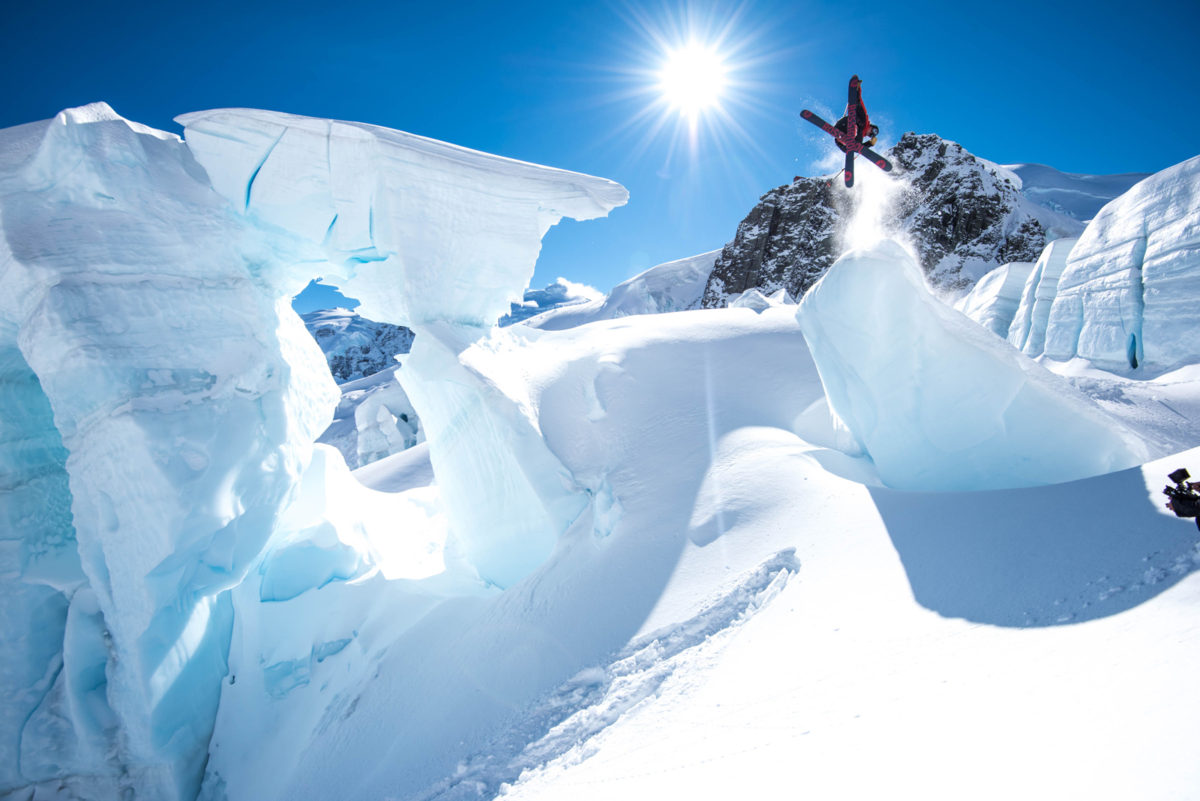
Photo: Tony Harrington
Even after the snow season in Japan is over, there's still plenty to do! Want to be on the snowy mountains all year round? Such avid skiers and snowboarders are interested in the Southern Hemisphere, where they can ski in midsummer. On the other side of the globe from Japan, in the Southern Hemisphere, New Zealand and Australia, the 2023 season has finally begun in June. What is it like skiing in New Zealand and Australia, where you can ski in the Japanese summer?
Enjoy serious powder and backcountry skiing in the Japanese summer!
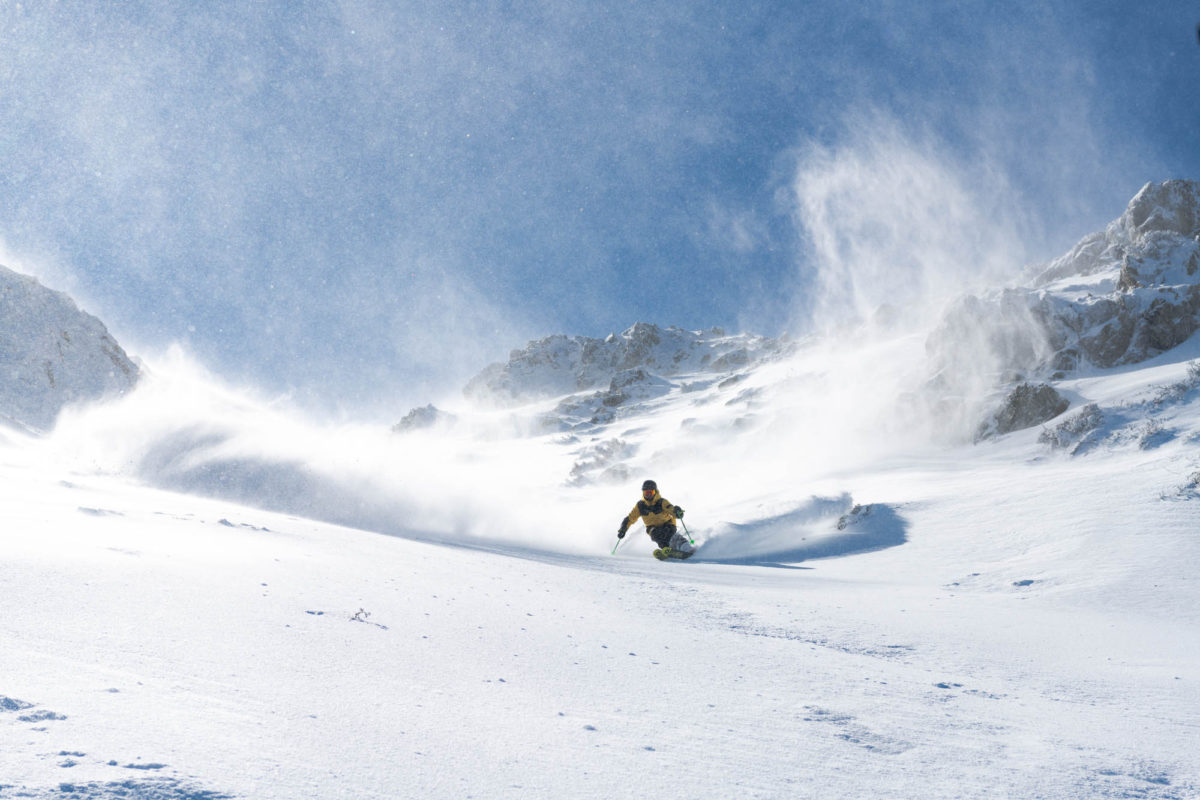
New Zealand and Australia season starts in June
In the Southern Hemisphere, New Zealand and Australia have snow season from June to October. What kind of snowy mountains and snow resorts are there?
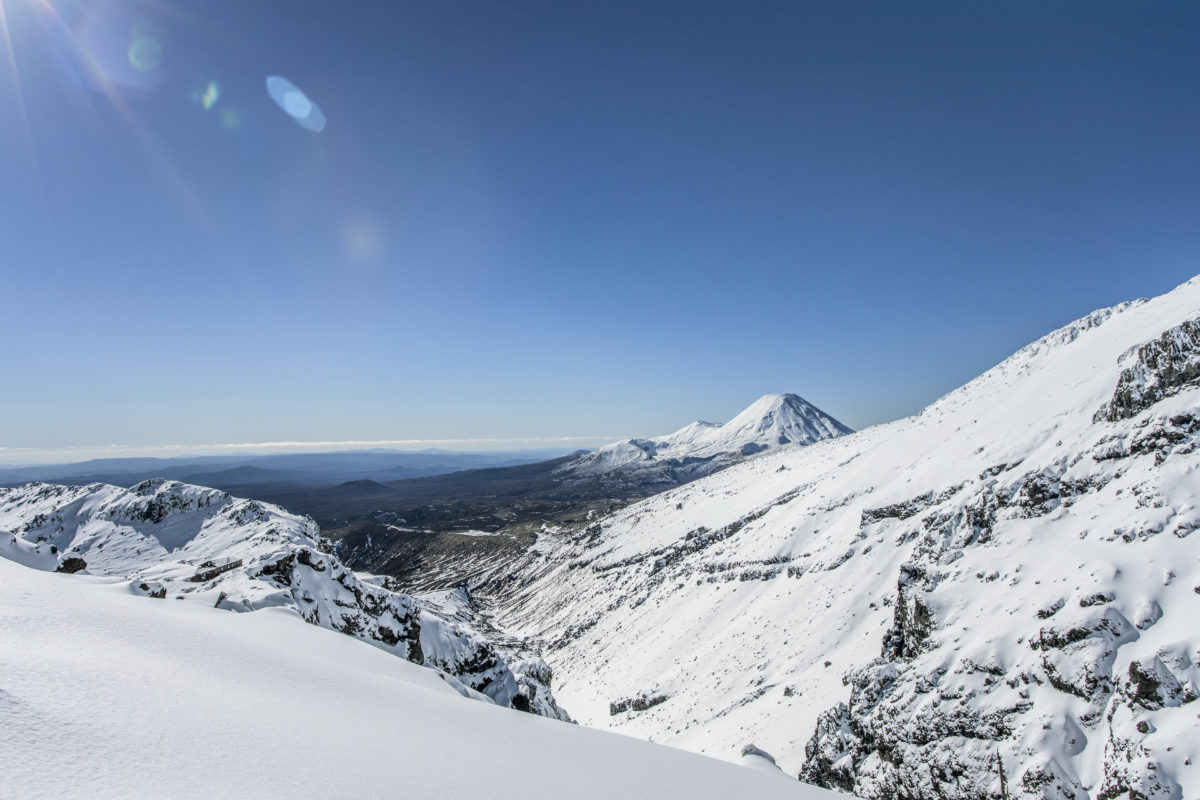
New Zealand (NZ) is made up of a North Island and a South Island, and the Southern Alps, a chain of mountains over 3,000m high, runs through the South Island. Its highest peak, Mt. Cook, and the Tasman Glacier are famous. Naturally, the country receives a huge amount of snow in the winter, and the quality of the snow rivals that of the European Alps in the Northern Hemisphere, or even Japan's famous powder snow spots
The Southern Alps are home to famous and popular ski resorts such as Mt. Hutt, Cardrona, Treble Cone, Coronet Peak, and The Remarkables. All of these resorts are large in scale, with well-equipped resort facilities and a wide range of rental options, so they attract avid ski enthusiasts from all over the world who want to ski in the middle of summer, and are also used as training camps by athletes from national alpine and snowboarding teams. This shows just how high the specs of these resorts are
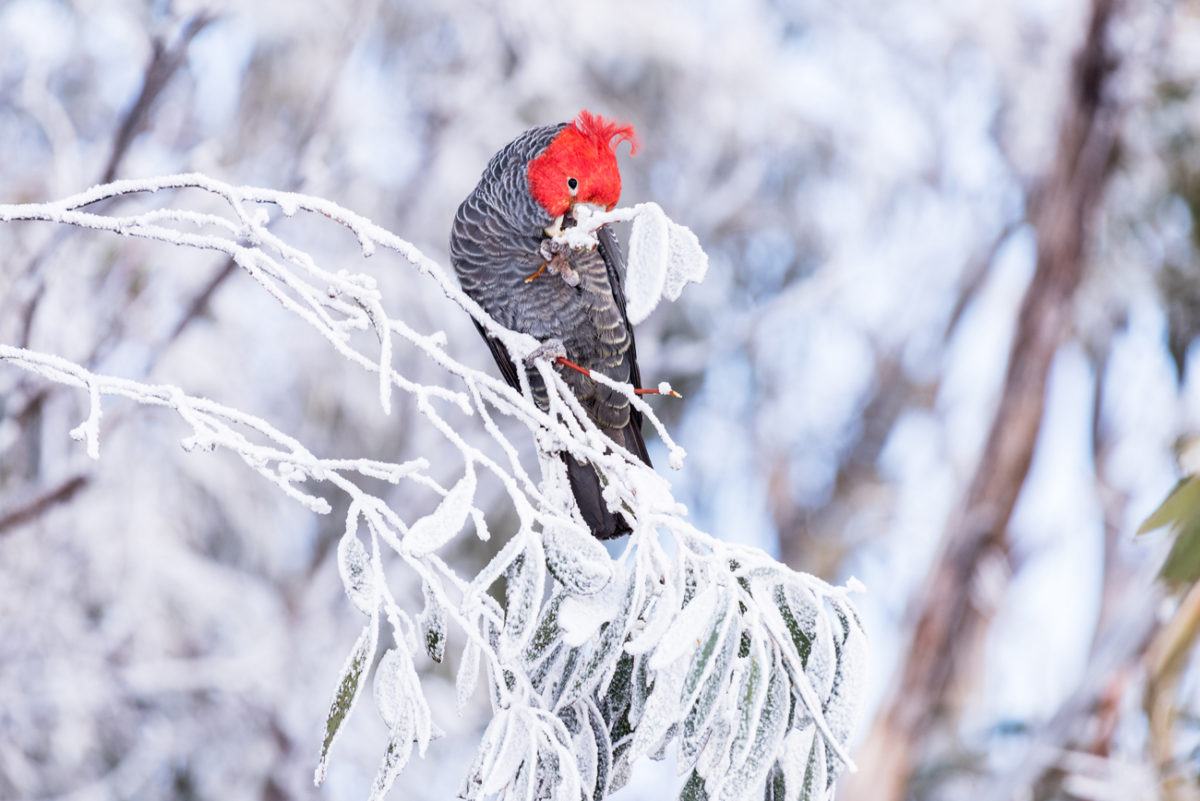
Australia (AUS) has a warmer image compared to New Zealand, but the Snowy Mountains, which stretch across the border between the southeastern states of New South Wales (NSW) and Victoria (VIC), are at an altitude of over 1,500m, and there is heavy snowfall in July and August, allowing you to enjoy powder riding. There are also many sophisticated resorts, with Perisher Blue and Thredbo having peaks over 2,000m above sea level and considered some of the best in the Southern Hemisphere
Should I go to New Zealand or Australia?
If you can't decide, New Zealand is the place to go if you're looking for an overseas ski trip that focuses on skiing, whether that's powder, off-piste, heli-skiing, or high-spec park riding or high-speed carving on groomed runs. On the other hand, Australia has many tourist attractions and is a great choice for a family ski trip with small children that also wants to enjoy sightseeing and gourmet food.
How much snow will it snow? What kind of snow will it be?
Let's take a look at data released by five areas of New Zealand's South Island, the North Island, and two of Australia's leading resorts
| average snowfall | Top Elevation | Base Elevation | Season (operating period) | |
| Mt. Hutt (Methven area/South Island, New Zealand) | 4.0m | 2,086m | 1,404m | June 9th to October 15th |
| Cardrona Ski Resort Cardrona (Wanaka area/South Island, New Zealand) | 2.9m | 1,860m | 1,670m | June 17th to October 15th |
| Cornet Peak (Queenstown area/South Island, New Zealand) | 1.9m | 1,649m | 1,187m | June 16th to September 24th |
| Craigieburn (Canterbury area/South Island, New Zealand) | ? | 1,308 m | 1,811 m | Early July to early October |
| Turoa (NZ North Island) | 4.0m | 2,322m | 1,600m | Late June to late October |
| Perisher Ski Resort Perisher (AUS) | 2.5m | 1,605 m | 2,034m | June 10th to October 1st |
| Mt. Buller (AUS) Melbourne area | 2.4m | 1,375m | 1,790m | June 10th to October 1st |
How much snow is there?
Looking at it this way, it's hard to say that the average snowfall here is particularly high compared to areas known for their heavy snowfall in Japan, such as Niseko (Hokkaido), Geto Highlands (Iwate Prefecture), and Seki Onsen (Niigata Prefecture). When the season starts in June, many ski resorts operate at full capacity, with around 100 snow guns (artificial snow machines) making snow to kick off the season. However, if you aim to go during the peak season (July to August), when snow is most likely to fall, you'll have a good chance of hitting fresh powder
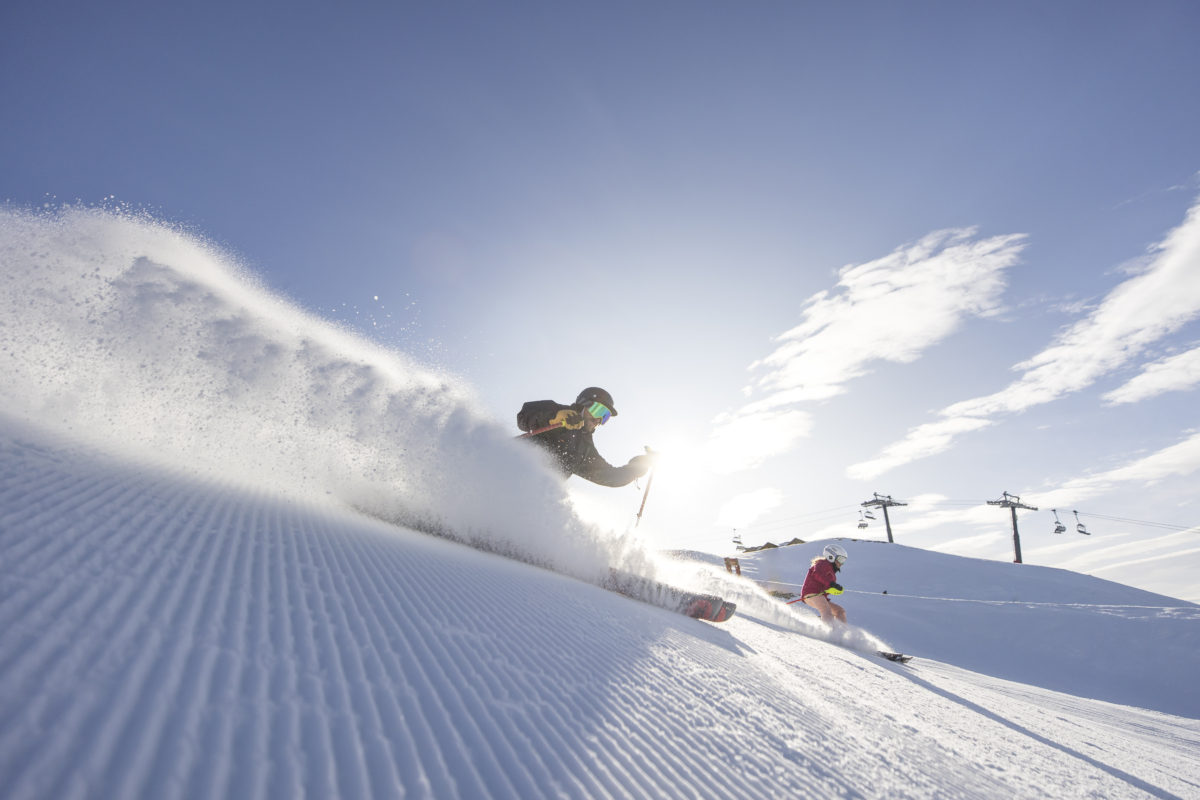
The snow quality in New Zealand is drier and less humid than in Japan. In addition, the base elevation is high, and areas above the tree line are vast open runs with almost no forest belts, so when strong winds blow, the snow is easily blown away, and there are almost no tree-run areas where the snow can accumulate. When a large amount of fresh snow falls, the entire surface becomes a sea of powder, and bowl-shaped spots become powder paradises, but if there is no snowfall, the runs naturally become hard. In fact, there are many days when the entire mountain feels like a crisp ice run
On the other hand, the snow quality in Australia is such that the highest lift-access point in the country is Thredbo at 2,037m, which is the same height as Shiga Kogen and Yokoteyama Shibutoge Ski Resorts in Japan.However, even at the same altitude, Australia's latitude is lower, so the temperature is relatively high and the snow is moister and somewhat heavier
Commercial Field and Club Field (NZ)
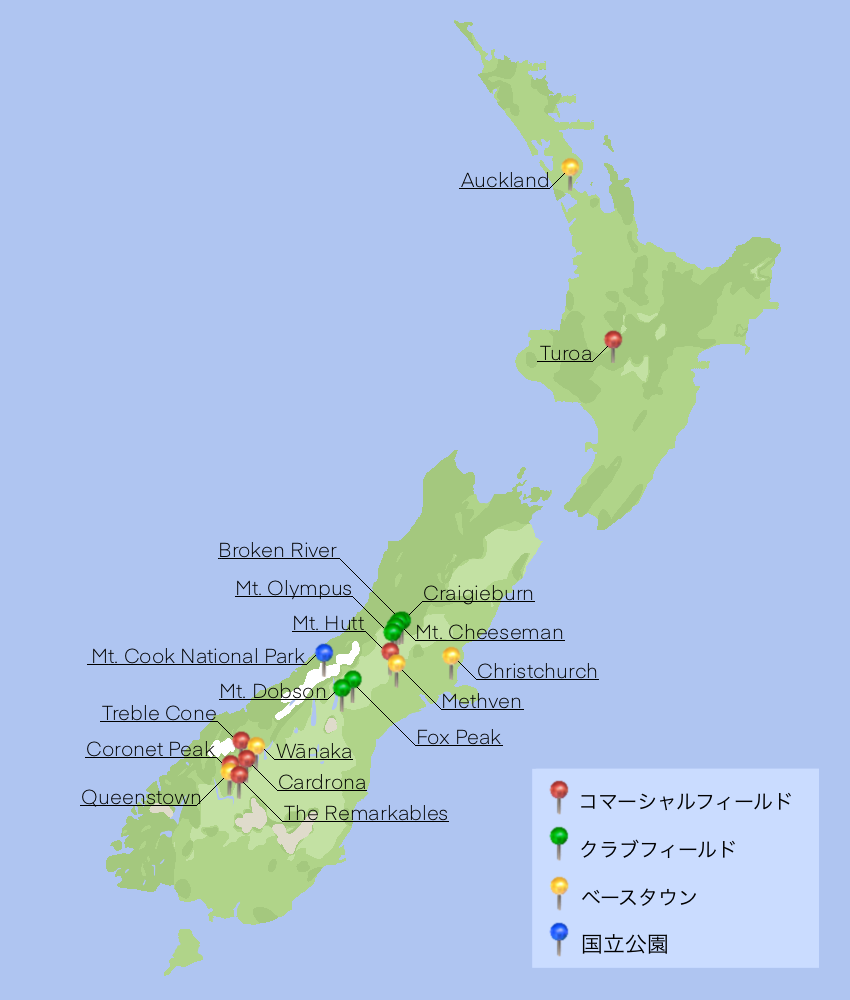
New Zealand's ski resorts are divided into two categories based on how they are operated: commercial ski fields and club ski fields
NZ's major commercial fields
Commercial ski fields are ski resorts operated for profit, managed by companies and maintained with snowmobiles and artificial snow machines, and are commercial facilities that offer a variety of services such as numerous lifts, restaurants, shops, rentals, schools, and updated information, much like Japanese ski resorts.
These major commercial fields are well-known and popular among Japanese people, and many tour company travel packages are offered there.
| Commercial Fields (South Island) | Resort |
| Mt. Hutt | |
| Cornet Peak | |
| Remarkables | |
| Cadorona | |
| Treblecone | |
| Commercial Fields (North Island) | |
| Troua | |
| Club Field (North Island) | |
| Craigieburn | |
| Broken River | |
| Mt. Olympus | |
| Fox Peak | |
| Mt. Dobson | |
| Mt. Cheeseman |
On the other hand, a club field is a local, private ski resort run by a local members-only club for the benefit of its members, rather than for profit. Funding comes from dues and donations from club members. The famous Club Med is perhaps the closest example. However, most club fields also accept general visitors, who can use the resort on a daily basis for a fee. They are similar to what we would call a members-only golf club in Japan.
Rather than being ski resorts, club fields have the feel of vast, untouched snowfields in the mountains, with ropes strung up to allow people to enter and play, and their wildness is truly impressive. The video makes this clear, so be sure to check it out.
Most people are transported up the slopes by rope tow, a method of being pulled by a rope, and there aren't many of them. Incidentally, rope tows have a bad reputation for being difficult, tiring, and scary. I often hear that it's a real ordeal for sideways snowboarders.
And access to the ski resorts involves bumpy, poorly maintained off-road terrain, a veritable wilderness.
While it may seem far from convenient or comfortable, the club fields are actually extremely popular with a certain demographic: freeskiers, powder hunters, backcountry skiers, and snowboarders. That's because the entire, untouched slope is a ski field! Since most areas don't have snowmobiles, snow piles up when it snows, leaving the entire mountain off-piste. And because it's a local, members-only resort, it's always empty. It's like a paradise for all-day powder skiing.
Of the 25 ski resorts in New Zealand, around 10 are club ski fields. Some, such as Craigieburn and Broken River, are fairly well known through Japanese riders. Once you become an expert on New Zealand, you'll want to go to a club field where you can enjoy an overwhelmingly wild ski life, rather than skiing at a commercial field
Of course, Japanese people can also become club members if they stay or live in the area for a certain period of time. Membership offers nearly half-price lift passes, access to accommodation in the mountains, and lots of fun events. I dream of becoming a New Zealand ski bum and becoming a club member at a club field someday
What is ski life like there?
Base Town
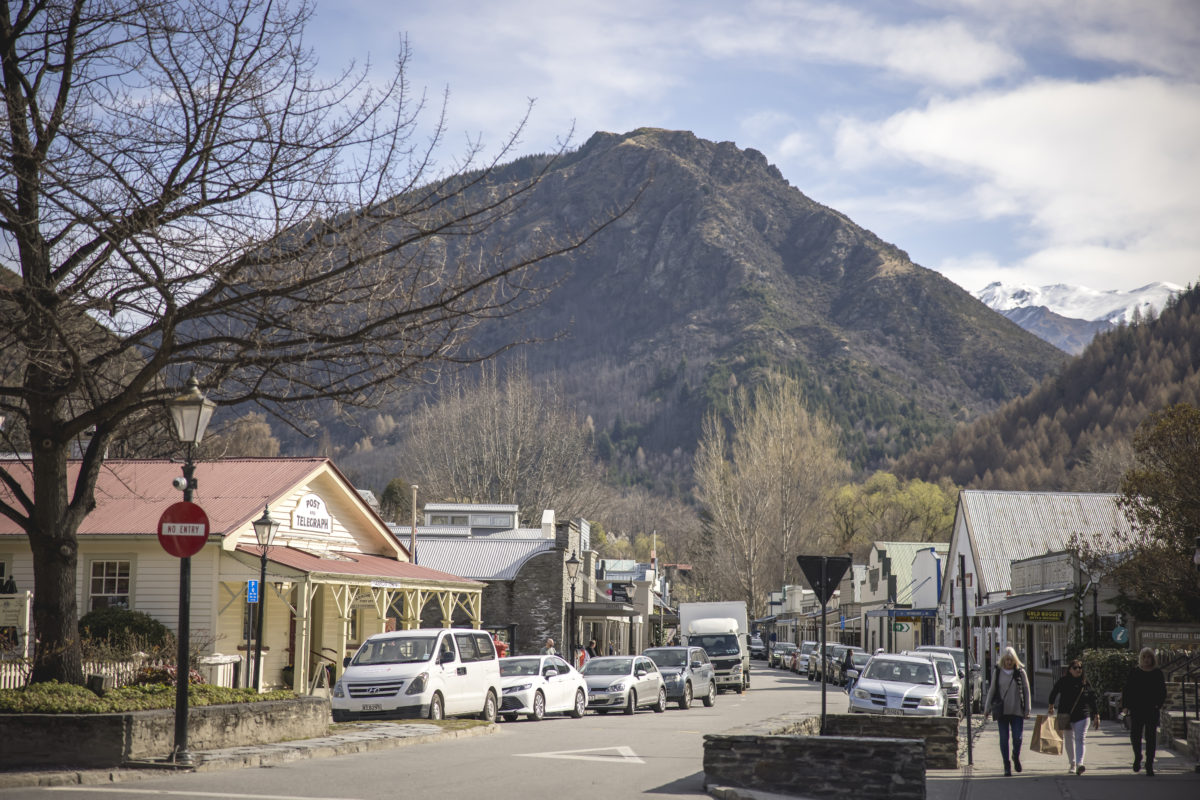
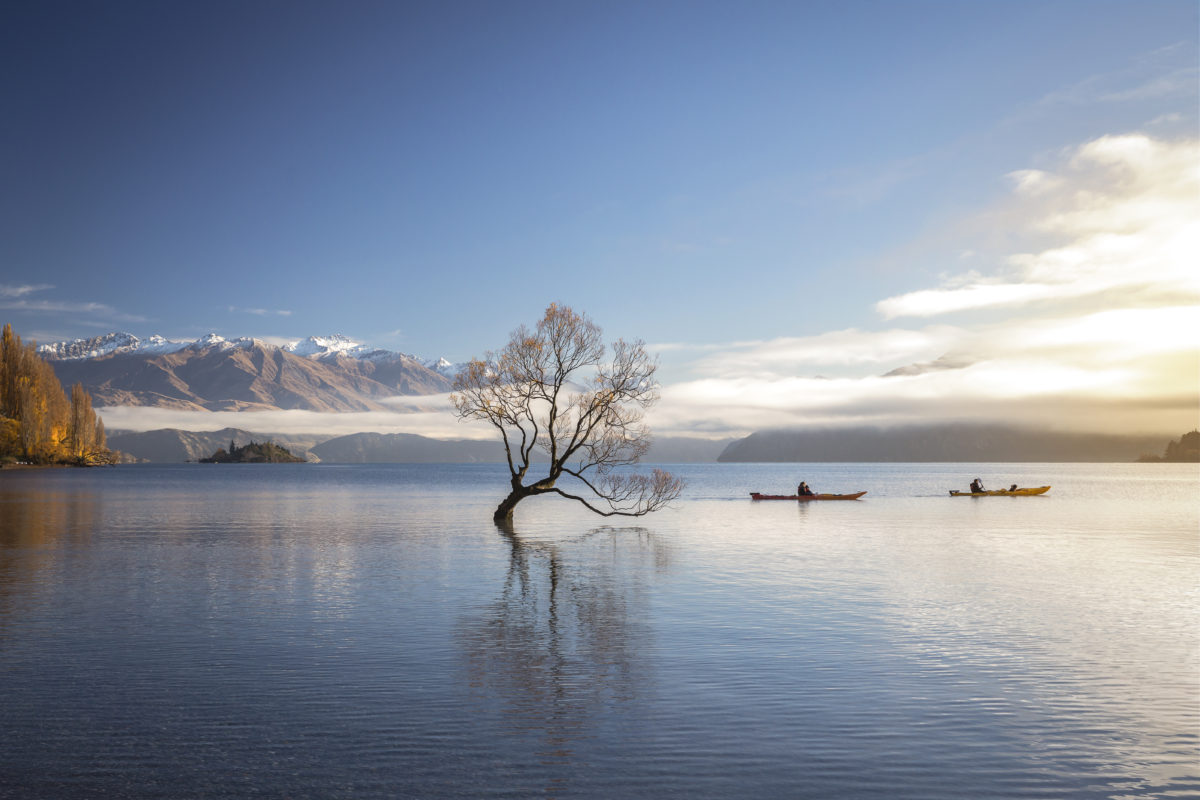
The ski and snowboard lifestyle in New Zealand is such that there are no accommodation facilities within the ski resorts or at the foot of the mountains, so people stay in base towns near the resorts and then travel to the resorts by car or bus. The main base towns and easily accessible resorts are as follows:
・CHRISTCHURCH ➡ Mt. Hutt
・QUEENSTOWN AREA ➡ Cornet Peak, Remakables
・WANAKA AREA ➡ Cardrona, Treblecone
・METHVEN AREA ➡ Mt. Hutt
・CANTERBURY HIGHLANDS ➡ Craigiburn, Broken River, Porters, Mt Olympus, etc.
Resort Access
You can stay in a base town near your destination resort and access the ski resort in about 30 minutes to an hour, but New Zealand's road conditions are not the best. They're dirt roads, not asphalt. You'll have to navigate gravel roads, narrow paths, and winding roads, making it feel like you're finally reaching the ski resort, much like off-roading.
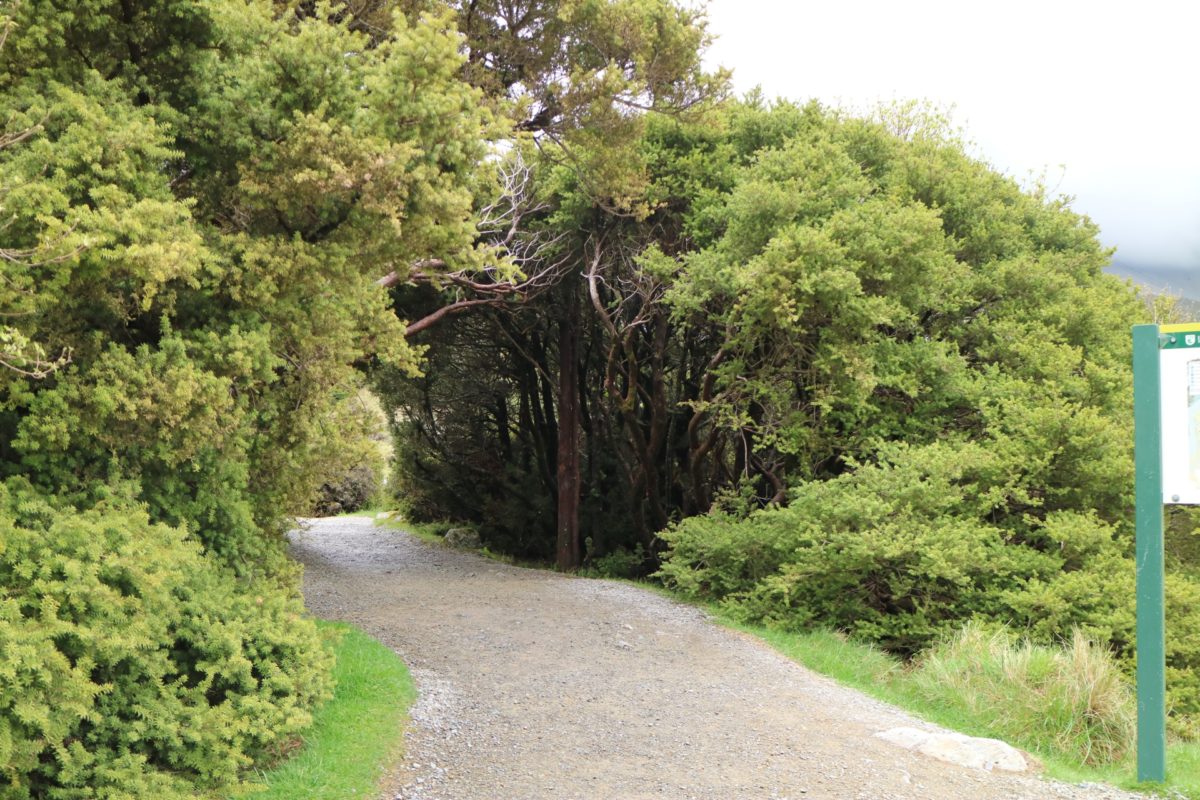
Driving a rental car on rough roads in unfamiliar territory is tough, and of course there are many days when snow chains are necessary. I often hear stories of people feeling nervous and anxious before arriving at the ski resort, and being exhausted from driving, and finally arriving with no energy left to ski. If you're not confident in your driving, taking the bus is a safe option.
Easy access to the backcountry slopes
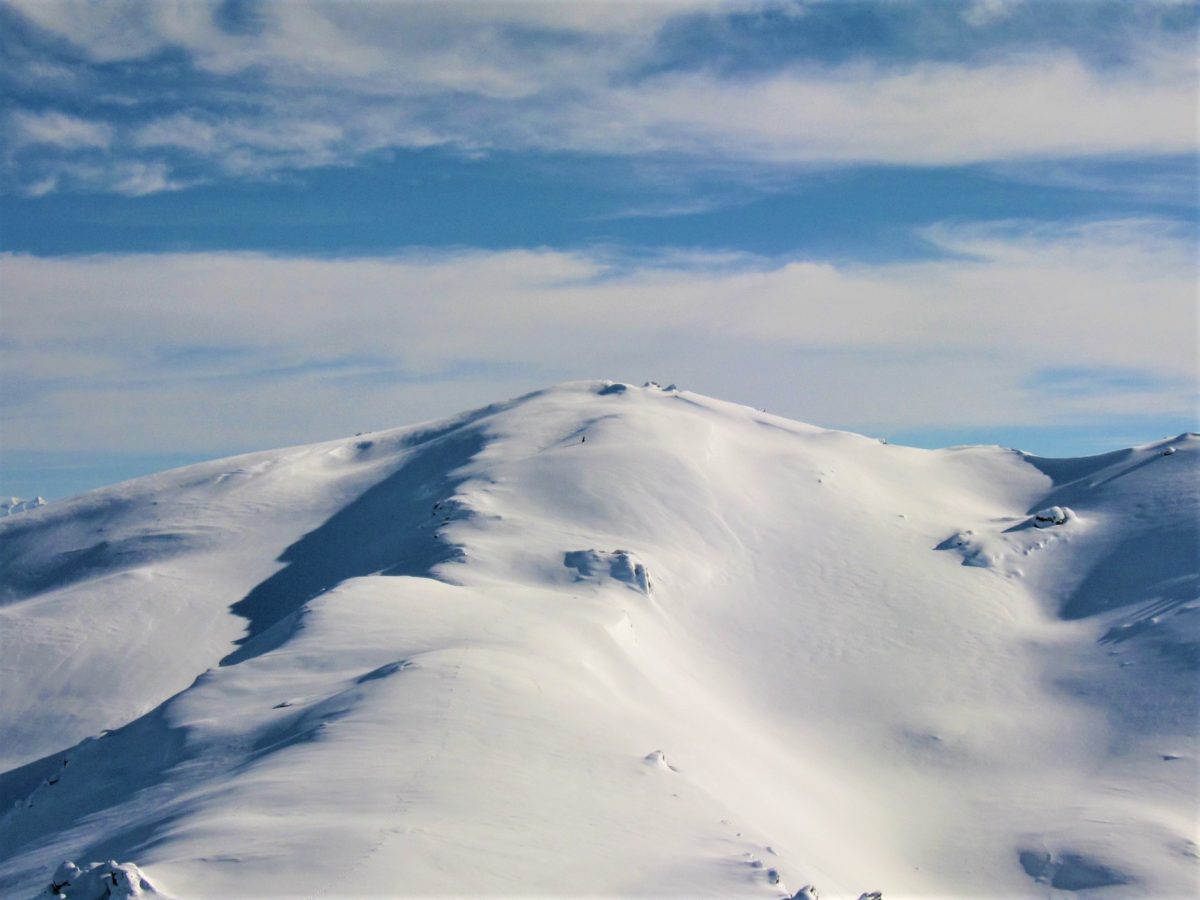
When you think of New Zealand, you tend to imagine practicing pipes and jumps at snowboard parks and simply carving at high speeds on groomed runs, but in fact, the country also hosts the WSF World Championships, and backcountry skiing (BC) is very popular, with many guided tours available.
The vast BC is easily accessible from the slopes of commercial fields ski resorts, and the world of freeriding, where fat skis and touring skis shine, is endlessly expanding.
Heli-skiing is not that difficult to get into, which is unique to New Zealand
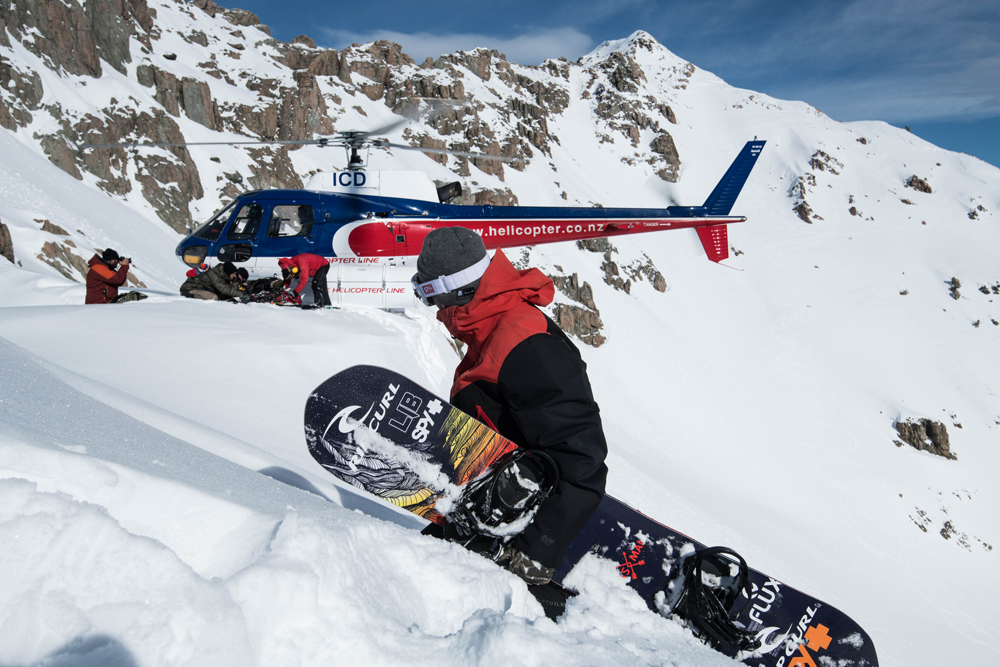
Heli-skiing is an essential attraction in New Zealand. You can take a short helicopter flight from major base towns like Queenstown, Wanaka, and Methven to the surrounding mountains. Heli-skiing in the majestic Southern Alps is surprisingly easy to enjoy, and there are many helicopter operators available. For example, heli-skiing packages from Queenstown or Wanaka offer a choice of over 600 ski runs on 11 surrounding mountains, with 4 to 10 runs per day costing around 120,000 yen (2023 season price)
Rather than driving an hour on a dirt road to finally arrive at a ski resort, buying a 13,000 yen lift pass, and not knowing what the weather or snow conditions will be like, heli-skiing, which allows you to aim for the best conditions and drop off directly from the base town at a spot guaranteed to be fast-track, may cost more, but it is likely to be far more efficient and satisfying
Also popular in Aoraki Mt. Cook National Park are heli-skiing to the glaciers and the wild "SKI THE TASMA" experience, where you ski down the Tasman Glacier, the country's largest glacier, from an altitude of 2,500 meters on a snowplane (a small plane carrying skis), for a distance of about 8-10 km. Two skis cost about 83,000 yen (2023 season price)
▼Video of "Ski the Tasman" on the Tasman Glacier