

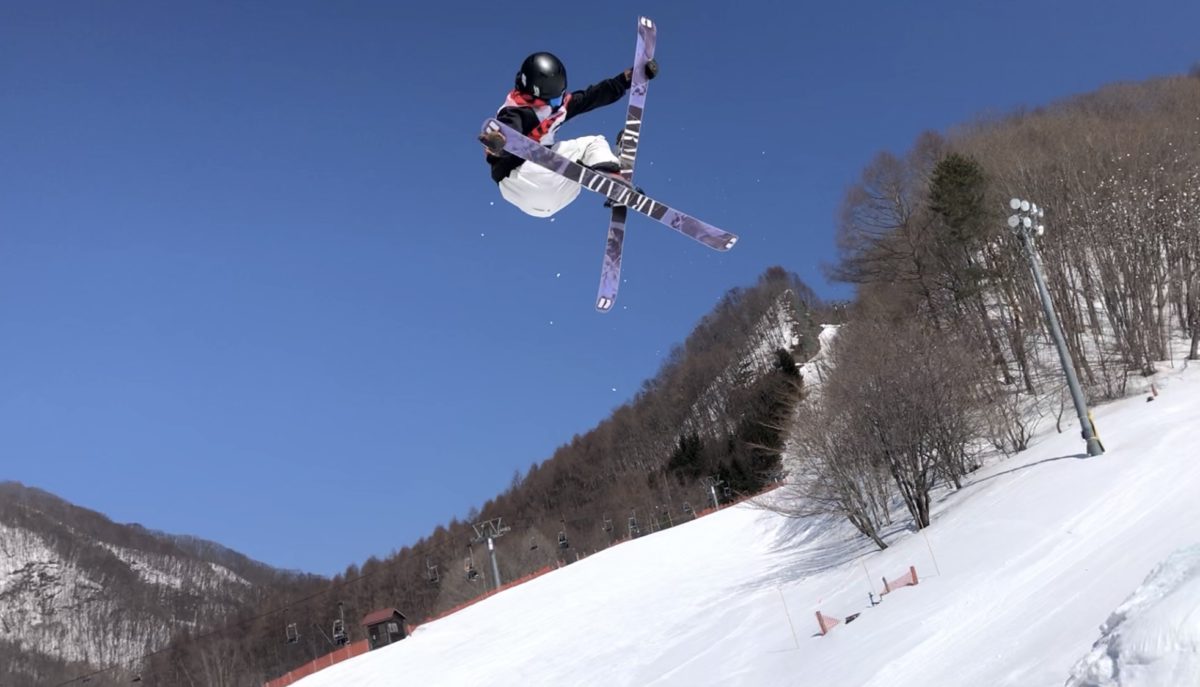
The Oze Tokura Freeski Open (February 27-28), held annually for the past few years, is now the only FIS-sanctioned competition remaining.
In its seventh year, the event saw the largest number of participants ever. As athletes who would normally travel overseas for competitions stayed in Japan this year, it was an unprecedentedly intense competition. We received the latest report from Chiho Takao, a member of the organizing committee and former Sochi Olympic slopestyle representative.
What is the Oze Tokura Free Ski Open?
The Oze Tokura Freeski Open, which began in 2015, is a freeski slopestyle competition that includes classes certified by the International Ski Federation (FIS). In recent years, due to the influence of the Olympics, the number of FIS-certified competitions has increased in China and South Korea, but in Japan, there are still few of them, and the Oze Tokura Freeski Open is the only one that is held consistently every year
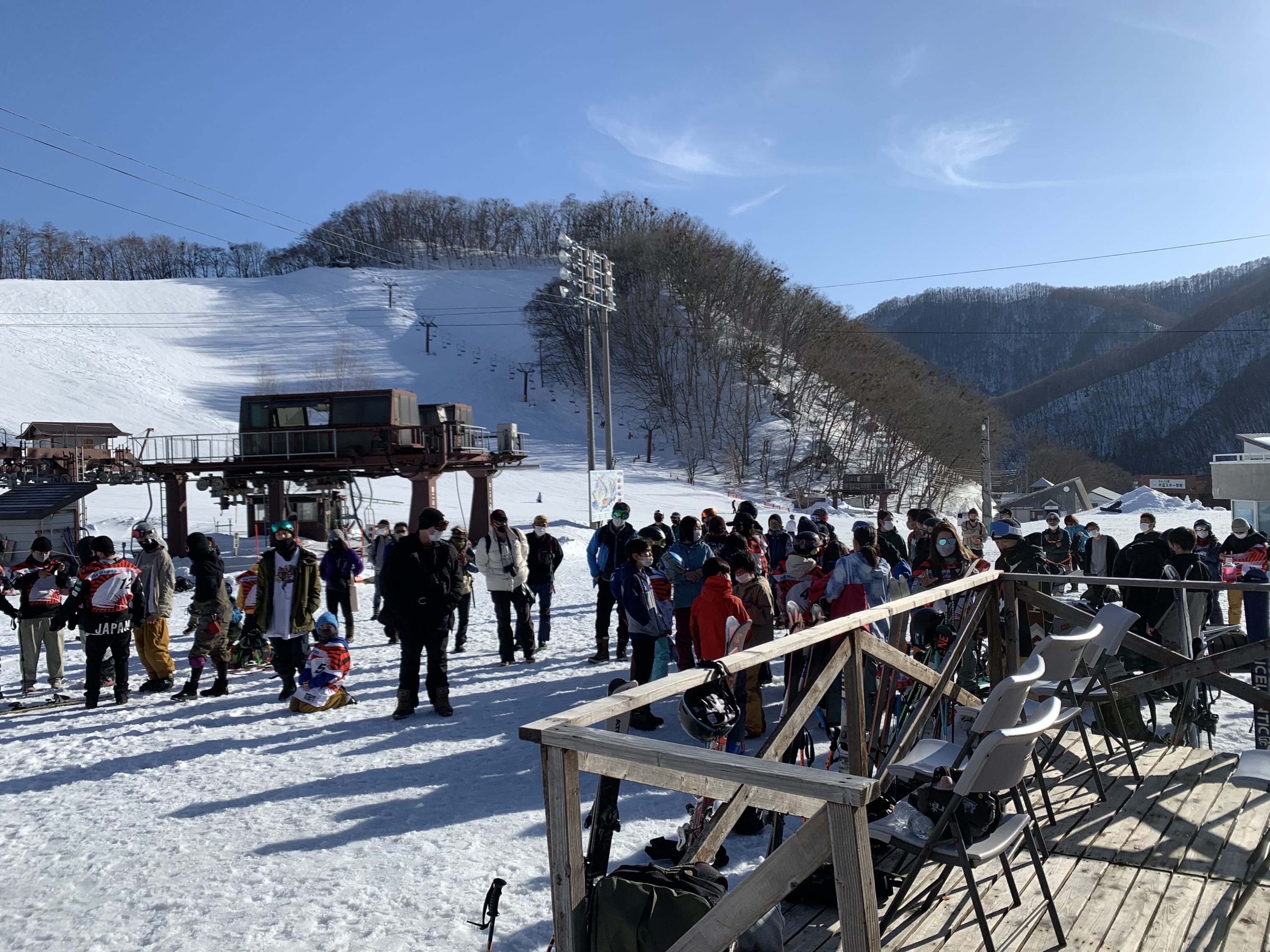
The FIS class is open to skiers aged 13 and over who are registered as FIS competitors. The SAJ class is open to skiers of any age who are registered as competitors with the Ski Association of Japan (SAJ). There are three junior classes, with divisions for skiers under 12 and under 18, and each class is open to both boys and girls. The FIS and SAJ classes will compete on a specially constructed slopestyle course, while the junior class will compete on a permanent slopestyle course
Tournament atmosphere
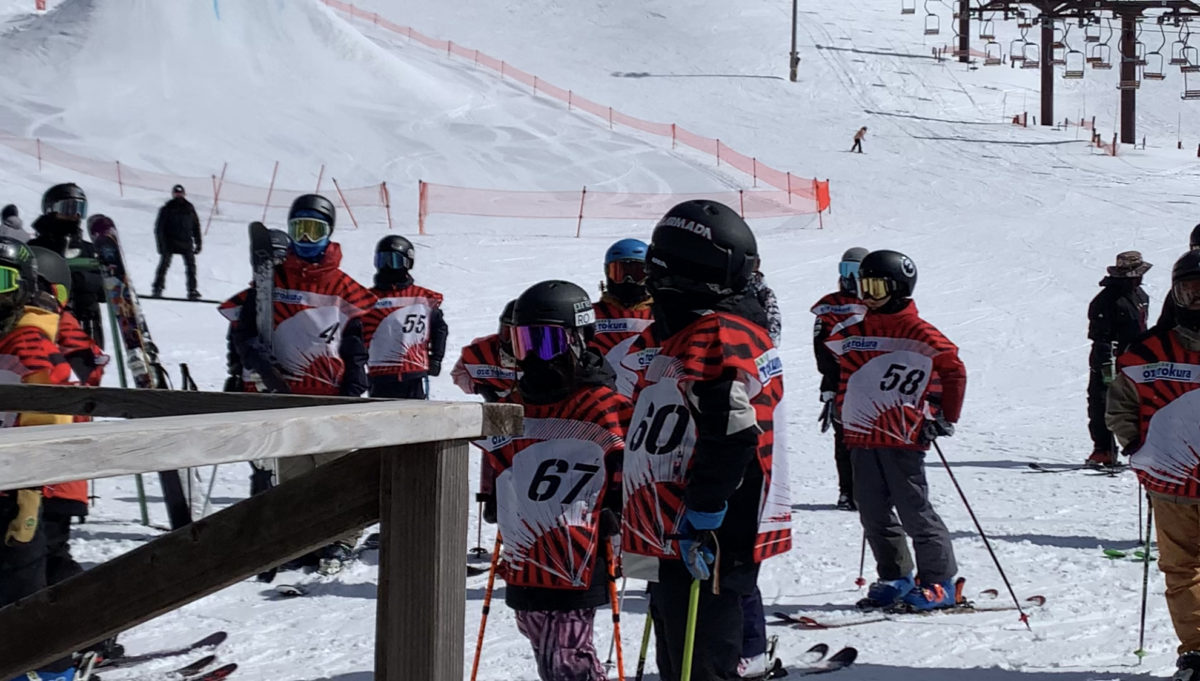
The day before the tournament, the official training took place under clear skies. The cold weather had been present for several days, making the field very packed, and the fact that it was the first match of the season meant that the players looked a little nervous, but as they exchanged greetings with the other players, they gradually seemed to relax
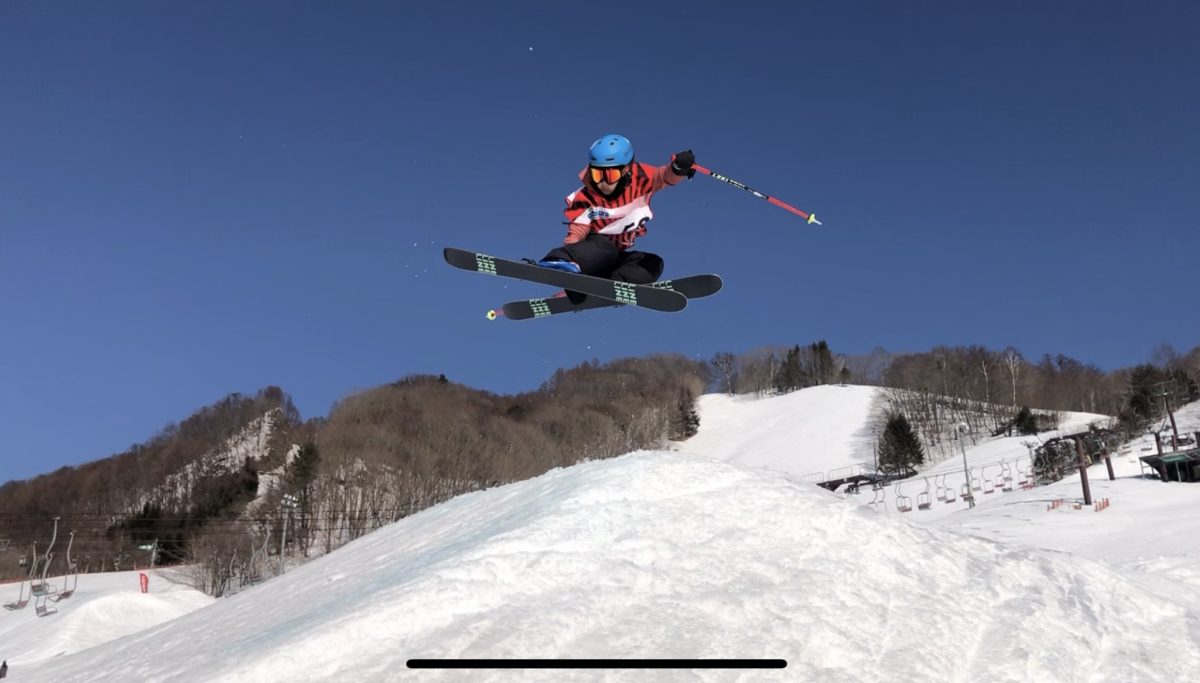
As the temperature rose and the snow began to loosen a bit, more and more athletes began attempting more difficult tricks towards the second half of the official training. Not only athletes who successfully completed difficult runs, but also those who boldly attempted difficult tricks, even if they fell, erupted in cheers and applause, creating a great atmosphere
Players who are improving
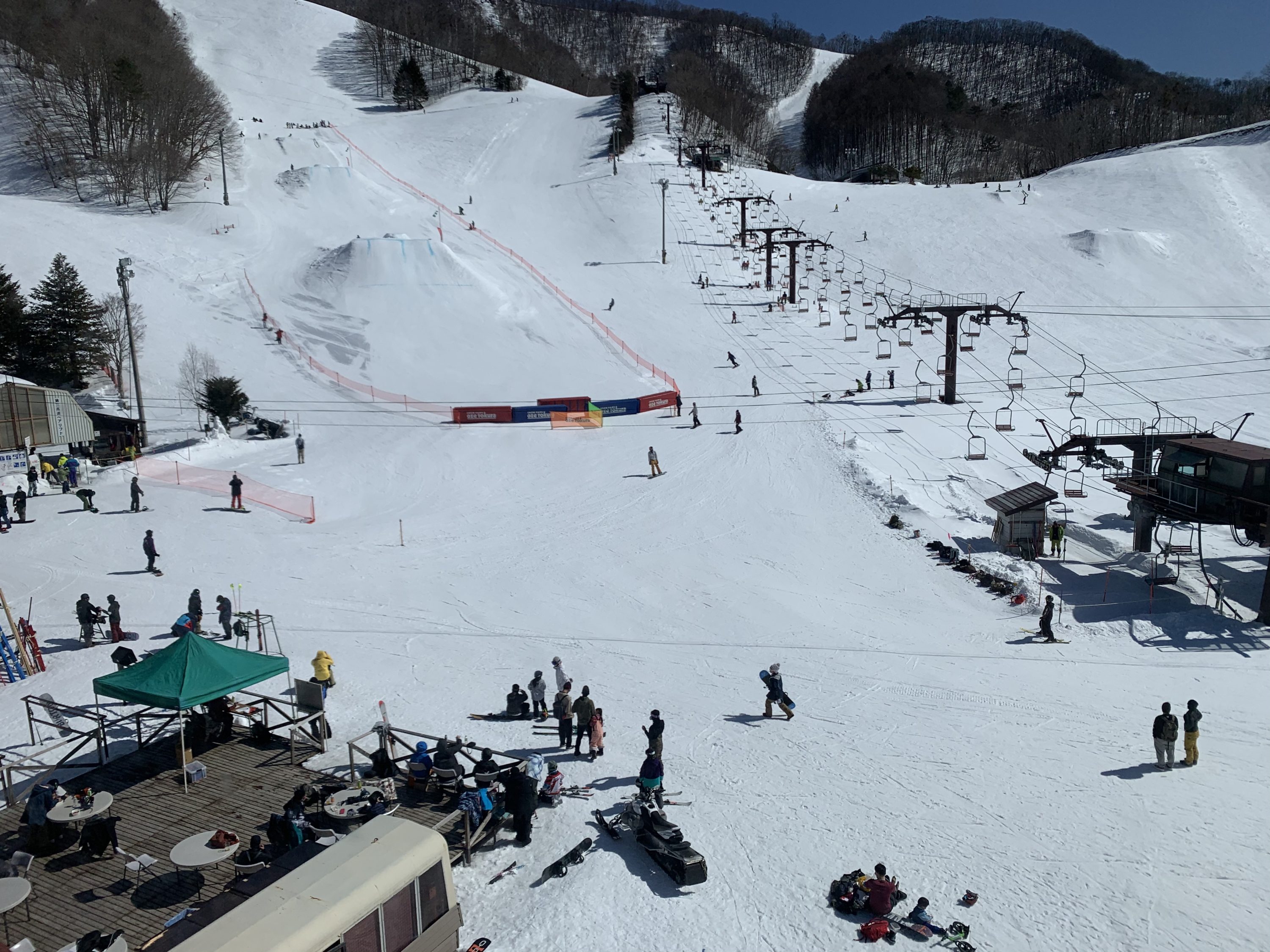
For the FIS and SAJ classes, this year's competition was designed with fewer jib sections and smaller jumps than usual due to the rapid snowmelt caused by the warm weather and rainfall that have continued for the past few weeks. However, even in these conditions, the competitors showed off highly difficult combo tricks in the jibs, and a variety of rotational axes and highly difficult grab tricks in the jumps, including corks and misties
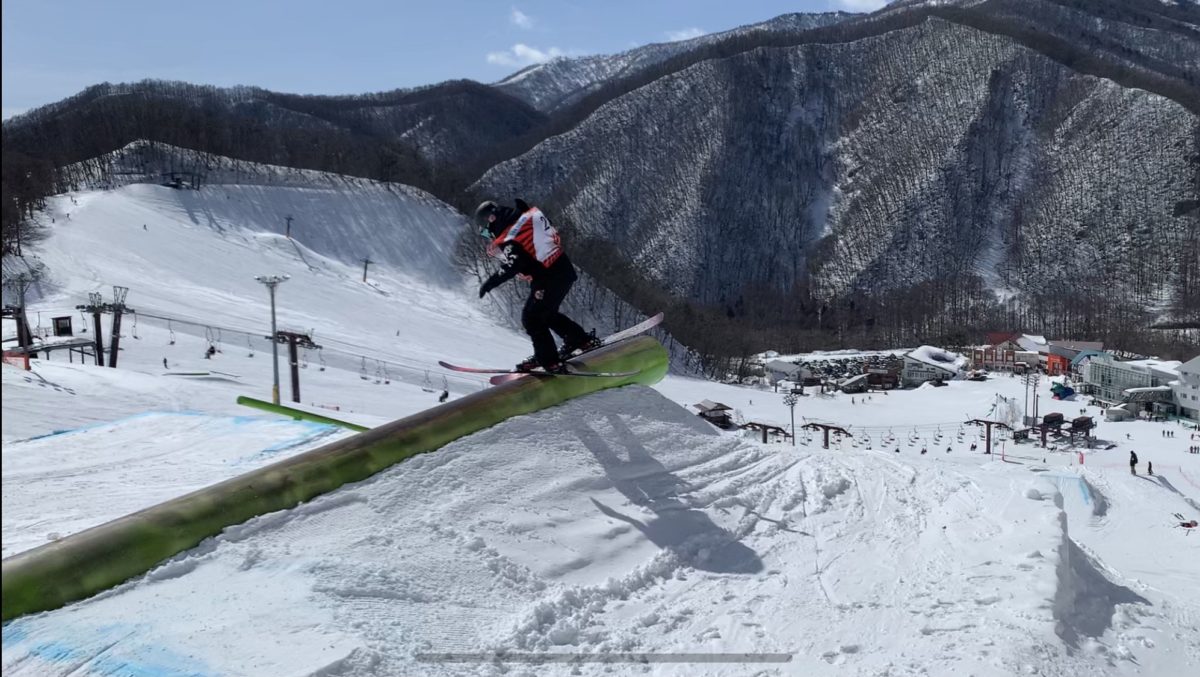
In the FIS men's class, due to restrictions on the size of the jump ramps, many riders performed tricks such as the Cork 720, 900, and Switch 900. Among these, what particularly stood out were the runs that showcased individuality through tricks and grabs. Runs that combined jib combo tricks and double tricks, which only a few riders performed, placed highly.
The winning rider was the only one to successfully land a Misty Out on the jib, which no one else had attempted, and in the jumps, he made big airs and unique, highly executed grabs without using any double tricks. While uniform tricks were prevalent, his originality earned him high marks.
This year's FIS Women's Class saw the highest number of participants ever. In the jib section, the most difficult trick was the 450 out, and the jumps had improved to the point where spins in both directions, left and right, were the basics. The winning skier landed a switch 720 in both directions with a high level of perfection. This tournament was full of impressive performances, with the overall improvement in the level of the female skiers
Many of the junior class competitors were competing in a tournament for the first time. It was impressive to see so many competitors actively trying out modified jib items such as donkey rails, which are thought to be difficult for junior class competitors. Some competitors were already using multiple rotation directions, such as left, right, and switch, which shows the depth of the next generation of competitors. The women's competition also focused on grabbing during their runs
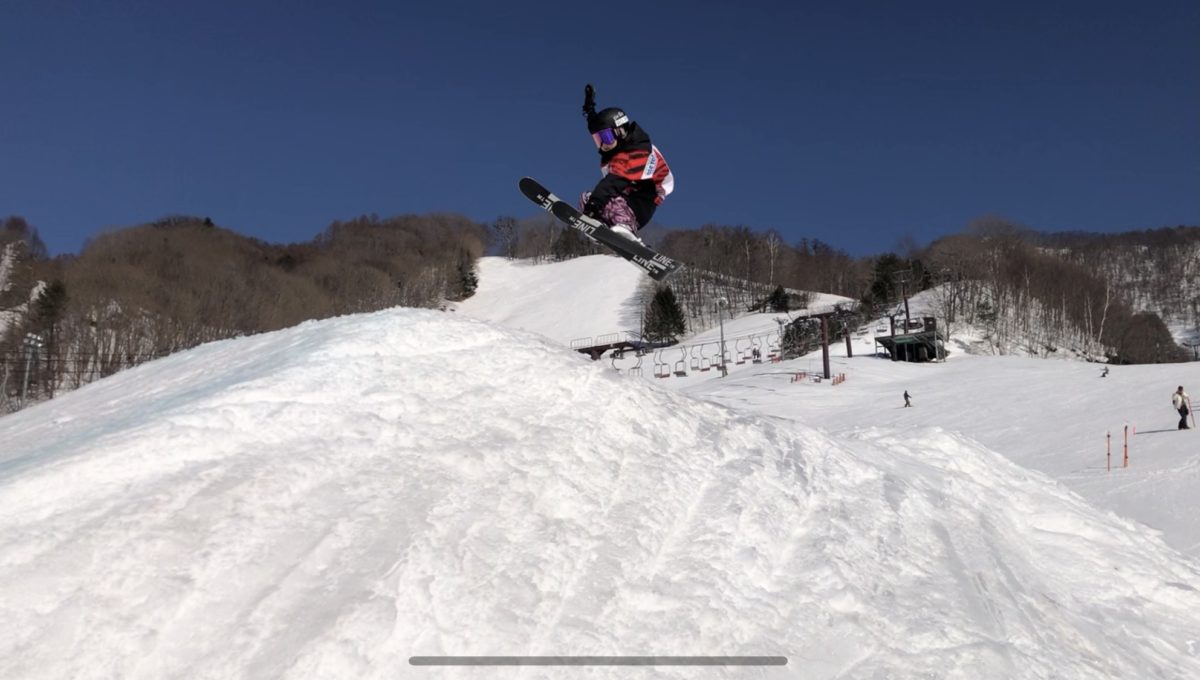
What made the biggest impression on me at this year's competition were the SAJ class skaters aged 13 and under. Until last year, these skaters could barely make it through the course, but with their small bodies, they were now performing combinations of highly difficult tricks on par with the top skaters in the FIS class. For example, they were performing tricks like a regular 900 in the opposite direction, like a switch 900 or switch 1080, reaching a level that would have been unthinkable just a few years ago
Although there were times when both the men and women seemed to struggle with adjusting their speed, the judges were amazed at how they not only performed tricks but also put together runs with a high level of perfection, including grabs and aerial movements
The judge's gaze that was the deciding factor in the match
This was also the judges' first competition of the season. They carefully checked the competitors' runs the day before to understand their level. Compared to previous years, there were fewer items and the runs were smaller, so they expected the competitors' runs to be similar. Therefore, they focused on height and perfection, which are the judging criteria, and looked closely at whether the competitors were able to execute tricks in a parabolic arc that matched the jump ramp, whether they were able to stay centered on the jib until the very end, and even the overall landing, including any contact with the board or a fall on the bottom, as well as any slippage of the board and the way the body was shaken
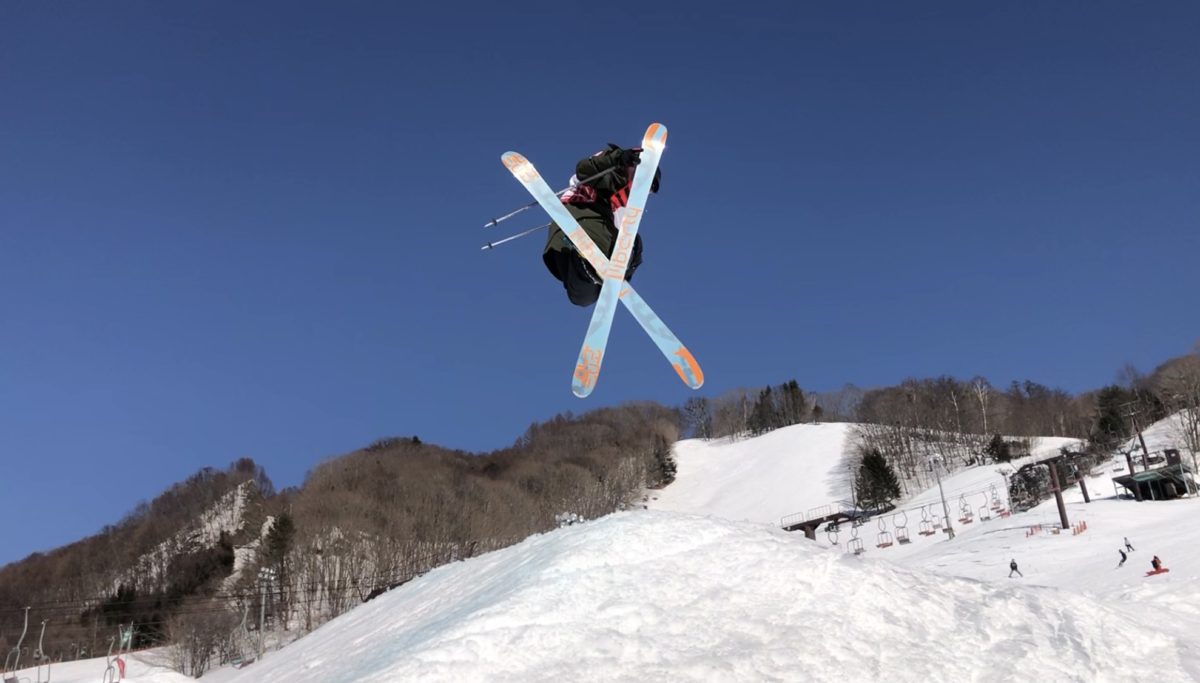
Another important point was progression. The key to moving up the rankings was how well a skater could stand out compared to other skaters, whether through tricks, grabs, or other moves
Takao's vision for the future of freeskiing
Due to the COVID-19 pandemic this year, many top Japanese athletes who normally compete overseas also took part in this year's event. I believe it was a valuable experience for the young junior athletes to be able to run on the same course as athletes competing at the world's forefront in the World Cup and other events. I believe that increasing opportunities like this will help raise the overall level of the sport
Looking at the current global scene, I believe that individuality will become increasingly important in the future. It's not about everyone doing the same tricks, but about how you can express your originality. For example, in this competition, there was one person who did a 3D Out Misty Out in the jib section, or someone who did a rare grab trick that not everyone can do. I hope that both
current competitors and kids aspiring to become athletes will break free from conventions and express their individuality through creative course lines, new and unusual grabs and movements.
Also, while the sport of freeskiing is becoming more popular among younger people, freeskiing is literally "free" skiing. There are endless ways to enjoy freeskiing, and in the future, I would like to hold competitions and events that can be enjoyed by people of all ages and with various goals.
Tournament Results
FIS Class Men's
1st: Gen Fujii
2nd: Taisei Yamamoto 3rd
: Kankuro Ota
4th: Ruya Ito
5th: Ken'ya Yamagishi
6th: Kotaro Higashi
FIS Class Women's
1st: Kondo Kokone
2nd: Koga Yuna
3rd:
Watanabe Shiori 4th: Sugawara Nana
5th: Sato Hitomi
6th: Sugawara Nozomi
SAJ Class Women's
1st Place: Kanon Kondo
SAJ Class Men's
1st Place: Sota Yamada
2nd Place: Hiyori
Nishi 3rd Place: Yuto Kinoshita
Junior Class U18 Boys
1st Place: Masakito Kurihara
2nd Place: Tomohiro Komai
Junior Class U12 Boys
: 1st Place: Yuto Enomoto,
2nd Place: Ryuta Shigama,
3rd Place: Shu Ito
Junior Class U12 Girls
1st Place: Anderson Arisu Jessie
2nd Place: Saito Yuki
3rd Place: Fujii Saya Cameron