

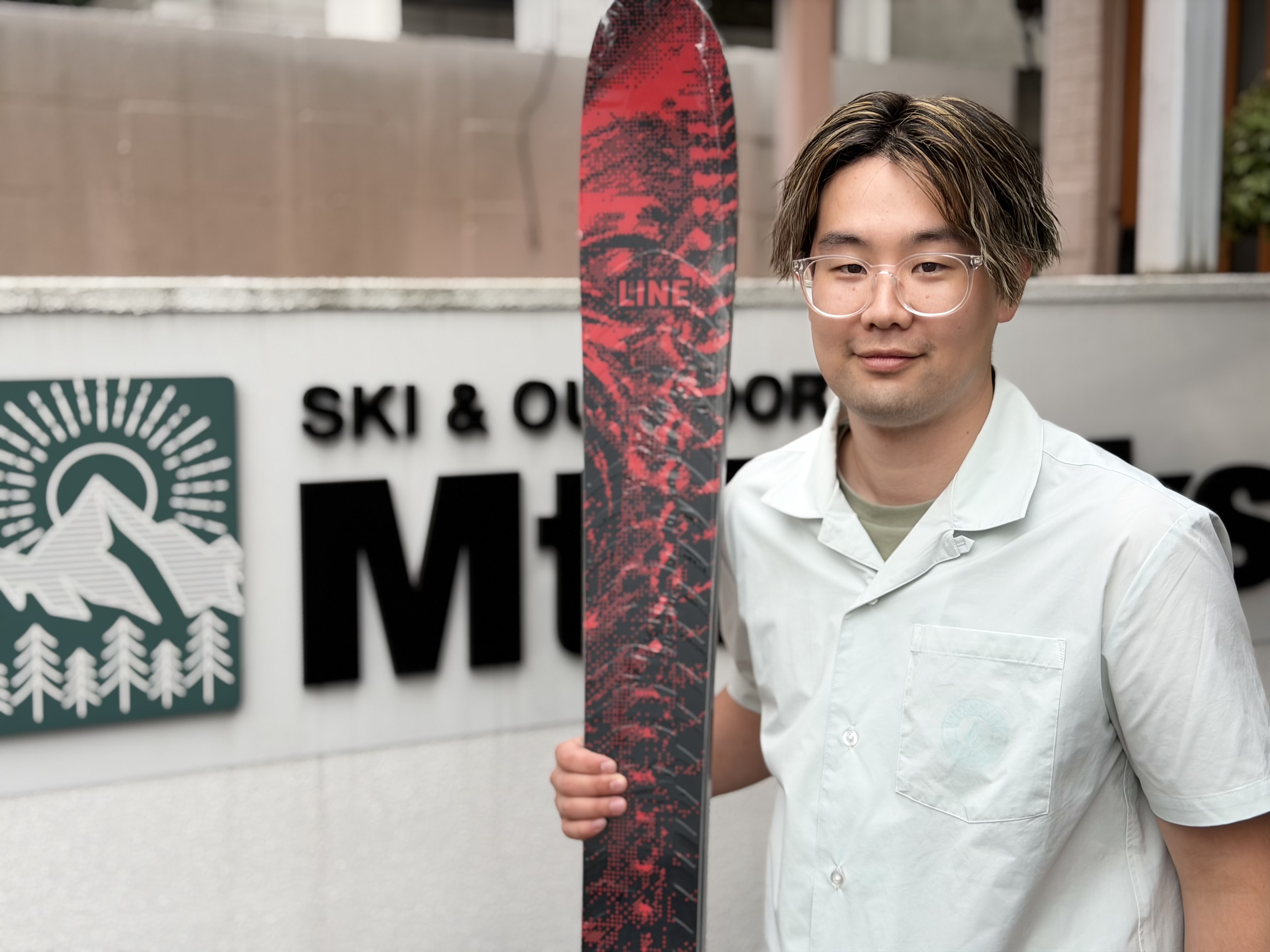
The strength of a professional ski shop lies in its ability to test ride numerous latest models on the snow, integrating extensive knowledge with user feedback to compare and evaluate products. Furthermore, they are well-versed not only in quality but also in the compatibility of skis, bindings, and boots when combined. We asked Yamato Hoshi of Mt. Peaks to tell us about the best setup for the 26-27 new models, specifically "this combination is the best for this type of skiing!"
If you're looking for an "all-around" setup that can handle terrain, park, and powder all in one,

— What are the essential elements required for an "all-around" setup that can handle terrain, parks, and powder?
Hoshi: To handle different terrains, skis that aren't too long, too narrow, and too wide—skis around 100-110mm wide—are the easiest to handle. With those, you can enjoy even knee-deep powder, and a setup position that isn't too far back makes it easier to ski switch, park ride, and wall hits
If you're aiming for an all-around performance, I think this 26-27 setup is the strongest
Skis = BLACKCROWS|VENA COR |
Boots = ARMADA | AR ONE 110 MV
| Bindings = LOOK | PIVOT2.0 15GW (PURPLE GOLD)

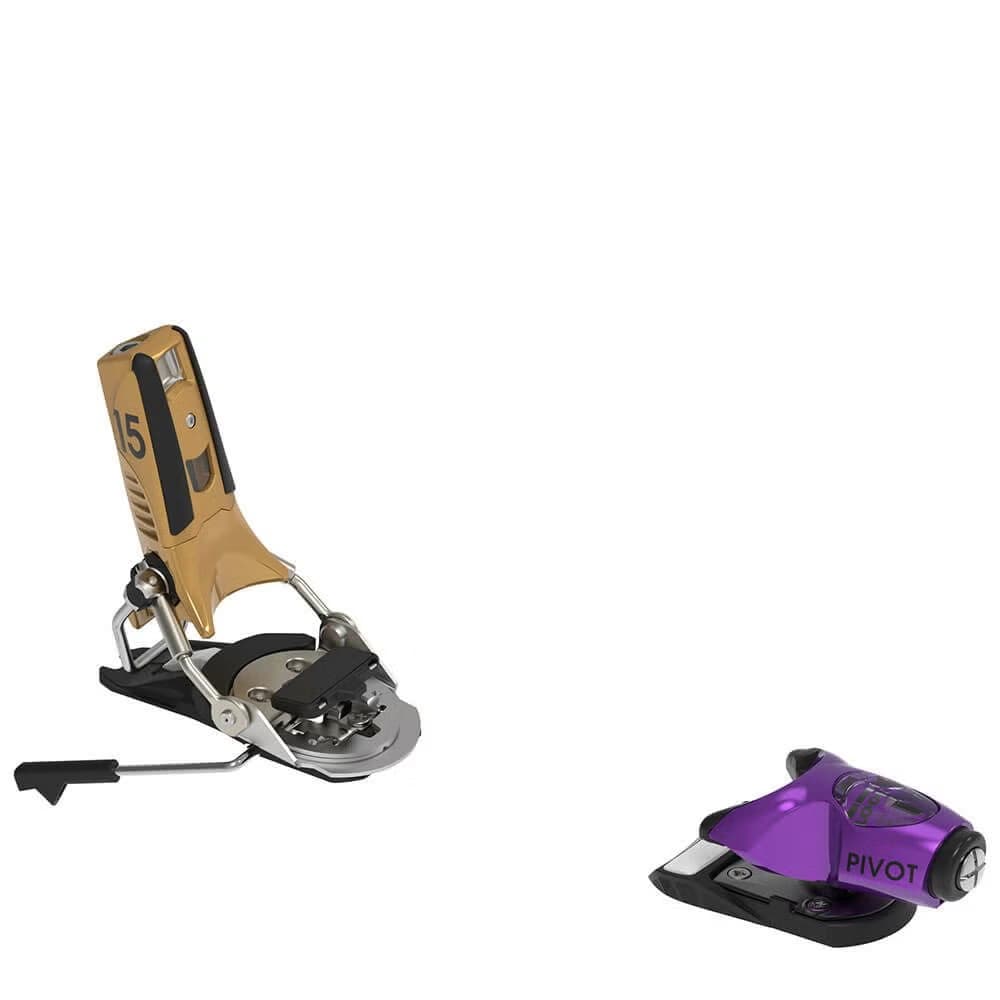
DIN: 6-15|Weight=1245g (1/2pair)|¥70,400
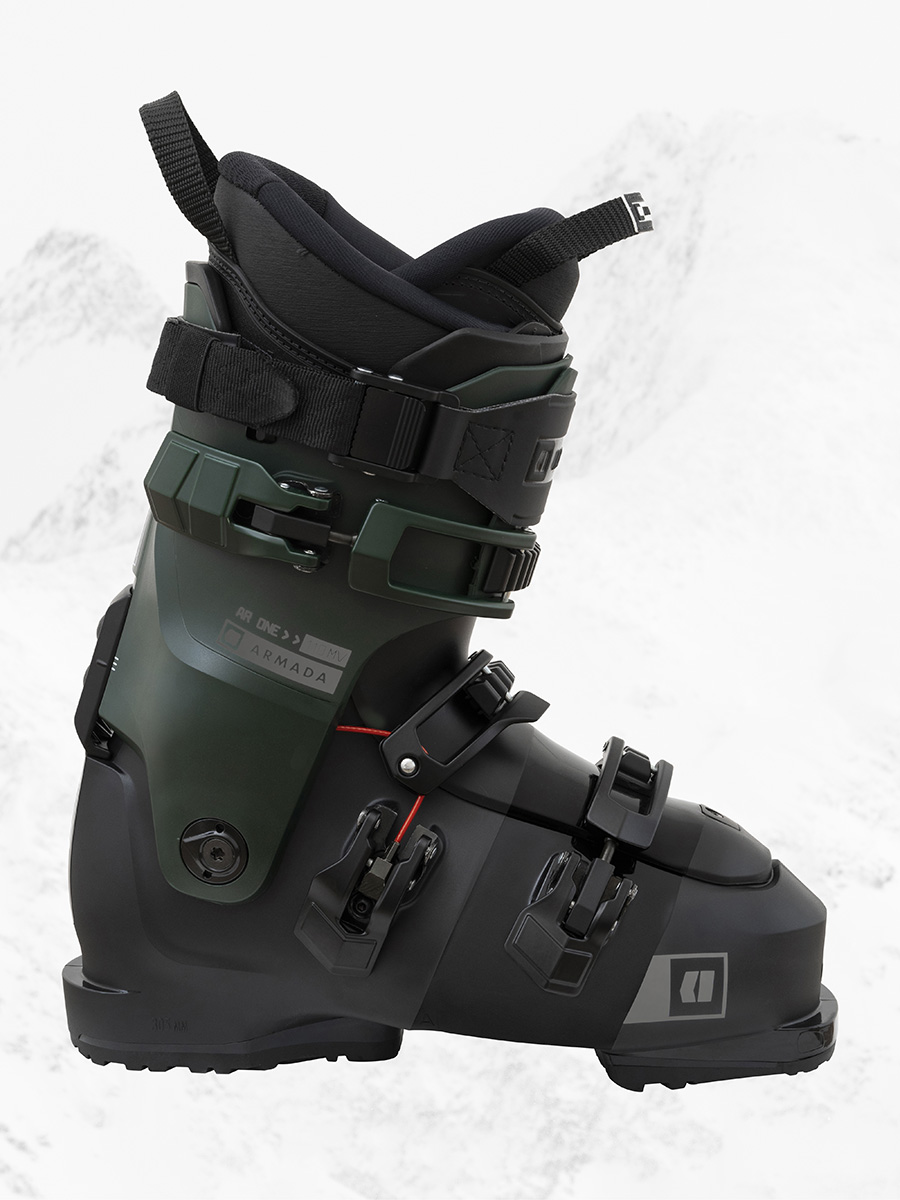
Flex=110|Last=100mm|Size=23/23.5 – 29/29.5cm|\93,500
This setup is perfect for skiers who want to enjoy free riding with a high degree of freedom!
The new 26-27 Black Crowes model, "Benaco," is a ski specifically designed for freeriding, offering an unprecedented skiing experience for terrain play and knee-deep powder. It's a ski that turns very easily, making it relatively easy for anyone to enjoy
By attaching Look's "Pivot 2.0" to the Benaco, the central axis shifts closer to the middle, significantly improving the swing balance between the tip and tail, and increasing freedom of movement. As a result, air tricks on kickers and switch riding become easier
Furthermore, the Pivot 2.0 makes it easier to transfer power to the skis, and the weight balance is centered, allowing the skis to perform at their best and making ski control easier. On the other hand, if you find the weight a little heavy when you hold it, you might want to consider a lighter option like Marker's "Squire." It's a good idea to consult with a shop
—Benaco—What was your impression after test riding it?
My impression is that these skis have a unique feel that you don't often find in other skis, and they're incredibly fun to ski on. However, when skiing at high speeds, because they're lightweight and don't have much camber, there's inevitably a bit of chatter in the skis, but it's not too bothersome
—In what way would boots be a good match for this outfit?
What I'm very concerned about is matching equipment of a similar level. If the board is for beginners, and the boots are too stiff, the enjoyment won't match, or rather, the things they're looking for are completely different, so it will feel mismatched
Therefore, I recommend the Armada "AR ONE 110" boots, which were released last year. By using these boots, you can transfer power to the board effectively while maintaining a comfortable environment inside the boots, which I think will double the fun
Therefore, I think that setting it up with Benaco will bring out the best of Benaco even more. The AR ONE has flexes of 120 and 130, but by not making it that stiff and going with 110, I increased the degree of freedom a bit more. I chose it not to increase rigidity, but to increase the degree of freedom
—With this all-around setup that can handle terrain, parks, and powder, if there was a ski that would come in as a second choice, which model would it be?
If we're talking about competitors, I'd say it's Salomon's "Department 01." It's been getting a lot of attention since the 24-25 size was released. With a 106mm waist and just the right amount of flex, it can handle everything from park riding and carving to powder and all kinds of fun on the slopes
However, one of the reasons I chose Benacourt first this time is because the graphics are flashy and cool. I think feeling uplifted while skating is an important element for having fun!
If you want to ski freely in the backcountry,
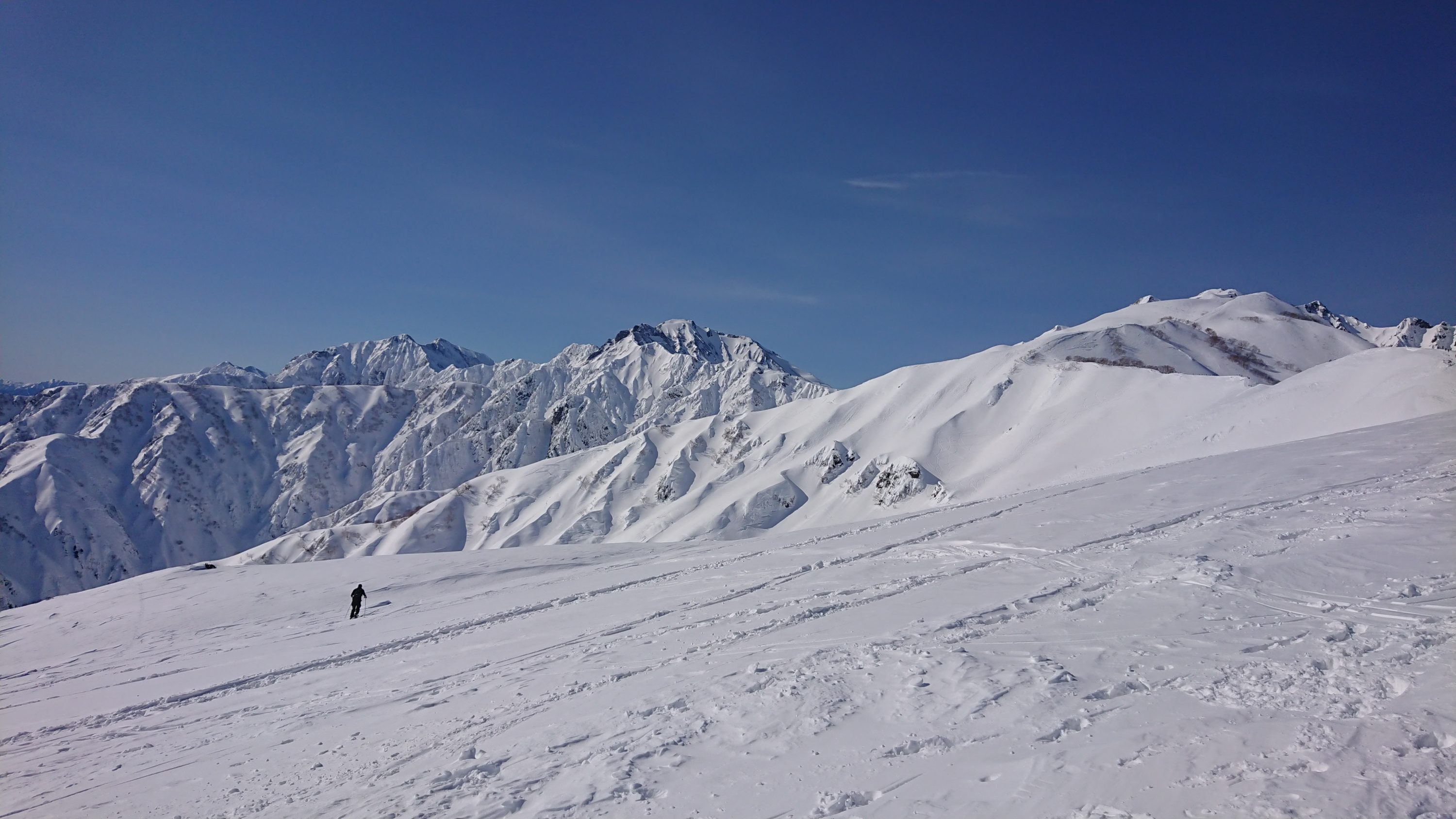
— What are the essential elements required for an "all-around" setup for backcountry use?
In the backcountry, you're not just skiing downhill, you're also climbing. You'll encounter all sorts of conditions, from weather to slope type. So, I think you need a setup that allows you to fully enjoy powder riding when there's a decent amount of fresh snow, is fun to take in the spring, and allows you to descend safely even when you encounter hard-packed areas
If the skis are too light, you might get scared on hard terrain, or the skis might not be able to withstand the pressure. So, my approach is to maintain a certain weight while compensating for it by using lighter bindings. And this is what I found to be the best all-around skiing in the backcountry
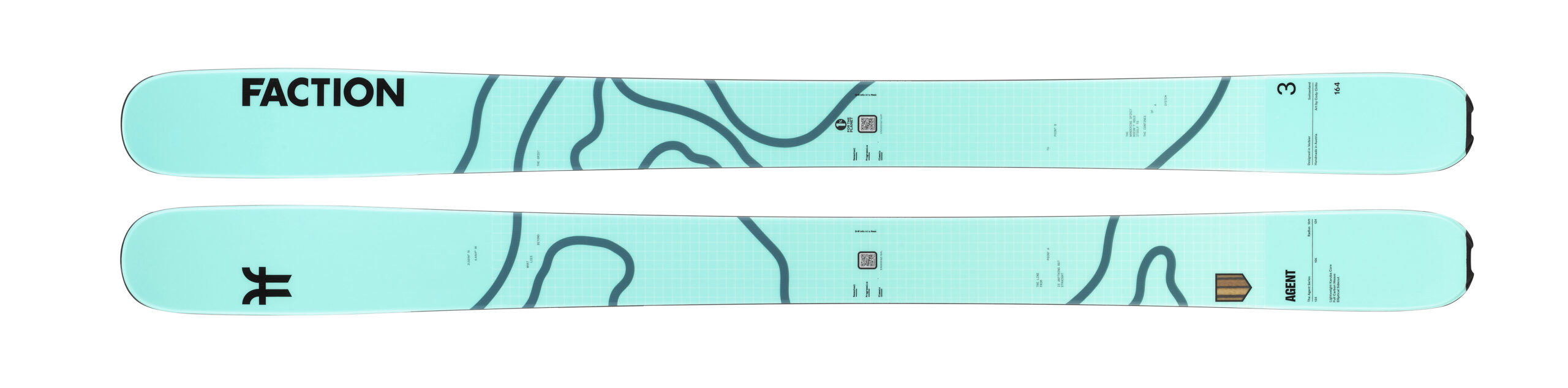
Skis = FACTION | Agent3
Boots = TECNICA|Zero G Decoy Pro GW
Bindings = ATK|HY 13 FREE WHITE
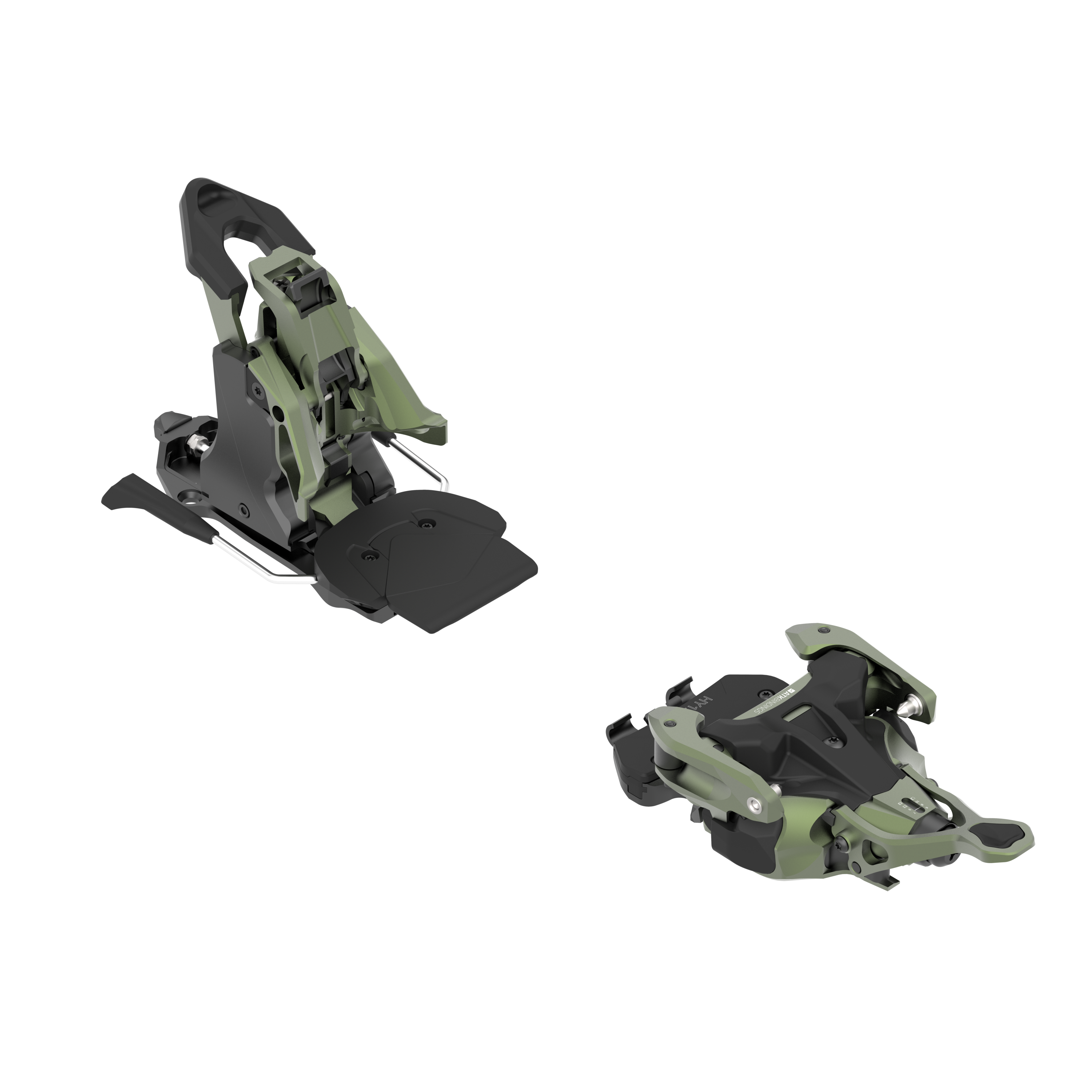
Release Value = 6-13 | Weight = 675g | Heel Lifter = -18, +10, +42mm
| Brake = 97, 108, 120mm | ¥176,000
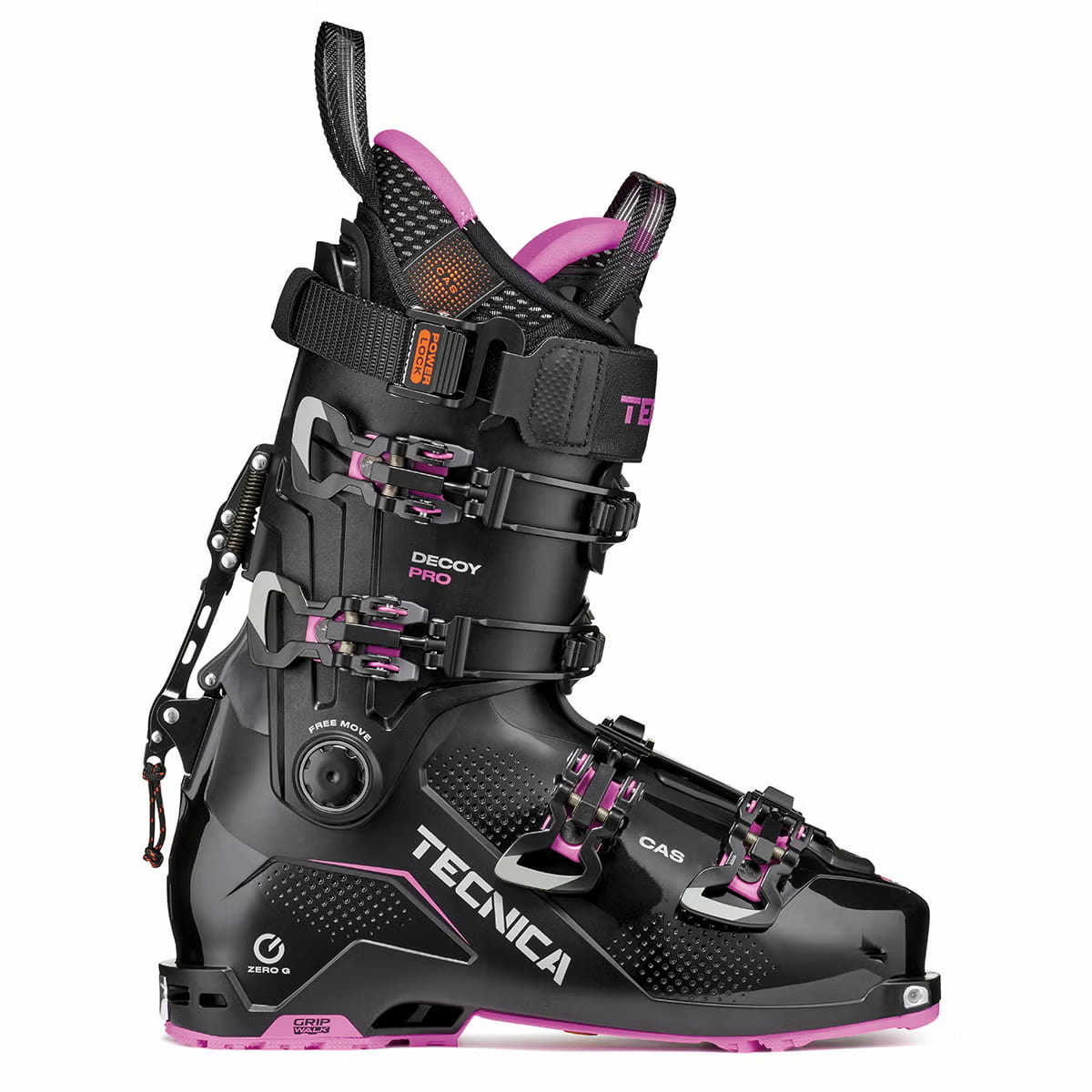
Flex=130|Weight=1715g (26.5cm)|Last=99mm|Size=22-30.5cm|\148,500
This is the perfect setup for skiers who don't want to compromise on either downhill performance or uphill climbing in the backcountry
—Are touring and all-around backcountry skiing different things?
Yes, I imagine touring skis to be lightweight, weighing less than 1700g, and prioritizing maneuverability on ascents over downhill performance. For example, Faction's "La Machine" or Blizzard's "Zero G"
The "Agent 3" allows you to confidently navigate any type of backcountry slope, and despite its lightweight design, it offers excellent gliding performance. In that sense, I think it's a perfect all-around ski for backcountry use. If I had to name another ski as a candidate, it would probably be the Armada "Locator."
The perfect match for the Agent 3 is ATK's "HY13FREE" binding. ATK is a binding brand that has been gaining even more attention since the 26-27 season. We've already received many pre-orders for it
It's lightweight, about the same as Marker's "Kingpin." Attaching it increases the binding's rigidity, and the lowered heel allows for smoother walking on flat ground. It also has two levels of climbing support, making steep ascents easier
For boots, I chose the new Tecnica "Zero G Decoy Pro" model. Tecnica had been testing it since last season, and there were rumors circulating that they were going to release a new boot, either the "Cochise" or the "Zero G," and this model came out as something in between. In terms of feel, it's closest to Nordica's "Unlimited."
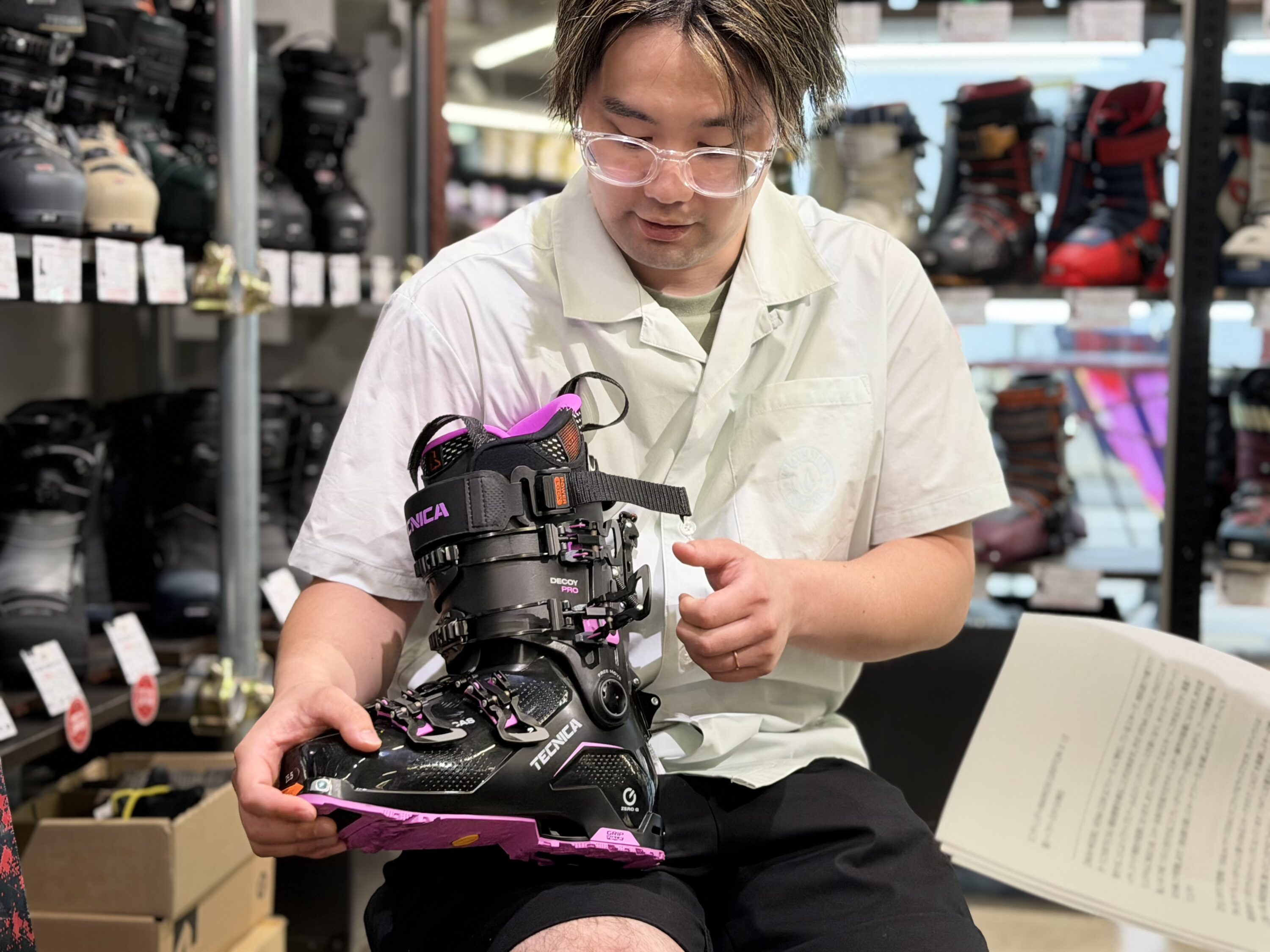
Weighing a moderate 1700g, it exhibits high rigidity while gliding, and boasts a wide range of motion of 65°, something not possible with the Cochise model. This makes walking considerably easier
By combining these three points, I believe this is the ultimate all-around backcountry skiing setup that will satisfy both skiers trying backcountry skiing for the first time and expert skiers
If you want to enjoy both carving and powder on the slopes
This is the ultimate setup that I personally desperately want (lol), but I definitely want to share it with you
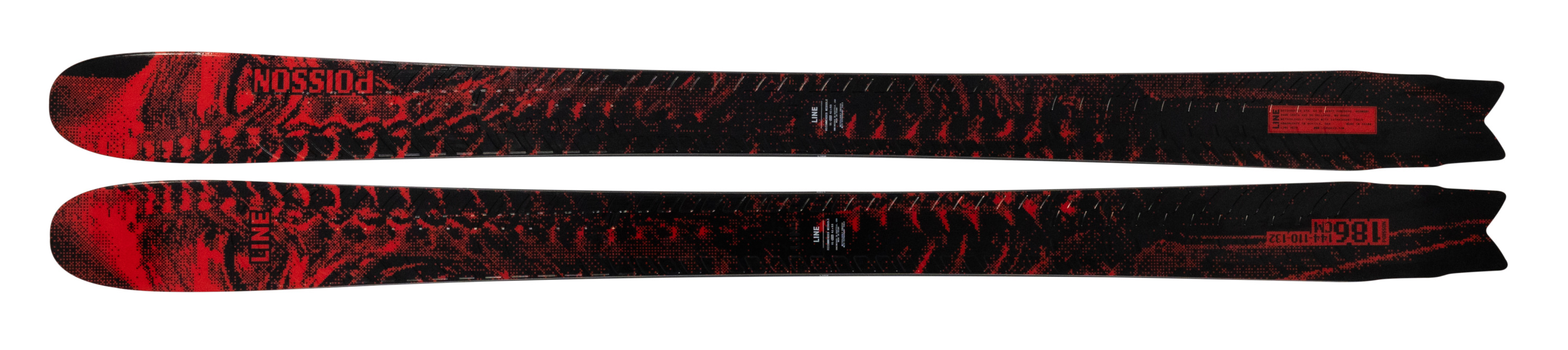
Skis = LINE|POISSON
Boots = phaenom|fr 02 130
Bindings = MARKER|DUKE PT 13
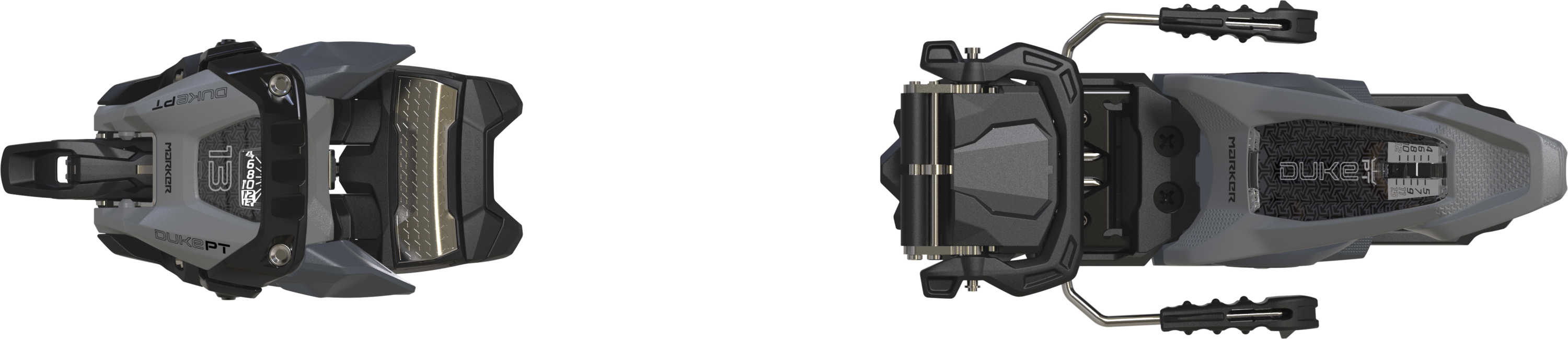
DIN: 4-13|Weight=1300g (1/2pair)|¥107,800
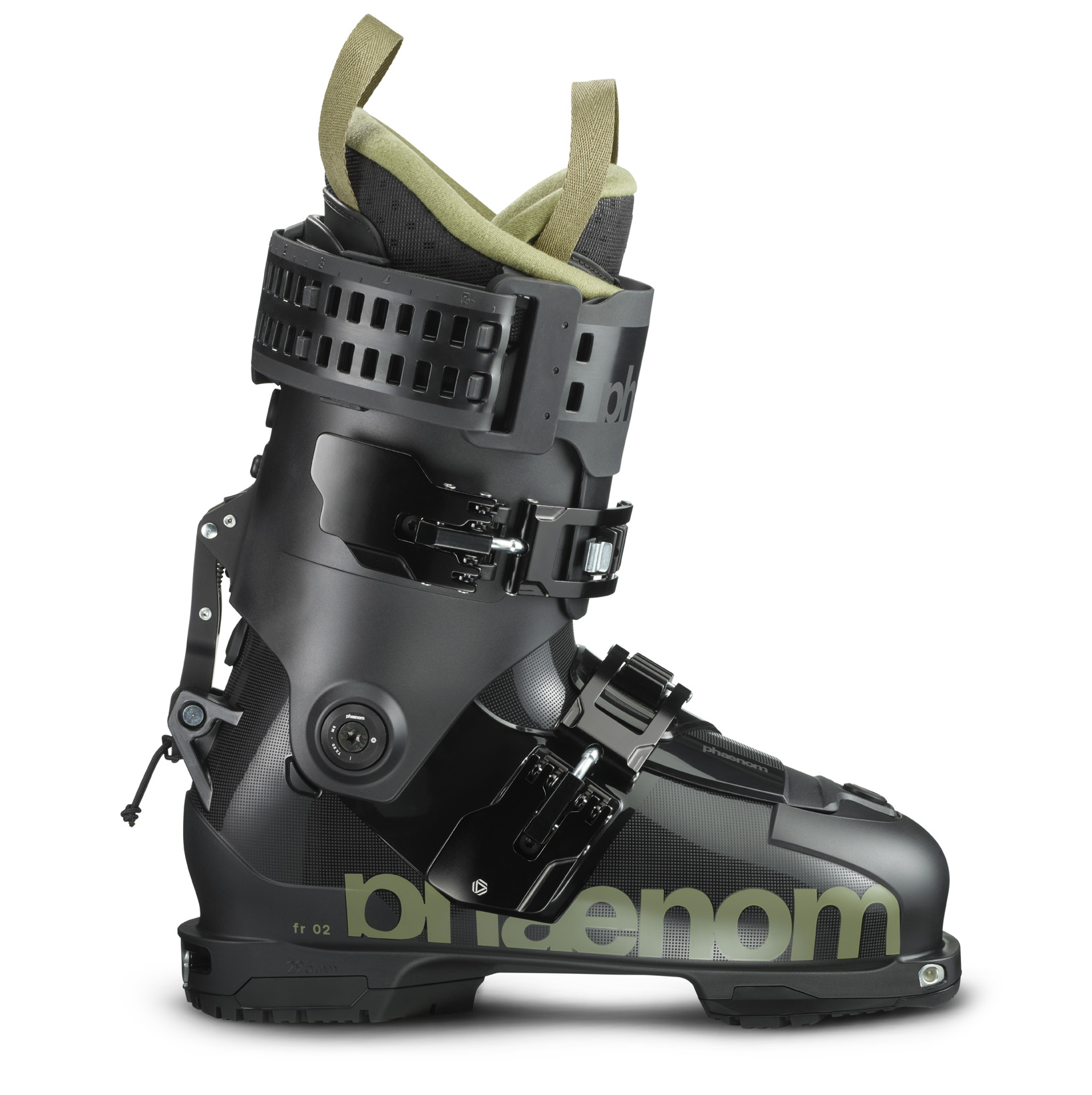
phaenom/fr 02 130|
Flex=130|Weight=1440g (26.5cm)|Last=100mm(26.5cm)|Size=24.5-29.5cm|\104,500
The gliding performance of the "Poisson" is simply amazing. The only downside is its weight, but we'll somehow overcome that weight—it's a "manly setting focused entirely on gliding performance"! (laughs)
I was surprised when I tried out the Poisson equipped with the new "Griffon X" during the season; its carving performance is quite high even when riding switch. I had never ridden skis that turned sharply without applying pressure when riding switch before, so it was quite a shock
Because they're heavy, not many people might be keen to go into the park with them, but they can easily handle kickers and things like that
The aim is to further enhance rigidity and carving performance when skiing on groomed slopes by pairing it with the "Duke PT" bindings. By choosing the "Phenom fr o2 130" boots with a walk mode, the setup allows for firm footing even with metal in the bindings, and is also suitable for powder
—What aspects of her captivated you so much, Ms. Hoshi?
I really do like skis with metal in them. Maybe it's because I came up through racing, but I get a sense of accomplishment when I can conquer a difficult ski, and that's what I like about it. It's not that the Poisson is particularly difficult, but I think it's fun to see how far I can go with this unique ski, to take on the challenge
In addition to being a hybrid of "Sakana" and "Blend," K2's "Mindbender" has also started being manufactured at Volkl's factory this season, so perhaps there's a bit of Volkl's image mixed in as well. It gives the impression that various brands have been combined to create a new type of ski
Furthermore, with the increasing amount of moisture in powder snow in backcountry areas these days, skis need to have good breakthrough power. I think the Poisson is well-suited to these current conditions. However, because it's on the heavier side, climbing in backcountry areas inevitably becomes a test of physical strength, so off-season training is essential!
Therefore, it may not suit all skiers, but it's sure to be irresistible to hardcore skiers
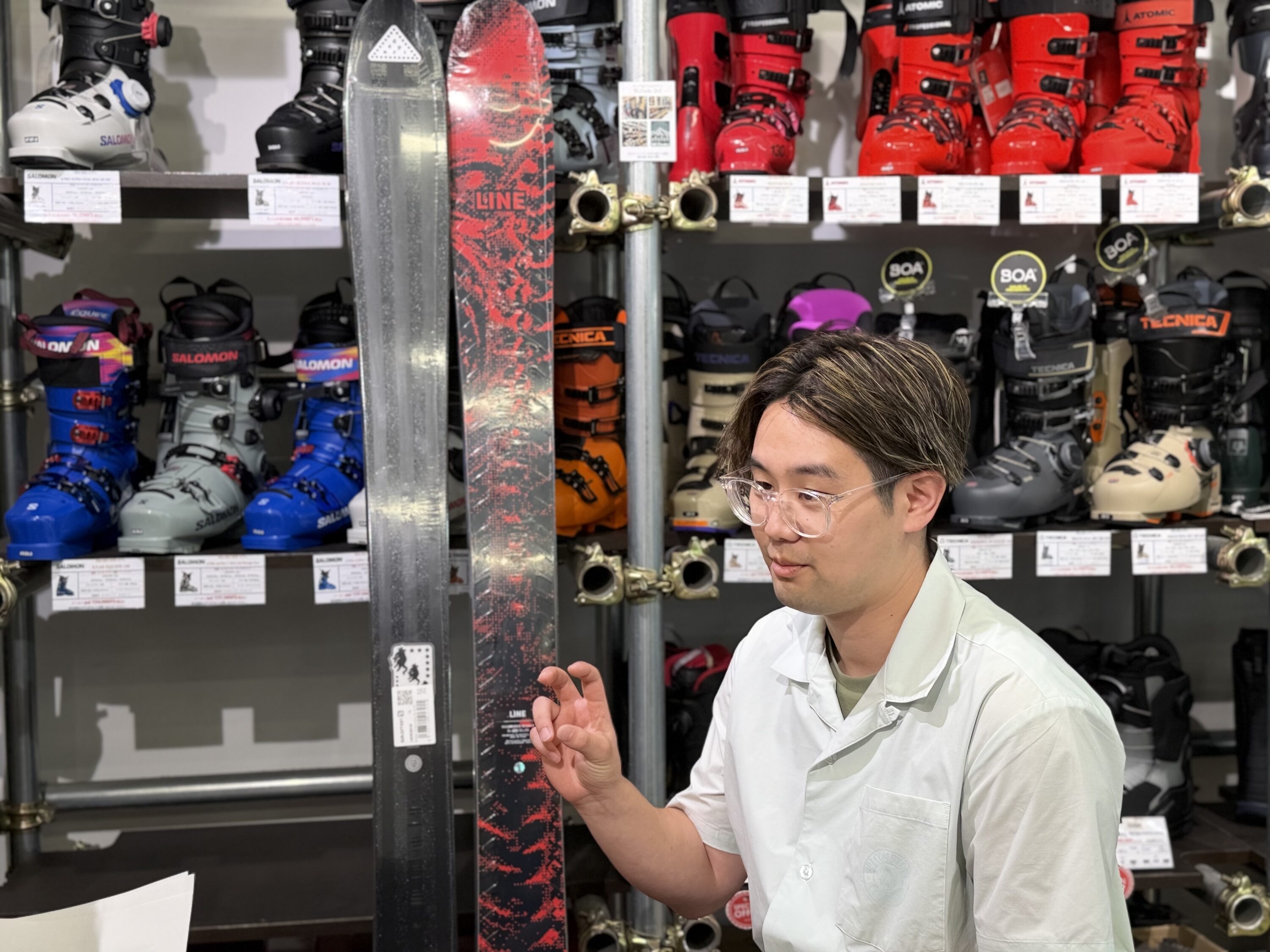
If you're looking for a setup specifically designed for freestyle riding..
Star: Here's a recommended setup for freestylers who mainly ride in the park
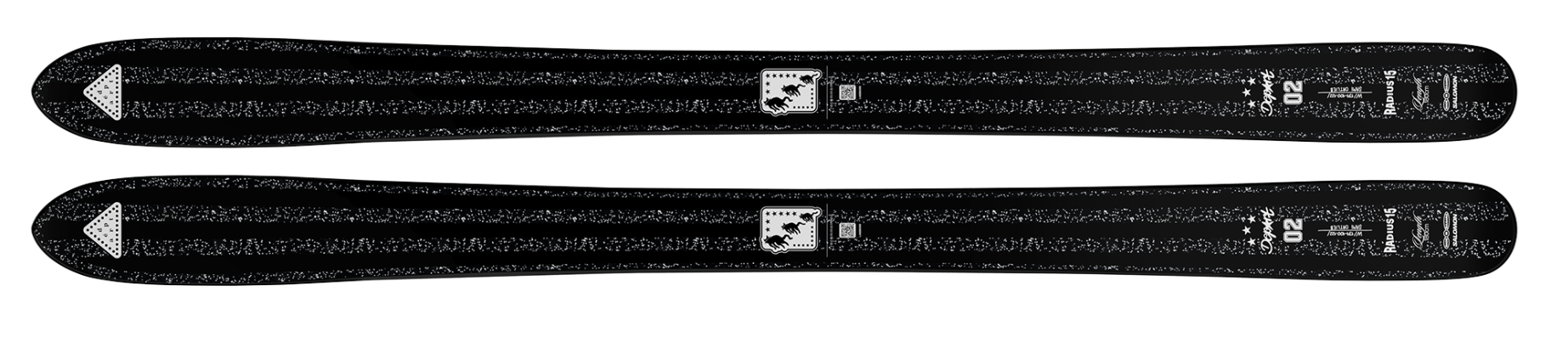
Skis = SALOMON|Depart 02
Boots = phaenom|fs 02 90
Bindings = MARKER|GRIFFON X 13

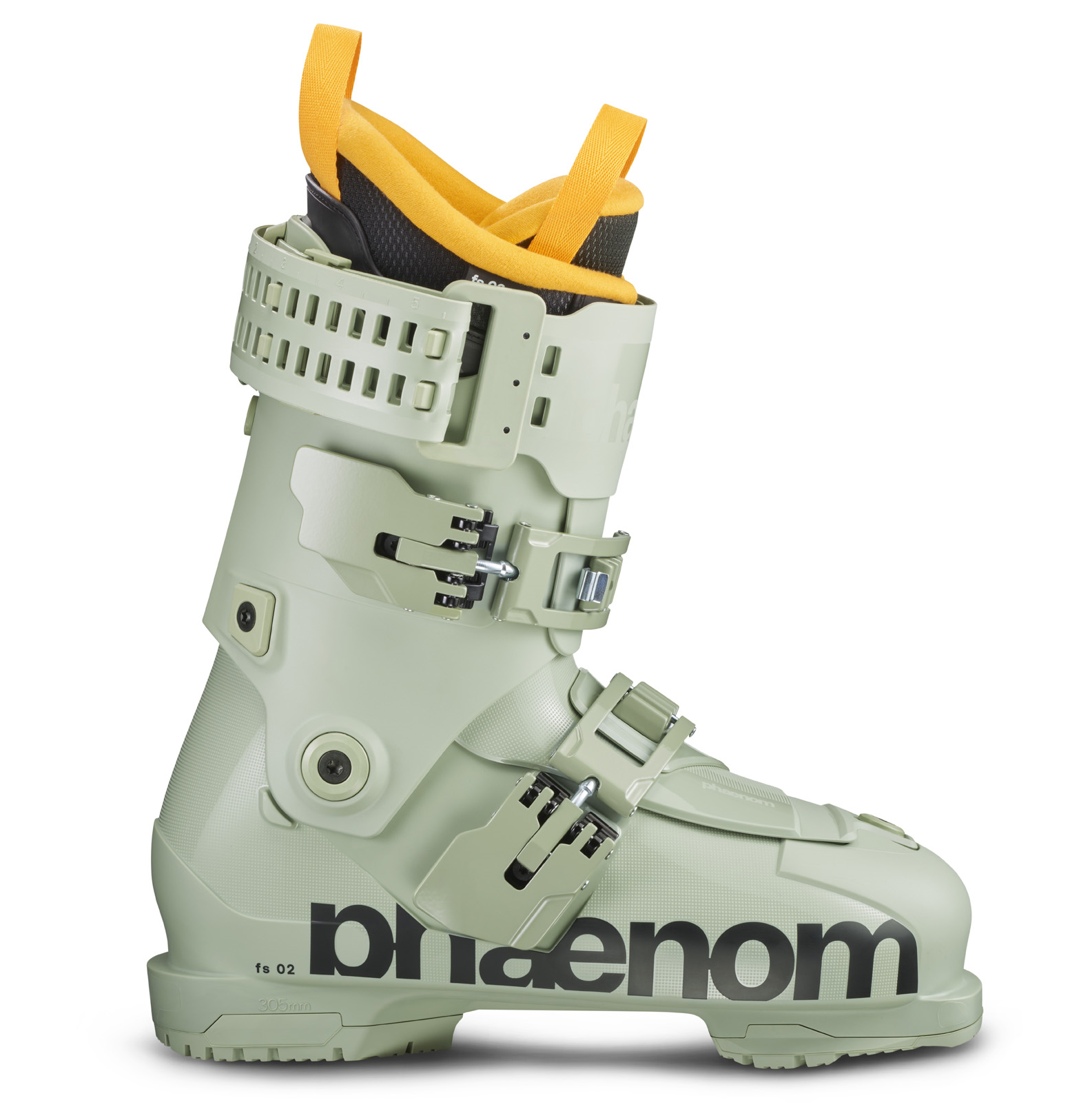
Flex=90|Weight=1455g (26.5cm)|Last=100mm(26.5cm)|Size=24.5-29.5cm|\82,500
The Salomon "Department 01," which was a hot topic in the 25-26 season, has been improved with a narrower design for freestyle skiing, resulting in the "Department 02." Because the entire ski flexes uniformly, it has excellent swing balance and is easy for anyone to handle, regardless of skill level. I think it's a perfect ski for park beginners or anyone who wants more freedom in their skiing
—When exactly do you feel that your swing balance is good?
Because it's easy to rotate, for example, it makes it easier to pivot your heel when switching stances, or to rotate the board when jumping off a kicker
By setting up the Marker "Griffon X 13" feet, the distance from the soles of your feet to the ground is shortened, making the skis' response easier to understand. Using the redesigned Phenom "fr02 90" boots ensures that power is transferred to the skis without loss, and the flexibility of the boots follows the skier's movements
And best of all, the graphics change color depending on the lighting, which is really cool! The boot colors are cool too! Just looking at them makes me feel like I've become a better skier (lol). Cool graphics can also boost your motivation to ski, so how about getting one of these "cool" skis for yourself?
If you're serious about mastering freeriding (and want to compete in the FWT)
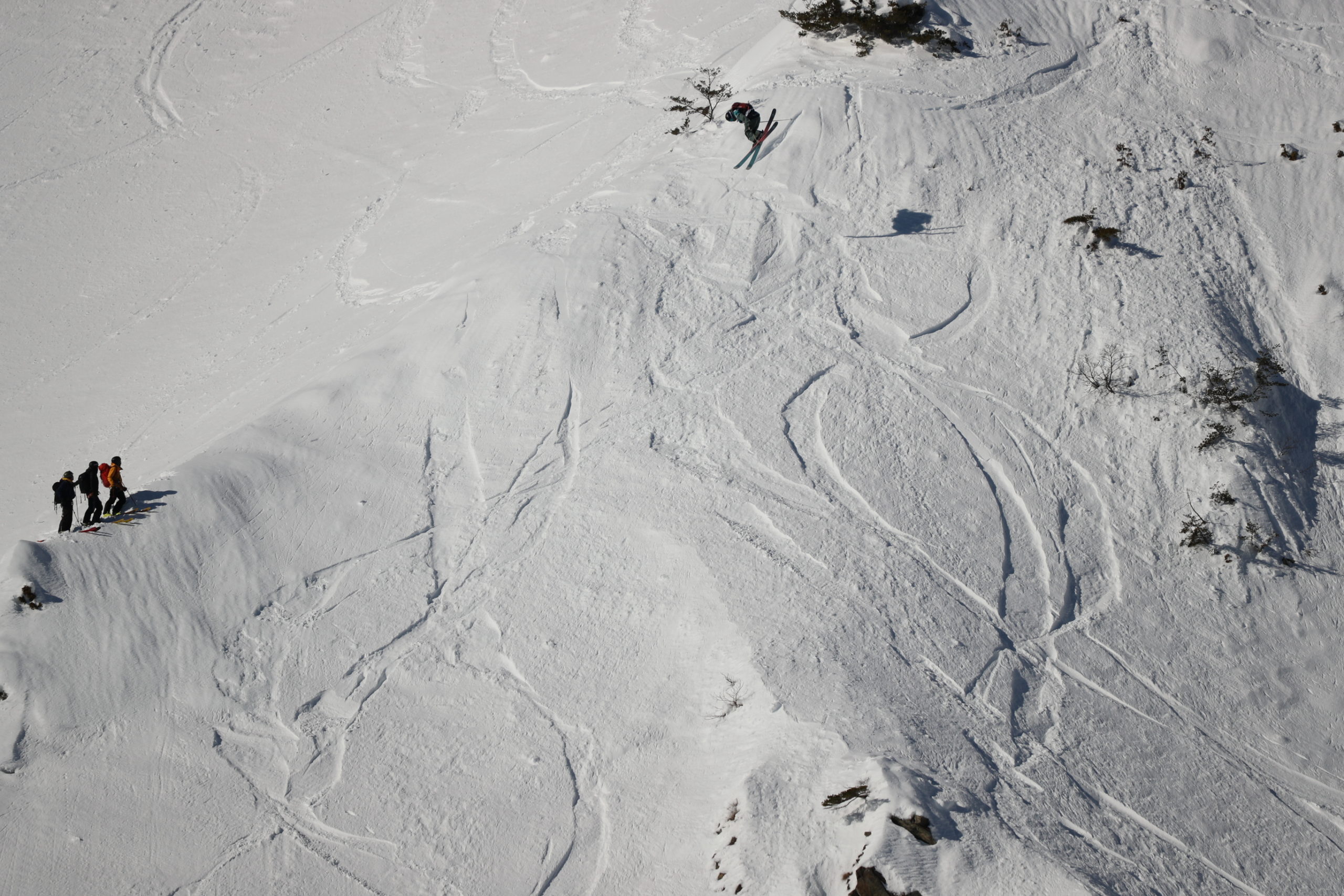
— What kind of setup is appropriate for competing in the FWT?
Hoshi: First of all, it's about rigidity. When it comes to FWT, you need a board with enough rigidity to handle a variety of conditions, such as whether the competition face is powder or hard-packed, or whether the snow becomes softer around March
In addition to the above, length is necessary, but if the radius is too long, it becomes difficult to respond to various situations. It becomes difficult to recover from mistakes, so I think a radius of around 20m is preferable
So here's the ultimate setup I've chosen
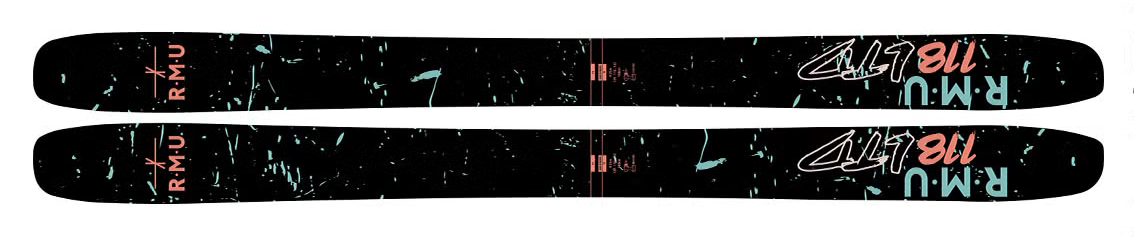
Skis = RMU|YLE LIMITED 118 PRO MODEL
Boots = ARMADA|AR ONE AF 130 MV
Bindings = CAST|FREETOUR 2.O PIVOT2.O 15 GW (CAST PURPLE)
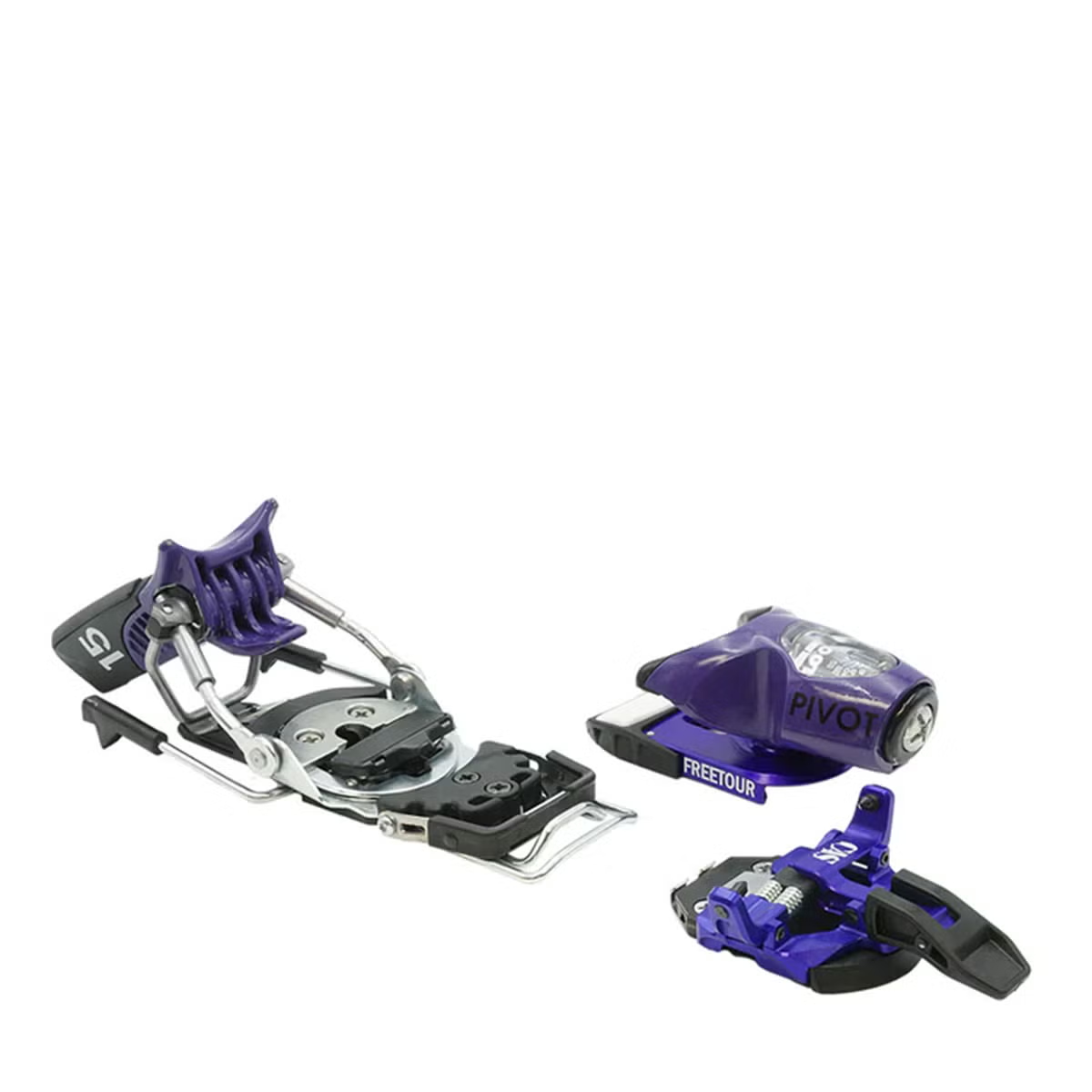
DIN: 6-15 | Weight = Total weight in skiing mode: 1,343g / Total weight in walking mode: 1,016g (1/2 pair) | L = 95mm / 105mm / 115mm / 130mm | ¥139,700
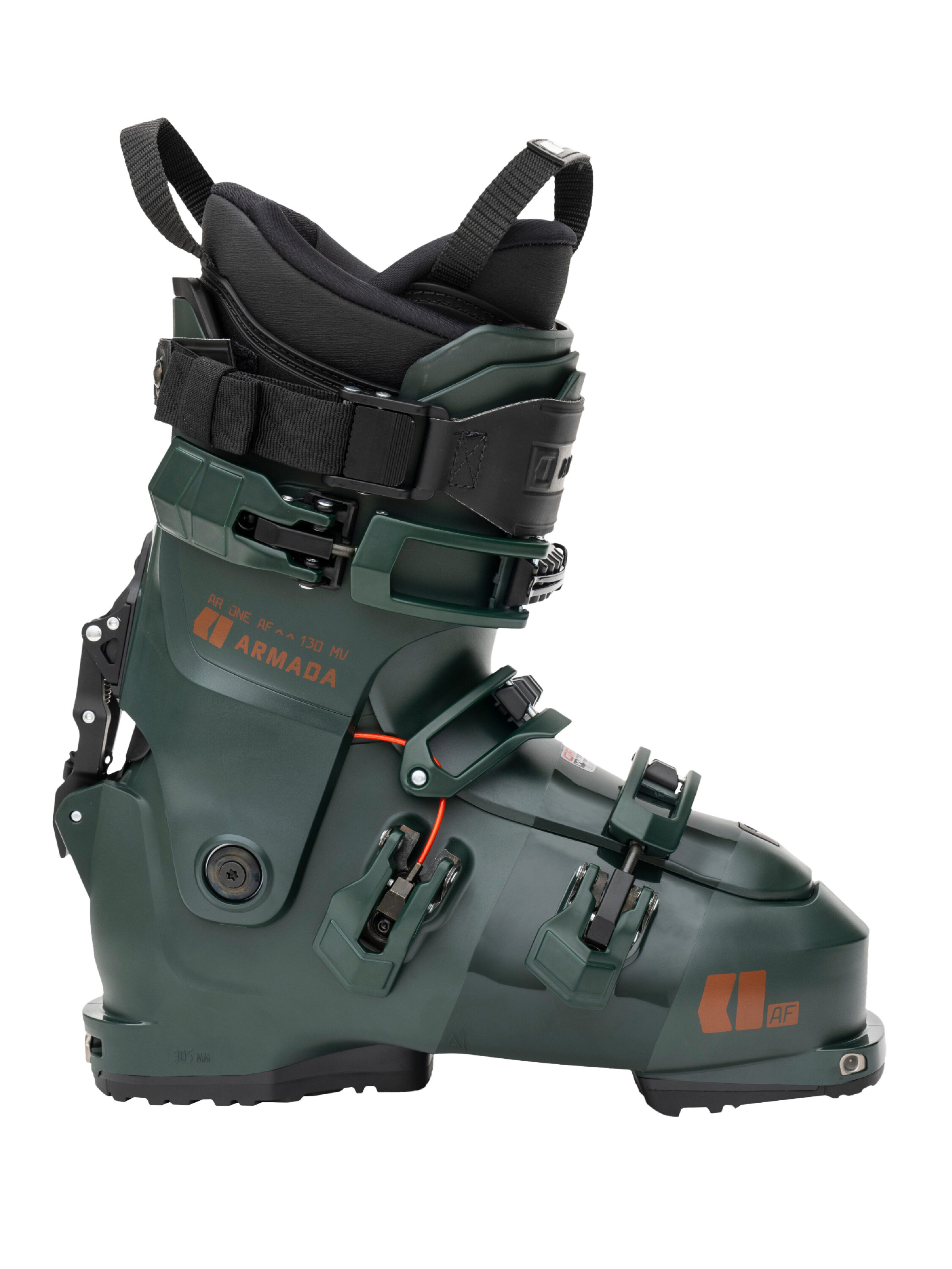
Flex=110|Last=100mm|Size=24/24.5 – 29/29.5cm|\126,500
That's the RMU "Wiley Limited 118 Pro Model"! It's the signature model of Wiley Miller, an iconic figure in the freestyle skiing world, and it's only available in one size, 188cm, which is a bit niche, but that's what I like about it
The Radius is 19m, making it easy to handle, yet it's a firm and responsive ski with good stability, making recovery easier. In the FWT, it's not simply about being skilled; you also need to avoid pushing too hard on dangerous courses, which also contributes to the evaluation. In that sense, having a stable ski is important
For tough riding like participating in the FWT, I think the best binding mounting position is 2-4cm back from the center. If you don't focus on air tricks, the recommended position is fine
In FWT competitions overseas, you sometimes have to climb for nearly an hour with skins on to reach the starting point of the competition face. Therefore, combining it with Cast's "Free Tour 2.O" creates a setup that combines rigidity, maneuverability, and convenience.
In addition to the skis and bindings, boot rigidity is also important, so I chose Armada's "AR ONE AF130 MV" as a pinned boot with excellent gliding performance. The 130 has a flex that can handle even hard slopes. Whether in powder or on packed snow, this setup is perfect!
—I've heard rumors that you, Hoshi-san, are also considering participating in the FWT…
Yes, that's what I was aiming for, but the shop was too busy (laughs). If I get the chance, I'd love to compete with this setup, which allows me to get the most out of the performance of my skis, bindings, and boots!
Looking at the models actually used by surfers in the FWT scene, they tend to choose heavy, rigid skis. Salomon's "QST," Black Crowes' "Anima" and "Atris," and Volkl's "Revolt series" are among the most frequently used. And for the 26th-27th season, Armada's "Antimatter" is attracting a lot of attention, having already won three consecutive FWT titles
Profile - The person who taught me

Mt. Peaks
Star, Yamato Hoshi
Born in 1996 in Hinoemata Village, Fukushima Prefecture. Influenced by his father, a former All-Japan National Team alpine skier, he started alpine skiing at a young age. During his university years, he achieved excellent results in the All-Japan Intercollegiate Championships SL.
Although he has stepped away from competitive skiing, he has worked in the ski industry, including ski maintenance, and has been a staff member at the pro shop Mt.Peaks since 2024.
As a ski technical staff member, he is a key figure not only in user support but also in shop-sponsored test ride events and other activities. With the high level of skill and expressive ability cultivated in alpine competition, he is also active in ski media, writing test ride reviews and more.
Interview cooperation:Mt.Peaks