

"No better fit, no better performance." To embody this philosophy, BOA® has continuously evolved its fit system. How do the latest systems for skis and snowboards change the way you ride? We unravel the mechanisms through the voices of four riders who continue to use them on the slopes
A ski-specific system that took 8 years to develop
For many years, alpine ski boots were typically secured with tightly fastened buckles. BOA challenged this convention in 2015. To accommodate the rigid shells and extract performance through a better boot fit, they spent approximately eight years developing a ski-specific system. Their goal wasn't just ease of putting on, taking off, and adjusting; it was to provide a painless, evenly-fitting system that enhances the feeling of unity with the boot, leading to more reliable power transfer and stable skiing
Then, in 2023, alpine ski boots equipped with BOA finally appeared. A new option emerged for tightening boots on the snow and adjusting the fit to suit your skiing style. In 2025, it evolved into a dual dial system, further expanding its possibilities
Detail – SKI / BOA® ALPINE FIT SYSTEM
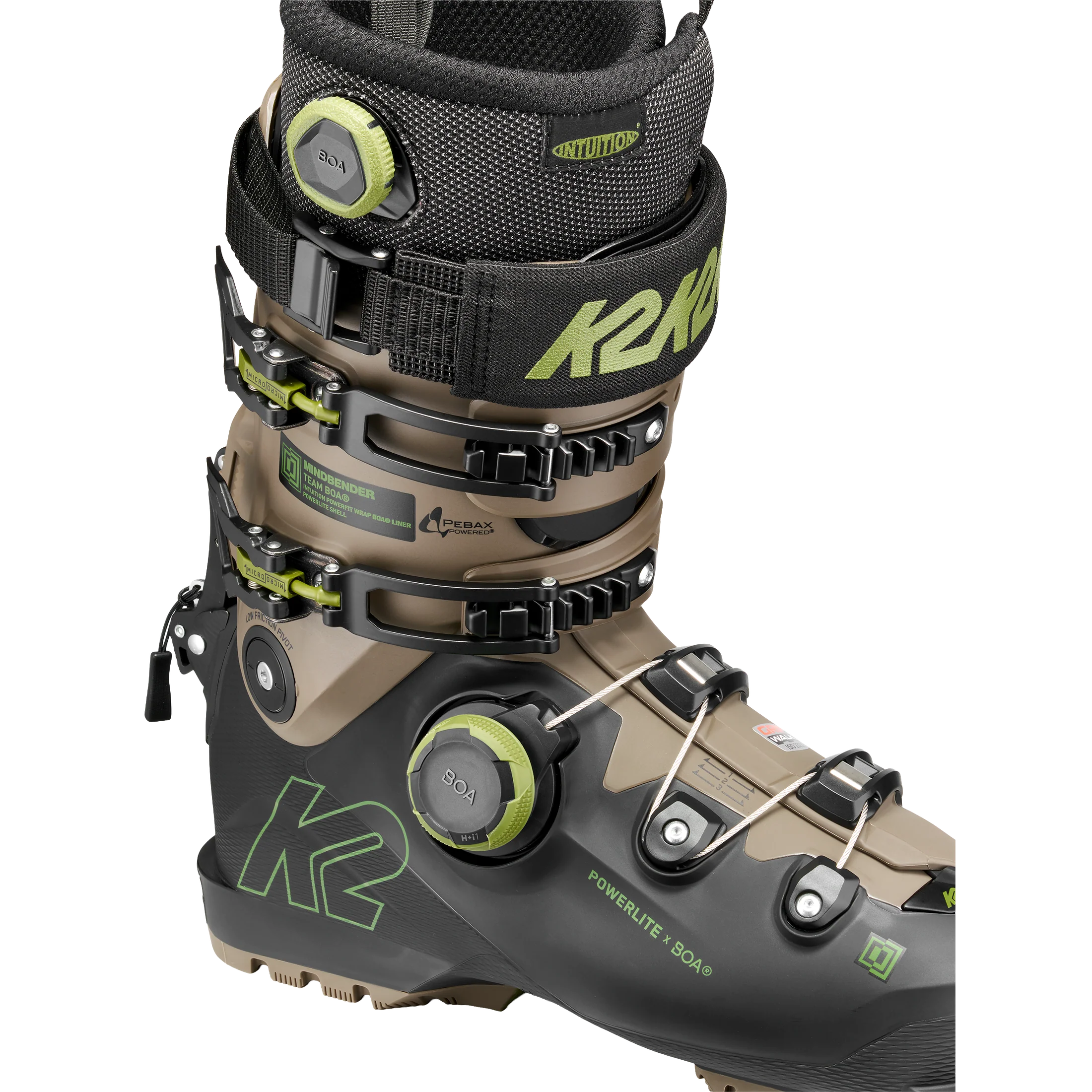
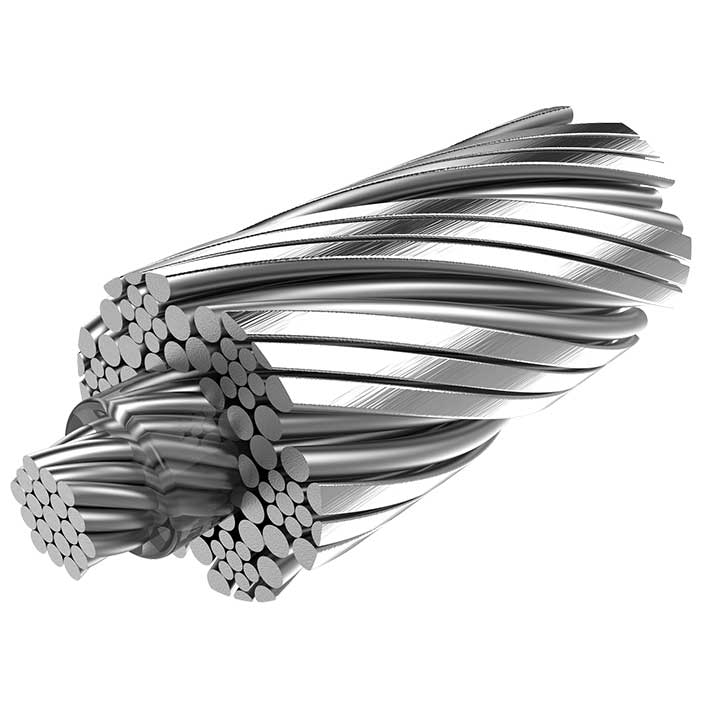
The "H+1 Dial Platform" is a ski-specific design that can handle high loads
The H+1 is a gear-type dial system that combines the power to tighten a rigid shell with fine adjustments in both directions. Combined with ski-specific laces that have a tensile strength of 250 kg, it can handle high loads
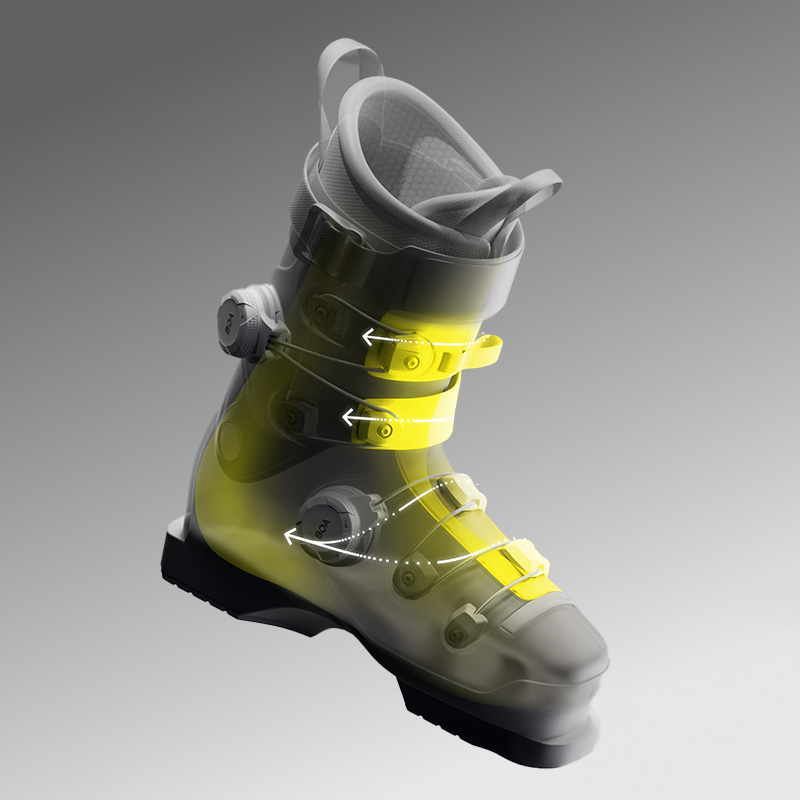
The "BOA Wrap Solution" provides a snug, enveloping fit for the entire foot
While buckles press down on the instep at a single point from above, BOA holds the foot evenly by wrapping it around a surface. This reduces pressure on the instep while enhancing a sense of unity, leading to efficient power transfer and stability
SKI Riders' Voice
In BC, where you never know what's going to happen next, a certain degree of "looseness in a good way" is necessary – Yuzuru Handa
The biggest difference from buckles is the feeling of even tightening, wrapping around the entire foot. Yet, it doesn't feel overly restrictive; it has a "good kind of looseness." In backcountry skiing, you can finely adjust the tightness to suit the situation, from hiking to skiing, and the ability to fully release it with a single touch is also convenient. When skiing, where you never know what might happen in the next moment, you need a certain degree of freedom in your feet, and in that sense, I feel that BOA is a good match for backcountry skiing
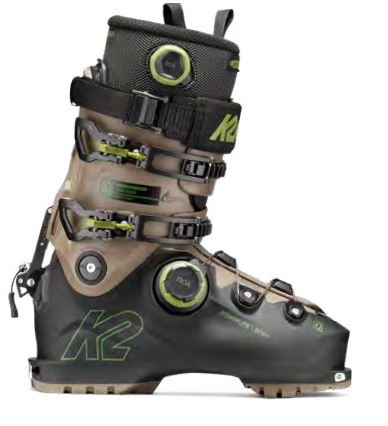
K2 Mindbender Team BOA®
Size: 25.5-30.5cm (1cm increments) | Flex: 140 | Weight: 1,930g (27.5cm, 1/2 pair)
¥158,000
This freeride model combines the rigidity of Flex 140 with touring capabilities. Featuring precise fit adjustments via BOA, a lightweight Powerlite Shell, and a walk mode, it delivers high performance from hiking to skiing
Profile
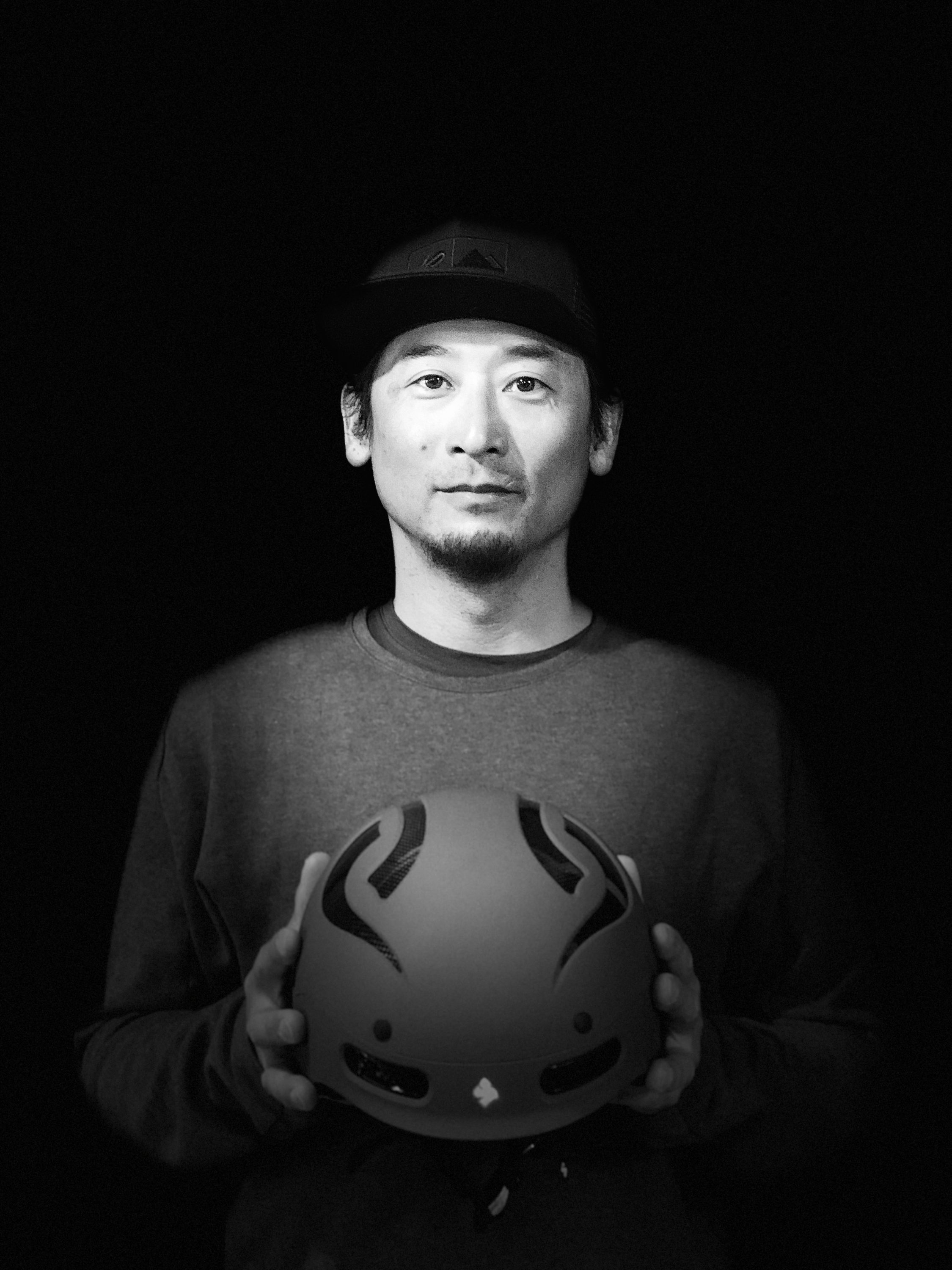
Yuzuru Handa
A professional skier and backcountry guide based in Miyagi Zao. Raised in a family that ran a ski school, he gained extensive experience in competitive, basic, and freestyle skiing from a young age. He currently runs ZAOC, sharing the allure of the snow-covered mountains through guiding and lessons
Instagram:@yzhandaman
You can move comfortably in the mountains all day long and ski to your heart's content – Tenran Katsuno
In backcountry skiing, where there are long hikes and periods of waiting for photos, it's crucial that your feet stay comfortable throughout the day. BOA provides even support across the entire foot, especially from the ankle to the toes, offering a secure hold that conforms to the shape of your foot. I also appreciate that you can fine-tune the fit without applying excessive force. Yet, it keeps up with even the most intense movements, from powder to jumps. I love that I can stay comfortable throughout a long day while still being able to ski to my heart's content when I'm on the slopes

SALOMON S/LAB SHIFT ALPHA BOA®
Sizes: 22/22.5 to 29/29.5 cm (1 cm increments) | Flex: 140 | Weight: 1,850 g (26.5 cm, 1/2 pair)
¥145,000
S/LAB's freeride boots are designed to minimize strain on climbs while pursuing superior performance on the slopes. With a flex of 140 and rigidity, FreeSpine technology transfers power from the cuff to the shell, resulting in high maneuverability and responsiveness even at high speeds and on technical slopes
Profile

Tenra Katsuno
Born in Niseko, Hokkaido. He has been familiar with skiing since childhood, progressing through moguls and freestyle before entering the world of freeride. He has accumulated achievements in domestic and international competitions, and in 2024 became the first Japanese person to qualify and participate in the FWT. In the 2023-24 season, he recorded 6th place overall
Instagram:@tenra_katsuno123
What has changed in the new H5?
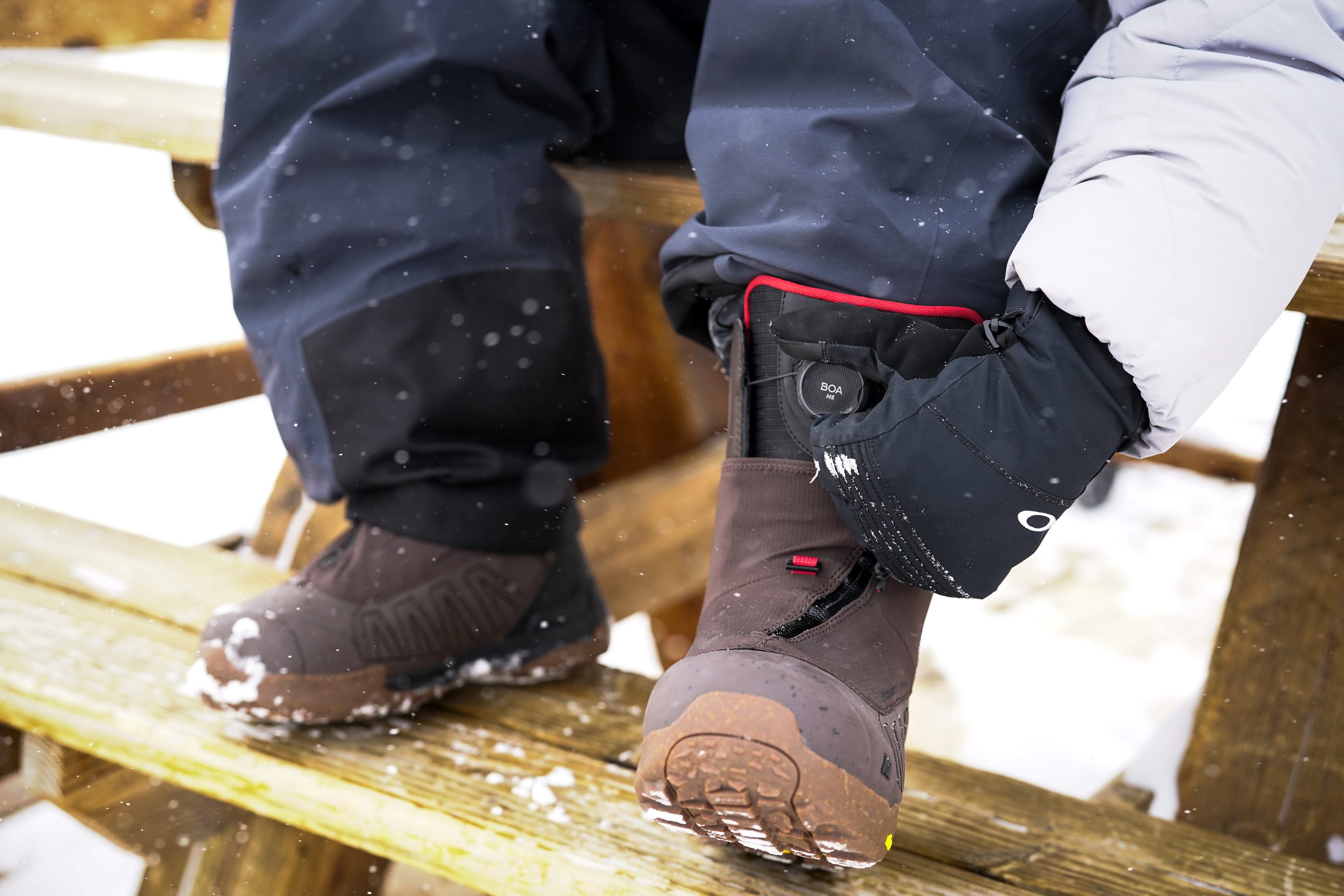
One of the biggest topics regarding BOA in snowboard boots is the new "H5" dial that debuted in 2026. Riders who have been testing it since last season have given it a very positive response
Based on the philosophy that "no better fit, no better performance," BOA has conducted extensive biomechanical research and testing to explore the impact of fit on skiing. The H5 is not merely an evolution for ease of use, but has been improved to adjust the foot position to the ever-changing snow, terrain, and skiing conditions, and to transmit movement to the board. BOA is now moving beyond the mere convenience of putting on and taking off
So, how do riders feel about this evolution? Let's find out through the words of Makoto Miyajima and Kentaro Miyawaki
Detail – SNOWBOARD / NEW BOA® H5 PLATFORM
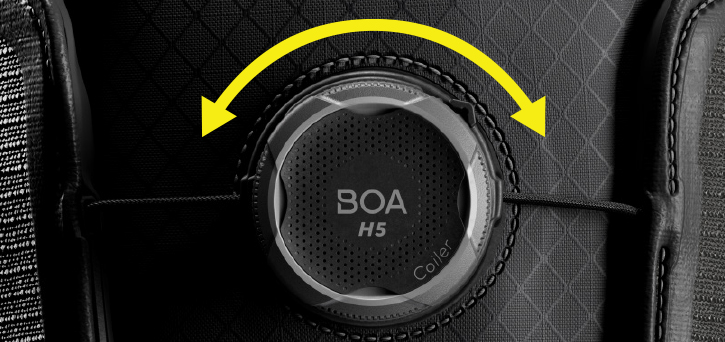
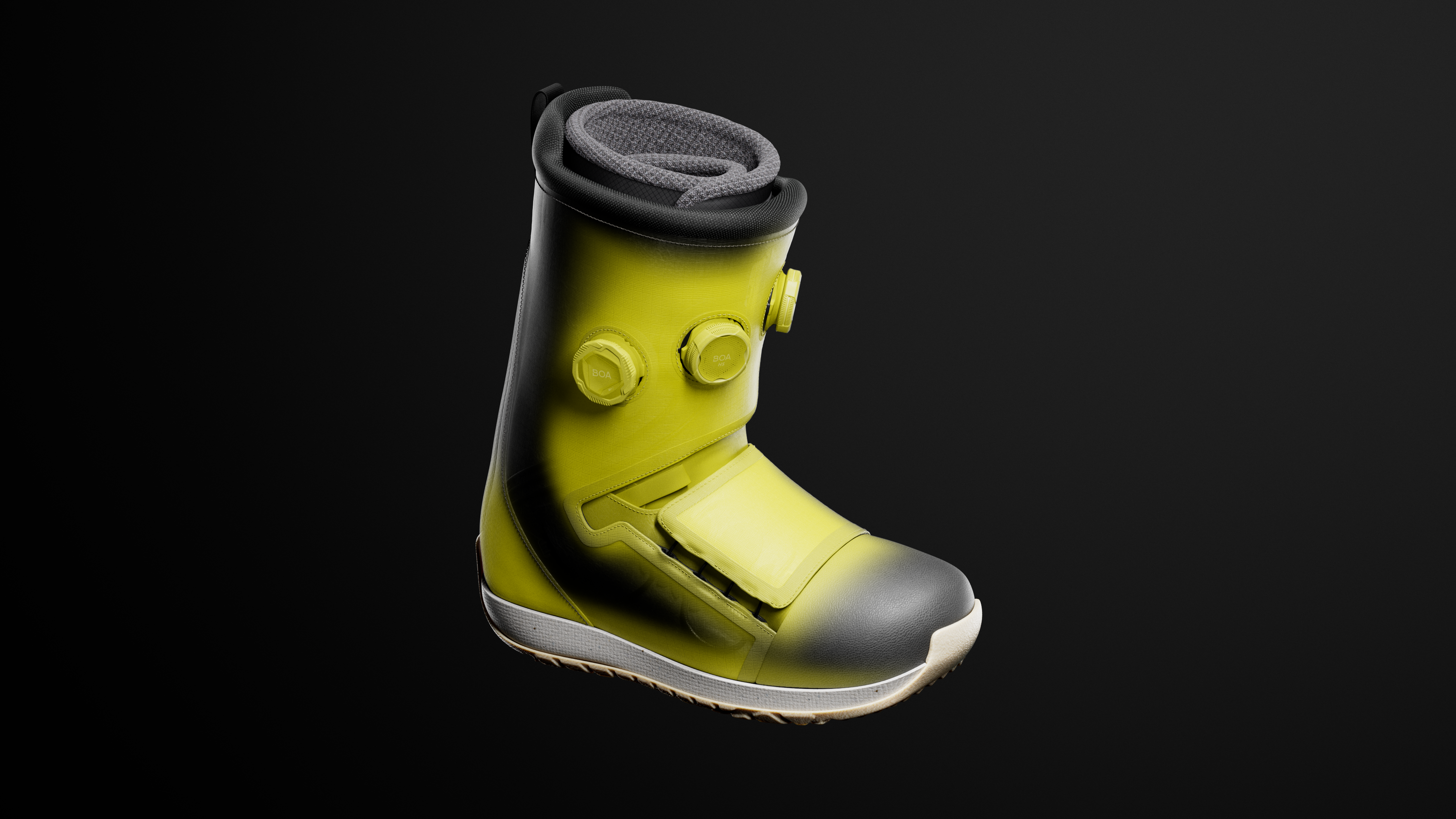
Fine adjustments can be made in both directions. The fit can be controlled down to fractions of a millimeter
With the H5, you can not only tighten by turning the dial, but also loosen it gradually in the opposite direction. Unlike conventional models, there is no need to release and retighten, allowing for fine-tuning of the fit with precision down to a fraction of a millimeter. By evenly wrapping the foot and firmly securing the heel, the sense of unity with the midsole is also enhanced
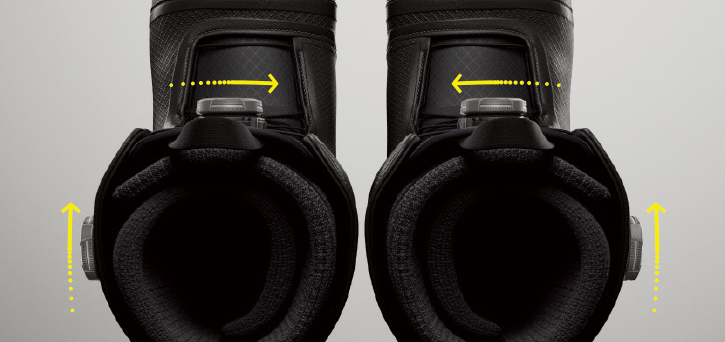
Intuitive dial operation is now possible. Mirror interface
The two dials are turned forward or inward to tighten, and in the opposite direction to loosen. The mirror design, which unifies the feel of operation on both sides, allows for intuitive adjustment
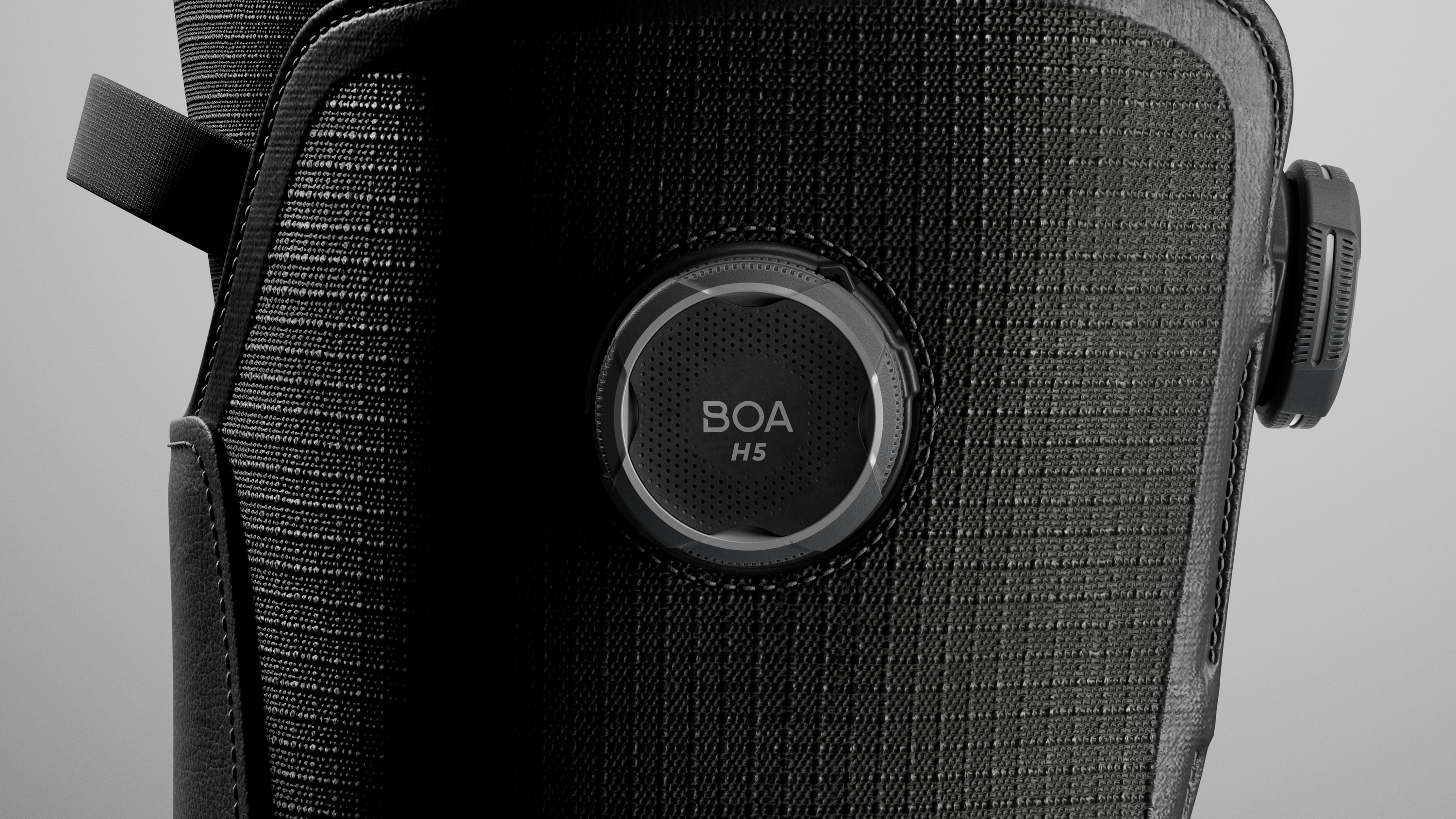
Significantly reduced attachment/detachment time with the new Coiler™ technology
The Coiler™, which automatically winds up slack in the lace, has been improved. By incorporating the new mechanism into the dial cartridge, winding is now faster, and the dial can be made thinner
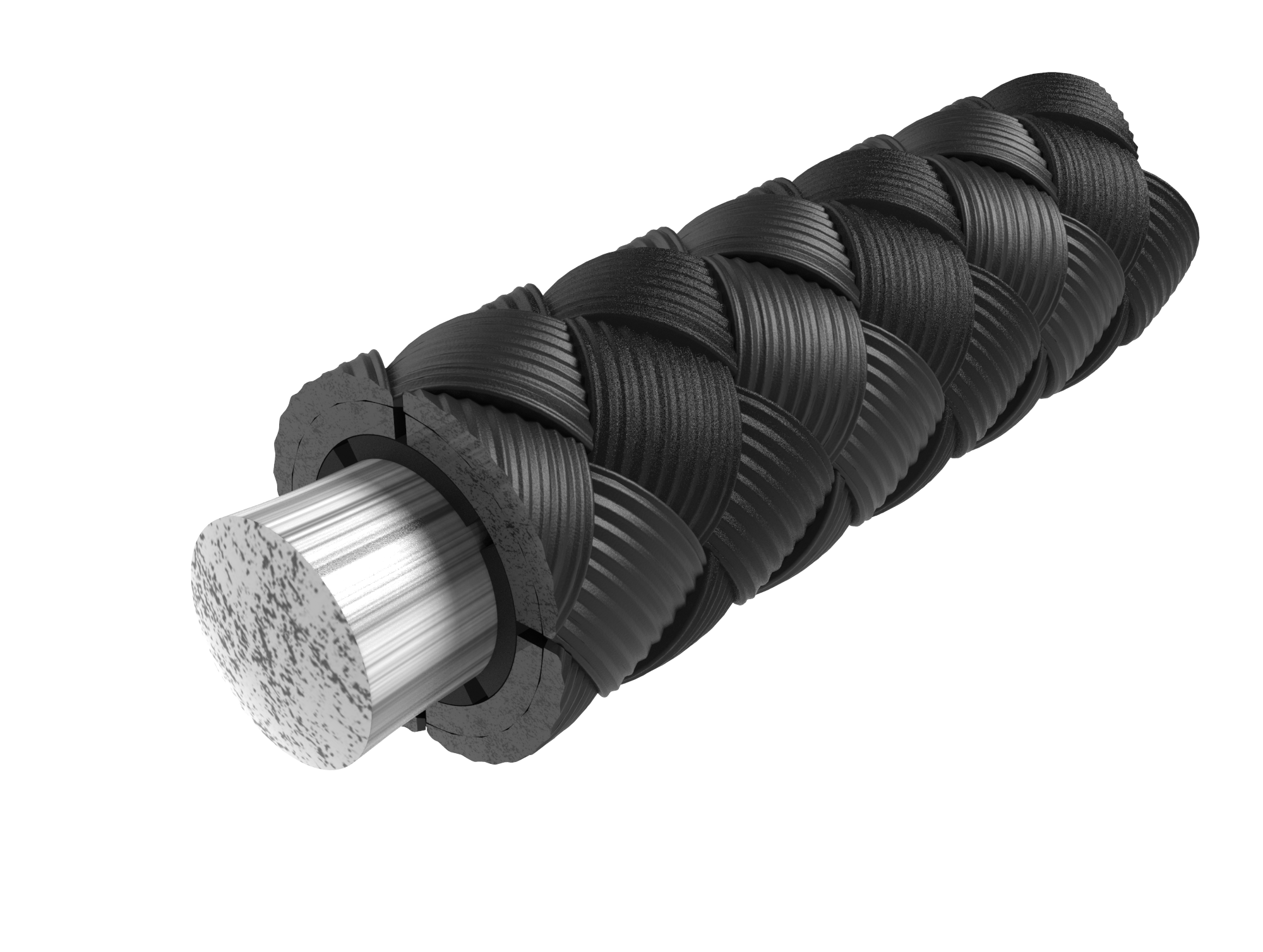
Combining toughness and flexibility: The capabilities of the TX3 racer
Switching from conventional stainless steel to the lightweight and durable textile TX3, the new material is more flexible, less prone to kinking, and reduces the risk of snagging
SNOWBOARD Riders' Voice
It can produce the desired response depending on the snow and skiing conditions – Makoto Miyajima
I ski on all kinds of snow and terrain, from steep slopes and tree runs like in Hakuba to big mountains overseas. So the best fit for my boots isn't always the same. I think the great thing about BOA is that you can adjust the fit little by little to suit the situation. In the morning, I tighten them to a comfortable level, loosen them during climbs and breaks, and tighten them again before drops. The H5 also allows for fine adjustments in the loosening direction, so if I think I've tightened them a little too much, I can just go back one or two clicks. It's comfortable not having to release them all and retighten them again
I also adjust the tightness depending on the type of skiing. When skiing hard or on hard snow, I tighten it more; for mellow powder or with soft skis, I don't tighten the instep too much, and when I want more responsiveness or hold, I tighten the calf side further. On long, gentle slopes on the way back, I loosen it a little again. The good thing is that I can adjust it according to the snow and my skiing style
The thinner dial on the H5 is a welcome improvement. In alpine climbing, you sometimes hit it against rocks, and when using helicopters or snowmobiles overseas, less protrusion reduces the risk of snagging or breaking it. With the TX3, the stiffness of the metal wire has disappeared, replaced by an indescribably supple flex. It tightens properly where needed, while the overall flex of the boot feels more natural
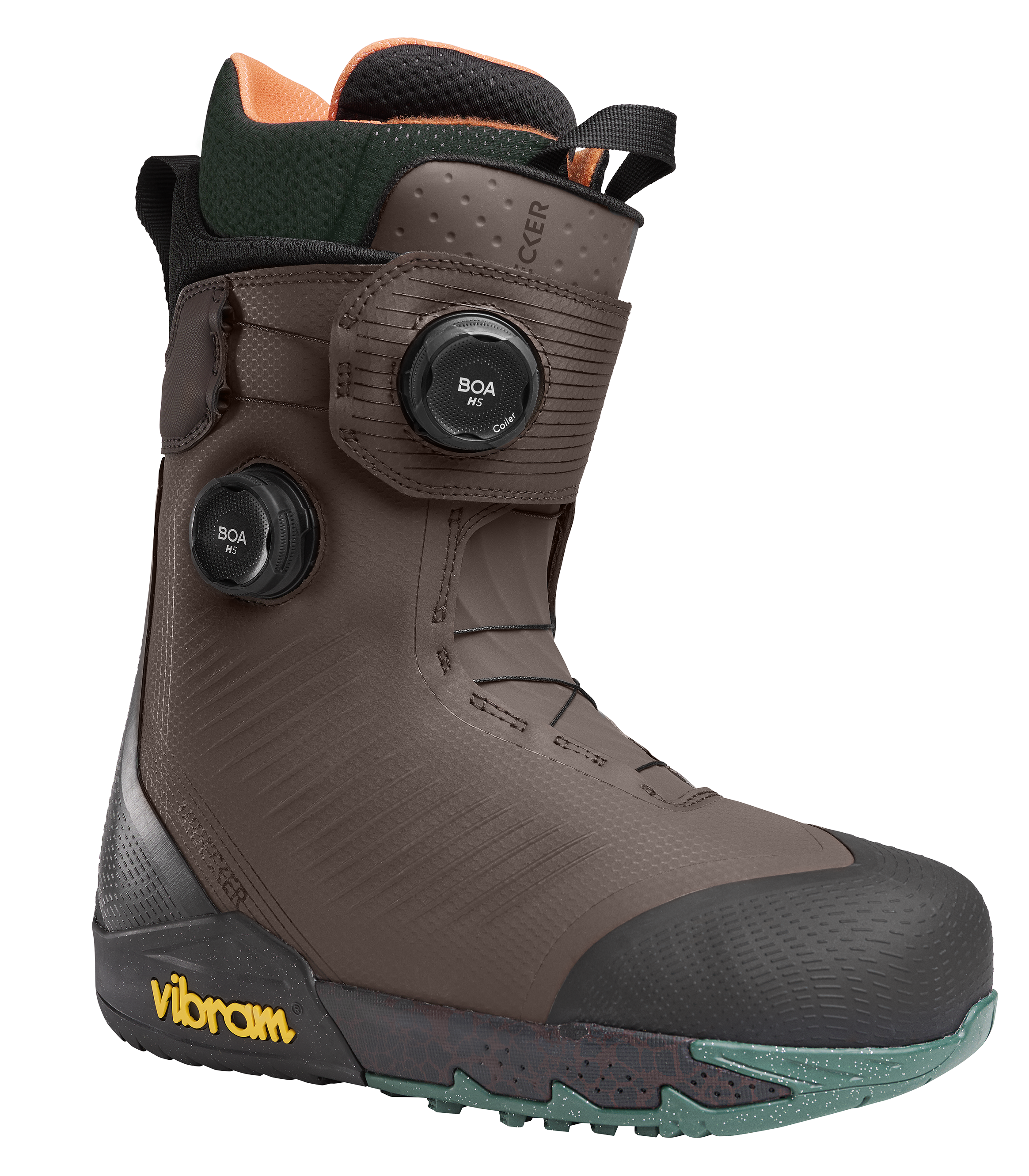
NIDECKER Kita
Size: 25.0-31.0cm (0.5cm increments up to 31cm, 30.5cm not available)
Weight: 1,300g (27cm, 1/2 pair)
¥77,000
The Kita features a firm flex and high responsiveness. With Dual BOA® WrapStrap and H5 technology, it securely holds your foot in place. Its superior maneuverability makes it suitable for a variety of terrains and skiing styles
Profile
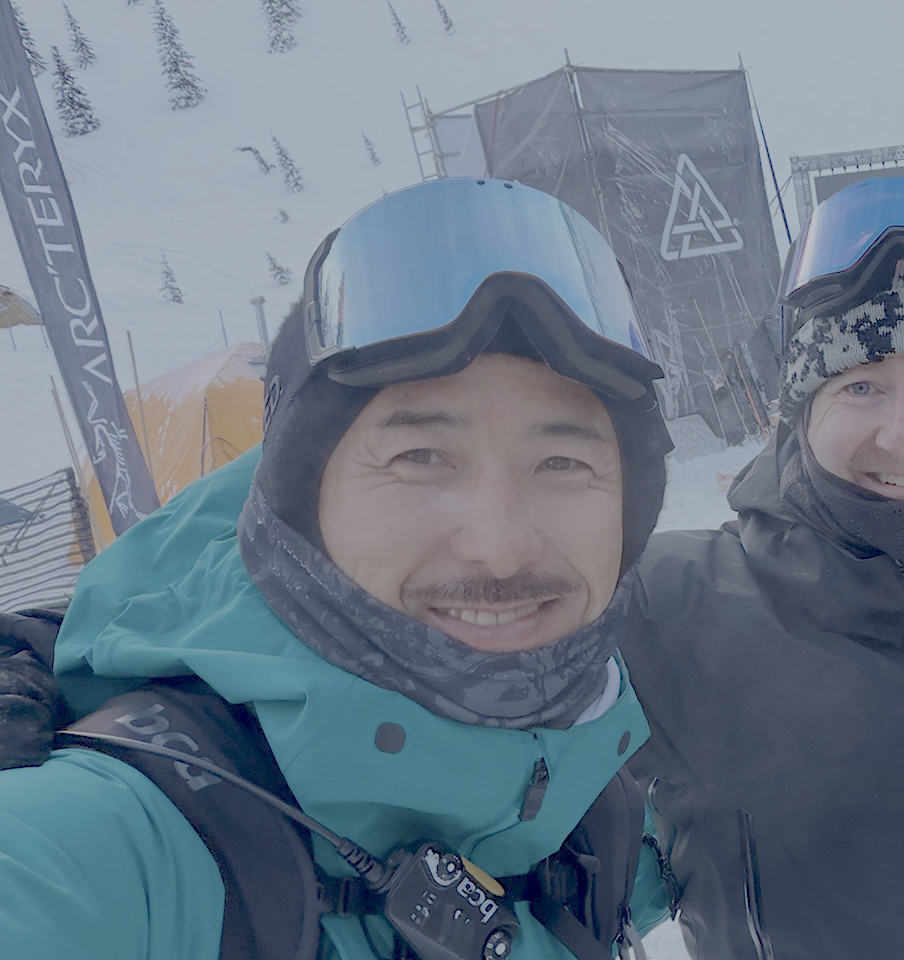
Shin Biyajima
Originally from Nagano City, Nagano Prefecture, he is a professional snowboarder who moved to New Zealand during high school and has since expanded his activities to North America and Alaska. He continues to work on freeriding on steep slopes and video production, while collaborating and filming with top riders from around the world
Instagram:@shinbiyajima
Eliminating footwork loss to bring out the full potential of the board – Kentaro Miyawaki
I often ski in the early morning powder, tree runs, and sidecountry, and the trees around Iwatake, for example, are quite tight. If you want to make a proper turn there, not just swing the tail to slow down, you need to quickly turn the board from the outside. The Torrent boots I wear are soft in the front and back and strong in the side, so it's easy to move the board under me while using my ankles flexibly. This is where the difference in boots really shows
To effectively transfer that movement to the board, it's best to minimize any loss of power from your feet. If your feet are loose inside your boots, the force transmitted to the bindings and the board becomes ambiguous. I believe that a secure hold with BOA is the starting point for unlocking the board's full potential
On the other hand, overtightening isn't always a good thing. Foot swelling can be a factor, and it's difficult to maintain the same tightness every time. The H5 allows you to loosen it one click at a time from the tightened position, so if you feel a slight pressure on the top of your foot, you can loosen it right there. When you're about to ski down a tree at speed or drop into a powder slope, it's unpleasant to have even a slight discomfort under your feet. You can eliminate that discomfort without having to completely loosen and retighten everything. Reducing losses in this way and being able to properly extract the performance of your equipment is what I find so valuable about BOA and H5
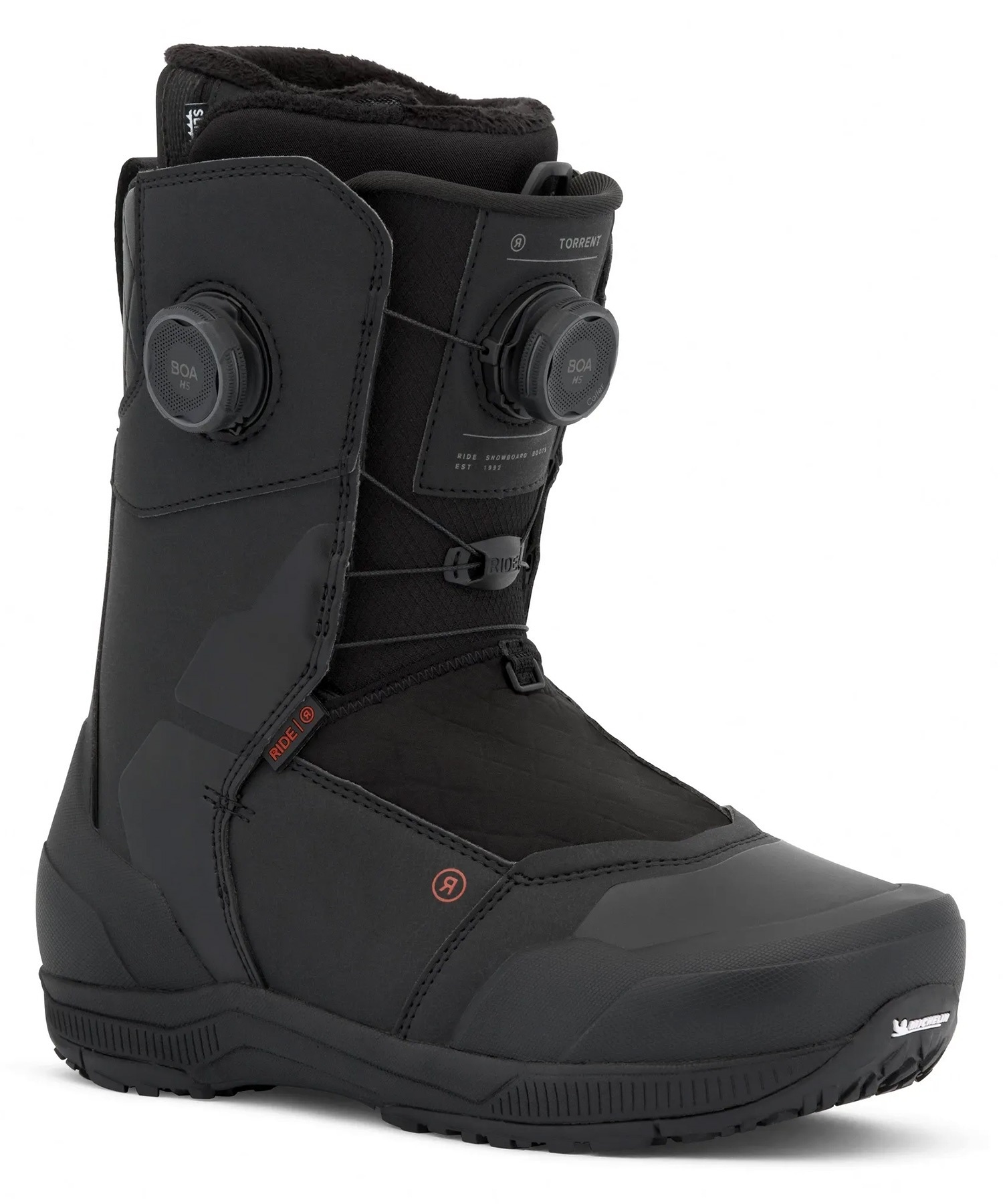
RIDE TORRENT
Sizes: 25.0-31.0cm (in 0.5cm increments up to 29cm)
¥97,900
An all-mountain model designed for high responsiveness. In addition to the H5 and TX3, it securely holds the ankle and heel. Eliminates power loss in the feet and quickly transfers power to the board
Profile
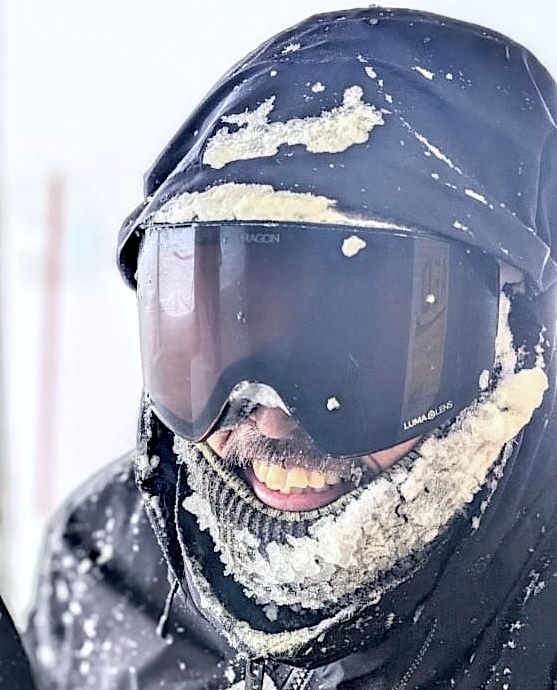
Kentaro Miyawaki
Born in Hakuba Village, Nagano Prefecture. He represented Japan in snowboard halfpipe at the 2002 Salt Lake City Winter Olympics. After retiring from competition, he worked at a snowboard shop for over 20 years. He currently runs the shop "SECRET FORT" in Hakuba, where he uses his extensive knowledge to help customers choose their gear
Instagram:@kentaro_miyawaki
Text=Tomoko Fukutaki
Information
BOA Fit System
Official website:https://www.boafit.com/ja-jp
Social media:Instagram|Facebook|X|YouTube