

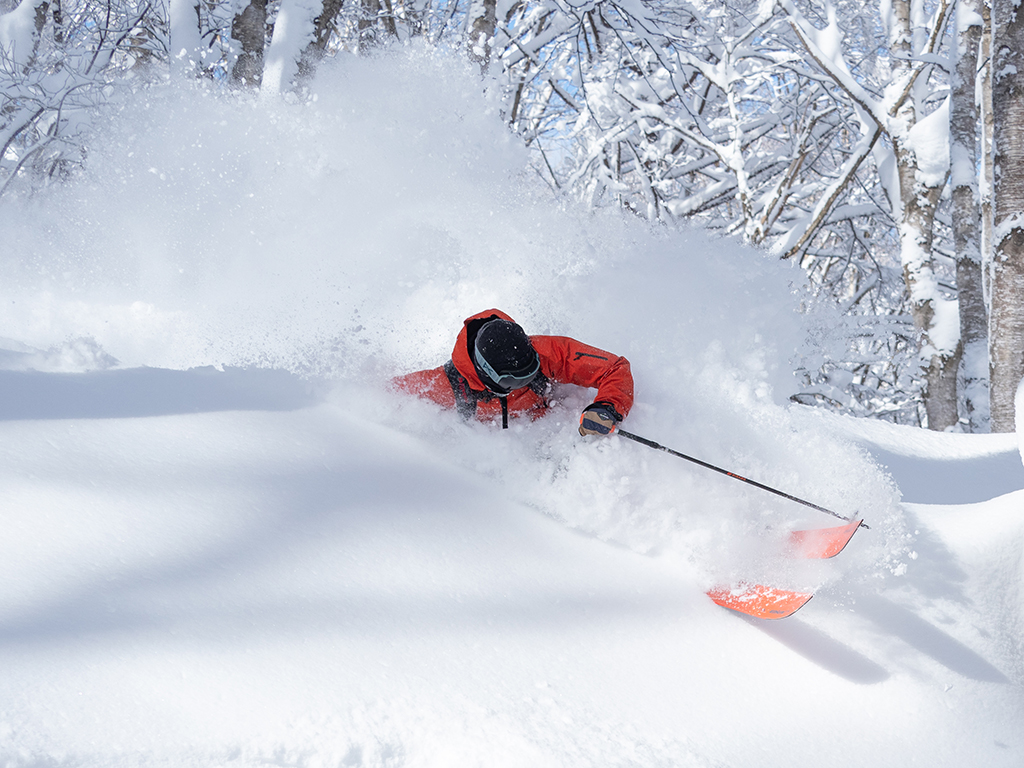
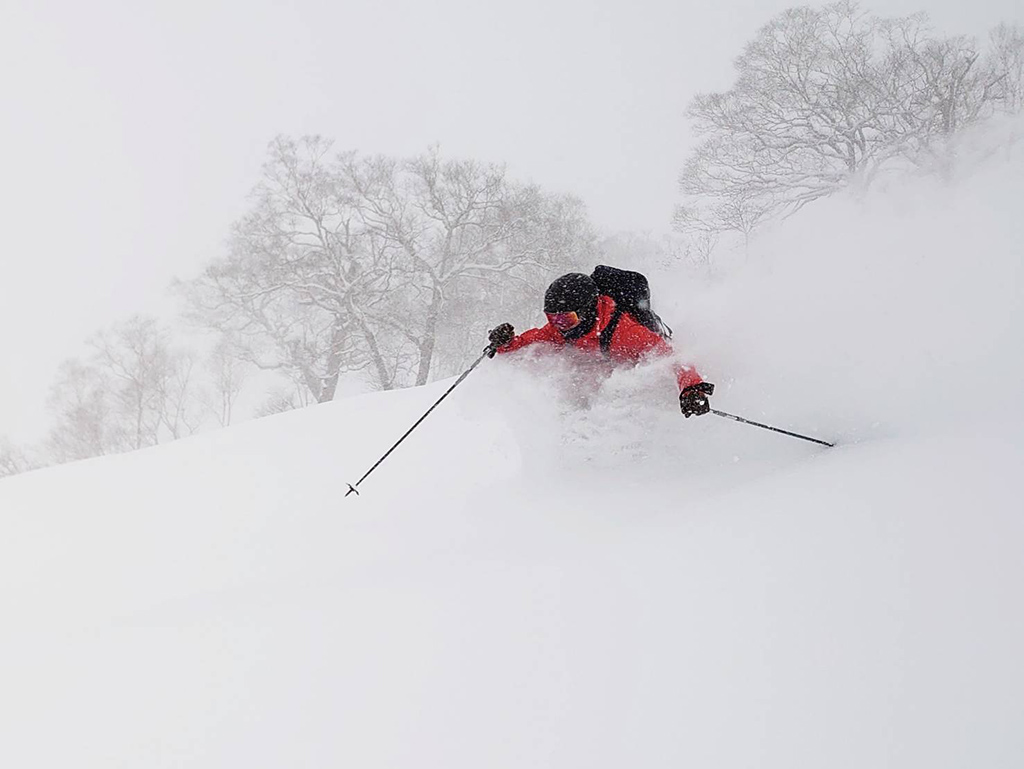
In recent years, the number of skiers who want to enjoy powder skiing more effectively has been increasing. In fact, powder-oriented fat skis are selling well in pro shops. As you get ready for winter, we'd like to introduce how to choose fat skis that suit your preferences and type of skier
What are fat skis?
Fat skis have a wider waist than standard skis, designed to make it easier to ski on ungroomed slopes. The definition is vague, but the waist width of a standard all-mountain ski is around 80mm. It is said that when the waist width exceeds 100mm, you feel a stronger buoyancy in powder, and the effect is fully felt
The basics of choosing fat skis
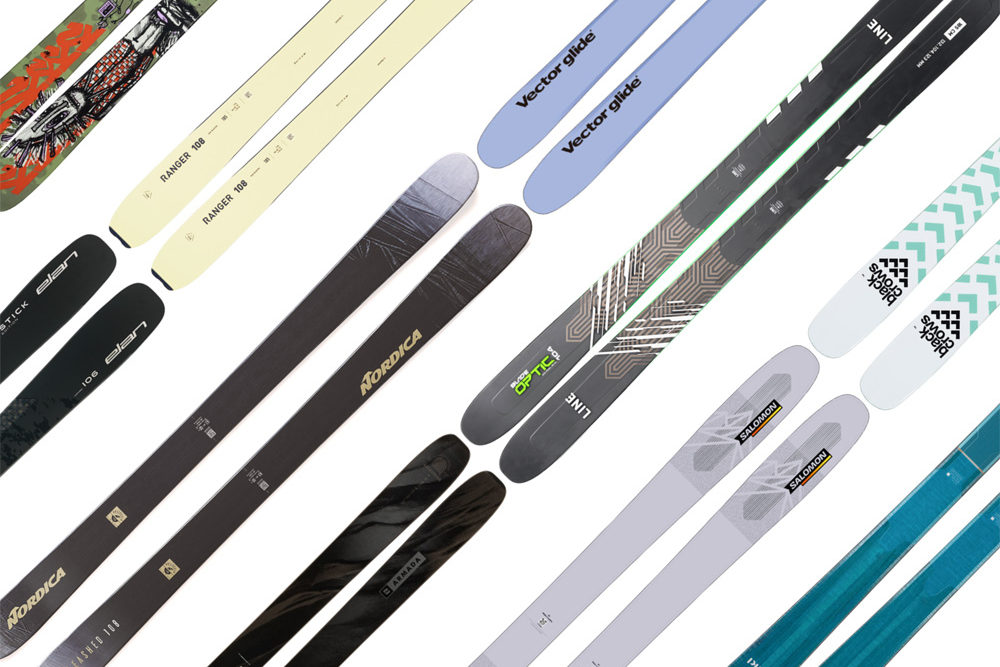
Q. What are some tips for choosing the right waist width and length? Should I determine the length by adding my height to a certain number of cm?
A. Actually, this is a very difficult question, but ultimately it comes down to personal preference! Even with the same width and length, the ride feels very different depending on the board. That's why I think the best thing to do is to test ride it. As a general trend, for a 100mm waist, it should be the same as your height or slightly longer. For a 115mm, I feel that many people consider a board that is about 10cm longer than their height
Q. I don't really understand rocker or camber. Simply put, what shape is best for what type of riding?
A. The curved, raised part of the center of the ski is called camber. Camber allows pressure to be applied evenly to the entire ski from the tip to the tail, and the edge contact with the snow surface is longer, giving you greater control. On the other hand, if the camber is weaker, the ski will feel easier to handle
Rocker is the curvature of the ski's tip and tail where they come into contact with the snow. Rocker reduces resistance from the snow surface and increases buoyancy in powder. Skis with a large rocker don't catch on the tip or tail even in deep snow, making the ski easier to handle. I think the ease of turning is a major advantage
If you want a milder ride, choose a larger rocker (the curvature of the ski), but if you want a firmer ride, choose a smaller rocker!
Q. What is the difference between "all-mountain" skis and "freeride" skis?
A. Again, there is no clear dividing line, but many manufacturers refer to boards of around 85-100mm that are primarily used on the slopes but can also be used off-piste as all-mountain. Freeride skis are more likely to be used on natural terrain, and are often fat skis with a wider waist, around 90-120mm in diameter
Q. I've been hearing a lot about "touring skis" lately. What kind of people buy them? Are they mountain skiers?
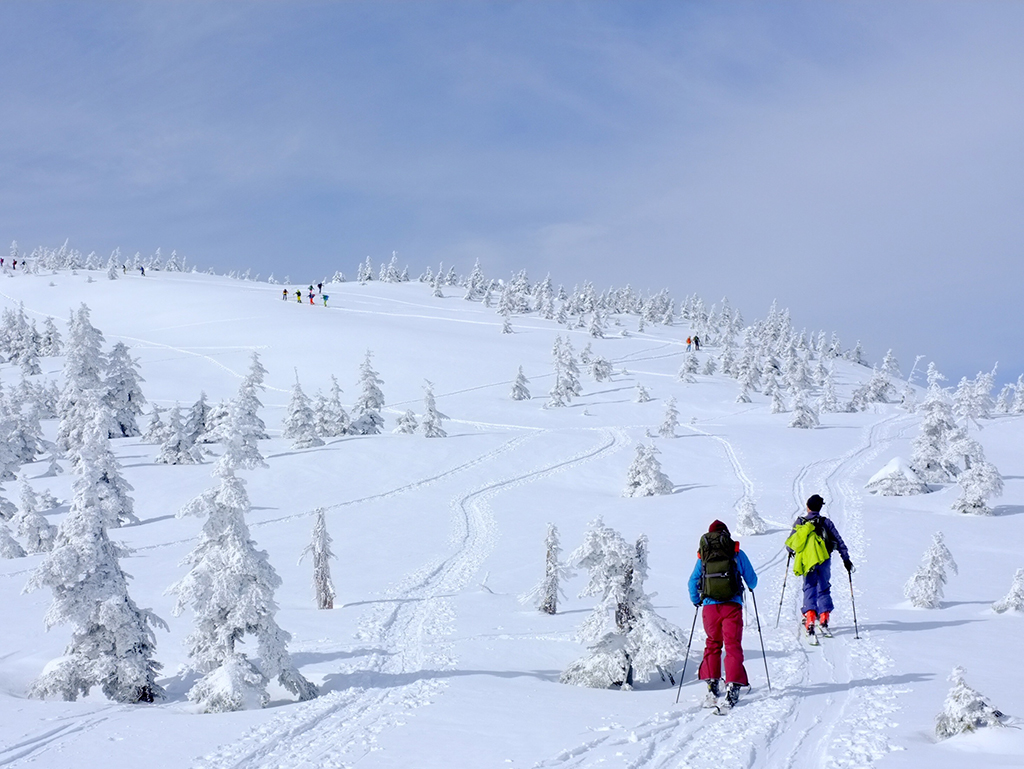
A. There are various terms for touring, touring skiing, and backcountry skiing, but the main idea is the same: walking up, skiing down. Touring involves more walking and the equipment is lighter, but even regular skis have become lighter recently, so you can think of no clear distinction between the two
Fat skis are the hot topic of the 2022-23 season
Q. I'd love to try out some fat skis, which are all the rage this season! Which 2022-2023 model would you recommend?
A. These are the two models that PROSHOP VAIL recommends
1. ARMADA|short pants paradox
This season's completely new model is a short fat ski, a type of ski that hasn't been sold widely until now. Because it's short, it's easy to handle and the tail is extremely easy to move. The narrow side curve makes it a ski that can be enjoyed like surfing
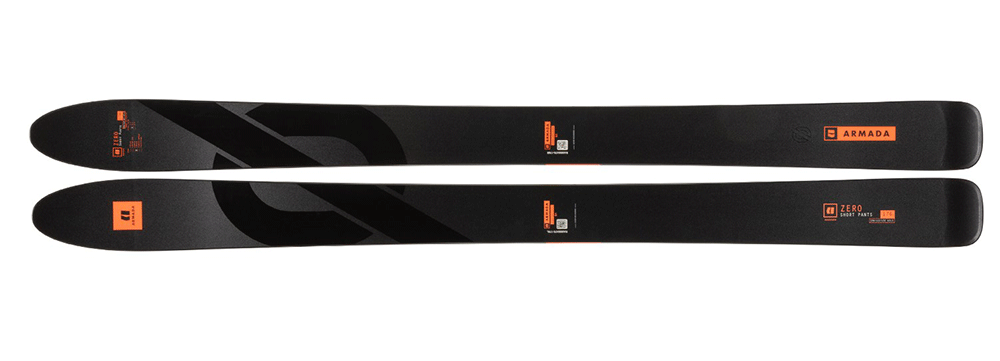
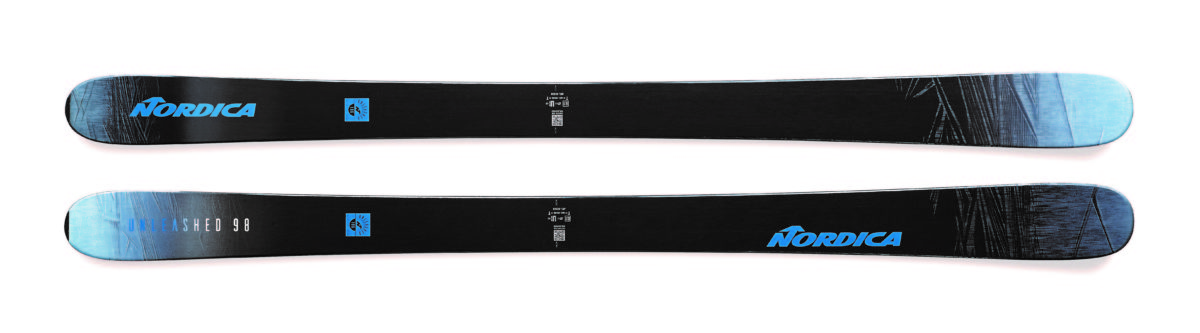
2. NORDICA|UNLEASHED98
A completely new model for this season. With a softer flex, it's perfect for on-piste skiing, powder skiing, and even small park skiing. It's a completely different ski from the "solid" image of Nordica skis to date
Choose according to your purpose for skating
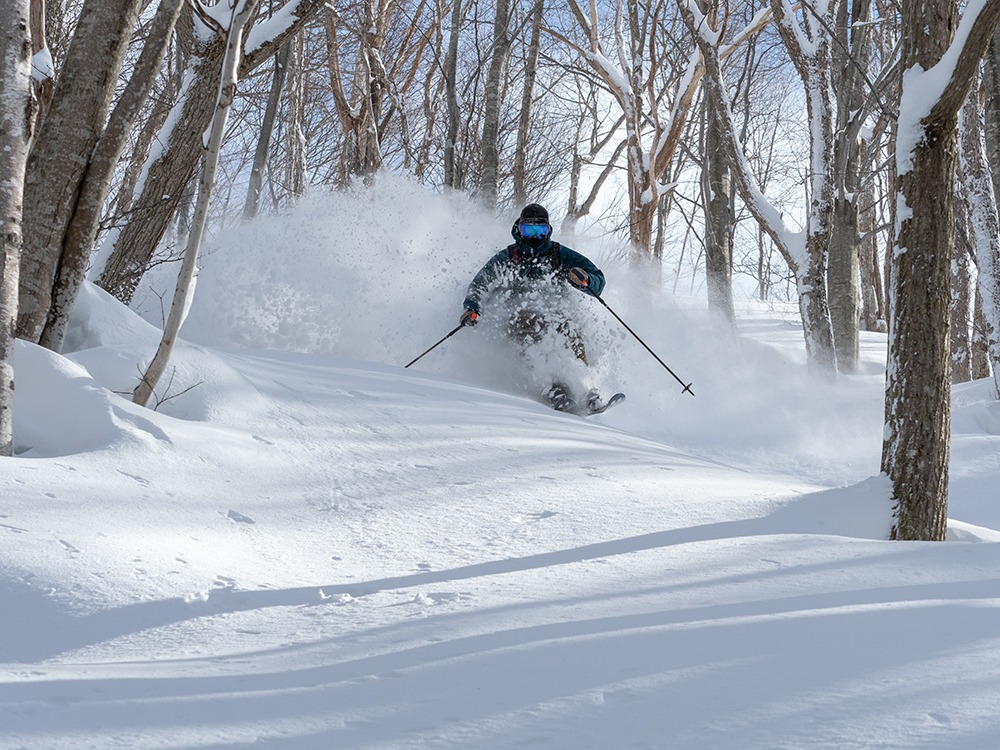
Q. What kind of fat skis are good for enjoying tree runs?
A. Japan has a high density of trees, so I think there are fewer tree runs where you can comfortably drop down compared to other countries. This is a matter of preference, but I think boards with rocker in the tail tend to lift the top of the board more, making it easier to change the movement and direction of the board and making it easier to control
I think surprisingly few people have actually tried turning a thick board in a tight rhythm in a dense tree, so I often recommend boards that are easy to move
-For example, what model do you recommend?
A.As an example, ARMADA's "ARV JJ" and "JJUL (Ultralite)" have a deep rocker shape at the top and tail and a short contact patch, making them easy to control and highly maneuverable

Q. Are there any differences between fat skis that perform well on ungroomed snow anddesigned for powderskis fat ?
A. Fat skis for powder skiing prioritize buoyancy. Many are thick and have a soft flex, but when skiing on ungroomed snow, which can be difficult in a variety of conditions, a balanced performance is required, including a certain degree of edge grip and maneuverability
Ungroomed snow doesn't just mean powder, it can also be trampled down, or it can have natural moguls but be soft, and there are a variety of other situations, so to be honest, I think boards that are extremely thick are hard to ride on. Also, boards with an extreme amount of rocker will make the board flutter and make it hard to ride, so I think you'll have more fun on ungroomed snow with boards that have a certain amount of edge grip, with edges that bite properly under your feet
-For example, what model do you recommend?
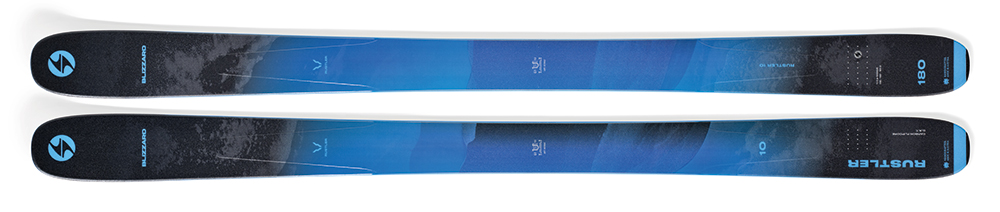
A. I think BLIZZARD's "RUSTLER" series would be good
Q. I want to experience the ultimate floating sensation in Hokkaido or heavy snow areas. If I were to get a dedicated ski for deep powder, what kind of fat skis would you recommend?
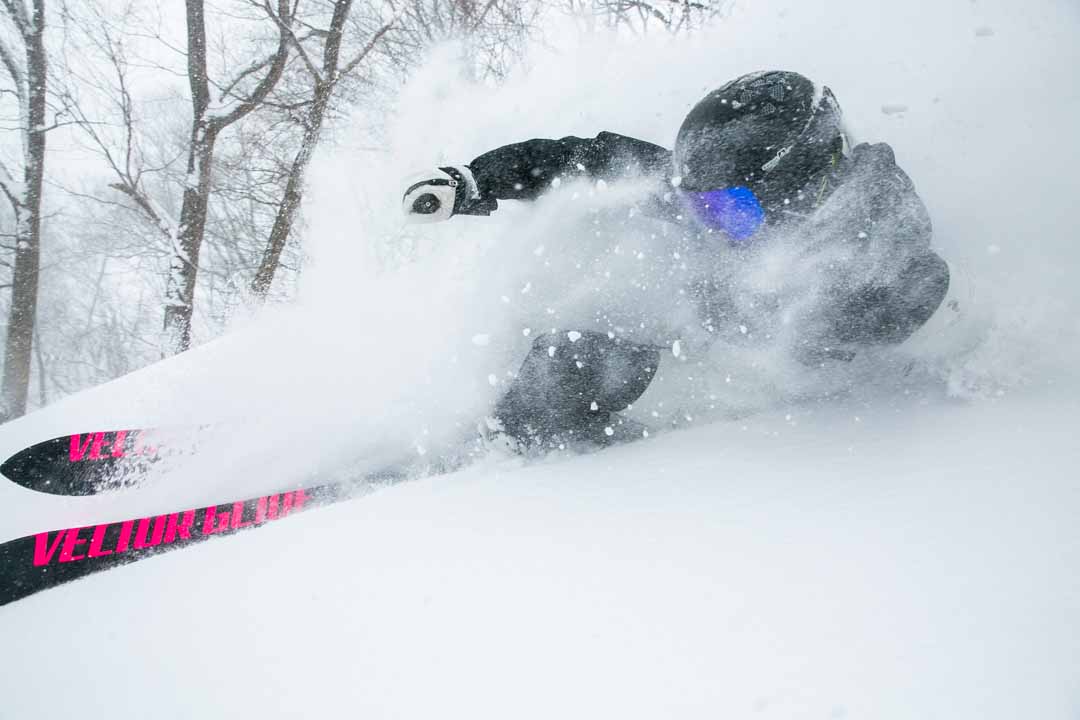
A. It's definitely something that's thick and has a lot of rocker. For example, it's not like a 130mm big fat board is something that most people can't ride. If you want to grip the snow firmly in deep powder and experience an exceptional floating feeling, a big fat board is effective
If you try to ski in deep powder with a thinner board, the board will give way. It's not a problem on light snow, but if the snow is a little heavier or the slope isn't steep, you won't be able to move forward unless the board is thick. In that respect, Big Fat boards have excellent propulsion. Even on slightly steep slopes and in extremely heavy snow, a thick board will respond well. That's why I think there is value and appeal in owning a Big Fat board as a powder-specific machine. It's a good idea to first try it out at a demo center or rental shop to see if you can handle it
Q. If I want touring skis that are not only easy to hike but also offer great gliding, what kind of skis would you recommend?
A. Basically, there are no skis that are perfect in both respects, so you have to choose between making up for the weight with strength, sacrificing stability, or getting a board that's balanced. However, in recent years, manufacturers have been focusing on balanced boards that offer comfortable hiking without sacrificing gliding, so we're paying close attention to them. We've received many inquiries about ATOMIC's "MARVEN" from the "MARVERIC" series and ELAN's "RIPSTICK" series

Have two and choose the next one
Q. I own one pair of standard fat skis with a waist width of around 100mm. If I want to enjoy powder skiing more aggressively, what width of skis should I buy to notice a difference in skiing feel and performance?
A. If you have a 100mm ski, which many people consider suitable for all conditions, I personally recommend fat skis around 115mm. This width is perfect for deep powder, and I think it's a standard width that all manufacturers are focusing on
It's always good to have boards of various thicknesses and shapes, but by assigning different roles to each board, it's easier to choose the board you'll use on a given day. It's also easier to have an excuse when buying different boards than buying the same type
- For example, what model would you recommend for a waist of around 115mm?
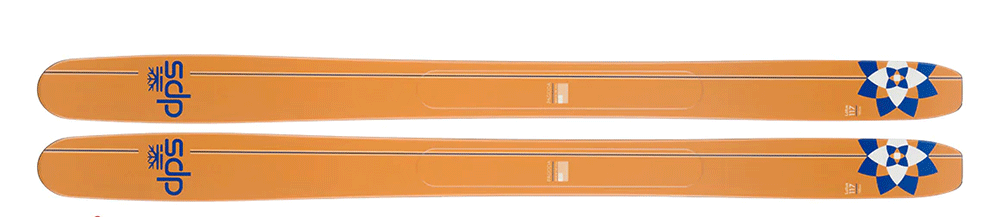
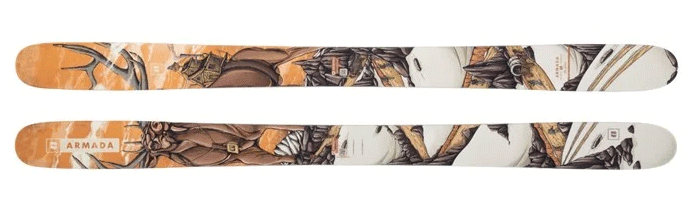
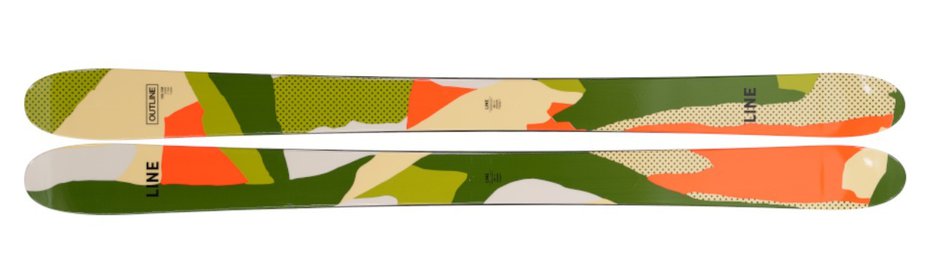
Some examples include DPS's "PAGODA LOTUS117", ARMADA's "JJ", and LINE's "OUTLINE"
Q. If you were to choose a fat ski that could be used for everything from powder and ungroomed snow to park and groomed skis, what kind would you choose?
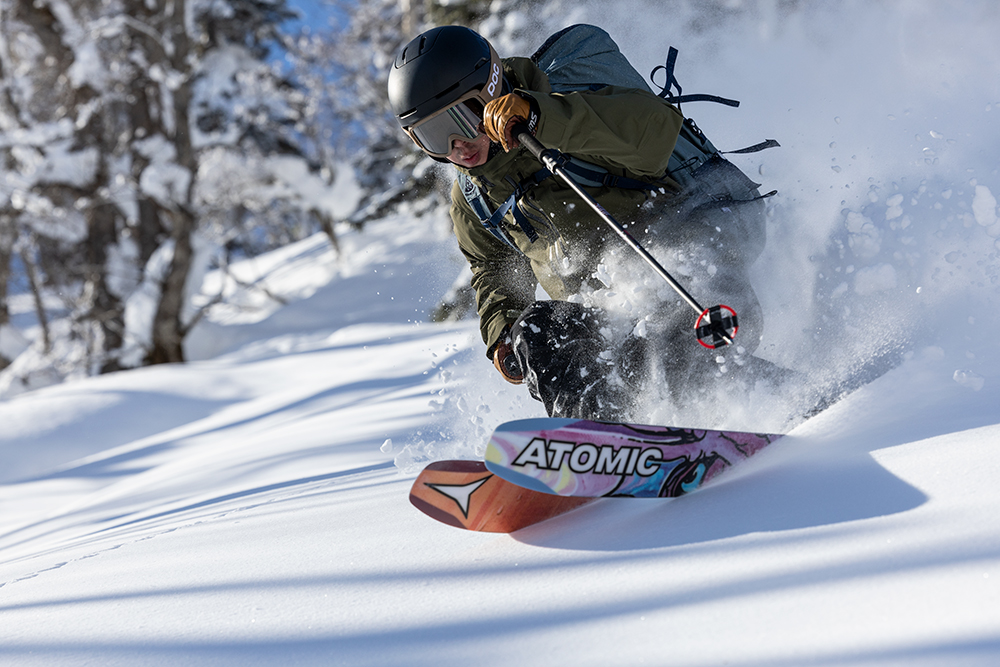
A. If you're looking for a ski that can be used for everything, I often recommend one with a waist width of around 100mm. It depends on your preference and what kind of skiing you've done before, but many people use a 100mm waist width as a benchmark. This width doesn't compromise edge grip and provides a certain amount of buoyancy when skiing in deep snow.
If you also enjoy grooming, be aware that skis with a large rocker shape may have poor edge grip. The feel of skis in this category varies greatly from ski to ski, so it's recommended to try them out before buying.
- What specifically do you recommend?
The overwhelmingly popular fat ski that you can enjoy all at once is the ATOMIC BENT CHETLER 100. I think it can be used by anyone who wants to go to powder slopes and parks with just one ski. It's selling well

Q. forpark skiers who also want to enjoy powder skiing?
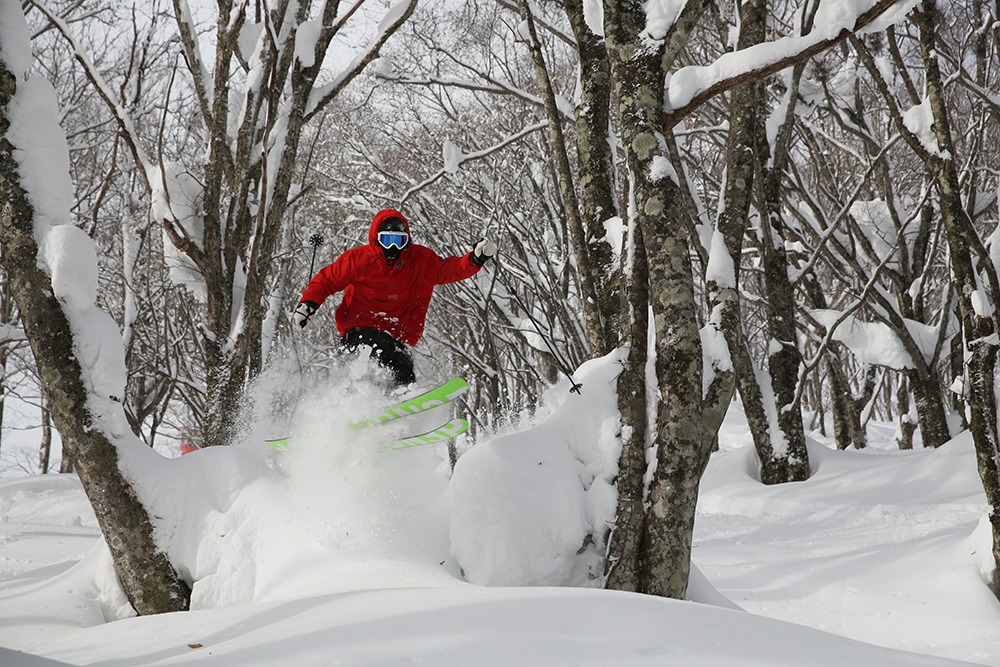
A. I get the impression that many people choose 100-105mm boards if they want to enjoy both with one board. Many boards are softer and easier to use for press-type tricks and powder skating. If the board is too thick, it will be heavy in the park, difficult to turn, and the rotation will not stop, losing its lightness, so you need to consider your own skills
-Is there a specific model that you recommend the most?
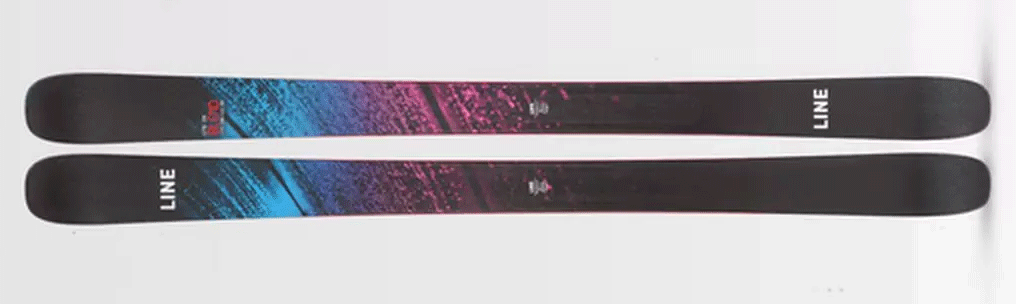
A. VÖLKL's "REVOLT104," MAJESTY's "DIRTYBEAR XL," LINE's "BLEND," and others


Q. I definitely want to go backcountry skiing this season. How can I choose skis that can be used for both backcountry and skiing?
A. Most skis can be used in combination with backcountry skiing. If you're physically fit, I think it's fine for you to climb on skis that you enjoy. I think fat skis are the best because they're fun to ski on without having to worry about weight
However, if you're not confident in your physical strength or are worried about climbing, we recommend choosing skis that weigh around 1500g, which have become more common recently. Depending on the width, there are many skis designed for everything from carving to powder, and they are very easy to use
-Is there a specific model that you recommend the most?
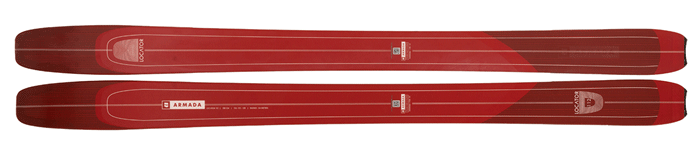
A. ELAN's "RIPSTICK" and ARMADA's "LOCATOR" are great! They have a great balance of weight and gliding performance, and are popular in our store

A good fat ski to switch to
Q. even experiencedWhat models of fat skis offer high gliding and turning performance that would satisfy
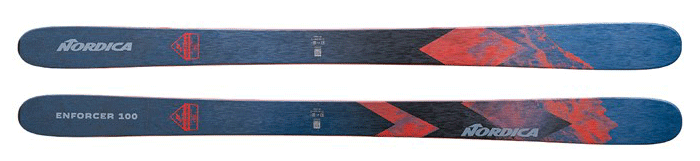
A. For those who participate in alpine skiing, it seems that many prefer FACTION's "DICTATOR" ('21-22 model), BLIZZARD's "RUSTLER series," or NORDICA's "ENFORCER." All of these skis are reinforced with metal and have a firm flex. Each series also comes in various widths, making it easy to choose the right one
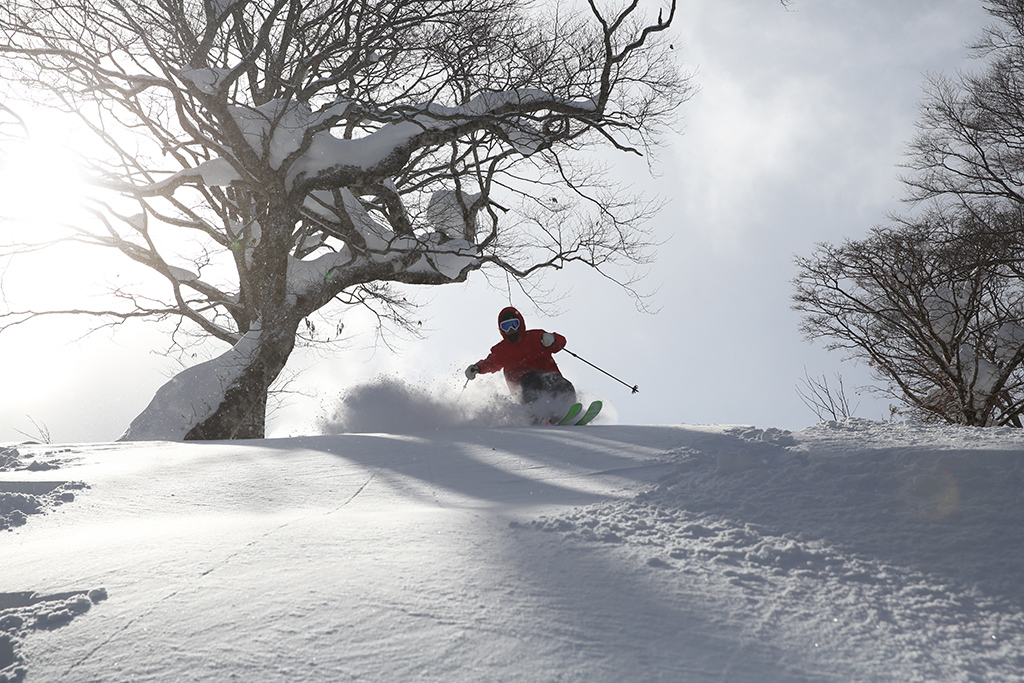
Q. I'm a recreational skier (or used to be one), but this year I want to get good at skiing powder. What kind of fat skis should I choose?
A. Many people with a background in basic skiing are skilled at skiing, and tend to prefer skis that are a bit more rigid than those that are easy to ride. In the backcountry, you have to consider the weight because you're walking uphill, which makes it difficult, but if you're looking for powder skis, I think skis with metal in the underfoot or those that are a bit stiffer would be good.
People who are into basic or racing skiing often have a strong carving style, so I often recommend skis that allow you to control the skis by pressing down on them. I don't usually recommend skis with a large rocker.
-What area would you say specifically?
A. We have a wide variety of skis available for purchase at our shop, even for those with basic skiing experience. If you want to ski easily through powder, we recommend a board with a large rocker, as introduced above. If you are looking for a firmer ride, the BLIZZARD "RUSTLER series" or NORDICA "ENFORCER" might also be good choices
Find the right fat for your needs
Q. I'm a female downhill skier and a beginner in powder skiing. What kind of fat skis should I start withすか?
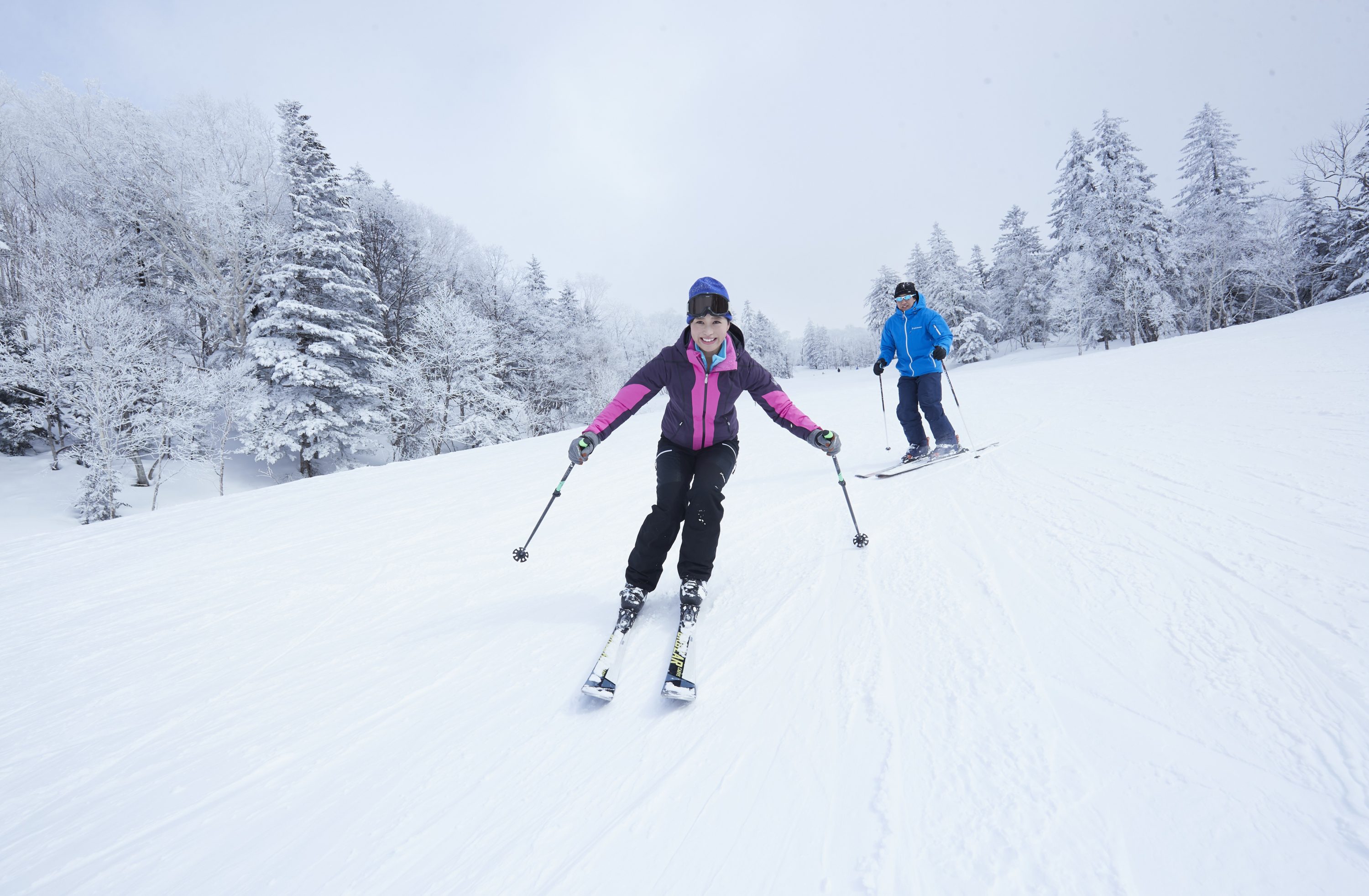
A. It's quite difficult (laughs). I think there are a relatively large number of petite women in Japan, and if you choose a thick board for powder, it can be difficult for petite people to keep the edge up, so I think it's best to test ride a board before choosing a really thick board
If you normally ride skis for the slopes, and you're just looking to enjoy a little powder or the fresh snow you find on the side of the slopes, I think it would be better to choose a board that can be used on all types of snow, such as 95mm or 90mm, so you can enjoy it more comfortably
It takes a while for the edges to stand up, which can lead to sliding, and buying a thick board from the start can be quite uncomfortable. Since you probably won't be hitting a lot of powder snow every week, I think a board around 95mm or 90mm would be easier to use at first, as it's somewhat versatile and still allows you to get a feel for the benefits of a thick board, especially for women with less leg strength
-What length would you like?
Perhaps because they are women, many people worry about whether a long board will be suitable. Many boards don't feel that long when you actually ride them, but personally I think that if the waist width is around 92mm or 95mm, you should choose a board that is the same length as your height
-Are there any models you would recommend for someone looking to upgrade from their first ski slope gear?
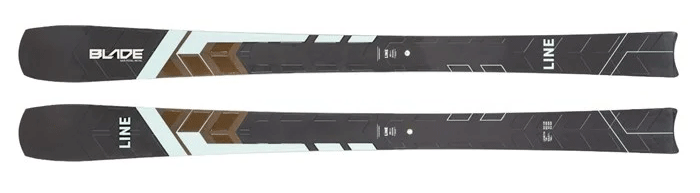
Something like the "BLADE Woman." With a 92mm waist, it's a soft board perfect for on-piste use, but it's also fun in powder and grips the edges well on the slopes, so it might be a good choice if you're upgrading from a ski-mountain board for the first time. The BLADE is a bit unique in that it allows for tight turns, so I think it's great to have fun even on a shorter board. It also has a rocker, so it's generally easier to use if you choose one that's roughly the same height as your skis
Q. For people in their late 40s to 60s who used to ski but are starting to lose confidence in their leg strength and stamina, what kind of fat skis would they be able to handle?
A. For middle-aged and senior people who used to ski, there are now so many brands, including small ones, that there are probably many products from brands they're not familiar with. There are many people who don't know which to choose or which to pick up in the store
For such people, I often first recommend something a little lighter. Even if you're not going backcountry, if you're planning on enjoying a day out, including travel, a heavy board can be physically demanding even just to get to the slopes, so something a little lighter and with a milder feel is best. I don't recommend boards that are difficult to move or have a very distinctive feel. Some people aren't confident in their leg strength, so I think something a little softer would be better
-Is there a specific model that you recommend the most?
I think the ARMADA TRACER and the LIBERTY Origin series 96mm are good choices. Speaking of softer options, the LINE BLADE and the DPS Foundation series are also good choices, as they have a supple and mild ride
The person who taught me
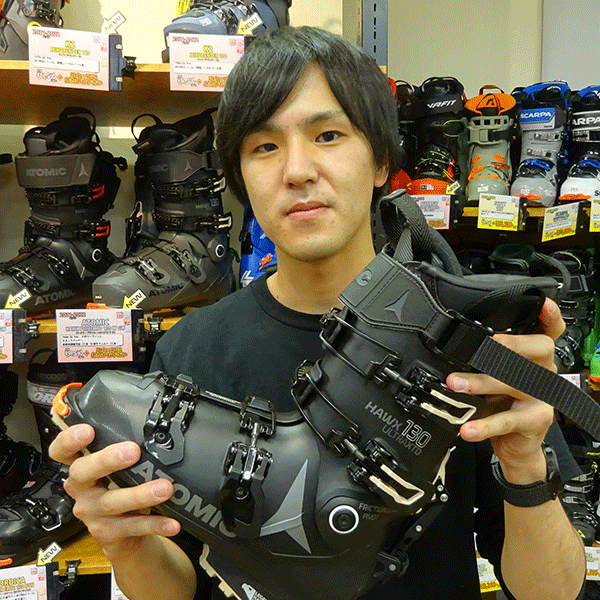
SKI SHOP VAIL's
Sota Unno
He is in charge of gear at ski shop VAIL. He also works as a mogul course digger, school staff member, and tournament organizer. He currently enjoys powder skiing, as well as moguls, a little park skiing, and some basic skiing
Interview cooperation:Ski Shop Vail
Main Photo/Daniel Honda Skier/Naoto Kono