

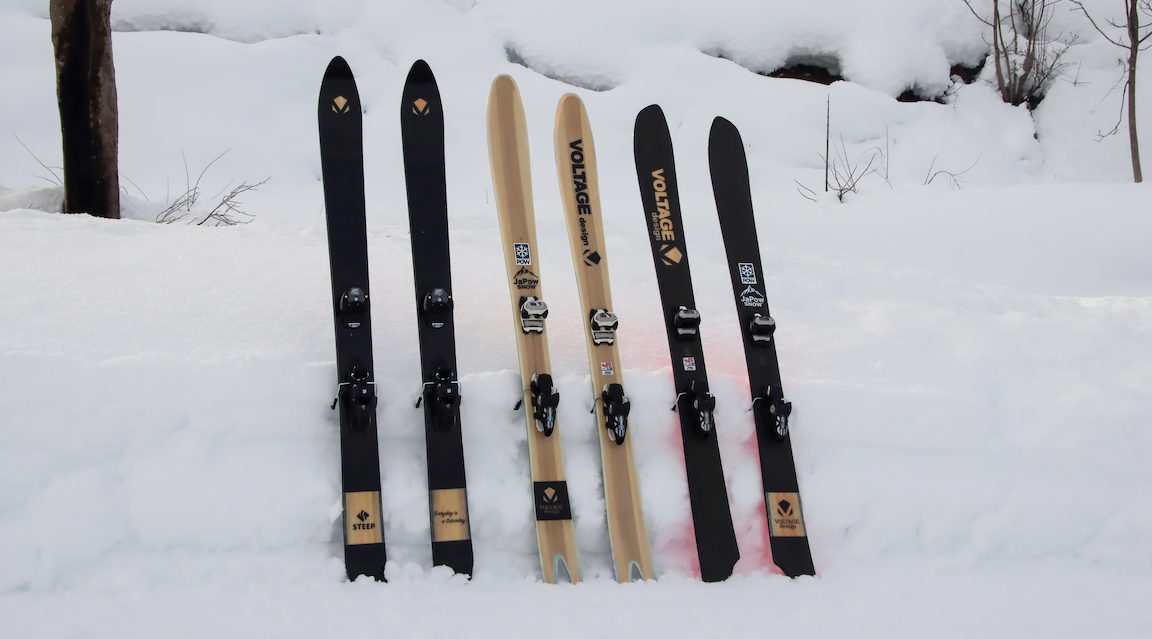
In September 2022, I used VOLTAGEdesign's service to create my own original skis, choosing everything from the design to the layout. This allows you to design your own skis, decide on the reinforcements and top sheet design, and create your own unique skis. Not only can you create your ideal skis, but you can also experience the production process, deepening your knowledge of skis. This service provided an invaluable experience that not only gave me value as an object, but also allowed me to understand and love skis better
Check out the article about the production here
Since making them, I've been looking forward to the first snowfall more than usual, and have spent the past three months in a state of excitement, but the long-awaited winter has finally arrived. I'm sure
you're all wondering, "How do the skis I made myself actually feel?" so I'll give you a review.
The outline of the skis I made this time
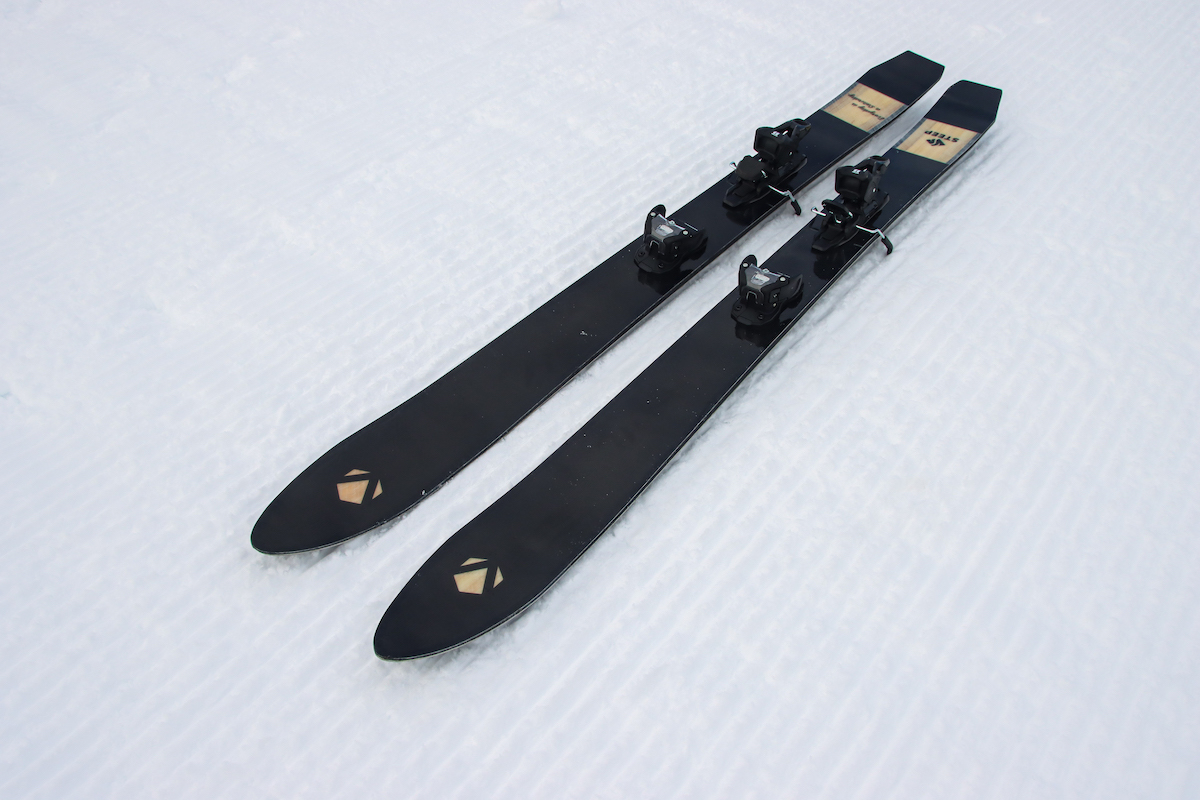
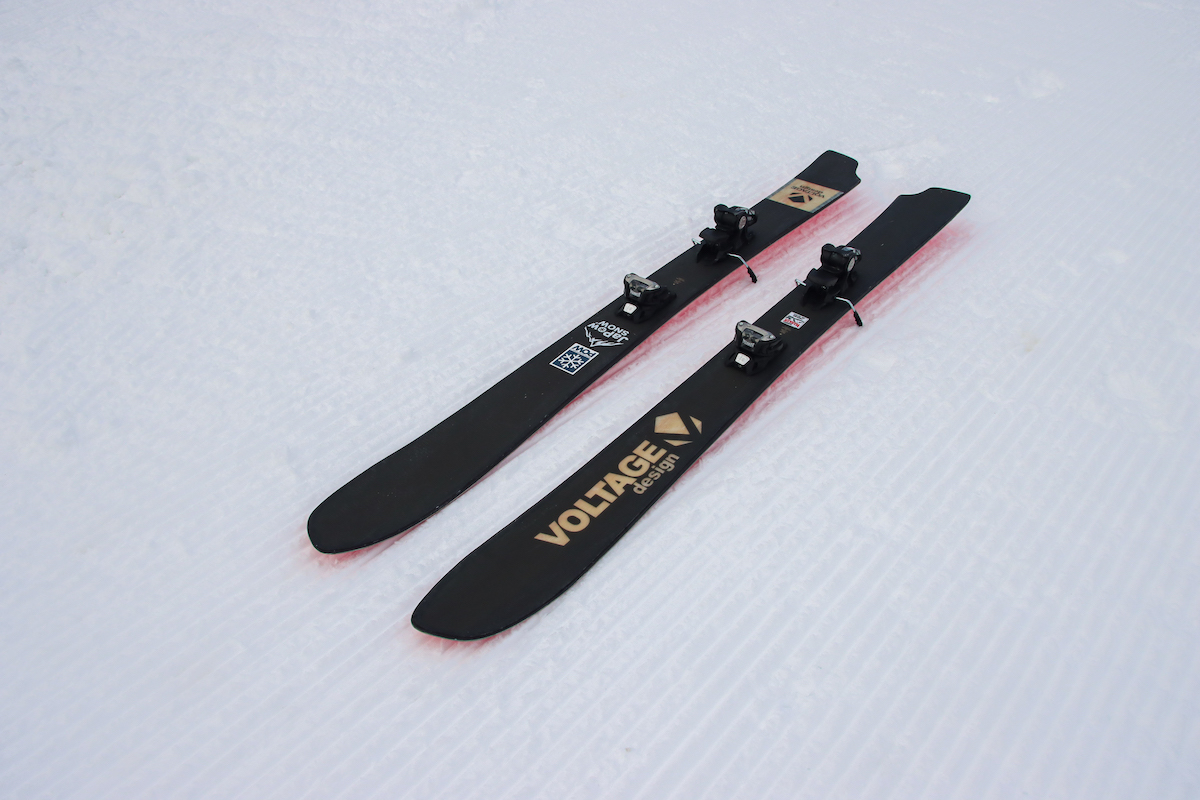
The situation in which this board is intended for skiing is powder on the slopes. In keeping with that image, I designed it with a wide waist, a pointed nose (a personal aesthetic preference for visual appeal), and the effective edge of the tail is longer on the inside of the board and shorter on the outside. The aim was to allow for a firmer push on the inside edge when turning with the downhill foot, and for the uphill foot to release the edge easily and improve maneuverability. I hoped that this would make carving turns on the slopes more enjoyable
The test location is Hakkaisanroku Ski Resort
, a local slope beloved by locals. Although it only has two lifts, it has a wide variety of runs, allowing you to enjoy a variety of ski conditions. It's a perfect place for ski testing, as it's compact but offers a variety of slopes. Located at the foot of Mount Hakkai, at an altitude of 1,778m, it receives high-quality snow, but there aren't many skiers looking for powder, so you can enjoy the powder beside the runs to your heart's content.
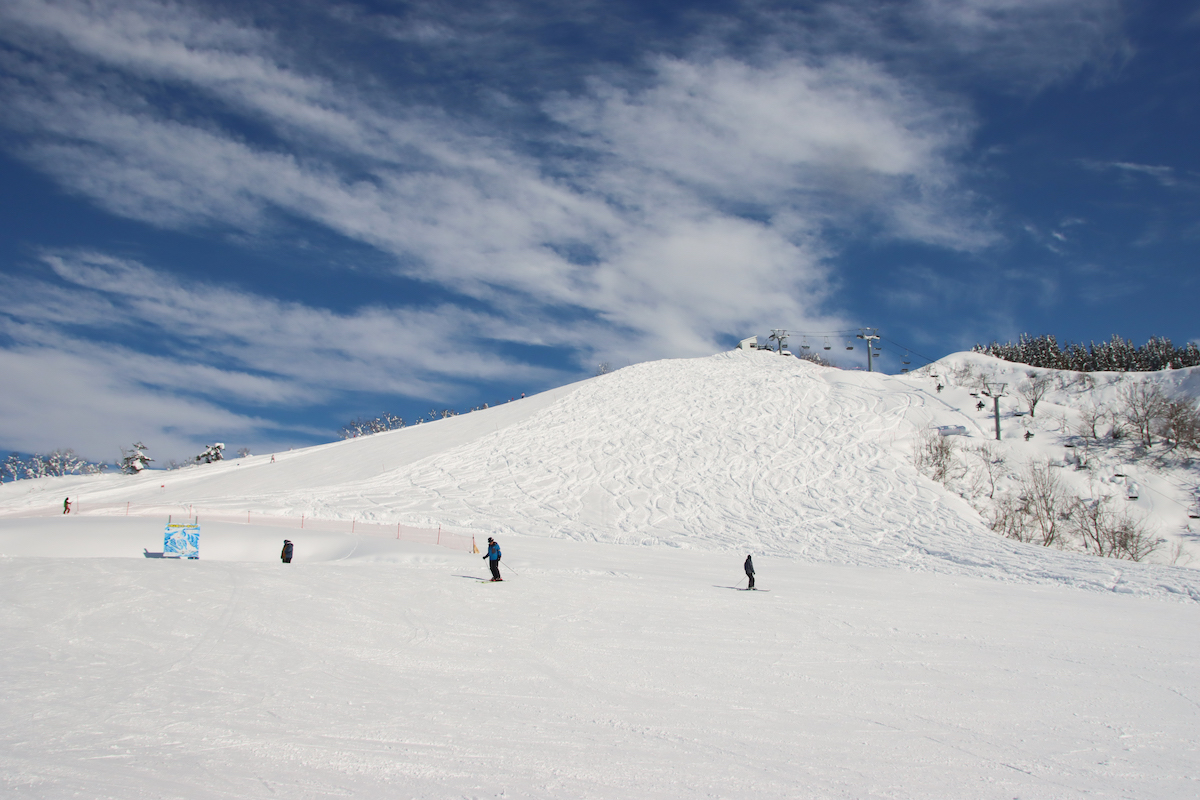
On the day of the run, the temperature was 6°C at the base, there had been no snowfall since the previous day, and it was a comfortable day for cruising the slopes. Trying them out on the flat slopes at the foot of the mountain felt no different from regular skis. I had waxed them the day before with great enthusiasm, so I thought they would perform well
Let's Ride On! Try it out and you'll experience an unexpected ride..
Our first goal was the summit slope, which has a maximum on-piste gradient of 26 degrees and an off-piste gradient of 30 degrees. It's a slope that's just right for intermediate and advanced skiers to enjoy
I retightened the buckles on my boots and took my first run on the piste. I started off slowly to get a feel for it, gradually picking up speed. I made two or three big turns, and by the time I reached the end of the slope, I was going pretty fast. The skis were reinforced with only two layers of fiberglass, making them soft and showcasing the inherent strength of the core as much as possible, so I was a little worried about them at high speeds. However, even at top speed, the skis responded well and didn't seem to flap around. They were comfortable enough for a fat ski. One thing that bothered me was that the edges were still a little sharp, making them catch easily, but this wasn't due to the performance of the skis themselves; I'd tune them up later and it would be fine
Next, we headed off-piste. Because there was no snow, we were able to freeride on the uneven slopes, but to test the performance of our skis, harder conditions would be better
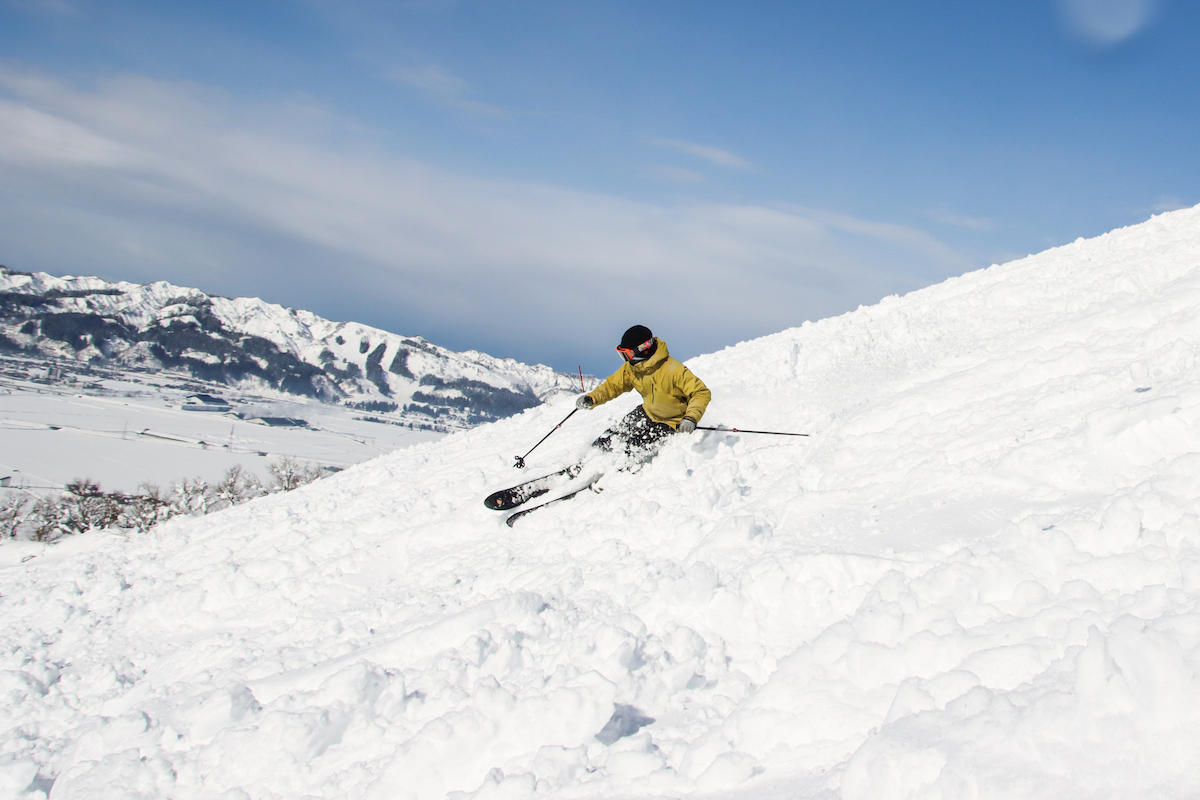
I slowly entered the slope. First, I tried making small turns to match the undulations. The sharpened nose unexpectedly lightened the swing weight, allowing for quick turns. The shape was originally designed to allow the skis to dive through powder, but they also seemed to be more maneuverable than other fat skis I'd ridden. The minimal reinforcement materials likely contributed to the light weight. This seems likely to be quite effective on tree runs and the like
From the middle of the slope onwards, I decided to go for a faster speed. Still, I didn't feel any anxiety about the board flapping around, and I was able to ski down as usual. I also tried skiing in the remaining powder that was left here and there, and it felt just as I'd imagined. I was able to slide the tail down, and then slide the nose down and then up
Perhaps due to the nose shape, the swing weight was relatively light despite the fat skis, which was an unexpected feeling. As mentioned above, I think these skis are most fun in situations where you need to turn tightly, such as tree runs
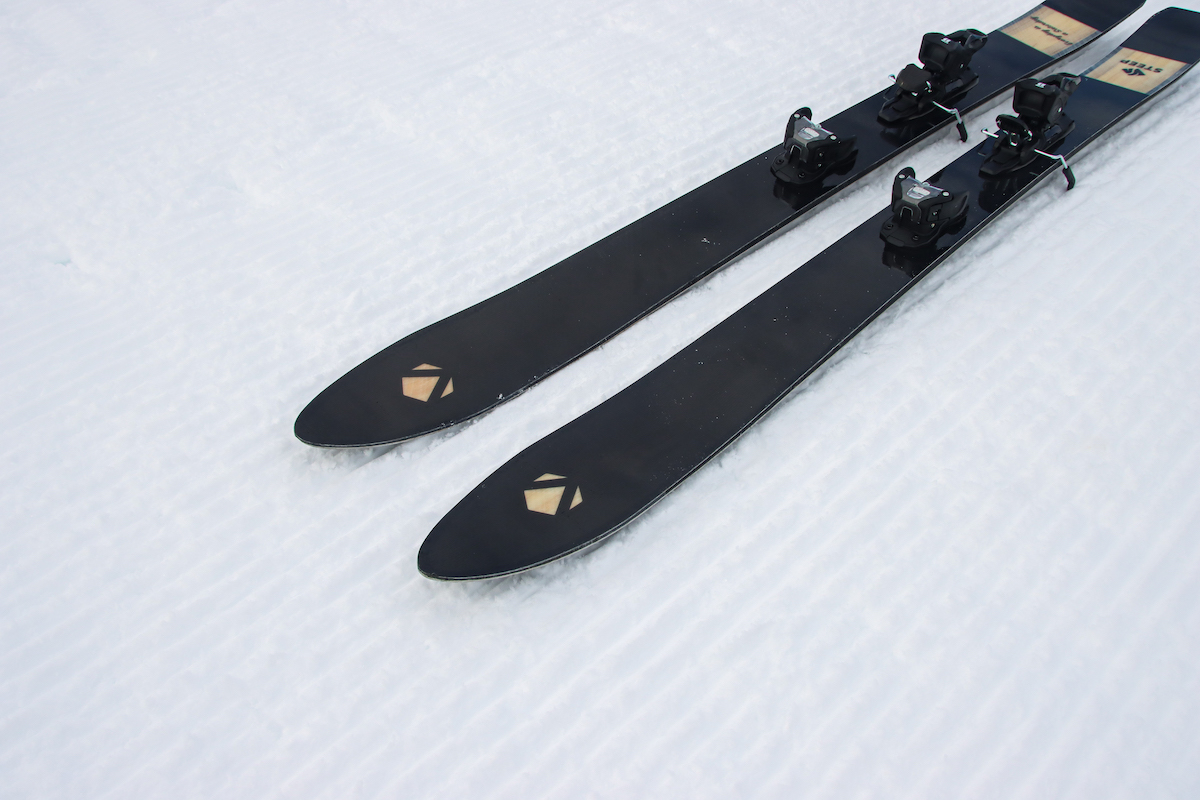
The original idea was to make it suitable for powder skiing, so overall it's exactly what I was aiming for. If I had to point out an area for improvement, I'd say the nose rocker could have been a little steeper. The rocker is long, but it's not very steep, so it can feel a little unsettling when there are chunks of snow. However, this feeling of unsettling is only temporary, and once you get used to riding it, it may not be a problem
Also, we experimented with a unique tail shape with the idea of lengthening the effective inside edge to make carving on the slopes more enjoyable, but it didn't seem to have much effect. If you want to enjoy carving on the slopes in the first place, it seems like it would be better to add carbon or fiberglass to make the board stiffer and increase the rebound. However, I wanted to experience the inherent softness of the core material as much as possible, so this is fine. I was able to experience for myself what kind of ride it would have. I'm very satisfied
So, my first experience making skis was fun, as they were perfect for the scenes I had imagined, but there were also areas for improvement and an unexpected riding feel. It was a great experience to witness the actual ski making process for the first time and to be able to ski on skis that I designed and selected the reinforcement materials for myself. My knowledge of skiing is very different now than it was a few months ago. It's knowledge and experience that would be hard to come by anywhere other than this service
Check out other users' original skis
A review of just one person isn't enough, so let's also take a look at the skis of another person, Shita, who created his own original skis with VOLTAGEdesign
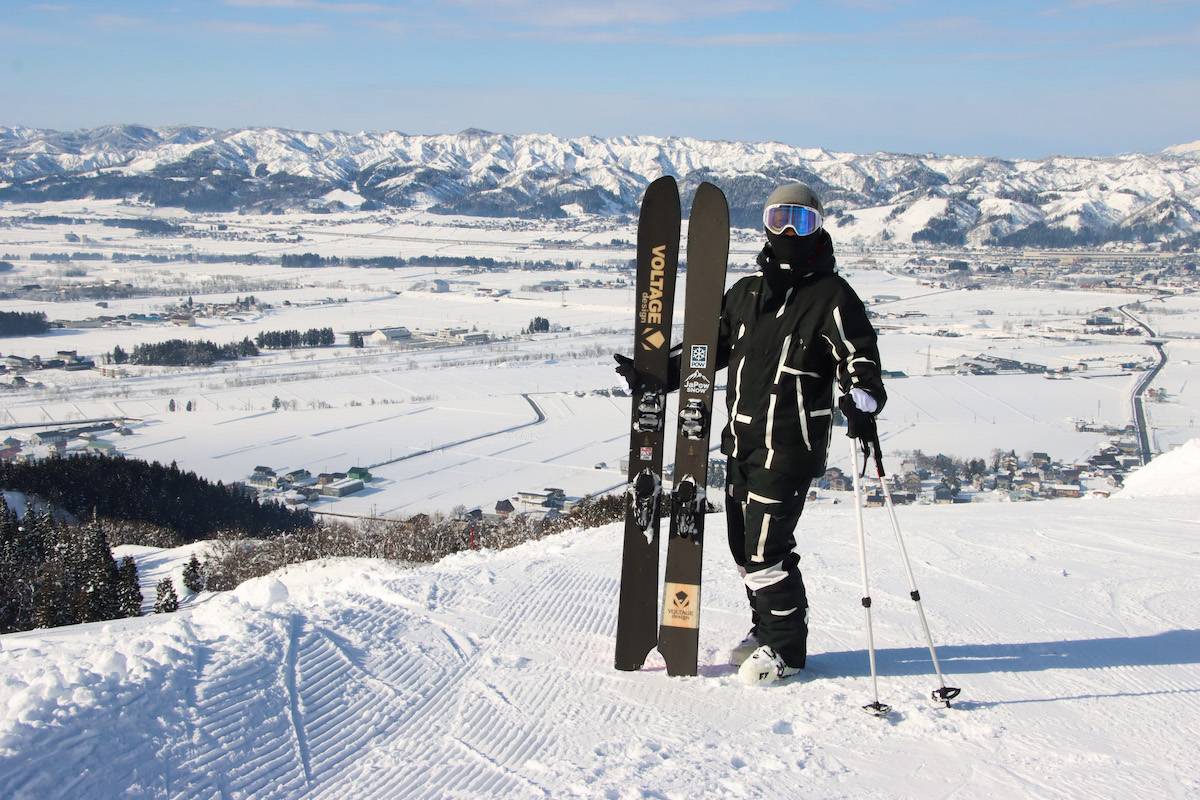
Takaaki Shida
lives in Niigata Prefecture. After creating his own original skis with VOLTAGEdesign two years ago, this year he created two different pairs of skis.
"When creating my original skis this season, the key points I focused on were the shape of the tail and the strength of the camber. It's a fishtail, like the ones I use on LINE's SAKANA and PESCAD, with a large U-shaped tail. Even in deep powder, snow escapes from the tail, making it easy to lift the top, and it has the characteristic of being easy to adjust the turning arc. If you try riding them, you'll see that the ride feels completely different from regular skis. They also have the advantage of being good at handling wet snow on low mountains, and the skins are less likely to come off when hiking up
As for the strength of the camber, now that I'm over 50, I've started to shift from parks and jibs to powder and slopes, and I wanted to ski in a way that was satisfying to me, rather than just getting praised by others, so I wanted to reduce the strain on my legs and movements, and so I made the boards with a stronger camber
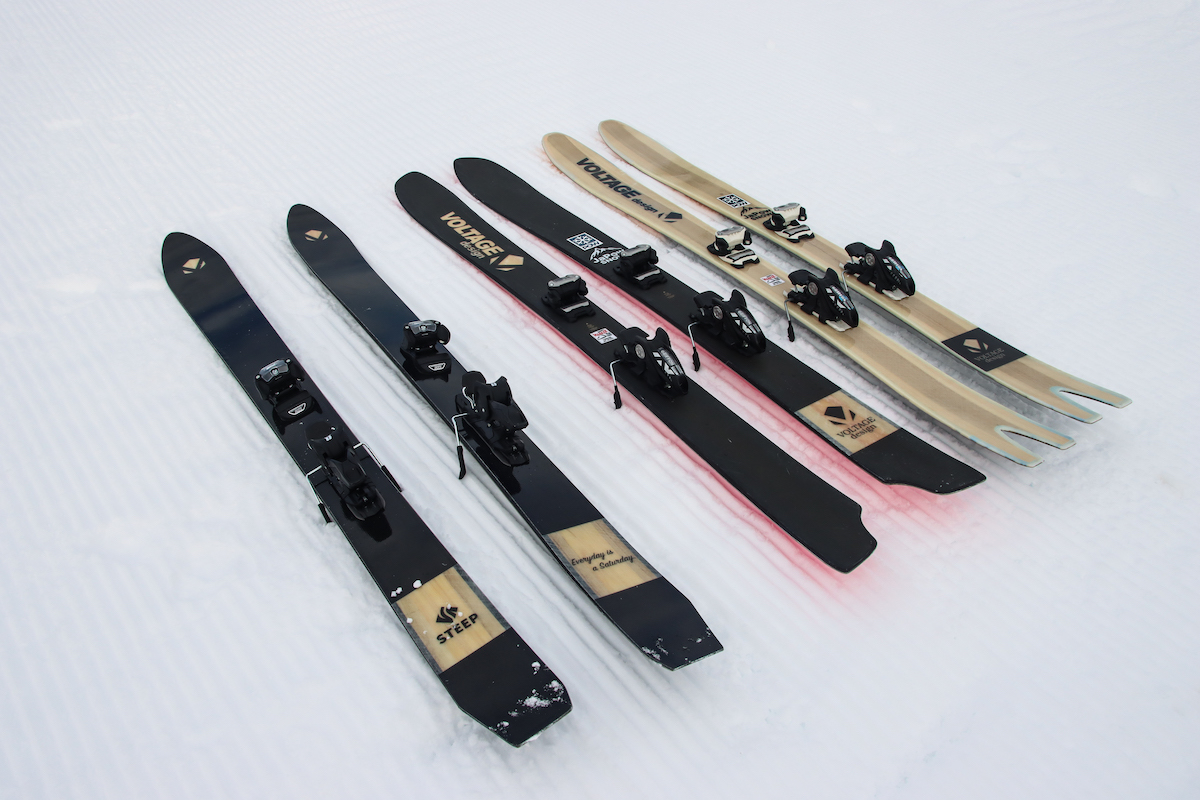
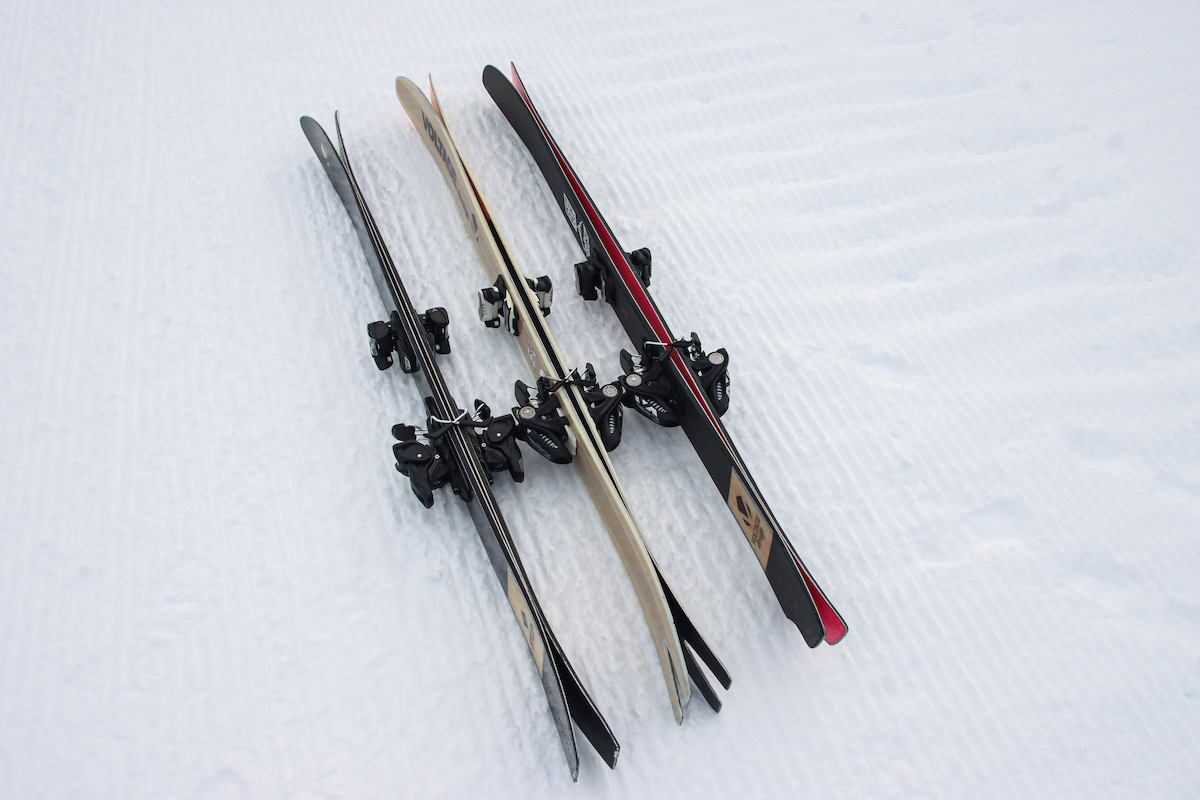
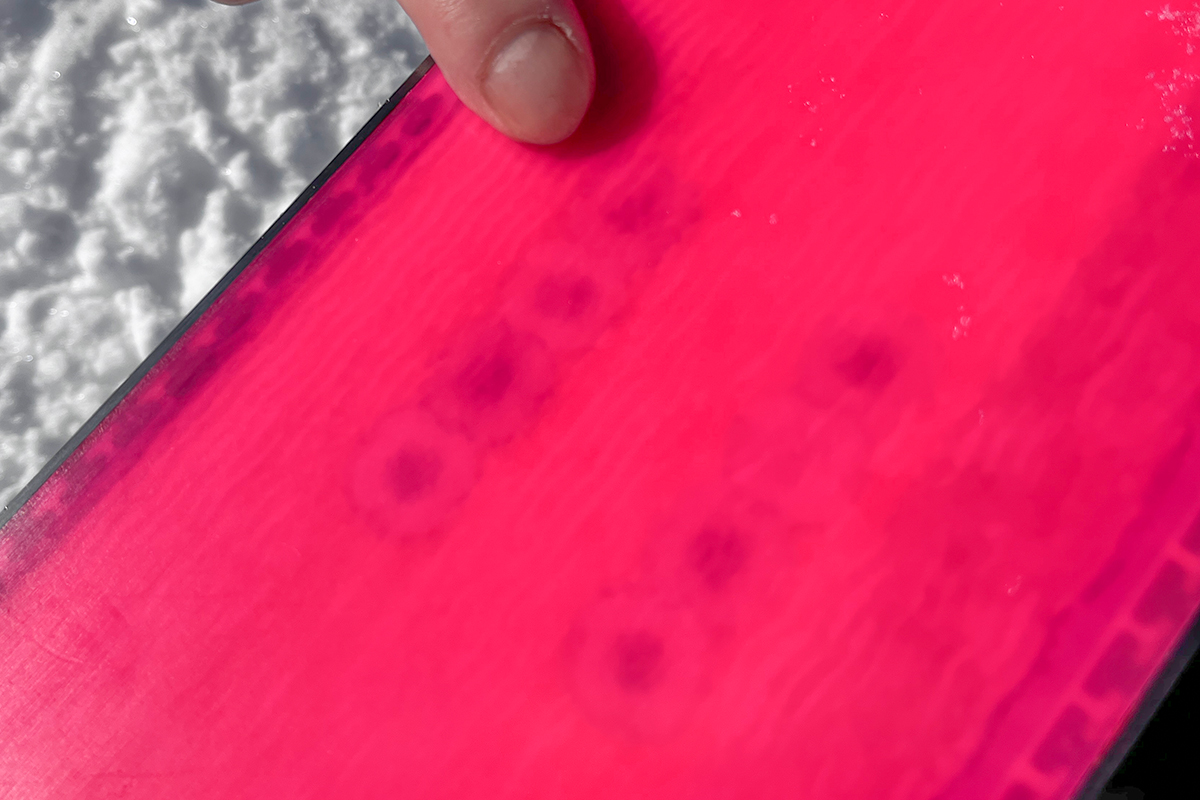
"In terms of ride feel, the Dreadnought has a core and fiberglass to allow it to flex flexibly from the tip to the center. From the foot to the tail, it's made a little stiffer with a carbon sheet, so you can kick up and switch to a fishtail.
The Swordfish has a lot of fiberglass. We made the flex stiffer overall, with the image of it gliding across the snow like a snowboard. With wider boards, there are many situations where cruising down the slopes is difficult, so we added a fairly bold camper. Both boards are designed to be able to ride the whole mountain all day long with just one board. Each has its own unique characteristics that make for an interesting ride."
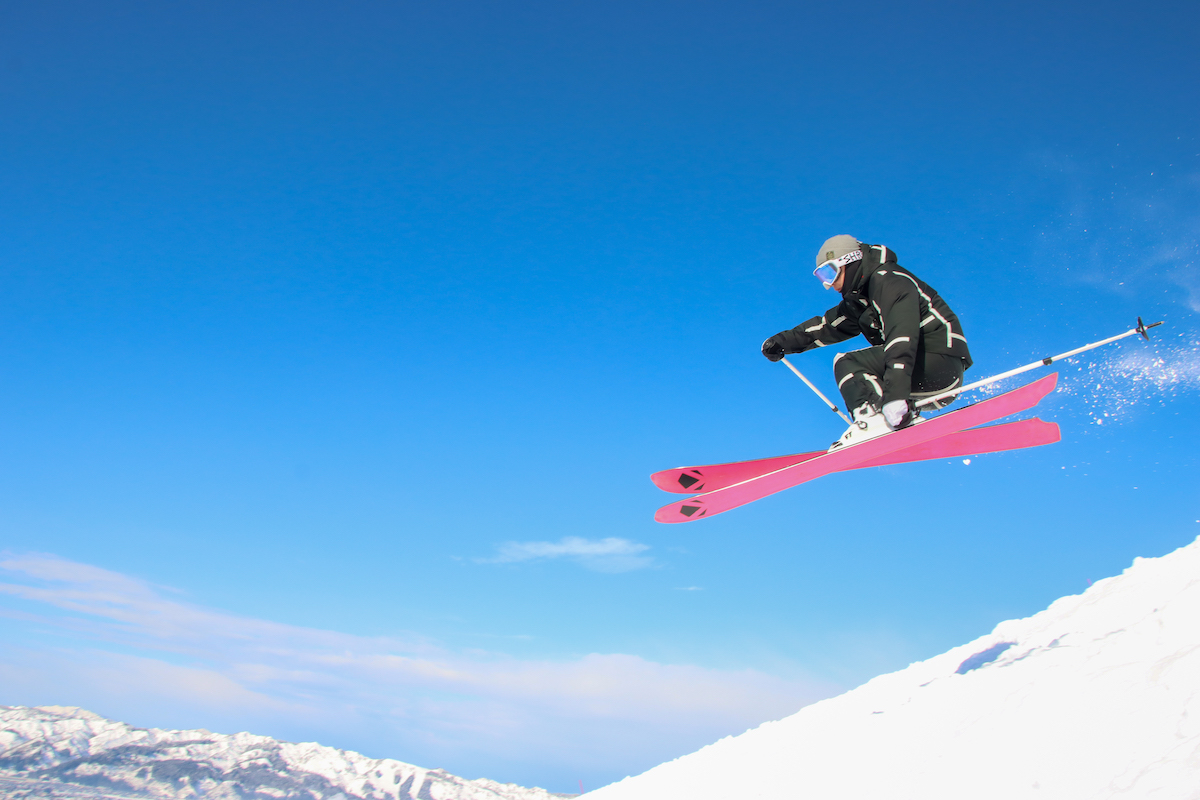
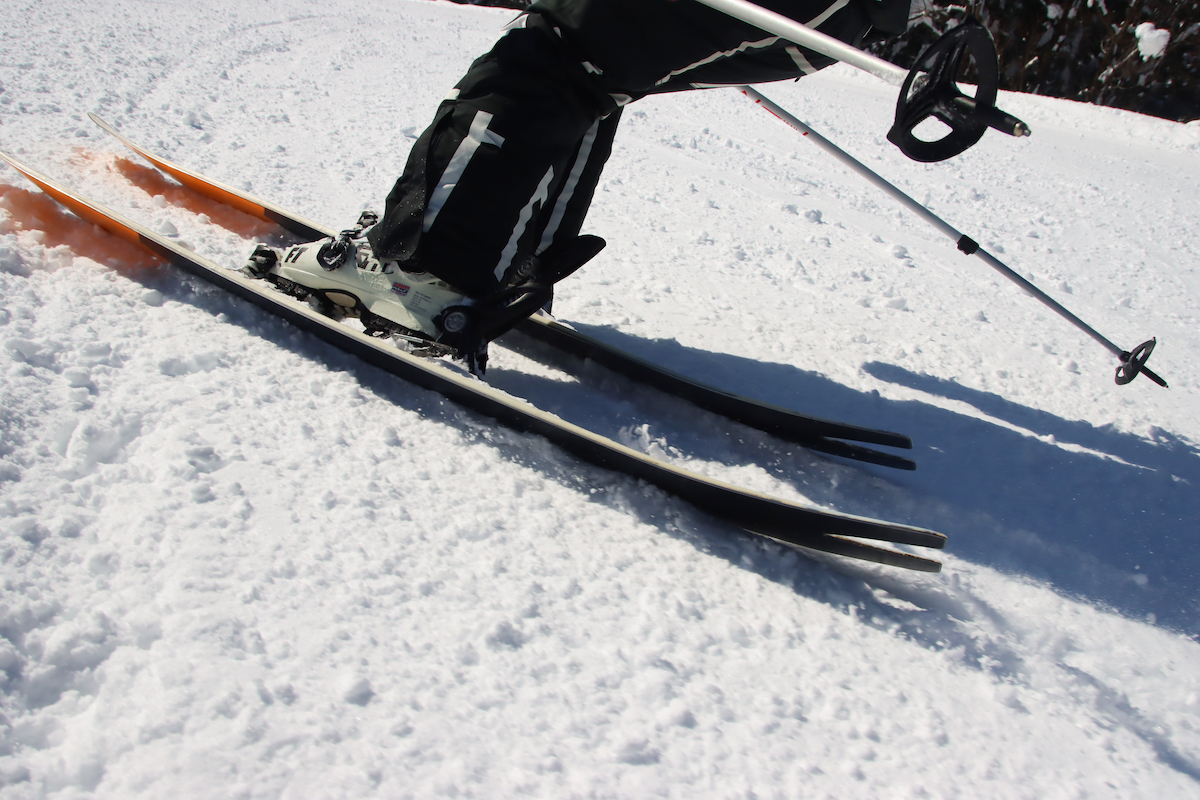
"The Dreadnought was made in July 2022, and the Swordfish in October 2022. Depending on the schedule of the designer at VOLTAGEdesign, it can be made in as little as five days, but in my case, I worked diligently after work and spent about three weeks making them. It's really moving when each component, such as the core, edge, and top sheet, is completed and then pressed to finish. The Dreadnought is my third ski, and I've paid particular attention to torsion and flex. It's almost the perfect ski."
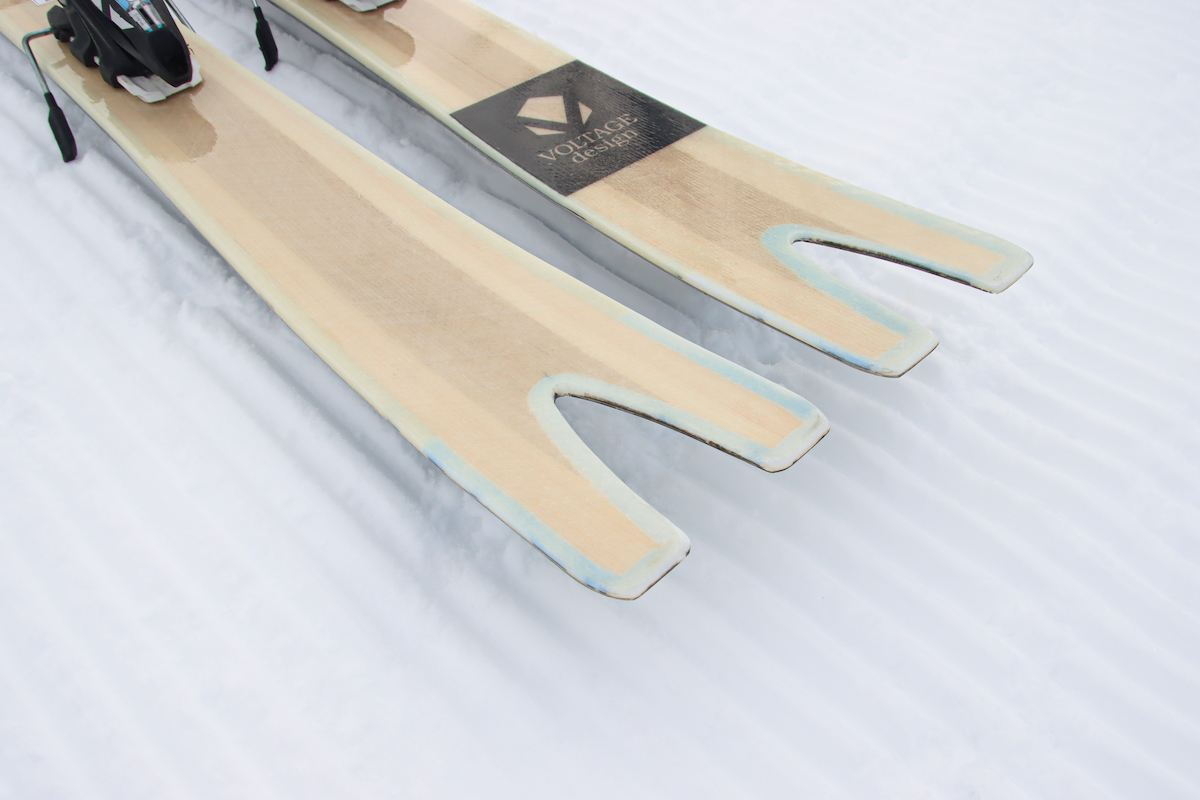
"I think the key to skis on the market is how the rider handles the skis and whether they can bring out their full potential.
However, as I got older, I began to find ready-made skis difficult to handle. That's when I heard from Mr. Nagai of VOLTAGEdesign that he had learned to make his own skis and snowboards, and I thought, why not try making my own skis to suit my height, leg strength, and stamina? That thought was what prompted me to start making them. The size of the skis I make myself can be adjusted in units of a few millimeters, and the flex can be adjusted to suit my physique and muscle strength by changing the way the carbon or fiberglass is inserted and the thickness of the core material.
I think one of the great things about original skis made by Garage Brand is that they can be adapted to a variety of slopes and conditions, and I can imagine how I will ski, as well as imagine a design that no other manufacturer has, and we can discuss it in detail. I also resonated with the project's concept of 'processing materials locally in Minamiuonuma
and skiing locally.' The wood for the core material is cut by a local joiner, and all materials are produced within the prefecture, so I hope that through making skis I can help promote and revitalize my hometown of Minamiuonuma and Niigata, even if just a little.
The key is to use your imagination and be careful with each material and design
In the end, even though the skis were made by someone with no experience in ski making, they were perfect for use. Of course, they were made in consultation with the VOLTAGEdesign creators, so you can rest assured that the skis would be perfect
What I learned from building and skiing is that imagination is essential to approaching the ideal ski. There are many things to consider, such as core thickness, shape, and flex, many of which are beyond the imagination of a beginner ski builder. Once you actually start building, you'll find yourself thinking, "Oh, the camber should be stronger," or "If I add this reinforcement here, it will be even better." The second time is better than the first, and the third time is better than the second, and so on. The precision will gradually improve as you build. This is the difficult part, but the trial and error process is fascinating. Building multiple skis deepens your knowledge of skiing. Armed with this knowledge, you can imagine, "This ski is designed to glide comfortably on this slope in this condition, so I'll add this underfoot, or this reinforcement all over," and you'll be able to create your ideal ski.
The first skis I built are great for powder runs, especially tree runs, and I plan to continue using them every time that comes. Building your own skis not only deepens your knowledge of skiing, but also allows you to create skis that suit your physique and preferences. I made it myself, so it's made with all the love I have for it. I would recommend it to anyone who loves skiing and snowboarding.
Information will be posted on Instagram from time to time, so please check it out:
https://www.instagram.com/voltagedesign_snow/
Written and photographed by Daigo Onozuka