

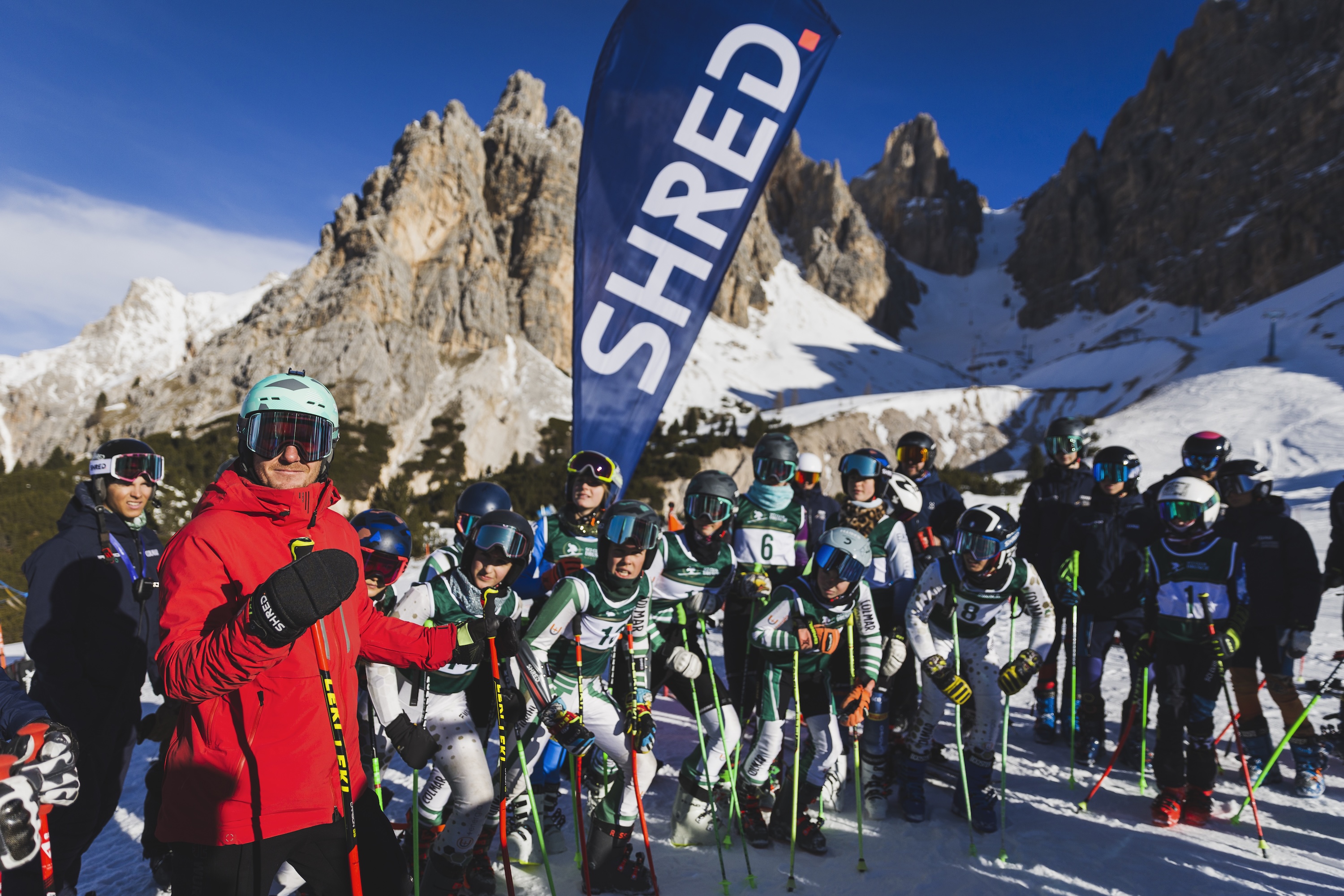
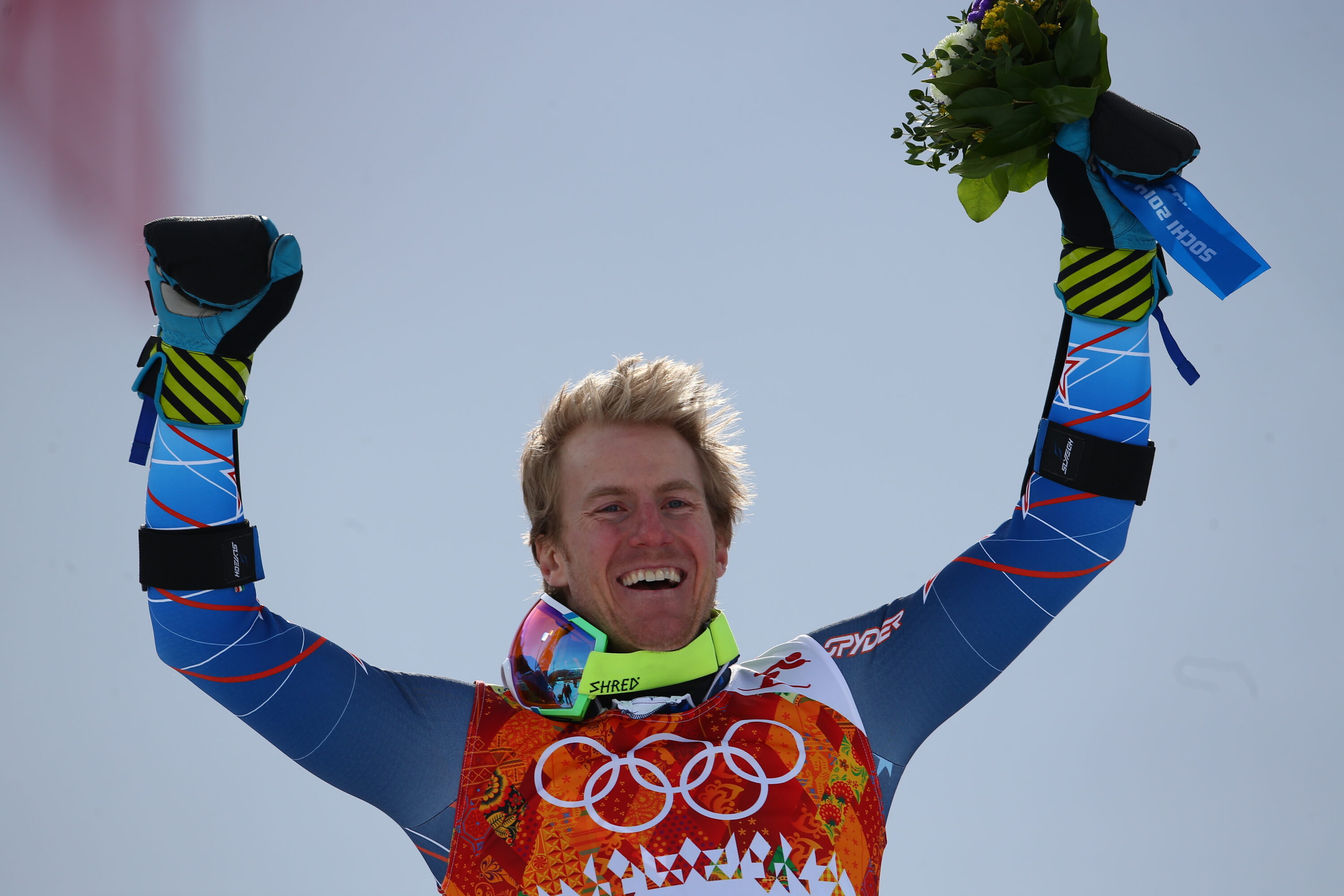
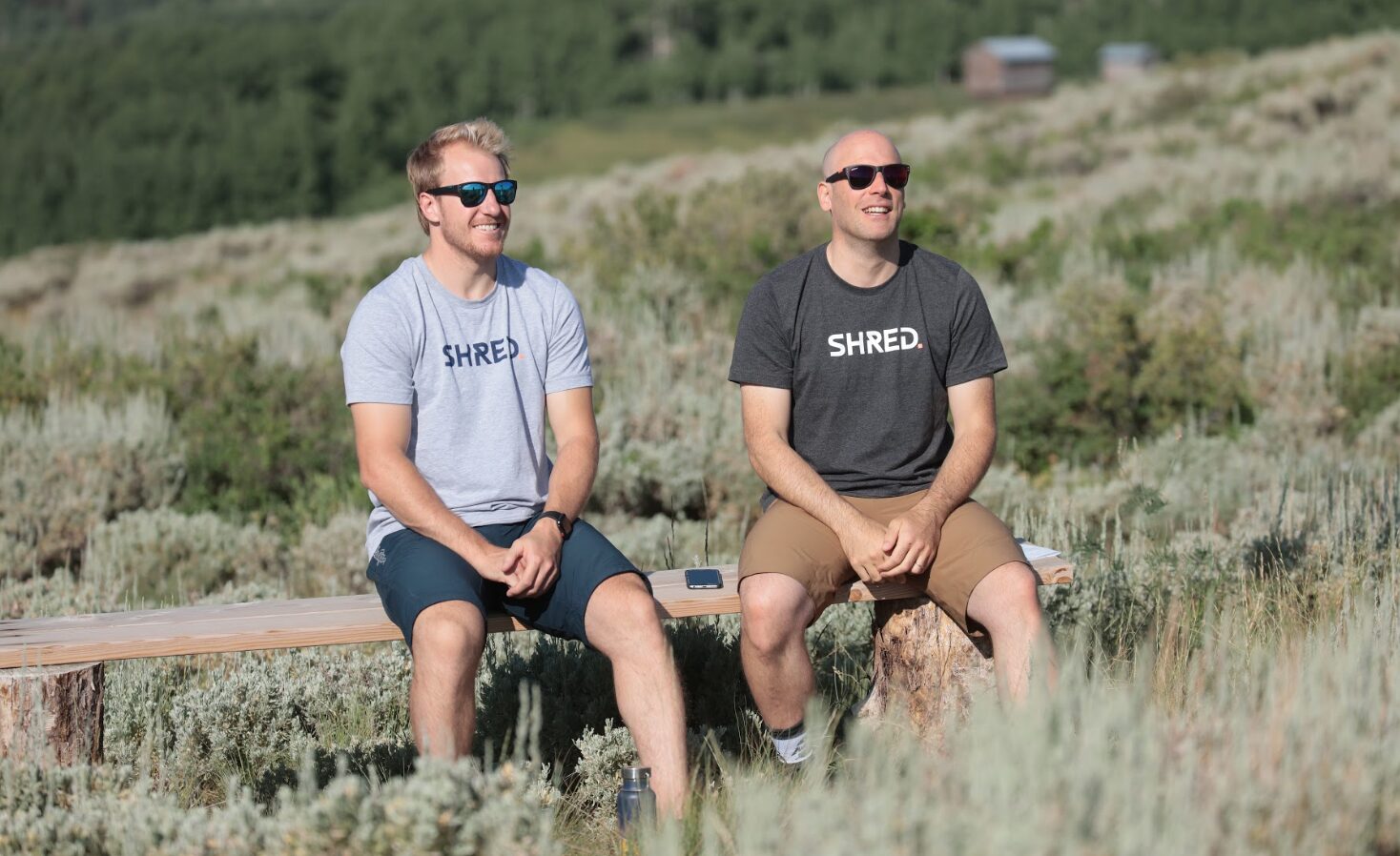
SHRED. is a brand founded by Ted Ligety, a gold medalist at both the Turin and Sochi Olympics, and materials engineer Carlo Salmini.
Starting with homemade protectors, the brand's journey spans 20 years, from the creation of neon-colored goggles to the development of cutting-edge lenses at MIT, and explores their vision for the future. How did this brand, imbued with the spirit of "never giving up" that they pour into their products, come into being? We spoke with Carlo Salmini, who was visiting Japan in June.
Photo by Sam Decout
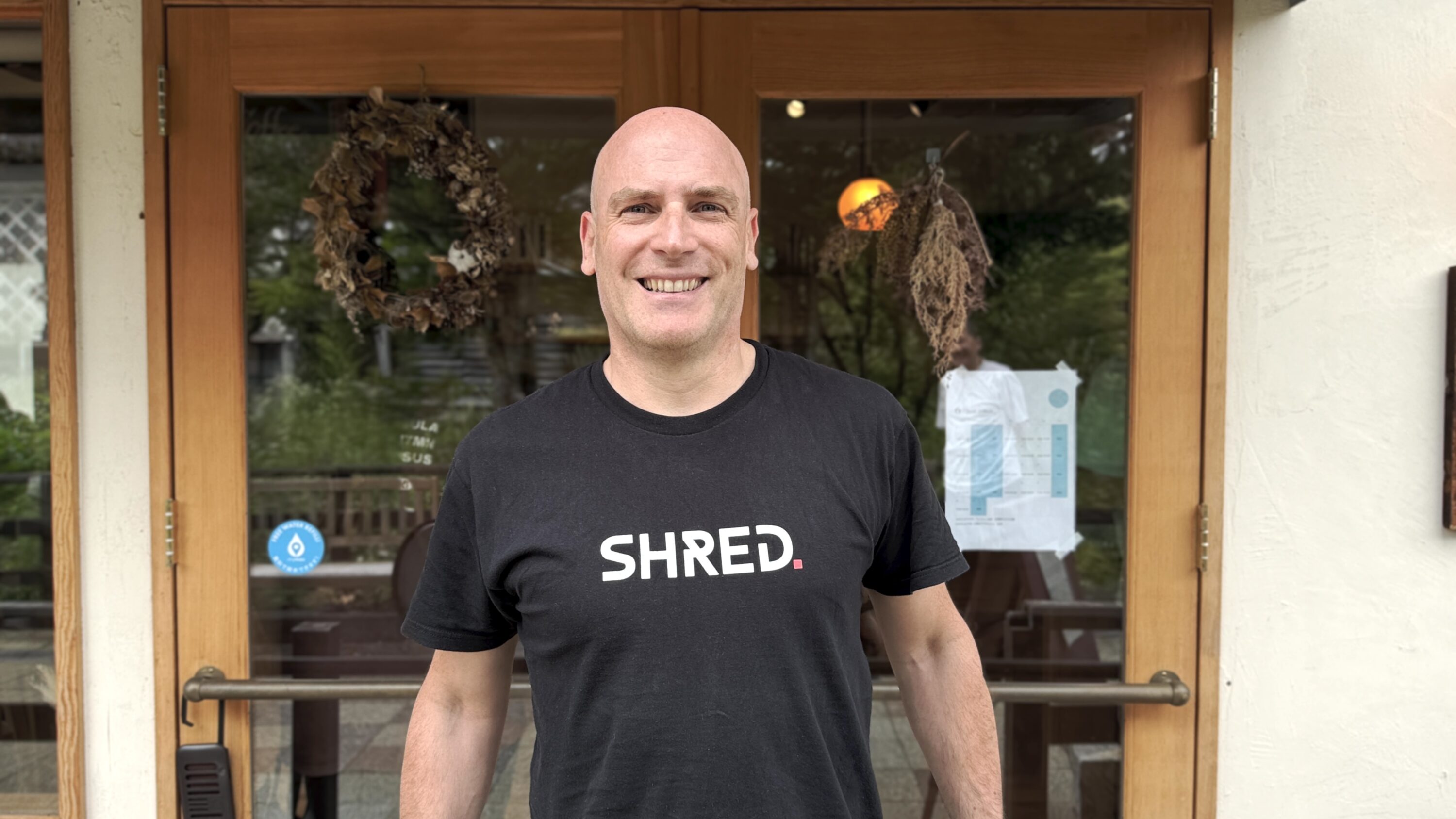
The Birth and Early Story of SHRED
It all began in 2005, when Carlo Salmini, a materials engineer and slalom racer, competed in an FIS race. At the time, Carlo was wearing carbon fiber shin guards that he had made himself for himself and his friends
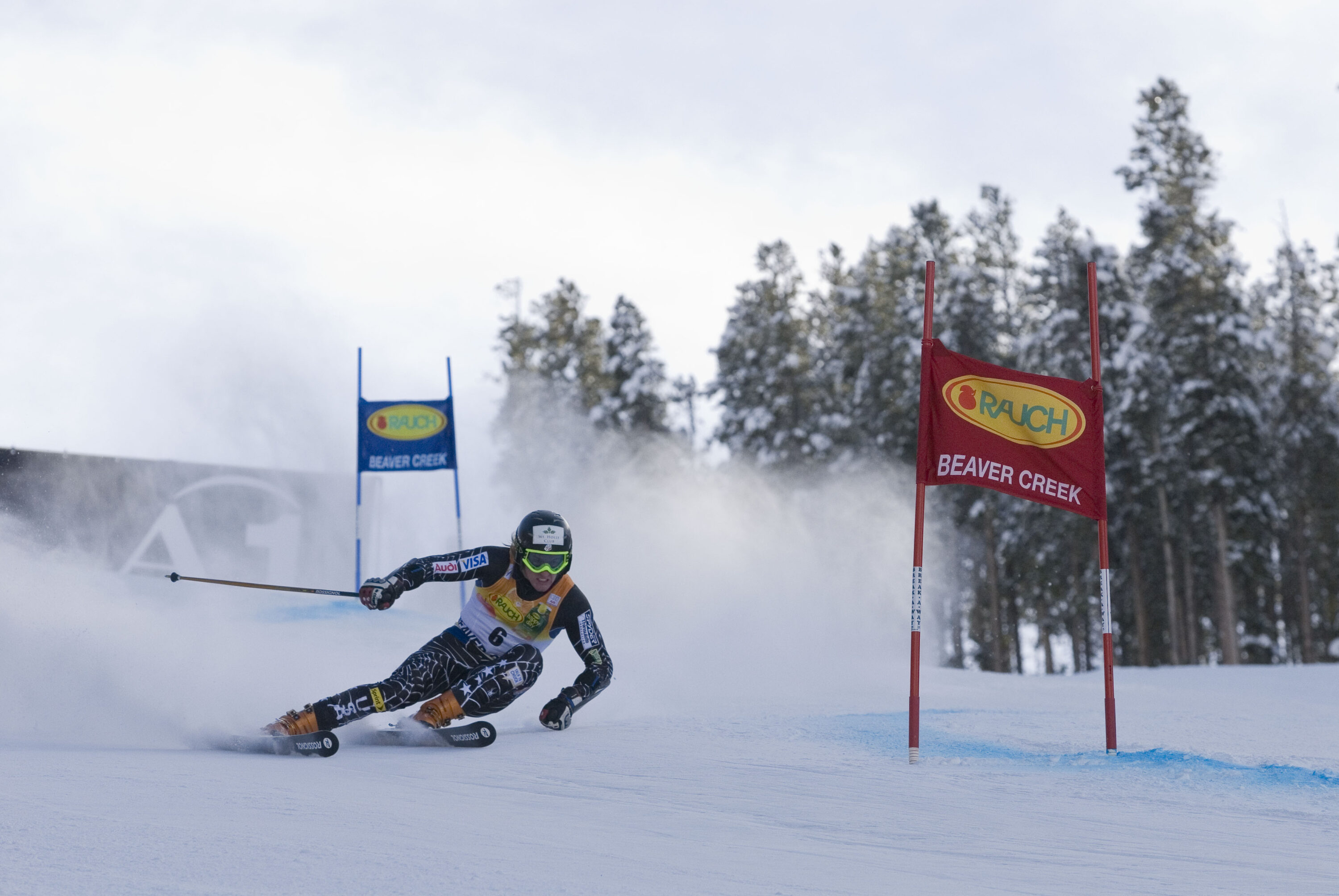
Then, top racer Ted Ligety and his teammates who happened to be there said,
"What's that? Can I try it?"
They gathered around, looking very interested
This prompted Carlo to start providing them with protective gear, and eventually he began manufacturing arm protectors (arm guards), which were virtually nonexistent in the world at the time. While
arm guards are now a staple for all ski racers, back then only a few skiers wrapped hard plastic pieces around their arms with tape.
Ted had a unique skiing style that involved carving into the snow surface at an unprecedented inward lean angle, so people became very interested not only in his skiing but also in the unfamiliar equipment he used.
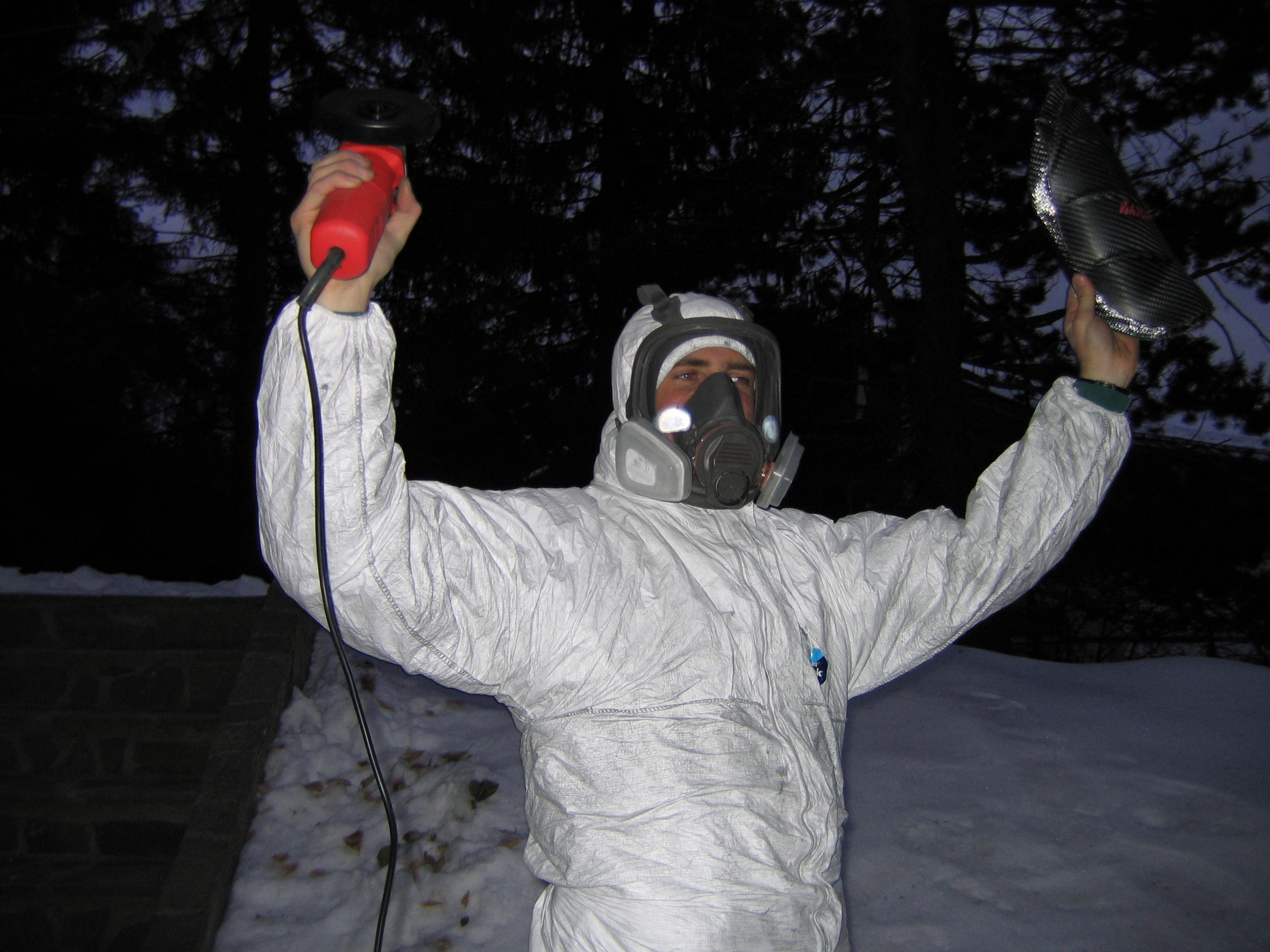
Wearing shin guards made by Carlo in his home garage, Ted won the gold medal in the combined event at the 2006 Turin Olympics. Furthermore, wearing arm guards also made in the garage, he achieved his first-ever giant slalom victory at the World Cup in South Korea.
Alongside this success, Carlo also developed "Slytech," an innovative back protector made from a soft material rather than the conventional hard plastic that resembles a turtle's shell.
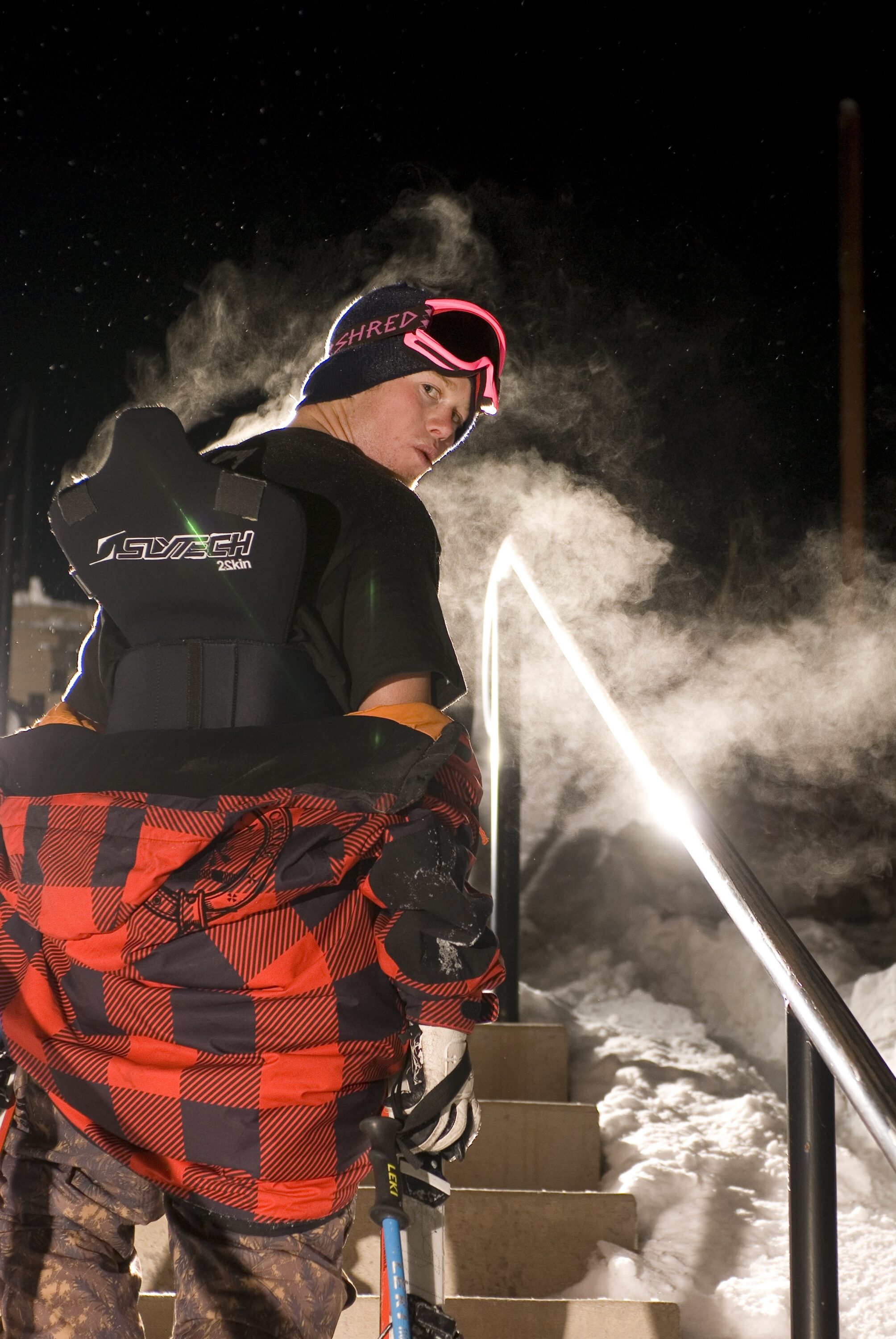
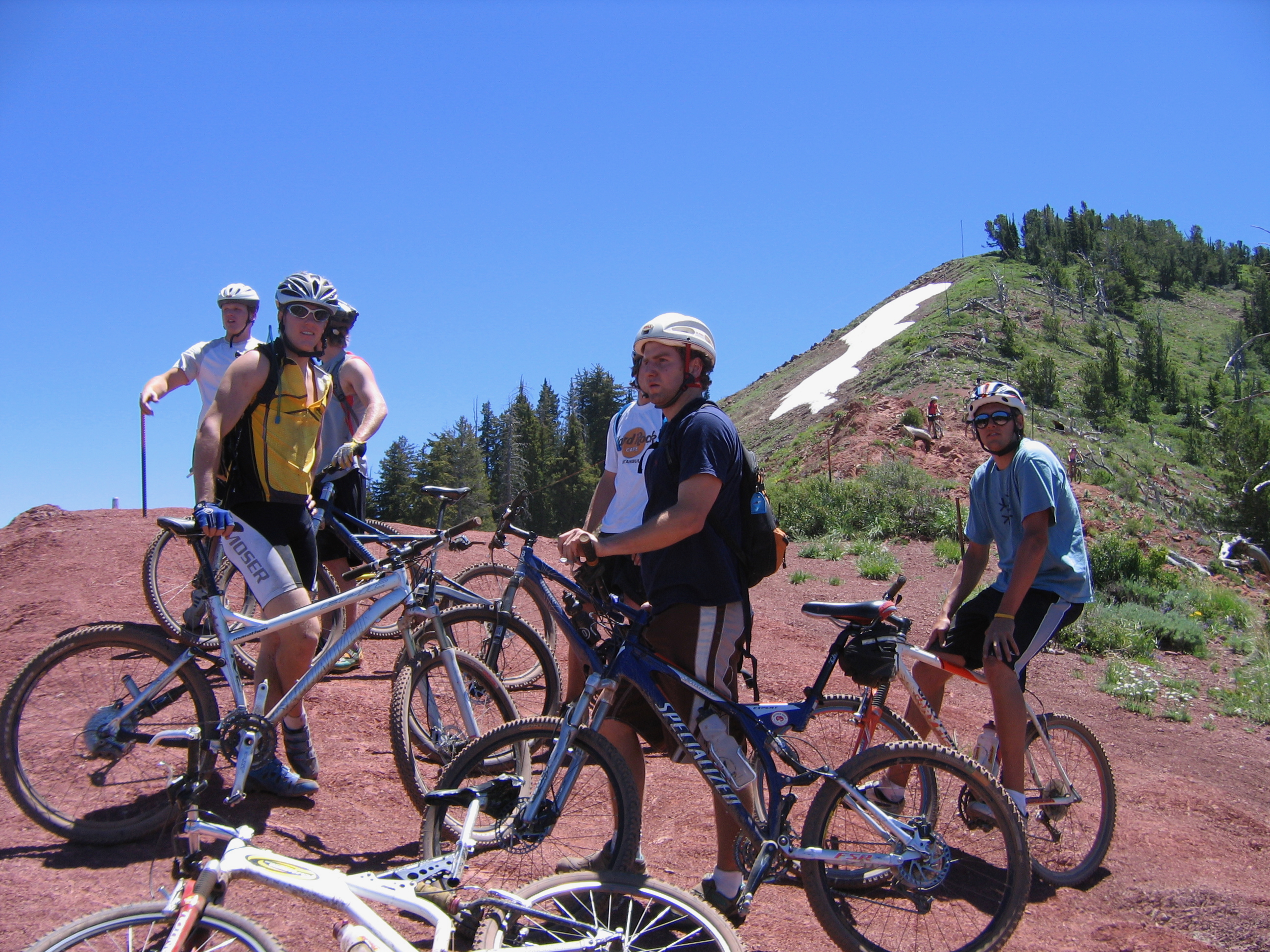
The decisive turning point in the founding of "SHRED." came on June 26, 2006. After enjoying a day of mountain biking at Crest Ride in Park City, Utah, Ted suddenly brought up the topic
"Carlo, why don't you start a goggle brand?"
At the time, goggles were in a state of extreme polarization. Snowboard brands like Dragon, Electric, and Anon were stylish and cool, but lacked performance.
On the other hand, Ted was dissatisfied with the fact that the high-performance brands made him look like a German tourist.
The vision of "SHRED." to eliminate boundaries
Upon hearing Ted's proposal, Carlo immediately took action. He found and arranged for a manufacturer and completed the first mold at high speed, but a series of unexpected problems caused the project to be significantly delayed. The first sample was completed just two days after the scheduled date of the GS event in Solden, the opening round of the World Cup. Fortunately, the Solden competition was canceled due to insufficient snow
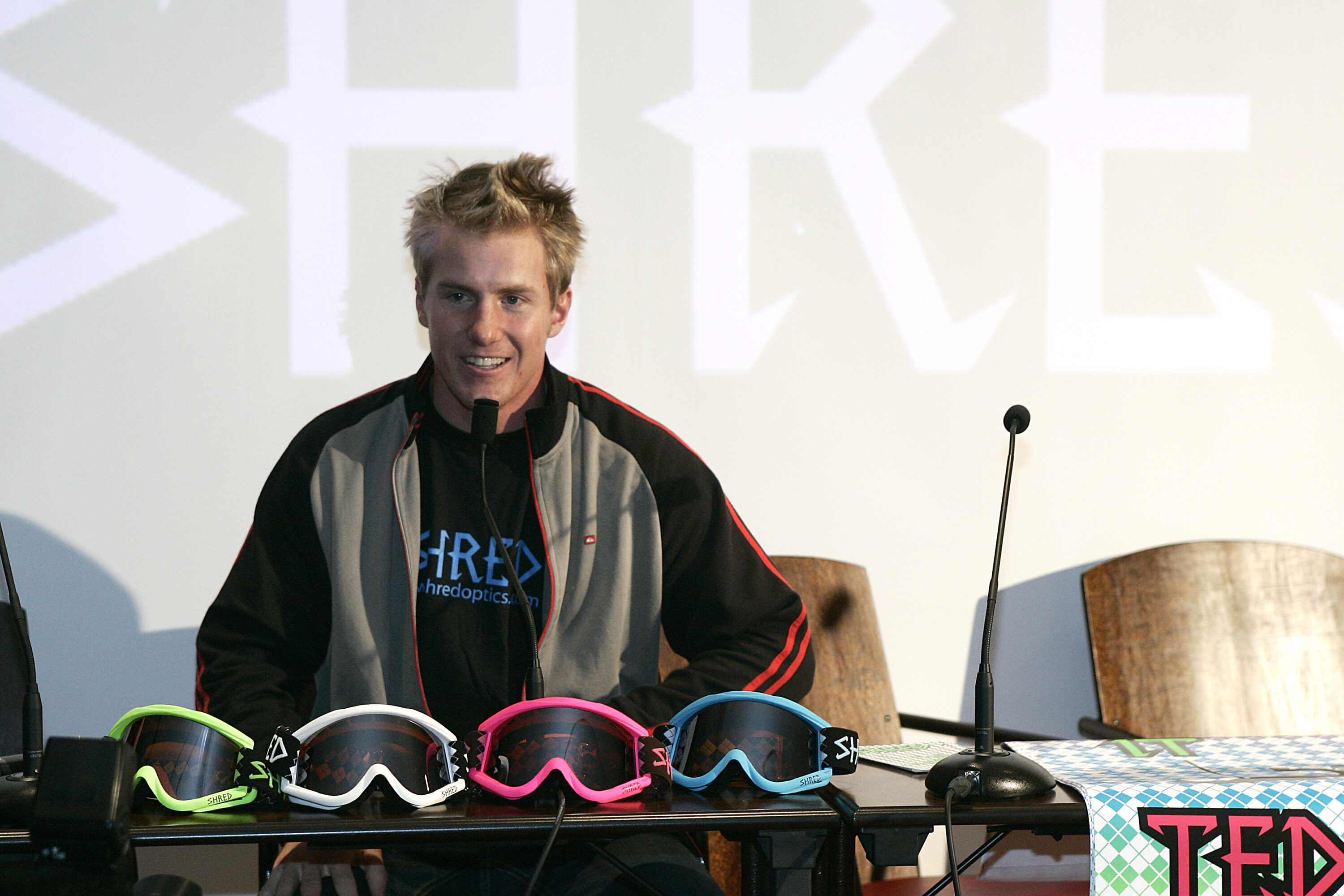
This situation could have severely disrupted the brand's launch, but this unexpected delay proved to be a tailwind for SHRED. With preparations complete, the brand officially launched at a press conference for the 2006 World Cup held in Levi, Finland
However, the first athlete to wear SHRED. goggles in a major global event was not skier Ted, but a snowboarder.
A week before the race in Finland, sponsored rider Rudy Kroll used SHRED. goggles in the halfpipe at the Austrian Open.
This was the very essence of the brand they aimed to create. At the time, there was a huge, seemingly insurmountable wall between skiing and snowboarding in the world of snow sports.
However, they held a strong, boundaryless vision: that snow sports could become one, sharing the same mountains and the same canvas.
"Whether we were sliding vertically on two boards or horizontally on one, it was all the same to us. There was no distinction between skiing and snowboarding,"
Carlo recalls.
The brand name "SHRED." is derived from Ted's nickname, "Ted Shred."
This positive slang term, which means playing intensely and in the coolest way possible, resonates intuitively with action sports enthusiasts around the world, including surfers, skateboarders, and mountain bikers, and carries the deeper intention that "it should be something for everyone."
Because of the immense presence of gold medalist Ted Ligety, they feared being labeled as a "ski racing-only brand," so from the beginning, they actively sought out and supported freeskiers and snowboarders. Creating the best possible products and sharing them with everyone—that was their greatest weapon in breaking down industry barriers
Neon color innovation and design
"At that time (2006), the dominant goggle designs in the ski scene were generally conservative and boring."
As Ted said, the store was overflowing with classic, conservative designs, such as those with silver and orange stripes
Carlo began developing the goggles, but as a materials engineer, he was a complete novice with no experience in color design.
One day, Carlo visited the factory and spent hours endlessly arguing with paint color samples and Pantone color guides, saying things like, "We need a bright green," and "We need a bright pink."
And at the very moment he was about to write down the color code, a twist of fate occurred
The color guide slipped from his hand and happened to stop on the page with the neon colors. The neon colors are discreetly placed towards the very end of the Pantone color guide, so Carlo hadn't noticed them at all
Upon seeing the striking colors that immediately caught his eye, he made a decision on the spot
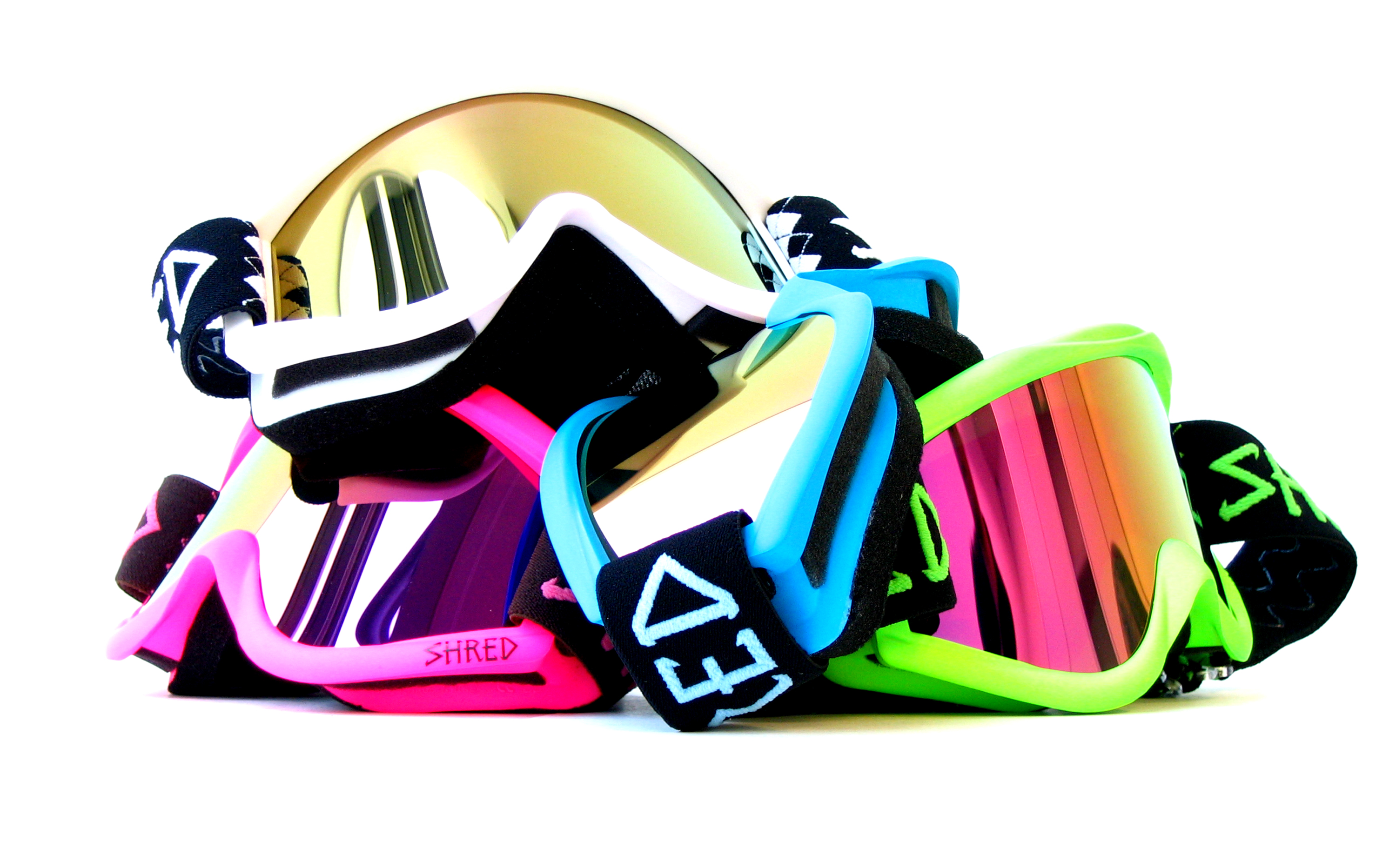
"Let's change everything. This, this color, I want this!!"
His choices were limited to eye-catching colors like neon pink, neon green, and neon blue combined with pure white. This adoption of neon colors, which completely overturned the conventional image of goggles, became the signature color of "SHRED." in the snow scene
As a small startup with no investors or business experts, their first model, "Nastify," was launched with a limited lineup consisting of only one frame design and four color variations
Research at MIT and development of contrast-boosting lenses (CBLs)
Professional skier Ted was uncompromising with engineer Carlo. At every turn, he would ask, "Is this even possible?", making unreasonable demands that pushed the limits of the technology available at the time
In particular, one of the challenges that the brand has consistently pursued since its inception was overcoming the difficulty in seeing the contours of the snow surface on cloudy days. This is what is known as a "flat light" countermeasure
Ted asserted, "If I can get a clear view with flat lights, I can ski two seconds faster than I do now."
In fact, during a race on a day with a severe storm, they were able to win by a large margin by taking advantage of the overwhelming difference in visibility provided by the lenses being tested
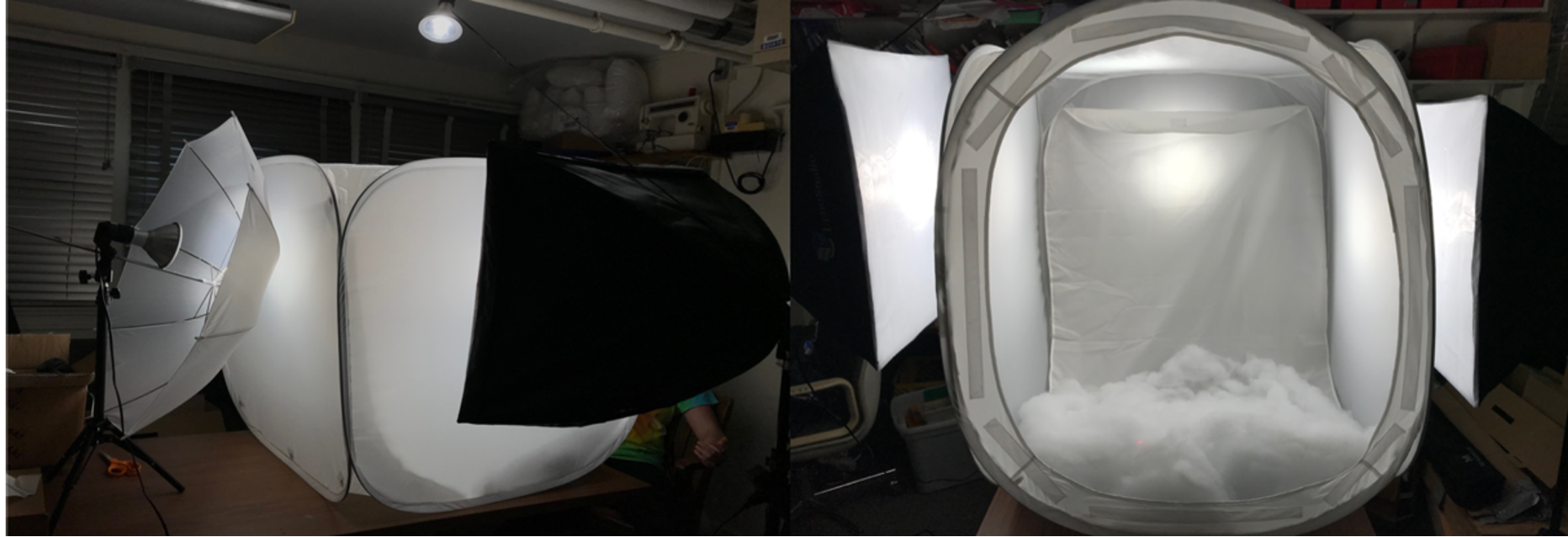
To solve this difficult problem from the root, Carlo took a surprising course of action. While running his own company, he applied to an American business school and began attending MIT (Massachusetts Institute of Technology) in Boston for two years. There, he not only studied business but also had the opportunity to receive direct instruction from world-class optical physicists
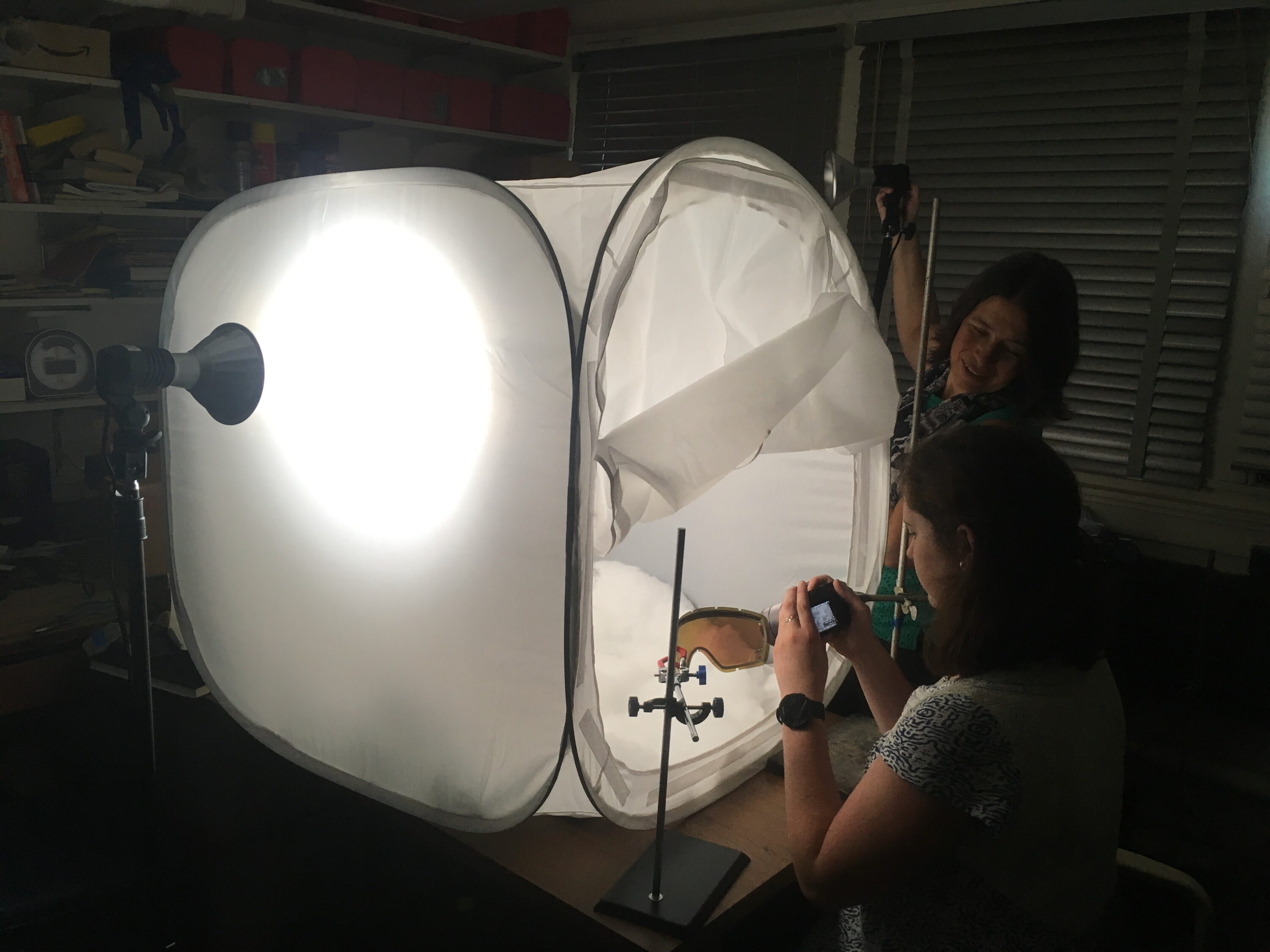
Carlo collaborated with a MIT lab to build a massive photo booth-style simulator to artificially recreate flat lighting. To replicate the strong diffuse reflection from the snow surface, powerful light was shone from the bottom as well, drawing a smile-like mark on the simulated snow. More than 50 students then observed and evaluated the smile through various lenses, and the image data captured by cameras was fed into artificial intelligence (AI) for thorough analysis
After countless iterative experiments, the optimal formulation was finally discovered, resulting in SHRED.'s unique lens technology, "Contrast Boost Lens 2.0 (CBL 2.0)."
In the past, on days with bad weather and poor visibility..
Ted's wife, who had given up on skiing, saying, "The visibility is bad today, so I don't want to ski, I'll stay at the lodge," has now started to enjoy skiing to the fullest, even in bad conditions, ever since getting these CBL lenses
The lens development initially began as a way to fulfill Ted's request, but ultimately it evolved into a feature that would make everyone spending time in the snowy mountains more comfortable.
No matter the conditions, it makes you want to go outside and makes skiing more enjoyable. "SHRED." became the catalyst for rethinking what the greatest mission of lens development, and by extension goggle making, truly is.
The "SHRED. Town" concept: Giving back to the local community
Currently, skiing and snowboarding are becoming expensive pastimes. Especially in the United States, they are becoming high-end entertainment that is difficult for the average person to enjoy casually (the situation is somewhat different in Europe and Japan, where discount passes for local residents exist)
SHRED. felt a strong sense of crisis regarding the current situation where, due to advancements in technology and the widespread use of smartphones, children are playing outside less, and the number of people participating in snow sports itself is declining
Their solution to this challenge was not to spend a huge budget on large-scale advertising, but to be deeply rooted in the local community and thoroughly support grassroots initiatives
A symbolic example of this is their unique community support concept called "SHRED.Town."
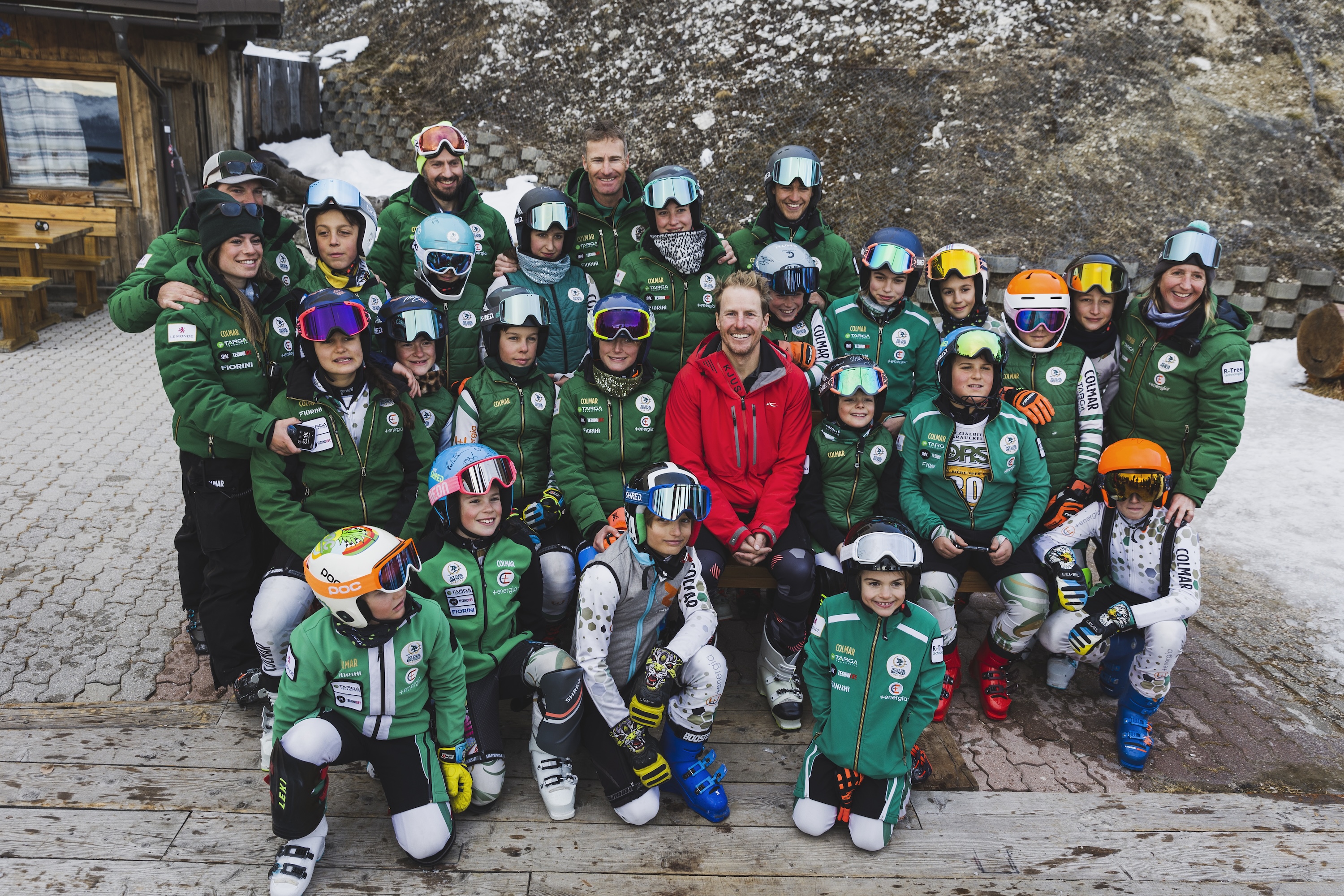
In Cortina d'Ampezzo, Italy, where Carlo is based for skiing, and in Park City, Utah, Ted's hometown, they have partnered with local ski clubs. They provide goggles, helmets, back protectors, and other equipment to children and coaches of a wide age range, from U8 (under 8) to U18, and offer special discounts to clubs as a whole
What's groundbreaking is the system called "kickback." This system directly returns a certain percentage of the sales generated through the club back to the club's operating funds.
In addition, all ski school instructors and ski patrol members are given helmets and goggles under special conditions, and the club is working on a grand project to turn the entire mountain into a "shred town" by involving professionals who work in the mountains.
Carlo says:
"The main source of profit and business is not the people who live at the foot of the mountain."
It embodies a firm resolve to obtain fair profits from those with financial resources and to reinvest those profits into protecting local children and communities who will shape the future
Creating highly durable back protectors that can be used for 10 years, and designing them to be passed down among siblings and friends for a long time, is one approach to reduce the financial burden on families and encourage them to continue skiing and snowboarding
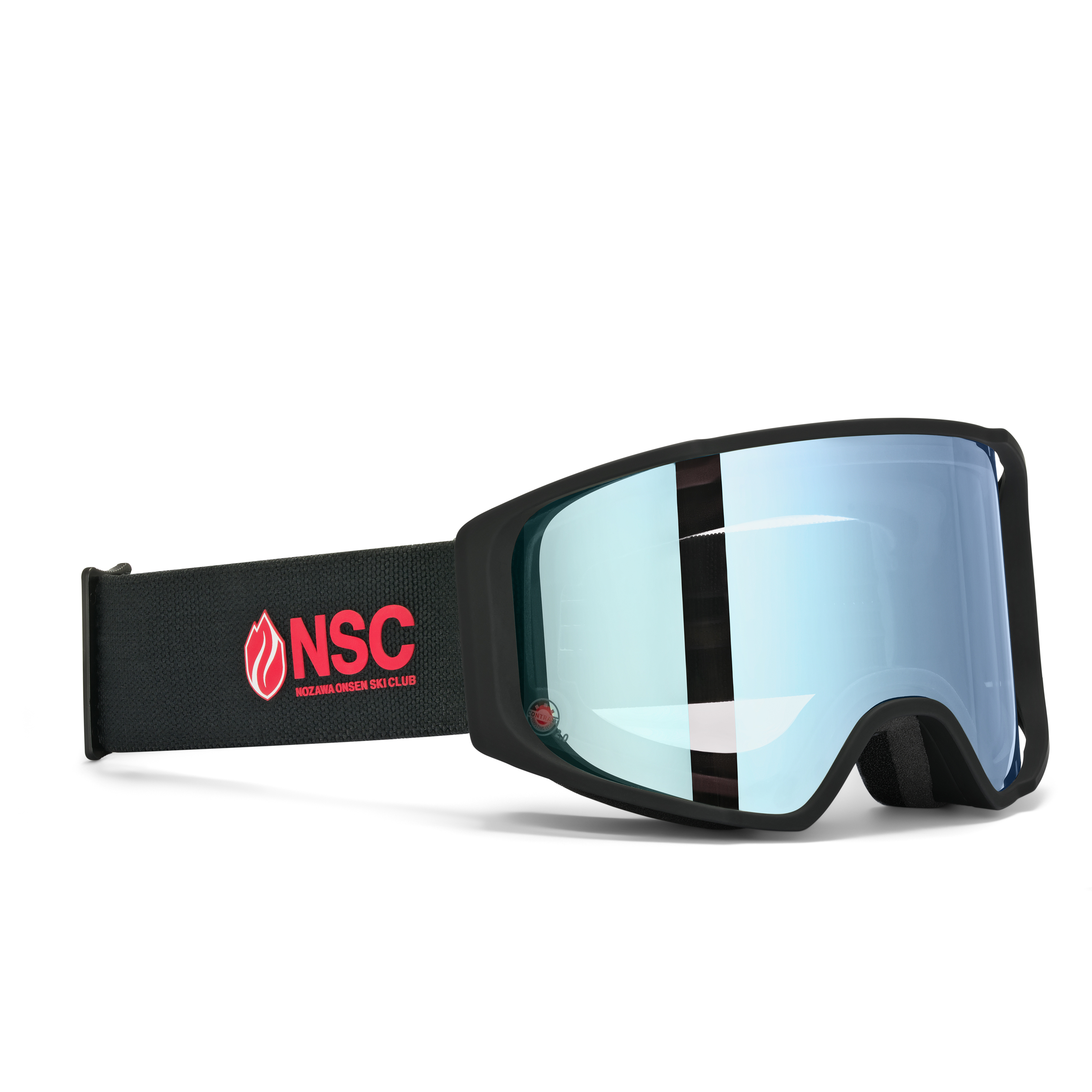
In Japan, the "Shred Town" movement is steadily spreading. For example, community-based support activities are slowly beginning, such as a limited edition of 50 goggles produced in collaboration with the Nozawa Onsen Ski Club (NSC), and promotional activities at shops and gondola stations in the Yuzawa area
An unyielding spirit and a message for the future
Ted and Carlo consider the fact that a constant stream of young people drop out of the ski and snowboarding scene during the formative years of 15 to 20 years old to be a particularly serious problem
If they stop skiing at this age, when they become parents in the future, they won't have the habit of taking their own children to the snowy mountains, and the culture itself will decline
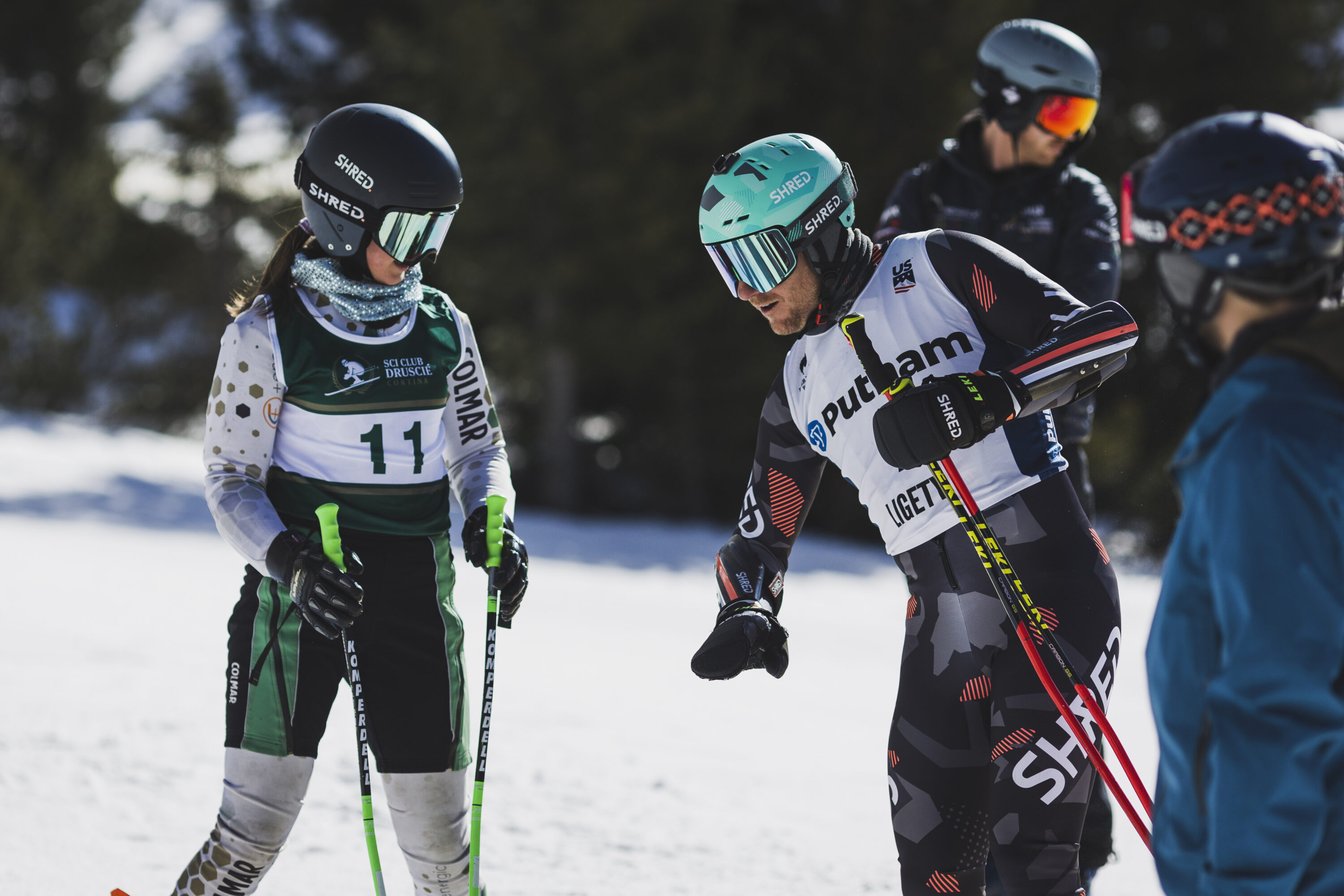
To address these challenges, they partnered with the Italian ski clubs Dulcie Cortina and the Park City Ski & Snowboard Club in the United States to launch the "SHRED. Passion Award" to support young athletes
This award is not given to elite athletes who win races or achieve outstanding results. It is a special award that provides a free, full sponsorship package from Shred to those who demonstrate passion and dedication and never give up
Why does "SHRED." place such high value on never giving up? The reason lies in the past of none other than Olympic gold medalist Ted Ligety himself
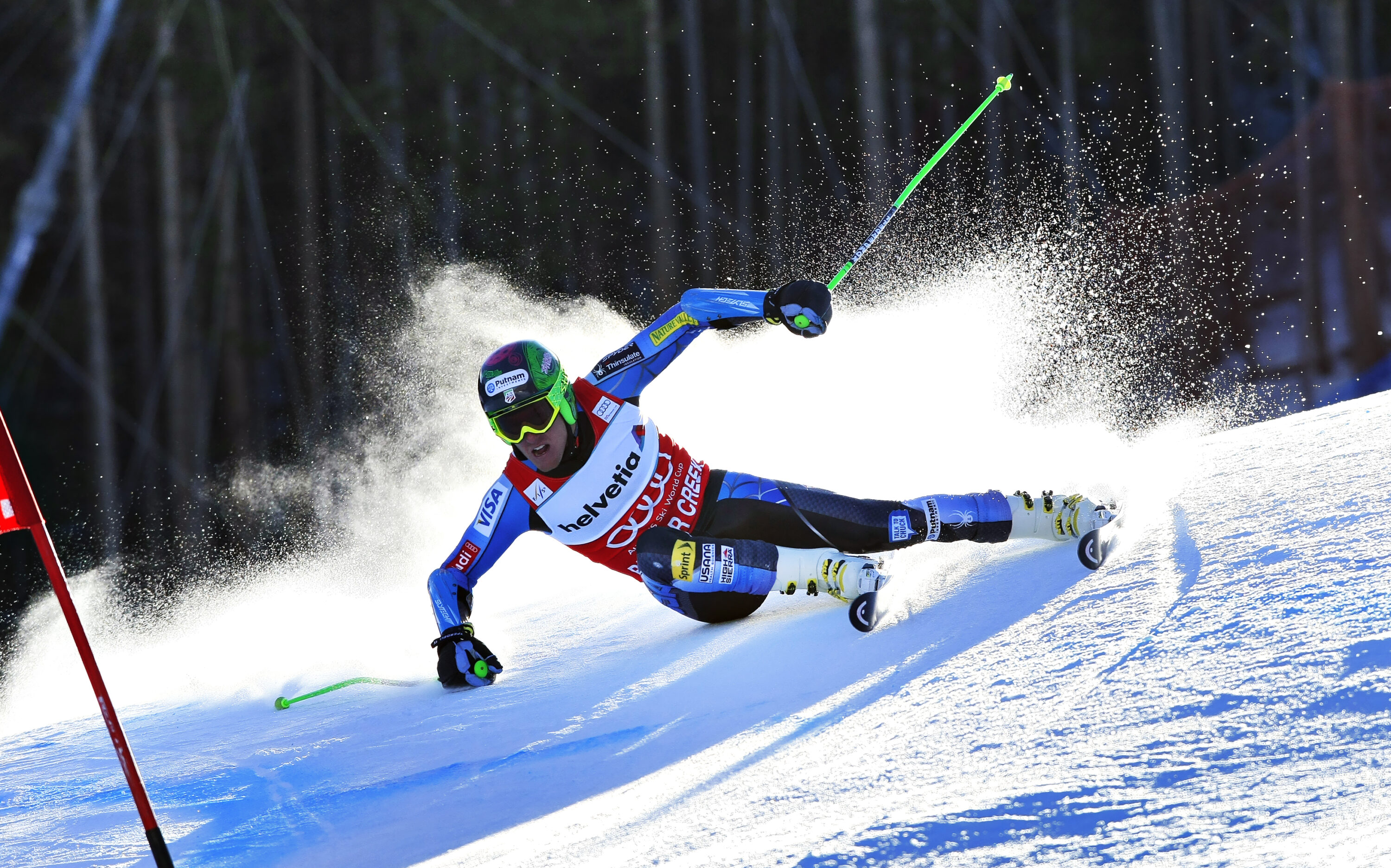
Ted himself, during his junior years from age 13 to 17, was a far behind the top performers, lagging behind by as much as 4 or 5 seconds in every aspect.
He was by no means the fastest at the time, but he kept going to the mountains, telling himself, "Never give up, never give up, never give up." As a result, he discovered his own technique for skiing fast (extremely deep edge angles), and at the age of 20, his talent blossomed, and he rose to the top of the world.
The message they most want to convey to the next generation of young people is extremely simple
Don't give up
"If you give up at 15, you won't be able to hone your skills enough to succeed later on. But if you keep going, you can acquire skills that you can pass on to the next generation.
Besides, Japan has Akira Sasaki, doesn't it? He embodies the wonderful spirit of 'never giving up' and 'enjoying everything,' and even though he's over 40, he still commands deep admiration and trust."
Carlo spoke passionately about this.
Even if you don't become a top racer, if you keep skiing without giving up, you will acquire genuine skills that will allow you to truly enjoy powder snow and free skiing in any snow condition in the future.

Daniel Niederkofler
The mountains aren't just for competitions. You can jump, carve turns as you please, or slide through narrow wooded areas. Skiing and snowboarding are activities where everyone, from young children to the elderly, can freely express themselves
They blur the lines between skiing and snowboarding, clarify people's perspectives with their products, and continue to support local communities with an unwavering spirit
SHRED.'s challenge to the future of snow sports will continue to unfold passionately on snow-covered mountains around the world
Luca Crivelli
■SHRED. https://shredoptics.com/ja