

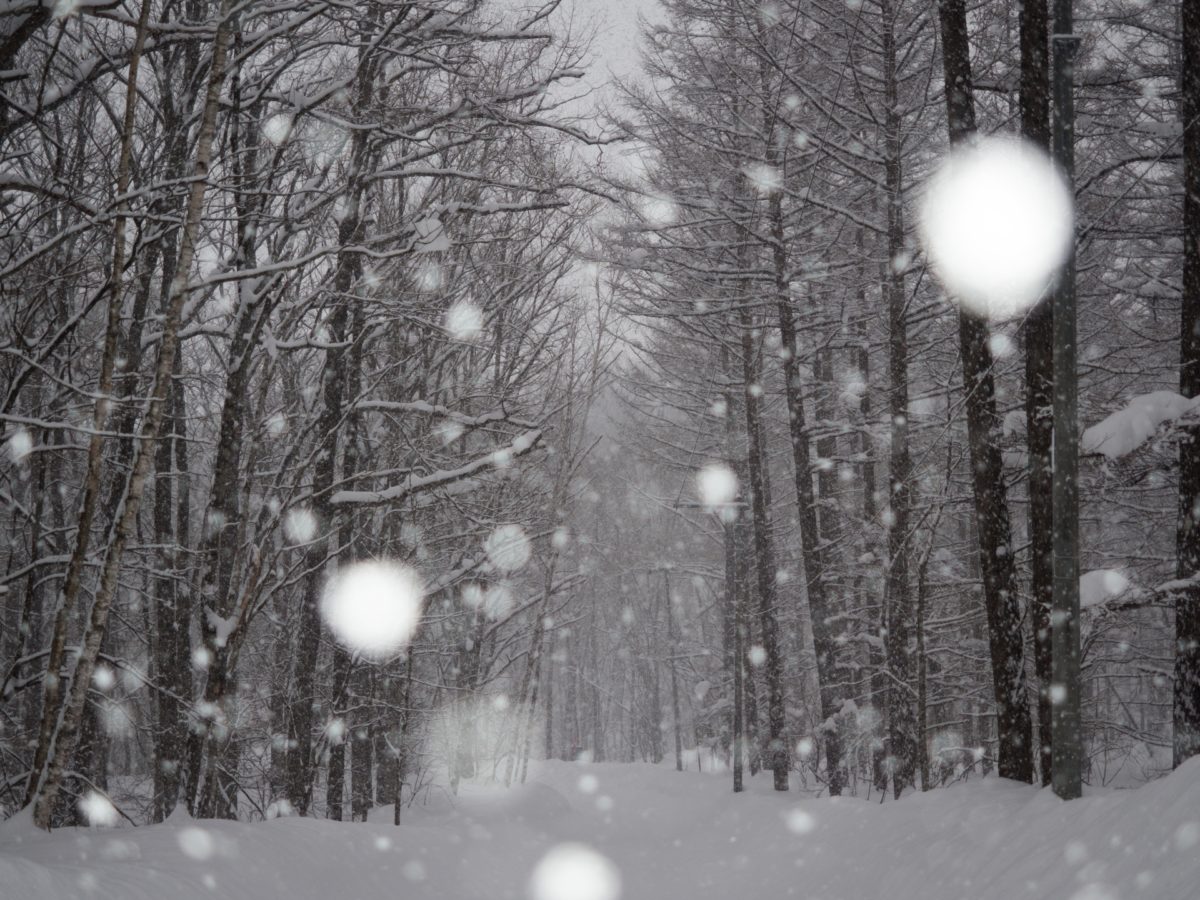
As we enter the latter half of October, autumn is quickly approaching. The cold air that began flowing in on October 17th brought the first snowfall to the Tateyama mountain range and the Northern Alps. Ski resorts that typically open in late October or November using artificial snow are now operating at full capacity, and the 2020-21 ski and snowboard season is fast approaching. We've picked out some of the things we're curious about this winter, including the impact of the COVID-19 pandemic
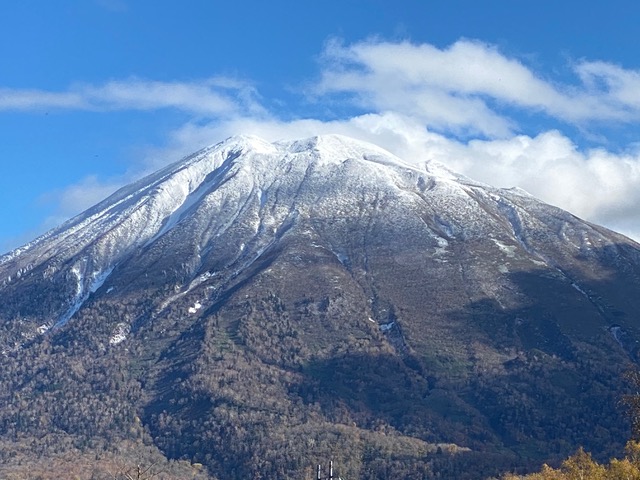
"The snow has come down quite a bit. We can expect the first snowfall at the foot of the mountain."
① If the La Niña phenomenon continues, we will see a lot of snow!
The Japan Meteorological Agency's "El Niño Monitoring Bulletin," released on October 9th, indicated the following situation and forecast:
● A La Niña phenomenon is believed to have been occurring since summer.
● There is a high probability (90%) that the La Niña phenomenon will continue into winter.
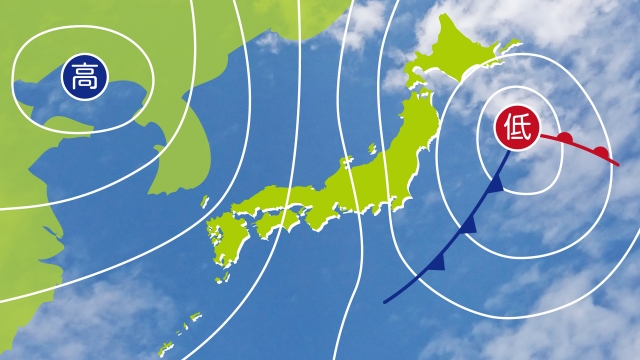
When the La Niña phenomenon occurs, winters become colder across the country
The La Niña phenomenon is the opposite of the El Niño phenomenon, which is said to bring about warmer winters. When sea surface temperatures off the coast of Peru in Southeast America remain lower than average for an extended period of time, temperatures tend to rise. This leads to hotter summers, and in winter, the winter-type atmospheric pressure pattern of high pressure in the west and low pressure in the east becomes stronger, leading to a stronger tendency for temperatures to fall
This summer's heatwaves were intense. That was due to the La Niña phenomenon, but this time it's likely to be a "cold winter" with lots of snow
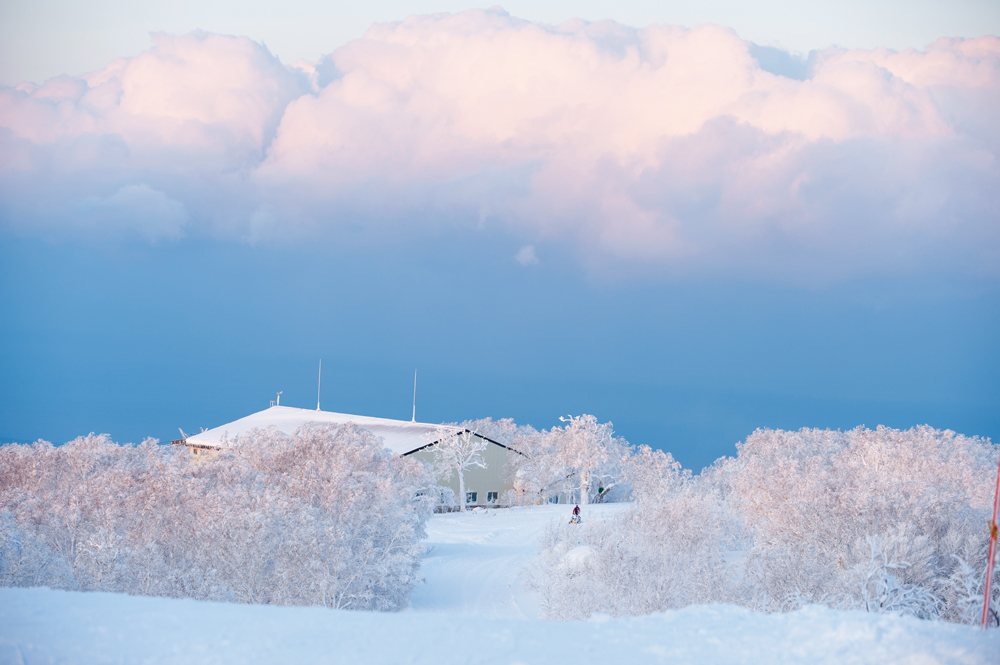
This La Niña phenomenon is the first to occur in three years. Remember the abundant snowfall in the 2017-18 season? La Niña is back! Anticipation is building for plenty of fresh snow this season. Last season, 2019-20, saw only light snowfall, but the COVID-19 pandemic meant there were few opportunities to enjoy the fresh snow, so this winter, I'd like to get revenge
 Japan Meteorological Agency El Niño Monitoring Bulletin (No. 337) released on October 9, 2020

Let's take advantage of the Go To Travel campaign and ride the wave!
This winter, the government's "Go To Travel Campaign" to revitalize the tourism industry is also a major boost for skiing. With the autumn foliage season approaching, famous spots are bustling with activity, and the tourism industry is showing signs of recovery. Let's take a look at the details of the "Go To Travel Campaign."
● The program provides support equivalent to half the cost of accommodation and day trips for domestic travel.
● 70% of the subsidy will be applied as a discount on travel expenses, and 30% will be provided as regional coupons that can be used at the travel destination.
● The maximum subsidy is 20,000 yen per person per night, and 10,000 yen for day trips
● There are no restrictions on consecutive nights or the number of times the program can be used
. No matter how you look at it, it's a great deal. For skiers in the Tokyo metropolitan area in particular, this is a perfect opportunity to travel to Hokkaido or Tohoku, which would normally be expensive.
Various accommodation packages that include lift tickets eligible for the Go To Travel campaign are on sale, and some of them are surprisingly good deals.
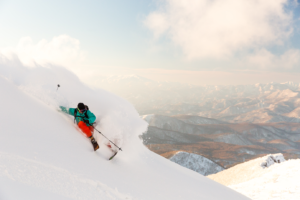
Go To also helps with backcountry tours
In addition to tours to ski resorts, backcountry tours and CAT tour packages are also available as part of the Go To Travel campaign. These tours are open to first-time skiers, so it's a great opportunity to make your backcountry debut with peace of mind
“2020/2021 OPENING BANZAI” Tour!!
Go To Travel CAT Tour Package
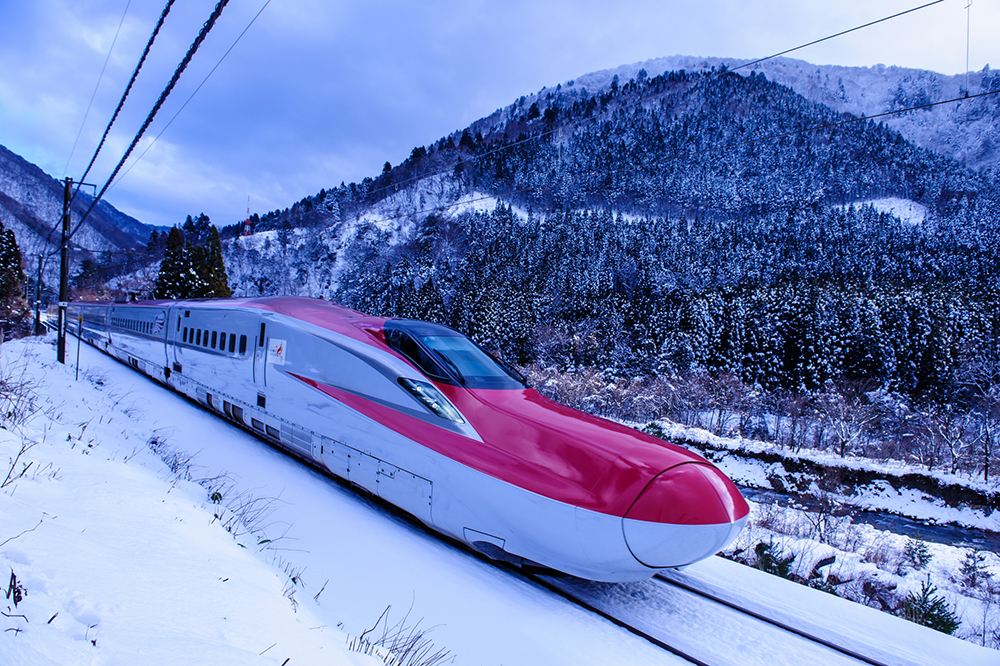
Get half price on Shinkansen tickets with JR East's "Osaki ni Tokudane Special"!
Since individually arranged transportation is excluded from the Go To Travel campaign, JR East is running its own campaign. It's called the "Osaki Tokudane Special," and until the end of March 2021, both Shinkansen (bullet train) tickets and reserved seats are half price!
For example, a one-way adult reserved seat from Tokyo to Echigo-Yuzawa costs 3,290 yen, Tokyo to Nagano costs 4,060 yen, and Tokyo to Shin-Hakodate-Hokuto costs 11,610 yen. The longer the distance traveled, the greater the discount (limited to certain trains, seats, and routes). This is a product that can only be applied for online by JR East's "Ekinet" members.
Normally, Shinkansen tickets have a reputation for being somewhat expensive, but the 2020-21 season might be a rare opportunity to travel to Tohoku and Shin'etsu areas, which are easily accessible by Shinkansen!
COVID-19 countermeasures continue to be implemented to ensure safe enjoyment
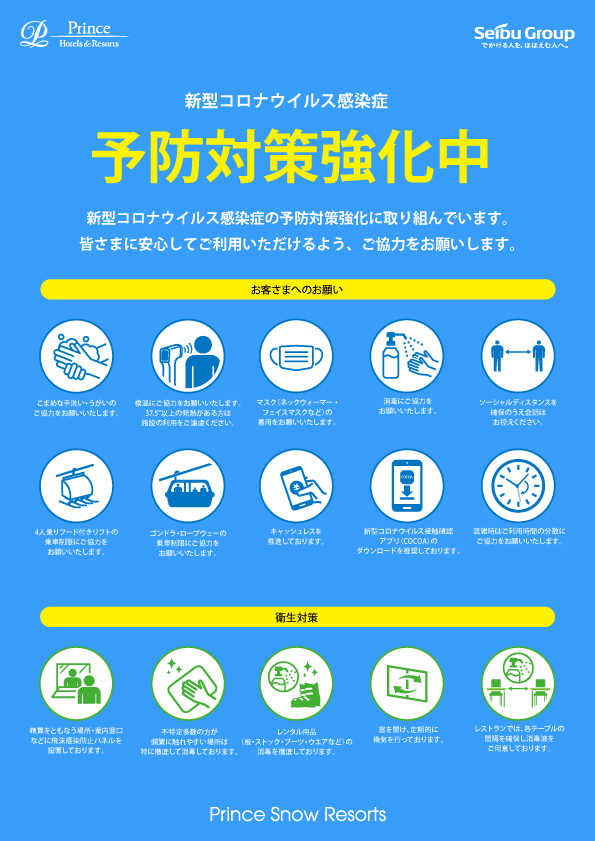
As we enter the first season of the "With Corona" era, ski resorts and resort groups are successively announcing guidelines for preventing the spread of COVID-19. Since the degree of "crowding" is low when skiing in the natural environment, infection control measures will mainly focus on areas where people gather, such
as lift stations and ski resort facilities. Various measures will be taken to reduce the risk of infection, such as maintaining social distancing in lift queues and rest houses, wearing masks (neck warmers, face masks, etc.), limiting the number of people riding on lifts and gondolas, cooperating with temperature checks, requesting handwashing, gargling, and disinfection, and recommending the download of the COCOA app. Those on the receiving end are steadily making preparations so that everyone can enjoy skiing with peace of mind.
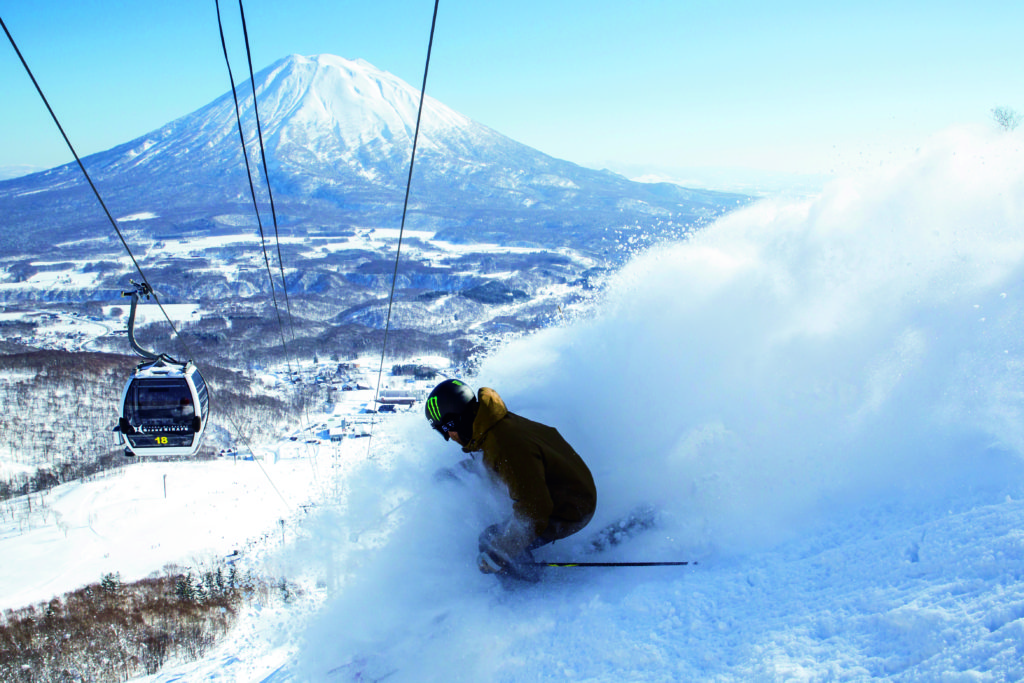
News from Niseko
The 2020-21 season is finally about to begin, but what will happen next? What will the snow be like, what will the impact of COVID-19 be, and how will people move around? Finally, we would like to share a message from Odashima-san, the owner of Niseko343, a pro shop and lodge in Niseko, Hokkaido
 No inbound tourism = less competition for powder snow,
so it's like the old days when you could "enjoy powder snow!"
 No inbound tourism = less competition for powder snow,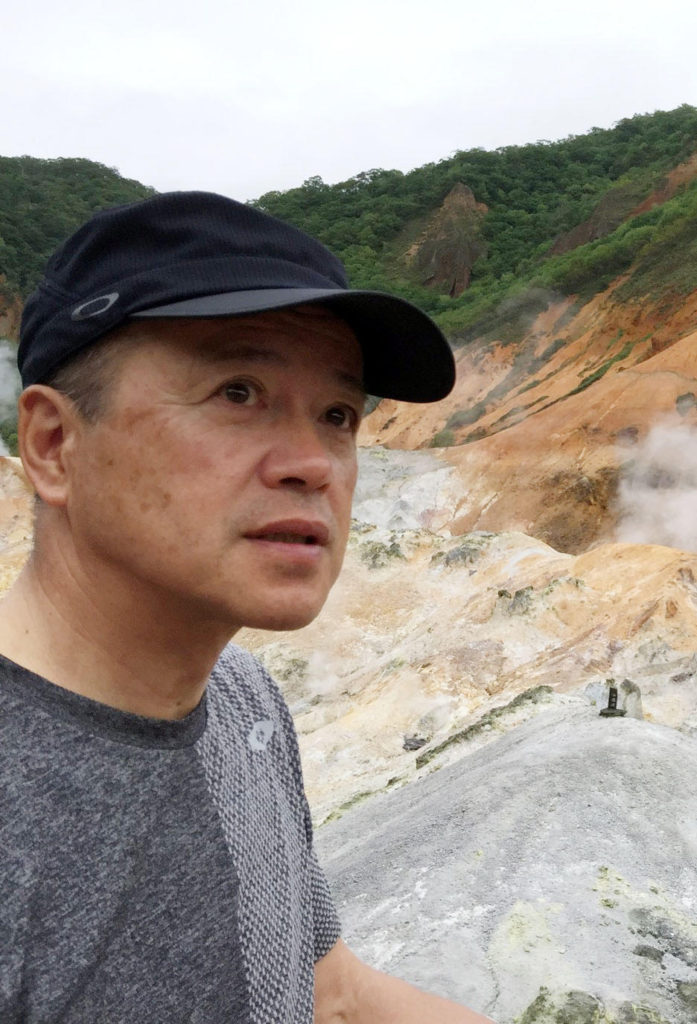
Niseko 343
Odajima-san
It has been 42 years since I moved to my beloved Niseko from Sapporo. I have witnessed the many changes that have occurred over the years, from the ski bubble era, to the decline in skiing, the popularity of snowboarding, and the rise of inbound tourism
About 20 years ago, all lifts in Niseko were operating even when the slopes were empty, and powder remained even in the afternoon. There was a time of peace that is unimaginable now. Later, with the global fall in interest rates, wealthy foreigners who discovered Niseko's charm chose it as their investment destination. As a result, we have been able to continue operating our shops and lodges thanks to the inbound effect, regular customers, and staff in recent years, and we are grateful for that
However, this year's COVID-19 pandemic has caused an unprecedented blow to the inbound tourism economy, and since last spring, the situation has changed dramatically to one that is completely unpredictable. Foreigners have completely disappeared from Niseko, and the summer has passed in a state of anxiety
However, among Niseko's most avid skiers, the lack of inbound tourists this winter means less competition for powder snow. People are starting to say, "We can enjoy powder snow like we used to!"
It all depends on the snowfall, but thanks to the influence of La Niña, this winter may be blessed with a snowy season unimaginable in Niseko these days. What's more, the "Go To Travel" campaign and the "Regional Common Coupon" are valid until the end of January, so travel expenses are essentially halved (first come, first served due to budget constraints). Skiing while being careful about COVID-19 infection is a bit tricky, but I'm sure it will be a memorable experience when you look back on it
This is not limited to Niseko, but the industry is believing in the future and working hard to prepare for the season by taking measures to prevent infection. This winter, while avoiding the "three Cs," people of all ages and genders can go ski! Breathe in the fresh air and enjoy powder!
Mountain Shop Niseko343 Katsuhiko Odajima