
Interviewer: Risa Ohinata Photo: Hiroshi Suganuma
INDEX
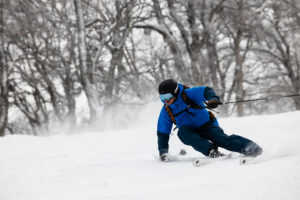
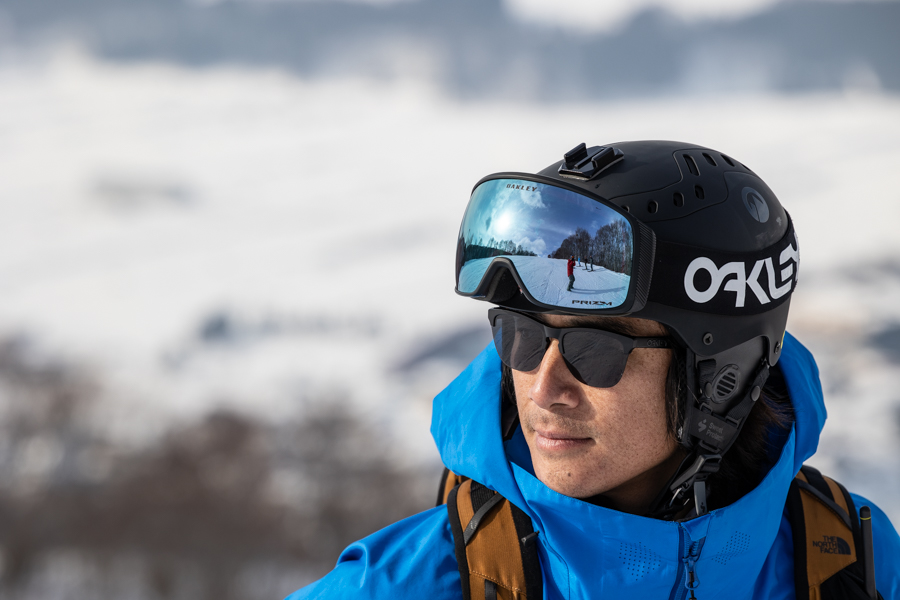
Starting as a ski cross racer, Kenji Kono showcases his aggressive skiing style in freeskiing videos and photographs, and in the green season, he proposes new activities like tree camping and SUP, and even develops the Vector Glide skis.
In June 2020, he became the chairman of the tourism association in his hometown of Nozawa Onsen Village. While inheriting the history of Nozawa Onsen Village, where the culture of skiing has remained strong for a long time, Kenji is now bringing a breath of fresh air to the small village, drawing on his experiences around the world. This article explores Kenji Kono's skiing life from his days as an athlete to the present, and the future of Nozawa Onsen.
[Profile]
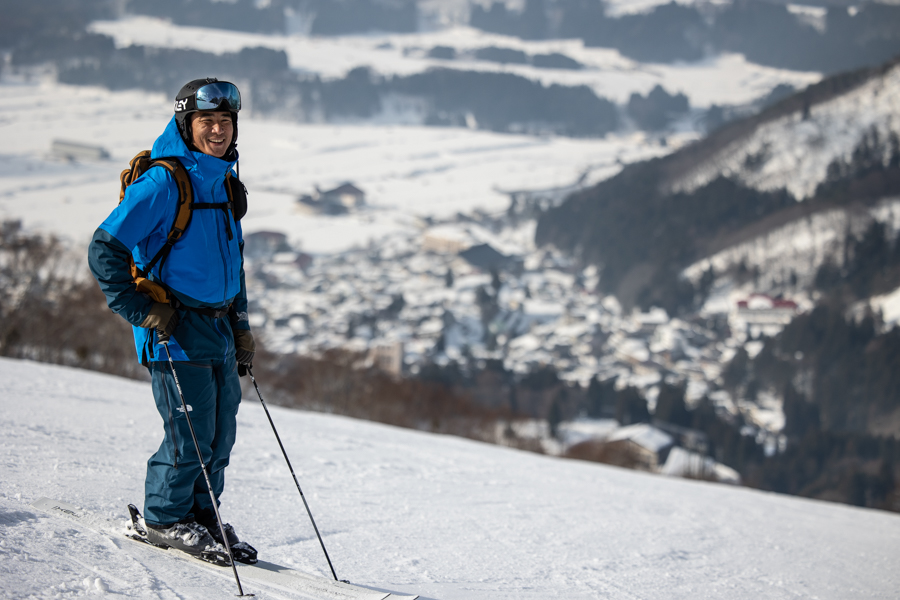
Kenji Kono:
Born in 1983 in Nozawa Onsen Village, Nagano Prefecture. He started skiing in his childhood and later traveled the world for 12 years as a ski cross World Cup competitor. Currently, based in his hometown of Nozawa Onsen, he is active in a wide range of fields, including running "nozawa green field," which offers camping and nature experiences using a handmade treehouse, organizing SUP tours, and working on ski development as the marketing manager for Vector Glide. He is the chairman of the Nozawa Onsen Tourism Association.
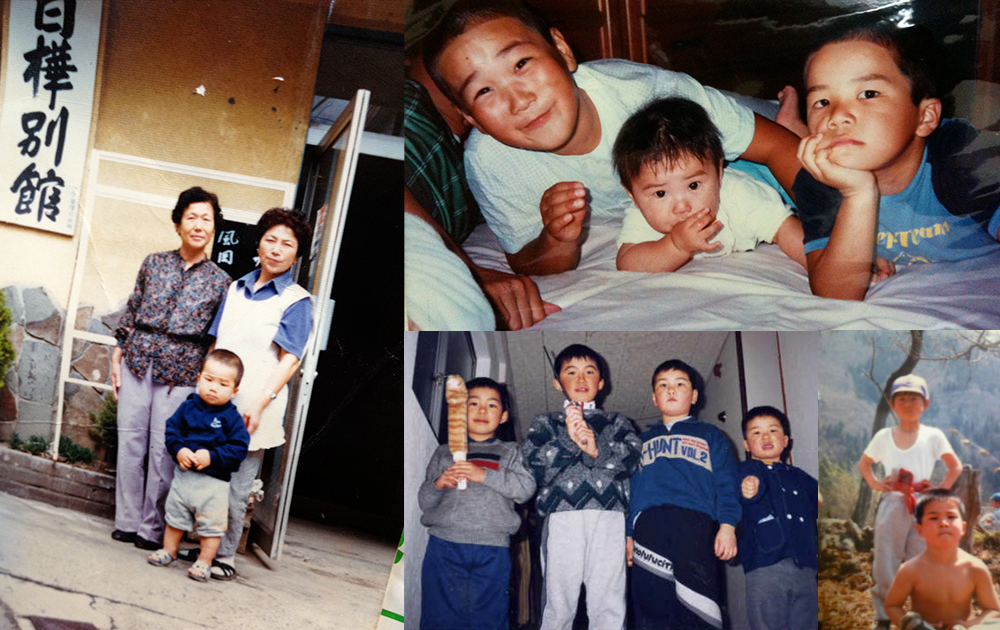
As a boy, he competed in alpine skiing with Yudai Ueno
When did you start skiing?
My earliest memory is when I was about 4 or 5 years old. An older woman who was a regular at our inn (※1) took me there. My parents were busy in the winter so we didn't get to ski together, but my older brother (※2) had started skiing, so I had no choice
-- Out of necessity?
At first, I didn't like skiing. I was suddenly taken to the Skyline Grand Prix course or something. I wasn't good at it. My grandfather was renting skis at Hikage slopes and had lots of equipment, so I guess it was inevitable that I started
──So you started to like skiing at some point?
I joined the Nozawa Onsen Ski Club (※3) when I was in the second grade of elementary school. There was a GS competition at Minami Shiga Onsen (now Yamaboku Wild Snow Park), and I came in third place. I think it was around that time that I started to enjoy skiing
──Do all the kids in Nozawa Onsen join a ski club?
There are a lot of people working in the accommodation industry. I think it's easy for the parents. They go to school, come back, go straight to practice, come back around 8pm, eat dinner, and go to bed right away because they're tired. Every weekday they'd play night games at the Kandahar course, and on the weekends they'd go to tournaments
──So you were immersed in racing from the second grade of elementary school through high school. Are there any particularly memorable episodes from your racing career?
In the ski club, the classes are divided into grades 1-4 and grades 5-6. When I was in third grade, I was doing well and thought I would win every competition when I got to fourth grade, but in a competition in the first half of fourth grade, I stepped over a pole and broke both my shins, ending my season. Around
this time, Yudai Ueno (*4) and I were competing for first and second place in the Nagano prefecture competitions, and in the first half of fifth grade, Yudai was usually first, and in the second half, I was usually first, and I was determined to win every competition in sixth grade as well, but I tripped over a pole again and injured the ligaments and bones in my knee.
In the prefectural competition in my second year of junior high school, I got as far as second place and entered the national competition as the No. 1 seed, but I was suddenly struck by severe lower back pain, and although I managed to ski one run, I couldn't stand up for the second run and had to withdraw. It was a very frustrating experience.
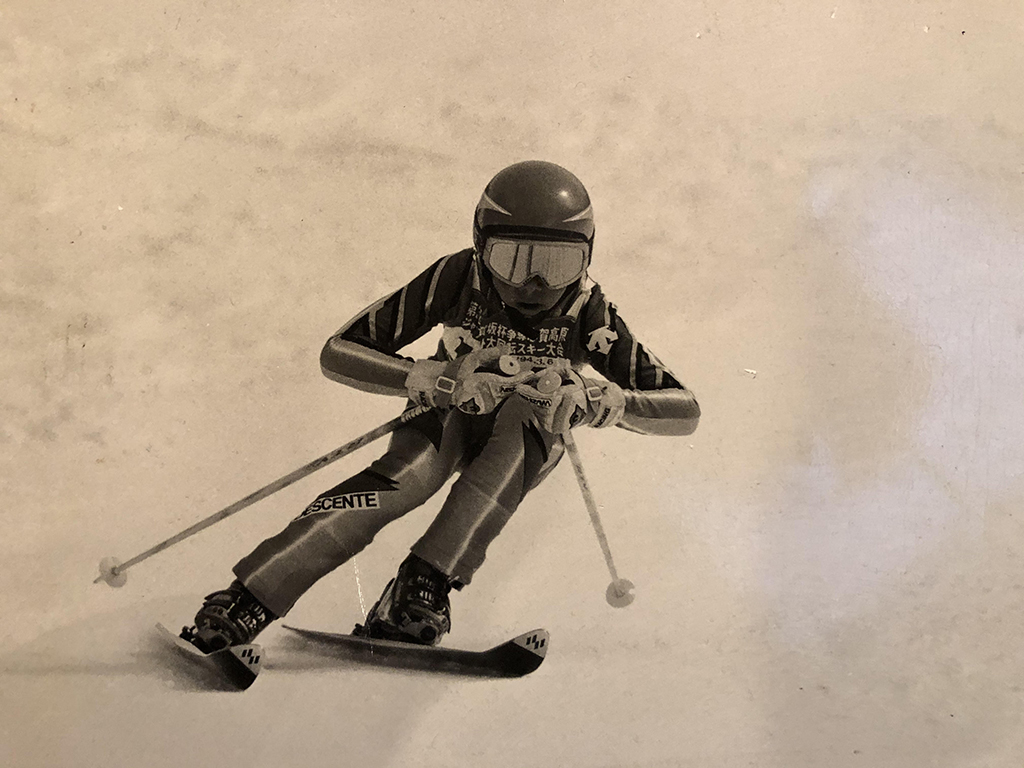
──It's a battle against injuries. But it's amazing that Kenji Kono and Yudai Ueno, who are now active nationwide in the world of freeskiing, were competing for first and second place at Ski Kingdom Nagano since they were in elementary school. Was your dream to become a ski racer after all?
Yes, I was a ski racer all my life. I didn’t have any career guidance in my third year of junior high school, so I went on to ski at Iiyama Minami High School (※5). I didn’t even have any career counseling in high school either, as I didn’t think it was necessary
──Have you ever considered going to university?
My dad always said, "If you want to study, I'll pay for it, but if you want to go skiing, I won't spend a penny." I didn't do well in high school, so I knew it would be difficult to continue as a racer, but I didn't have any desire to study at university, and I didn't want to decide on my career path too early and give up on skiing, so I entered the FIS race in Nobeyama in March of my third year of high school. I didn't get any results, but I felt relieved that I was done
--What are you going to do next?
There was nothing to do in Nozawa Onsen, so a friend in Tokyo invited me to start working part-time as a messenger. I thought maybe there would be something to do in Tokyo
──Did you find anything when you went to Tokyo?
Working as a messenger was really fun, and although I was a young guy with no idea about the streets of Tokyo, thanks to my experience with skiing I was able to join the top sales team within three months of starting work. I think it was a good job because I was able to get some exercise. I still keep in touch with my coworkers from that time, and they come to Nozawa every year to visit me
*1 [Our Inn]
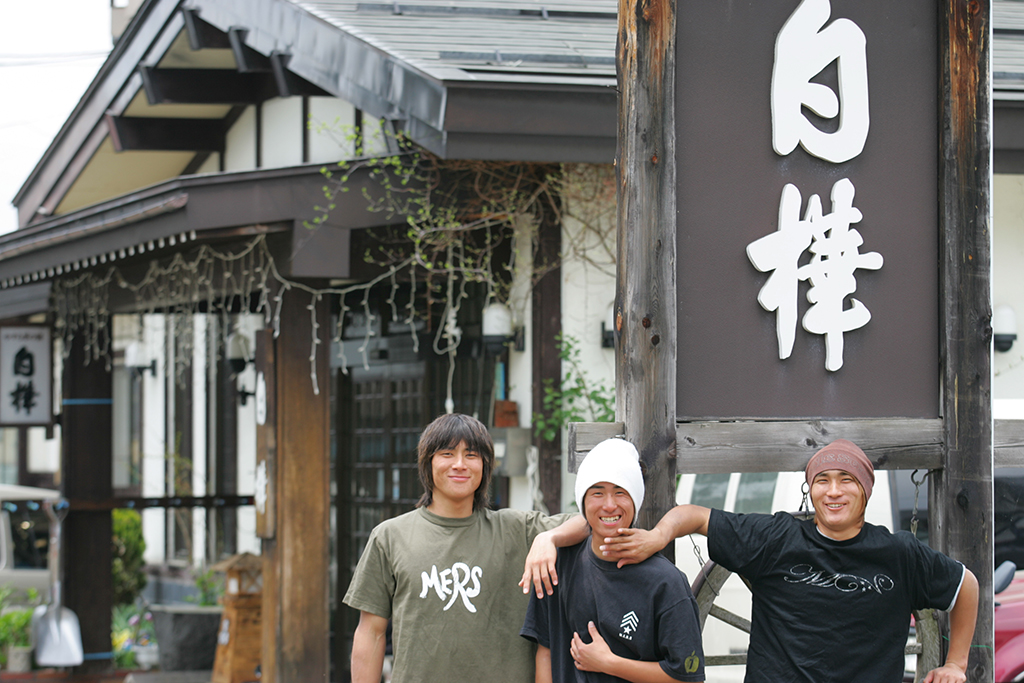
"Yasuragi no Yado Shirakaba," located in the center of Nozawa Onsen Village, is Kenji Kono's family home.
*2 [Big Brother]
Kenji's older brother, Katsuyuki Kono, is also a skier. He studied skiing in Austria, competed as an alpine skier and ski cross athlete, and has also produced freeskiing video works.
*3 [Nozawa Onsen Ski Club]
Founded in 1923 (Taisho 12) in Nozawa Onsen, which was still only visited by people seeking therapeutic hot springs, with the aim of revitalizing the village through skiing. The ski club was responsible not only for technical training, attracting competitions, and training athletes, but also for managing the ski resort in the past. It has produced many Olympic athletes.
*4 [Yudai Ueno]
A skier born in Nozawa Onsen Village. After competing as a competitive skier, he switched to ski cross and halfpipe. In addition to his own success as a halfpipe athlete, he has also dedicated himself to promoting the sport and training athletes. He currently runs the ski shop "COMPASS HOUSE" in Nozawa Onsen.
*5 [Iiyama Minami High School]
It was the only public high school in Nagano Prefecture with a sports department and was a prestigious school for skiing, producing many ski athletes. It has now merged with three other schools in the area to become Iiyama High School.
My encounter with ski cross
marked the beginning of my second skiing life.
When did you start ski cross?
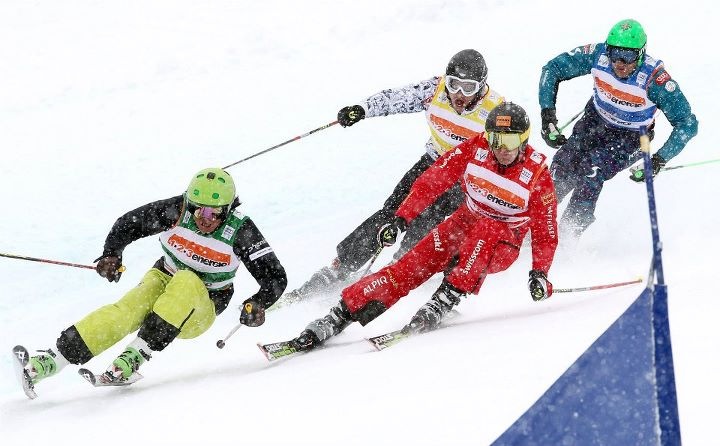
In winter, my family's inn business gets busy, so I took time off from my messenger job and went back to Nozawa for the winter to help out. That's when Akifumi Kitamura (*6) from Madarao invited me to participate in a ski cross competition. I didn't even know about ski cross at the time, but Masayuki Ueno (*7) and I went all the way to Hokkaido and participated in the Japan Cross Game Masters (*8) held at Teine.
I was eliminated in the semi-finals, and Akiba-san (*9) won. In the semi-finals, I was competing against Akiba-san and was in the lead at first, but I was pushed off a bank in the middle of the course and Akiba-san won.
──So you met Akiba-san suddenly at a race. Is that how you got hooked on ski cross?
There have been two moments in my life when I felt a strong, unfounded confidence, and this was the first. I thought to myself, maybe I could go to the world with this sport. That season I competed in amateur tournaments every weekend, and completed about 20 races. The following year, it was decided that ski cross would become a World Cup event
──So you returned to ski racing。
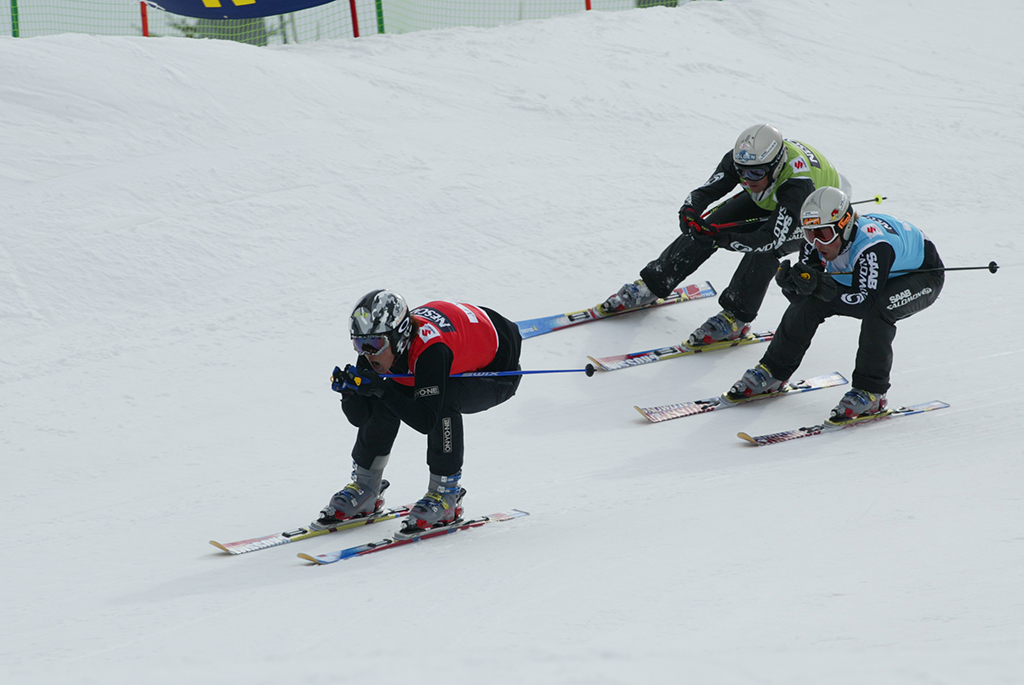
When I started working part-time as a messenger, I declared that I wasn't going to ski anymore, but in the end, I told him I was quitting my part-time job because I wanted to aim for the World Cup in ski cross. He was surprised that I was going to ski again after all, but he also encouraged me, saying that he would support me if I aimed for the world. At that time, Salomon released skis called Crossmax, and I, Masayuki Ueno, and Yudai joined the Salomon team
So you're going to the World Cup?
Yes, back then, anyone could participate in the World Cup if they just told the SAJ (Ski Association of Japan). Besides us friends from Nozawa Onsen, there were about 13 or 14 other people, including Akiba-san, Takizawa-san (*10), Fukazawa Daisuke from Hakuba, Kobayashi-san from VIC, and Sakamoto Godai-san from Sapporo. The opening race was in Tignes (France), and initially it was a time trial where the top 32 qualified. I started in 80th place, but then fog rolled in and I couldn't see anything, so I ended up in 36th place. I
was still young at the time and couldn't accept the unfair race, and I also didn't have the funds to participate in the second race in Laax (Switzerland). But I did manage to get 7th place in the final race in Les Contamines (France) in March.
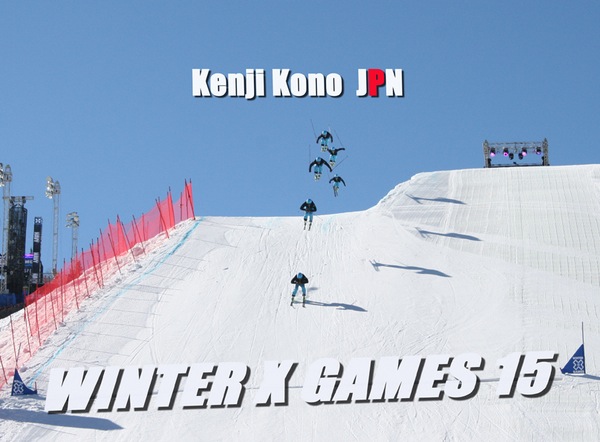
──You're still around 20 years old, right? Is that young for a player?
That's right. Experience is what matters most in ski cross, so many skiers retired from alpine skiing and switched to ski cross, and I was always one of the youngest
──After that, you continued your career as a player for a while。
After I finished in 7th place, Salomon started supporting me with travel expenses and such, but that wasn't enough to make ends meet, so in the summer I trained during the day and worked part-time delivering alcohol to bars in Kabukicho at night (laughs). I
did anything. Because of that foundation, I gained the confidence that I could do anything even if I lost my job.
*6 [Akifumi Kitamura]
A skier from Madarao Kogen. After competing in the World Cup in ski cross for four years, he produced a tree run course in Madarao Kogen and currently runs a backcountry tour service in Madarao Kogen.
*7 [Masayuki Ueno]
A skier born in Nozawa Onsen Village. He is the older brother of Yudai Ueno and is proficient in all genres of skiing, including alpine and ski cross. He currently works at Nozawa Onsen Ski Resort.
*8 [Japan Cross Game Masters]
A series of amateur ski cross and snowboard cross competitions held in various locations throughout Japan. With Mild Seven as the main sponsor and a prize of 700,000 yen for the Super Final, it was a glamorous series for its time, attracting top athletes.
*9 [Masayuki Akiba]
After working as a professional ski racer, demonstrator, and in various ski cross disciplines, he became devoted to freeskiing and founded the domestic ski brand, Vector Glide.
*10 [Hirofumi Takizawa]
He had a long and successful career as an athlete in alpine skiing, moguls, and ski cross. In ski cross, he won the X Games, the Crystal Trophy in the World Cup, and participated in the Vancouver Olympics, making him a leading figure in Japanese ski cross.
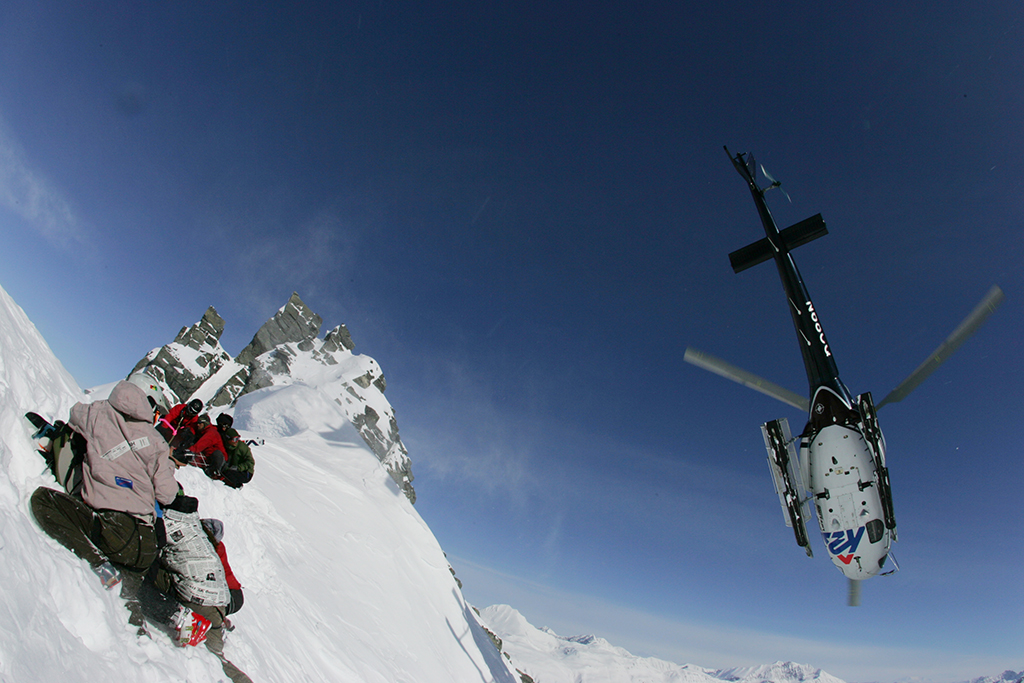
Traveling the world, he also tackles the steep slopes of Alaska. With a view to a second career
──How were your results after that?
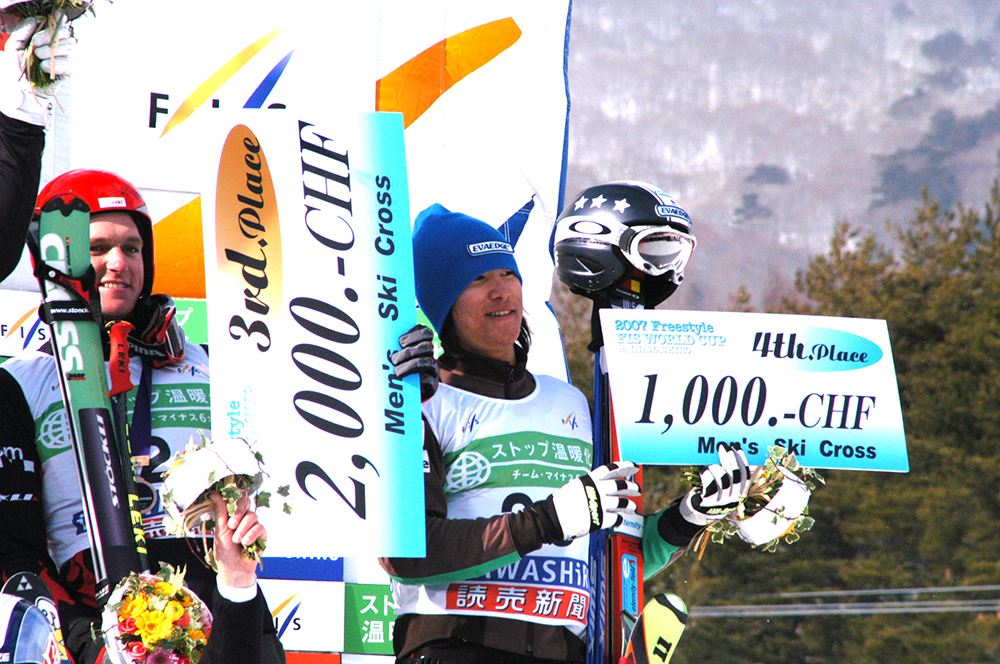
I started competing in the World Cup from the 2002-2003 season, and for about four seasons my annual ranking fluctuated between 20th and 28th. In 2007 I came in 4th at Inawashiro, bringing my annual ranking up to 14th. I didn't make it onto the podium, but that was ultimately my best result
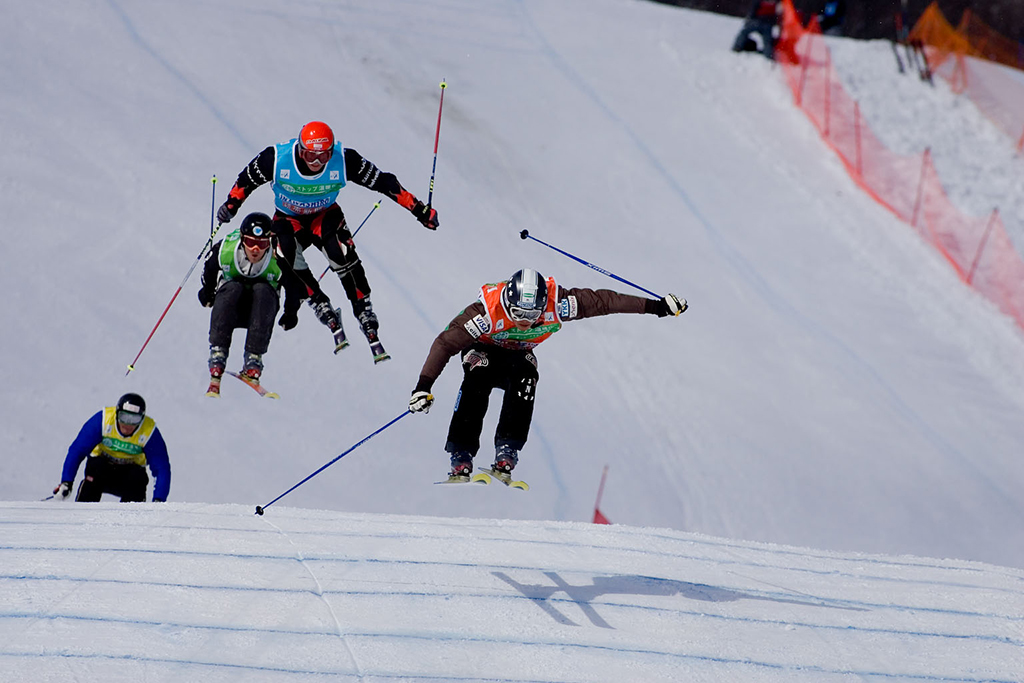
──While you were doing ski cross, you also appeared in freeskiing videos。
Yes, when I first went to Tignes, I was with people who did all kinds of skiing, so it was great that they taught me all kinds of things, like skiing in the backcountry and doing pipe skiing
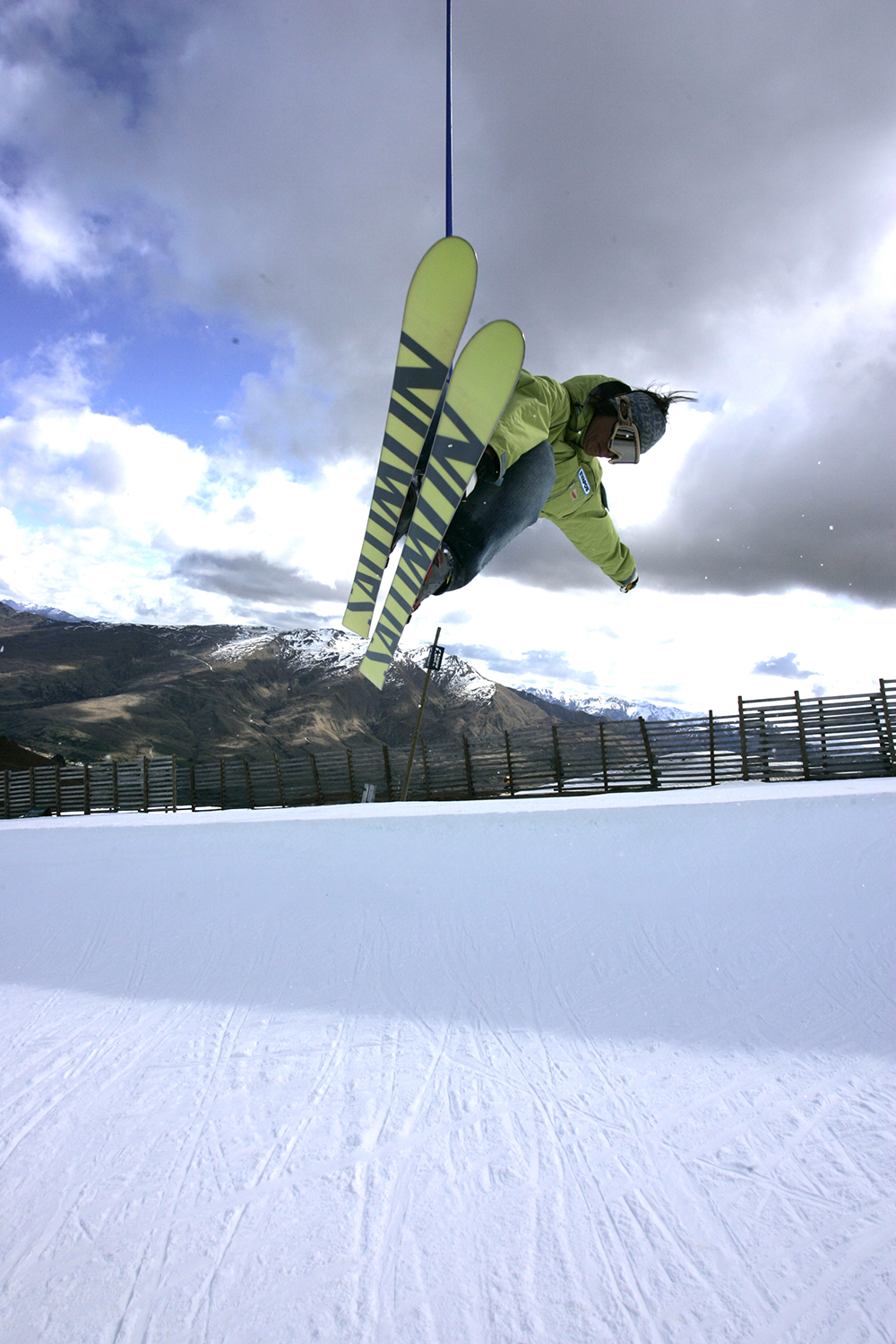
Photo: Wataru Sugimura
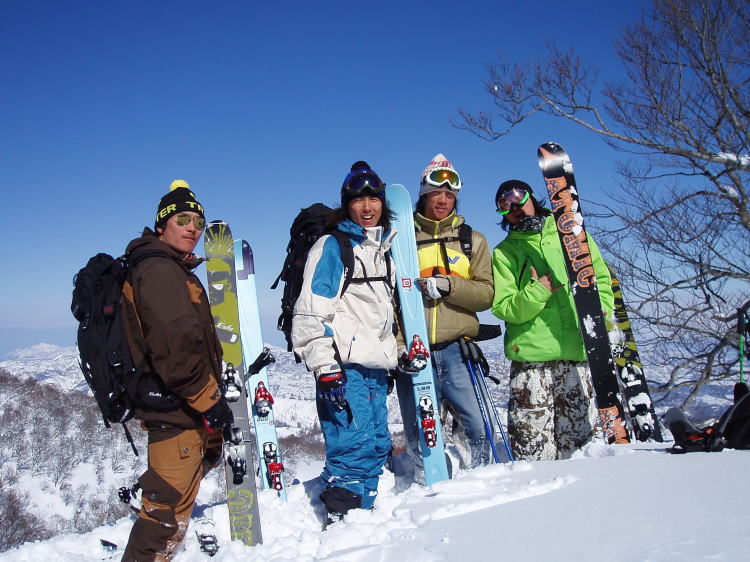
──Is it different from when you were devoted to alpine racing?
That's right. We both aim to be number one in competitions, but in ski cross, you can ski down the mountain, jump, and do a lot of other things that you can use in cross. It was a time when I learned how to enjoy both winning and skiing down the mountain. I even got caught in an avalanche in Alaska
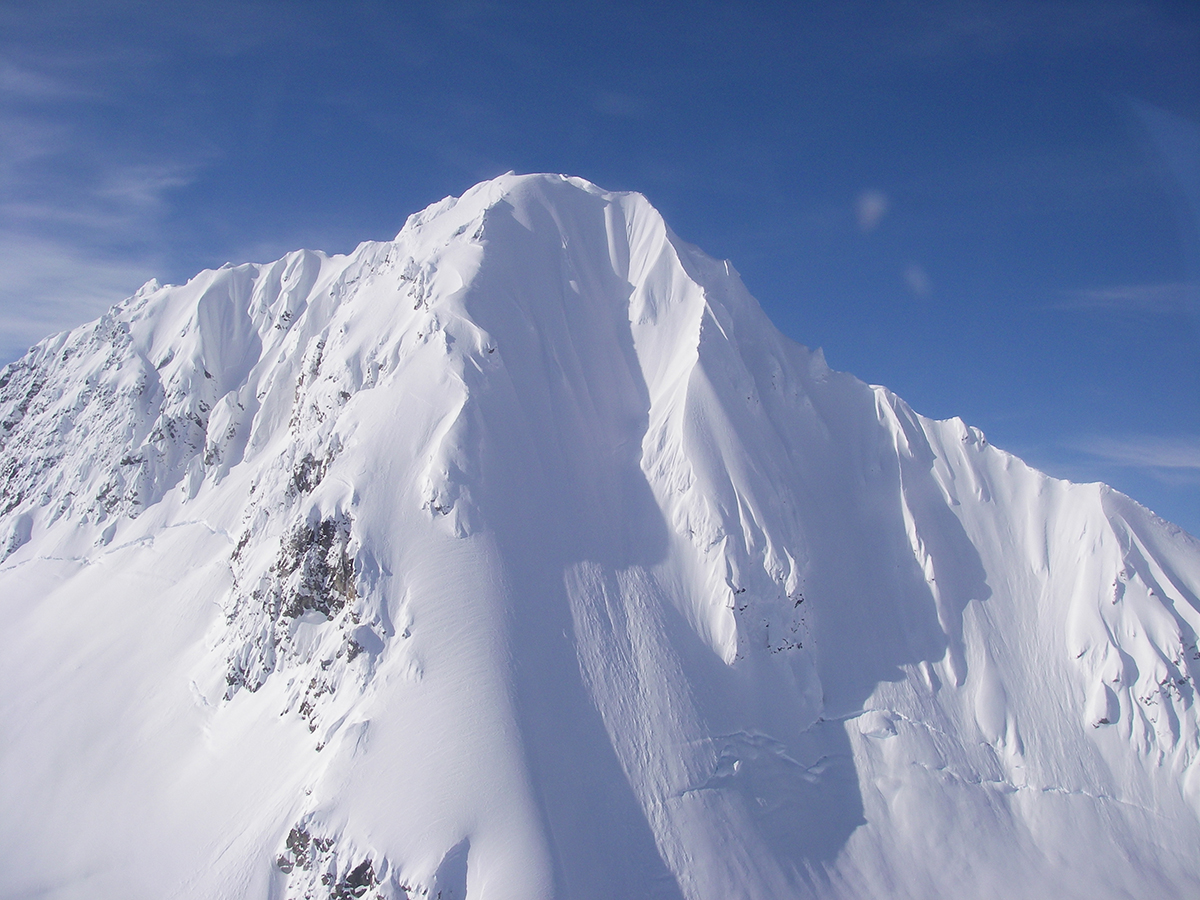
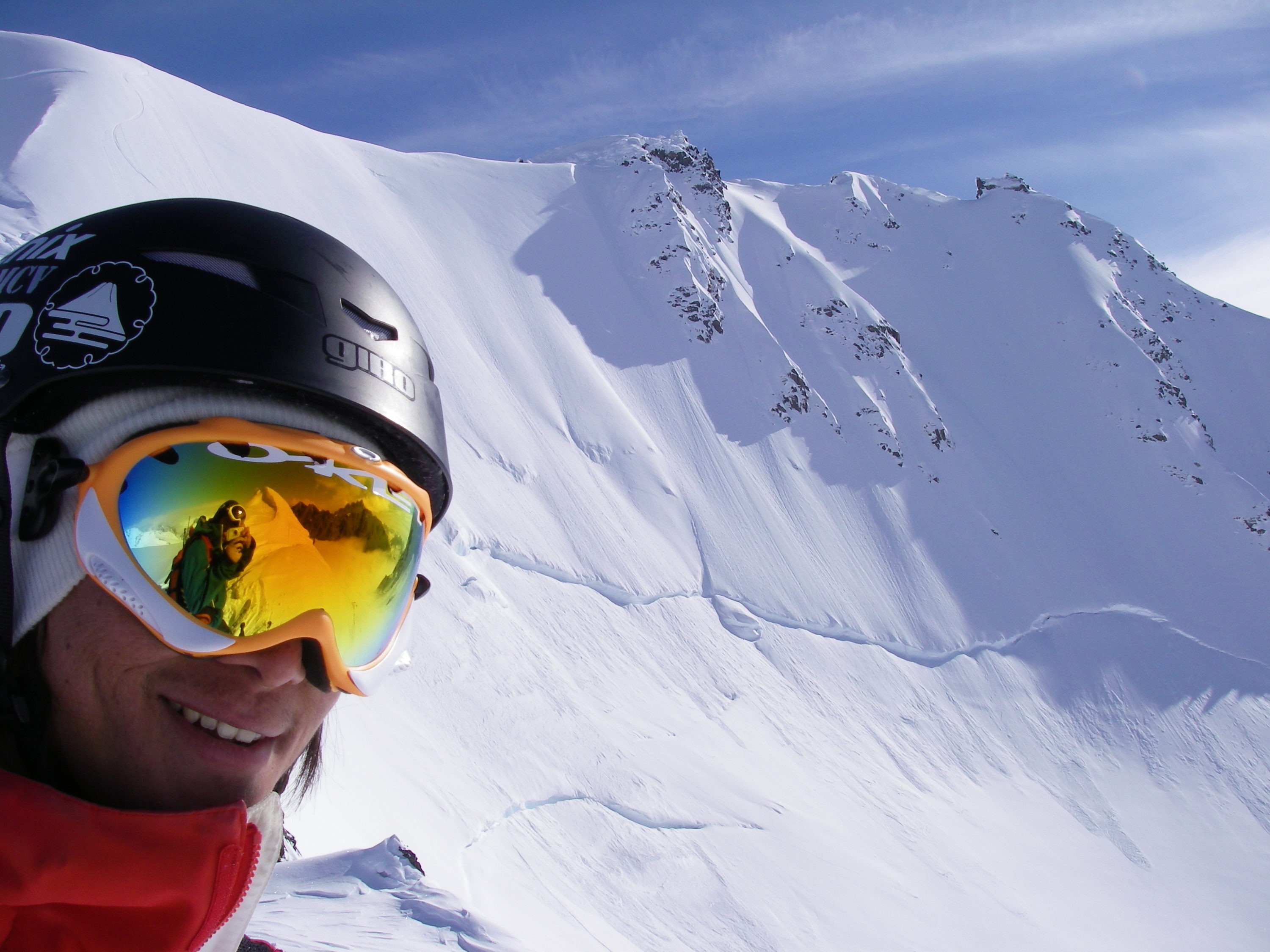
──What has been the most rewarding thing about your long career as an athlete?
I think it was an injury in 2009. I tore my anterior cruciate ligament in the opening match in Tignes. It was the year before the Vancouver Olympics, and I had surgery in February. That was the second time I had "unfounded confidence."
The doctor and physical therapist who treated me at the time were the same ones who treated Kentaro Minagawa (*11). They told me that I only had a year until the Olympics, and it would be very difficult to make it in time. They said that Kentaro had recovered incredibly quickly, but I would have a hard time unless I recovered at the same speed as him.
Those words really fired me up. I was determined to do it. Rehabilitation started the day after the surgery, and I did rehabilitation for about 7-8 hours a day. As a result, I was healed by the time the summer tour to New Zealand began, and even the doctors were surprised. I also had the opportunity to talk to various athletes during rehabilitation, which broadened my perspective even further, and that was a big factor.
──But you fell just short of the Olympics。
There was only one spot for a Japanese athlete, so I ended up not being able to compete, and I'll be continuing for another four years, but I also won't be able to compete in the next Olympics in Sochi. But I have no regrets at all. I'm having so much fun right now. If I had competed in the Olympics, my life might have been different, but whether I compete or not is just a result, and the process leading up to it was fulfilling, and I worked hard, so I have no regrets
──Did you have an image of what you would do after retirement?
I'd been thinking about a second career since I was about 22. I hadn't decided what to do, but I retired in 2014, and that same year my older brother said he was going to open Shichirobei (*12), so I thought I'd help out for the time being. For
two seasons, I worked at the inn's front desk and made breakfast, but I sometimes wondered if there was any point in me doing it. I got stressed out and caught colds repeatedly, which I don't usually get. So I thought about it a lot and decided to focus on Nozawa Onsen during the green season.
──Have you ever thought about getting a coach?
I was asked to work as an assistant at the Sochi Olympics, but I was pretty stoic when I was an athlete, so I wondered if that seriousness would be conveyed to the other athletes, and there were some of my teammates who were better suited to being coaches than I was. My interests outside of skiing had expanded to include a wide range of things, and that was really interesting
* To be continued in Part 2
*11 [Kentaro Minagawa]
As an alpine skier, he participated in four consecutive Olympic Games: Nagano, Salt Lake City, Turin, and Vancouver. At the Turin Olympics, he placed 4th in the slalom, becoming the first Japanese skier to finish in the top four in 50 years.
*12 [Shichirobei Coffee]
A cafe and accommodation facility run by the older brother, Katsuyuki Kono. In 2015, he renovated the building adjacent to "Shirakaba" himself. It is currently a popular cafe bar where you can enjoy course meals made with seasonal ingredients unique to Nozawa Onsen.
Interviewer/Editor + Writer
: Lisa Obinata
. Born in Tokyo in 1980. After graduating from Waseda University's Second Faculty of Letters, she worked for 13 years at a publishing company, editing ski magazines such as "Ski" and "POWDER SKI." She became the editor-in-chief of the magazine in 2013. In 2015, she became independent and co-founded the snow culture magazine "Stuben Magazine" with photographer Yoichi Watanabe. In 2020, she moved from Shonan to Iiyama City, Nagano Prefecture, and is currently practicing a natural lifestyle close to the snow-covered mountains and nature.