


The Milan-Cortina Winter Olympics have finally begun. What will the battle for the pinnacle of freestyle skiing, including big air, slopestyle, and halfpipe, be? We spoke with Kentaro Tsuda, head coach of the All Japan Freestyle Ski Team's halfpipe, slopestyle, and big air divisions, who competed in the Sochi Olympics as a member of the Japanese national team and knows the world and Japanese athletes best
The never-ending evolution of tricks

Kentaro Tsuda is a top rider who pioneered the Japanese freeski halfpipe scene and was active at the forefront of the scene. He competed in and won prizes at the FIS W-CUP (World Cup) halfpipe from 2008 to 2014, and represented Japan at the 2014 Sochi Olympics. His photogenic style was highly praised, and he has even appeared on the covers of ski magazines. He made a seamless transition from being a competitor to coaching the All Japan Freestyle Ski Team, where he currently serves as head coach
In between his extremely busy days traveling around the W-CUP with the athletes right up until the Milan-Cortina Olympics, we spoke to him about the highlights of this tournament and the Japanese athletes
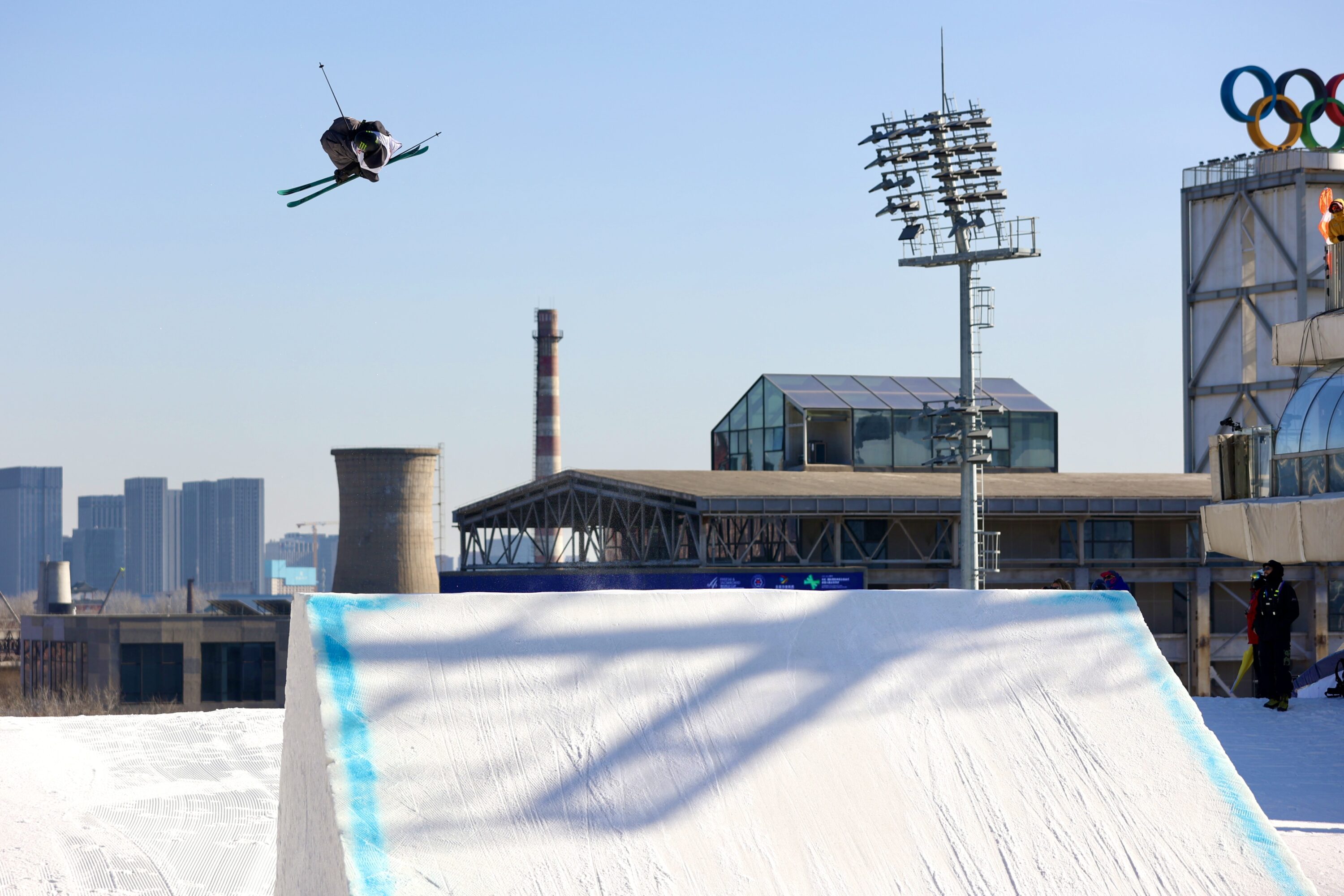
What's happening in the world's top scene right now? Coach Tsuda says..
"The evolution of my tricks just keeps on coming! At the last Beijing Olympics, I thought that I'd reached a point where my evolution would stop, but it still hasn't stopped. Just looking at the number of rotations alone, I've now reached 23 (2340 = 6 1/2 rotations) in Big Air. I have a lot of highly difficult tricks with varied styles, such as going into a triple cork with a butter, or spinning back mid-air. There are countless combinations of plus @, so I think my evolution is just not stopping."
Around 2000, when the freeride movement took off worldwide, the 1080 (triple rotation) was the trick that the world's top skaters competed for. Even though more than 20 years have passed since then, no one would have imagined back then that spins like the 2340 (six and a half rotations) would be possible. How did tricks evolve to this point?
"Yes, rather than the evolution of technology, I think it has more to do with the evolution of training facilities. In the past, there were only water jumps, but now air mats have become mainstream, which are safer to practice on than water jumps and allow you to get a feel for the landing. And these don't just have kickers, there are also half-pipe-shaped ones. As you practice repeatedly in this environment, the difficulty level continues to increase. This is a global trend. I think the training environment is the main reason why tricks are continuing to get more difficult."
Anticipation of more new tricks
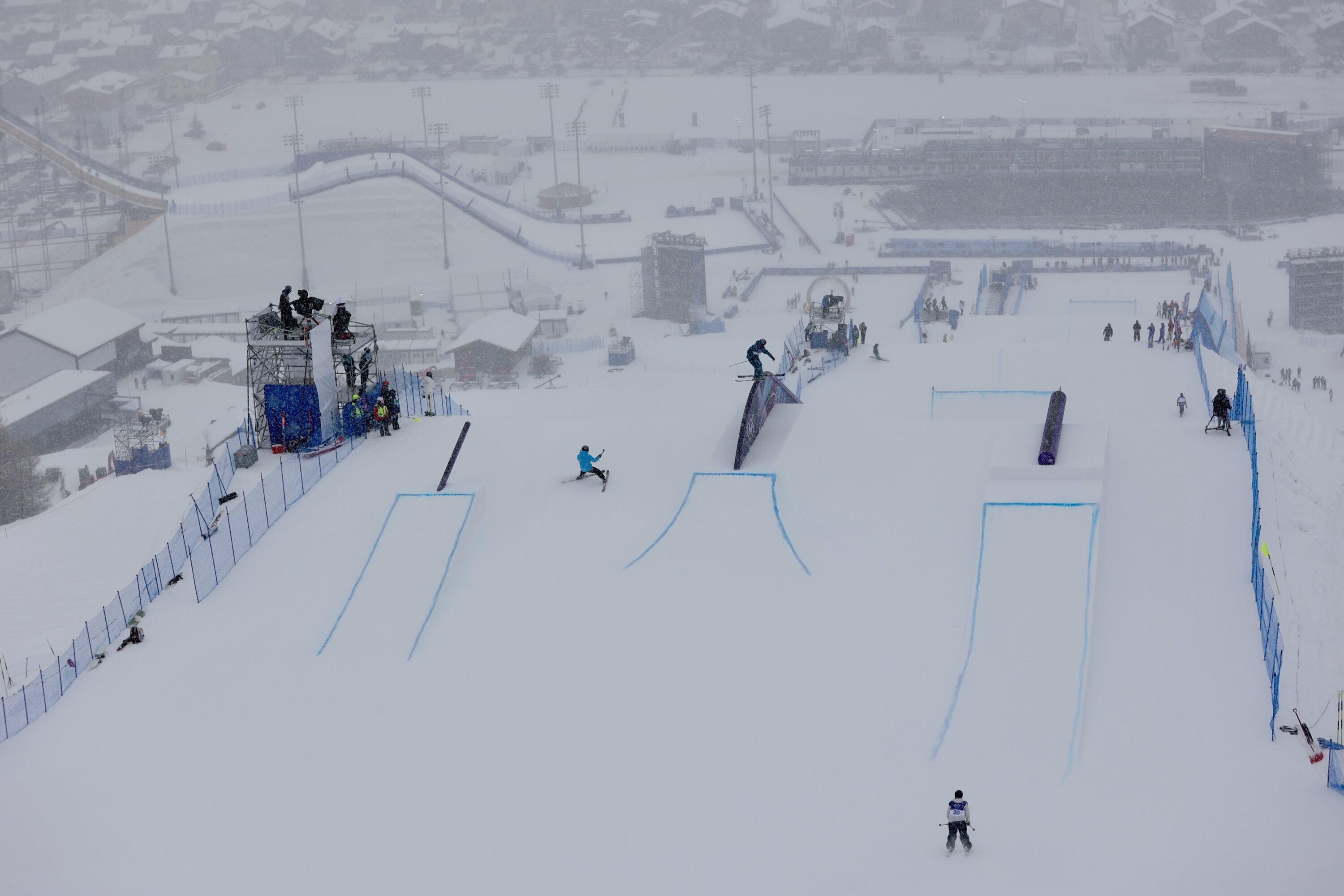
"I think we'll see even more new tricks at the Milan-Cortina Olympics. I think everyone is preparing the tricks they'll use for the Olympics. The jumps are looking big this time, so I think we'll see a wide variety of difficult tricks using butters and switches. However, there are no pre-tournaments this time, so it will depend on how well the skaters can adjust in the short time they have on site..."
If we could see even more advanced tricks, what would they be?
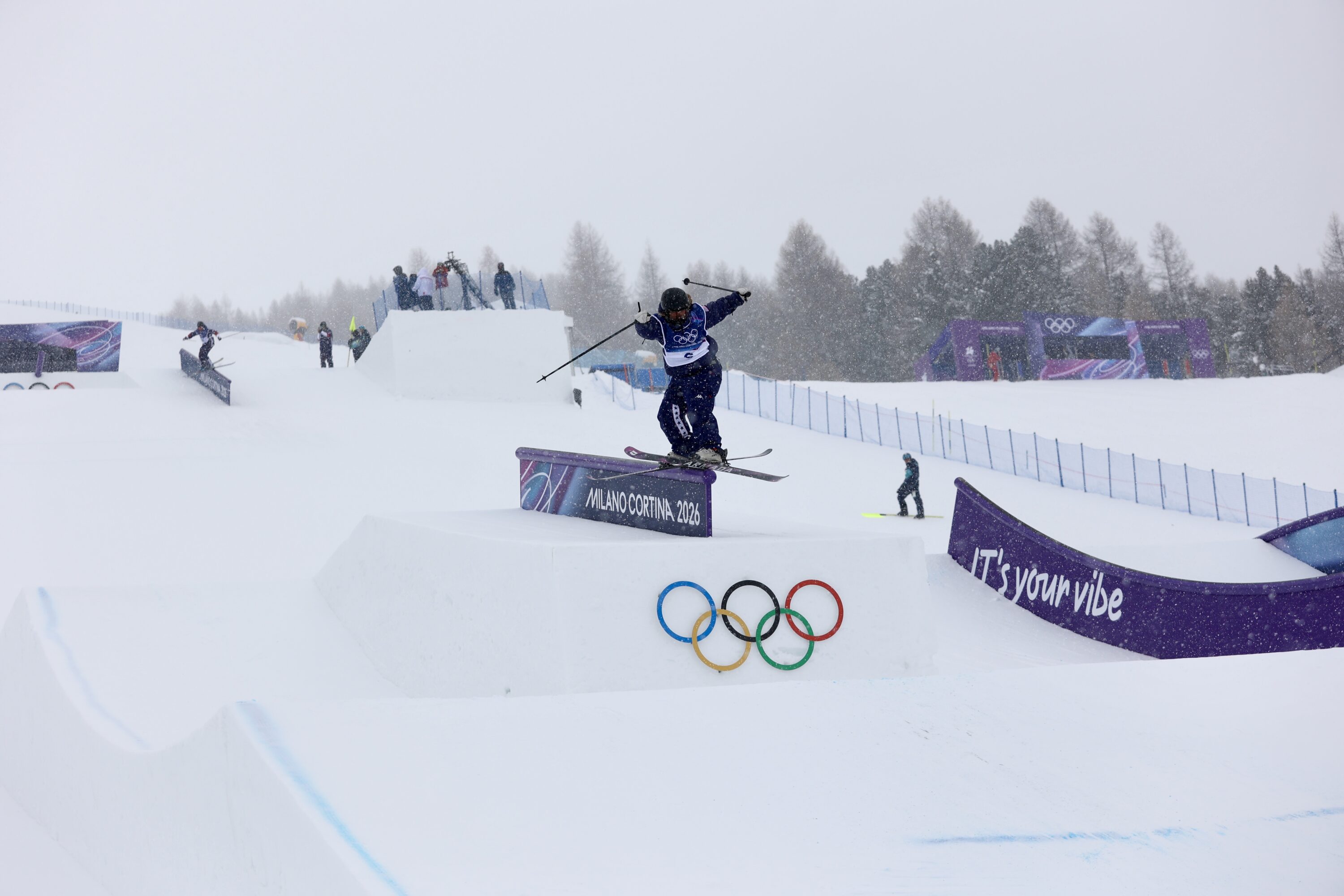
"If the jumps are big, I think we'll see butter tricks, switch triples, and other transitions in slopestyle. If the weather's good, I think there's a chance that some of the more difficult tricks that are seen at the forefront of big air competition will also appear in slopestyle
The original plan for this Olympics was to create a creative course, but because the pre-Olympic competitions that are normally held at the local venue the year before the Olympics were not held, it looks like the course will end up being very orthodox, with straight jumps and not much variety in the jibs
However, the jump size will be 22m or 23m, similar to big air, so it will be big. I don't know how big a course we can actually make, though."
The Halfpipe and Big Air finals are being held at night. How will this affect the event? Are there concerns that the temperature will drop, causing the snow to freeze and making it harder to move around?
"I think that for athletes, it's actually easier to skate at night because they're not affected by the weather. There's no cloudy weather and they can't see well, so the conditions are more stable. I think they'll perform better than they would during the day."
Who will be on the podium at the Milan-Cortina Olympics
Looking at the start of the W-Cup competition at the beginning of the 2025-2026 season, with the Milan-Cortina Olympics coming up, we asked Coach Tsuda who he thinks will make it to the podium. Let's introduce them by event
SS (Slopestyle)

First, here are last season's results for reference. The overall ranking in the W-CUP, which was the result of fighting through competitions throughout the season, proves his stable ability, and the results in the one-shot World Championships may also be said to show his competitive strength
'25 W-CUP Overall Rankings
Men's Freeski Slopestyle
- Alex Hall (USA)
- Andri Lagettri (SUI)
- Colby Stevenson (USA)
2025 World Championships Results
Men's Freeski Slopestyle
- Burke Rude (NOR)
- Mac Forehand (USA)
- Alex Hall (USA)
With that background in mind, Coach Tsuda predicts..
"Slopestyle is the hardest to predict. It's not just about the jumps, but also how well they can match up with the jib items. I think there's a good chance that the skaters who are currently ranked highly in last season's World Cup and World Championships, such as America's Alex Hall, Mac Forehand and Burke Rood, will be competing, but it's surprisingly difficult to know (laughs)
In freestyle skiing, slopestyle, big air, and halfpipe, the judging method doesn't clearly state how many points each trick is worth, but is a relative evaluation based on the whole. At the Olympics, it's expected that athletes will come up with new tricks, so it's important to consider how the new tricks will fit into the items and how the judges will evaluate them
At each W-Cup match, the judges hear the athletes' opinions and have an opportunity to discuss how they should be scored and how they should be evaluated. I think the judges are gathering information about what the athletes think is difficult at the moment, so we'll see how that plays out at the Olympics..."
Just before the slopestyle competition, @fisparkandpipe
If you watch footage from last season's X-Games, you can see what kind of skaters are competing at the top, what tricks are popular, and what each skater's strengths and characteristics are. Be sure to check it out
BA (Big Air)
"The battle for the podium in Big Air is likely to be similar to that in Slopestyle," said Coach Tsuda
'25 W-CUP Overall Rankings
Men's Freeski Big Air
- Luca Harrington (NZL)
- Mattei Schwanzer (AUT)
- Milo Tabanelli (ITA)
2025 World Championships Results
Men's Freeski Big Air
- Luca Harrington (NZL)
- Elias Sirya (FIN)
- Bar Rood (NOR)
"In freestyle, one of the criteria that judges use to evaluate skaters is "progression." This is what is known as "novelty," and there is a standard for properly evaluating new things, so I think there are several skaters who are aiming to achieve this and preparing new techniques for the Olympics. Among them, I think Austria's Matthaus Bender will be particularly innovative in his skating, and will give the judges a hard time. The Austrian coach also said, 'We're currently training him on new techniques. Look forward to it!'"
▼From Matěj Švancer's Instagram
If all goes well, I think the 21 (2160 = 6 rotations) and 23 will appear in the big air, and those will be tricks that will put them on the podium. The 21 entered in the butter has not appeared yet, so maybe that will be a new trick..
In terms of rotation axis, the cork bio is the mainstream. Bio rotates on a forward axis. Bio rotates on a slightly shallower axis, following the flow of a forward somersault. A shallower axis looks more like freeskiing and looks cooler, so more and more skaters are using bio. Since it rotates forward, it's a little difficult to time your landing
The variations in grabs are also becoming more and more diverse. Luca Harrington from New Zealand, who won the overall title in the W-CUP Big Air last year and has also won the World Championships and X-Games, demonstrating his overwhelming strength, spins triples with grabs that require an incredible amount of flexibility. For example, he grabs the back of his right ski with his left hand... I think we'll see skaters performing these kinds of highly difficult tricks at this Olympics."
▼From Luca Harrington's Instagram
You'll definitely want to check out the big air performances currently competing for the top spot in the world, including the performances of Luca Harrington, who is renowned as one of the top contenders for the title, by watching the X-Games footage
HP (Half Pipe)
Here's some reference data from last season
'25 W-CUP Overall Rankings
Men's Freeski Halfpipe
- Alex Ferreira (USA)
- Nick Goepper (USA)
- Brendan McKay (CAN)
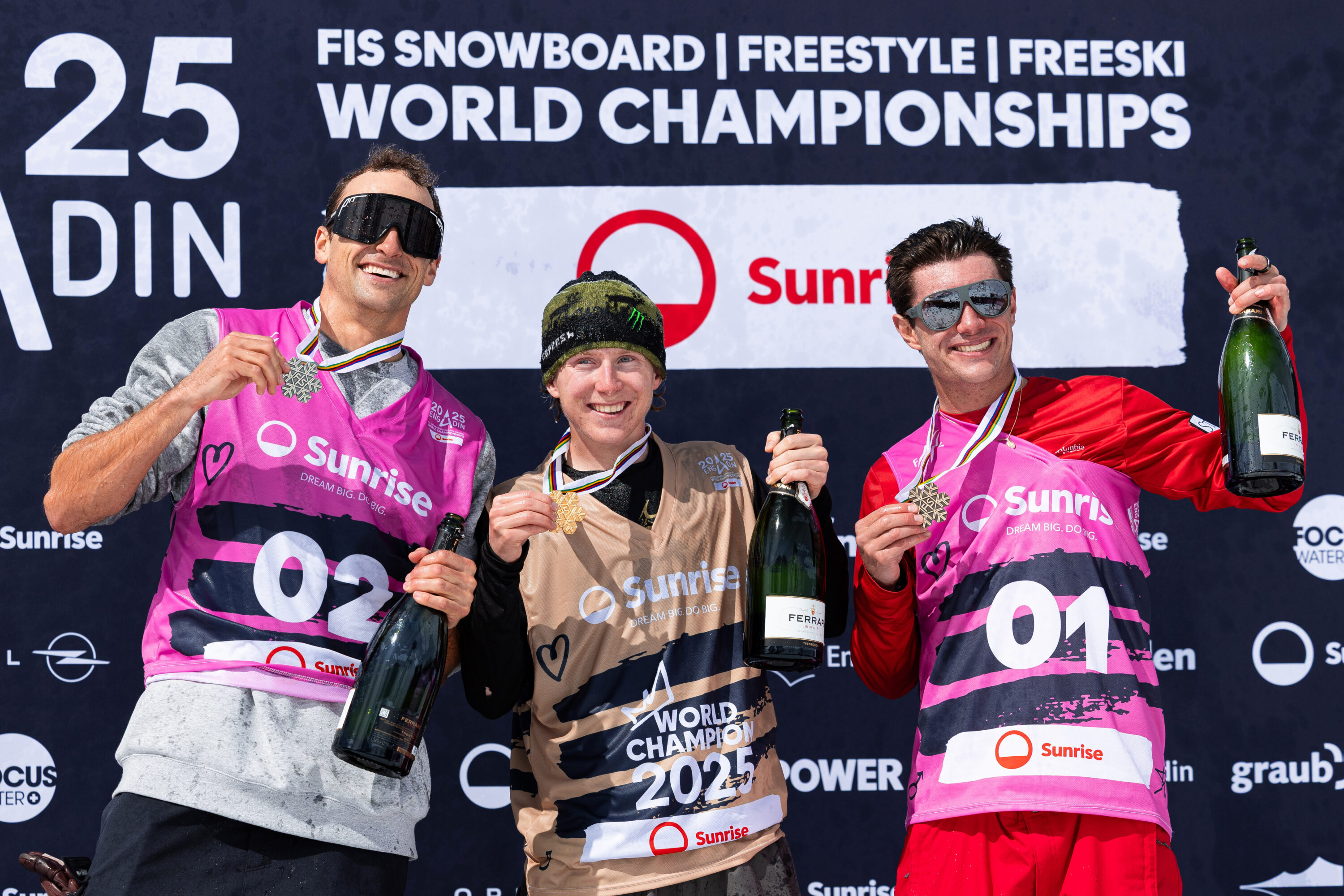
2025 World Championships Results
Men's Freeski Halfpipe
- Finley Melville-Ives (NZL)
- Nick Goepper (USA)
- Alex Ferreira (USA)
"Halfpipe has evolved significantly since the Beijing Olympics. To make it to the finals, you now need double tricks on every hit. You also need to incorporate difficult switch transitions, like a switch into a double cork. Top skaters incorporate tricks in all four directions into their routines, and championship-level skaters will naturally be aiming for 16 (1620 = 4 1/2 rotations). There are already skaters who have done 18 (1800 = 5 rotations), and some skaters are even doing triple corks. I think everyone is working on new tricks
In the meantime, the HP medal contenders are likely to be Finley Melville-Ives and Luke Harald from New Zealand, Alex Ferreira and Nick Goepper from the United States, and Brendan McKay from Canada. If the competition becomes too difficult, it's hard to say for sure which athlete will win, and it's difficult to predict. If things go as planned, I think the two young athletes from New Zealand will be very strong contenders
Check out the slide here!
Women's battle situation
Finally, I asked about the girls

"I don't think the women's lineup will be much different from last time in Beijing. In the halfpipe, Eileen Gu, the gold medalist in Beijing, is overwhelmingly strong. I've heard that she's focusing on the halfpipe this time
In big air, there's Mathilde Glemaud of Switzerland, the gold medalist at the last Beijing Olympics, and Sarah Hoeflin, who won gold in Pyeongchang. Chinese skaters are also doing quite well right now, so Liu Mengping is one to watch. Chinese skaters are practicing big air like crazy, given the conditions. As for tricks, 14 and 16 in both directions and switch 14 or 12. If the conditions are good, I think everyone will be aiming for those
Kondo Kokone and Koga Yuna will be competing in the slopestyle event from Japan. Kondo is known for her Switch Blender 1080, a technique that only she can pull off among women in the world, and her style is highly regarded. Koga achieved great results at the W-CUP in December this season, earning her her first Olympic ticket. Please support her
How will the athletes' battle turn out?
You can also enjoy live streaming of the freestyle skiing competition on NHK affiliates and Tver. Be sure to tune in!