

The Milan-Cortina Olympics saw some thrilling competition. While we were all engrossed in watching the events, let's take a look back at the skis used by the world's top athletes in the halfpipe. Check out the skis that supported the highest level of performance by the athletes who competed in the finals, and add them to your list of "next pair"!
The skis used by the athletes in the halfpipe
The men's ski halfpipe podium at the Milan-Cortina Olympics featured a different lineup than that of slopestyle and big air, drawing attention to the technique and expressiveness required for halfpipe skiing. What kind of skis were worn by the top athletes who supported this fierce aerial competition?
According to Kentaro Tsuda, who competed in the halfpipe at the Sochi Olympics and is currently the head coach of the All Japan Freestyle Ski Team,
"For the halfpipe, since it's a high-speed course, you don't need very soft skis, but rather firm skis, and the waist width should be around 90mm, or up to about 100mm. Lately, it seems like everyone is using slightly wider skis. The length will depend on your height and preference."
First, let's review the results
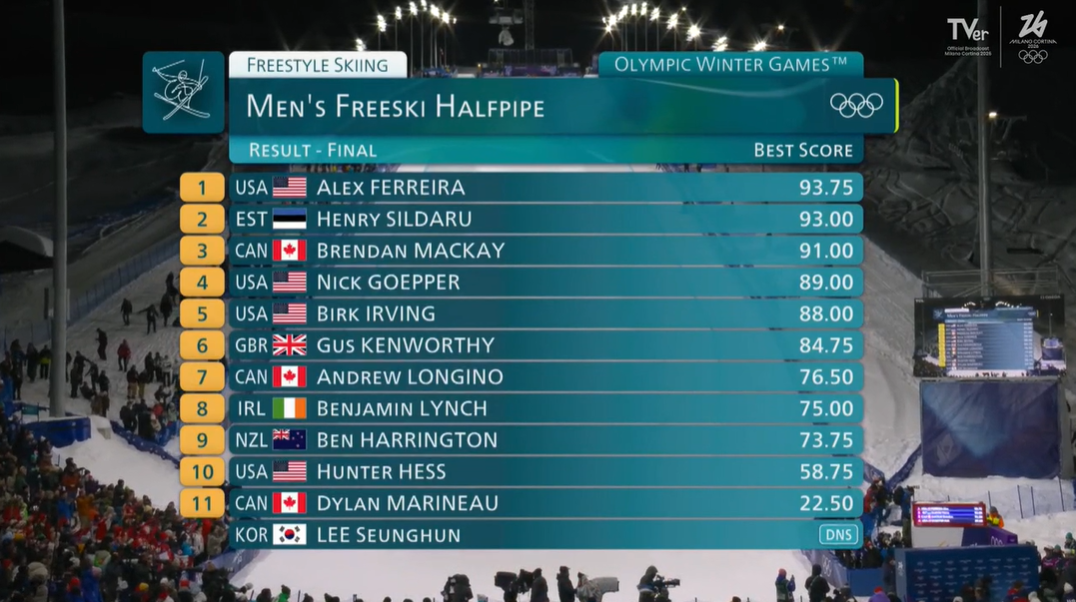
The winner, Alex Ferreira of the USA, was the overall champion in the harp pipe at the 25th W-CUP. He won the gold medal with a stable skate, making it his third consecutive Olympic medal. Silver went to Henry Sildaru of Estonia, a 19-year-old competing in his Olympic debut. He was in the lead until his second run, but was slightly overtaken on his third run. Bronze went to Brendan MacKay of Canada, who achieved a personal best score on his third run, and his air performance was overwhelmingly strong
▼Highlight video of the halfpipe competition
: https://www.olympics.com/ja/milano-cortina-2026/videos/alex-ferreira-produces-late-freeski-halfpipe-heroics-to-win-gold-milano-cortina-2026
Check out the skis used by the riders who made it to the finals!
The ski halfpipe in this competition was the same course as the snowboard halfpipe. The pipe's specifications were 198m long, 18 degrees slope, 21.1m wide course, and 7.2m high wall. What skis supported the fierce battle to become the world's best on this gigantic pipe?
First, let's check the brand usage rate of the athletes. The following data was obtained for the ski brands worn by the 25 athletes who qualified for the prestigious Olympic Games and participated in the qualifying rounds
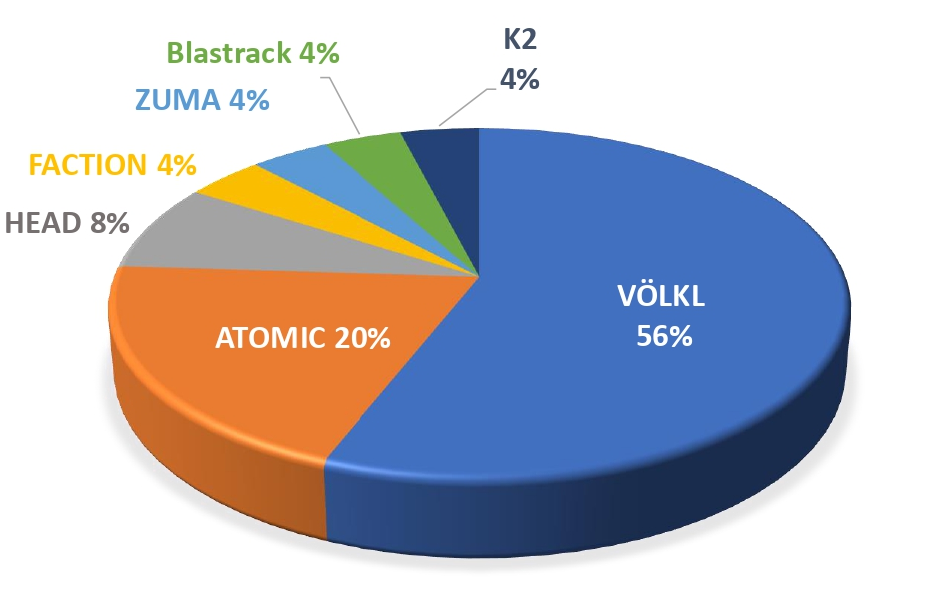
VÖLKL dominated with a 56% share, followed by ATOMIC at 20%. In third place was HEAD at 8%. Since this is a share rate among 25 riders, 56% was used by 14 riders, 20% by 5 riders, 8% by 2 riders, and 4% by 1 rider. Meanwhile, in slopestyle and big air, FACTION had the second highest usage rate after VÖLKL
Next, let's take a look at the skis used by the top skiers in the finals. Finally, let's take a look at the skis worn by Toma Matsuura of Japan, who placed 13th in the qualifying rounds and narrowly missed out on making it to the final 12, but put up a great fight in his first appearance
It's interesting to look at the gear used and the athletes' own Instagram posts, as their honest words convey the atmosphere of the tournament and their feelings
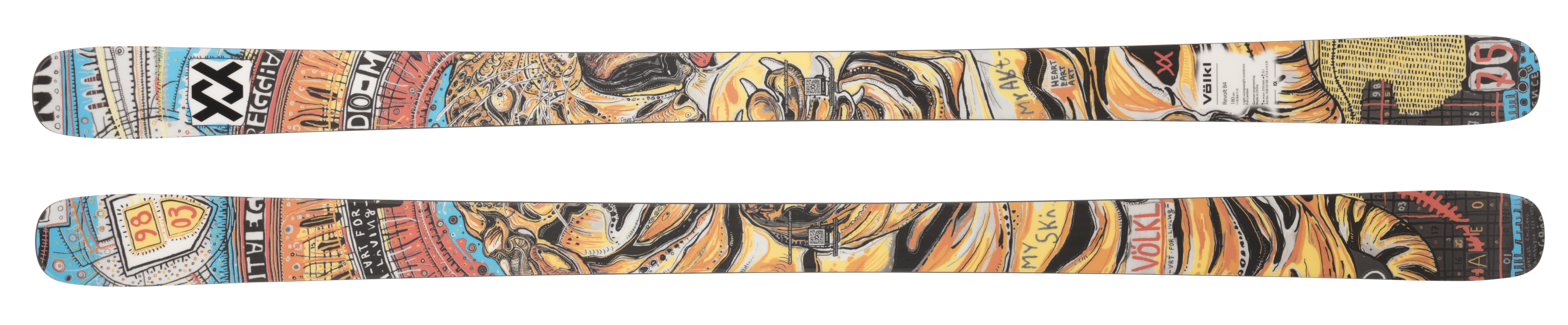
Alex Ferreira (USA) | Gold Medal
VÖLKL | Revolt 84 ['26-27 Model]
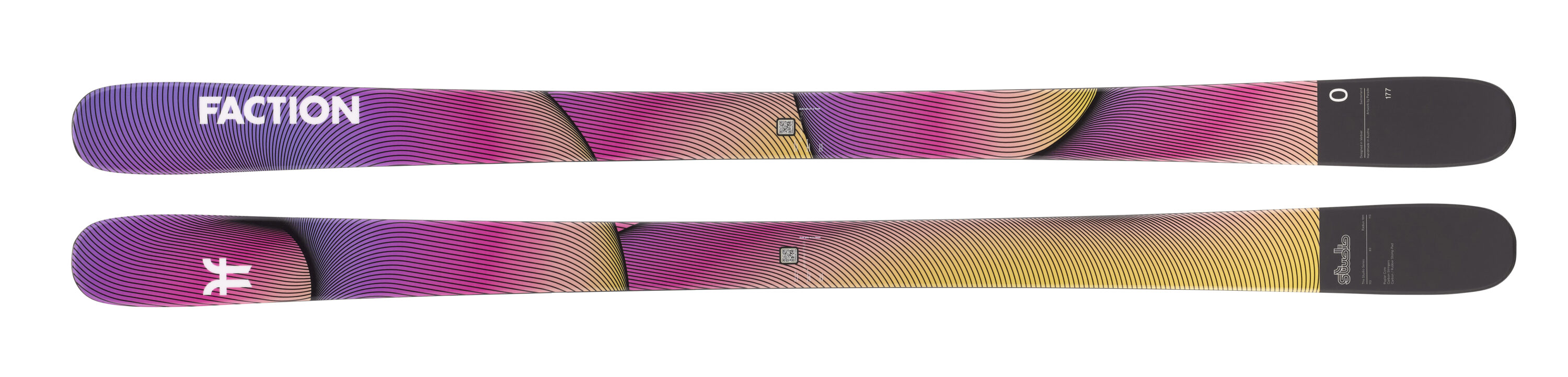
Henry Sildaru (EST) | Silver Medal
FACTION|Studio0 ['25-26 Model]
Brendan Mackay (CAN) | Bronze medal
ATOMIC | Bent 90 [2026-2027 Model]

Nick Goepper (USA)
VÖLKL | Revolt 84 ['26-27 Model]
Burk Irving (USA)
K2 | Omen Team [2026-2027 Model]

Gus Kenworthy (GBR)
ATOMIC | Bent Decode ['26-27 Model]

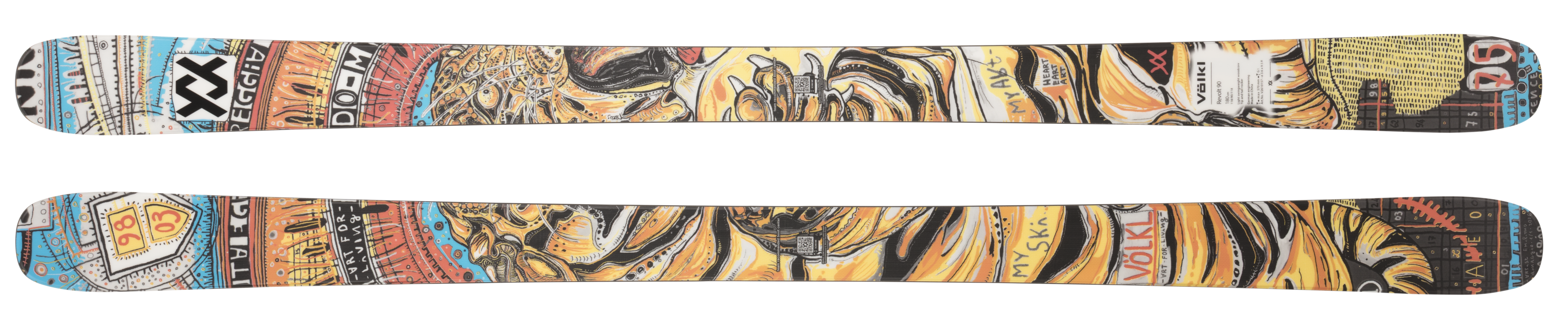
Andrew Longino (Andrew Longino/CAN)
VÖLKL | Revolt 90 ['25-26 Model]
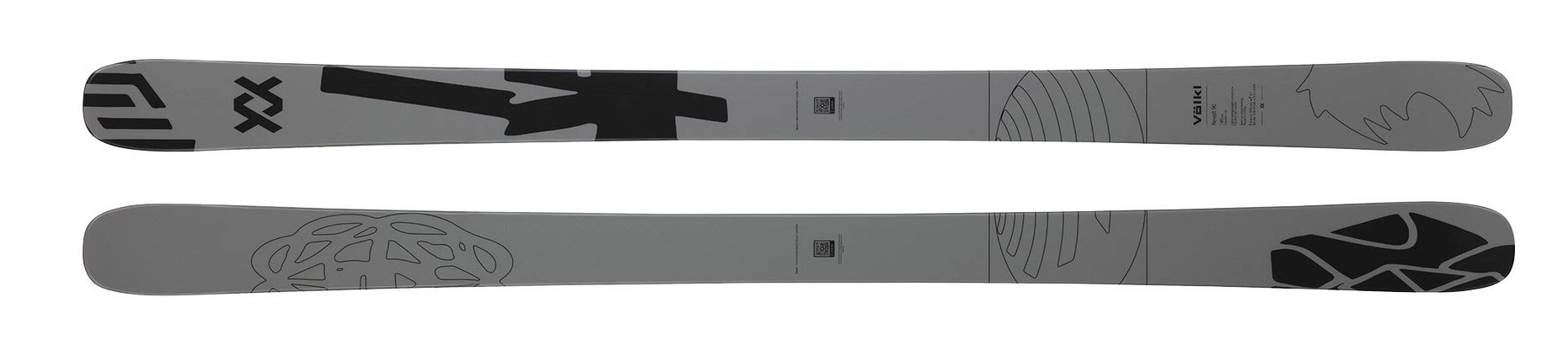
Benjamin Lynch (IRL)
VÖLKL | Revolt 90 ['25-26 Model]
Ben Harrington (NZL)
VÖLKL | Revolt 84 ['26-27 Model]
Hunter Hess (USA)
VÖLKL | Revolt 84 ['26-27 Model]
Dylan Marineau (CAN)
ZUMA | PRO PIPE ['26-27 Model]

Toma Matsuura (JPN)
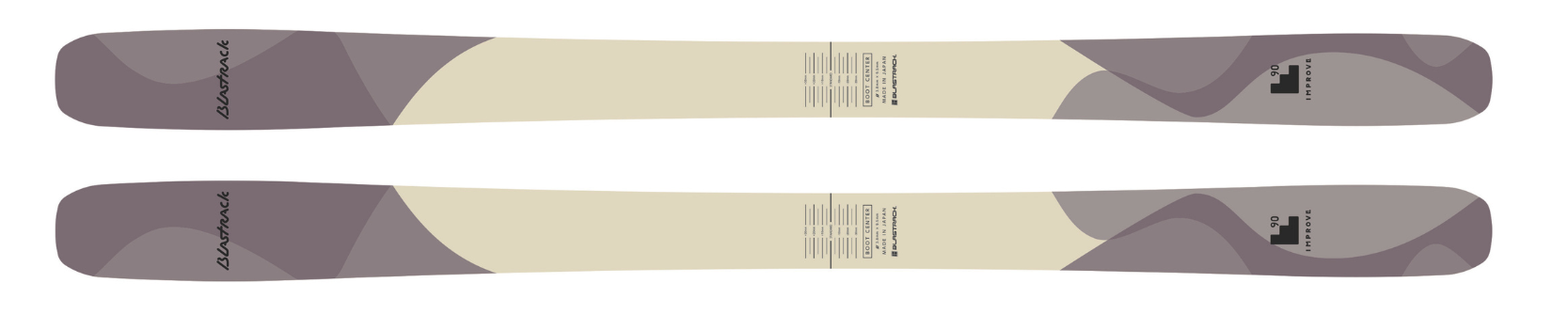
Blastrack | IMPROVE 90 ['26-27 Model]