

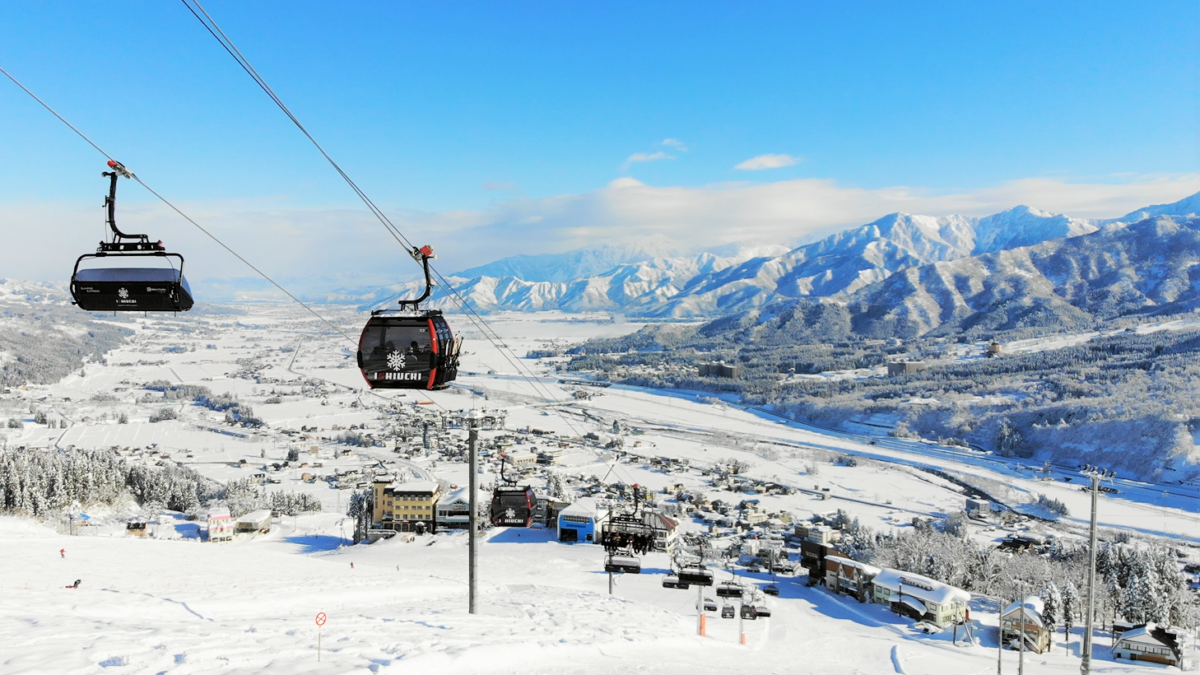
This series will provide detailed and enthusiastic information on Japan's ski resorts from various perspectives. This time, we will look at the first part of the cable car, which is a major part of the lives of skiers and snowboarders
By the way, what does the "sou" in "kado" mean?
Chairlifts (so-called lifts), gondolas, and ropeways are collectively called "cableways." What does the "cable" in "cableway" mean, a term you don't often encounter in everyday life? It refers to a wire rope.
If a "railway" is a means of transportation that runs on iron tracks, then a cableway is a means of transportation that moves carriers suspended from a "cable" stretched through the air. Incidentally, what is commonly known as a cable car is pulled by a cable, but since it runs on tracks, it is treated as a railway.
Japan's first passenger cableway was built in 1912 (Meiji 45) between the original Tsutenkaku Tower in Shinsekai, Osaka, and the amusement park opposite, Luna Park. However, it was a simple structure with just one open passenger car, similar to the rides at amusement parks, going back and forth

The first example of a bridge at a ski resort in Japan was built in 1946 during the GHQ occupation. It was built at Mt. Moiwa in Sapporo, followed by Maruike Pond in Shiga Kogen, but both were for the exclusive use of the occupying forces
The first ski lift for private commercial use was built in 1948 at what is now Kusatsu Kokusai. Since then, lifts have been built one after another at Akakura, Nozawa, Zao, and other ski resorts. Subsequently, ropeways and gondolas have also appeared at ski resorts, and cableways have become an indispensable part of enjoying skiing
By the way, which manufacturers make and maintain cableways? Because they require a high level of specialization, there are only a select few manufacturers. Nippon Cable, which holds the largest market share, has a strong presence, followed by Anzen Suido, a long-established company founded in the Taisho era. There are also several other companies
Categorizing "Railways" Isn't Simple at All
Technically, there are three main classifications for cable cars. It can be a little confusing, but there aren't three types in total. There are three classifications, which are further subdivided
First, there are differences in how the carrier is supported and towed; second, there are differences in the type of travel method; and third, there are differences in whether people are transported in a box-shaped carrier or in an open carrier.
From here, we will explain the details of each of these three classifications.
① Classification by support and traction method
▶Single wire: Supported and pulled by a single rope
This is different from the "single track" of railways. Chairlifts and gondolas are mainly this type. A single rope serves both to support and pull the carriage, and it circulates. This rope is called a "stay rope." It does not matter whether it is a fixed circulation type (described below) or an automatic circulation type
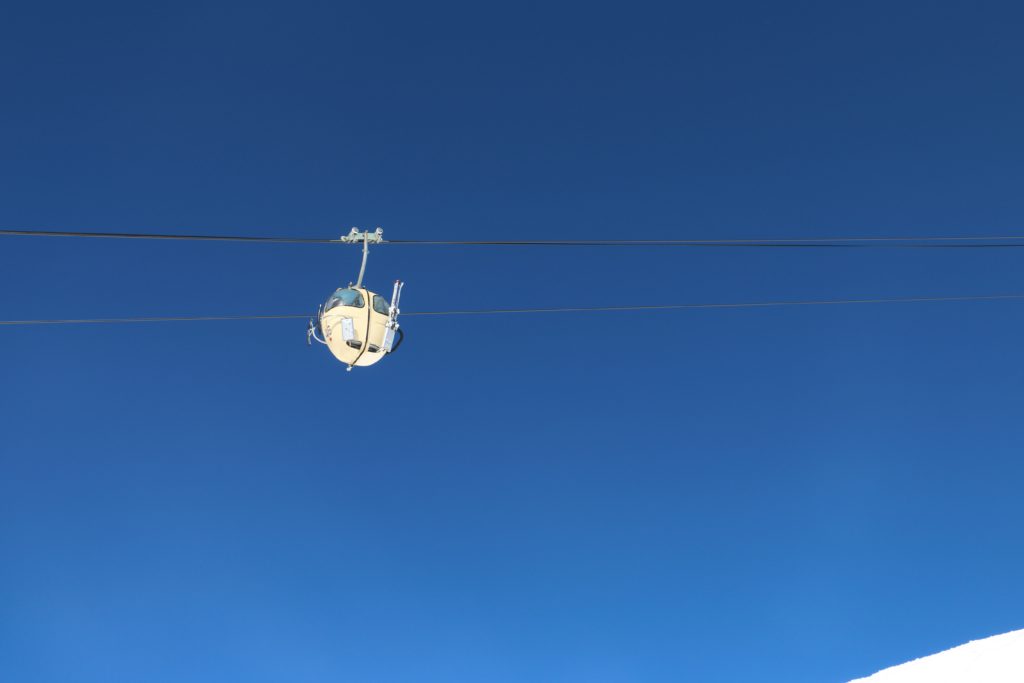
▶Double track: Uses multiple ropes with different functions
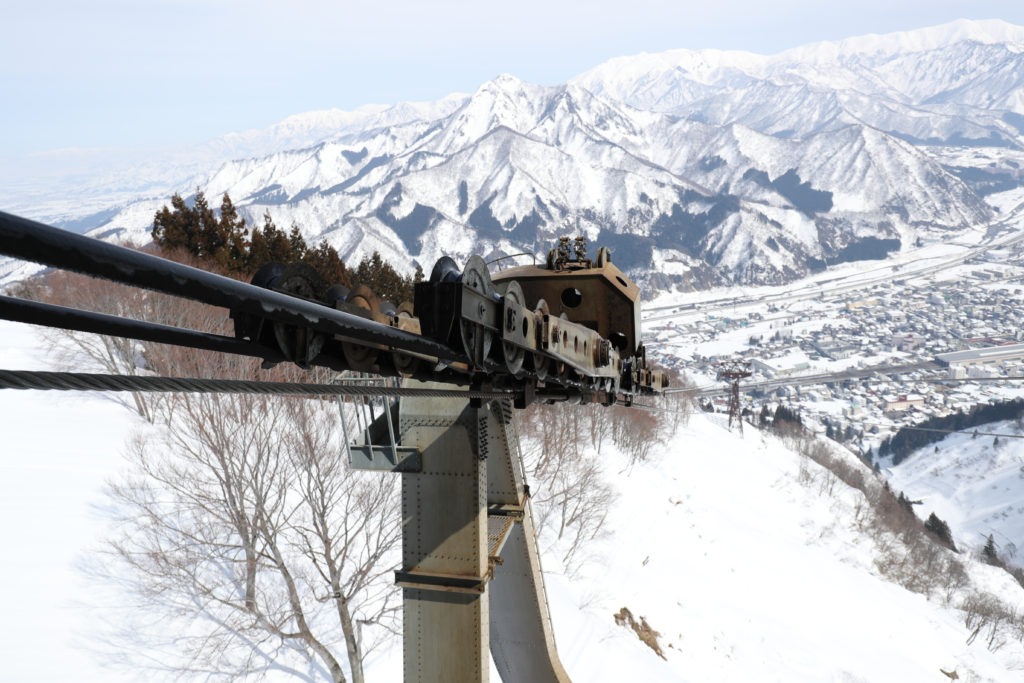
Several ropes are used: "stay ropes" that support the carriage and "towing ropes" that pull it. As shown in the photo, it is the stay ropes that the wheels run on. This type of rope is the heaviest, and is never found in chairlifts or gondolas
▶Double single track The latest model is still rare
There are multiple ropes on both sides of the carrier, and they are all stay ropes that serve both to support and pull the carrier. Having multiple ropes makes it stable and resistant to crosswinds. Of these, ropes with two ropes wider than the carrier are also called "funitel."
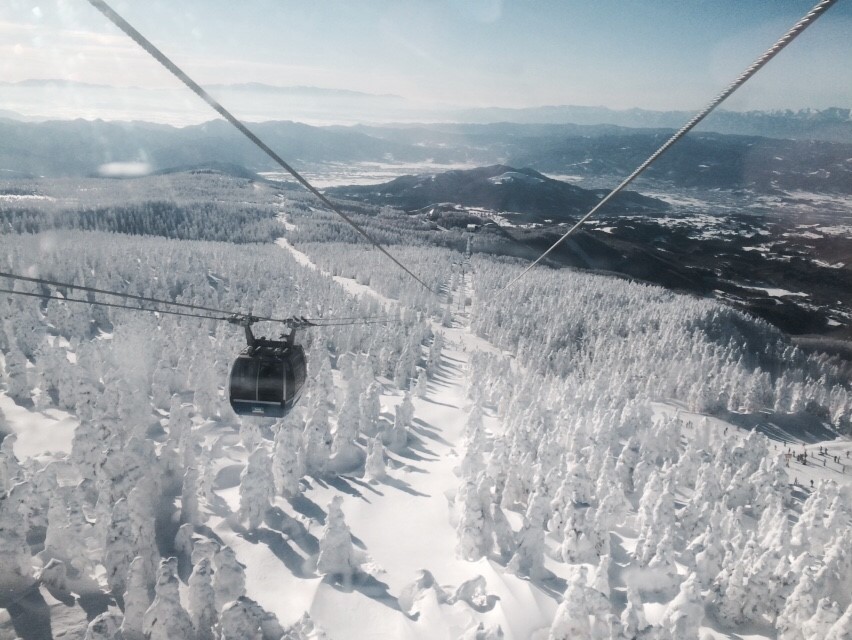
② Classification by driving method
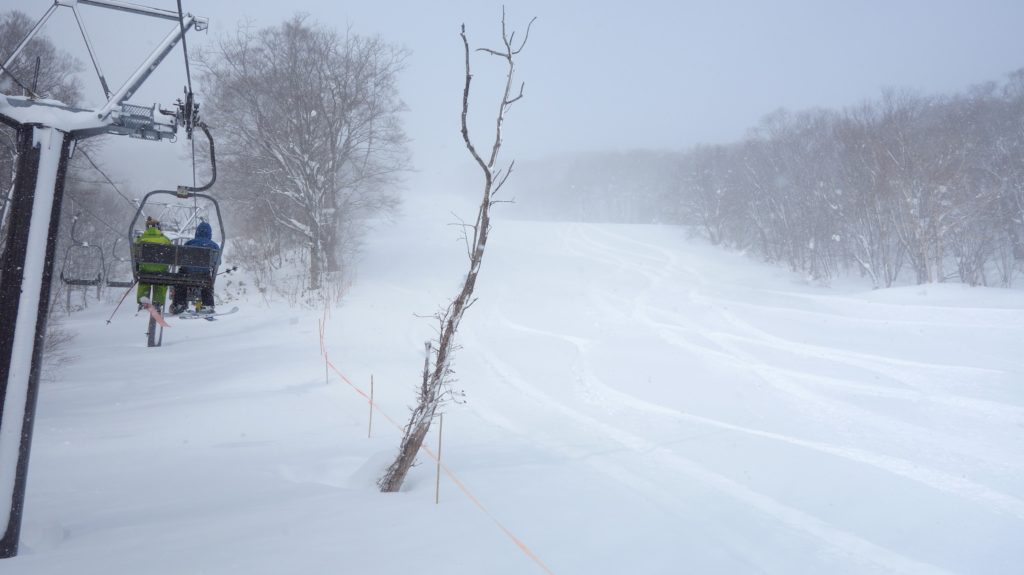
Fixed circulation type: The carriage and rope are fixed
This type literally consists of gondolas where the carriers are fixed to ropes and move in a circular motion. It is mainly used in chairlifts. Because they are fixed, all the carriers basically move at the same speed. Due to its simple structure, it is the easiest to maintain. However, there are a few types called "pulse gondolas" (currently under construction in Shiga Kogen) that can periodically slow down or stop.
▶Automatic circulation system: A system that enables high speed
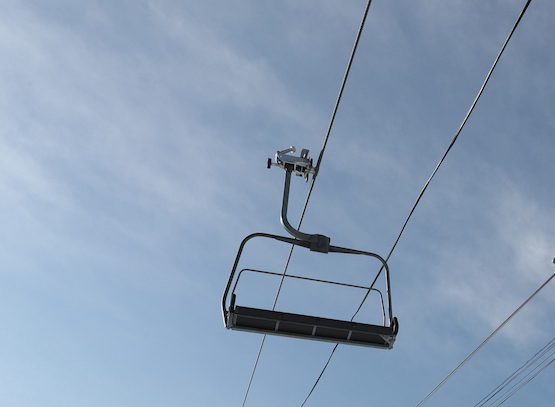
The carriage is attached to a rope while traveling between stations, but when it arrives at the station it automatically detaches from the rope and travels along a different lane. This detachment allows the carriage to slow down when passengers board or disembark, but allows it to speed up while traveling. This means it's easy to board and disembark, and it's fast
▶ Cross-propelled type Two carriages cross each other
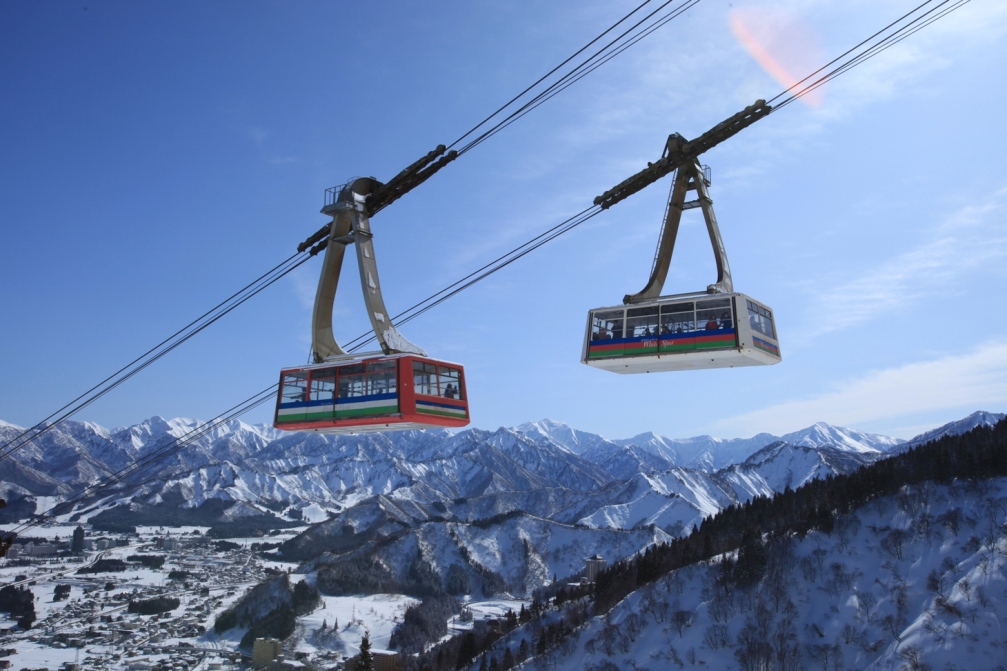
This is known as the "bucket type." When one carriage rises, the other descends, and they pass each other at the midpoint. This type is mainly used for ropeways. Although it is not used for gondolas or chairlifts due to efficiency reasons, there are also cross-propelled gondolas in the world
▶Sliding type: Move by sliding on your own board
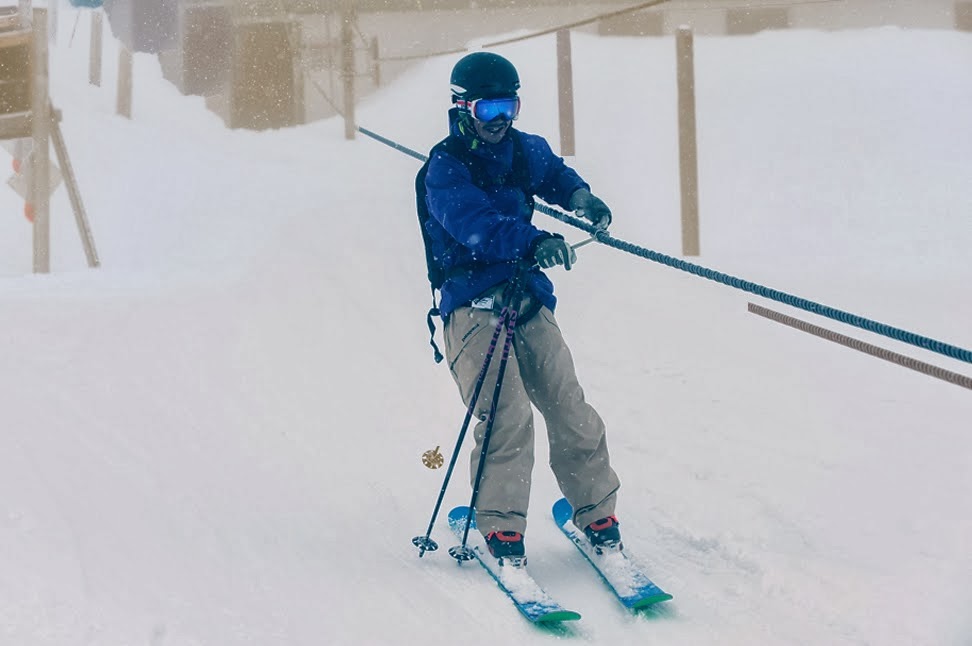
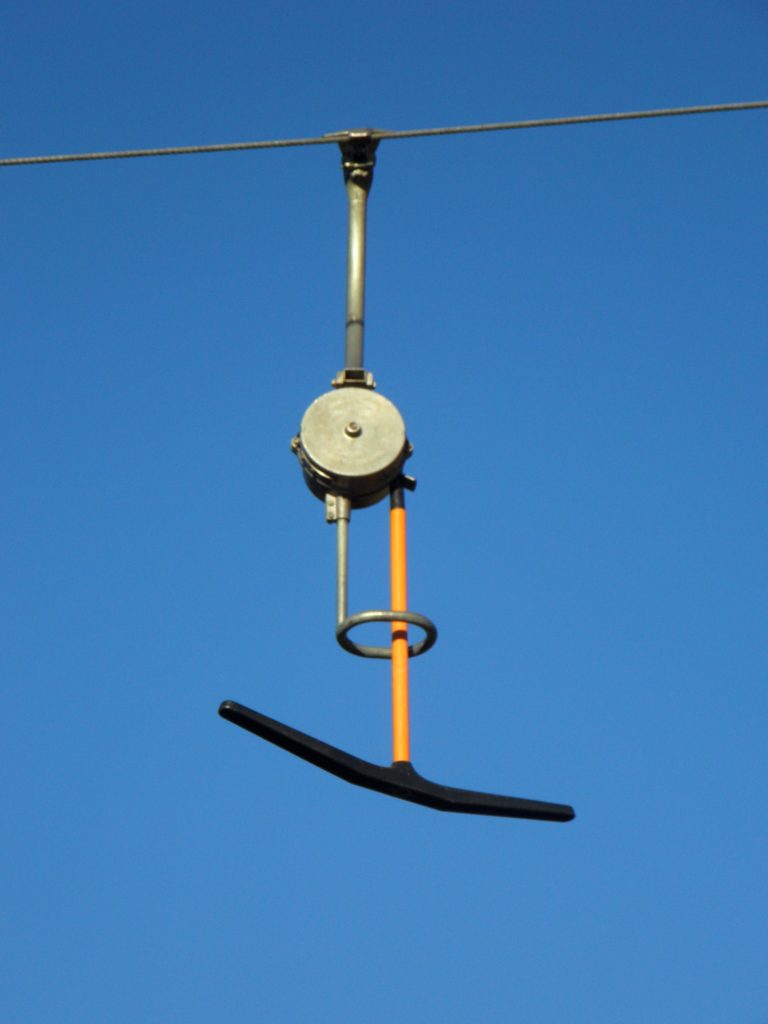
This is the name given to T-bar lifts and J-bar lifts, where skiers and snowboarders straddle a carrier or place it on their buttocks, moving with their boards in contact with the snow. However, these are quite rare in Japan
③Classification by carrier
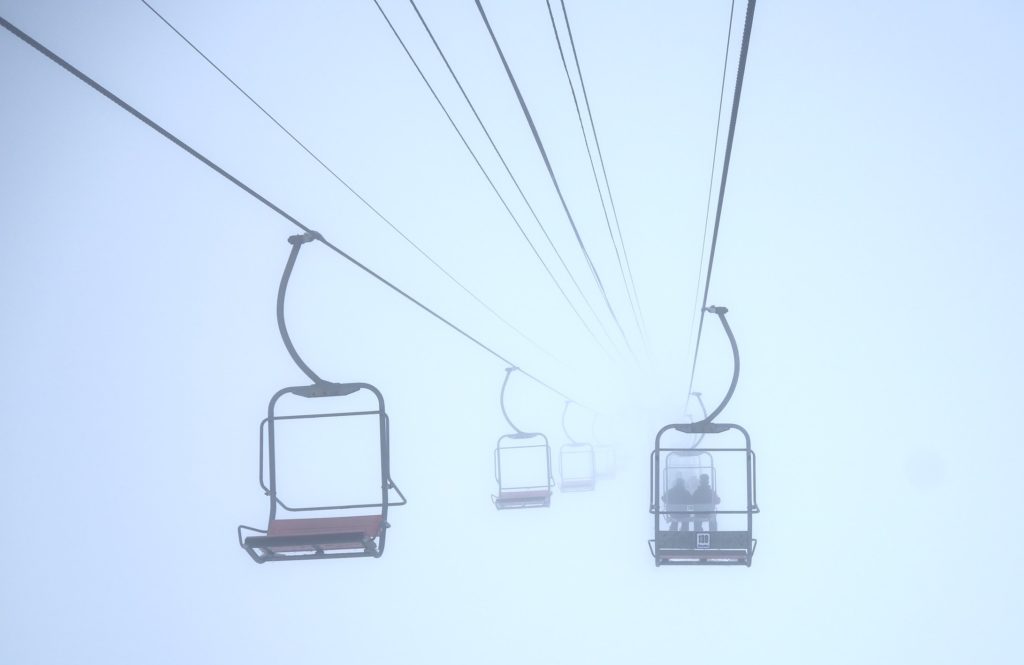
▶Special ropeway: Carried by seats open to the outside
This category includes chairlifts, T-bar lifts, and J-bar lifts. Hooded lifts, which are covered but not enclosed, also fall into this category. T-bar and J-bar lifts are also called "schlepp lifts."
▶ Ordinary ropeway: Transported in a box-shaped carrier
A cableway with a box-shaped carriage that can be opened and closed. A medium-sized, circular carriage is usually called a "gondola," while a medium to large, cross-type carriage is usually called a "ropeway." However, there are some facilities, such as Marunuma Kogen, that call the former a ropeway
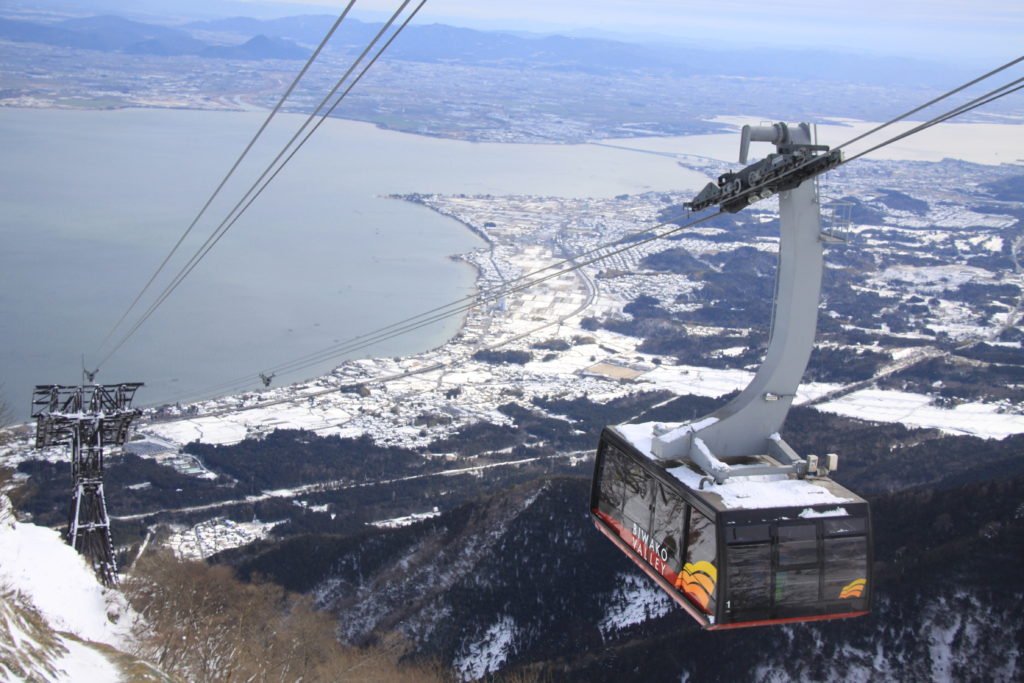
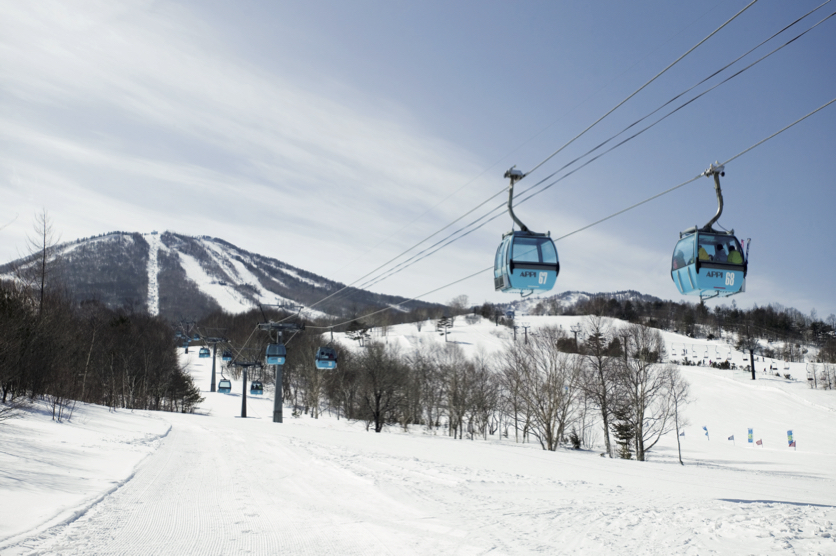
This is the type that is mainly found at Japanese ski resorts
The situation regarding cableways varies from country to country. For example, T-bars and J-bars, which are rare in Japan, are not uncommon in Europe and the US. As a result, there are types of cableways that can be found at ski resorts overseas but not in Japan. At the end of the first part, we will introduce the types of cableways that are actually in operation in Japan. They all fall into a combination of the above-mentioned ①, ②, and ③, so reading them while looking back will help you understand better
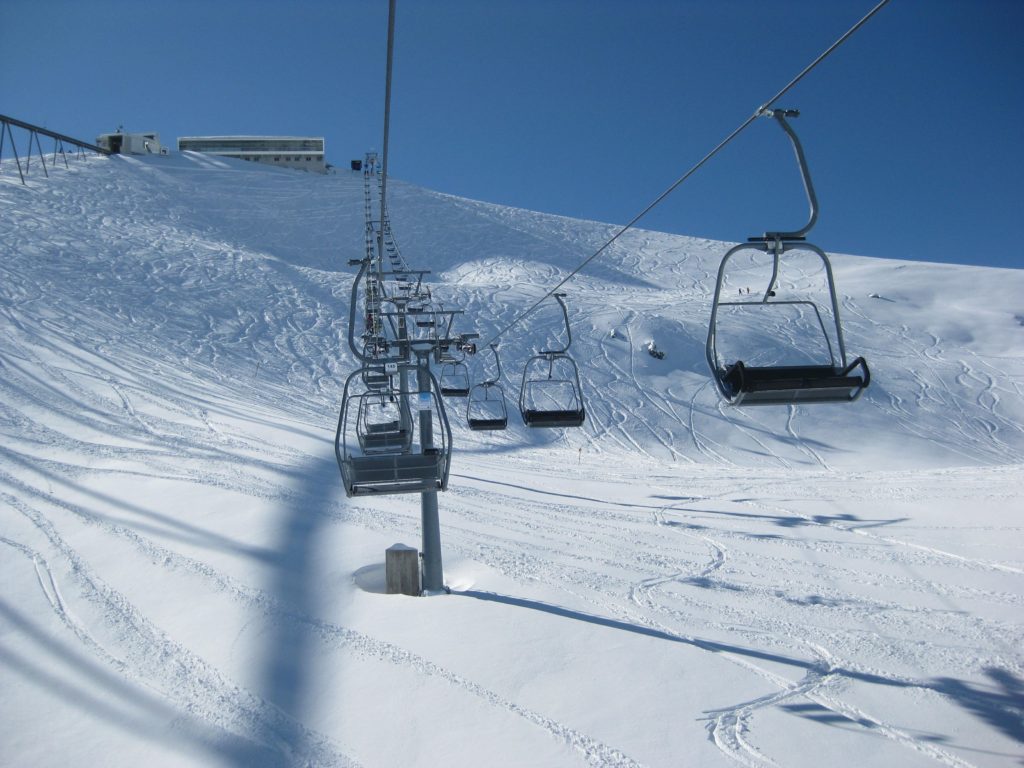
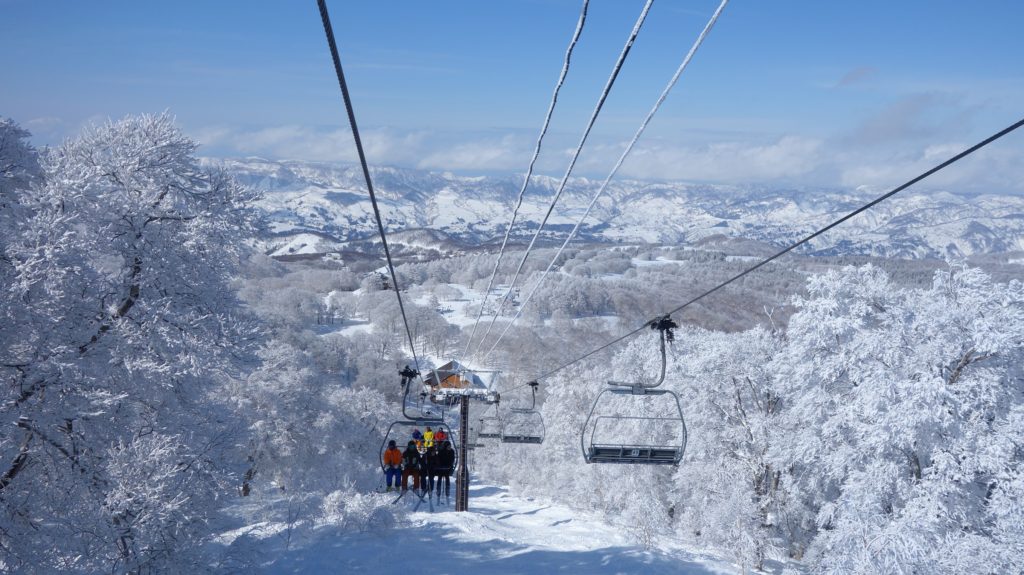
Single-track fixed-circulation chairlift
This type has the simplest structure. It is one of the most common chairlifts and is the most common in Japan. As it is a fixed circulation type, it cannot be made faster, so it is not suitable for long distances. Lifts with names such as "◎◎ high-speed lift" do not fall into this category
Single-track automatic circulation chairlift
Single track is the rule for chairlifts. This type of lift can operate at high speeds by slowing down when boarding and disembarking. Therefore, it is common for lifts that extend from the base to the middle of the mountain in one go, or lifts that span the main course. In some cases, a hooded carriage is also used
●Single-track special ropeway
Most cableways are installed in tourist destinations and amusement parks other than ski resorts, but this is the only one that is 99.99% exclusive to ski resorts (including grass ski resorts). As the name suggests, passengers slide down the slopes, and this type includes T-bar lifts and J-bar lifts
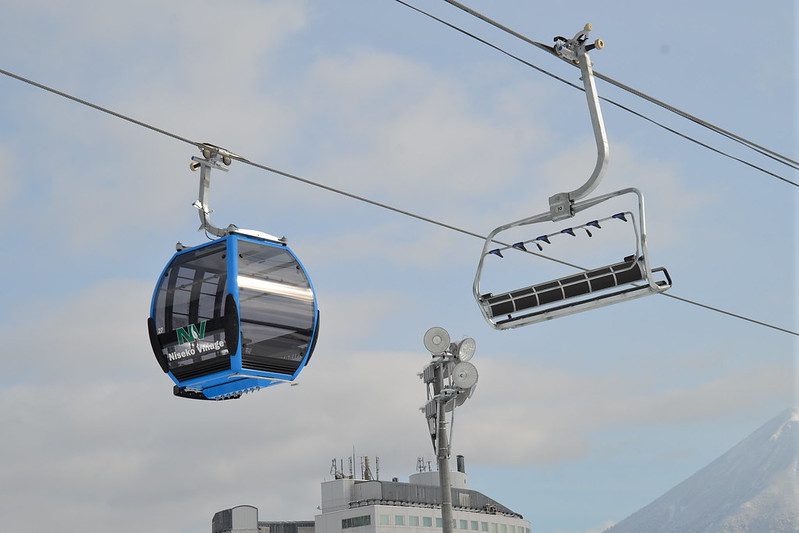
Single-track automatic circulation gondola
Most gondolas at Japanese ski resorts are single-track. Because they carry a large number of passengers and take time to board and disembark, an automatic circulating system is ideal. Niseko Village and Ishiuchi Maruyama also have "combination lifts" where a single-track automatic circulating gondola and a chairlift share a single rope
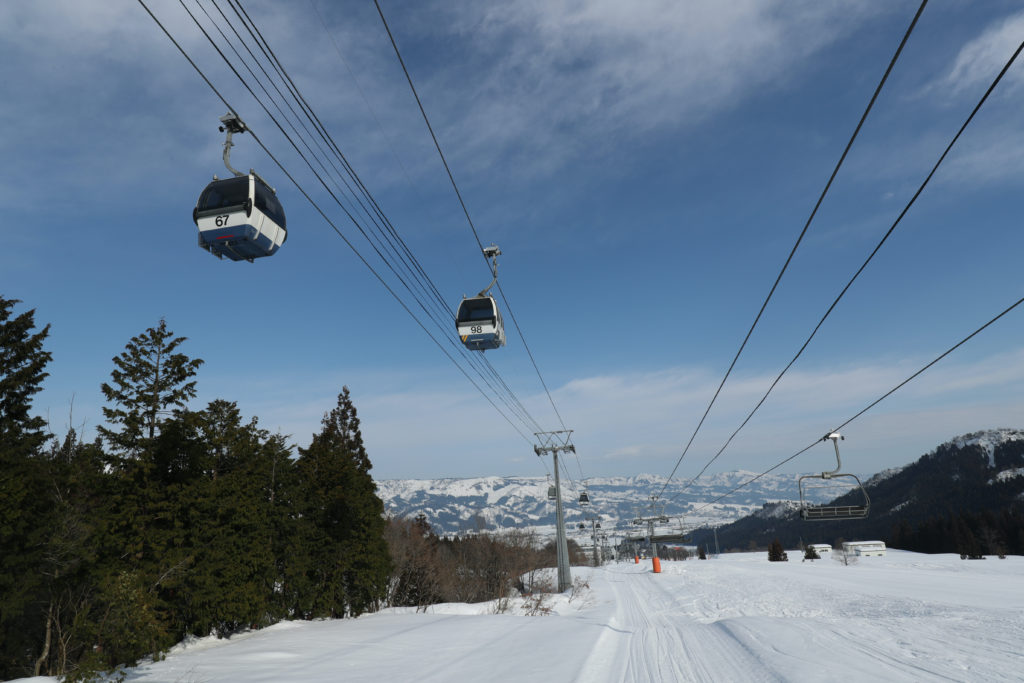
●Double single-track automatic circulating ordinary cableway (automatic circulating Funitel)
The key point is that although there are multiple ropes, they automatically circulate. The first ski resort in Japan to use this system was Zao Onsen in 2003. It was later installed at Tanigawadake Tenjindaira. Because it is a circulating system, it seems to fall into the category of a gondola, but both domestic locations are called "ropeways."
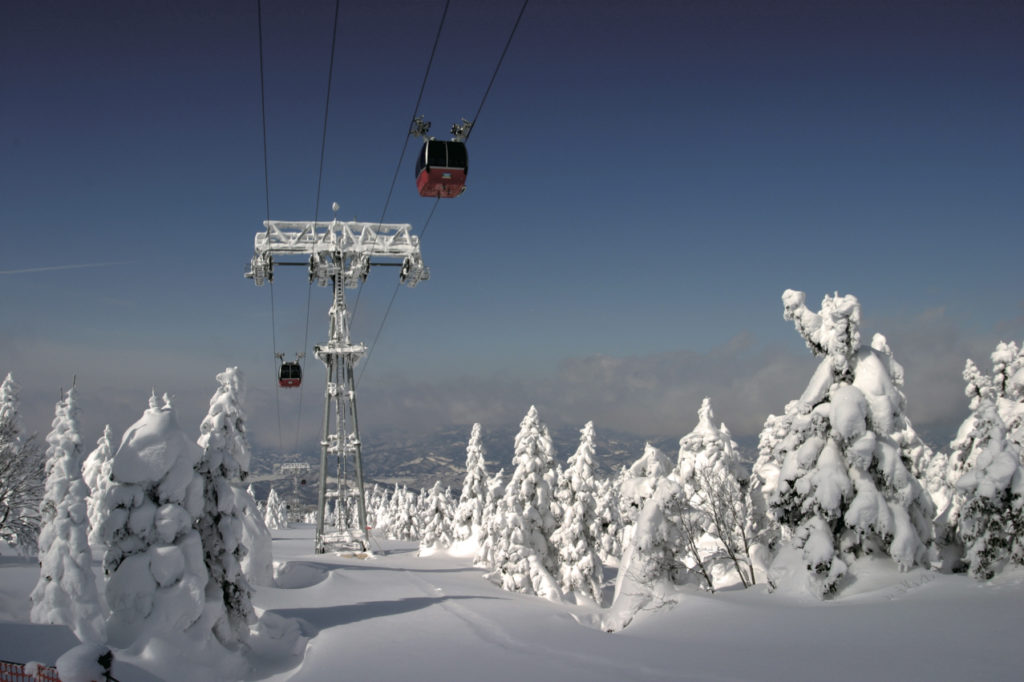
●Double-track crossing ropeway
It is physically difficult for a ropeway with a large, heavy carriage to be single-tracked or to operate in a circular pattern. Therefore, double-tracked, alternating-track systems are now the norm. This is why, on average, a ropeway operates about once every 20 to 30 minutes
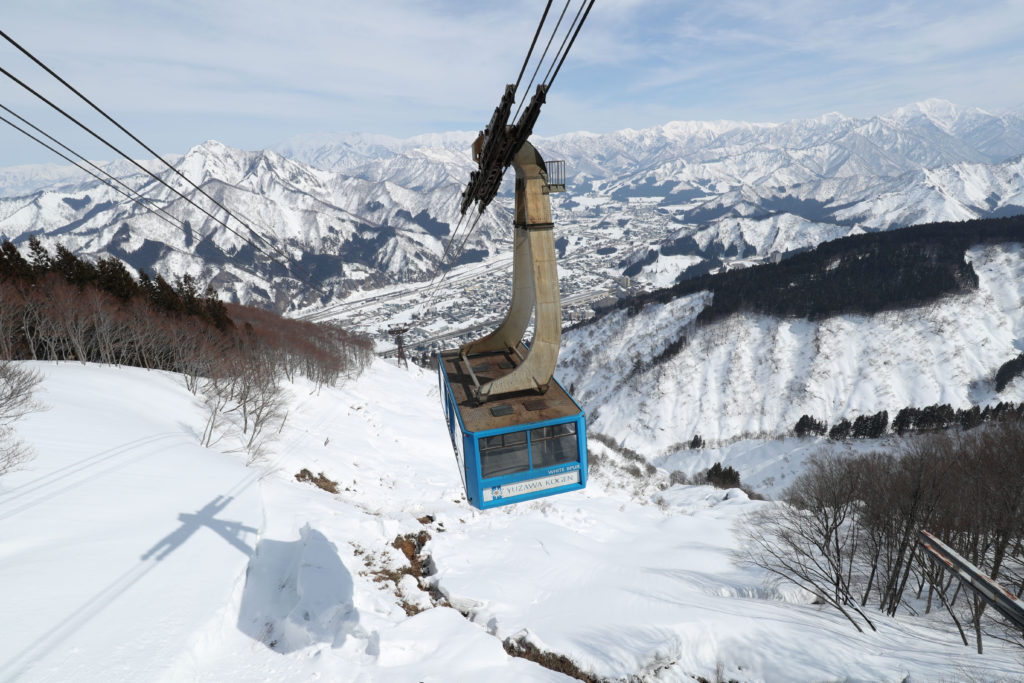
To be continued in the second part
[Profile] Daisuke Mizorogi
Having worked in the BRAVOSKI editorial department for over 20 years, he has a long history of covering moguls skiing since the 1990s and also has extensive experience as a ski resort guide. At the same time, he has created numerous unconventional projects that blend subculture and skiing, unlike anything found in existing ski magazines. Currently, while also holding the title of "Showa Culture Researcher," he writes and edits in various genres beyond skiing. He occupies the most indoor position in the outdoor world, and the most outdoor position in the indoor world.
d-mizorogi.com
Text by Daisuke Mizorogi,
Edited by STEEP Editorial Department.
Source: Re-edited from BRAVOSKI vol.2, 2018.