


Kagura, a backcountry field that represents the Yuzawa area, is popular for its accessibility from the slopes and for its many slopes that are easy to ski on. As it is an ideal environment for backcountry beginners, tours are popular right up until the spring season. For those who want to ski the backcountry this season, the layering tips of the backcountry guides active in this area will be very helpful. We asked them about the know-how they use for layering in the harsh winter and in the spring mountains
*For detailed information on the guide club, click on the guide club name
JUNRINA mountain service|Jun Nagai
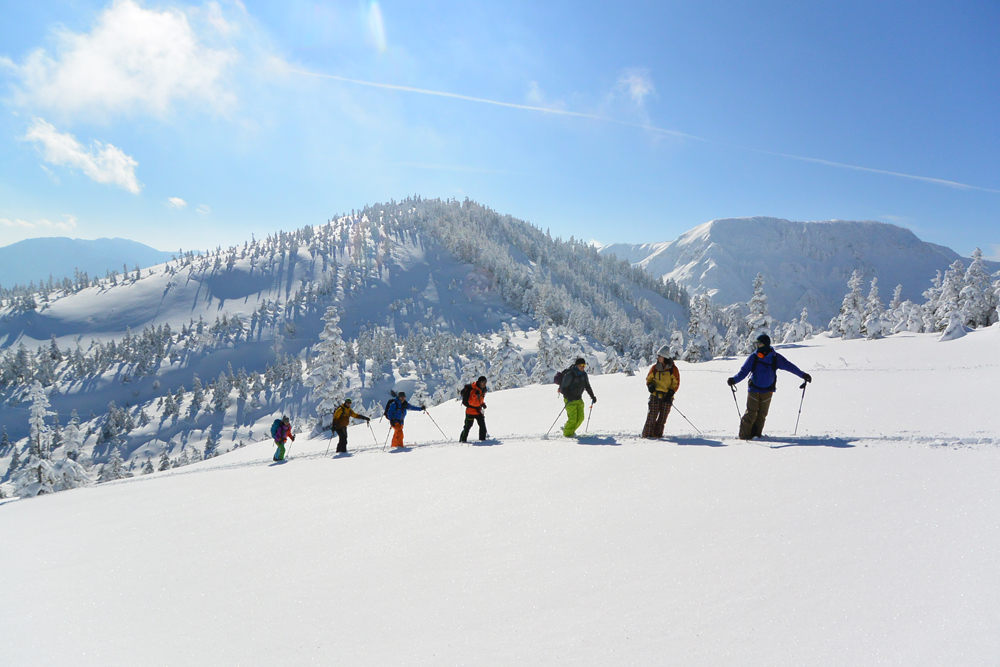
ARC'TERYX layering for sweat-wicking
High season layering

Outer layer:ARC'TERYX | Saber SV Jacket & Saber Pants
Middle layer:ARC'TERYX | Proton LT Jacket
Base layer:ARC'TERYX | Low LT Hoodie
How does it feel to use? (Impressions)
To prioritize breathability, I avoid layering too many clothes or choosing overly thick garments. When it's cold, I love using the ARC'TERYX synthetic insulation jacket, the "Nuclear SV Jacket."
What about layering for spring?

Outer layer:ARC'TERYX | Alpha Jacket & Rash Bib Pants
Middle layer:ARC'TERYX | Proton Lightweight Hoodie
Base layer:ARC'TERYX | Cormac Crew LS
Are there any other ideas you have added?
If I sweat, my base layer gets wet, which makes me uncomfortable and can lead to poor health, so I try to wear layers that help prevent my body temperature from rising and prevent me from sweating as much as possible.I also try to keep my luggage light, avoid drinking fresh water, and drink drinks that are easy to absorb, such as sports drinks and barley tea, which are rich in minerals
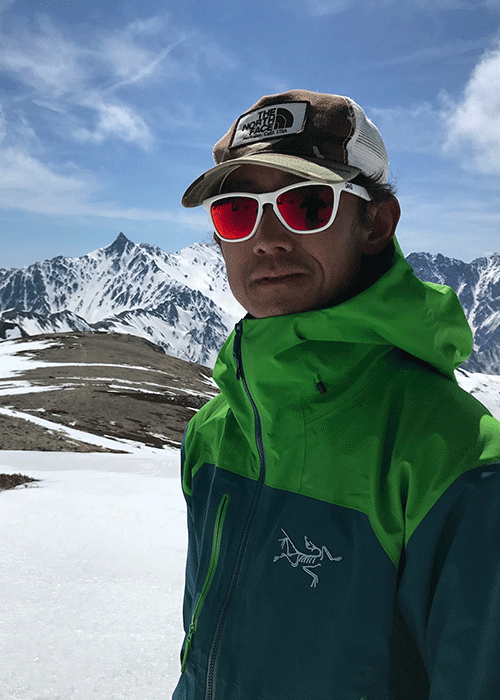
Reviewer:
JUNRINA mountain service|Jun Nagai
He quit his job and began working at Tateyama Raicho-so while undergoing guide training. In 2010, he started working as JUNRINA mountain service. He has extensive experience on backcountry trips overseas. In summer and autumn, he works as a mountaineering guide, mainly in the Alps and Joshinetsu region, and in winter and spring as a backcountry ski guide
Kagura Powder Station | Kazuya Igarashi
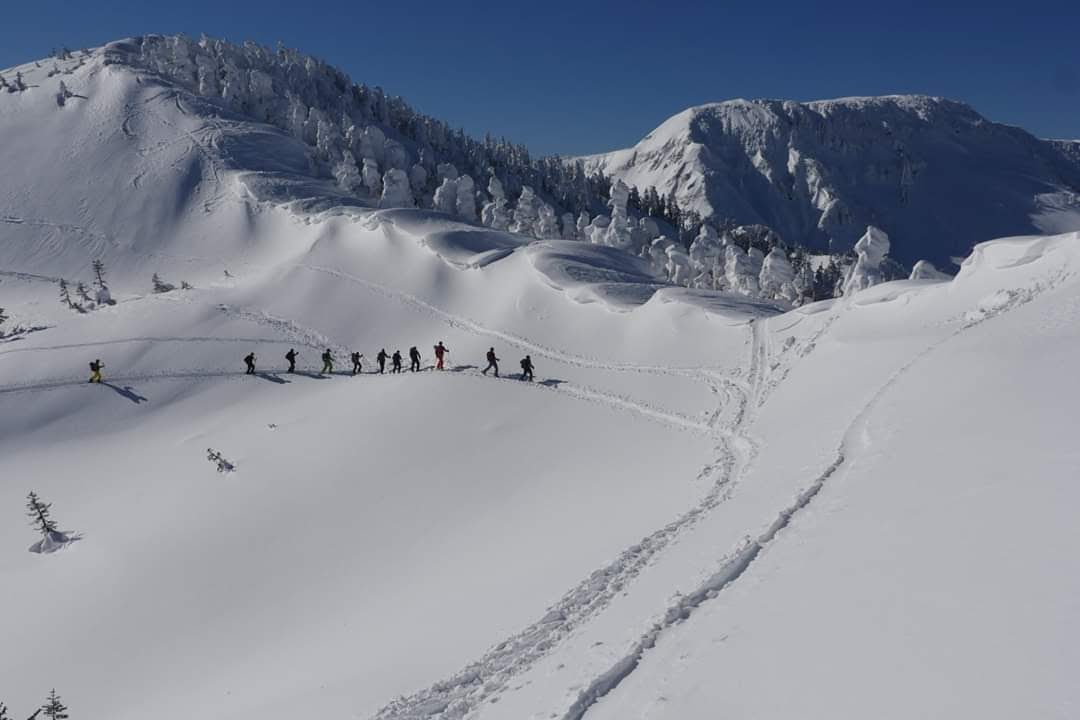
It has good heat retention, breathability, waterproofness, etc., and can be used functionally
High season layering

Outer layer:STRAFE | NOMAD JACKET & NOMAD BIB PANTS
Middle layer:STRAFE | Aero Insolator
Base layer:STRAFE | Hoodie Base Layer
How does it feel to use? (Impressions)
Each layer provides excellent heat retention, breathability, and waterproofing, making it highly functional. The jacket's pockets are large and easy to use even with gloves on
What about layering for spring?
A thin windbreaker is used as an outer layer, and a down jacket is always worn as an inner layer
Are there any other ideas you have added?
I always wear an inner down jacket and over mittens

Reviewer:
Kagura Powder Station|Kazuya Igarashi
After becoming the All-Japan Mogul Champion, he participated in the W-CAP and served as a national team coach, training Satoya, Miura, Tsukuda, Hara, and others. He worked for Yuichiro Miura and was active with Snow Dolphin. In 2008, he climbed Mount Everest with Miura. He currently works as a backcountry ski and mountaineering guide, supporting Kagura Powder Station
KinTouN Backcountry Guide | Kenichi Minegishi

The thing I always keep in mind is that it's warm enough
High season layering

Outer layer:Norrøna | lofoten Gore-Tex Pro Jacket
Middle layer:Norrøna | trollveggen Powerstretch Pro Zip Hood
Base layer:Smartwool | Men's Classic Thermal Merino Base Layer Crew
How does it feel to use? (Impressions)
When layering, I always keep in mind that the layers should be warm enough. For shells, I like Gore-Tex Pro. For NORRONA, I love tamok and lofoten, and use them depending on the season. I generally choose materials that are soft and comfortable against the skin. Personally, I prefer natural merino wool over synthetic fibers, especially for items that come into direct contact with the skin, and I've been using natural merino wool for many years
What about layering for spring?
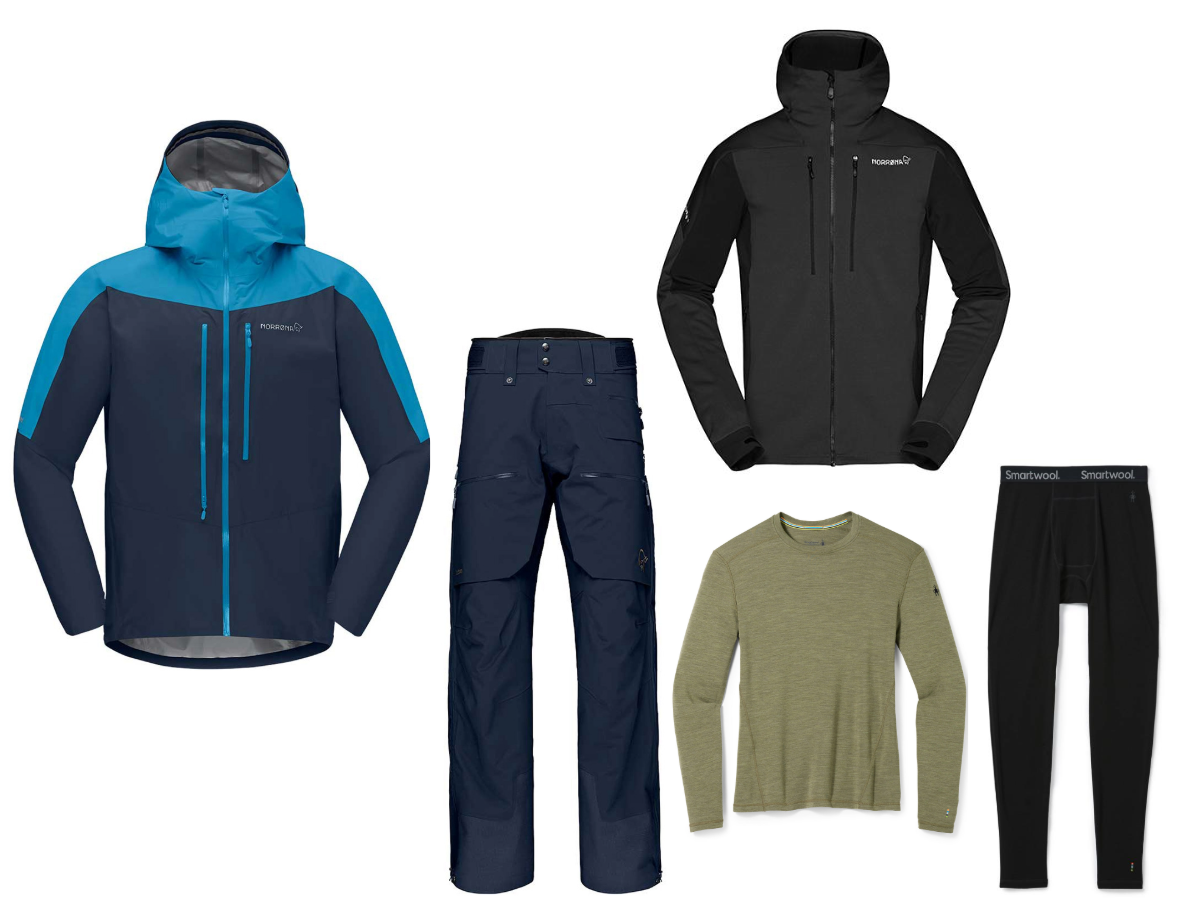
Outer layer: Norrøna | falketind Gore-Tex Paclite Jacket & lofoten Gore-Tex Pro Pants
Middle layer: Norrøna | trollveggen Powerstretch Pro Zip Hood
Base layer: Smartwool | Classic All Season Merino Base Layer Top and Bottom
Are there any other ideas you have added?
For warmth, I add a balaclava.
In spring, I wear a thin neck tube that absorbs sweat around my neck or use it as a headband.

Reviewer
KinTouN Backcountry Guide
He has been a backcountry guide since 2003. He runs a members-only club, "Valley of the Wind," a traditional Japanese campsite in Yamakita Town, western Kanagawa Prefecture. Together with members he has met through backcountry skiing, he builds campsites and playgrounds in the mountains using DIY methods
Infield |Toyo Nakano
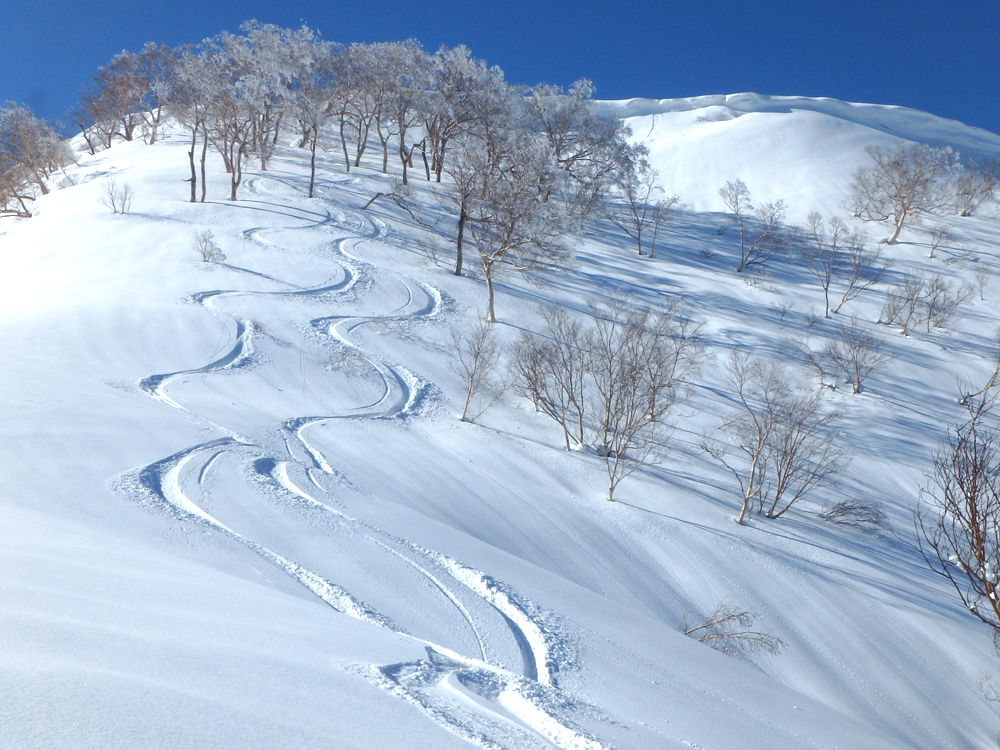
Use synthetic or wool base layers depending on the type of tour
High season layering

Outer layer:MOUNTAIN HARDWEAR | Boundary Ridge Gore-Tex Jacket & Bib
Middle layer:MOUNTAIN HARDWEAR | Core Air Shell Warm Jacket
Base layer:MOUNTAIN HARDWEAR | Air Mesh Hoodie
How does it feel to use? (Impressions)
Since I use them for many days, I prioritize durability in my outerwear, and for winter pants, I use bib pants that offer high insulation and prevent snow from getting in.
For mid-layers, I find models that keep me warm while also allowing sweat to escape, which is convenient as it reduces the number of times I need to adjust my clothing. Since the insulation is synthetic, I don't have to worry too much about it getting wet. For base layers, I use a mix of synthetic and wool depending on the type of tour.
What about layering for spring?
In early spring, temperatures are higher than in the depths of winter, so I use a thin outer layer and combine it with a model that is resistant to sweat and rain, but it's also important to be able to handle sudden drops in temperature
Are there any other ideas you have added?
I always carry a thin down jacket or wind shell that I can quickly put on when I take a break. Recently, there has been an increase in models that are good at wicking sweat, both for cold weather and wind protection, so I use those

Review
Warefield|Toyokazu Nakano
After moving to Myoko Kogen and gaining 10 years of experience, he started "Infield" in 2006. He currently works as a backcountry tour guide and telemark ski instructor in the winter, and as a mountain climbing/trekking guide and sea kayaking guide in the summer
Rhythm Works|Ryutaka Asahi
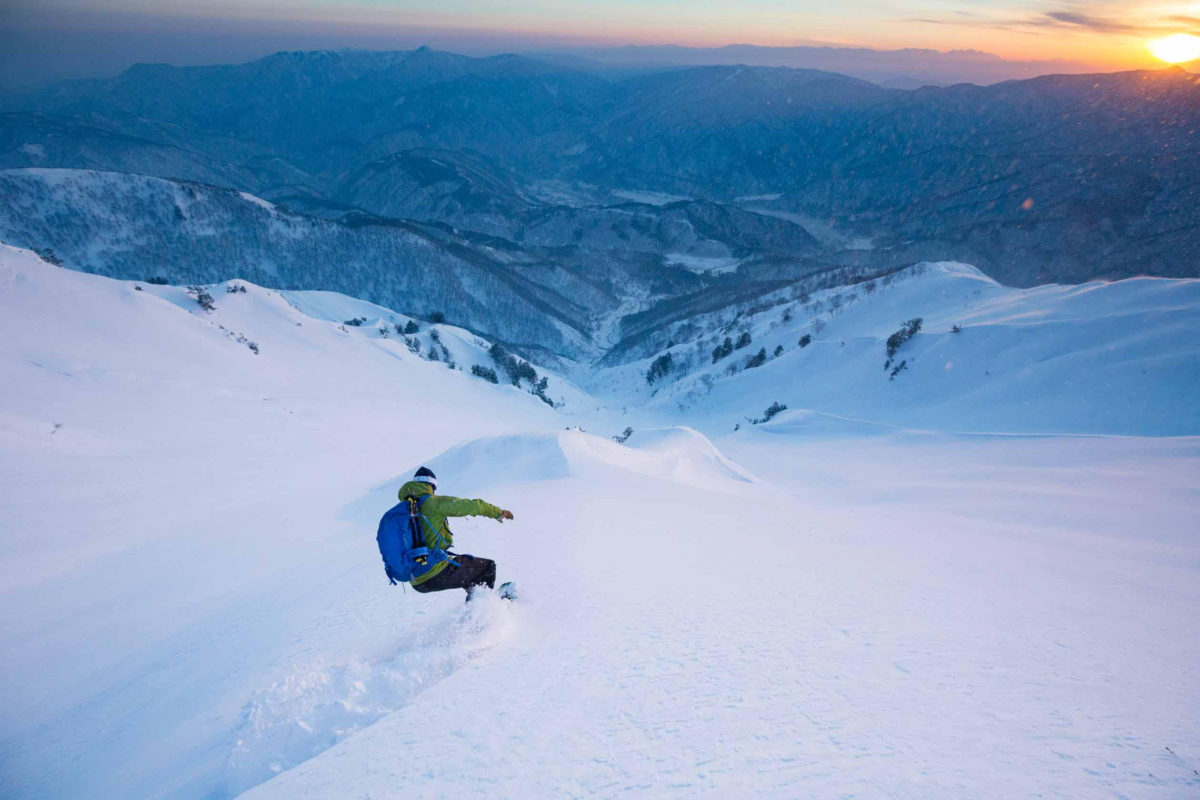
Consider the characteristics of the area and altitude where you will be working, and choose a balance of warmth, moisture permeability, and breathability
High season layering

Outer layer:Patagonia | Men's Untracked Jacket & Bib
Middle layer:Patagonia | Men's R1 Thermal Full-Zip Hoodie
Base layer:Patagonia | Men's Capilene Midweight Crew
How does it feel to use? (Impressions)
Outer layer: It doesn't have the typical stiff, rough feel of a hard shell, making it easy to move in. The brushed lining makes it warm, which is a plus.
Mid-layer: For the mountains, on the way to the mountains, for everyday wear, and even as pajamas. It's warm and very comfortable to wear. The grid lining feels great against the skin.
Base layer: Since the mid-layer is warm, a midweight base layer is used.
What about layering for spring?
Outer layer: Patagonia | Pluma Jacket
Middle layer : Patagonia | Nano-Air Light Hybrid Jacket
Base layer: Patagonia | Capilene Cool Lightweight or Midweight Windshell (Houdini Air can also be carried)
Are there any other ideas you have added?
Put on insulation immediately during breaks

Reviewer:
Rhythm Works |RyutaAsahi
He climbs mountains throughout the four seasons, following the rhythm of nature. He is a multi-talented mountain guide who conveys the charm of a wide range of mountains, from general traverses to variation routes, and from river climbing to backcountry riding