


Professional skier Kenji Kono will be using The North Face skis to race across harsh snowy fields around the country for the 11th year in the 2025-2026 season
The SUMMIT SERIES, used by many backcountry (BC) riders including him, is The North Face's top-of-the-line product.
It is developed through repeated testing with riders who perform in harsh environments. To cope with all kinds of conditions and rapidly changing weather, it is perfected not only by using cutting-edge technology but also by paying attention to details that would normally go unnoticed.
True to his words, "I didn't want to be a mannequin that just wears what is given to me," Kono Kenji has worked closely with the Japanese development team, providing countless pieces of feedback in the snow-covered mountains of Hakkoda, Asahidake, Rishiridake, Hakuba, and the local Nozawa Onsen area
Currently, the "RTG (Remote Terrain Gear)" series and the "CHUGACH" backpack have earned overwhelming trust in the backcountry scene.
Behind their high level of perfection lies a history of working with the development team to eliminate each and every source of stress that riders experienced in the field. Here, we will take a closer look at the SUMMIT SERIES, using Kenji Kono's example.
The encounter and journey of Kenji Kono and the SUMMIT SERIES
Kenji Kono first encountered The North Face's top-of-the-line Summit Series during the 2015-16 season. At the time, The North Face had an overwhelming presence in mountaineering and outdoor activities in general, but product development specifically for snow sports was still in a transitional phase.
Conversely, Kono saw great potential in this area.
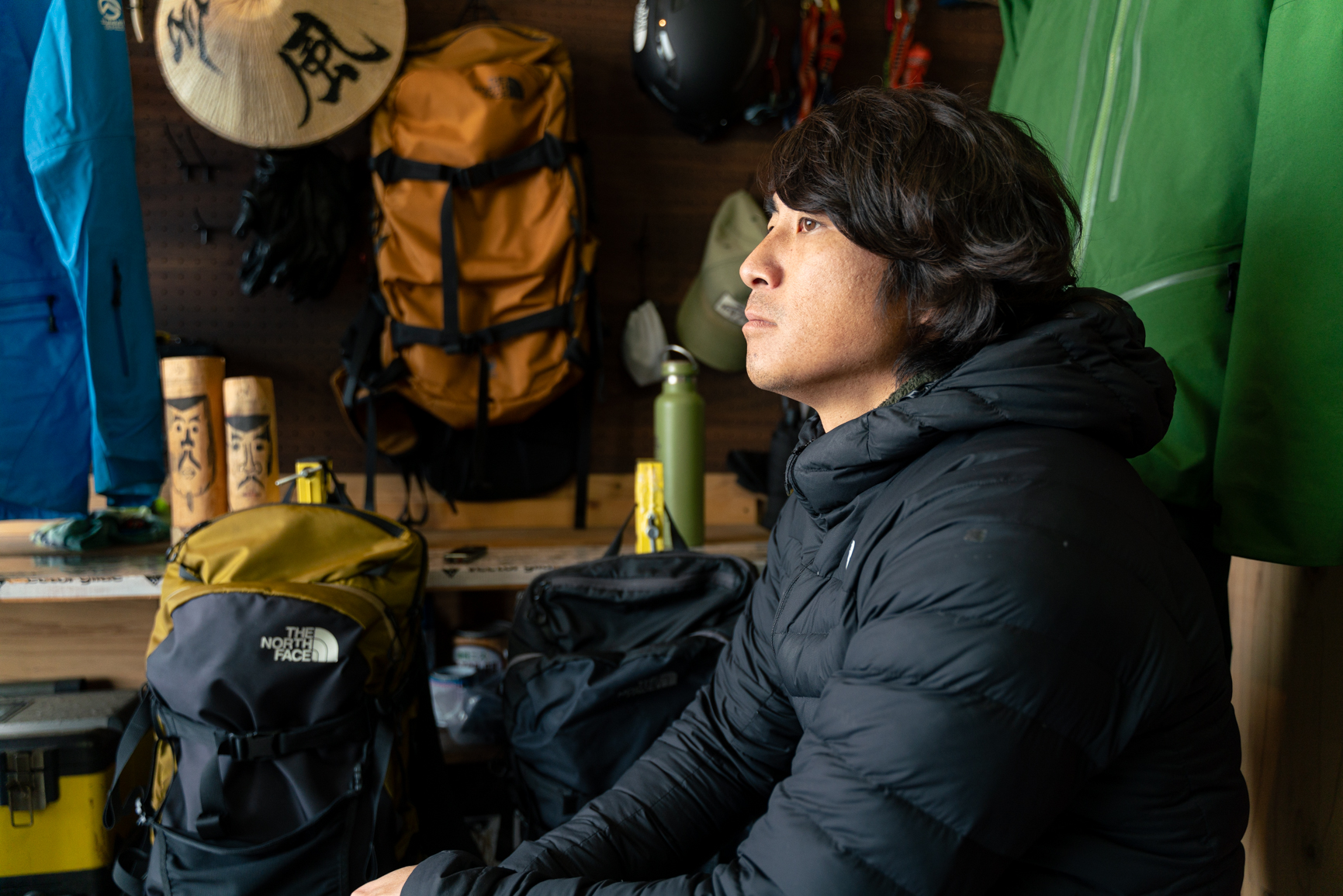
"I first heard that The North Face has products that are developed domestically. Rather than just wearing a finished product, I can be deeply involved in the evolution of the product as a skier. I had a feeling that I could build a relationship with the brand that would allow me to grow as a person, and that this would be fun."
In fact, when he first picked up the model, his impression wasn't necessarily perfect. However, this was what made the project worthwhile. His confidence that this would make it more comfortable for skaters to use led him to delve deeper into development
At The North Face, the development team, including product managers and designers, and sometimes even shop staff, go out into the field with the riders
"We ski together in the mountains in snowstorms, in Hakkoda, Asahidake, Hakuba and the areas around Nozawa Onsen, and we discuss products on the lifts and on the snow right after we finish skiing, saying things like, 'Given how you're moving now, it would be easier if this part was a little more like this.'
Because the developers themselves are passionate skiers, even intuitive words can be understood as a common language when they share the same field. It feels like this accumulation of hands-on experience has led to the creation of truly reliable gear that cannot be measured by numerical specifications alone."
The evolution of Remote Terrain Gear. The key is reducing action
As the name suggests, the RTG (Remote Terrain Gear) series is clothing for those traveling in remote and harsh environments. It uses Gore-Tex Pro Shell, which offers overwhelming protection and is highly waterproof and breathable
Kenji's ultimate goal with this wear is to eliminate stress. The core of his philosophy is the reduction of action
"When filming under extreme conditions, reducing each and every action can lead to better results, and in extreme cases, it can even mean the difference between life and death
For example, a movement that normally takes four steps can be reduced to two steps, or even one action. These savings of just a few seconds add up, allowing you to devote more time and thought to the things you should be concentrating on, such as skiing, judging the route, and checking for safety. As a result, you create the mental space you need to capture the perfect moment."
Over the past 10 years, the RTG has undergone numerous model changes, and the development team has thoroughly refined it based on feedback from riders including Kenji. Numerous features have been refined and tested in countless locations, from rural areas to alpine terrain, forests and ridgelines. Here are some highlights of the improvements
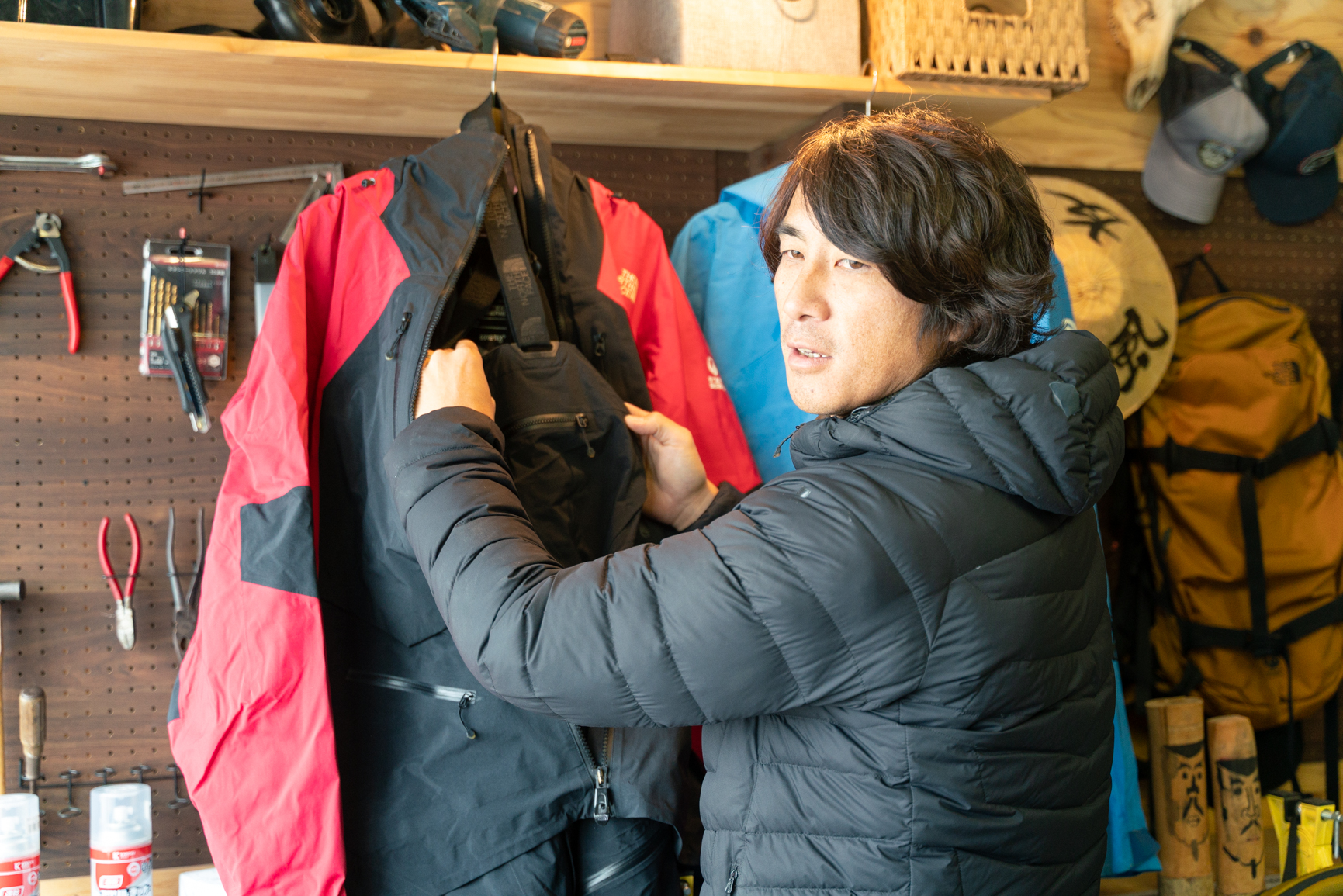
Although early bib pants provided excellent protection, they were difficult to put on and take off because they did not have a zipper. This led to the proposal to add a zipper to the center of the front of the bib pants, resulting in a stress-free design for morning preparations and breaks
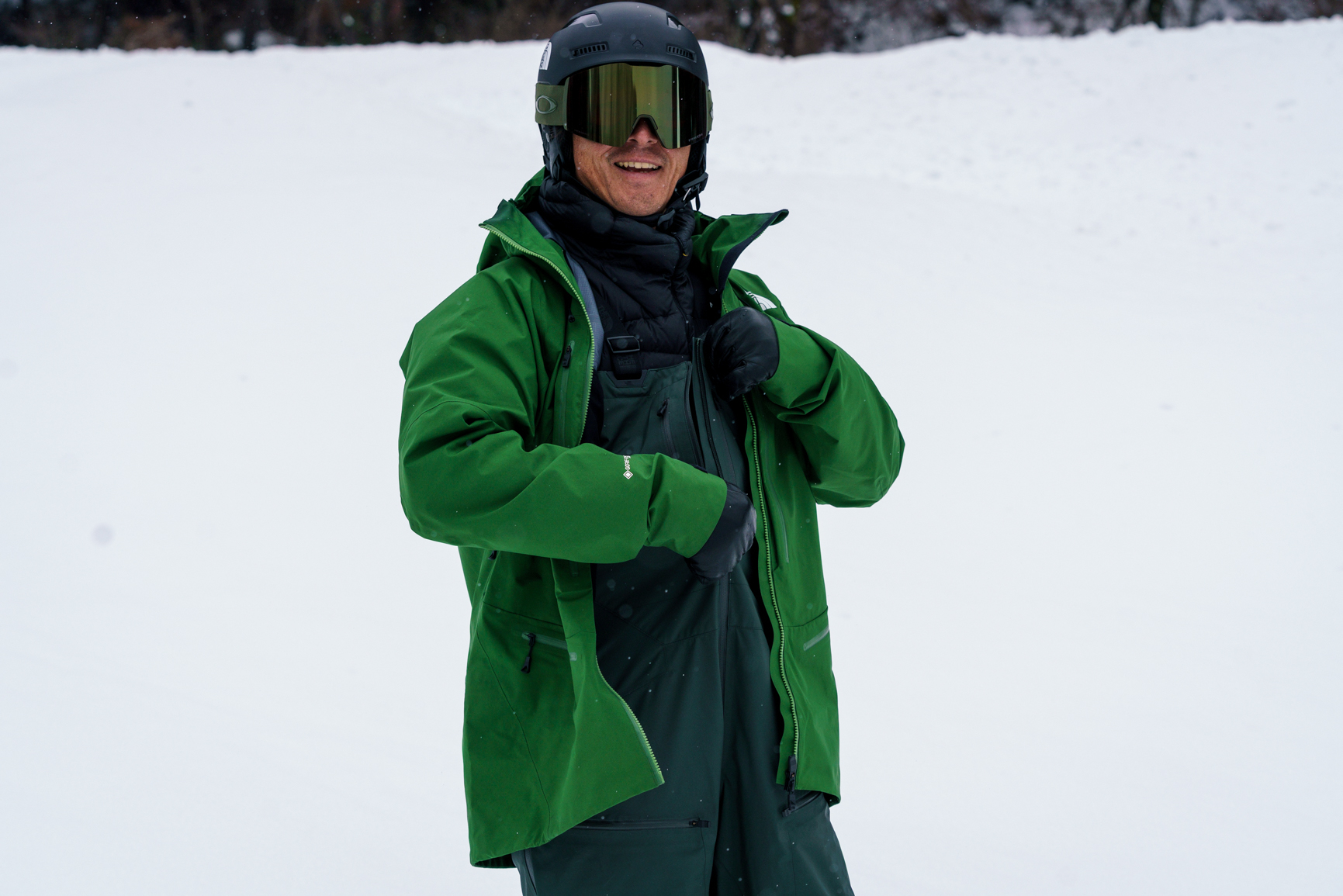
The silhouettes and cuts are much more refined than they were 10 years ago. Previous clothing was often noticeably loose, due to an emphasis on ease of movement. Kenji, along with his teammate at the time, snowboarder Yuta Watanabe, requested a radical change to the silhouette, saying it was "not beautiful and created wind resistance."
In particular, the cutting and silhouette of the bib pants from the hips to the thighs have been adapted to suit the Japanese body type, while also evolving into a sophisticated cut that does not hinder dynamic movement
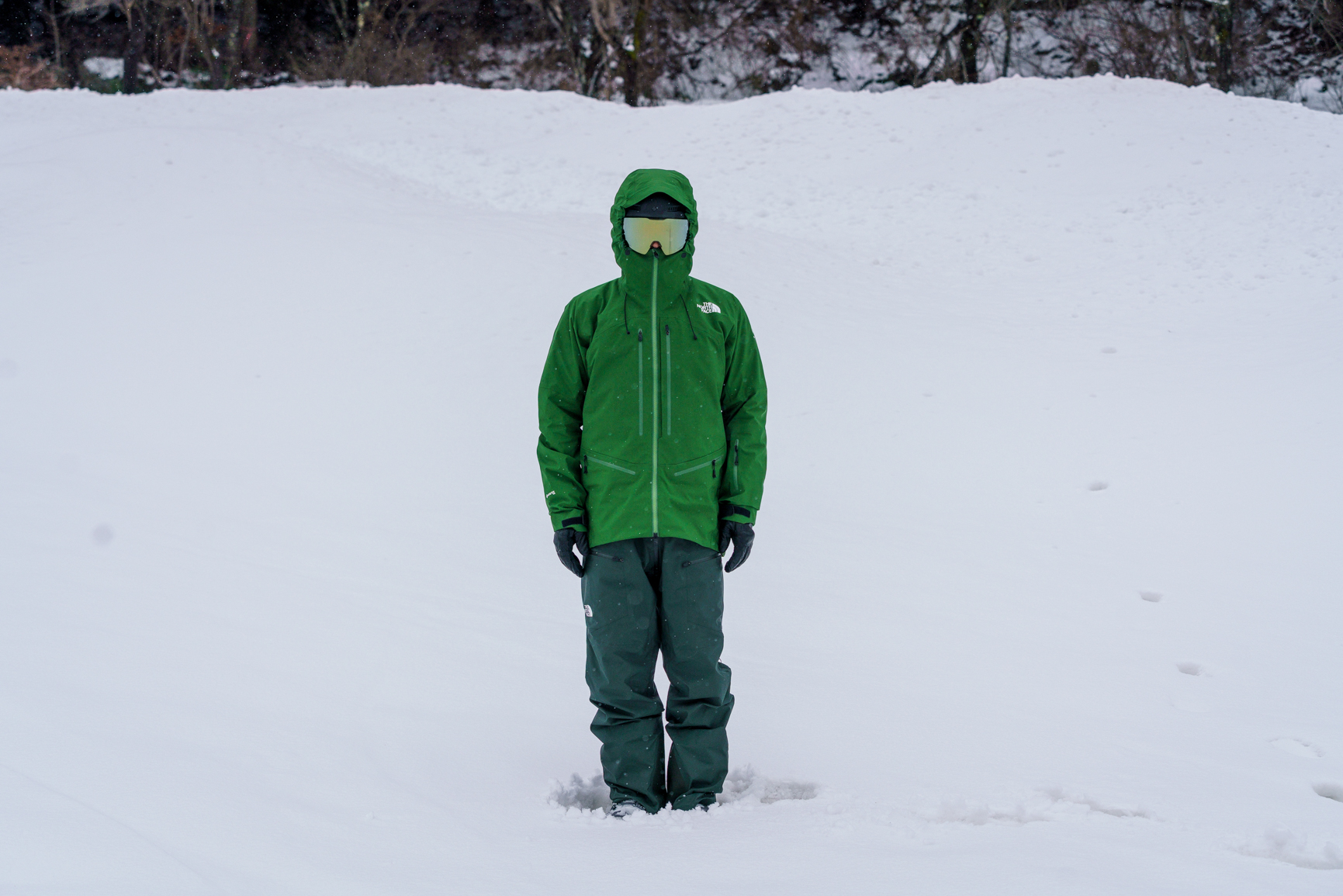
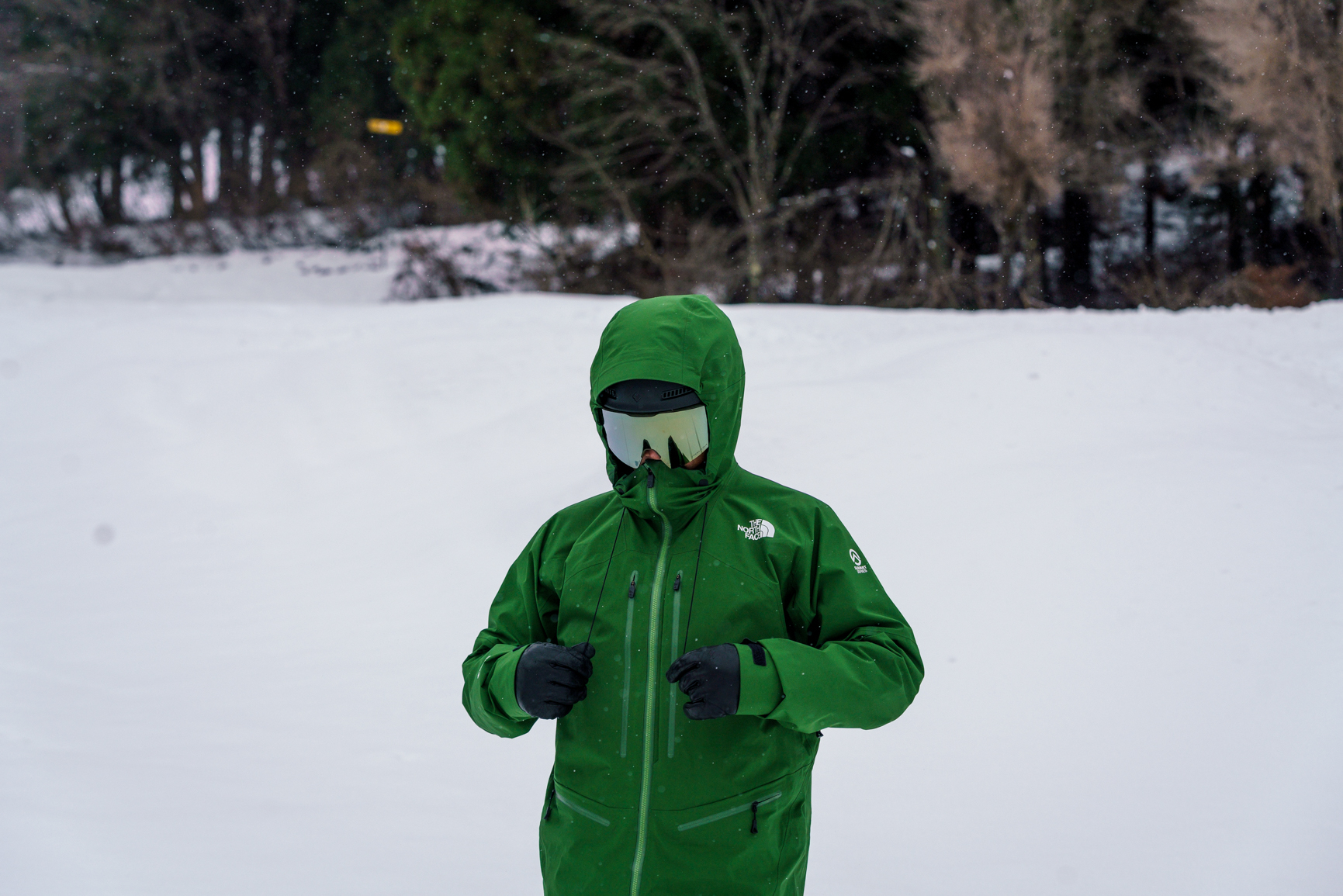
The hood shape has also been significantly changed. The model from 10 years ago had a small hood, which sometimes made it difficult to wear properly with a helmet.
The adjustment method was also complicated, but the shape has been enlarged and improved to fit even when wearing a helmet. It is also easier to put on the hood in blizzards and has been designed to prevent it from flapping around.
Currently, the RTG has reached a stage where "there is no need for major changes." Kenji calls this state a "perfect standard," and rather than changing the shape or appearance, he is now focusing on improving the essential functionality, even though it may not be visible to the naked eye, by reducing weight and improving the refinement of details
The form of trust we carry:A yearning for the "ideal pack"
Kenji now carries a backpack even when skiing at the ski resort. The CHUGACH uses panel loading that follows the movement of the rider while riding, making it a highly functional riding bag. Made with lightweight and durable materials in each section, the bag has an excellent balance of lightness and strength, making it suitable for use at backcountry ski resorts
The development of this backpack was also based on the belief that it would reduce the actions required of healthy children
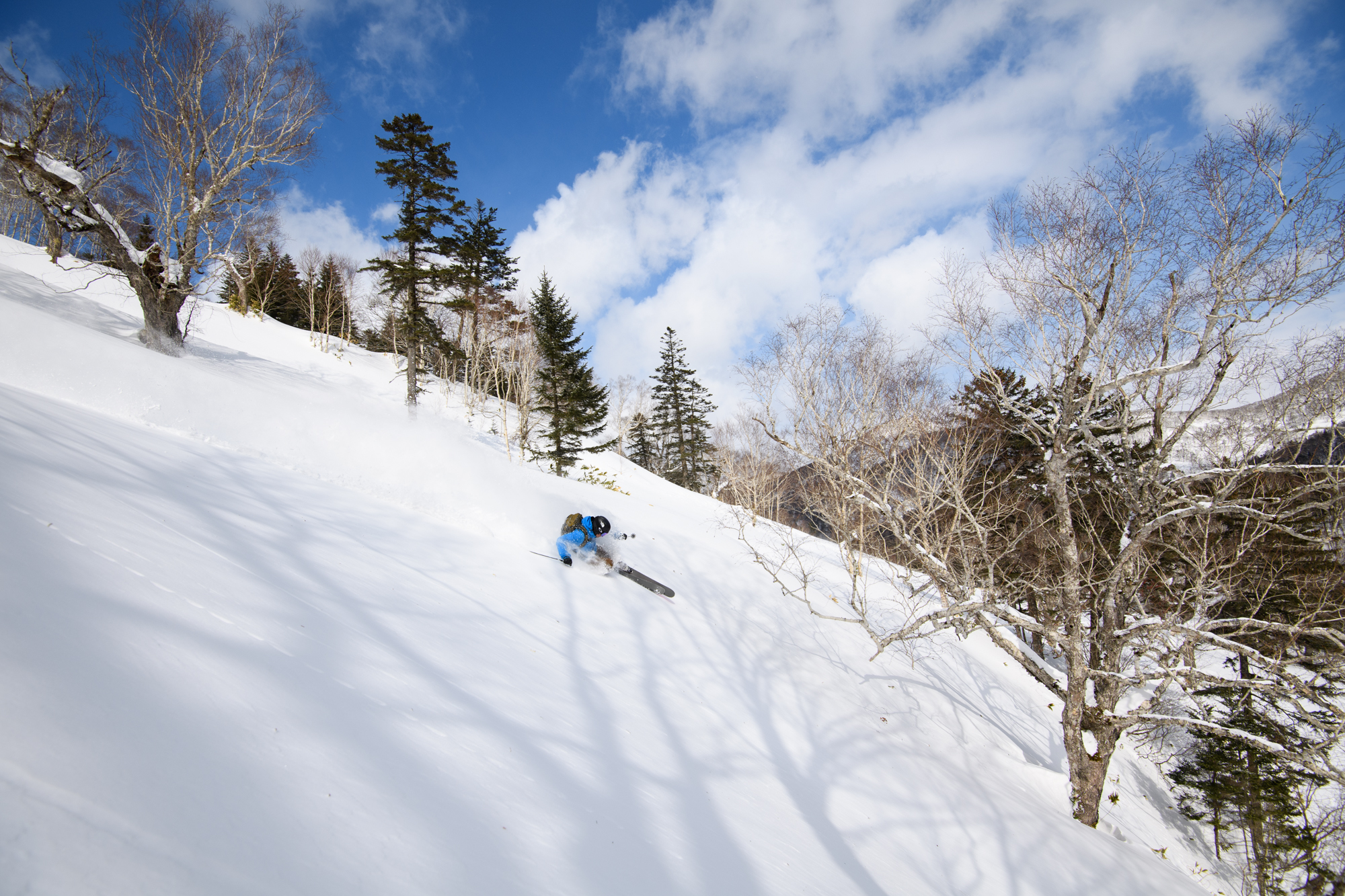
"Especially when shooting on location with limited conditions, I can't keep the photographer and drone team waiting. I have to finish preparations faster than anyone else and be at the shooting point
Taking off my backpack, placing it on the snow, and taking out a bag from inside... that whole sequence of actions is, for me, wasted time that I want to eliminate.
If I could get to the shooting location 10 minutes earlier and get ready, I could capture better footage. In situations like that, the usability of the gear makes a crucial difference."
What he values most is the speed of transitions
Kenji still uses Duke alpine bindings, a gear gear focused on downhill skiing, when he goes into the mountains. Compared to TEC bindings, there are more steps involved in switching between them, so he tries to eliminate unnecessary actions as much as possible. As
part of this, when changing from walking to skiing mode, he doesn't remove both skis at the same time, but peels off the alpine skins on one foot at a time.
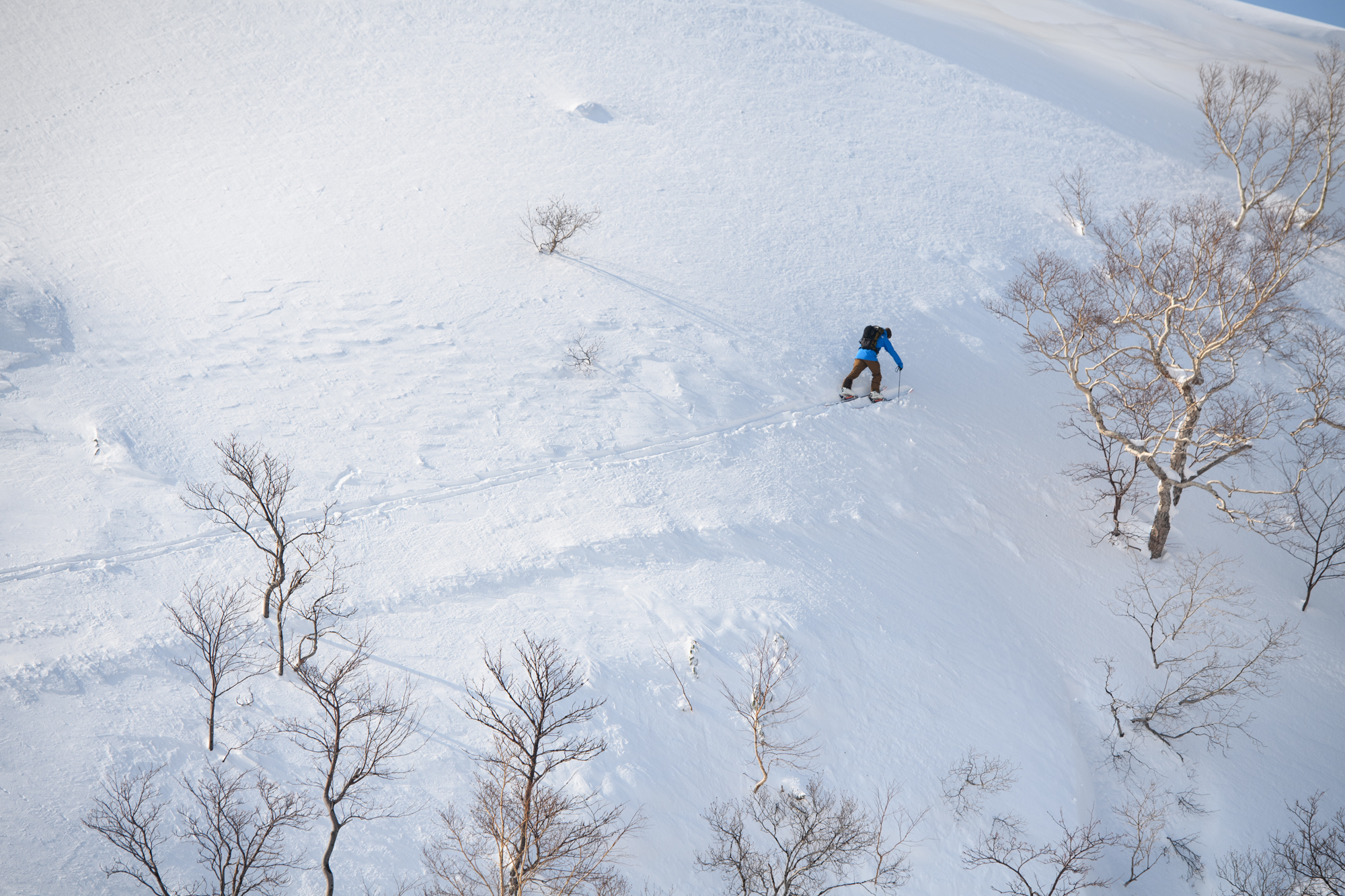
Simply remove the shoulder straps and support the backpack at your waist to quickly access your belongings. The front avalanche pocket opens wide from any angle for quick access
Also, when carrying skis, if you adjust the length of the ski carry straps to fit the shape and fasten them with the buckle beforehand, you won't have to adjust them every time you put them on. For short hikes, you can simply secure them without using an A-frame. What's more, securing a helmet, which previously required several actions, can now be done with one hand in one action
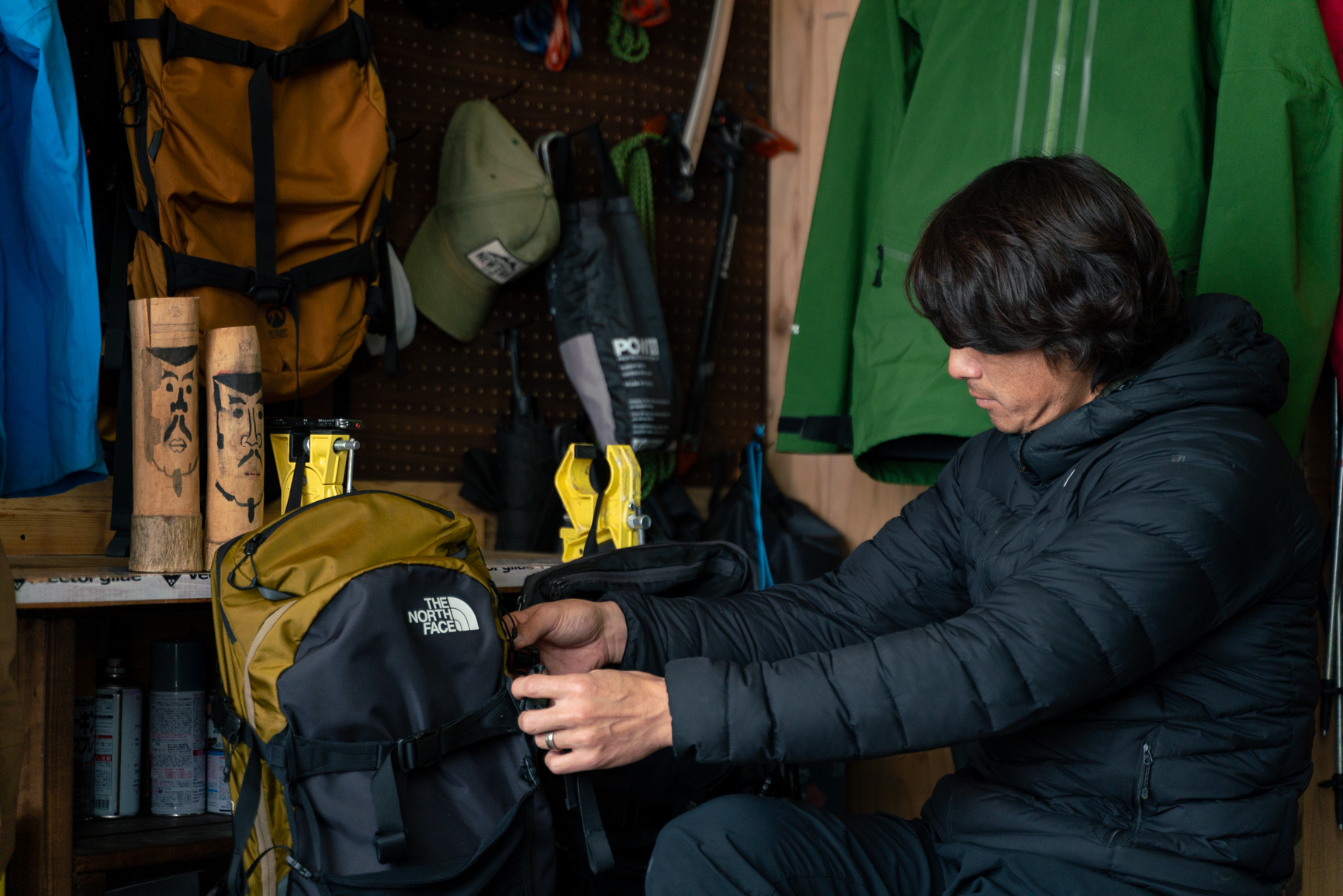
All operations, such as tightening straps, fastening buckles, and opening and closing zippers, are easy to perform even while wearing gloves in a blizzard
"These are small details, but they are all functions designed to save me time when I'm out and about in the mountains. Being able to move faster means I have more time to check the safety of my surroundings and observe the snow conditions. The Chugach isn't just a place to store my gear; it's a system that helps me optimize my activities."
What Kenji Kono seeks in gear:A philosophy changed by lessons learned in Alaska in 2007.
Why is Kenji so obsessed with "time" and "peace of mind"? The origin of this goes back to an avalanche accident he experienced in Alaska in 2007
"At that time, we were filming a video project, and our entire film crew wasn't getting the footage we wanted. I think there was an indescribable sense of 'anxiety' because we felt we had to create a good film. Perhaps
because of that anxiety, our actions became last minute, and we didn't have enough time to arrive at the peak and get ready. As a result, we skied without properly assessing the snow conditions, which we should have done, and that led to the avalanche accident."
After this painful experience, he became convinced that maintaining mental composure is the most important skill. The more comfortable your gear is and the smoother it operates, the less stress you'll have
This created leeway allows for calm and safe decisions, which in turn leads to the expressiveness needed to deliver the best run possible. Efficiency is a means, not an end in itself
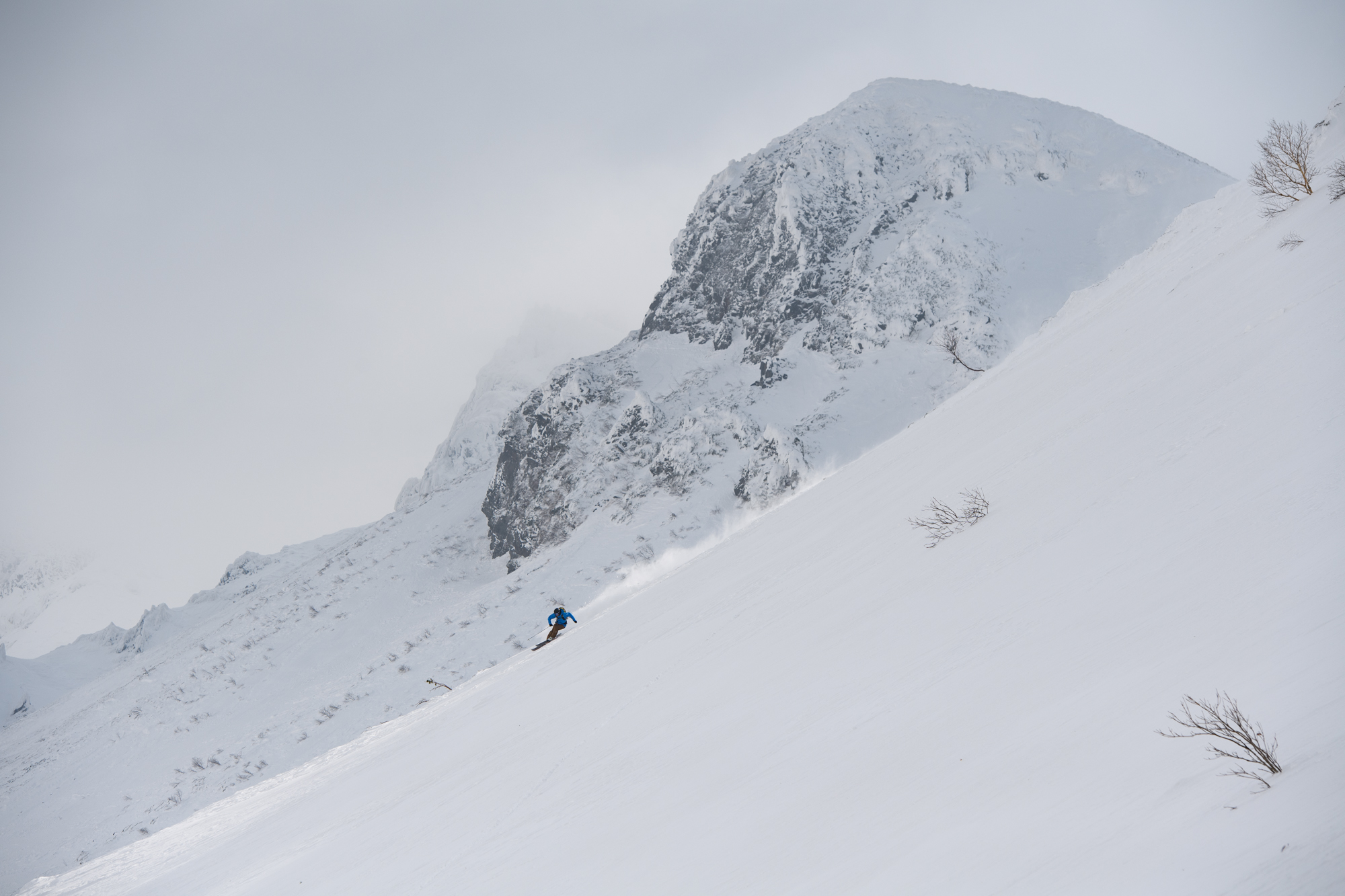
"When I can trust my gear, I can forget about it and just immerse myself in the mountain itself. That's the ultimate state I strive for."
Furthermore, after becoming involved in product development for the ski brand "Vector Glide," he keenly felt the importance of correctly judging and protecting the value of a finished product in the development of apparel and backpacks. What he
learned through skis like Genius and Cordova is the idea that there is no need to unnecessarily change something that is already complete to a certain extent and covers the required aspects. This idea is also reflected in RTG and Chugach, and the decision-making criterion is to focus on essential updates rather than easy model changes.
Generally, there's a prevailing notion that new things must be released, leading to superficial changes, but he's capable of making suggestions that go against that direction. Furthermore, when users ask why things haven't changed significantly, his long-term involvement allows him to explain the product's features in depth, based on its high level of perfection and his own personal experience.
That's his unique way of engaging with the brand, going beyond simply using what's given to him.

It's his 11th winter. With his polished gear, Kenji Kono heads to the snowy mountains as usual.
By going into the field with the development team and sharing his perspective as a skier, he aims to create even more refined gear.
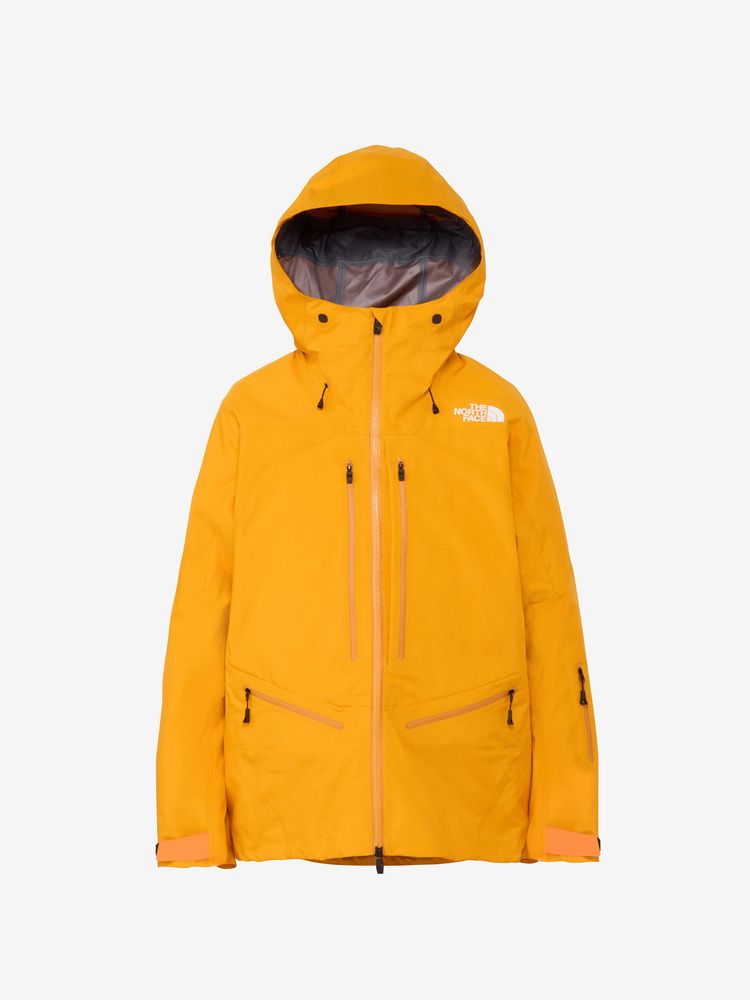
RTG GORE-TEX JACKET
• Sizes: WS, WM, WL, S, M, L, XL, XXL
• Colors: Knockout Orange, Saratoga Green, Clear Lake Blue, Black
¥85,800
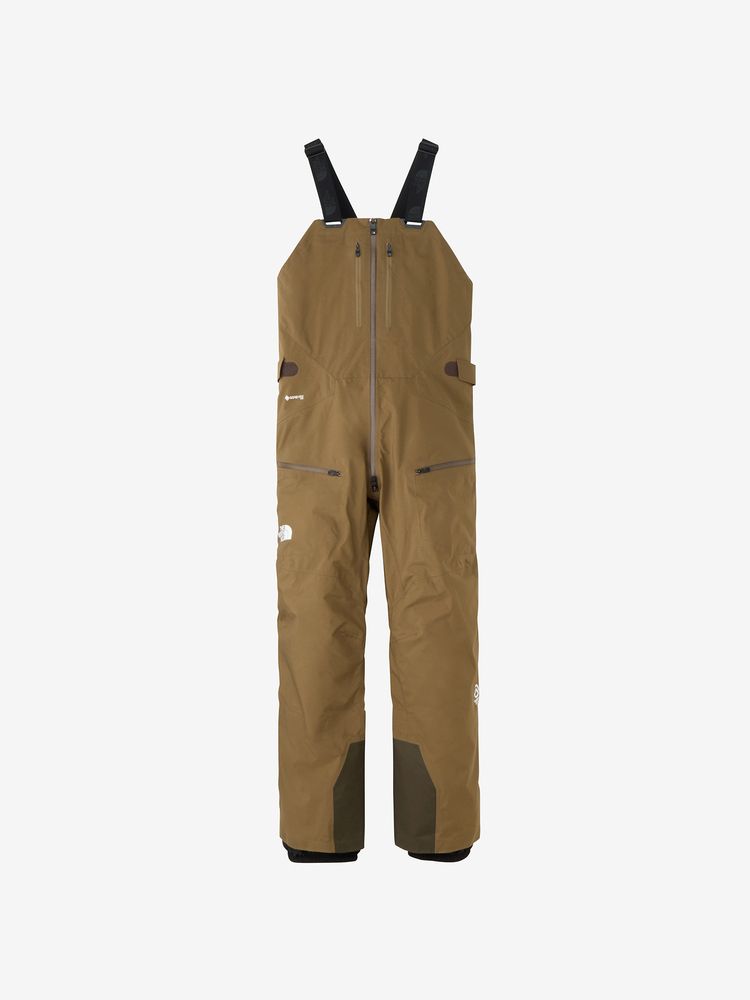
RTG GORE-TEX BIBS
Sizes: WS, WM, WL, S, M, L, XL, XXL
Colors: Field Brown, Alpine, Saratoga Green, Mountain Blue, Black
¥80,300
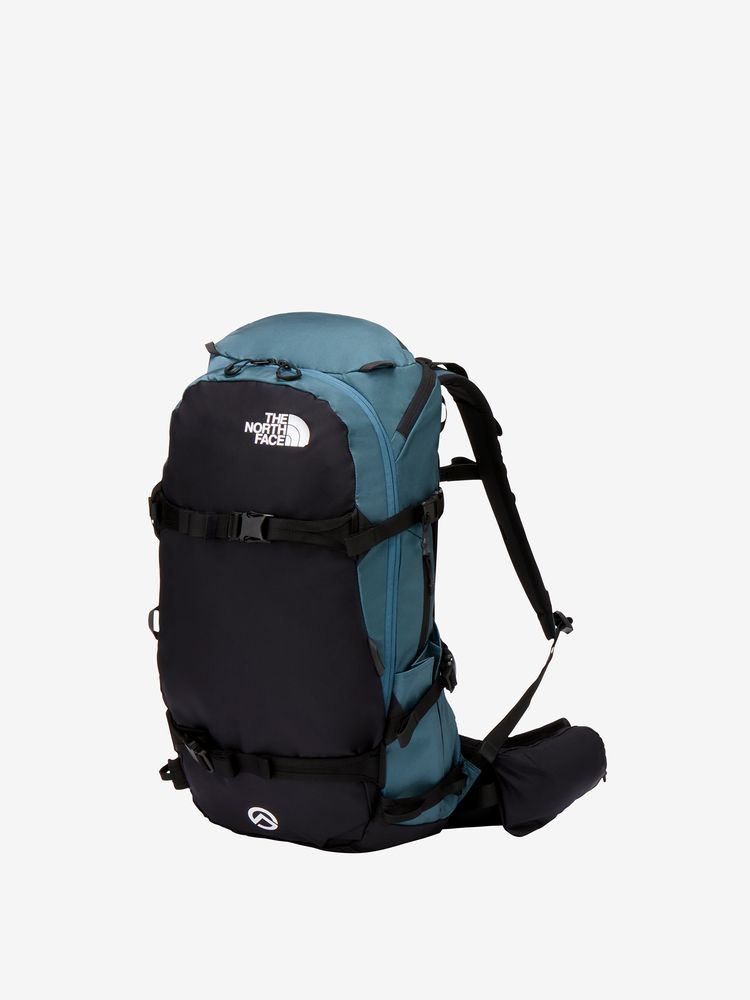
CHUGACH35
• Sizes: WM, M, L
• Capacity: 32L (WM), 34L (M), 38L (L)
• Dimensions: H54 x W28 x D13cm (WM), H57 x W30 x D14cm (M), H62 x W30 x D14cm (L)
• Weight: Approx. 1,555g (WM), Approx. 1,625g (M), Approx. 1,705g (L)
• Colors: Space, Field Brown, Black
¥36,300
Photo=Daigo Takeuchi
Information
THE NORTH FACE
URL:https://www.thenorthface.jp/
https://www.thenorthface.jp/special/summit_series25/
Instagram|FB|X |YouTube