

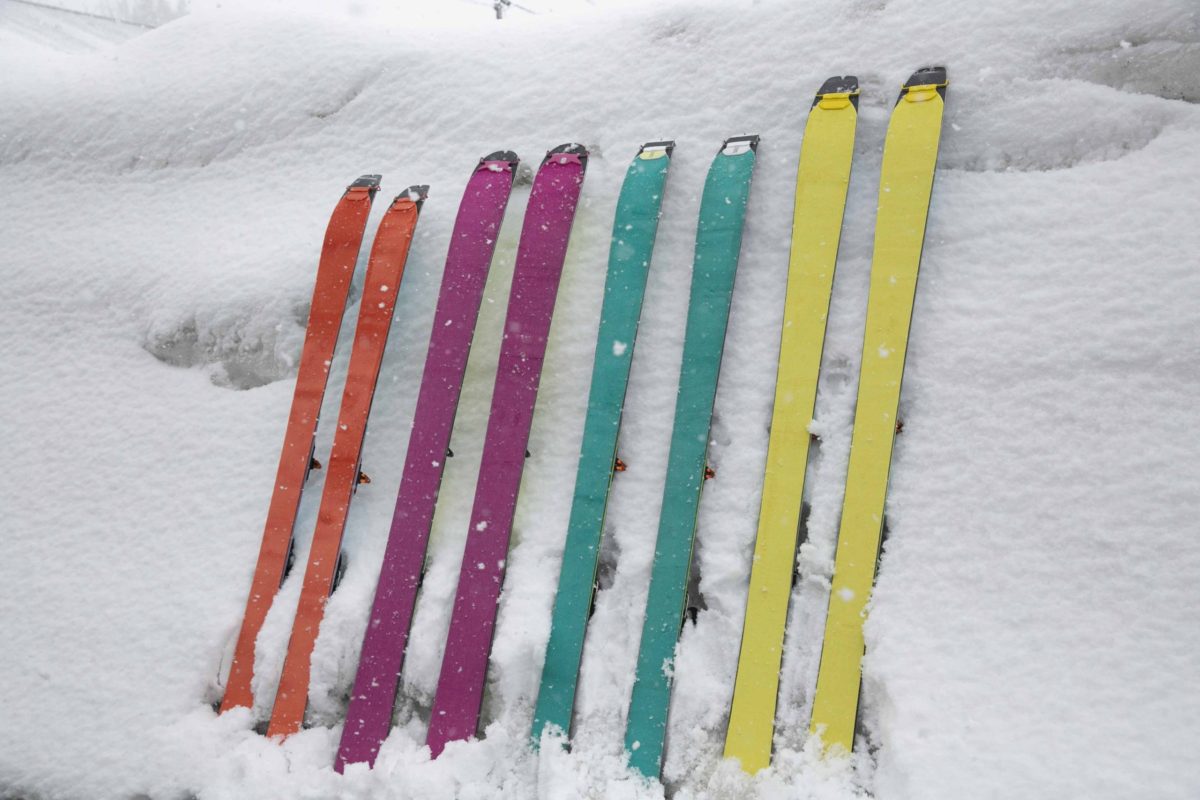
For anyone who wants to go backcountry skiing or enjoy climbing snow-covered mountains, climbing skins (climbing skins) are absolutely essential. You might know what they are, but you might not know the specifics. You might think you know them, but in reality, you might have misunderstood them.
This time, let's take a closer look at climbing skins, which are indispensable for climbing mountains on skis.
What is a seal in the first place?
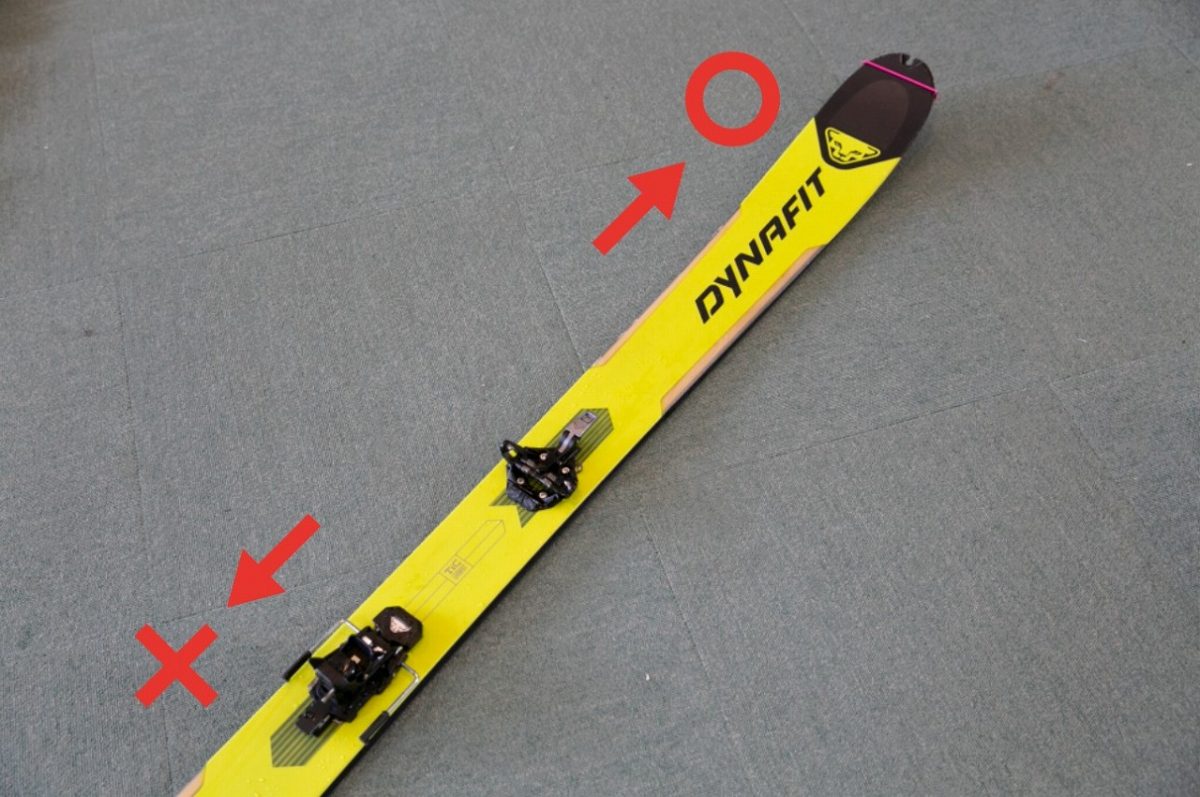
A seal is an item that attaches to the bottom of a ski or splitboard, allowing you to climb slopes. It allows you to move forward but prevents you from falling backwards
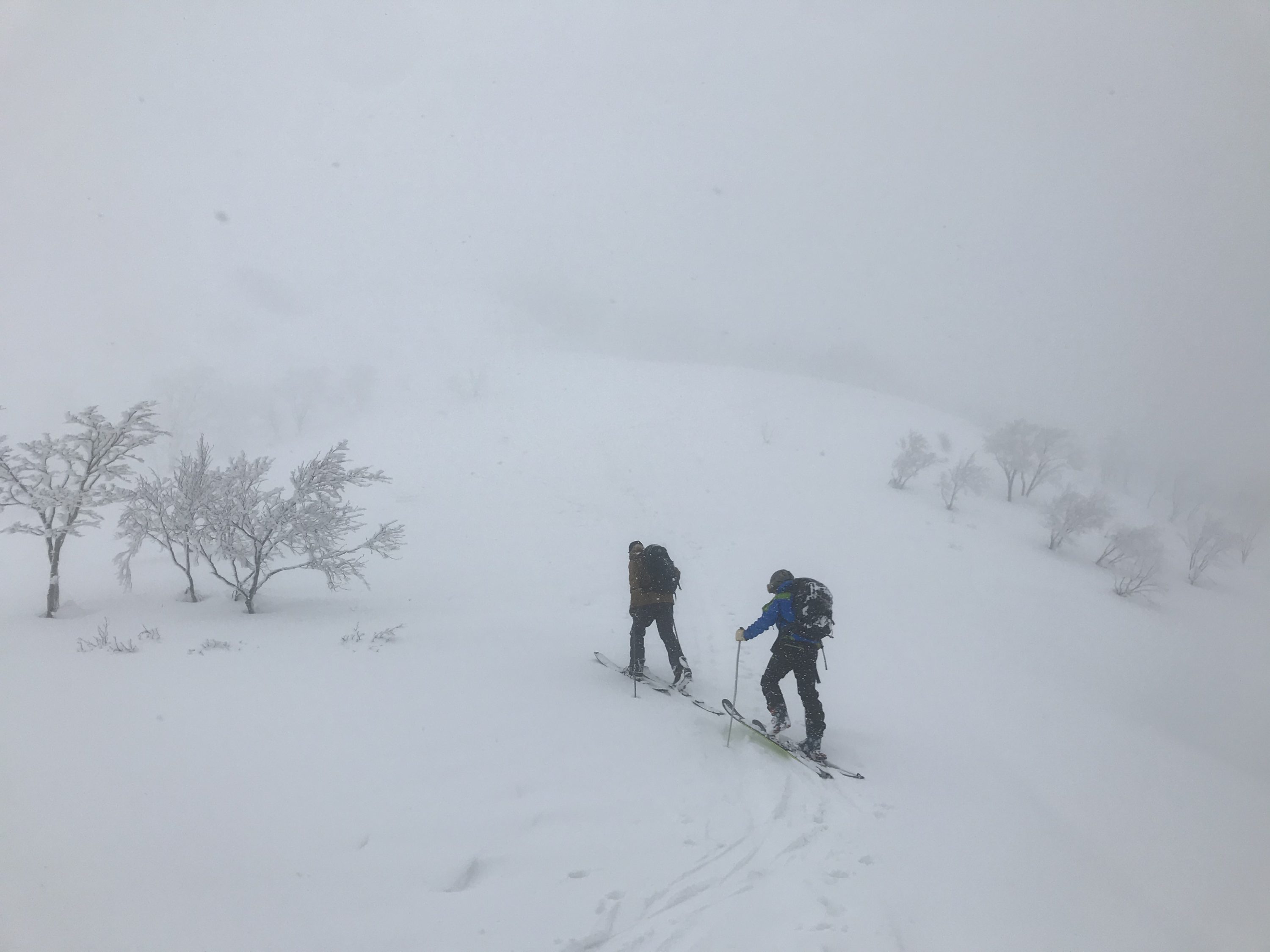
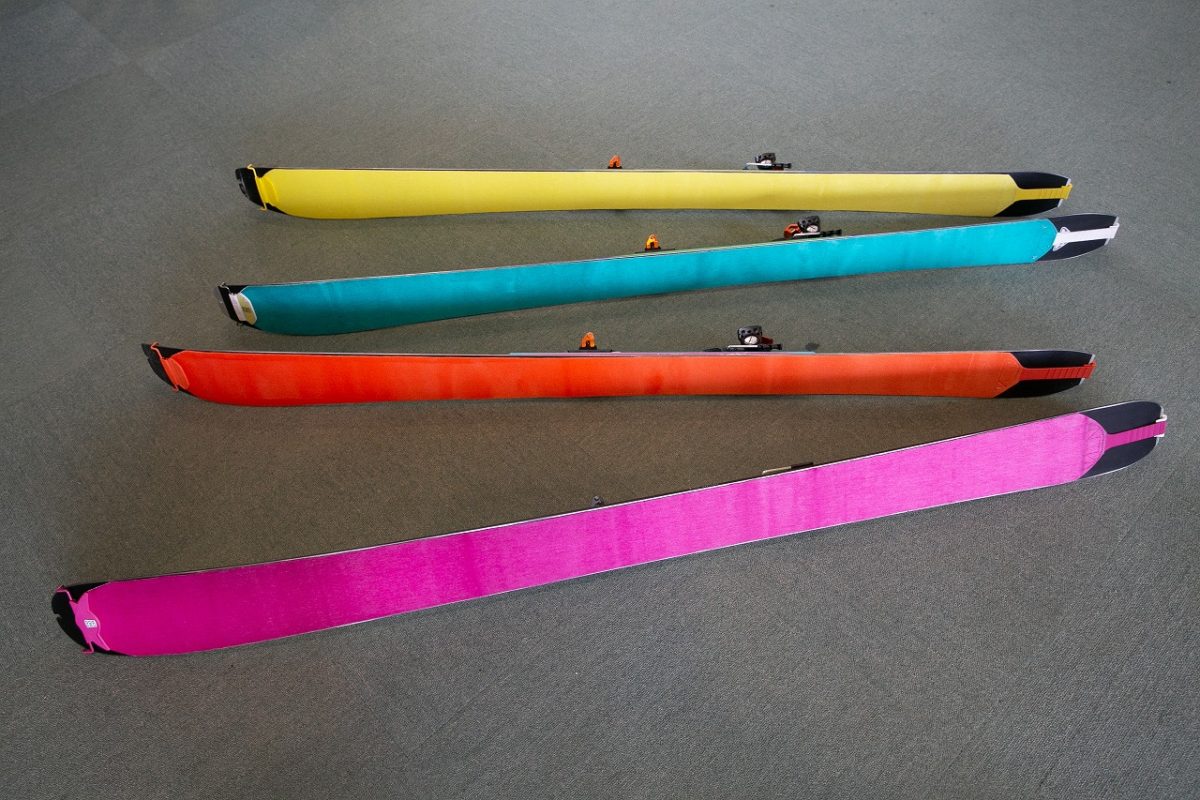
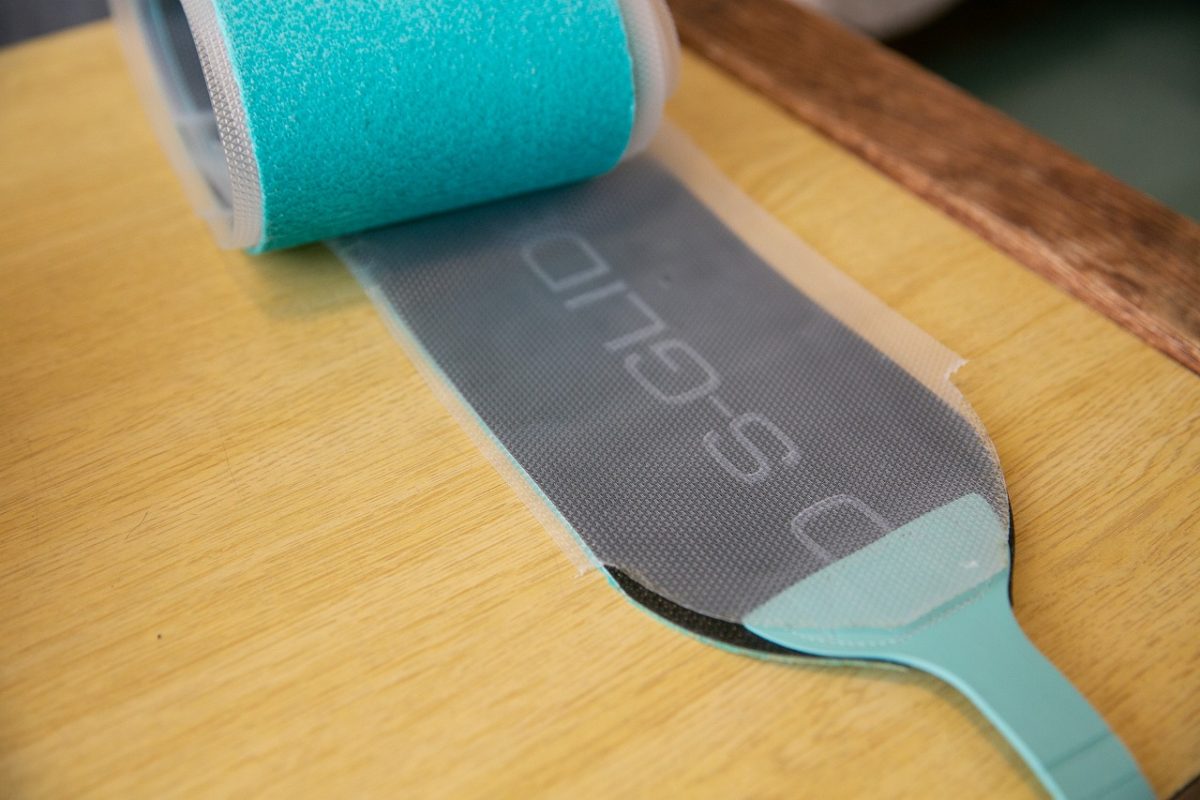
The back of the sticker has glue so that it can be attached to the sole of the ski.The sticker can then be attached to the ski by fastening the stoppers on the top and tail
Seal structure
The seal basically has a four-layer structure.
From the snow contact surface, it consists of a layer of bristles, a waterproof sheet, a rubber layer for applying glue, and glue.
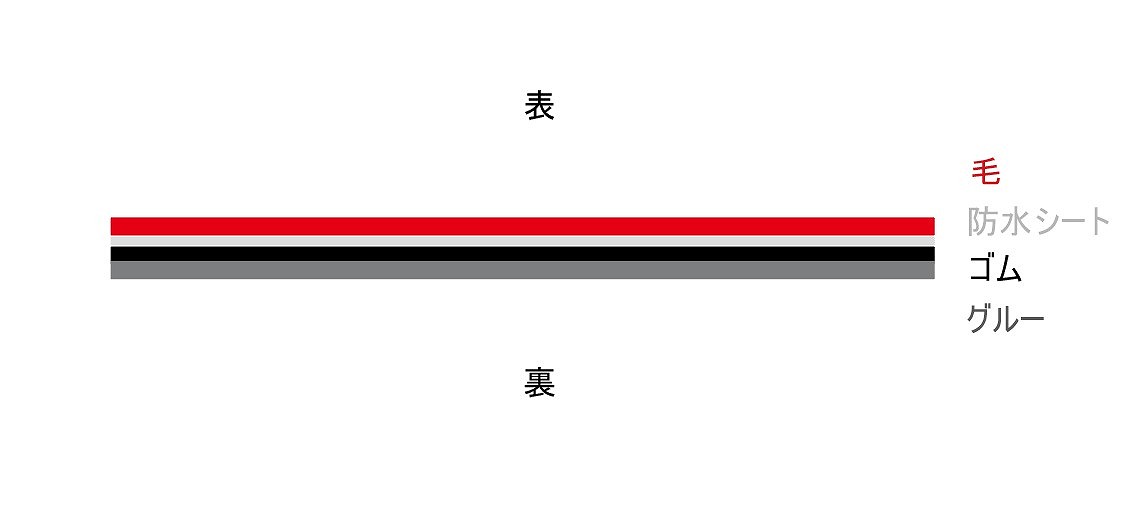
This is the basic structure, but depending on the sticker manufacturer, it may be a three-layer structure with waterproof bristles, or a two-layer structure with adhesive rubber on which the glue is placed. Companies are still working to improve the materials and structure of stickers, and they continue to evolve every year
For example, POMOCA uses waterproof wool woven into the rubber on the snow-contacting side, just like nylon and mohair, eliminating the need for a waterproof sheet, effectively creating a three-layer structure. Furthermore, CONTOUR combines the rubber and glue to create a two-layer structure
Originally, ski skins were made from seal hair. However, with advancements in textile technology, fibers that offer superior performance to seal hair are now used as substitutes.
Currently, two main types of fibers are used for ski skins: nylon and synthetic mohair.
Mohair refers to the hair of the Angora rabbit, but nowadays, artificially created fibers with similar properties are used. Nylon is the same nylon commonly used in clothing and tights that we wear.
These two types of fibers offer different performance characteristics. Mohair excels in glide, or sliding, while nylon excels in grip.
Ski skins are not only used for climbing; sometimes, you need to slide down slight inclines. In such cases, gliding performance becomes important.
By adjusting the balance of these two types of bristles, they create products that deliver ideal glide and grip performance. Furthermore, the length of the bristles also affects performance and the durability of the seal.
By changing the bristle composition and length, they are able to create a variety of seals suited to various applications.
About Glue
Just as important as the quality of the skins themselves is the performance of the glue.
If the glue used to attach the skins to the skis becomes unusable in a snowy mountain, climbing becomes impossible. Since tours are almost always done in teams, if one person can't climb, the entire team will have to descend. In that case, what should be an enjoyable tour will end in disappointment. To avoid this, it is important that the glue functions properly.
Examples of reasons why glue may become unusable include the following:
- Repeated uphill and downhill climbing increases the need to attach and detach the skins,
causing them to freeze. - Skiers with heavy weight or heavy luggage may use thin glued skins, which can cause them to slip and freeze. (Using thin sheets makes them more prone to slipping, allowing snow to get in from the sides, thus making them more likely to freeze.)
- In any case, the skins often freeze and fail to stick to the skis.
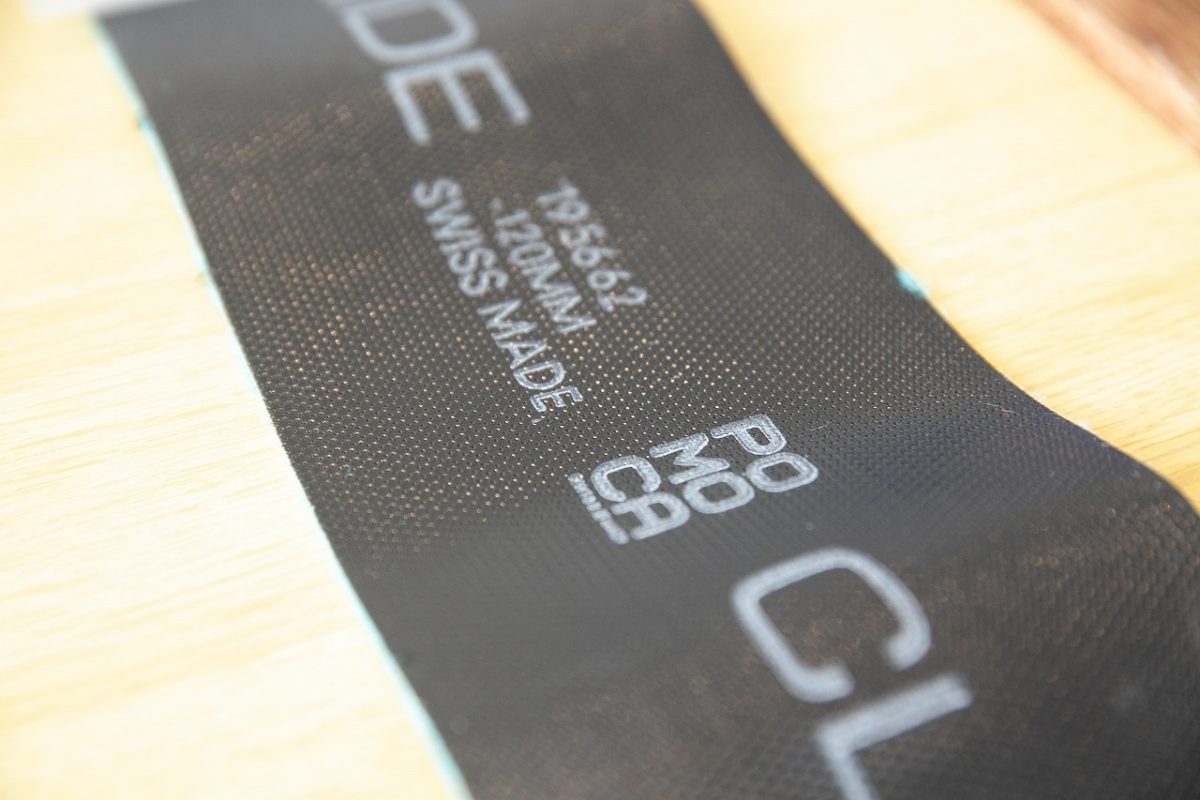
The following brands of seal manufacturers are currently available in Japan
-POMOCA
-G3
-BLACKDIAMOND
-CONTOUR
-COLLTEX
Each seal manufacturer may have slightly different usage and storage methods. However, the basic usage and structure are the same.
Each company has its own strengths, and ease of use varies depending on the user's preference.
For example, G3 uses high-quality bristles, resulting in excellent glide and grip. BLACKDIAMOND allows for continued use even in cold backcountry conditions by ensuring the glue is applied firmly, preventing it from freezing.
In the case of POMOCA, all models allow for bonding the glue surfaces together. There is no need to repeatedly apply and remove cheat sheets for protection, making them easy to handle in the field.
How to choose a sticker
So, what kind of product should you actually choose?
Let's take a look at POMOCA products as an example.
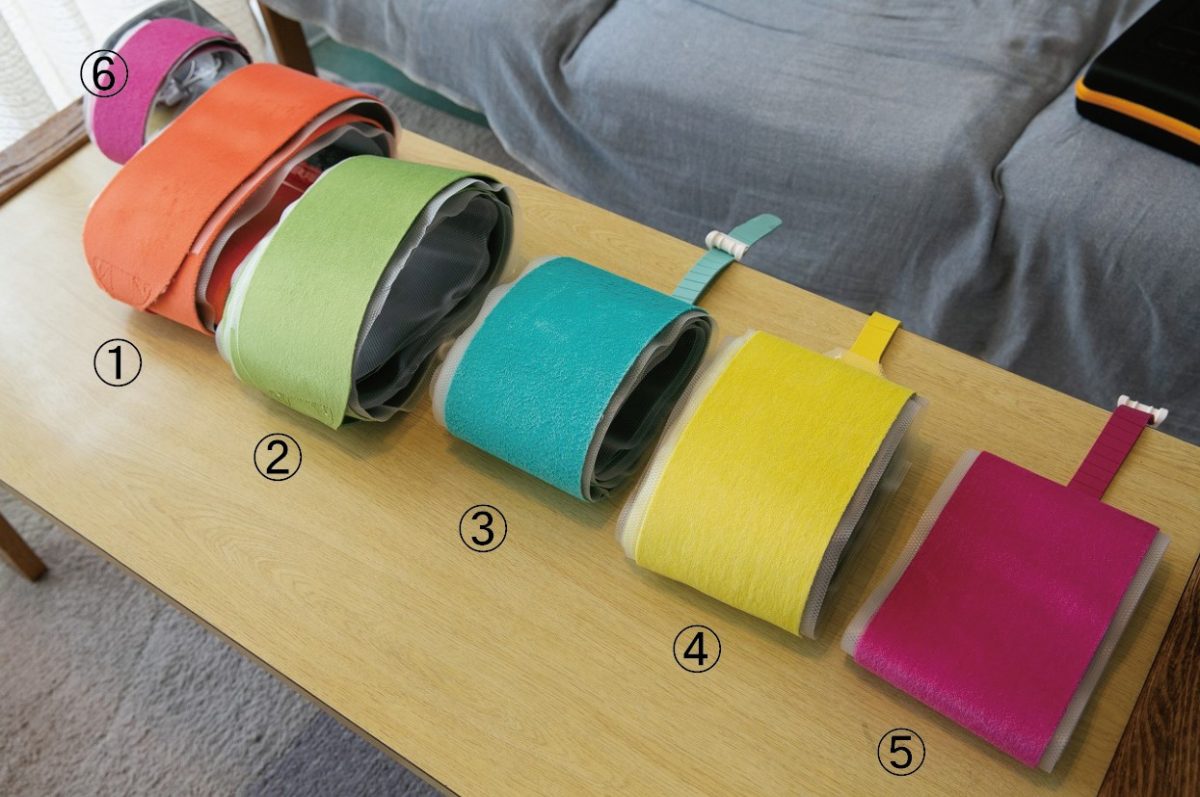
POMOCA products are broadly divided into six types
1) Made from 100% nylon
2) Made from 100% mohair
3) 70% mohair, 30% nylon
4) 70% mohair, 30% nylon
5) Lightweight and compact skins developed based on skins for mountain races
6) Skins for mountain races
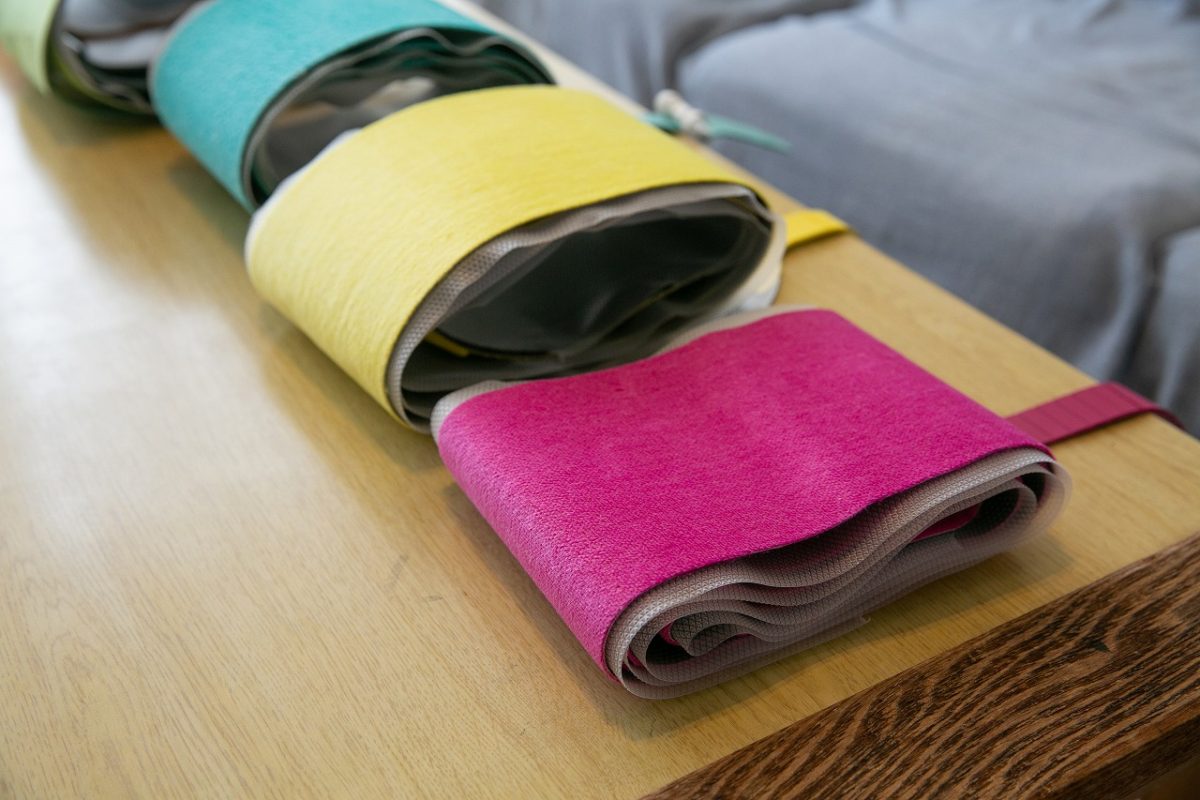
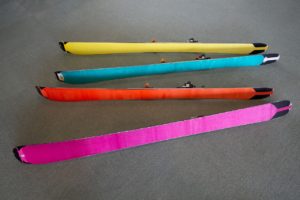
From top to bottom, the first skin is made of 100% nylon and offers excellent grip. It's easy to use for people who aren't used to climbing. However, as you can see from the photo, nylon is bulky and somewhat heavy.
Skin number 2 is made of 100% mohair. It offers excellent glide and is designed for experienced climbers, and is lightweight.
Skins number 3 and 4 are both made of a 70% mohair, 30% nylon blend, making them easy for the average user to use. The difference between these two is the length and density of the fibers. Skin number 3 has longer and denser fibers, making it slightly heavier, but it has better waterproofing and water repellency than any other model. Therefore, it is easy to handle for everyone from beginners to guides carrying heavy loads.
Skin number 6, a race skin, is compact and the smallest size possible. The tail stopper has been omitted to make it easier to remove.
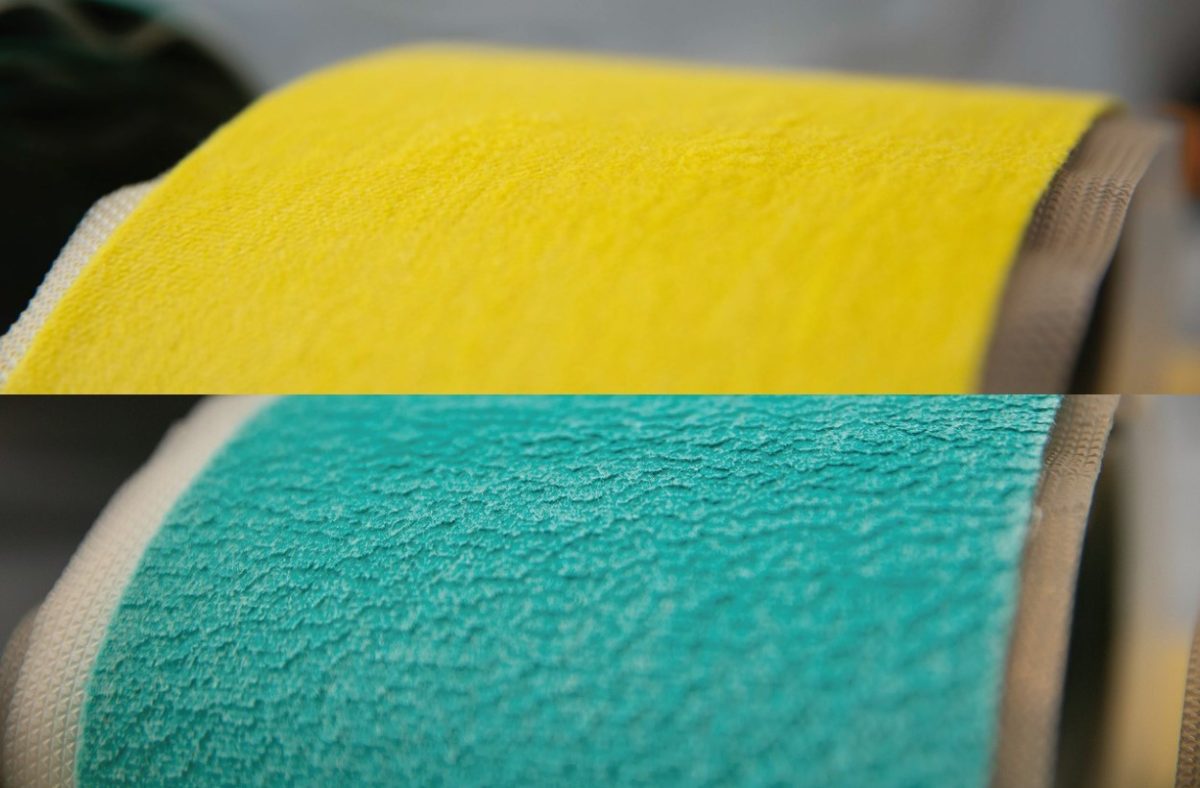
the hair on the #3 sticker appears clumped together is because of the wax used for product storage. This wax will wash off after using it once or twice on tour.
Tips for choosing
The key criteria for choosing snowboard seals are which mountain you're heading to, what equipment you'll be using, and your climbing technique. If you'll be walking mostly on flat ground, mohair snowboards with their excellent glide are easier to walk in. If you want to lighten your load and walk faster, lightweight snowboard seals number 5 should suit your needs. If you're not used to climbing or your total weight, including your equipment, will be heavy, we recommend snowboard seals number 3, which have long, dense fur
It's best to decide on this after considering the actual level and environment you'll be using it in, and discussing it with shop staff.
Also, each type of sticker comes in multiple widths and lengths, so you can rest assured that there's one that will match any size board.
Seal storage and lifespan
There are two main reasons why snowboard stickers become unusable.
The first is wear and tear on the bristles, and the second is that the glue goes bad. In terms of lifespan, the latter problem tends to appear sooner.
You can check the lifespan of the glue by sticking the sticker to the board and peeling it off; if the glue sticks to the base of the board, it's reached the end of its life. When this happens, you have no choice but to buy a new one or have the glue replaced. Replacing the glue requires special tools, so it's best to take it to a shop. The shops that can replace the glue are listed below.
Glue Roll installation stores
| Shugakuso Hokkaido University Branch | 2-15, Kita 12-jo Nishi 3-chome, Kita-ku, Sapporo, Hokkaido |
| Shugakuso Shiraishi store | Hokkaido, Sapporo, Shiroishi Ward, Hondori 1-chome Minami 2-14 |
| Green House Morioka | 4-40-20 Motomiya, Morioka City, Iwate Prefecture |
| Nice Edge | 4-1-1 Miyamoto, Funabashi City, Chiba Prefecture |
| Bottom Line | Room 105, Shakujii Park Himiko Mansion, 2-18-7 Miharadai, Nerima-ku, Tokyo |
| Takuto Ski Lab | 3-7-3 Shimomeguro, Meguro-ku, Tokyo |
| Rappy | 397 Kitajo, Hakuba Village, Kitaazumi District, Nagano Prefecture |
| Keep One | 9-145 Ishiuracho, Takayama City, Gifu Prefecture |
| Paddle Club Nagoya | AM Building, 6-41 Marunouchi 3-chome, Naka-ku, Nagoya, Aichi Prefecture |
There are also rare cases where only a portion of the glue peels off. In such cases, repair tubes and other items are sold to temporarily fix the problem. However, since these are only temporary measures, if you are concerned about safety, we recommend replacing the glue or purchasing new stickers
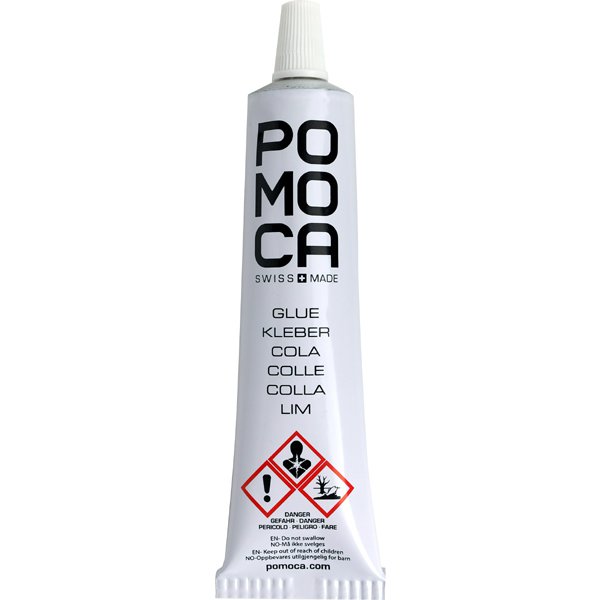
The lifespan of glue is said to be about four years, but this will vary greatly depending on the storage environment. If you want to use it for a long time, the storage method is important
Storage method
Many people are concerned about how to store their ski seals. The glue is sensitive to high humidity and temperatures.
When you return from a backcountry trip during the winter, carefully attach the cheat sheet and hang the seals on a hanger or similar to dry. It's best to dry them in a warm, well-ventilated area of a room, rather than near a stove.
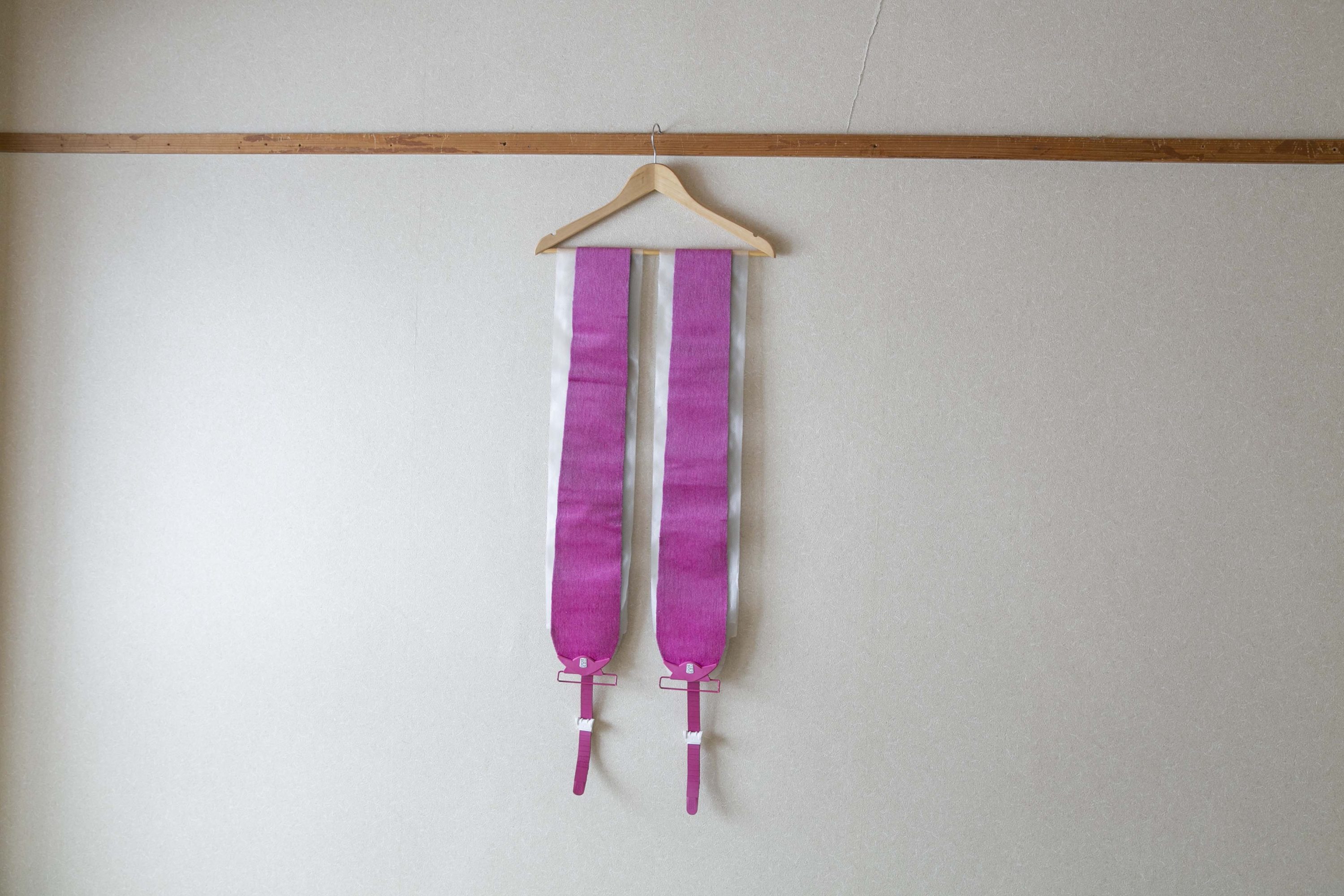
The problem lies during the summer. Since it's sensitive to heat and humidity, summer is its nemesis.
Some people keep it in the refrigerator, but not every household can afford to occupy valuable refrigerator space for the sake of the husband's (or wife's, or both's) hobby.
Therefore, it's recommended to store it in a well-ventilated, relatively cool place such as near the entrance of a warehouse or garage, or even the front door if there's no garage.
A common mistake is storing it in a closet. This is a no-no because moisture tends to accumulate.
As an important piece of backcountry gear, it deserves to be stored carefully and used for a long time.
In the practical section that follows, I would like to explain how to use it on site, how to store it, and how to cut stickers
Related videos
The person who taught me
Tomoya Takahashi
is the sales representative for Dynafit Pomoca in Japan. He loves skiing and fishing. He is currently working remotely and apprenticing at his family's inn. In the summer, he spends his time fishing and gathering wild vegetables, transitioning from the hustle and bustle of city life to a simpler lifestyle.
Cooperation / Rexxam Co., Ltd