

Since its debut, there's a brand that has attracted attention with its striking graphics. It's WAPAN SKIS, a garage brand that was launched in Japan in the 2018 season. WAPAN is a coined word that adds "WA" to the spelling of JAPAN, incorporating the meaning of "Japanese." It's familiar and easy to remember for both Japanese and foreigners.
As the name suggests, WAPAN is created with the concept of making skis that are made by Japanese hands and embody the best of Japan.
The specifications are also made with skiing in Japan in mind.
Rather than aiming to ski on large slopes like those overseas, the skis are made to suit the mountainous terrain and weather of Japan, and are suitable for tree runs and skiing in powder up to the waist.
Based on the principle that "freeskiing must be robust," high durability is a key feature. A mixed core of pine and poplar wood provides a resilient flex, while the incorporation of high-strength paulownia wood from tip to tail ensures exceptional durability.
The base is made from P-TEX, a material with excellent impact resistance, processed at high density for a robust finish. Edge thicknesses range from 2.2mm to 2.5mm depending on the model, ensuring durability for use on boxes and rails.
Four types of skis are made based on these. The 122mm wide "I" is developed for powder skiing. The 105mm wide "Ro" is ideal for freeriding. The 90mm wide "Ha" is ideal for park skiing. And new this season, the 100mm wide "Ho" has been released, which is an improved version of the Ha and is easy to use for all-around skiing. Even the model names use the Iroha poem, making them unique and easy for Japanese people to remember
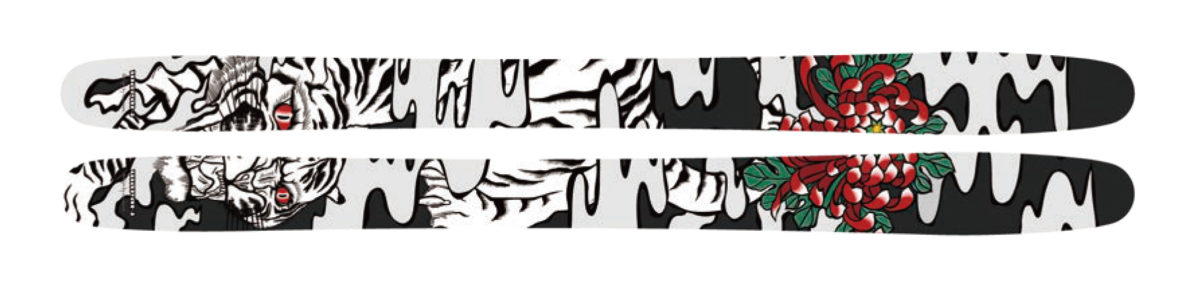
111,100 yen
148-122-135
L=180,190
R=19m,20m
A fat ski you'll want to ride on a day with heavy snowfall. It has a gentle rocker in the nose and tail, providing excellent buoyancy in powder. The camber underfoot allows for smooth riding on groomed slopes as well. Designed with surf riding in powder in mind, this ski has just the right amount of flex and torsion to withstand high speeds on groomed slopes.
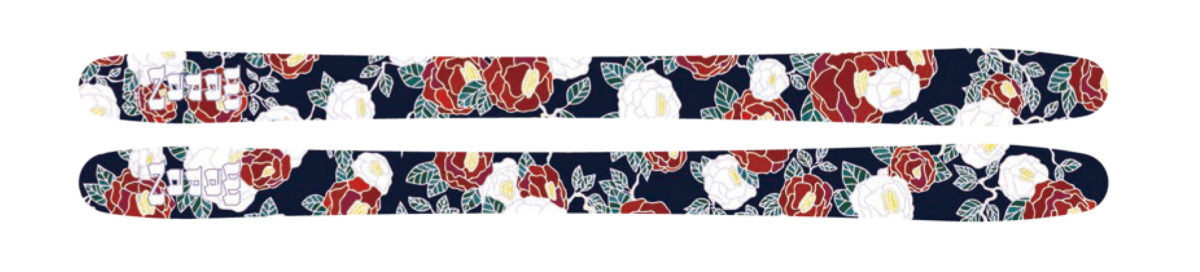
107,800 yen
134-105-124(171)
136-105-126(181,191)
L=171,181,191
R=18m(171),19m(181),20m(191)
A lightweight all-around model. The foot area is slightly softer, while the nose and tail have a stiffer flex. The rocker in the nose and tail makes it easy to maneuver and handle. It is lightweight, making it suitable for touring. With a small radius, it is a board that is easy for a wide range of riders, from beginners to advanced, to play with, whether hitting walls or doing ground tricks.
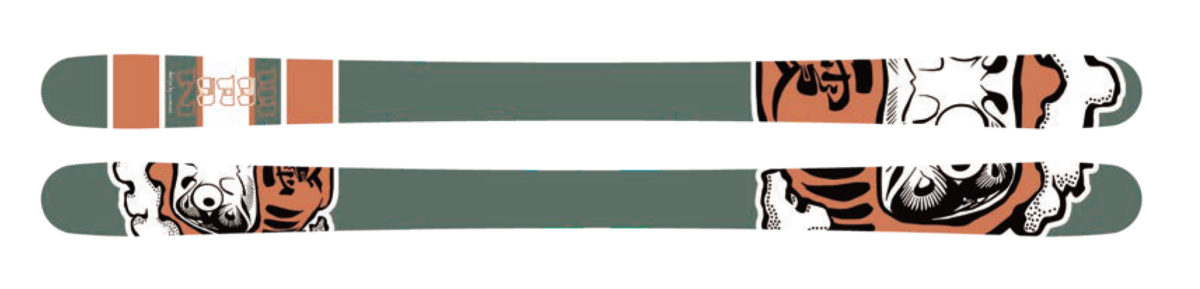
104,500 yen
113-90-113(161)
115-90-115(171)
L=161,171
R=18m(161),19m(171)
Freestyle skis that are easy to ski on slopes and in parks. They have a camber that is close to flat. The overall flex is resilient, so stable skiing is possible when landing jumps and at high speeds. The thick 2.5mm wide edges allow you to aggressively tackle rails and boxes. The
narrow sidecut is fine for carving, moguls and rough, uneven terrain.
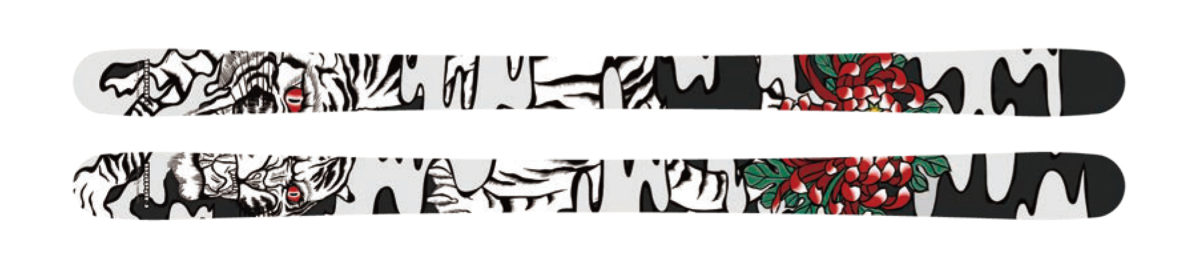
¥107,800
125-100-125
L=171
R=18.5m
An all-around model based on the popular "Ha" model, which is a favorite among freeskiers in Japan. While retaining its resilient flex, the wider blade provides even greater stability during landings. It is a board that is easy for beginners to handle. It also allows for sliding techniques, making it fun to play on terrain such as walls.

Despite their commitment to Japan, the skis and snowboards are manufactured by Never Summer Industries, a ski and snowboard manufacturer based in Colorado, USA. The reason is that they are made in the birthplace of freeskiing
At this factory, skilled craftsmen have been handcrafting each and every board for many years. They also run their own snowboard brand, and have built trust by producing boards that are durable and lightweight. To ensure their boards are sturdy, they use Never Summer Industries to manufacture them
"The main feature of WAPAN boards is that they are designed to be easy to ride even for beginners! I myself am only a little more advanced than a slope skier, so I make boards that I think are easy to handle. I want as many people as possible to experience the joy of skiing, so I intentionally make them easy to handle. So, to be honest, advanced skiers might find them a little lacking. However, when people actually put on WAPAN boards, I hear a lot of comments like, 'I can now do tricks I couldn't do before,' or 'I feel like I've improved.'"
"We're thrilled to be working with WAPAN," says Tokyo-based Tomohiro Ono, who handles everything from production to management. He handles everything from launching the brand to communicating with overseas factories, and even touring exhibitions and test rides across the country, all by himself
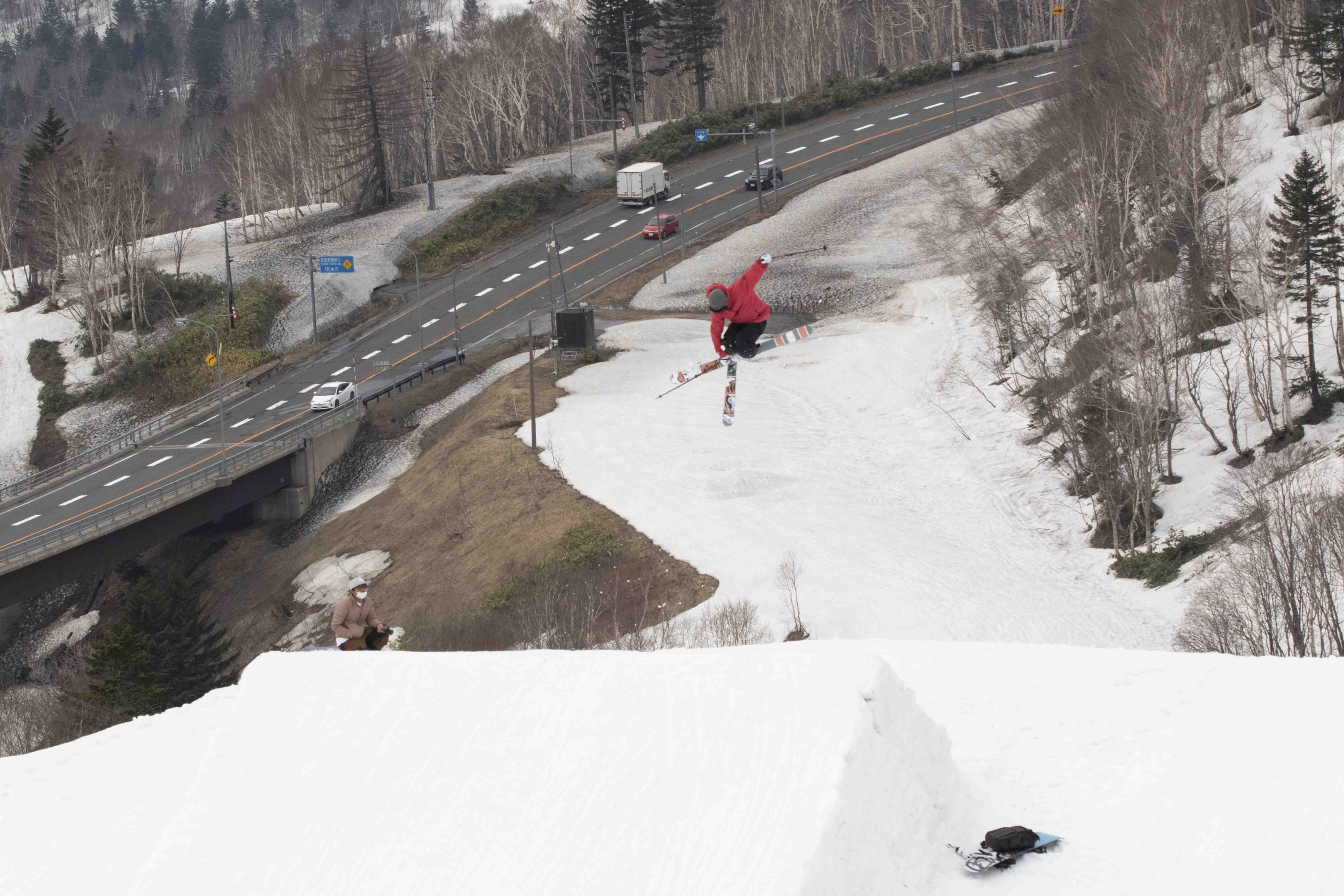
The reason for their popularity is not only the feel of the boards, but also the impactful graphics. In order to express the quality of Japanese products, graphics as well as specs are an important element
This season's graphics were created by the Japanese creative team "nonsense.". The duo, just 25 years old, have their roots in alpine skiing and are primarily active in apparel production. Their apparel, created with a youthful sensibility, is popular not only with skiers but also with young people who don't ski
Ono, who had been following their work, commissioned them to create the designs. This resulted in the creation of three graphics: "DARUMA," "TSUBAKI," and "BYAKKO."
Although WAPAN boards are not widely available, first-time orders allow customers to choose their favorite design from the three options.
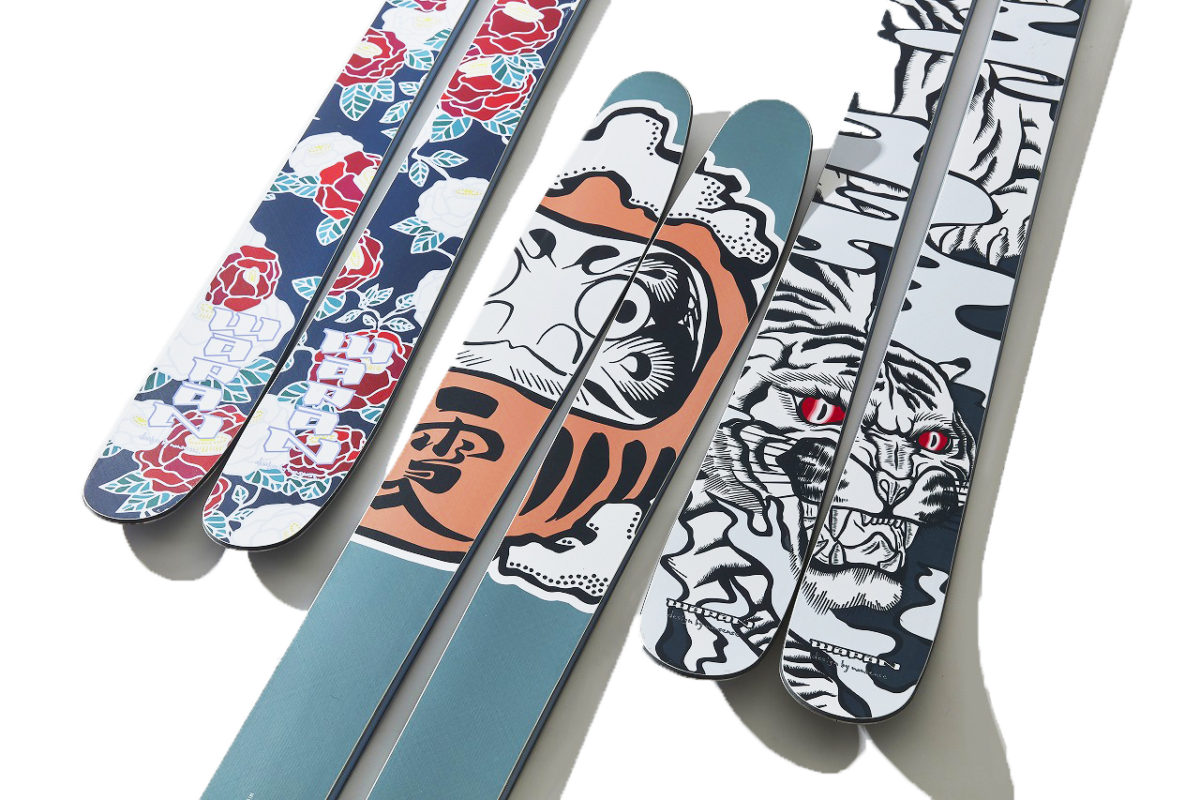
"DARUMA" (center), representing a freeskiier who falls seven times but gets up eight and continues skiing no matter how many times they fall; and
"BYAKKO" (right), featuring chrysanthemums and a white tiger, expresses the transience and wildness of stillness and movement.
Click here for articles about the graphic production process and nonsense
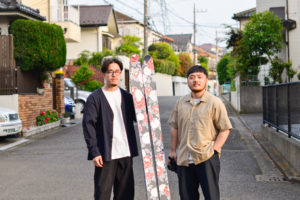
WAPAN is not a brand that only pursues ski specifications. They create skis with a consistent commitment from the brand concept to planning, production, and graphics. For WAPAN, skis are not simply tools; freeskiing is about combining function and design. The skis they create with this passion are gaining more and more fans every year