

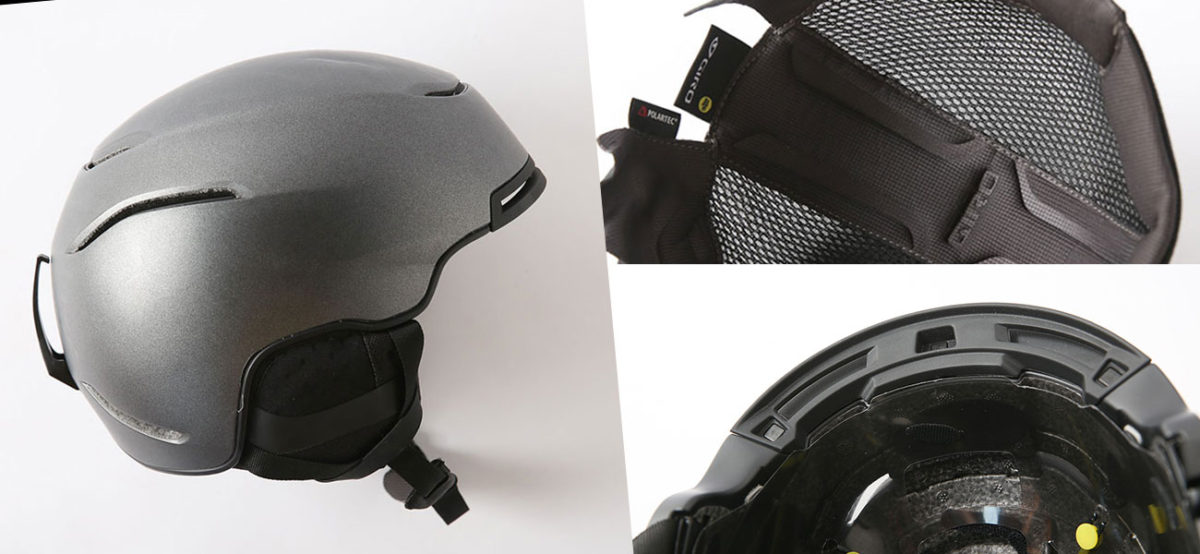
What are the criteria for choosing a helmet? It's easy to imagine that "safety" is the most important thing, but what is the basis for that claim? Also, no matter how safe a helmet is, it can't be uncomfortable to wear for long periods of time or impair your riding performance. Safety, comfort, fit? Let's take a look at the functions of a helmet and learn the key points to consider when choosing one as the season begins
POINT 1 | The need for a helmet
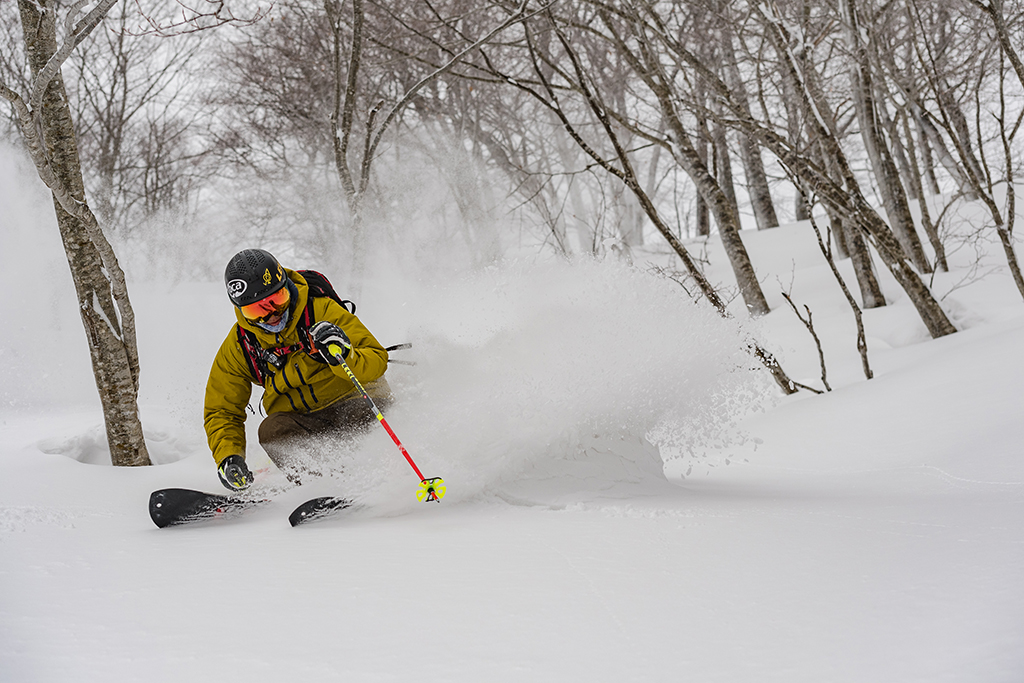
Do you wear a helmet when skiing? In recent years, following the example of the West, wearing a helmet has become more common. As skiing situations such as tree runs and backcountry skiing have become more prevalent, the need to protect the head from unpredictable natural dangers has become more important. In recent years, many ski resorts have made wearing a helmet mandatory even in tree run areas and ungroomed areas
Furthermore, for skiers and snowboarders who ride in the park, helmets are absolutely essential to avoid the risks of falling during jumps and jibbing. As the high level of danger is easily imaginable, helmet use is quite widespread.
The purpose of a helmet is simple: to protect the head from impact. A bad blow to the head can be fatal, or at the very least, it can cause permanent brain damage. To minimize such risks and to enjoy the snowy mountains safely, helmets can now be said to be an essential item for smart skiers and snowboarders.
POINT 2 | Required features of a snow helmet
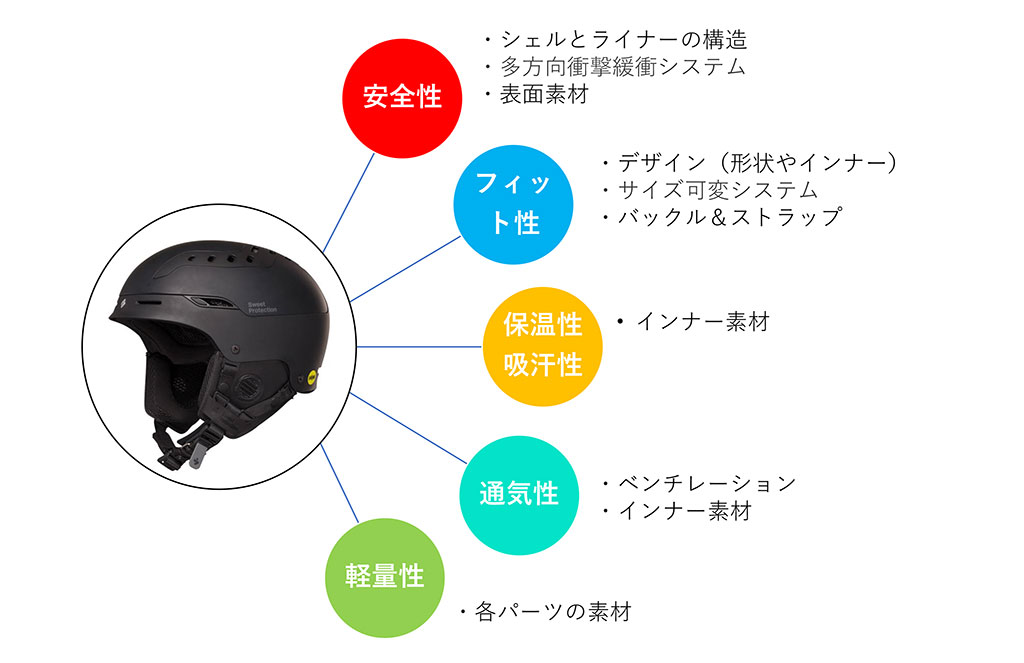
In order to fulfill its mission of protecting the head from impacts, a helmet must have several functions. Broadly speaking, these can be categorized into the elements shown in the diagram below. The most important factor influencing safety is the basic structure of the helmet
Helmets generally have a two-layer structure consisting of an "outer shell" and a "liner," but various differences arise depending on the materials and combination (structure) of these two layers. In addition, whether or not a "multi-directional impact absorption system" is used between the shell and the inner layer is an important point to consider. Naturally, if the fit is poor, the system will not function effectively.
Furthermore, the weight of the helmet is a point that affects not only comfort and performance while skiing, but also safety. For prolonged wear, it will be uncomfortable if the helmet does not fit well. To improve comfort, attention should also be paid to ventilation and the material of the inner layer.
POINT 3| Structure of a snow helmet and names of its parts
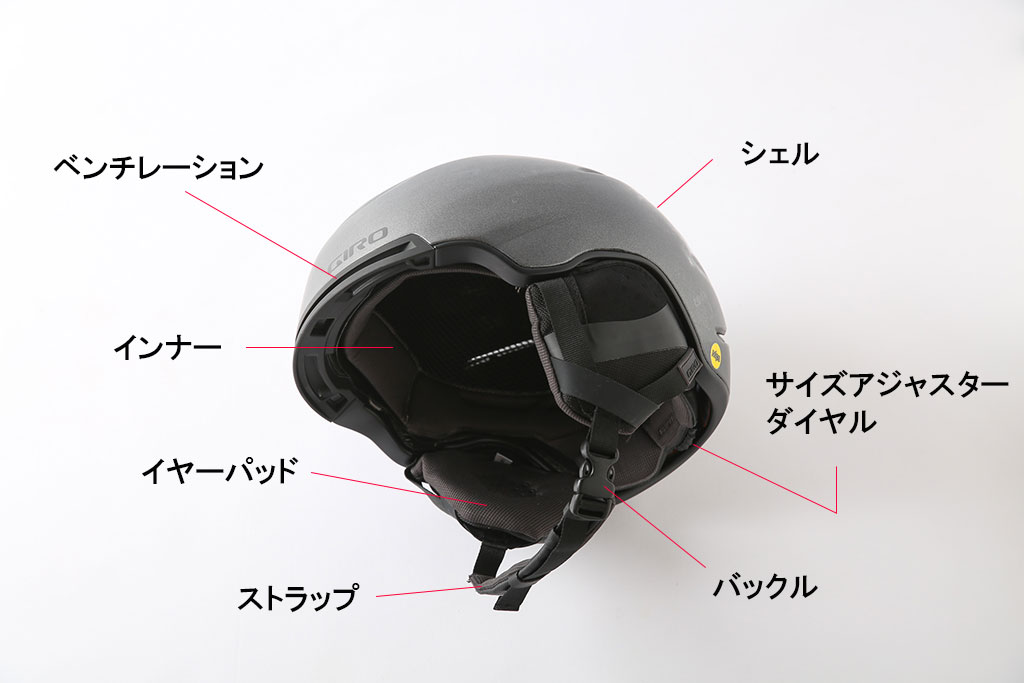
A snow helmet's head covering is broadly composed of an outer shell and an inner liner. The shell, which directly receives damage, uses a hard material to protect the inside, while the liner uses a cushioning material to absorb impact.
Helmets are divided into three structural types based on how the shell is joined: "hard shell structure," "in-mold structure," and "hybrid structure," which combines both. There is no good or bad in any of them; the characteristics differ depending on the structure. It's best to choose one that suits your preferences.
Hard shell construction
The shell and liner (the material that cushions impact) are manufactured separately and then glued together. If a high-strength material is used for the outer layer, the shell itself will not dent or crack even with a minor impact. This makes it sturdy and durable, ensuring greater safety. Another advantage is that it looks slimmer overall
In-mold construction
The shell and liner are molded in the same mold. Because no adhesive is used, they are less likely to come apart, and the quality is high. The material used for the outer layer is also light, which leads to an overall lighter weight. This shell structure combines lightness and strength. It is popular among park skiers and snowboarders who prioritize lightness for flying and technical movements
Hybrid Structure
The hybrid structure combines both a hard shell and an in-mold construction. The base is in-mold, with a hard shell covering the back and top of the head for added strength. By combining the two structures, it not only offers impact resistance, but also moderate lightness and the durability of a hard shell, making it a two-for-one solution
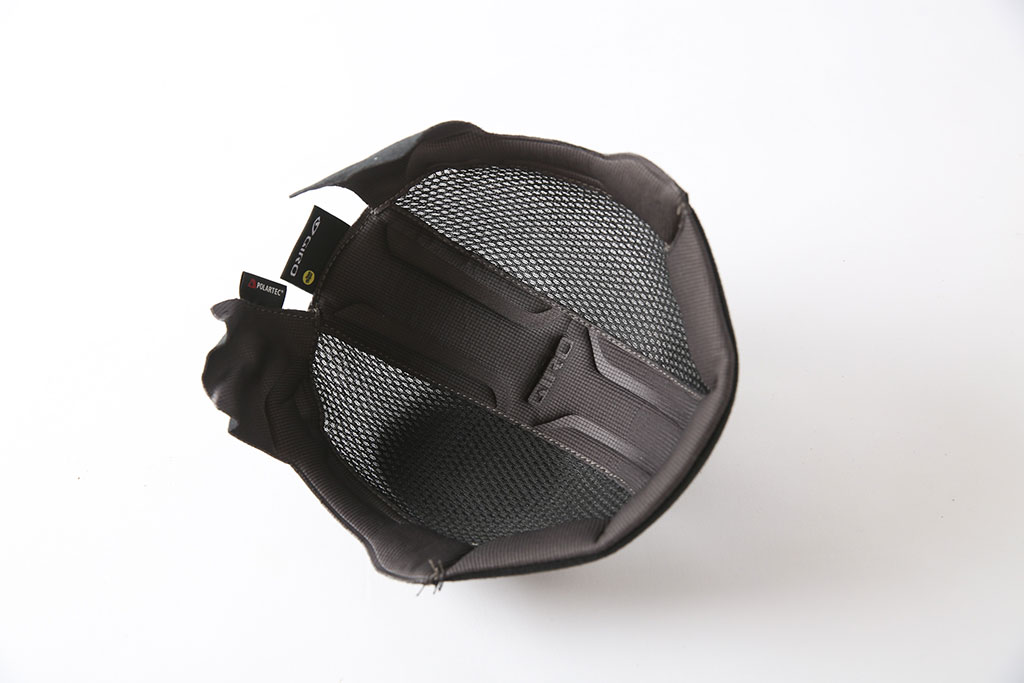
Innerwear
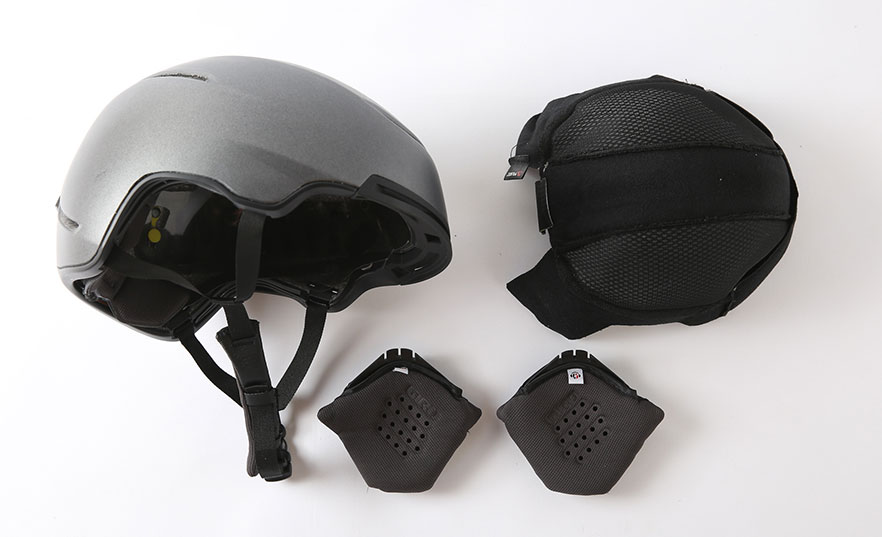
The role of the inner layer is to keep warm, absorb sweat, and improve the fit. Each manufacturer has made small improvements, using fabrics with excellent heat retention and breathability, and adding antibacterial and deodorizing properties. Most are removable
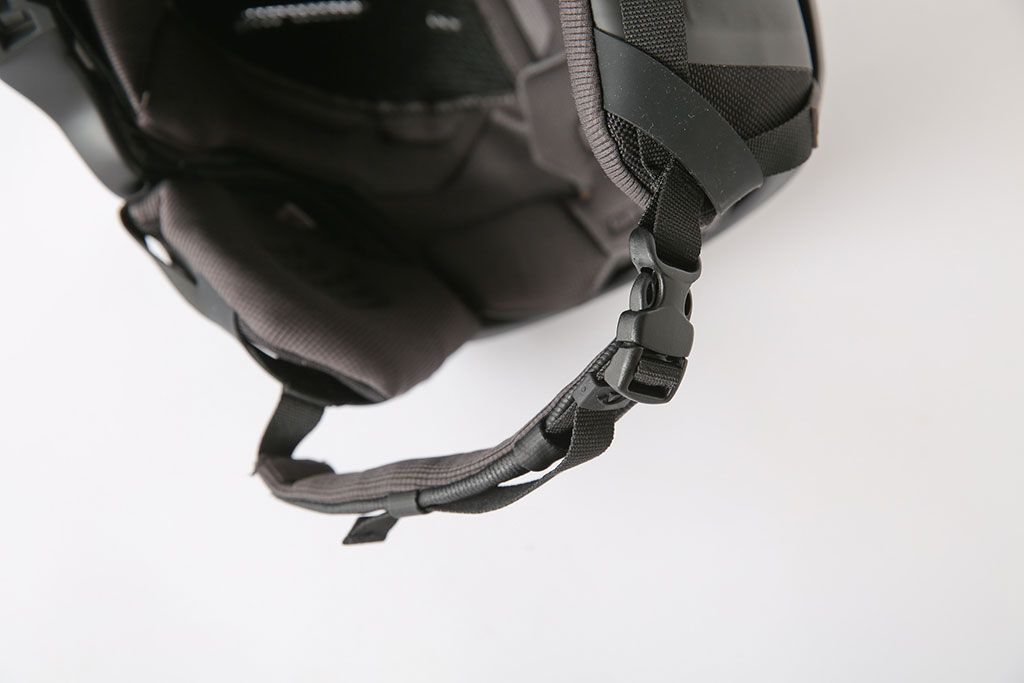
Straps & Buckles
The straps that keep your helmet in place are shaped by different buckles: side-release buckles and magnetic buckles. The former is easy to use, but can be a little tricky to operate with gloves on. In recent years, the higher quality models tend to have magnetic buckles that can be operated with one hand
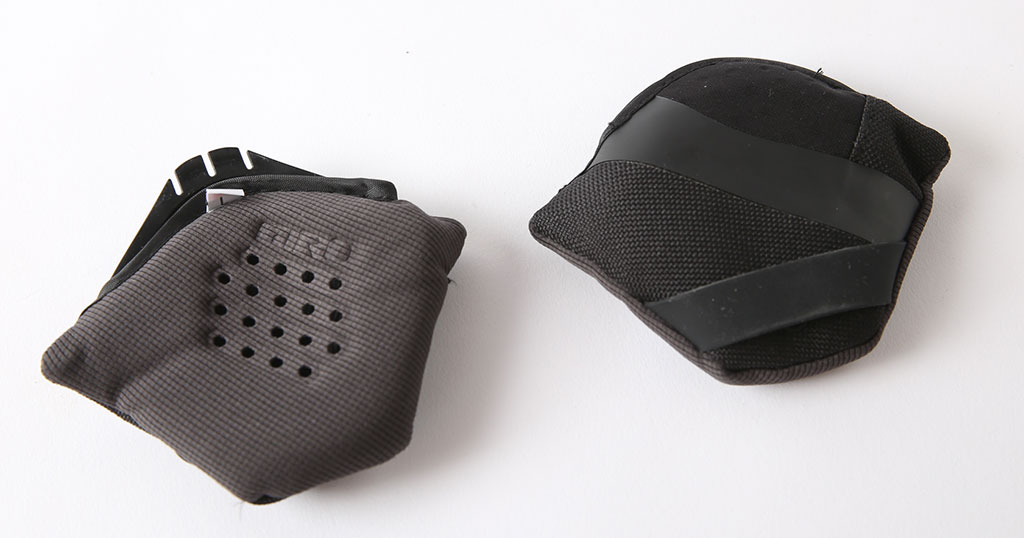
ear pads
Ear pads are advantageous in peak season because they keep your ears covered and improve the fit. However, they can get stuffy and hot during spring or backcountry hiking. That's why detachable ear pads are convenient. By removing and washing them, you can remove sweat and odors and keep your headphones clean
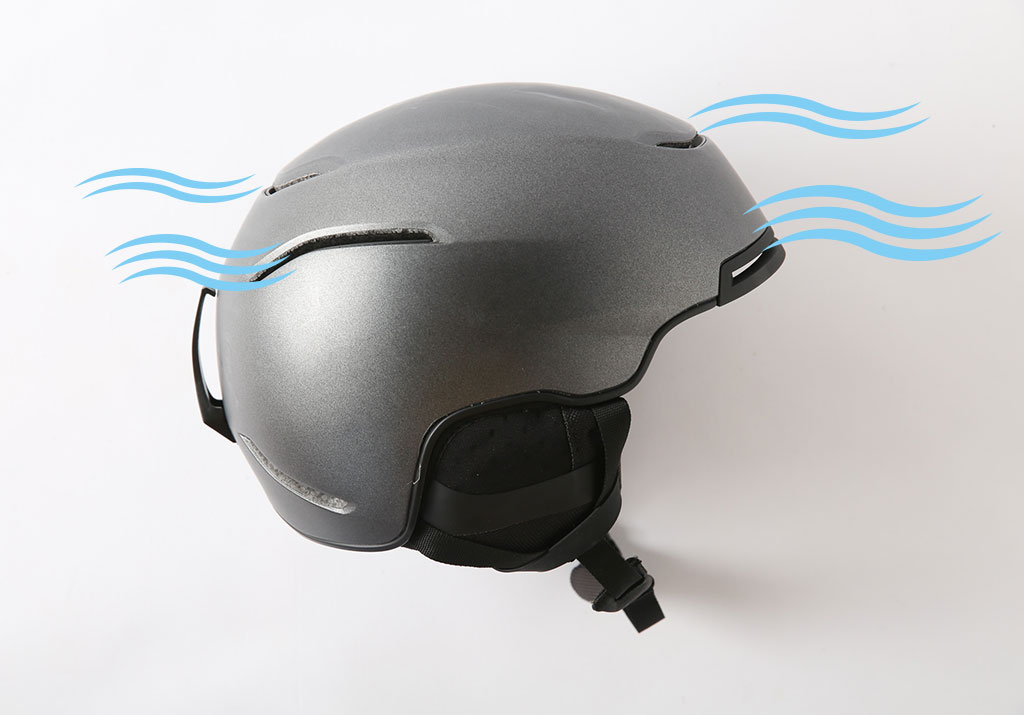
Ventilation
Ventilation is essential to eliminate stuffiness around the head. In addition to ventilation power, whether the vents at the top can be opened or closed is also an important point. Also, matching the helmet to ensure that moisture inside the helmet can be effectively released to prevent goggles from fogging up is also important
POINT 4| Multi-directional Impact Damping System (MIPS)
Brain damage from falls while skiing is not only caused by the force of the impact, but also by the rotational energy applied at an angle. A groundbreaking mechanism to mitigate this is the multi-directional impact absorption system "MIPS".
Ordinary helmets are designed to absorb impacts received from the front. However, MIPS, which is built into the inner lining, can also receive and mitigate impact energy received at an angle. The shell and inner lining move independently, so the rotational energy is absorbed by the shell, while the inner lining remains still to prevent vibrations to the brain.
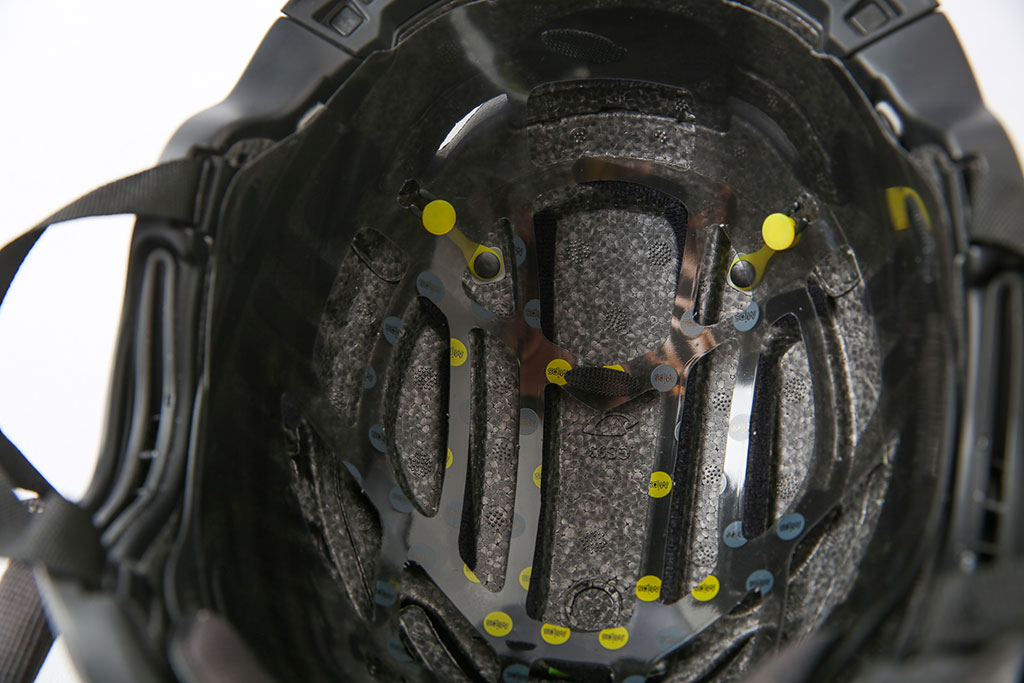
It's a little difficult to imagine just from text and photos, so the quickest way to understand MIPS is to watch this video by GIRO
POINT 5| Size Adjustment System
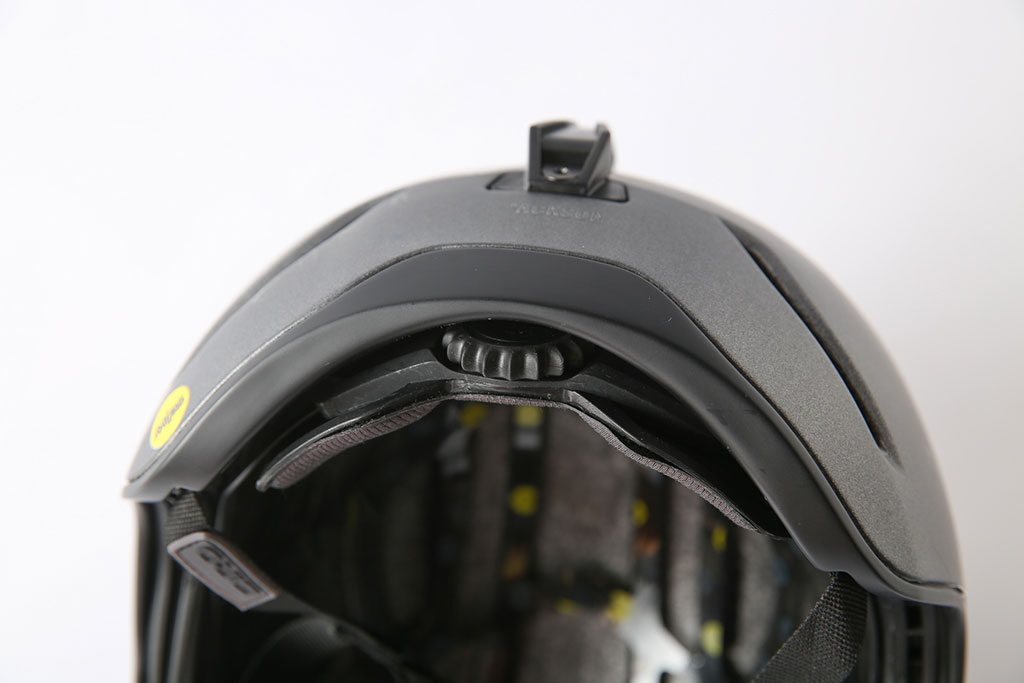
Many helmets have an adjustment system that allows you to adjust the size to a head circumference of about 5cm. This is now standard equipment to ensure an excellent fit. Dial systems, such as the BOA system, are easy to use. Tightening and loosening can be done with a single touch, making it easy to put on and take off
POINT 6 | Things to check when choosing a snow helmet
Compatibility with goggles
First, check that the helmet fits your goggles. Goggle compatibility can have a negative impact on how well the helmet fits. Choose a helmet that doesn't have large gaps between your goggles and the helmet
Size and fit
The next most important thing is whether the size is right and how well it fits. Check to see if there is any uncomfortable pressure or pain when wearing it, or if it is too big and loose. This is easily solved by choosing an Asian fit model. Japanese and Westerners have very different head shapes, not just facial contours. If the helmet does not fit your head, it will be less safe and, above all, uncomfortable
Lightness
Helmets are often worn for long periods of time. In backcountry skiing, you spend more time climbing than skiing. The weight of a helmet directly affects the strain it puts on your body. A heavy helmet can cause neck fatigue, stiff shoulders, and can even be uncomfortable, so a lighter helmet is better. However, it's not good to sacrifice impact resistance, durability, ventilation, etc. in pursuit of lightness alone. The ideal helmet is one that is lightweight yet has all the necessary functionality
Comfort
Although a helmet is an essential item for protecting your head, if it's so uncomfortable that it's painful to wear, you won't be inclined to use it. The head tends to sweat easily, and because helmets fit tightly, heat is trapped and they tend to become stuffy. It's very important that the helmet is comfortable to wear even for long periods of time. The better the ventilation function to eliminate stuffiness, the greater the comfort
Check the model's characteristics
After checking compatibility and fit with your goggles, it's a good idea to look at the characteristics, performance, and functions of each model. Consider the balance of shell material and structure, whether or not it's equipped with a multi-directional impact protection system like MIPS, and lightness to suit your skiing style. Functionality should be considered last
Versatility is also a new checkpoint
Due to a revision of the law, wearing a helmet when riding a bicycle has become a recommended effort. Going forward, the frequency with which helmets are used year-round will likely increase. Therefore, versatility in helmets will undoubtedly be in demand. Wouldn't it be like killing two birds with one stone if you could use the same helmet for both snowy mountains and city use? Some models even allow you to transform a snowy mountain helmet into an all-season city helmet by changing out multiple parts, such as ear pads and crown pads

POINT 7 | Snow helmet storage
Store in a well-ventilated place out of direct sunlight. Poor storage conditions can cause the adhesive used to hold the shell together to deteriorate and peel off. Some people store them in closets, but this is not recommended as the humidity is high there. Also, storing them in a way that adds weight to one part, such as hanging them on a wall, can put strain on the plastic used in the shell, so it is best to store them flat
Also, leaving the inner liner and ear pads soaked in sweat after use is unhygienic and unpleasant. Remove them, wash them by hand with water, and dry them thoroughly in the shade before storing them
POINT 8 | When to replace your snow helmet
Manufacturers recommend replacing helmets every 3 to 5 years. This is because even if you handle them carefully, the adhesive may deteriorate. The polystyrene foam used in the shell also deteriorates over time. Also, unless the liner is made of EPP (polypropylene), you should generally replace your helmet after one major impact. Once a helmet is damaged, it cannot be restored to its original state. EPP is resilient and can withstand a certain amount of impact multiple times
*This is a partial remake of an article from the 2024-2025 season