

*This article is a partial remake of the article published in the 2023-2024 season
Avalanche beacons (transceivers) are an essential item to carry when heading out into the backcountry. There are a wide variety of models available, from multi-functional, high-performance models used by guides to easy-to-use models for the average user. What should you look for when choosing one?
The role of avalanche beacons
Avalanche beacons are necessary equipment for locating people who have been caught in an avalanche and buried. The survival rate of those caught in an avalanche is 92% within 15 minutes, dropping sharply to 26% after 45 minutes. The beacon identifies the buried point so that the person can be quickly found and excavated within 15 minutes

How beacons work
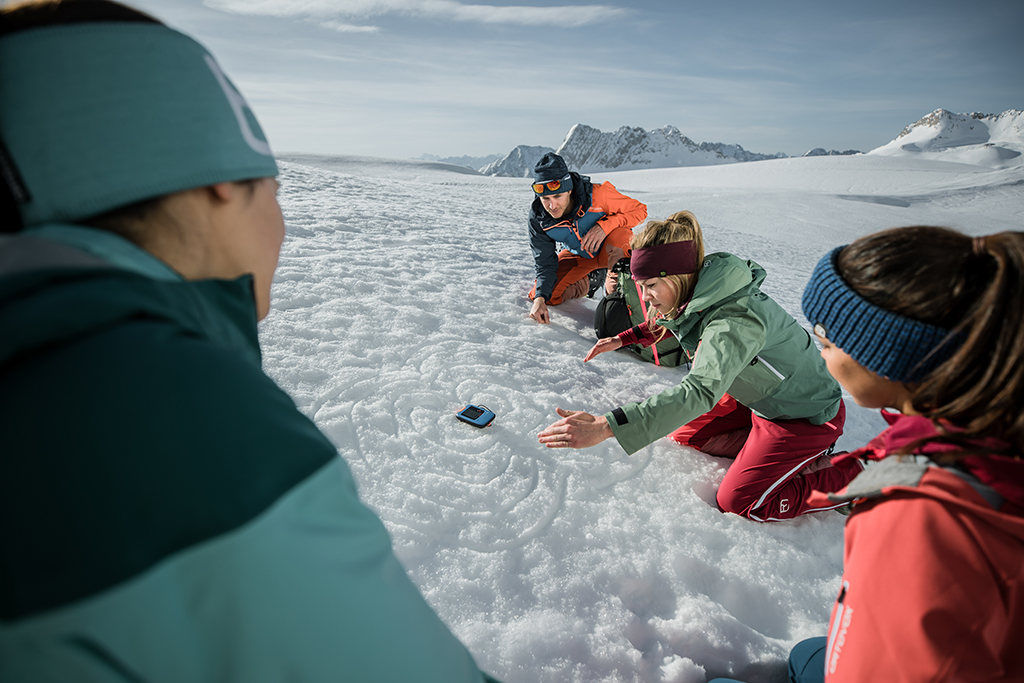
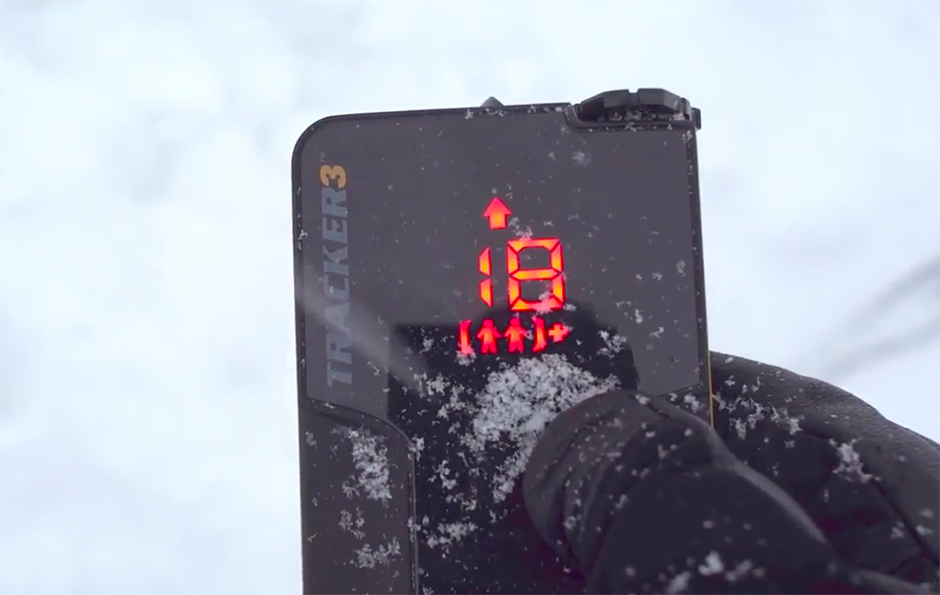
When a searcher switches to receiving mode, the beacon receives a radio signal. Normally, it is set to transmitting mode, and when an avalanche occurs, the searcher switches to receiving mode. In transmitting mode, it emits a weak radio signal at 457kHz, and in receiving mode, it identifies the location of the transmitting avalanche beacon (indicating distance and direction).
Receiving mode is for finding buried people, and transmitting mode is for being found. Although there are differences in performance between manufacturers, they are compatible, and the transmission and reception functions work even between beacons made by different manufacturers. The location is determined by capturing the signal emitted by the buried person's beacon.
Beacons come in digital and switchable digital/analog types. Currently, triple-antenna digital beacons are the mainstream. The more antennas there are, the higher the search accuracy, while analog beacons have higher reception sensitivity and can receive signals over a wider area. Not only do you need to own both, but you also need to practice multiple times to master them
Watch the video to learn how to use a beacon
These areAvSAR(Japan Avalanche Search and Rescue Council). They clearly show how to use beacons and how actual searches are conducted using beacons.
Tips for choosing
For BC beginners, we recommend a digital system or a system that switches between analog and digital antennas. Three antennas are standard, making them easy to use. A 50m reception bandwidth should be sufficient
First of all, if the device itself requires complex operation, it will be difficult for beginners.
: simple operation
quick operation even with gloves on
, a large, easy-to-read LCD screen,
easy to hold,
long battery life
, and light weight.
Prices range from 30,000 to 70,000 yen, with a wide variety of options from affordable models with the necessary functions for general backcountry users to multi-functional models used by guides and patrols. There are also differences in characteristics, such as some excelling at searching for a single buried person, while others perform better in searching for multiple buried people.
Beacons require repeated training before you can use them properly on the snow. If you're planning on trying out backcountry hiking for the first time, it might be a good idea to join a backcountry guided tour and rent one to try it out first