

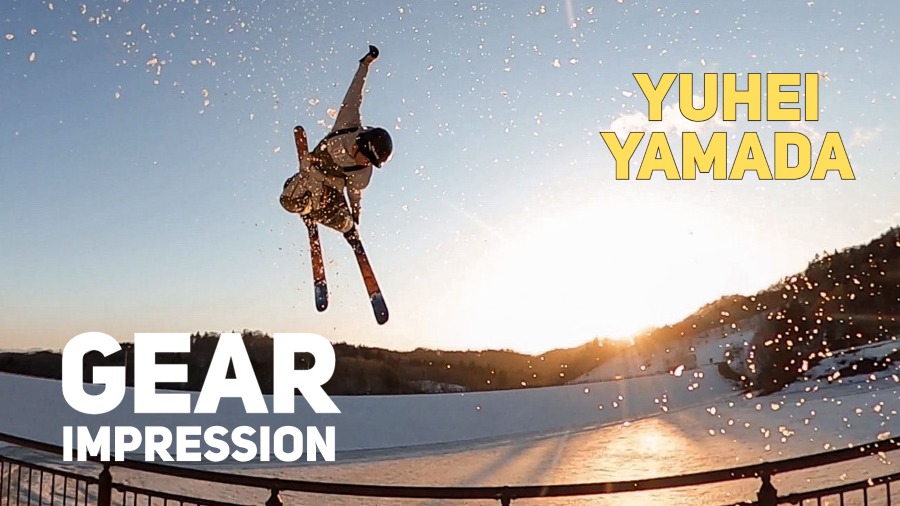
Let's hear impressions from riders about their favorite gear that they used extensively this winter.
This time, we'll hear from Yuhei Yamada, who mainly skis in Hokkaido and Colorado, and consistently produces his own video works every year.

Yuhei Yamada, 35 years old,
is based in Sapporo, Hokkaido, a place blessed with powder snow, but spends most of the season riding on the streets. He occasionally does freeride as well.
Yuhei Yamada's setup
Skis ①: ICELANTIC NOMAD 95 176cm (130-95-120) '21-22 model
Skis ②: ICELANTIC SABA PRO 117 177cm (147-117-137) '21-22 model
Boots: FULL TILT DESCENDANT8 '17-18 model
Bindings: LOOK PIVOT18 2011/2013/2021 model
Ratings and reviews of each gear
Ski Review
ICELANTIC NOMAD 95

●Please rate the perceived stiffness on a 5-point scale (★1=soft ←→★5=hard)
Nose: ★★☆☆☆
Center: ★★★★☆
Tail: ★★☆☆☆
●Suitable scenes on a 5-point scale
: Powder: ★★☆☆☆
Grooming: ★★★★☆
Hard Pack: ★★☆☆☆
Park: ★★★★★
Moguls: ★★★☆☆
Touring: ★★★☆☆
● Commonly used situations:
Street, park, slopes, and light powder
●Review
This freeride ski is not just for the park; it's also perfectly enjoyable for skiing on groomed slopes. While its 95mm center width is considered "narrow" by today's standards, it was a semi-fat ski size a few years ago. Thanks to the substantial rocker at both the front and rear, it handles powder and slushy snow with ease. The soft flex makes it easy for skiers who haven't yet mastered weight transfer or those with lighter weights to learn tricks using the ski's flex. Its lightweight yet stable specifications make it easy to control at any speed, and it should help you get started on tricks you couldn't do before.
+++
The ICELANTIC has a good core material, which makes the binding screws less likely to break, a great point for riders. It's a lightweight freeride ski rather than geared towards park skiers. Women can easily handle it. If you only ski in powder occasionally, this is enough
ICELANTIC SABA PRO 117

●Rate the perceived stiffness on a 5-point scale (★1=soft ←→★5=hard)
Nose: ★★★☆☆
Center: ★★★★☆
Tail: ★★★☆☆
●Suitable scenes on a 5-point
scale Powder: ★★★★★
Grooming: ★★★★☆
Hard Pack: ★★☆☆☆
Park: ★★☆☆☆
Moguls: ★★☆☆☆
Touring: ★★★☆☆
● Common usage situations:
Powder, freeride, groomed slopes
●Review
This ski was created by incorporating feedback from ICELANTIC riders around the world. With a width of 117mm at the base, lengths ranging from 167-177-187cm, and a designated mounting position of -7cm from the center, it's a ski that emphasizes the number 7. It's a rare full rocker ski these days, but it employs a "reflective rocker" design where the sidecut and rocker radius are the same. Despite its wide appearance, it has an incredible amount of edge grip, allowing you to create spray on terrain like surfing and perform playful movements with ease. Of course, there is no lack of buoyancy. The stiff tail allows you to pick up speed with confidence and maintain stability even when landing big jumps. Spins and switch riding are also no problem at all. It's a versatile ski for enjoying the whole mountain freely, whether you're carving through powder terrain, aggressively cutting through groomed runs, or enjoying jumps. Personally, I like the unique feel of a full rocker fat ski.
Boots Review
FULL TILT DESCENDANT 8
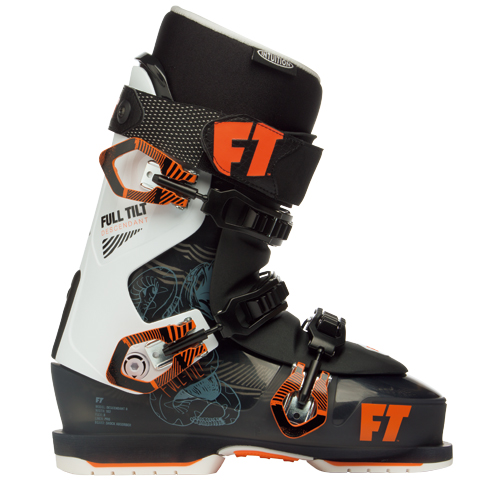
●Impression of hardness on a 5-point scale (★1=soft ←→★5=hard)
Lower shell: ★★★☆☆
Upper: ★★★☆☆
●Suitable scenes on a 5-point scale
: Powder: ★★★★☆
Grooming: ★★★☆☆
Hard Pack: ★★★☆☆
Park: ★★★★★
Moguls: ★★★★☆
Touring: ★★★☆☆
● Common situations where it is used (time of year, place, conditions, etc.)
: All seasons
●Review:
Since switching to the FT, I've never experienced any shin pain. The last is listed as 102mm, but even with my 116mm wide foot, it's just barely comfortable. The FT allows for ankle twisting in a switch stance and makes it easier to open the pelvis, resulting in highly expressive switch turns. Because you can bend your knees and put weight on your shins, you can create a wide range of styles whether standing or in a low position. If you only consider regular turns, there are many other good boots, but thanks to its pleasantly loose fit, it's easy to express your style, and it fits me well, including the width issue. Because I put weight on my shins and my center of gravity tends to shift forward, I set the bindings a little lower. I recommend these to users who struggle with boot discomfort and to users who want to express their style in the park and moguls.
Binding Review
LOOK PIVOT 18
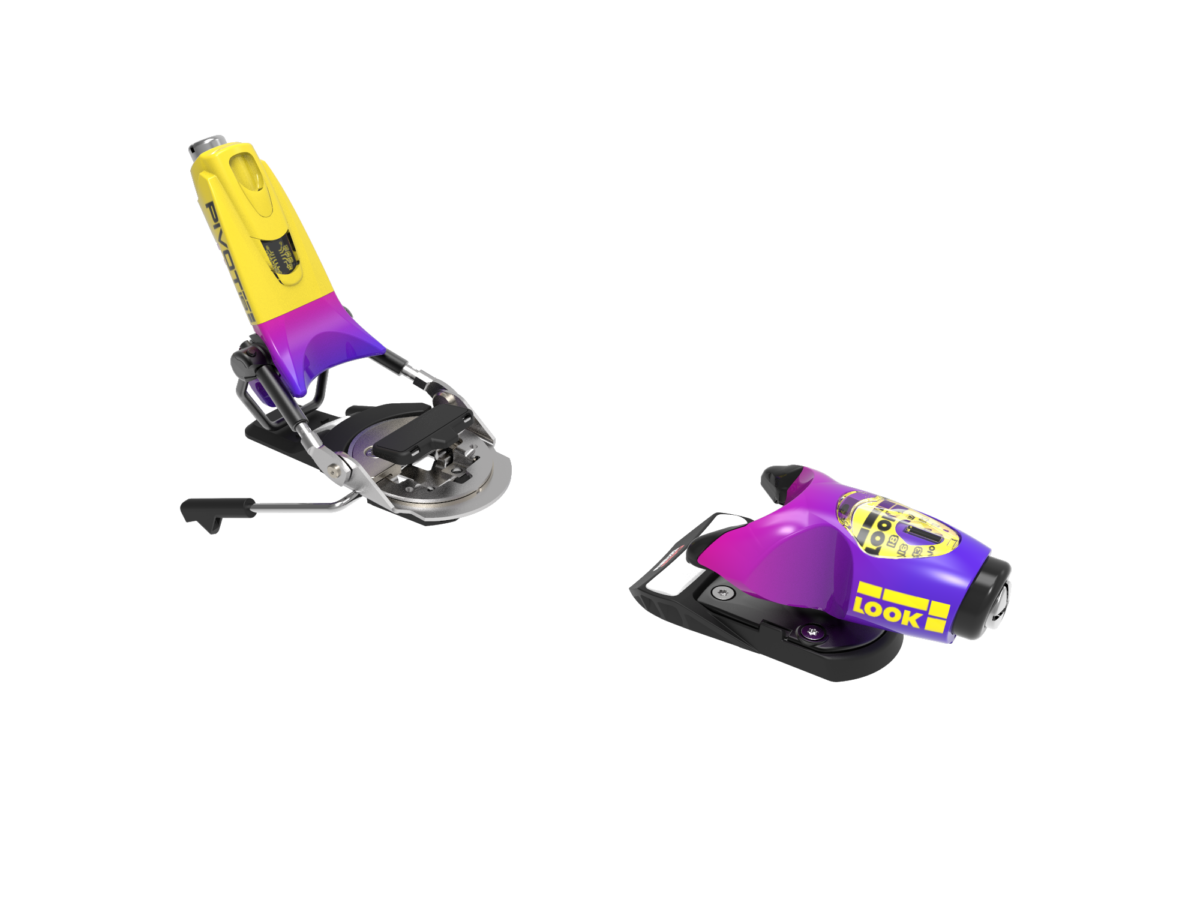
● Impression on a 5-point scale
: Power transmission: ★★★★★
Reliability: ★★★★★
Ease of use: ★★★★☆
Lightweight feel: ★★★☆☆
Ease of operation for climbing mode change:
None Ease of operation for heel lifter: None
●Suitable scenes on a 5-point scale
: Powder: ★★★☆☆
Grooming: ★★★★★
Hard Pack: ★★★★★
Park: ★★★★★
Moguls: ★★★★★
Touring: ★☆☆☆☆
●Situations in which it is frequently used (time of year, location, conditions, etc.)
I didn't have a chance to use the tour bins this season, so all season
●Review:
It simply doesn't break and never releases accidentally. The Jester Pro18 was also strong, but the P18 seems even more durable. For example, if you release it by stepping on it with your foot, the release value scale on the heel piece of the Jester wears down, but the P18 doesn't wear down as easily. I've replaced the toe base plate and brake (turntable body) many times, but using PIVOT reduces the overall financial burden when you don't have binding support. There's also the advantage of having the option of upgrading to the CAST Freetour for climbing. It's for hardcore users who prioritize durability and reliability. The negative point is that the front-to-back width of the heel piece screw mounting is narrow, which results in a cleaner flex, but the tail becomes a little softer.
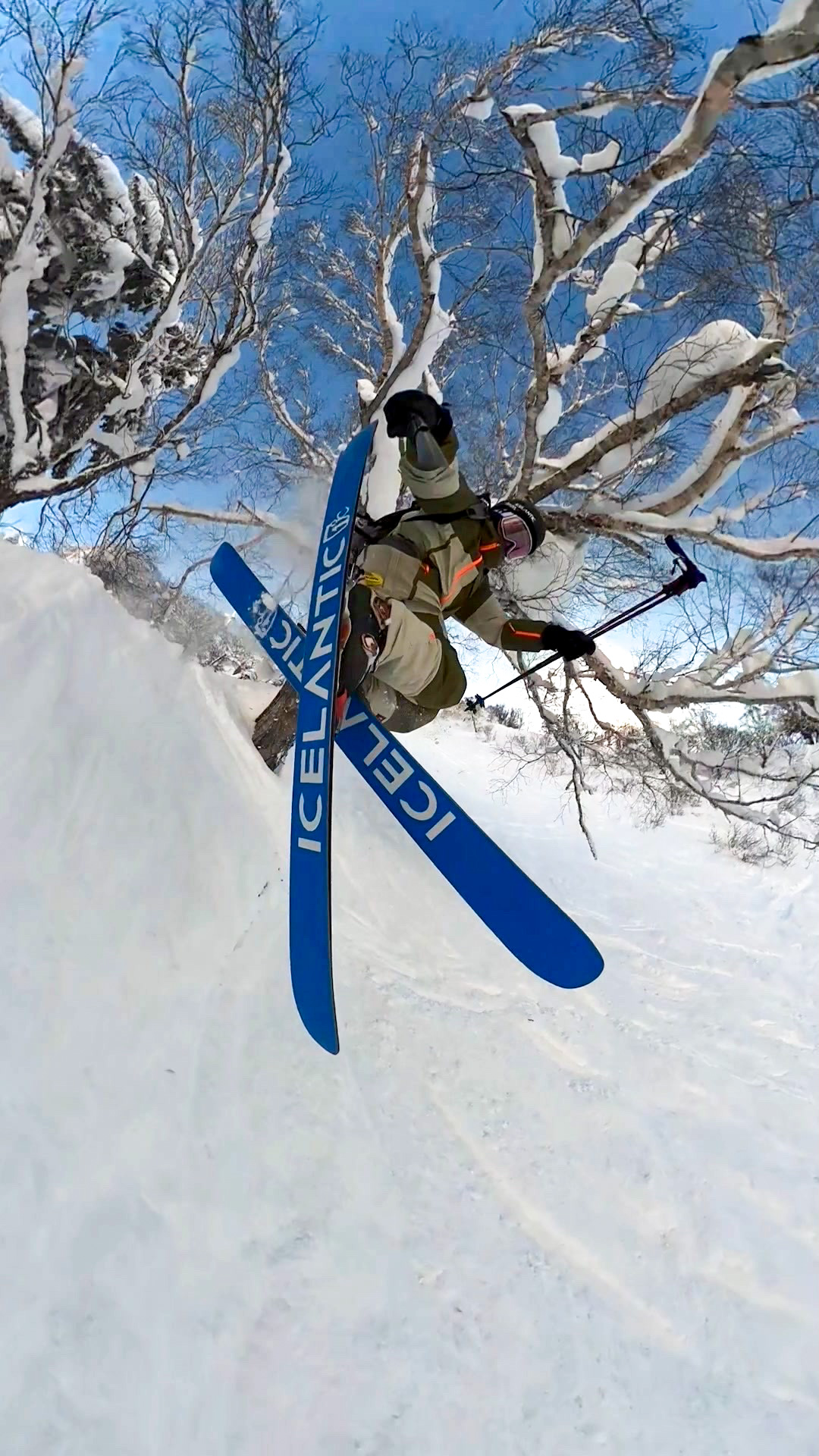
Yamada is an all-rounder who mainly skates on the street and in the park, and even freeride