
We asked riders to share their impressions of the gear they've been using to the fullest this winter.
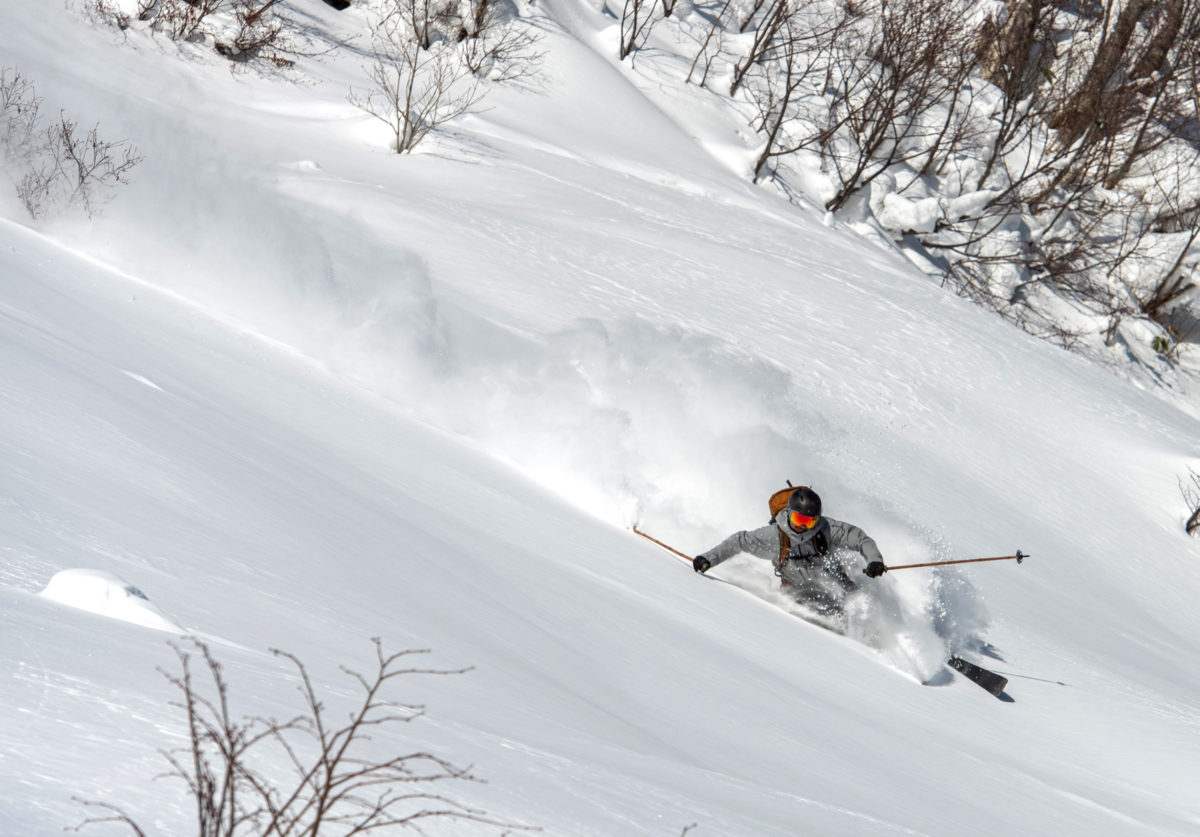
This time, we'll be looking at the gear used by Yasushi Chiba, who has been quietly gaining attention and creating a buzz for his footage of himself skiing down steep slopes in the mountains of Hokkaido.
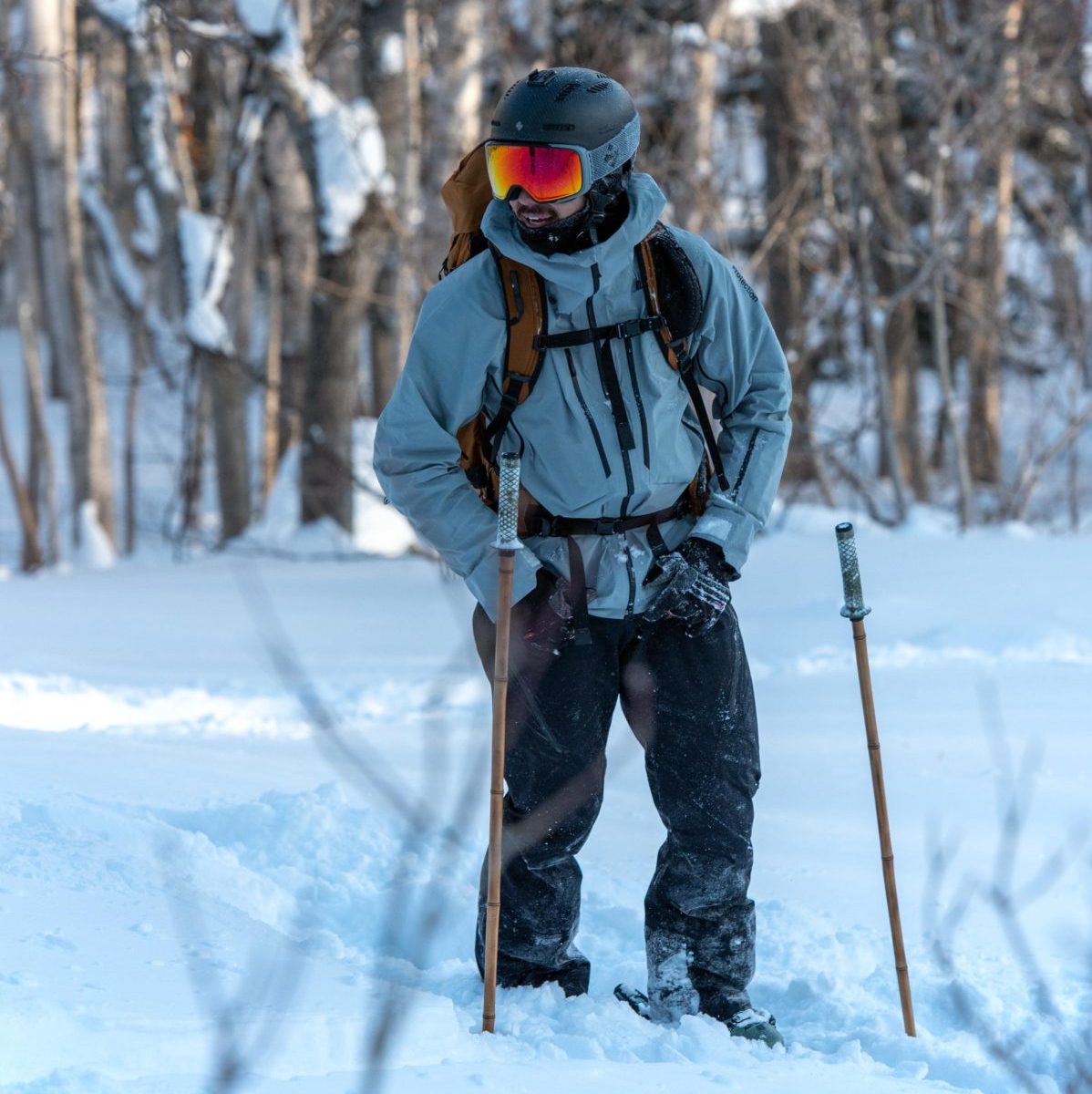
Yasushi Chiba, 29,
is a self-proclaimed steepline addict. He mainly posts his riding videos on Instagram, flying over the cliffs of the mountains in Hokkaido and attacking narrow chutes, and has fans both in Japan and overseas. He also runs
deerhorn_poles," Supported by: Paddle Club, Armada
Chiba Yasushi's setup
Skis ①: ARMADA DeclivityX 185cm (137-115-130) '21-22 model
Skis ②: ARMADA Declivity108ti 182cm (136-108-126) '21-22 model
Boots: SALOMON SHIFT PRO 130 '20-21 model
Bindings: ARMADA N SHIFT MNC 13 '21-22 model
Ratings and reviews of each gear
Ski Review
①ARMADA DeclivityX

●Hardness impression on a 5-point scale (★1=soft ←→ ★5=hard)
Nose: ★★★★☆
Center: ★★★★☆
Tail: ★★★★☆
●Suitable scenes are rated on a 5-point scale
: Powder: ★★★★★
Grooming: ★★★★☆
Hard pack: ★★★★★
Park: None
Moguls: None
Touring: ★★★☆☆
● Frequently used conditions
: December to March, high season
Location (slope, course, ski resort, mountain range, etc.) Hokkaido backcountry
conditions: Ice to hard pack to powder
●Review
Features: These big-mountain skis are designed by Chamonix local Tof Henry. They excel on large slopes.
Handling and Ride: While milder than the Declivity 108ti, they're still heavy and require a certain level of leg strength. On larger slopes, they're perfect for cutting through the powder surface, making long vertical turns, or digging deep to create large sprays. On tight hard-packed lines, you can drop the ski as vertically as possible and ski at high speeds while shifting the ski for minimal flutter and a sense of stability. Recommended for skiers with a decent level of leg strength who want to ski large slopes with a sense of speed, or skiers with an alpine racing background.
Weight: At 2,250g per ski (185cm), these skis are focused on speed, which goes against the trend of recent backcountry skis. When it comes to skiing, "weight is justice."
Favorite Points: I like their stability at high speeds and their reliability in hard conditions.
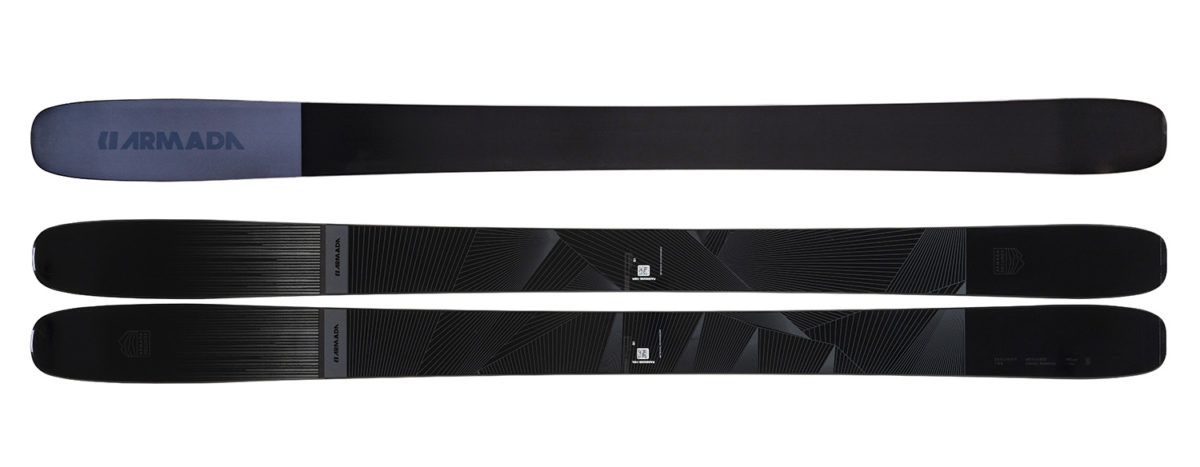
Graphics and other details: All of ARMADA's skis in the big mountain and touring categories are characterized by their sophisticated and sophisticated designs, and the DeclivityX is no exception, with a wonderfully elegant finish befitting a flagship model.
②ARMADA Declivity 108ti
●Hardness impression on a 5-point scale (★1=soft ←→ ★5=hard)
Nose: ★★★★☆
Center: ★★★★☆
Tail: ★★★★★
●Suitable scenes are rated on a 5-point scale:
Powder: ★★★★☆
Grooming: ★★★★★
Hard pack: ★★★★★
Park: None
Moguls: None
Touring: ★★★★★
Frequently used conditions
: November, April to July (light snow and remaining snow season)
Location (slope, course, ski resort, mountain range, etc.): Hokkaido backcountry
Conditions: Ice, hard pack, light powder, granular snow
●Review
Features: Extremely rigid, offering impressive stability at high speeds.
Handling & Ride: Compared to the DeclivityX, it feels quicker. I used these as my main skis in the spring, and even on hard granular snow that hadn't yet loosened up, or on hard north-facing slopes where the sun wasn't shining and the temperature hadn't yet fully risen, the skis gripped the snow without any bounce or give way, allowing me to ski at high speeds and carve away the snow. These skis are truly "slim and muscular," allowing me to ski down narrow chutes 4-5 meters wide with quick turns. I recommend these skis for speed-conscious skiers who want to go all season long on this one ski, whether at the ski resort or in the backcountry.
Weight: 1,975g (182cm), a bit heavy for a 108mm waist.
Favorite Points: I like their stability at high speeds and their reliability in hard conditions.
Graphics and other details: All of ARMADA's big mountain and touring skis are characterized by their sophisticated and sophisticated design, and the Declivity 108ti is no exception. Its simple, black-based design features timeless "white rice" graphics.
Boots Review
SALOMON SHIFT PRO 130
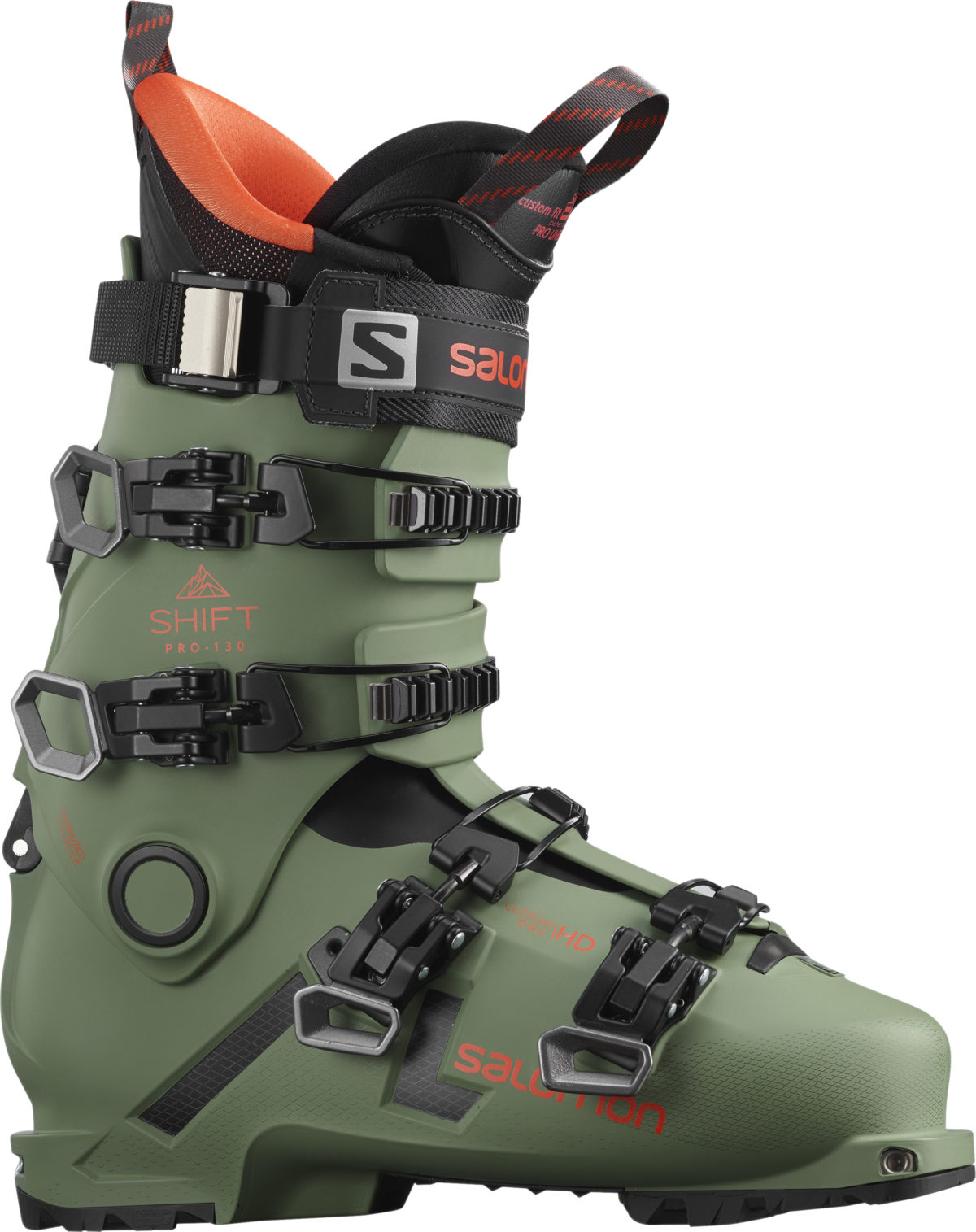
●Hardness impression on a 5-point scale (★1=soft ←→ ★5=hard)
Lower shell: ★★★★☆
Upper: ★★★★☆
●Suitable scenes are rated on a 5-point scale
: Powder: ★★★★★
Grooming: ★★★★☆
Hard pack: ★★★★☆
Park: None
Moguls: None
Touring: ★★★★★
● Walk mode function usability and
operability: The ability to switch between ski and hike modes is excellent. I've been using this system for about seven years, starting with its predecessor, the MTN LAB 120, and have never had a problem with the mode not switching. "Trust and proven performance" from firsthand experience.
Ease of walking (range of motion): The range of motion is also wide for a freeride boot, so you won't feel dissatisfied when climbing.
Frequently used conditions (season, location, conditions, etc.)
Season: All seasons
Location (slope, course, ski resort, mountain range, etc.): All areas of Hokkaido's backcountry
Conditions: All conditions
●Review
Features: These touring boots are suitable for freeriding, with an emphasis on downhill skiing performance.
Handling: They offer unparalleled power transmission and rigidity among touring boots, and are quick to handle on hard terrain.
Ride feel: They provide a firm hold, allowing you to attack with confidence even at high speeds.
Weight: They feel a little heavier than lightweight touring boots, but considering the stability of the skis, it's worth it.
Comfort: To prevent blisters, I fasten the three bottom buckles when hiking. While this may vary from person to person, they are comfortable even in cold weather and don't get the cold toes that are common with touring boots.
Favorite Features: Switching between hike and ski mode. Stability and power on downhill runs.
Binding Review
ARMADA N SHIFT MNC 13
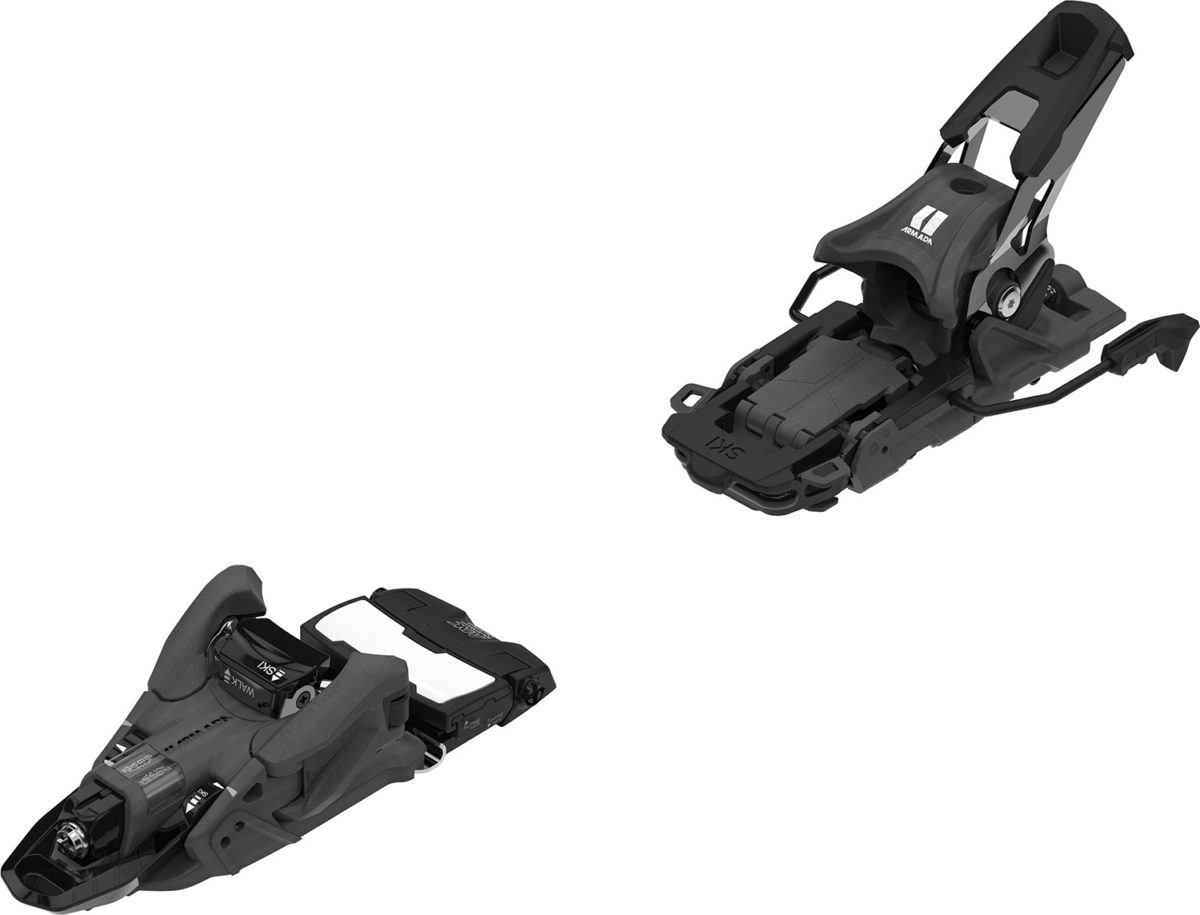
●Impressions are rated on a 5-point scale
: Power transmission: ★★★★☆
Reliability: ★★★★★
Usability: ★★★★☆
Lightweight: ★★★★☆
Climbing mode change operation: ★★★★★
Heel lifter operation: ★★★★★
●Suitable scenes are rated on a 5-point scale
: Powder: ★★★★★
Grooming: ★★★★★
Hard pack: ★★★★★
Park: ★☆☆☆☆
Moguls: ★☆☆☆☆
Touring: ★★★★☆
●Comments on the Walk Mode Function:
Ease of Walking (Range of Motion): The skis provide stability not only when skiing downhill but also when climbing. Especially when traversing granular or hard-packed slopes, I often climb by digging the edge of the ski facing the snow into the snow to prevent the skis from sliding down. Kingpin and other pin-tech bindings are weak against lateral forces, often causing misalignment, and in such situations I reluctantly switched to crampons. With SHIFT, I can firmly dig the edge into the snow, expanding the range of ski ascents I can safely ski.
The heel lifter's only one position is the only major drawback. I currently compensate for this by attaching a stiletto-like part to my boots. A slightly clumsy but strong "Showa-era" style binding.
Frequently used conditions (season, location, conditions, etc.)
Season: All seasons
Location (slope, course, ski resort, mountain range, etc.): All areas of Hokkaido's backcountry
Conditions: All conditions
●Review
Features: This hybrid binding can be used with the same system as an alpine binding (the toe piece is secured by a welt rather than a pin) when skiing.
Operation: The heel lifter has a hook, so it can be intuitively operated with the tip of the pole, making release stress-free.
Ride: It's almost as good as an alpine binding, and it holds your boots firmly even on slopes with hard pack or ice. I was particularly surprised by the difference in stability when switching from a pin-tech binding to the SHIFT when skiing.
Weight: It is slightly heavier than other pin-tech bindings.
Fit: It's very easy to insert the pins into your boots when hiking compared to Kingpin and other pin-tech bindings.
Graphics and other details: After my second season, I started to notice a slight rattle in the toe piece when walking on flat forest roads. (The 2020-2021 model has been used for about 70 days, with 2-6 hour BCs at 95%). It doesn't bother me when climbing or skiing, and I don't have any issues with it, but I think that's probably due to the binding attachment system.
What I like: The outstanding stability when skiing and the ease of fastening and unfastening when hiking.