

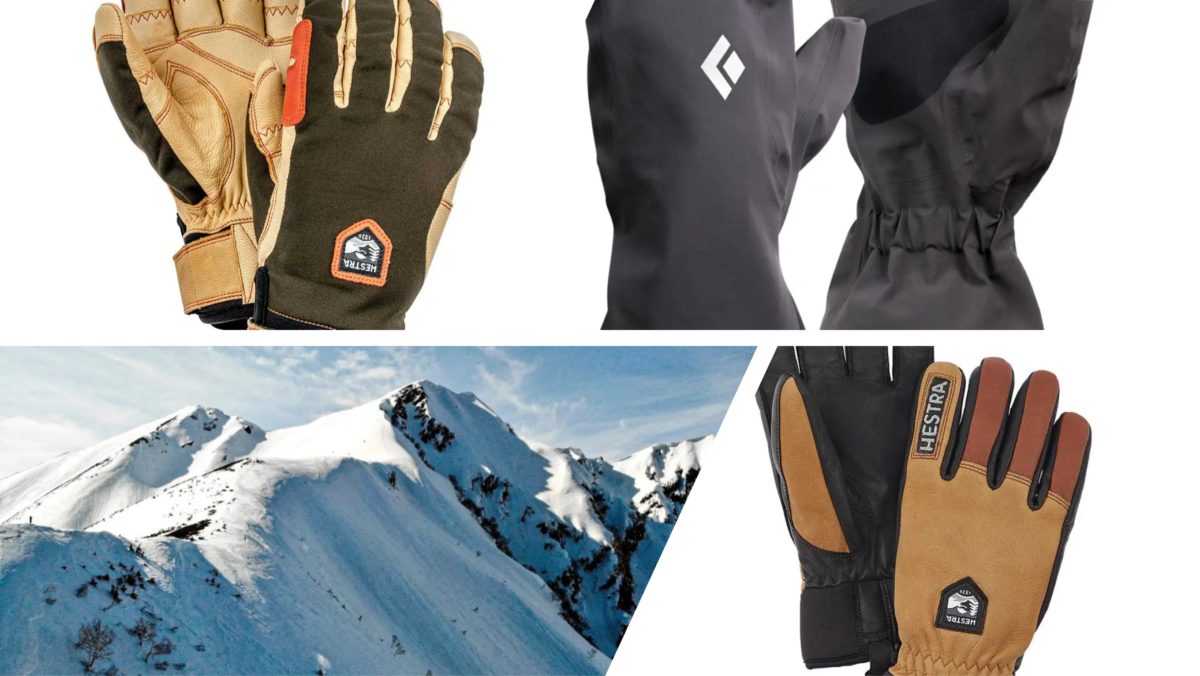
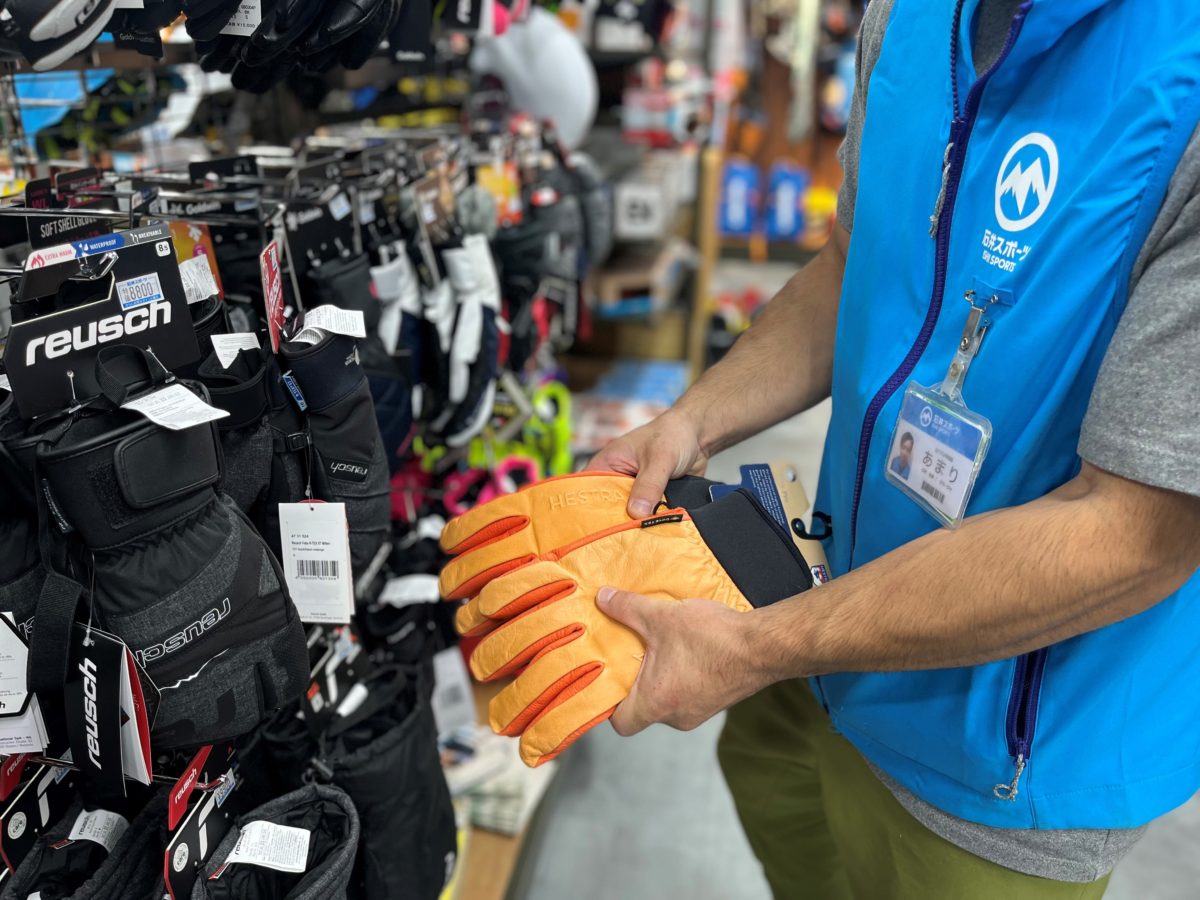
Gloves play a major role in snowy mountains, especially backcountry (BC) areas. This is because the movement of your fingers directly affects the quality of your actions when climbing or handling equipment. The type of gloves you wear and how you use them will make a difference in your time at the BC. We asked Amari of Ishii Sports, who has both experience in BCs and extensive knowledge of gear, about how to choose and use gloves
The importance of gloves in the backcountry
When skiing on the slopes, gloves are not as important as hard gear like skis and boots, but they are extremely important in backcountry skiing (BC). That's because there are many things you need to do while wearing gloves in backcountry skiing, such as putting skins on your skis, adjusting your bindings, taking your gear out of your backpack, using avalanche gear, and picking up poles
If you have to take your gloves off every time, your hands will get cold and numb. Also, if your gloves get wet, your whole body will get cold, your body heat will be lost, and you may not be able to move your hands as you want. Unlike on the slopes, you can't just pop into a restaurant to warm up. In a BC, the freedom of movement of your fingers is extremely important and directly linked to your personal safety. It is in a BC that the true value of gloves' role of "protecting safety by keeping your hands warm" is put to the test
Basic functions required for gloves
To protect and warm your hands on snowy mountains and support active activities, gloves must have the following functional elements: Out in the great outdoors, you'll encounter all sorts of situations, so the outer material needs to be durable. When climbing, you may have to place your hands on rocks, or in the forest, you may come into contact with trees
In the harsh winter, it's essential that your gloves are designed to keep you warm, with padded liners or mitten-type construction, and that they're waterproof. Unlike on the slopes, backcountry skiing often involves alternating between climbing and skiing. Another important point to consider is whether your gloves have breathability, allowing sweat from your hands to escape while hiking, keeping your gloves comfortable and dry

And we mustn't forget about "operability." BC almost always requires handling equipment. Being able to move your fingers as you wish is a requirement that is directly linked to safety. The cutting and stitching of the glove parts play a major role in ease of operation
Depending on the construction of the parts, the texture can be stiff and make it difficult to move your fingers, or the uneven seams can be stressful when performing fine motor movements. In this regard, many users support products with three-dimensional cutting and stitching that follow the shape and movement of the hand, such as "ErgoGrip," which they say is easy to use
Points to consider when choosing gloves
From here on, we will be discussing the topic with comments from Ishii Sports staff member Amari
"Basically, the main gloves you use are based on being used in the mountains in winter. The basic criteria for selection are 'gloves that allow you to do most of the work on site without removing them.' We then consider what else is needed on top of that
"Mitt gloves" are for really cold days, and "thin gloves" are for warmer days. However, this is a really difficult topic, and I have tried quite a few different gloves to arrive at the best combination for now."
Amari-san said. Later, we'll ask him to tell us what he actually uses and give us a list of his glove equipment
How to use gloves in the mountains
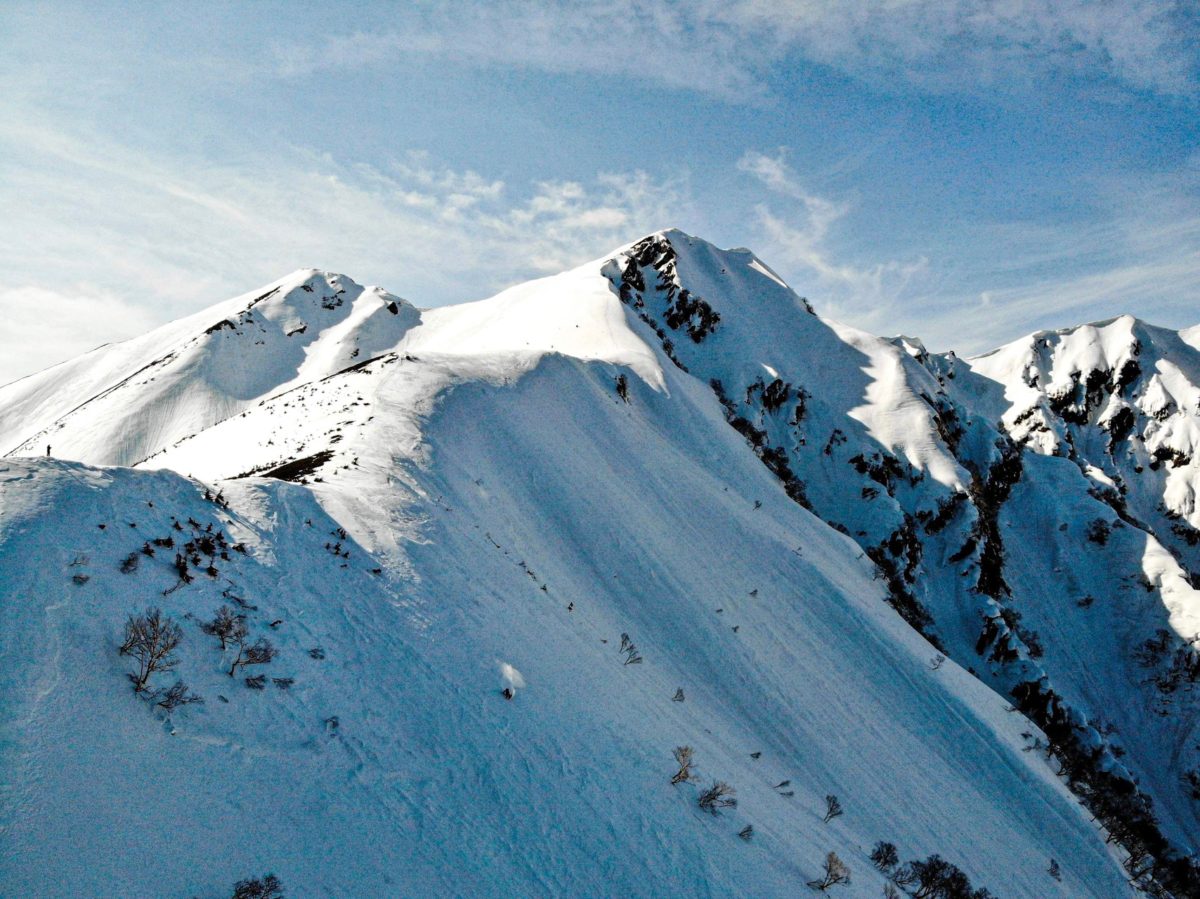
Apparently, many people carry multiple pairs of gloves at BC and use them for different purposes. What factors do they consider when choosing which ones to use?
①Use it in cold and warm weather
"I think it's a good idea to think of them as two types: one for cold weather and one for warm weather. Sudden changes in the weather are inevitable in the mountains. There may be a blizzard and the temperature may drop suddenly, or it may be sunny and the temperature may rise rapidly. For times like these, it's a good idea to carry two pairs of gloves, a main pair and a spare pair."
② "Touching the snow or not?" Change the glove combination depending on the process
"In my case, my equipment may change slightly even for a day trip, and the standard is, 'Do I touch the snow or not?' When skiing in the mountains, where there is a strong climbing element, such as climbing snow ridges or rocky ridges, I definitely need to shovel snow. In those cases, I put together my equipment by combining it with fully waterproof gloves such as Temres
There are many leather gloves on the market that claim to be completely waterproof, but if proper care is not taken, the areas where the oil has evaporated will absorb water and freeze. Therefore, gloves that are completely waterproof from the material itself are essential
3. Use different gloves when climbing and when skiing
"One idea is to change gloves when hiking and when skiing. If your hands get too sweaty while hiking, they can easily get cold when you stop, and more than anything, they're uncomfortable to wear. It's important that your hands are comfortable so you can fully enjoy skiing
Many beginner BC users are concerned about their physical strength, and because they find it difficult to move efficiently, they tend to sweat a lot
Bringing multiple pairs of gloves to the mountains is a must, but the weather changes dramatically between snow and snow-covered periods. Ideally, you'll want to choose different pairs of gloves for hiking and skiing.
What temperature do you feel cold at? What pace do you have to walk at before you start sweating like a waterfall? Analyze these and other factors to carefully select your gloves.
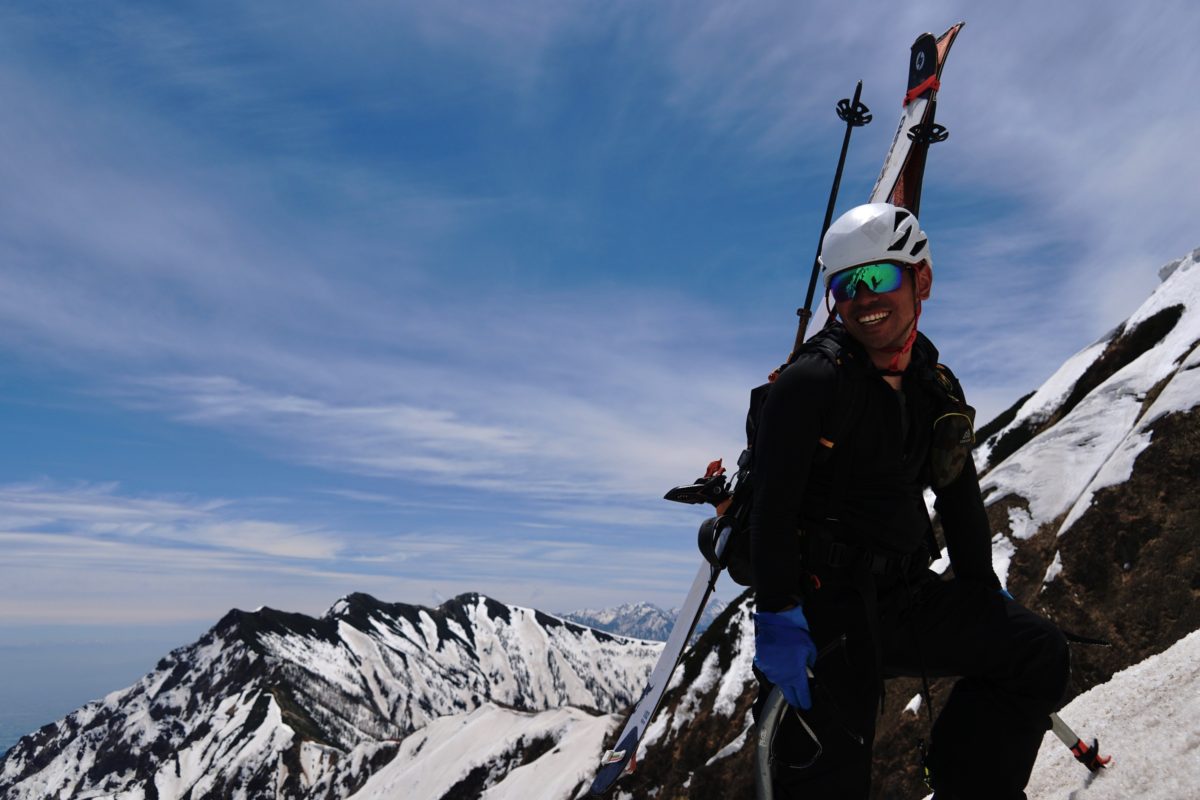
What gloves does Amari use at BC?
We asked Amari to list the gloves he actually uses when BC. Let's take a look at them for "severe winter temperatures of -5 to 10°C" and "snow remaining season temperatures of 0 to 5°C."
Choice and use during the harsh winter
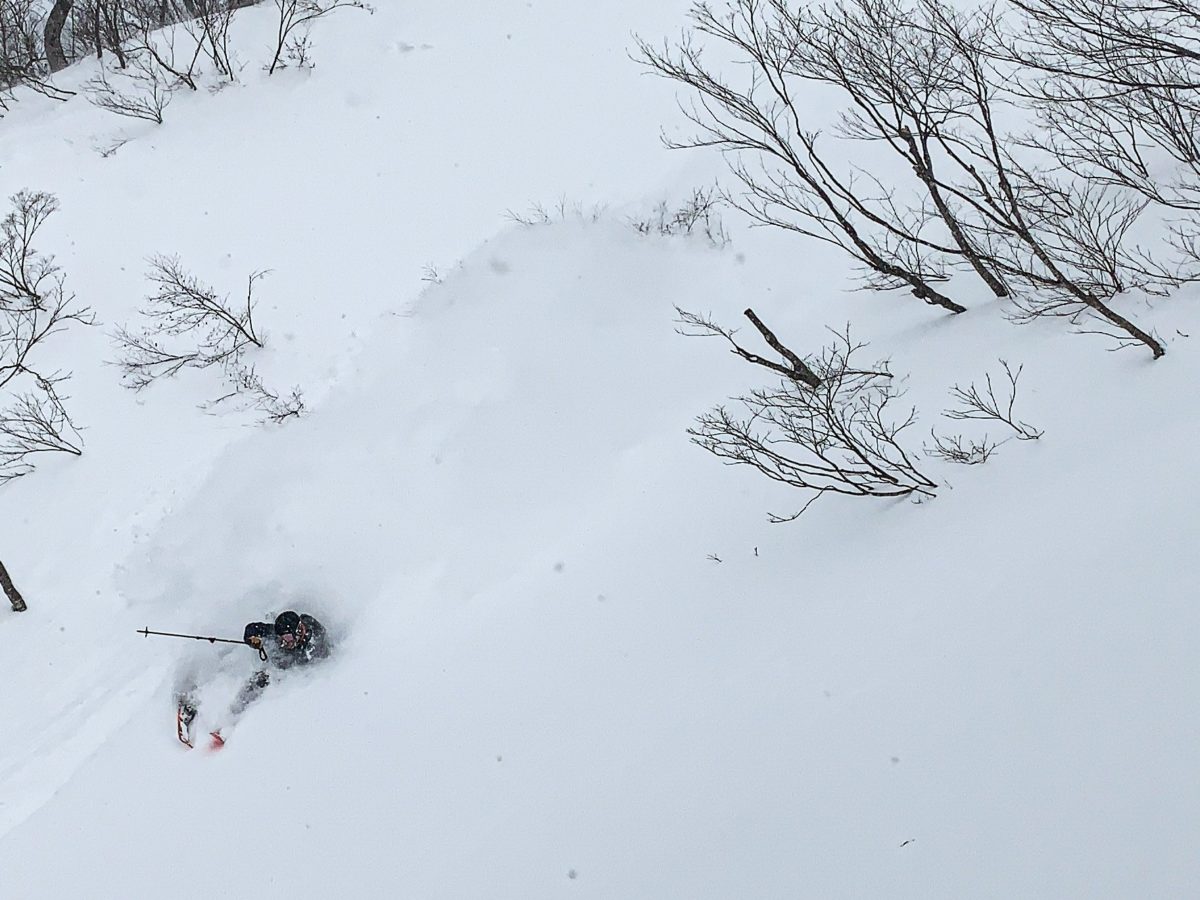
[Severe winter] (-5 to 10°C, wind: calm)
Main: HESTRA | Leather Wool
A must-have!
Sub: ①②③
①SOTT | Ultimate Plus Mitts
Used on slopes and when riding backcountry in low temperatures. The appeal is that they are compact and not bulky. And they're not that expensive!
②Blackdiamond | Waterproof Overmitts
Used as over gloves worn over the main gloves
③Blackdiamond | Punisher
Equipped with waterproof film, used when climbing is intense
HESTRA|Leather Wool
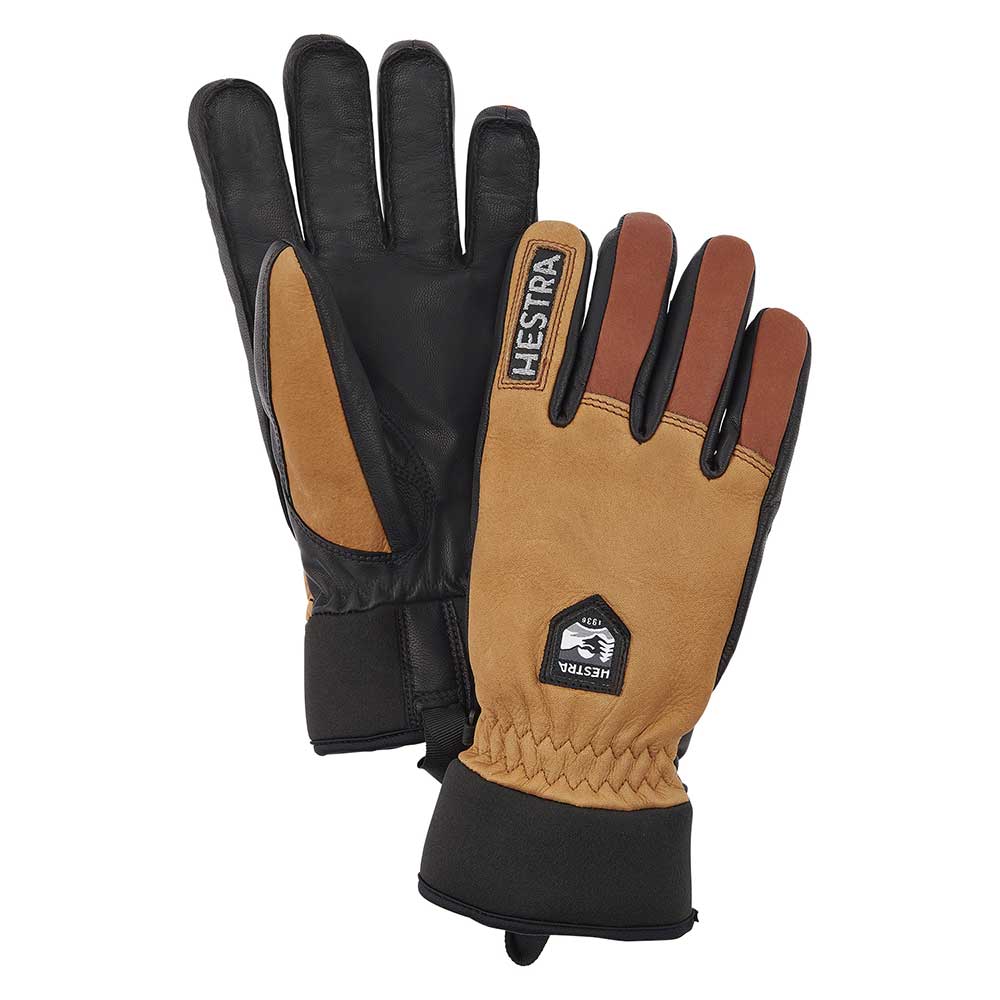
30800 Leather Wool
The gloves are made of all-leather and include a removable wool liner. The palm side is made of durable and breathable goat leather. The upper side is made of soft and supple cowhide leather, improving comfort and operability. The inside of the upper is lined with a warm, brushed wool liner, which maintains warmth even when it absorbs some moisture
Color: Cork/Brown (2 colors)
Size: 6-10 size guide
¥18,700
◆Official website is here
When walking or climbing ridges in the dead of winter, or for skiing, I use Hestra's Leather Wool five-finger gloves, which have a high amount of padding. They are a must-have for me. As backups, I use three different gloves depending on the weather and situation. For hiking, I find the five-finger gloves with a low amount of padding easier to use, considering that I'll be using poles
SCOTT | Ultimate Plus Mittens
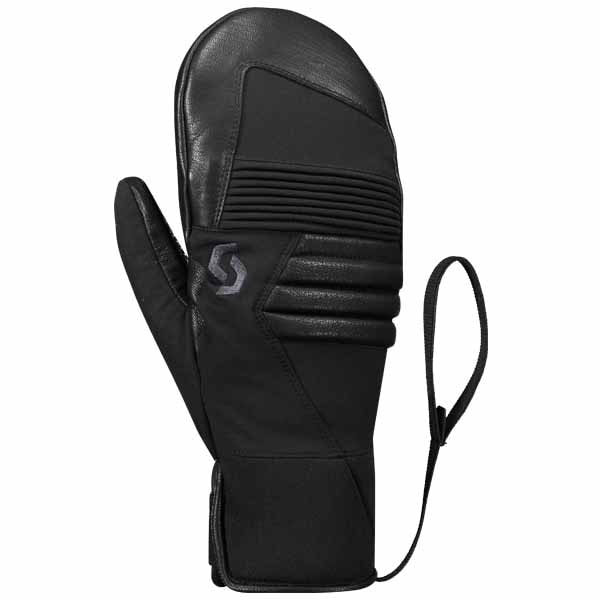
Ultimate Plus Mittens
These versatile mittens are perfect for any condition. The padded fingers provide excellent protection for your knuckles and fingers while still allowing for easy maneuverability. The DRYOshpere fabric keeps you dry, and the durable goat leather and nylon construction ensures durability
Color: Cork/Brown (2 colors in total)
Size: S, M, L, LL
¥18,700
◆Official website is here
I mainly wear these SCOTT mittens when it's cold at base camp and on the slopes. The reason I use these Ultimate mittens in the mountains is that they're warm yet compact
In mountainous areas, you don't put the pole rings on your wrists in case of an unexpected situation. So it's only natural that you have a good grip, but when you're riding and dropping around 1,000m in elevation, you feel tension in your hands even when you're trying to relax. On the slopes, you also put the pole rings on your wrists, and there's not as much tension as in mountainous areas, so mittens are fine. Above all, mittens are really useful when you're riding the lift because they're really warm
Blackdiamond | Waterproof Overmitt
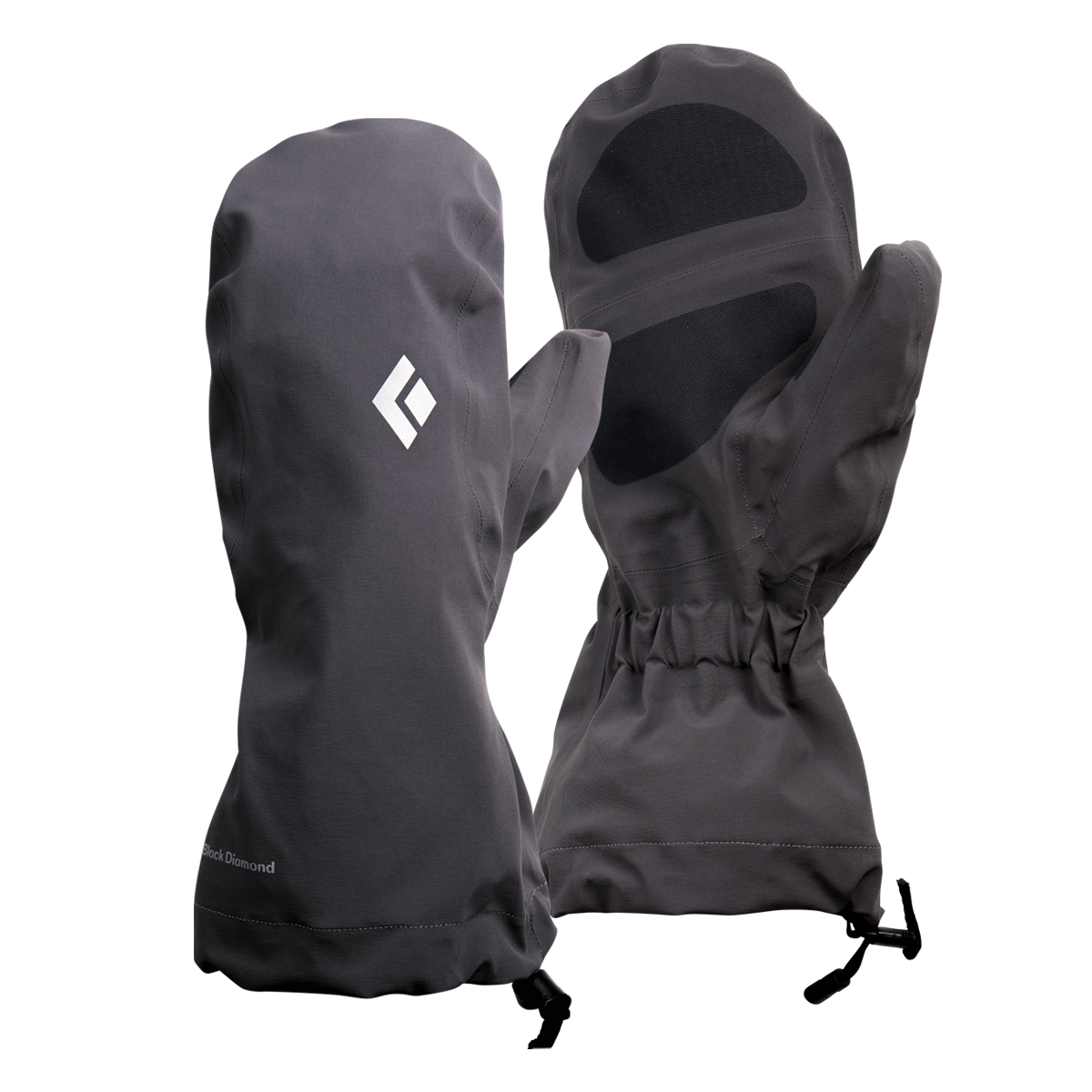
Convenient, lightweight, and packable, these over-mittens are made from a waterproof, breathable, stretchy shell fabric with fully seam-taped construction. They provide warmth and weather protection over leather, fleece, or softshell gloves
Color: Black (Smoke)
Size: S, M, L, XL
¥13,530
◆Official website is here
Blackdiamond | Punisher
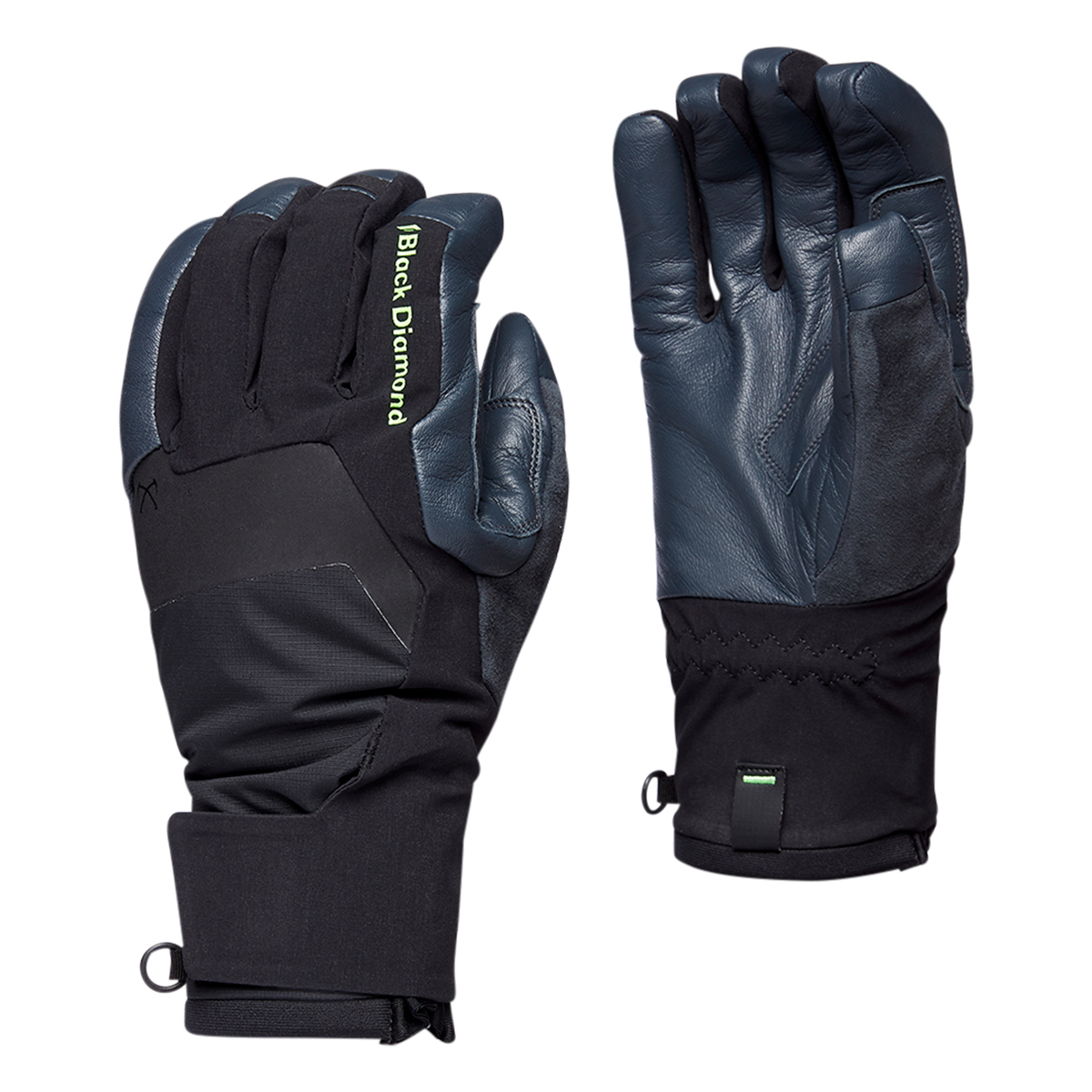
Punisher
These gloves are designed for warmth and ease of use during ice and mixed climbing. The fingertips feature a three-dimensional design that makes it easier to grip tools. The sides of the little finger feature a seamless pinky construction with no seams. Designed for temperatures between -10°C and 2°C
Color: Black
Size: XS, S, M, L, XL
¥18,040
◆Official website is here
"Blackdiamond's Punisher gloves are highly breathable and don't get stuffy even in tough situations that involve sweating. They are also highly waterproof. These gloves were originally developed for ice climbing, but when climbing you often come into contact with snow, so you need to be extremely careful not to get your gloves wet. This model has a three-dimensional cut, which makes using an ice axe or poles less stressful, so I also use them for skiing
Choice and use during the remaining snow season
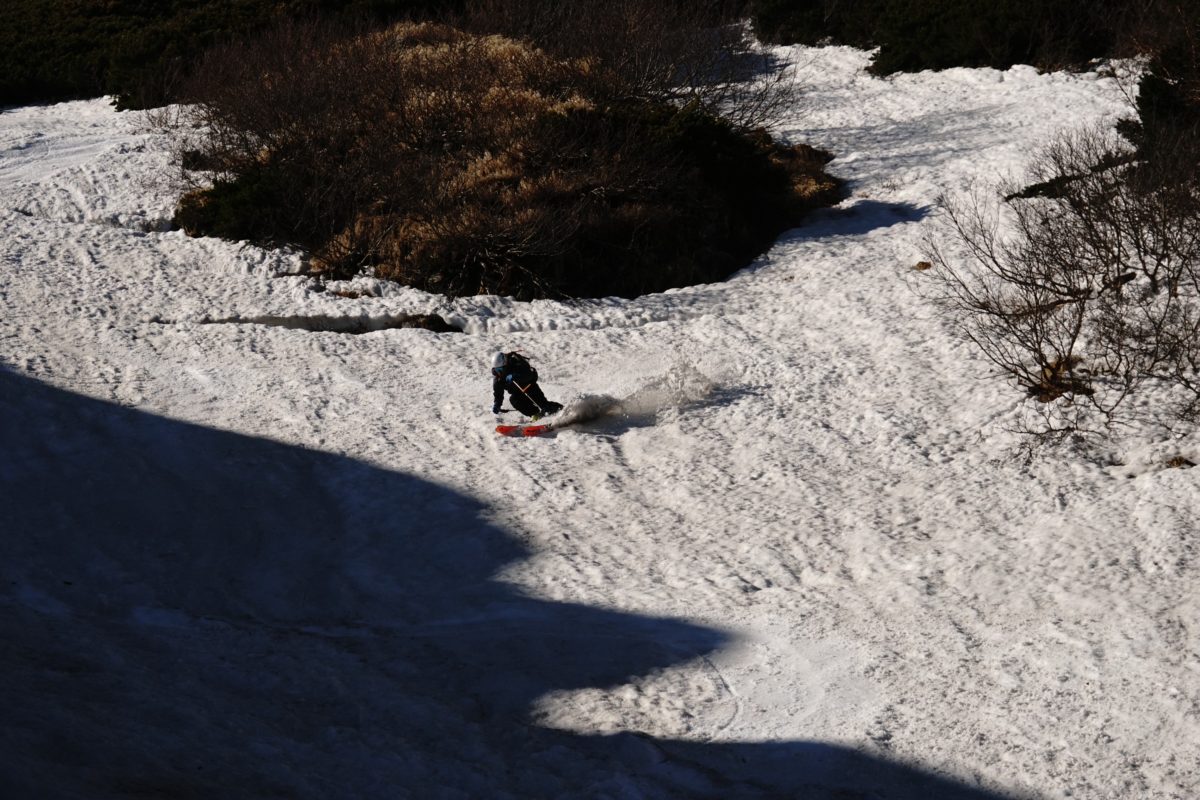
[Snow Remaining Season] (0-5°C, No Wind)
Main: HESTRA | Leather Wool.
A must-have even in snow remaining season.
HESTRA | Ergo Grip Active
cold weather protection
Used when climbing
HESTRA | Ergo Grip Active
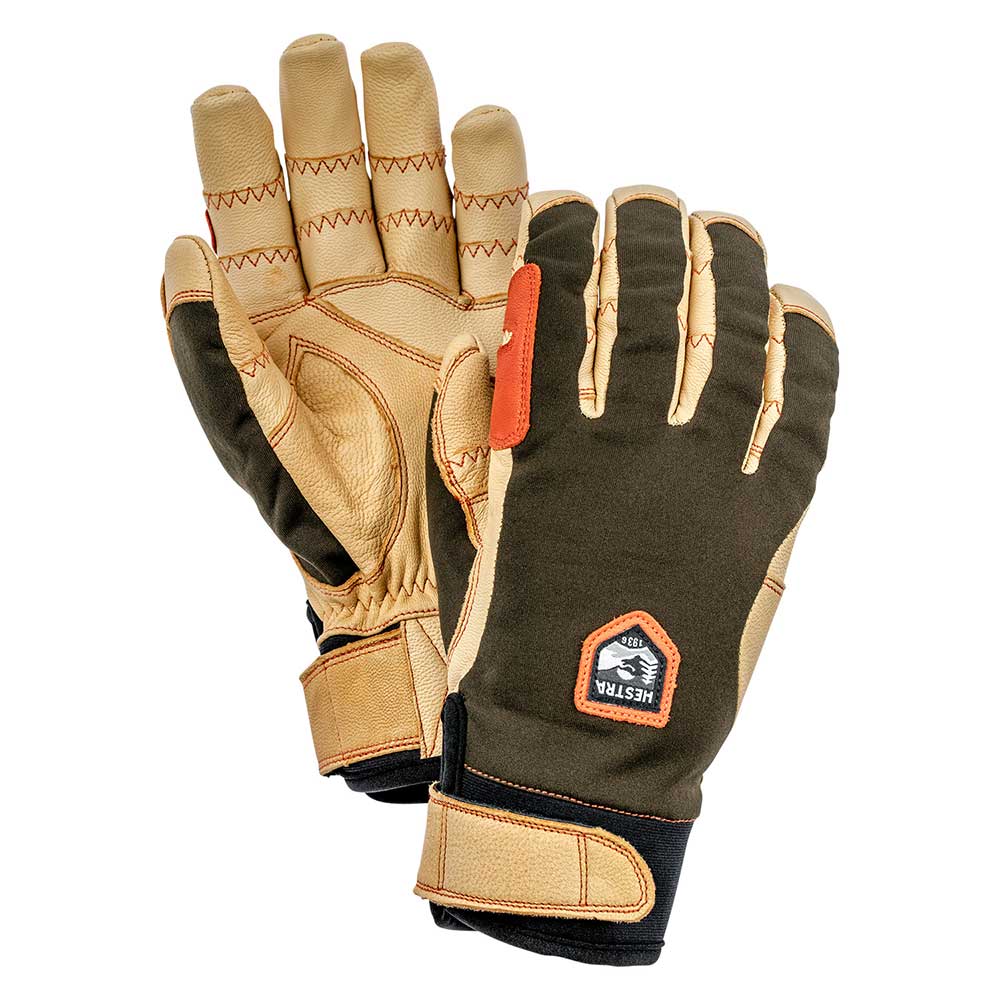
32950 Ergo Grip Active
These thin gloves feature GORE Windstopper for excellent wind and water resistance. Though thin, they feature an insulating polyester liner for warmth and excellent maneuverability. They offer exceptional versatility on the snow. The palm is made of soft goat leather and features ErgoGrip, which is cut and sewn into a 3D shape to fit the natural grip of your hand, making it easy to grip poles and perform delicate work
Color: Dark Forest/Natural Brown (5 colors)
Size: 6-10 size guide
¥14,300
◆Official website is here
During the snow season, I use HESTRA Ergo Grip Active five-finger gloves with almost no padding for hiking. Since the weather is generally milder than in the depths of winter, the emphasis shifts from warmth to a good grip on the poles. Gloves with less padding are easier to grip and more convenient to use
SHOWA | Cold Weather Temres
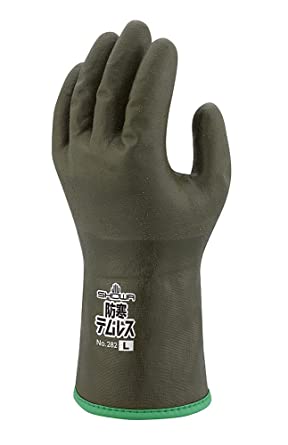
No.282 Cold Weather Temres
These polyurethane gloves are highly breathable and waterproof, blocking water while allowing moisture to escape. They're incredibly thin and light, yet feature a non-slip coating to prevent slipping and keep you dry. They maintain flexibility even in temperatures as low as -60°C, allowing for smooth bending and straightening of the fingers. They offer exceptional security when working on snow. Though thin, they're lined with soft, boa-type fleece for warmth. These incredibly useful items are surprisingly affordable
Color: Olive green (2 colors)
Size: M, L, LL, 3L
¥2,200
◆Official website is here
When hiking in the mountains, where there is a lot of climbing involved, thermal gloves are extremely useful. When climbing mountain ridges, you will inevitably be handling equipment such as ropes that are wet, and gloves that allow you to move your fingers freely are very important. Having a pair of gloves is extremely useful in a variety of situations
We asked questions about choosing gloves at BC!
Q. What should be prioritized: warmth or ease of use?
A. This is also a difficult question when it comes to BC. "Mitten-type gloves are warmer, but five-finger gloves are easier to work with. So, I think many users are unsure which to choose. It might be a good idea to think about it from various perspectives, such as which you prioritize with BC, whether there are gloves that can meet both needs, or whether there is some way to use them in a more creative way
First, choose your main glove that has functionality that you cannot compromise on. For now, carry warm gloves as a secondary (spare) pair. Above all, try not to get your gloves wet. I think this is the basic rule for mountain climbing
Unlike skiing on the slopes, mountain skiing requires hiking uphill. Hiking causes sweating, which improves blood flow. While your fingertips get cold just by sitting still on the lift, they stay warm even when wearing the same gloves. If you still feel cold, try making fist pumping movements or shaking your hands inside the gloves to stimulate blood flow. I often do this. I think "keeping moving" is also an important point in staying warm
Q. What is the recommended first model for a beginner BC user?
HESTRA|Leather Wool
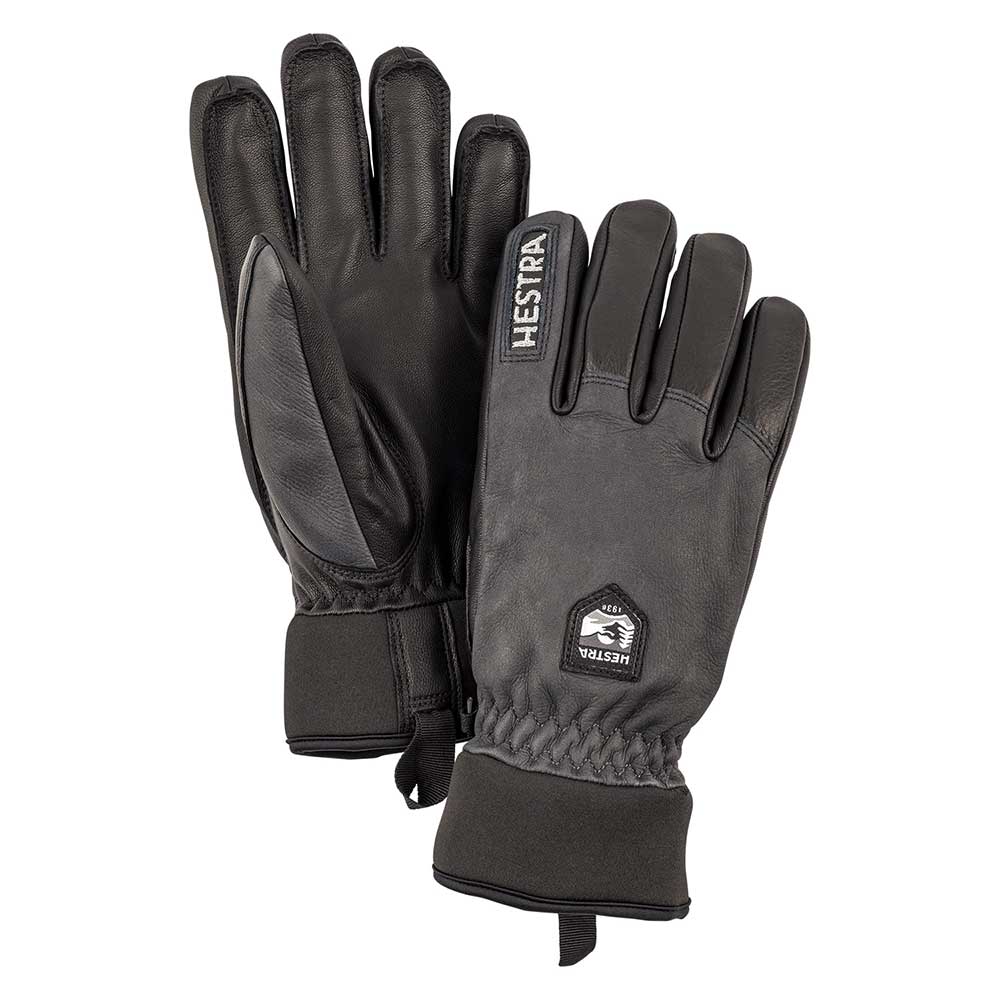
A. I recommend HESTRA's Leather Wool. First of all, it has five fingers, so it's easy to use. If you're not used to BCs, it can be difficult to use the equipment on the snow
This model is not only easy to use, but also warm! Another great thing about it is that the inner lining can be replaced if it gets worn out. Best of all, it can be used for a long time
Q. How often should I replace my gloves?
A. For gloves with an integrated inner and outer layer, you should replace them when the inner cotton gets crushed and the heat retention performance decreases. If you use them hard, your gloves will last a year. After all, integrated gloves have excellent heat retention performance, but they also tend to cause sweating, so heavy use can crush the padding with sweat, making it difficult to retain warm air
If you want to use it for a long time, you will need to be creative and use it according to the temperature!
In my case, I fundamentally want to use my gloves for a long time, so for heavy use gloves I use "separate outer and inner" gloves. When the padding gets worn out, I just change the padding. If the outer layer gets worn out or torn, I sew it myself and repair it as much as possible before using it again. That way you'll grow to love them and they'll last longer! That might be another reason why I use Hestra Leather Wool!
Q. How do you take care of your gloves (especially leather gloves) on a daily basis?
Apply glove oil. I use HESTRA oil. The thing to remember is to rub the oil in with your bare hands. This way, body heat and friction will help the oil to blend better with the leather! It's quite important. If you neglect maintenance, moisture will get in through areas where the oil has worn off and freeze
Q. Are there any advantages to buying gloves at a store?
A. I think so! It's a great advantage to be able to choose gloves while receiving advice from staff based on information about BC fields and their own experiences wearing them
Even if you have never used gloves on snow before, the shop staff can hear about their impressions as they speak to many customers every day. Some of the customers are riders or guides, and have first-hand experience using the gloves in many different fields. With this wealth of knowledge and first-hand experience, they can recommend items that suit your needs, which I think is the benefit of buying from a pro shop
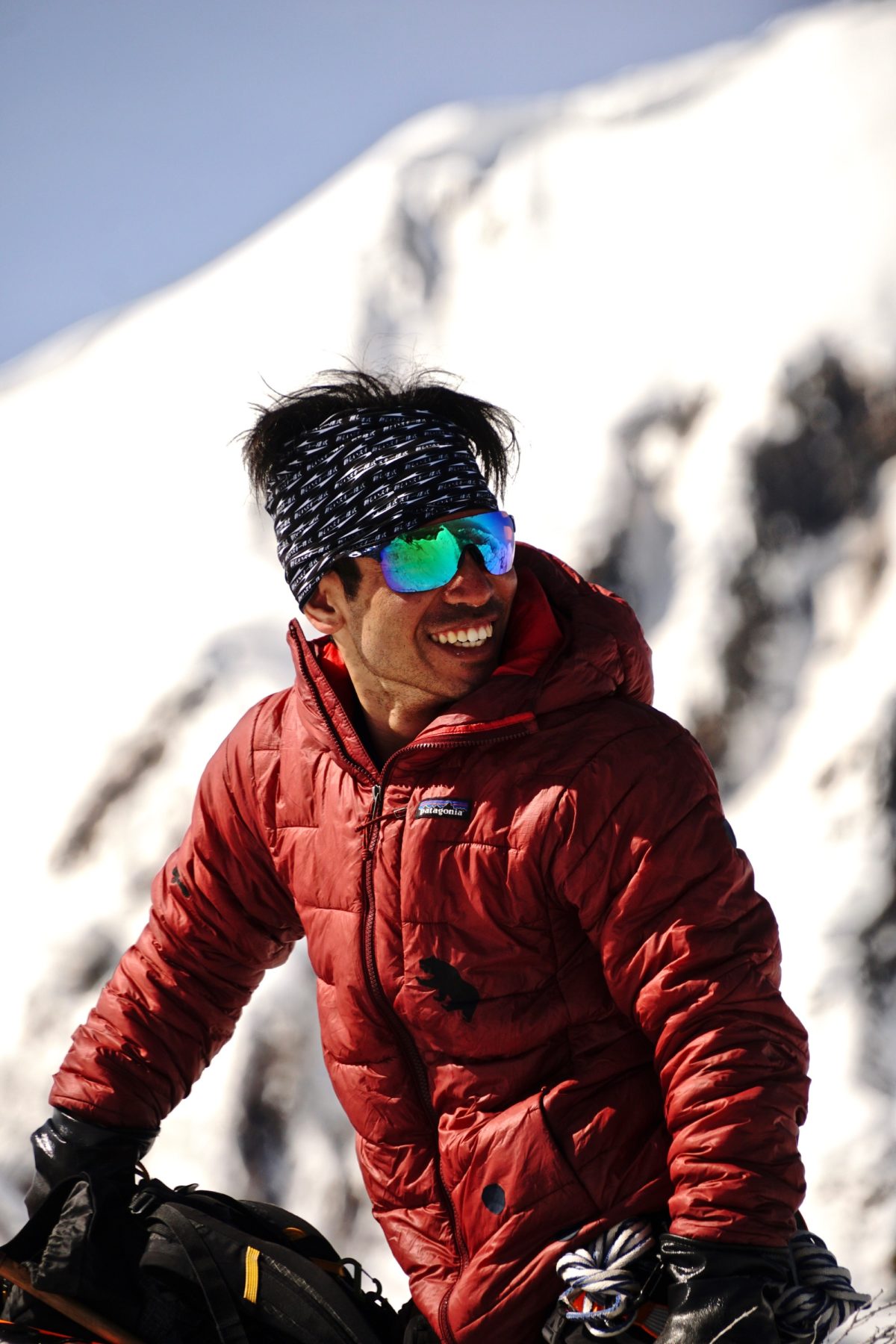
The person who taught me
Yuki Amari
[Profile]
Staff member at Ishii Sports Kofu store. Climbing from spring to autumn, and mountain skiing from winter to spring. A mountain specialist active in the mountains in tune with the rhythm of the seasons. In summer, he climbs Mt. Mizugaki and Mt. Ogawa. In winter, he often goes out into the backcountry in Niigata and Nagano.
His favorite mountain is the Yatsugatake Mountains. He doesn't currently have any life goals, but his current goal is to still be enjoying the mountains even when he's an old man (laughs).
Interview cooperation: Ishii Sports