
Every season, pro shop staff test ride dozens of new skis from various manufacturers, carefully evaluating their performance.
The more they ride, the clearer the gear's tendencies become, and they grasp the positioning and subtle characteristics of each ski, accumulating knowledge along the way.
We asked these shop staff, who have such a background and frequently enjoy skiing, to talk about the ski season for 2023-2024.
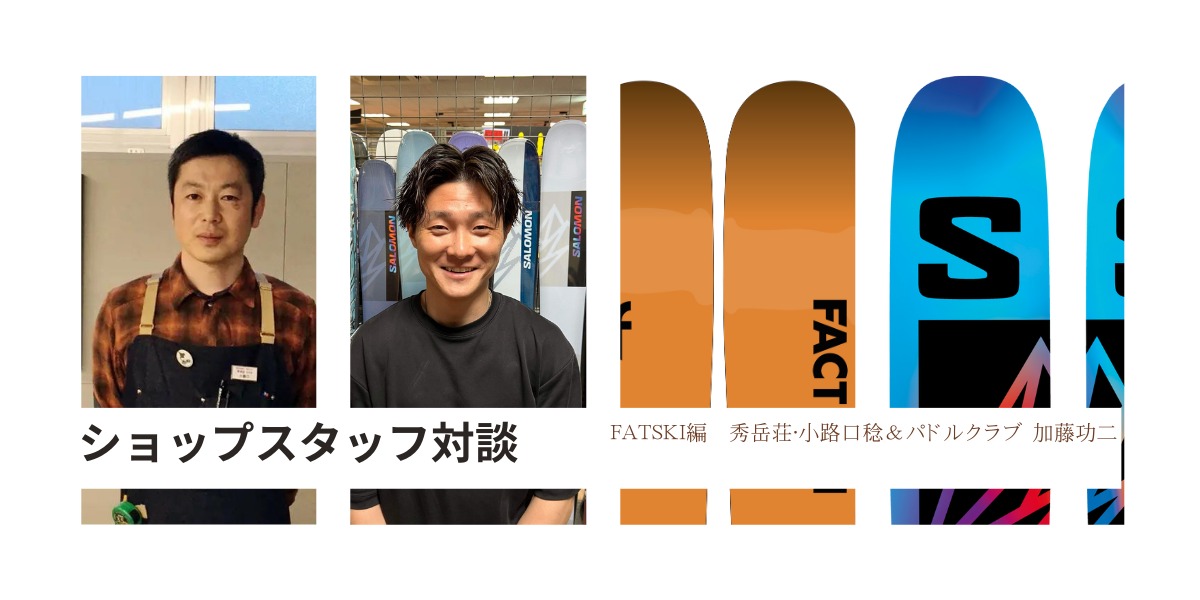
The first episode will be about fat skiing with Minoru Kojiguchi of Shugakuso and Koji Kato of Paddle Club. We will deliver it in two parts
Summary: What will be discussed in this conversation
- Regardless of thickness, most fat skis are easy to slide on packed snow slopes
- Fat skis are averaging out. A sign of maturity
- Among these is the new trend: "short fat skis."
- Within the all-mountain category, there is a growing diversity of touring, freeride, freestyle, big mountain and fat skis
- In particular, the fusion of touring and freeride is on the rise
- The rise of fat skis with 80mm and 90mm waists that offer excellent turning performance
- For the 2023-2024 season, we will be focusing on models with waists in the low 110mm range. Will they become general-purpose models for advanced riders?
Advances in bindings and boots have diversified fat skiing
Editorial staff:Thank you for joining us. First, could you each introduce yourselves?
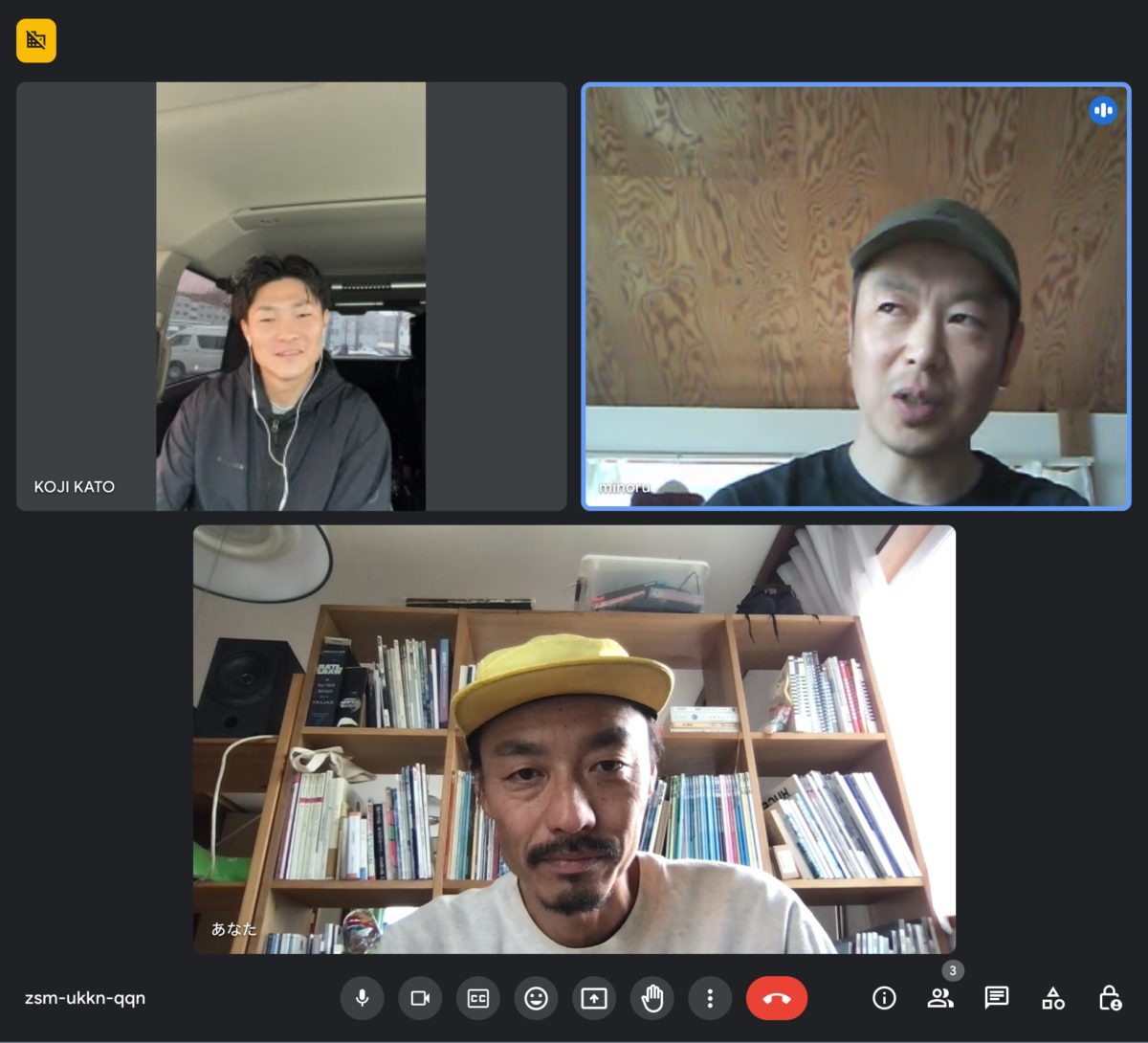
Minoru Kojiguchi (hereinafter referred to as Kojiguchi): I grew up in Sapporo Teine, and after joining Snow Dolphin, I became hooked on backcountry and powder skiing. I usually work at the mountain shop "Shugakuso," and I ski in BC areas around Sapporo, as well as venturing as far as Niseko and Tokachi.
Koji Kato (hereinafter Kato): I did alpine skiing from elementary school through high school, and in my third year of high school I discovered fat skis, and from there I became hooked on the new way to enjoy skiing and its appeal. I currently work at the Sapporo branch of Paddle Club.
My home resort is Onze, which I go to after work. It's open until 11pm, so I go there 4 or 5 times a week and ski for a solid 2 hours to satisfy my craving for skiing. I like to ski a lot, so I often aim for powder on the slopes.
Editorial team: Thank you. I understand that you two have been riding fat skis for a long time, but what were your impressions of fat skis from the first time you rode them, and from then until now?
Kojiguchi: It was quite thick, like the one we have now, and it had a locker inside. Initially, it was a chub from the brand Volant.
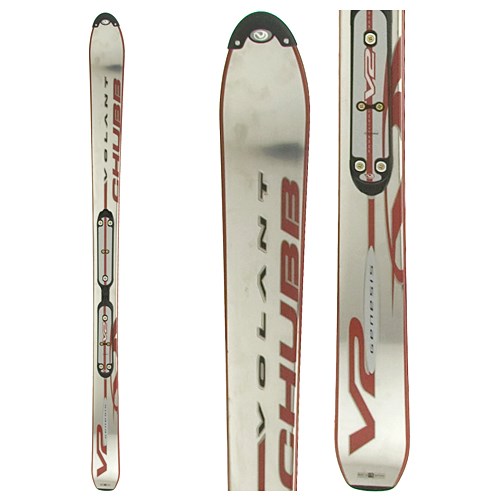
I happened to borrow and try on a pair of skis because Takeshi Kodama, a senior member of the Dolphins team, was riding them. The surface was made of silver stainless steel, and the waist width was about 90mm, or maybe not? The radius was 30m or 40m, and the sidecut was practically nonexistent. Shane McConkie also rode them, and I was greatly influenced by him.
After that, the skiing performance gradually improved, and it's probably been more than 10 years since skis started to have the shape we see today with rocker incorporated into them.
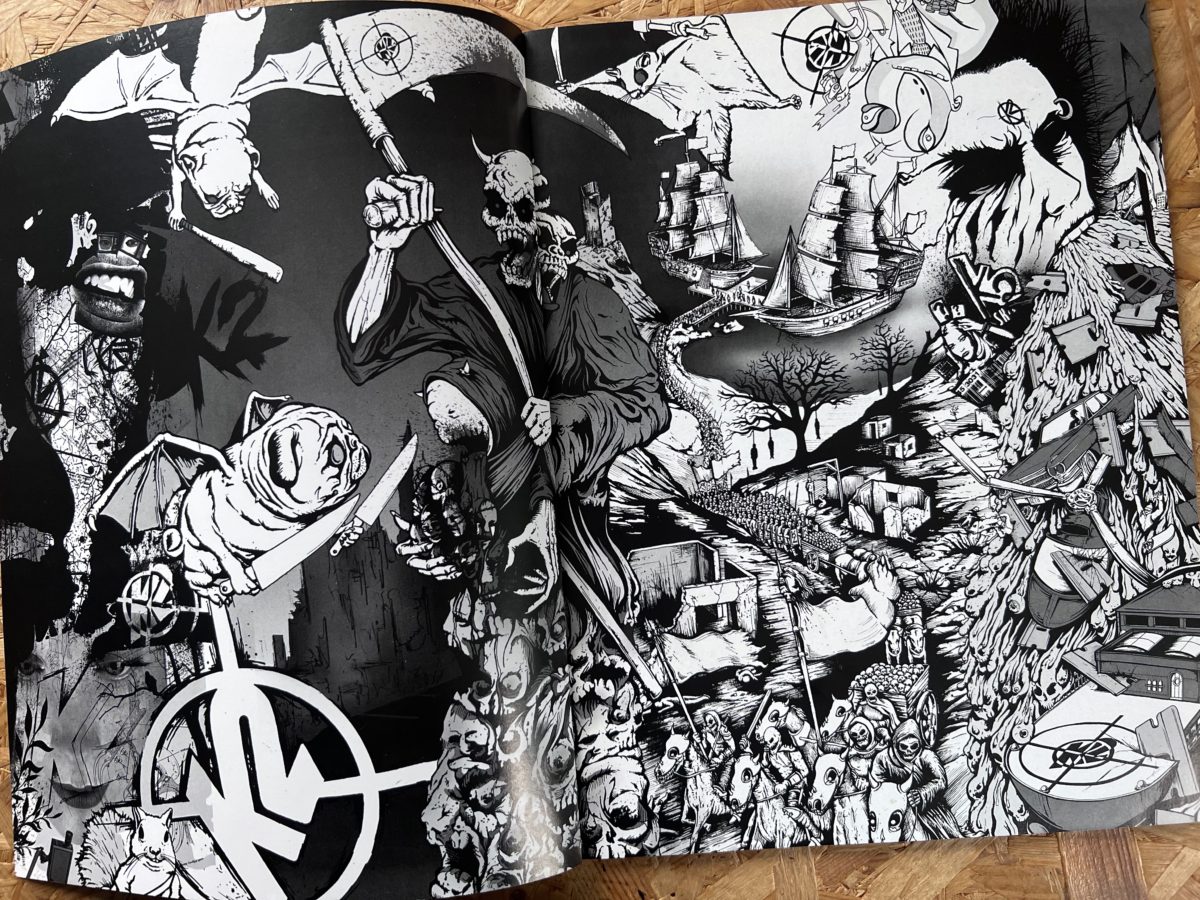
Kato: For me, the first ski I tried was the K2 Hellbent, which had a striking appearance. It was a very wide ski with almost no bend, so I wondered if I could even ski on it, but surprisingly, I was able to.

Kojiguchi: Around 2008, there was a time when more and more models that you could ski on normally started to appear.
Kato: That's right. Even though it's a full rocker ski, it's surprisingly good at carving, and it wasn't as challenging as it looked.
And yet, it was incredibly easy to ski in powder, so it felt like a great new toy had come along.
Kojiguchi: I think there haven't been many major changes to fat skis in the last few years.
The biggest change has been in the bindings. Tech bindings have been around for a long time, but what made them widely known was the emergence of the Marker Kingpin, which minimizes the loss of gliding performance. This has broadened the range of preferences for mountain skiers. I also think the evolution of boots has been a big factor.
Kato: That's right. I think there are more and more ski models that are getting lighter and lighter. They're light and have high gliding performance. That's the direction of evolution for equipment that allows you to enjoy the mountains, and not only the skis but also the bindings and boots are getting lighter overall.
I think that makes it easier to move around in the mountains, but depending on the situation, I think it can compromise the sense of security when skiing, and since last season, perhaps due to the global popularity of freeride, there has been an increase in heavier skis, so I feel like there's a polarization going on.
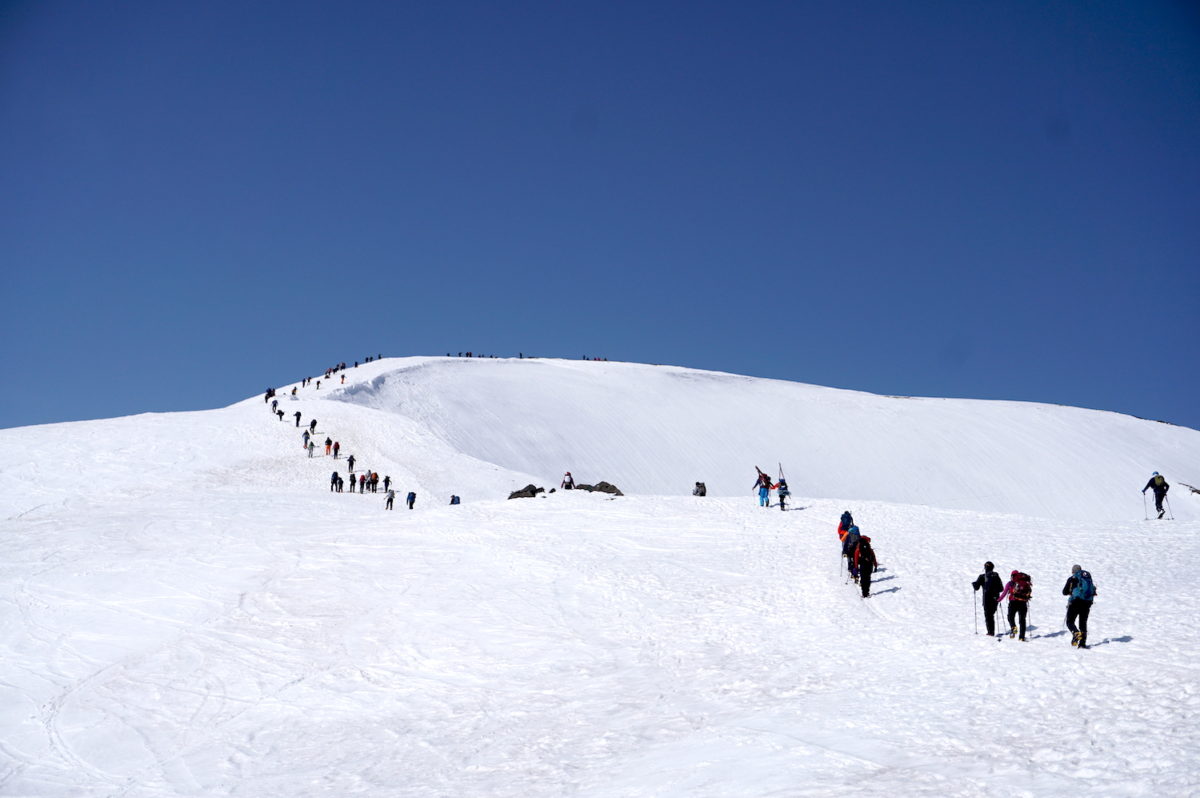
Kojiguchi: Another thing I've noticed in the last few years is that you can't really go wrong with any of the fat skis you ride; it feels like fat skis have matured as a whole. Skis with inferior performance have been weeded out.
When fat skis first came out, there were quite a few with strange shapes or extreme specs. Some were incredibly light, but when you rode them, they were unruly. Including things like that, there was a sense of anticipation about what kind of skis would come out next, but now, for better or for worse, they've become more average. But I think that's also a sign that the scene has settled down.
Kato: So there was a time like that, huh? I guess wood is still important for the core material of skis.
Kojiguchi: In terms of gliding performance, I think wood is good, but there are also mountain styles where lightness is prioritized and enjoyable, so you can't just say it's a no-go. Plus, there are now a lot of lightweight and strong wood materials available.
However, I think there's a balance to be struck with the bindings you're using. Sometimes I see people on the mountain with incredibly wide skis and minimal tech bindings. When customers come into the store, we carefully listen to what they're looking for and what they want to do, and then we suggest the right combination of skis, bindings, and boots.
Editorial Department: What are the recent trends among users looking for fat skis?
Kato: Paddle Club members originally had skiing skills and many wanted to enjoy skiing, so their gear choices were also geared towards skiing.
Among them, there was a wide range of choices when it came to skiing, including people with a freestyle background, those who had done alpine skiing, and those who came from mountaineering.
Kojiguchi: Shugakuso focuses on gear gear geared towards touring, so most of our customers are people with that kind of preference. Skiing is important, but they also want to be active in the mountains, so they tend to choose gear that is lightweight.
However, in the past, when it came to fat skis, each manufacturer only had about one category in their lineup.
But now, they change the form and core material according to preferences and uses, dividing them into several categories, and further developing them in multiple waist widths. I think the range of choices has expanded considerably, even though we're talking about fat skis in general.
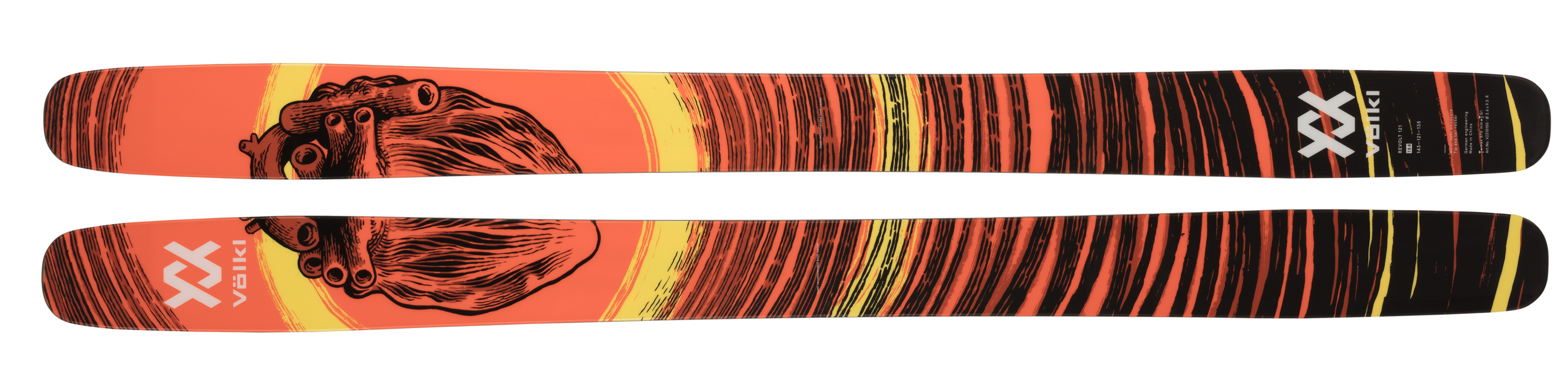
Kato: That's right. For example, even if you want to freeride down the slopes using the lifts, if you're a freestyle rider, a twin-tip shape with a powder freestyle design like the Armada "JJ," Atomic "Ventchetler" 110 or 120, or Volkl "Rivolt" 121 would be a good fit.


On the other hand, for those who prioritize turns, heavy-duty directional skis such as the Rossignol Sender 106, Salomon QST Blank, and Blizzard Rusler are popular


Those with a strong interest in backcountry skiing seem to be drawn to Volkl's "Blaze" 114.
Also, short fat skis seem to be gaining attention. I get the impression that more people are becoming interested in newer products like the RMU "Butterknife" and Armada "Short Pants."
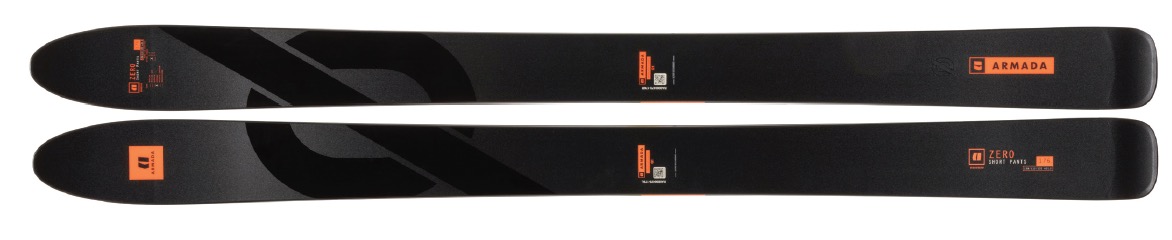

Kojiguchi: After seeing the videos that Kato-kun and Ken-kun (Ken Sasaki, staff member at Paddle Club Teine) have been posting on Instagram, I thought there might be a trend towards short fat jigs. New movements are interesting.
From that perspective, the impact of the Blizzard "Zero G" was huge. Up until then, touring skis were light, but their gliding performance was somewhat lacking. But this one had extremely high gliding performance, whether in powder in the depths of winter or on icy slopes.
Initially categorized as a touring ski, it allowed for stress-free skiing in the mountains regardless of the season, and it also came in a size range that allowed for deep powder, so it was newly categorized as a backcountry touring ski. I think it was the pioneer of skis that pursued gliding performance in the backcountry. After that, established ski manufacturers began to follow suit, and now freeski brands like Faction and Armada are creating touring skis with their own interpretations.
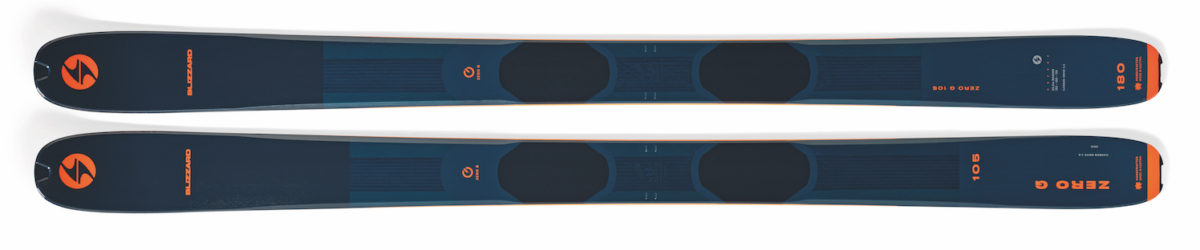
Kato: I agree. Especially in the 2023-2024 season, there was an increase in the lineup of skis that people who prefer climb-and-ride can enjoy, weighing around 1500g. They've evolved to be light and incredibly easy to ski on. Backcountry touring skis from ski manufacturers such as Nordica's "Enforcer Unlimited," Armada's "Locator," and Elan's "Ripstik Tour" were great, both at the test ride events and when I actually tried them myself.
Kojiguchi: As someone who has seen the brands' origins, I was surprised that Armada and Faction would make skis for backcountry touring. They were completely freestyle ski brands. When I talk to people at the manufacturers, they say that the number of people who do backcountry skiing and mountain climbing is increasing dramatically worldwide. I've also heard that people overseas are climbing for fitness reasons, so I think there's a lot of potential for this category to grow as more and more people participate. Also, the age range of people who are interested in this type of skiing is getting older, so the lightness is simply appealing. But some of those people don't even know what Armada is. The same goes for Blizzard; in the past, it had the image of a hardcore racing manufacturer. It's a shame that people let their impressions get in the way and don't try them out.
To be continued in the second part
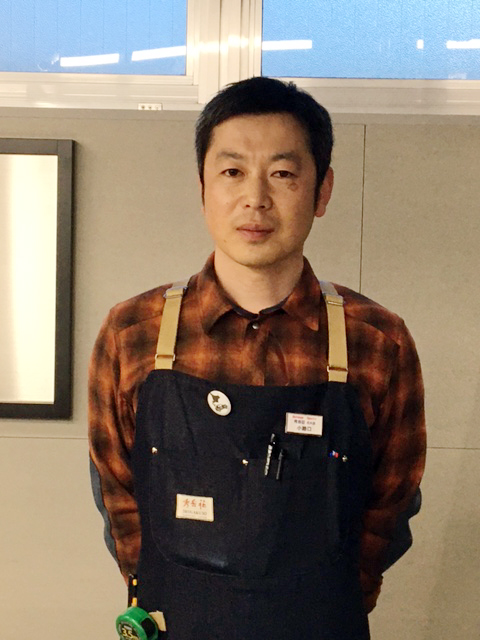
Shugakuso Hokkaido University store staff member Minoru Kojiguchi
With over 20 years of experience in backcountry skiing, he spends approximately 60 days a season on the snow. His extensive experience provides accurate advice on backcountry gear. He possesses deep knowledge not only of skiing equipment but also of items that assist in mountain activities. His best day of the 2023 season was at Mt. Tokachi in January. It was nearly -30°C, but the mountain was clear and windless. While the extreme cold made skiing difficult, the snow and scenery were absolutely perfect.
Instagram:@shugakuso__official
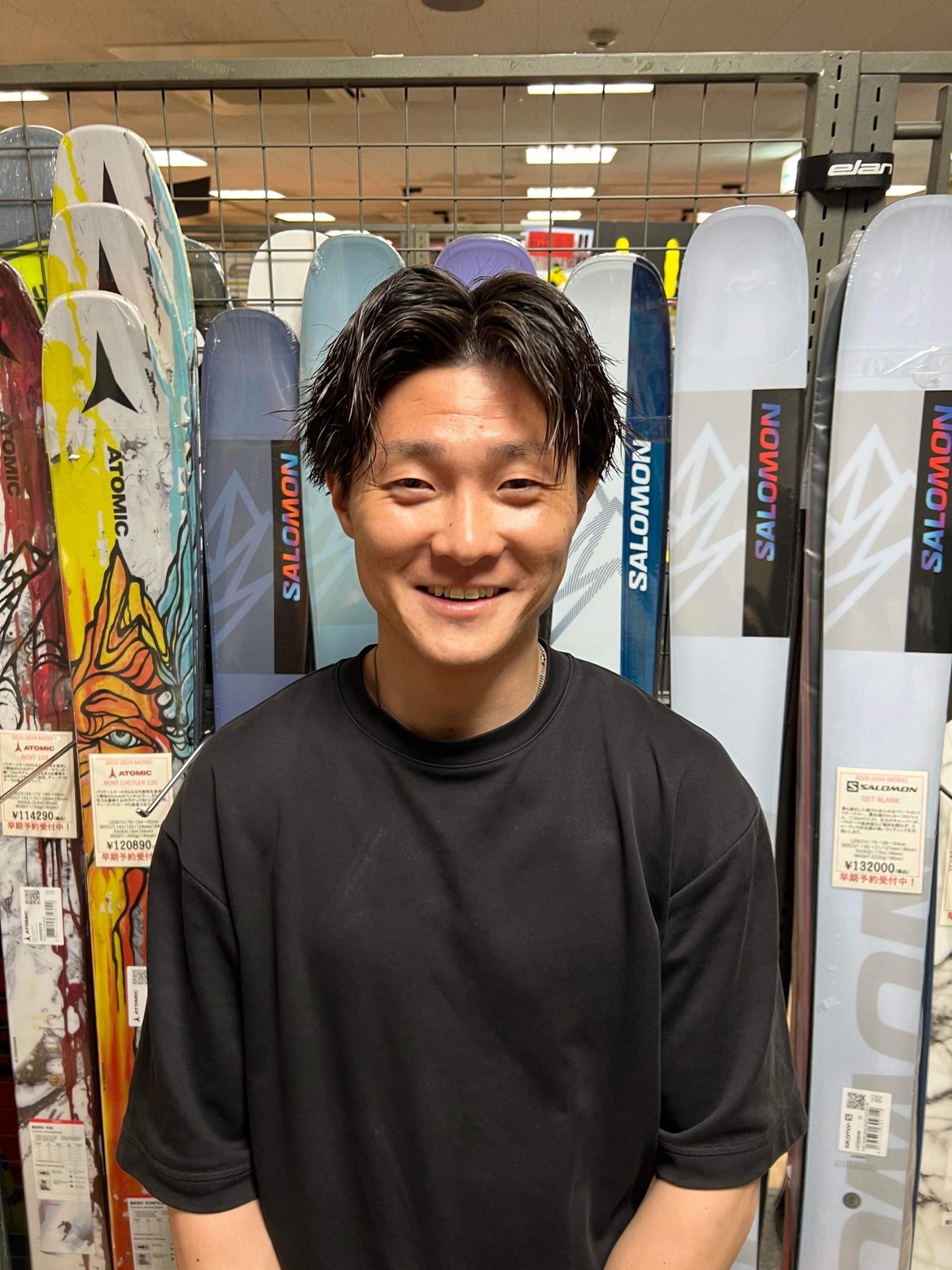
Paddle Club Staff Koji Kato:
He skis about 100 days a season in search of snow, regardless of the field, whether it's a ski resort or the backcountry. Leveraging his competitive skiing experience, he has a reputation for selecting gear that produces high-quality turns. His most unforgettable mountain trip of the 2023 season was to Kamoi-dake International Ski Resort in late December. He says the powder and mash conditions were perfect for freeskiers. Born in 1992. Instagram:@kj_kato
Paddle Club Sapporo Oyachi Branch
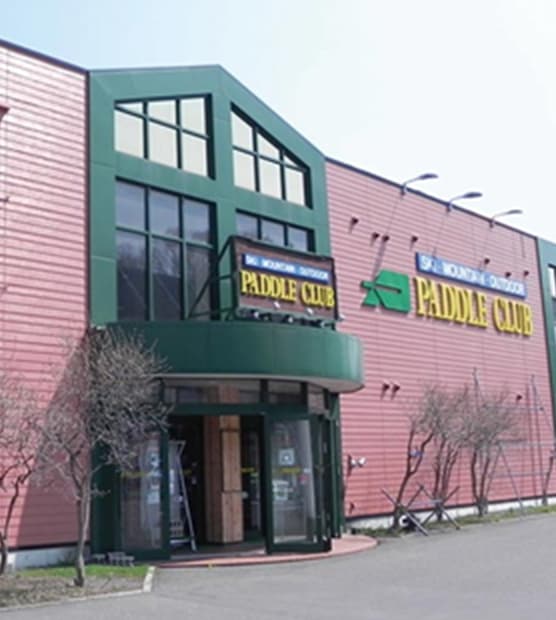
Address: 1-2-10 Ooyachi Nishi, Atsubetsu-ku, Sapporo City
TEL: 011-890-8777
Business Hours: 10:30 AM - 7:00 PM
Closed: Every Wednesday
www.paddleclub.net
Part 2 is here