

Every season, our pro shop staff test ride dozens of new skis from each manufacturer, examining their performance.
The more they ride, the clearer the trends in gear become, and they gain a grasp of the positioning and fine features of each ski, accumulating knowledge.
We asked our shop staff, who have such a background and enjoy skiing frequently, to talk about skiing for the 2023-2024 season.
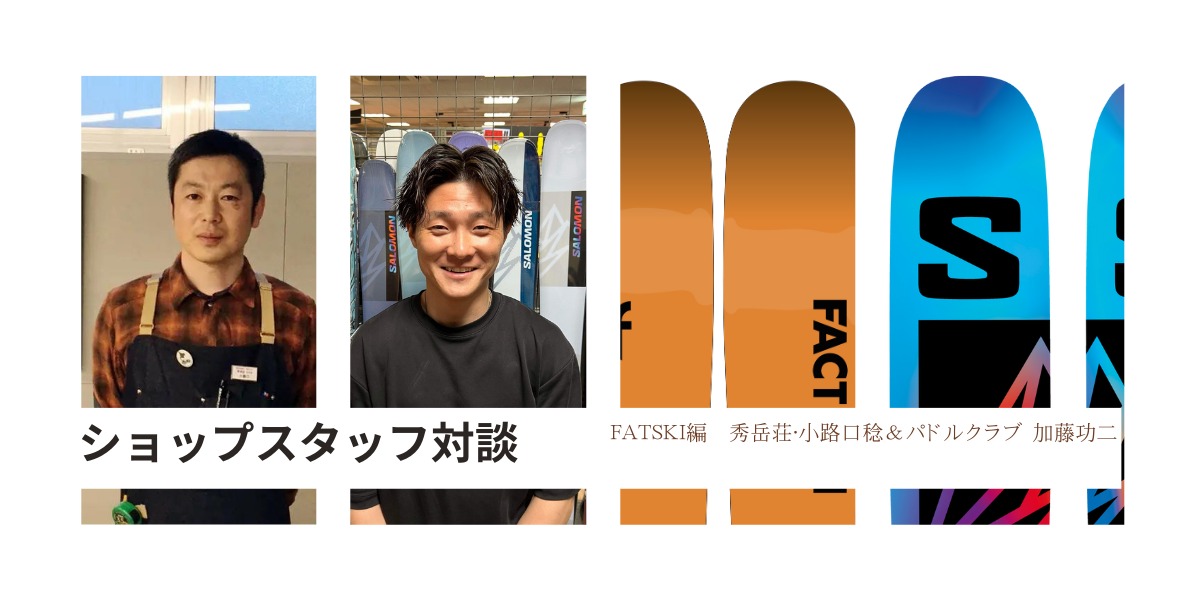
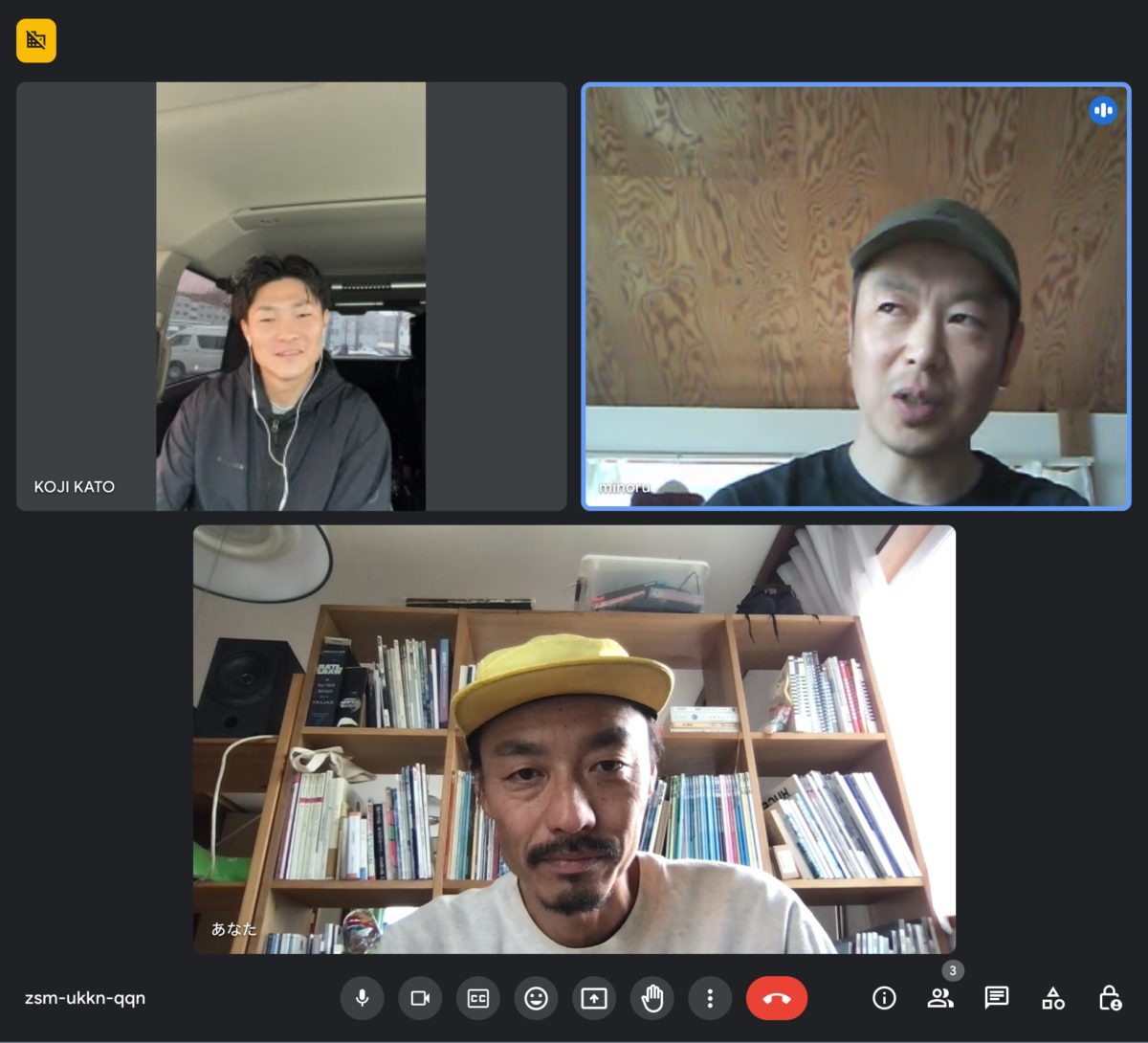
The first episode was about fat skiing by Minoru Kojiguchi of Shugakuso and Koji Kato of Paddle Club
Summary: What will be discussed in this conversation
- Regardless of thickness, most fat skis are easy to slide on packed snow slopes
- Fat skis are averaging out. A sign of maturity
- Among these is the new trend: "short fat skis."
- Within the all-mountain category, there is a growing diversity of touring, freeride, freestyle, big mountain and fat skis
- In particular, the fusion of touring and freeride is on the rise
- The rise of fat skis with 80mm and 90mm waists that offer excellent turning performance
- For the 2023-2024 season, we will be focusing on models with waists in the low 110mm range. Will they become general-purpose models for advanced riders?
Part 1 is here
The rise of fat skis with waists in the 90mm range and excellent gliding performance
Minoru Kojiguchi (hereinafter Kojiguchi) : What is short fat like?
Kato Koji (hereinafter Kato) : Despite its 126mm waist width, the RMU "Butter Knife" is easy to handle, adapts to the terrain, and has good buoyancy. It's fun to use it like surfing on a wall, or pull the arc of a turn sideways.
It also has great control, so even if you're not so good at powder, it might be a good idea to have one for powder, even though it looks like an extreme shape.
*The video below is an example of riding the Armada "Shorts"
Kojiguchi : We have older customers who have been buying from us for years, and quite a few of them own fat skis.
I thought they didn't really need skis anymore, but they bought us a butter knife. At first they said they were too short, but once they got used to them, they said they were really easy to ride.
A while ago, the thicker and longer the skis, the faster they were, but it seems like thicker and shorter skis are now an option.
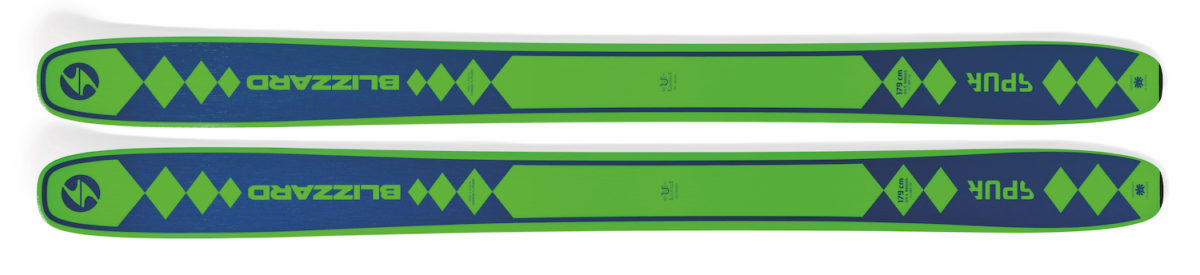
Kato : I think Butter Knife is the only brand that touts that concept. If you think about it, Blizzard's "Spur" is also a good choice. It comes in lengths from 156cm and 169cm, and has a waist width of 127mm, which is more voluminous than the RMU "Butter Knife."
Kojiguchi : Ski length is important. At exhibitions and test rides in Hokkaido, skis in the late 180cm and 190cm range are popular, but that's not the case in Honshu.
There was a time when skis had to be in the 190cm range, and skiing in the 180cm range was considered a loss, but that's hardly the case anymore.
Kato : At the Paddle Club, unless you have a particular preference for longer boards, we recommend a board that is about 10cm longer than your height, as it's easier to handle, provides more buoyancy, and won't get in the way when kicking turns if you're going to a backcountry. On the other hand, if you're not confident in your boarding, we recommend a board that's about the same length as your height.
As for width, if you plan on mainly powder skiing, choosing a width of 110mm or more will provide ample buoyancy. Honestly, I think it's best to have two skis: one over 110mm for the high season, and one in the 90mm range for spring and other times. However, for your first pair, I'd suggest either a 90mm ski for all-around on-piste skiing, or a 100mm ski for an all-around average
Kojiguchi : Most hardcore skiers have more than one ski. Lately, they've been riding fat skis with a waist width of 100mm or more, but more and more people are looking for skis that are a little slimmer and can be enjoyed on the slopes.
But they're not skis for basic or alpine skiing... It seems. The snowy season has been getting shorter recently, so people are looking for fat skis that are not just for powder skiing.
Kato : That's very true. At the test rides this winter, I got the impression that many people were looking at skis with waists between 90mm and 80mm. For example, Armada's Declivity 92. It's well-made and makes for incredibly sharp turns. Even people who are more interested in basic skiing said that the twisting feel at the top is great, making it very easy to initiate turns and it feels like the ski is sticking to the board.
This also applies to people who want to improve a little and cruise the slopes with ease, and I think that this trend is particularly noticeable.
Kojiguchi : Each brand is focusing on a lineup of skis with a waist width of 100mm or less. Fat skis that tend to be more suited to freeriding have metal parts, making them great fun on groomed slopes.
Kato : Each company has come up with a variety of ideas, such as the location, amount, and shape of the metal.

Kojiguchi : Until recently, the performance was extreme. With metal skis, you could ski well on smooth terrain, but you couldn't see what was underneath the snow, and on rough snow the torsion was so strong that you would bounce back. The handling of these skis varied greatly depending on the leg strength and skill of the skier. However, skis with metal skis that are larger than average overseas prefer to use skis with metal skis that can hold the skis in place, and skis with metal skis that offer excellent traction are popular. They certainly give you a sense of security when skiing.
If I had fat skis with a 100mm waist and were to buy another pair, I would probably choose a 90mm waist with metal. A 90mm waist allows for freewheeling and shifting. While basic carving skis are fun for skiing on flat terrain, I also think that freeride-oriented skis with metal, which allow you to adjust the arc of your turns, are more interesting
Kato : There are more and more skis like that now. They don't just have metal parts, they use stronger core materials, etc. I think that's a response from manufacturers to how people enjoy skiing. I definitely think the ways to enjoy skiing are expanding.
Kojiguchi : Fat skis have evolved to suit different categories, such as freestyle, freeride, and big mountain, and it feels like the range is expanding.
Kato : In the 2013-2014 season, I particularly noticed skis with waist sizes in the early 110mm range. I think skis in the late 110mm range are better suited to powder, but even though it's only a difference of a few millimeters, when skiing on steep, hard slopes, I sometimes feel like a 118mm waist, for example, might lose edge grip.
However, if you go up to 112mm or 114mm, you'll feel more secure, and when you actually ride, you'll notice a big difference in the edge grip. You can enjoy carving and powder at a high level. Over the past few years, fat skis in the early 110mm range, which are more geared towards freeriding, have been attracting attention
*Völkl, Salomon, and Blizzard all have flagship models with waist widths in the early 110mm range. They are easy to use in powder and also have excellent usability in other locations
Kojiguchi : It's true that with skis like that, you can't help but feel the distance to the edge, but on any groomed slope, the feeling of the edges biting in firmly and cutting up is amazing. I was particularly surprised by the Volkl "Revolt" 121 that I rode at the Niseko test ride event. It was wide, but I could turn firmly and it felt like I could do anything.
Editorial Department : Which skis caught your eye after test riding them in the 2023-2024 season?
Kojiguchi : The Faction Agent 3 was great. I think Faction has an image of flying and freestyle riding, but no matter which one I rode, the glide was stable.

The "Agent" 3 in particular. The test skis were 180cm tall, but I felt very secure on any slope and didn't even notice the short length. The camber was solid and the response was quick, so carving performance on flat terrain was sufficient. For those who can ride the skis well, these skis offer great freedom of movement. And yet, they're light, making them easy to move around in.
Also, because they don't have the image of being mountain skis, I liked the colors and graphics, which are different from other brands. I had a similar impression with the Armada "Locator" 104, which has a similar design.
Kato : I still ride them, and Salomon's QST Blank is right up my alley. It's like a ski for both powder and slopes all in one.
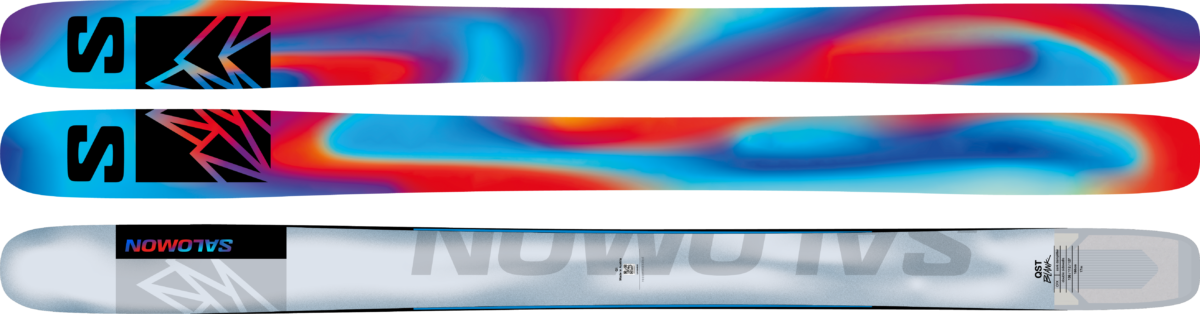
In powder, I use the full length, and the deep rocker on the tip and tail allows for smooth movement. The stiff double sidewalls, which absorb vibrations underfoot, prevent the skis from becoming completely boat-shaped, which helps them push against the snow. The skis feel just as strong against the snow, allowing them to move quickly. While they
're fast, the tail shape and deep rocker allow them to turn smoothly, making it easy to smash into walls.
Also, because the wide point is close to my feet, the edges grip the snow incredibly quickly. So, when I'm skiing on flat terrain, even though I'm 186cm long, it feels like I'm about 170cm, and the 17m radius lets me carve with ease. The double sidewalls also provide a strong grip underfoot, giving me the feeling that I'll never let go of the snow.
Each ski delivers a perfect score in a different situation. I've tried other skis, but none have surpassed them.
Also, the graphics for the 2023-2024 season are cool. The sole has a marbled gradient. I would recommend these to anyone who prioritizes skiing.
Editorial Department : Thank you. Finally, there are many topics about boots in the 2023-2024 season, such as the introduction of BOA boots. Could you also talk a little about boots?
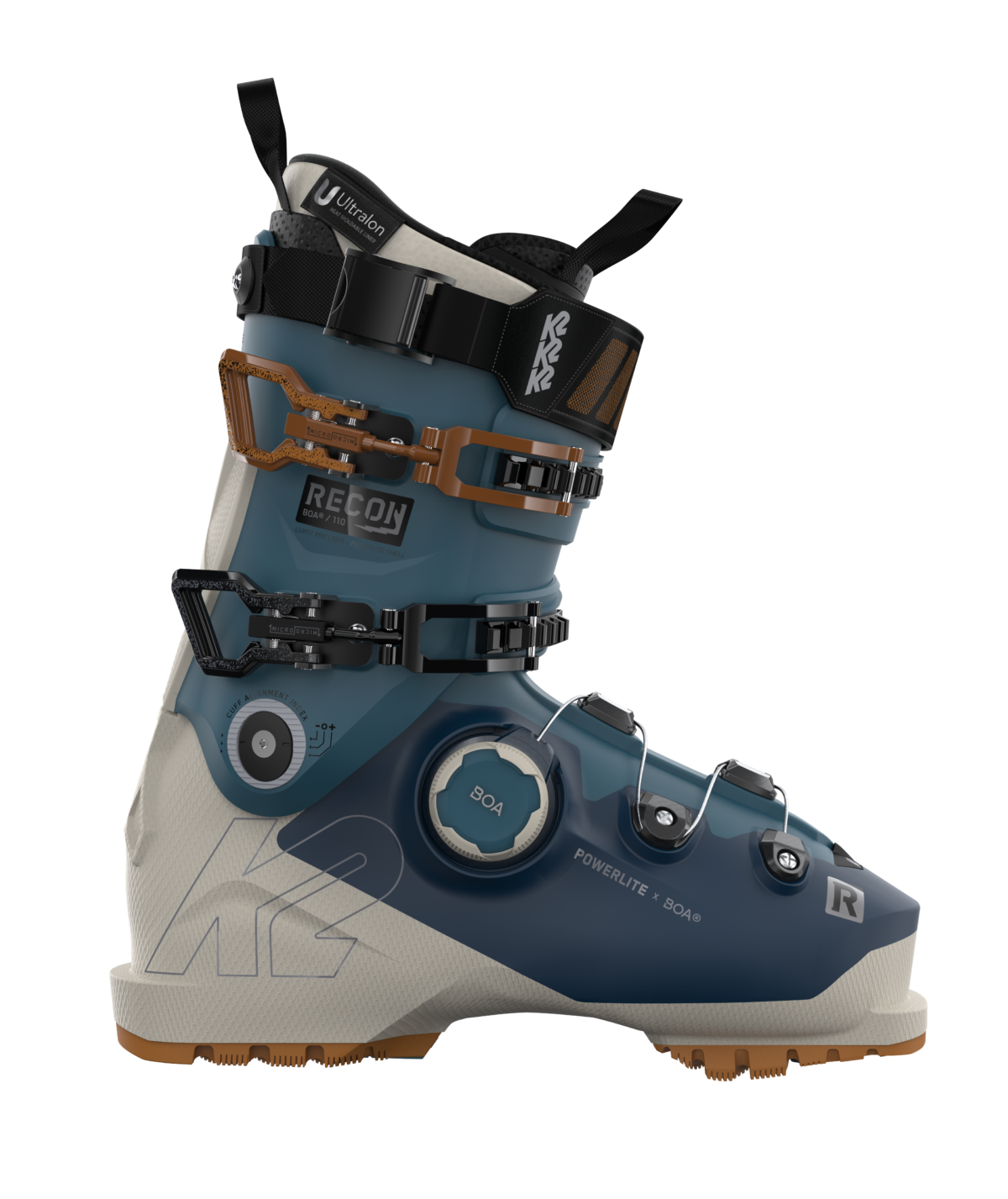
Kojiguchi : I tried on BOA boots. At first, I thought they were just for show, but it felt like they tightened both sides of the toe box, and the inside of the toe box was really tight. I think they tightened quite well. By being able to fine-tune them, the boots fit even tighter, and I felt like I got a better feel when skiing on flat ground.
Kato : Personally, I have thin feet, so it was a little difficult to get the right fit. Even when I tightened it all the way, it felt like half of the instep was loose. When I tightened the wire to the maximum, it put a lot of pressure on the area near my ankle, which caused some pain.
Kojiguchi : If we're talking about boards other than BOA, I think it's weight reduction. The shell shape doesn't change much between manufacturers, so the key is the inner liner. Many manufacturers tried to make the inner liner lighter at one time, but it felt a bit flimsy, so they've gone back to a thicker design. I think that, combined with the compatibility with the shell, is one of the factors that improves gliding performance.
Kato : Each manufacturer has their own unique approach to shells. The K2 Mindbender, for example, uses different materials in different parts, making it easy to use the ankle and suitable for a variety of snow conditions. Salomon's core frame boots have a good system in place, as they reinforce and compensate for the weak points of a wide range of boots, which tend to flex and lose power.
Just like skis, the more you know about the situation and purpose you'll be using your boots for, the more
likely you are to choose the perfect pair. If you're prioritizing gliding performance, you probably don't need a walk mode. In fact, not having one means there's no gap where the lower and upper shells meet, and if you choose the right flex, your power will be transmitted to the skis without any waste. Alpine boots have also become lighter, so if you mainly ski at ski resorts, you don't need to be so particular about walk mode.
Kojiguchi : There's a big difference in performance between boots. I tried on Dalbello racing boots at the Niseko test ride event, and they were much more responsive than my regular boots, making skiing so much more enjoyable.
Some people ski down the slopes with fat skis, while others ski backcountry with skins. The boots don't have a walk mode, but there are some unique boots with tech pin holes at the tip that prioritize skiing.
With the increasing number of gears available to suit each individual's preferences, it's hard for us store staff to make suggestions because there are so many options.
Kato : That's true.
Editorial Department : If you already have a set gear or aspirations, that's one thing, but if you're still unsure about your style of skiing or what gear is best for you, it's a good idea to talk to a shop staff member who knows a lot about gear and find a setup that suits you.
Thank you very much.
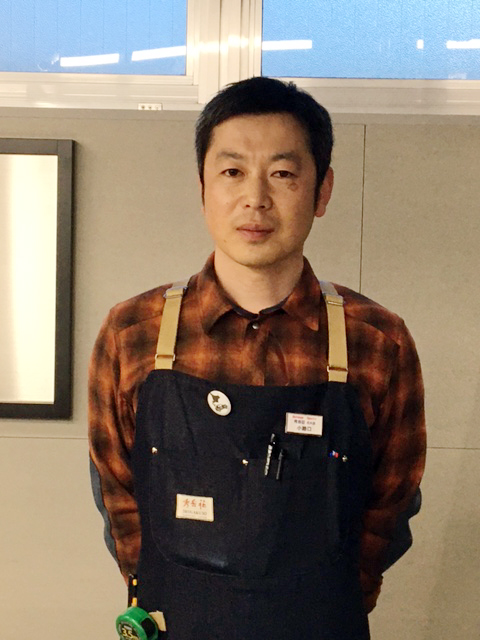
Shugakuso Hokkaido University store staff member Kojiguchi Minoru
has over 20 years of BC experience and is on the snow for about 60 days during the season. With a wealth of experience as his backbone, he also gives accurate advice on backcountry gear. He has extensive knowledge not only of skiing equipment but also of items that help with mountain activities. The best day of the 23rd season was on Mt. Tokachi in January. It was cold, approaching minus 30 degrees Celsius, but the mountain was clear and windless. It was so cold that skiing was difficult, but the snow and scenery were impeccable.
Instagram @ shugakuso__official
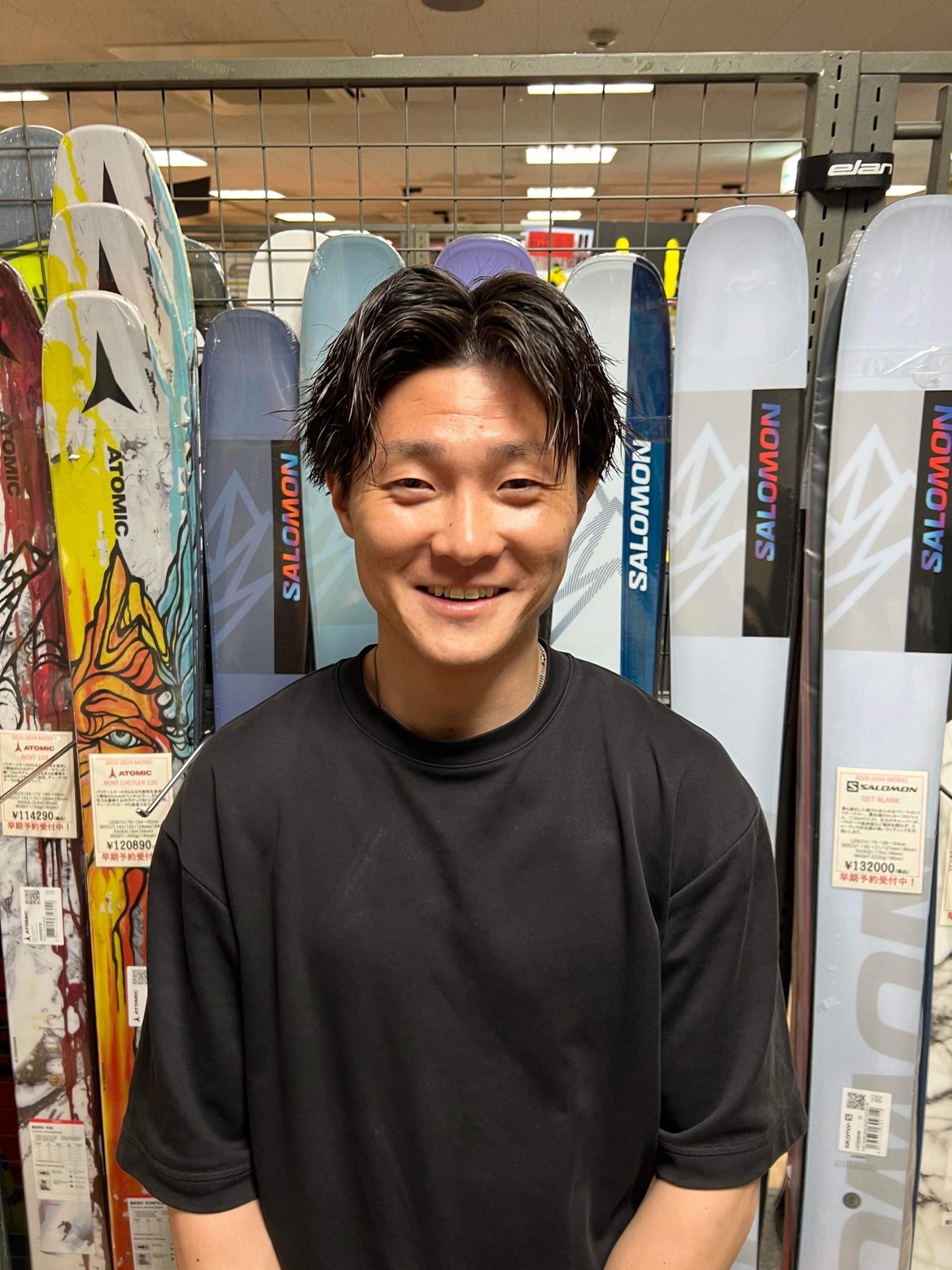
Paddle Club Staff Member Koji Kato
searches for snow in ski resorts, backcountry, and other fields, and skis for a total of about 100 days a season. Utilizing his competitive skiing experience, he is well-known for his gear selection that allows for high-quality turns. His unforgettable mountain trip of the 23rd season was to Kamoidake International Ski Resort in late December. He said that the powder and mash heaven was the perfect environment for a freeskier.
Instagram @ kj_kato
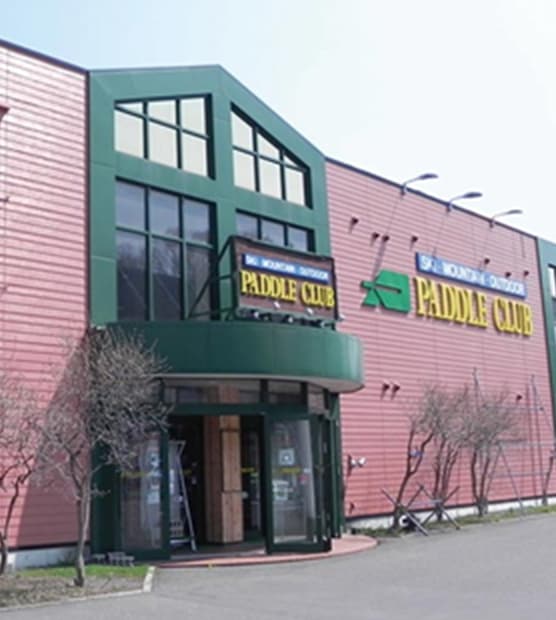
Paddle Club Sapporo Oyachi Branch
Address: 1-2-10 Oyachi Nishi, Atsubetsu-ku, Sapporo
Phone: 011-890-8777
Business Hours: 10:30-19:00
Closed: Every Wednesday