
Backcountry skiing involves long walks, climbs, and skiing on untouched, natural slopes. For those who have never been there, it's an unknown world, and there are many things you don't know, even when it comes to equipment. So, we asked professional guides who have escorted many beginners on backcountry tours to share their recommended gear setup for backcountry beginners
*The term "backcountry (BC) beginner" here refers to a beginner with little or no BC experience, but the skiing technique on the slopes is assumed to be "a skier at a level where they can somehow control their skis and descend any slope."
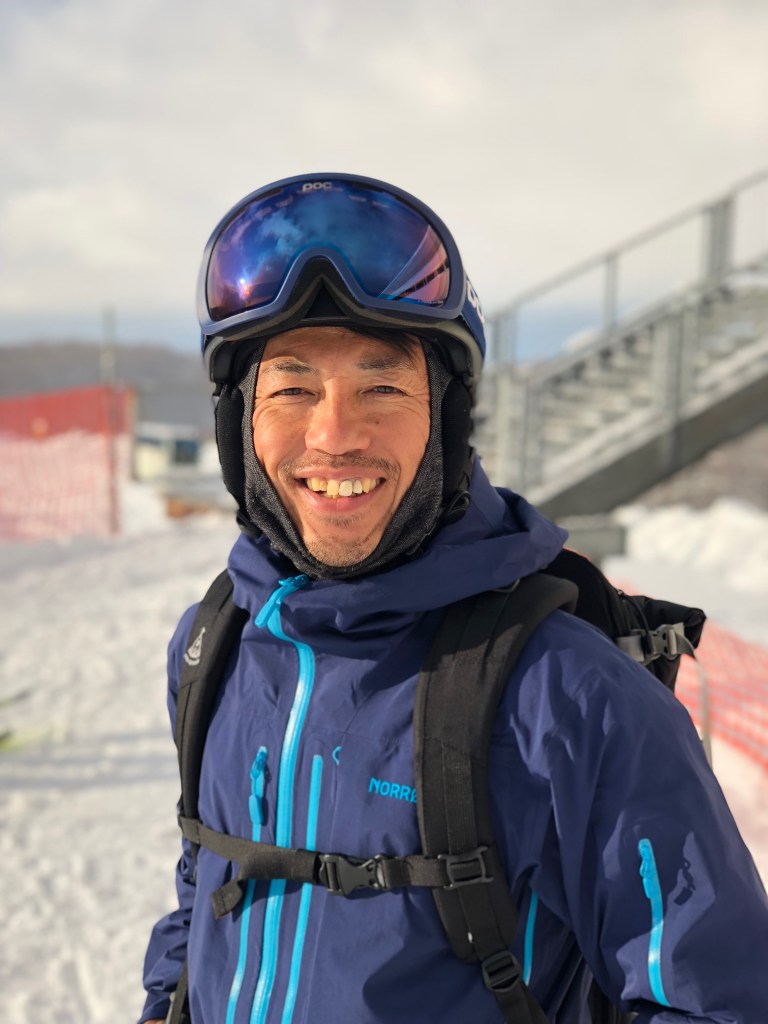
Kazuya Igarashi| Kagura Powder Station
A set of skis that are easy to handle even in powder and boots that are light and easy to hike with
Gear Setup Recommended for Beginner BC Skiers
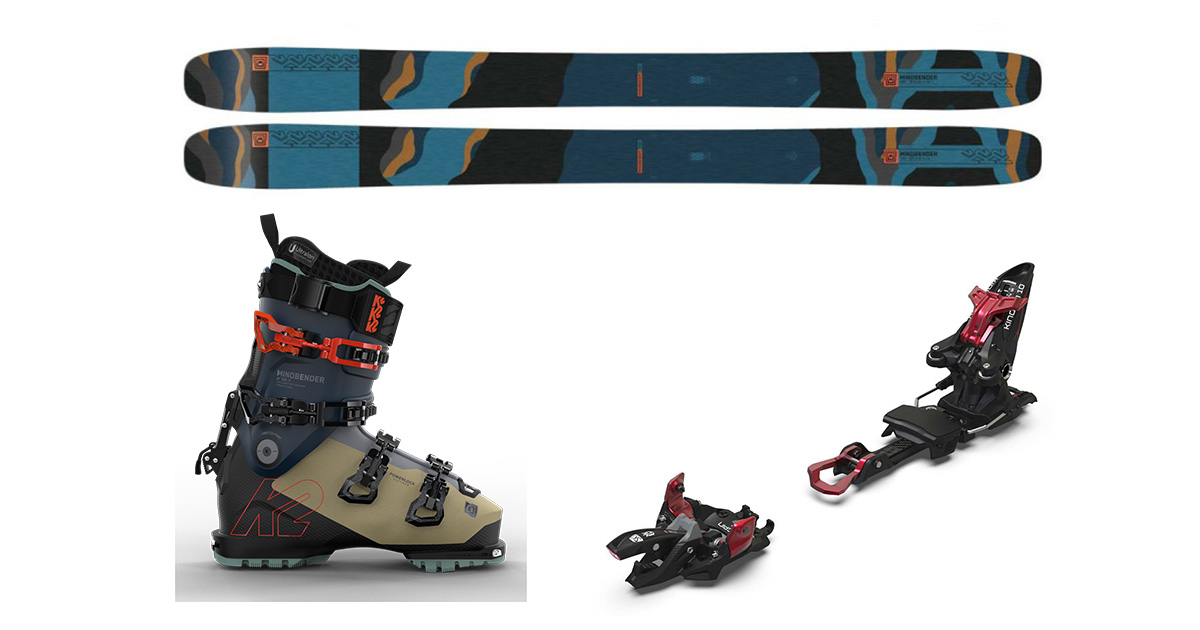
SKI:K2|MINDBENDE 99Ti
BINDINGS: MARKER|KINGPIN10
BOOTS:K2|MINDBENDE 120
This setup features skis that are easy to handle even in powder, lightweight bindings, and lightweight, easy-to-hike boots. The MINDBENDE 99Ti skis are not too wide and have good buoyancy in powder. They have a light swing weight, making them easy to maneuver from side to side in powder.
The KINGPIN10 bindings are highly reliable and reduce the overall weight of your feet. They provide a secure and stable heel hold while skiing.
The MINDBENDER120 boots are easy to put on and take off, even in low temperatures. They are also very light at 1675g, reducing fatigue during hikes. They have a wide range of motion of 50 degrees forward and backward, allowing for larger strides when hiking. Switching to alpine skiing is also easy with a one-touch switch. The flex of 120 provides flexibility while offering a secure altitude and stability while skiing.
Reviewer:
Kazuya Igarashi, Kagura
Powder Station
[Main Guide Area] Various routes accessible from the BC gate at the summit of the 5th Romance Lift at Kagura Ski Resort / Others: Spring tours of Tateyama, Gassan, Mt. Fuji, etc.
[Profile]
After becoming the All Japan Mogul Champion, he participated in the W-CAP and served as a national team coach, training skiers such as Satoya, Miura, Tsukida, and Hara. He worked under Yuichiro Miura and was active in Snow Dolphin. In 2008, he climbed Mt. Everest with him. Currently, he supports Kagura Powder Station as a BC ski and mountaineering guide.
[Qualifications Held]
JMGA Ski Guide Stage I
, JMGA Mountaineering Guide Stage II
IDEA |Takahiro Ishizawa
This setup is perfect for BC beginners!
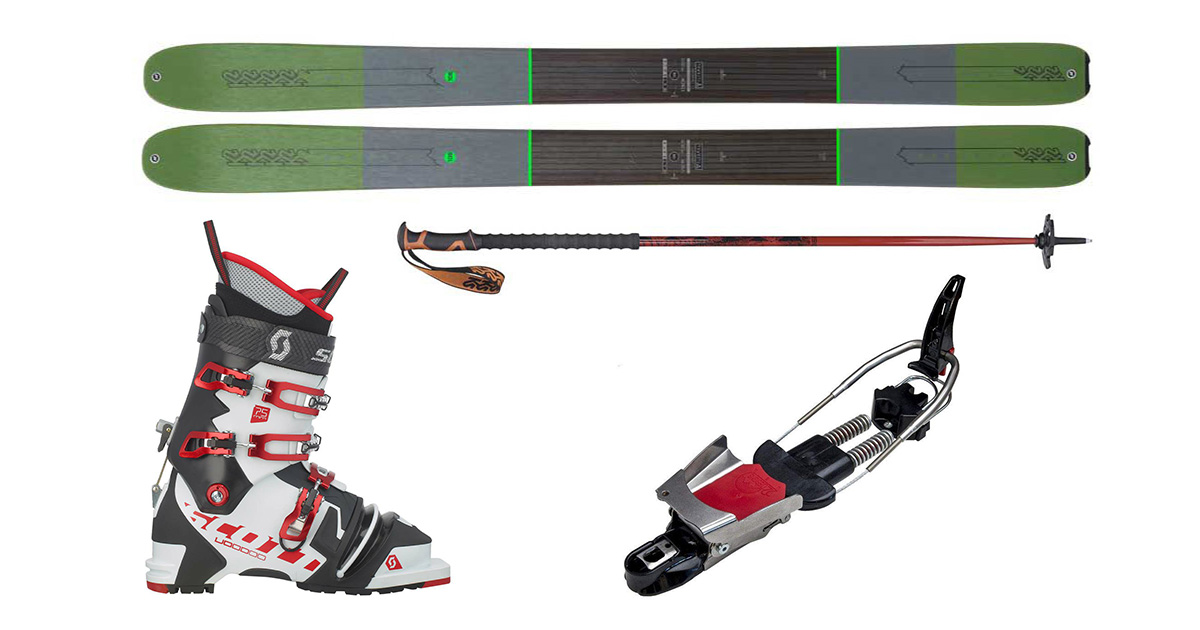
Gear Setup Recommended for Beginner BC Skiers
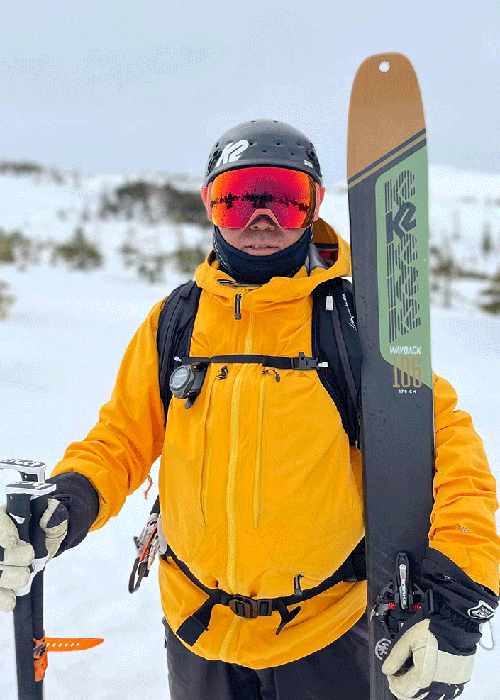
Skis: K2 | Wayback 106 (179cm)
Bindings: 22 Design | Axel
Boots: Scott | Voodoo
Pole: K2 | Dispatch 120
For beginners, the K2 Wayback, Scoot Voodoo, and Accel are the best. Lightweight, flexible, and easy to handle, the Wayback is an excellent board that can be used by beginners to advanced riders of all levels. Bindings depend on your preference, but we recommend the cable-type Accel and NTN Outlaw
Reviewer:
IDEHA
Takahiro Ishizawa
[Profile]
Born and raised in a corner of Zao, I grew up enjoying skiing in the mountains and fields from a young age. I have been guiding on Mt. Gassan for 27 years, and I never tire of the joy of skiing in this area. I guide because I want to share this excitement with everyone.
I also participate in search and rescue operations for missing persons in mountainous areas as a drone pilot for CocoHeli, and I am also involved in activities to promote safe mountaineering.
[Qualifications]
JMGA Mountain Guide Stage I
, JMGA Ski Guide Stage II
, Japan Telemark Ski Association Certified Instructor
Vertical Land |Yuki Ito
Beginners to BC should lighten their gear to reduce the disadvantage to others
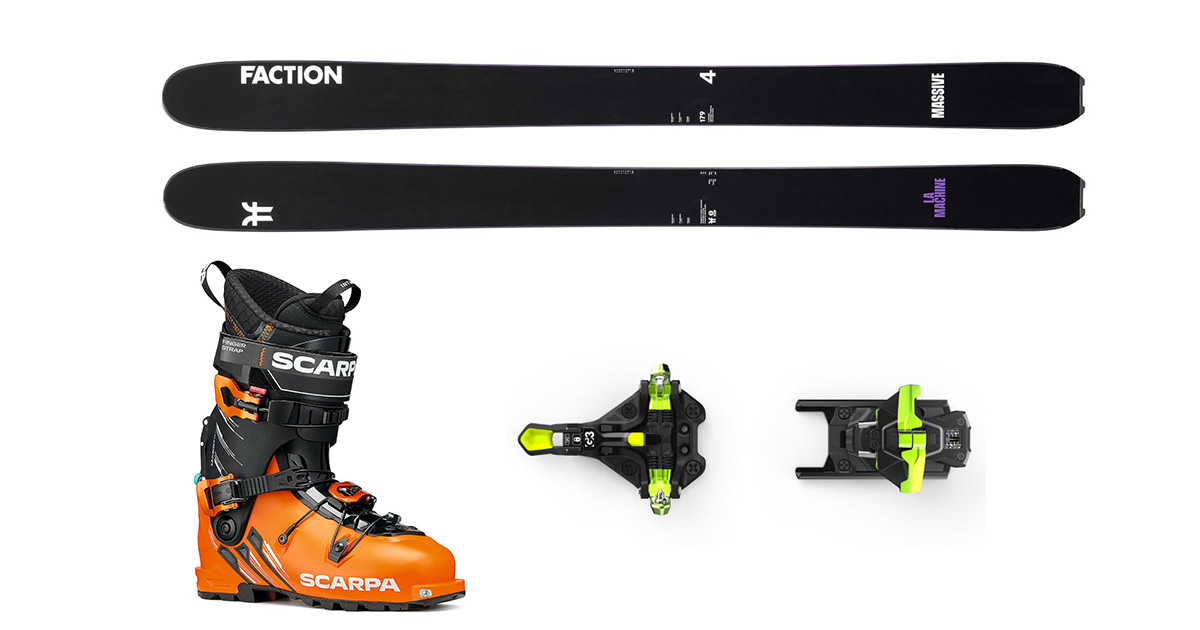
Gear Setup Recommended for Beginner BC Skiers
SKI: FACTION | La Machine 3 Mega
BINDINGS: G3 | ion12
BOOTS: SCARPA | Maestrale
For backcountry beginners who are worried about climbing (due to limited mountaineering experience or lack of stamina), lightweight gear is recommended. Whether you're wearing skis or carrying them, your body will experience a load you don't normally encounter. Lighten your gear to reduce the handicap compared to others.
If you're worried about your skiing ability, skis that are easy to handle in any snow condition or terrain are a good choice. Lightweight skis with a center width of around 100-110cm, a length about the same as your height, and a slightly soft tail will be relatively easy to handle even in difficult snow conditions like slushy snow, and you can fully enjoy powder.
With that in mind, the setup I'd like to introduce is...
SKI: With a center width of 109cm, it's wide enough to feel the floating sensation in powder while still allowing for solid edging. It's lightweight, has just the right amount of stiffness, and is easy to handle, making it the perfect design for having fun in the backcountry like you would on a groomed slope.
Binding: Not only is it lightweight, but it's also simple and has few problems.
Boots: They offer a wide range of motion at the ankle, making climbing easier in general, especially on steep slopes, which are often the first challenge for backcountry beginners.
Occasionally, I see beginners who are overwhelmed by handling over-specced gear, losing the ability to enjoy the backcountry itself. First, enjoy your day in the mountains with easy-to-use gear that matches your skill level.
Reviewer:
Yuki Ito (
Vertical Land)
[Main guiding area] Around Hakuba Village, Nagano Prefecture, Northern Alps
[Profile]
At the age of 21, he moved to Canada and began skiing seriously. He was influenced by North American skiing culture and at the same time became interested in mountain skiing. After completing the Yamnuska Mountaineering School, he returned to Japan and became independent and started his own business in January 2020. His guiding concept is "More mountains in your life."
[Qualifications held]
JMGA Mountain Guide Stage I
, JMGA Ski Guide Stage II
, CAA Operation Level 1 (CAA: Canadian Avalanche Association)
Kuroda Mountain Guide Office |Makoto Kuroda
First, set up a stable and controllable setup
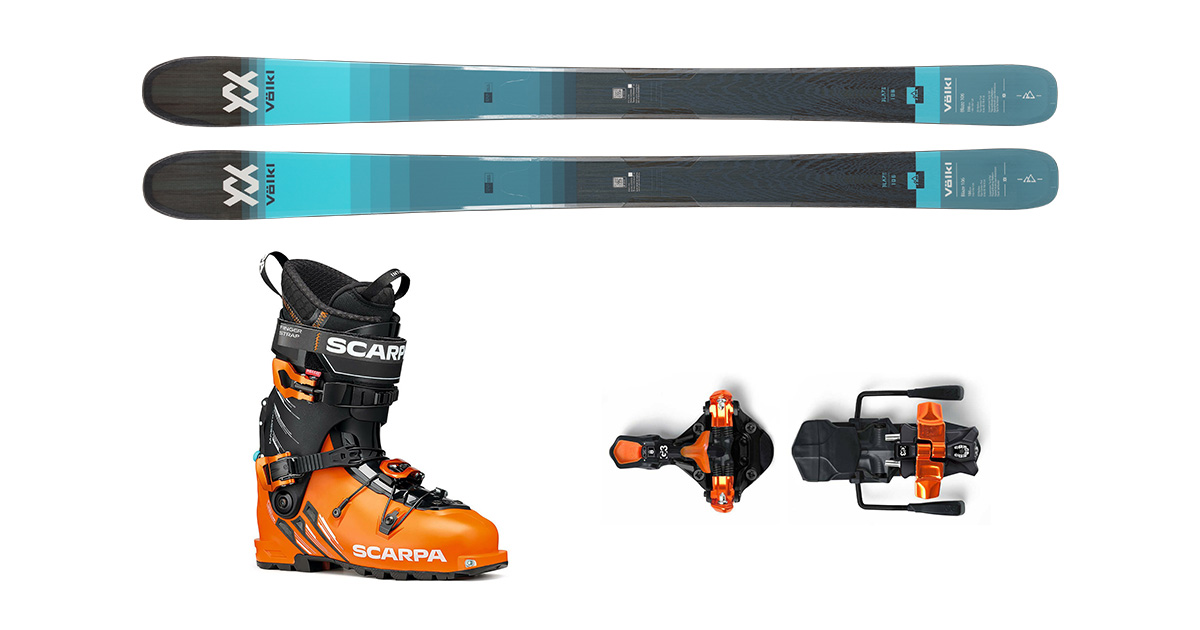
Gear Setup Recommended for Beginner BC Skiers
SKI: VÖLKL | BLAZE106
BINDINGS: G3 | ion 10
BOOTS: SCARPA | Maestrale
VÖLKL's BLAZE10 has a pleasant looseness; even if your position shifts to the back, it doesn't suddenly accelerate, so you can ski with confidence even in bad snow. Even in good snow, a ski that's easy to control allows you to ski more aggressively and have more fun.
The BLAZE106 is moderately light and moderately firm, making it easy to handle a variety of conditions. It's important that it can break trail in deep snow and descend hard, steep slopes properly.
For bindings, choose ones that are easy to put on, easy to walk in, and moderately lightweight. I recommend the G3 icon because I have the confidence to use it in many areas over several years. There are hardly any beginners who can tell the difference in binding performance in powder, so I think it's a good idea to choose one with good walking performance for uphill riding, which is something backcountry beginners often struggle with. For bindings, I prioritize maneuverability. To be honest, even if the structure holds the heel down, I'm not skilled enough to notice the difference in powder, so I think pin-type
The same goes for boots. Since you can't ski without walking, the goal is to wear comfortable walking boots and stand on the slope without getting tired. Unlike groomed slopes, there's no patrol to help you, so the most important things are to ski without falling and to control your speed to about 70%. You might want to wait until you have more experience before buying stiff racing boots. Maybe the boots could have been a little softer? Since you're not racing, they don't need to be that stiff. The hinge is positioned low, so it works well in walking mode and doesn't cause blisters easily. I buy them half a size larger than what I use on groomed slopes. It's not fun if your feet get cold when it's cold. Once you get used to them, larger boots are not a problem.
Reviewer:
Makoto Kuroda, Kuroda
Mountain Guide Office
[Main Guiding Area] Primarily the Joshinetsu region, but also available in areas of your choice.
[Profile]
I offer small-group private guiding services, supporting unique mountain expeditions tailored to each individual's skill level. I value not only skiing but also the spirit of travel in my service.
[Qualifications]
International Mountain Guide
, JAN Avalanche Operations Specialist Level 2
CIRCLE GAME guide service | Shohei Sasaki
I don't want to compromise on the glide, but I want it to be as light as possible
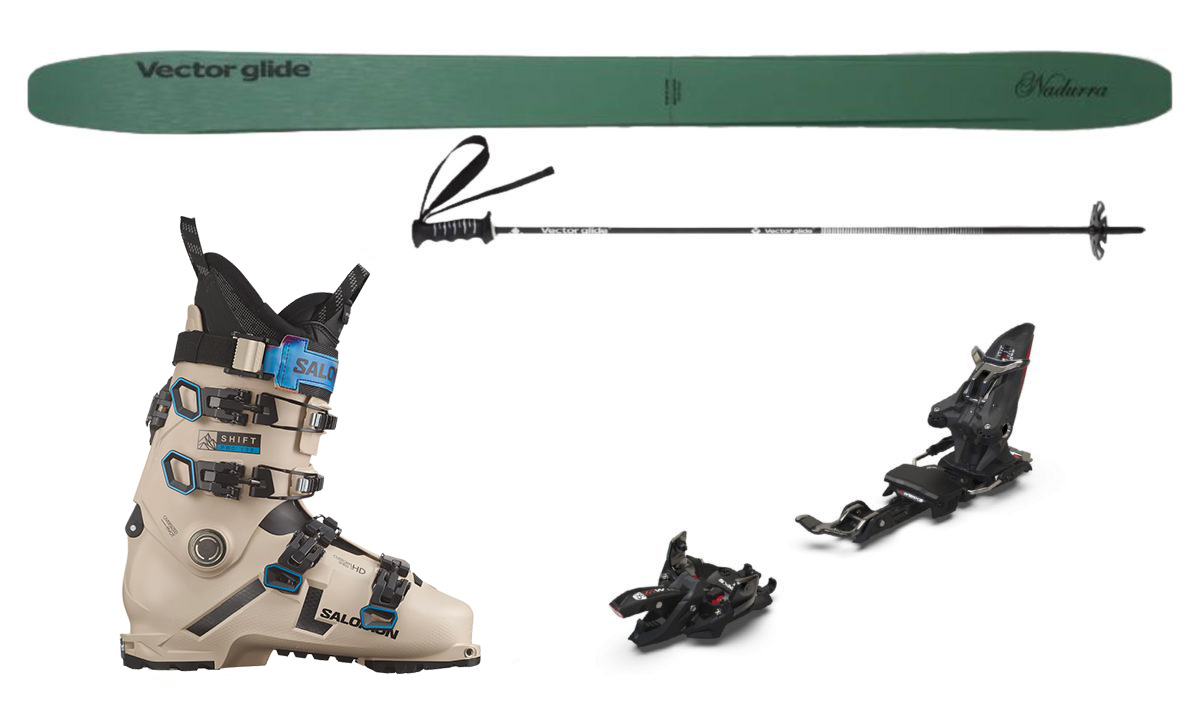
Gear Setup Recommended for Beginner BC Skiers
SKI: Vector Glide | nadurra185
BINDINGS: Marker | KINGPIN m-werks12
BOOTS: SALOMON | SHIFT PRO 110
When choosing gear as a beginner in backcountry skiing, the most important thing to consider is that while online shopping is convenient, it's best to buy from a ski shop whenever possible. Ski boots are a matter of personal fit, so it's a good idea to try on as many pairs as you can that the shop assistant can recommend and choose the one that feels best. The SALOMON SHIFT PRO has an excellent balance of performance and lightness. It provides a secure hold and excellent stability at high speeds and on icy snow. The fact that I've never had any problems with mode switching also makes it reliable. Of course,
the feel of skiing differs depending on the brand and model, but since you probably don't know what kind of skis you prefer with your first pair, the best choice is the ski that appeals to you the most, considering the design and price, as long as it's within the range of a center width of around 110mm.
The nadurra is a wide model with a center width of 115mm, but the side curve of the ski isn't too aggressive, so the edge grip is firm and provides a sense of security even when climbing or descending hard snow. I've been using KINGPIN for about five years now, and it's one of my most trusted pieces of gear, with no major problems. If you remember to keep the toe piece down (compressed spring) when you're not wearing boots, and make sure to thoroughly remove snow before changing modes, you should be able to significantly reduce the risk of damage, just like with other brands.
Reviewer:
Shohei Sasaki,
CIRCLE GAME guide service
[Main Guiding Area] Hokkaido
[Profile]
Originally from Nanae Town, Hokkaido, and based in Sapporo, he guides backcountry skiing in winter and explores Hokkaido's nature extensively in summer. He enjoys combining climbing and skiing.
[Qualifications Held]
JMGA Mountain Guide Stage II
, JMGA Ski Guide Stage II
BLUECLIFF|Tomoo Takimoto
Choose boards between 95 and 100mm for versatility. Choose comfortable boots
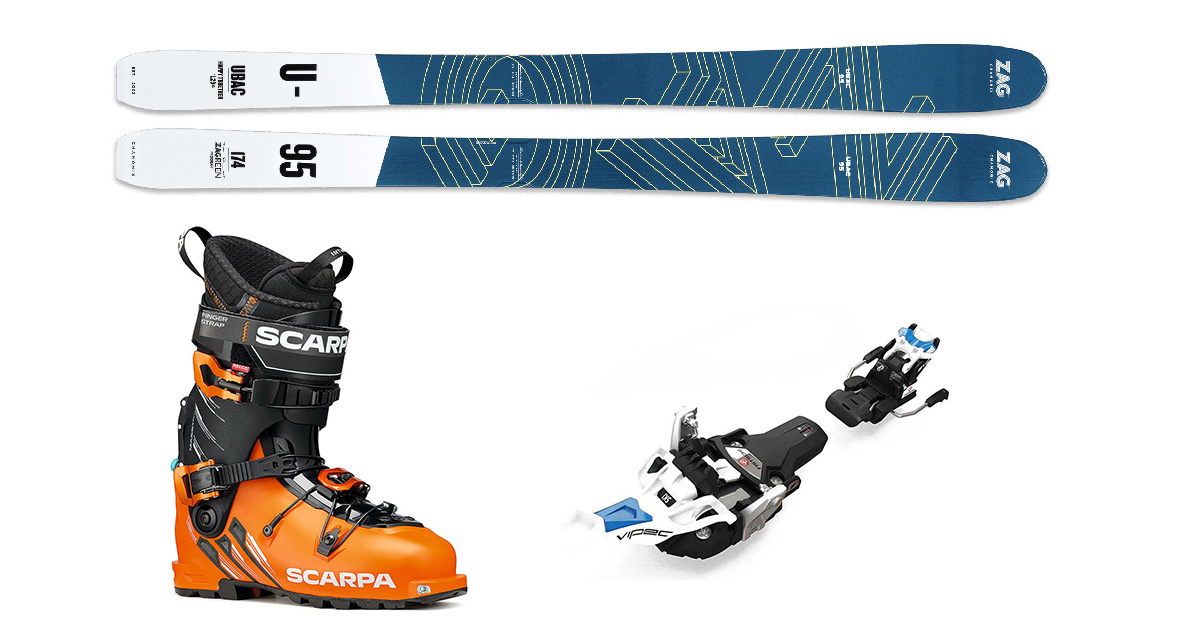
GEAR Setup
SKI: ZAGSKIS | UBAC95
BINDINGS: FRITSCHI | VIPEC EVO12
BOOTS: SCARPA | Maestrale
Lightweight skis with a rocker shape are recommended. If you choose 95 to 100mm skis, you can handle a certain amount of fresh snow, and in spring skiing you can ski comfortably with light edge grip. FRITSCHI's VIPEC bindings are easy to put on and take off, and they make it easy to switch between walking and skiing. For boots, we recommend the three-piece Maestrale. They offer a good balance of comfort and gliding
Reviewer:
Michio Takimoto,
BLUECLIFF
[Main guide area] Hakuba Otari, Northern Alps, Hokkaido
[Profile]
At the age of 19, he became devoted to climbing, including the Mont Blanc Major Route and the North Face of the Drus. After that, he was active throughout Japan, mainly in free climbing and backcountry snowboarding. In 2000, he moved to Hakuba Village and began working as a mountain guide.
[Qualifications Held]
UIAGIM
, IFMGA International Mountain Guide
COLOR SPORT CLUB | Tomohiro Sagawa
The first thing you should get is a model with excellent all-around performance
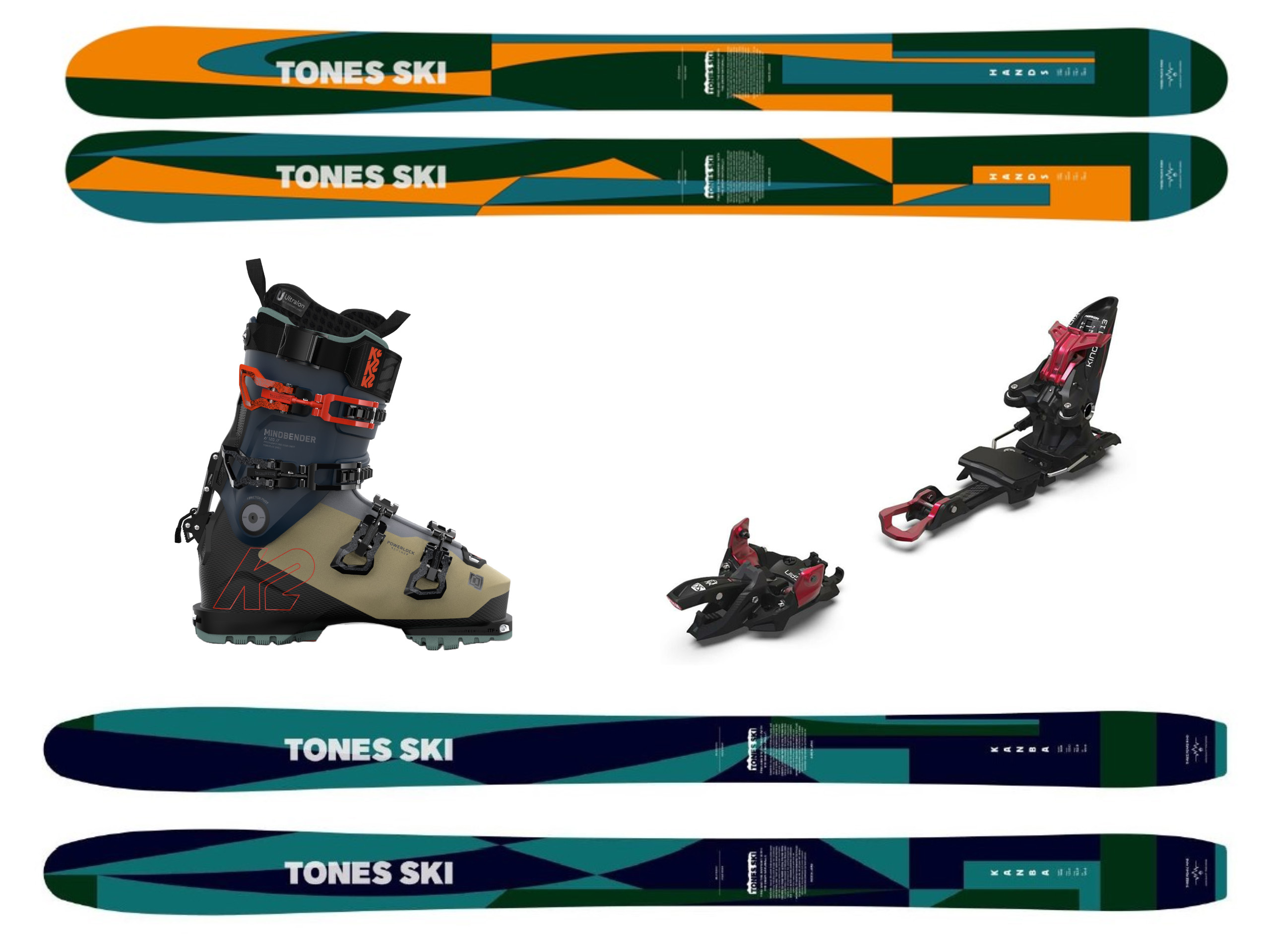
Gear Setup Recommended for Beginner BC Skiers
SKI:TONES SKI|HANDS Light taste
BINDINGS:Marker | KINGPIN13
BOOTS:K2|MINDBENDER110
The excellent match between domestically produced TONES SKI and Marker KINGPIN ensures reliability through its quality. When choosing your first pair of skis, it's best to select a model with outstanding all-around performance. It should be able to handle all snow conditions, provide buoyancy, and also offer good performance on groomed slopes. The HANDS Light taste offers a relatively reliable rigidity with balanced torsional function, and its excellent turning ability in all situations makes it a recommended choice for backcountry beginners.
K2's MINDBENDER also has a reputation for reliable quality. Among this type of boot, it excels in balance, from the comfort of switching between walk mode and ski mode to the reliability of each component. You can expect an enhanced skiing experience, from the feeling of putting your foot in to the feeling of gripping the snow surface with your entire foot.
When it comes to skis, bindings, and boots, you want to choose products that are highly reliable and won't wear out. If you do that, they will surely become your trusted companions for many years to come.
Reviewer:
Tomohiro Tonegawa,
COLOR SPORT CLUB
[Main Guide Area] Hakuba VALLEY (Hakuba, Otari, Omachi) / Others: Tateyama, Senjojiki, Myoko, Mt. Fuji
[Profile]
A pioneering figure who built the current backcountry scene. Since the early 1990s, he has looked beyond groomed slopes and pioneered the mountain skiing scene in the harsh winter. Even after achieving his signature field development throughout the Hakuba area, his pioneering work continues.
[Qualifications Held]
JMGA Mountain Guide Stage II
, JMGA Ski Guide Stage II
, JAN Avalanche Worker Level 2
JUNRINA mountain service|Jun Nagai
Solid skis for a variety of snow conditions
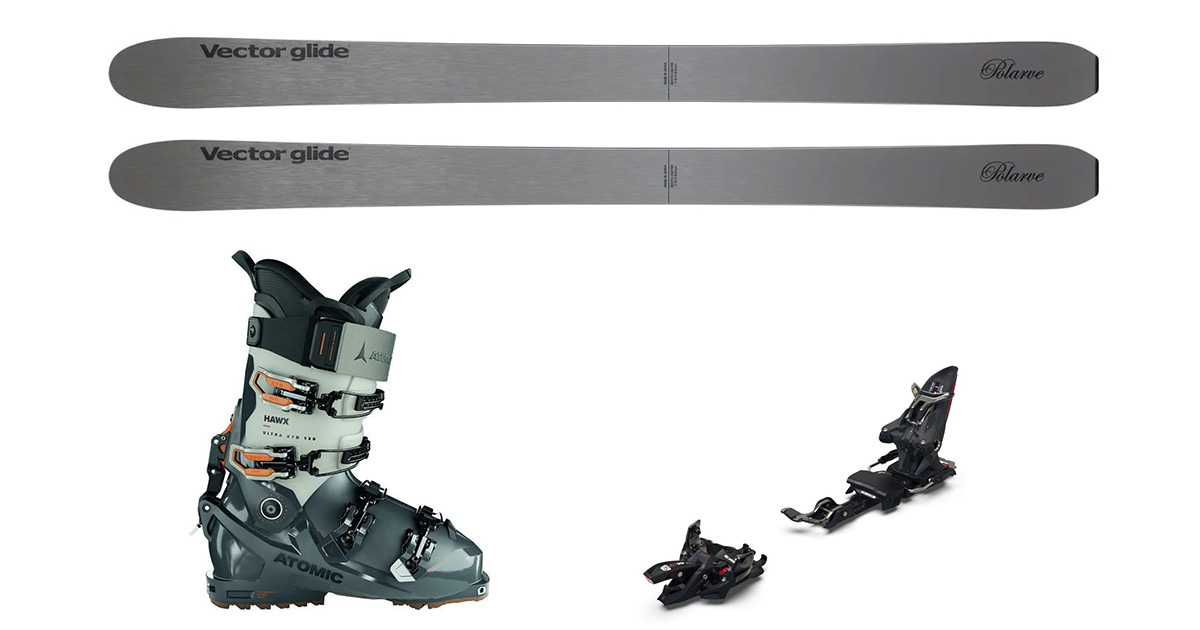
Gear Setup Recommended for Beginner BC Skiers
SKI: Vector Glide | Polarve Light
BINDINGS: Marker | KINGPIN 13
BOOTS: ATOMIC | HAWX ULTRA XTD 120 GW
In the backcountry, snow conditions change dramatically due to sunlight, wind, elevation differences between the top and bottom, and temperature, so you often encounter bad snow. To handle a variety of snow conditions, you need a solid pair of skis. Polarve skis offer excellent edge grip for turns, so I highly recommend them
Reviewer:
Jun Nagai,
JUNRINA mountain service
[Main Guide Areas] Kagura BC, Echigo Yuzawa BC, Tateyama BC
[Profile]
After leaving her corporate job, she worked at Tateyama Raichoso while undergoing guide training, and started working as JUNRINA mountain service in 2010. She has extensive experience on overseas backcountry trips. In summer and autumn, she works as a mountain guide mainly in the Alps and Joshinetsu region, and in winter and spring, she works as a backcountry ski guide.
[Qualifications Held]
JMGA Mountain Guide Stage III
, JMGA Ski Guide Stage II
, JAN Avalanche Worker Level 1
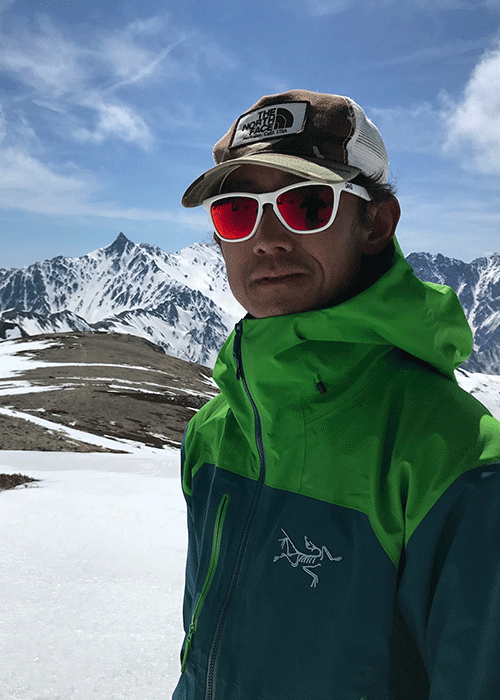
Infield |Toyo Nakano
Recommended setup for those who want to start telemark skiing
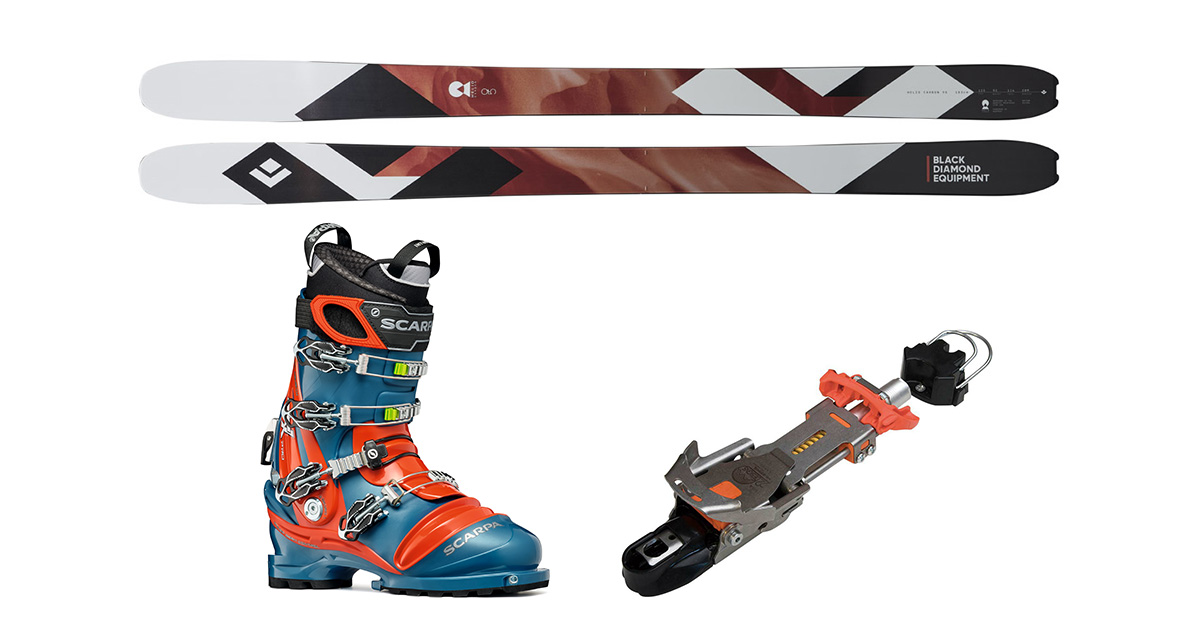
Gear Setup Recommended for Beginner BC Skiers
SKI: Black Diamond | Heliocarbon 95
BINDINGS: 22DESIGNS | Outlaw X
BOOTS: SCARPA | TX Pro
We'll introduce a setup that's easy to use even for beginner telemark skiers. With a center width of 95mm, the skis are versatile enough to be used on the slopes and in the backcountry, so they're recommended for those who want to practice their skiing skills on the slopes while also exploring the backcountry. The Outlaw X bindings are easy to put on and take off, even for those new to telemark skiing, and they offer a seamless transition from cable bindings to NTN bindings. They're also a great first set, and a great choice for those who want to use them in any situation
Review
by
Toyokazu Nakano
[Main guiding area] Myoko/Kubiki area, Northern Shinshu / Others: Tateyama, Chokaisan, etc.
[Profile]
After 10 years of experience after moving to Myoko Kogen, I started "Infield" in 2006. Currently, I work as a backcountry tour guide and telemark ski instructor in winter, and as a mountain climbing/trekking guide and sea kayak guide in summer.
[Qualifications held]
JMGA Ski Guide Stage II
, JAN Avalanche Worker Level 2
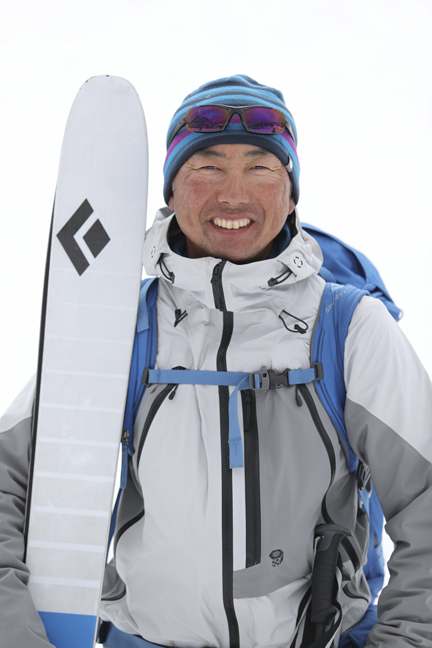
RIKI JAPOW GUIDE|Riki Nakajima
A setup that is light, easy to operate, and has excellent sliding sensitivity
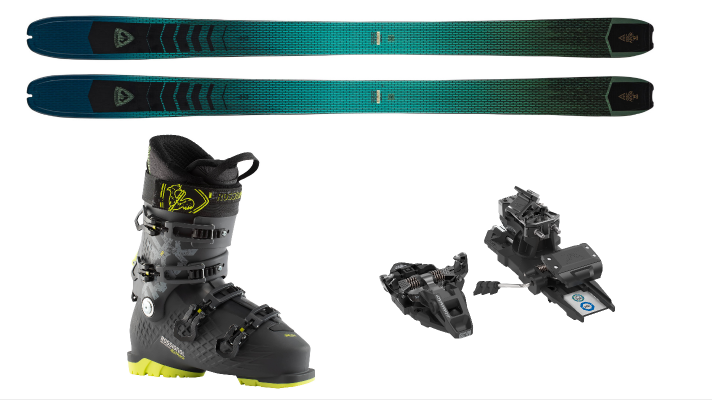
Gear Setup Recommended for Beginner BC Skiers
SKI:ROSSIGNOL|ESCAPER97 NANO
BINDINGS:DYNAFIT|ST Rotarion
BOOTS:ROSSIGNOL|All TRACK110
For skis, the length should be about your height and the width around 100cm. The ESCAPER97 NANO (Rossignol) is lightweight and good without sacrificing maneuverability. For bindings, I personally recommend the TLT type, but the ST Rotarion (Dynafit) offers a sense of security and ease of use.
For boots, if you're not very strong, I recommend lighter ones. My top recommendation is the All TRACK110 (Rossignol). It has a wide last, making it comfortable to wear for long periods. It offers excellent lightness while also providing superb skiing sensitivity.
Reviewer:
RIKI JAPOW GUIDE
: Riki Nakajima
[Main guiding areas] Tomamu area, Furano area, Asahikawa area / Others: Niseko, Rusutsu, Nozawa Onsen
[Profile]
Obtained CSIA instructor certification in Whistler, Canada, and the first Japanese person to obtain CFSA freeski instructor certification. Expanded his activities from participating in numerous freeski competitions to backcountry skiing. Currently based at Hoshino Resorts Tomamu Ski Resort, he provides guiding and lessons.
[Qualifications held]
JMGA Mountain Guide Stage II
, JMGA Ski Guide Stage II
, JAN Avalanche Worker Level 1
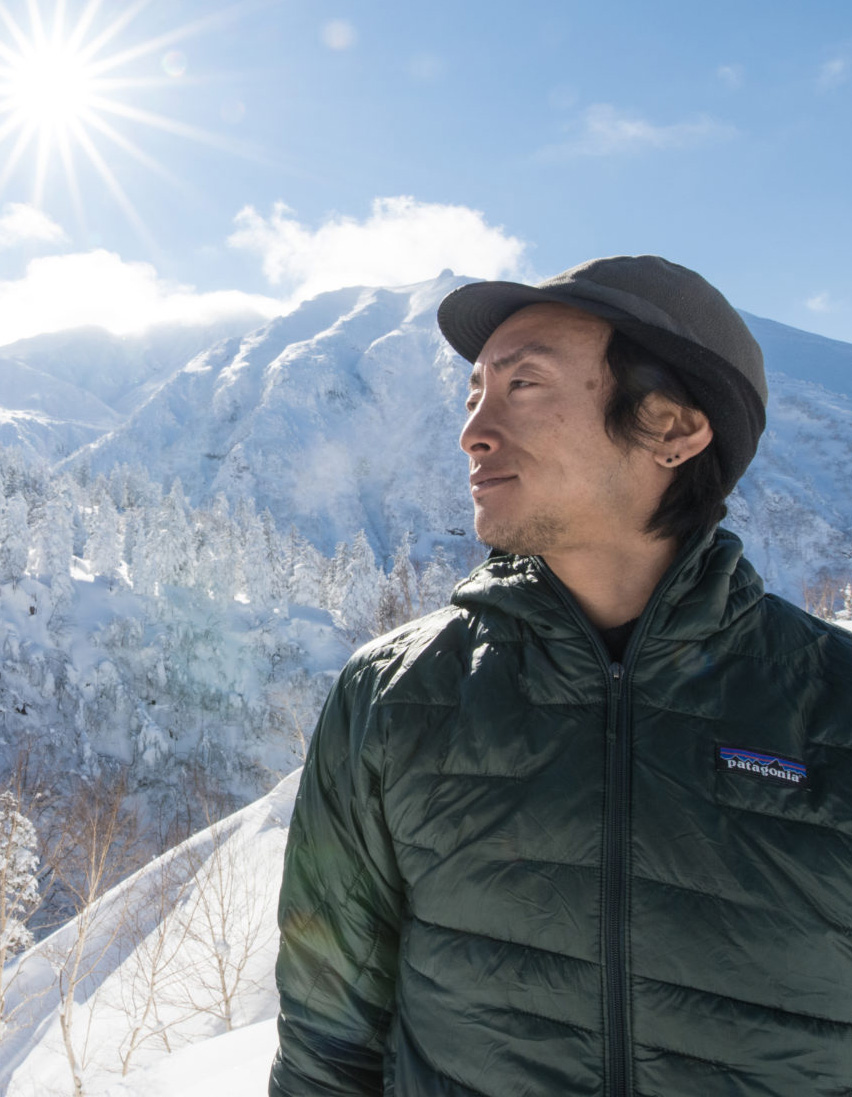
Terui Daichi
A recommended setup for your first lens, with a center of 100mm
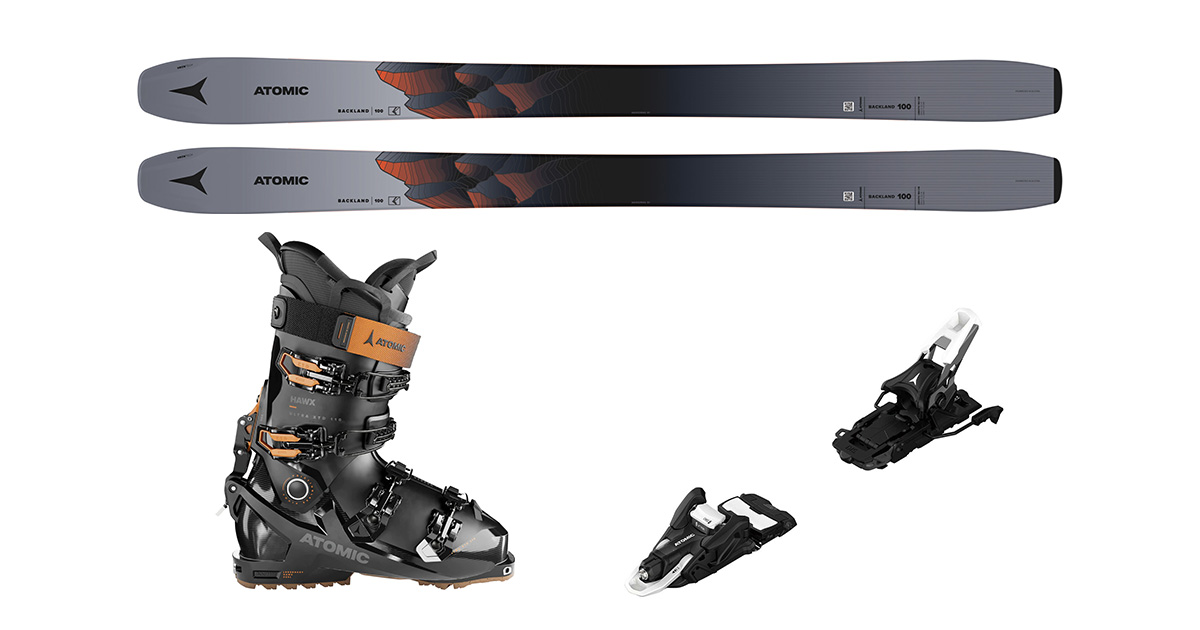
Gear Setup Recommended for Beginner BC Skiers
SKI:ATOMIC|BACKLAND100
BINDINGS:ATOMIC|SHIFT
BOOTS:ATOMIC|HAWX URTLA XTD110
For your first pair of skis, a center width of around 100mm is recommended, as it can handle everything from the start of the season through the peak powder season and into the spring season. Even when you buy your second or third pair of skis, a 100mm ski will be a valuable all-rounder.
For bindings, SHIFT. is recommended. When hiking, the bindings don't stick to your feet like tech bindings, so they feel light, and the pivot point for walking is closer to your toes, making it easier. When skiing, they become step-in bindings, so they have forward pressure, and their responsiveness and safety are excellent, making them highly recommended.
Hawks boots are not only lightweight, but the inner boot is thick, and they have a great fit. If you're only considering powder, you don't need skis with a very stiff flex at first.
Reviewer:
Daichi TERUI
[Main guiding area] All of Hokkaido
[Profile]
While attending university, he aspired to become a mountain guide and studied under international mountain guide Hirofumi Ishizaka. Upon graduating from university, he became a certified guide of the Japan Mountain Guide Association and began guiding. As part of his own activities, from his early twenties, he has experience in heli-skiing guide training in Northern Europe, mountaineering in the European Alps, and ski touring.
[Qualifications held]
・JMGA Mountain Guide Stage I
・JMGA Ski Guide Stage II
・JAN Avalanche Operator Level I completed
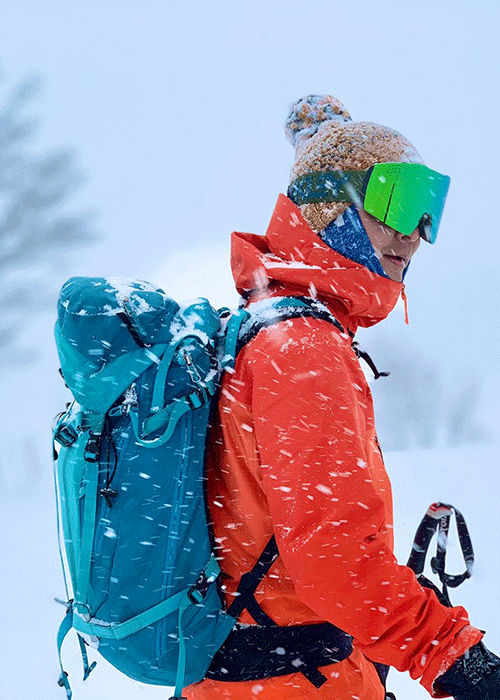
LOCUS GUIDE SERVICE |Kazuya Furuse
First of all, I want you to have a well-balanced set that is light and well-rounded
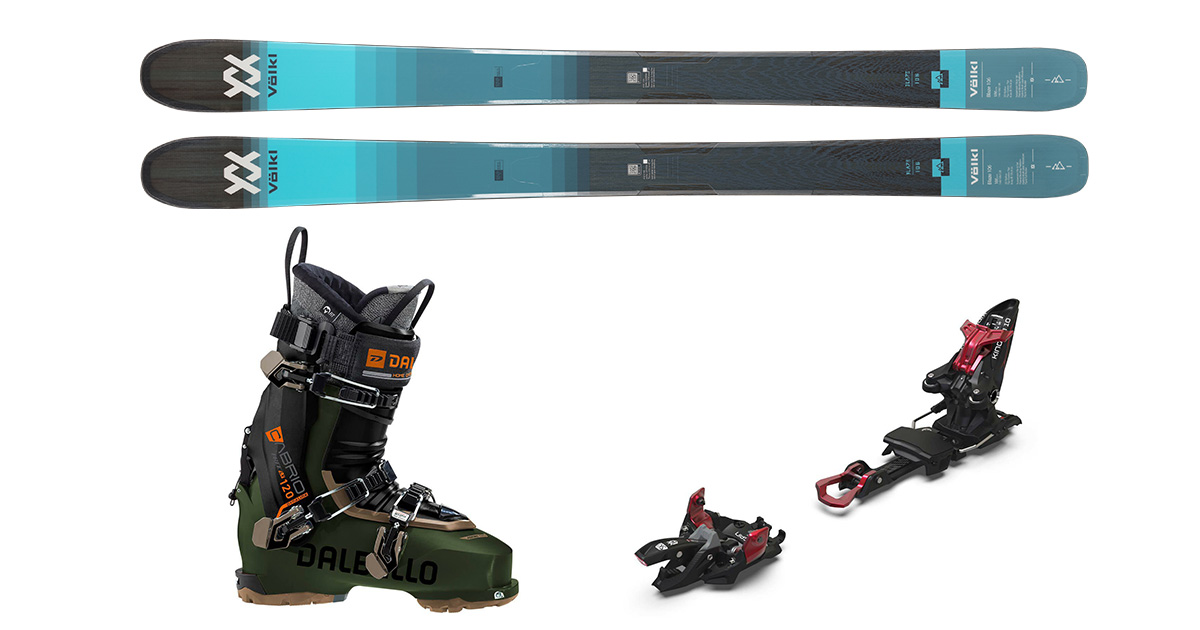
Gear Setup Recommended for Beginner BC Skiers
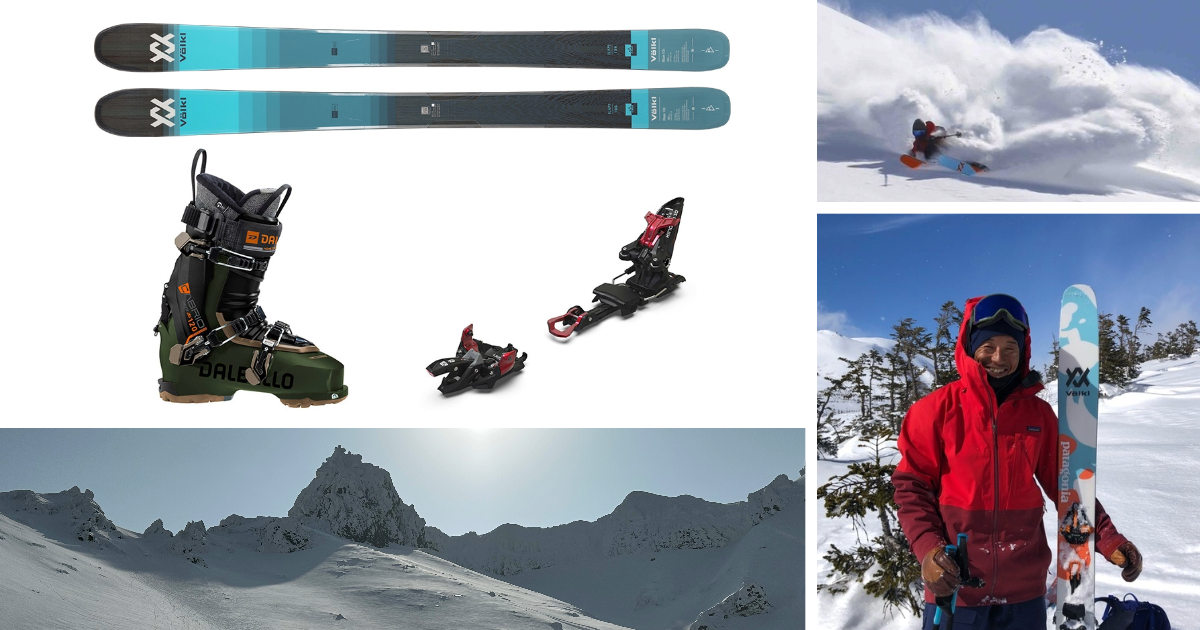
SKI: VÖLKL | BLAZE106
BINDINGS: MARKER | KINGPIN 10
BOOTS: DALBELLO | CABRIO LV FREE 120
Will you be using the same skis for both groomed slopes and backcountry skiing? What ratio will you be using them for, and will you be going by car or train? Recommendations will vary depending on your current setup, so it's hard to say definitively, but if you're mainly focusing on backcountry skiing... this setup is recommended. As for boots, I recommend anything that fits your feet, but the important thing is to stay true to the concept of your skis, bindings, and boots.
Please don't misunderstand; you can enjoy backcountry skiing even without dedicated backcountry gear. Gear specifically developed for backcountry skiing will make it easier and more enjoyable, but experiencing backcountry skiing firsthand is more important than buying gear. LOCUS GUIDE SERVICE offers rentals of the above sets, including skins, as well as touring binding sets that can be used with your current boots, so please feel free to use our services.
Reviewer:
LOCUS GUIDE SERVICE
, Kazuya Furuse
[Main Guide Area] Hakuba Area
[Profile]
As a result of pursuing the art of skiing, my field of activity shifted from ski resorts to the backcountry, and I have gained experience as both a skier and a guide.
[Qualifications Held]
・JMGA Ski Guide Stage II
・JAN Avalanche Operations Personnel Level 2
KinTouN Backcountry Guide | Kenichi Minegishi
If you are a beginner, choose a BC that is easy to handle and slide easily
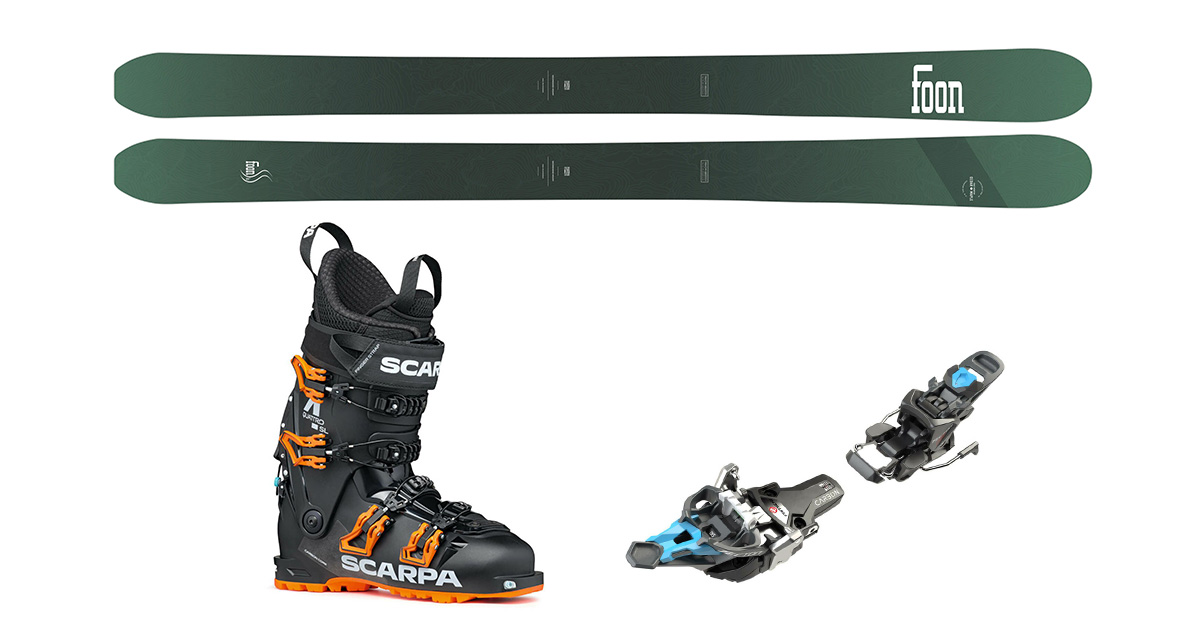
Gear Setup Recommended for Beginner BC Skiers
SKI: FOON SKIS | TYFOON 177
BINDINGS: FRITSCHI | Tecton 13
BOOTS: SCARPA | Quattro SL
For skis, we recommend a model with a waist of about 105-110mm, which is neither too wide nor too narrow, not too long, and a slightly softer flex. For FOON SKIS, we recommend the TYFOON 177. For boots, SCARPA Quattro SL is soft, making it easy to walk in and provides a firm hold when skiing, making it easy to ski. For bindings, we recommend FRITSCHI Tekton, as they last a long time
Reviewer:
Kenichi Minegishi,
KinTouN Backcountry Guide Area] Kanto-Etsu Area
Main Guide
[Profile
guide since 2003. Runs a members-only club and renovated traditional Japanese house camp "Kaze no Tani" in Yamakita Town, western Kanagawa Prefecture. Together with members he connected with through backcountry skiing, he has been building campsites and playgrounds in the mountains through DIY.
"I wanted to ski on natural snow-covered mountains, just like riding the waves, which are the energy of nature. I wanted to climb the mountains on my own two feet and ski as I pleased. I felt a sense of freedom precisely because there was risk."
[Qualifications Held]
JMGA Ski Guide Stage II