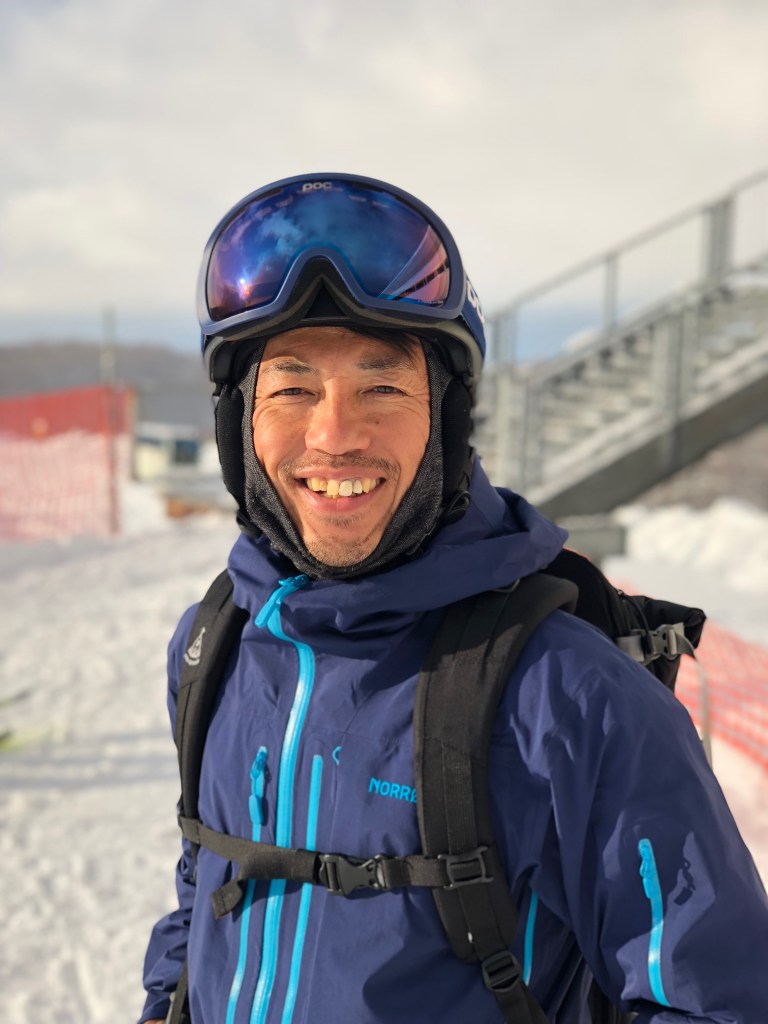

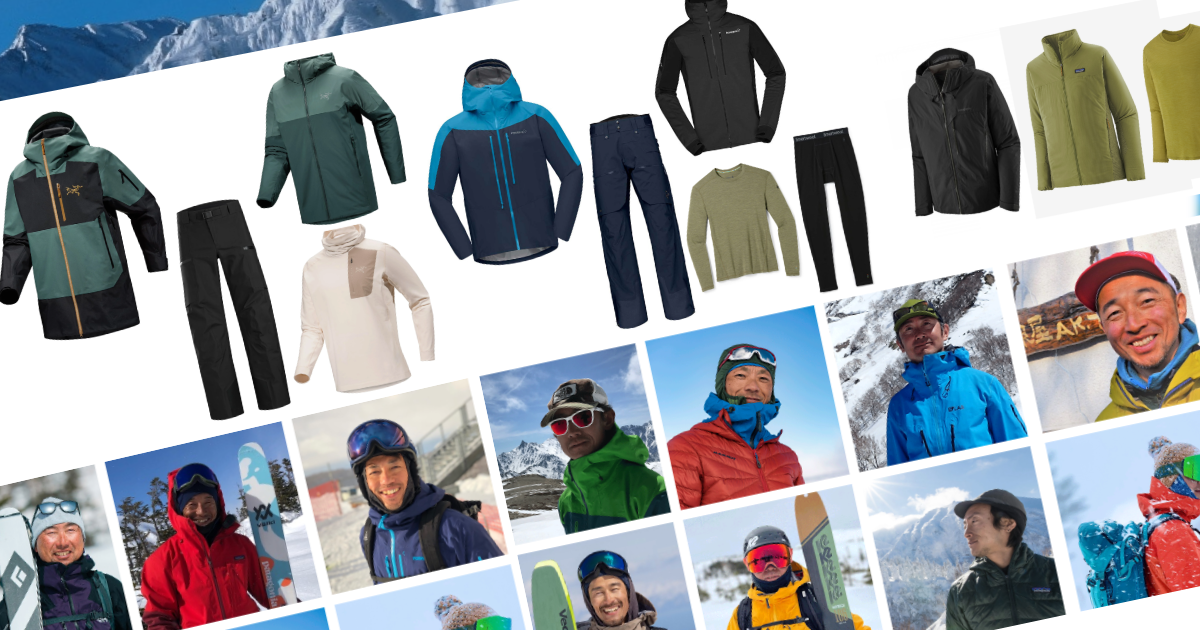
In the snowy mountains, bad weather and the risk of hypothermia are always close by. You may be hit by a sudden snowstorm, or in the spring mountains, you may be forced to hike up for long periods under the intense sunlight. Even in such harsh natural conditions, backcountry guides must act appropriately while ensuring the safety of their guests. To do this, it is important to stay in perfect condition so you can move around freely. Clothing plays a major role in regulating body temperature. We asked professional guides what kind of layering they use in the mountains and what their impressions are
*The colors of the clothing shown may differ from the colors worn by the individual. Please view this as an introduction to the model only.
*For detailed information about the guide club, click on the guide club name and go to the guide club introduction page on STEEP!
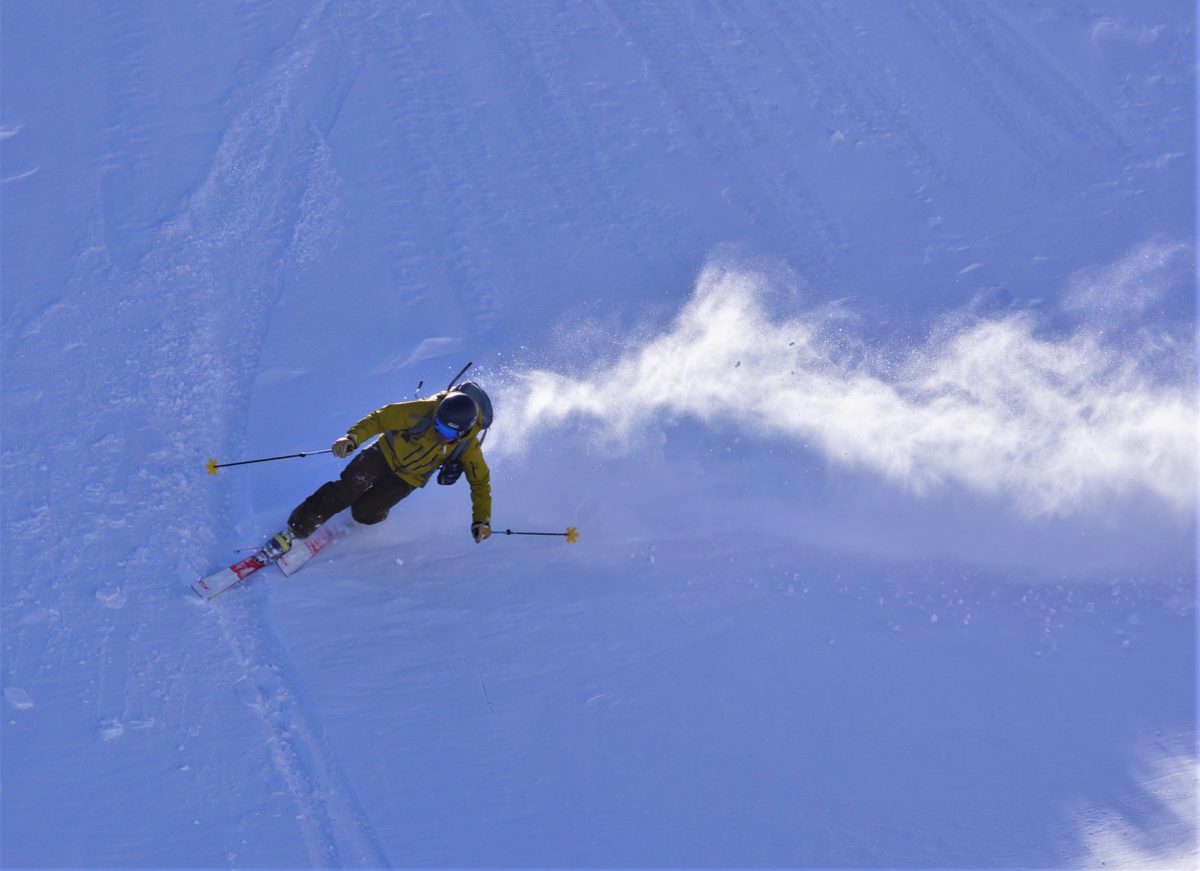
Telemark School & Ski Guide Izumiya AK.T | Kenichi Akutsu
Original styles tailored to the unique situations of Minamiaizu
High season layering
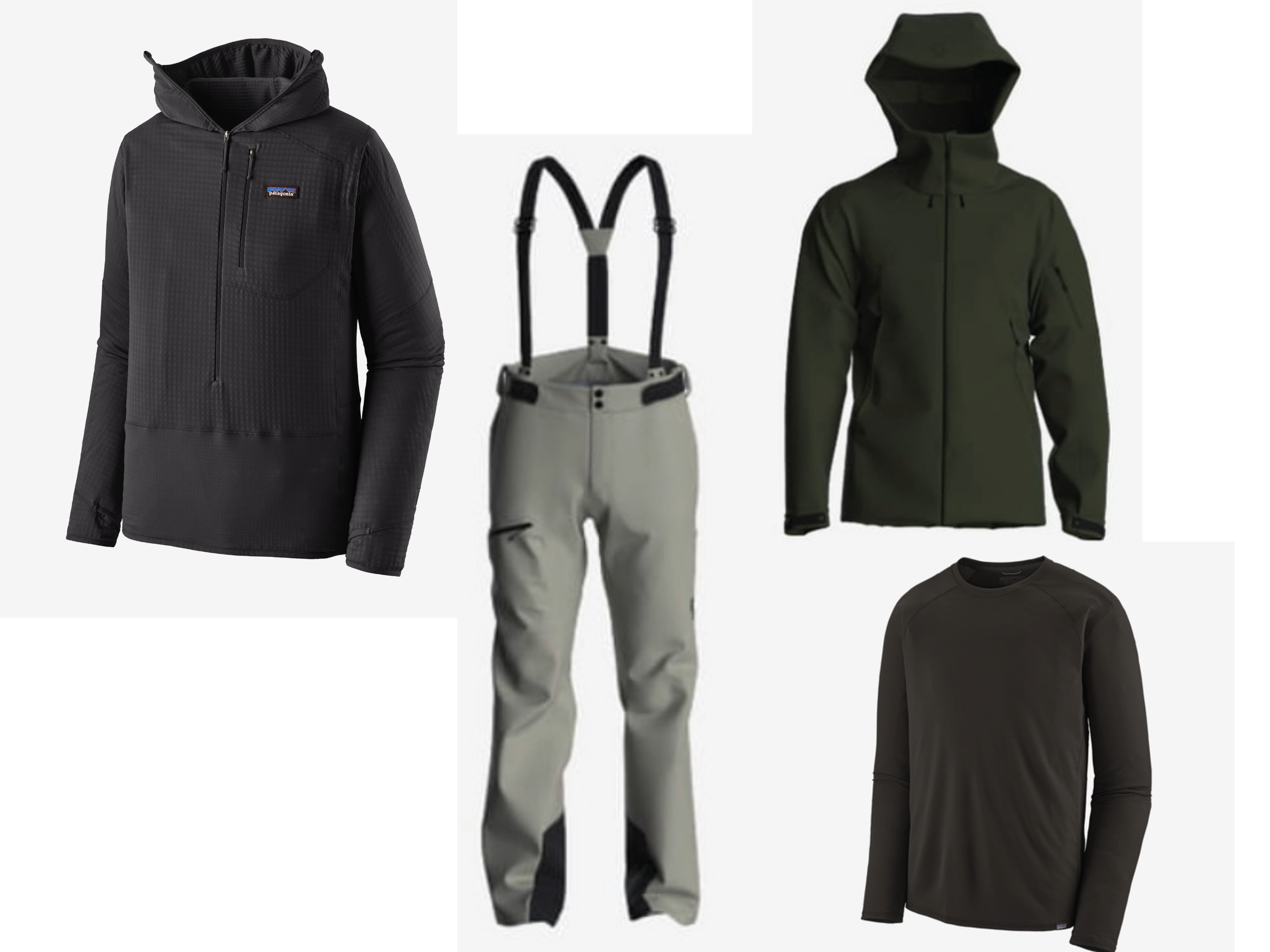
Outer layer: SCOTT Explorer 3L Jacket & Pants;
Middle layer: Patagonia R1 Pullover Hoody;
Base layer: Patagonia Men's Capilene Midweight Crew
How does it feel to use? (Impressions)
The SCOTT Explorer 3L outerwear jacket and pants are a bestseller among SCOTT apparel. They offer excellent waterproofing and breathability, and there are plenty of convenient pockets for notebooks, smartphones, maps, and other items. Though made overseas, the sizing is similar to Japanese sizes. The price is also reasonable. The Patagonia R1 Pullover Hoody mid-layer is the thinnest fleece available, but pairing it with the base Capilene provides excellent warmth and moisture-wicking properties for hiking up steep Russell slopes in Oku-Aizu during the harsh winter
What about layering for spring?
Instead of an R1 Free mid-layer, I wear a Capilene Hoody as a base layer, with an even thinner layer of Capilene on top (March-April)
Are there any other ideas you have added?
During the harsh winter months, I carry a Patagonia Nano Air Hoody, and from March onwards, I carry a down vest
Review by
Telemark School & Ski Guide Izumiya AK.T
Kenji Akutsu
[Main guiding area] Fukushima Prefecture: Minamiaizu, Hinoemata area
[Qualifications]
JMGA Mountaineering Guide Stage II
, JMGA Ski Guide Stage II
, TAJ Telemark Ski Instructor
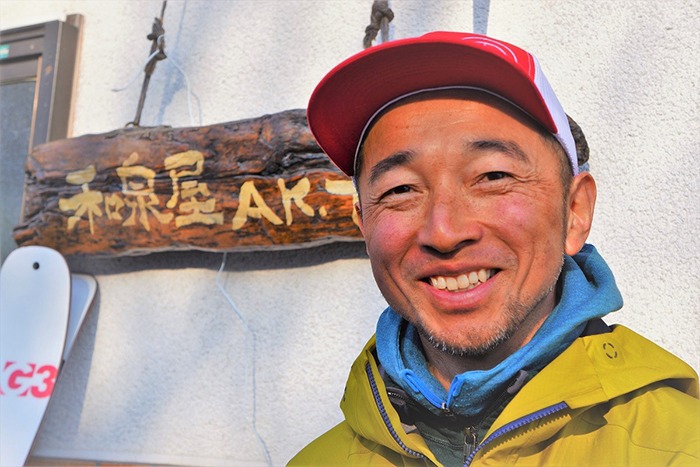
Rhythm Works (Rhythm Works) | Ryuta Asahi
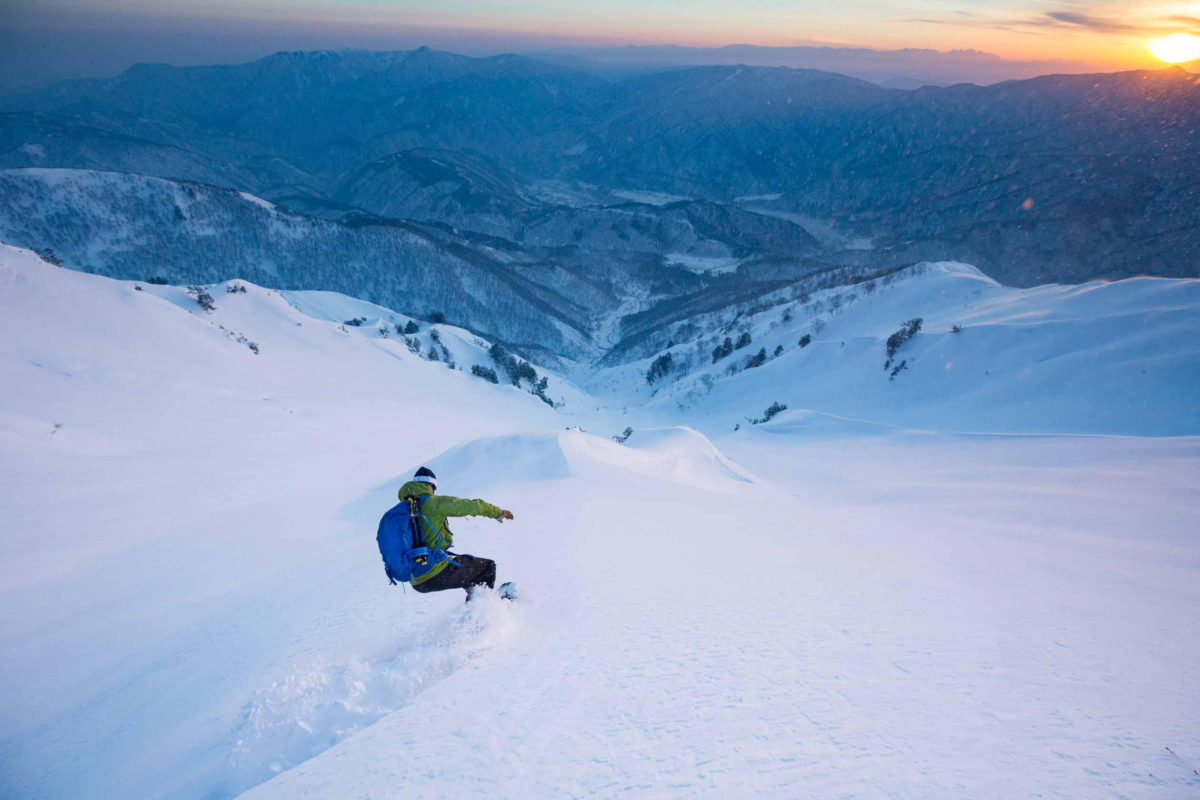
Consider the characteristics of the area and altitude where you will be working, and choose a balance of warmth, moisture permeability, and breathability
High season layering
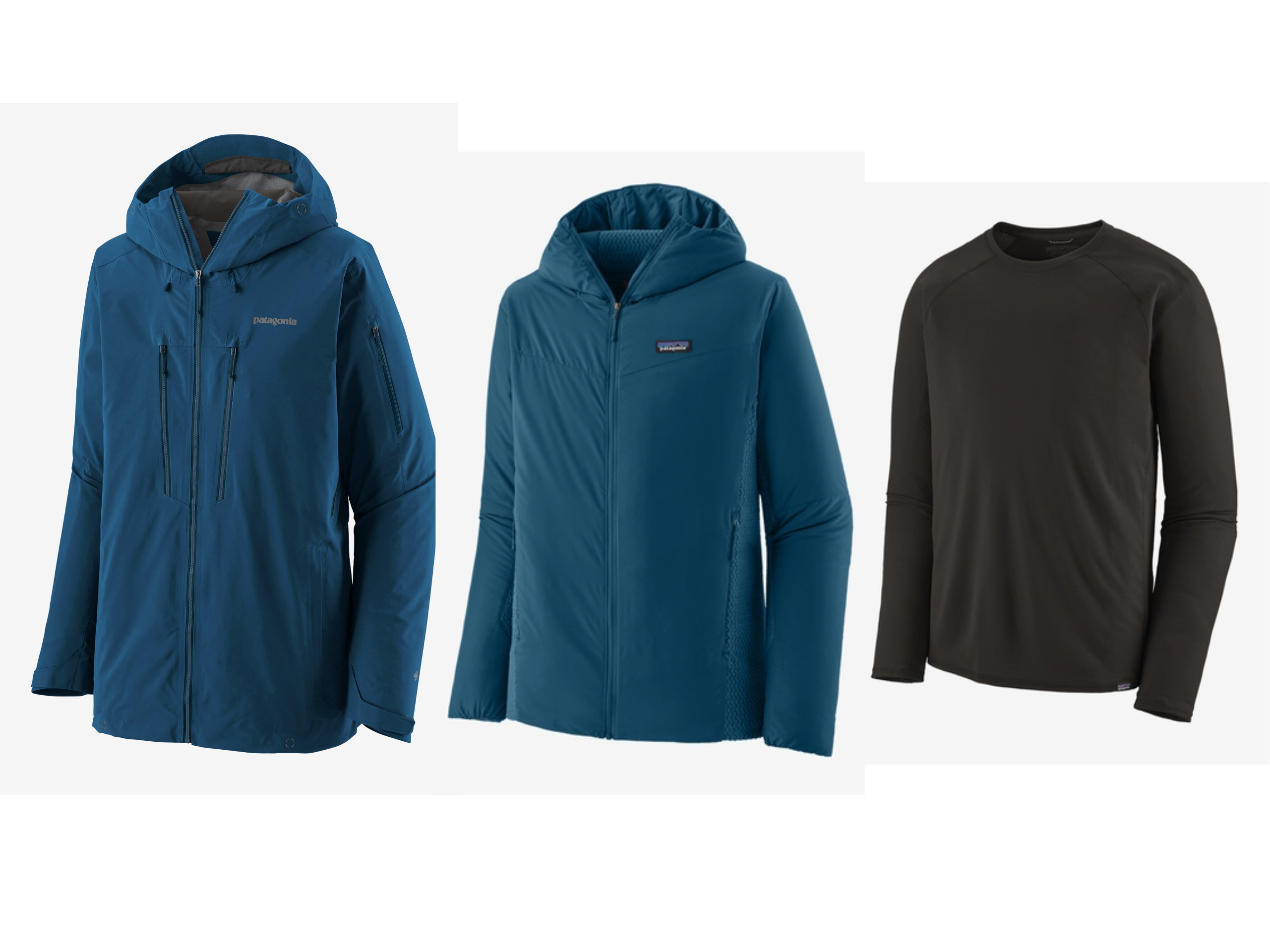
Outer layer: Patagonia Powslayer Jacket
Middle layer: Patagonia Nano Air Light Hybrid Hoody
Base layer: Patagonia Capilene Midweight Crew
How does it feel to use? (Impressions)
Consider the characteristics of the region and altitude where you will be active, and choose a jacket that balances warmth, breathability, and ventilation. For the 2023-2024 season, I changed my mid-layer to Patagonia Nano Air Hybrid. Taking into account humidity and temperature, this set allows heat to escape while hiking and keeps you from getting soaked with sweat. Because you will be active in dry, cold, and windy areas at high altitudes, inland areas, and high latitudes, I used Nano Air with Capilene Air, which prioritizes warmth and breathability
What about layering for spring?
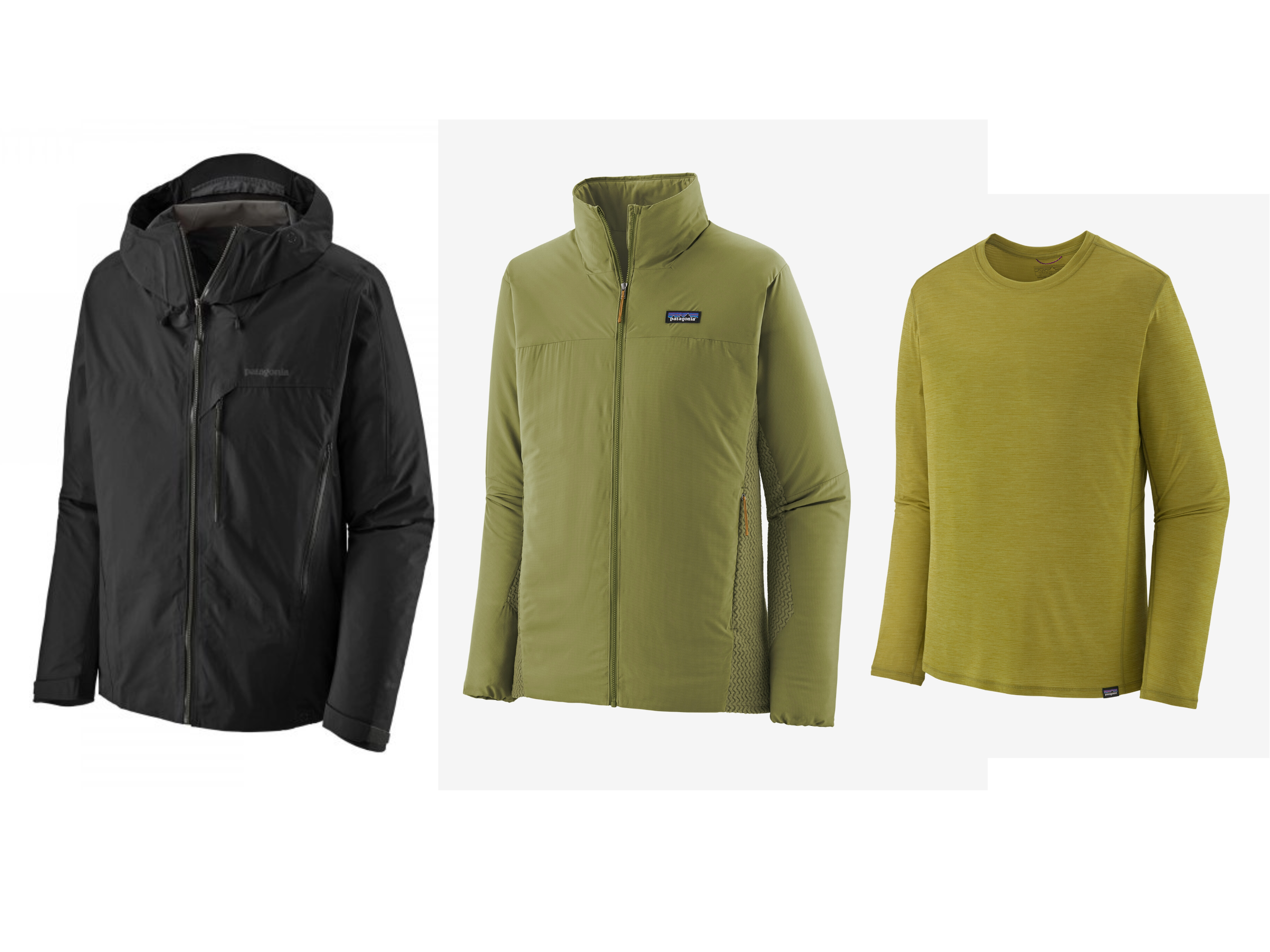
Outer layer : Patagonia | Pluma Jacket
Middle layer : Patagonia | Nano Air Light Hybrid Jacket
Base layer : Patagonia | Capilene Cool Lightweight or carry Houdini Air as a midweight windshell
Are there any other ideas you have added?
When taking a break, immediately put on insulation to keep your body warm
Reviewer:
Rhythm Works (Rhythm Works)
Ryuta Asahi
[Main guide areas] Shirakawa-go, Tateyama, Hakuba, Hirayu, Hoki-Daisen *Mainly the Hida Mountains and Ryohaku Mountains
[Profile]
Climbing mountains throughout the four seasons in tune with the rhythm of nature. A multi-talented mountain guide who conveys the charm of a wide range of mountains, from general traverses to variation routes, from river climbing to backcountry riding.
[Qualifications]
JMGA Mountain Guide Stage I
, JMGA Ski Guide Stage II
, JAN Avalanche Worker Level 2
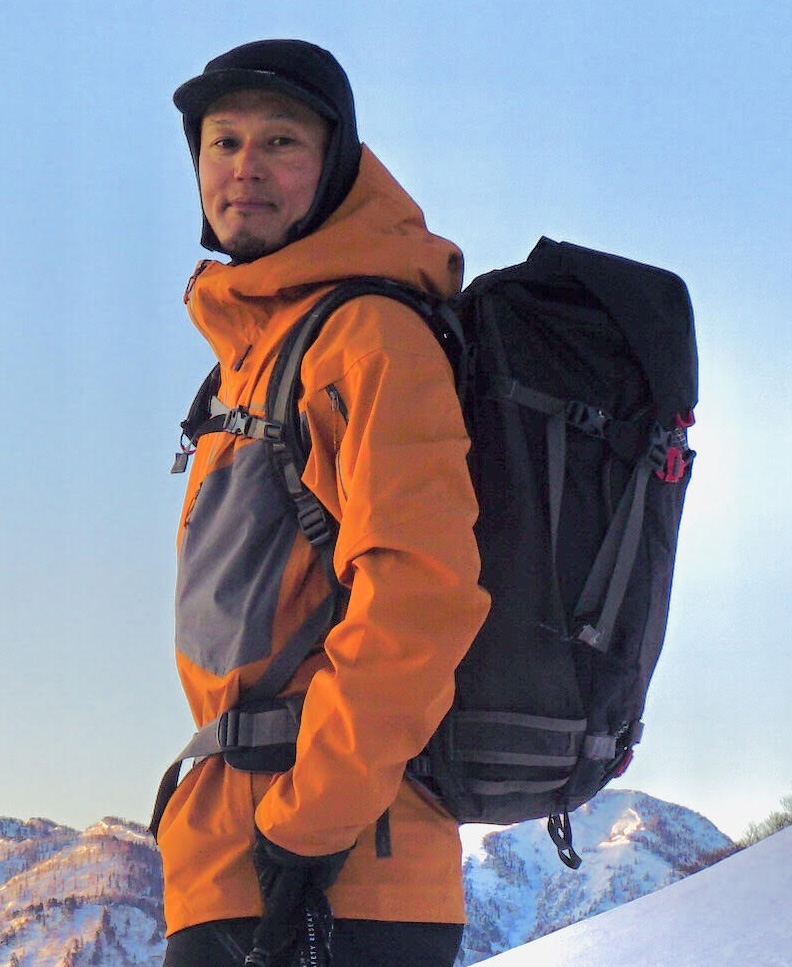
Kagura Powder Station | Kazuya Igarashi
It has good heat retention, breathability, waterproofness, etc., and can be used functionally
High season layering
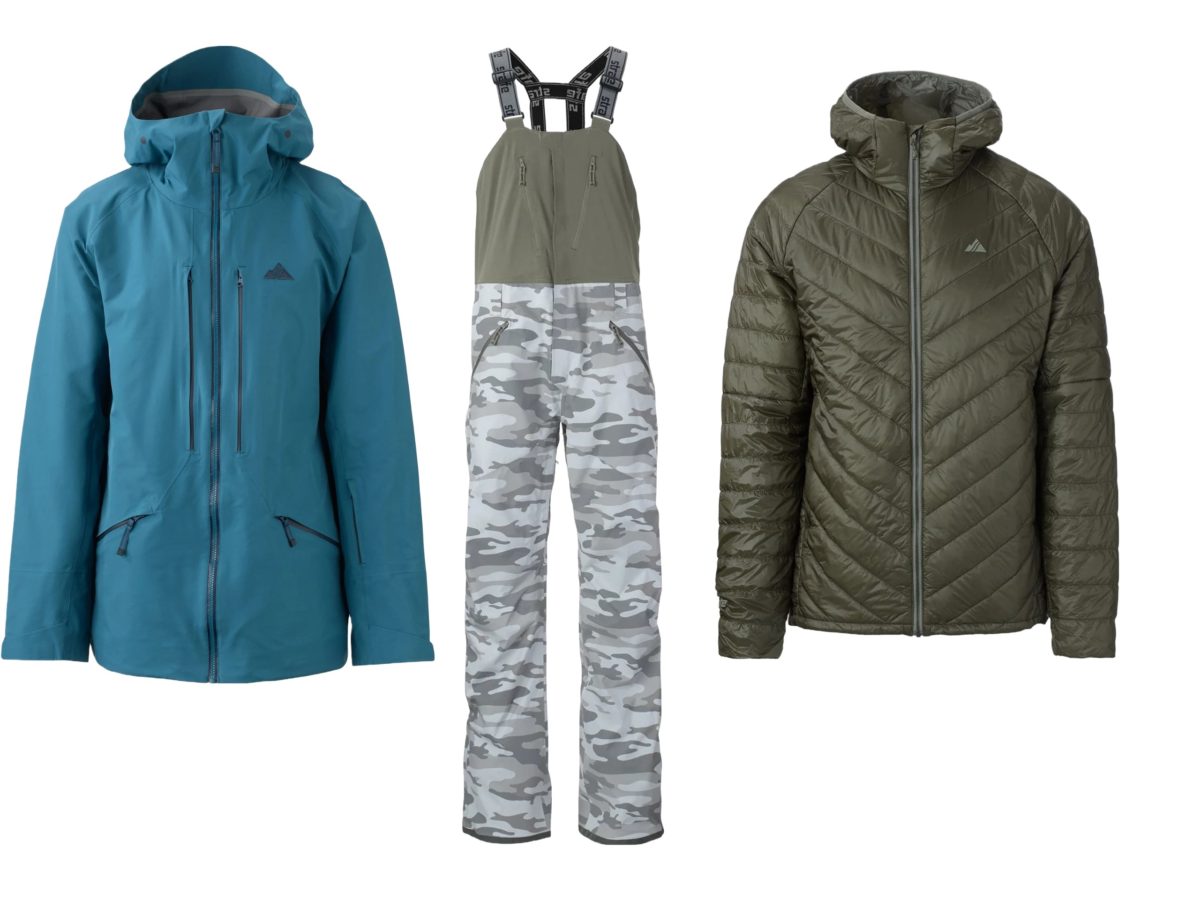
Outer layer: STRAFE | Nomad Jacket & Nomad Bib Pants
Middle layer: STRAFE | Aero Insolator
Base layer: STRAFE | Hoodie
How does it feel to use? (Impressions)
Each layer provides excellent heat retention, breathability, and waterproofing, making it highly functional. The jacket's pockets are large and easy to use even with gloves on
What about layering for spring?
A thin windbreaker is used as an outer layer, and a down jacket is always worn as an inner layer
Are there any other ideas you have added?
I always wear an inner down jacket and over mittens
Reviewer:
Kagura Powder Station
Kazuya Igarashi
[Main guide area] All directions entering from the BC gate at the summit of the 5th Romance Lift at Kagura Ski Resort / Other: Spring tours to Mt. Tateyama, Mt. Gassan, Mt. Fuji, etc.
[Profile]
After being the All-Japan Mogul Champion, he participated in the W-CAP and served as a national team coach, training Satoya, Miura, Tsukuda, Hara, and others. He worked for Yuichiro Miura and was active with Snow Dolphin. He climbed Everest with Miura in 2008. He currently supports Kagura Powder Station as a BC ski and mountain guide.
[Qualifications]
JMGA Ski Guide Stage I
, JMGA Mountain Guide Stage II
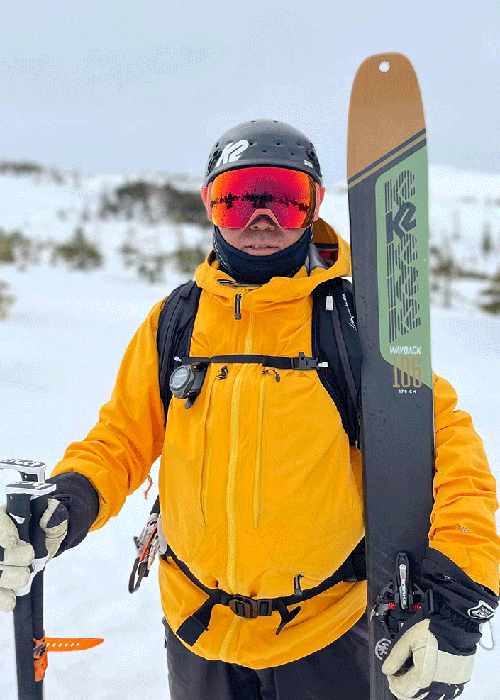
Kuroda Mountain Guide Office | Kuroda Makoto
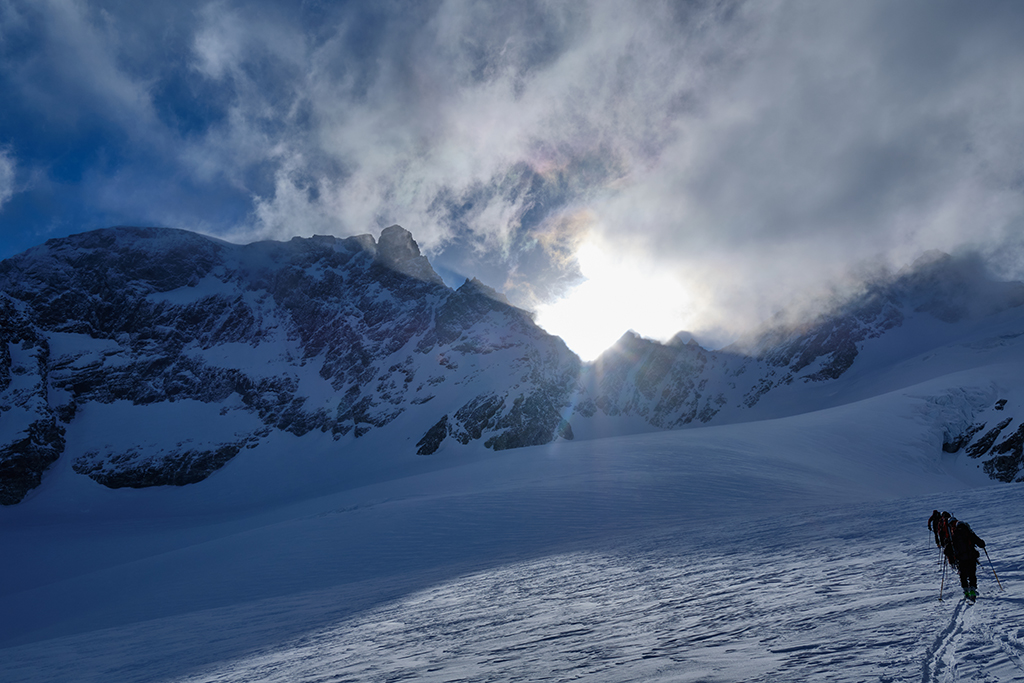
Each layer is selected and adjusted to suit your movements on the snow
High season layering
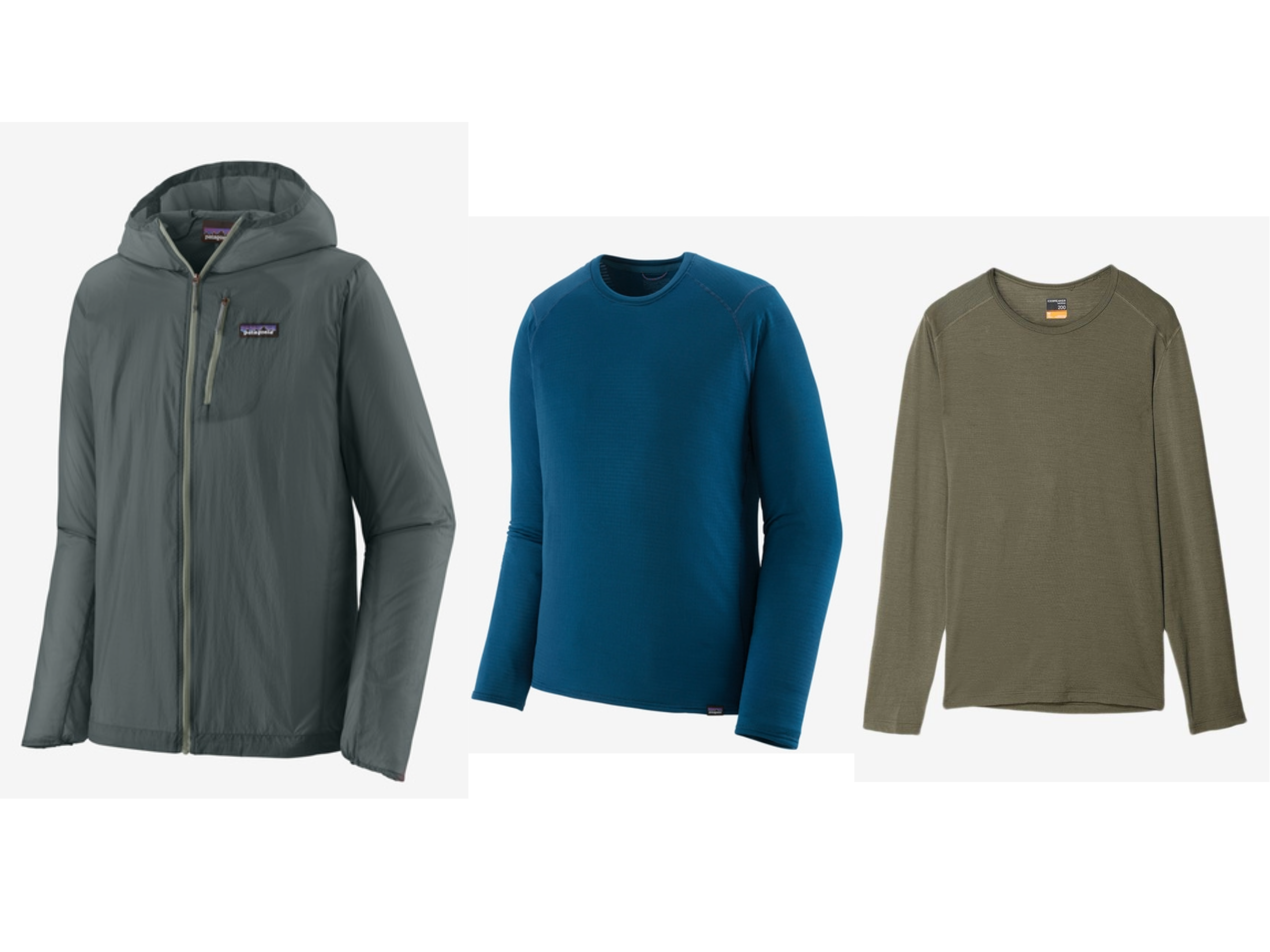
Outer layer: Patagonia Houdini Jacket.
Middle layer: Patagonia Capilene Thermal Weight.
Base layer: Icebreaker 200 Series.
How does it feel to use? (Impressions)
When ascending, I wear a combination of Patagonia's Houdini Jacket, Capilene Thermal Weight, and Icebreaker undershirt. When it's cold, I wear a Micro Puff Vest on top. I always wear a hard shell, and to avoid overheating, I often use a thin soft shell like the Houdini Jacket. Hard shells are also economical because they last longer. I
often take off my shell and carry it, so it's important that it's light and compact. Another important thing about a shell is the shape of the hood. Does it ensure visibility and breathability in strong winds? Since I'm carrying a backpack on the mountain, the powder skirt on my hard shell isn't actually necessary, so I cut it off.
What about layering for spring?
I usually wear a lightweight Icebreaker wool T-shirt and a Patagonia Airshed Pro pullover. For day trips, I use softshell pants with a light rain jacket as a backup, and for overnight stays, I use Black Diamond Activeshell pants
Are there any other ideas you have added?
I pack my synthetic jacket in a convenient location so that I can put it on first during breaks
Reviewer
Kuroda Mountain Guide Office
Makoto Kuroda
[Main guide area] Centered around Joshinetsu, we will guide you to your desired area.
[Profile]
We provide private guides for small groups, supporting original mountain trips suited to each level. We value not only skiing but also the spirit of travel.
[Qualifications]
International mountain guide
, JAN Avalanche Worker Level 2
CIRCLE GAME guide service | Shohei Sasaki
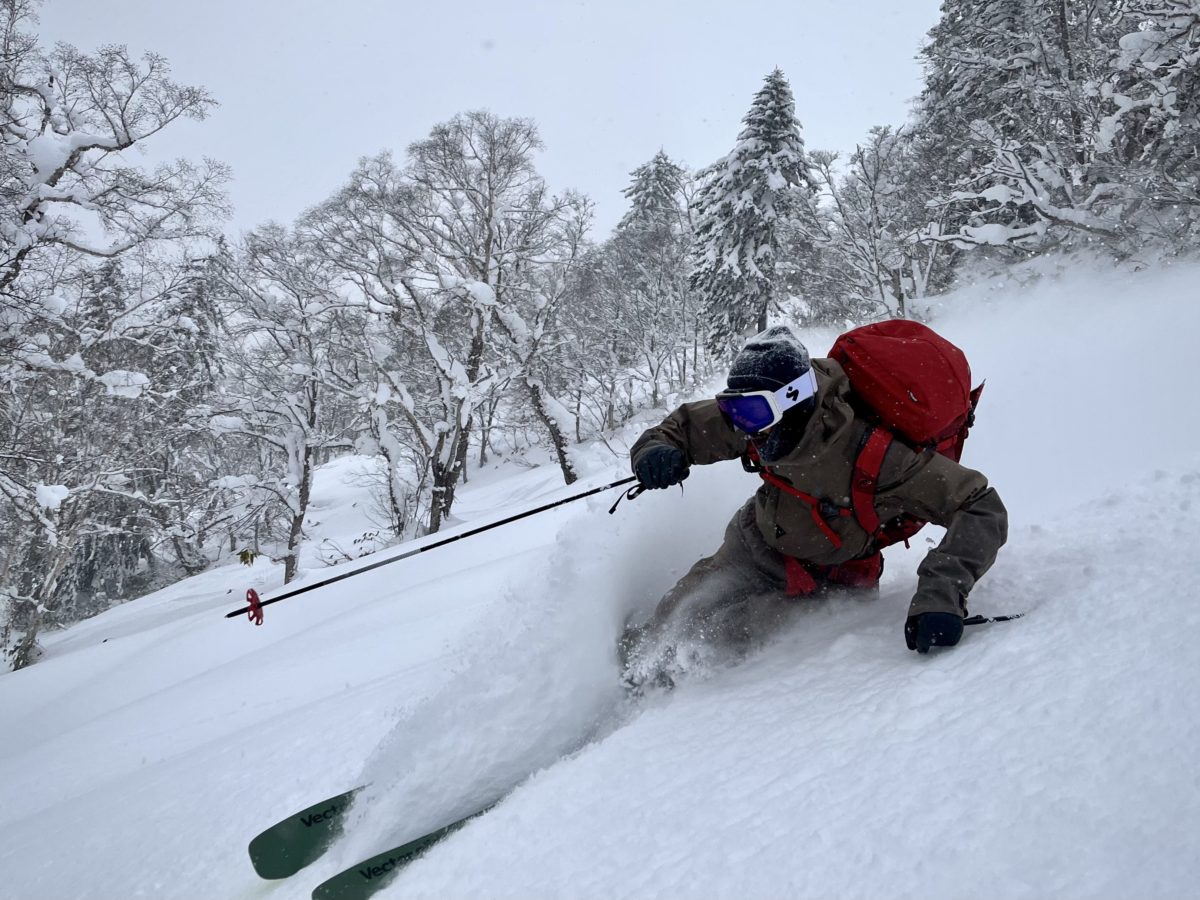
The secret to layering is not to be lazy
High season layering
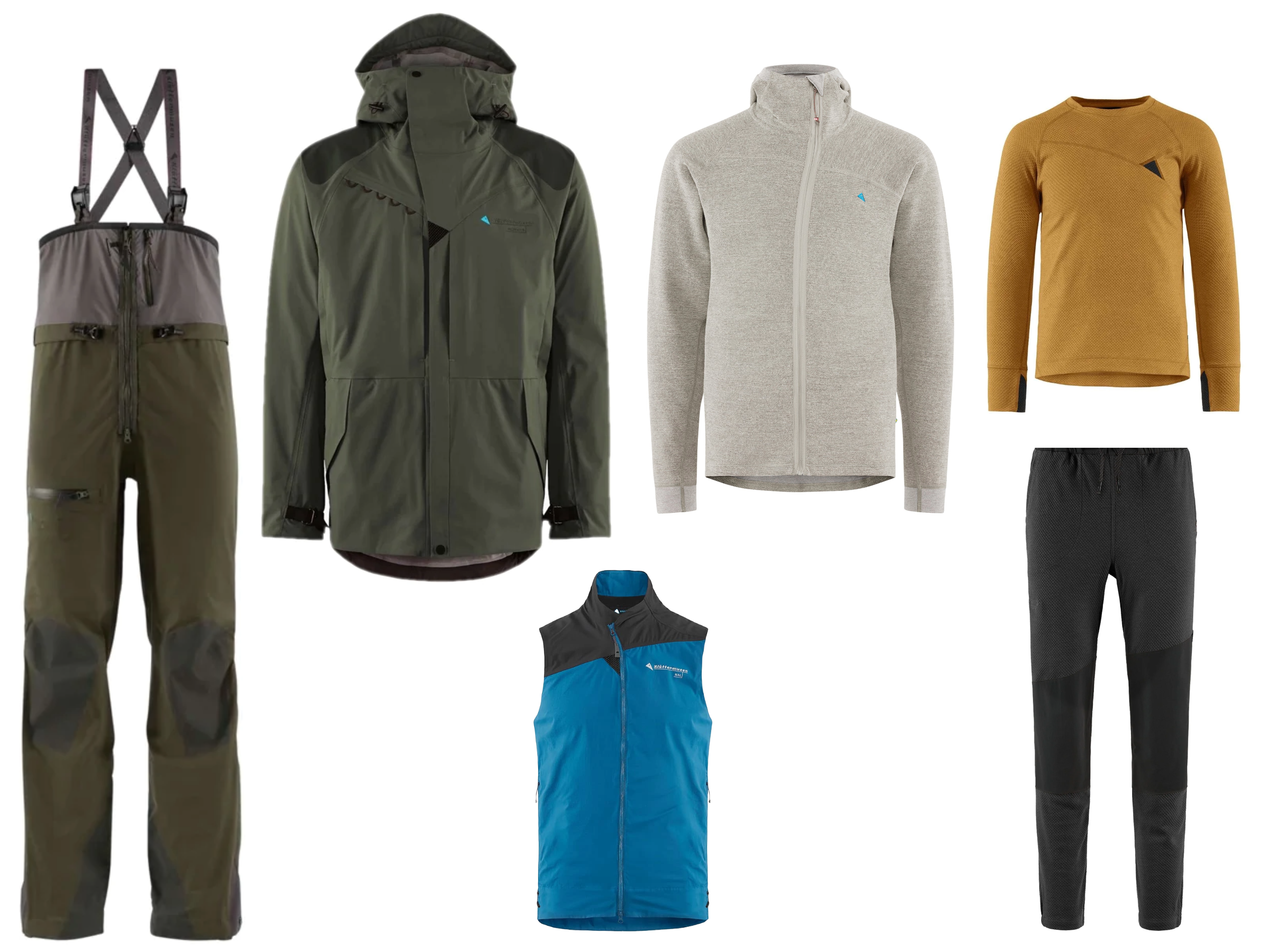
Outer layer: klattermusen | Skirner Jacket/Skade 2.0 Salopette
Middle layer: klattermusen | Hodur Hooded Zip/Nal Vest
Base layer: klattermusen | Huge Crew/Hugin Pants
How does it feel to use? (Impressions)
The outer shell is a relaxed fit and the fabric is very soft, so it's comfortable to wear all day. For the mid-layer, I combine a hoodie-type fleece with a windshell vest. I often walk at the front, breaking through the snow, so I like the ability to make precise adjustments, such as taking off the fleece and putting on a vest over my base layer to avoid overheating.
I chose the over-down jacket in a size that can be worn over the outer shell. There are many days when I can't let go of my down jacket, from when I'm getting ready to ski, to when I'm already on the slopes, and right before starting the next climb. I recommend wearing a down jacket on the outside rather than under an outer shell, as it's easier and warmer.
What about layering for spring?
I changed the top of my base layer to a light wool one, but otherwise I'm using the same clothes as I did in the high season
Are there any other ideas you have added?
It's not a trick, but if you're hot, take off your clothes immediately, and if you're cold, put them on immediately. The trick to layering is not to be lazy. Once you've mastered that, the next step is to take off your clothes if you think you're going to get hot, and put on your clothes if you think you're going to get cold. If you're hiking in the mountains and are climbing a long, steep climb or a windy ridge, be sure to be conscious of observing and predicting the route and conditions a little ways ahead
Reviewer
CIRCLE GAME guide service
Shohei Sasaki
[Main guide area] Hokkaido
[Profile]
Born in Nanae Town, Hokkaido. Based in Sapporo, he guides backcountry skiing in the winter and guides a wide range of Hokkaido's natural scenery in the summer. He likes to combine climbing and skiing.
[Qualifications]
JMGA Mountaineering Guide Stage II
, JMGA Ski Guide Stage II
Power Zone Hakuba | Mamoru Takahashi
My beloved MAMMUT: different outfits for high season and spring
High season layering
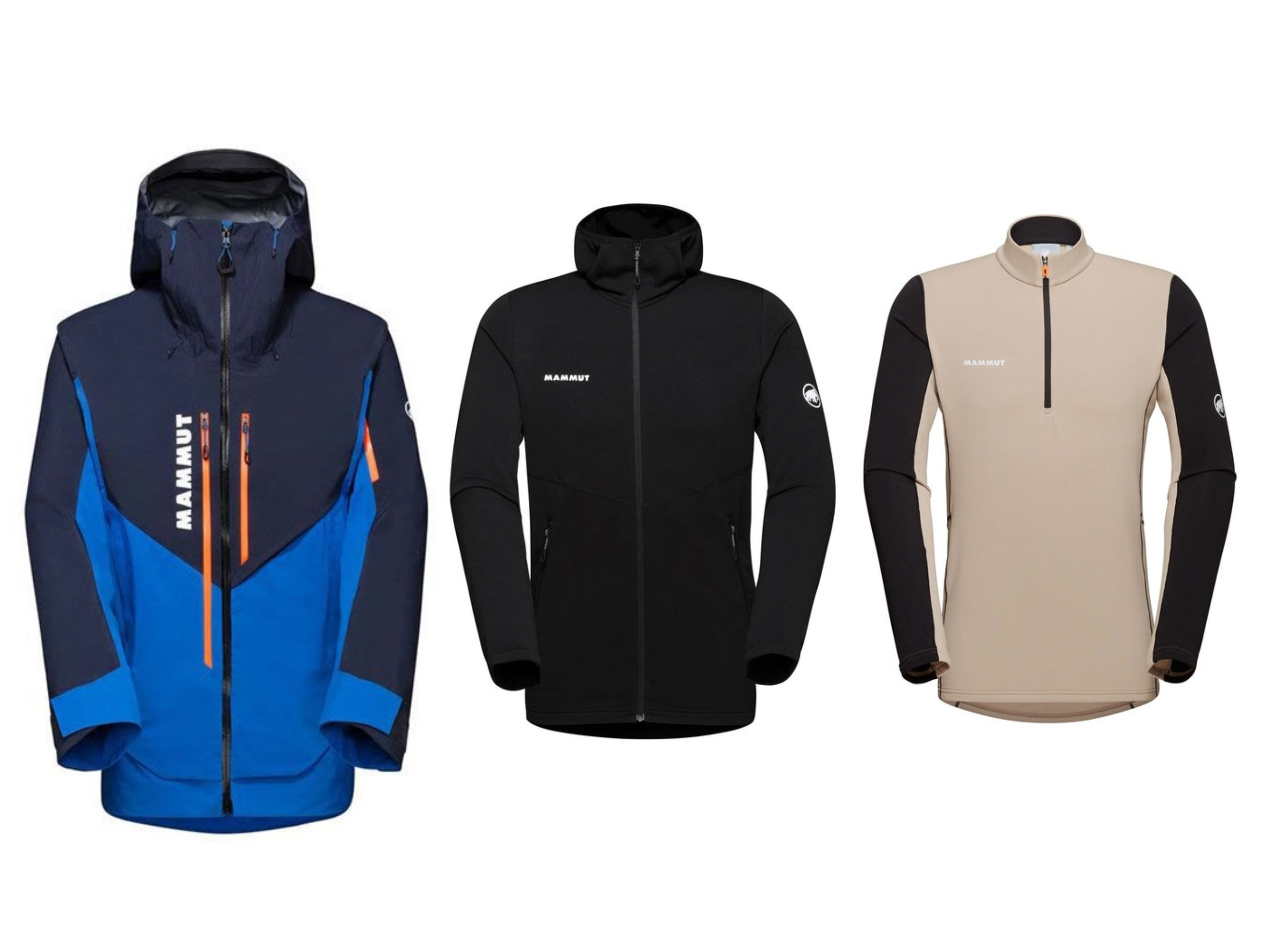
Outer layer: MAMMUT|La Liste HS Hooded Jacket
Middle layer: MAMMUT|Aconcagua ML Hooded Jacket
Base layer: MAMMUT|Aenergy ML Half Zip Pull
How does it feel to use? (Impressions)
The outer layer for the high season is made of Gore-Tex, and I like the design that is the most typical of Mammut.
For the mid-layer and base layer, this Loft is sufficient for the cold weather of Hakuba, and it is easy to use as it wicks away sweat.
What about layering for spring?
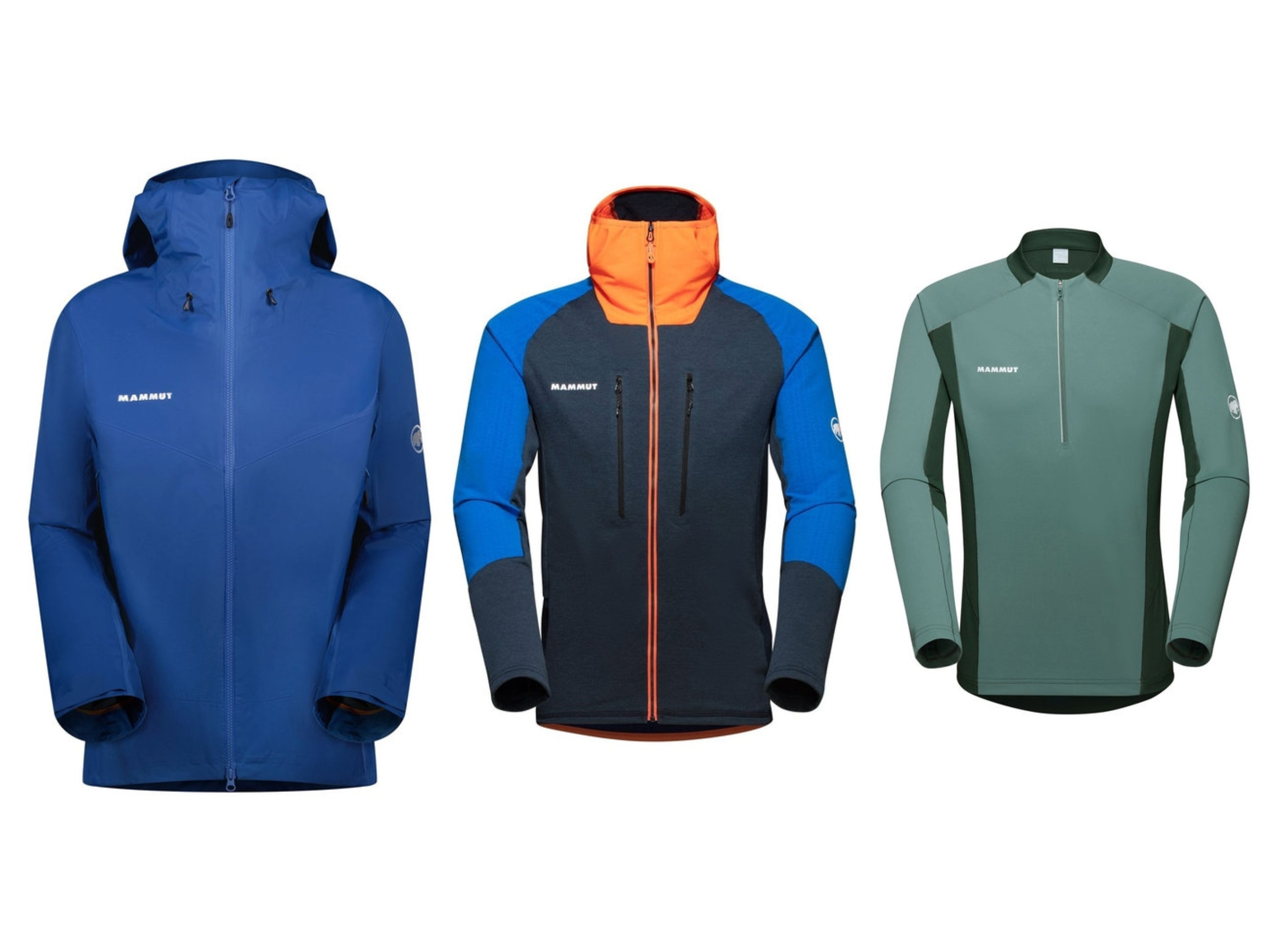
Outer layer: MAMMUT Crater Light HS Hooded Jacket;
Mid layer: MAMMUT Eiswand Advanced ML Hooded Jacket;
Base layer: MAMMUT Aenergy FL Half Zip Longsleeve
Are there any other ideas you have added?
During the harsh winter, I generally adjust my layering so that I can climb without taking off my outer layer, and if it's cold, I put on insulation over my outer layer
Reviewer
POWERZONE
Hakuba Mamoru Takahashi
[Main guiding area] Hakuba, Otari
[Profile]
As a backcountry guide and ski coach, he travels all over Japan as a mountain guide in the summer, supporting the power zone. He fell in love with the scenery of Hakuba in Shinshu and settled in Hakuba, where he devotes his days off to training to improve his skills.
[Qualifications]
JMGA Ski Guide Stage II
, JMGA Mountaineering Guide Stage II
, SAJ Ski Instructor
BLUECLIFF|Tomoo Takimoto
Emphasis on comfort, with both heat retention and breathability
High season layering
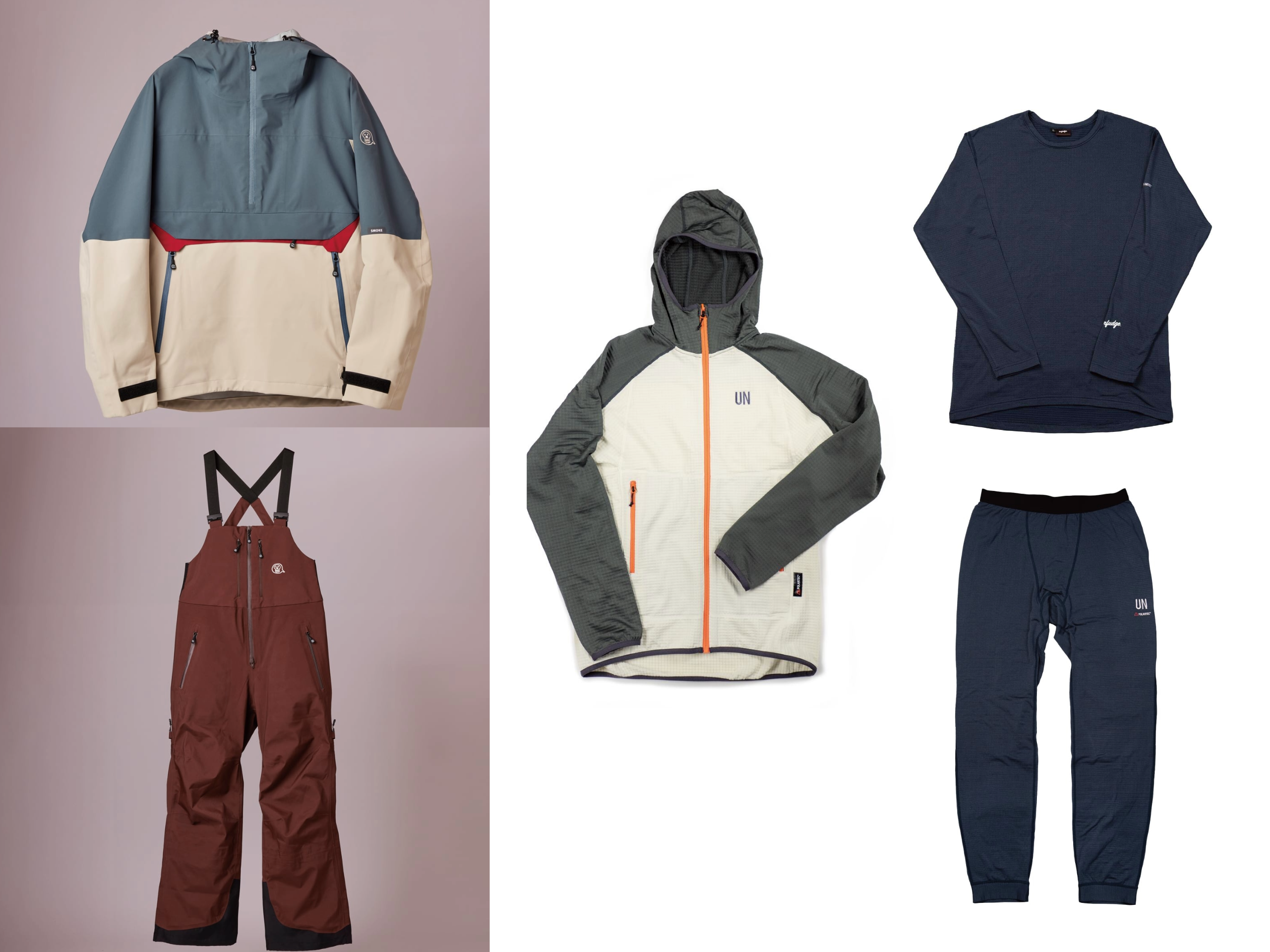
Outer layer: unfudge | SMOKE ANORAK& PEEP BIB PANTS
Middle layer: unfudge | UN2100
Base layer: unfudge | UN1000・UN1050
How does it feel to use? (Impressions)
My favorite feature of the anorak is the large Doraemon pocket. The side zipper opens wide, providing excellent ventilation. The bib pants have excellent heat retention and convenient chest pockets. There are slits that allow you to reach your hands from the anorak into the bib pockets. The mid-layer has a grid design that provides both heat retention and breathability, and the hoodie allows for quick adjustments depending on the weather. The first layer also has a grid design that provides excellent heat retention, breathability, and comfort
What about layering for spring?
The outerwear will be soft shell type for both the top and bottom to be able to adapt to changes in temperature. If it looks like it might rain, a hard shell may also be used
Are there any other ideas you have added?
I love Dynafit's insulated pants, which have a full zipper and can be put on and taken off under the outer pants
Reviewer:
Michio Takimoto, BLUECLIFF
[Main guide area] Hakuba Otari, Northern Alps, Hokkaido
[Profile]
At the age of 19, he became interested in climbing, starting with the Mont Blanc Major Route and the North Face of the Drus. Since then, he has been active throughout the country, focusing on free climbing and backcountry snowboarding. In 2000, he moved to Hakuba Village and began working as a mountain guide.
[Qualifications]
UIAGIM
, IFMGA International Mountain Guide
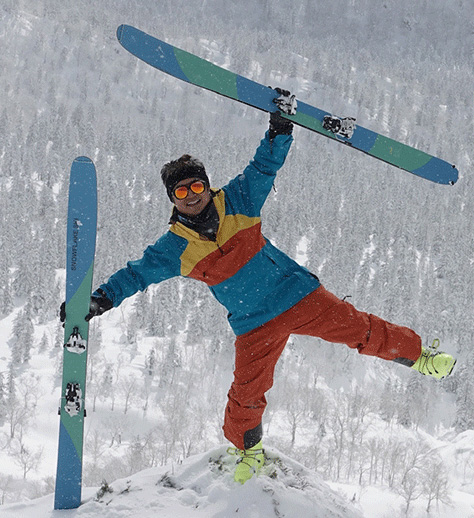
Daichi Trui
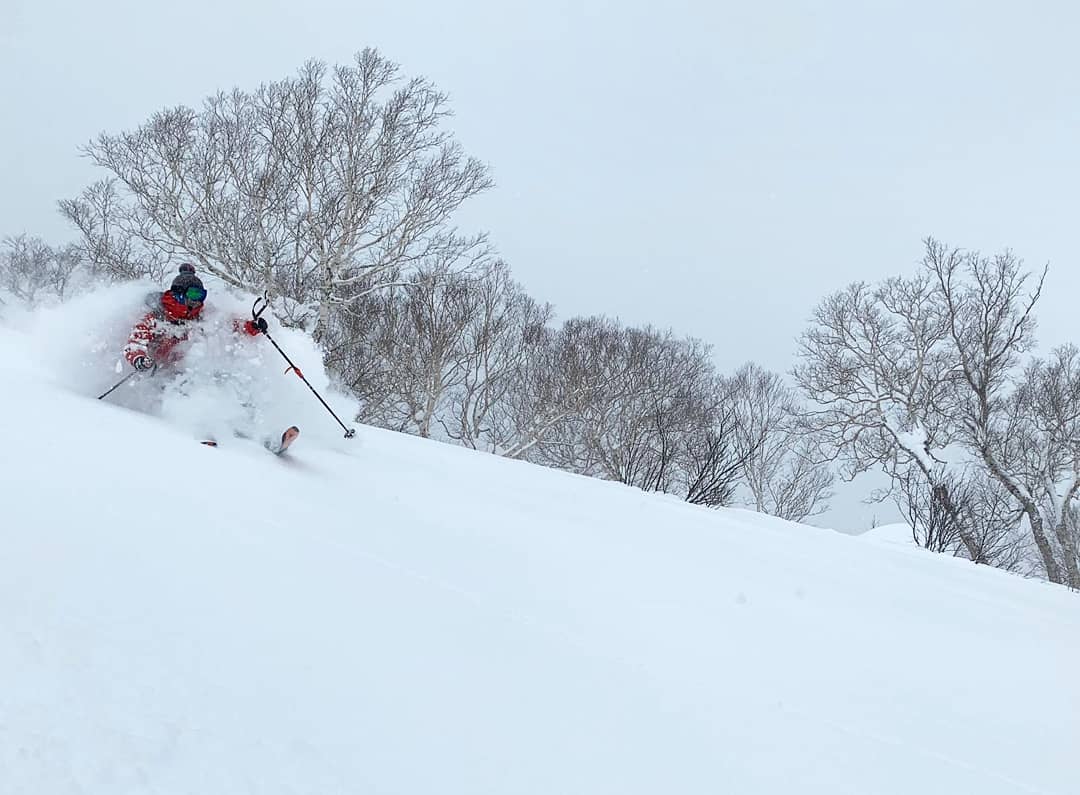
Assuming you'll sweat, wear a base layer that provides minimal warmth and dries quickly
High season layering
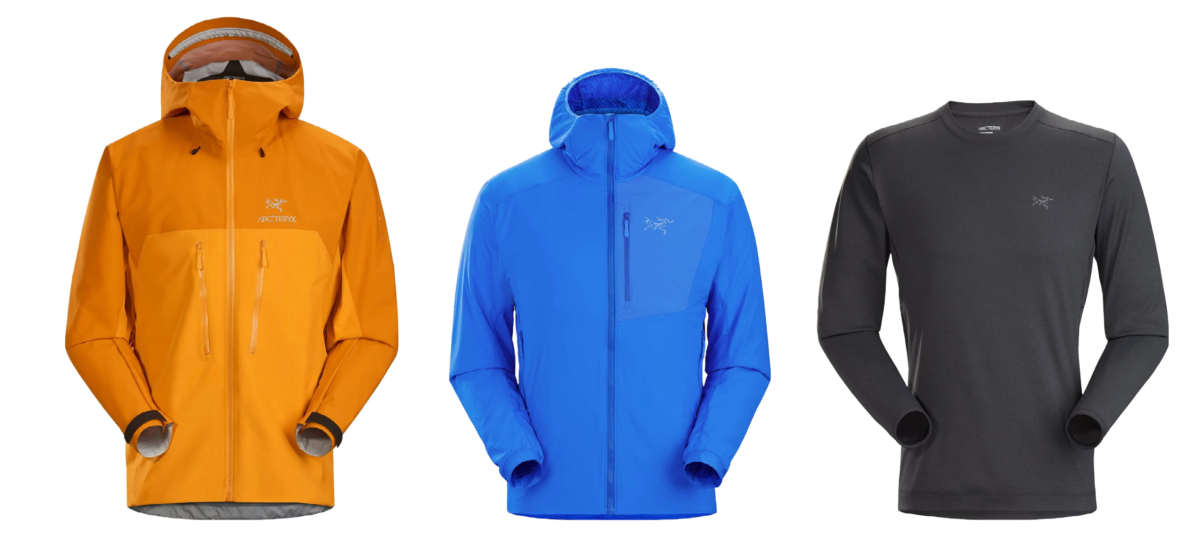
Outer layer: Arc'teryx Alpha Jacket
Middle layer: Arc'teryx Proton Lightweight Hoody
Base layer: Arc'teryx Lo LT Hoody
How does it feel to use? (Impressions)
I don't want to get too cold from sweat, so my basic outfit consists of underwear, a mid-layer, and a shell. If it's cold, I'll wear synthetic insulation over the shell. I sweat a lot when treking in deep snow, so I need a quick-drying base layer, and a mid-layer that's both warm and breathable. I choose a shell that's soft and strong
What about layering for spring?
Since this is a season with large temperature fluctuations, there is no set layering, but I tend to use soft shells a lot
Are there any other ideas you have added?
When hiking, I assume I'll sweat, so I only wear the minimum amount of insulation. When I'm resting or when it gets cold, I wear the Arc'teryx Nuclei SV that's in my backpack
Reviewer
Daichi Terui
[Main guide area] All of Hokkaido
[Profile]
Aspiring to become a mountain guide while attending university, he studied under international mountain guide Hirofumi Ishizaka. Upon graduating from university, he became a certified guide of the Japan Mountain Guides Association and began guiding. As part of his own activities, he has experienced heli-ski guide training in Northern Europe, mountaineering in the European Alps, and ski touring since his early twenties.
[Qualifications]
JMGA Mountain Guide Stage I
, JMGA Ski Guide Stage II
, and JAN Avalanche Worker Level I.
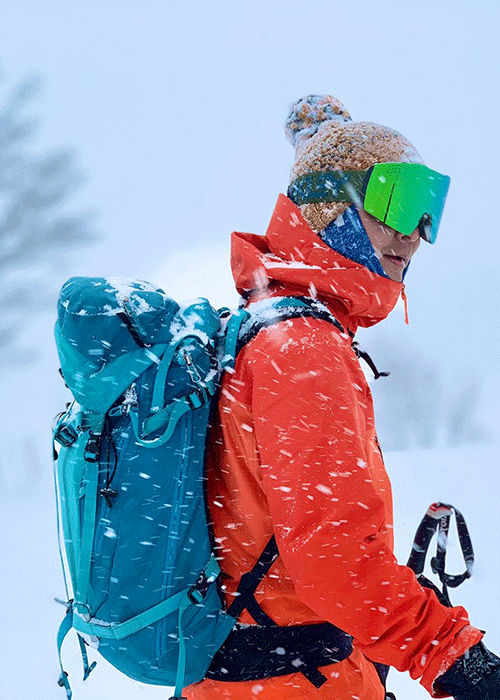
COLOR SPORT CLUB |Tomohiro Sagawa
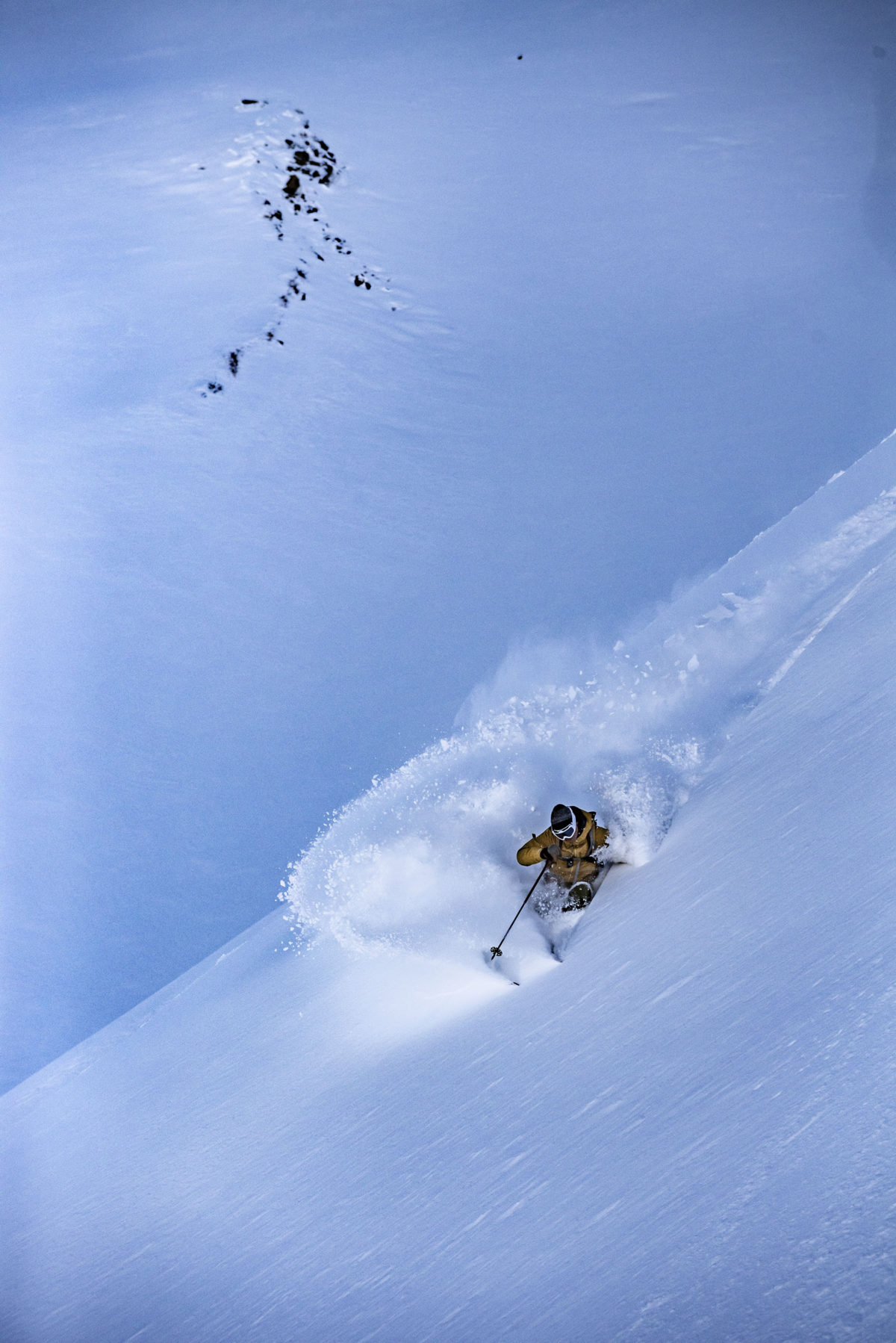
Enjoy a great skiing experience with this layering!
High season layering
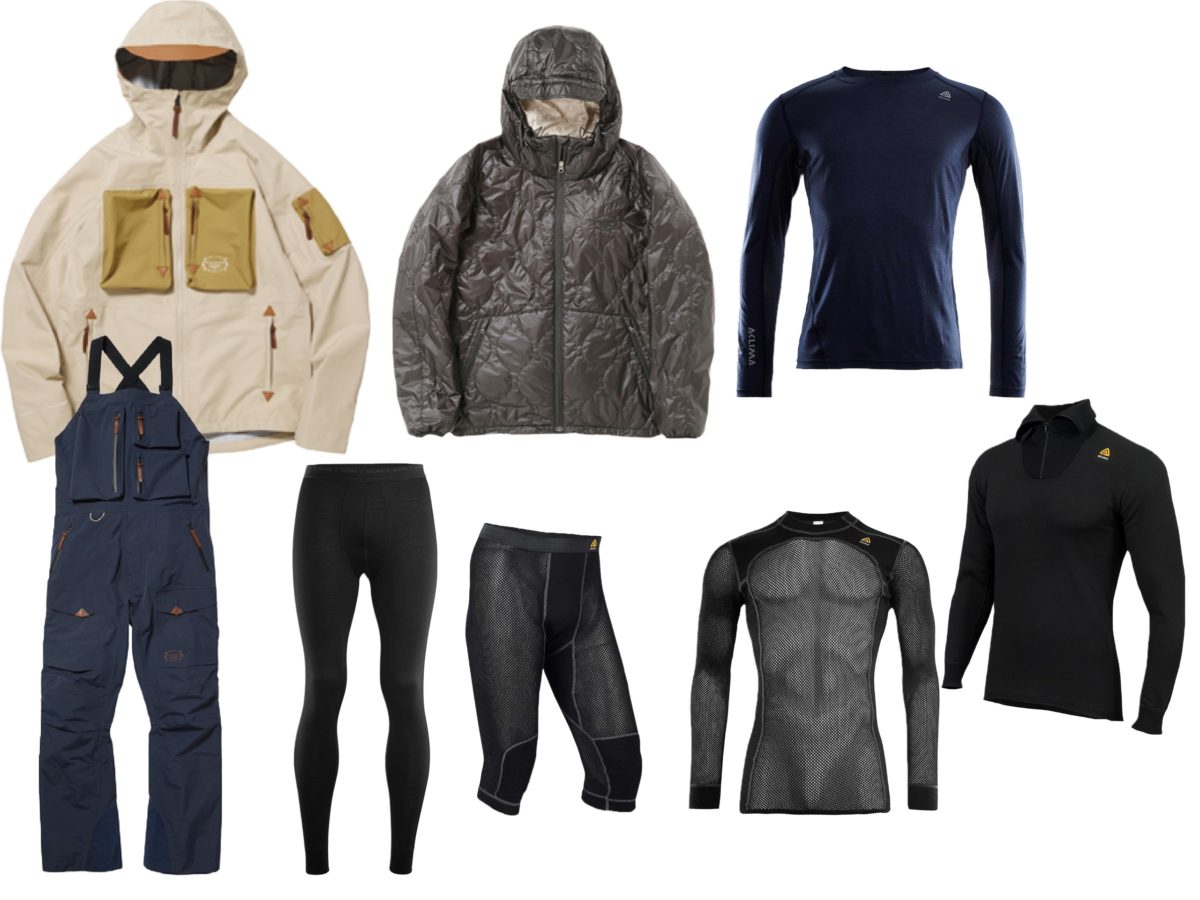
Outer layer: PERMANENT UNION |KOVAL JACKET & KOVAL BIB PANTS
Middle layer: AKLIMA|HotWool Polo W/Zip+PERMANENT UNION|scapa jacket
Base layer: AKLIMA|WoolNet Crew Neck & WoolNet 3/4 Longs+ LightWool Sports Shirt&LightWool Longs
How does it feel to use? (Impressions)
The base absorbs sweat and lets it escape, leaving no room for reversal. The wool mid-layer is soft to the touch and moves with your body effortlessly, the synthetic cotton jacket also functions as a wind shell, and the PERMANENT UNIO outer layer adds elegance to your life on the snow. This will be a wonderful skiing experience
What about layering for spring?
The basic layering is as above, but each layer should be thin
Are there any other ideas you have added?
Keep your head warm, including your ears, wear overgloves on your hands, and if you are going to be doing something for a long time, wear a synthetic cotton jacket over the outer shell to increase breathability and keep your body humid and comfortable
Reviewer
COLOR SPORT CLUB
Tomohiro Tonegawa
[Main guiding areas] Hakuba Valley (Hakuba, Otari, Omachi) / Others: Tateyama, Senjojiki, Myoko, Mt. Fuji
[Profile]
A pioneer who built the backcountry scene that continues to this day. Since the early 90s, he has turned his attention to areas outside the slopes, pioneering the mountain ski scene in the harsh winter. Even after achieving the development of the entire Hakuba area, which is synonymous with his name, his pioneering work continues.
[Qualifications]
JMGA Mountain Guide Stage II
, JMGA Ski Guide Stage II
, JAN Avalanche Worker Level 2
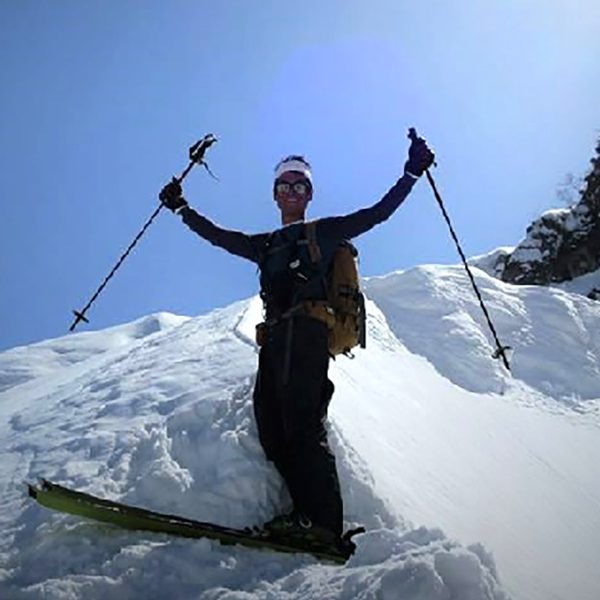
JUNRINA mountain service|Jun Nagai
He loves Arc'teryx, a brand made with layering in mind
High season layering
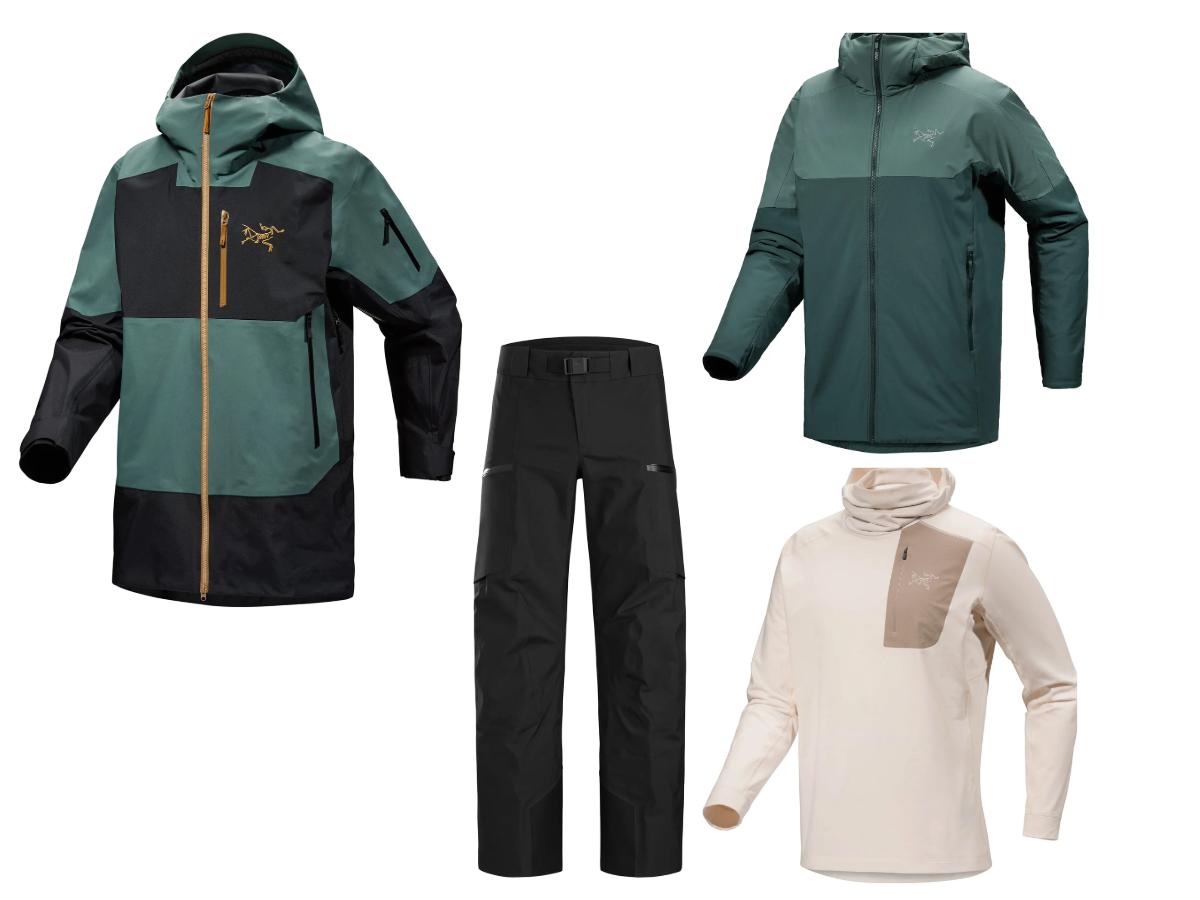
Outer layer: Arc'teryx Sabre SV Jacket + Sabre Pants
Middle layer: Arc'teryx Sabre Insulated Midlayer
Base layer: Arc'teryx Low LT Hoody
How does it feel to use? (Impressions)
The best thing about Arc'teryx is its style. The three-dimensional cut is excellent and does not hinder movement when skiing or hiking. It
keeps your body dry even in wet snow or rain, and it feels like a wearable shelter. It has excellent windproof performance and is comfortable even in blizzards.
What about layering for spring?
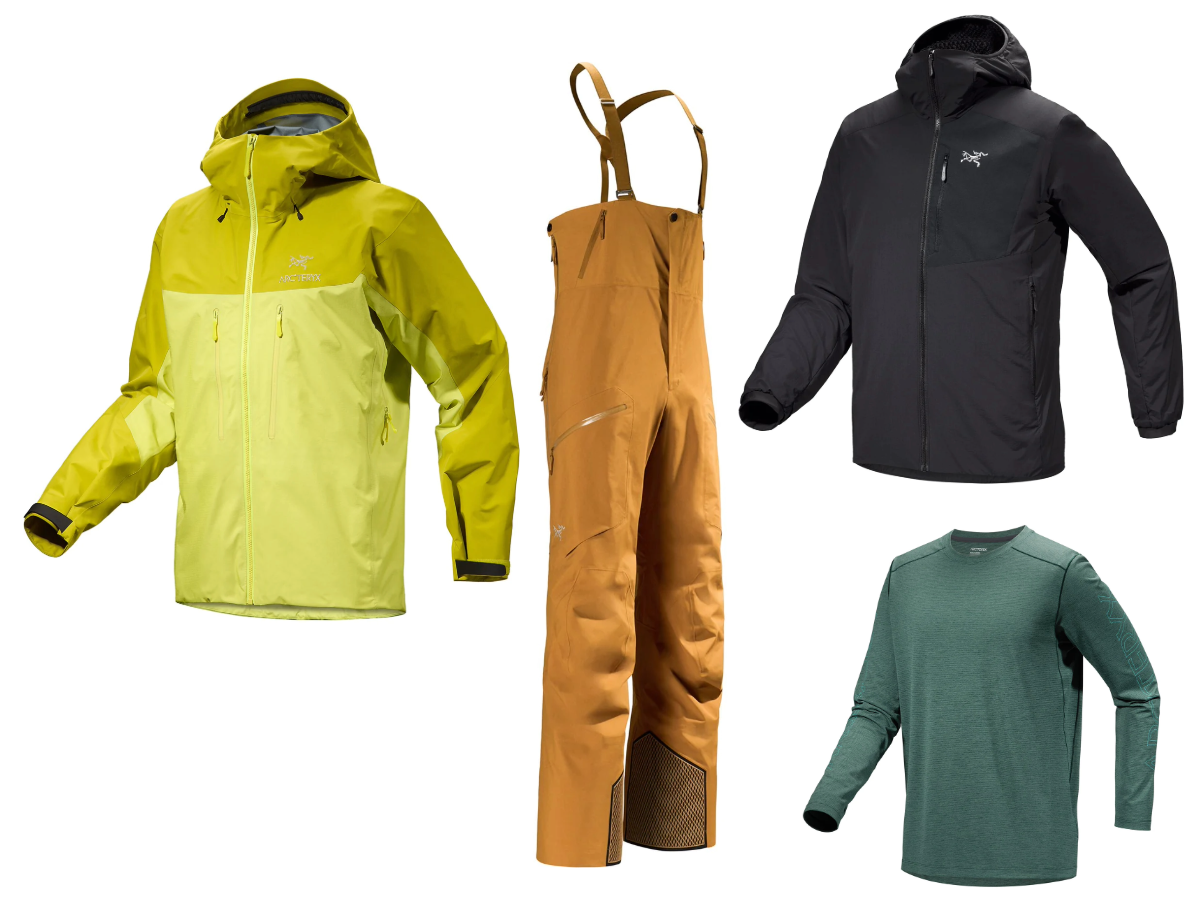
Outer layer: Arc'teryx Alpha Jacket + Rush Bib Pants
Middle layer: Arc'teryx Proton Lightweight Hoodie
Base layer: Arc'teryx Cormac Arcward Long Sleeve Shirt
Are there any other ideas you have added?
I use the Proton LT Hoody as a mid-layer, which is good at wicking sweat and retaining heat. I also compress the Nuclei SV Parka and keep it in my pack as an emergency cold weather garment
Reviewer
JUNRINA mountain service
Jun Nagai
[Main guide areas] Kagura BC, Echigo Yuzawa BC, Tateyama BC
[Profile]
After quitting his job and working at Tateyama Raichoso while undergoing guide training, he started working as JUNRINA mountain service in 2010. He has many experiences on overseas backcountry trips. In summer and autumn, he works as a mountain guide mainly in the Alps and Joshinetsu, and in winter and spring as a backcountry ski guide.
[Qualifications]
JMGA Mountain Guide Stage III
, JMGA Ski Guide Stage II
, JAN Avalanche Worker Level 1
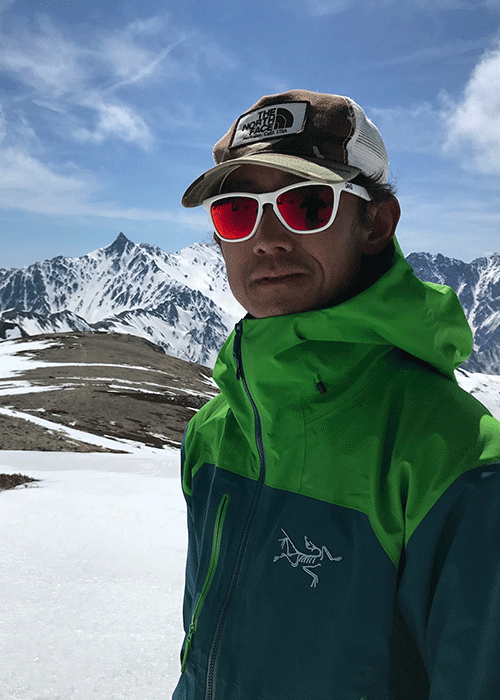
RIKI JAPOW GUIDE | Riki Nakajima
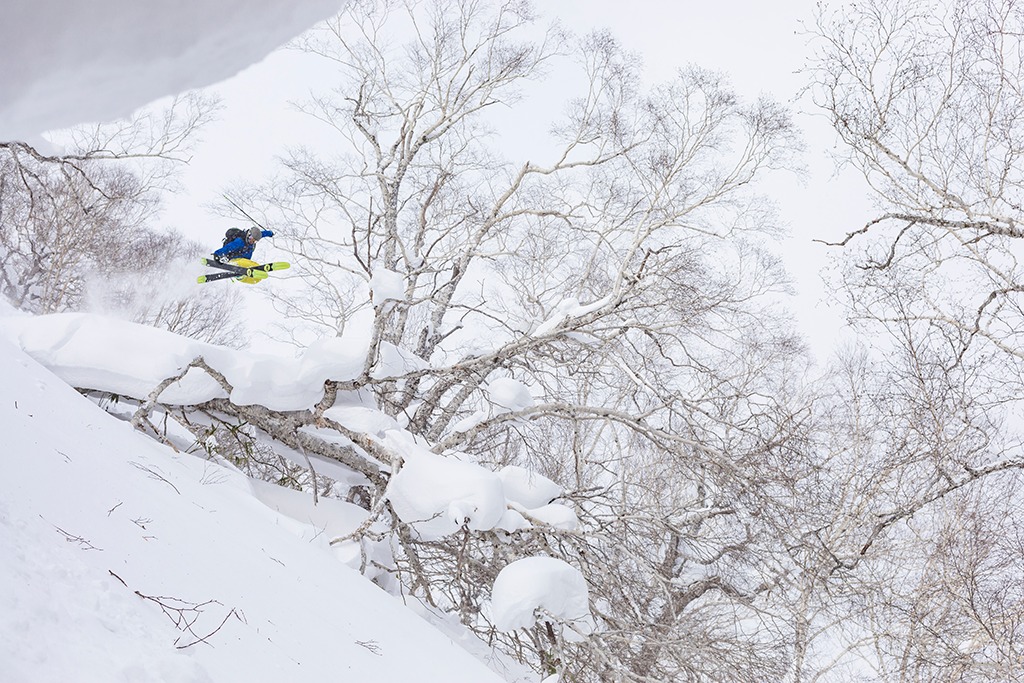
It's definitely wool that touches your skin!
High season layering
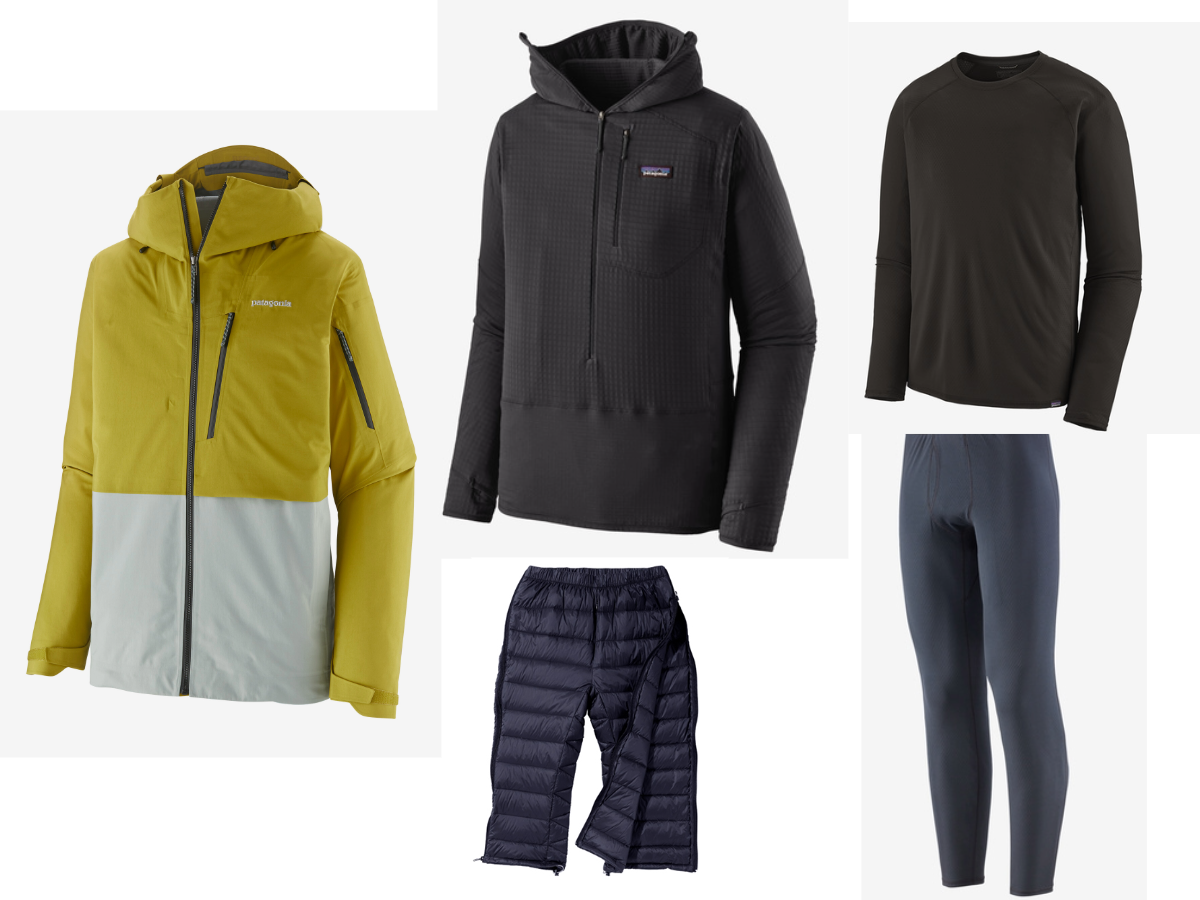
Outer layer: Patagonia Untracked Jacket.
Middle layer: Patagonia R1 Pullover Hoody.
Base layer: Patagonia Capilene Air Cool
Puromonte Down Jacket, 3/4 Length, Fully Open.
How does it feel to use? (Impressions)
It's lightweight and compact, yet has sufficient heat retention. It's definitely wool that touches your skin!
What about layering for spring?
All Patagonia ultra-thin wool short-sleeve shirts. Capilene Air Hoody for cold weather.
Houdini Jacket for wind protection.
Are there any other ideas you have added?
Adjust your clothing as you go so that you don't get cold or sweat. It's important to take off and put on clothes frequently
Reviewer
RIKI JAPOW GUIDE
Riki Nakajima
[Main guiding areas] Around Tomamu, around Furano, around Asahikawa / Others: Niseko, Rusutsu, Nozawa Onsen
[Profile]
Obtained CSIA instructor qualification in Whistler, Canada, and became the first Japanese to be certified as a CFSA freeski instructor. After participating in numerous freeski competitions, he expanded his activities to the backcountry. He currently provides guides and lessons based at Hoshino Resort Tomamu Ski Resort.
[Qualifications]
JMGA Mountaineering Guide Stage II
, JMGA Ski Guide Stage II
, JAN Avalanche Worker Level 1
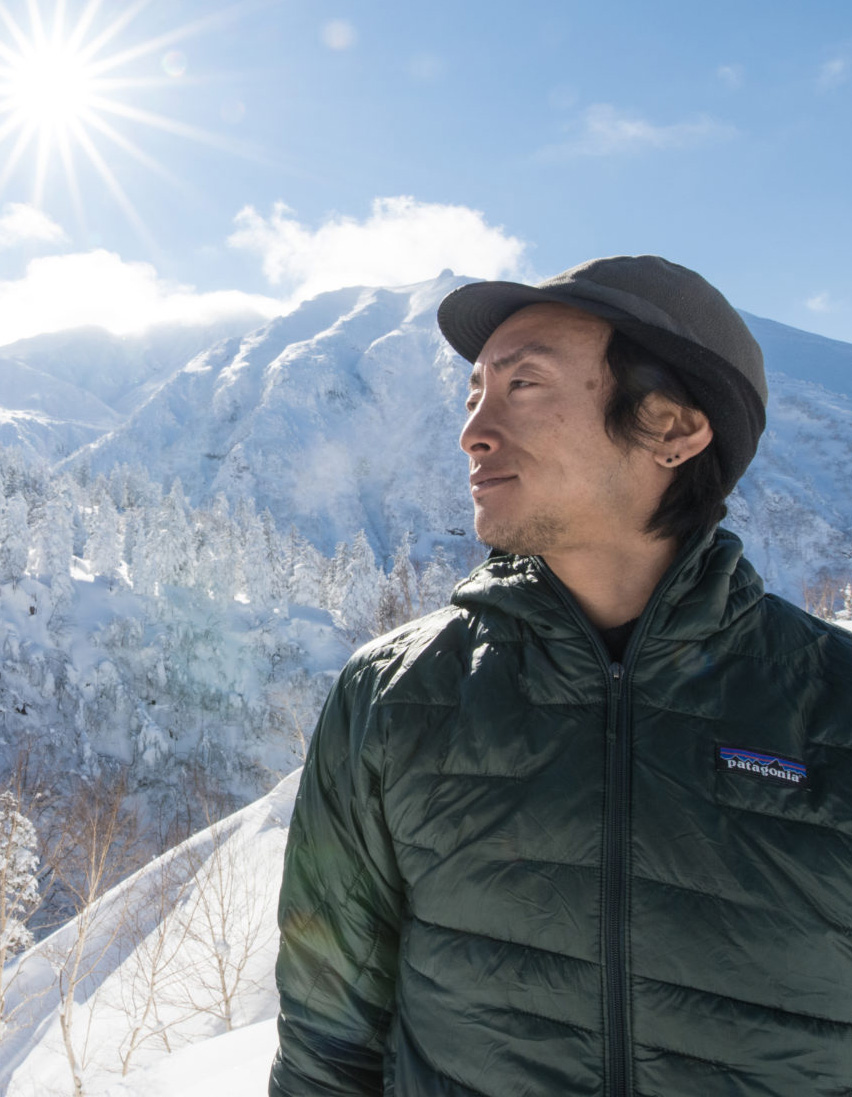
Infield |Toyo Nakano
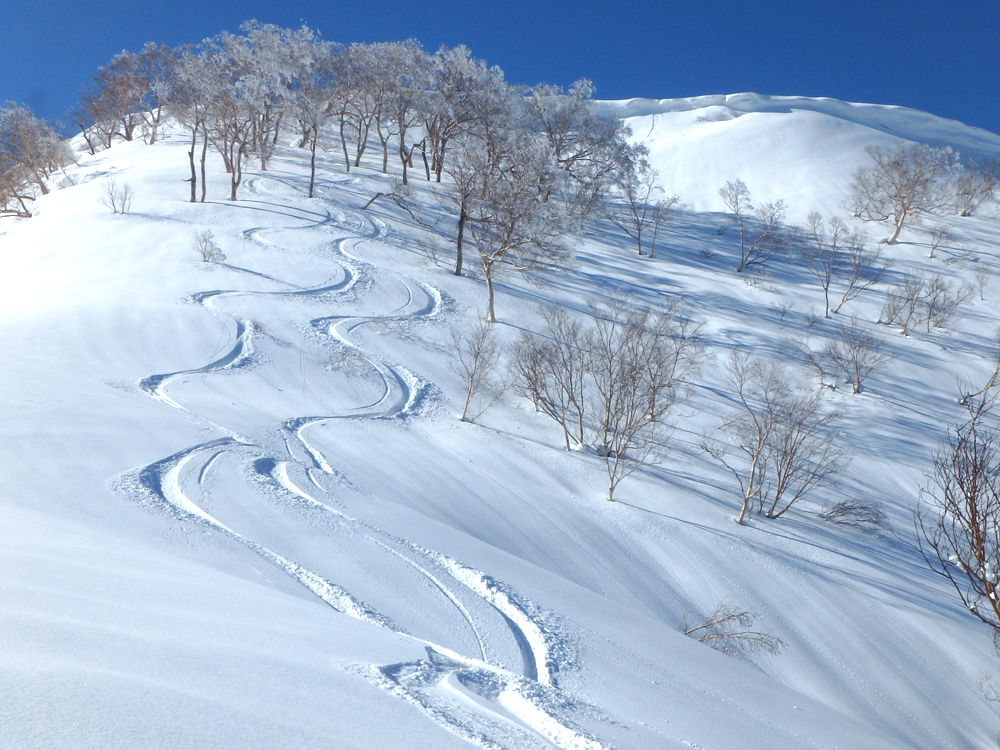
Use synthetic or wool base layers depending on the type of tour
High season layering
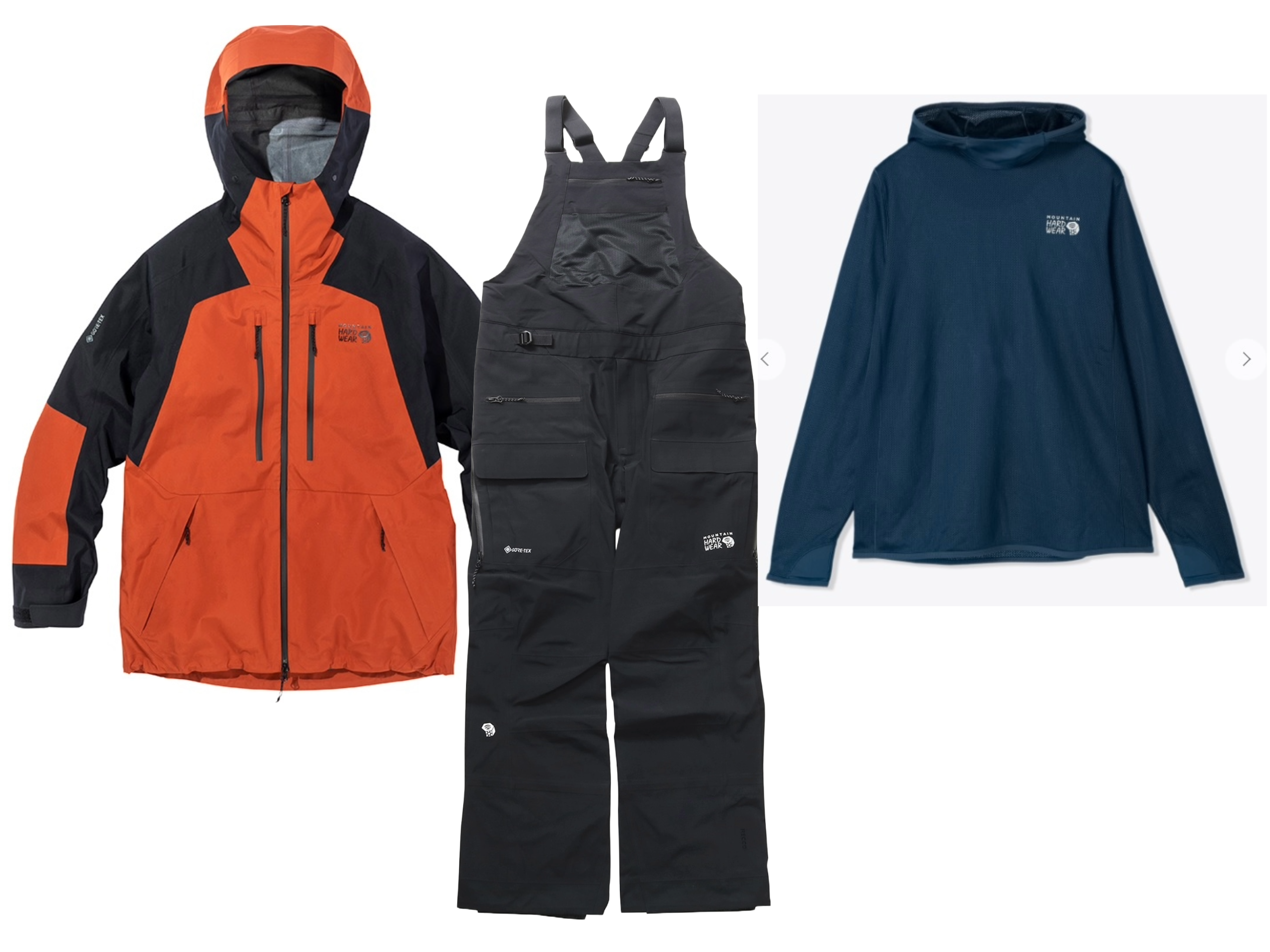
Outer layer: MOUNTAIN HARDWEAR | Boundary Ridge Gore-Tex Jacket & Bib
Middle layer: MOUNTAIN HARDWEAR | Core Air Shell Warm Jacket
Base layer: MOUNTAIN HARDWEAR | Air Mesh Hoody
How does it feel to use? (Impressions)
Since I'll be using it for many days, durability is a priority for my outerwear. In the harsh winter, pants have excellent heat retention, and I use bibs that prevent snow from getting in. For mid-layers, I prefer a model that keeps me warm but also allows sweat to escape, reducing the number of times I need to adjust my clothing. The padding is synthetic, so I don't have to worry too much about it getting wet.
For base layers, I use either synthetic or wool, depending on the type of tour. Air mesh hoodies combine the contradictory functions of fleece lining for warmth and mesh for breathability, and are my most frequently used piece of clothing these days.
What about layering for spring?
In early spring, temperatures are higher than in the depths of winter, so I use a thin outer layer and combine it with a model that is resistant to sweat and rain, but it's also important to be able to handle sudden drops in temperature
Are there any other ideas you have added?
I always carry a thin down jacket or wind shell that I can quickly put on when I take a break. Recently, there has been an increase in models that are good at wicking sweat, both for cold weather and wind protection, so I use those
Reviewer
Infield
Toyokazu Nakano
[Main guide areas] Myoko, Kubiki area, Hokushin / Other: Mt. Tateyama, Mt. Chokai, etc.
[Profile]
After moving to Myoko Kogen and gaining 10 years of experience, he started "Infield" in 2006. He currently works as a backcountry tour guide and telemark ski instructor in the winter, and as a mountaineering/trekking guide and sea kayak guide in the summer.
[Qualifications]
JMGA Ski Guide Stage II
, JAN Avalanche Worker Level 2
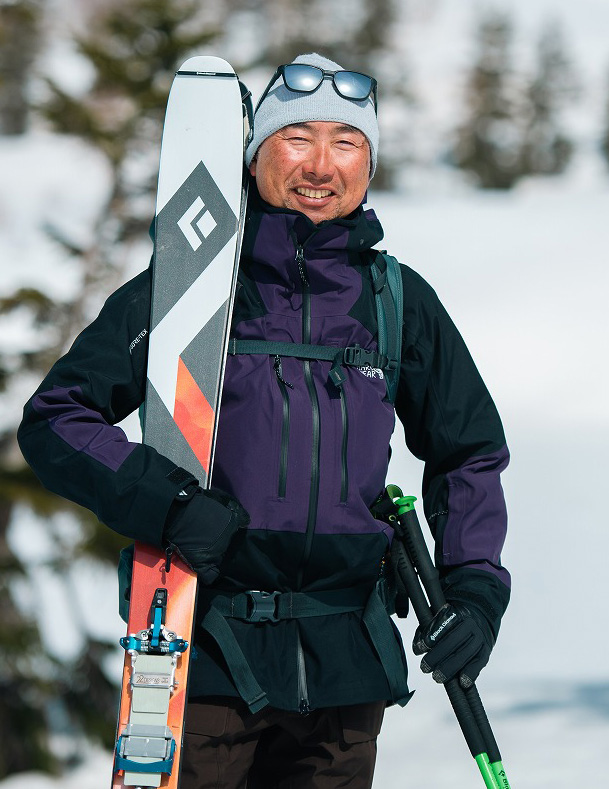
Mountain Guide Coyote | Ryuta Furuichi
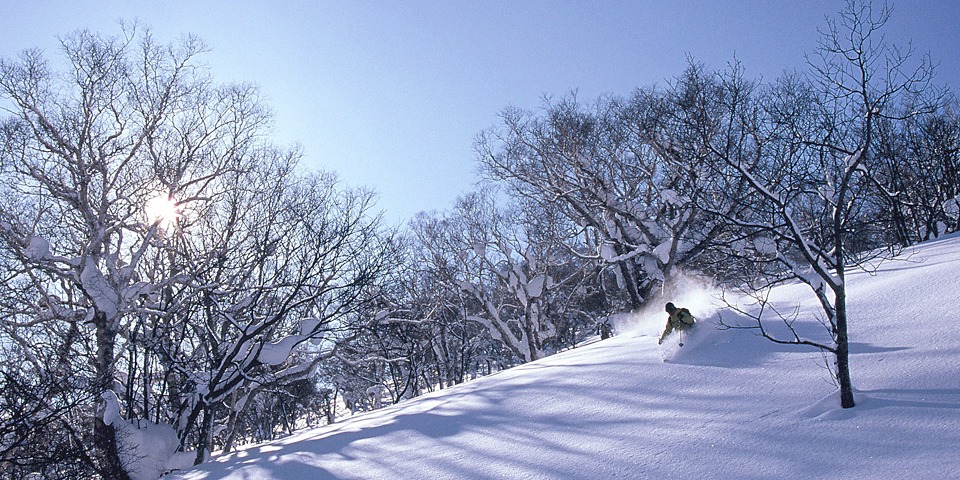
I love this all-weather jacket because it's so comfortable when hiking
High season layering
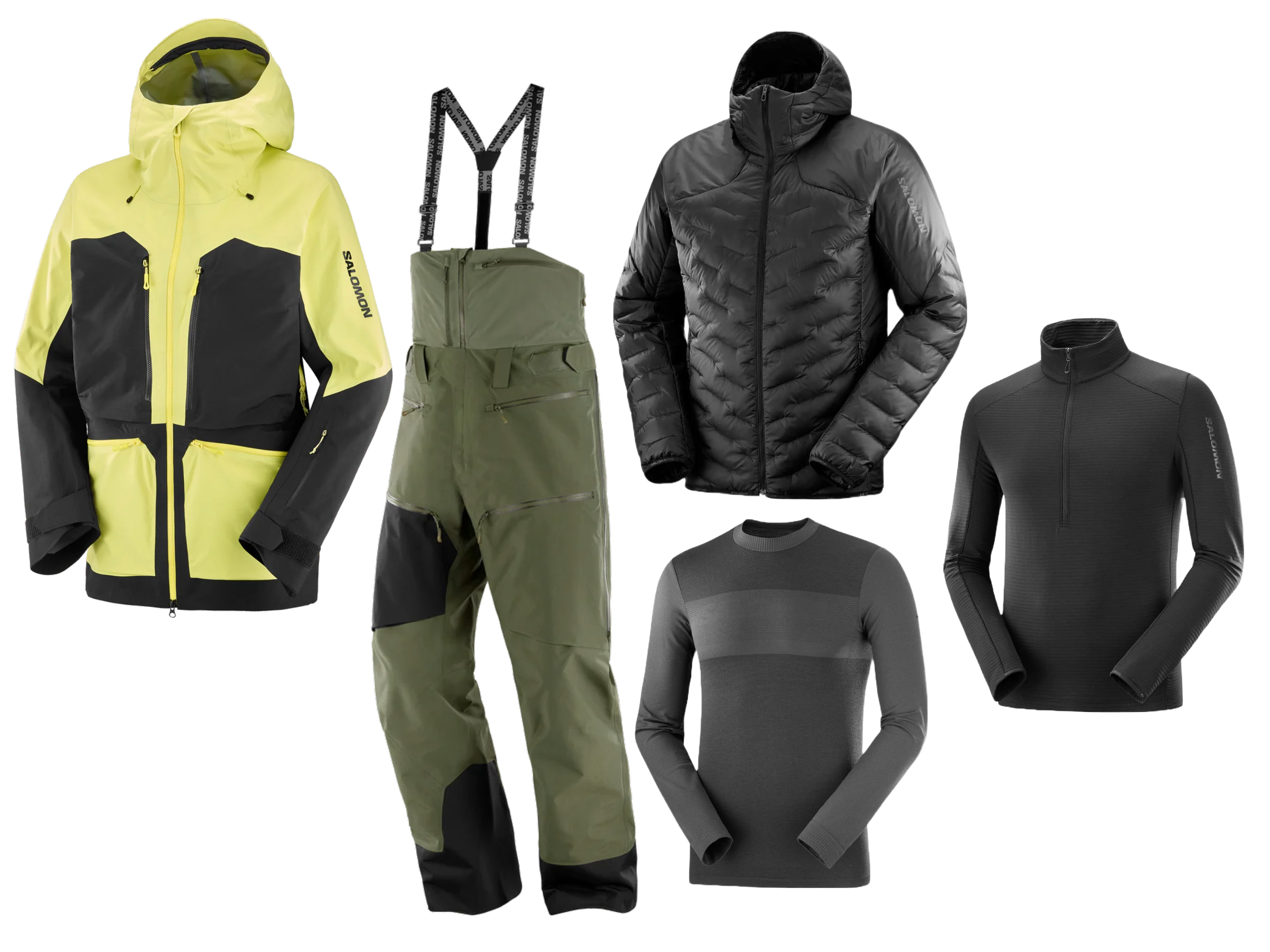
Outer layer: SALOMON|QST GORE-TEX PRO JACKET & BIB
Middle layer: SALOMON|OUTLINE DOWN JKT+OUTLINE HZ MID M
Base layer: SALOMON|SNTIAL WOOL LS TOP M(Top) SNTIAL WOOL SEAMLESS(Bottom)
How does it feel to use? (Impressions)
Featuring Motion Fit™ patterning, this jacket adapts to your every movement, even on tough, technical slopes. It's a reliable piece built for rugged adventures. It's highly waterproof, yet breathable thanks to its GORE-TEX fabric. It offers exceptional peace of mind, even in the winter mountains. It's also durable and durable, even with heavy use. Four front pockets provide quick access to winter accessories like scrapers, ski bands, and passes, making it incredibly convenient.
These days, the OUTLINE HZ MID M midlayer is all I need. With the hood pulled over, wind and snow don't get around my neck, keeping me incredibly warm. I also always carry the OUTLINE DOWN JKT down jacket in my pack during the harsh winter months of January and February, as it's lightweight and compact. Simply throw it on over your shoulders during short breaks to conserve energy. It's warm and comfortable, making it the perfect way to unwind.
I use wool for my base layer because I absolutely hate getting cold during the snowy season. Even if I sweat a little, I don't feel cold at all.
What about layering for spring?
I wear a thin Salomon OUTLINE FZ HOODIE (thin fleece, Houdini) as an inner layer, and a thin, crinkly material in my backpack
Reviewer
Mountain Guide Coyote
Ryuta Furuichi
[Main guide area] Hokkaido (Niseko, Mt. Yotei, Kiroro, Daisetsuzan, Furano area)
[Profile]
Interested in the environment and food, after graduating from the Faculty of Agriculture at Meiji University, he joined a company in Hokkaido to live in the magnificent Hokkaido. He started Mountain Guide Coyote to feel closer to nature and practice a lifestyle that does not impact the environment. He loves to ski down snowy mountains on telemark skis.
[Qualifications]
JMGA Ski Guide Stage II
, JAN Avalanche Worker Level 1
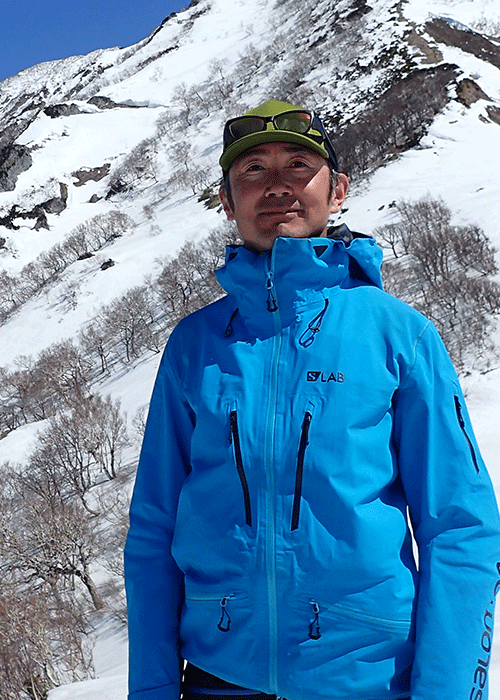
Locus guide service | Furuse Kazuya

Layering to keep you warm and keep pace with your guests
High season layering
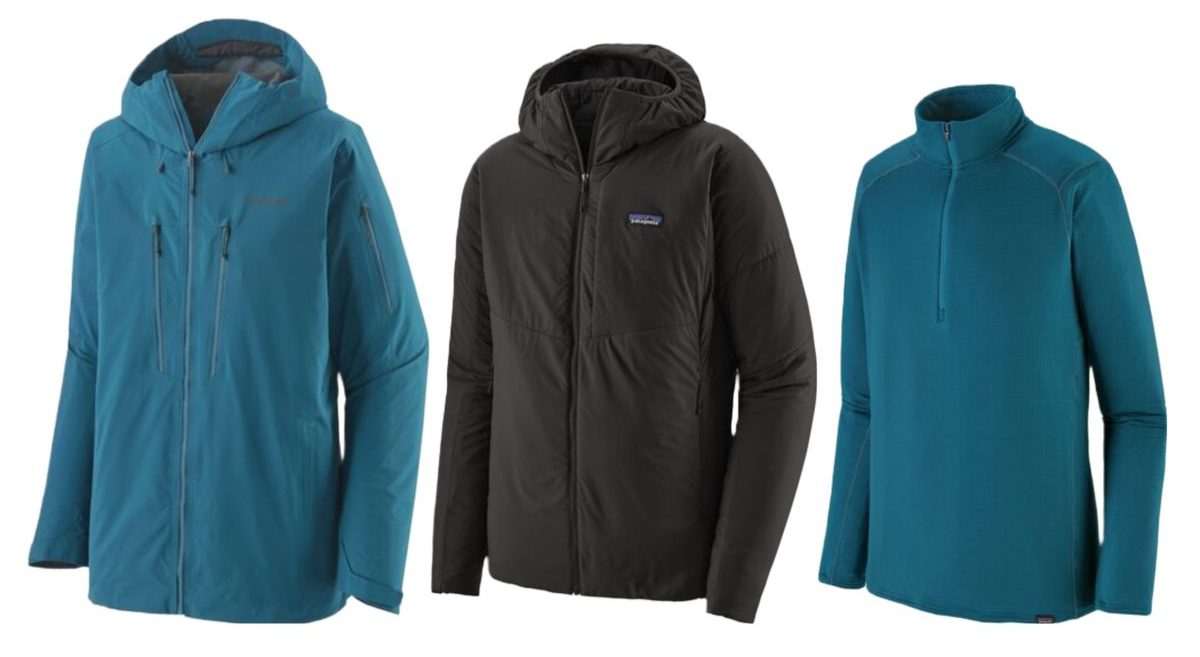
Outer layer: Patagonia Powslayer Jacket.
Middle layer: Patagonia Nano Air Hoody.
Base layer: Patagonia Capilene Thermal Weight Zip Neck.
How does it feel to use? (Impressions)
When guiding, it's cold to match the pace of the guests, so I often wear layers that prioritize warmth. I'm sure everyone is concerned about the guide's layering, but this depends on individual differences, differences in physical strength, and differences in how you act based on experience, so I think most people would end up too hot if they tried to imitate the guide's layering
What about layering for spring?
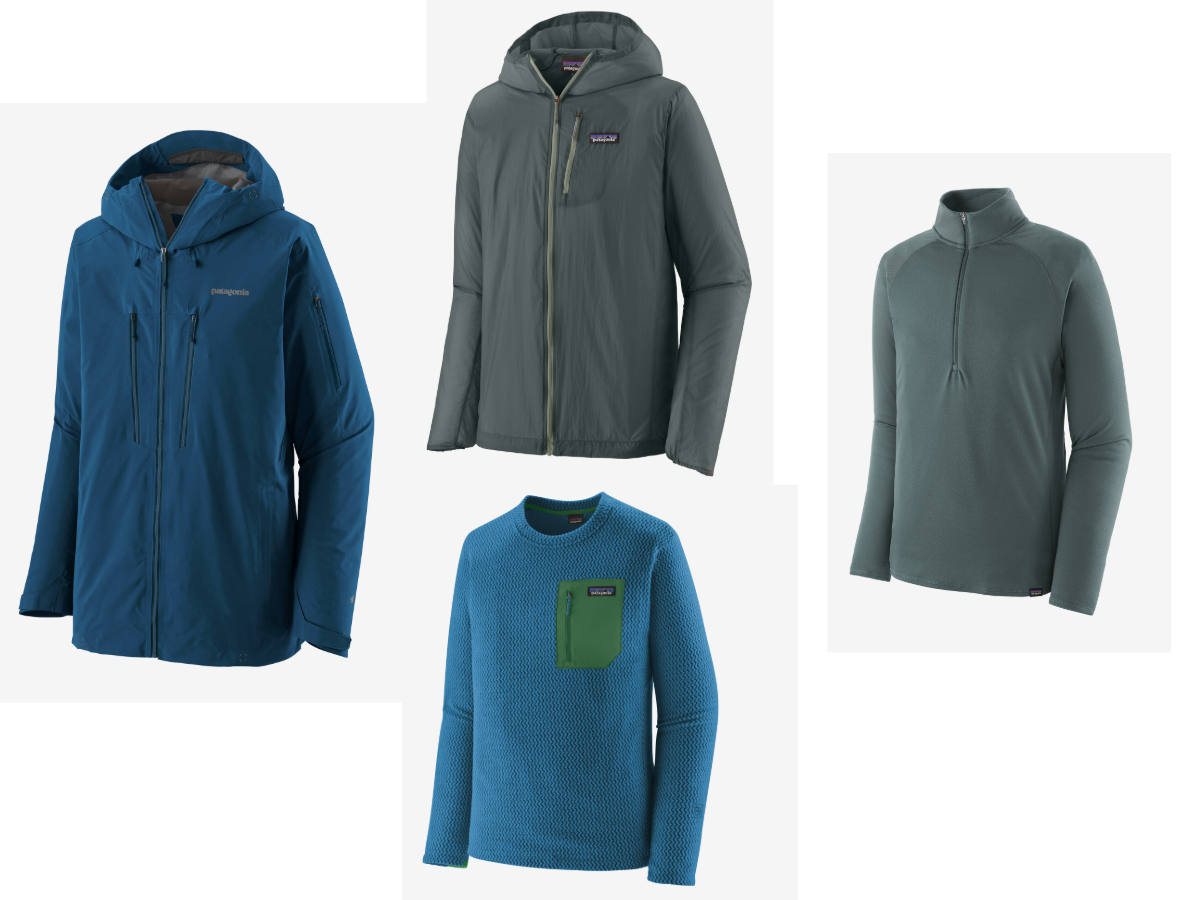
Outer layer: Patagonia Powslayer Jacket.
Middle layer: Patagonia R1 Air Crew
. Patagonia Houdini Jacket.
Base layer: Patagonia Capilene Midweight Zip Neck.
Are there any other ideas you have added?
Store your thermals in an easily accessible location. I always bring the Patagonia Micro Puff Hoody as a backup and throw it on over my shell when I'm stuck or feeling cold. It's super compact and warm when stored
Reviewer
LOCUS GUIDE SERVICE
Kazuya Furuse
[Profile]
As a result of his pursuit of skiing, his field changed from ski resorts to the backcountry, where he gained experience as a skier and guide.
[Main guide area] Hakuba area
[Qualifications]
JMGA Ski Guide Stage II
, JAN Avalanche Worker Level 2
KinTouN Backcountry Guide | Kenichi Minegishi
The thing I always keep in mind is that it's warm enough
High season layering
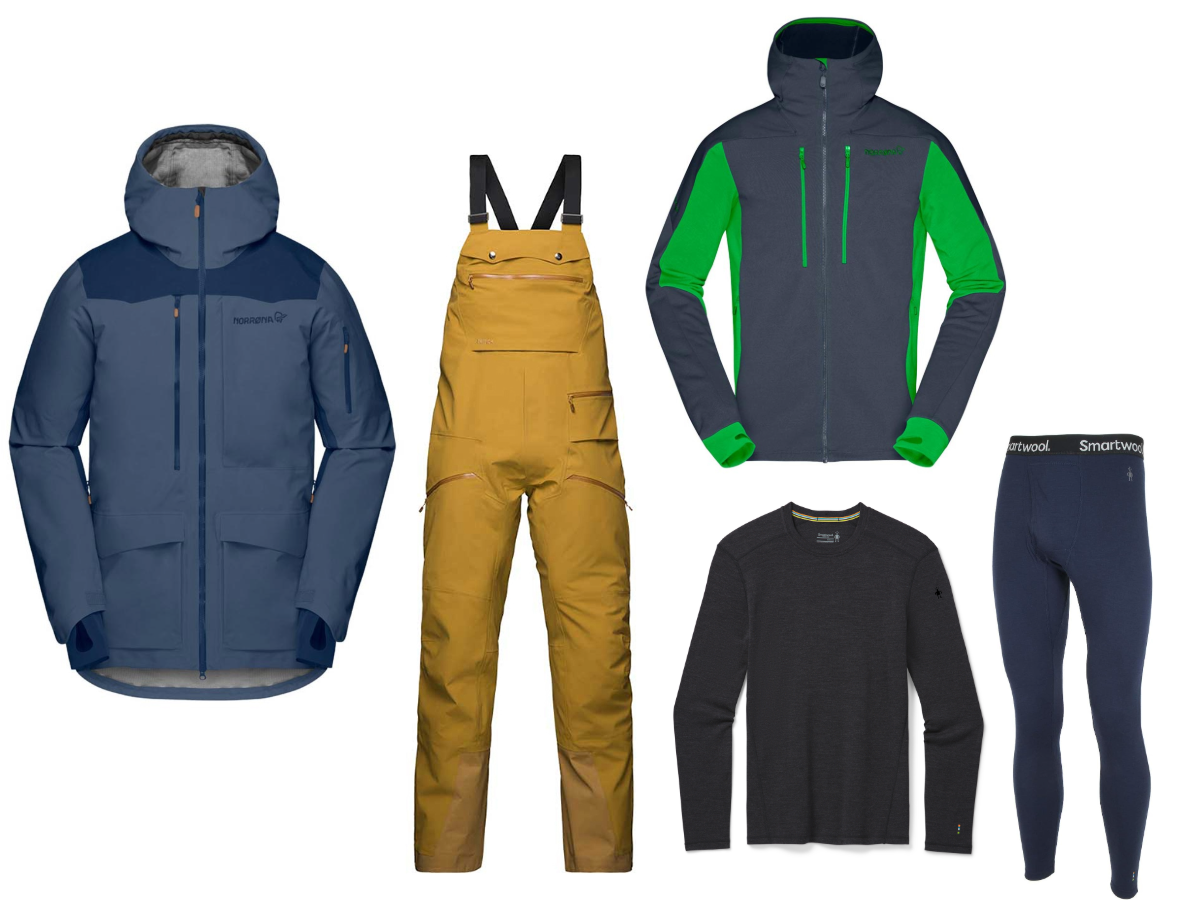
Outer layer: NORRONA tamok pro jacket & pro big pants
Middle layer: NORRONA trollveggen Powerstretch Pro Zip Hood
Base layer: Smartwool Classic Thermal Merino base layer top and bottom
How does it feel to use? (Impressions)
When layering, I always keep in mind that my layers should be warm enough. I choose base layers that are warm, flexible, and comfortable enough that I want to wear them all the time. Personally, I prefer natural merino wool over synthetic fibers, and I've been using Smartwool base layers for over 10 years. I
also like flexible mid-layers, so I wear Power Stretch. I also really like hoods that fit like balaclavas. For shells, I prefer Gore-Tex Pro. For NORRONA, I use tamok and lofoten, and in the harsh winter I prioritize warmth with a long tamok jacket and bib pants.
What about layering for spring?
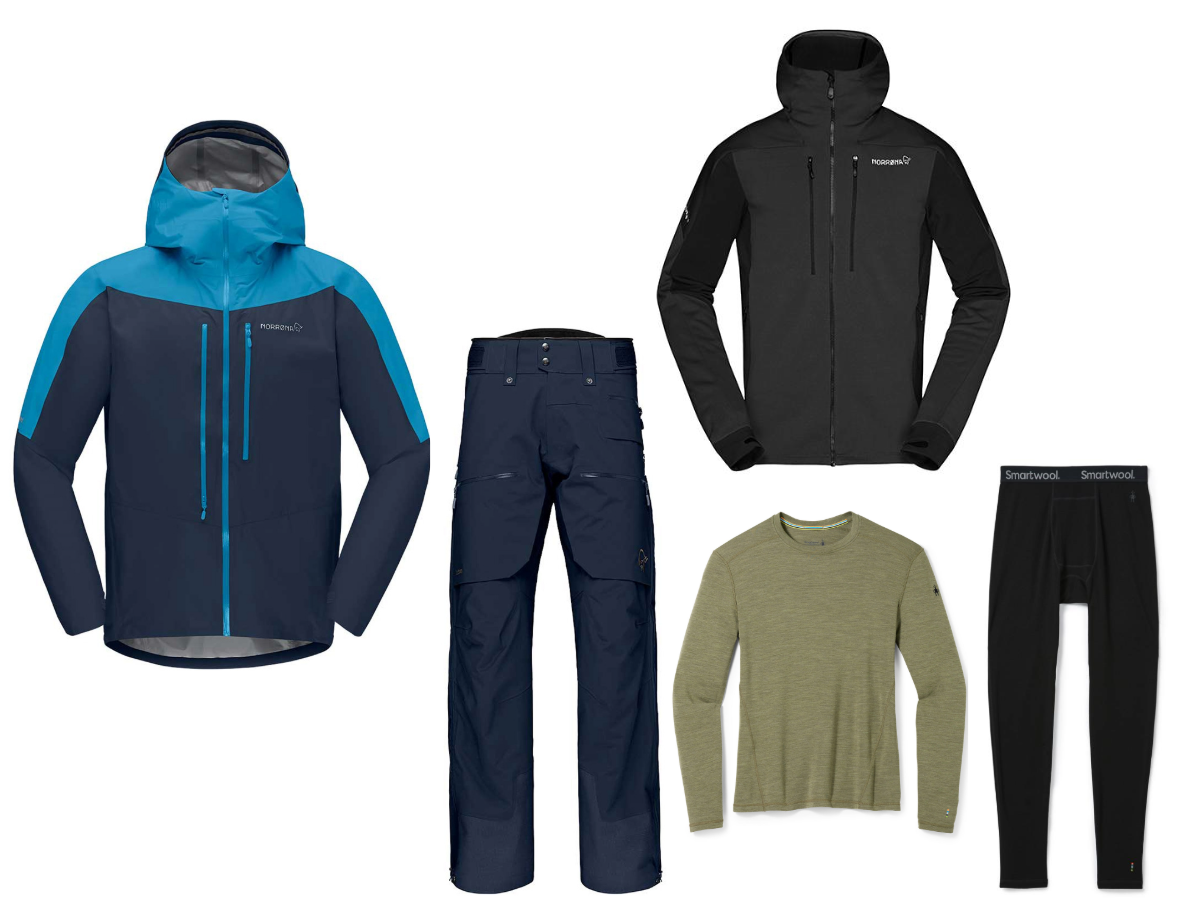
Outer layer: NORRONA | falketind Gore-Tex Paclite Jacket & lofoten Gore-Tex Pro Pants
Middle layer: NORRONA | trollveggen Powerstretch Pro Zip Hood
Base layer: Smartwool | Classic all-season merino base layer top and bottom
Are there any other ideas you have added?
To keep warm, I add a balaclava.
In spring, I wear a thin neck tube that absorbs sweat around my neck or use it as a headband.
Reviewer
KinTouN Backcountry Guide (Kintoun)
Minegishi Kenichi
[Main guide area] Kanetsu area
[Profile]
Backcountry guide since 2003. Organizes a members-only club, "Valley of the Wind," an old-style campsite in Yamakita Town in the western part of Kanagawa Prefecture. Together with members he has connected through backcountry skiing, he has built campsites and play areas in the mountains using DIY methods. "Just like skiing on the waves, which are the energy of nature, I want to ski on natural snow-capped mountains, climb the mountain on my own two feet, and ski as I please. It is precisely because there is risk that I feel a sense of freedom."
[Qualifications]
JMGA Ski Guide Stage II