

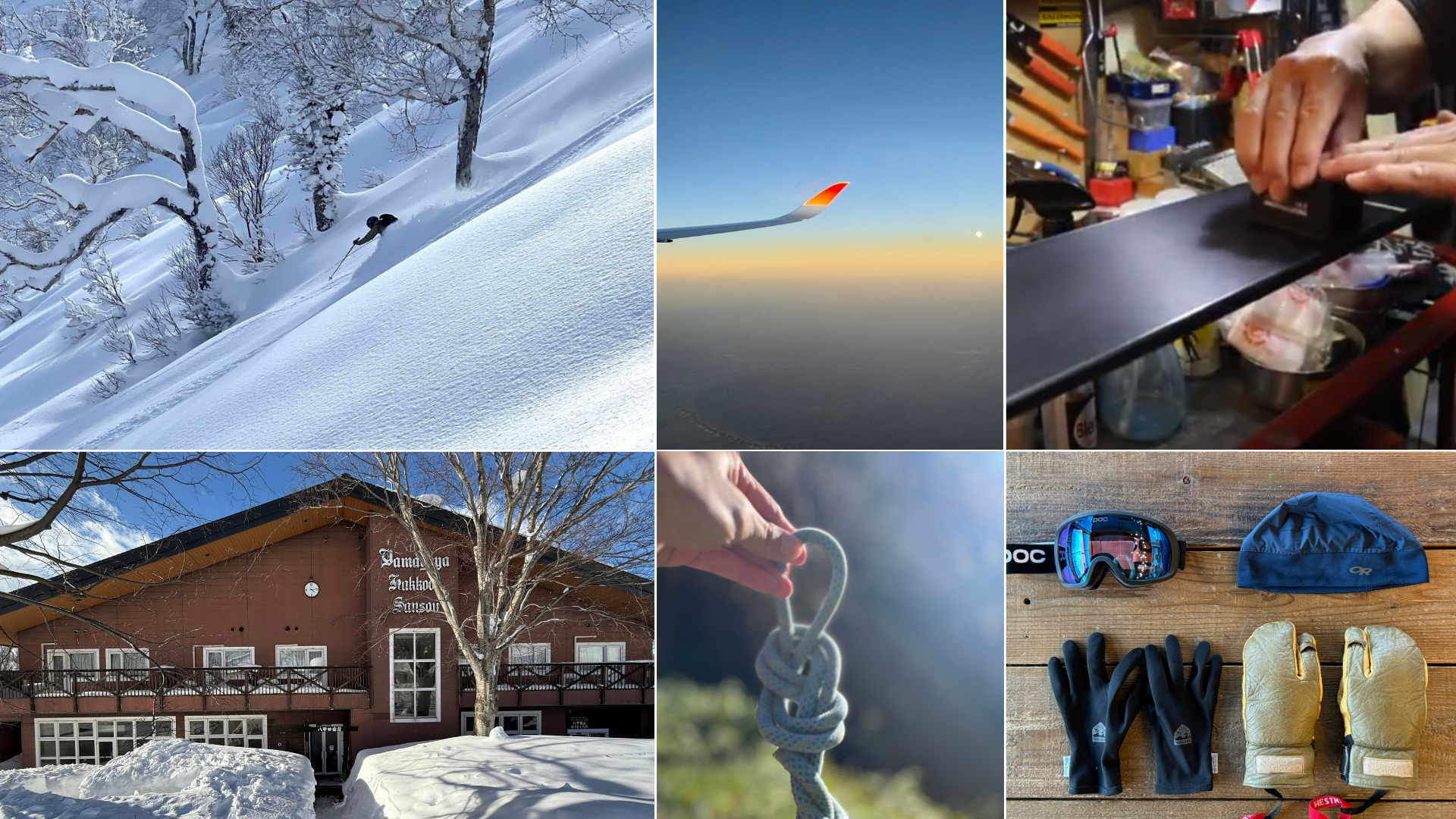
The first snow has fallen in the mountains of Hokkaido, putting autumn into full swing in October. Here are six preparations that backcountry skiers and snowboarders living in Tokyo should make at this time of year. To ensure a great season, it's time to turn on the "winter switch" that you've been turning off for a while and get ready for the season. I'm YOSHI (STEEP reader reporter), and I'm confident in my experience and passion for backcountry skiing, so I'll be sharing my thoughts
Introduction

Typically, as November approaches, ski resorts across the country open up, putting their snow machines into full operation. Then, once the fields are completely covered in natural snow, the backcountry season finally begins. Because the season doesn't start suddenly, backcountry skiers tend to take it easy.
That said, for people living in the Tokyo metropolitan area like me, there are a few important things to do before the season begins. In addition to preparing your gear, it's also essential to hold strategy meetings with your winter friends and prepare for your trip. Hokkaido and Tohoku, popular destinations for travelers from the Tokyo metropolitan area, are becoming increasingly popular with foreigners every year, and if you're not careful, accommodations will be booked up in no time. Anticipating this, I started booking accommodations for most of the long weekends during the season from around the end of August, but I found the atmosphere to be unusually heated.
Regular lodgings are already filling up with reservations. Hokkaido in winter is no longer just for skiers and snowboarders, but has become a major tourist destination with hordes of tourists from all over the world flocking to enjoy winter tourism
So, as the situation changes every year, we've compiled six preparations that backcountry skiers and snowboarders living in Tokyo should make this fall. To ensure a great season, it's time to turn on that "winter switch" that you've been turning off for a while and get ready for the start of the season
① Gear up: Tune up your skis and check your gear, including beacons

In September, I was browsing social media with a fellow skier and saw a post about him taking his skis to a tune-up shop. It made me realize, "Oh, it's that time of year again," and I checked my skis leaning against
the wall in the closet. The soles were dry and whitish, with a thin layer of red rust on the edges. Even if your boots look the same, the buckles and sole rubber could be damaged, or the inner lining could be worn out and the fit could be different. Last season, I lost count of the number of times my left foot slipped into a slippery slipper due to this. After consulting with a friend, I figured out how to wrap my foot in tape and somehow made it through the season.
Not only my skis and boots, but the gear I'd tucked away in the closet had begun to breathe and hydrolyze after months of sleep. Electronic gear like beacons and radios also needed to be turned on before we knew what they were doing. Even gear we thought was inanimate is a living thing.

Tuning shops tend to get particularly busy from around October, and delivery times tend to be right at the start of the season, so ideally you should bring it in by September. Incidentally, the pro shop I take my bike to for tuning says that as of mid-October, delivery is expected to be by the end of November
It's best to have your car tuned up early so you don't miss the start of the winter season. Talking to the shop staff will definitely get you ready for winter
②Getting excited: Check out the season kickoff event

Meeting up with fellow mountaineers you haven't seen in a while during the off-season naturally puts you in the mood for winter. In the fall, backcountry gear brands and pro shops hold in-season events, featuring slideshows featuring popular guides. Meeting up with friends for the first time in a while and discussing your plans for the season really brings the realization of winter into your life. While you
can find information online, nothing beats visiting a shop, experiencing new gear, hearing about guides' stories in person, and chatting and laughing with fellow mountaineers. The realistic snow forecasts and latest information on expedition destinations you can glean here provide valuable insights that you can't glean through online searches. The more seasons go by, the more you'll realize that these pre-season gatherings are an important opportunity to deepen your bonds with fellow snow-mountain climbers.
I plan to participate in several events this year, but surprisingly, information often comes out at the last minute, so it's important to check the information daily. That's why I keep checking STEEP frequently (laughs)
③ Stand up: Build a body that can climb for an entire season

According to my GPS watch, a one-day trip averages 1,000 meters of elevation gain, with three or four trips of climbing and skiing. This averages 1,500 to 2,000 calories a day. While Tokyo-based skiers likely ski two or three days a week, a fulfilling backcountry season requires a lot of physical fitness.
I consider myself relatively active even among city dwellers, but I rarely burn more than 1,500 calories a day. During the season, I maintain this level of exercise for several days, and if I hit the mountains every week or every other week, I can do it continuously. Backcountry skiing and snowboarding are quite demanding sports. If
you head to the snowy mountains without proper exercise, your thighs will scream on the first hike, and the next day, your muscles will be sore and you won't be able to climb comfortably. It's frustrating to run out of energy just before the powder snow hits.

To make the most of this precious opportunity, start waking up your body little by little starting in autumn. Jogging, biking, or climbing stairs two to three times a week will improve your cardiovascular fitness, and squats and core training will build up the muscles that support your knees and hips. Stretching and yoga to maintain flexibility in your hips and ankles will also help prevent injury
In my case, I mainly build up my physique by gradually increasing the frequency and intensity of my gym visits, but once the season actually begins and I'm on the snow, I always find myself lamenting my lack of preparation every year, saying, "If only I'd built up a little more endurance, the start of the season would be so much more enjoyable..." (laughs)
④ Decide on a plan and base: Schedule your mountain trip and secure accommodation

Making plans early in the fall is key for Tokyo residents to make the most of the season. Accommodations and guided tours in popular areas fill up quickly, especially around the New Year's and February holidays.
Last season, I started looking for accommodations for skiing trips starting from Hokkaido cities like Asahikawa from the end of August, but the well-known and popular destinations were nearly fully booked. Hokkaido, in particular, is popular with international tourists for reasons other than skiing. Many accommodations seem to be booked quite early this season, so be careful if planning long-term tours.
Despite the intense competition and crowds, Hokkaido can still be a good place to get a good deal. ANA and JAL hold bargain sales on flights with accommodation every few months. This is a great option if you're considering a tour based in Hokkaido or Tohoku.
For Tokyo residents planning a long-distance trip, securing accommodation is crucial. Contact your regular accommodation owners early, and even if your plans aren't solidified, check the cancellation policy and make a tentative reservation. If you're traveling with friends, coordinating itineraries using online calendars or chat rooms will help things go smoothly. Once you have decided on a base, the mountains that can be approached from that base will begin to emerge, making planning even more fun.
By the time the season starts, I would like to have the general schedule of the season already organized
⑤ Secure transportation: Book flights and transportation during limited time sales

If you're planning a trip to Hokkaido or Tohoku, there's a scramble for air tickets before the season begins. The golden rule is to book JAL and ANA's "official time sales" as soon as they go on sale, and you need to secure tickets for the New Year holidays and weekends in January in September. This year, ANA's time sales started early, with sales already running up to March.
Competition is particularly fierce for flights to New Chitose Airport, and by the time news of snow arrives, it's not uncommon for sales to be unavailable. It's best to book not only flights, but also rental cars and shuttle buses from the airport to the foothills early.

If you live in the city center, you should consider traveling by Shinkansen. In particular, if you have an account with JRE Bank, which is run by JR, you can get significant discounts on Shinkansen tickets depending on your usage, so if you're traveling long distances to places like Hakodate or Aomori, you can travel at an exceptional price. If you're interested, be sure to check it out
⑥ Update safety and learning: Courses, rescue, insurance

If I were on a snowy mountain and an avalanche occurred, would I be able to use a beacon, shovel, and probe appropriately in an instant? I'm not confident, so I spend time at the beginning of each season training in beacons and rescue equipment. After a six-month break in the summer, my mind and body have forgotten how to use safety gear, and my ability to react and move quickly has definitely dulled
That's why it's a good idea to take avalanche seminars and rescue training every year before the season to update your knowledge, skills, and sensitivity
It's also important to check your mountain insurance as soon as possible. Regular insurance almost always excludes search costs and helicopter evacuation if you have an accident in the mountains. By purchasing mountain insurance, you can feel secure in the event of an emergency. Preparing for safety gives you peace of mind and is an important investment in fulfilling your responsibilities to your friends and family
lastly
If you prepare well, you won't have any worries as you make this winter a wonderful season. If you start thinking about your travels from autumn to winter, you will naturally feel more fulfilled every day. So, let's start now, little by little, to increase your motivation to ski!