

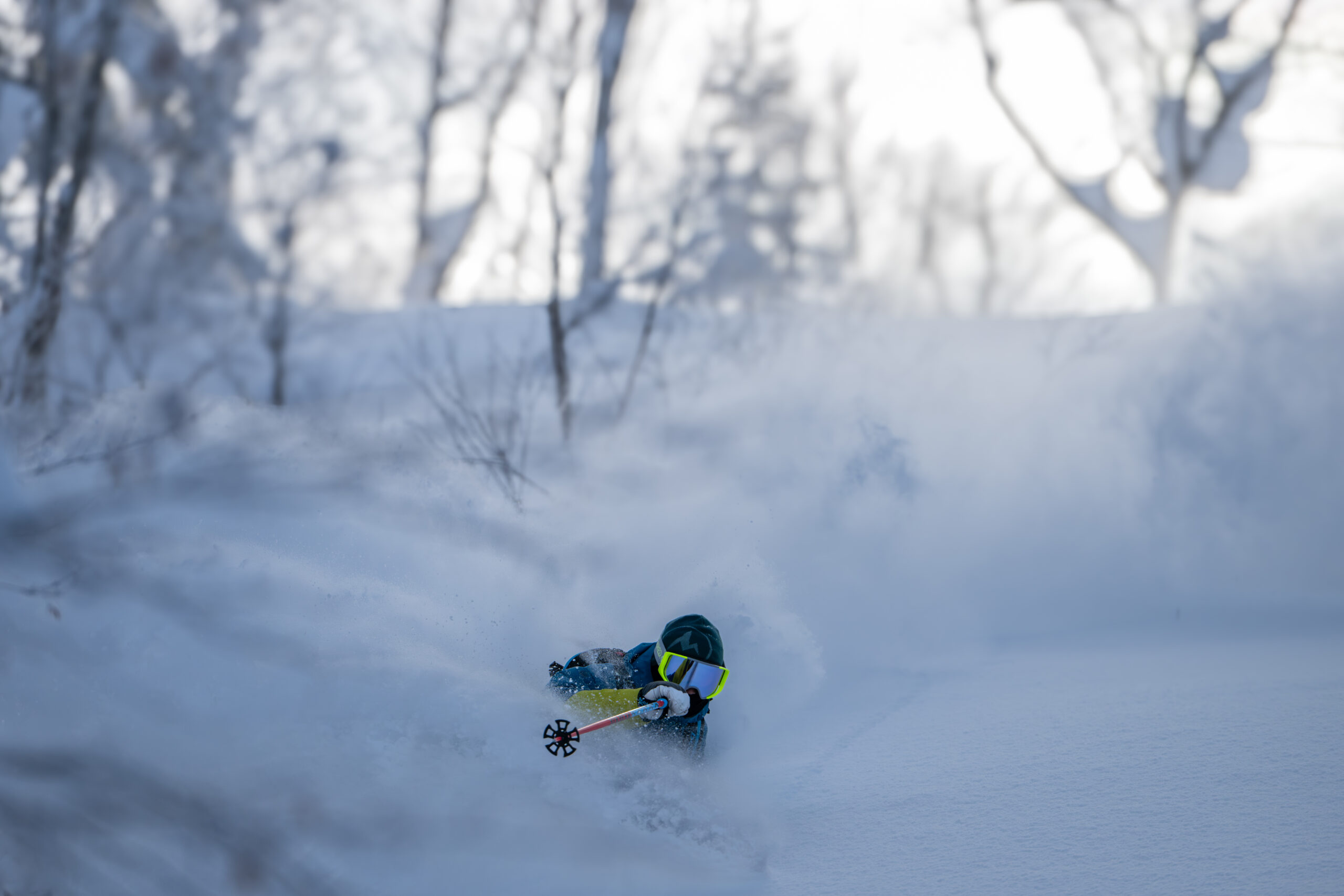
In 1996, Takehiro Sakamoto became the first Japanese to win the Mogul World Cup. It was an unprecedented victory, winning on his first appearance. However, even reaching the top of the world was just a passing phase in Sakamoto's skiing career. Now, his skiing has earned him the respect of being "the best skier in Japan," and his persuasiveness transcends genres. We followed him as he knew the pinnacle and continues to hone the essence of skiing
origin
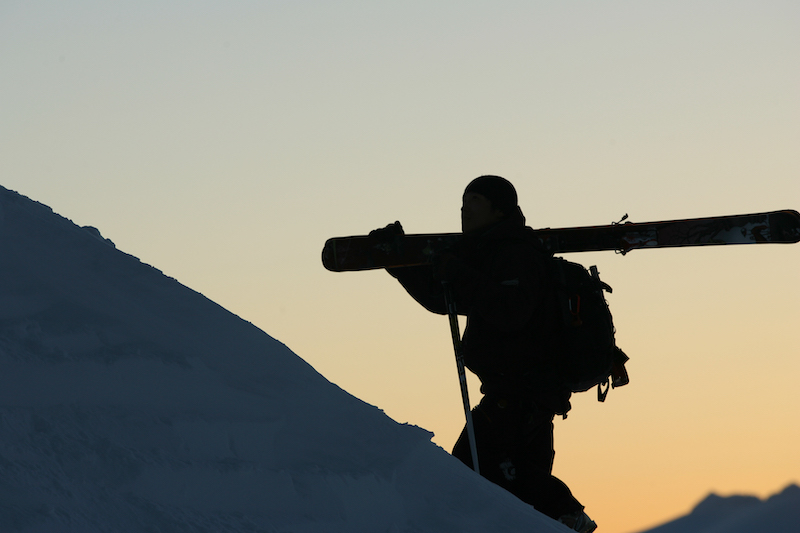
"I started skiing when I was two years old. Influenced by my father, I started out doing alpine skiing. I was on the adult team at the post office where my father worked, and I was allowed to practice with them from a young age. From around the fourth grade of elementary school, I started competing in amateur competitions. After that, because I loved Niseko and wanted to keep skiing, I went to part-time school at Kutchan High School. I would train on my own during the day and go to school at night."
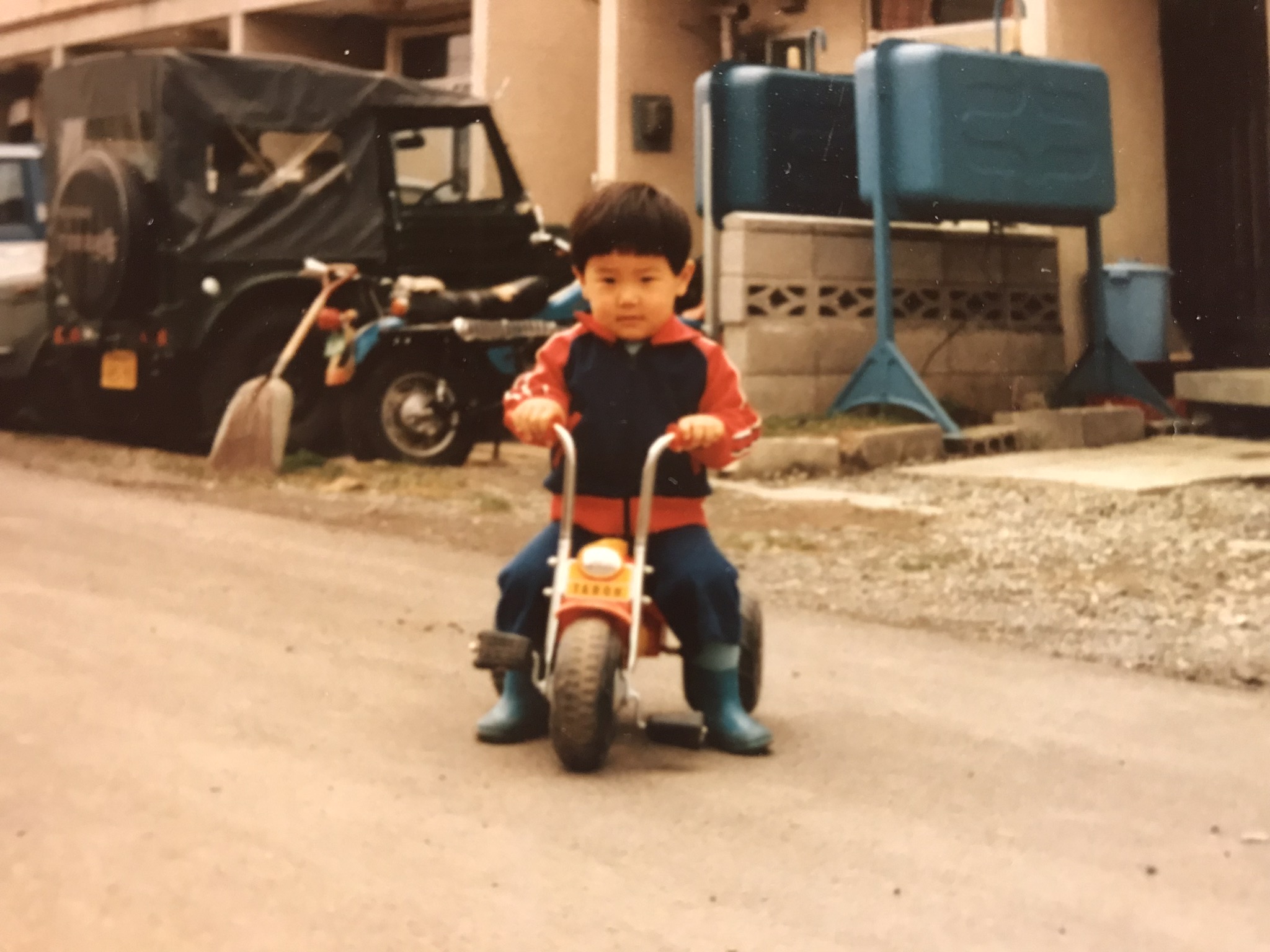
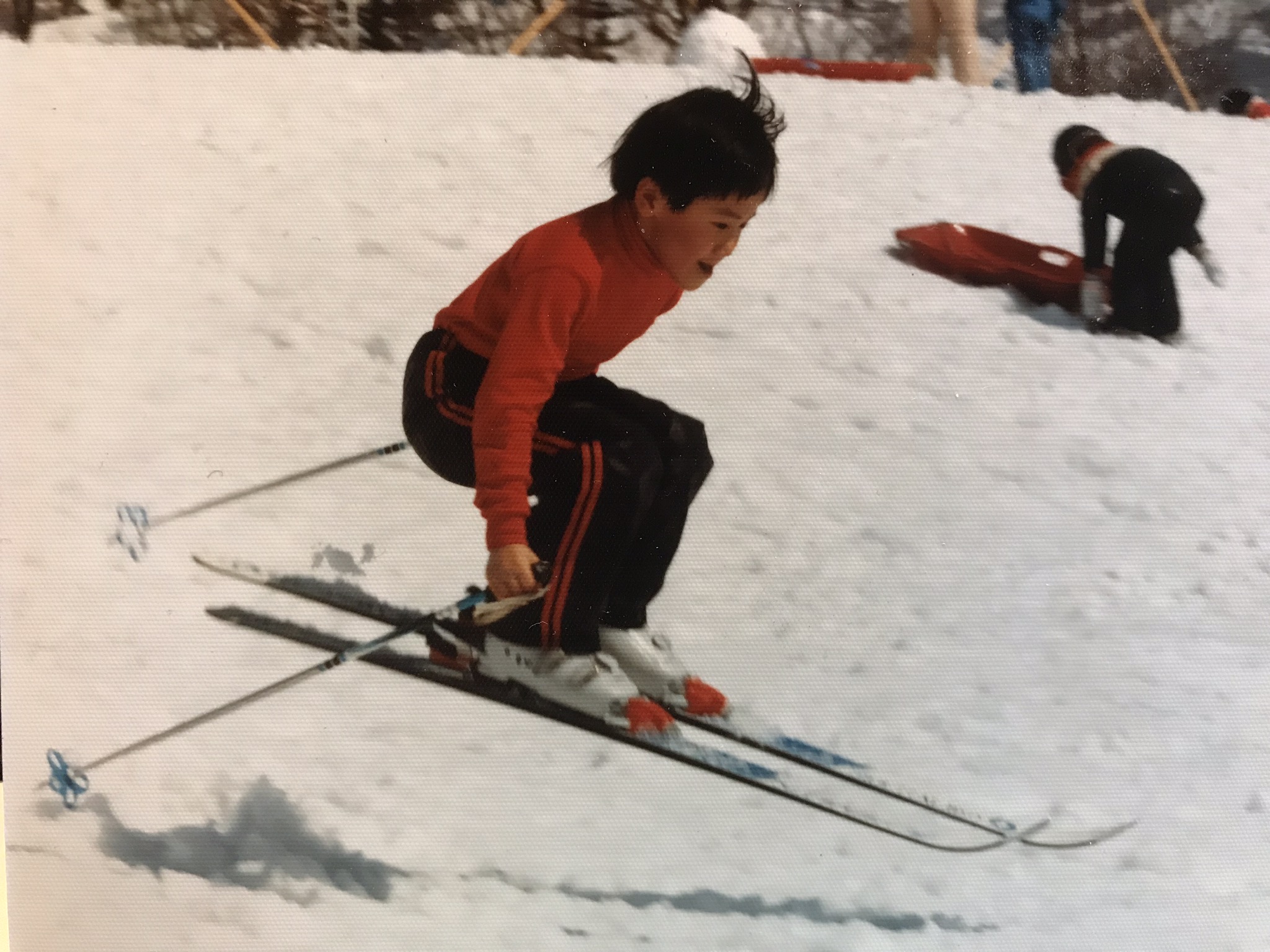
Gota Sakamoto has chosen to walk the path of skiing in the snowy world since he was a child. "I was always active, always on the move, and always honest and eager to do what I wanted," he says with a laugh. When announcing his future dreams at his elementary school graduation ceremony, he said, "I'm definitely going to become a competitive skier." Eight years later, he has made good on his word in a way that exceeds his imagination
In 1996, Gota Sakamoto won his first Mogul World Cup competition at the age of 20. Just four years after taking up moguls, he had traveled from his "origin" to his "peak" in a swift and direct manner, like drawing a single line
Encountering moguls and learning about the world
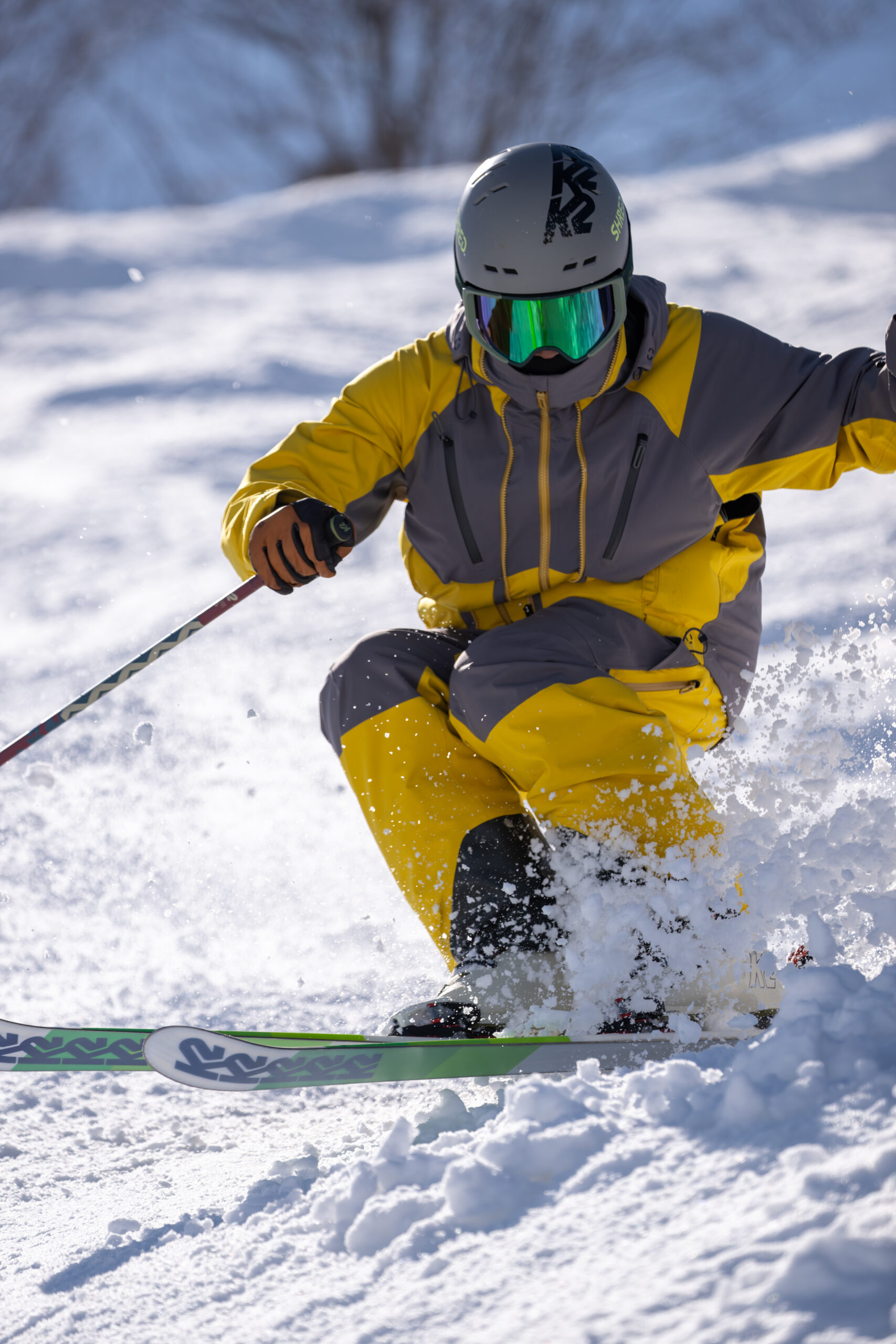
"When I returned to Sapporo in my first year of high school, a friend from my hometown told me, 'Do you know what moguls are? They're a discipline where you ski down moguls and jump. They've also done a little bit of Pirmin Zurbriggen.' I was like, 'What's that? That sounds fun!' My dad had people on his team who loved moguls and jumps, and he would often take me around to different places, so I liked moguls too. I also liked Zurbriggen. I still think I was the best alpine skier there was. So I thought I'd give it a try, and when I started by imitating what he did, I found it really fun
*Pirmin Zurbriggen - Swiss alpine star of the 1980s (four-time FIS World Cup overall winner, 1988 Calgary Olympic downhill champion, etc.)
At the time, I saw a video of Edgar and Jean-Luc skiing. I thought, "Wow, this is so cool! It looks so much fun!" and I decided, "I'm definitely going to do moguls!" Once I started practicing the tricks and jumps, I got hooked and thought, "No more alpine skiing!" (laughs)
So, in the spring of my first year of high school, I took part in the Niseko Super Bumps dual competition for the first time. I made it to the final tournament, beating over 200 competitors, and my final opponent was Mori Toru, who was a member of the national team at the time. I lost 2-3, but I thought, "I can do this! I'm only one point behind the national team!" (laughs). I thought a competition where two people skate at the same time would be really fun."
He achieved success after success in competitions, and in his second year of high school, he was invited to join the national team. It was around this time that Mako Ishikawa of BUMPS introduced him to K2, the skis he had been using ever since. The following season, he was invited by the manufacturer to participate in a summer training camp in Whistler and Blackcomb, Canada, which also served as a test
"That was my first time overseas. I was shocked. The world's top skaters were at John Smart's training camp. I was amazed to see them skating right in front of me. Their speed, techniques, everything was different. It was amazing. After that, I started competing in overseas competitions, and at my first North American Cup, I felt the difference in level between me and the foreigners, and realized that there were still so many amazing skaters out there. I came back feeling frustrated, thinking I couldn't lose in a place like that. So I thought, 'Next year I'll definitely win!' Even though I haven't even been to the World Cup yet (laughs)."
Gota Sakamoto realized how high the world was. It may have been at this time that he began to seek essence over results
Time spent competing on the world stage: Between skill and confidence
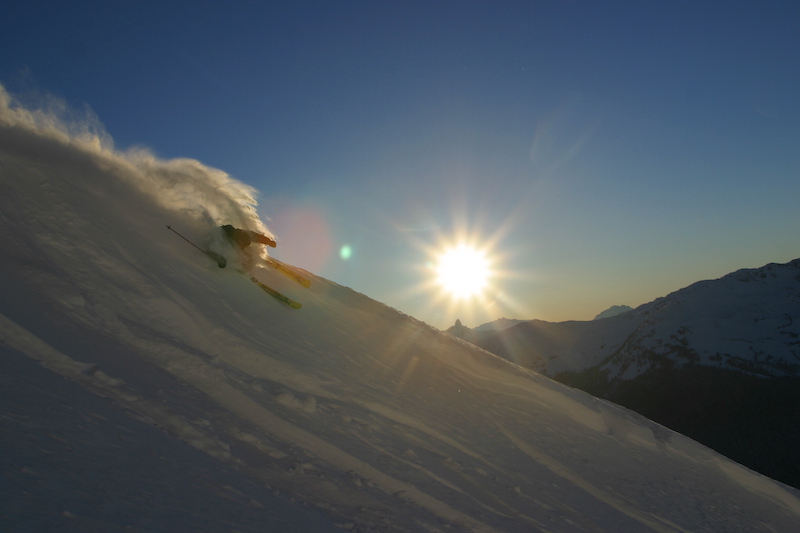
With no rivals left in Japan, Gota Sakamoto set his sights on the world
"At the time, I thought it was only natural that I would win. That's how confident I was, and I thought I was better than anyone in Japan, and that if I kept losing in Japan, I'd never make it to the world stage. But at the time, I was training like crazy. The only time the national team practices is during training camps. So, while players usually go to the gym, in my case, all my daily play was training, so I would inline skate or mountain bike for hours a day. I thought there was no way I could lose if I was moving my body that much."
Speaking of Gota Sakamoto, his motocross skills are of the A-class level in Japan, and he is also famous for his extraordinary physical abilities
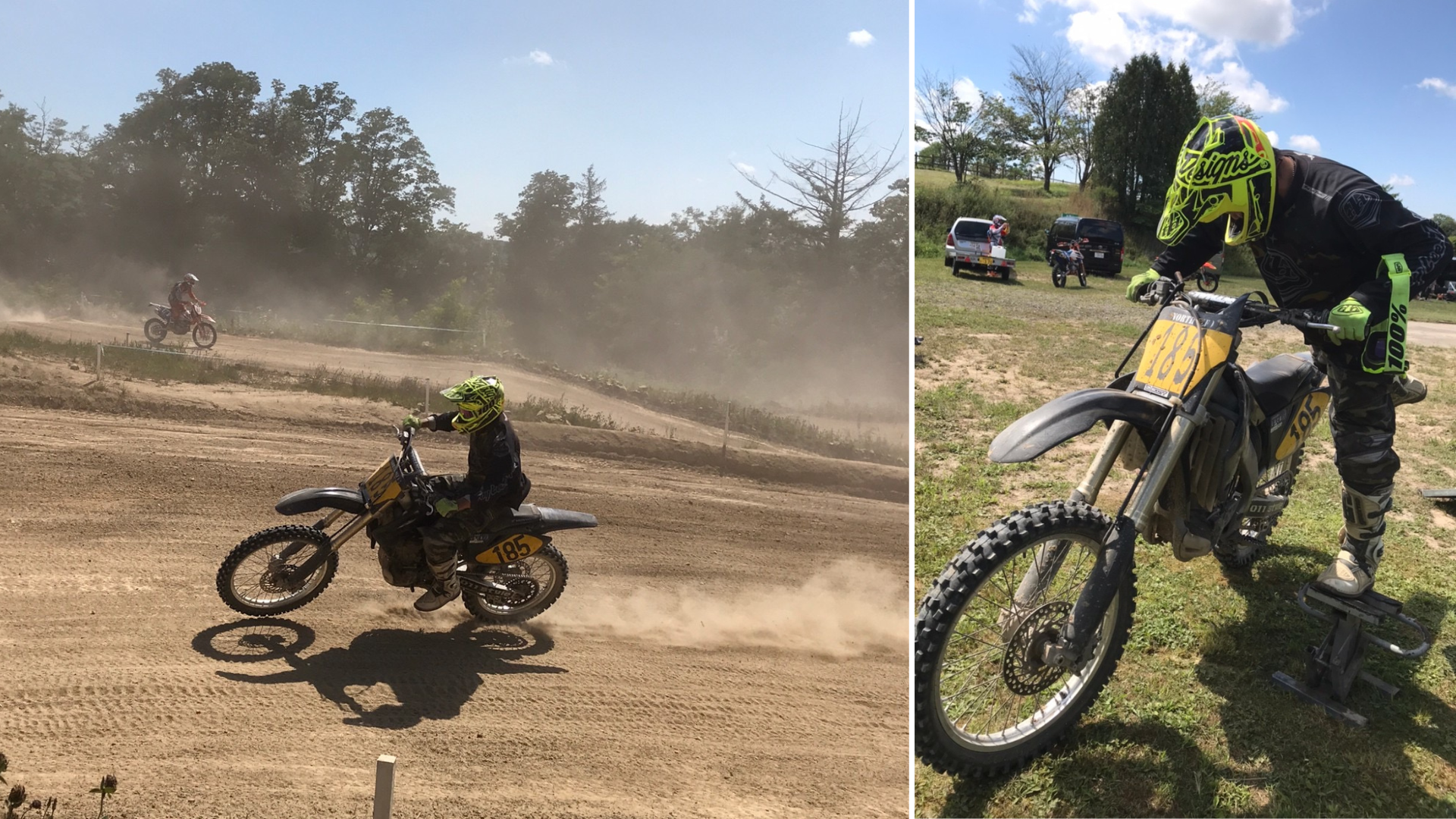
"I tried everything from a young age. I would do anything I thought was fun, with all my heart. It didn't matter whether I could do it or not. My father was very physically gifted. He was originally a mountain climber and was friends with Yuichiro Miura. I think that environment played a part. I like speed. Motocross is faster, more intense and more fun than mountain biking. If I don't get the adrenaline going I don't find it fun (laughs)."
Perhaps the reason Sakamoto was attracted to moguls was because the unique competitive style of dual skiing matched his desire for adrenaline
"But in competition, you never know what will happen, including injuries. It also depends on your physical condition at the time, whether you like the course or not, and luck in the race. So I wasn't absolutely sure I would win the world championship, but one thing is for sure: I always had my eyes set on the podium."
Cliff Jumping
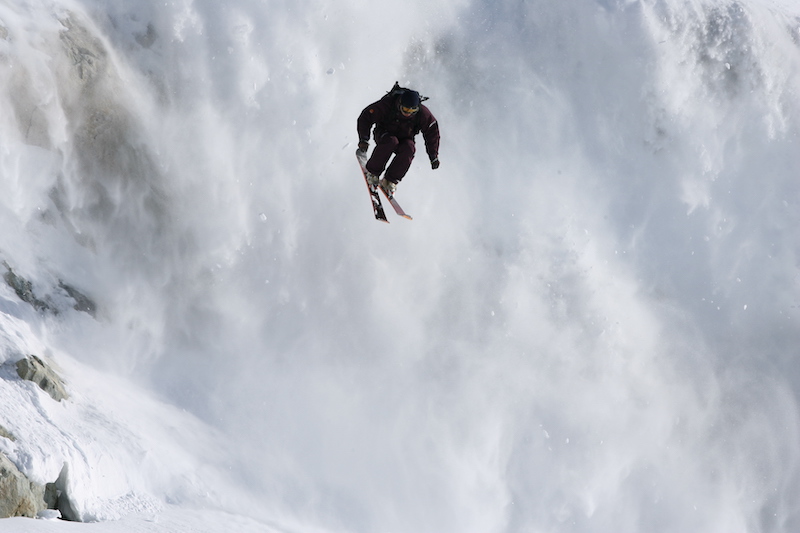
"When I started moguls, I started skiing with JF Cousson and JP Auclair, who were on the Canadian national team. The term "freeride" didn't exist back then, but at overseas resorts you could make the most of the terrain wherever you went. Flying around with those guys and playing with the terrain, I started to think, 'Isn't this just so much fun?!'
Around that time (1995), I think it was my first year on the national team, when my senior colleague Osamu Yamazaki invited me to go on a shoot overseas in connection with K2. He took me to Jackson Hole, Wyoming, USA. Guests included Glenn Plake and Doug Coombs. We all went up the mountain and decided to free run to the shooting location, and suddenly we were on a cliff (laughs)! That was my first time on a cliff in my life..
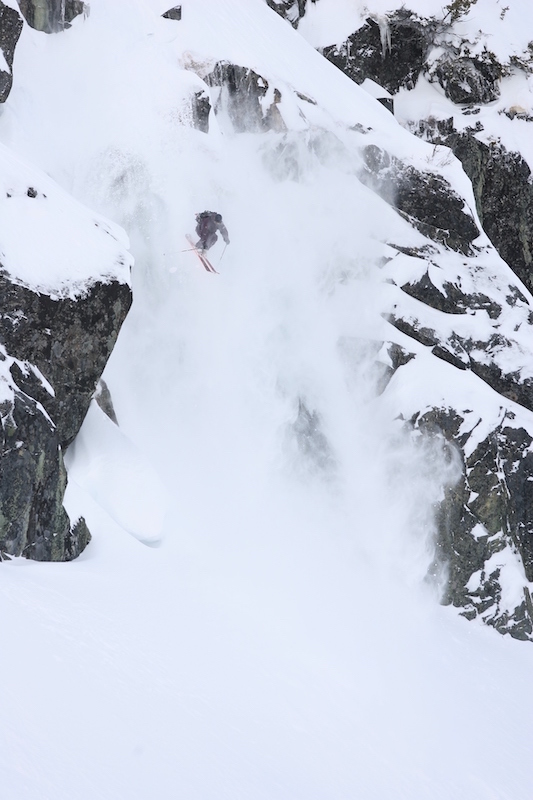
"Take, there's a cliff here. It's about 7 or 8 meters high. But I'm sure you'll be fine" he said (laughs). I thought, "Seriously?" but I had no choice but to jump. In the end there was no problem, but I was using thin mogul boards (laughs). Anyway, that was my first time learning cliff jumping, and it was so much fun
That was the first time I saw Glenn do a grab and fly. He was just crossing his skis and touching them with a mute, but I thought, "Wow, that's cool!" I asked Glenn if I could copy him, and he said, "Yeah, that's great, spread it around Japan." So when I returned to Japan, I did grabs in various competitions and when I was skiing with the JF Coussons and others, they started copying me too."
At the time, the emergence of twin-tip skis brought with it new styles of skiing, such as air tricks and rail riding, which were called the "New School" and quickly took the world by storm. This was the beginning of the so-called freeride movement. The icons of this movement were the "Canadian Air Force," led by JP Auclair and JF Cousson. It was none other than Godai Sakamoto who taught them how to use ski gloves
As Sakamoto competed at the world's top level, he became fascinated not only by winning or losing, but also by the freedom and essence of skating
From competitor to performer

Let's take a look at Godai Sakamoto's career as an athlete
1995-2001: Member of the Mogul Ski National Team.
1996: Won the final FIS World Cup in Meiringen (the first Japanese to win in his first appearance in the World Cup).
1997: Ripped his ACL in the second FIS World Cup.
1998: Participated in the Nagano
Olympics. 1999: Won the All Japan Championships (he tore his ACL again the following day during a dual race).
2001: In the middle of the season, he tore the meniscus in his right knee and underwent surgery to remove it, after which he decided to retire from mogul skiing.
2001: Declared professional status in the spring, moving from mogul skiing to ski-X skiing.
2002: Participated in the US SKI OPEN SKI-X (reaching the semi-final).
Placed second in the SKI JAM SKI SNOWBOARD OPEN SKI-X.
2003: Competed in the FIS World Cup SKI-X as a Japanese representative.
The moment came surprisingly quickly
In the 1996 season, he won the first ever FIS World Cup final in Meiringen, astonishing the world. This was the first time a Japanese skier had won the World Cup in his first appearance. It was also the first time a Japanese skier had conquered the world. "TAKE is a rising star who has rewritten the history of mogul skiing in an unprecedented way. The scale of his achievements is immeasurable." Such was the impact his victory had on the world
However, the following year he suffered a torn anterior cruciate ligament, and after returning to the Olympics in Nagano in 1998, he fell. Although Jonny Mosley of the USA won the championship, he was disappointed by this
"Back then, you couldn't do grab tricks in mogul competitions unless you applied for it. But I didn't bother applying because it was too much trouble. Then, in Nagano, Johnny Mosley copied it completely, and the grab helicopter became like Johnny's trick, but I was the one who did it first (laughs)
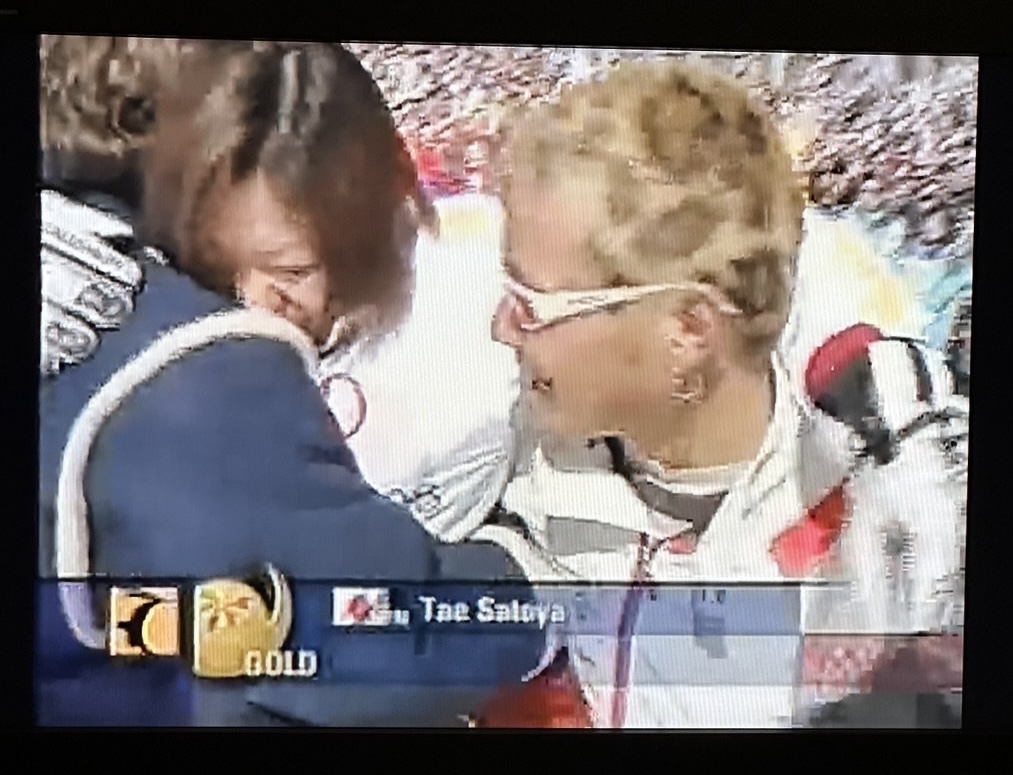
At that time, a new event called ski cross had emerged, and I was very interested in that too. I had decided from the beginning that my skiing career would not be limited to moguls. In 2001, I turned professional and switched to ski cross, competed in a few World Cups, and also wanted to try extreme skiing, so I spent five seasons in Canada
From competitor to performer. Sakamoto Gota's skiing has gone beyond the boundaries of competition and has evolved into a style that seeks both "skill" and "freedom."
The essence of skating revealed through teaching
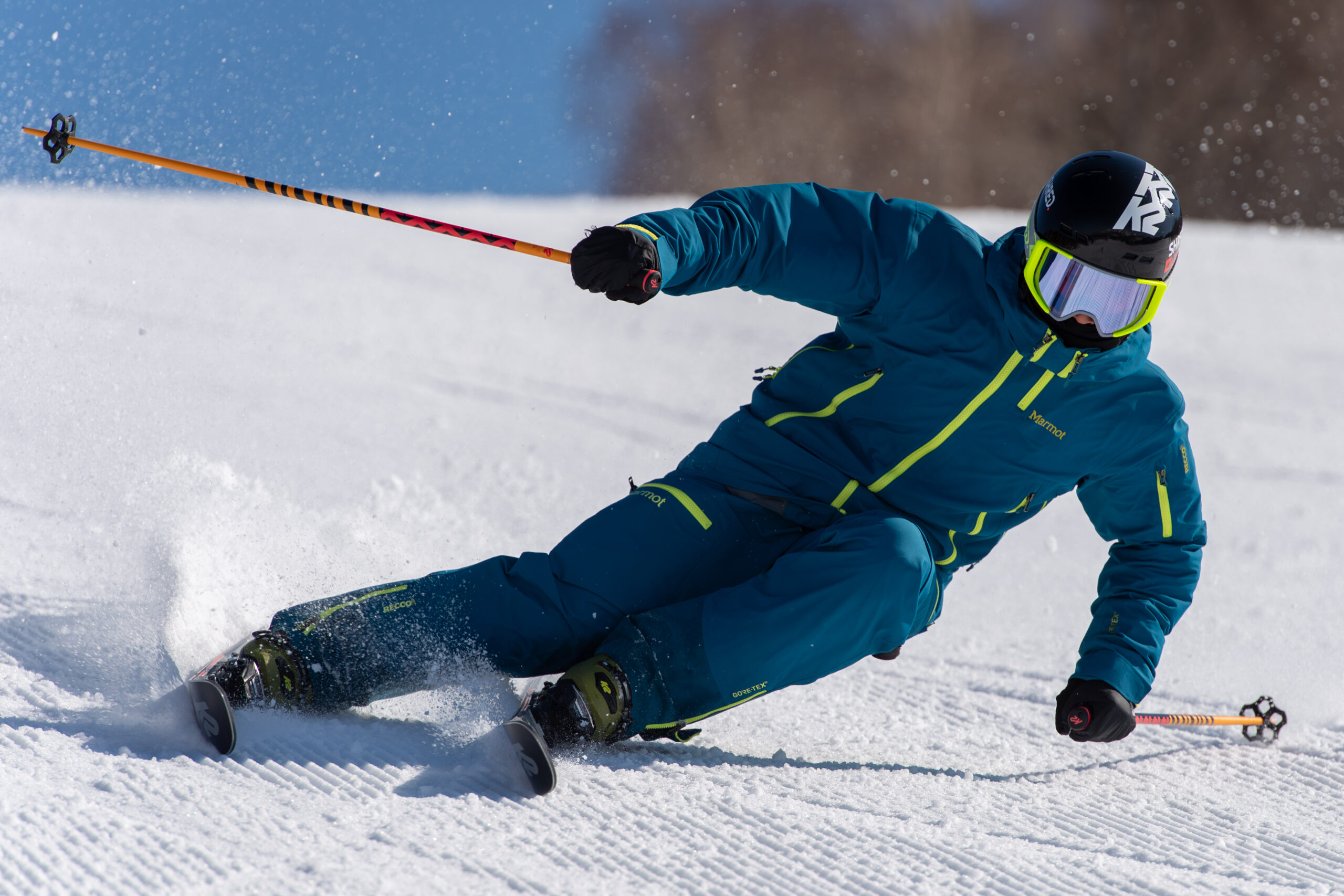
Returning to Japan marks a turning point
"Awano-san, who was a demonstrator at the time, asked me if I wanted to try running a school. I started teaching in Kagura, then moved to Kiroro with Awano-san, and from there I started giving lessons seriously. I found it fascinating to watch the progress of my regular customers. When I started thinking seriously about how to teach people who weren't making much progress, I realized that this world was fascinating."
Once I started to put thought and time into my teaching, a different world began to unfold
"Although powder snow and freeride have become well known, they are still only popular among a handful of people. Rather than focusing on those, I believe that offering lessons that teach the essential techniques of skiing, regardless of the genre, will meet the needs of many people and will also lead to a brighter future
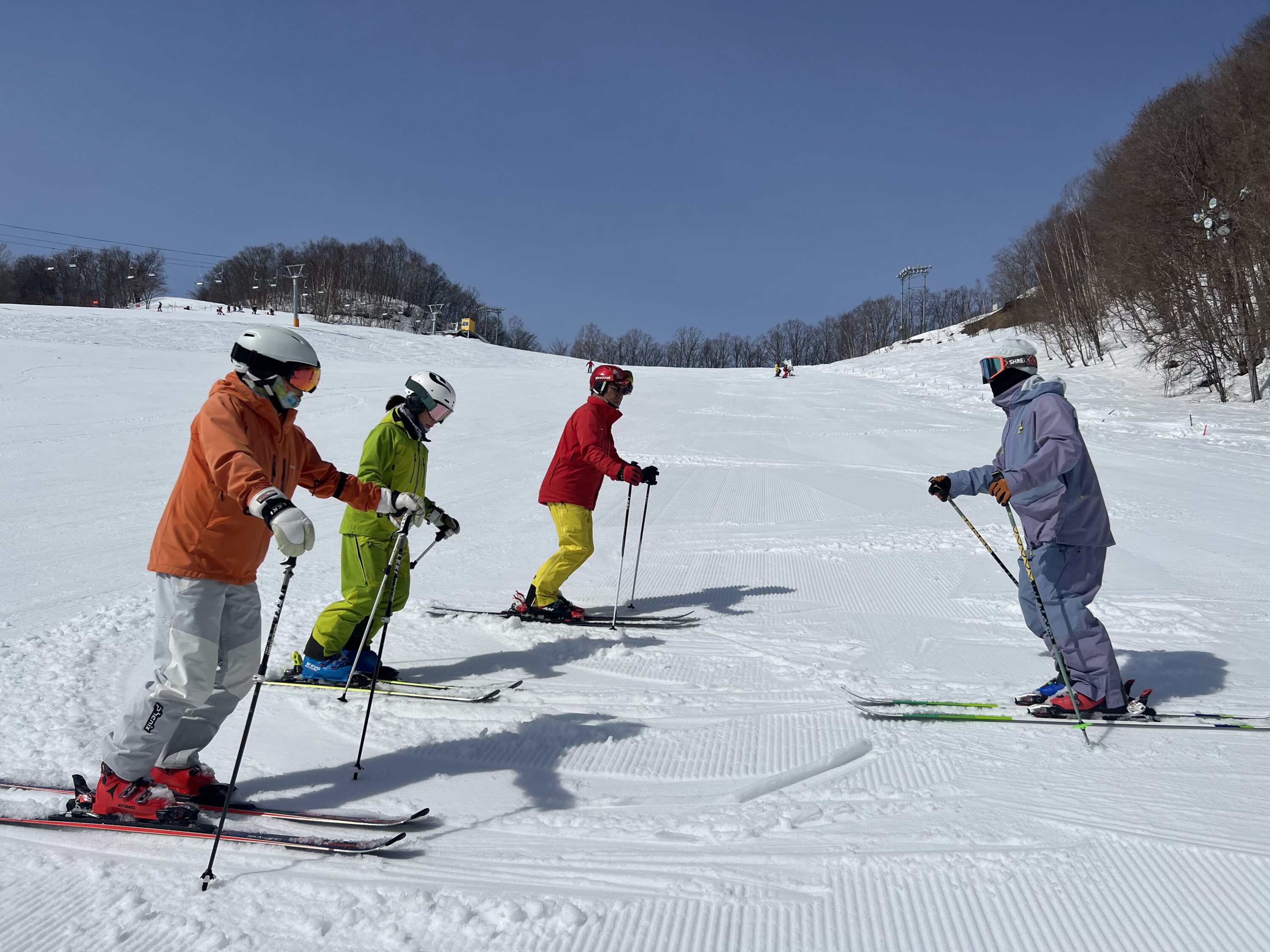
What Japanese skiers today lack is the ability to adapt to a variety of terrain. They're weak on moguls and changing slopes. So even if I'm asked to give a lesson on moguls, if I think, "This person isn't good at it," I'll take them out to powder or rough slopes. I want them to experience with their bodies the different positions they need to be in to ski in a variety of conditions."
Currently, he is only accepting and teaching private lessons via Gota Sakamoto's Facebook and Instagram . Many of his guests are from North America and Asia, and his schedule is full from January to February with lessons for overseas guests.
The essence of skill
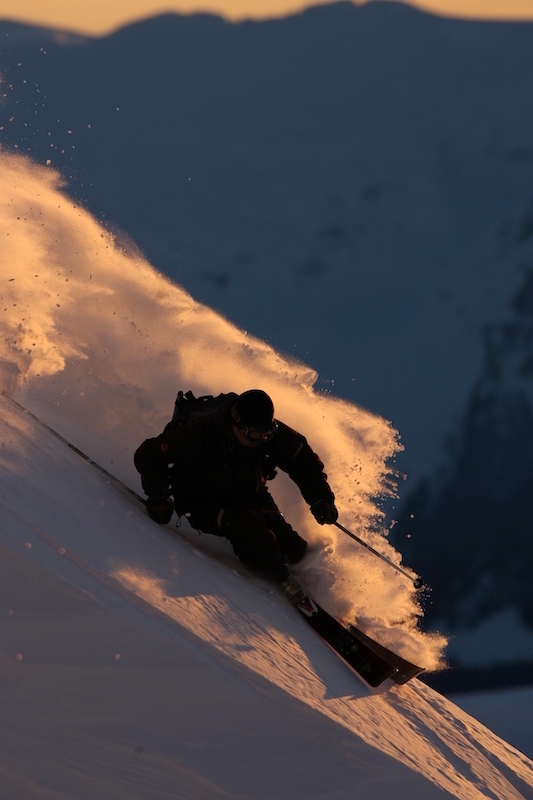
No other skier commands as much respect as Sakamoto Gota. Even top athletes in the freestyle and basic skiing world are impressed, saying things like, "There's no one as good as him," and "I think he might be the best in Japan."
If I had to sum up Gota Sakamoto's skiing in one word, it would be "skill that is consistent in all snow conditions and situations." Whether it's moguls, carving, powder, backcountry, or extreme big mountain skiing, his skiing exudes the same beauty
"Being good isn't just about appearance, it's also about how you use your body. At a glance, there are people you think are good, and there are people you think are good, but not good, and it's all about positioning. It's the same with line selection
I think there's a difference between being good and having a strong style. There are a lot of people who look uncool at first glance. Like the position of their hands or the direction of their face. If you watch basic skiers, you'll see that even though they're all skiing in the same way, the good ones are different in those little things. They're able to express it as a style, not a style
Truly skilled skiers seem to be in the same position no matter where they ski. Their position doesn't change whether they're skiing on powder, moguls, or flat ground. Skilled skiers are good at using their ankles. Usually, we think of our ankles as something we can't use because we're wearing boots. That's why everyone tries to choose boots that are unnecessarily stiff
You can't ski well unless you balance your body with your ankles. It's not the position of your waist that's the key to balance! The best way to do that is to learn to shift your center of gravity with your ankles. Everyone tries to overuse their knees and hips. That's why, when they go to powder, they bend their knees and drop their hips. When they hit a mogul, they try to go forward, which means their knees straighten, and they can't absorb the bumps. Instead, once you've created a good position, just bend your ankles and move forward or backward. This changes the position of your hips, which changes the position of your head, and that alone allows you to shift your center of gravity."
When it comes to the topic of "skill," people get particularly passionate
"To be able to use your ankles, it's good to be conscious of moving them on a daily basis. For example, when you ride a bicycle, it's so natural that you don't even notice, but pedaling actually uses your ankles a lot. If you make more conscious effort to move your ankles, I think it will make a difference. Inline skating is also great. I also recommend snowboarding. I think the reason I was so good at it was because I snowboarded. No one around me was doing it at the time, but the people who were influenced by me and started snowboarding became incredibly good at skiing. I think it's also good practice to try snowboarding with all the buckles removed except for the instep."
You will develop the sense of using your ankles to the point that you can glide freely even with the buckle undone. How you use your ankles seems to be the secret to gliding stylishly and with ease in the same position on any terrain or snow type. Even the brief explanations are peppered with hints for improvement. Imagine how much you will realize and learn if you receive thorough instruction on the snow
Anyone can take lessons from Godai Sakamoto, so if you're a skier who wants to learn how to be a good skier, send him a message
Living in Hokkaido
In 2001, just around the time Sakamoto declared he was going pro, he was quoted as saying in a ski magazine:
"I want to get married soon."
"Oh, it's been a long time since then (laughs)."
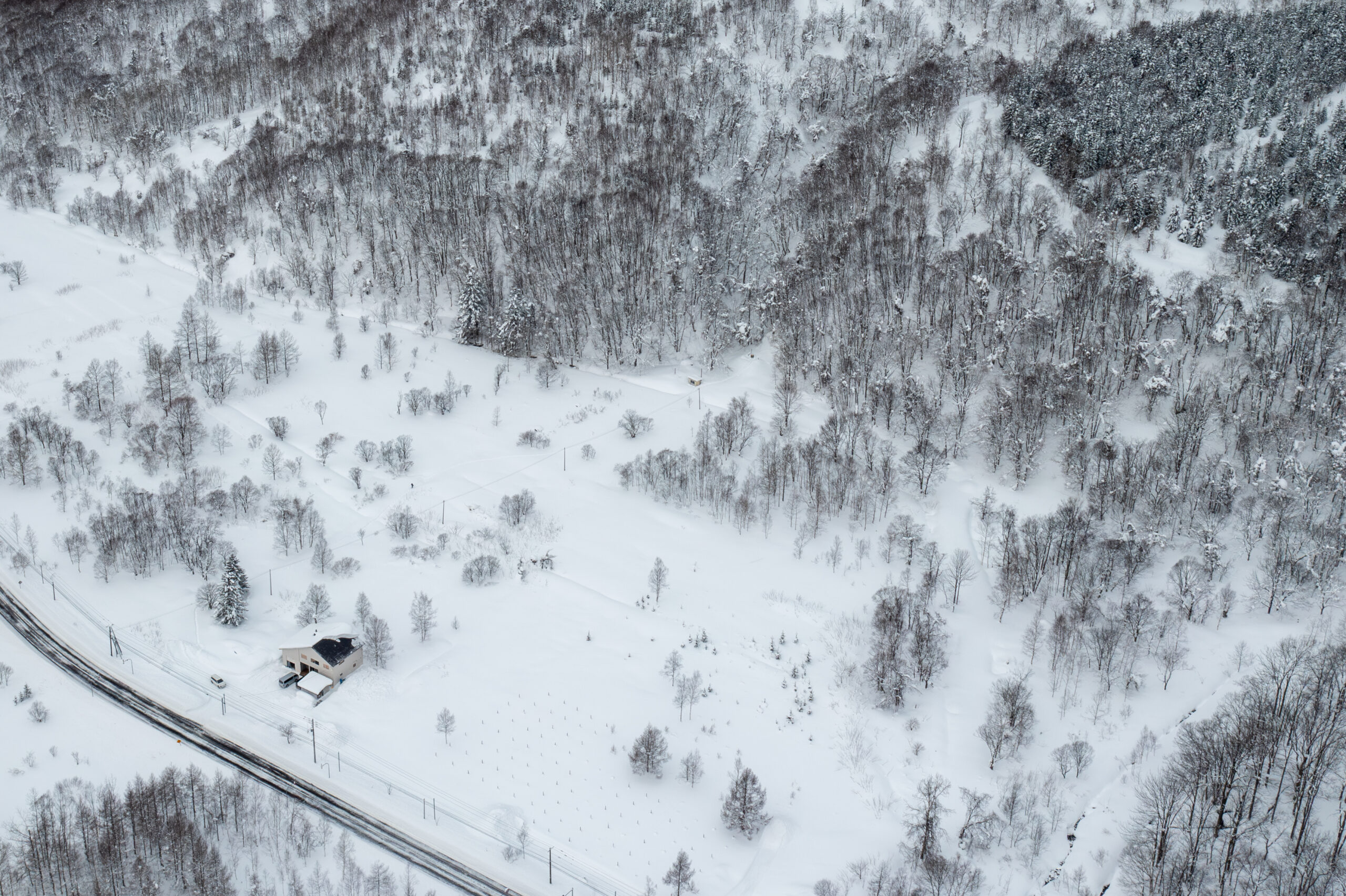
Sakamoto smiles and says that he is now the father of a four-year-old son and a two-year-old daughter. He lives with his beloved wife in Akaigawa Village, Hokkaido, as a family of four. They have purchased an amazing 20,000m2 of land for their new home, right next to the famous tourist spot, Yamanaka Ranch
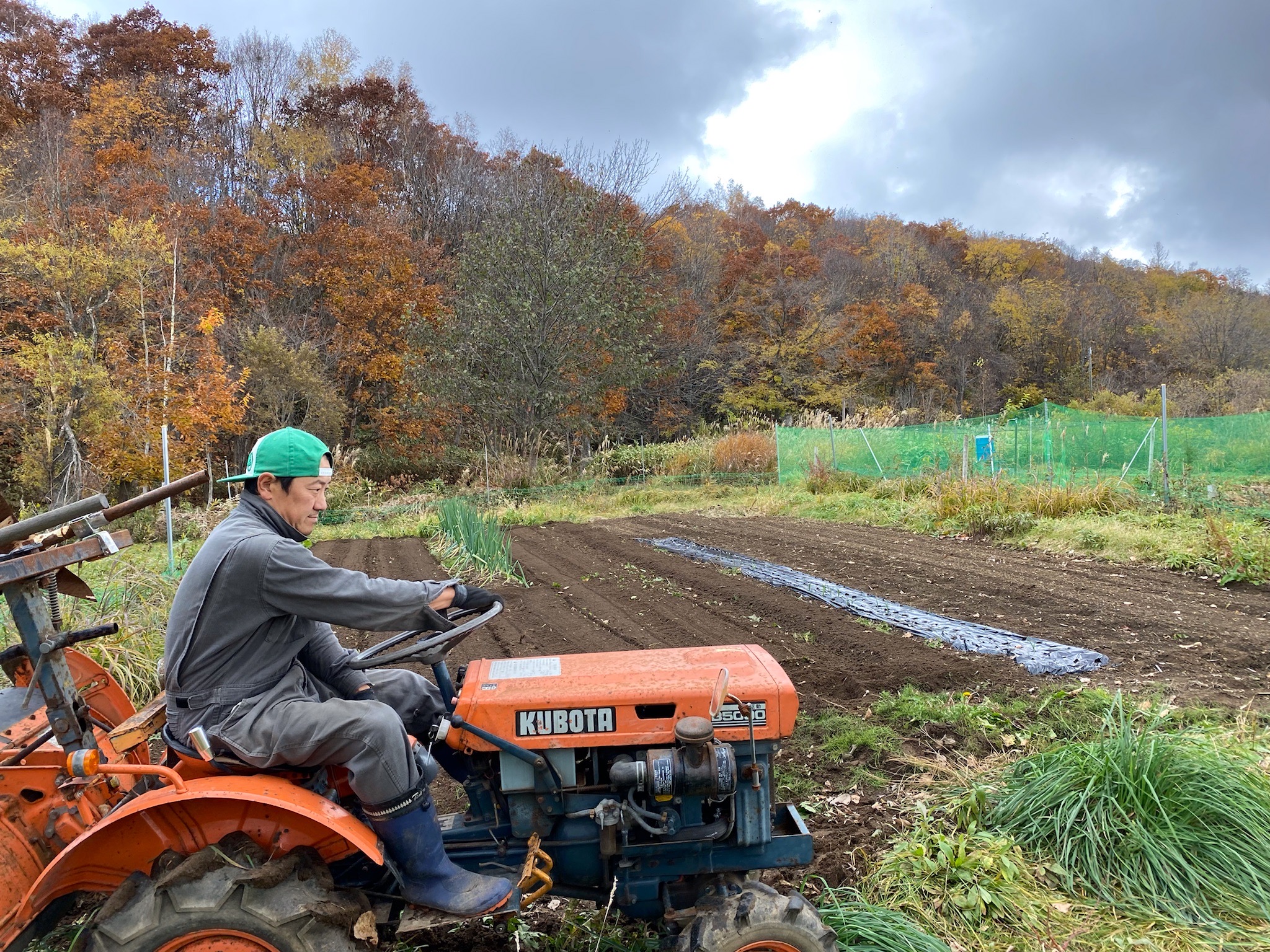
"I wanted a big house with a large plot of land in a good location, so I'm very happy. A dream I've always had was to have a motocross course right in front of my house so I could go riding right away. I've already built a small course, so that dream has come true! In the future, I'd like to open a campsite. My wife and I are also talking about opening a private lodging business. I'd like to do all sorts of things once our children are a little older
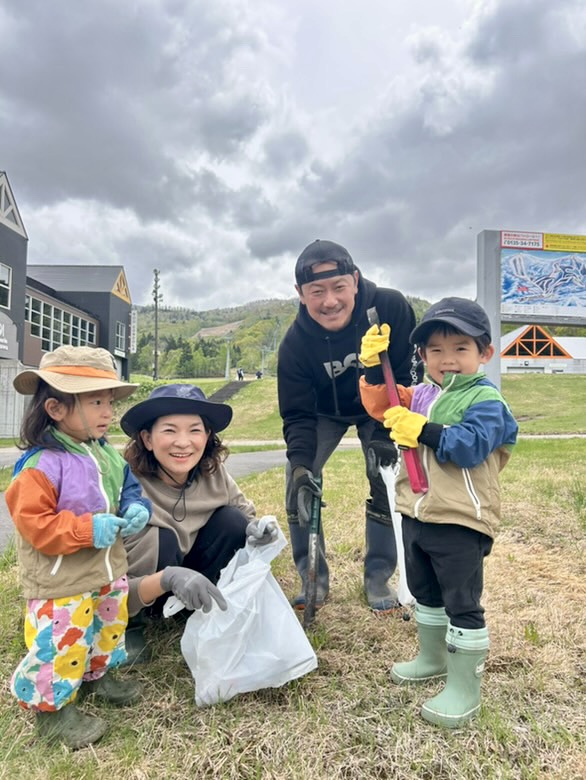

On the snow, I want to start a school that teaches all-around skiing. However, it's difficult to find people who can teach everything. So, although it may be difficult to do right away, I would like to have a school as one of my visions."
Life in the north is full of hope and excitement. Sakamoto Godai looks truly happy as he talks about his future, his smile soft as he goes
When asked what skiing means to him,
"Life," he answered without hesitation
"My life theme? Offense. Not defense, but continuing to attack. Never giving up.
If I have that, I think I can keep going no matter what, even if I fail."
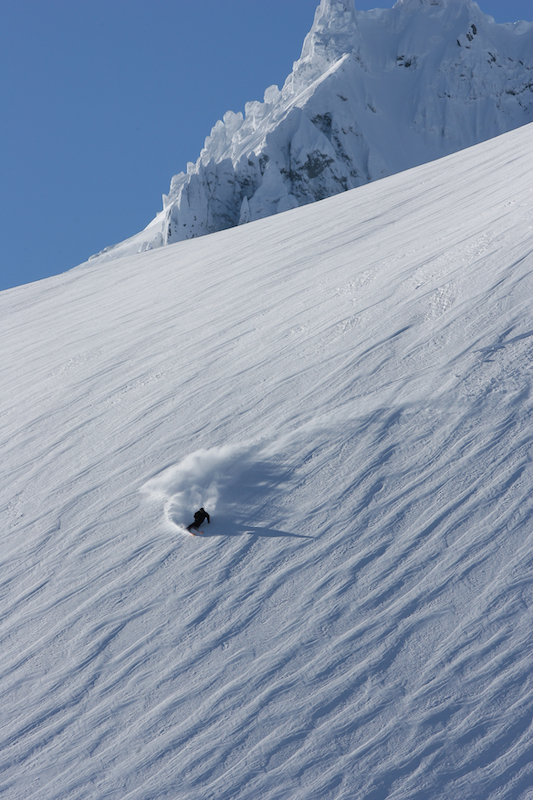
Gota Sakamoto stands on the snow again today,
his skating style stylish, powerful and proud.
The lines that Godai Sakamoto carves are not just traces of history.
They are a way of life that continues to pursue the essence of things.
Editor: Chise Nakagawa
Profile
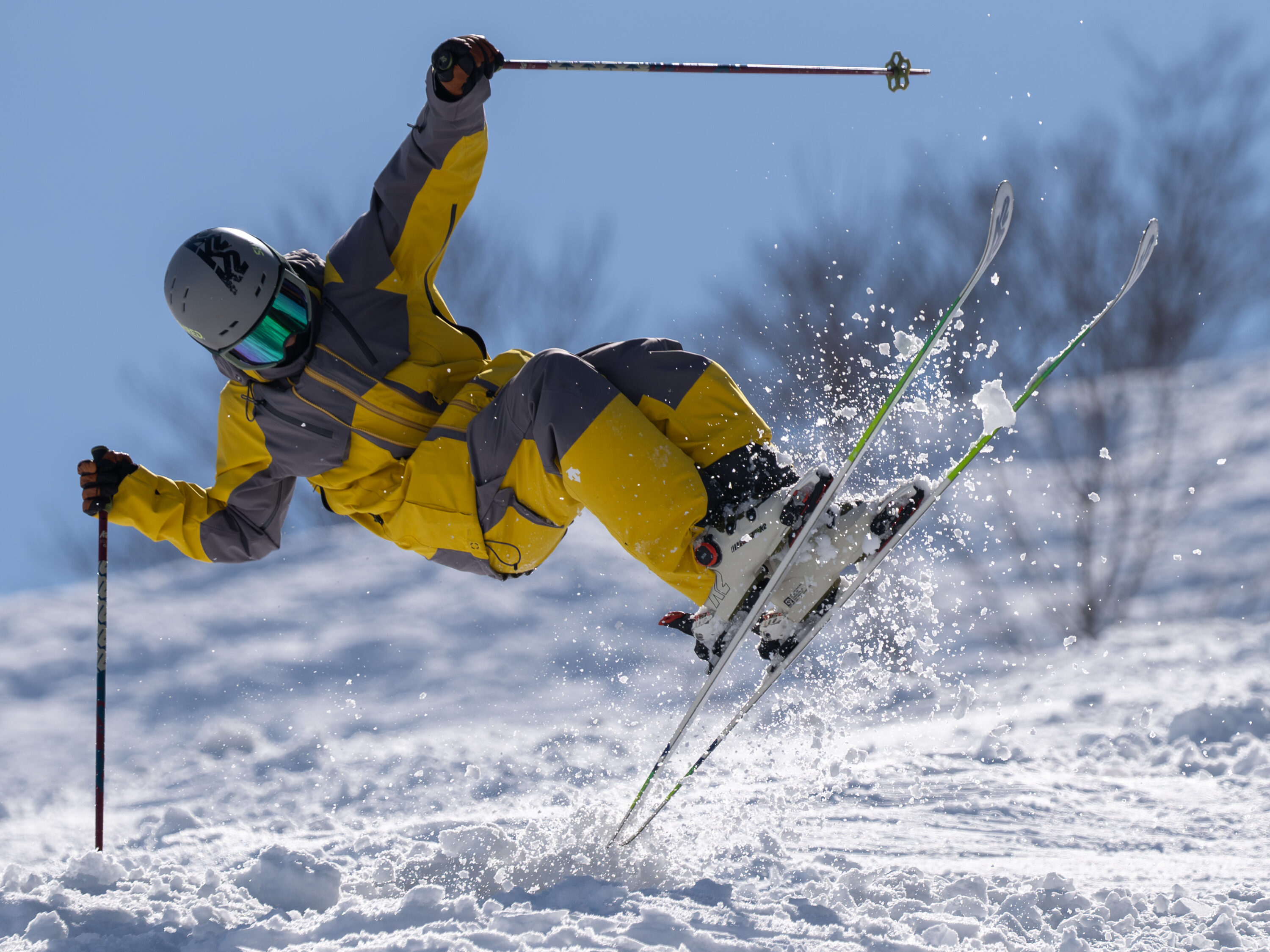
TAKEHIRO SAKAMOTO
A native of Sapporo, Hokkaido,
this legendary athlete pioneered the history of professional skiing and mogul skiing in Japan. In 1996, he achieved the incredible feat of becoming the first Japanese to win the World Cup in his debut, catapulting him to global stardom. He subsequently expanded his field of work to include performing arts in Canada, ski cross, and freeskiing, and in recent years has settled in Akaigawa Village, where he also focuses on ski lessons. He displays consistent, stylish skiing in any situation, from powder and moguls to carving and big mountain skiing. A true all-rounder, he possesses technique, speed, sharpness, and creativity.
Instagram: @sakamototakehiro
Facebook: @takehiro.sakamoto.73