


Awasuno Ski Resort sits quietly on the river terrace of the Joganji River, which flows from the Northern Alps into the Sea of Japan. Despite facing two management crises, the ski bubble and the COVID-19 pandemic, the resort has regained its former vitality thanks to the efforts of local volunteers and the support of local residents and fans. The key man behind the restoration, to which he says he has "dedicated his life," is Awasuno native Matsui Kazuhiro. On a slightly cloudy day in March 2025, he gave us a tour of Japan's friendliest ski resort, with a 65-year history.
It used to be a stay-at-home ski resort
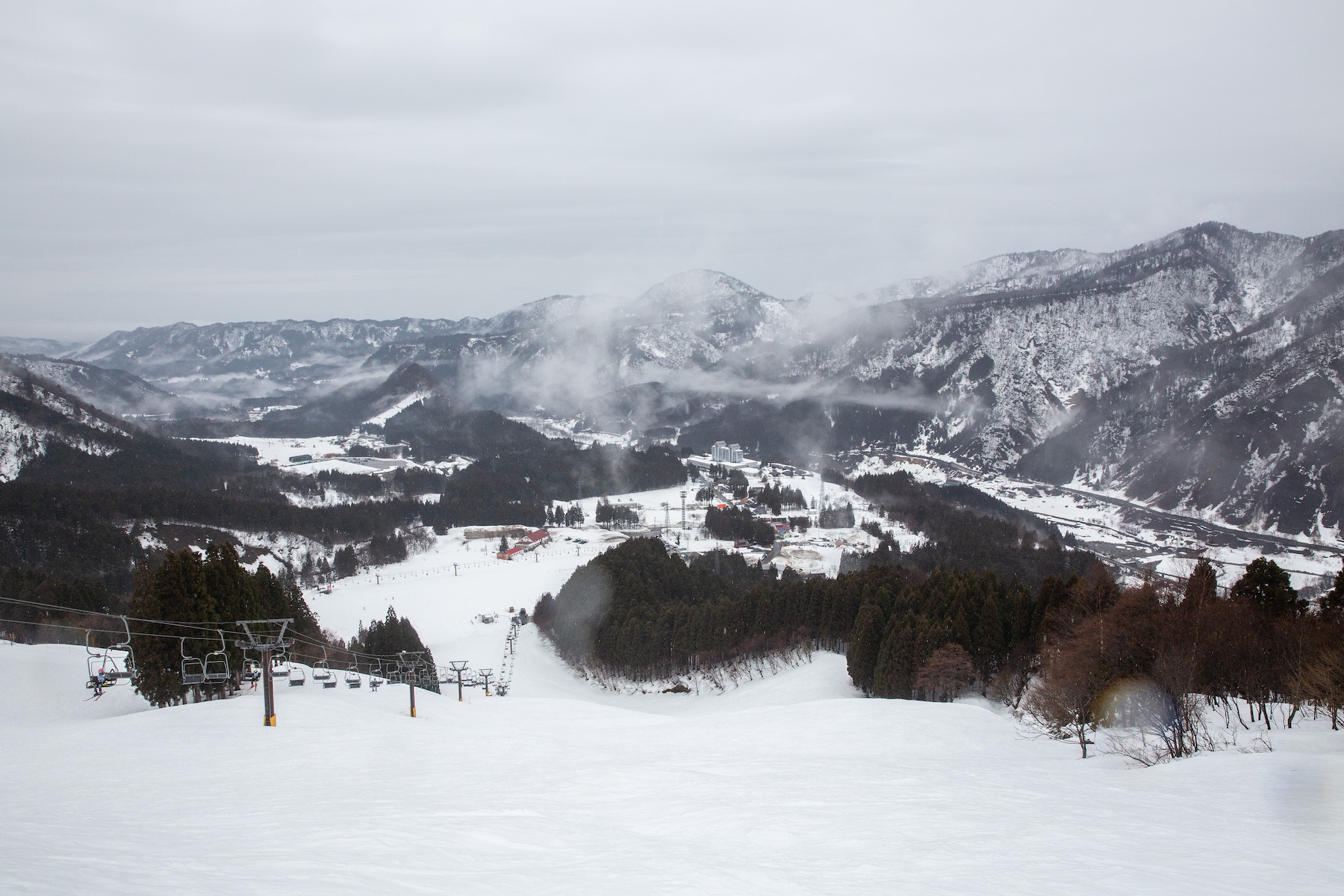
Driving along the Joganji River, which flows from the Northern Alps, we could see the white slopes of the Tateyama Mountain Foot Ski Resort on our right. But that wasn't our destination. Further down Prefectural Road 43, at the end of the road, was "Awasuno Ski Resort." Located on a terrace on the left bank of the Joganji River in Awasuno, formerly part of Oyama Town, at an altitude of 600m, it's a small, local ski resort with two lifts.
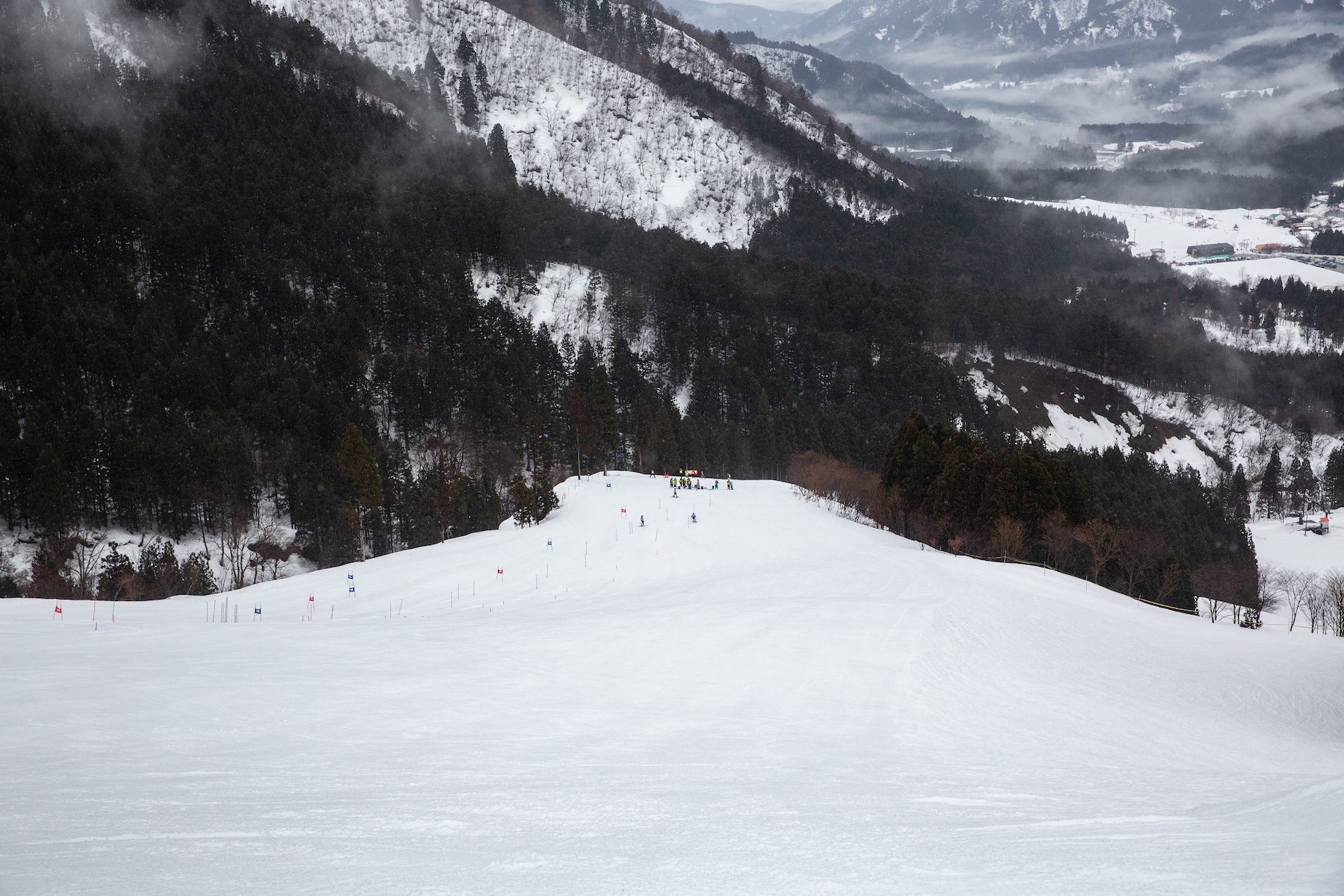
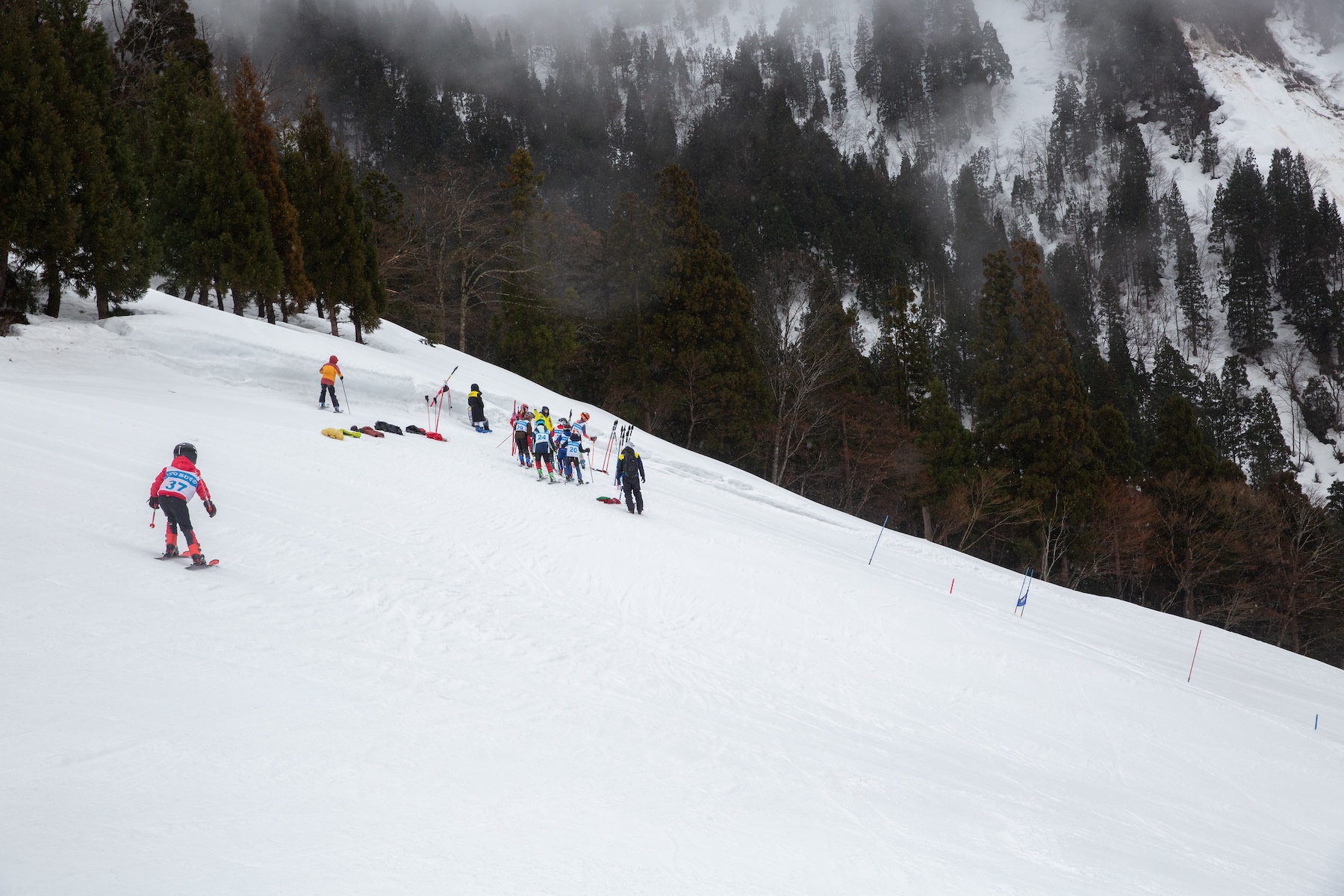
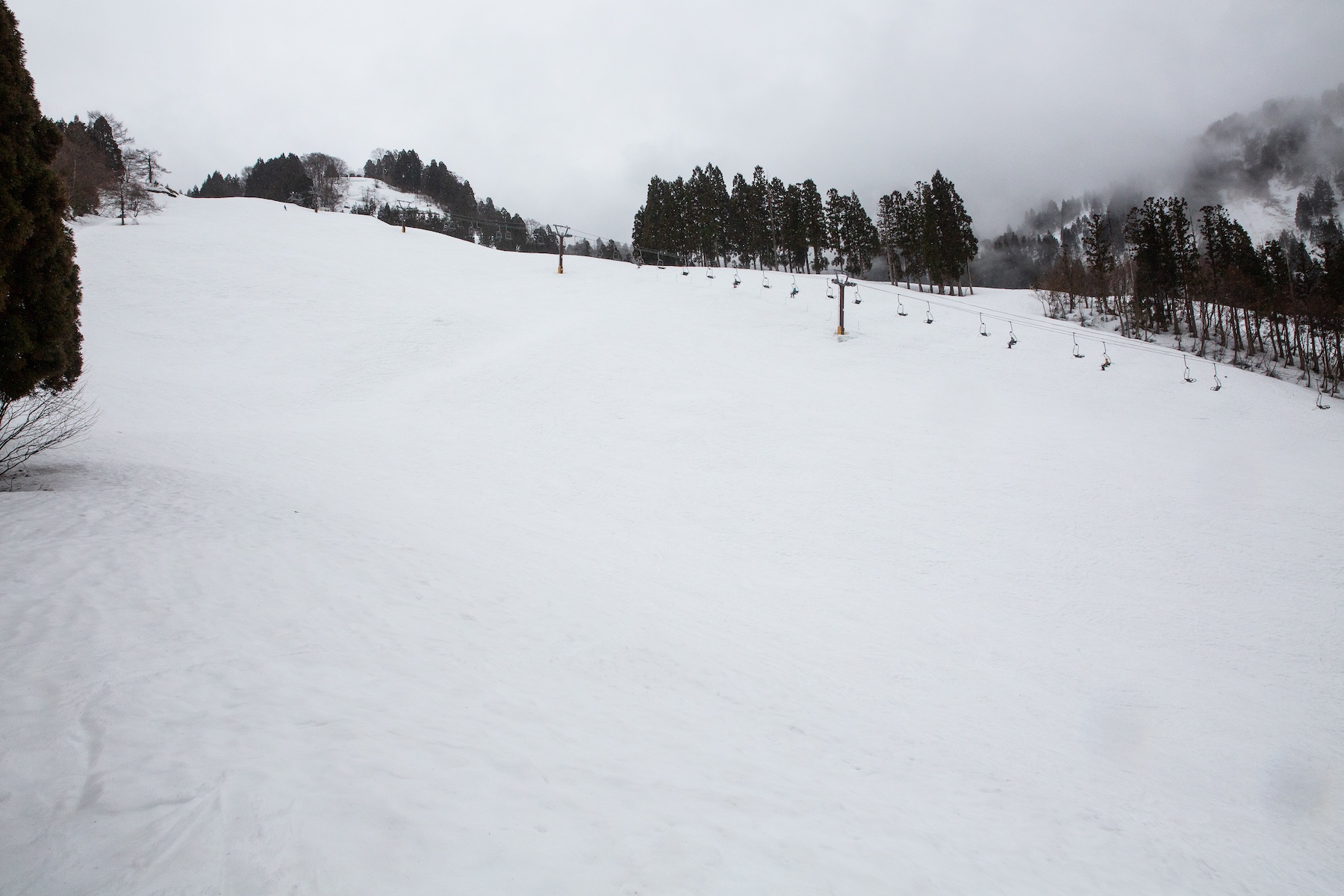
It's compact in size, but the slopes are robust. Of the seven courses, five are for intermediate to advanced skiers, and there are six ungroomed areas scattered throughout. The photo below shows the Dynamic Course, viewed from the top of the slope. It's a long run of 1,000m, perfect for intermediate skiers.
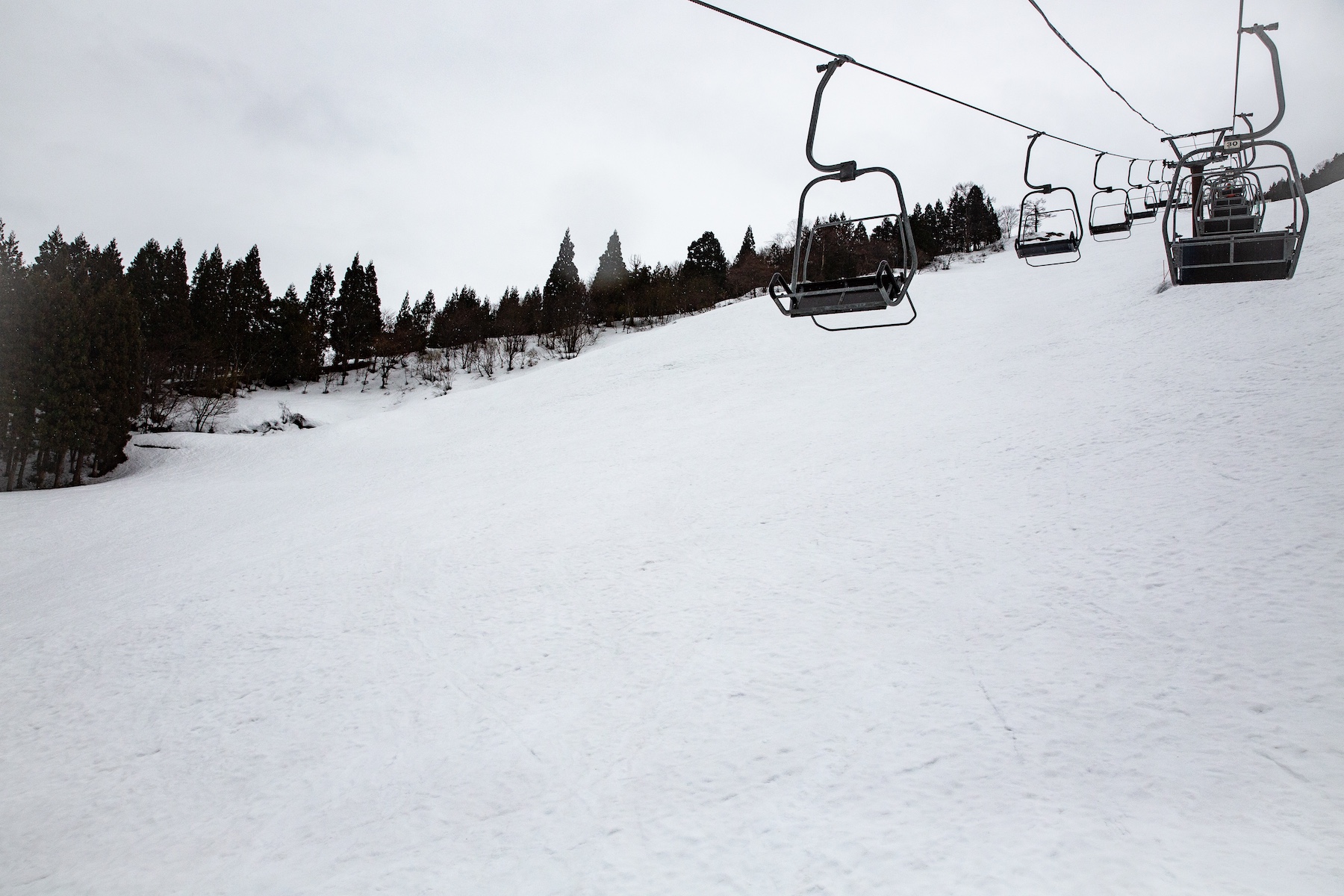
The slope to the left as you head towards the first pair lift is the Snow Dolphin Course. With a maximum gradient of 32 degrees and a total length of 730m, it is a challenging slope that is the venue for the popular freeride competition "Chanmero Freeride."
"I was born here in Awasuno and grew up with this ski resort as my backyard. Back then, everyone ran a guesthouse from their own home, and it used to be a ski resort where you could stay overnight. Ours was fully booked for about 10 days from New Year's to New Year's with guests from the Kansai region. However, in preparation for the Nagano Olympics, the road network was improved, and it became possible to travel from the Kansai region to Nagano. Then, the number of guests gradually decreased, and the resort became more of a local ski resort rather than a stay-over resort, and everyone stopped running the guesthouse. This was also due to the aging population..."

These are the words of Kazuhiro Matsui, born in Awasuno in 1971. He quit his previous job, which paid 12 million yen a year, to become the manager of the Awasuno Ski Resort in the 2021-2022 season, becoming the first full-time employee with a monthly salary at the NPO. Since then, he has been working wholeheartedly every day to develop the Awasuno Ski Resort
Two comebacks
With the end of the ski bubble, Awasuno Tourism Development, the operator of the resort, decided to withdraw in 2002. A group of local volunteers decided to take over operations in order to keep the resort running. However, in 2020, due to a lack of snow caused by a warm winter and the impact of the COVID-19 pandemic, NPO Awasuno was dissolved and the resort was forced to close. At the time, Matsui was living in Urawa City, Saitama Prefecture, and working for a private corporation in Tokyo affiliated with the Ministry of Health, Labor and Welfare.
"I was shocked when I heard that. Even when I was in Tokyo, I would return to my hometown on weekends to run the local ski club and continue coaching. If the ski resort disappeared, it felt like the light of Awasuno would go out. If things continued like this, local children would have no base to ski. They could practice at the ski resort next door, but I would prefer to let them practice at the ski resort with the clubhouse."
Matsui's own experiences overlapped with this. He started going to Awasu Ski Resort at the age of three, and was passionate about alpine skiing throughout elementary, middle, and high school, becoming a competitive athlete who even competed in national championships during his middle school years.

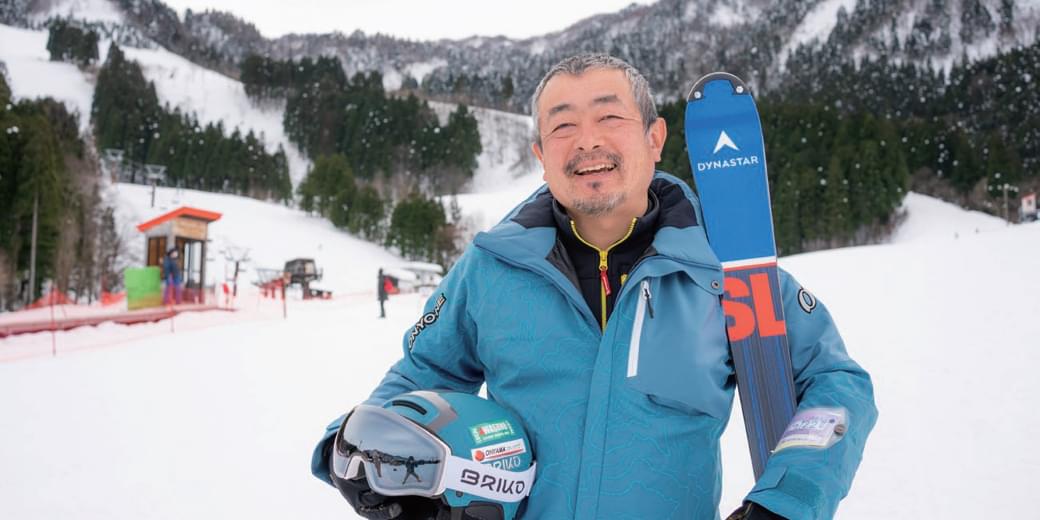
Photo: dashimasu
For the sake of the community and the local children, my desire to keep the school going at all costs grew stronger and stronger.
"At the time, I told my children, 'Don't worry, I'll definitely keep this place.' I felt like I would give my life to protect this place."
Despite the travel ban imposed by the COVID-19 pandemic, Matsui and other parents gathered at an izakaya to search for ways to keep the resort open. He and his friends then formed the "Association to Support the Revival of Awasu Ski Resort."
A restart supported by local residents
After forming the "Association to Support the Revival of Awasuno Ski Resort," the first thing Matsui did was to have volunteers mow the grass.
"We figured that we couldn't even open the resort unless we mowed the grass on the slopes, so we advertised in the local newspaper that we should mow the grass as a way of showing our gratitude to this historic mountain. We were looking for volunteers to pick up trash and mow the grass. We didn't have any gasoline or machinery, so we asked them to bring their own tools. We thought maybe around 50 people would show up, but 200 volunteers gathered, and in four months, more than 500 people participated in total."
Matsui had planned to continue watching over the ski resort, commuting back and forth from Tokyo by Shinkansen as before. However, he ended up taking early retirement from the company.
"At the same time, the company asked me to transfer to Wakayama. That's when I thought, 'There really is a God.' I felt like He was telling me to quit. I made up my mind to dedicate myself to rebuilding the ski resort."
Bringing new excitement to the slopes
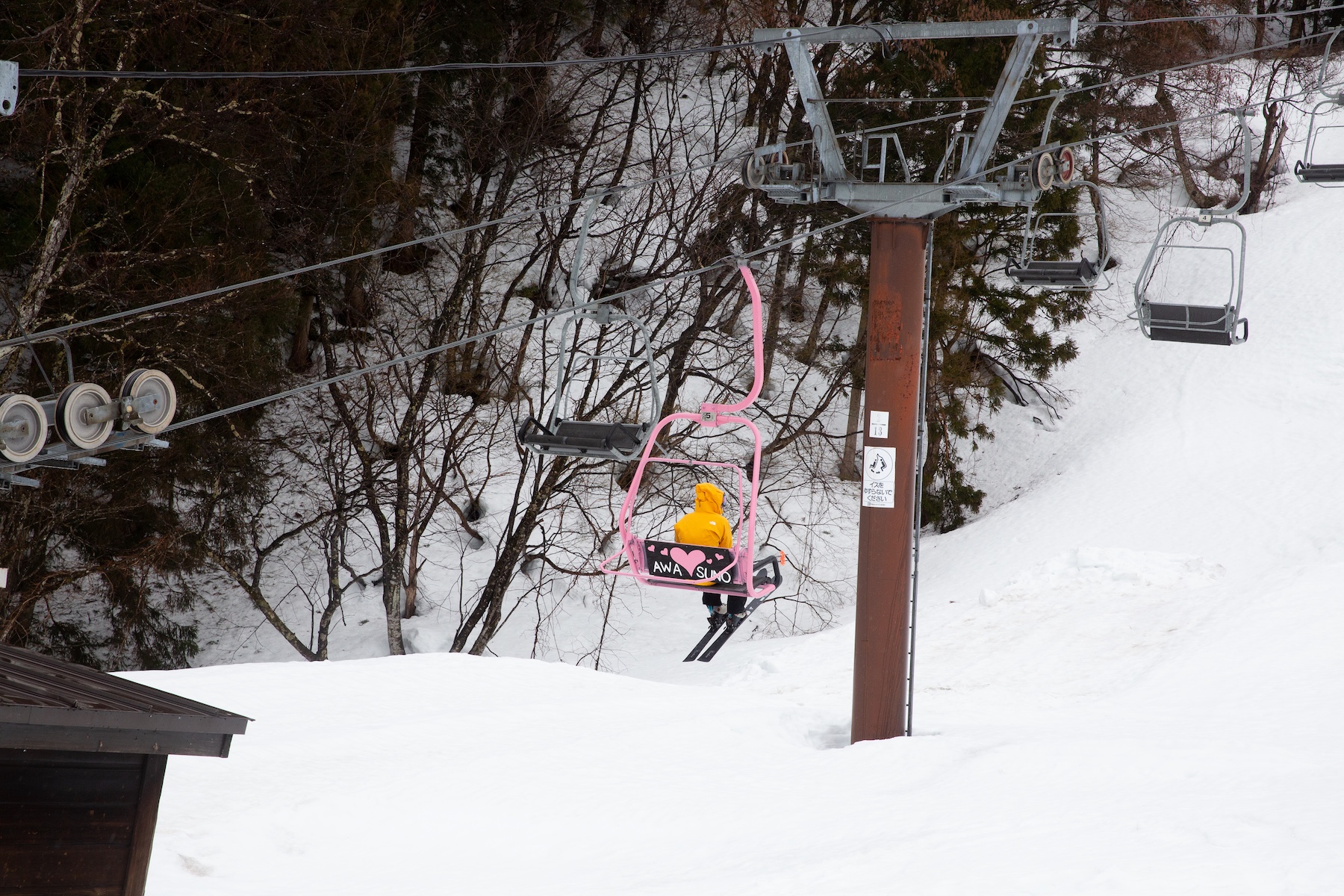
In a crowdfunding campaign held in 2020 to raise operating funds, they raised 6.62 million yen from 429 people against a target of 2 million yen. To live up to these high expectations, Matsui decided to visit the Awazuno ski resort every day, objectively observing customer traffic, taking a bird's-eye view, and breaking down existing concepts to try new things.
"What I value most is operating from the customer's perspective. I proactively listen to customers, quickly turn their requests into reality, and try to win their hearts."
"For example, we have an event called 'Woof-Woof Paradise' where you can ride the lift and slide down the slopes with your dog on a specific date. We get advice from an acquaintance who is a groomer, and we are proceeding while managing the risks.
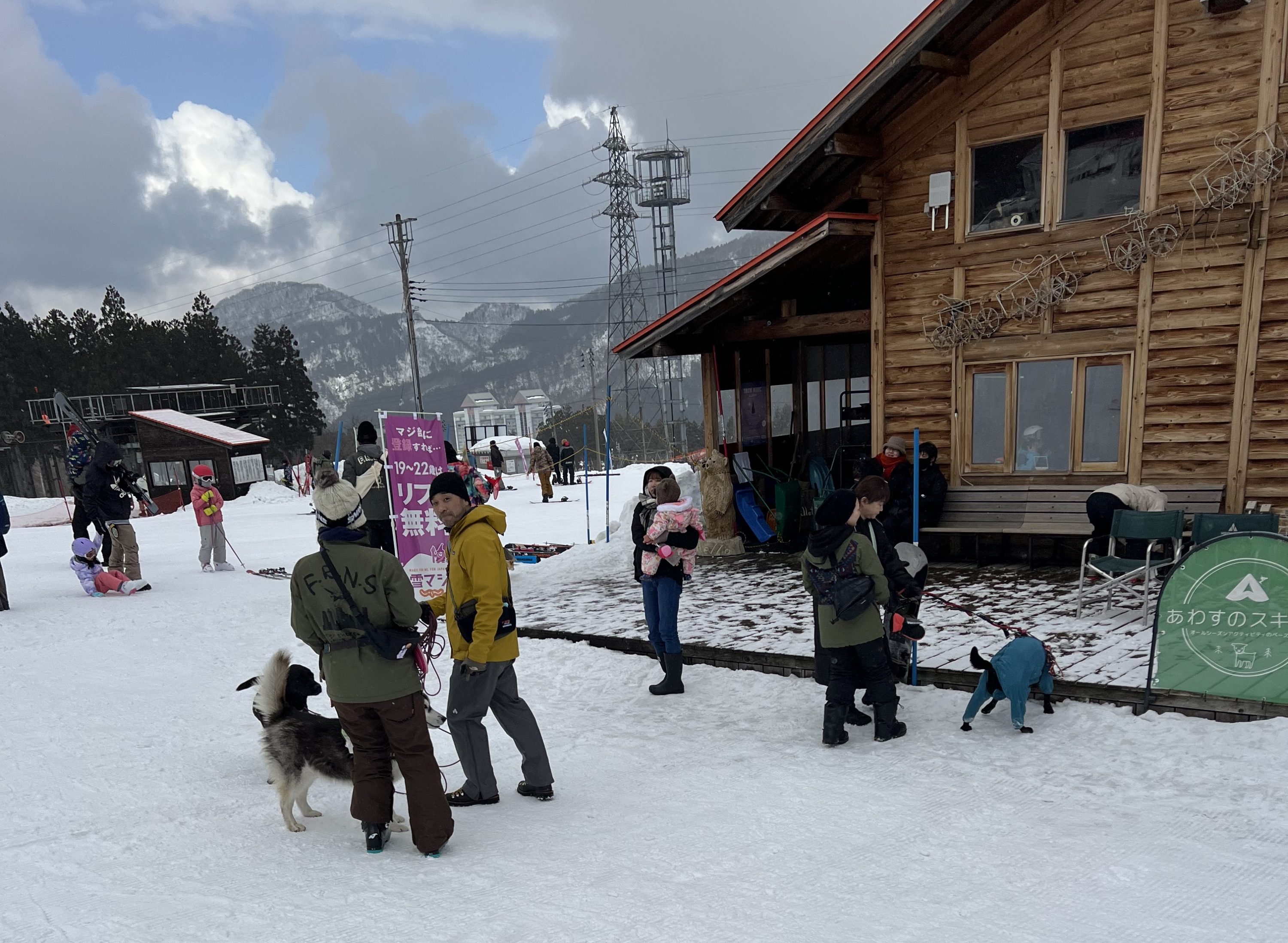
"I thought it wouldn't be a problem for small and medium-sized dogs because their owners would be able to carry them on the ride, but once we started doing that, we started seeing larger dogs who couldn't be carried on the chair. We have to stop the lift every time we want to put a dog on the chair, but other customers haven't complained, and in fact everyone is happy to watch over them."
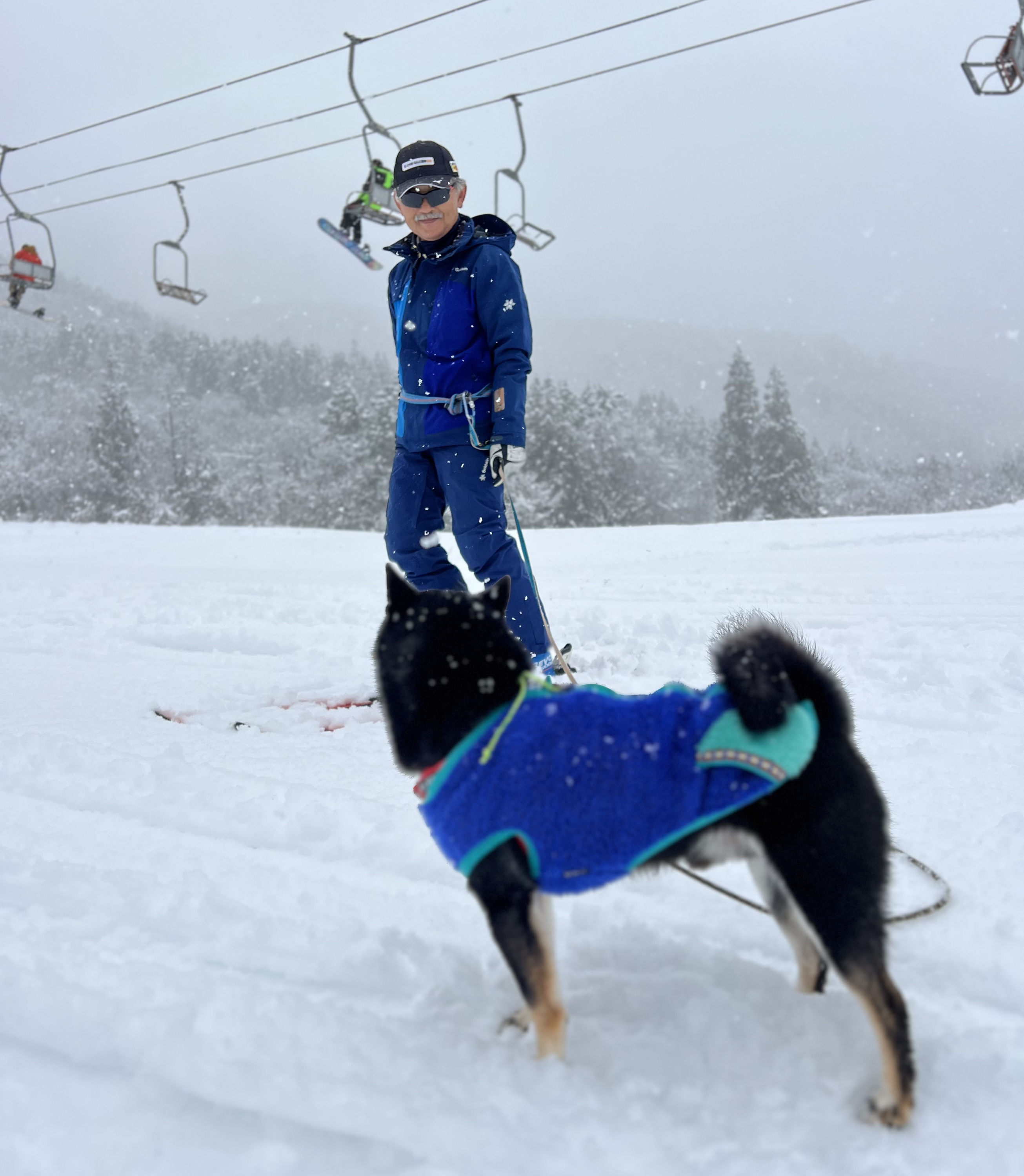
This passionate management philosophy of understanding needs from the user's perspective and actively taking on new challenges has paid off, with last season (2024-2025) seeing the highest number of visitors in the past 15 years.
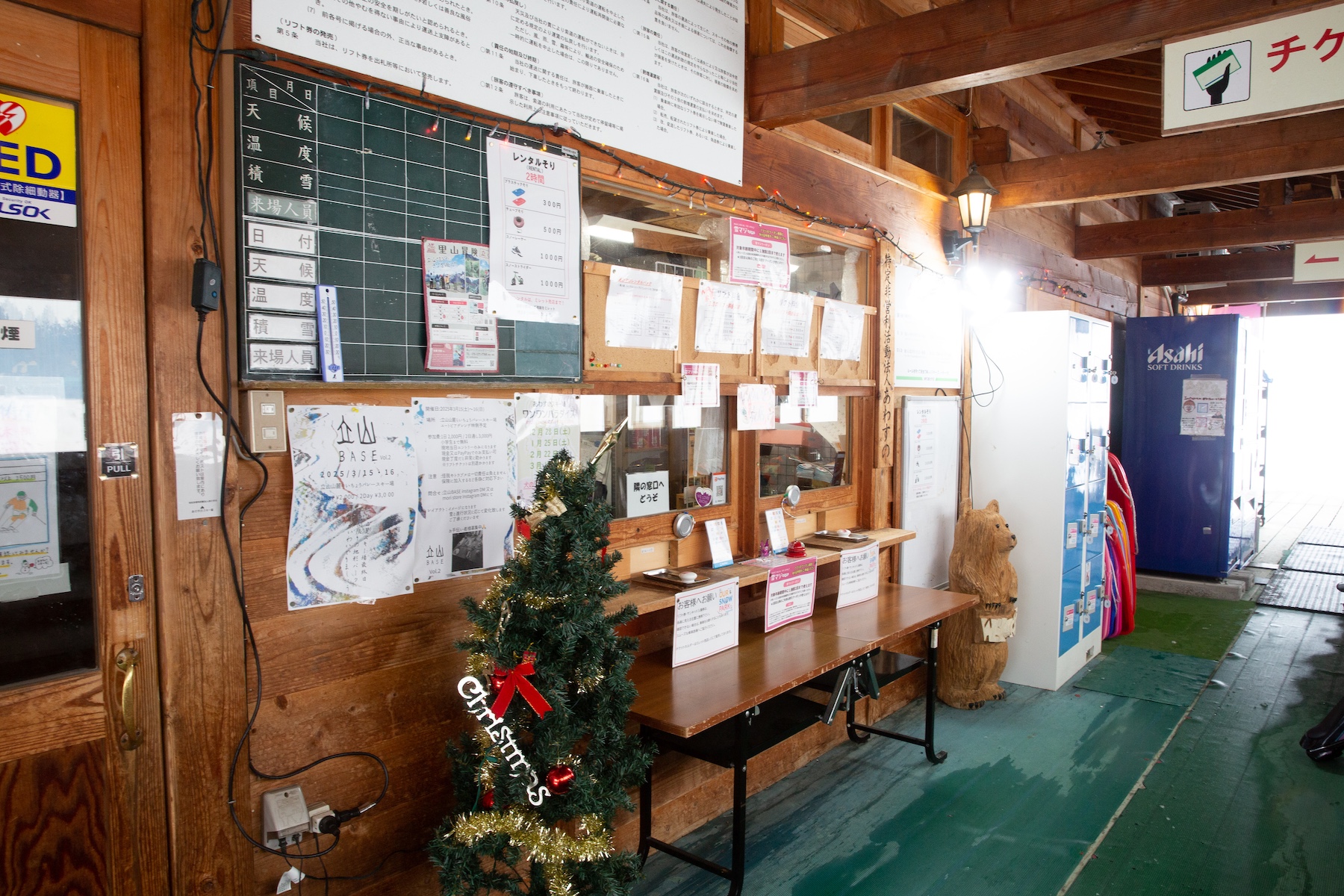
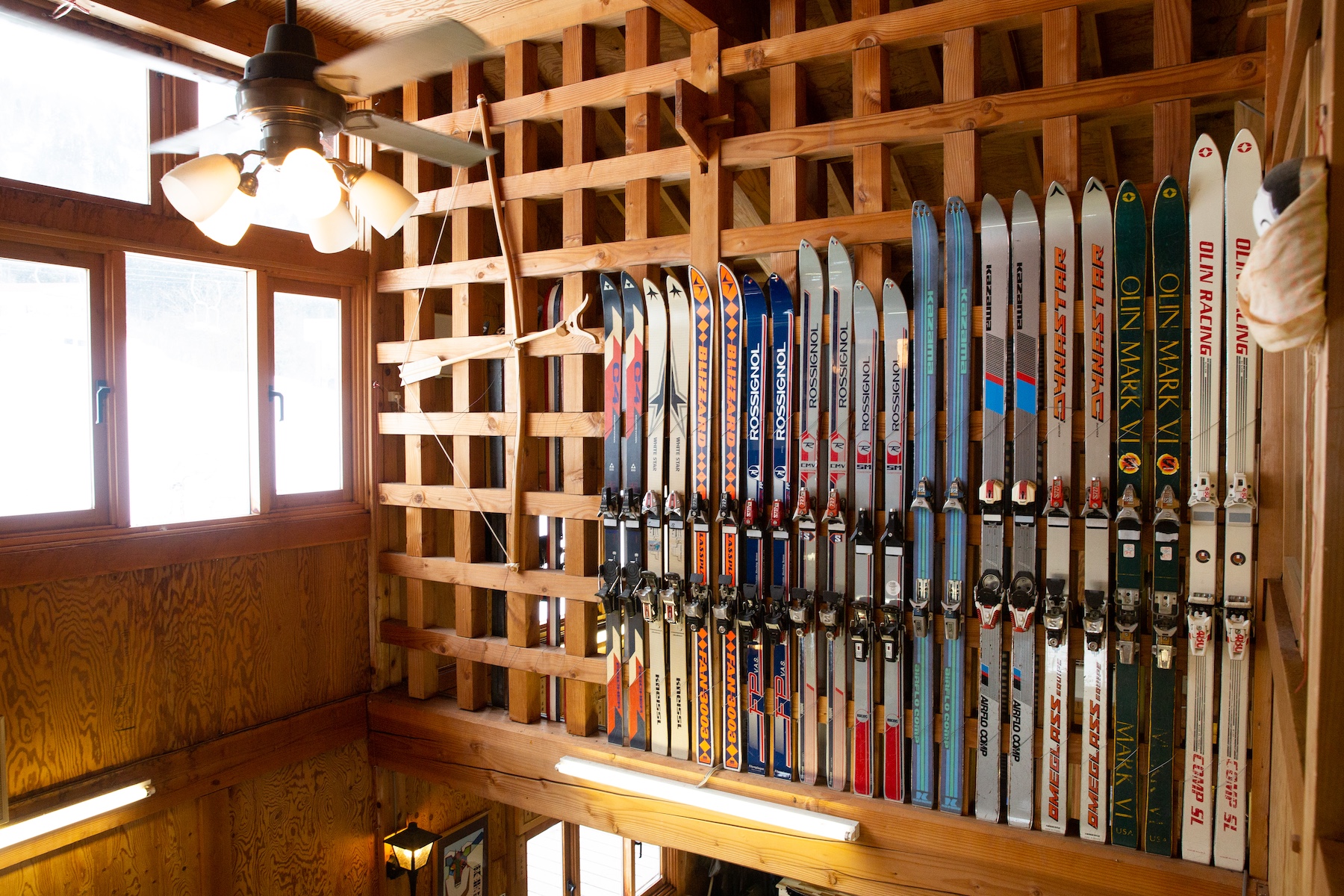
When trying something new, people tend to start by thinking about why they can't do it, but Matsui takes a positive approach and steadily works on what he can do. The
stadium is closed on weekdays in March towards the end of the season to cut costs, but they held a night game on one day. They called it "Japan's dimly lit night game."
"If there is snow like last year, there are customers who want to ski for even just an hour or two. So we thought we'd try a night skiing session on Friday nights from 7pm to around 11pm. Before we did it, we announced on social media that we wouldn't do it unless there were at least 51 people. The reason for this is that it costs 51,000 yen to lease the electric lanterns that will be used for construction lighting. Tickets cost 1,000 yen per person, so we need a minimum of 51 people.
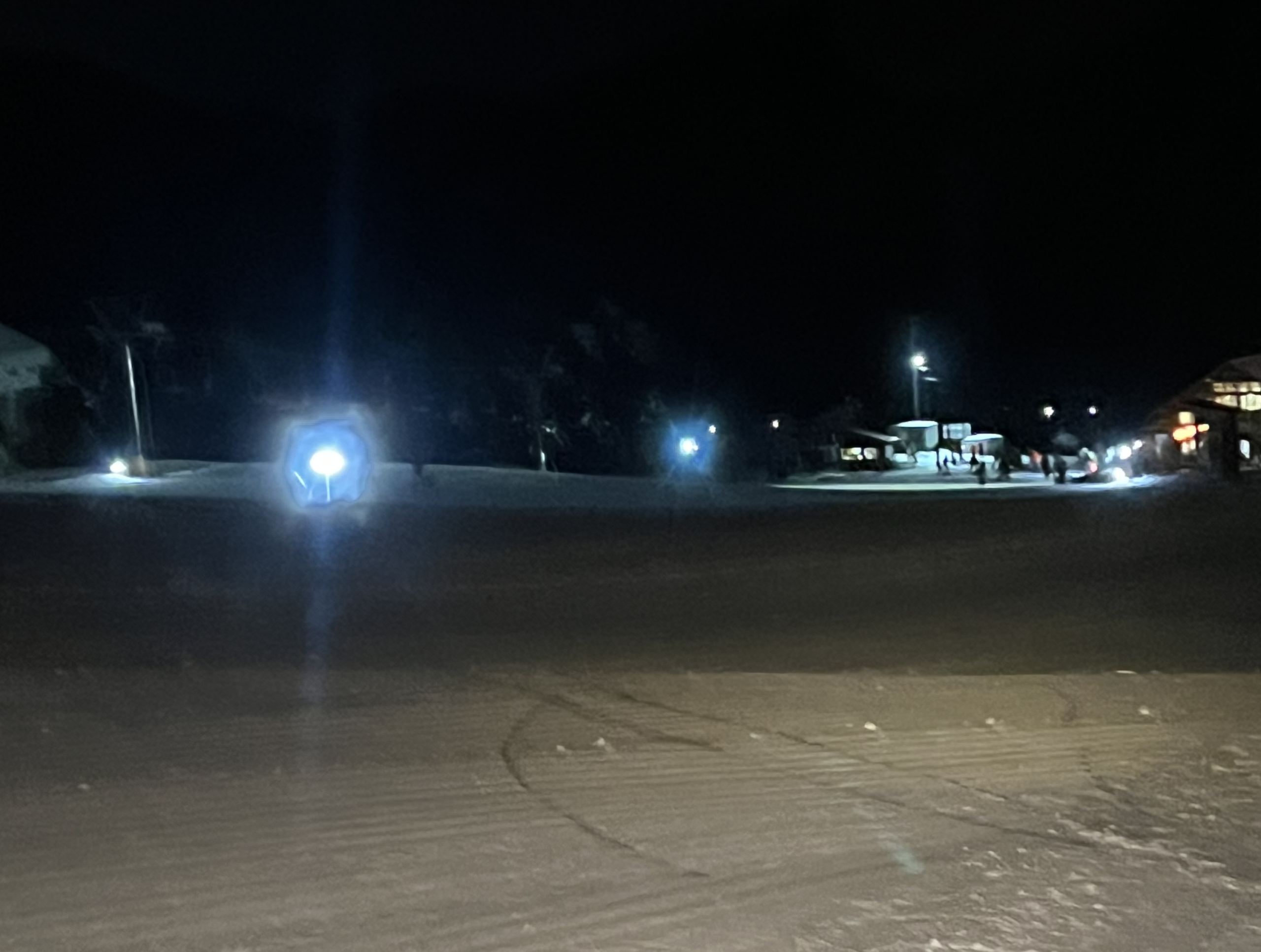
"We got as many as 100 applications. At the same time, we offered a shuttle service where anyone who donated 2,000 yen would be taken to the top of the slope in a snow groomer and have a commemorative photo taken.
I drove the snow groomer back and forth from 7 pm to 10 pm. This was to groom the slopes for the next day's operation, so it was an effective use of time and effort. I was just transporting customers and taking pictures of them while I was working. But for the customers, there wasn't enough snow the previous year so they couldn't ski properly, so that one day was important. We had quite a lot of visitors that night."
The next day, Saturday, when they were open, it was unfortunately pouring rain and no customers came. He said he and the staff laughed and said it was good that they did night skiing.
Furthermore, while Awasuno Ski Resort is accessible not only by car but also by public transportation such as trains and buses from Tateyama Station, last season they partnered with a railway company to sell a one-day lift ticket for 4,500 yen for adults, which included round-trip travel from Toyama Station. This strategy aimed to increase visitor numbers by effectively making transportation from Toyama Station free.
A lack of snow due to a warm winter is probably the biggest crisis for a ski resort. However, they are confident that this can be overcome to some extent with ingenuity and resourcefulness.
"Last year (23/24 season), it was predicted to be a warm winter from before the season even started. So we asked snow removal companies to collect the snow in one place, even if it meant occupying half the parking lot. On New Year's Day, we managed to keep only the kids' park open using the collected snow. It was a strategy to redirect snow removal costs to snowmaking. Then, about 40 foreign technical trainees who had never seen snow before came, rented ski wear, took pictures, and played. That alone made for a great activity."
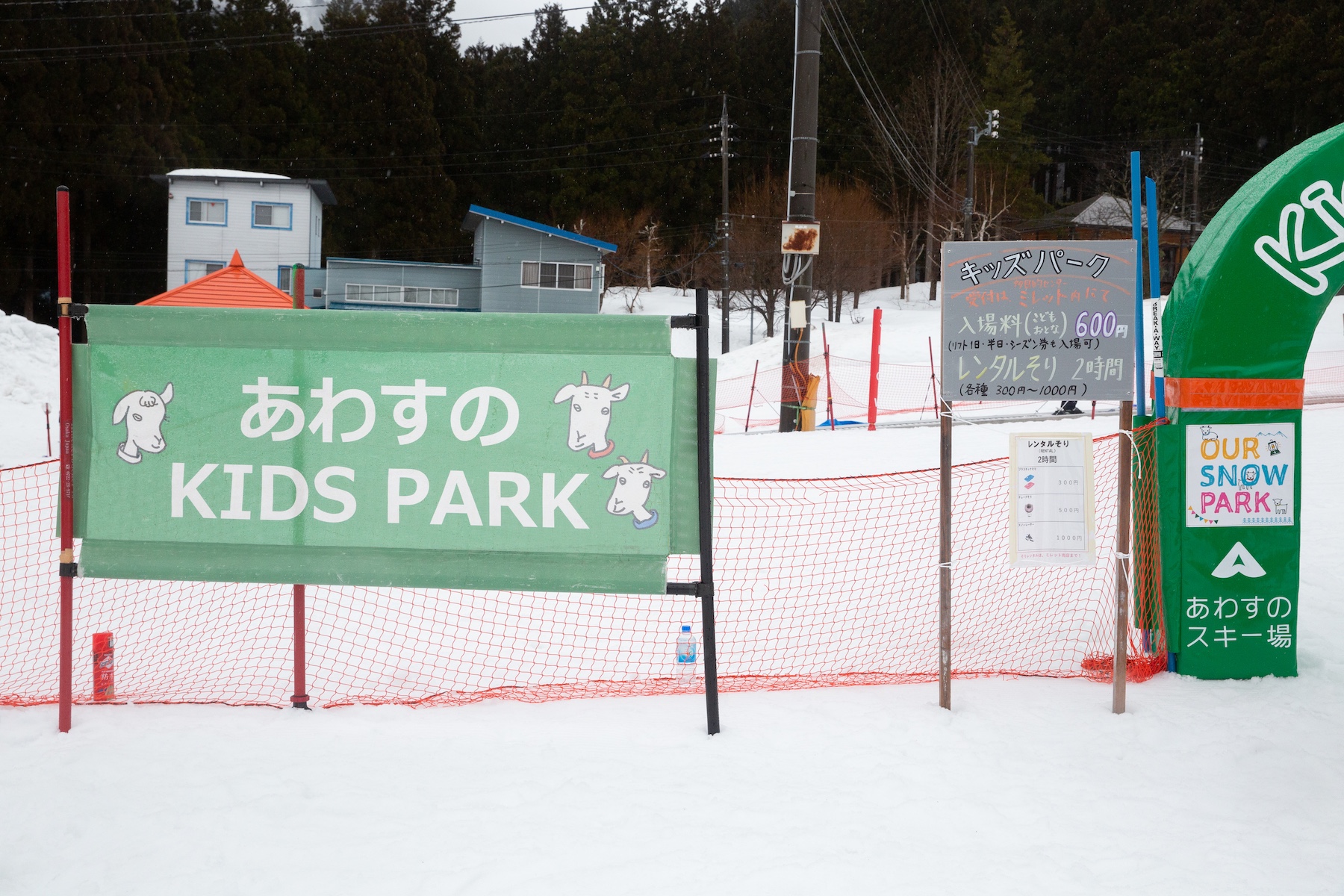
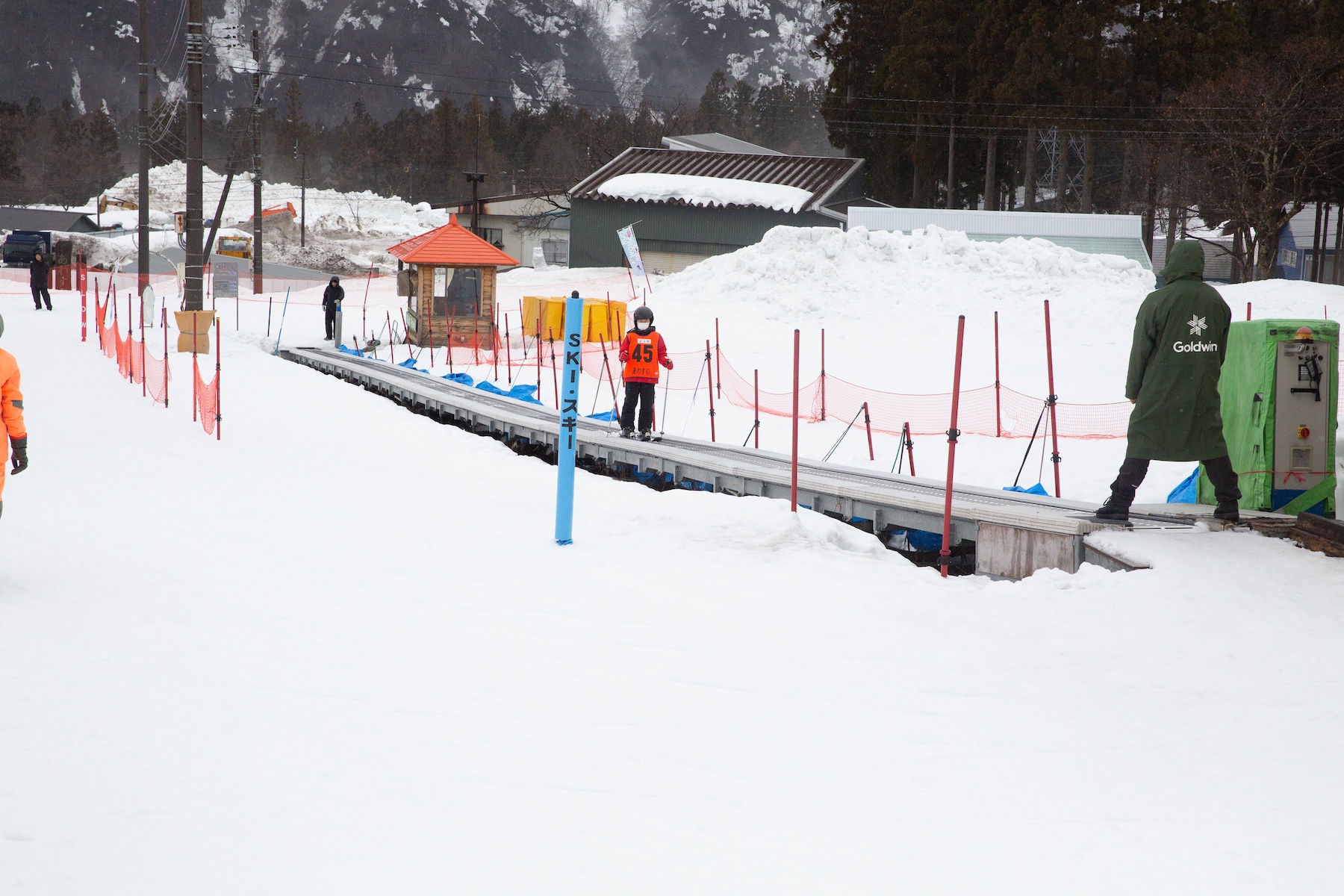
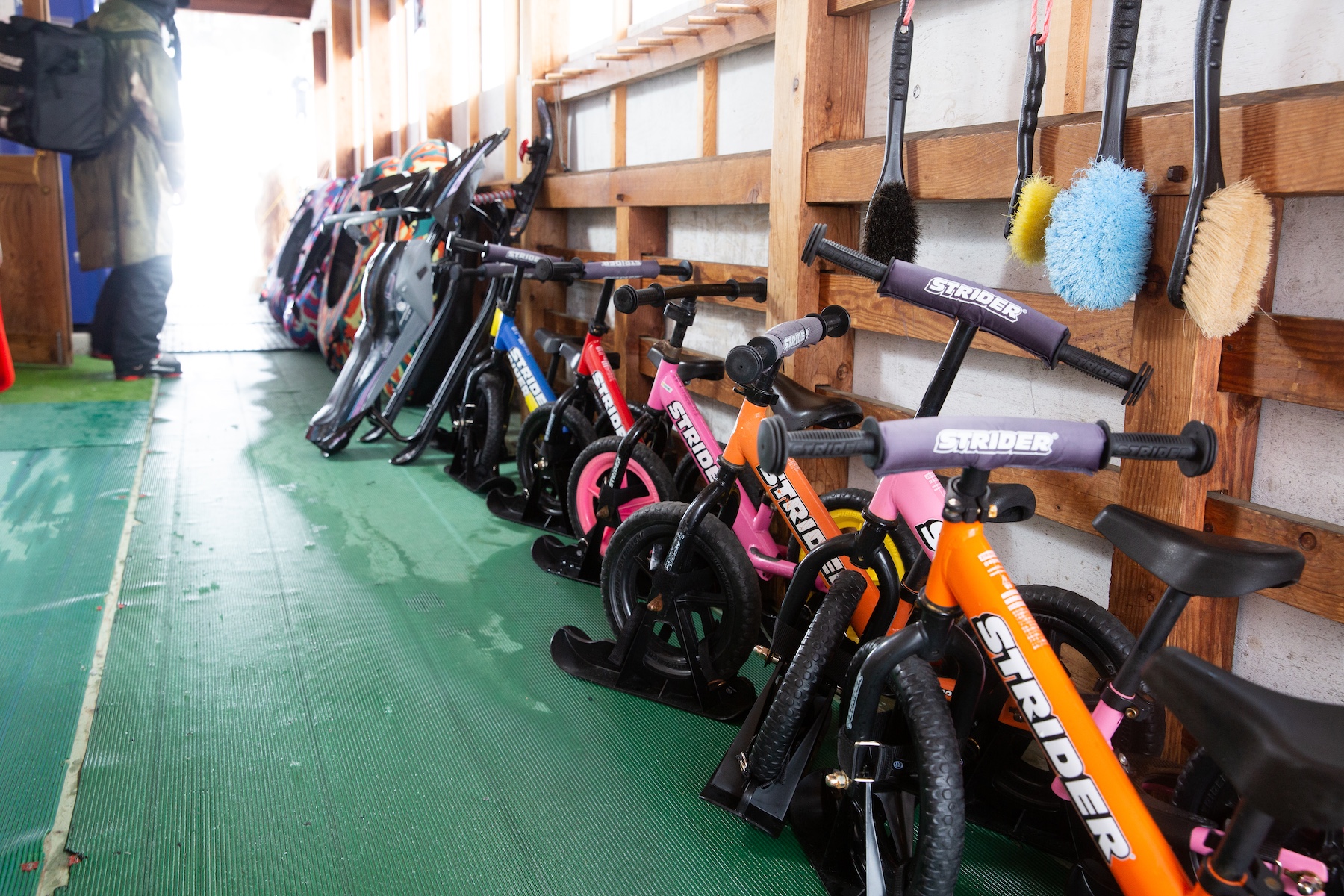
The friendliest ski resort in Japan
The concept of Awasuno Ski Resort is "Japan's gentlest ski resort." The slopes are gentle, with wide, gentle slopes at the bottom, and the staff are gentle as well. The staff have a strict rule that they must never get angry at customers.
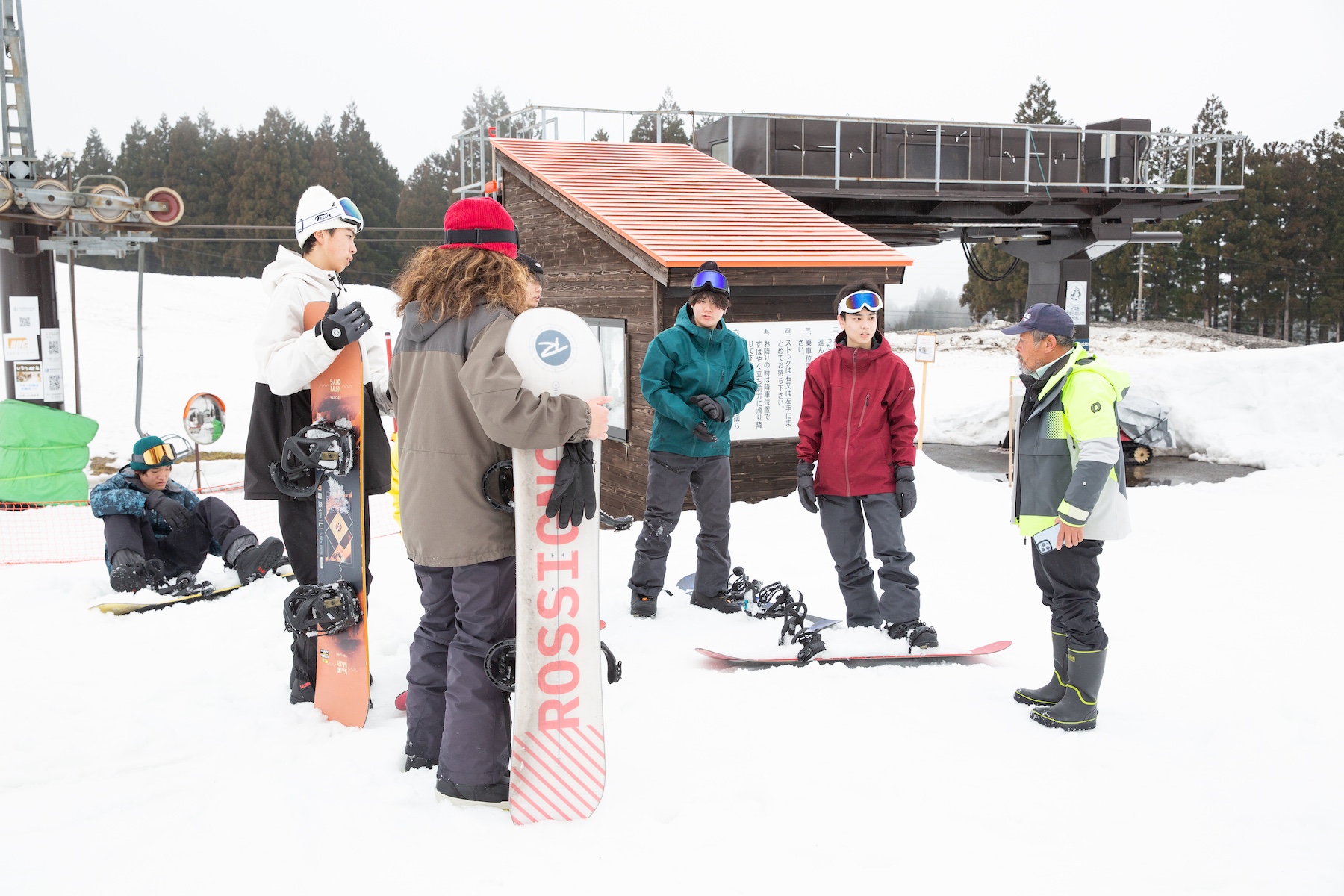
"We aim to be the perfect ski resort for beginners. We get a lot of students in their early twenties who are using 'Yuki Maji' (snow magic)time to snowboard or ski, and the staff are very careful to help them put on their rental boots comfortably. If their instep hurts or they feel pain on their first time skiing, they probably won't wear skis again. Whether it's comfortable or painful the first time determines their future." They
never get angry or scold staff about how to use the lifts or how to rest on the slopes. They just don't know left from right. So they just teach them gently.
*Yuki Maji: A service provided by Recruit Co., Ltd. that is part of the "Maji☆bu" project, offering free or discounted lift tickets to approximately 130 ski resorts across the country to young people aged 19 to 22.
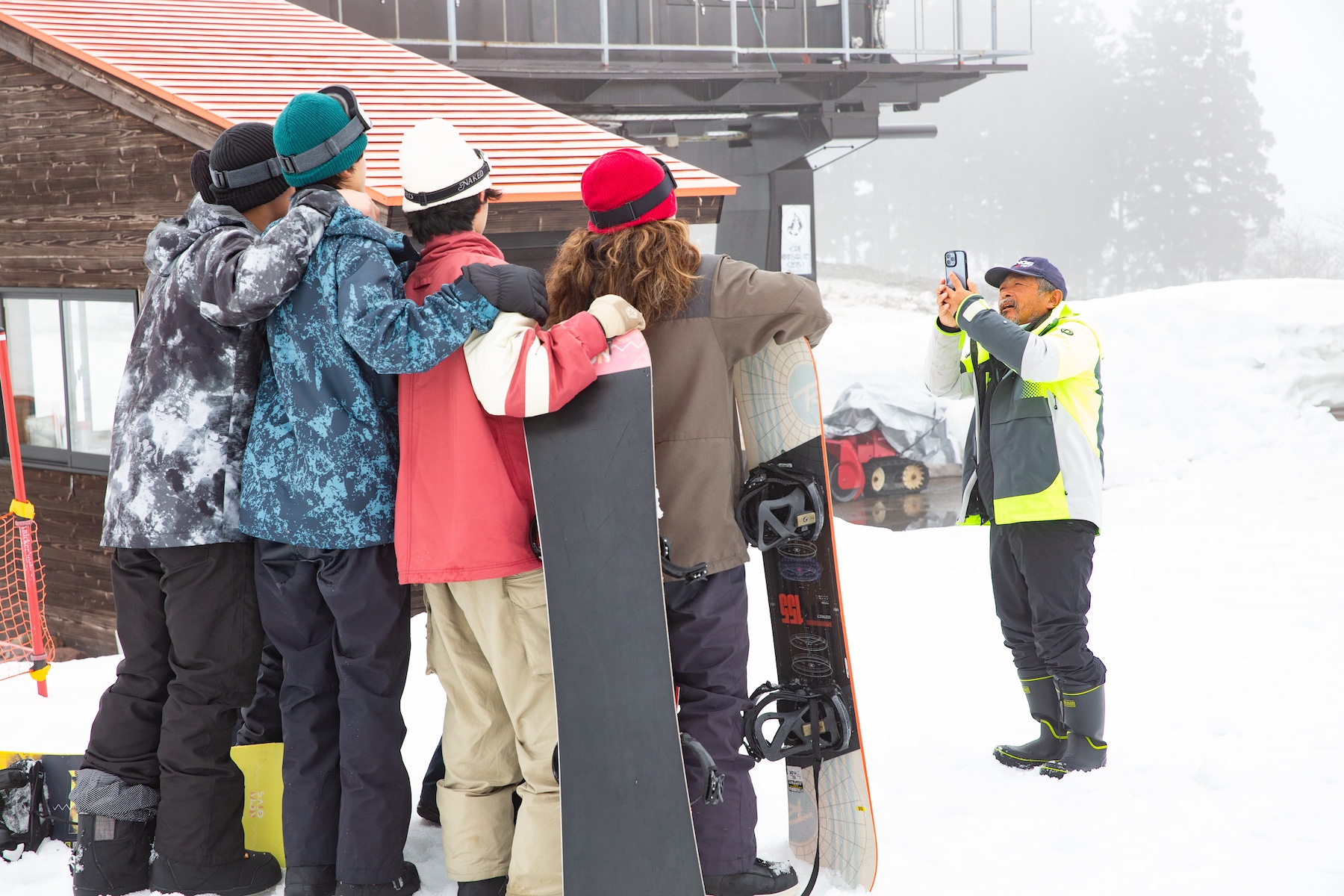
I don't want to lose a place that holds fond memories.
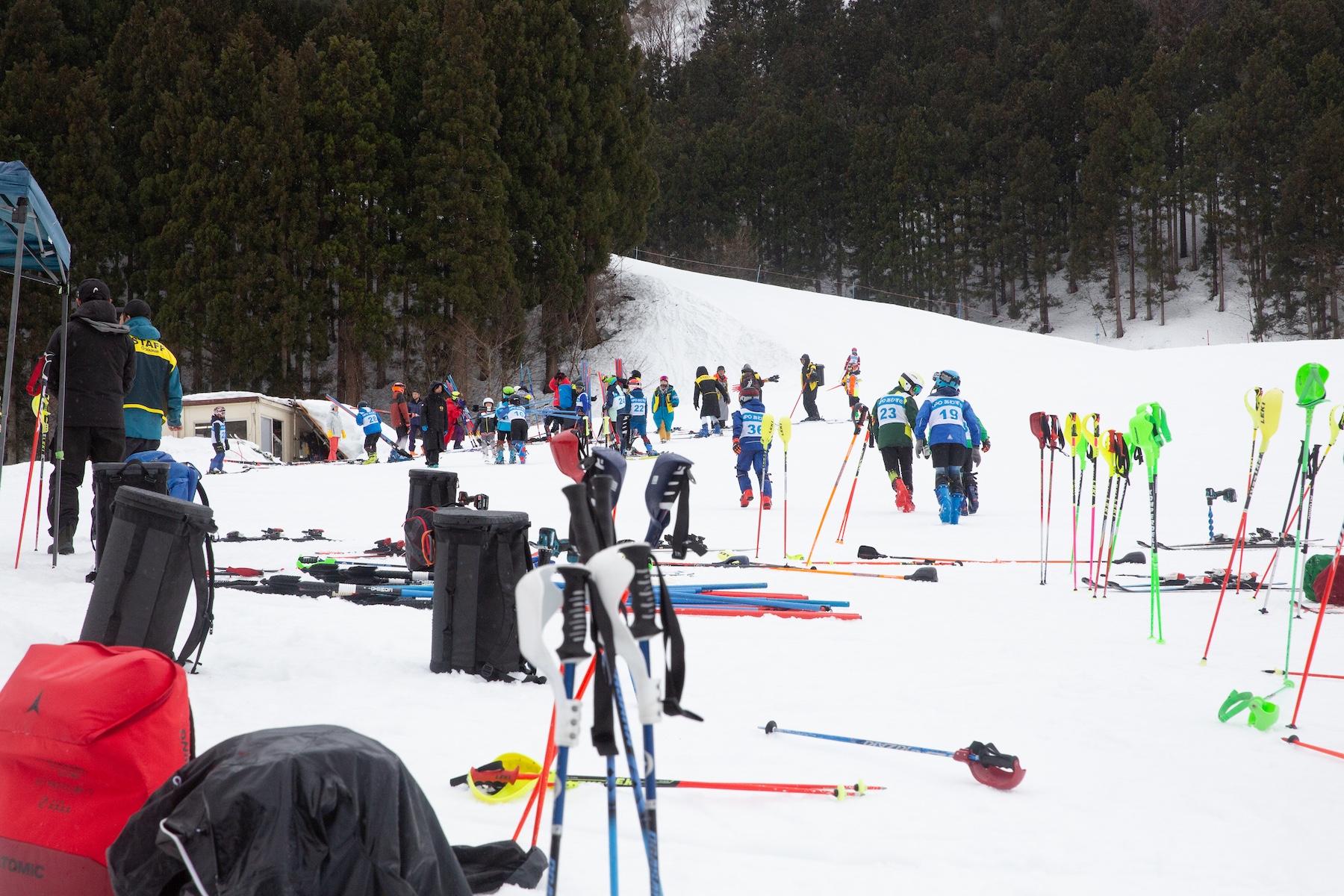
Coincidentally, on the day of the interview, there was a junior ski practice session. Mr. Matsui sincerely hopes that they will continue to come here 10 or 20 years from now.
"We receive many messages like this: 'I live in Tokyo now. It must have been 50 years ago that I was taken care of by you. I would be sad if this place full of memories disappears, so I will help out.' The children who were skiing today will surely feel the same way when the place faces another crisis of survival in a few decades. Returning to a place full of memories—that cycle is important, and all the more so with the declining birthrate. It is important for the industry and the community that the place where people started playing in the snow continues to exist."
Mr. Matsui says that increasing the number of NPO members will be key to its continuation. If they can attract "Awasuno fans" throughout the year and stabilize membership fee income, they will not have to worry about not being able to operate even if it doesn't snow in winter. In the future, they are exploring what kind of activities they can do throughout the year, in addition to skiing.
"In any industry, the entry point—getting people to step through it—is crucial. That's why we stay open during the green season. To be honest, it's not profitable, but it's a way to revitalize the green season while also serving as a promotion to attract new customers during the winter."
Ski resorts only make the news in the winter. But if they're open in the summer, local TV stations and newspapers will pick them up, and when people hear about them all year round, they'll think, "Well, I guess I'll go once winter comes." Thanks to that, I think this season's visitor numbers are over 200% higher than last year. We ran out of the rice we had secured just a month after opening."

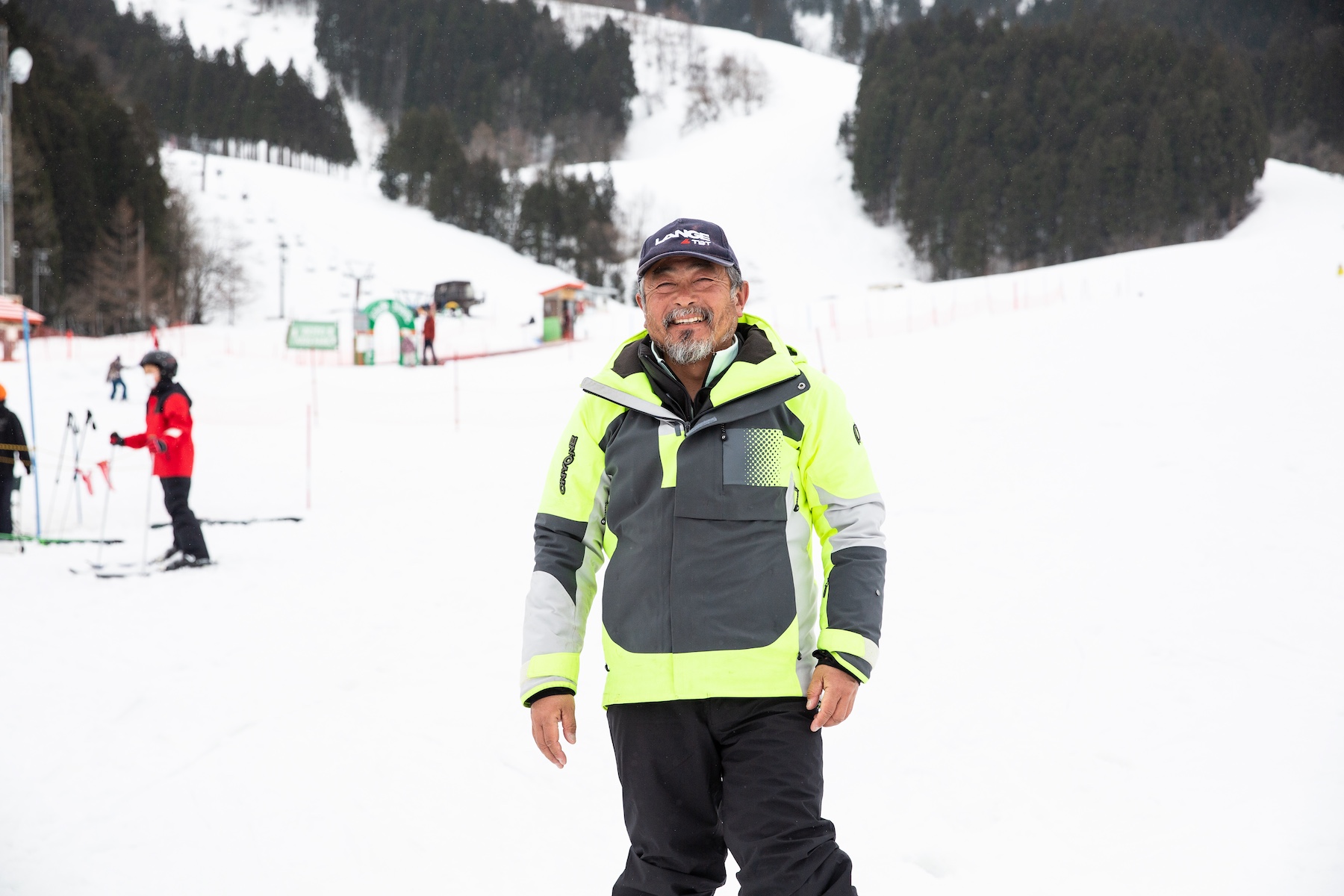
What is the dream of Mr. Matsui, who has made a major life change and gone the extra mile to revitalize his hometown?
"My dream is to return to being a salaried worker. That will come true when the reconstruction of this place is successful. I want to develop the ski resort into a hub of activity for the community and make Awasuno an attractive place that people will want to live in."
Supported by locals, NPO members, and everyone else, the ski resort continues to grow, adapting to the times by using ingenuity to keep costs down while keeping things compact, and incorporating new and fun things. I felt that Awasuno represents the ideal model for how a small ski resort can survive as a healthy public space in Japan going forward.
This season, the park opened on Saturday, December 13th. Incidentally, this season too, the park is planning to hold the "darkest night game in Japan" and fireworks (Tateyama Foothills Snow Festival) simultaneously on Valentine's night, Saturday, February 14th, 2026. Be sure to check it out!
Photo: Daigo Onozuka
Information
Awasuno Ski Resort,
1868 Usunamiwari, Motomiya, Toyama City, Toyama Prefecture 930-1451, Japan.
Official website:https://awasuno.com/winter