


On Tuesday, January 20th, while the news was reporting the arrival of the strongest cold wave of the season, our editorial staff headed to Nomugi Pass Ski Resort in Matsumoto, Nagano. Although we were a little intimidated by the tagline "No amateurs allowed," we headed there to see what kind of skiers and snowboarders were gathering there
From a playground for children to a mountain of training
Surprisingly, the origins of Nomugi Pass Ski Resort were as a playground for children
In the past, in Nakamura Village (now Nakamura District, Matsumoto City), students would interact with each other through skiing at Norikura Highlands as part of school events, but as calls for a local ski resort grew, a ski enthusiasts' club was formed. Nomugi Toge Ski Resort was born as Kisojihara Ski Resort, a single rope tow, after a request was made to the village. Since its opening in 1981, the resort has had a history of working with local people to develop and promote the resort
Nomugi Pass, which connects Shinano and Hida and was once the edge of the Owari domain, was also used by Toyotomi Hideyoshi on his way to the Battle of Odawara. Due to its geographical location, initially 60-70% of visitors were from Aichi and Gifu. Even now, most visitors come from Nagoya, followed by the local Matsumoto, and people from as far away as Osaka and the Kansai region also visit
Surviving with foresight

As the prefecture moved to develop vacation homes and infrastructure, the ski resort was relocated to its current elevation of around 2,000m in search of better snow quality and terrain. The resort borrowed the expertise of Hiroaki Kono, who was president at the time of Nozawa Onsen Ski Resort, a well-known example of a successful village-run ski resort
They asked Mr. Kono to design the course, and as he predicted, "It will be an excellent course comparable to those at overseas resorts," a full-scale SAJ-certified course was born. Since then, it has become a place for prefectural training camps and tournaments, and even for world-class athletes to come and practice
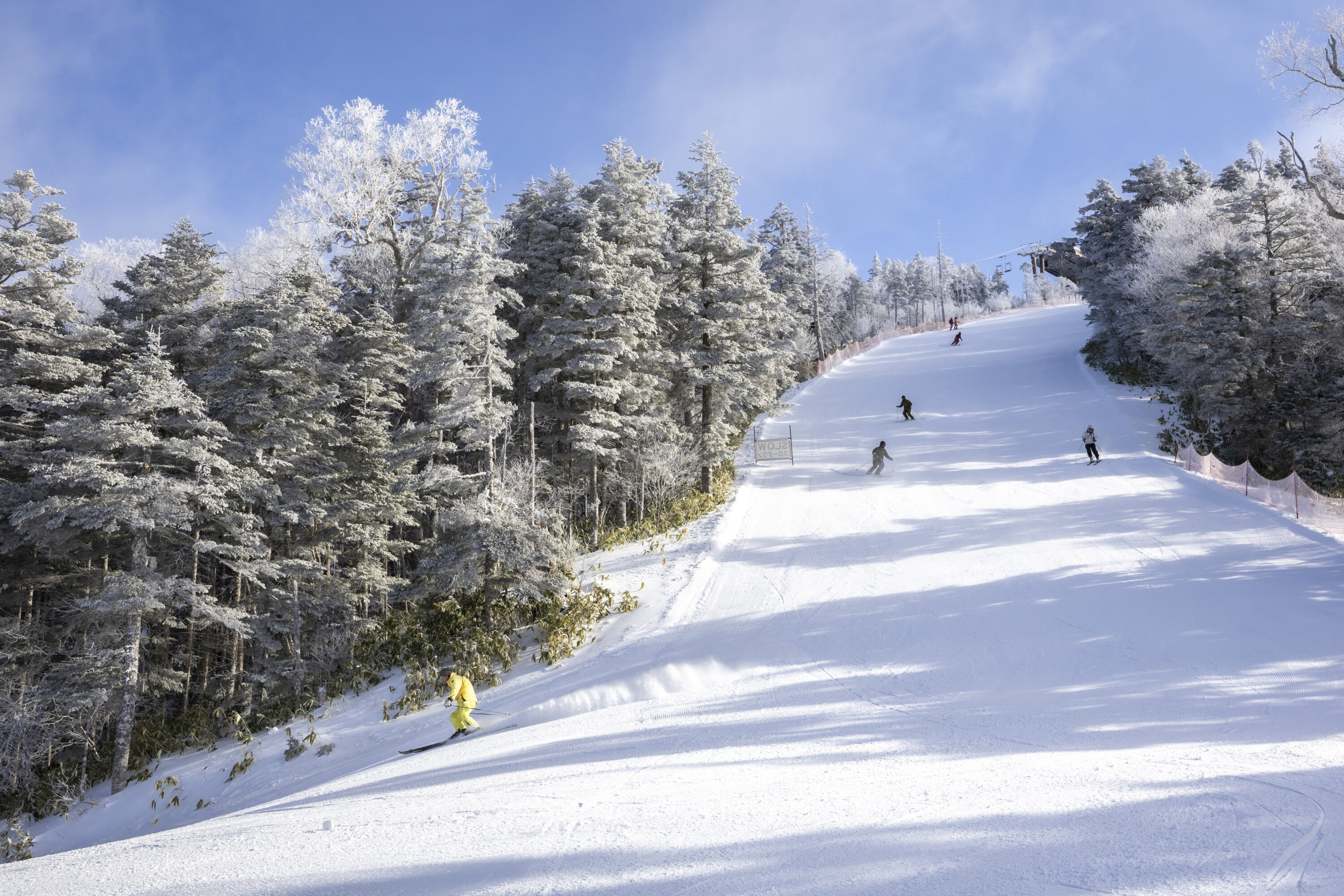
After the collapse of the bubble economy, the number of recreational skiers began to decline, and Nomugi Pass decided to survive by clearly narrowing its target and shifting its focus to creating an environment suitable for competitive skiers
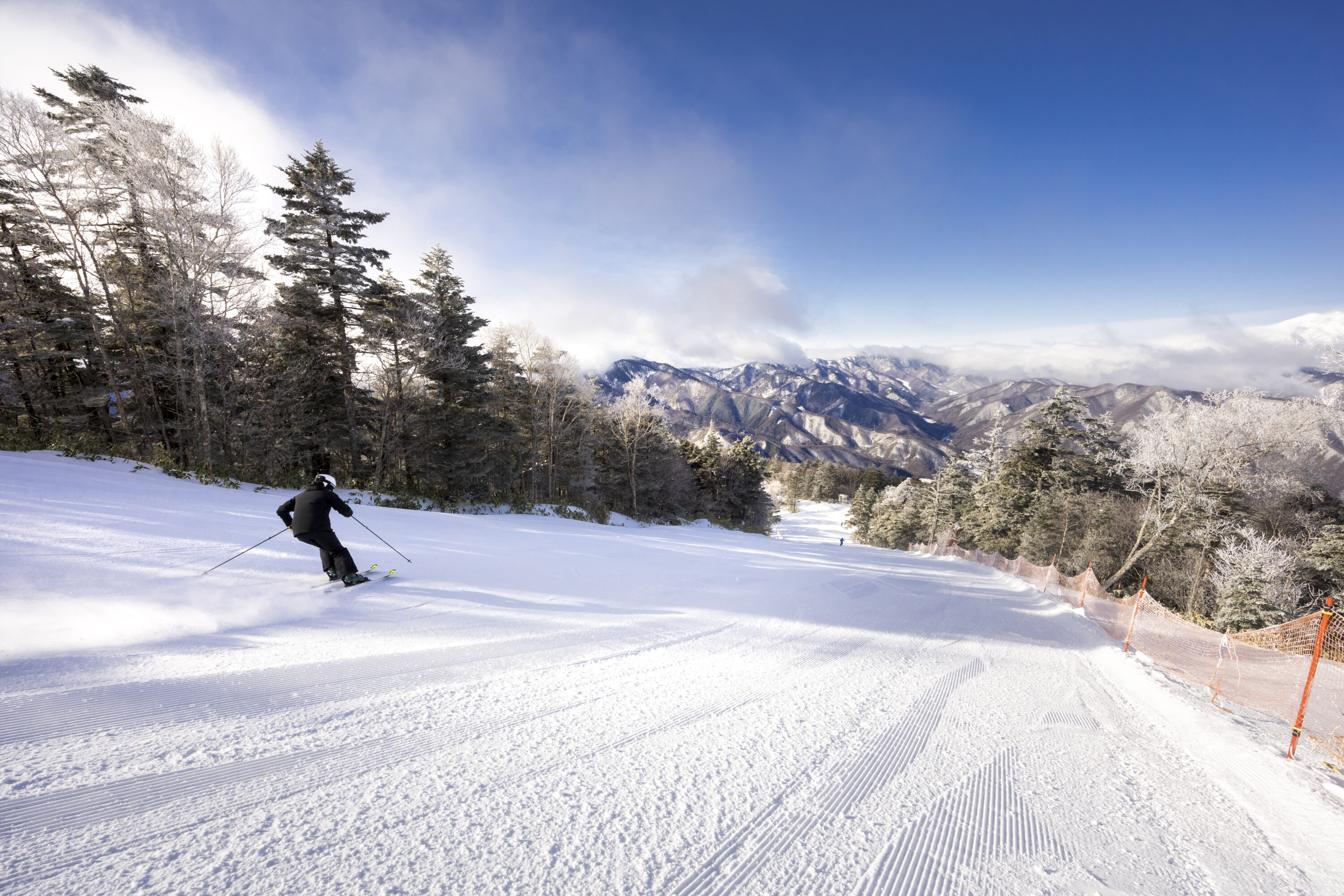
In 1992, a high-speed quad lift, which was still rare at the time, was installed at a cost of 600 million yen. The facility was equipped to transport 2,400 people to the summit per hour, creating an environment that allowed for efficient climbing over a 700m elevation difference. Long before the terms "cost performance" and "Taipa"* became commonplace, Nomugi Pass was a rational training ground.
*Taipa: an abbreviation for time performance, a term that indicates the effect and satisfaction in relation to the time spent.
The "training" culture born from online bulletin boards
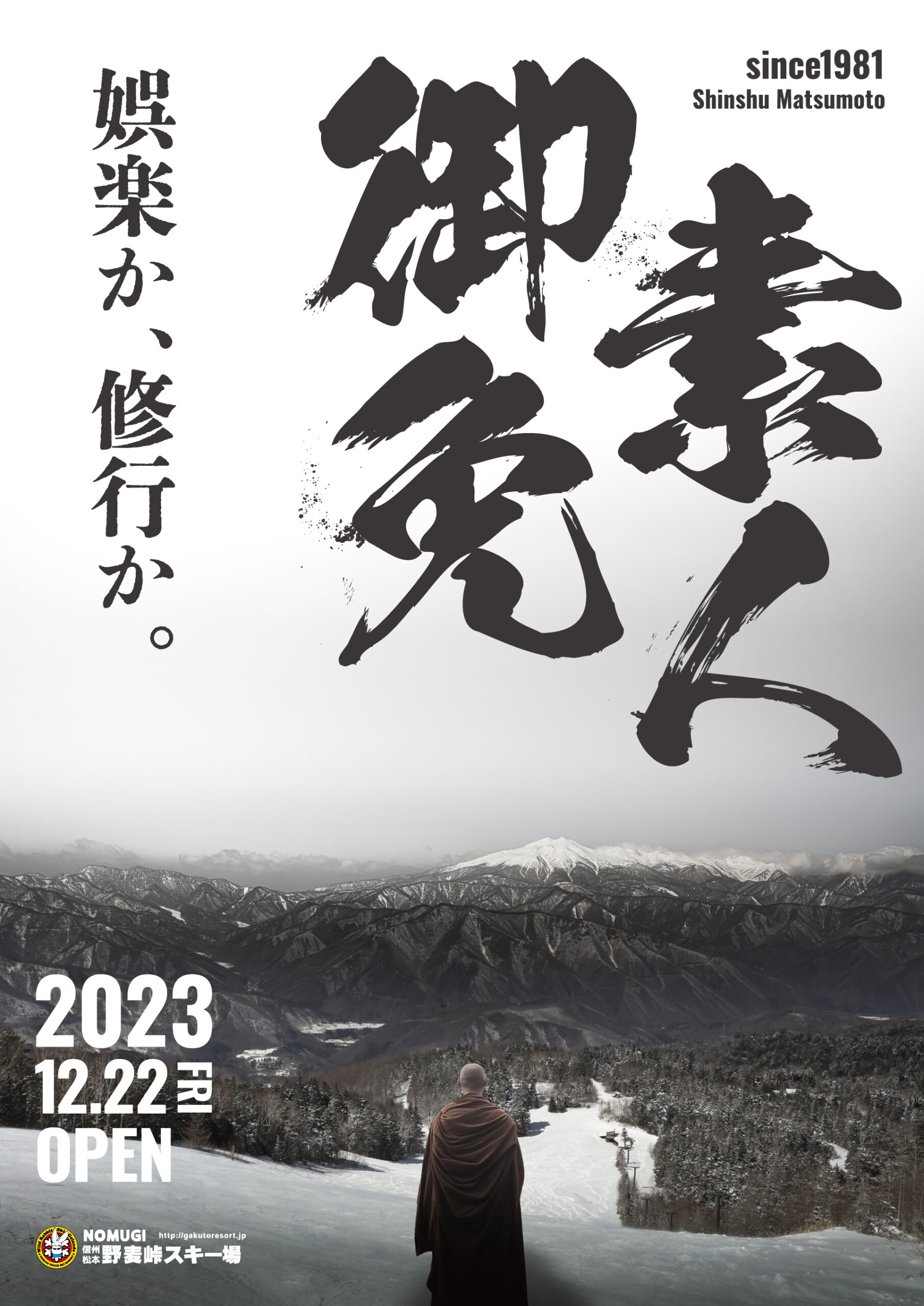
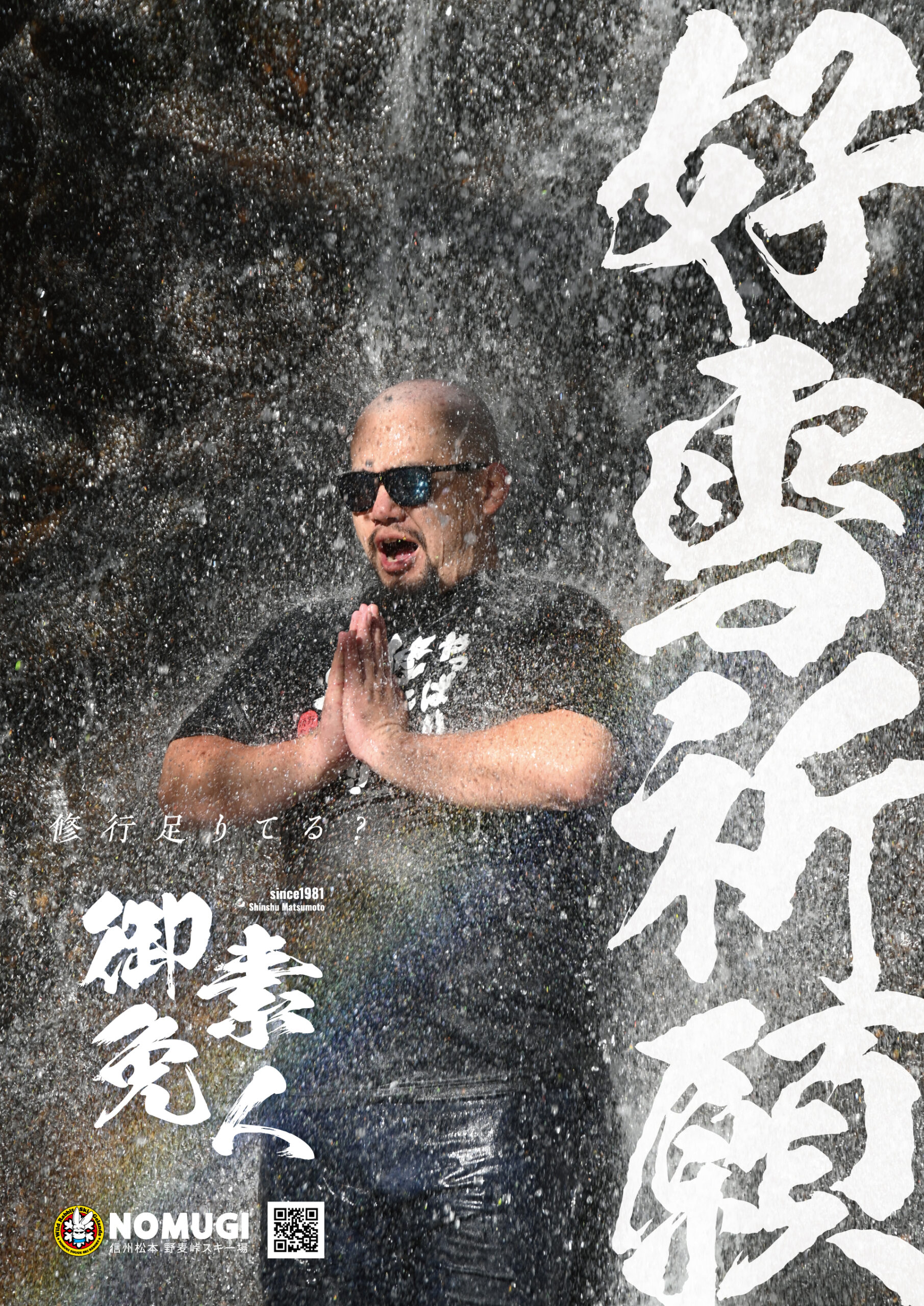
"Sorry, I'm just an amateur! Have you had enough training?"
The background to the creation of this bold catchphrase seems to be that expressions such as "Today I did the XX Rabbit," which is a reference to the "Sky Rabbit," a high-speed pair lift that allows efficient rotation on the advanced slopes, became popular on a certain internet message board, and the skiing records, which seemed to be reports of the results of training, became a hot topic, and even led to the creation of something like a scripture
They came to be called ascetic monks, and it is said that this may be one of the origins of today's Nomugi Pass copies
"Local" means close to heart
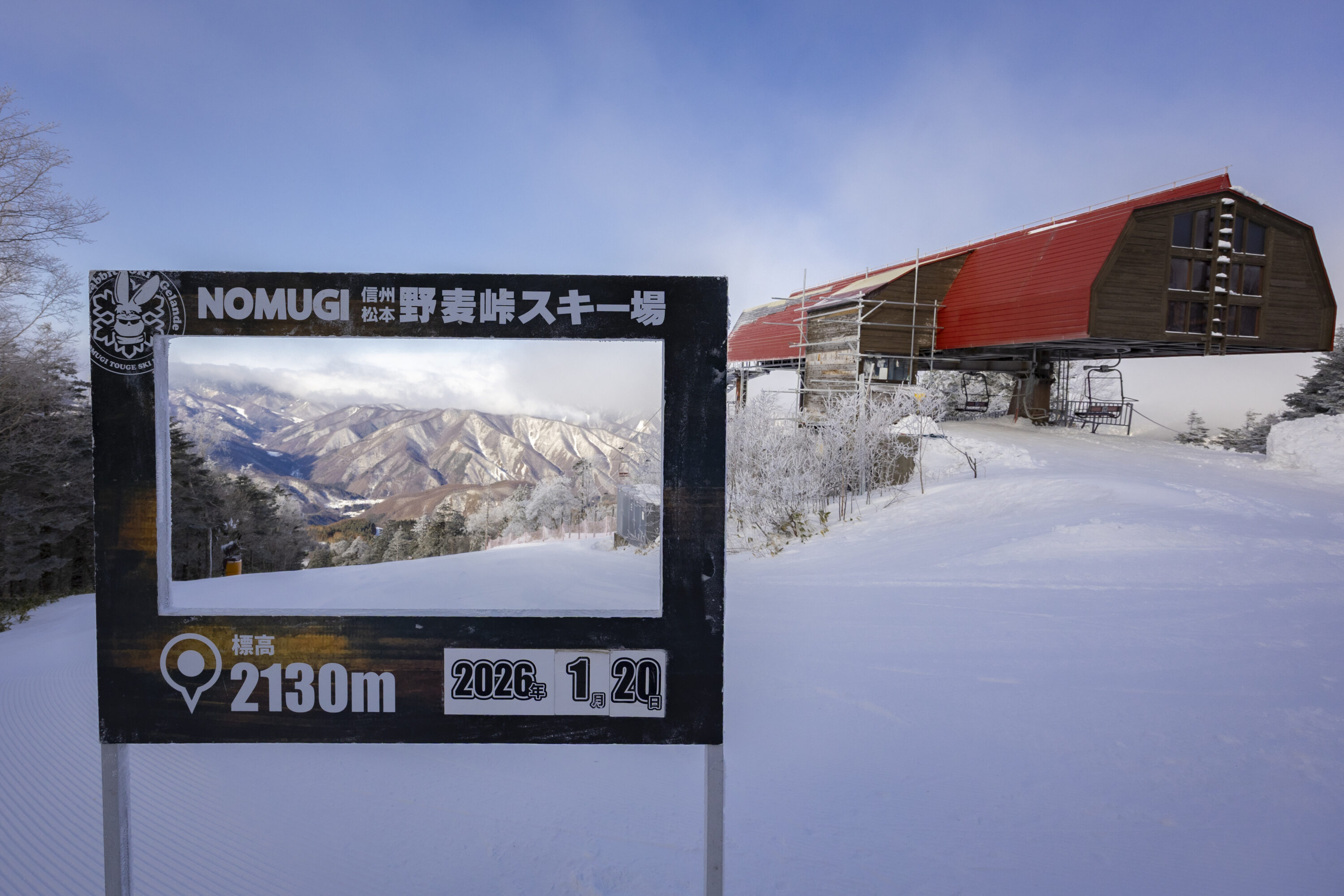
With the opening of the Tokai-Hokuriku Expressway, people began to flock to nearby large ski resorts, but Nomugi Pass remained a place where people continued to visit despite the distance
"It's not a chain restaurant, but more like an independently owned izakaya that people want to go out of their way to visit."
At its peak, 160,000 people flocked to the area annually, and now, after the waves of people have passed, what remains is a truly local atmosphere and refined individuality
"My job was to hold a handheld microphone at the lift station and line up the passengers so that they could board at the maximum capacity. There was a 40-minute wait for the lift."

These are the words of Shinzo Kobayashi, who has been involved in the development and maintenance of the ski resort from the beginning
"For example, once you get off the lift you're at an altitude of 1,800m, right on the border between the Erman's birch and the white birch. The 1,200m long Jukai Course stretches out from there, lined with frost-covered snowflakes of Shirabi (white birch) trees on both sides, and when it snows it looks like a sea of trees. You can ski among the pure white trees while enjoying the scenery," he said, giving us a recommended course
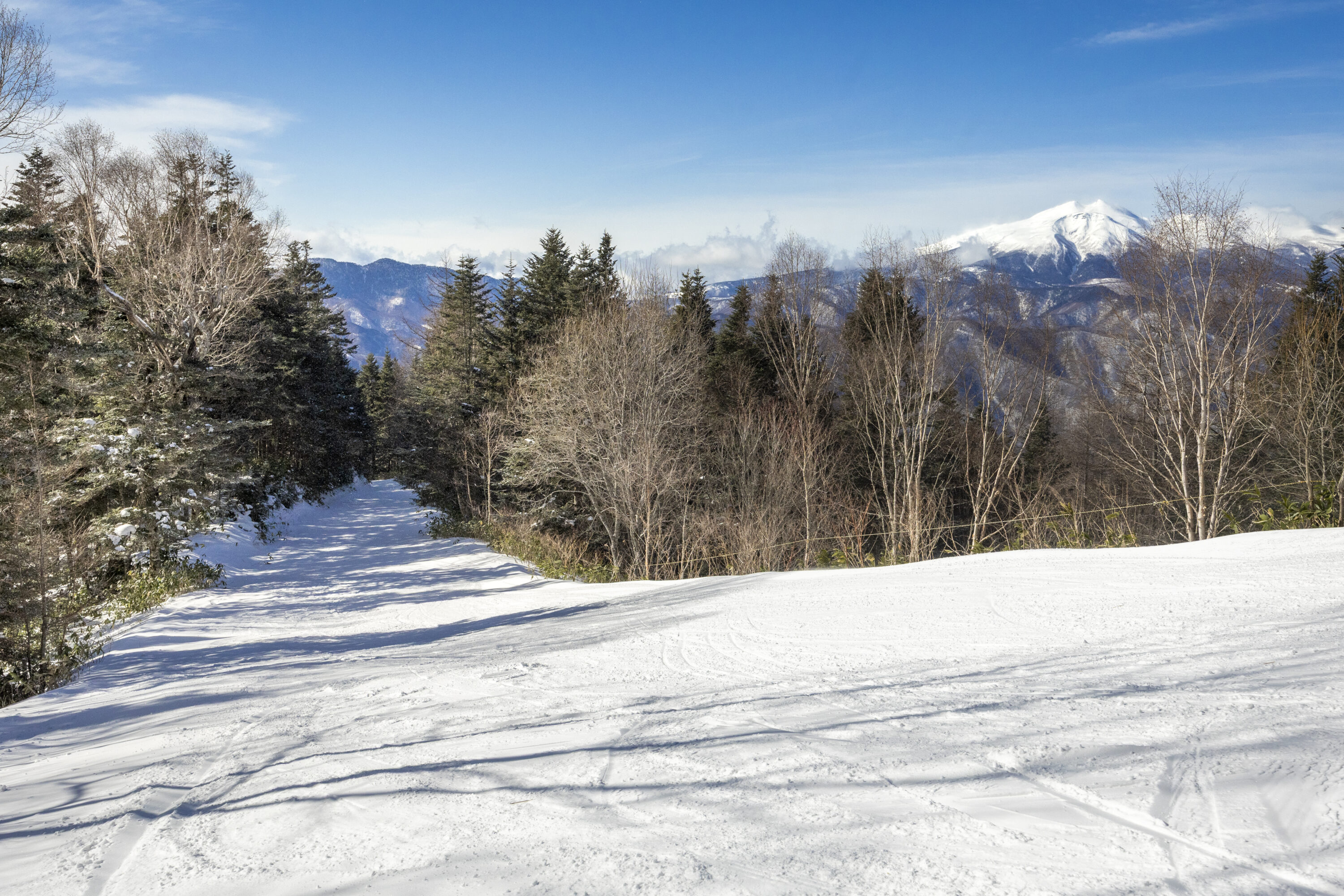
From the summit, you can choose between the resort's only advanced course, the "Expert Course," or the intermediate/advanced "Rabbit Course." From there, the course branches out into several other courses, and there are seven courses, including two ungroomed courses, before reaching the Pair Lift station halfway up the mountain. All of the courses have large left and right bends and steep slopes on average

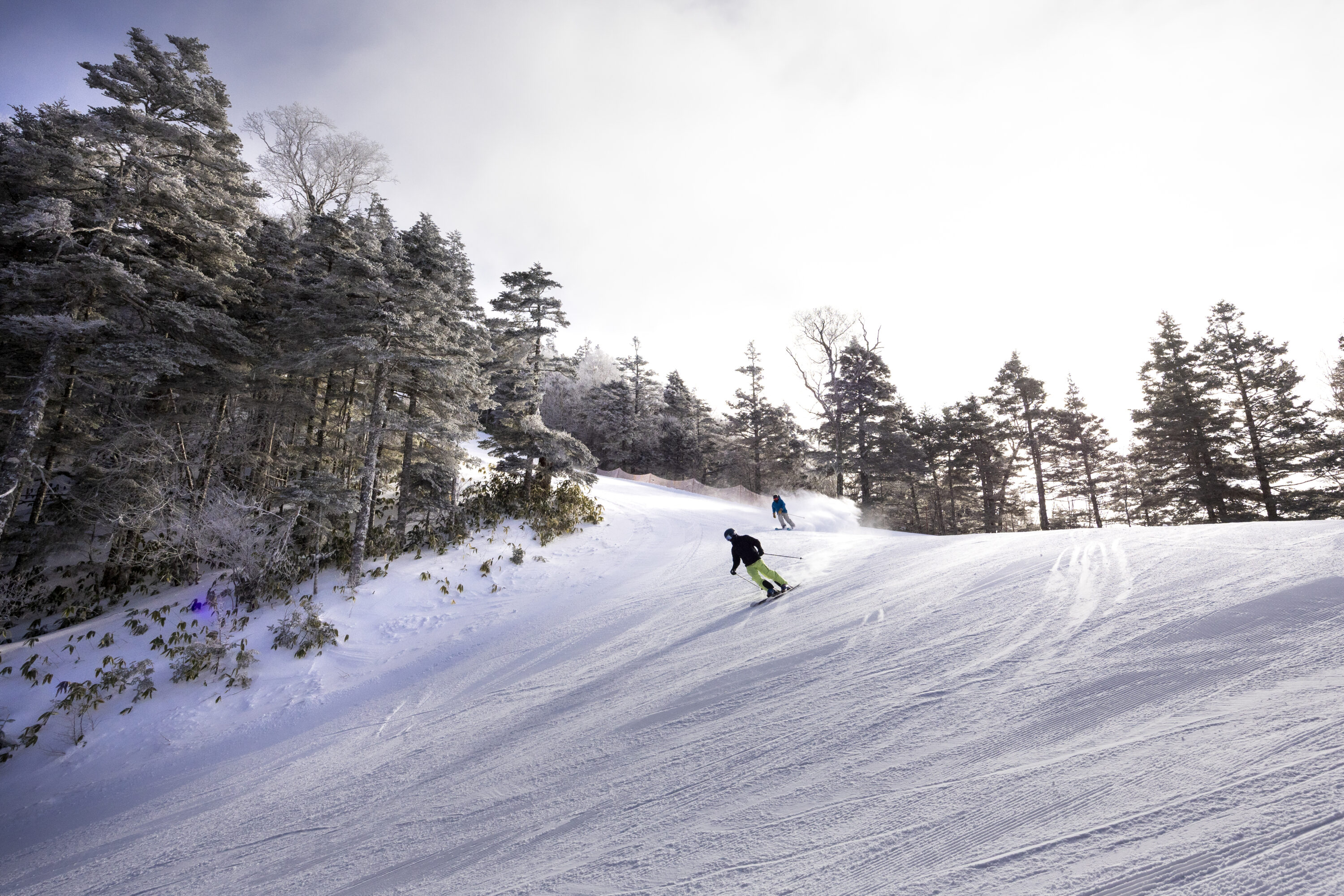

The total length to the bottom is 4,000m. Even after passing the middle, the slope continues at an average of 20 to 25 degrees, but there are also open slopes along the way where you can enjoy the scenery. After
descending further, you will join the beginner's course and finally complete one run.
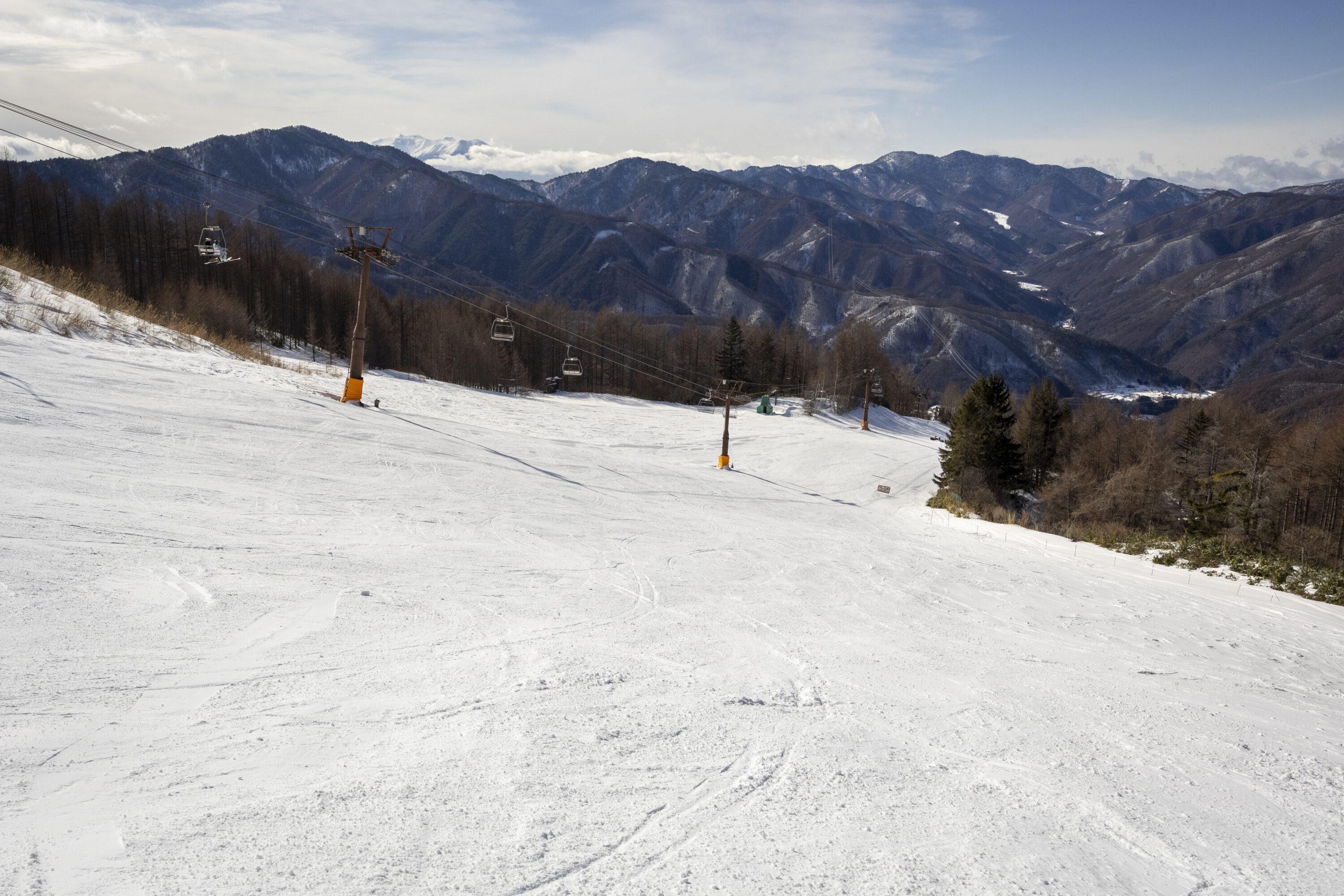
The morning after rain or wet snow, a sea of clouds sometimes spreads out, with Mount Norikura, Mount Kaga Hakusan, Mount Ontake, and the Hotaka mountain range peeking out.It's a view that feels like a reward, and can only be seen by those who train every day

The varied and wild slopes, where you can feel the undulations of the mountainside, also help you develop a sense of facing the mountains and improve your skills
Skating naturally improves your skills
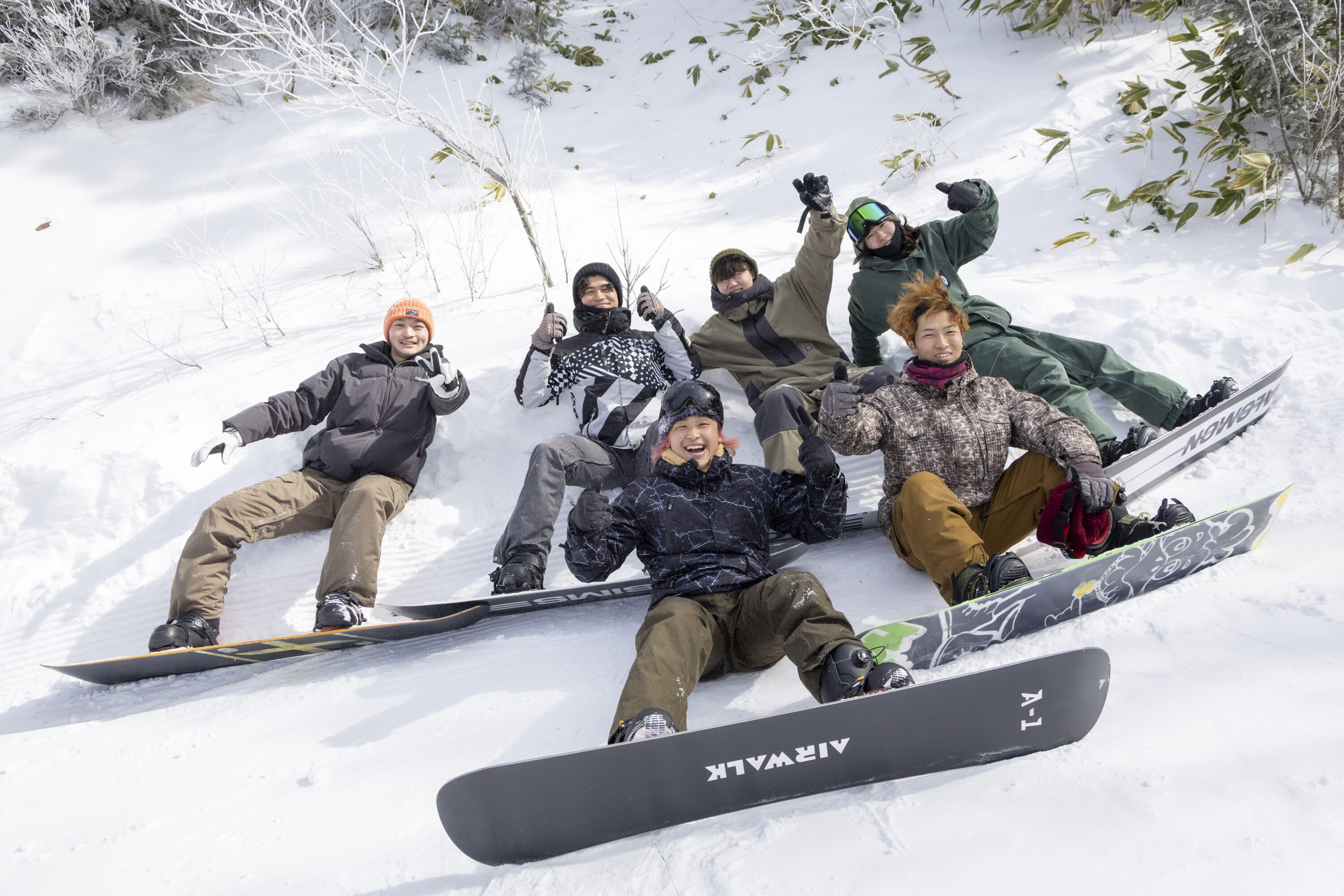
A local university student wandered into this "mountain of training" without realizing it. He was enjoying the view from the summit when I called out to him. He only started snowboarding last year, but he has naturally improved as he continues to snowboard. Now he glides down even difficult slopes with style. Even in a short time, he naturally improves. It seems that this is definitely the kind of environment he is in
He says that the vacant nature of the course and the length of the course are also appealing. He says he is currently honing his skills, aiming to be like Hirano Ayumu. "I'll definitely come again," he said with a smile
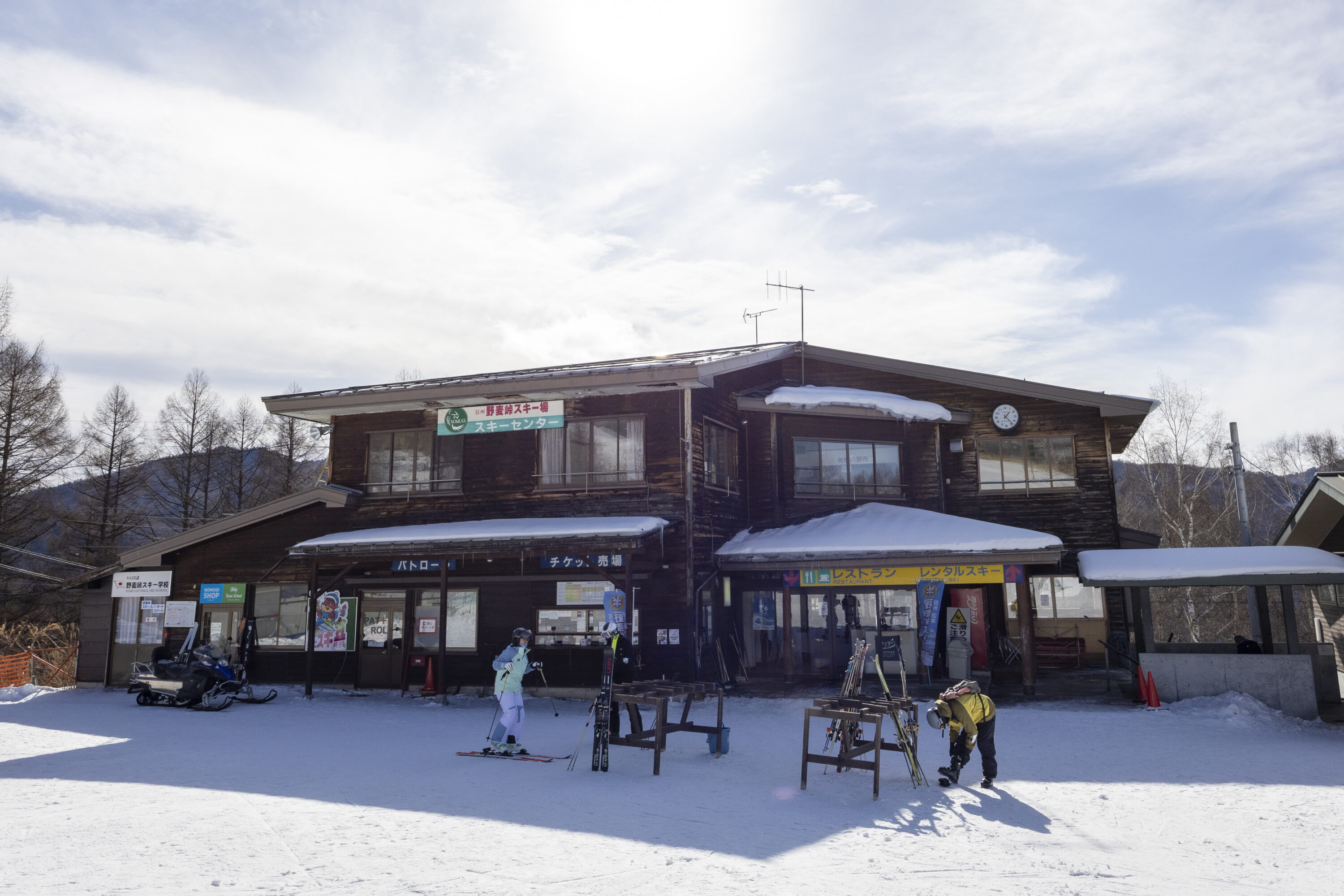
At 2pm, as I was making my way down the course, I heard a voice from the rest house announce, "31 runs today." The people who had been skiing steadily since morning were about to start getting ready to head home.
As they slowly untied their bootlaces, each seemed to be quietly reflecting on the day's skiing. As they left, they exchanged "good work," and headed down the mountain with a sense of accomplishment.
The presence of two sisters
The trainees' stomachs are filled by sisters Aiko and Umeko, who have run Jukai, a restaurant halfway up the ski resort, for over 30 years. They are an essential presence when talking about Nomugi Pass, with many regulars coming back just to see them
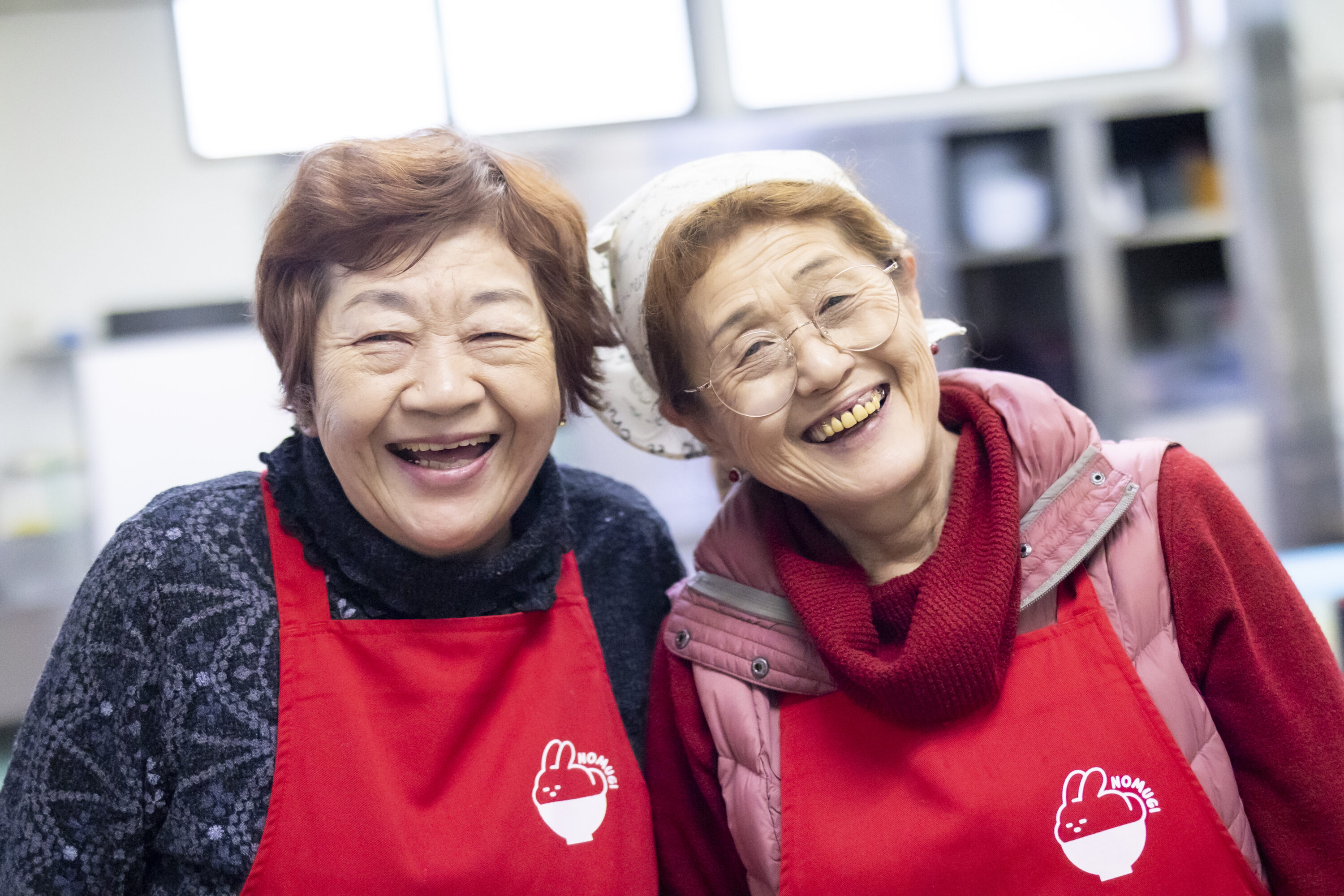
I was lured into the restaurant by a lively voice calling out, "Customer number 12!" It was still lunchtime and not yet crowded, but the fast-paced voices made me move faster. I took a moment to talk to the older sister, Aiko, who was waiting for me
"I used to be so busy I didn't have time to check out the outside, but lately there's been less snow and the opening hours have been shortened."
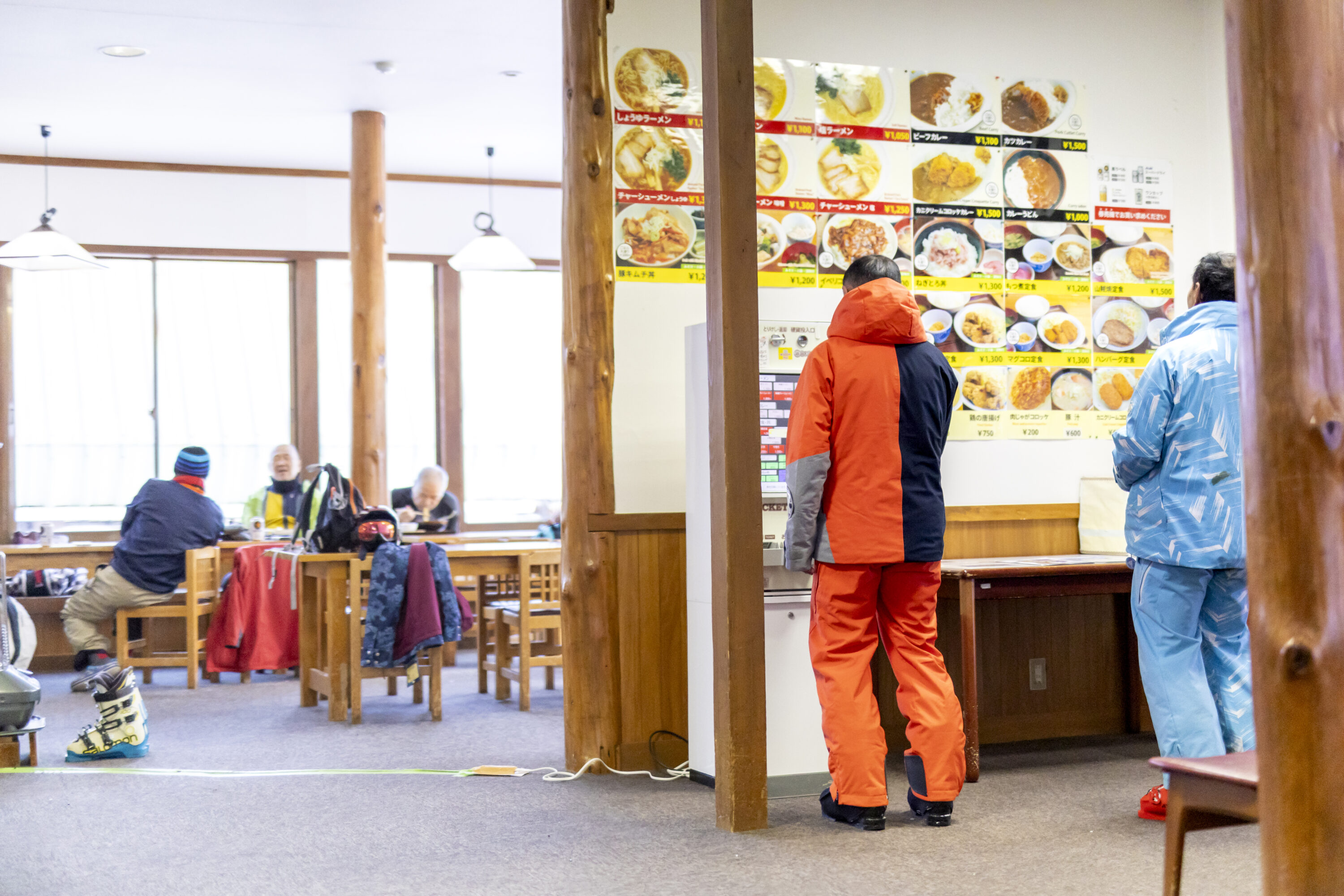

Although he complains that the shortened business hours are a hassle, he is still busy every day during the season. He enjoys going out in his car on his days off, and says that he eats out and uses the food as inspiration for his dishes
The most popular dish on Aiko's menu is the "Shio Ramen," an addictive dish that has even been featured on television

Aiko is in charge of the popular handmade char siu. The mixture of the sauce used to marinate the pork is a company secret, but the key ingredient is the soy sauce from the brewery that she has been using since she was a child
Meanwhile, his sister Umeko is in charge of pickling the local Nozawana and red turnips. She prepares 60 kg of each and continues to use the time-consuming method of boiling soy sauce before pickling. While salted pickles develop a bitter taste over time, soy sauce pickles develop a deep sweetness. This is the wisdom of preserving foods to survive the winter in snowy regions
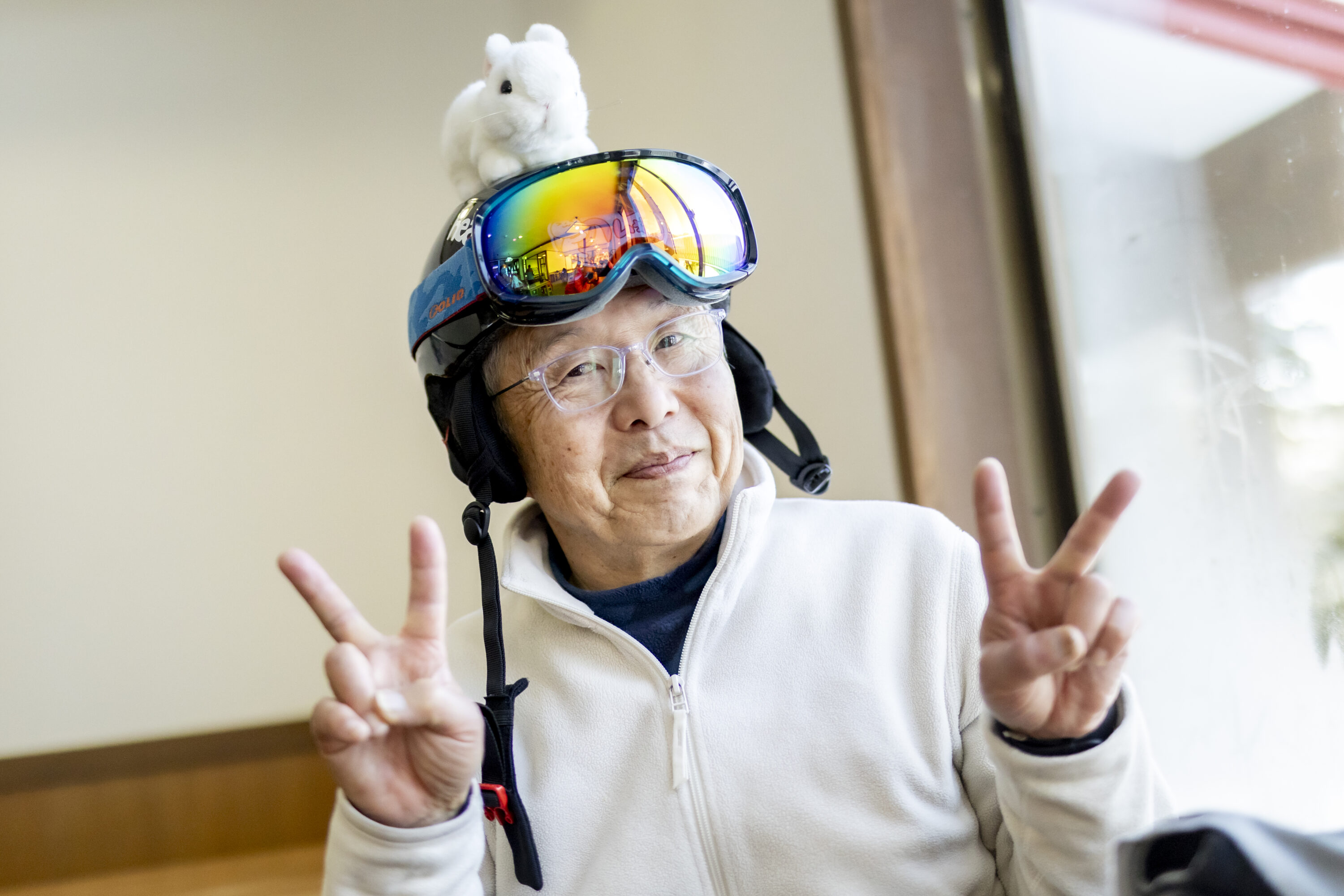
We also met a regular customer who travels four hours each way from Aichi Prefecture twice a week to see the couple. His name was Yamada, and he was watching Aiko's interview from a short distance away, smiling. He was wearing a stuffed rabbit, the mascot of Nomugi Pass, on his helmet, and he made an impressive appearance, and we had seen him on the slopes several times
"I have a set routine for the days I ski at Nomugi," says Yamada.
The day before, I reserve a jumbo melon bun at the roadside station as a souvenir for my family. I ski from early in the morning until noon, and always have lunch at the restaurant. After eating, I descend the mountain and always remember to pick up the melon bun on my way back.
"This is where I feel most comfortable," he says
There are many regular customers like Yamada here

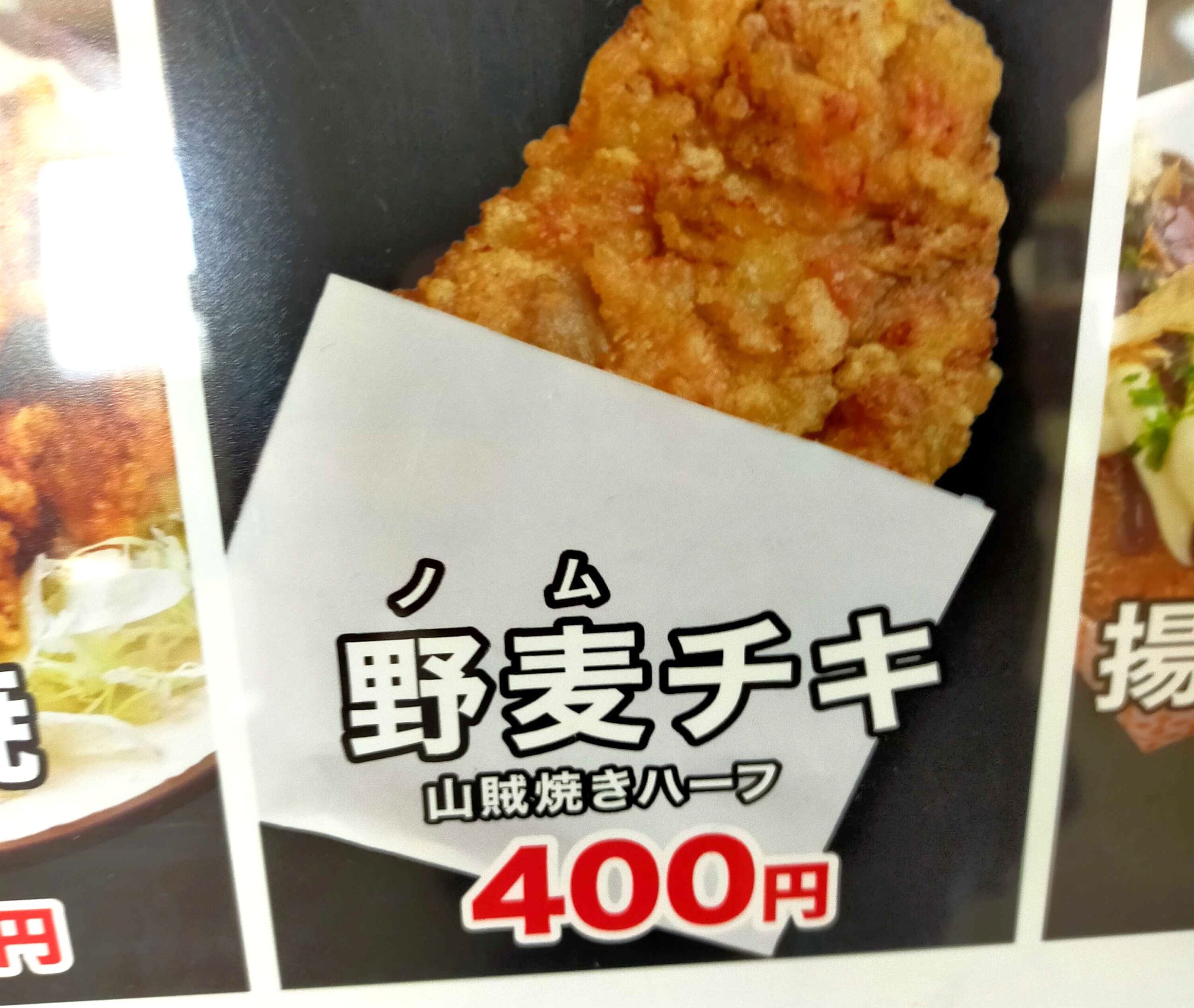
Another interesting item is the new "training menu" that has been introduced this season at the restaurant in the center house at the base
The true meaning of "Amateur pardon"
Finally, we spoke with Miyashita, the designer who is responsible for the themes and images that give the ski resort its unique character
"In recent years, we have been using playful photos, such as children skiing with all their might and snowboarders taking spectacular falls, to send the message that it is only through failure that you can improve."
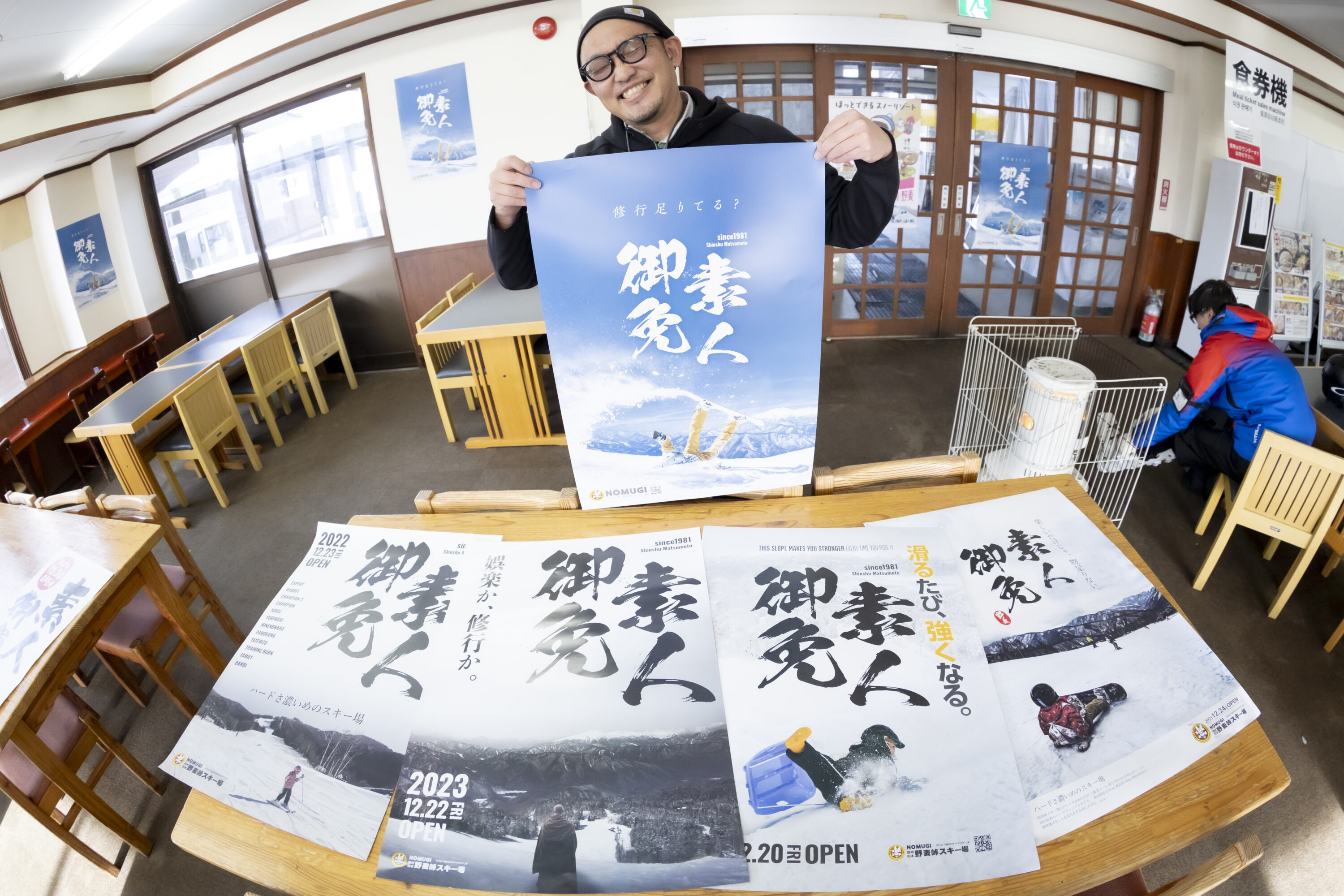
It has a broad and tolerant attitude, accepting anyone who wants to improve their skills, but the clear slogan and course design, which is divided according to purpose and level, are designed to increase safety and practice efficiency.It is not a place where "anyone can have fun to a certain extent," but rather a sincere expression of intent that honestly shows "what kind of people will enjoy this ski resort the most."
Recommendations for fun training
This place deep in the mountains attracts people who make the effort to visit with the clear intention of deepening their skiing experience. The fact that the number of people purchasing season passes has not decreased shows that Nomugi Pass is not just a one-day leisure trip, but is also seen as a place to continue visiting
Packed snow, long trails, few people, bitter cold, and an environment without unnecessary entertainment:
Nomugi Pass is called a "training ground" because it offers all the conditions necessary to involuntarily face oneself and one's skiing, and in a sense, it represents the true nature of the mountains.
Mr. Chiba, the representative of the ski resort, also gave us a final comment
"I just want people to have fun. I want to make this a comfortable ski resort."
Why not take a fun "training" trip to this mountain where you can feel that feeling everywhere?
Photo: Tomohiro Watanabe
Editor: Mayumi Hatano
Information
Nomugi Pass Ski Resort
1173-13 Nakagawa, Matsumoto City, Nagano Prefecture, 390-1011
Official website: http://gakutoresort.jp/
Official SNS: Instagram │ Facebook │ X