

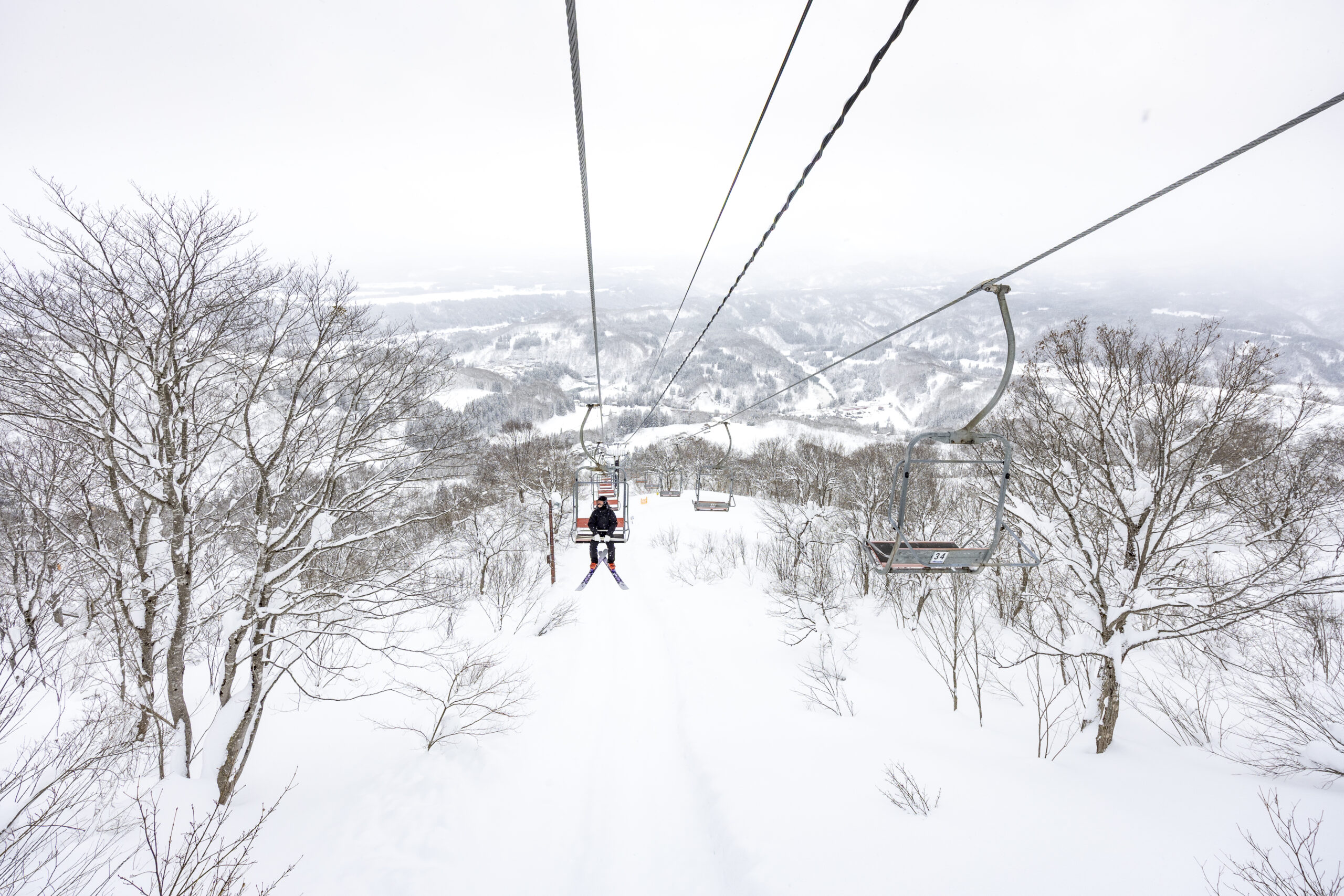
Sakae Club Ski Resort is a popular, hidden ski resort known only to those in the know. Located in Sakae Village, the northernmost part of Nagano Prefecture, this village-run ski resort aims to be a relaxing, "homey" ski resort that makes you feel like you're back home in the countryside. We visited this ski resort, which many locals visit as their spiritual "home" slope
Heavy snowfall hotspots
Sakae Club Ski Resort will celebrate its 30th anniversary this year (2026).
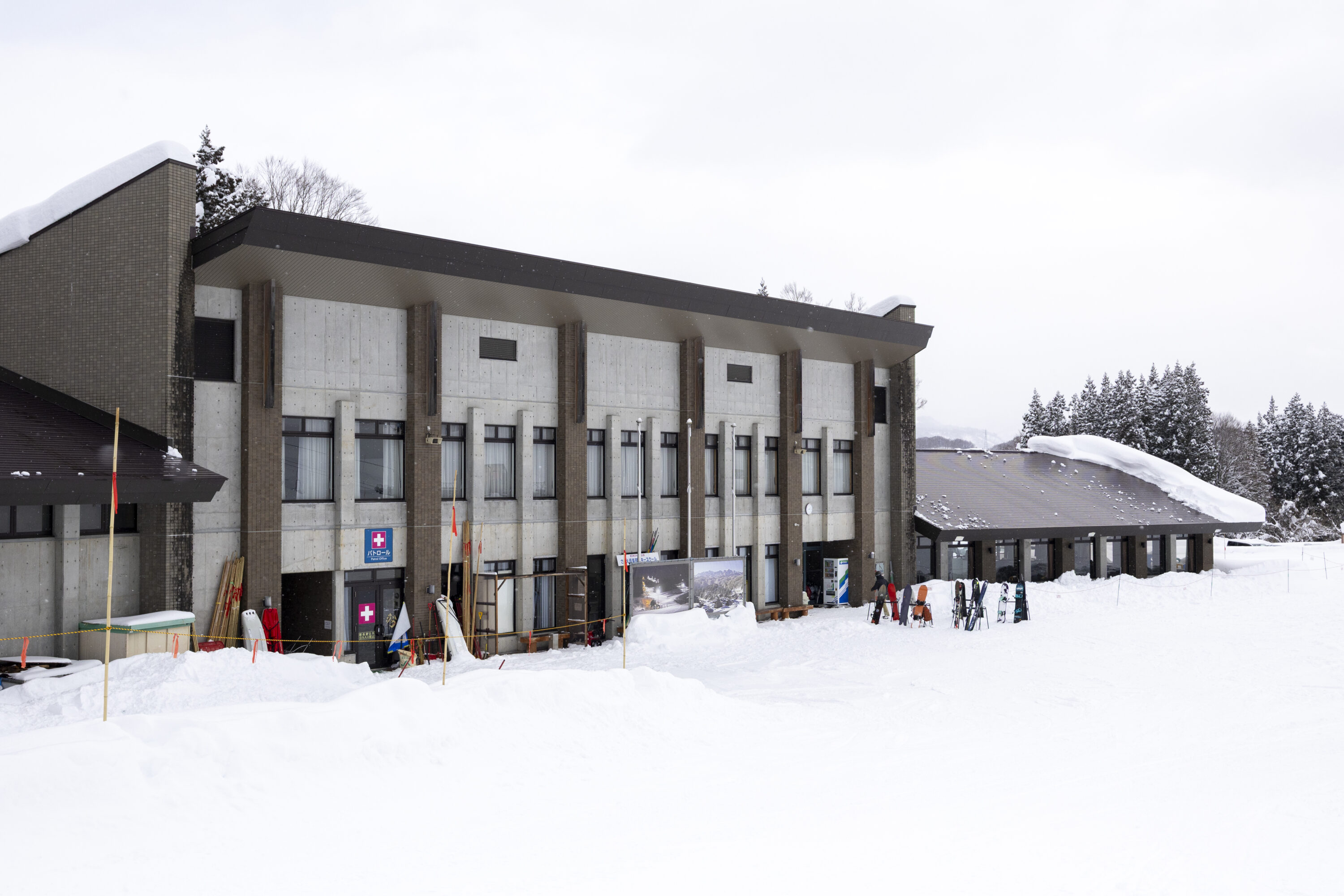
The nearest station, Morimiyanohara, is located in an area with heavy snowfall, recording the highest snowfall of any JR station in Japan at 7.85m. Walking up a road surrounded by walls of snow reminiscent of the Tateyama Alpine Route, you will arrive at the ski resort's parking lot.
Even though it is a weekday and the resort has only just opened, many people are already on the slopes.

Just before 10am, we stopped by a rest house and saw some regulars returning with satisfied looks on their faces, saying things like, "Ah, I'm full," and "We had a great time running through the snow today." For them, breakfast was a generous pile of white snow. A luxurious morning activity. Their expressions clearly showed how good the conditions were that day
Creating a ski resort as a place to return to
This place, which revitalizes both the local area and the day of those who ski, was born from the passion of young people in the village who love skiing.
Sakae Ski Club is celebrating its 40th anniversary. Before there were ski resorts, members of the Sakae Racing Team, a group of young people from the village, had been enjoying skiing at various ski resorts under the motto "Have fun skiing and drink thoroughly," and founded the club to promote skiing in the village, improve skiing skills, and build a ski resort.
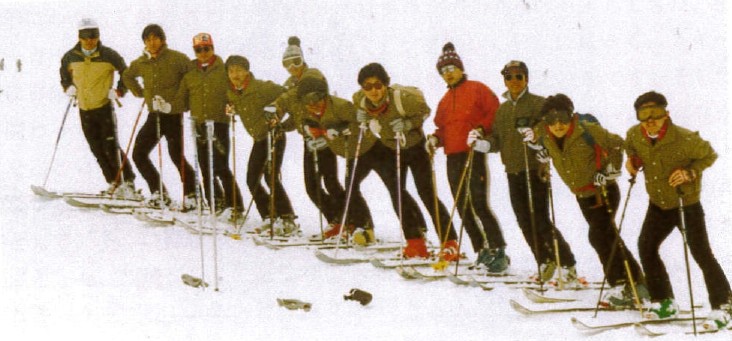
As they focused on promoting skiing and teaching children, their idea of "having their own ski resort" gradually took shape
At the time, they would go to a nearby ski resort for every practice, and even after the children's team was formed, they felt inferior because they were "borrowing a place to ski." Furthermore, seeing children saddened after being turned down for practice at other ski resorts solidified their resolve. They decided to create a place where they could ski as much as they wanted, whenever they wanted, without hesitation, a place they could proudly call "home."
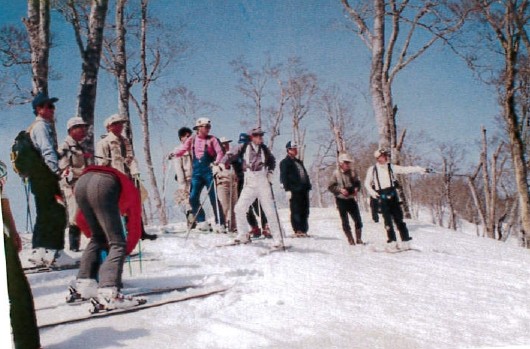
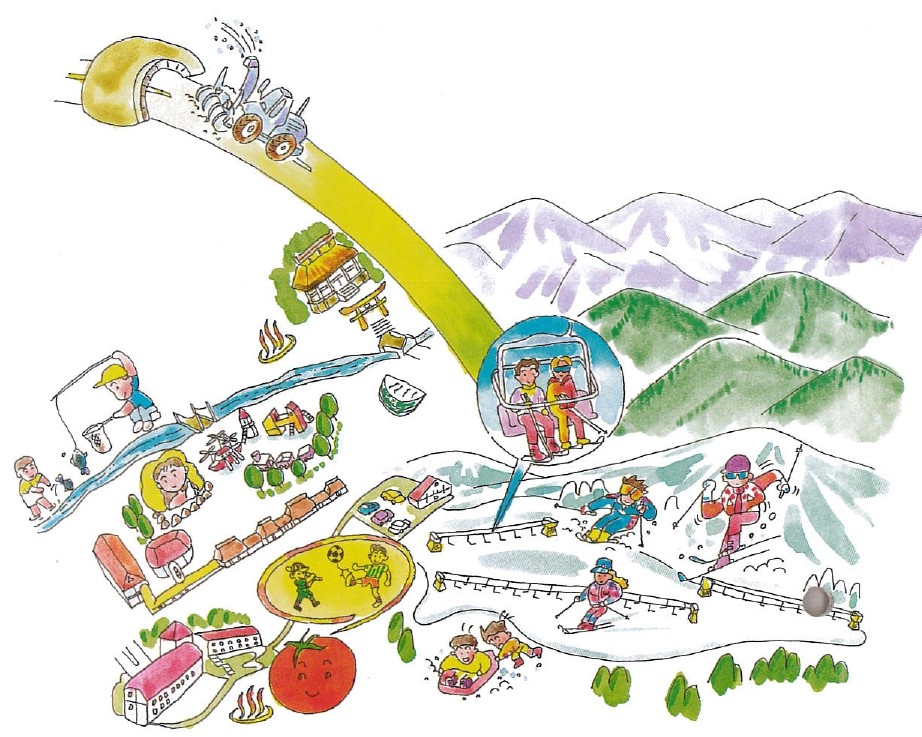
After numerous mountain inspections and discussions, the slopes of Mt. Kaidate were selected as the candidate site. The club members themselves chose the mountain, held classes, and traveled to various locations to explain their concept. With the support of the village mayor, the long-awaited village-run ski resort was born in astonishing speed, with several years from conception to completion and just eight months from the start of construction to opening
It's not a commercial facility, it's a park-like place
"After the collapse of the bubble economy, the number of people skiing decreased, so we knew that if we built a ski resort here, sandwiched between Yuzawa and Nozawa, not many people would come. But that wasn't our goal. We just wanted the villagers to be able to enjoy it as 'their ski resort.'"
These are the words of Yuki Ishizuka, the tourism manager of Sakae Village and president of the Sakae Village Ski Club, whose daily routine is clearing snow in the mornings and evenings
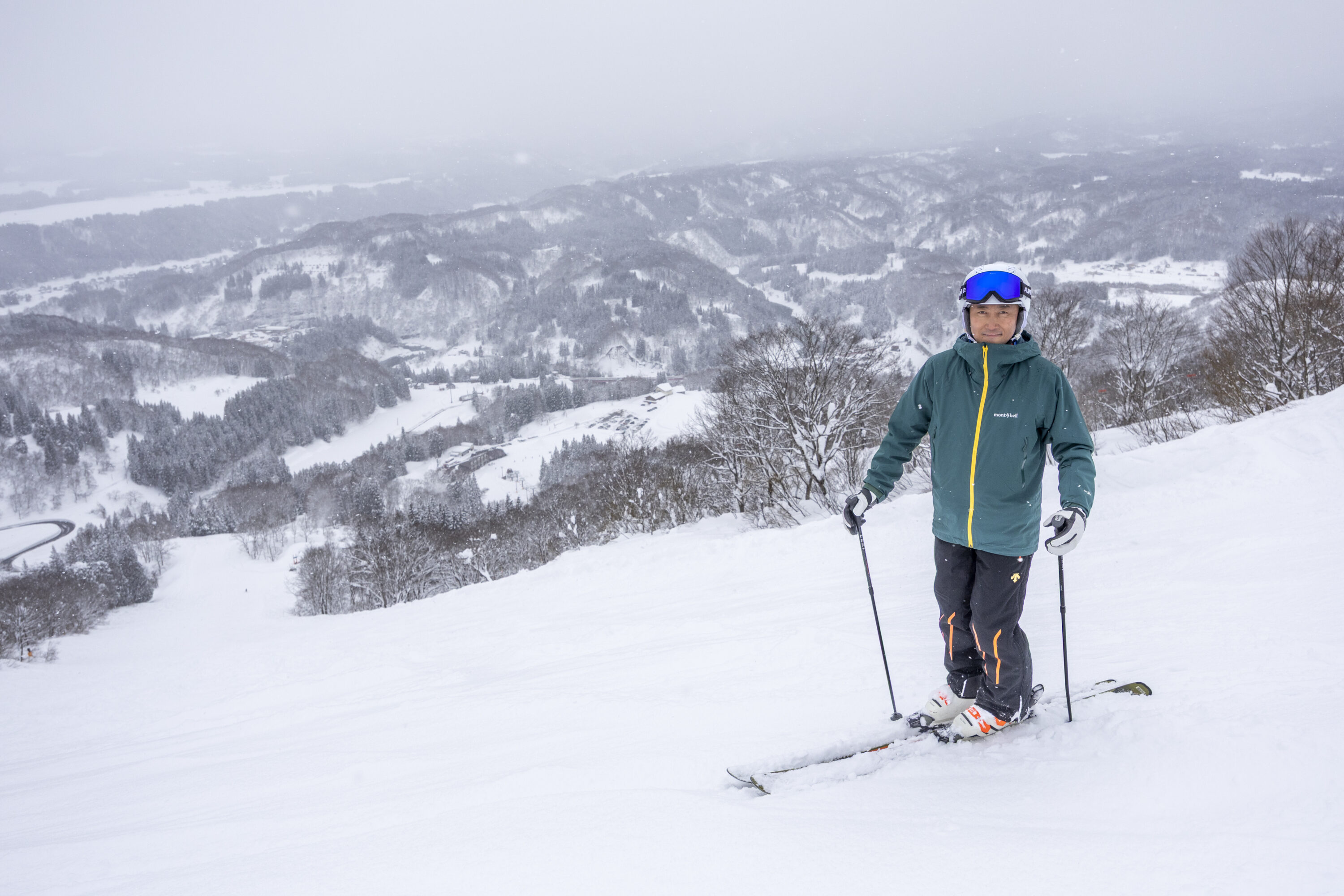
Although the number of visitors gradually increased, the number of users dropped dramatically due to the COVID-19 pandemic, and at one point the resort was facing a crisis of survival. So the resort reexamined the appeal of the ski resort and, incorporating external opinions, began a campaign to "keep the snow as ungroomed as possible on weekdays." We learned about the meaning of this as we actually skied
"Avoid compacted snow on weekdays"
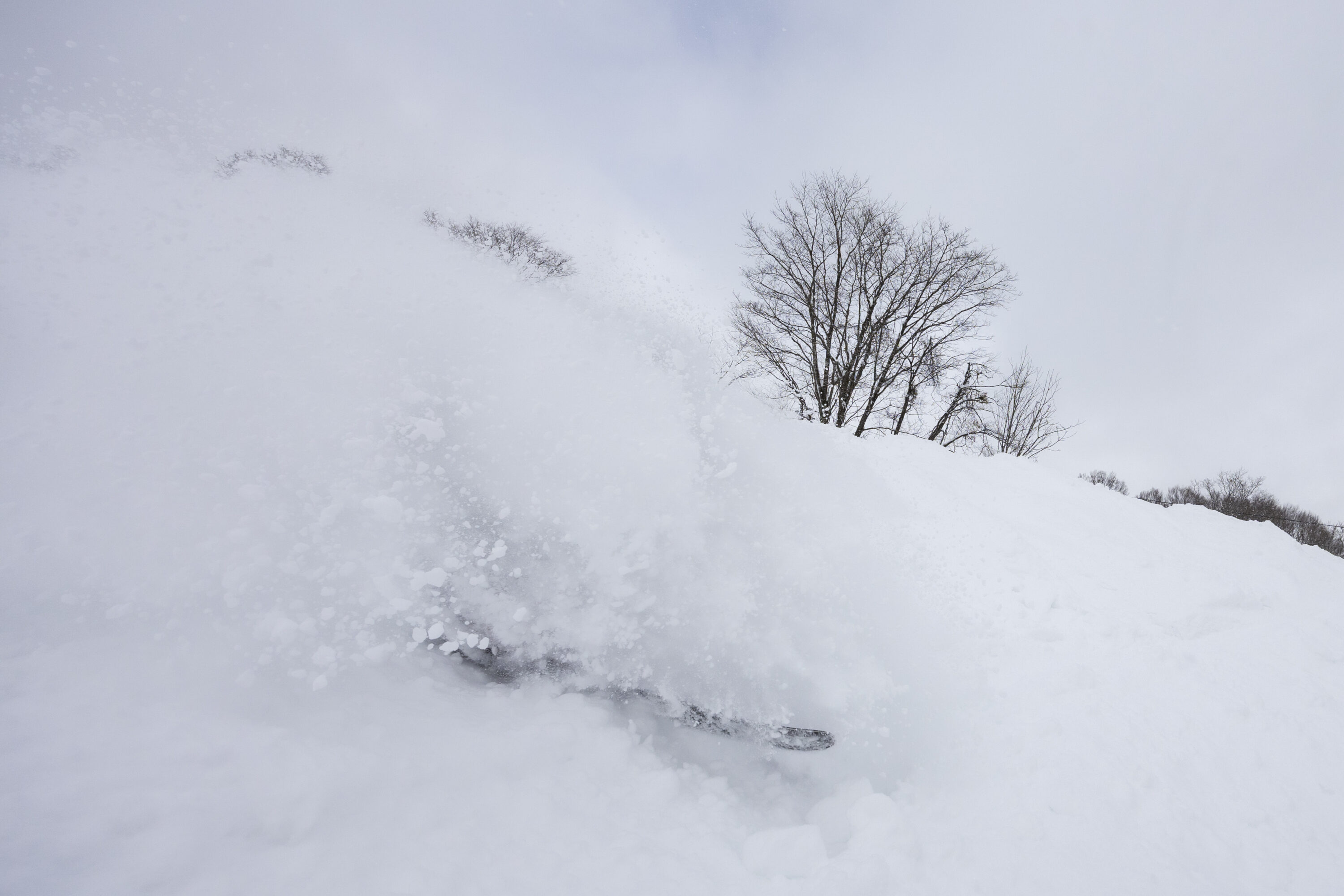
It is aimed at advanced runs and some intermediate runs. After snowfall, the course is not intentionally left un-groomed. However, rather than leaving the entire course ungroomed, the way the course is tread is carefully adjusted depending on the width, slope, and amount of snow. The course is not only divided into upper and lower sections, but also left and right sections, creating a unique landscape where groomed and ungroomed snow coexist with a difference of about 1m. You can enjoy the deep powder, then come out to the groomed side to take a breather. It is designed to be enjoyable without any stress. In this respect, it is perfect for those who want to try powder
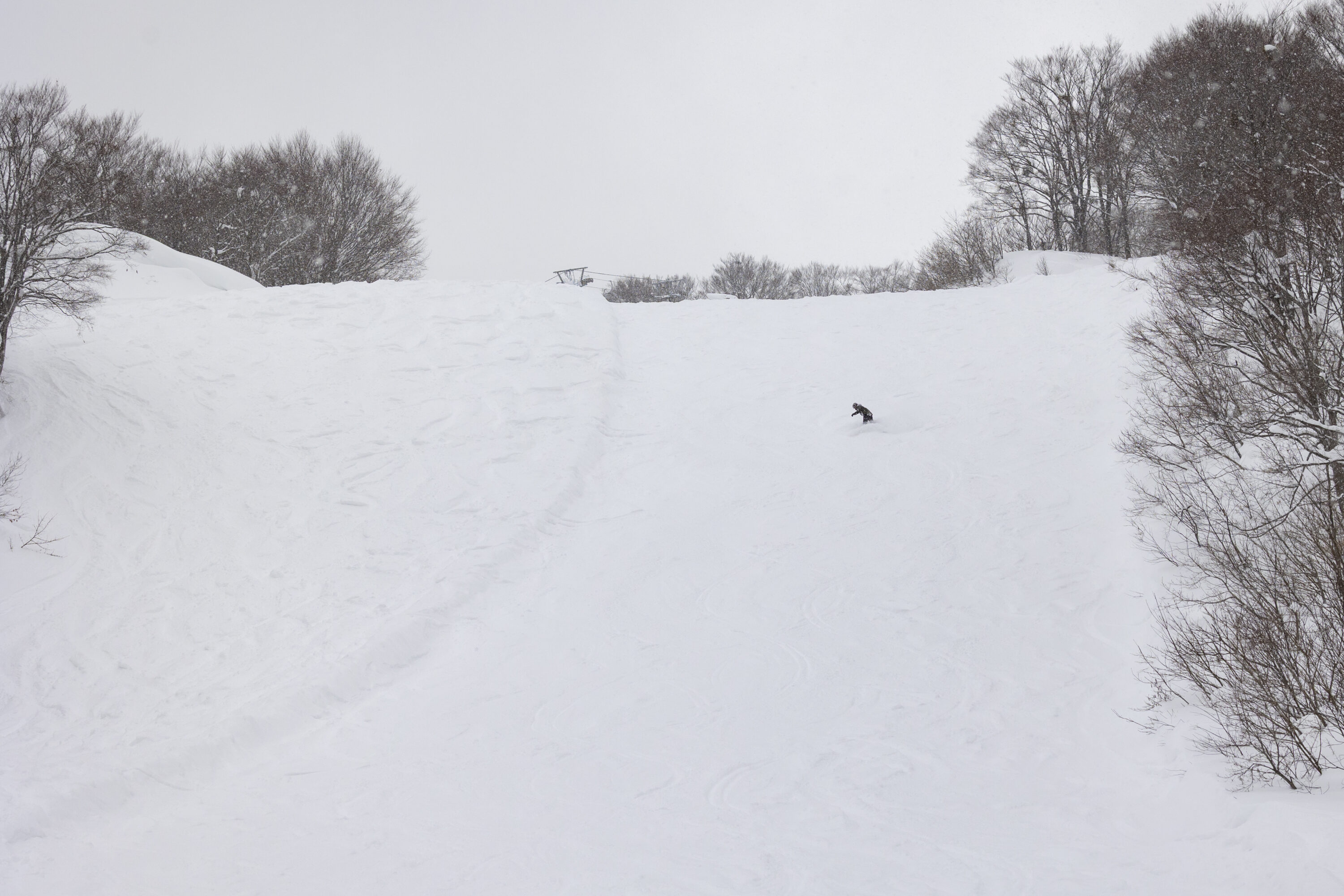
On the other hand, the speedy carving runs are still going strong. There's no hard, melted base, and the moderate humidity allows the edges to grip firmly, making it gentle on the knees. By midday, the snow is so soft that it's hard to tell the difference between packed and ungroomed snow, and the smooth turns with a "creamy" feel naturally make you relax
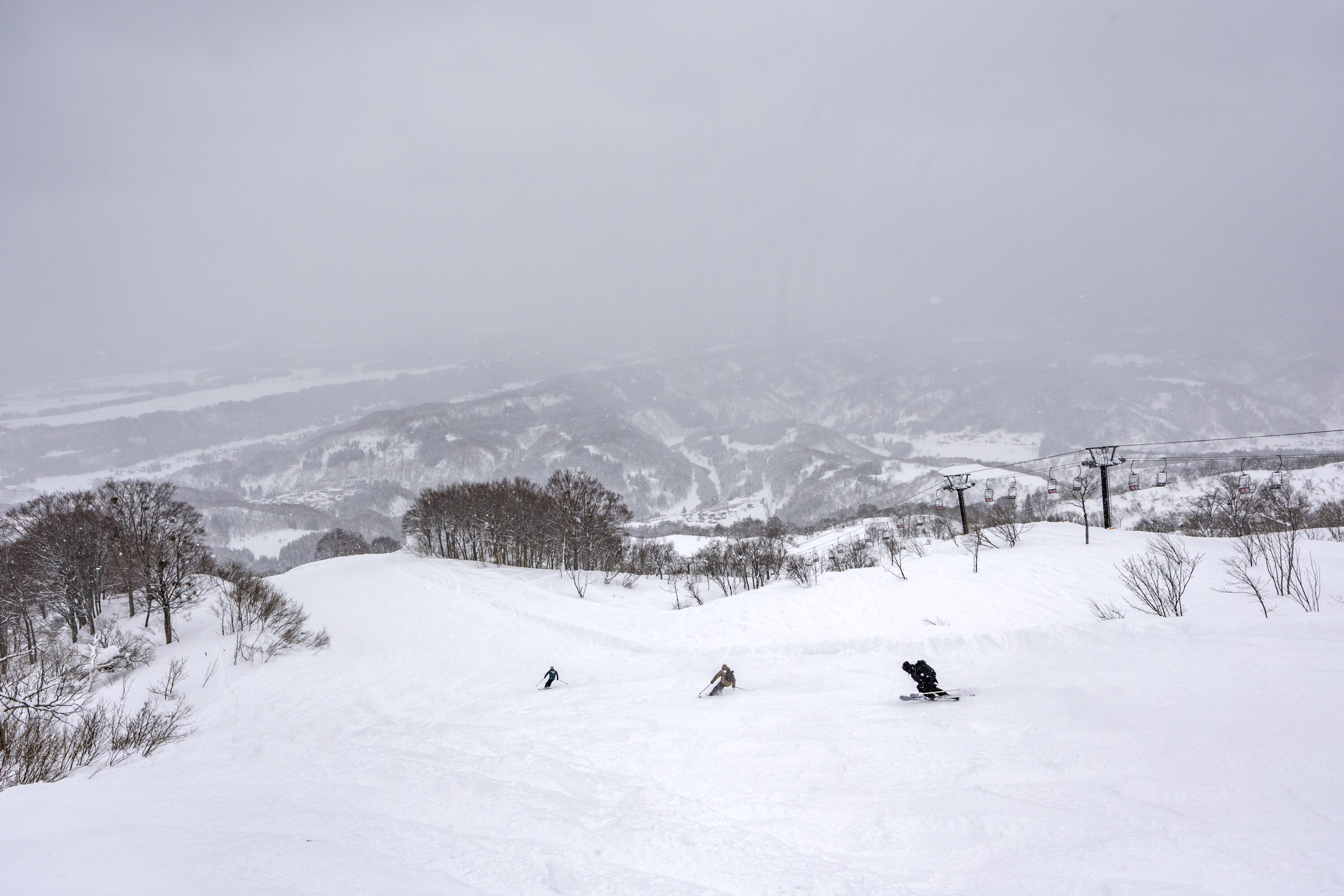
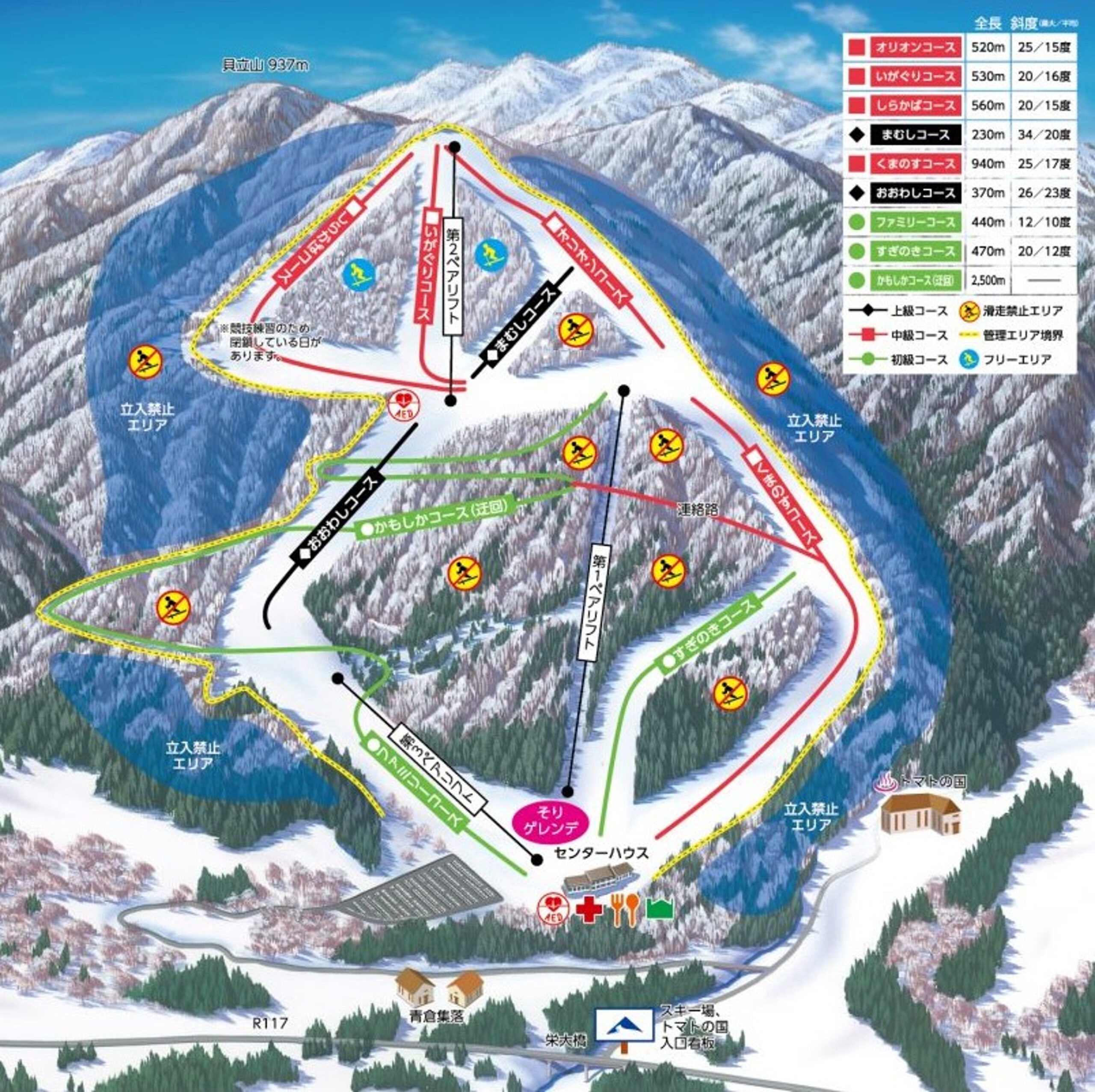
The slopes are compactly designed to protect precious farmland and nature, but offer a wide variety of courses.
The tree run area at the top of the slopes is easily accessible from the courses, with good terrain and just the right spacing between the trees.
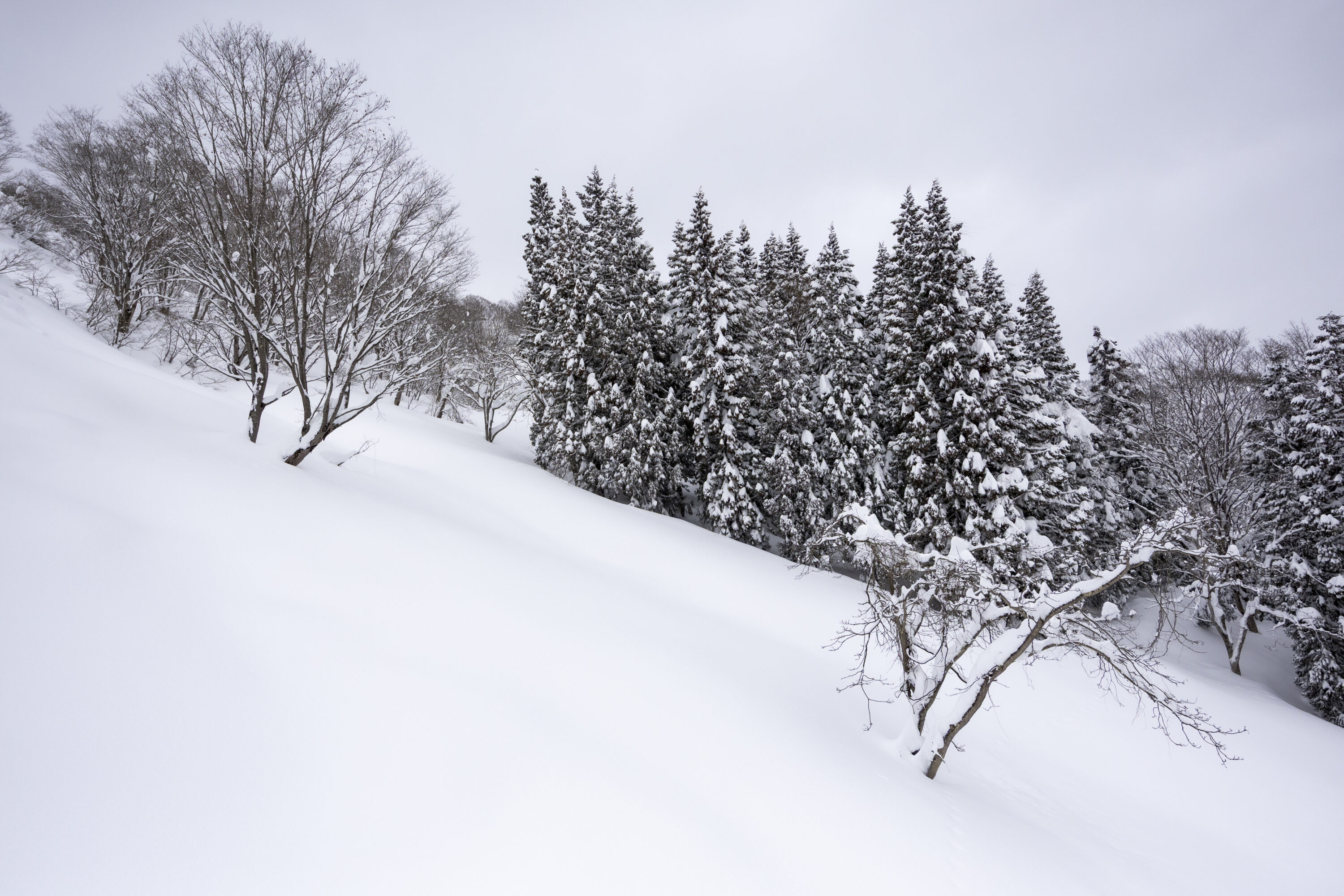
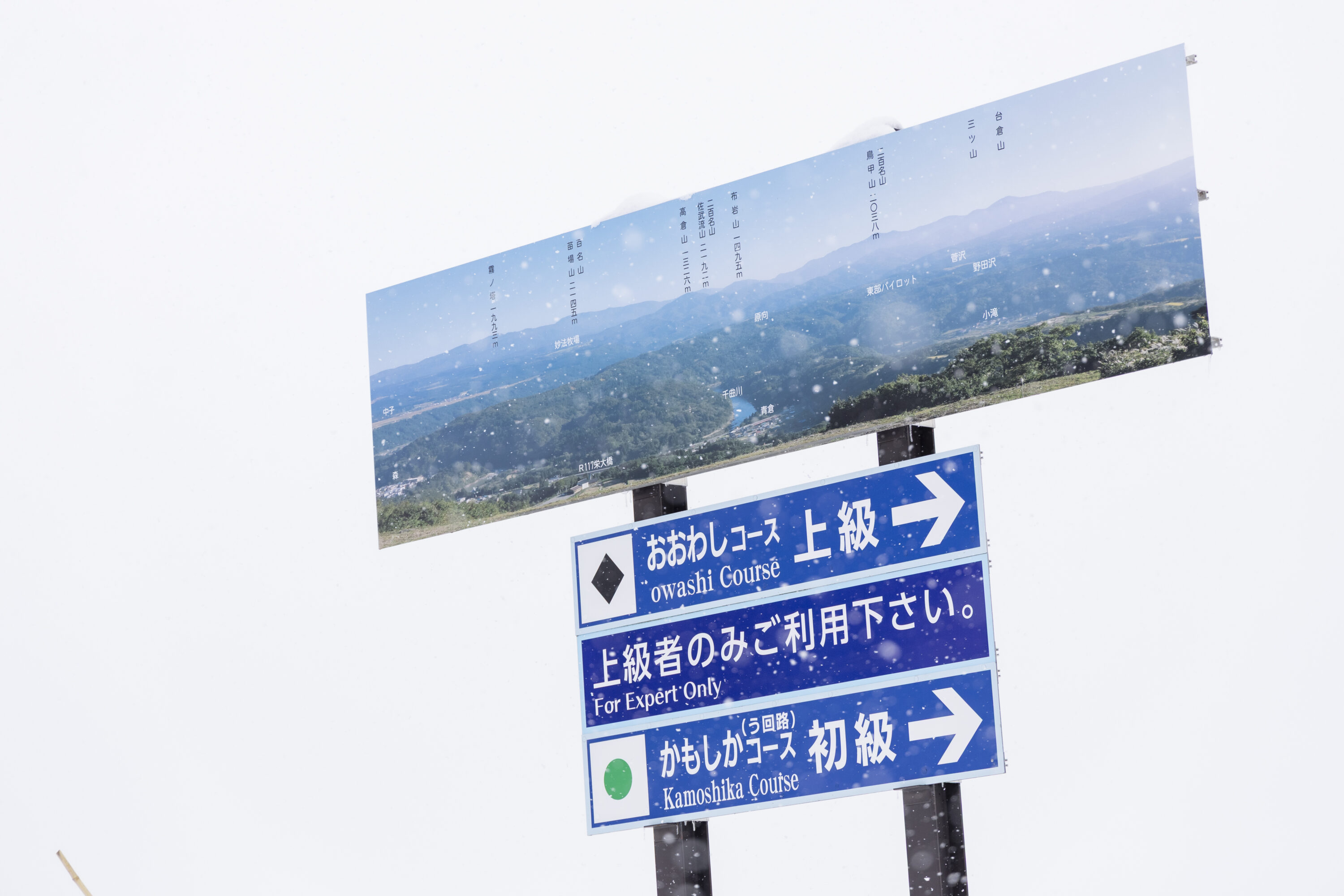
The Kamoshika Course, which is approximately 2,500m long and can be enjoyed by a single lift from the foot of the mountain, offers a rare, open view in this area, overlooking Niigata Prefecture and the Northern Alps. On both sides, you can see beautiful snow formations created by nature, such as snow caps
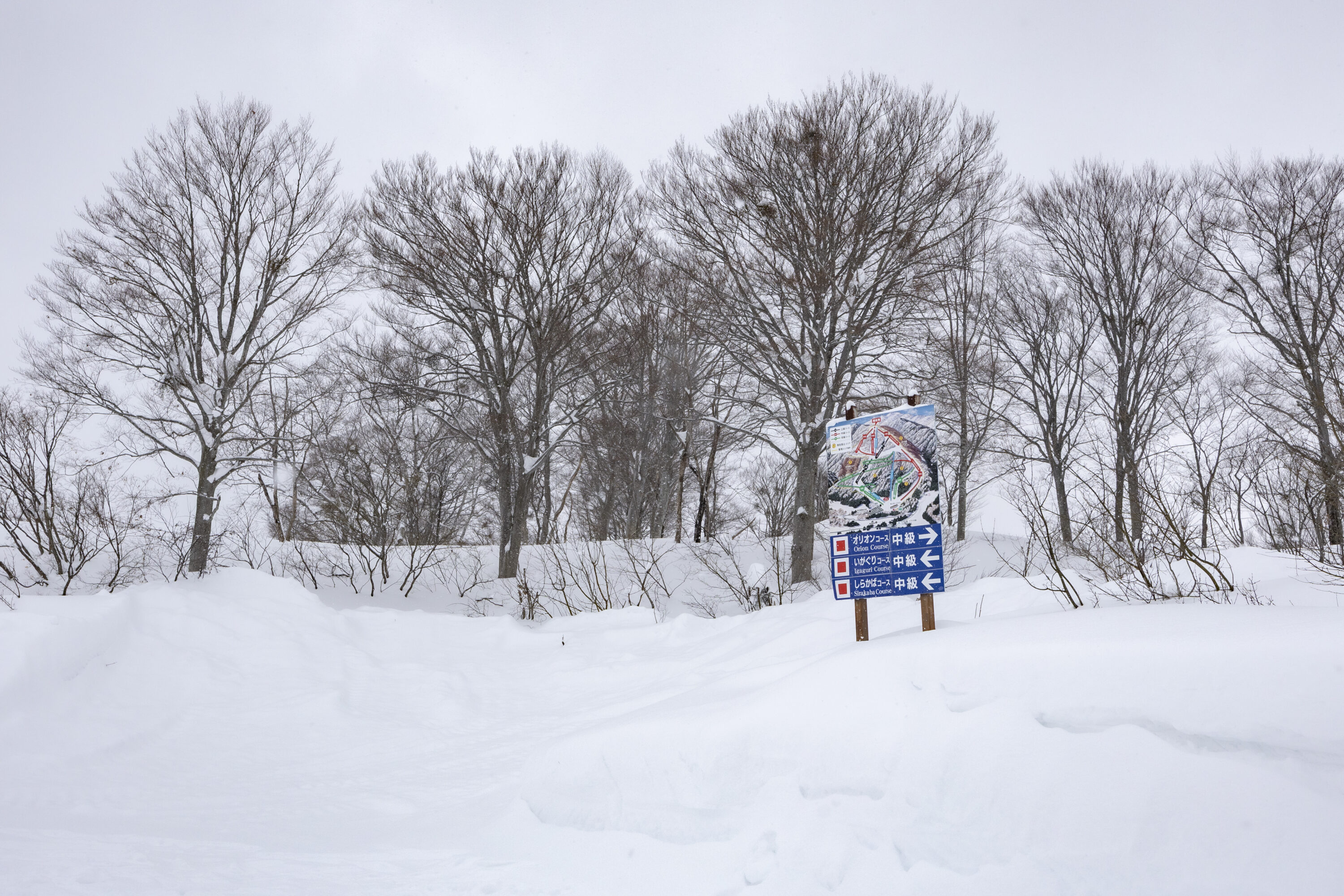
The course names have also been reorganized to make them more familiar. The former names "B" and "D," which were easily misheard, have been replaced with more evocative names such as the "Shirakaba Course," which is surrounded by a birch forest, and the "Mamushi Course," where snakes are said to appear in the summer
The most memorable of these is the "Orion Course." It is a romantic course named after an episode in which a man lost his way when the lights on his snow groomer broke, and he used the constellation Orion in the night sky to find his way back down the mountain
"100% or more" tomato juice
The appeal isn't just limited to skating. The restaurant offers a wide selection of popular dishes that have been popular for over 10 years, including the "Tomato Tsukemen" and "Spicy Chicken Curry."
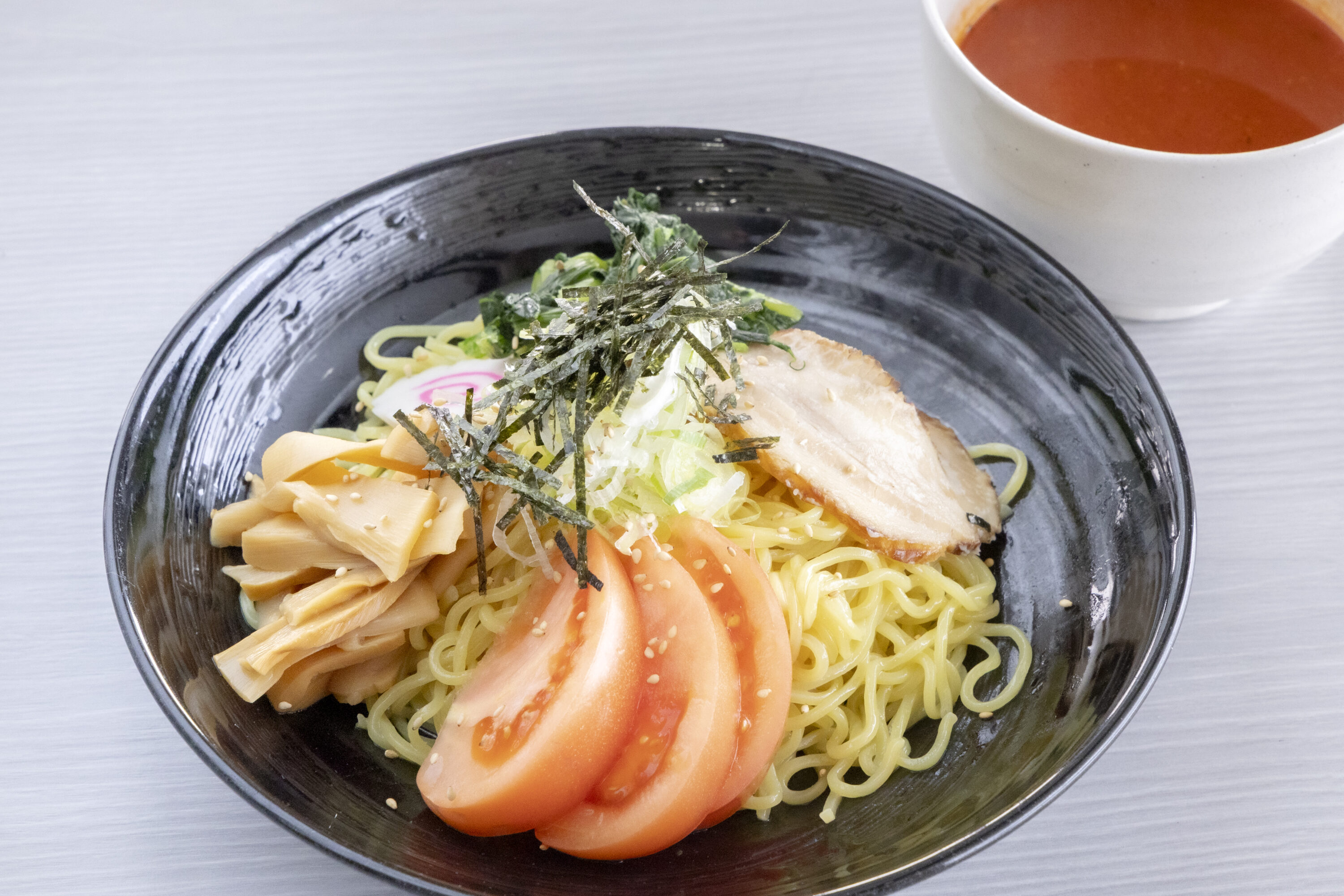
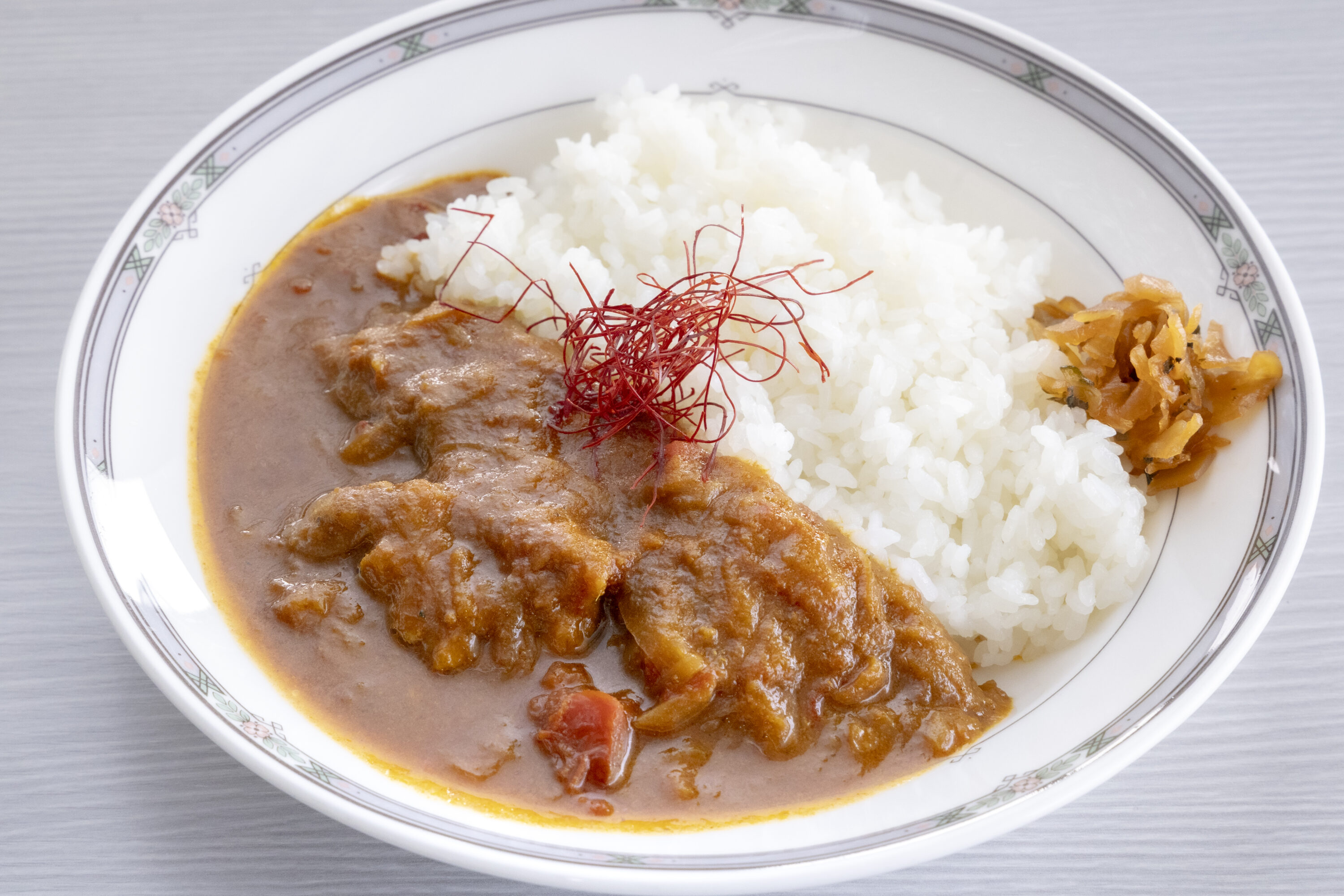
Free pickled Nozawana leaves are prepared starting in autumn, a unique feature of this ski resort. This service has been around since the resort opened, but there was no particular reason for it; it started as a natural way of welcoming guests, much like serving tea snacks. Last year, they sold out in late February, so it's a village delicacy that only lasts while supplies last. We recommend arriving early

The village's specialty, "tomato juice," which is also used in the tomato tsukemen, is a little different. It is produced by a single farming family. The reason for its deliciousness lies in the harvesting method. While most tomatoes for processing are harvested by machine, here only fully ripe tomatoes are hand-picked. This prevents any unripe tomatoes from getting mixed in, resulting in a rich, pure flavor that is 100% ripe. The flavor changes depending on the weather each year, and this year's is said to be the "best ever."
The powder boom is a tailwind
Thanks to various efforts, the number of visitors reached a record high last year. In the past, a major company had proposed development there, but the plan ran into difficulties due to excessive snowfall. Although the area is blessed with abundant snowfall, it has not been fully utilized, and while there are ski resorts scattered around the area, it has long been a blank spot
Now, however, it is becoming a place where skiers come from far and wide in search of its snow and environment. We spoke to several people, from regulars who stay overnight and visit almost every day, to those who just stopped by on their way to work
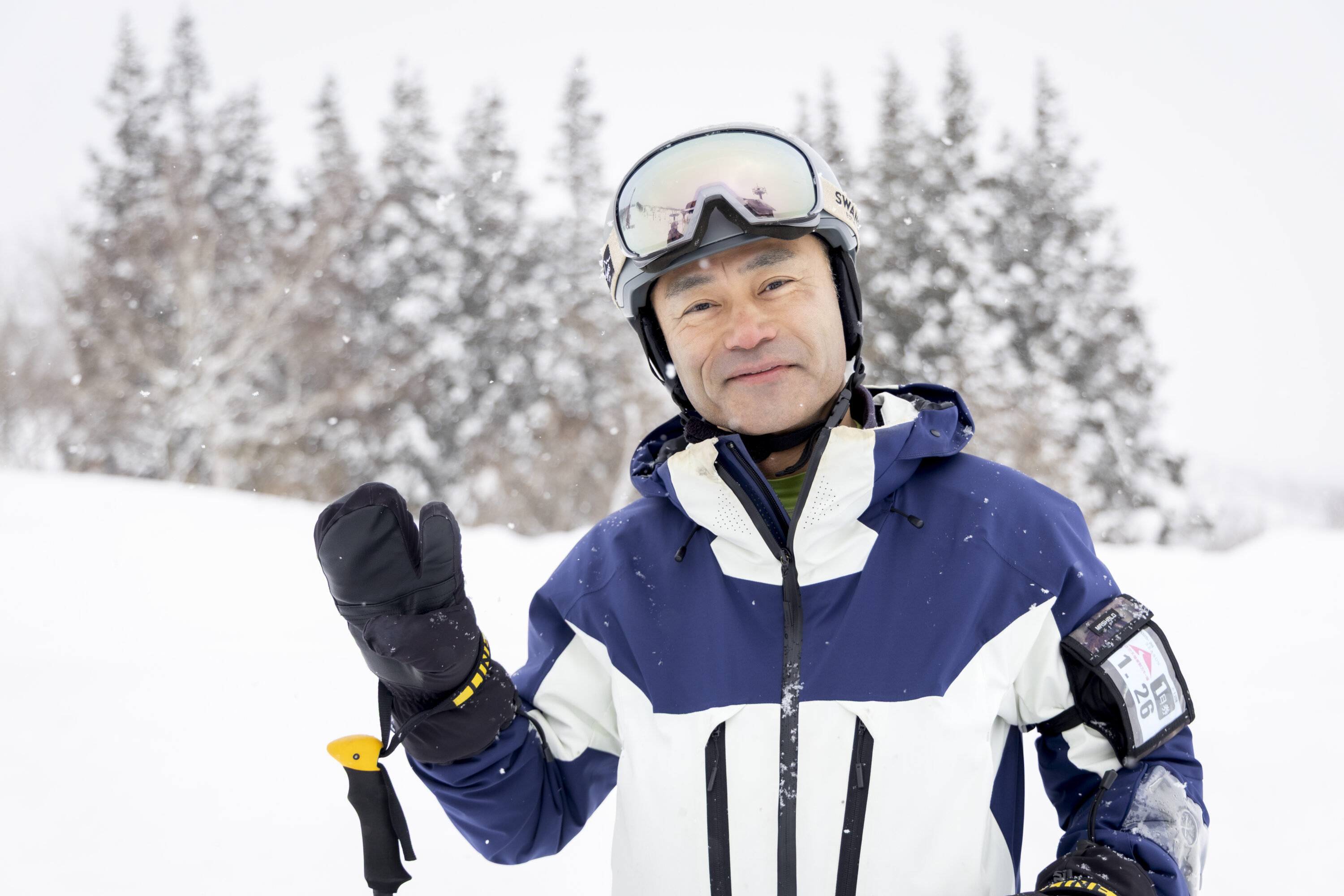
Yamamoto, who commutes from Chikuma City, is one of those who visit for the powder snow and the occasional hot snack giveaway.
A few years ago, he happened upon some powder snow beside the course, which awakened his interest and led to him developing a new style of skiing.
"Soak in the powder snow and then go home without soaking in the hot springs." This is apparently the standard here.
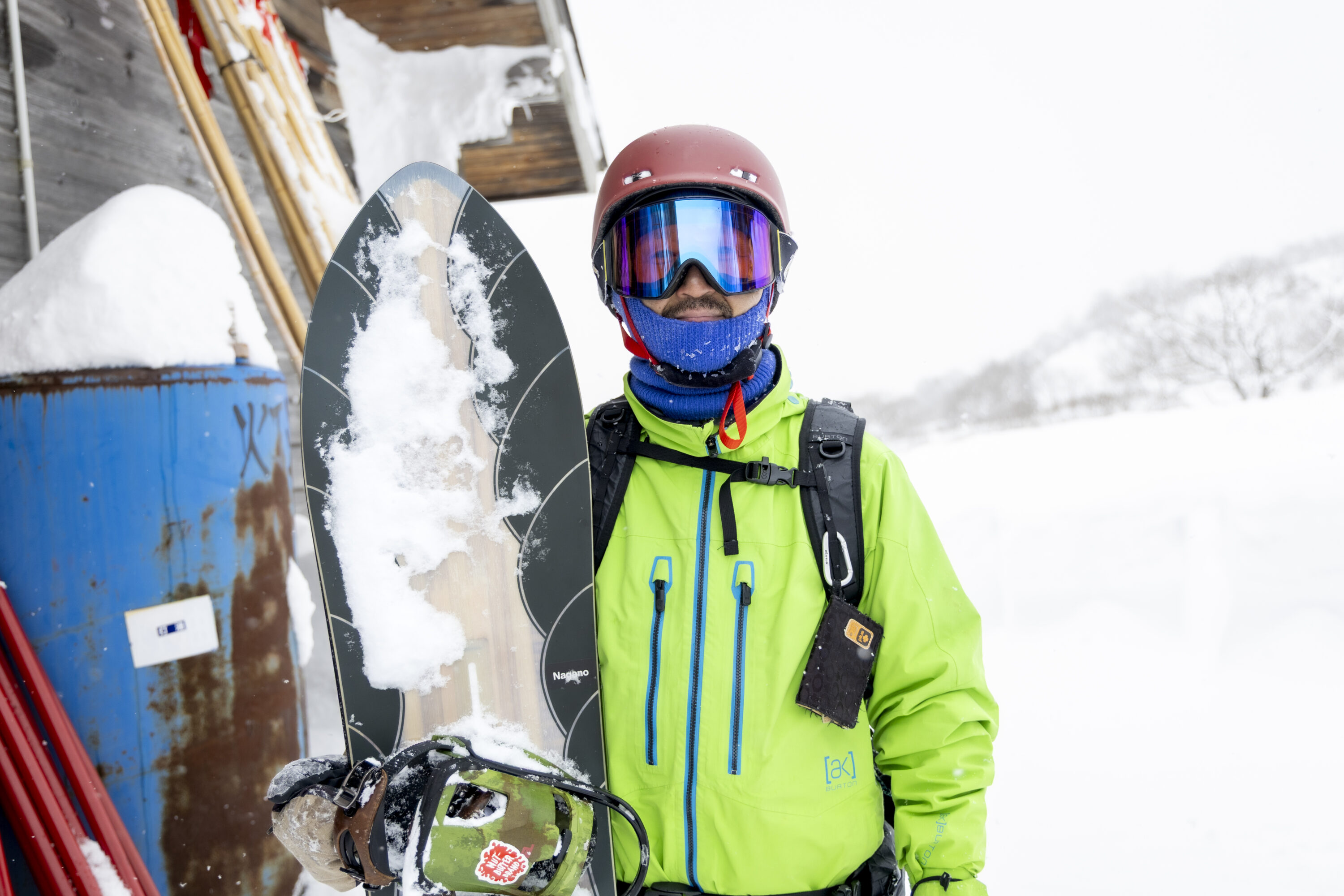
Kiuchi, who learned about this place last year after being invited by a friend, said, "Whenever I'm looking for good snow, I always end up here."
The light, pleasant snow is the best thing about it, and he told me that the coffee at the roadside station in Sakae Village, which he stopped at on his way home, is delicious.
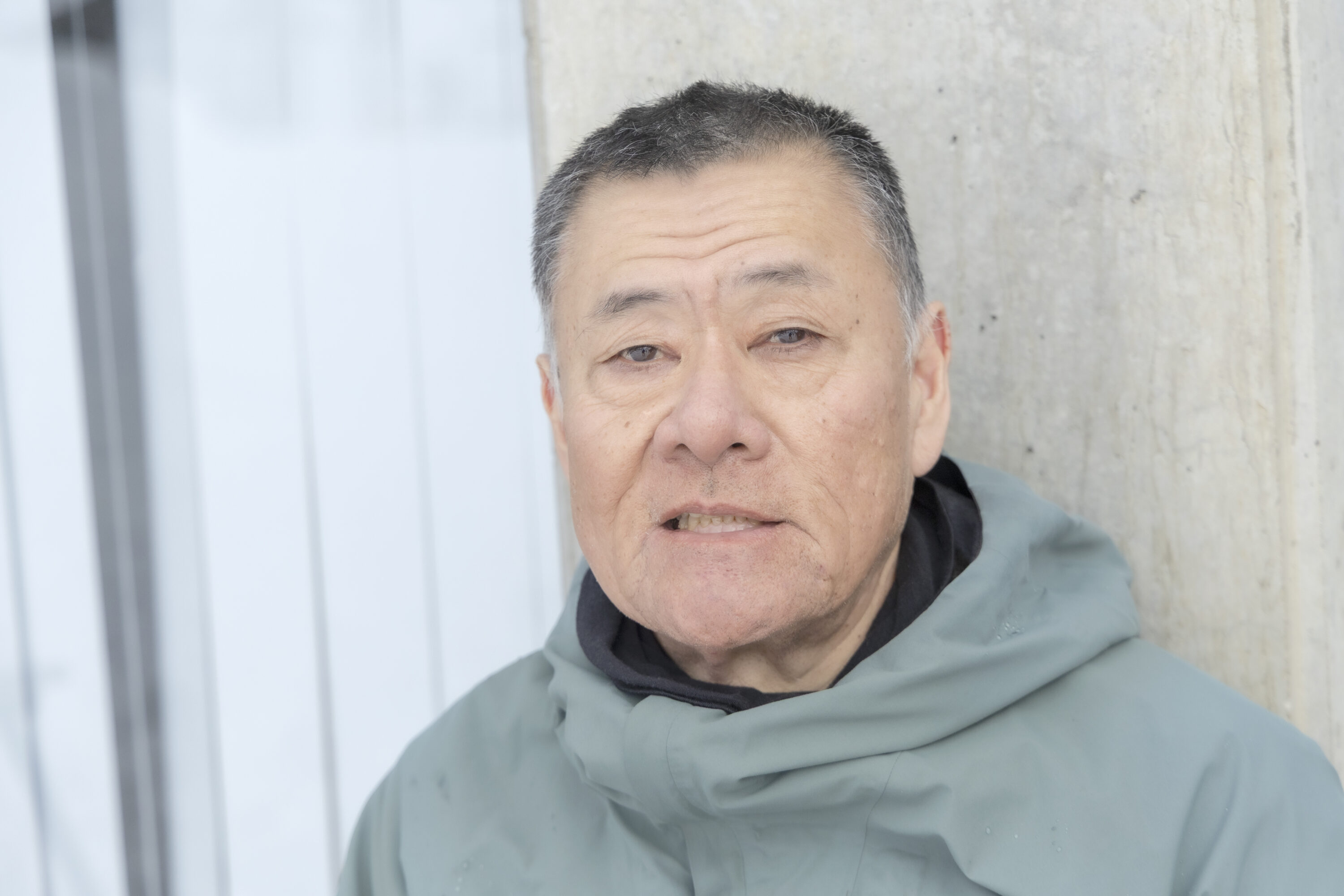
Komiya has been coming here for the past 10 years, attracted by the fact that he can enjoy the steep, packed snow courses that offer speedy carving, similar to Happo-one, without the crowds. His
style is to plan his day leisurely, like enjoying a course meal, with a coffee break after skiing a few runs. He also
looks forward to the events and treats, and always goes to Tonkatsu Tsutami for lunch.
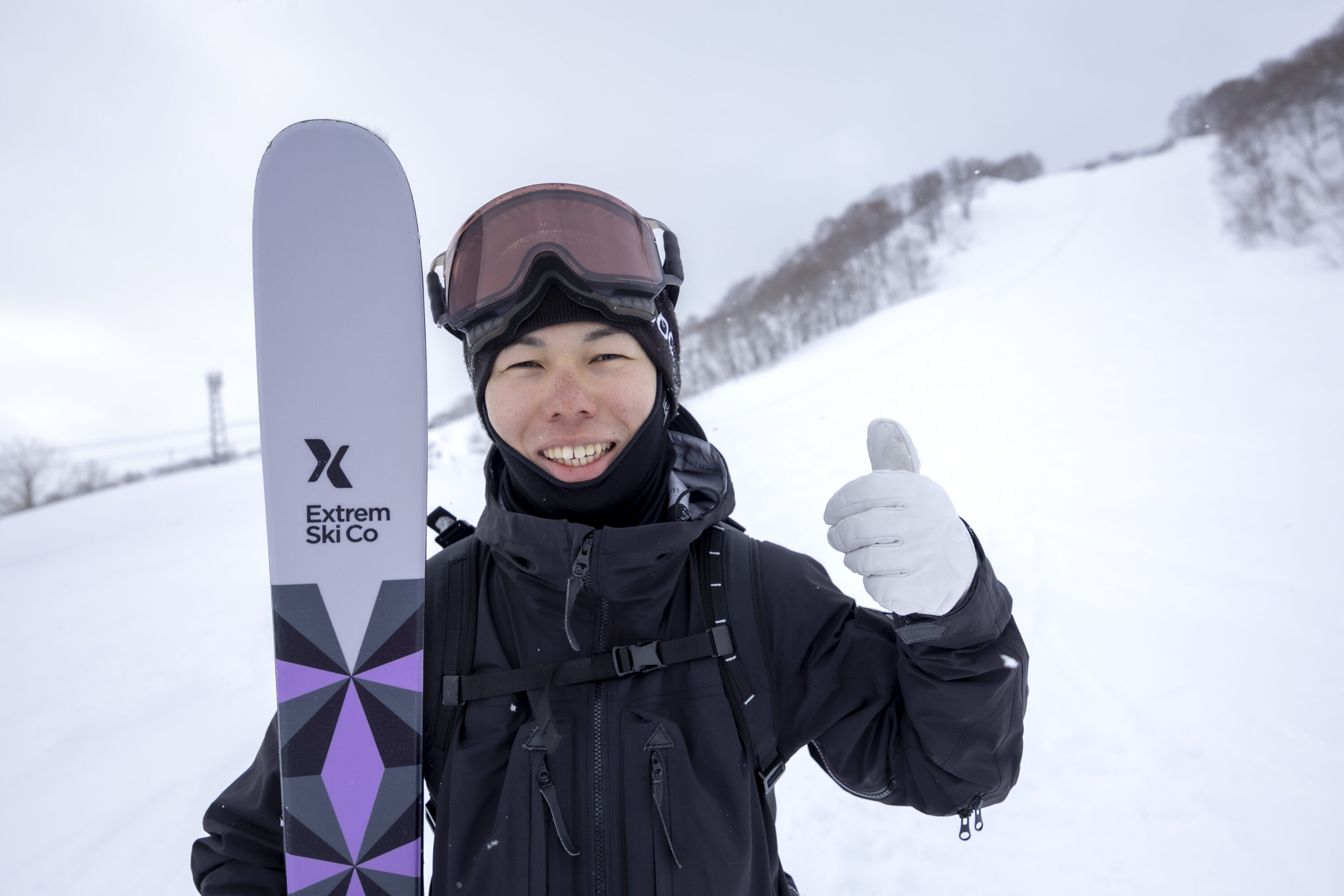
Muraki, who had been interested in this ski resort for some time, was able to stop by on his way to work.
He enjoys it in between teleworking sessions using a multi-ride ticket, a modern style that emphasizes time and space, but even after just a few runs he was surprised by the depth and lightness of the snow.
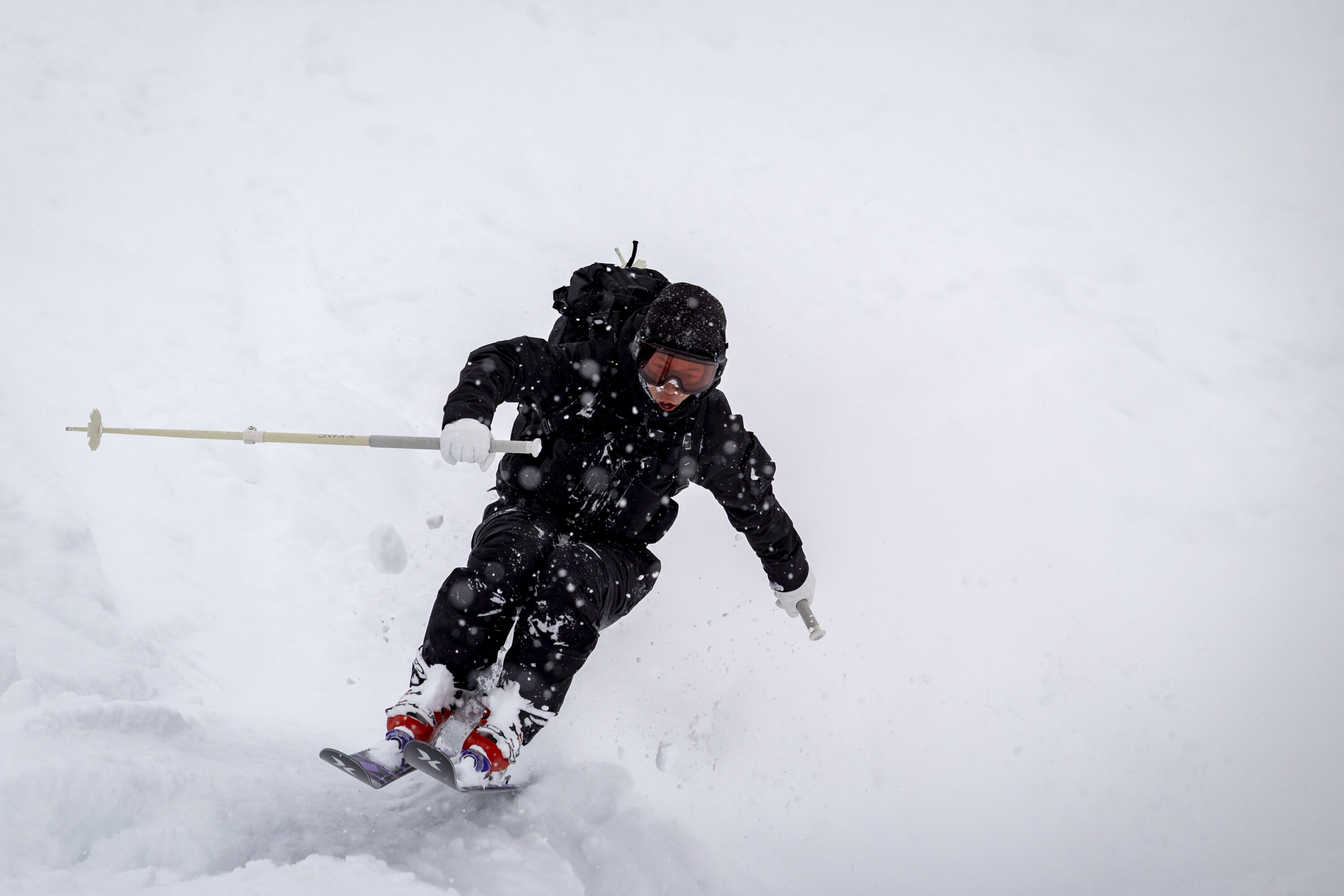
Having grown up at a local ski resort, he likes the laid-back, relaxed atmosphere. "With just one lift, you can get covered in powder to the limits of your physical strength," he recommended.
"30-year season pass" to commemorate the 30th anniversary

Sakae Club will be holding a "Ski Resort Festival" on Sunday, February 15th to celebrate the 30th anniversary of its opening this season. A "30-year season pass" will be available at the rock-paper-scissors tournament. Apparently, a 20-year pass was won by a Sakae village resident during the 20th anniversary celebrations
Originally, weekday season tickets were priced at 12,000 yen, making them among the cheapest in the country. Their reasonable pricing differs from the "special, extraordinary" experience offered by large resorts, and instead is an extension of everyday life in snowy regions. If there's snow, go skiing. This place offers a very natural approach to skiing
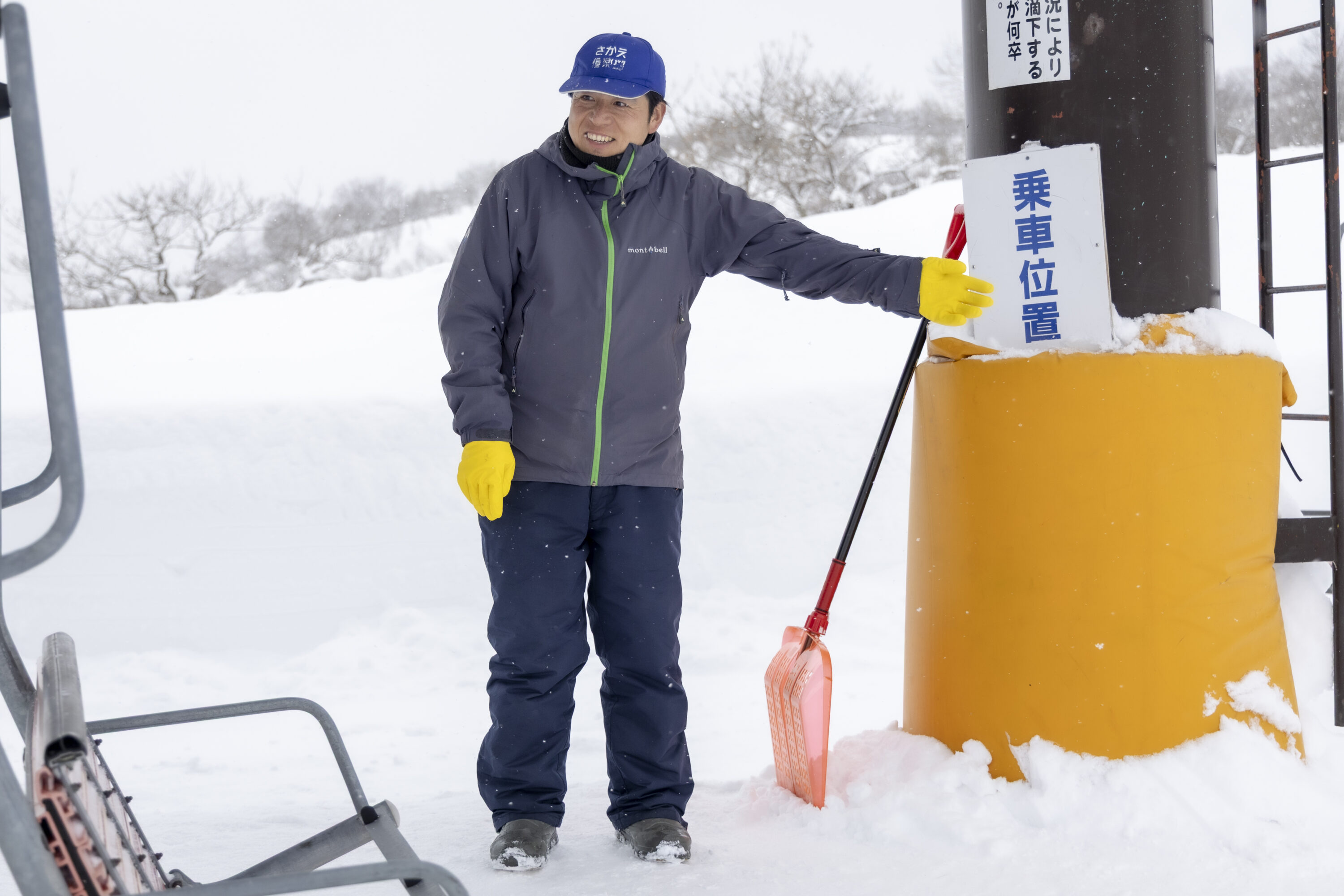
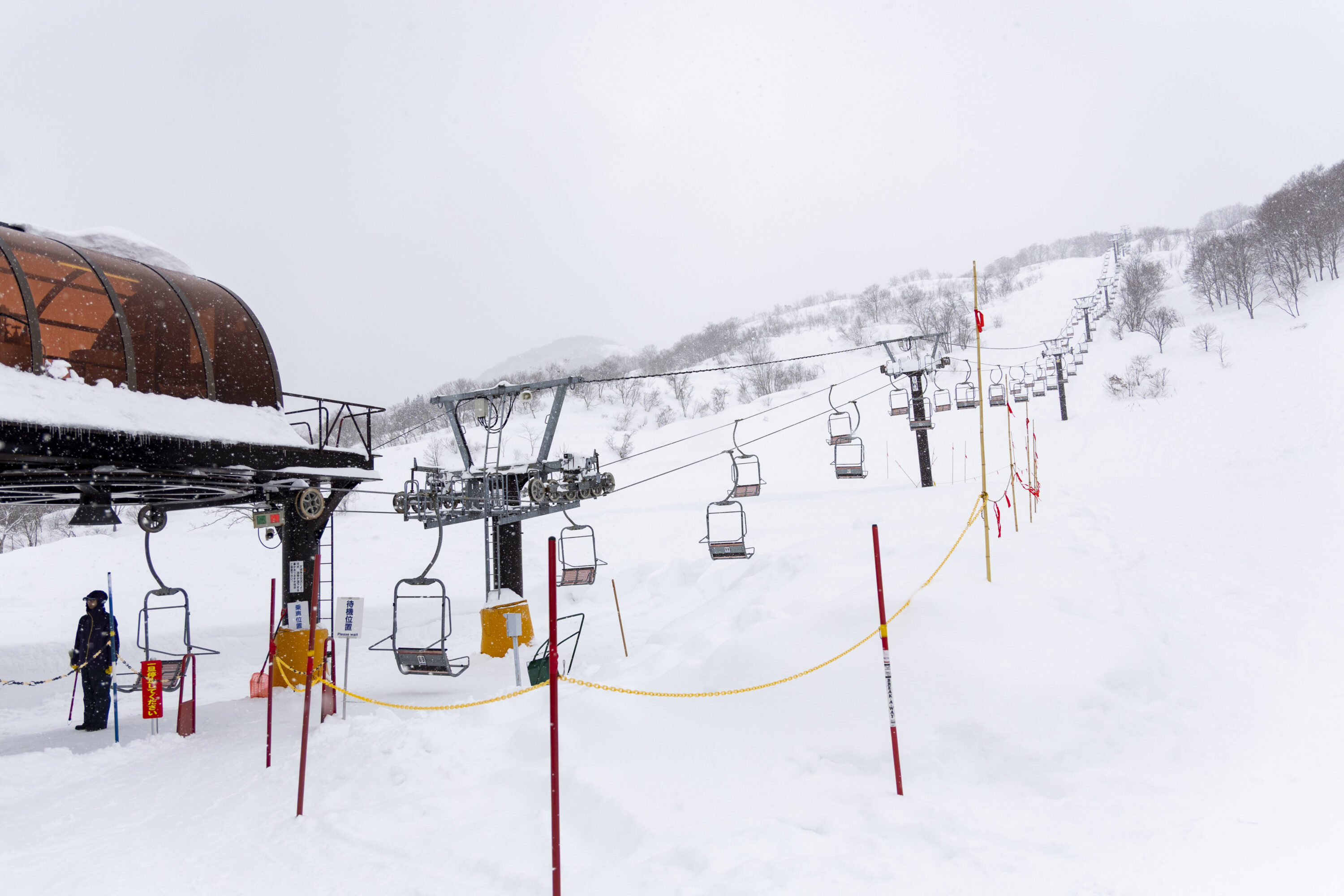
As I was leaving, a staff member at the lift station greeted me with a deep bow and said, "Thank you very much. Be careful." Even though it had barely snowed today, the lift seats were raised and lowered properly every time, and the snow was brushed off with a broom every time I got on
The people who work here are locals who commute from Sakae Village and the neighboring town of Tsunan. Like working outside in the winter in a snowy country, each person stands at their own post. The scene somehow overlaps with the scenery at home. Roles are naturally divided between the kitchen, outside, and living room, and the house runs quietly.
That is the atmosphere that permeates this ski resort.
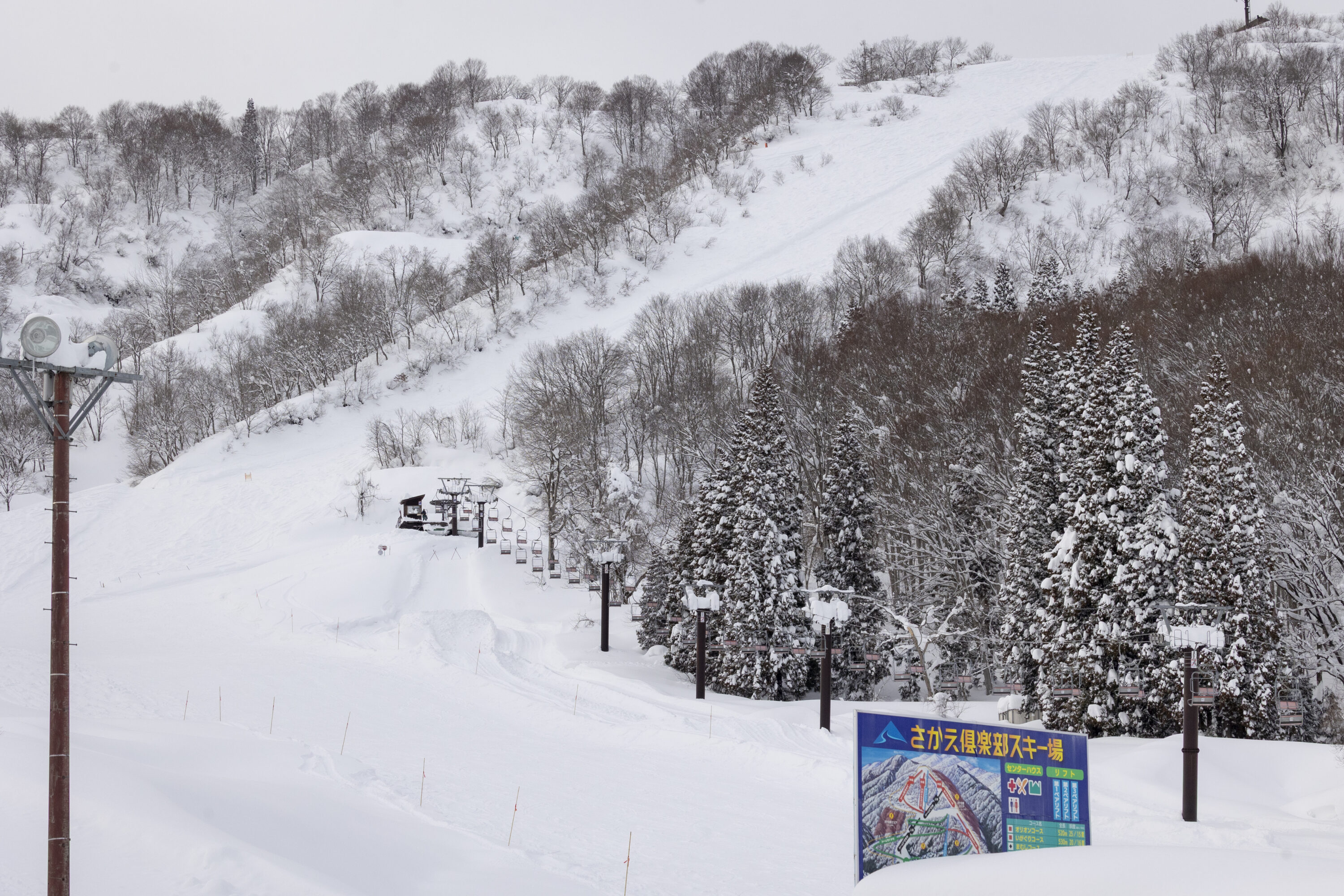
Photo: Tomohiro Watanabe
Edit: Mayumi Hatano
Information
Sakae Club Ski Resort
2903 Kitashin, Sakae Village, Shimominochi District, Nagano Prefecture, 389-2702
Official website: https://sakaeclub.securesite.jp/
Official SNS: Facebook │ Instagram