

Has there ever been a case in which a ski brand, or a company that handles ski brands, has operated a ski resort? Aside from Wing Hills Shiratori, which is still operated by Alpen, the company that manufactured Hart skis, I have never heard of such a case in Japan. Looking around the world, it is unlikely that a mega brand will openly operate a ski resort
Amidst the current climate, where the winter industry is facing headwinds such as the COVID-19 pandemic and climate change, one company has taken over the operation of Jigatake Ski Resort Free Float an importer and retailer of icelandic skis .
INDEX
- What is Hakuba Valley like?
- Why restart the Jijigatake Ski Resort?
- Reviving ski resorts through DIY
- The best debut slope, Grandpa Mt
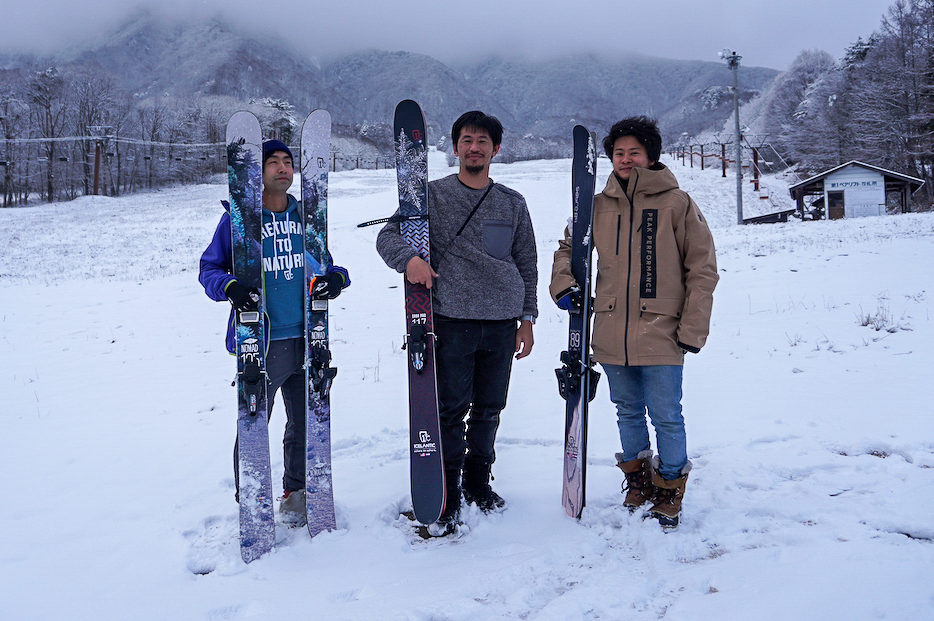
Freefloat is based in Omachi City and is a company that not only purchases and sells Icelantic skis website , they are known for their sturdy, Made in USA skis and beautiful graphics. Their wide-ranging lineup, which covers everything from park to backcountry, is popular mainly with intermediate and advanced skiers, and they are one of the most well-known core brands in Japan.
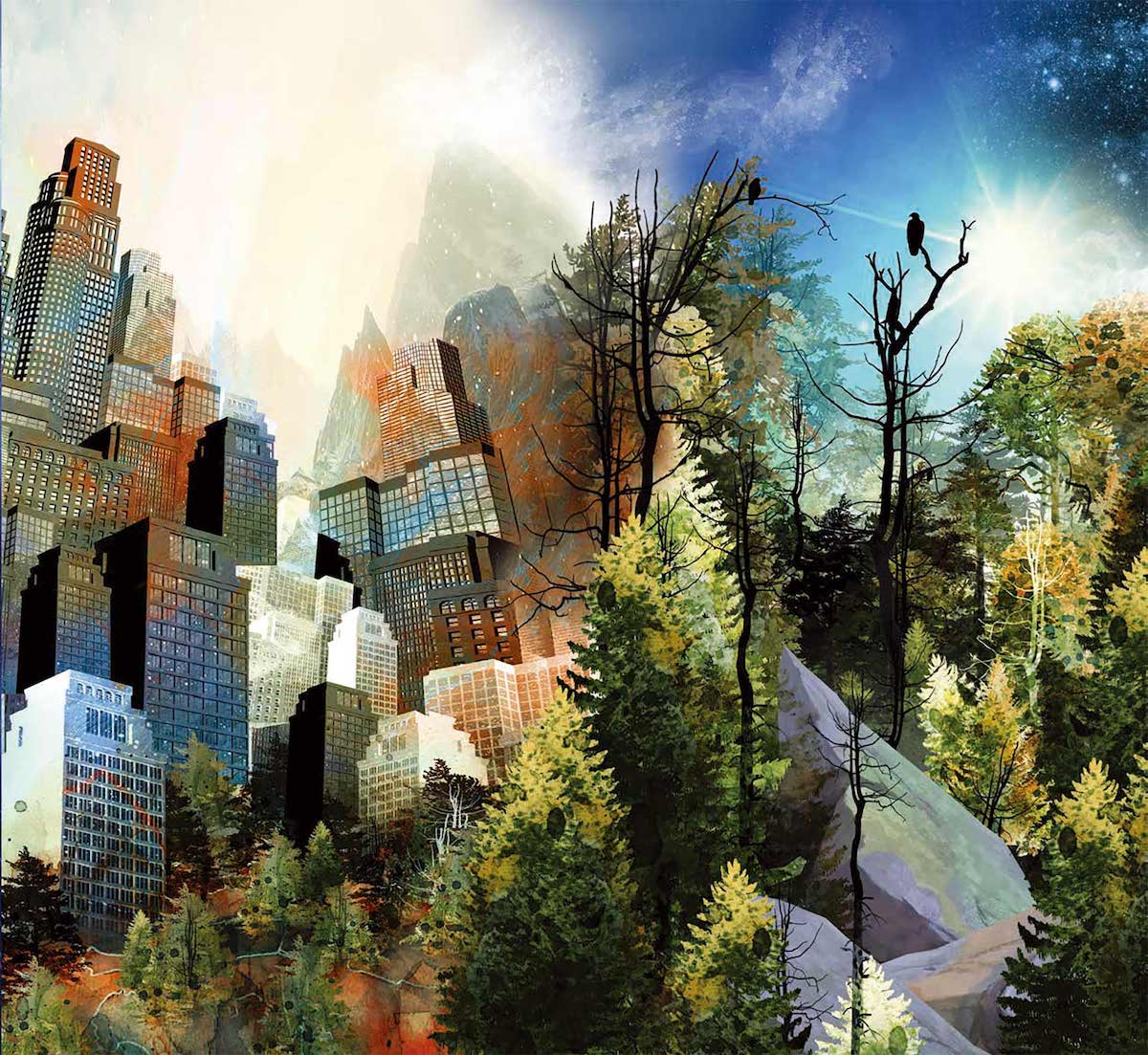
A company that sells skis aimed at hardcore skiers has been entrusted with the operation of Jigatake Ski Resort, a ski resort popular with beginners and families. This mismatch creates the feeling that something is about to happen. Before we get to the main topic, let's first review the overall picture of Hakuba Valley
This is what Hakuba Valley
is like. Have you ever skied at Jigatake Ski Resort?
I'll leave the details to the article above, but to give you a rough overview, Hakuba Valley is a ski area that spans the three villages of Omachi, Hakuba, and Otari. Hakuba Valley, with 10 ski resorts scattered across an area measuring about 25km from north to south, has long been renowned as one of Japan's top ski areas. The Ushiro-Tateyama mountain range lies behind the ski resorts, and towns spread out at the foot of each ski resort, making it a place where you can fully enjoy a mountain resort
Although the ski resorts are only a dozen or so kilometers apart, each has a different climate and snowfall. Making the most of their scenery and majestic mountain ranges, each ski resort offers a large difference in elevation, a wide variety of runs, ungroomed runs, various parks, and carefully maintained groomed runs, making them all highly comprehensive ski resorts
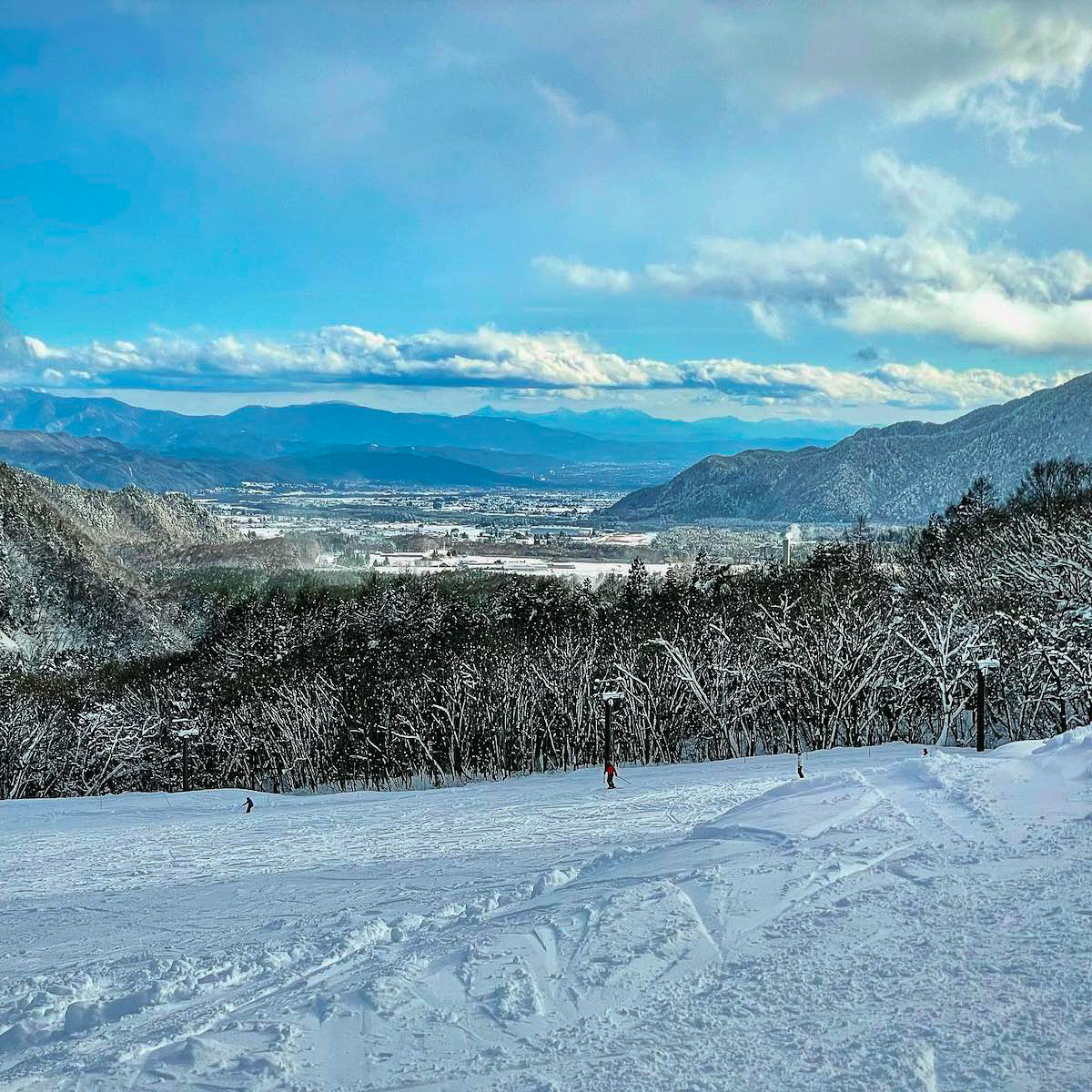
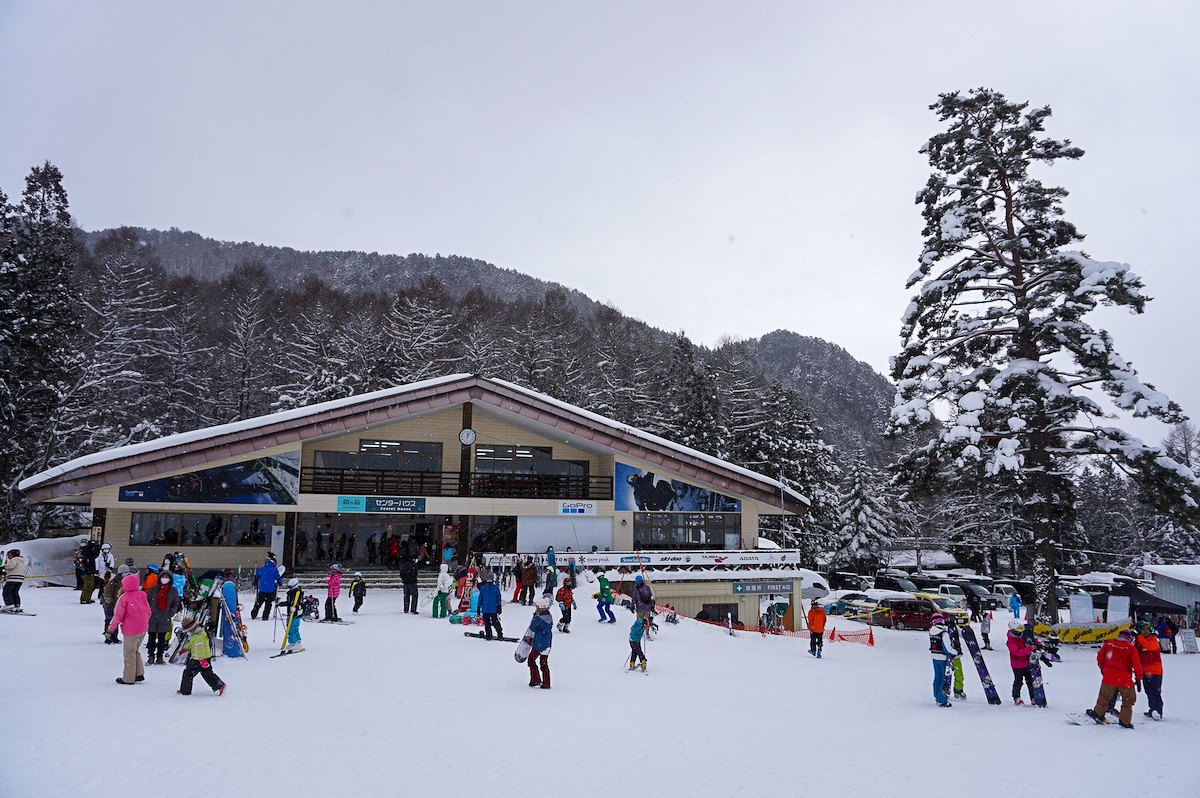
One such ski resort that Freefloat decided to work on was Jigatake Ski Resort, located at the southernmost point of Hakuba Valley. Located in the valley on the eastern side of Mount Jigatake, the base of the ski resort is at an elevation of 940m, and the top is at 1200m. While the majestic Northern Alps mountain range is barely visible from the ski resort, the plains of Azumino stretching all the way to Matsumoto and the Utsukushigahara Plateau beyond are visible
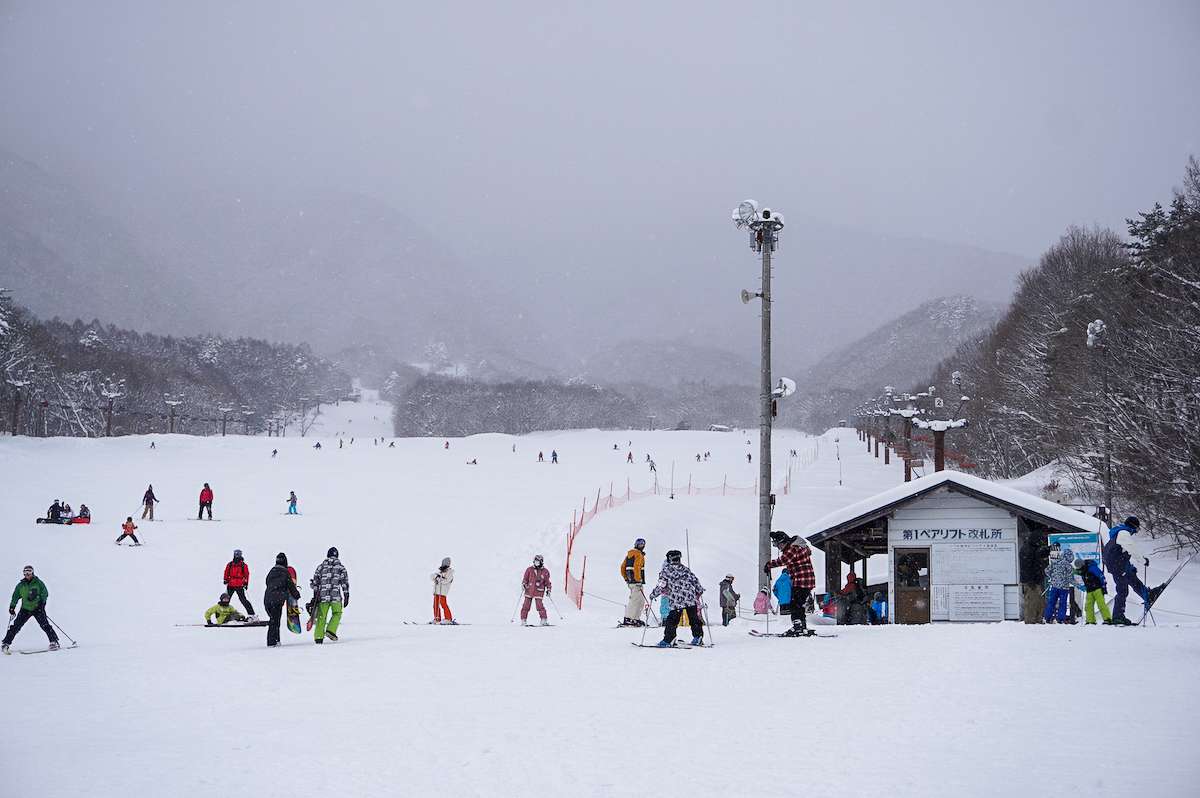
There are four lifts, and 70% of the slopes are gentle runs for beginners, with an average gradient of 13 degrees. In particular, the main slope, Echo, is a beautiful, wide, flat run. Not only is it ideal for beginners, but it's also popular with instructors for being easy to teach on.
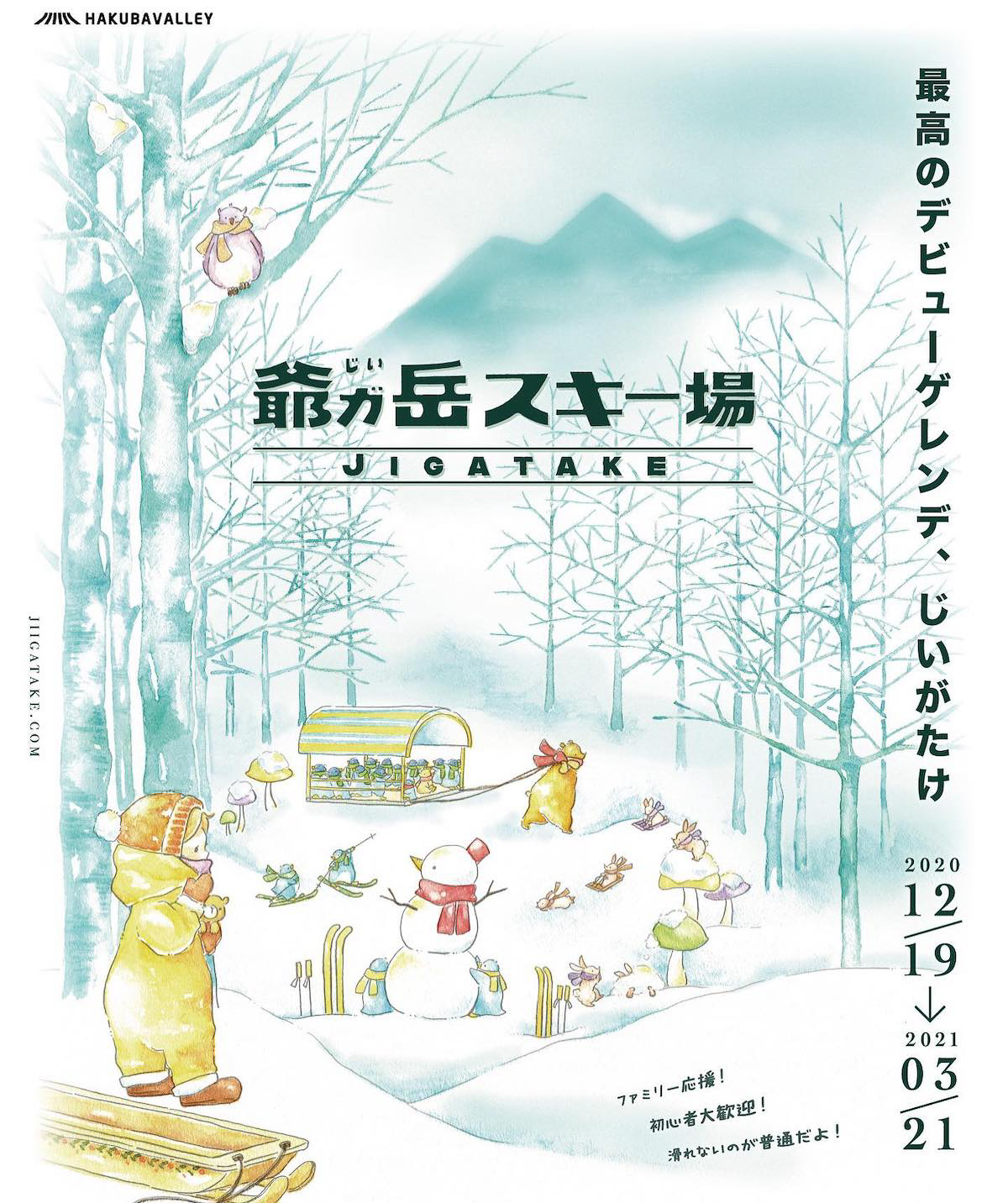
There's also a slope dedicated to the kids' park, and next to it is a large, rare tow sled called a Troika. The ski resort is 100% geared towards beginners and families.
Why we are restarting Jiigatake Ski Resort and
what is its relationship with icelandic skiing?
We spoke to Yada Shota, the representative of Free Float, which will be running Jigatake Ski Resort, about the Jigatake Ski Resort update project
"Originally, there were five ski resorts in Omachi city: Aoki Lake, Yanaba, Omachi Ski Resort, and the still-running Kashimayari and Jigatake. When Jigatake was facing a crisis, we were approached and asked to try running it. That's the general flow of events
This was a big venture for a company of our size, but as a ski importer and retailer, we saw the loss of ski resorts in Omachi, where we're based, as a threat to the disappearance of ski culture. Speaking to people in the area, we learned that while the ski resorts are small, many people first skied at Jigadake. Many older people say, "I first skied at Jigadake," and it seems unlikely that there are many people in the Omachi-Matsumoto area who haven't skied at Jigadake.
Given this background, if the ski resort disappears, one aspect of the local culture will be lost. It will be a lost history. Omachi still has ski clubs with around 100 members, some based at Jigadake, and if the ski resort disappears, these people will lose their home slopes.
This would mean an even greater decline in the number of skiers, so we wanted to stop that from happening
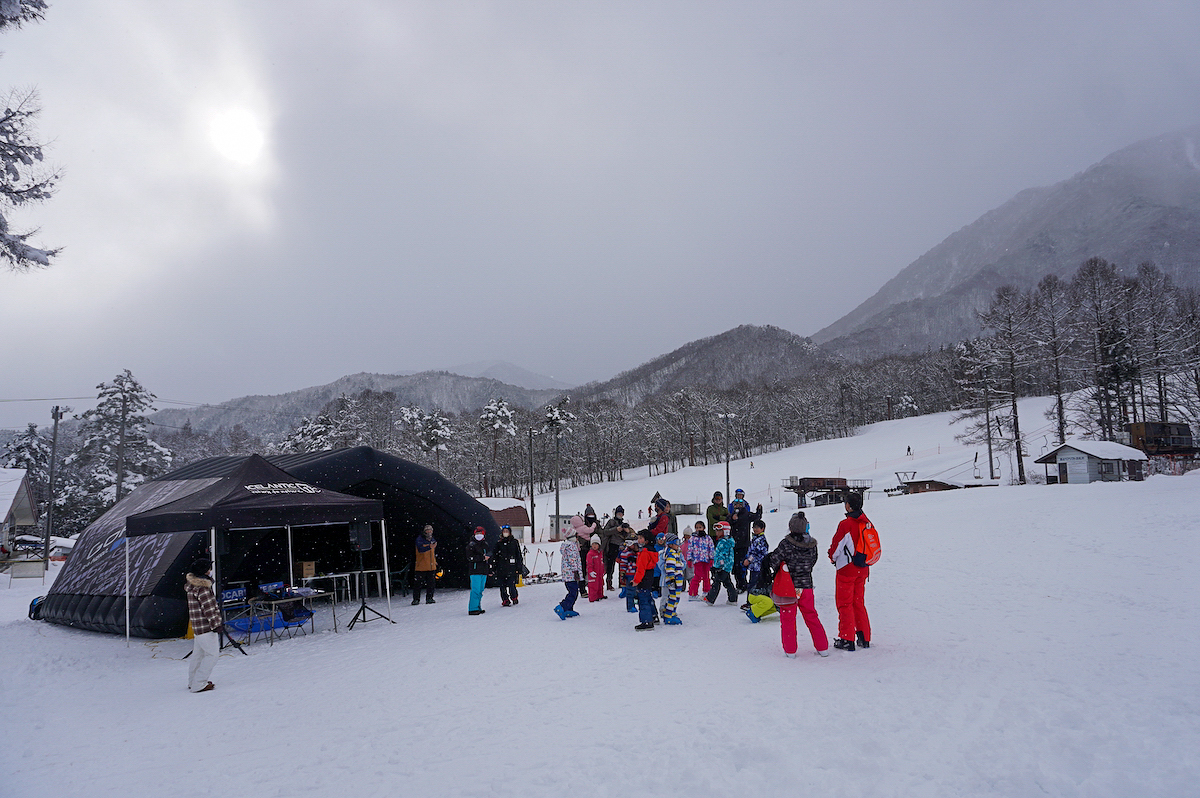
Also, as a manufacturer, it is precisely because of the ski culture that core users are nurtured and they reach the core brand level. Without the beginner skiers who are the foundation of that, we would not be able to survive
Just because we deal with core brands, we didn't really think about changing the ski resort from one that was aimed at beginners and families to one that would satisfy Icelandic users
Jigadake is located about 8km from Omachi Station, close to the city, and is easily accessible without having to drive long distances on snowy roads. The weather is also relatively stable within Hakuba Valley, making it the perfect environment for people looking to try skiing or snowboarding
It's true that compared to other ski resorts in Hakuba Valley, the elevation difference is smaller and the mountains aren't as big. But on the other hand, we see this as an environment that's welcoming to beginners and families, and we wanted to create a positive environment where people who want to try skiing or snowboarding for the first time, want to do it after a long time, or want to bring their small children can come."

On the other hand, Icelantic has a strong image as a core brand, so how did the home country view the move by an import agency that was carrying the brand's name? We asked Arai Yu, who serves as the liaison with the home country, about the situation
"Icelantic is in the freeride genre, and our policy is to make skis that anyone can ride, but not skis for beginners.
So when I told our founder, Ben, that we were going to be running Jigatake Ski Resort, I thought he would be angry and ask why we were running such a small ski resort, as it would deviate from the image of our brand. But then I received an email saying, 'Just like in America, we need to promote small ski resorts, and it's a good idea to run a ski resort for beginners.' Apparently
, Ben himself had skied there once. It's rare to find an American ski brand founder who has skied at a tiny ski resort on the edge of Hakuba Valley (laughs).
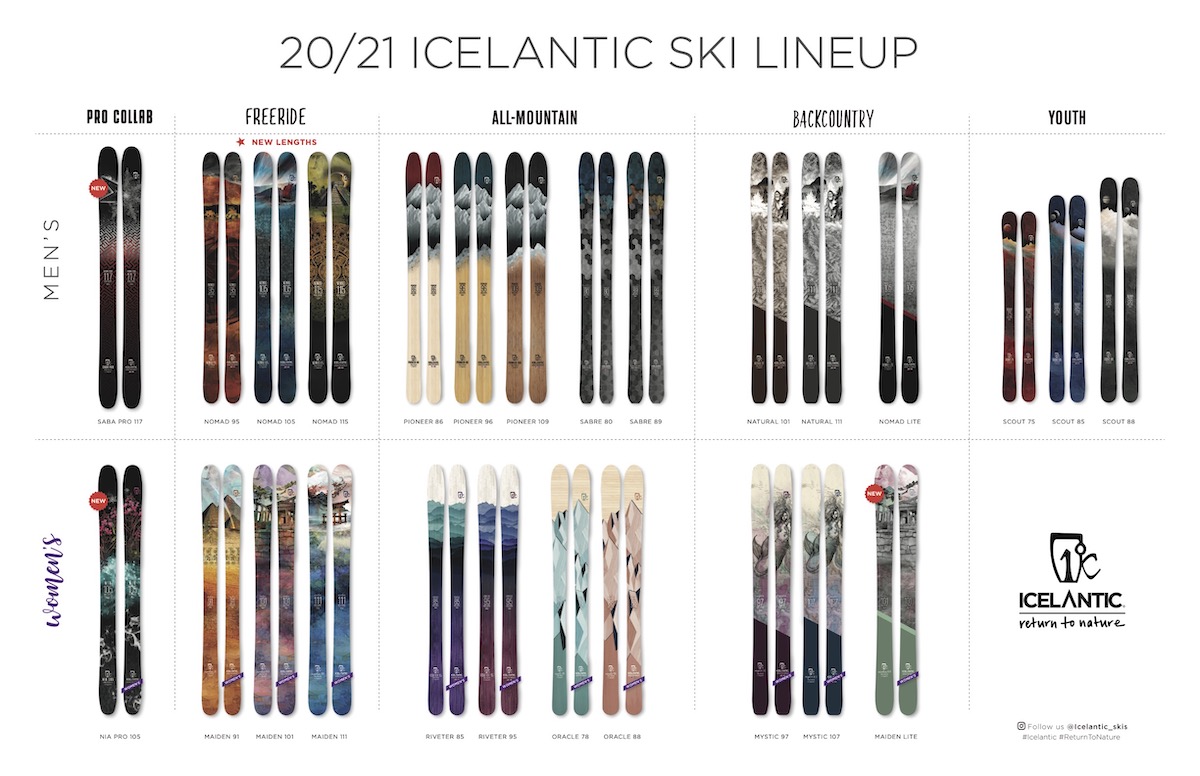
"Return to Nature," which is Icelantic's concept, has been a key theme in the various rebrandings of the ski resort . Our corporate culture and management style place great importance on sustainability and contributing to the local community, and Ben has told us that he wants us to love and embody this concept. Being based in
Omachi, a city rich in nature, we feel a sense of joy in being able to create an environment where people can get close to nature with our own hands. Even when renovating the ski resort, rather than rebuilding everything, we aim to make the most of what we already have and continue in a sustainable way.
Because we've been proceeding in line with this philosophy, we haven't received any excessive requests from our home country. Normally, they'd ask for a large brand logo, but we believe this kind of initiative, which contributes to the local ski culture, is an original Japanese initiative."
Riders and staff take the initiative
to revitalize the ski resort through DIY methods
The two biggest changes were the major renovation of the Kids' Park and the interior of the Center House and other facilities. There are many other small, new measures as well, so we'd like to take a look at them one by one.
All of these changes are largely due to the experience of Yada, who is at the forefront of them all. He competed in the Alpine Snowboarding World Cup, and after retiring from competition he worked as an outdoor instructor and photographer. He has a history of holding various qualifications, including heavy machinery, and has used this experience to push forward the transformation of the ski resort.
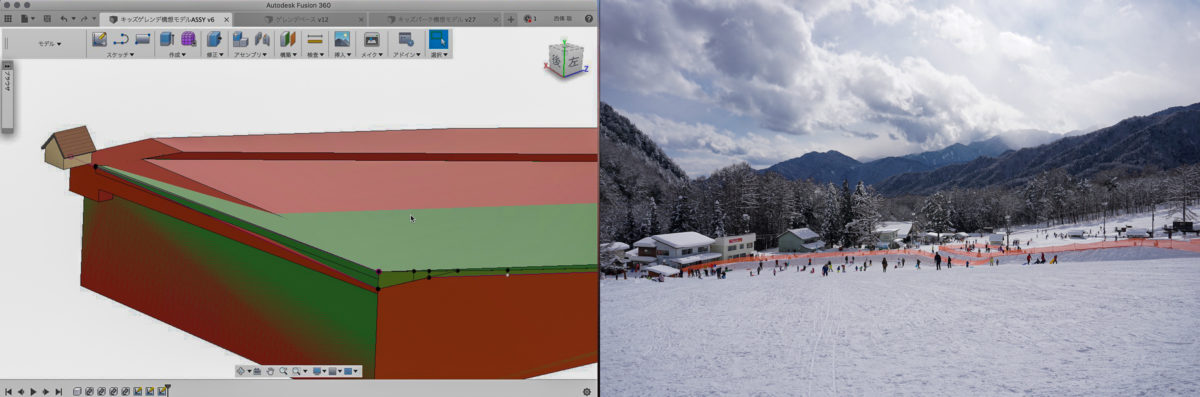
"There were many skilled staff and riders around, including myself, so we did most of the work ourselves. We particularly worked on the kids' park. The slope was tilted, and even the slightest discomfort would make it difficult for beginners to slide down, so we completely eliminated the tilt to make it easier to slide down
The Kids Park slope is 55 meters wide and 95 meters long. The gentle slope makes it easy to move sideways after getting off the troika, making it easy to ski from any angle. We had a rider who could translate his own image into a 3D CAD model, so we had him create it in Perth. Yamashiro "Gacha" Yoshiya, a certified Shinshu mountain guide who can operate heavy machinery, and his team dug up the soil and leveled it beautifully
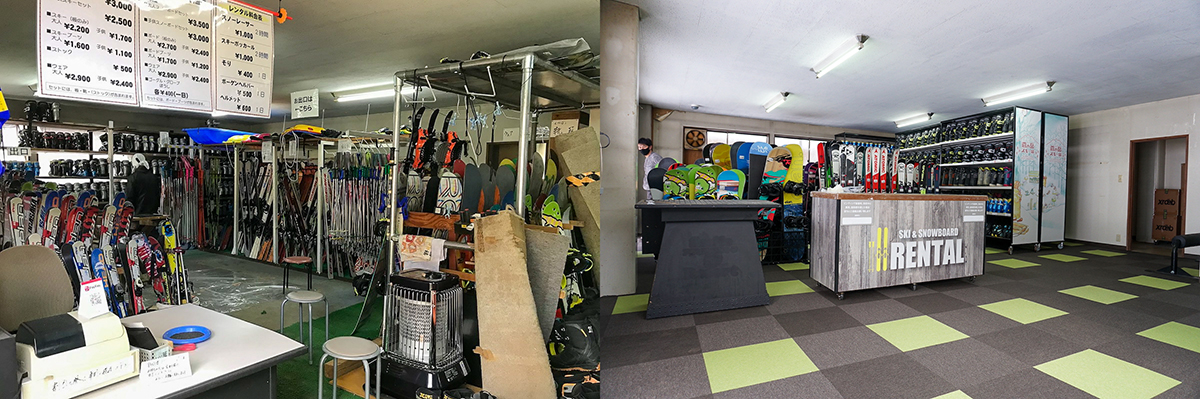
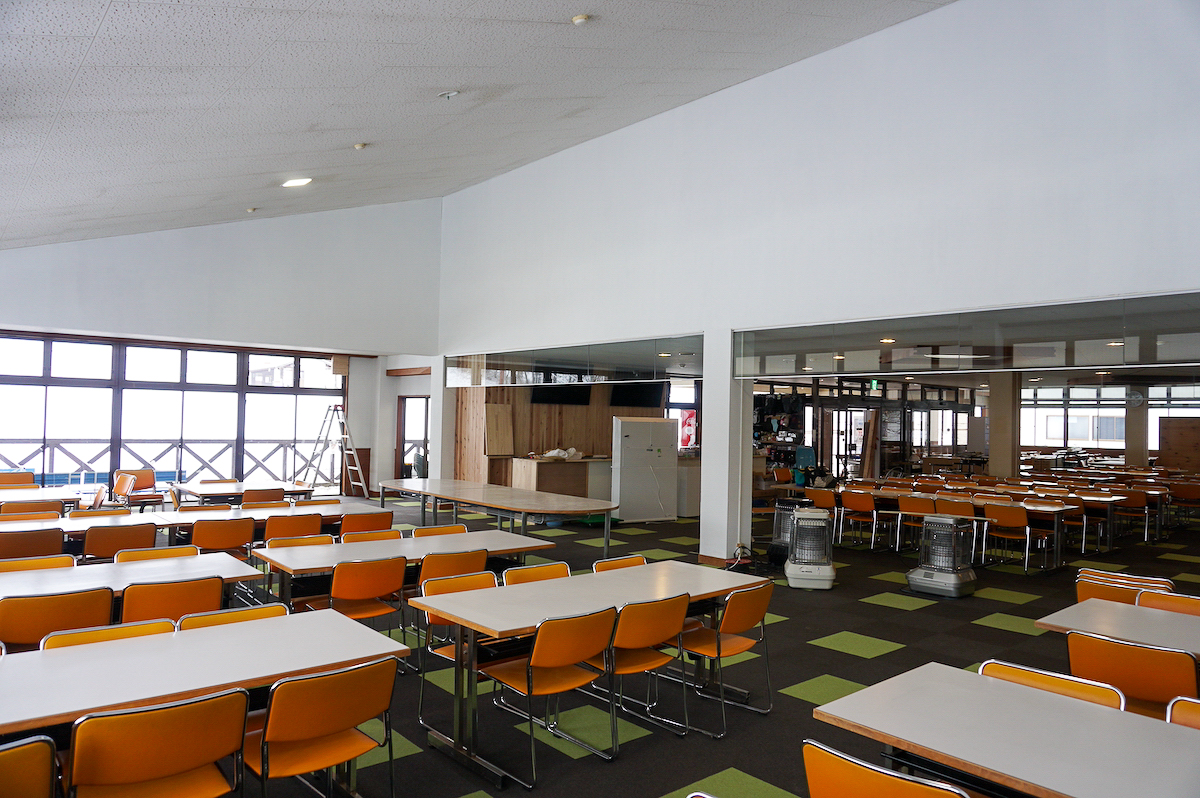
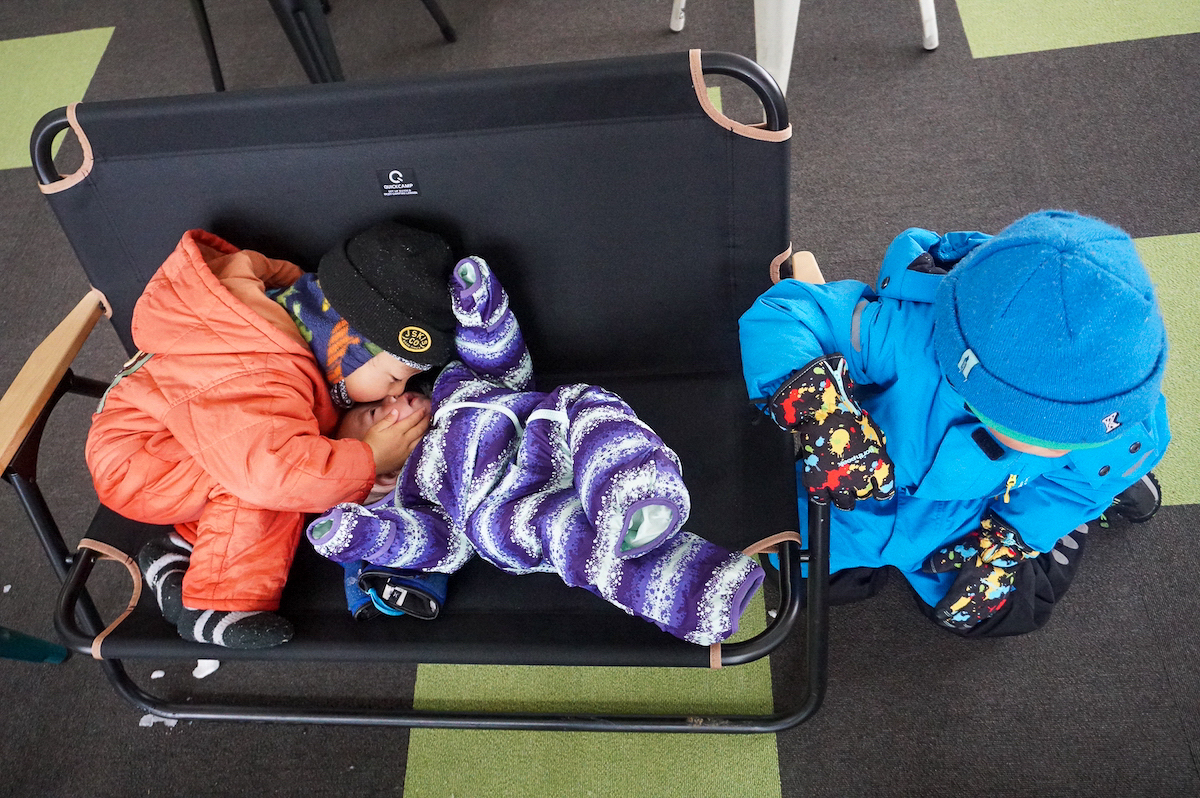
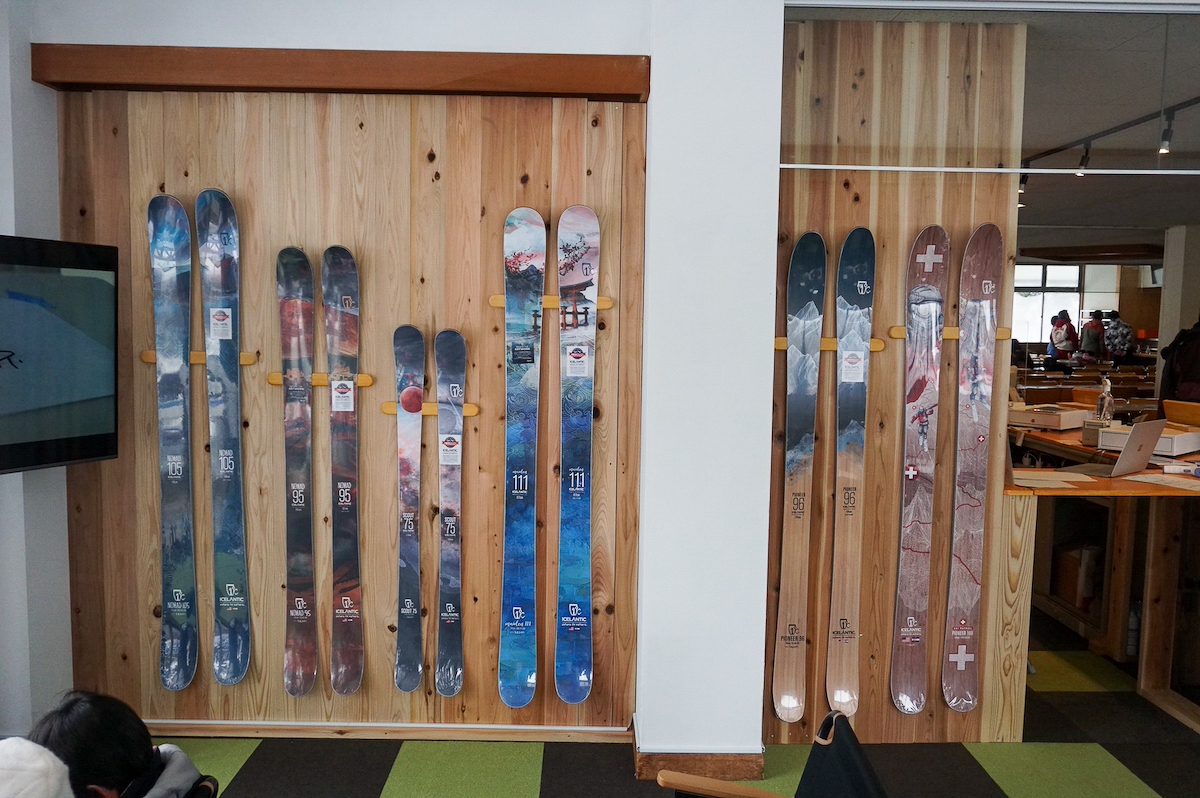
All the staff worked together on the interiors of the center house, "Echo House," and the rental houses. The old center house still retained a good old Showa-era atmosphere, but we replaced all the floors with new carpeting to give it a clean look. Small children won't feel uncomfortable even if they put their hands on it. All the walls have also been repainted white, giving the overall impression a brighter feel. The information desk, in particular, is decorated with a wood-based theme.
The exterior has a tarnished silver feel, but once inside, it has a clean, fresh look. Of course, all the rental equipment, including the clothing, has been renewed. In addition to skiing and snowboarding, you can also enjoy unique vehicles.
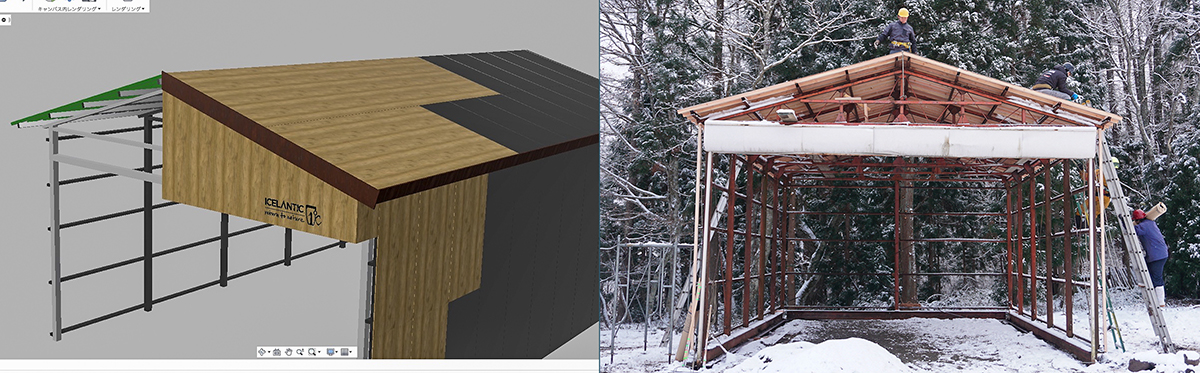
To be honest, there are budgetary considerations, but when you hire a contractor, they usually follow their own company's methods. We thought that we could create something better by taking the time to put our ideas into practice ourselves. And by putting our own efforts into it, the riders and staff would develop a stronger attachment to the ski resort."
"It's quite rare for a ski resort to be built by staff and Icelandic skiers themselves, with a DIY approach,"
says Yada. Because each of them is a seasoned skier and on the ground, they have a firsthand understanding of what's currently required of a ski resort. This system, which allows them to put these changes into practice, is a major asset for Free Float and Icelandic skiing.
Rather than changing everything up until now, they carefully examine what needs to change and what doesn't.
A symbol of this is the large sled known as the Troika next to the kids' park. This cable-car-like sled ascends the slope at a speed roughly equivalent to walking, and remains extremely popular with young children too young to ride the lifts. With a one-day unlimited ride price of just 500 yen, the resort is bustling every weekend.
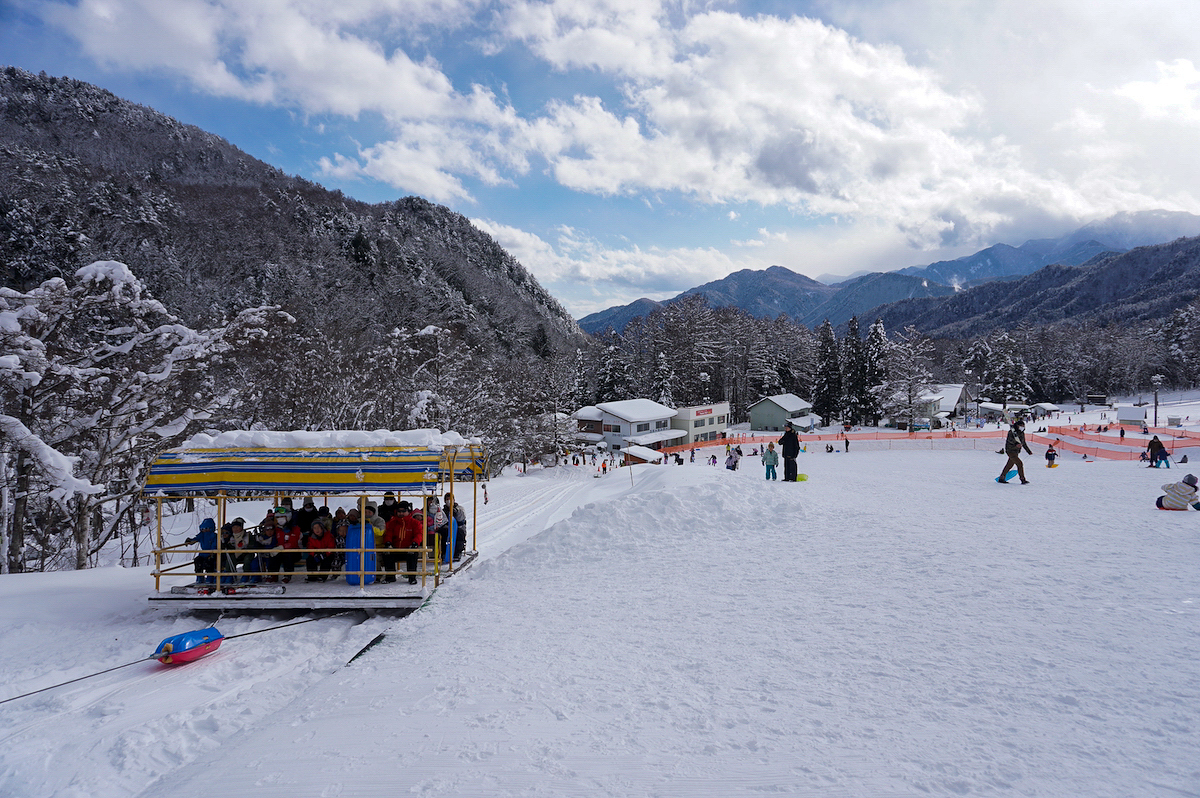
They used to be installed at ski resorts all over the country, but now they are rarely seen. Despite their appearance, they require special operation, so there are apparently experienced operators. They keep the good old things, and are constantly replacing the ones that have become difficult to use with new ones.
In addition to skiing, they are constantly trying new things, such as the following.

The best debut slope, Mount Jiga.
Ski here and discover a wider world.
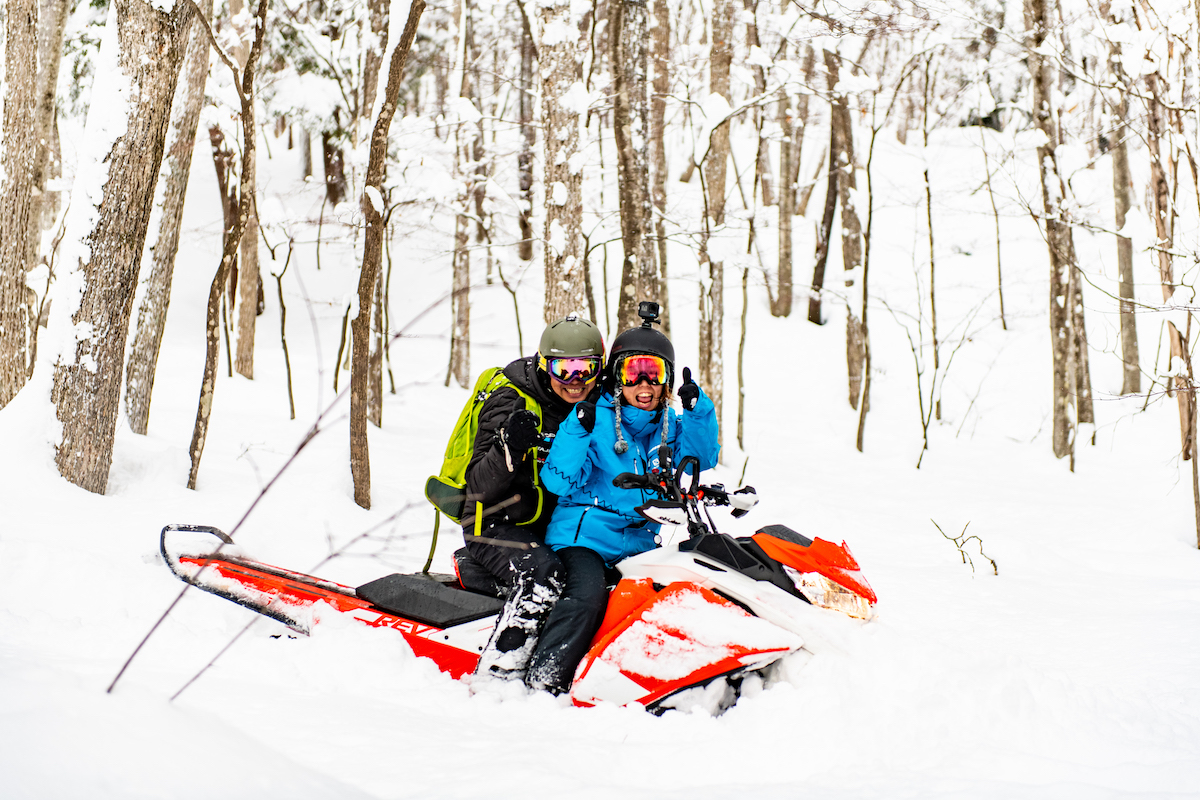
The new Jigatake Ski Resort has been going well so far. The various measures they have considered have been successful, attracting many local families and beginners, and there are long lines at the kids' park on weekends waiting for the troika (partly due to the spacing being kept apart as a measure against infection). They are
also actively disseminating information on social media, so word is likely reaching people who may not have noticed them before.
Finally, we asked Yada about his future plans.
"This season, our first goal is to attract attention from locals by showing that we have been renovated and are doing well. We have
succeeded in keeping the flame of ski culture alive, which was our main goal, so we would like to go one step further and make it a place where anyone living in Omachi wants to ski or snowboard.
And while we're at it, I'd love to see the growth of the kids who made their debut at Jijigatake. I hope they leave this small ski resort and go on to big ski resorts in Hakuba Valley, other regions, and the world. That's the ultimate goal."
The COVID-19 pandemic has upended conventional wisdom, and it's time for each ski resort to reexamine its unique characteristics, such as what kind of fun it can offer to whom.
Located in the rapidly changing Hakuba Valley, Jigatake Ski Resort has stuck to its own unique path. If someone asks, "Where's a good place to try skiing for the first time?" or "I want to take my child on their first skiing experience," you can't go wrong mentioning this resort. It
offers the perfect environment for a skiing or snowboarding debut.