

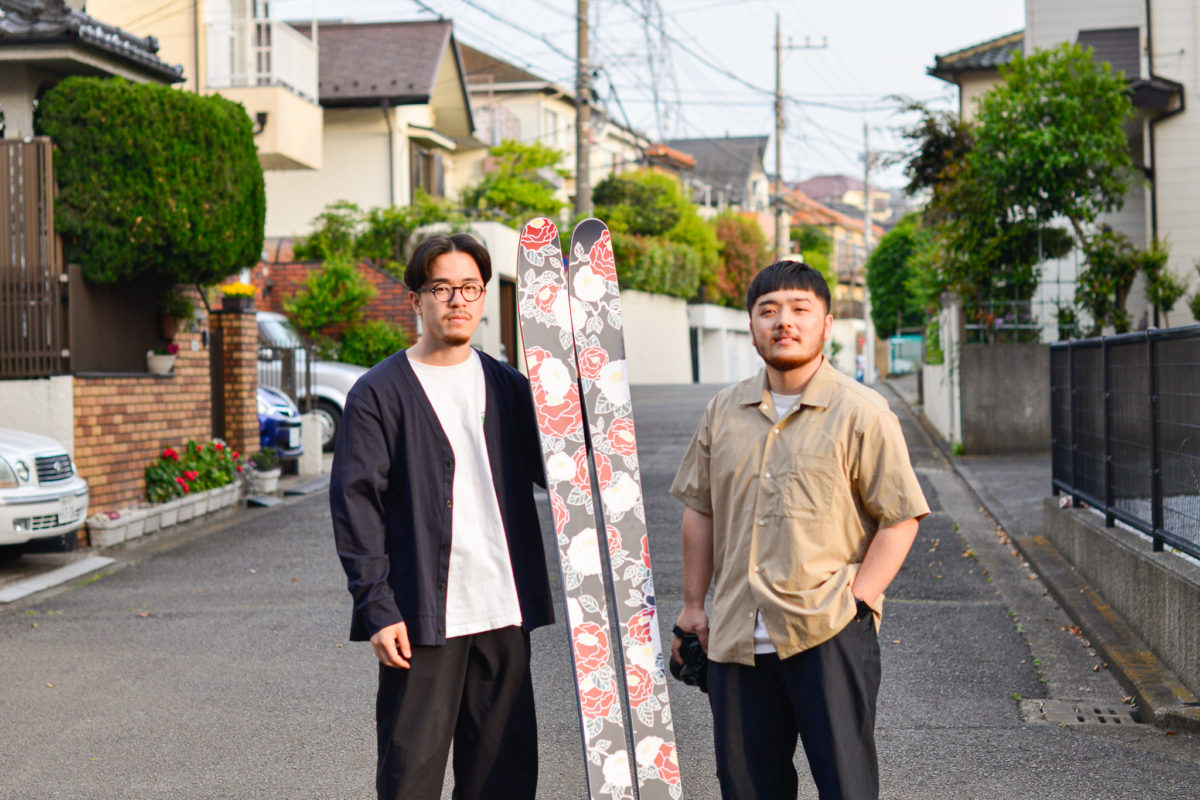
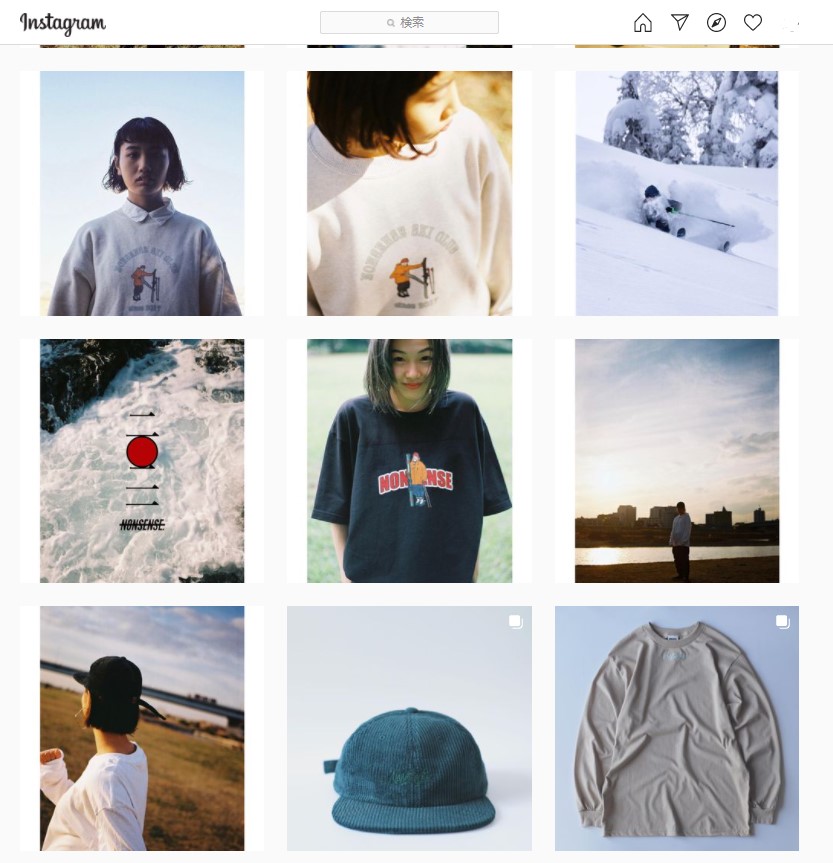
There's an up-and-coming brand called nonsense. that creates original graphics, logos, and apparel with a ski motif.
The two members are Tokyo-based 25-year-old graphic designer Kojima Kanta and photographer Tanabe Koya.
They digest the music and art they've been exposed to and combine it with skiing to elevate it into their own new creative endeavors. Their unique and innovative style has made them popular not only with skiers, but also with young people, especially in Tokyo.
Who exactly are nonsense? We interviewed them
What is nonsense?
The brand was launched four years ago in 2017. At the time, the two were active alpine skiers at university, and they launched the brand out of a desire to pursue activities outside of alpine skiing. They
started out making t-shirts, then expanded to a wide range of items, including hats, tote bags, and zines modeled after photo books.
Although they don't necessarily only make items based on the concept of skiing, they have been well received by skiers and other people.
In addition to skiing, they are also conscious of Japaneseness. Having been born in Japan, they are often drawn to things associated with Japan, such as Hanafuda cards and Daruma dolls.
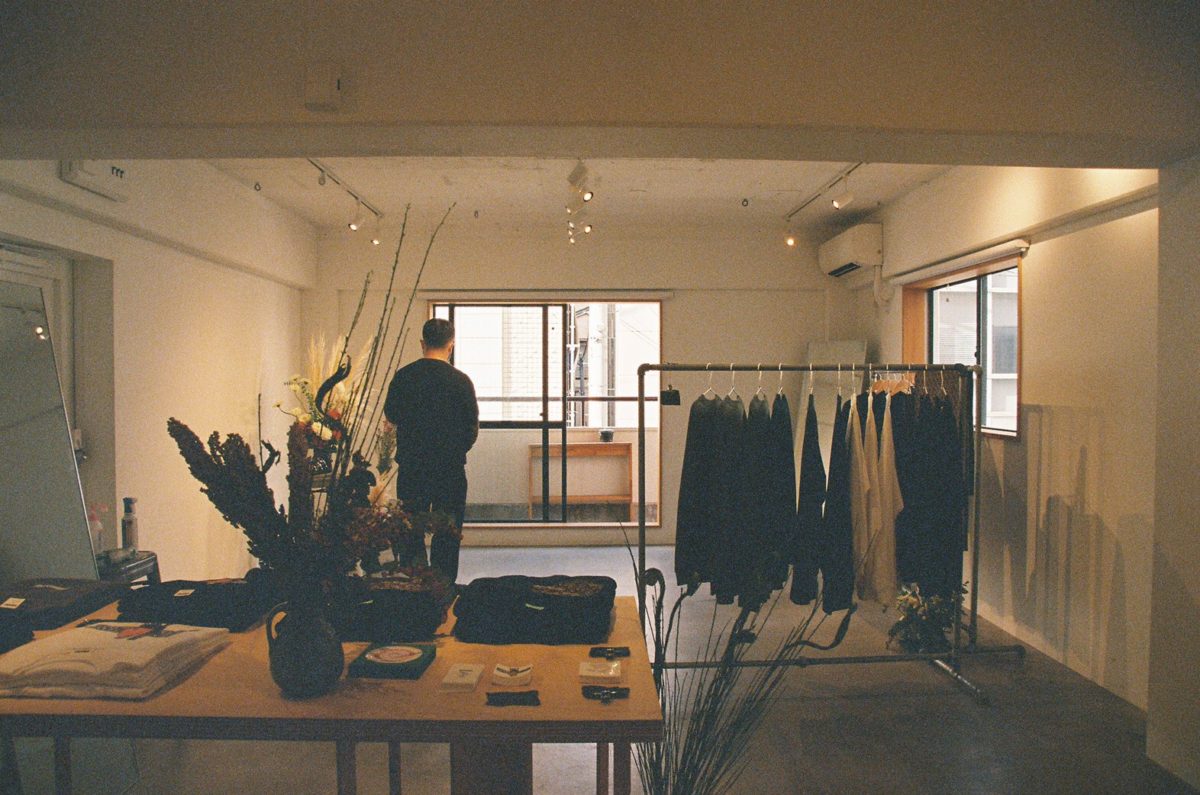
Currently, they work as sales clerks at a major outdoor apparel store, while also energetically creating works based on the themes of what they want to wear and make
Their origins, their meeting, and their roots
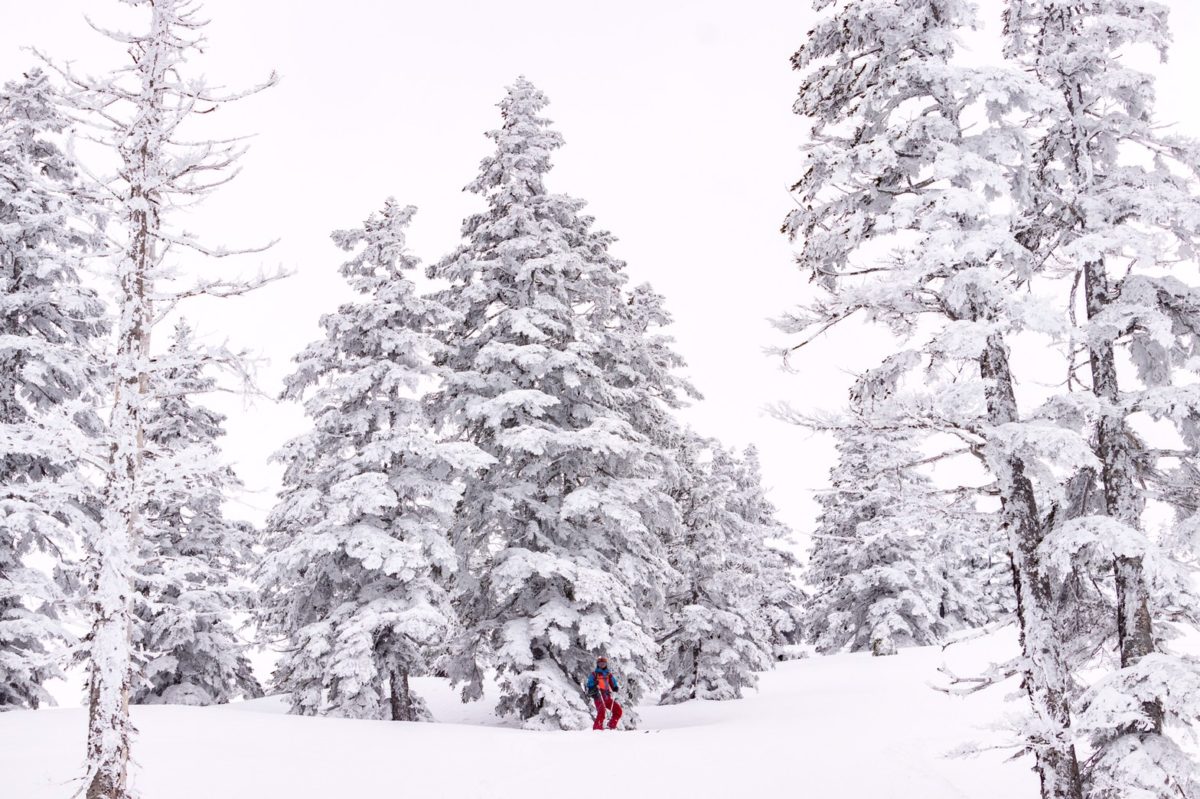
Surprisingly, they were born and raised in western Japan, an area that is not particularly blessed with snow, with Kojima from Kyoto and Tanabe from Hiroshima.
However, Tanabe was born and raised in a relatively snowy area of Hiroshima, where he would often go skiing with his family. Kojima's father, who loved skiing, would take her on expeditions to places like Hachinohe.
The two had been learning alpine skiing since childhood, and with repeated practice they improved remarkably, to the point that they were selected as designated athletes by the prefecture. They then met at the Western Japan Elementary School Tournament.
Later, Tanabe went to high school in Gifu and Kojima to Akita on a skiing recommendation.
The two grew into skilled alpine racers, winning prizes at the Inter-High School Championships and national championships during their student days, and they often spent time together at training camps and competitions.
At night, they enjoyed talking about music and their shared hobbies. Around this time, they began to talk about doing something other than skiing, which would become the seeds of nonsense.
What made them decide to do something on their own? Tanabe mentioned the name of that person
"Sasaki Akira has had a big influence. There is no one in our generation who hasn't been influenced by him. The alpine skiing world is very athletic, but Akira skateboarded, listened to reggae, and was completely different from the image of an alpine skier that we've had up until now. A
world-class skier who started his own brand, he was out of the ordinary for an alpine skier and that was really cool. Our generation had smartphones by the time we reached high school, so we kept up with Akira's Twitter and things like that."
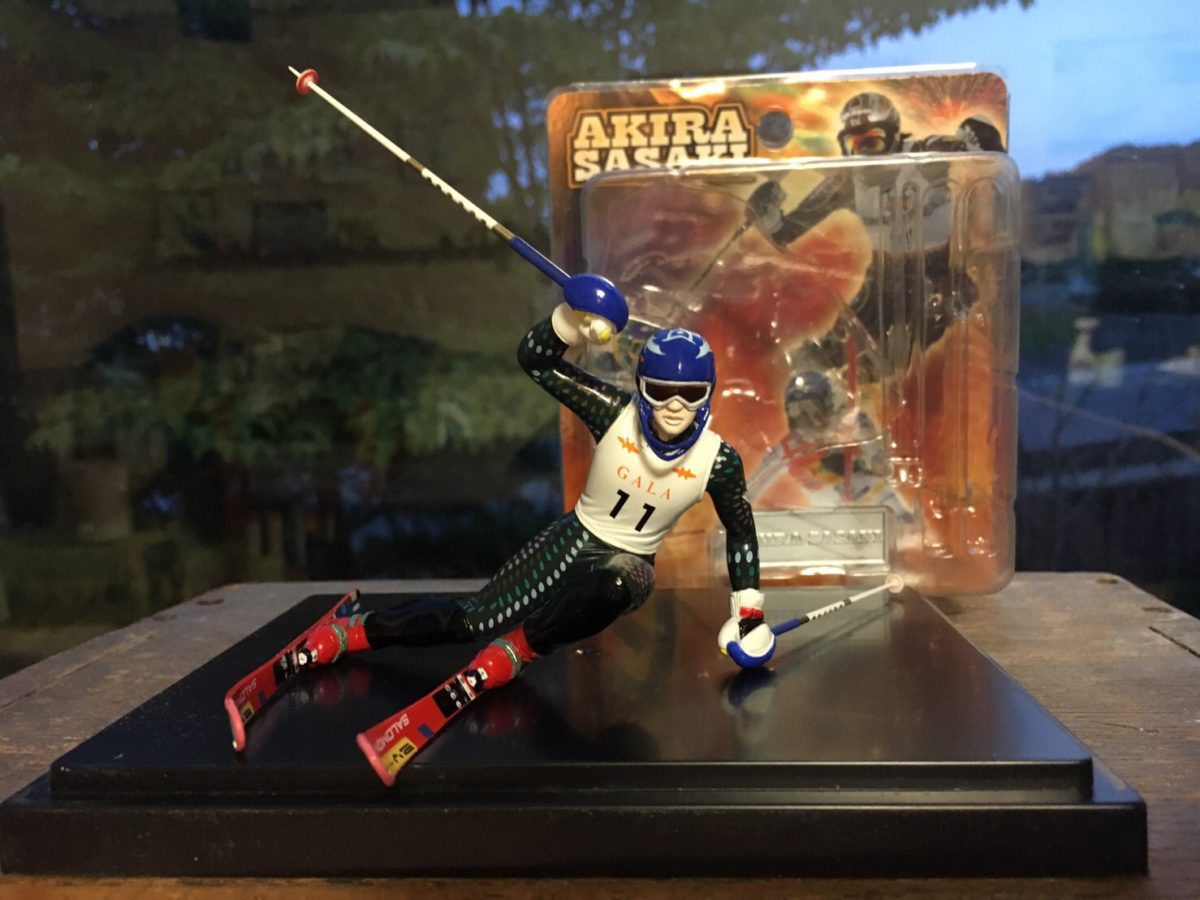
The two were greatly influenced not only by Akira Sasaki's skating but also by his lifestyle, and they shared similar values and hit it off. After that, they moved to Tokyo to attend university, and made the dream they had talked about in high school a reality
What is the origin of the name "nonsense?"
Kojima answered.
"The word 'nonsense' can be loosely translated as 'meaningless.' When I was a university student, there were a lot of indie brands around me that made their own T-shirts, but they all just kept coming and going and never lasted
So we thought, what's the point in creating a brand that will eventually disappear? That's the antithesis to the idea, and we came up with the idea of "nonsense."
...It was a bit edgy, wasn't it? (laughs) But, since we're doing the same thing in terms of creating a brand, we put strikethroughs through the font of the letters in the logo as a warning, or perhaps an underlying theme, that "there's no point in claiming that something is meaningless."
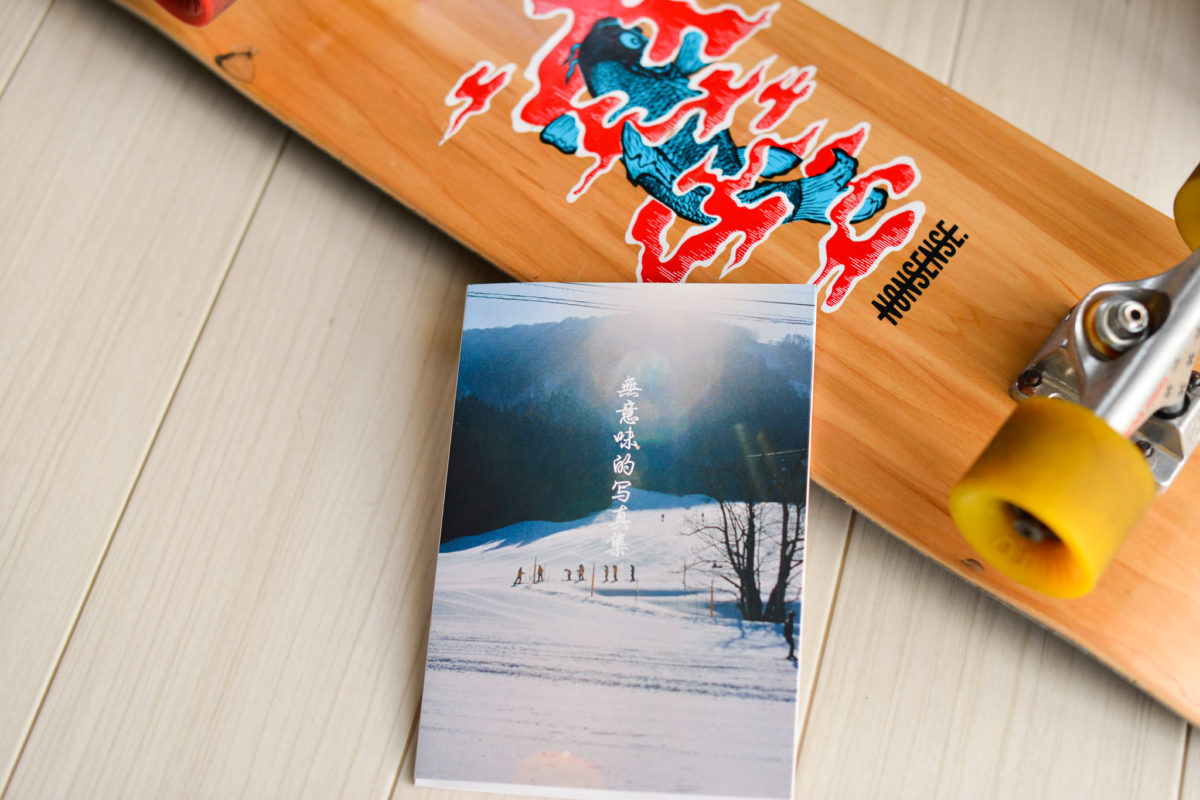
With such roots, nonsense. was presented with a big opportunity last year
He was approached to draw graphics for WAPAN, a ski brand that originated in Japan and was launched in 2018.
WAPAN is a portmanteau of "wa" (harmony) and "Japan," and the brand's concept is to create skis that represent the best of Japan, made by Japanese people. The graphic designs are based on Japanese patterns such as Hanafuda cards and Ukiyo-e, and the skis are designed to allow skiers to enjoy Japanese snow with skis that are tailored to the Japanese body shape, attracting attention from dedicated skiers.

For more information on Waupun's 21-22 lineup, click here

How did you come to create the graphics for WAPAN?
In June 2020, Ono, the producer of WAPAN, was looking for a designer to commission for the next season's graphics. He checked a wide range of options online and on social media, from professionals to amateurs and even tattoo artists. Among the candidates he found was nonsense
At the same time, a ski brand held an event on Facebook inviting users to submit graphics for the next season's skis. The application process was as simple as uploading a graphic they had drawn on their timeline.
Kojima applied for the event. Ono, who was following Kojima, also saw the post and was convinced that "Kojima could draw the image of WAPAN." He immediately made Kojima an offer.
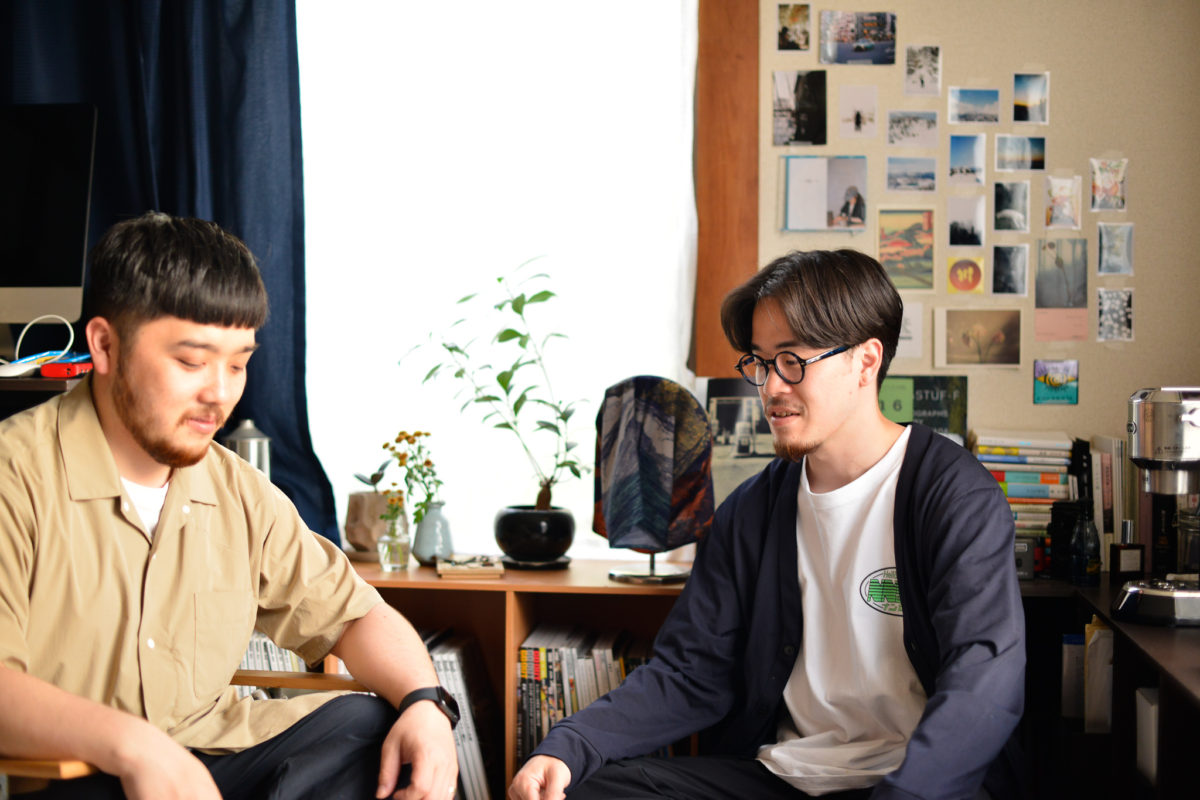
"When I heard about the project from WAPAN, I immediately accepted. I immediately thought, 'I want to draw.'
The reason is that I happened to stop by the WAPAN booth at a custom fair two years ago and fell in love with the graphics on the boards at first sight. I thought, "I want to ride those boards!" (laughs) I
had never met Ono-san, but I knew the brand. I thought, "Wouldn't it be great if my drawings became graphics for a brand I admire?" I also felt that doing it as a job would broaden my horizons."
There are three designs for the boards: camellia, daruma, and white tiger .
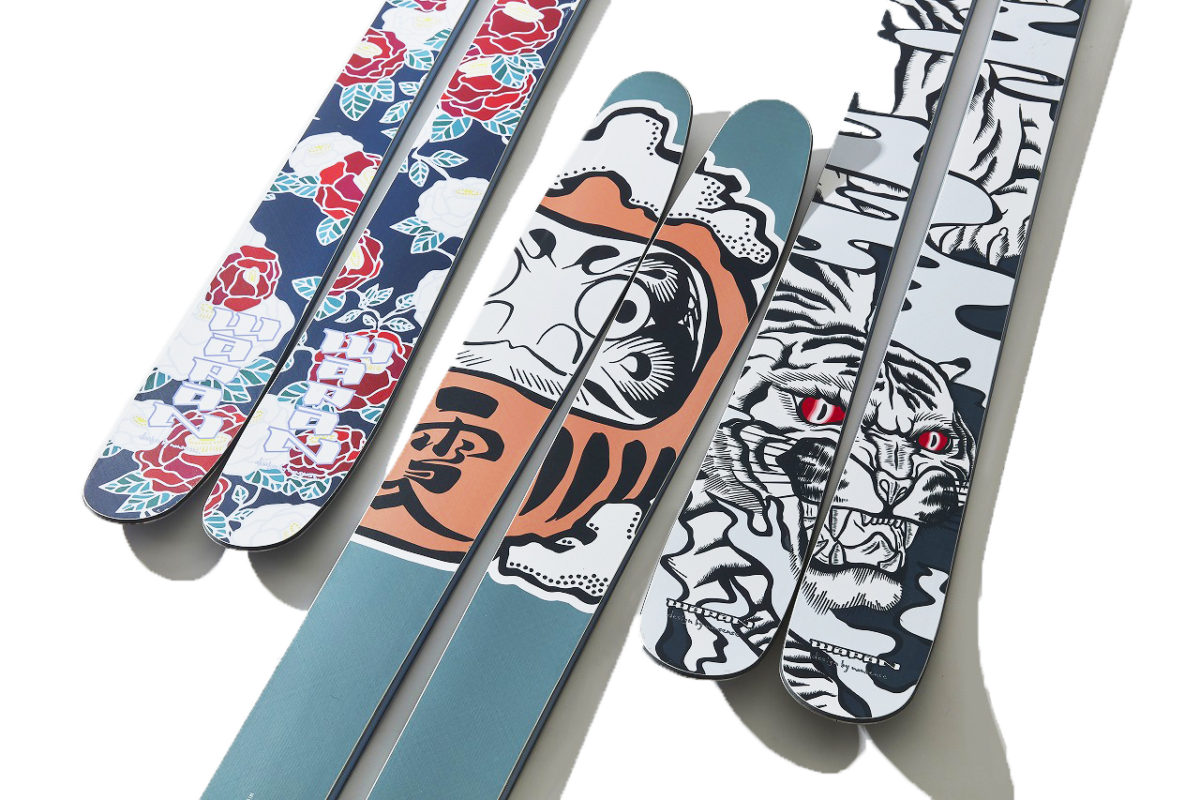
Upon receiving the offer, he immediately began work on the project. Having fallen in love with WAPAN at first sight, there was no need to explain the worldview or concept. Producer Ono only conveyed one thing: "Create a board like J SKIS as a benchmark."
J SKIS is a handmade brand recently established by Jason, the founder of LINE. While boards are often evaluated only on their specs and riding feel, Ono also sympathized with the brand's commitment to not only making excellent boards but also to the graphics.
Kojima explained the three designs he drew:
"First of all, the one I absolutely wanted to draw was a camellia. Like WAPAN, nonsense. also had a 'Japanese' theme.
For us, the camellia is a symbol of that. For some reason, we are both drawn to the camellia flower.
The daruma design is an adaptation of a long-sleeved T-shirt released by nonsense. a few years ago
The white tiger was the third design I drew. I was searching online for a Japanese pattern that was typical of nonsense. and would match WAPAN, and I came across the white tiger and thought, "This is perfect."

Changes brought about by drawing WAPAN graphics
As alpine skiers, they had achieved many successes and their skiing lives seemed to be going smoothly.
But then Kojima suddenly told me,
"I quit skiing halfway through university because my doctor told me not to. I was born with a bad hip joint. I went to the hospital because of the pain, and the doctor told me not to ski, so from that day on I never again."
If he wanted to do it but couldn't, did he end up hating skiing?
"I've always hated skiing. My father kind of forced me to do it... it's no fun to do something while being scolded
So, this season I went skiing for the first time in a while, with a board I had drawn on it."
Tanabe also said,
"It had been a while since I last skied with Yuta, so I was surprised. I was like, 'What, you can ski?' (laughs). Watching from behind, it reminded me of my school days. There aren't many people who can ski with their body leaning all the way down until their bottom touches the snow.
In fact, I've only met Yuta at competitions, and we've hardly ever skied together, so it felt really strange."
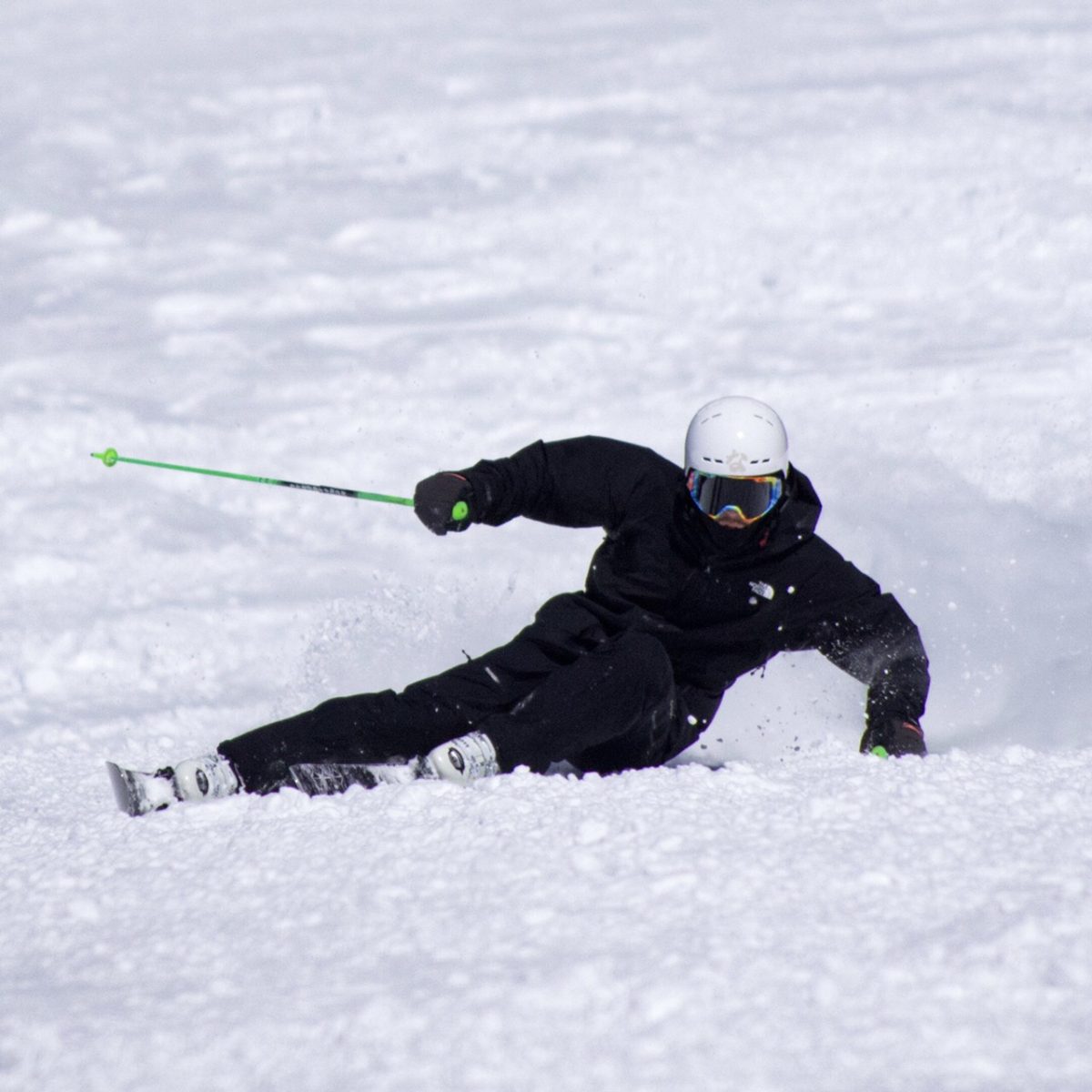
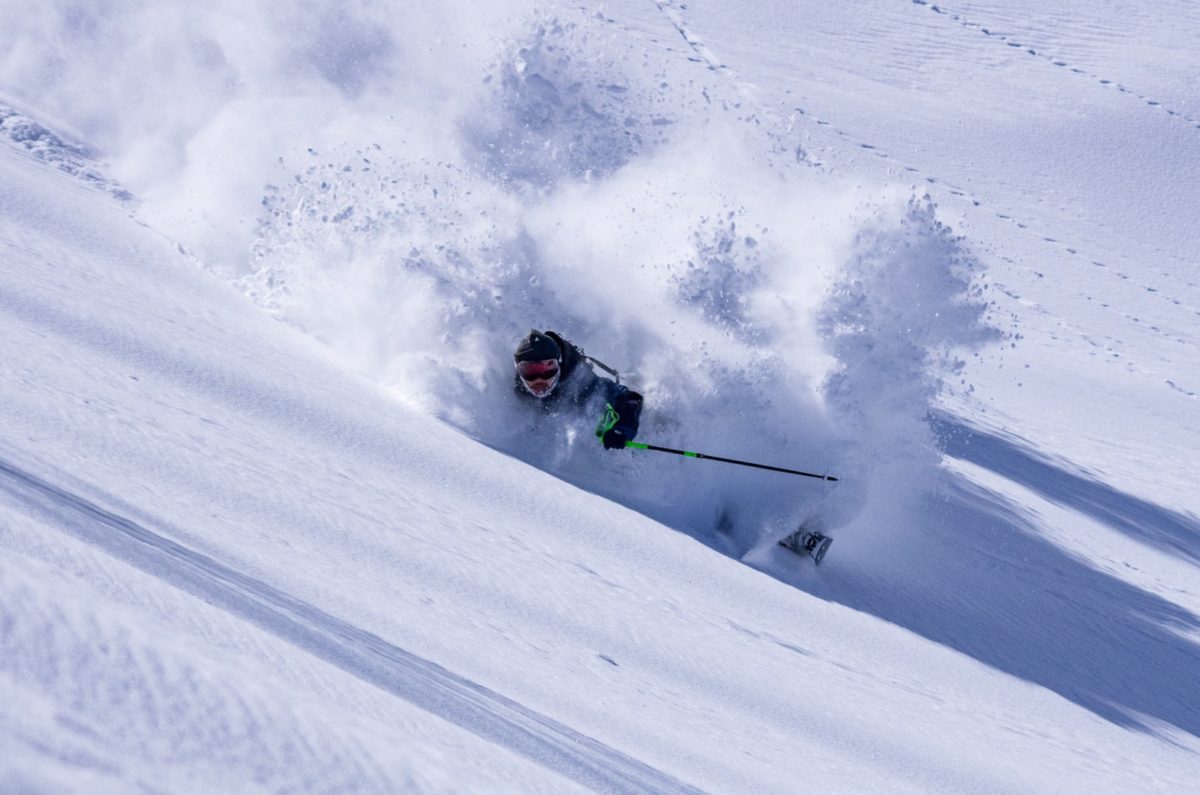
Kojima continues,
"It was really fun to ski after such a long time. I put on the skis I had drawn with my friends, skied, and chatted on the lift; it was amazing.
I've only ever done alpine skiing, so I still don't know what kind of skis are right for me. This year, I set my goal of doing a 360 on a jump, and I achieved that goal. I'm
looking forward to trying different kinds of skis from now on. My doctor has told me not to ski, so I'll keep exploring. I
used to hate skiing, but when I think of everyone riding skis that I drew, I feel like I've gotten revenge (laughs). Now I can say with confidence that I love skiing."
Tanabe said,
"Next time, let's enter another alpine skiing competition. Or, better yet, start a nonsense ski club. I'm sure we can win."
We ended our interview by listening to their optimistic outlook for skiing
What is WAPAN, a brand originating from Japan?

A garage brand launched in 2017 by Ono, a freeskier living in Tokyo. Based on the consistent concept of expressing the best of Japan through skis made by Japanese people, the brand continues to focus on Japanese craftsmanship, from specs to graphics
The skis are manufactured by Never Summer Industries, a long-established ski manufacturer in Colorado, the birthplace of freeskiing. Each ski is handcrafted by a skilled craftsman, resulting in highly popular skis that are durable and lightweight
The lineup of boards consists of four models. Developed in Japan for ease of riding, they are maneuverable and perfect for powder and park riding. One of the features of the first order is that you can choose your favorite graphic from camellia, daruma, or white tiger
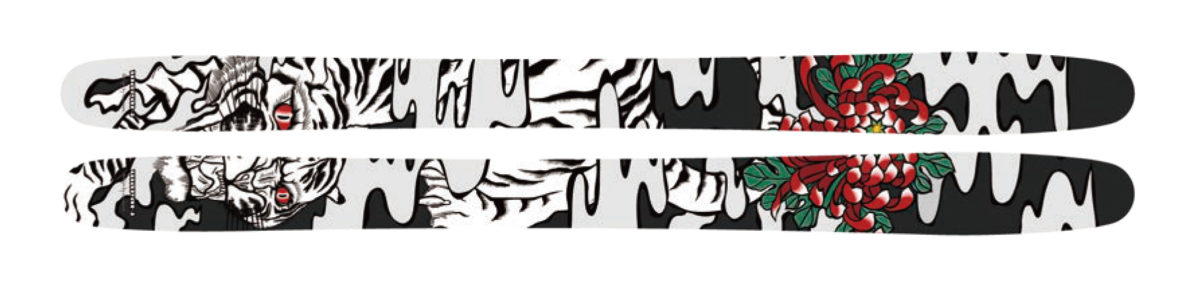
111,100 yen | 148-122-135 | L=180,190 | R=19m,20m
Waist width 122 These fat skis are perfect for riding on heavy snow days. The gentle rocker on the nose and tail provides excellent buoyancy in powder. The camber underfoot makes it easy to ski on the slopes.
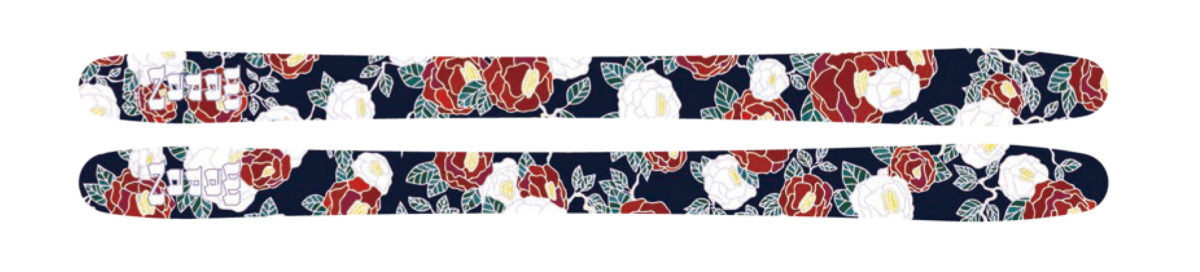
107,800 yen | 134-105-124 (171) | 136-105-126 (181, 191) | L = 171, 181, 191 | R = 18m (171), 19m (181), 20m (191)
A nimble all-around model with a slightly softer flex and a smaller radius. It's easy to maneuver and maneuver, making it perfect for wall tricks and freestyle tricks.
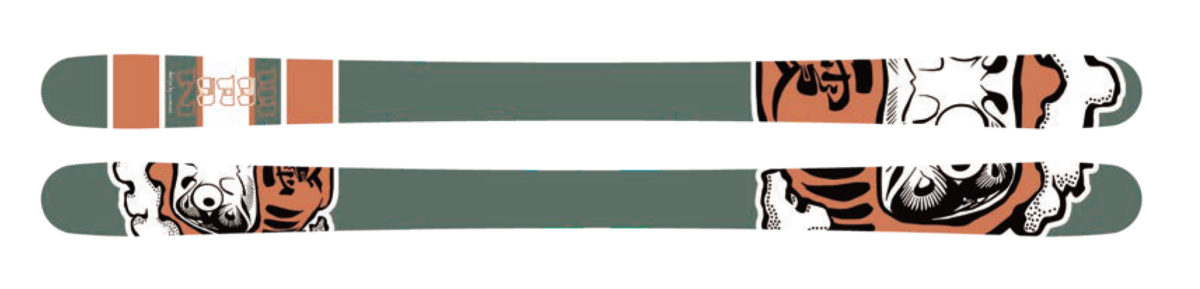
104,500 yen | 113-90-113 (161) | 115-90-115 (171) | L=161, 171 | R=18m (161), 19m (171)
A free-skiing style ski with a 90mm center that's perfect for gliding on slopes and in parks. It has a nearly flat camber. The slightly narrow side curve makes it easy to carve and handle bumps and rough terrain.
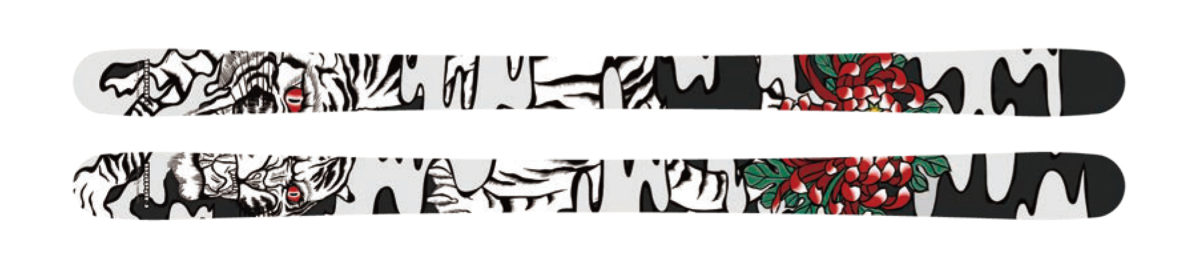
107,800 yen | 125-100-125 | L=171 | R=18.5m A
new addition to the lineup for the 21-22 season, this all-around model with a 100mm center is perfect for park riding. Improved based on the "Ha" model, it's thicker for more play on different terrains. The tenacious flex increases stability when riding.
Instagram: wapanskis
Facebook: Wapan Skis
web: http://wapanskis.com/
nonsense.
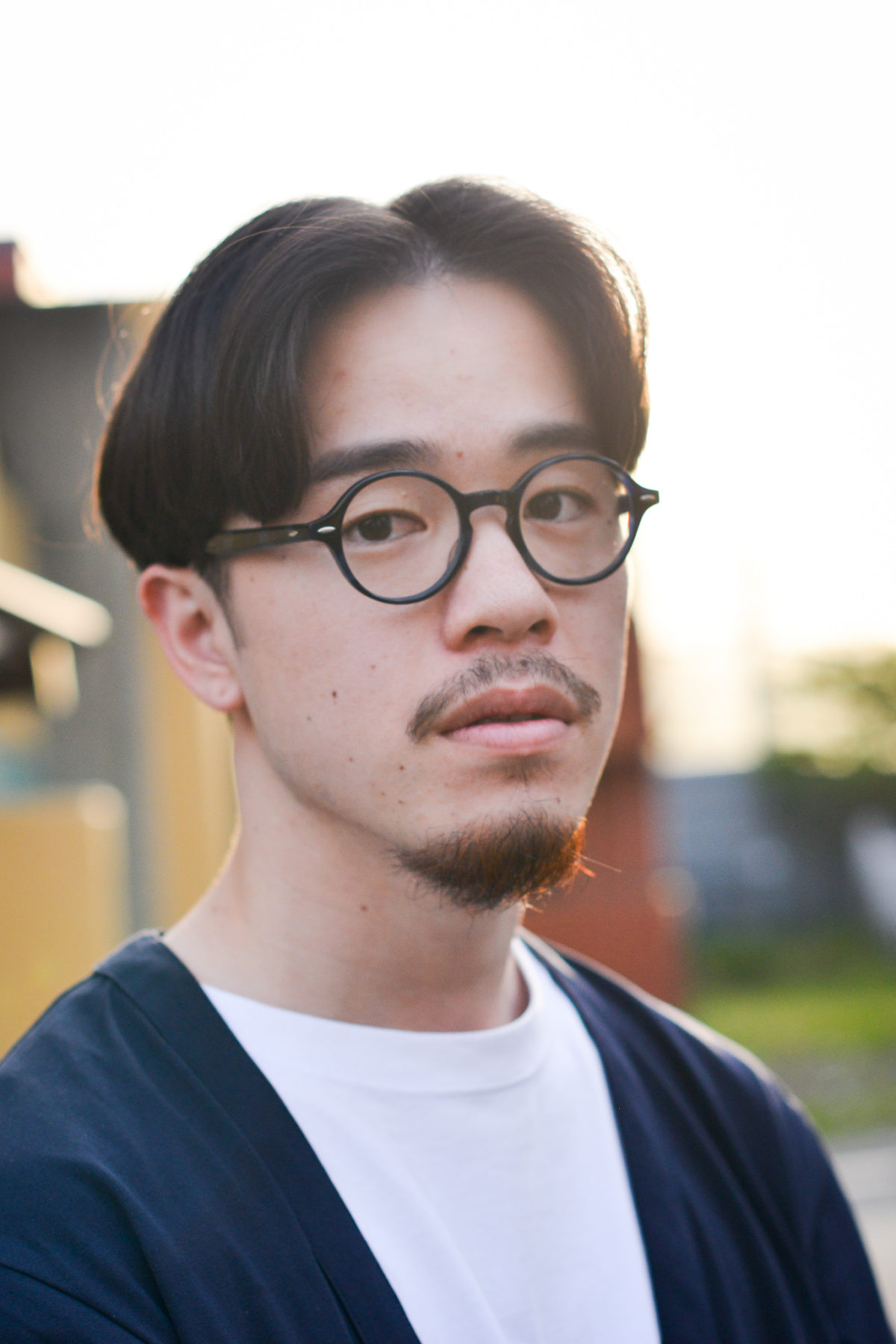
Kanta Kojima (
Graphic Designer
He started skiing under the influence of his father, who was a ski instructor. He built a career as an alpine skier, and frequently reached the podium in slalom and giant slalom competitions. He retired from racing due to a hip injury. He
took up drawing as a hobby from his teens, and would sometimes give graffiti with his friends' names on them as gifts.
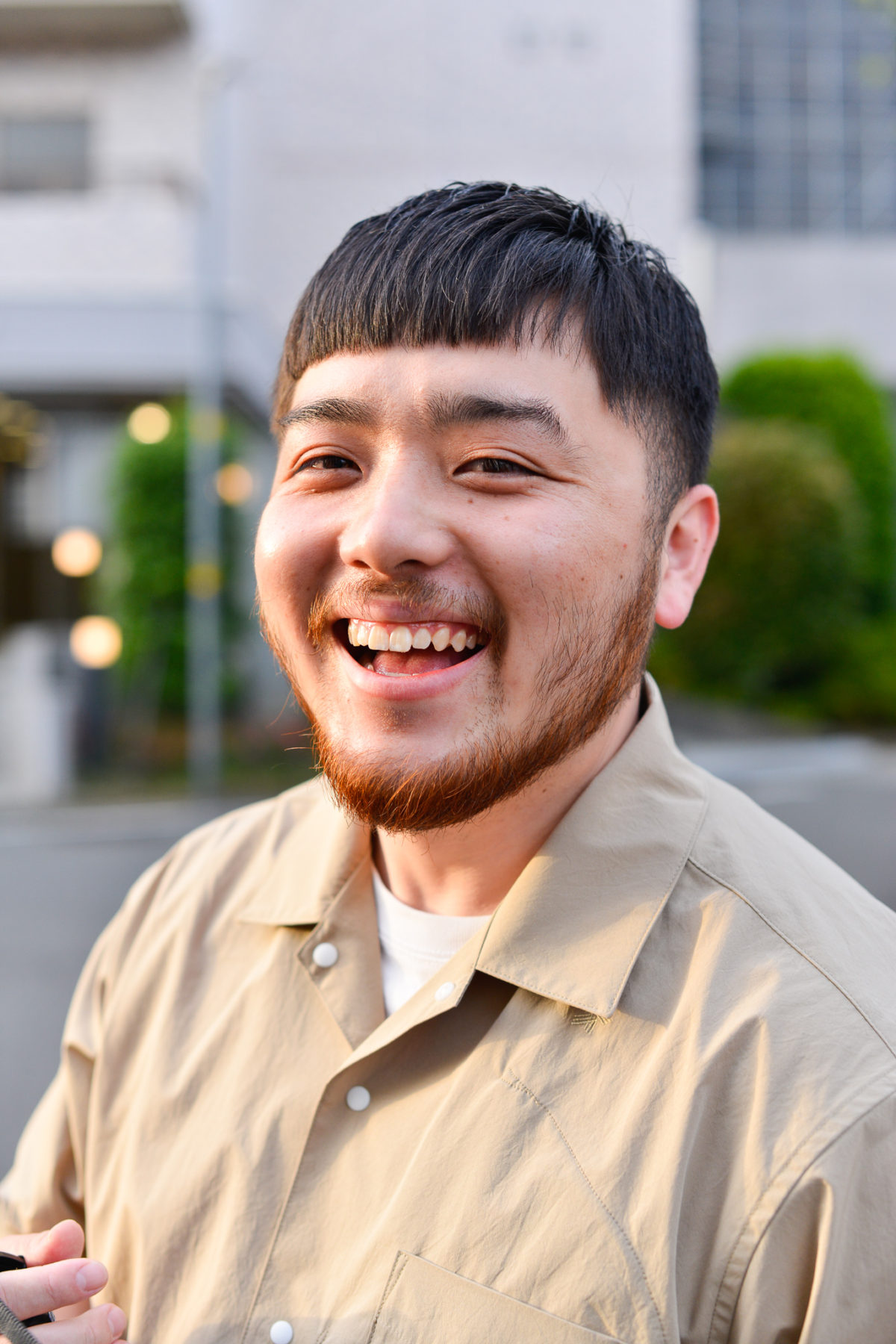
Tanabe Koya,
Photographer
Born and raised in a relatively snowy area of Hiroshima Prefecture, Tanabe enjoyed skiing with his family. During his student days, he excelled in super giant slalom. During high school, he suffered from repeated knee injuries. While still a student, he bought a camera to create video works. Since then, he has taught himself photography techniques.
Instagram: nonsense.nnsns
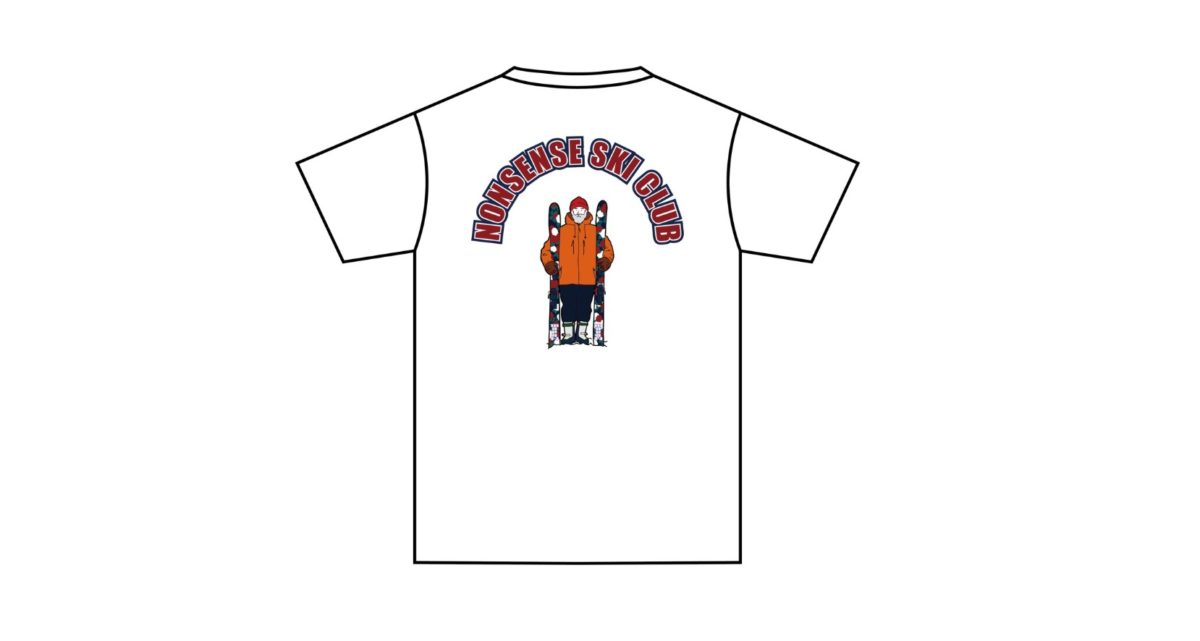
Additionally, a limited-edition collaboration T-shirt between WAPAN and nonsense. will be on sale for two weeks from June 1st to June 15th. It
is made to order and reservations are being accepted through the online shop
here.
Interview/Written by: Daigo Onozuka, Editorial Department, STEEP