

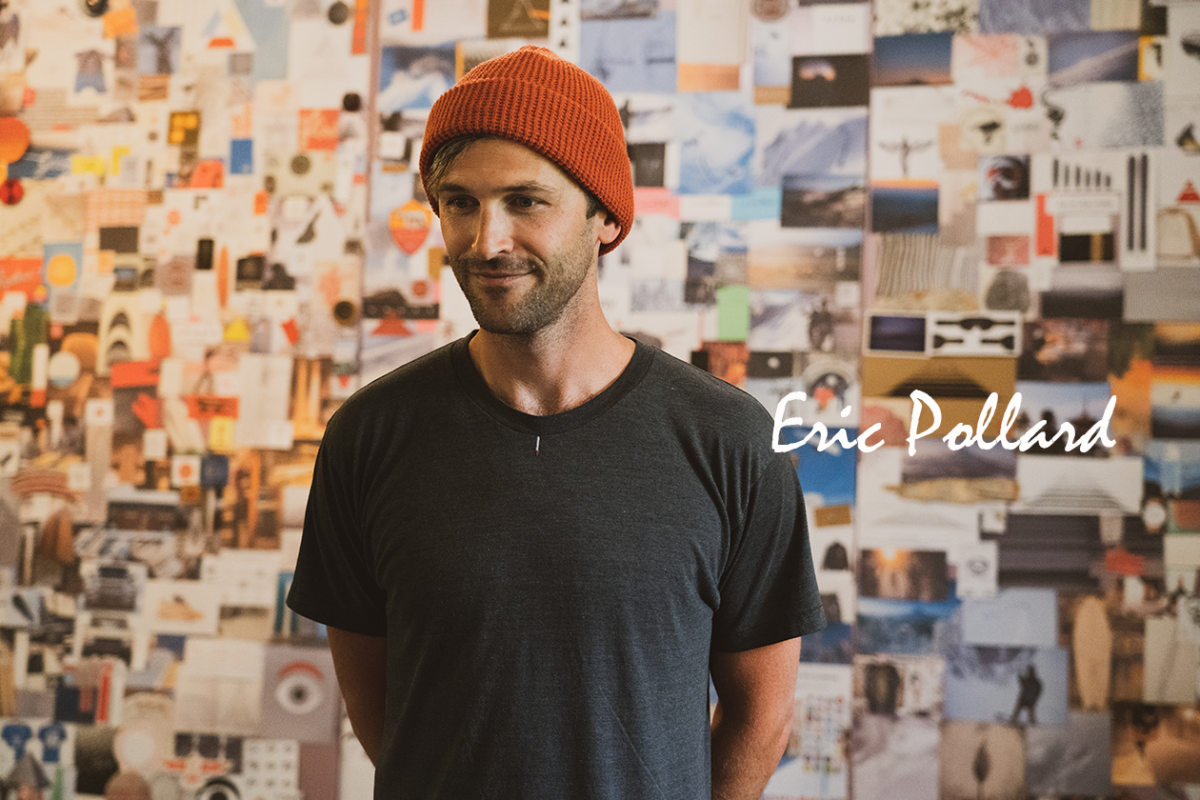
Eric Pollard produced Season. WHY and HOW
Eric Pollard — Skiing like a snowboarder on twin-tip skis without poles, he effortlessly executes fakie-to-fakie "zero spins" on the world's most prestigious big air skiing stage. His riding style is said to be both simpler and more beautiful than anyone else's. Eric's skiing, film, and art, which he has captivated in the freeskiing scene for over 20 years, challenge the expressive possibilities of snow sports. Eric gave up his 18-year career as a LINE rider to start his life's project, "Season Eqpt." from scratch. We delved into the whys and hows of his work
Eric Pollard's Beginnings
- "Season.", produced by Eric, is the hottest topic of the 2021-2022 season in Japan
Eric: Yeah, it's cool! What's really interesting is that there isn't much good news in the snow industry, perhaps because many brands are desperately trying to survive during COVID. There are a lot of stories like, "Because of the current situation, they're stopping the release of new products," or "The priority is clearing out last season's inventory." I think that's one of the reasons why our new company, our brand, Season., is getting so much attention. I think everyone in the industry wants something positive to talk about, right? (laughs)
- That may be true, but isn't it because of Eric Pollard?
Eric: (laughs) I'm glad if that's the case. I feel very lucky to have friends and users in this snow community who appreciate what I've done and who trust and follow me. I've always tried to be sincere with the community, and I feel really blessed that there are people who walk alongside me in my creative endeavors, whether it's videos or skiing, who say, "I understand Eric very well, I trust him."
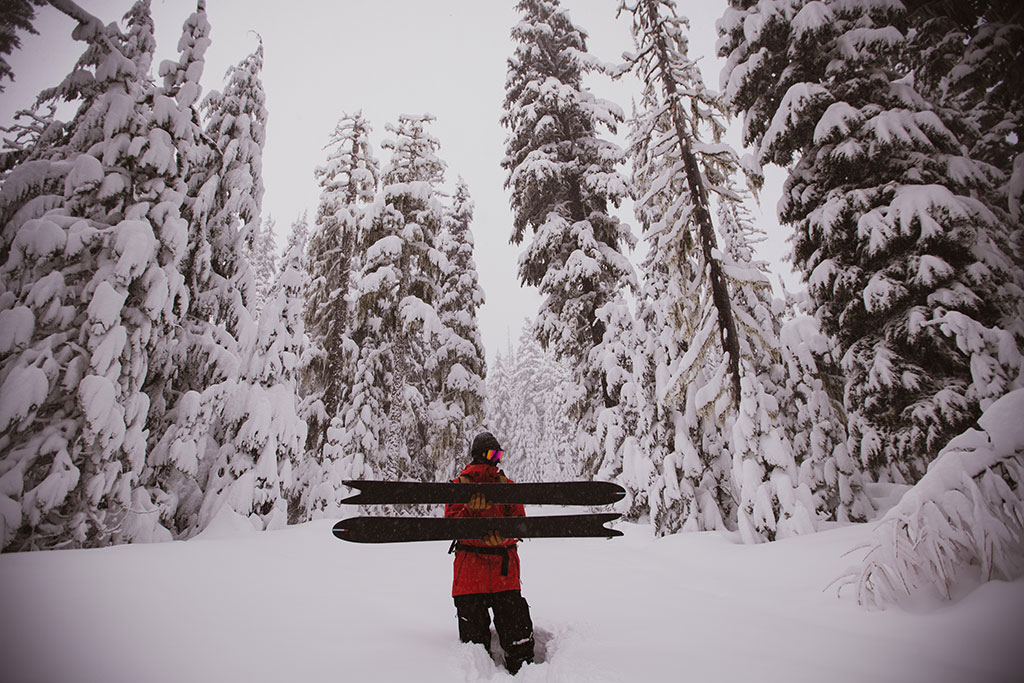
- I'll tell you more about Season. later. But first, please give a brief self-introduction to STEEP readers
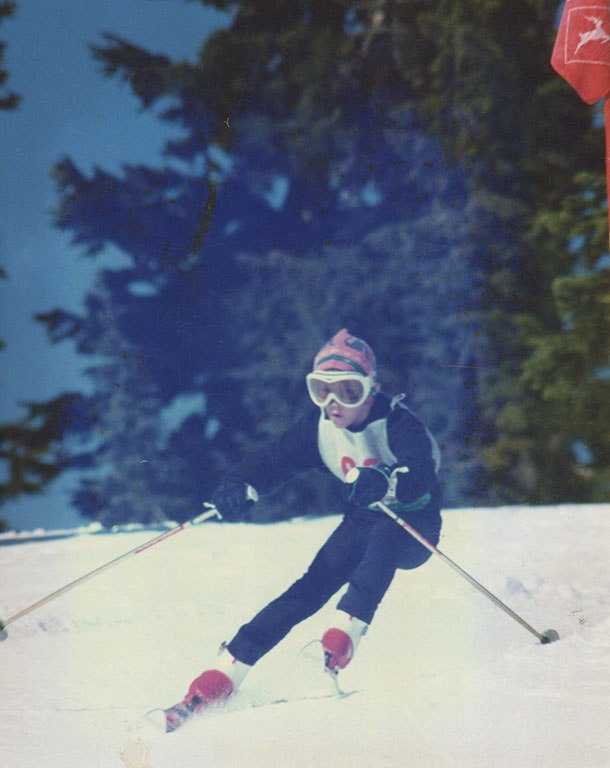
Eric: Okay. I'm from Oregon, USA, and Mt. Hood is my local mountain. I've been skiing since I was two years old and started alpine racing as a child. I was pretty fast, so I started going on ski trips with my parents to race. At the same time, I started learning to do things like fakie and jibing on skis that I do on a snowboard. I've been snowboarding since I was about 12 years old
And then I met Jason Levinthal, who created LINE. Jason came to Mt. Hood in the summer and happened to see me skating and said, "Hey, that's pretty cool. Record your skating on video and send it to me." I was so surprised, I just froze up and said, "...O...Okay." (laughs) I was still a kid, 14 years old, so I never thought someone would ask me out like that
But I was always shooting videos, so I was excited and put together a demo tape of some clips and sent it to Jason, who said, "You're pretty good! We're going to give you some stuff!" and I said, "Eric, that's great, I'll ski for LINE." Since then, I've been riding for LINE SKI and I've become a rider for the LINE team
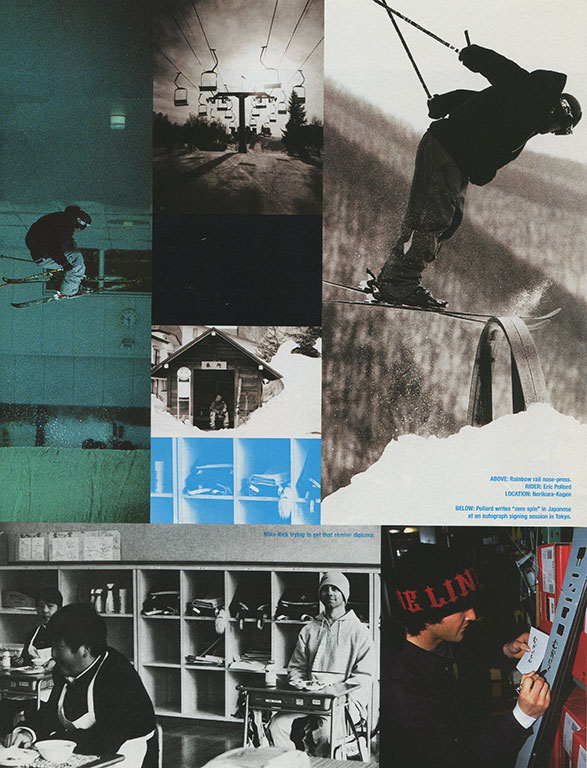
- We met when Eric first came to Japan with Jason for the LINE shoot. Eric was only 15 years old at the time (laughs). He was shy and didn't talk much, but I remember him being a refined, intelligent boy
Eric: (laughs) I remember, I remember. At the time, freeskiing, the so-called new school movement, was taking off worldwide, and I quickly found myself at the heart of the scene. I competed in competitions like the Winter X-Games and the US Freeski Open, and even took part in the filming of a major ski movie
-Eric's flowing riding was very unique even back then. Every time Eric took to the air, the crowd would cheer, "Stylee!" (How stylish!)
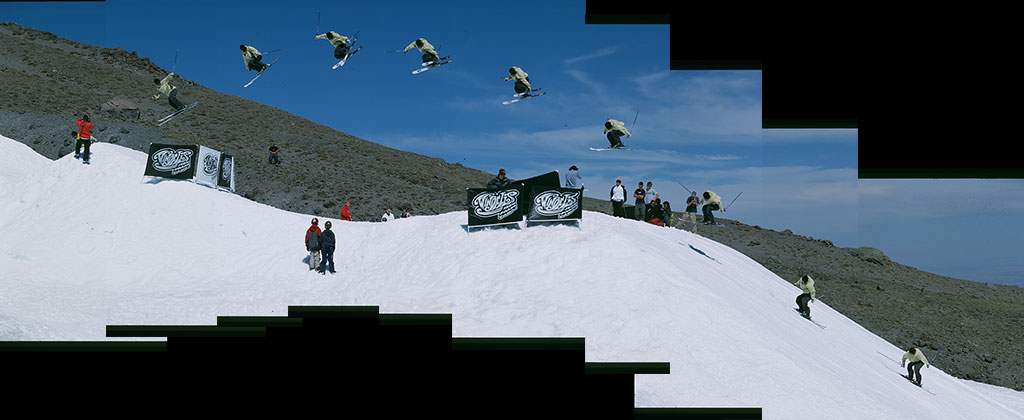
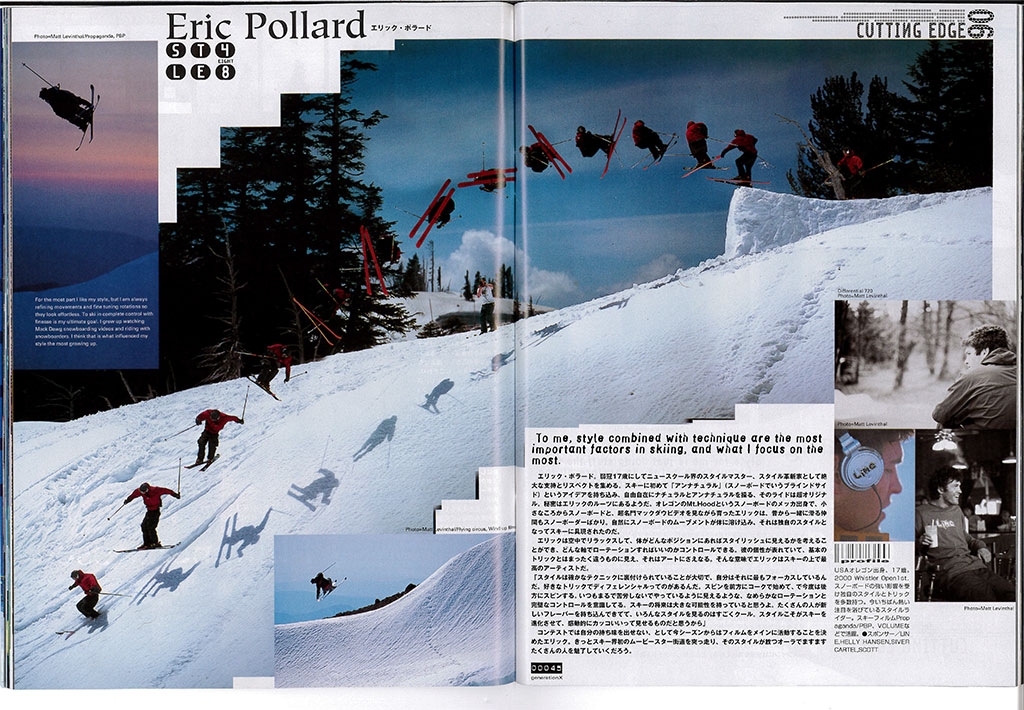
Eric: It brings back memories. I dug out some old photos like this. Back then, whether you were into technical spins like 1260s or flowing, stylish airs that give the illusion of time stopping for a moment in the air, both were respected. The session at Mt. Hood in June was intense
- This photo! I was also filming from the other side of the air platform! (laughs)
The shape and graphics are all different
Eric: A few years passed, and I started working on the design of LINE Skis. By the time I was 18, I was fascinated by the new geometry of skis and became absorbed in design
I wanted to change skiing. I really wanted to create something completely new, something that had never been done before, with
a different shape, different graphics, everything.
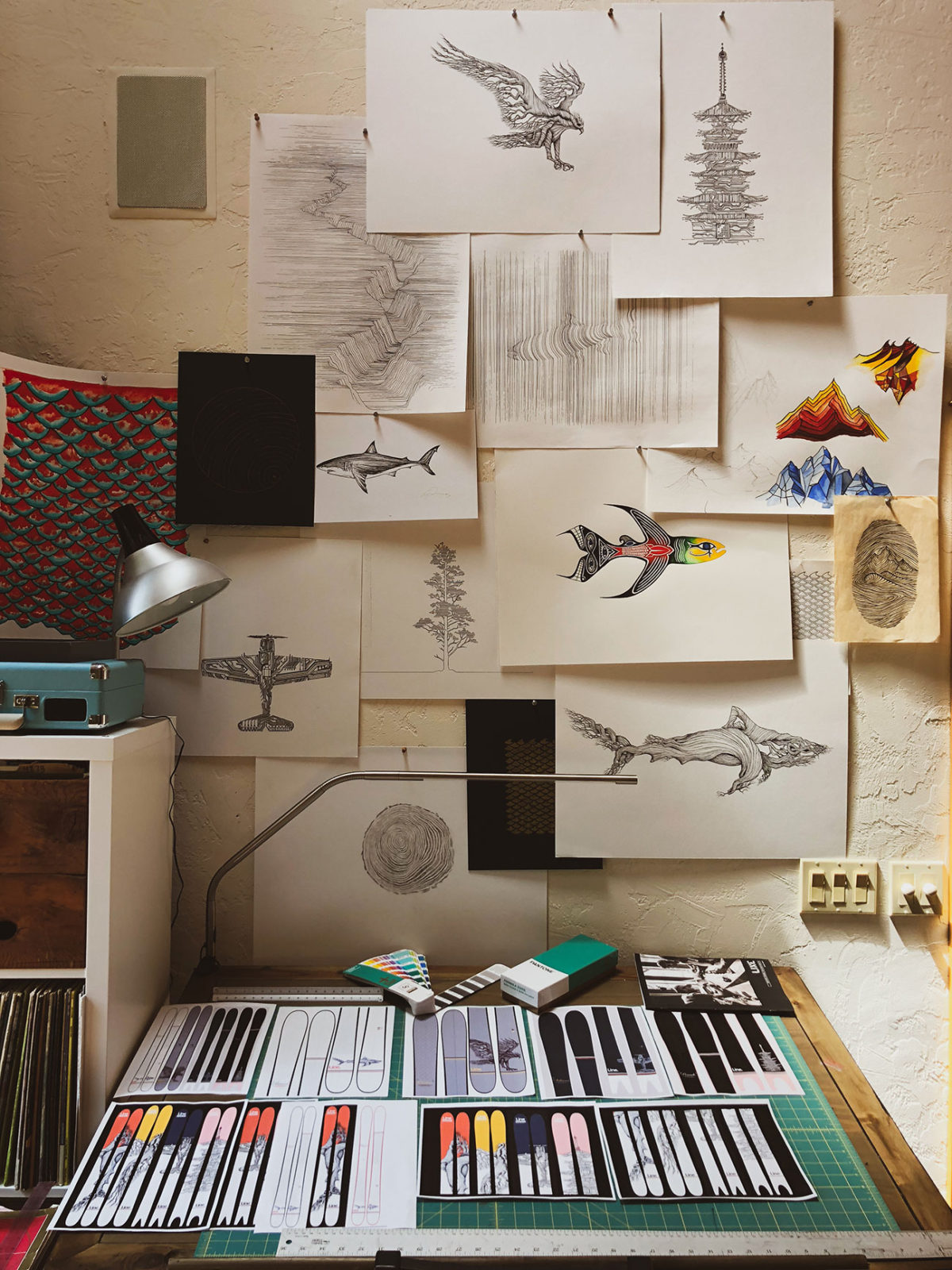
So I've been involved in ski design and graphics for a very long time now, analysing and studying different aspects of ski design, such as ski geometry, flex and shape
Through the experience I gained through trial and error, I found my own recipe
, a set of specs that allow me to ride differently.
So for the past 20 years or so, I've been trying to spread what you might call my philosophy on skiing, which I think is reflected in the concept and movement of "maneuver" that I brought to skiing, the skis that allow you to perform the maneuvers I designed, the movements I created, the films that capture those ski movements, and the graphics of the products I designed
In the meantime, I began to pursue the deeper aspects of each individual, and in filmmaking I started not only shooting by operating the camera myself, but also doing everything from editing, sound, artwork, and marketing. I also became increasingly interested in graphic design, and created graphics and commercials for all kinds of ski products, and I spent more and more time immersed in creating in my home studio, thinking about graphics
Yes, I became deeper and more passionate about each role
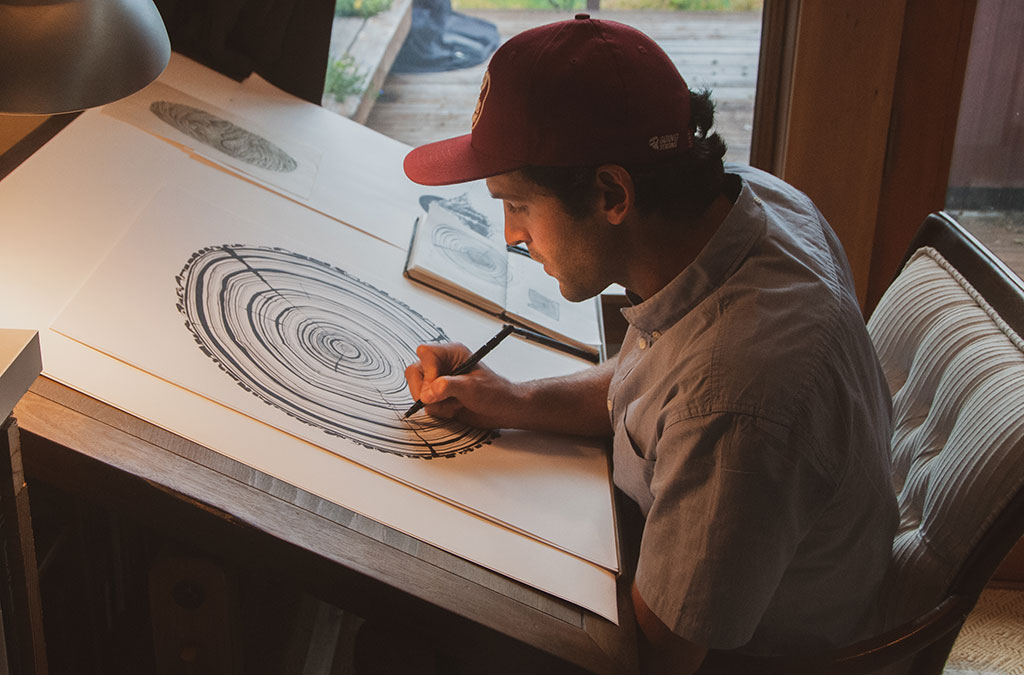
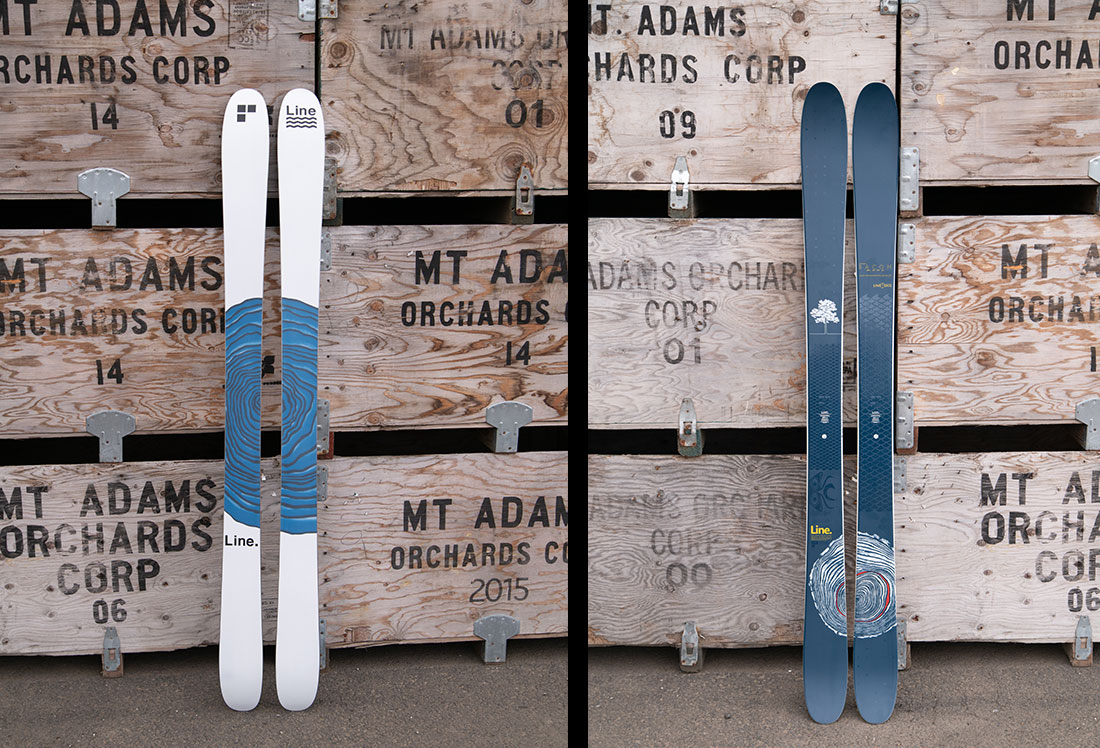
-Where does that inspiration come from?
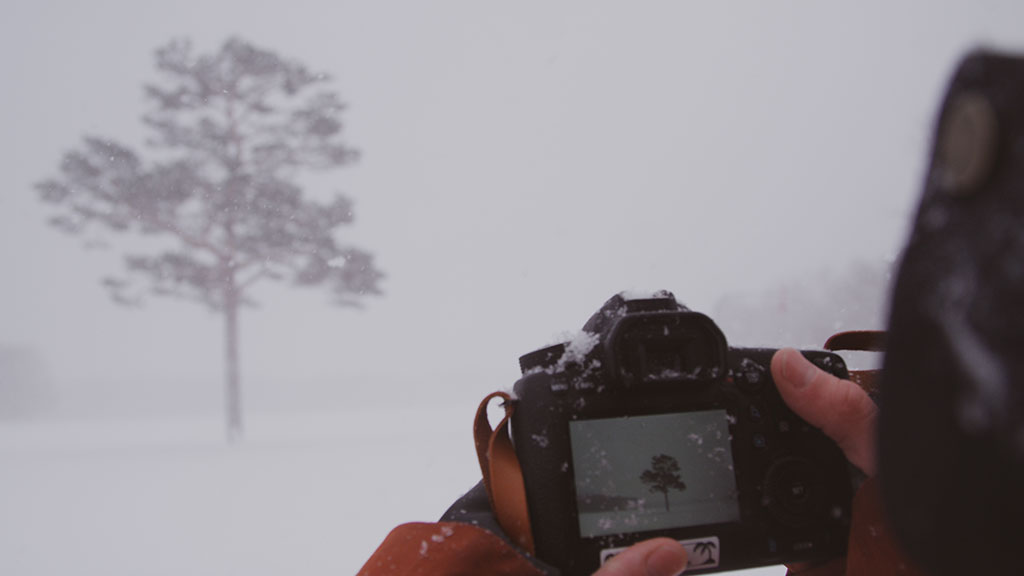
Eric: I guess it's the various materials around me. And the little things in life. But mostly surfing and snowboarding. Almost everything I've done has come from my own experiences.
For example, when I'm surfing, I remember the fresh feeling I get when I carve a turn on the wave and I think, "Wow, what a great feeling! I wonder if I can replicate that feeling I get on a surfboard on skis." I've wondered whether I could bring something as simple as the feel of a turn to more complex things like the slash that comes from a spin into skiing. I draw inspiration from snowboarding, surfing, skateboarding, and other sports, and apply that to product design and the actual way I ski.
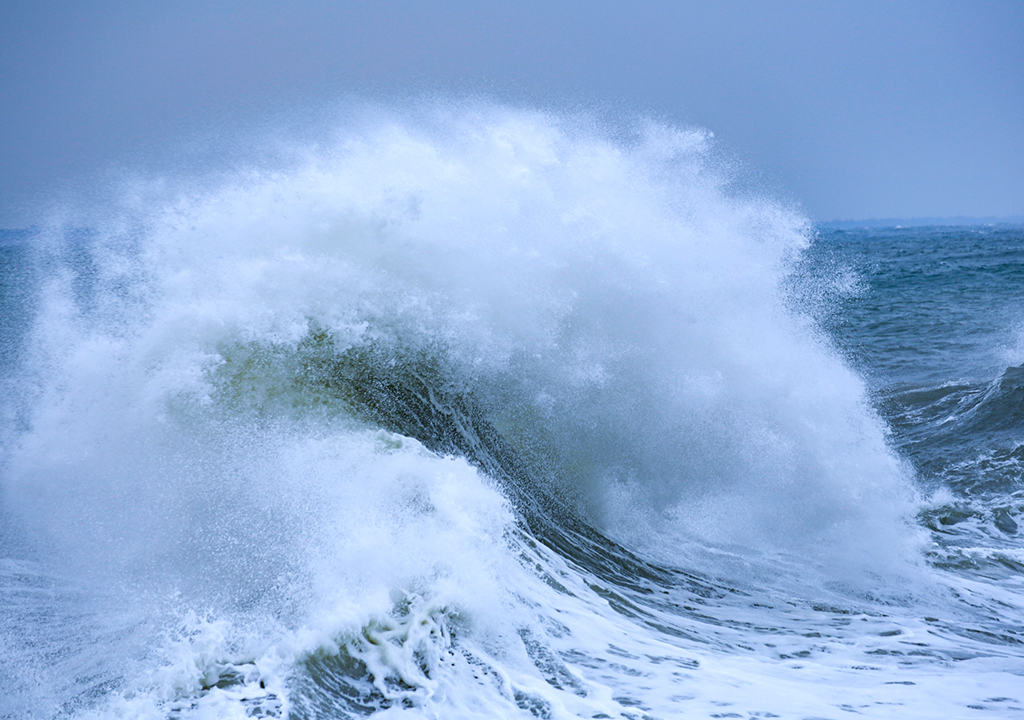
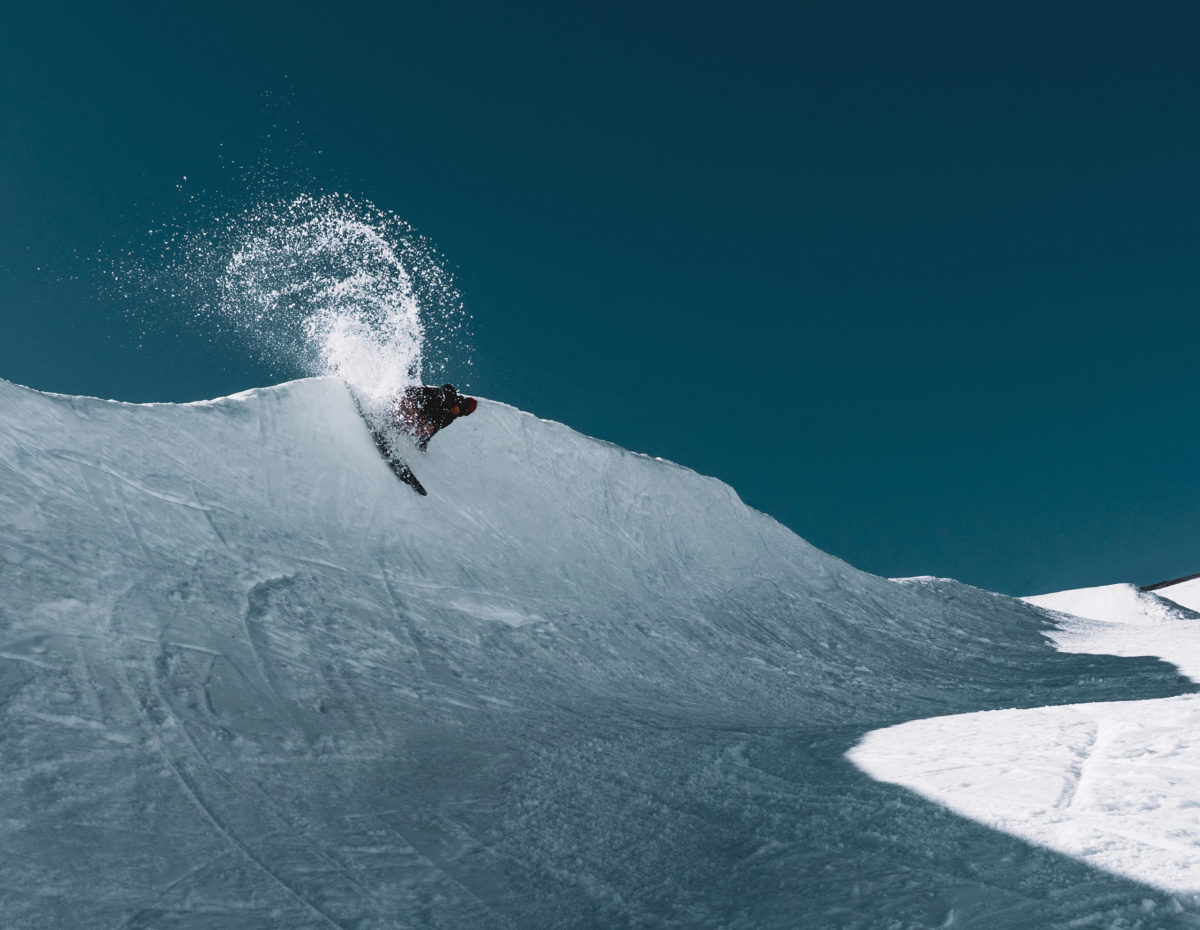
When it comes to graphics, they come from everywhere. Wherever I go, I take in colors, shapes, cultures, and anything that catches my eye or attracts me. That all becomes art and is then output
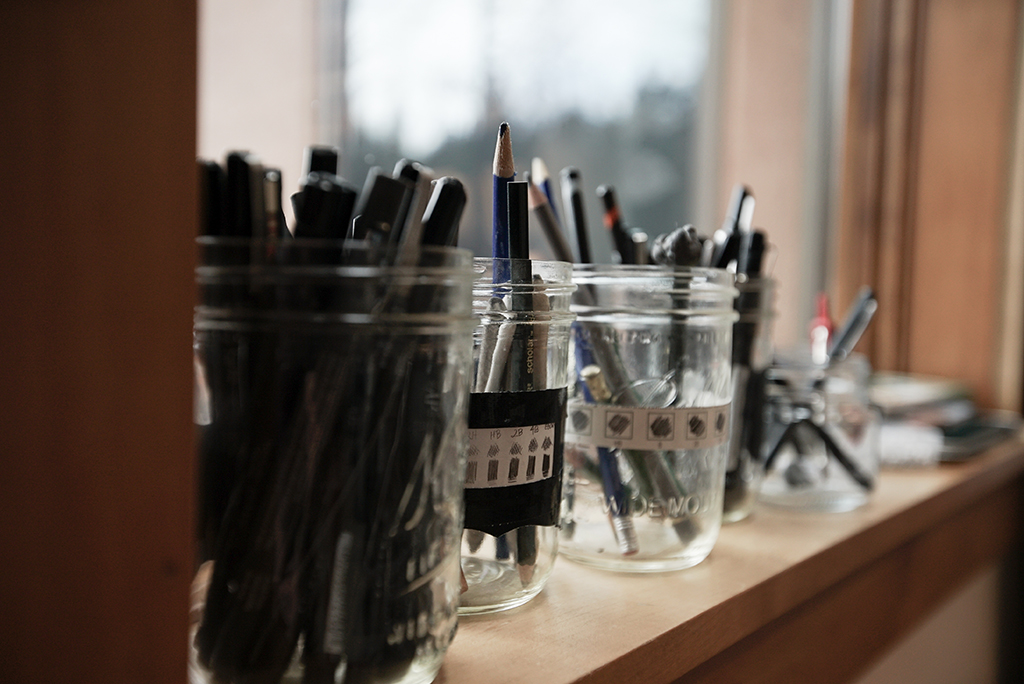
I wanted to change my life
-How has the Season project changed your life, Eric?
Eric: Season...hmm, that's a really interesting question. Because Season changed my life so much, too much. I wanted to change my life. One of the reasons I started Season was because I wanted to live a different life, to live a different lifestyle.
I also had a family and couldn't travel as much as I used to. I traveled a lot less for filming and things like that. When I traveled, I tried to be with my family as much as possible, but I wanted to make it a priority to spend more time with my family. I started thinking about how to make that happen, and I decided that I would focus more on filming than riding, editing rather than filming, and spending less time in the mountains to do art and design instead. I gradually made that shift.
And I realized that if I did it this way, I could redesign my life, that I could make it different. I wanted to stay in the snow community, but I didn't want to be the lead singer on stage, I wanted to be behind the scenes.
I had been on the front lines as a rider for long enough. I no longer wanted that role, and from now on I wanted to capture the shining images of skiers and snowboarders on stage through film and photography, and I wanted to express and convey the greatness of this sport as a creator.
Yes, my life has really changed. I went from running around with a suitcase and ski bag most of the time to sitting in my office and doing creative work. I'm spending more time relaxing at home with my family, going to the mountains with my kids, skiing with my dad and friends, and snowboarding with my local friends like I used to. It's really nice. I'm very happy
I loved what I did and was very proud of it,
but the time came when I had to step away from a career as a professional athlete.
I've had great teamwork with LINE for a really long time, and we've done a great job, so I hoped it would continue like this. LINE has been so kind to me, and I've always wanted to do my best. I really love LINE. But remaining a frontline athlete for LINE wasn't my only wish. I've always wanted to support the scene behind the scenes with great passion
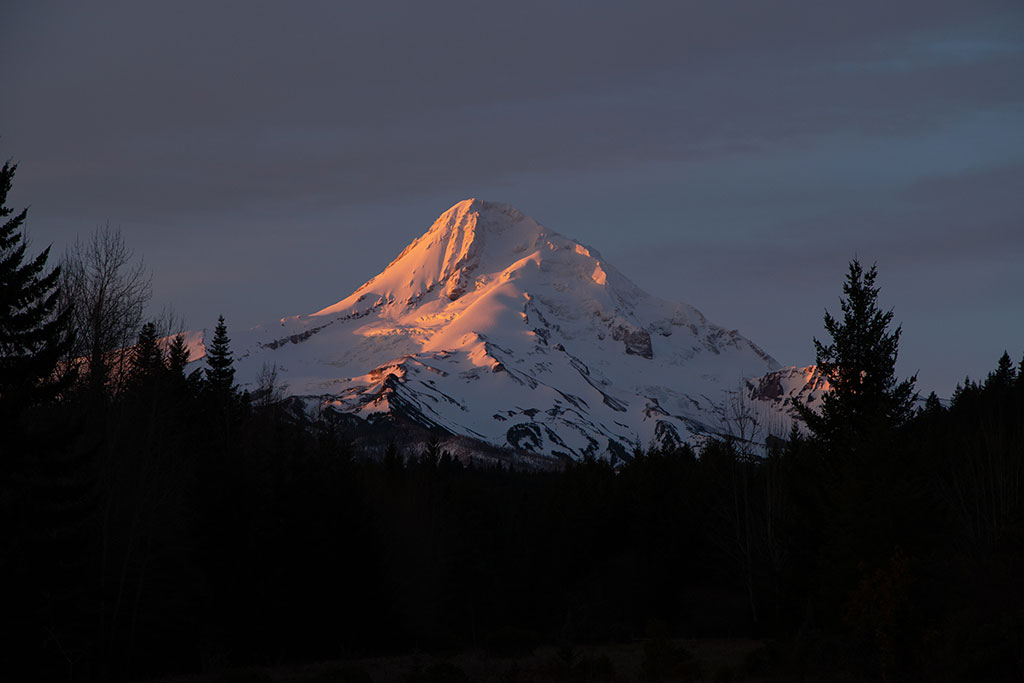
An idea that has evolved too far
I've been thinking about this project for a long time. As you know, I really love skiing, snowboarding, and mountain culture. I was born and raised in the mountains of Oregon, and I was raised by the mountains.
I feel that everything I've had, all the experiences and opportunities I've been given, is a gift from the mountains. So I really wanted to give back. But when you look around the industry, there are so many people, all doing the same thing. They're all clumped together with the same ideas, and it's crowded.
I think my ideas evolved from those stereotypes. For example, the film elements I came up with were new at first, but then they caught on and people started using the principles they picked up from my films
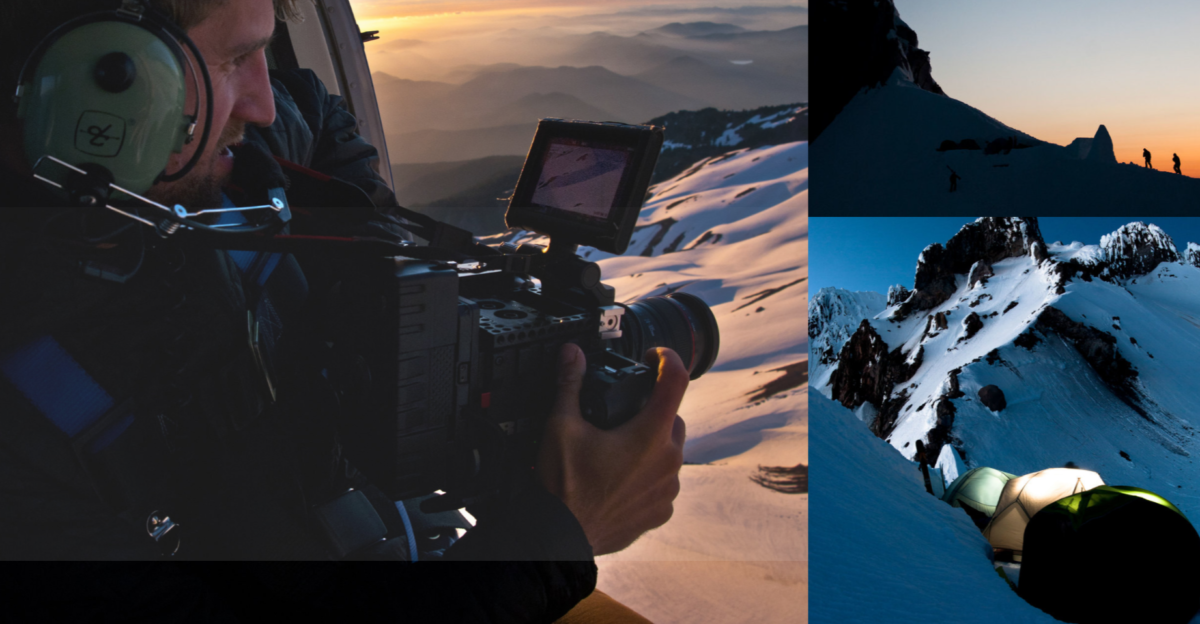
-Nimbus Independent, was founded in 2007 .
Eric: The idea is that cinema is a visual language that communicates people's perspectives and the world.
Also, the skis I designed were very radical, and people probably didn't like them, and some people criticized them. They said you can't land from a cliff with skis that wide. But it was enough. But five years later, a lot of skis have become just as wide.
It was the same with the ski graphics I had been working on. Up until then, all skis had been the same, but I expanded on that with different graphics, shapes, designs, and concepts. I used untapped space and a variety of materials
Once my fresh ideas became "new," everyone else started doing the same thing, and I looked around and everything was the same: all the skis had the same graphics, all the films were the same, all the ski shapes were the same, all the goggles, helmets, and clothing were all the same
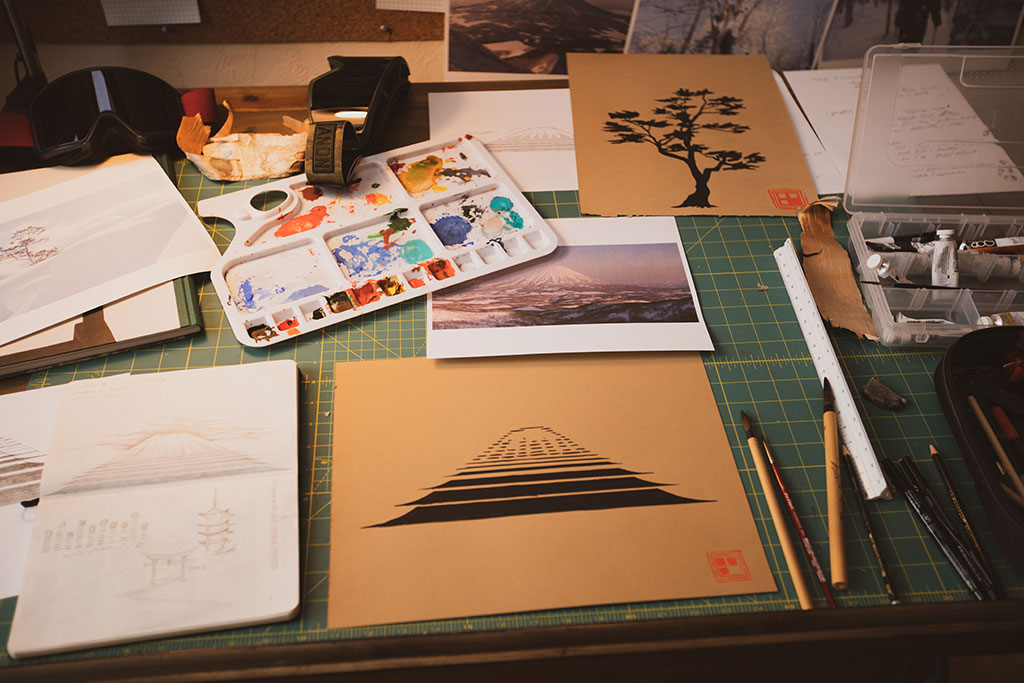
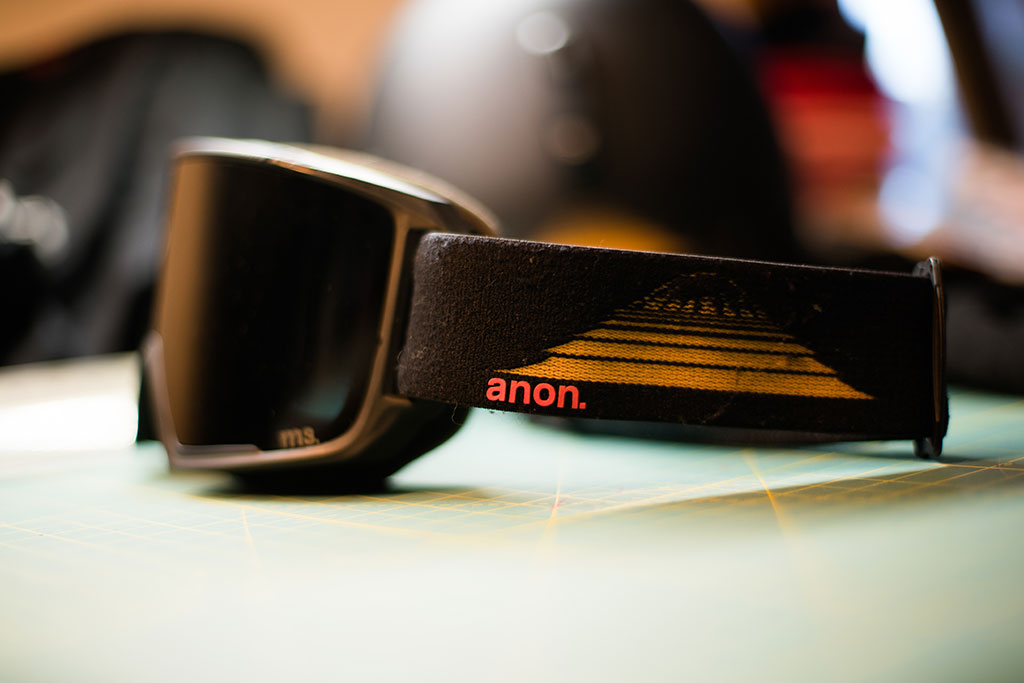
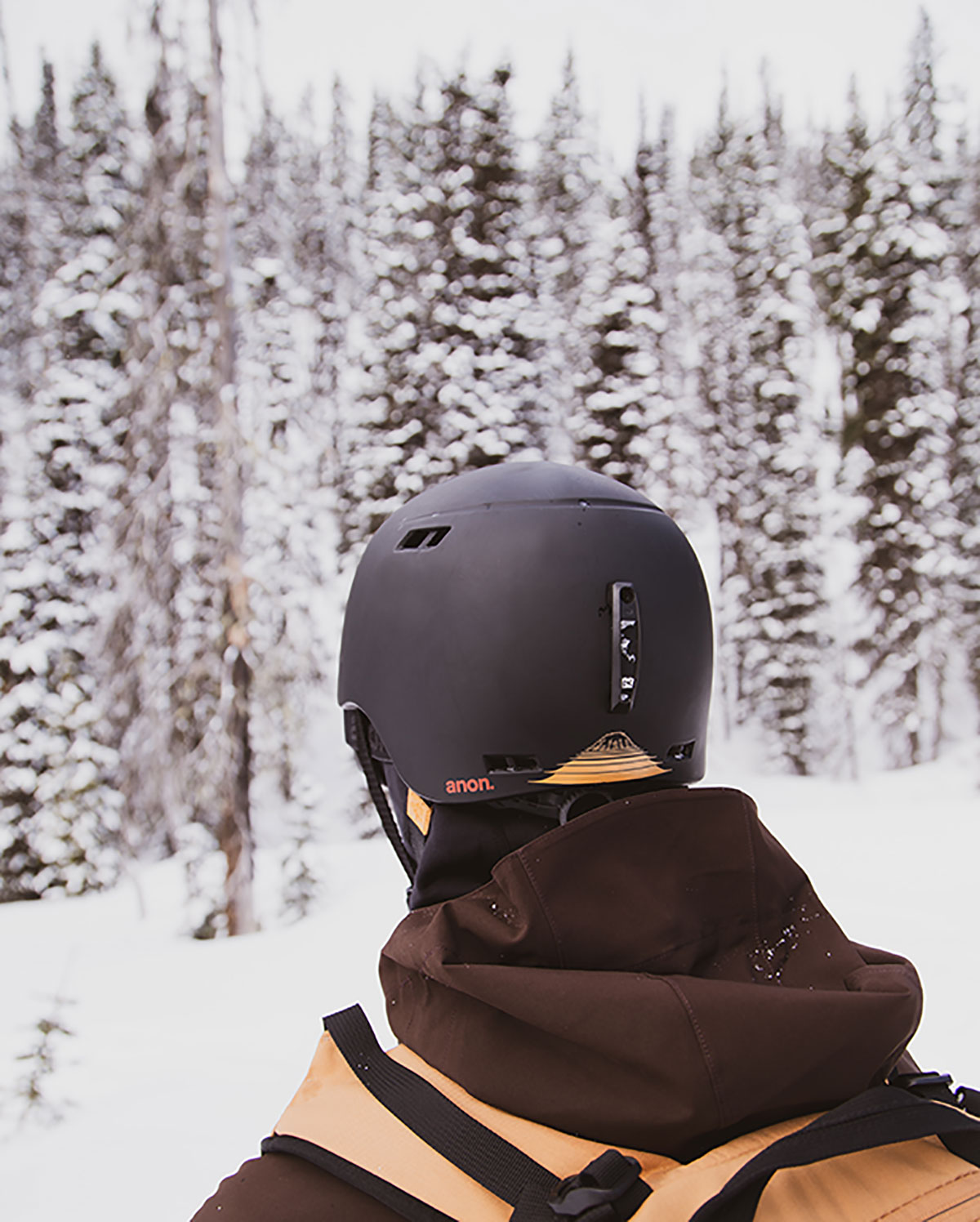
Any new ideas I come up with and propose end up being copied and worn out..
But I realized that I had popularized concepts that have since taken root in the market, and I'm proud of that, because I knew they had their origins in me
Still, it was painful in a way to have something so special, so sacred, taken by those around me and used as a marketing gimmick. I didn't want to do that anymore. I wanted to do something that made me feel different. So I really wanted to change everything. I wanted to bring something new to the snow industry
The main reason why I started Season
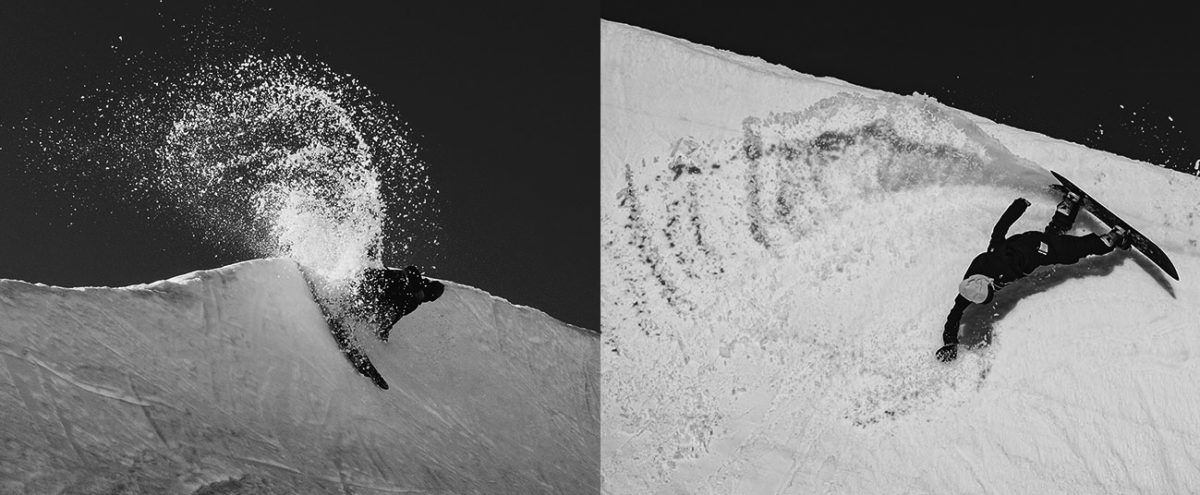
A big reason why I started Season. was because I wanted to refresh this rigid industry and community. So, in order to change things, Season. first proposed bringing skiing and snowboarding together. It was something that had never happened before.
Synchronizing skiing and snowboarding is extremely radical. It was something that no one had done before. Yes, this was a field that no one had ever stepped into. Figuring out how to integrate the two was really difficult. It was the first time we had tried it, so we had to do it well. It required determination and ideas.
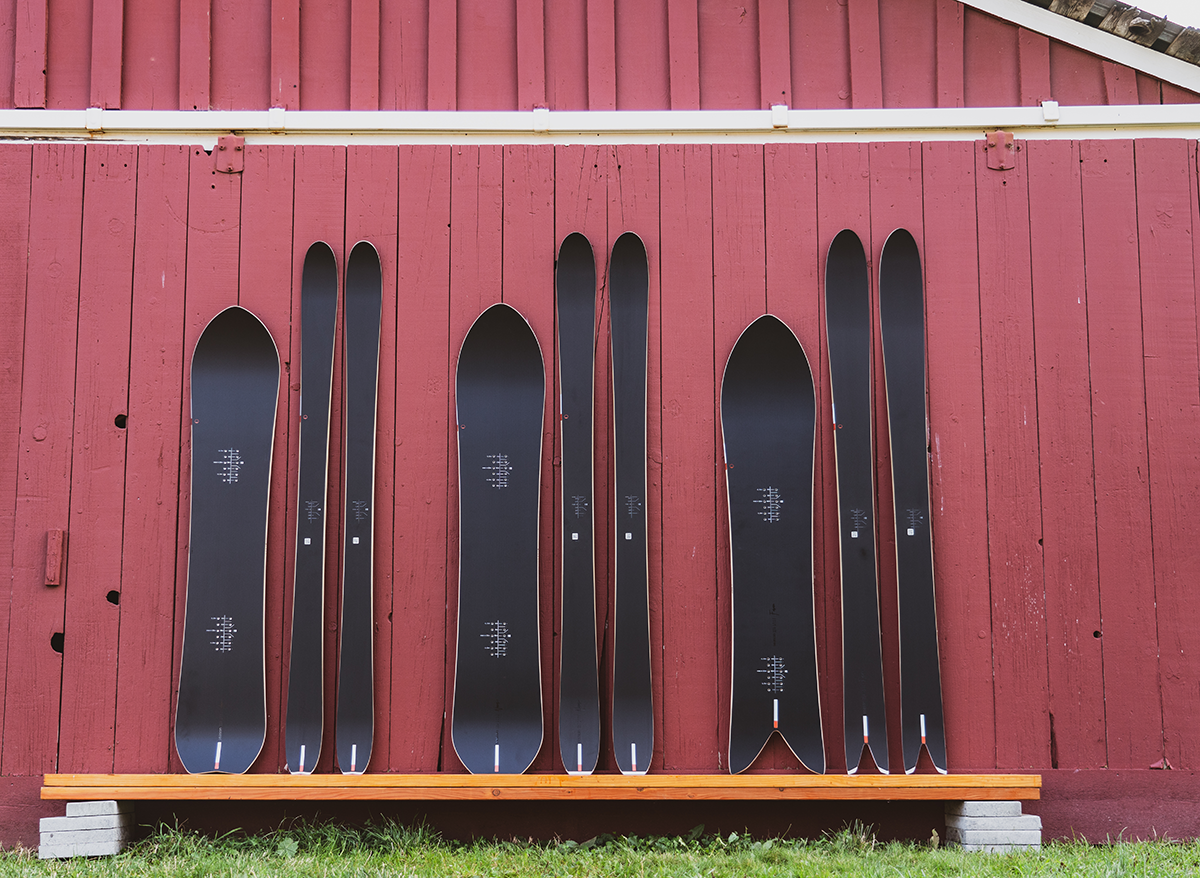
Second, I knew the market space was already overcrowded and saturated. I believed we could simplify it. Every ski and snowboard company has 40 or so models, which is typical and very conservative. Of course, the more models you have, the more you sell. But that just means there are too many options for the user. Too much
We have three models. To be honest, it was really difficult to differentiate between the three. If we're not careful, all three will end up looking similar. 40 is just overkill no matter how you look at it. Even though it's an important product, the creators won't be able to fully express it, and it won't be well cared for by users. That's why we wanted to go simple and minimal. The less you have, the more you can say and the more you can bring to the table
Ultimately, we really wanted to encourage users to use our products for a long time. We thought that the most meaningful contribution we, who love snowy mountains, could make to the environment was not to sell new skis and new graphics every year, but to tell our users, "We won't change the graphics, they'll be the same beautiful graphics. These are beautiful, valuable products, so we want you to use them not just this year, but for as long as possible after that."
Sustainability should be the focus, and
Season. was started to bring that idea to the industry.
-So that's why there are three models! Respect for the natural environment
Eric: Yes. We wanted to promote this idea in an authentic way. We could have brought in new technology, given it a marketing gimmick like, "Look! This is a new product! It can make the world a better place!" But the reality is, skis are just fiberglass, plastic, and glue.
We think the best thing we can do is build products with less environmentally damaging materials and eco-friendly processes, long-lasting products, and encourage people to care for them and use them for a long time. In the US, we partner with companies that provide maintenance for skis and other gear, so we can care for our users' products and make them last longer. It's still difficult to offer this service internationally, but we're hoping to do it someday.
Special thanks to Eric Pollard. All photos by Eric Pollard.
Interviewer: Chise Nakagawa (CAST).
Interview recorded: May 25, 2021.
<Part 2> is here
Interviewer/Editor:
Chise Nakagawa
At university, she was a member of the ski club and was absorbed in alpine skiing. Later, she worked on the production of a snowboarding magazine at Yama to Keikokusha, traveling overseas to places like Alaska, Scandinavia, and Europe. In 1999, she partnered with the US magazine FREEZE to launch the freeskiing magazine Generation-X. She traveled the world following the X-Games and filmmaking. Having worked with the LINE team based in the USA, she has been friends with Eric Pollard since Eric's debut on LINE at the age of 15. After being away from the front lines of the ski industry for a while, she returned to the scene with STEEP.