

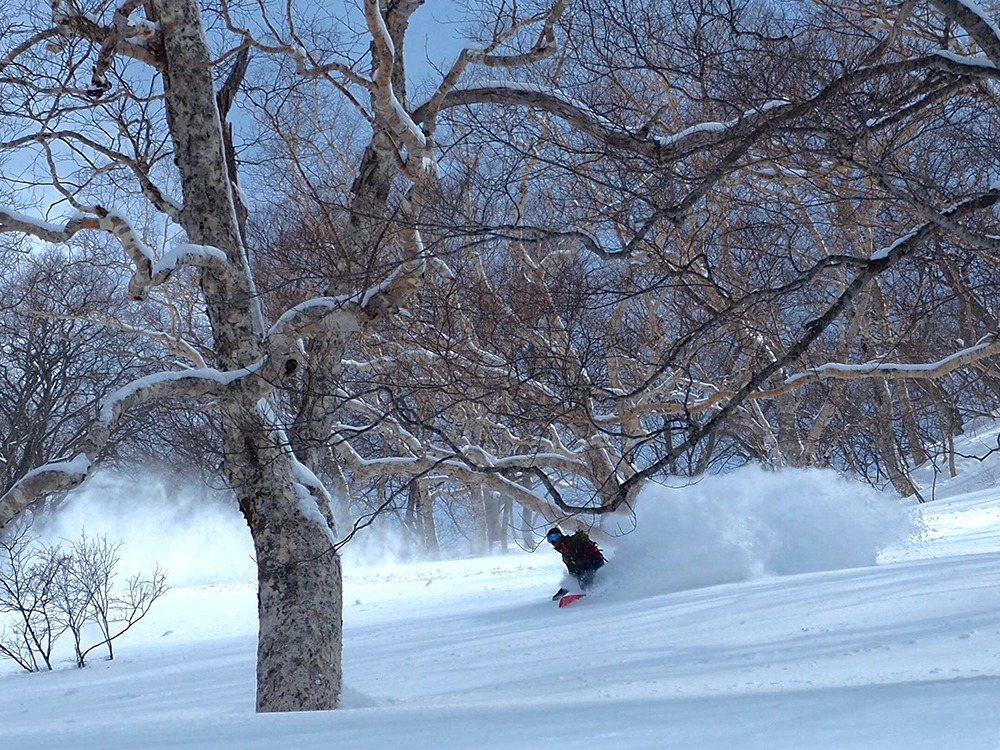

Ride the gondola straight up to the top of the slope and you'll be greeted with a spectacular view of the majestic Hakuba Alps. During the season, Able Hakuba Goryu offers sunrise skiing starting at 7am on weekends, and night skiing on weekdays. Goryu Co., Ltd. operates the ski resort and also manages the Hakuba Goryu Alpine Botanical Garden, which protects some of Japan's rarest alpine plants in the summer. We'll introduce you to their various eco-friendly initiatives and their commitment to environmental protection
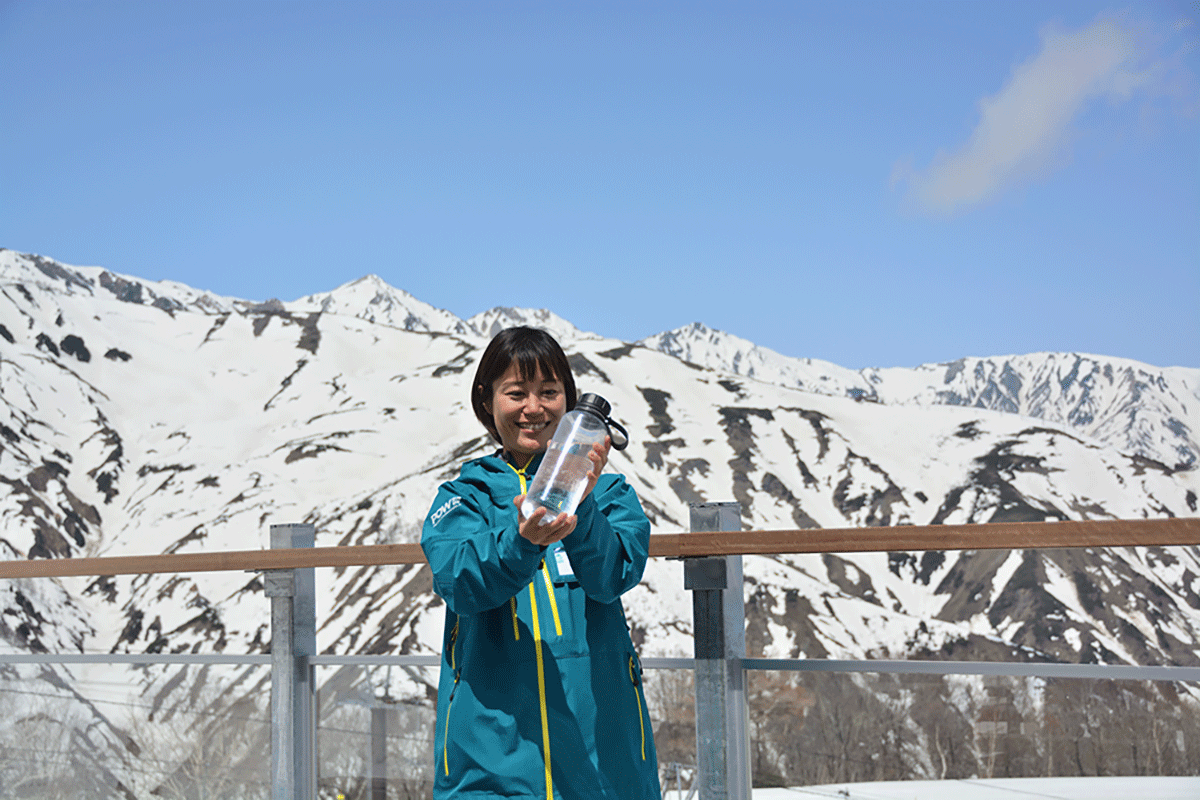
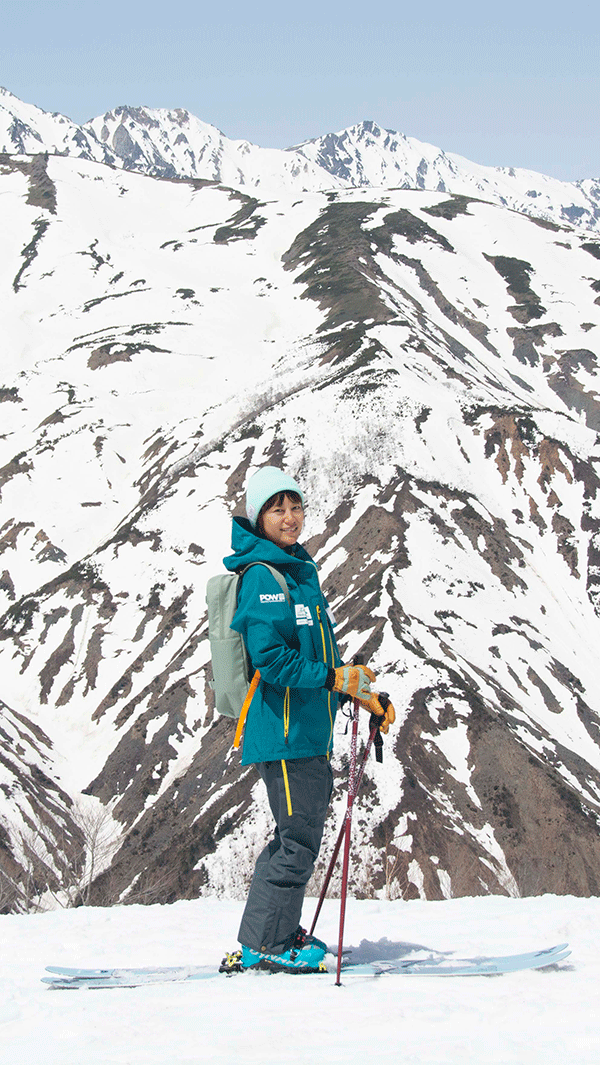
Our guest today was Sae Tanaka from the Sales Promotion Department, who also serves on the IS & SDGs Committee. What are her thoughts and feelings as a company and as an individual, and how is she working towards the SDGs?
Background of SDG initiatives
-What was the history and background behind your environmental initiatives?
Tanaka: I think the term "SDGs" has only become common in the last two years or so, but as for when did our company start working on the SDGs, we have been carrying out sustainable initiatives for over 20 years before the term "SDGs" was coined
Goryu Co., Ltd. was founded 51 years ago, and in 2000, with the aim of becoming a "sustainable tourism business," the company opened the Goryu Alpine Wildflower Garden, the predecessor to the Hakuba Goryu Alpine Botanical Garden. This year marks the 22nd year of the Hakuba Goryu Alpine Botanical Garden, and we believe that the history of protecting and maintaining this botanical garden is itself proof of our sustainable efforts
Until now, ski resort development has required cutting down forests and clearing mountains. Ski resort development involves destroying nature to build structures and make a profit, so it was only natural that they had to cut down many trees and ruin the scenery to create the current fields, whether they liked it or not
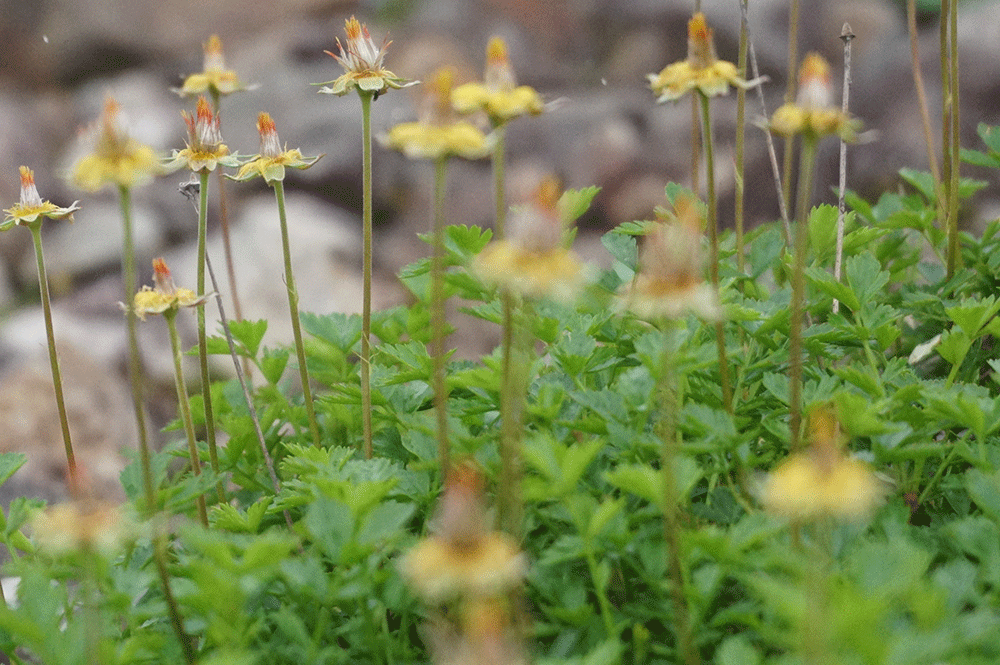
Nagano Prefecture is home to precious alpine plants. Located in the center of Japan, it is the only place in the country where the southernmost and northernmost alpine plants coexist, and there is a wide variety of alpine plants. Goryu has nurtured a rich vegetation in this unique environment, but if ski resort development is a business that benefits from nature but inevitably encroaches on it, then Goryu felt it had a social responsibility to take action to protect and preserve nature at the same time. This was the thinking behind the development
Apparently, in the past, development forced them to cut down precious Enkianthus camphorata trees that were over 400 years old. They tried transplanting them to the foot of the mountain, but it didn't work, and all of the precious Enkianthus camphorata died. This bitter experience apparently helped to instill a strong desire and awareness among the staff involved in the development at the time to protect alpine plants and the richness of nature
-And that tradition has been passed down to the present day
Tanaka: It seems like the SDGs are mainly about maintaining the global environment, but their true essence is about creating a system that allows human life and economic activity to continue properly. Protecting nature is not the top priority, but rather we aim for a sustainable society where people can live happily
Hakuba can't just rely on business during the winter ski season. Japan's population and the number of skiers are declining, and although we do have foreign visitors, many ski resorts will find themselves unable to operate if the situation changes globally, such as the current COVID-19 pandemic. This raises the question of how to maintain local employment and tourism, and it's not enough to just rely on the winter season. The economic sustainability of tourism is important, and protecting local employment is also crucial
In order to keep the area a place that people can visit all year round, we need to properly plan operations outside of the winter season, and at the same time, we need to protect the environment. When we thought about how to solve both issues, we decided to get serious about protecting alpine plants
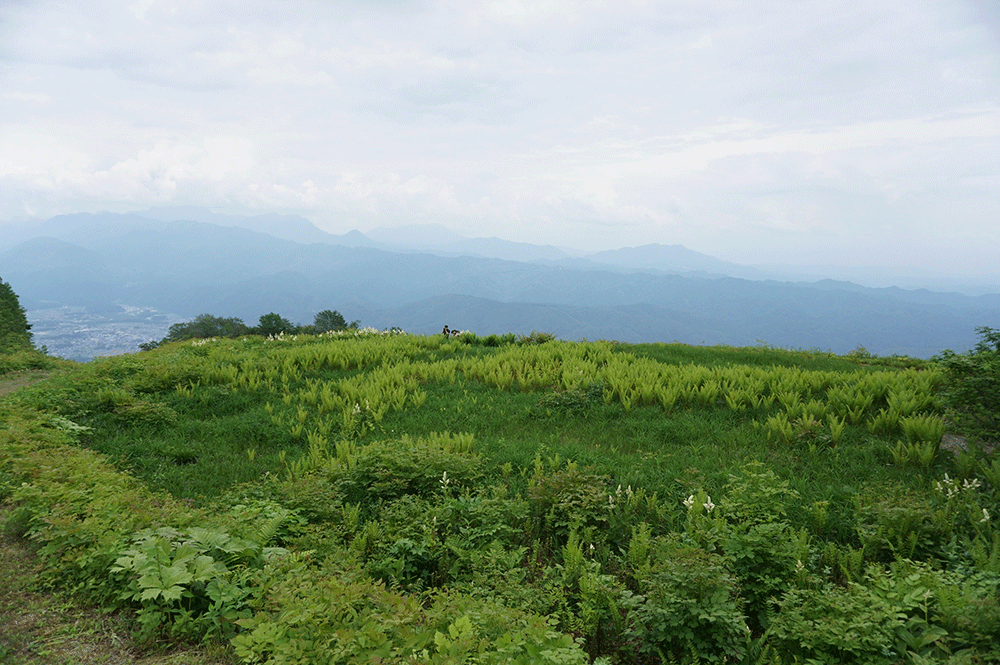
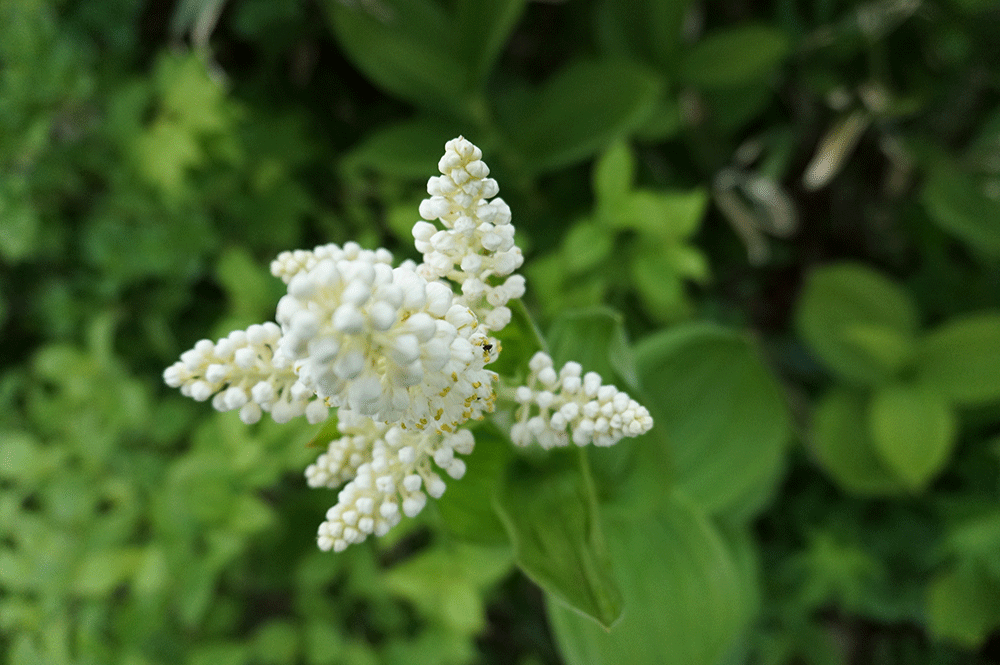
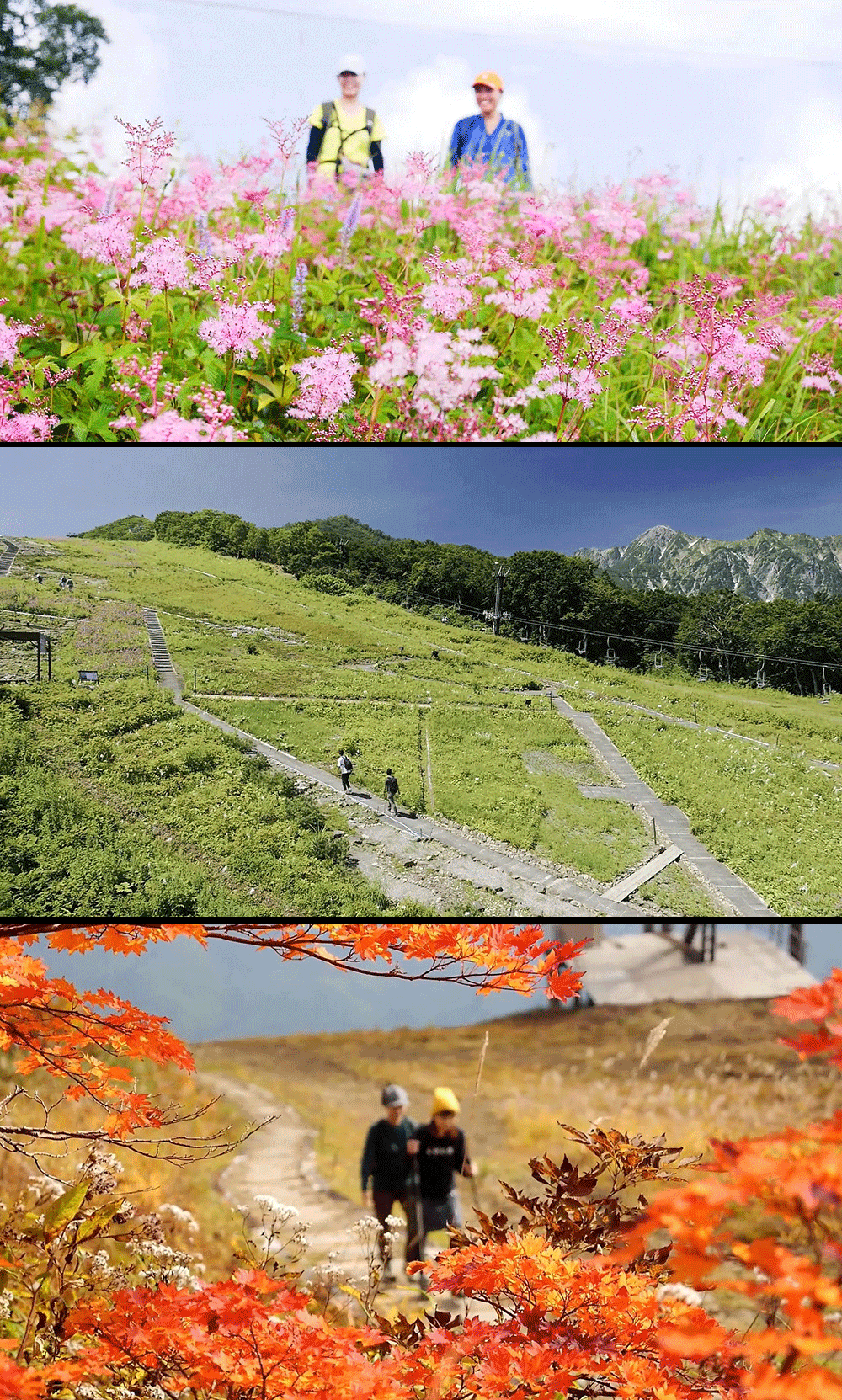
The Hakuba Goryu Alpine Botanical Garden has two main objectives: environmental conservation and promoting summer tourism in Hakuba Village. Building walking paths on the slopes of the Alps Daira ski slope, piling up stones, and planting together with local residents are all hard physical labor, but as a result, the number of flower plants has increased, reaching 2 million plants and 300 species over the past 10 years. Now, in 2022, the garden boasts the largest variety and size of any alpine plant registered with the Japan Association of Botanical Gardens in Japan
I think it's fair to say that these alpine plant conservation activities have been ongoing for over 20 years, even before the recent popularity of the SDGs, and in terms of sustainability, both in the global environment and in human social, economic and corporate activities. Those who did so back then had the foresight to realise that the ski resort alone would not be able to survive 20 years from now
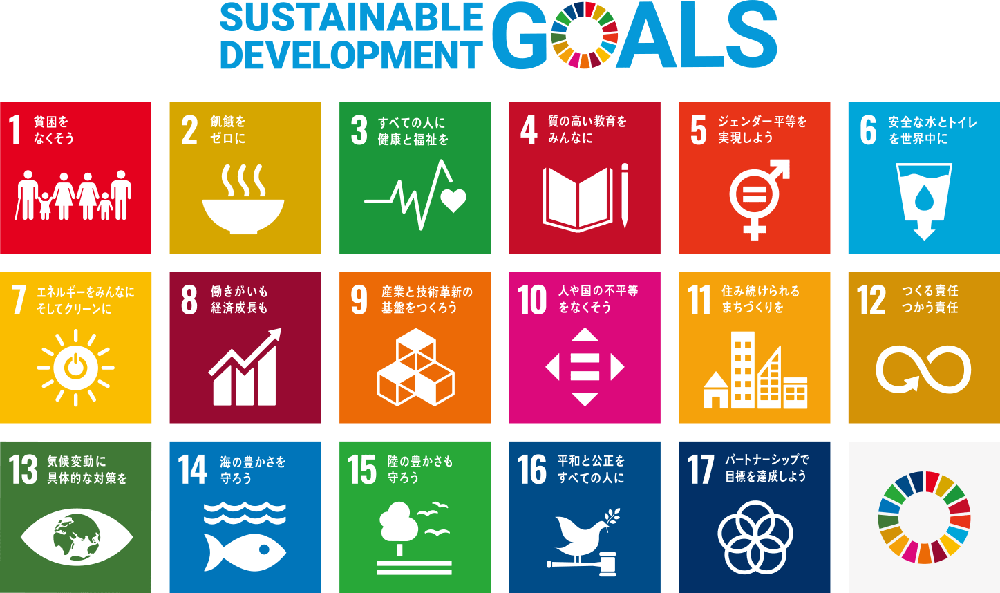
-This is related to Goal 8 of the 17 SDGs, "Decent work and economic growth."
Tanaka-san: Many ski resorts operate by hiring seasonal workers only in the winter, but in the summer, people who work outside all day in the botanical gardens, doing steady physical work like watering the plants, weeding all day, changing the soil, and cutting down trees, are employed, so that we can maintain a certain level of staff at the ski resort in the winter and ensure employment as much as possible throughout the year
Involvement with POW and efforts to combat global warming
-I heard that Goryu started working with POW Japan earlier than any other company
Tanaka: POW was established in the US in 2007, and then POW Japan was launched in 2019 by Goro Komatsu, who is based in Hakuba. The partnership with POW works by forming partnerships with companies that support POW's philosophy and activities, and by signing partnership agreements that demonstrate POW's awareness of the climate change crisis to these partner companies, which also benefits the companies. POW operates using the contributions from these partnerships
We've been partnering for four years now, but when we first launched in Hakuba, the term SDGs wasn't widely known, and I think only people who played in the snowy mountains realized that snow was really getting scarcer. I'm originally from Chiba Prefecture, and all I noticed was that the summers have been hot lately, so spreading the idea of preventing global warming and protecting snow was a fairly new endeavor, and I don't think people really understood the idea of environmental activities to protect snow
At the time, news of the launch of POW was featured in the local newspaper, Oito Times, and Ito from Goryu approached us about a partnership. At first, we thought that a partnership agreement with just one ski resort wouldn't be very meaningful, considering the power of communication, and that it would be more valuable to show that Hakuba as a whole is a resort that can take on such initiatives as a community, rather than just highlighting the high level of awareness of a single ski resort
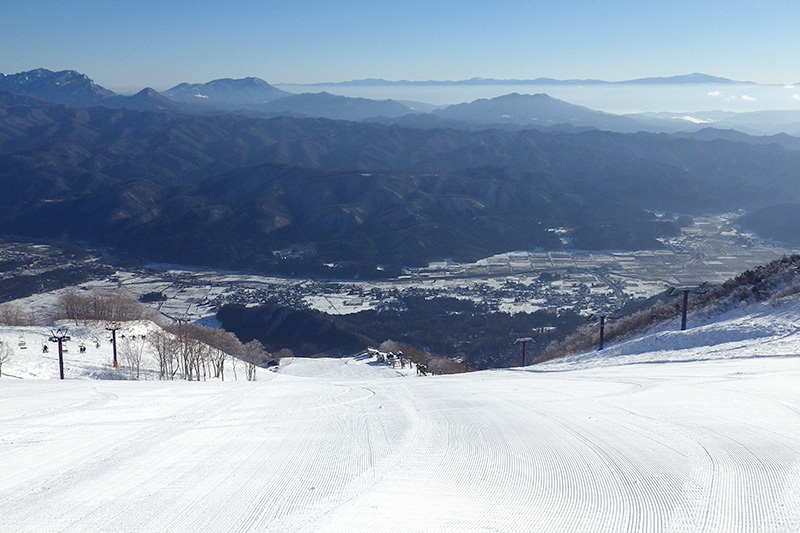
So, to be honest, I wanted to sign a contract with HAKUBA VALLEY, but at the time it was still unclear what POW was, and HAKUBA VALLEY was not in a position to immediately agree to a partnership
However, rather than postpone it until next year, it was decided that it would be better to partner with a ski resort as soon as possible this year, and so Goryu became the first ski resort in Japan to partner with POW. As a result, Happo, Iwatake, and other ski resorts followed suit, and now we have received consent from all 11 ski resorts in HAKUBA VALLEY, so we have re-signed as HAKUBA VALLEY
-What is your job as an IS & SDGs committee member?
Tanaka: We've had something called an IS Committee within our company for about six years now. IS stands for Increase Satisfaction, and it was a committee whose purpose was to "increase satisfaction." It was a committee to increase satisfaction throughout the company, including customer and employee satisfaction. We added the SDGs to it, and now, as the IS & SDGs Committee, it not only works to increase satisfaction in relation to the SDGs, but also to think about things from the SDGs' perspective, propose improvement plans, and solicit various opinions. The committee is made up of about 10 people from each department. We meet once a month to come up with various improvement plans, which we then propose to our superiors and get key people in each department to act on them
-Are you actively involved in SDG activities?
Tanaka: In reality, implementing proposals that are in line with the SDGs often involves costs. While it's good to keep doing things that cut costs, it's not easy to actually increase costs. Despite this, here are the environmental initiatives that Goryu has set out. We also announce these on our official website
● We are working to restore the natural environment of ski resorts through the creation and maintenance of the Hakuba Goryu Alpine Botanical Garden.
● We conduct environmental seminars and other educational activities for local residents, children who represent the future, the general public, business partners, and fellow professionals.
● As part of our environmental activities to reduce CO₂ emissions, we aim to reduce energy use by calculating and reporting CO₂ emissions and implementing power-saving measures.
● As a conservation center for endangered plants run by the Japan Society of Botanical Gardens, we protect and cultivate rare alpine plants.
● We utilize trail riders to promote universal tourism.
● We use LED lighting for night lighting on the slopes and in our facilities.
● We strictly separate waste.
● We promote the use of lacquered chopsticks (made from thinned Kiso cypress) in our restaurant.
● We are reducing the use of single-use plastics.
● We prioritize the use of locally sourced ingredients for our restaurant.
● We collect and refine waste oil (cooking oil) from our restaurant and reuse it as fuel for our vehicles.
● We have reduced the use of plastic bags for souvenirs and are now charging for them, with a portion of the proceeds donated to environmental support organizations.
● We use recycled paper for our productions (pamphlets and other printed materials).
● All employees actively use public transportation, carpool, and have set up "personal car commute periods."
● We promote diversity, improve customer satisfaction, and provide employee education and training.
● We have registered as supporters of the government-sponsored national movement "COOL CHOICE."
Last season, we also offered free participation to workshop events held at the botanical gardens for single-parent families, with the aim of helping to raise educational opportunities. This is based on the idea of "leaving no one behind," which is a fundamental part of the SDGs
The difficulty of promoting the SDGs
-Are there any difficulties in working towards the SDGs?
Tanaka: That's right. It's true that promoting the SDGs generally results in far more cost burdens than cost savings. For example, last season, Goryu and HAKUBA47 offered a partial discount on lift tickets for groups of three or more people who came in one car. Carpooling also helps reduce CO₂ emissions, even if only a little
These kinds of benefits for both ski resorts and customers can be realized immediately, but simply switching all electricity to renewable energy or all lighting to LED will lead to cost savings in the long run, but it still requires initial costs. When making changes in line with the SDGs, costs overwhelmingly increase rather than decrease. This directly leads to price increases, so I think there are still major hurdles to overcome when it comes to gaining the sympathy of those around us and the understanding of our customers
So even if a proposal is made at the IS & SDGs Committee, it can be difficult to make a management decision, as there is always the question of whether it is worth increasing the company's costs. Goryu Co., Ltd. has always been a company that has been involved in environmental protection, so rather than taking on any special initiatives in line with the SDGs, we are currently incorporating the sustainability initiatives we have undertaken up to now into the framework of the SDGs into our public relations activities and considering new possibilities
However, I believe that switching to renewable energy for night lift operation, lighting, and snow machines, which was introduced in the 2020-21 season, is a very meaningful change
What's new and changed
Tanaka: On the other hand, our efforts to raise employee awareness may be a new change. We asked POW to give several lectures, explaining why we need to protect the environment from POW's perspective. We had them give two lectures this year so that even people who only work part-time at Goryu in the winter can understand how seriously Goryu is committed to environmental protection and sustainability
During the session, we were told that Japan is in fact the snowiest country in the world, but that the amount of snow has decreased by this much compared to the past, and that this is how the lack of snow and global warming work. We were also given basic knowledge such as how humans should be conscious of their lifestyles and economic activities in order to combat these issues. The entire Goryu Group was given the opportunity to think about the environment and to remain a sustainable company. I think this helped both our current employees and the new young people to understand the concept in an easy-to-understand way
-What kind of reaction have you received from customers?
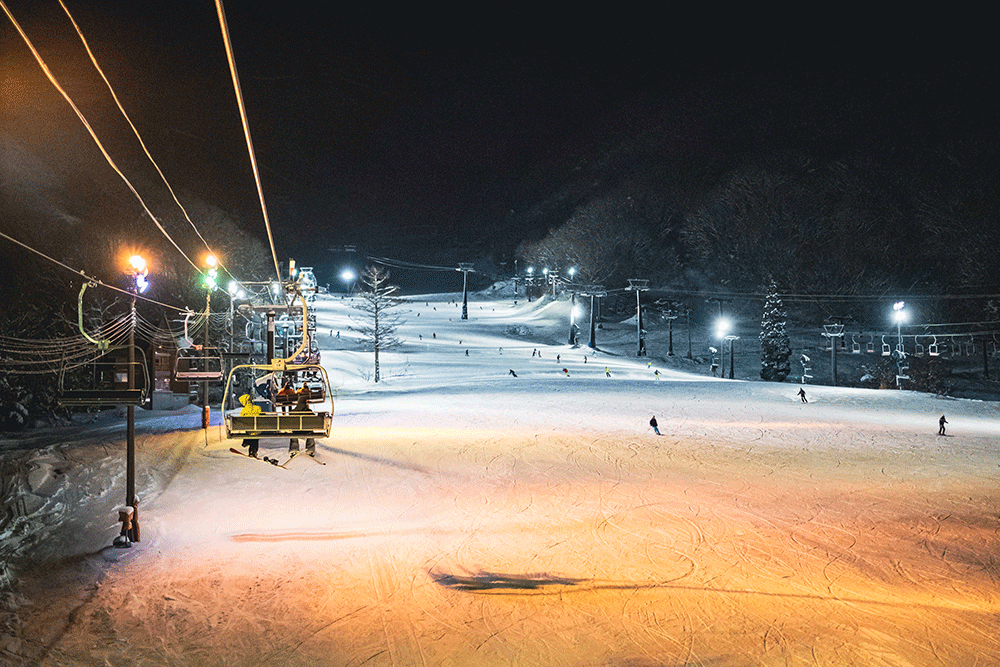
Tanaka: For example, when we talk about Goryu's night ski slopes running on 100% renewable energy, people who are interested in such things say, "That's great, that's amazing." Two seasons ago, we switched all of the electricity used for the night ski slopes to renewable energy, which is a first in Japan. POW has visited resorts all over the world, but he said he has never seen or heard of a ski resort that runs its night skiing operations entirely on renewable energy
We are a unique resort unlike any other in the world, and some customers really sympathize with this point, saying things like, "That's why I'm going to come skiing," or "I'm going to buy a season pass." However, most people don't know that night skiing uses 100% renewable energy (laughs). Even many local snow mountain users don't know this, so perhaps we haven't done enough to promote it
-Speaking of the use of renewable energy, are there any plans to generate electricity locally, such as from solar or hydroelectric power?
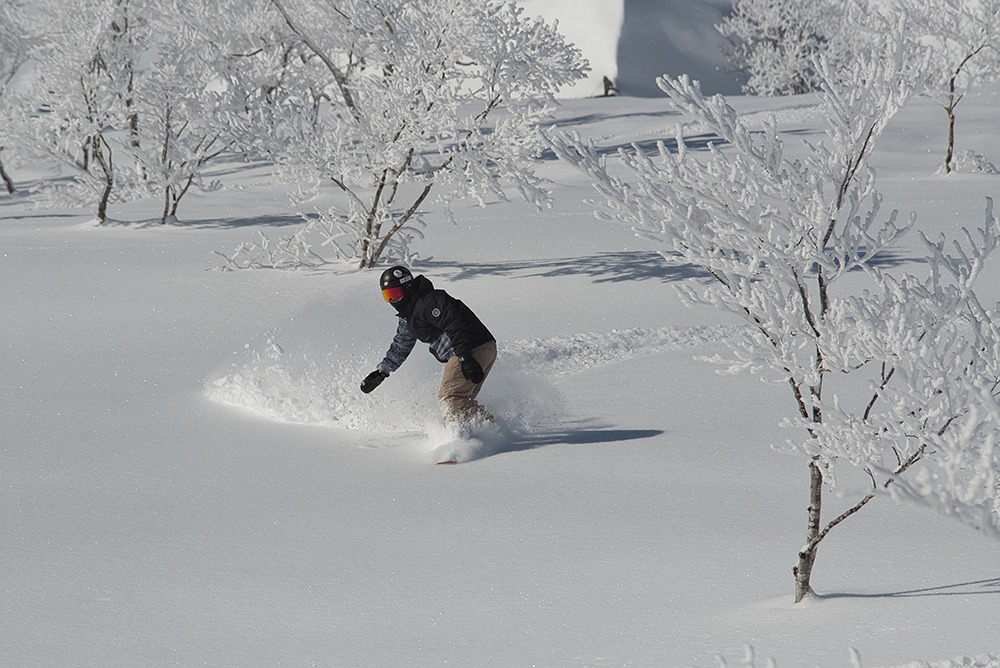
Tanaka: We are considering it in the future. However, we have not set a specific target such as "100% renewable energy by 2030." This is because, although using renewable energy is considered good now, we do not know whether our current methods will necessarily be perfect in the long run
For example, the disposal of solar panels is now an issue that places a significant burden on the environment. Solar panels have a durability of about 20 years. They have been in widespread use for about 20 years, so it is said that in the future, a large amount of waste will be generated, which will likely become a social problem. If you ask whether using solar panels is the right answer now in order to aim for 100% renewable energy, I think the answer is "..."
To be the best in the times
Tanaka-san: If new technology emerges, for example, if there is a new product that is attracting attention, wind energy may be used effectively, but with the current wind power generation methods, there are cases where vibrations cause damage and the power generation places a burden on the environment. Our basic stance is to carefully examine and judge what is best for the times and move forward
In the past, people were encouraged to use maihashi (chopsticks) because it was a waste to throw away disposable chopsticks, and to value paper, and to use plastic products. However, plastic products are now seen as environmentally problematic, and disposable chopsticks are not necessarily bad in terms of making effective use of thinned wood. As can be seen from examples like this, it is natural that when new technology emerges, social values change, and when the global environment changes, so do the measures to address it. So I think it can be said that we are now taking a stance of always seeking the best
-Please tell us about HAKUBA VALLEY TOURISM's SDGs Subcommittee
Tanaka: The committee, which was set up within HAKUBA VALLEY TOURISM, a wide-area DMO (Distance Tourism Organization)*1, has about 20 members, including representatives from each resort and inn in HAKUBA VALLEY, volunteer restaurant owners, and people in the tourism industry. 14 or 15 of us meet online once a month to discuss things
For the past year or so, we have been working on creating a website and booklet to raise awareness of the SDGs, including among independent business owners in Hakuba Village, so that Hakuba Village can continue to be a city of the future that achieves the SDGs. It will soon be completed and should be released before winter
Also, there are study sessions on composting and zero carbon hosted by the HAKUBA SDGs Lab, and we share information at committee meetings. Composting is interesting, but there are some difficulties in making food waste a reality for a company, and we would like to get involved if possible.
- Composting is the process of turning food waste, such as raw garbage, into compost by using microorganisms to break down the organic matter, right?
Tanaka: Yes. I heard that composting is being carried out throughout the entire area of Kurokawa Onsen in Kyushu. I wanted to share that knowledge, so last year I proposed to the SDGs Committee that we go and learn from them. I asked that it be included in this year's activity budget. If the local government can do this, I think it would be great, as it would be an easy-to-understand example that the entire Hakuba Valley area could work on. With this year's budget, the committee is currently brainstorming and discussing various ideas, such as whether to invite experts to do outreach activities, or whether to purchase materials and set up a public composting site within the village where anyone can throw their waste
*1 HAKUBAVALLEY TOURISM https://sdgs.hakubavalley.com/
HAKUBA VALLEY TOURISM, a general incorporated association, was established by Hakuba Village, Omachi City, Otari Village, the Okita District Ropeway Operators Council, and tourism organizations in each city and village, with the aim of increasing the number of foreign tourists by improving the accommodation environment and further strengthening promotions, based on the number of domestic tourists, and securing a stable customer base throughout the year.
*2 Hakuba Valley Tourism SDGs Subcommittee
The committee was established with HAKUBA VALLEY TOURISM as its secretariat, bringing together approximately 30 members from tourism businesses such as ski resorts, restaurants, and accommodation facilities, as well as the tourism departments of the three cities and villages. It undertakes various initiatives to expand sustainable tourism development throughout the region. In October 2020, it announced the "SDGs Declaration," setting out the HAKUBA VALLEY SDGs vision and medium- to long-term goals.
-Do you think your SDG initiatives have had a direct impact on your customers?
Tanaka: Due to the COVID-19 pandemic, we can no longer offer discounts on lift tickets to carpoolers, but if we change our perspective a bit, I think we can give back to our customers by saying something like this. Being
able to enjoy skiing and snowboarding using energy that isn't fossil fuel means skiers don't have to feel embarrassed. Skiing at a ski resort that runs lifts on fossil fuels just for your own pleasure puts a strain on nature compared to, say, surfing. But playing on slopes that use natural energy is much more valuable, especially if you're conscious of that. I think the pleasure of skiing and not feeling guilty is a way of giving back.
Also, we are currently gradually switching over to LED lighting for night games, and in terms of energy savings and cost reductions, we can say that we are passing these savings on to our customers. Eventually, we will switch everything to LED
-Are there any unique initiatives that Goryu is taking towards the "17 goals to be achieved by 2030" and "carbon neutrality by 2050"?
Tanaka: I think our first big challenge will be to continue what we've been doing up until now. In the case of alpine plants, environmental degradation was one of the factors that led to the decline of endangered species. In the history of the mountains, many environments were destroyed and lost by humans at a time when environmental conservation was not a priority. There are researchers who have maintained and restored the vegetation in these areas over the past 30 years, and we operate this botanical garden under their guidance. I think it is a worthwhile endeavor to cherish this and pass it on to the next generation
In that sense, I would like to use it as a place for children's field trips, and lower the barrier to entry so that local children can easily come and see it. I would like to give back to the community as much as possible and operate it in a way that circulates within the community
Specifically, we've been doing things like stopping the use of disposable chopsticks and switching to hinoki chopsticks that can be used for a long time for the past 12 years, and we're always open to new ideas as we move forward with these efforts. The next thing we're planning to do is collect disposable hand warmers. There is an organization that collects disposable hand warmers and sends them to us, who turn them into lake-cleaning products and scatter them back into the lake, thereby giving back to the environment. Naturally, people just throw away disposable hand warmers, so we want to raise our voices and say, "We're collecting them in Goryu!" and become a Hakuba Station that collects and sends them off. It's a small thing, but I think it will contribute to the SDGs
-This is an action for the environment that goes beyond the local area and is global in scale!
Tanaka-san: Goryu Co., Ltd. has been obtaining ISO certification, ISO14001, from the International Organization for Standardization every year, which certifies the soundness and quality of an organization. We are committed to protecting the working environment for our employees and maintaining a certain level of impact on society. Last year, all employees attended an ISO training course, which took place over the course of a day, where they learned about the required environmentally friendly ways to dispose of waste and deepened their understanding of environmental considerations
Continuing to be a proper company, including this type of management, and communicating this both internally and externally, gaining understanding and social trust, and building and continuing good relationships with companies and people, are important initiatives leading up to 2030 and 2050
-Please tell us your personal thoughts on these initiatives。
Tanaka: Even if I didn't work at a ski resort, I would have been personally interested in the idea that human life needs to shift to behaviors and ways of thinking that are in line with the SDGs, and I think I would have thought so. However, when you work at a ski resort, if you don't protect the environment, you're directly putting yourself in a difficult position. If there is less snow, the operating season will be shorter, profits will decrease, and employment will become unstable
Even if there had been no impact from the light snow, I believe we are already living in an age where an increasing number of customers feel that ski resorts that are not conscious of the SDGs cannot sympathize with us. In this environment, we should be a company that works on the SDGs, and I personally believe that I must continue to work on this
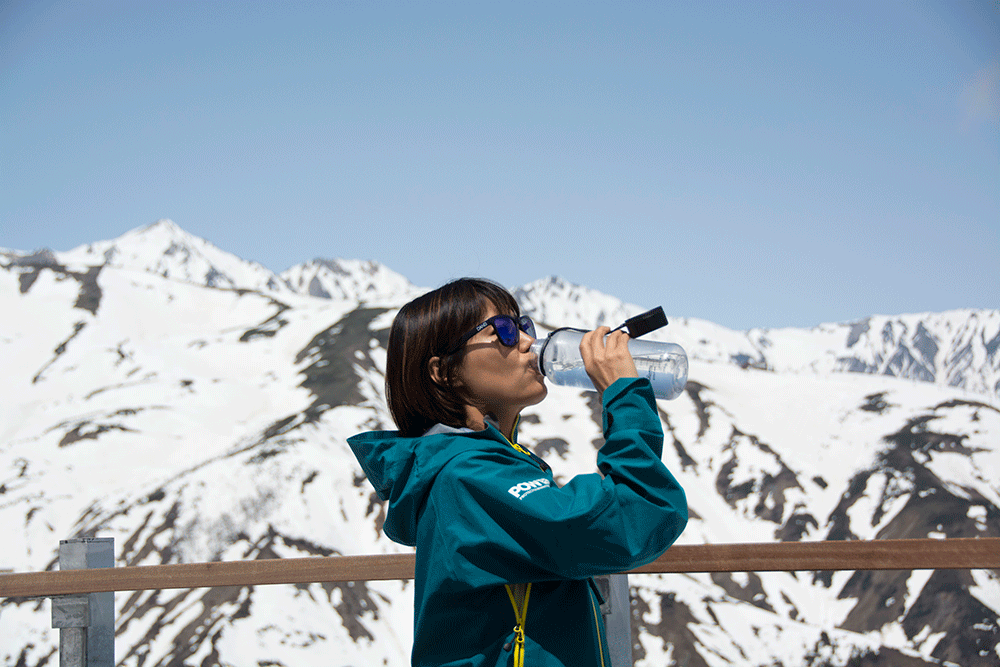
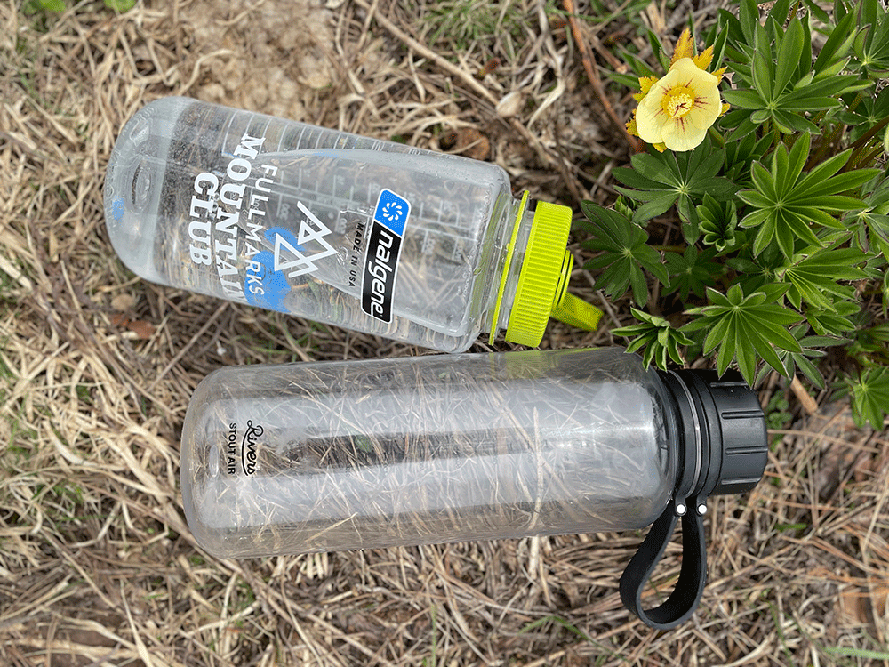
As for what I'm working on in my personal life... well, first of all, I carry a liter of water with me every day. I really don't buy water anymore. I also tried composting when I was in elementary school, but it didn't work out very well. Bugs would come in and the compost would rot instead of fermenting. But after sharing information at the Composting Study Group in Hakuba, the conditions have come together to make it quite doable for an individual, so I thought I might give it a go this season
I am also personally involved in activities related to the SDG goal of "Education for All." It's not higher education, but rather "emotional education." For example, in terms of access to education, some children from single-parent families or families who have moved from the city to the unfamiliar wilderness of Hakuba have difficulty accessing hands-on learning in nature. I wanted to provide these children with opportunities for nature education, so I've been serving as vice-leader of the Cub Scouts, a younger group of boys' scouts for children in grades 3 to 5 in Hakuba Village, for five years
I also believe in reuse, and I'm actually a big fan of flea market apps. I mainly sell mountain gear, and since mountain gear is durable and doesn't really deteriorate, I
often sell things I no longer use. I've made over 1,000 transactions in the past, and my account has over 60 followers (laughs).
Of the 17 SDGs, there are many themes other than the environment. I want to be constantly sensitive to social issues like education, gender, and eliminating the wealth gap. I also pay attention to what people are interested in in terms of public opinion. For example, what topics are trending on social media right now, and what tags attract people? The movements and values of people and society are constantly changing, so I want to keep up
Also, on International Women's Day on March 8th, we sent out a message on social media, hoping for a world where women are not treated unfairly in exams or sports prize money, and offered a small discount on night games. We hope that this will empower some people, even if just a little
-That also ties into what you said about "always doing the best in the current era."
Finally, do you have a message for skiers and snowboarders?
Tanaka-san: It's very important that many customers come to Hakuba Goryu Ski Resort to ski, but we also want Goryu to be a place where people can enrich their minds and lives by interacting with nature, not just in winter. Playing in nature is fun, soothing, and invigorates the mind and body. Goryu even offers a service where people with disabilities can use wheelchairs to go up the mountain and be guided around the botanical gardens by hand
I want this world to be a place where everyone can enjoy the richness that comes from interacting with nature. I want Goryu to continue to be a place where we can play a small part in that.
I hope everyone will come and visit Goryu!
The person who taught me
Tanaka
Sae
Goryu Co., Ltd. Sales Promotion Department
IS&SDGs Committee Member
It's been eight years since she moved to Hakuba from Chiba Prefecture with her eight-year-old daughter. Her childhood memories began with family skiing at Nozawa Onsen, and now she also enjoys backcountry skiing. She's been a single mother for 12 years, self-taught in English and Illustrator in Hakuba, and while she was in the city, she was involved in theater and film production as a hobby, so accompanying film shoots is still one of her favorite jobs
Interview cooperation: Goryu Co., Ltd. Interviewed in April 2022 by STEEP Editorial Department