

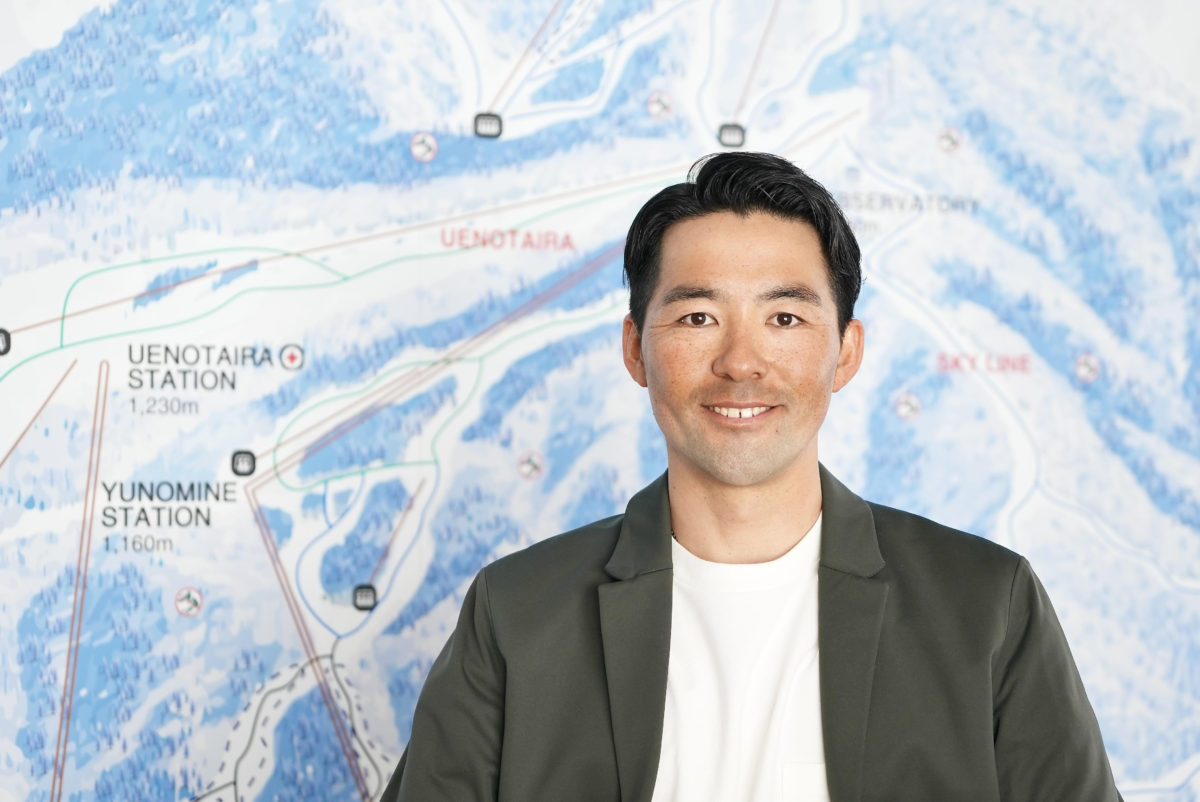
Photo: @tomokiaoki
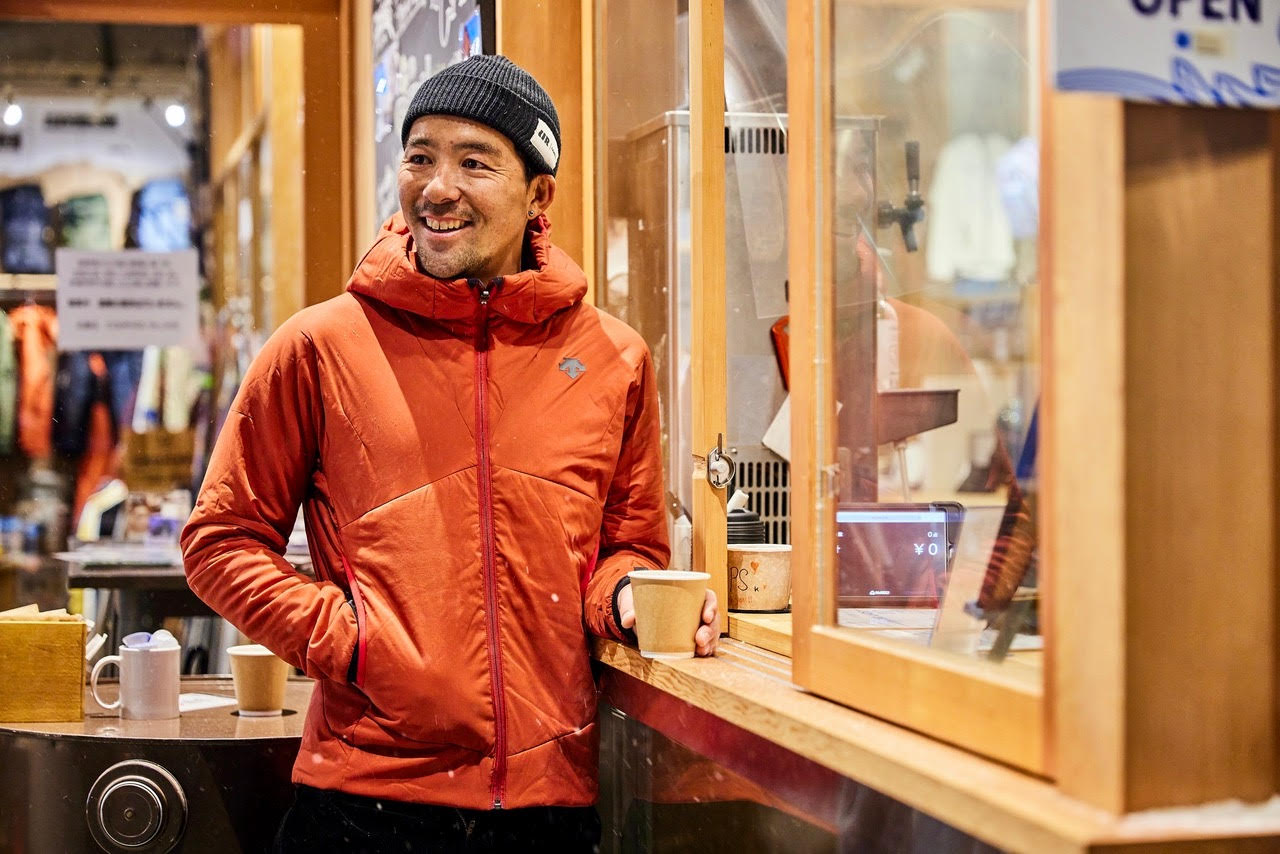
Born in 1981 in Nozawa Onsen Village, Nagano Prefecture, Ueno Yudai rode the rising tide of the freeskiing movement, competing in the W-Cup in ski cross and later becoming the first Japanese to compete in the halfpipe World Championships, powerfully driving the Japanese freeskiing scene. In 2010, he founded Compass Project, where he has demonstrated his prowess as a businessman, planning and running sports events, managing shops, directing the ARMADA brand, and training athletes. This multi-talented individual has now entered the public administration arena
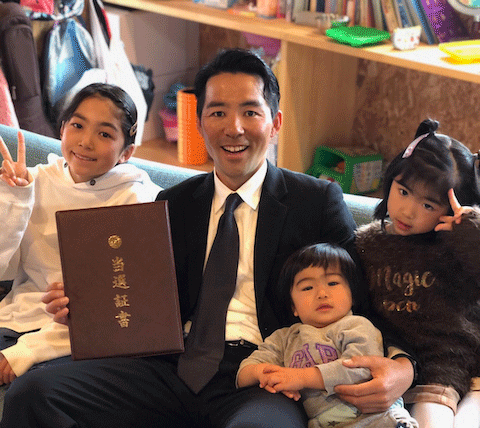
In 2021, he ran for election to the Nozawa Onsen Village Council. At 39 years old, he was the youngest candidate among the candidates, and was elected. He now spends his days juggling multiple careers as a rider, businessman, and council member. What kind of world has Ueno Yudai seen, what is he looking at now, and what does the future hold? We asked him about his life and thoughts
-Yudai, you're finally a member of parliament!
Ueno Yudai (hereafter referred to as Yudai): Yes, I've always loved Nozawa Onsen, and I wanted to raise my children here and make it a better village, so I wanted to get involved in any way I could. The current state of Nozawa Onsen, my current position, my experience, my physical and mental strength, and the world situation all came together, so I thought, "This is it!" and decided to run for office
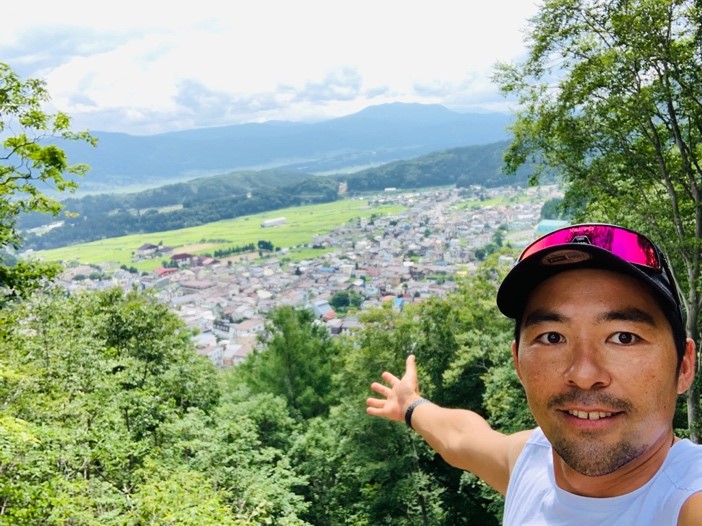
- A professional skier, businessman, father of three, and village council member! It's such a colorful story that I'd love to follow it from the beginning
Yudai: That's right. My life has been so full of so many different things, so it's been incredibly stimulating and moving, and sometimes painful, but also full of fun (laughs). I'll organize them for you
From everyday life to the world as an athlete
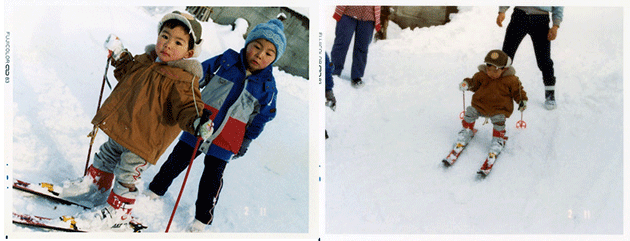
- Yudai, who was born in Nozawa Onsen Village, when did you start skiing?
Yudai: I started going to the mountains with my grandma when I was 2 years old. She would pull me along like a lift and take me down many slopes. That was my starting point. When I was in the fourth grade of elementary school, I joined the village junior ski club and started alpine skiing in earnest
My eldest daughter is now a member of the ski club and is coaching alongside the teammates I competed with back then. It's a very moving experience. I'm once again grateful for the system that has been passed down through generations and the village's structure
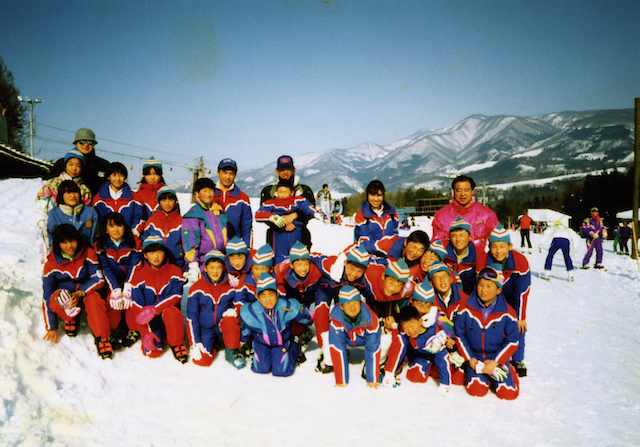
-What did you find interesting about alpine skiing?
Yudai: Before I started alpine skiing, I used to ski all over the slopes with my friends. I was playing around with what we now call freeriding, and I just skied because it was fun. At a certain age, alpine skiing, skiing on slopes with poles, was added to that, but I didn't really think about it too deeply (laughs). There were a lot of competitions at the time, so I think I found joy in the frustration of losing and the joy of winning. But the enjoyment of skiing itself has been with me since I was very young, and it's always been a natural part of my daily life
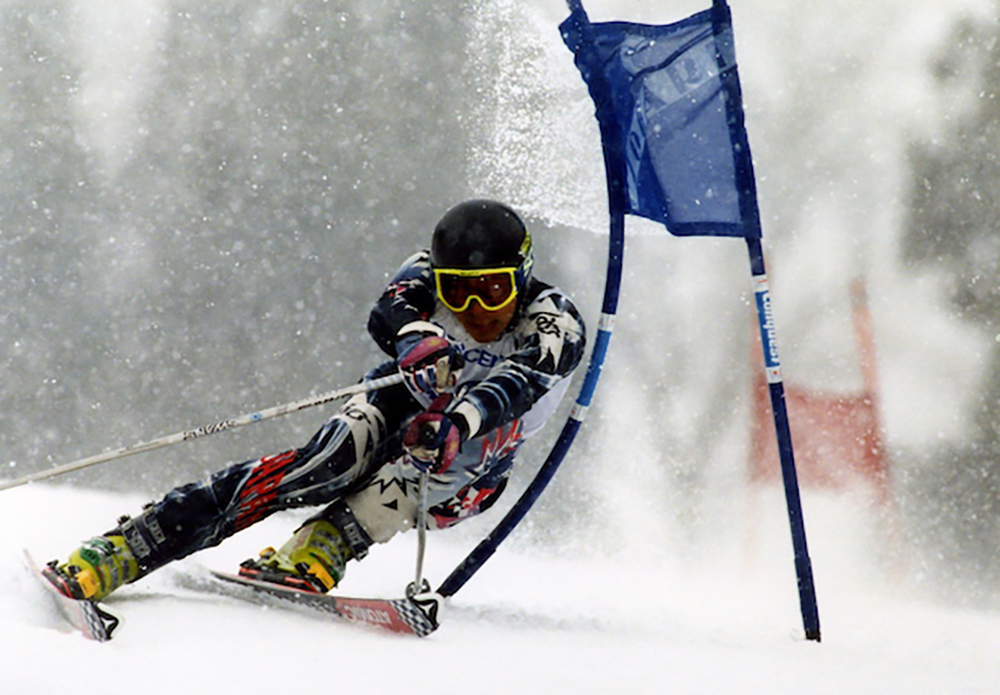
-You've done a lot of different types of skiing so far, right?
Yudai: From my first year of high school, I aimed to compete in the FIS World Cup and the Olympics in alpine skiing, and traveled to Europe for about six months to study skiing. But when I went to Europe, the hotbed of world-class skiing, things didn't go as well as I had hoped, and I lost interest. I got to the point where I wondered why I was skiing
In a way, this was a turning point in my life and a shift in my way of thinking. I was really struggling and searching for an answer when I happened to see a poster for team member selection for the local skiboarding company "Team One Day." My brother and I said, "Wow, there's something like this. Why don't we go?" And that's when the world of freeskiing began
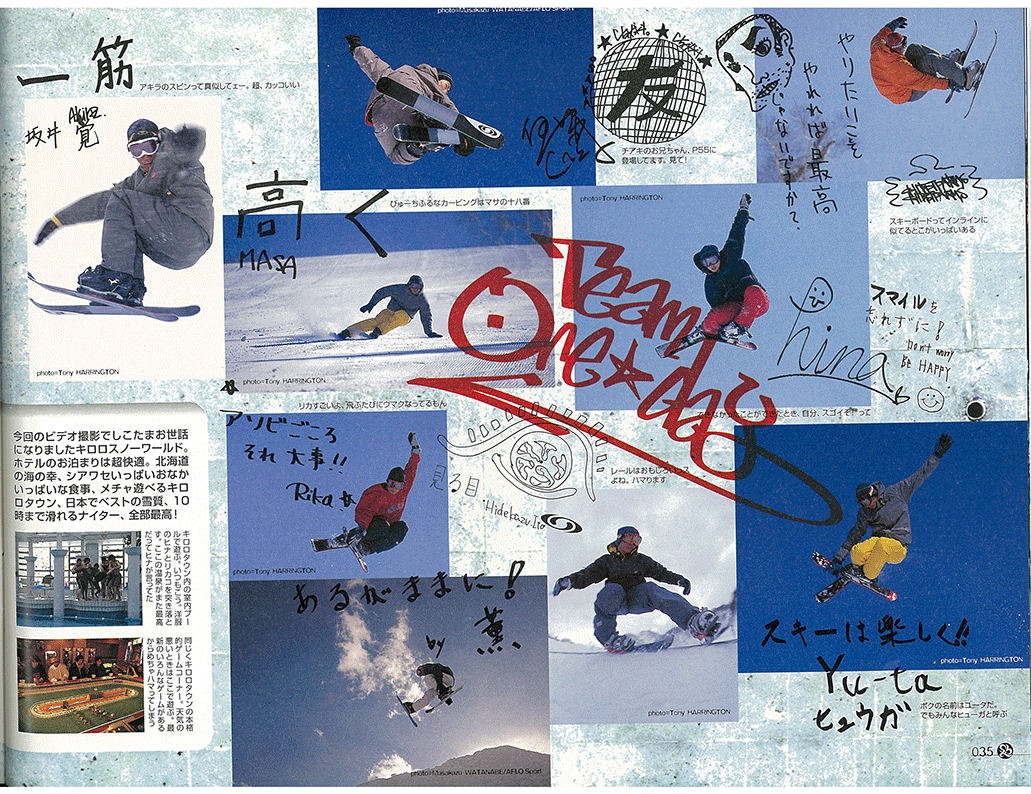
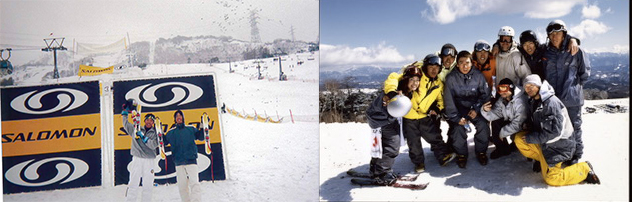
-At the time, SALOMON was putting a lot of effort into selling skiboards. They had an inline skate feel, and it felt like a breath of fresh air was blowing into the skiing world
Yudai: There were short skis at the ski school in Nozawa Onsen, and I was just playing around with them. So I went to the selection without even knowing what Team One Day was (laughs). I won there and was selected as a team member. So, my brother and I became members of Team One Day and started our activities
I was inspired by meeting people who had lived in cultures different from the ski industry, including the One Day team members (mostly professional inline skaters who grew up in street culture, not skiing). I feel like my sensibilities were gradually refined by coming into contact with the artistic and creative aspects of skating and music. The worldview of pursuing individuality and the importance of style was incredibly refreshing for us, who grew up in a simple competitive skiing world where the fastest time is the winner
-What happened after that?
Yudai: I continued alpine skiing when I went to university, but at the same time, I started with skiboards and began to see the world of skiing in various ways. I even competed in the Ski Cross World Cup. Ski cross combines alpine skiing with park jumps, so it was exactly what I wanted to do. I got really excited when I found out there was such a sport, and I got hooked. At the same time, I moved from skiboards to long twin-tip skis, and enjoyed playing in the park as one of my favorite things to do
-What was the reason that you then moved on to half-pipe?
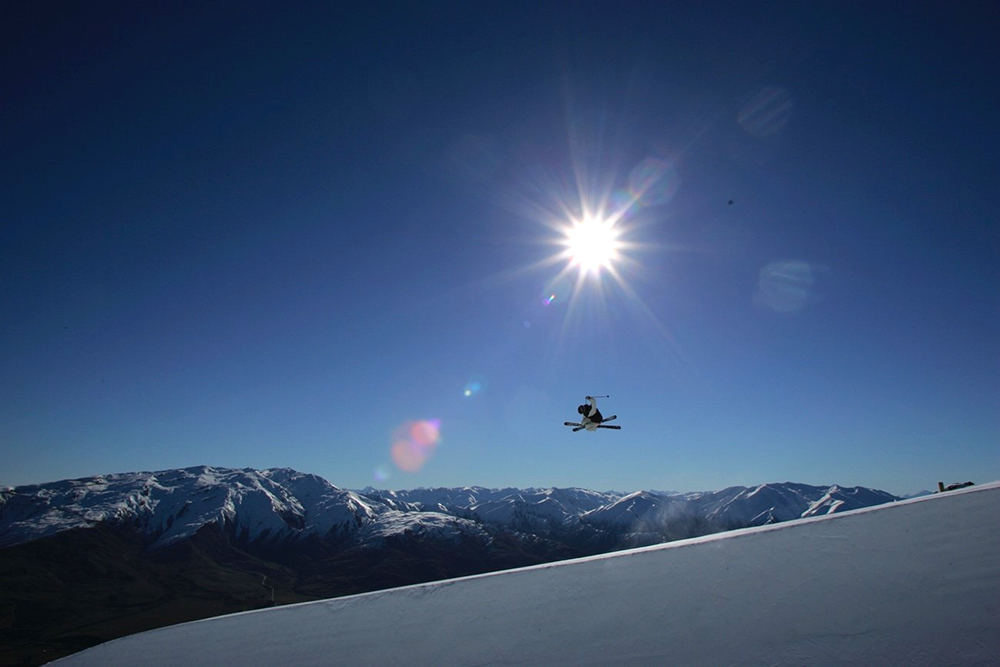
Yudai: When I traveled around the world skiing cross, there was always a park at every resort, with an amazing half-pipe like nothing I'd ever seen before. I used to ski there a lot on my cross skis (laughs), and it was so much fun. I could jump higher than other people, and it was fascinating to experience the feeling of weightlessness for such a long time that it felt like time had stopped. As I continued to do so, I decided that I wanted to devote the rest of my career to half-pipe
-After graduating from university, you worked as a freelance athlete
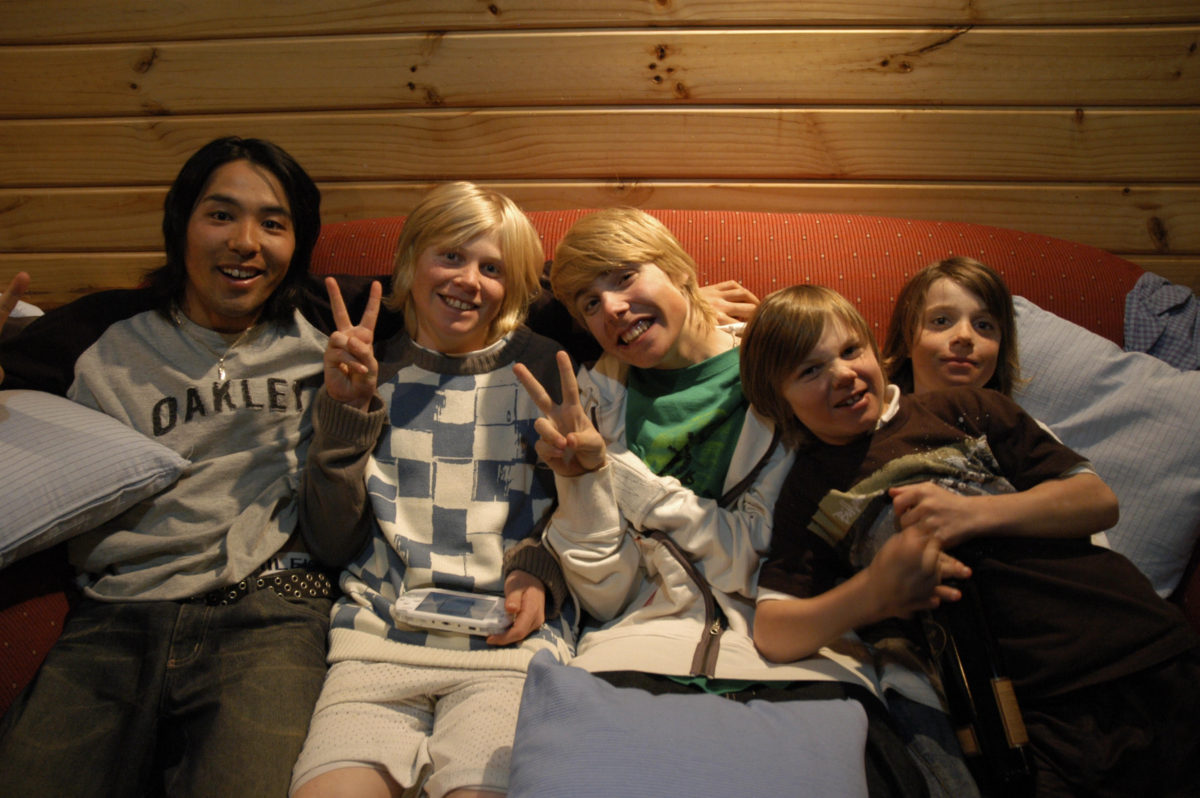
Yudai: After graduating from university, I competed in the World Cup half-pipe for about six years until I was 28. I got to ski down some beautiful big pipes that I had never seen in Japan, and it was a lot of fun. More than anything, I got to meet a lot of friends from all over the world who had the same sensibilities, and the time we spent together is something I treasure to this day
In this way, Yudai Ueno became a pioneer of halfpipe in the Japanese ski world.
He won the New Zealand Championships in 2004,
and in January 2006, he became the first Japanese to place fourth at the Freestyle Skiing World Cup in France.
-Who was the world's top player at the time?
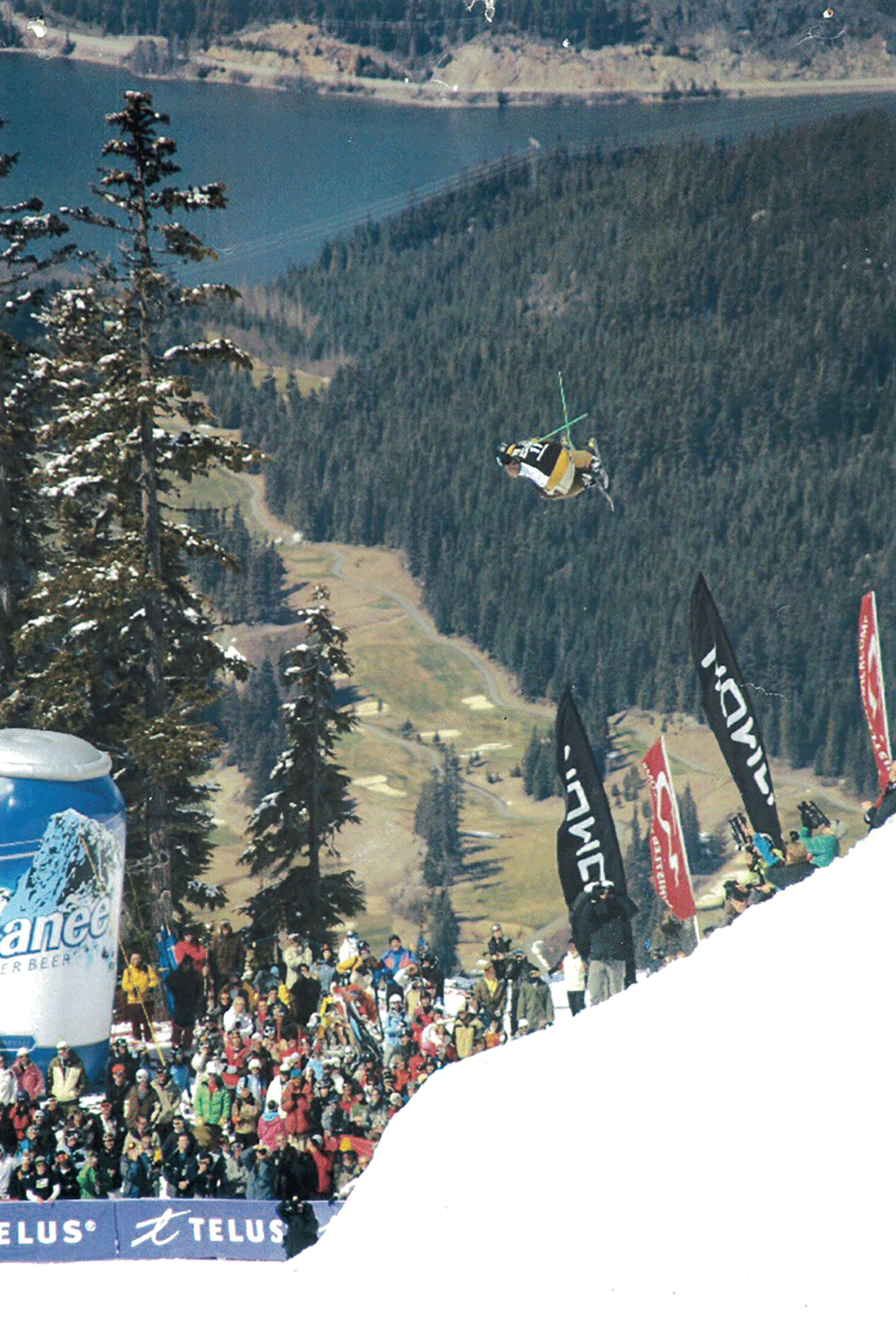
Yudai: It was around the time that the key figures of the freestyle movement, like Tanner Hall, Candide Thovex, and Simon Dumon, were winning at the X Games. While the overseas riders excelled at high rotations, my strength was height. I flew in a one-hit session at a spring competition in Whistler, and that was the catalyst for me to be recognized and appreciated by many people, from the charismatic riders of the time to the kids who would later become star skaters
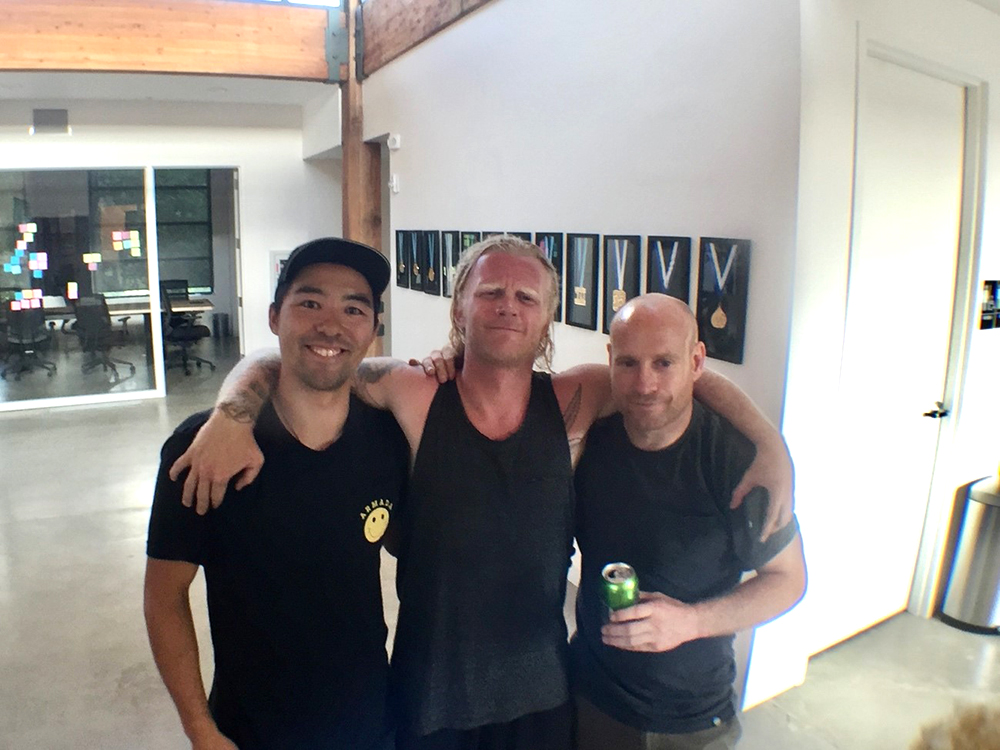
Compass project launched
-After your success as a half-pipe athlete, what direction did you go in?
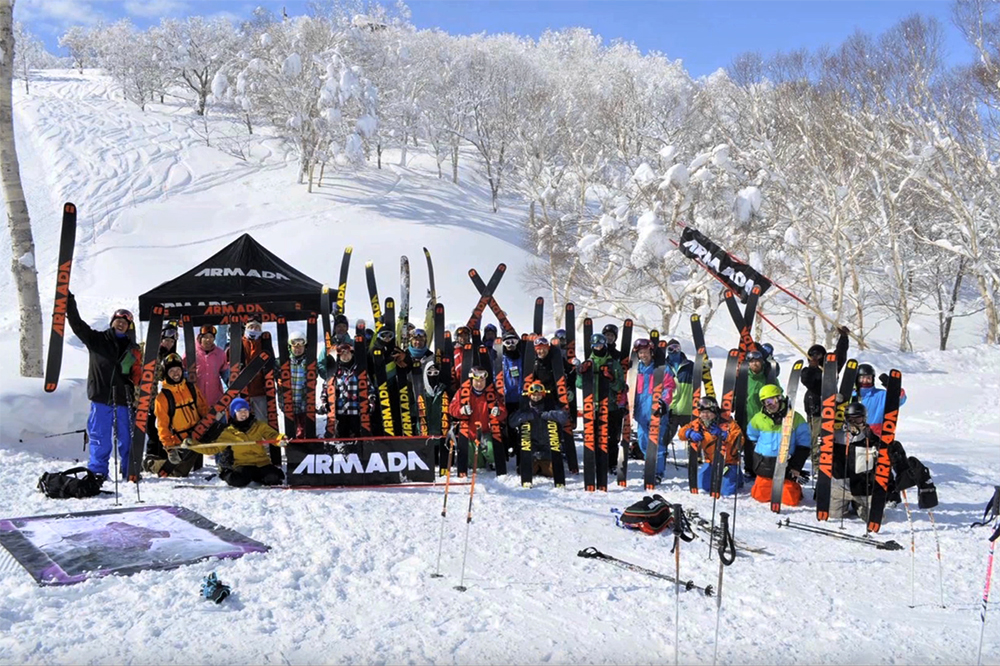
Yudai: In the fall of 2009, we launched the Compass Project, an initiative to guide and direct the new joy of skiing. The concept was "Make skiing more fun and free." At the time, freestyle skiing was still not well-known in Japan, and although rocker skis had just come out around that time, there were still very few people in Japan wearing skis. ARMADA had a famous ski called the "JJ," which was a fantastic ski, but its odd shape meant that no one was interested in it at the time. I wanted to propose tools and ways to play like that

―And then you founded COMPASS HOUSE?
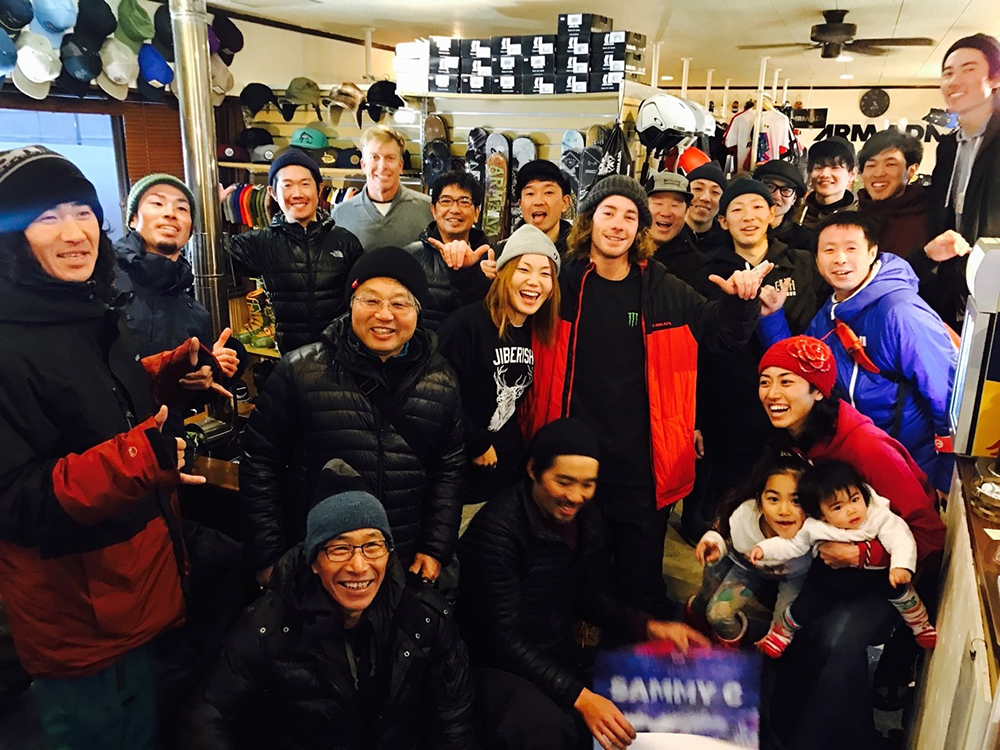
Yudai: Under this project, we had ideas to make skiing more fun and free, such as planning and running events, training athletes, and selling original products. As part of the overall plan, we first launched the rental and sales portion in the form of a store called COMPASS HOUSE
We envisioned it as a place where "people, things, and events" would come together. Thankfully, people flocked to it like a magnet, and it was a great success. We opened the shop as a way to suggest that "you need the right equipment" so that people could enjoy skiing more freely, and we held events there, teaching people step by step how to enjoy skiing
―You started a business with a big picture in mind. Was it difficult to launch?
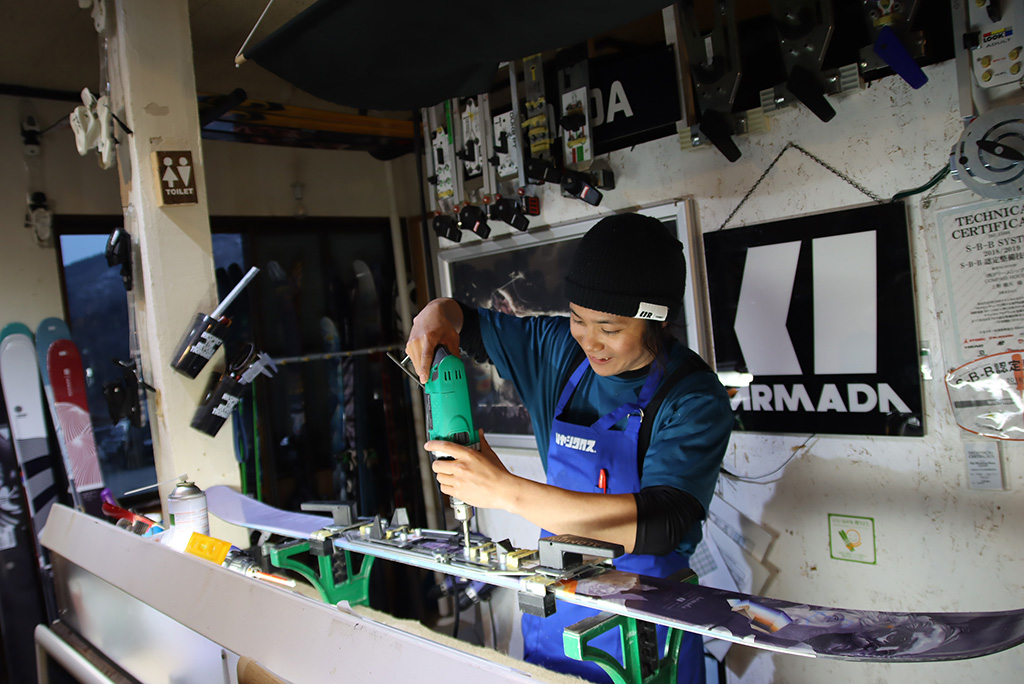
Yudai: That's a really good question (laughs). We just had a big dream, and we were young and energetic, but we had no assets and no credit. We couldn't even borrow money. So we had no choice but to start in a limited environment, and we built the store entirely with our friends and family. We also negotiated with the manufacturer to set up an ARMADA test ride station, and we used COMPASS to manage the test ride skis that had been sleeping in the warehouse during the season, and we were able to promote them efficiently by lending them out to users and test ride events. That's how we came up with the idea
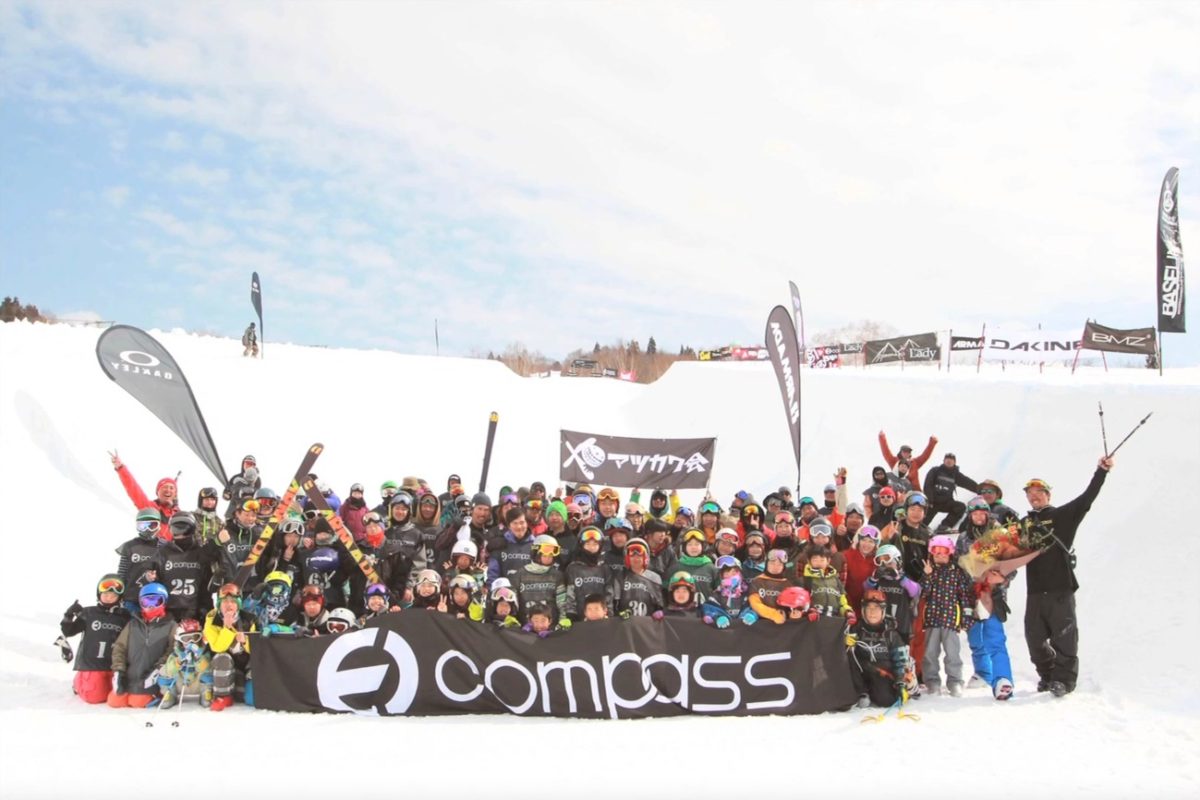
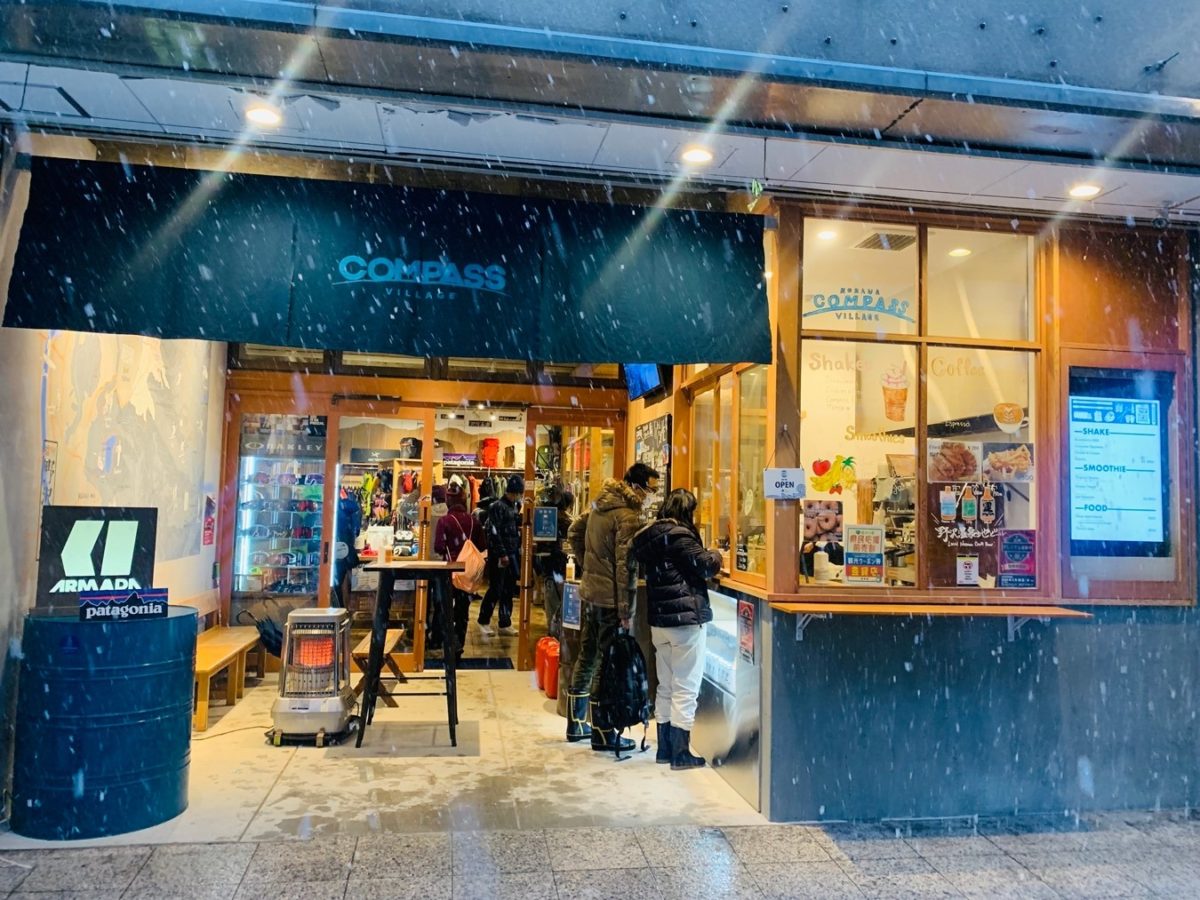
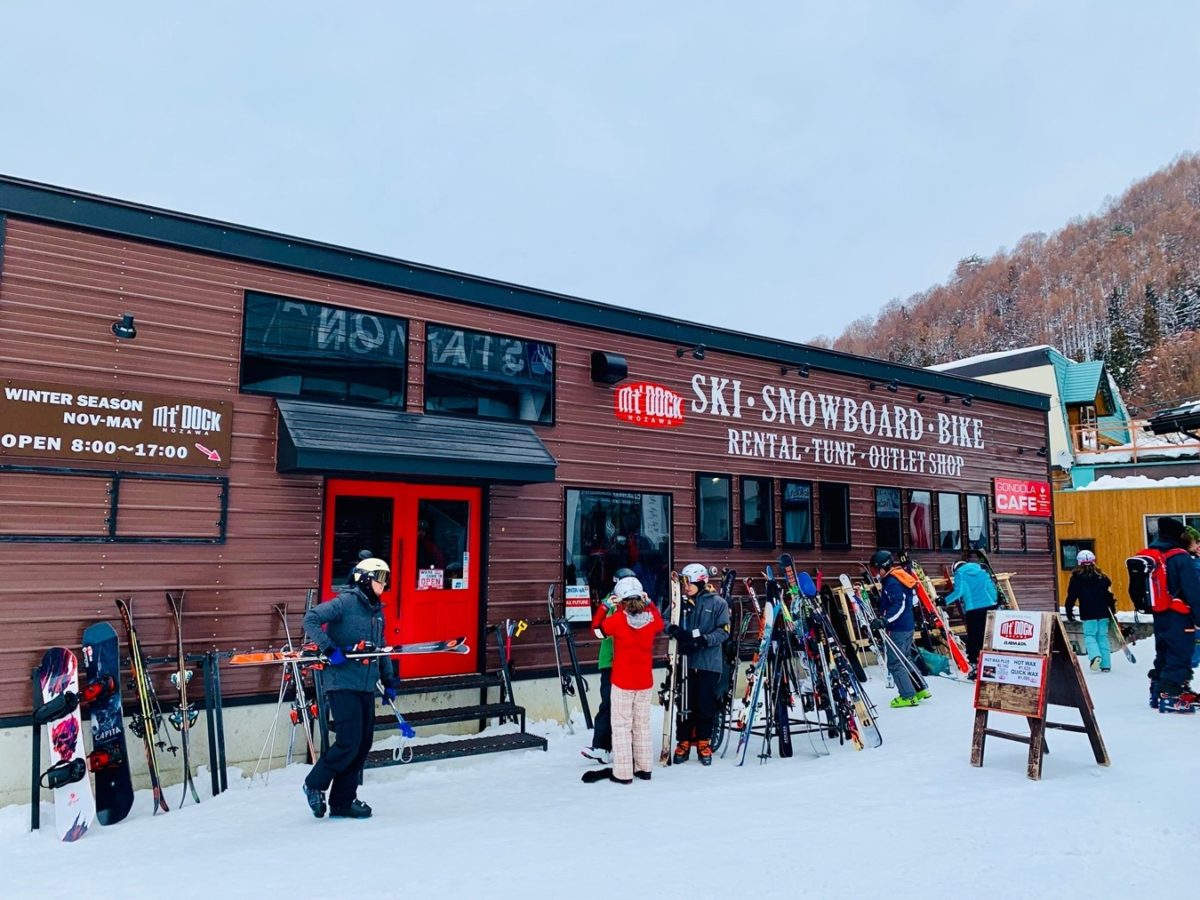
After five years in business, we decided to open stores in more convenient locations so that more people could have the same experience. For rentals, we thought it would be best to be near the ski resort, so we opened Mt. Dock at Nagasaka Gondola Station five years ago, and for a shop selling items, we thought it would be best to be in a hot spring town, so we opened COMPASS VILLAGE on Oyu-dori three years ago
-How do you feel about the expansion and response you are seeing right now?
Yudai: More people are using our rental services, and having a VILLAGE store in the hot spring town means we can now deliver products and information to people who previously couldn't visit us. Also, as the number of stores has increased, so has the number of core staff who want to work with us. We now have three year-round employees and over 15 winter staff. It's not just the customers, but the fact that we have more colleagues with whom we can share our thoughts while working has also made it very rewarding
Speaking of expansion, there's also the YouTube channel "COMPASS TV." I started running it casually about 10 years ago, but with the COVID-19 pandemic, I started live streaming and became more active, wanting to show my face and continue to provide information to customers who couldn't come to Nozawa. As a result, a huge number of new customers came to the store, saying, "I always watch YouTube Live." It seems they feel a sense of closeness. I also get some pretty nerdy questions, which are worth answering. I also make how-to videos on skating techniques and equipment, and the number of viewers increases significantly at those times. This was an unexpected by-product (laughs).
https://www.youtube.com/user/CompassHouseTV
-Speaking of further expansion, COMPASS also actively offers backcountry tours and seminars. What's the background to that?
Yudai: With the COVID-19 pandemic, it has become easier to focus on backcountry skiing (BC), and customer needs have increased dramatically. People who originally came to COMPASS HOUSE to enjoy the slopes and powder more comfortably have now taken the next step and gone to BC, and we are seeing positive results as we are proposing a new type of enjoyment
Also, by inviting people to the unknown natural fields around Nozawa, we believe we are helping to cultivate a new customer base by attracting new people to experience the charms of Nozawa. We don't just want to sell products, we want to suggest ways to make those products safe and enjoyable to use. Our company's motto has been to "shift from selling products to selling experiences."
-What fields are expanding?
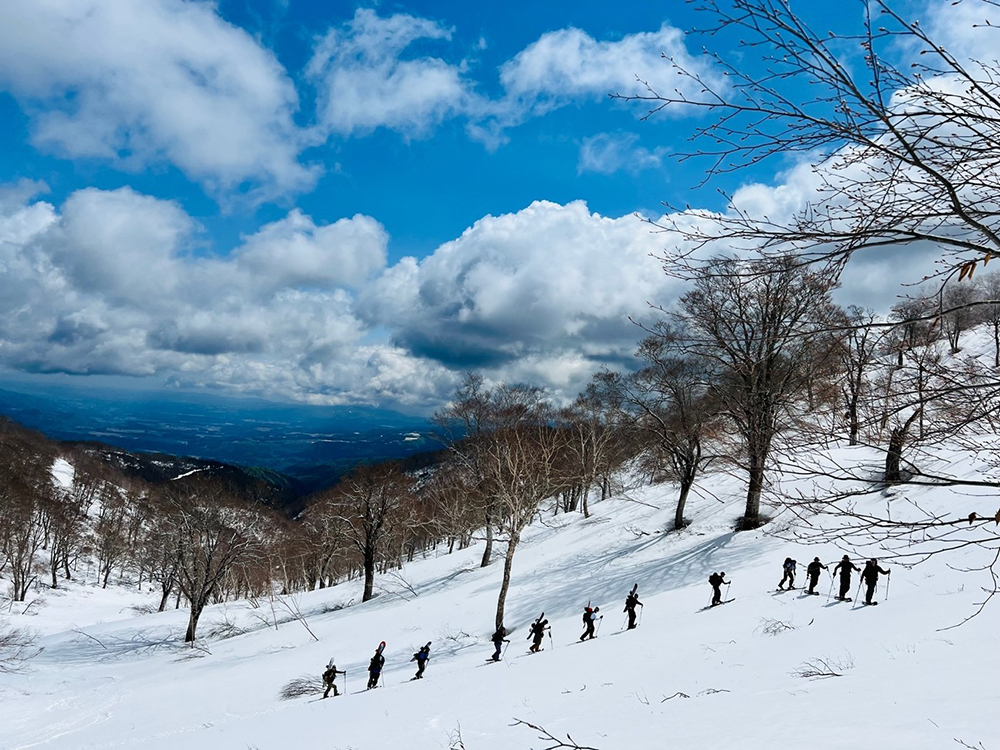
Yudai: I often take people to areas that are easily accessible from the summit of Mount Kenashi, as they are places that even beginners can go to. When people say it's their first time at a BC, they worry that they'll be a hindrance, but the trees there are spaced far apart, so it's like a training field. The hike takes less than 30 minutes, and the slow climb back up takes about an hour, and you can repeat this several times, so it's just right for beginners
The "Traveling BC" tour includes day trips to Nabekura and Myoko. It is aimed at intermediate to advanced climbers who are fully equipped with BC gear
-What is the appeal of the BCs around Nozawa?
Yudai: The appeal of Nozawa BC is that it's not in a rugged mountainous area, so it's open to a wide range of people. Even if the powder on the slopes has already run out or the temperature rises and conditions become worse, there's always good snow there. It's especially good until mid-March, so I recommend it. There are also tours specifically for women. You can enjoy it all through April
-There is now a special gate at the top of Mount Kenashi to leave the controlled area, right? What is Nozawa Onsen Ski Resort's stance on backcountry skiing?
Yudai: It's just a feeling, but I feel like there are fewer people blindly climbing under the ropes than before. I think customers tend to think of it that way too, as they submit a mountain entry form and head out to the base camp thinking they're climbing. Up until now, there were people climbing under the ropes right in front of us, and it was uncontrollable, but I feel like this is gradually being curbed. I also try to share as much real-life information from the field as possible at various meetings and other events. I think that changes in local awareness and behavior are also important
BC is still an unknown thing, and some people have a negative perception that it is simply dangerous, but as a sport we are working to support people in both the soft and hard aspects of the environment, such as equipment and skiing techniques, while also conducting thorough safety education activities, with the desire to suggest ways to enjoy nature safely
Its values
-What is important to you right now, Yudai?
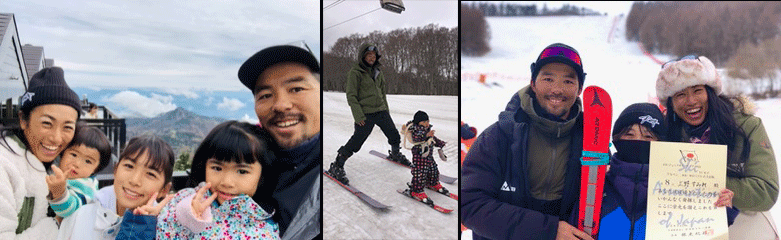
Yudai: I think family comes first. I have three children, aged 12, 5, and 2. Watching them grow up so quickly, I feel like I want to make my family my center and cherish the time I spend with them. Especially when I first started my business, and for the first few years after my eldest daughter was born, I had no time for family at all. Now I'm a member of the Nozawa Onsen Ski Club and I'm a junior coach, so spending time together on the snow is very precious. With my two children who were born after that, I try to find time to go skiing in the mountains
-How do you develop children's player development?
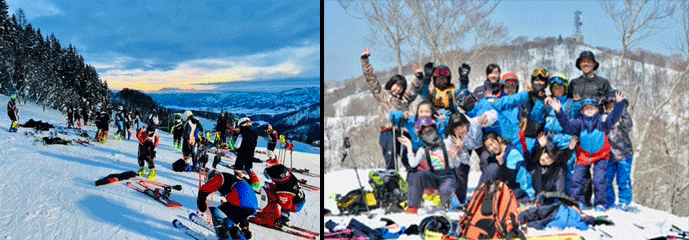
Yudai: Since last year, I've been the head coach of a junior ski club. The kids are so honest and absorb everything like a sponge, which makes it so much fun. You get more out of them than you give them. I really feel like I'm being entrusted with a crucial period in which people's values and personalities grow
- "Values" are important, aren't they? What are your values, Yudai?
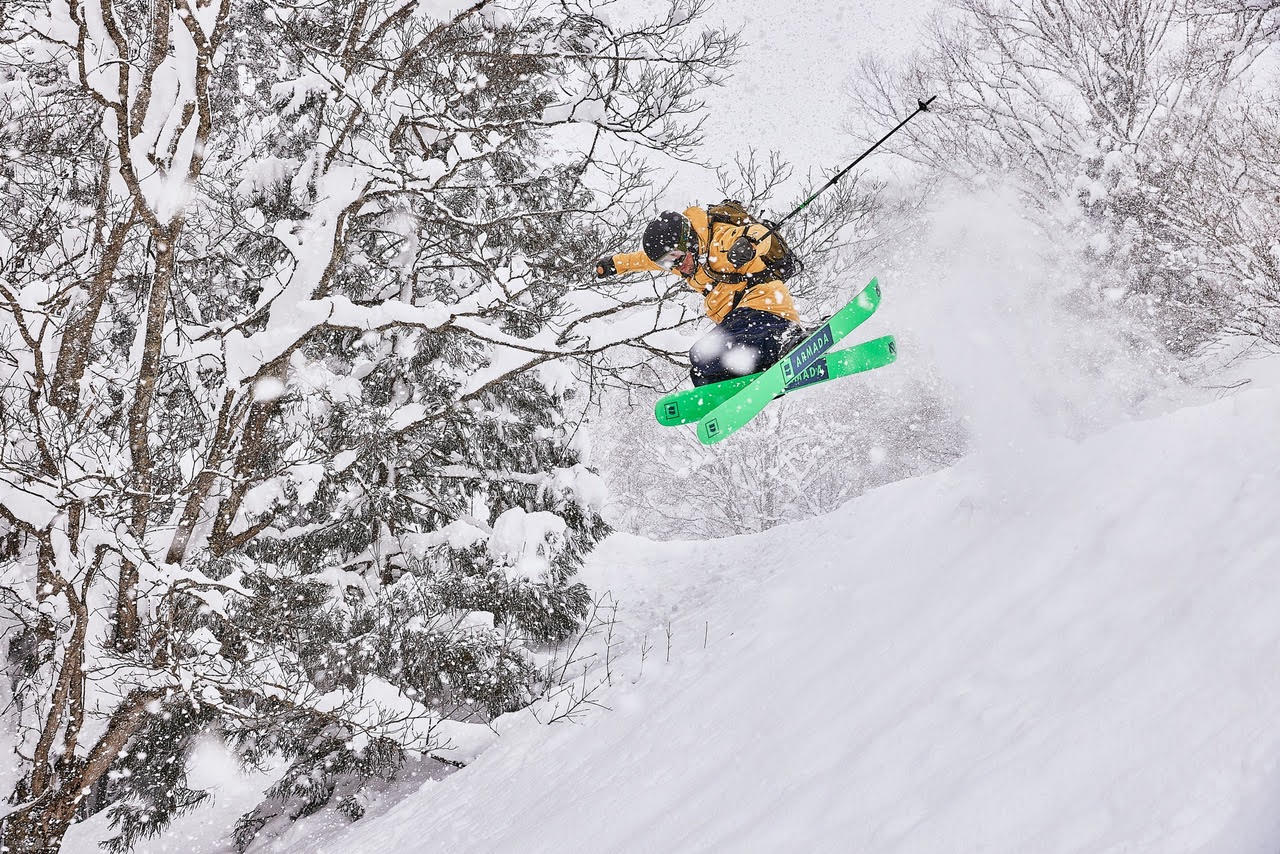
Yudai: Perhaps it's my attitude of always seeking change. I believe that not changing is the same as going backwards in the evolution of the times, so I'm always looking for change for the better. Rural areas are particularly conservative, as they tend to value traditional culture. There are many cases where change is not desired, but when it comes to sports and leisure, which were originally introduced from overseas, equipment changes every day and ways of playing become more diverse. I also want to maintain a level-headed set of values that allows me to identify what should stay the same and what should change, and act accordingly
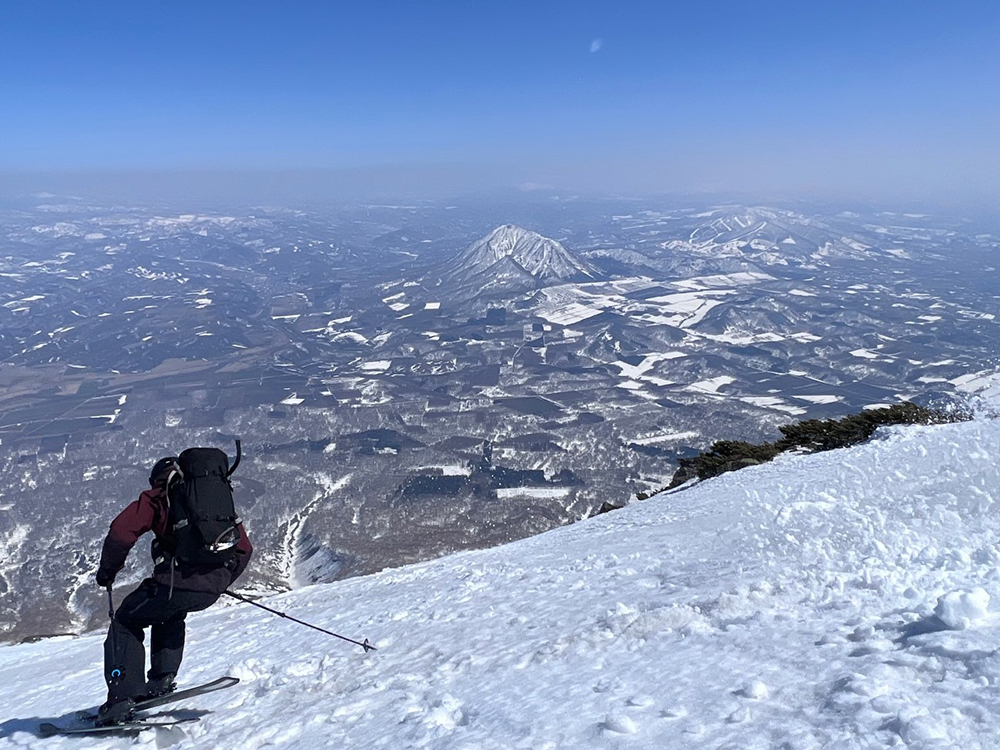
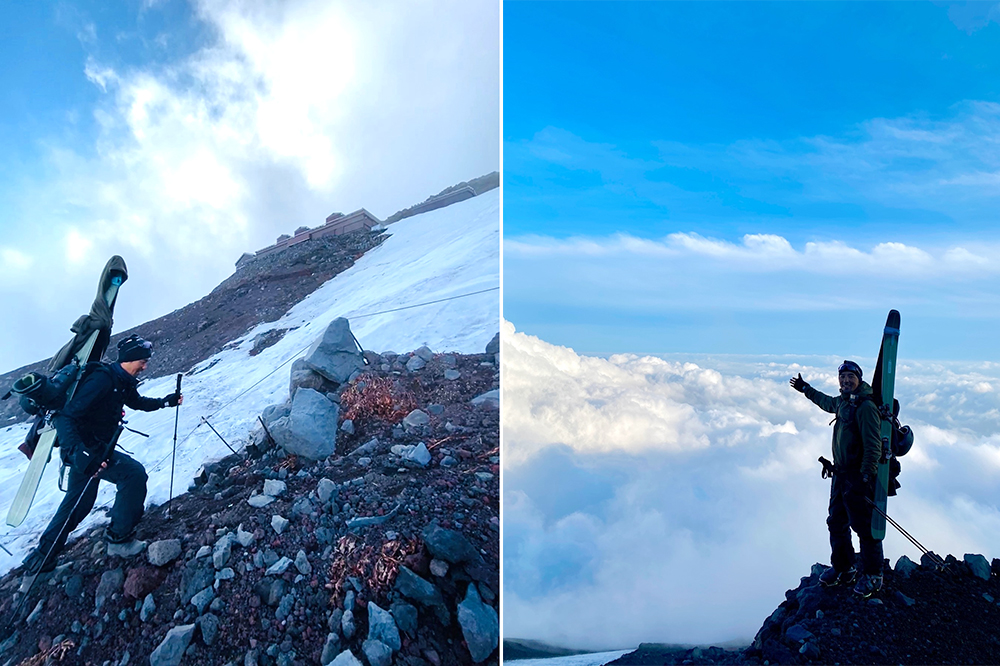
No matter how busy I get, I make time to ski on one of Japan's 100 famous mountains at least once a year. The world is becoming more complex, even though the essence remains the same. This is a good time to reset and take a broader view of things
He has never thought, "It's fine the way it is." His strong will to always look "beyond" and seek evolution has become Ueno Yudai's way of life. From an athlete competing on the world stage, to a businessman who doesn't mind working late into the night, to a father who wants to spend more time with his kids, to a politician who is passionate about his hometown. His transformation is astonishing
Continued in " Part 2
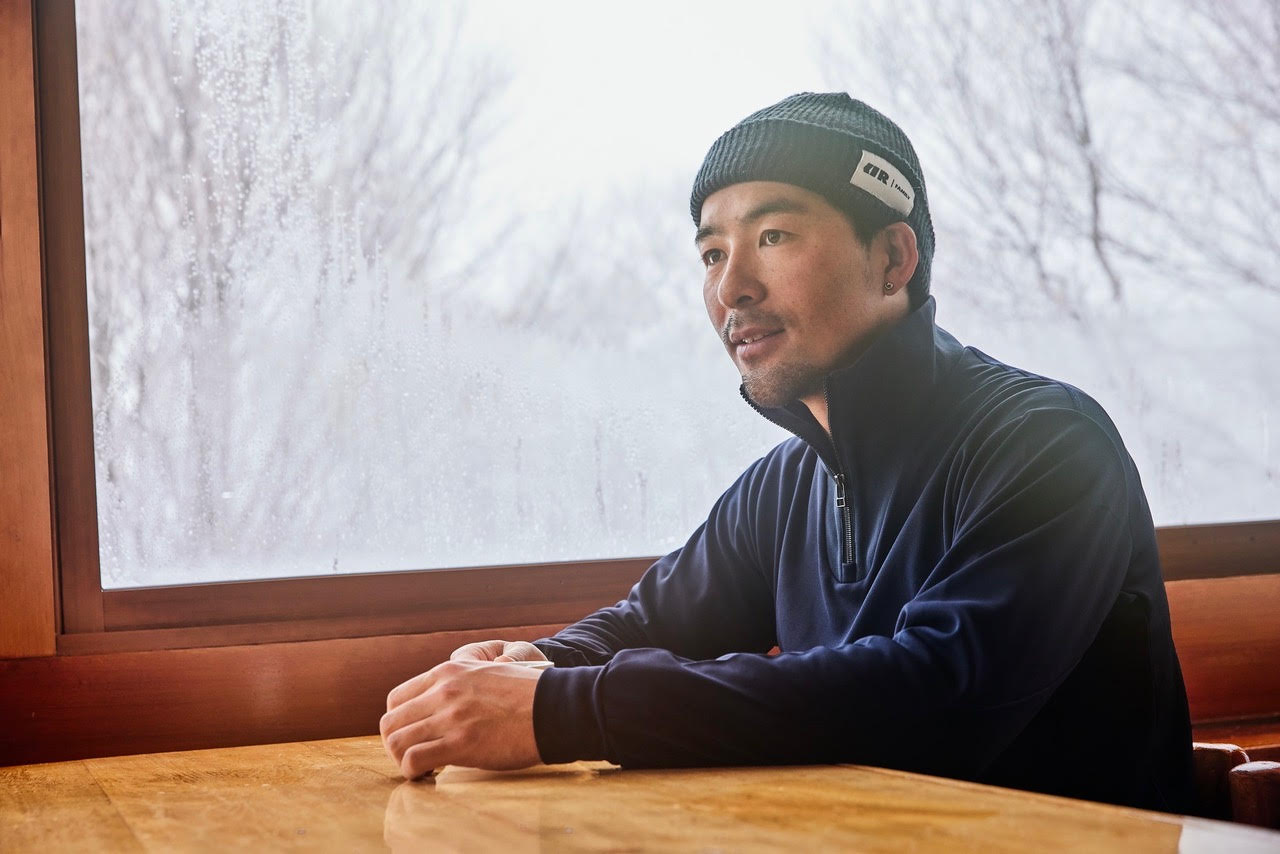
[Profile]
Ueno Yuta:
Born in 1981 in Nozawa Onsen Village, Nagano Prefecture.
Graduated from Juntendo University's School of Sport and Health Sciences.
Member of the Nozawa Onsen Village Council, director of the Nozawa Onsen Tourism Association, director of the Nozawa Onsen Ski Club, father of three, and
CEO of Dreamship Co., Ltd. Based in Nozawa Onsen Village, with the motto "More Fun, More Freedom," he operates three sports-related stores and one restaurant. He renovates and utilizes vacant houses within the village. He contributes to regional revitalization by developing businesses that address the issue of vacant houses and promote employment. He is also involved in human resource development as chief coach of the Nozawa Onsen Jr. Ski Club elementary school team.
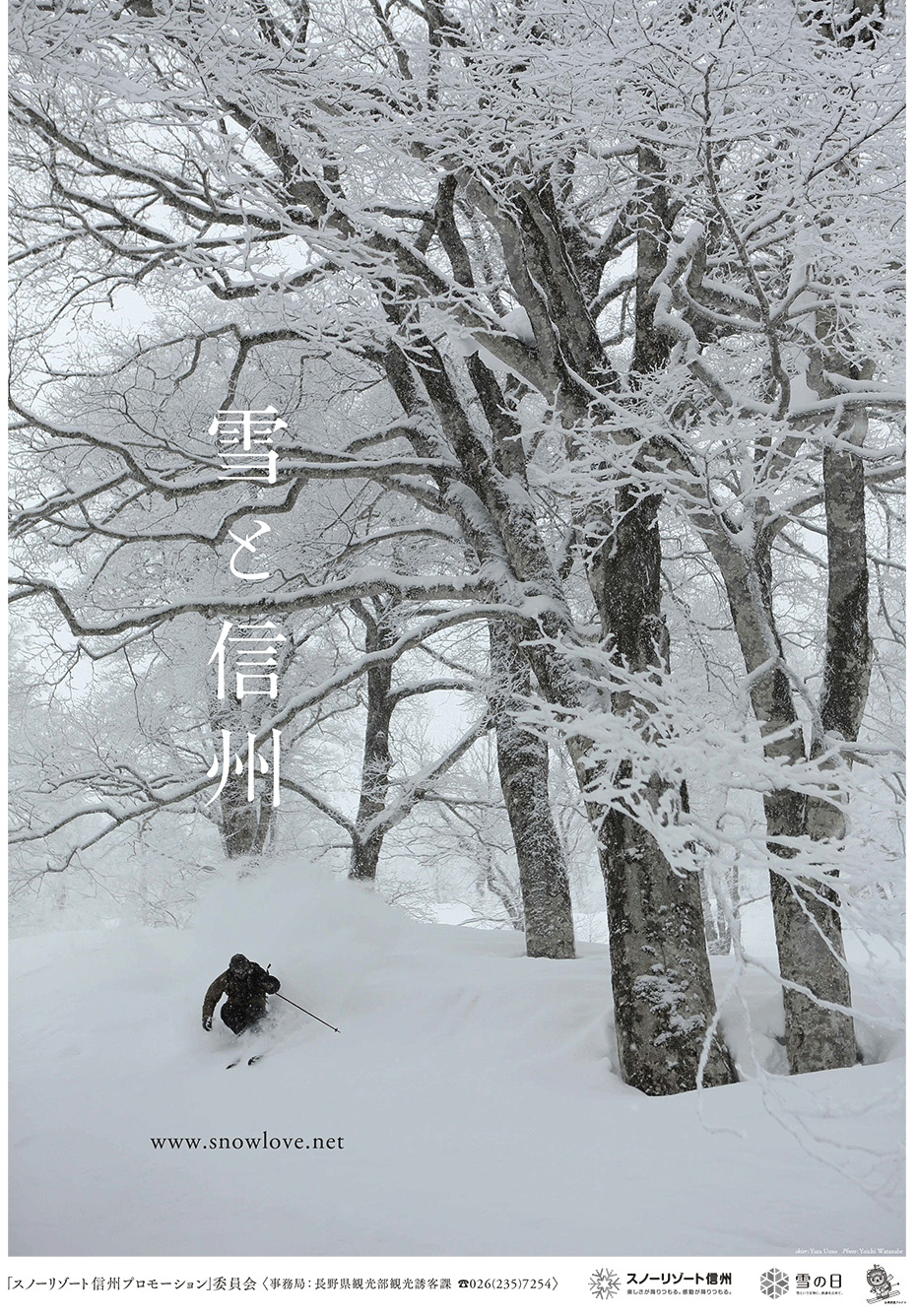
Snow photo provided by Descente
@descente_ski_jp