

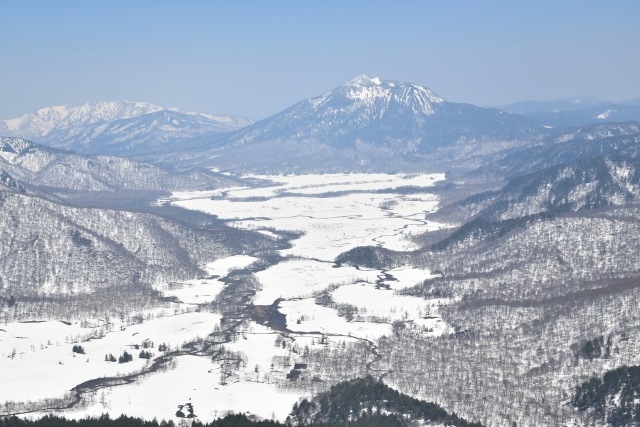
This is a series introducing ski resorts that are members of the Sustainable Resort Alliance, initiated by POW, and are actively working to address climate change and sustainability. This time, we'll be looking at Katashina Kogen Ski Resort in Gunma Prefecture. What is the big-scale perspective that encompasses Katashina Village and Oze National Park, and what are the actions that are so compelling?
Katashina Kogen Ski Resort is Miffy's?!
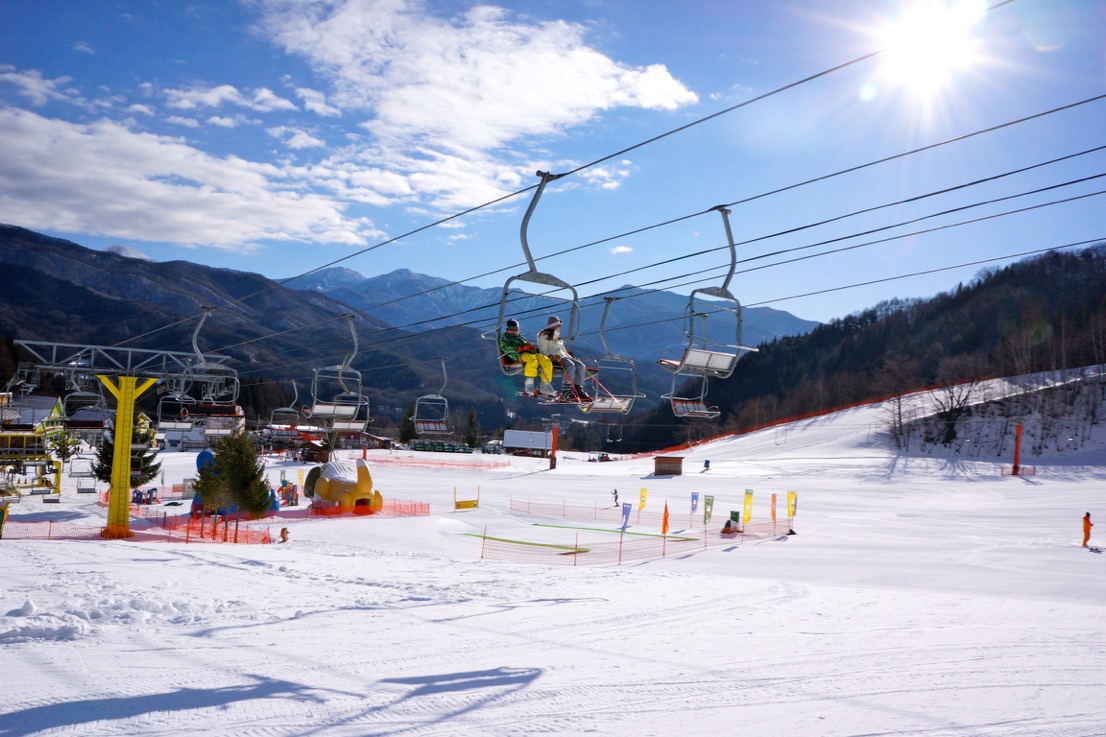
Katashina Kogen Ski Resort in Gunma Prefecture is a family ski resort located in Katashina Village, adjacent to the famous Oze area, one of Japan's largest wetlands
Katashina Kogen Ski Resort has always been dedicated to skiing, so that everyone, from children experiencing snow for the first time to seniors and the whole family, can enjoy it safely and with peace of mind.With its geographical location that is protected from strong winds, weather conditions such as temperatures that do not harden the slopes and a high rate of sunny days, course design that allows you to always return to the same bottom no matter which course you start from, and many wide, relaxed runs, Katashina Kogen Ski Resort has always been a very family-friendly mountain

Behind the adorable Miffy character lies a strong tradition that has continued to maintain the unique position of Katashina Plateau without being swept away by the waves of the times
Katashina Kogen Ski Resort, after the establishment of POW JAPAN in 2019, became a POW partner as early as 2020, and has strongly focused its attention on climate change. How can a ski resort achieve sustainability, and what should and can be done with Oze, a treasure trove of nature that Japan is proud of, as its backdrop?
Leading this major challenge is Shodo Sawa, the representative of Daito Kaihatsu Co., Ltd., which operates Katashina Kogen Ski Resort.
On-site crisis awareness and concrete actions
What is the current awareness of the crisis surrounding climate change? Sawa says:
"This is my 12th year at Katashina Plateau, and not only is there less snow, but the temperature rises at the beginning and end of the season are particularly noticeable. The temperature rise in March is especially extreme, accelerating snowmelt, and for the past five or six years, we haven't been able to fully operate during the children's spring break. This
is a serious problem for us as a family ski resort. There's been little snow this winter as well, and everyone on the ground is feeling a sense of urgency and is determined to do what they can individually. As for the ski resort as a whole, switching to renewable energy is the easiest action to take, so we started working on it in stages from 2020. Right now, it's been temporarily suspended due to the surge in electricity prices, but we plan to resume it and work towards 100%."
Currently, the specific initiatives being undertaken are as follows:
●Since 2012, the company has been working with local residents on the "Katashina Plateau Sustainable Tour" initiative, planning tours that allow visitors to experience nature, such as trekking, camping, fly fishing, and lake kayaking, as well as experience the human lifestyle that is so closely intertwined with nature, providing experiences that bring environmental issues closer to home
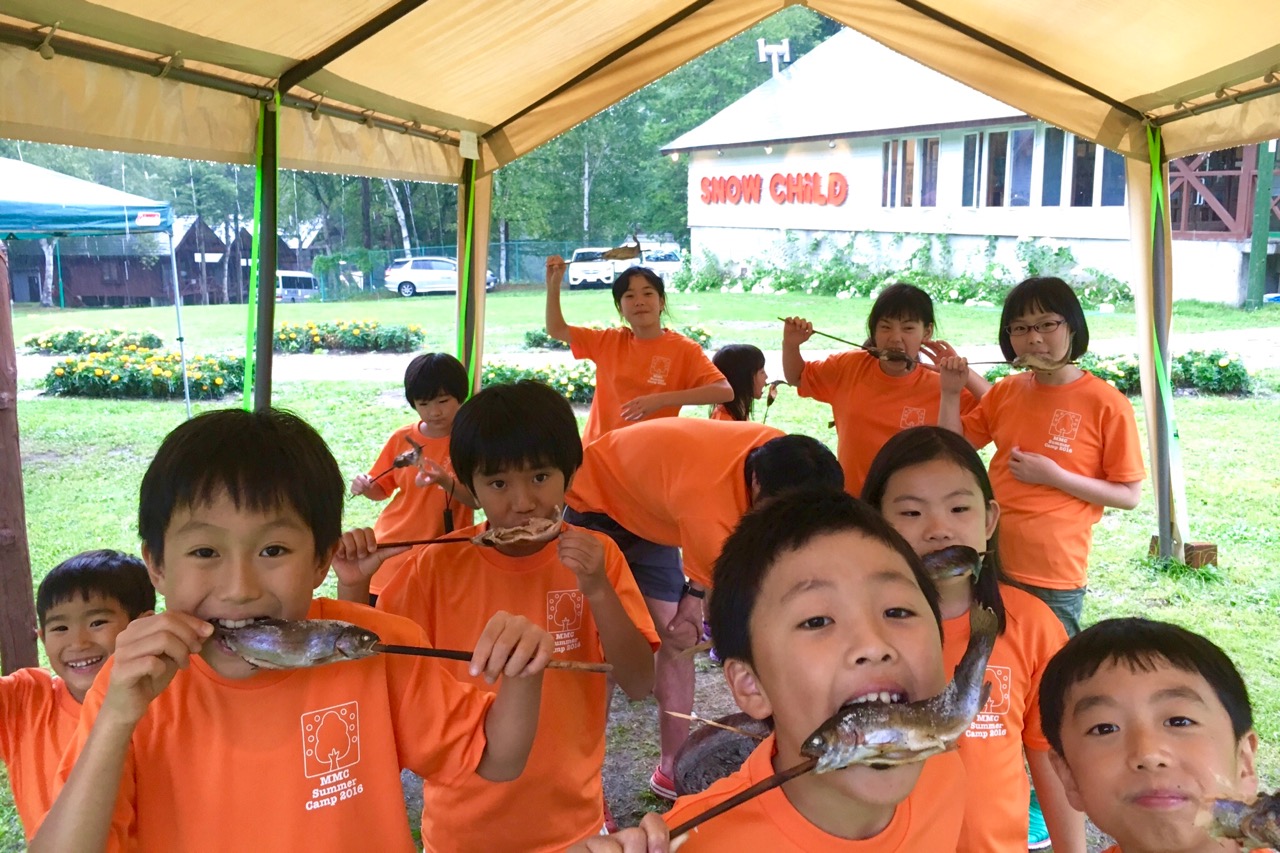
●Starting with the 2020-21 season, the POW logo will be placed on uniforms to promote action on climate change. The club is also promoting awareness within the company by providing staff with climate change training and other information, so that they can properly answer questions from guests about the logo

●They are trying to share awareness with users by posting posters at ski resorts and introducing POW's activities and videos in a monthly email newsletter sent to the "Miffy Mountain Club," a membership organization with approximately 20,000 households. 1% of the club's membership fees is donated to "1% for the planet," a nature conservation organization

●Since 2012, the village has been operating the approximately 1-hectare "Miffy Farm" by reusing fallow land within the village. Over 20 types of vegetables and fruits are grown annually, and children can experience harvesting. The harvested ingredients are used in the accommodation and restaurant
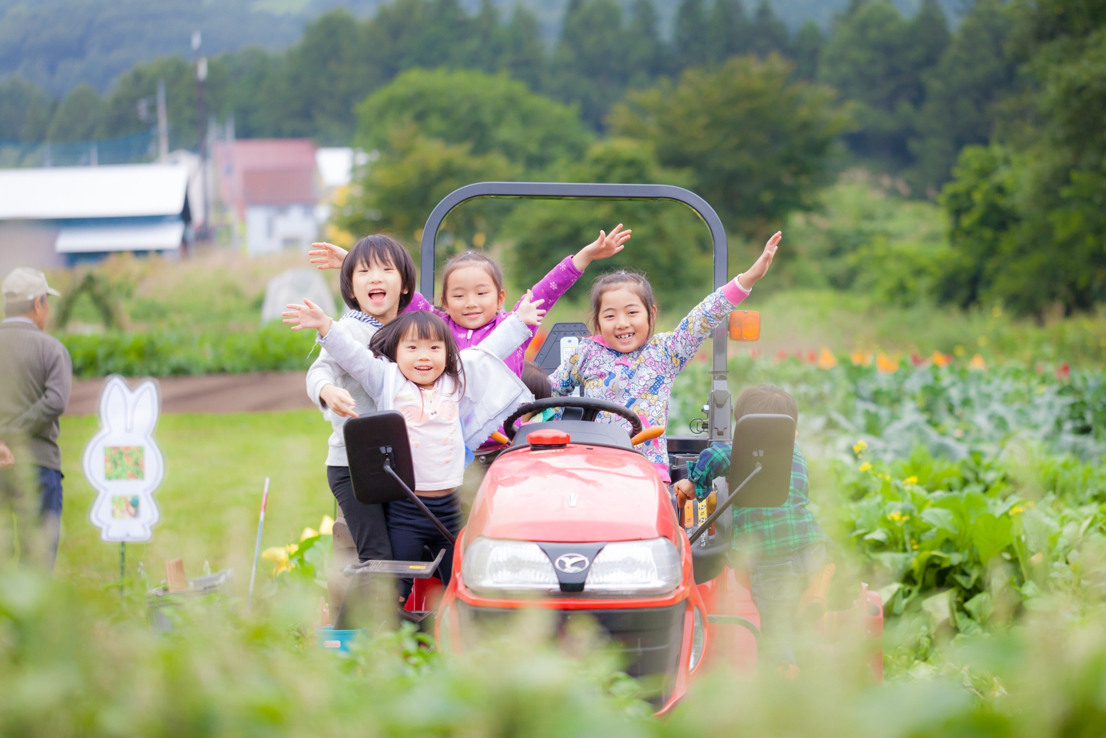
"The potatoes, onions, and carrots grown on our own farm are used in the curry at the restaurant, the corn is used as a topping for miso ramen, and the Chinese cabbage is used in the hot pot served at the hotel dinner. The staff are happy to have guests eat vegetables they have grown themselves, and since they naturally use the vegetables without waste, I think it also helps to reduce waste. This 'Miffy Farm' has become a symbol of sustainability."


It all started with a primal experience of the power of nature

Katashina Kogen Ski Resort does not have a department or division specifically responsible for promoting the SDGs. However, the president himself is actively working both internally and externally to make the resort a more sustainable place, and there is a strong desire and effort to do so
"I grew up in Tokyo, but because of my parents' work, I spent all my summer and winter holidays in the mountains. When I returned to the city and looked at the faces of the adults on the train to school, I felt like they were all cloudy. I wondered why
But one spring day, the moment the cherry blossoms along the Meguro River came into view from the train window, a cry of "Wow!!" went up inside the train, even though it was a stressful situation on a crowded train. At that moment, the gray faces of the adults suddenly became colorful.
I was moved, realizing how amazing nature is, what power it has, and how truly important nature is. I think this formative experience forms the basis of who I am.

When you do this kind of work in rural areas, you have many opportunities to come into contact with nature. But people in urban areas are surprisingly not exposed to nature. That's why I think it's hard for them to really feel or empathize with climate change. At Katashina Highlands, we place importance on reaching out to families and those new to outdoor activities, so we hope that by continuing to take on initiatives that increase opportunities to come into contact with and be moved by nature, we can ultimately raise awareness of climate change."
Supported by guests' high awareness
I wonder how Sawa's actions are perceived by those around her
"At first, the staff thought, 'Oh, the president is doing something,' and then they started to think, 'Because the president is doing it...' and I feel like they're gradually starting to think it's important. For example, when changing the breakfast menu at the hotel, they started to think about the environment and choose items that would reduce waste
Behind this is also the high level of awareness among guests. In surveys of hotel guests, we sometimes receive negative feedback such as "the amount of waste is large," which can lead to lower satisfaction ratings. Guests who come here come not only in winter but also to experience the beautiful nature, so many of them are highly conscious about environmental protection."

Seniors who love Oze's nature and have been visiting for a long time, and families who want to protect the environment for the future of their precious children, are powerful driving forces behind the sustainability of Katashina Kogen Ski Resort
"Since we started putting the POW logo on our staff uniforms, guests have started saying things like, 'Good luck!' We feel that they are taking an interest in and appreciating our efforts towards the SDGs

In light of this, the first thing we need to do going forward is to switch to renewable energy for electricity. This is the most obvious and biggest thing we can do as a ski resort. While doing so, we want to provide more people with the opportunity to spend quality time together with nature within the larger framework of Oze. This is something we definitely want to focus on. We want people to come to Katashina throughout the year, not just in winter, and have a little fun."
There is surely something that can be seen from this. This powerful story is backed by the formative experiences that Sawa had as a child
Katashina Village's decarbonization action
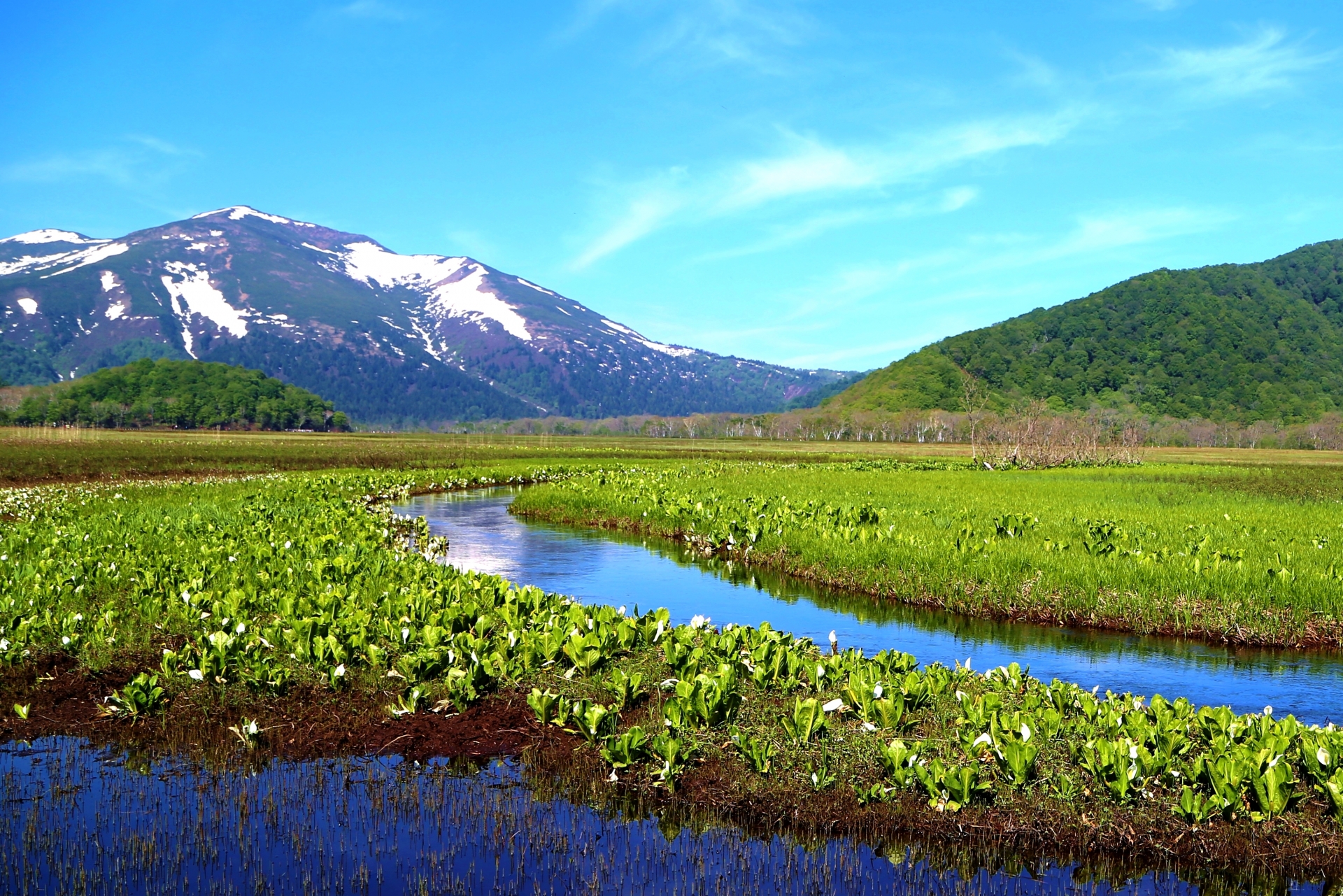
In April 2020, Katashina Village was registered as a "Zero Carbon Park" by the Ministry of the Environment, becoming the seventh village in Japan and the first in the country to be designated as such. Zero Carbon Parks are an initiative launched by the Ministry of the Environment in March 2021 to decarbonize national parks. With this registration, Katashina Village aims to become a community with zero carbon dioxide emissions
Then, in February 2022, Katashina Village announced its goal of becoming a zero-carbon city, the "Five Zeros Declaration 2050." The details are as follows:
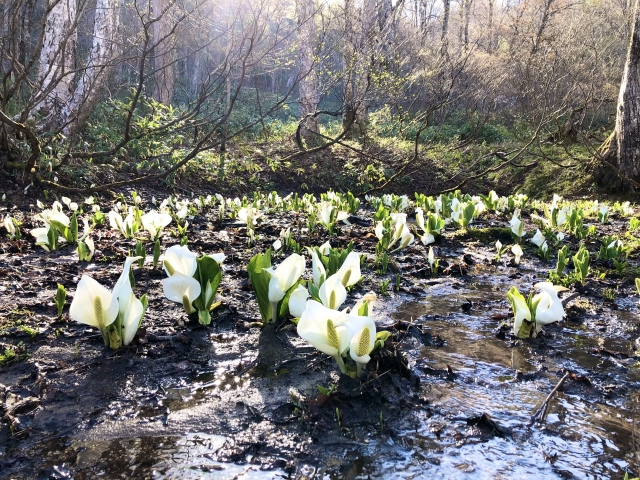
In fact, Oze National Park was the first national park in Japan to implement the "take your trash home" policy, around 1972. The pride of being a pioneer in nature conservation, even before the concept of sustainability existed, is deeply ingrained not only in the hearts of the locals but also in the hearts of the guests who have been captivated by Oze.
The desire to pass on this DNA of loving Oze National Park as if it were their own home to future generations has become even more certain now that they have been given the goal of sustainability, a goal the planet strives for.
"The other is the wheel of the economy. Since the COVID-19 pandemic, the Ministry of the Environment and the Japan Tourism Agency have established subsidy systems for the utilization of national parks, which has given us a tailwind. I also feel that the recent rise in sustainability has started to act as an incentive for profit-seeking companies. Thanks to this, grassroots movements that might have been difficult until five or six years ago are now being pursued with passion, so I think things have changed dramatically," says Sawa
Katashina Village, the gateway to Oze National Park, is making its zero-carbon efforts easy to understand and is likely to generate momentum. Following the declaration, the village is considering various initiatives, including local production and consumption of renewable energy through hydroelectric power, a project unique to Oze, a wetland area with plenty of water, and ways to help children, the future leaders of a sustainable society, learn about the wonders of Oze's nature
From protection to utilization: A change in the government's stance
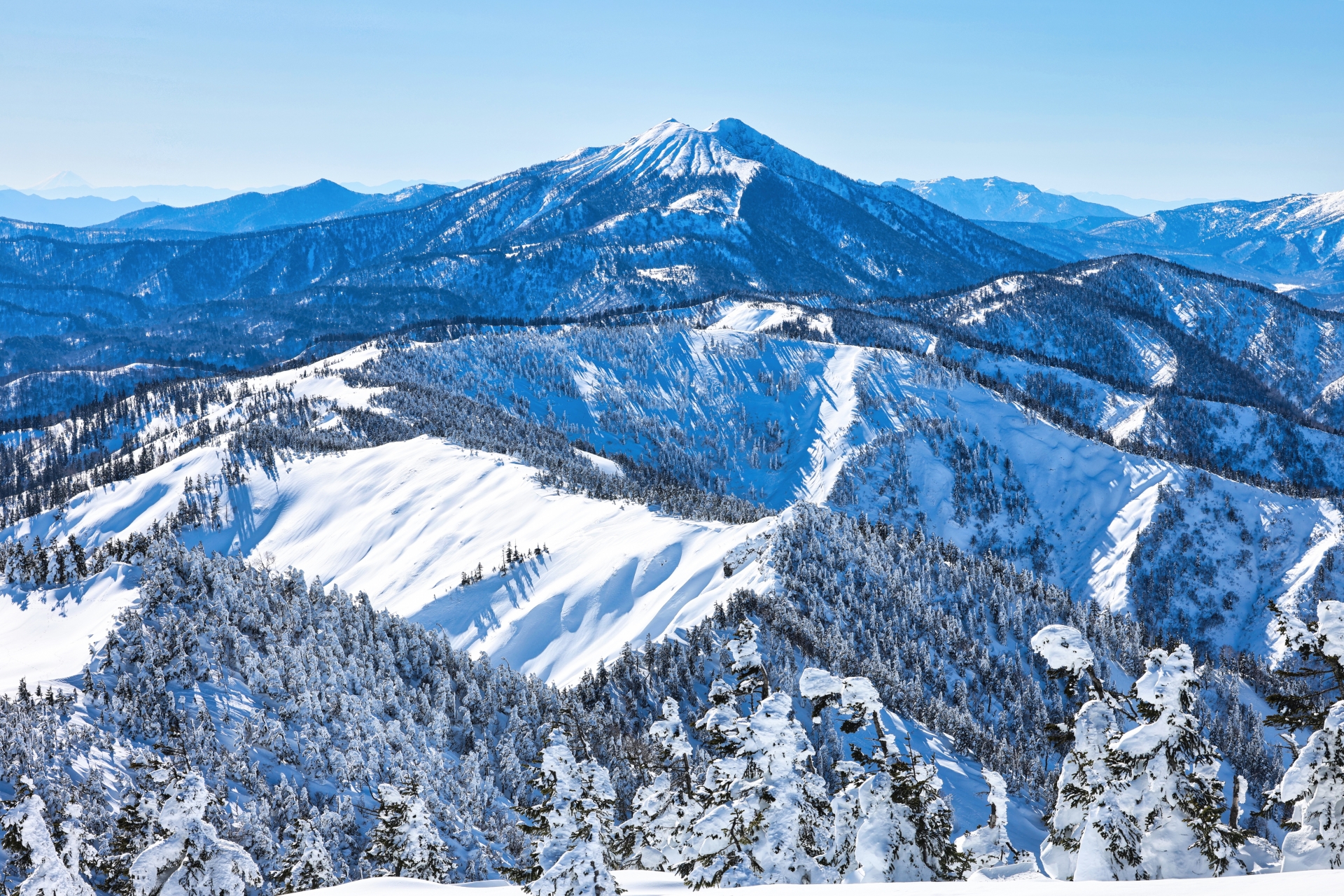
"In addition to the Ministry of the Environment's stance of protecting national parks, I feel that perhaps in response to the COVID-19 pandemic and the surge in inbound tourism, there is now a trend toward "utilizing" national parks. I believe this trend is supporting the various initiatives being undertaken at Oze National Park
Oze National Park is one of Japan's snowiest areas, meaning it's one of the snowiest areas in the world. Even if global warming continues, the snow will surely remain. The value of snow will naturally increase, so I believe that creating solid winter content will have a positive effect in the future for Katashina Village, the Ministry of the Environment, and all the people involved
Thanks to this, winter use of Oze has been approved, and cat tours have been realized since 2022. We have planned cat tours and snowshoe tours at Fujimi Pass, which is the highest point among the trailheads in Oze National Park


In order to increase opportunities for people to experience the beautiful nature of Oze, Sawa and others established the Oze Outdoor Sports Promotion Association, a general incorporated association, and started a cat operation in the Oze Tokura area in February 2022
This is big news for powder-loving STEEP readers. You won't want to miss this brand new snowcat service in the heavy snow area of Oze. Be sure to check out the video and details below.
◆Official website: Oze Outdoor Sports Promotion Association
https://ozeoutdoorsports.com/BC
First, let me inform you

In October 2020, Sawa invited POW to the Katashina Ski Resort Liaison Council, which brings together five ski resorts in the Katashina area, and they all received a lecture on climate change
"First of all, it's important to get the word out. This season has been a warm winter with little snow, so there's no doubt that all the ski resorts have a strong sense of responsibility. After listening to POW's talk, I think they were able to understand the current situation and the long-term vision they are aiming for, so the question is how to come up with short-term measures, including specific initiatives, for the entire area. If people think, 'I see, this looks like it has some benefits,' about Katashina Kogen's efforts, then I hope that other ski resorts will take proactive action as well."
Sawa also expressed his hope that "by partnering with POW, we can find a way to take action on climate change while also attracting visitors to the ski resort," and decided to join POW's Sustainable Resort Alliance (SRA) in the winter of 2023
"It's great that more than 20 ski resorts have made their intentions to actively become green resorts visible. I think it would be great if the ski resorts could work together through the alliance. In addition to joint lift tickets and study sessions, it would also be interesting if the ski resorts could have frank conversations and exchanges of opinions. I would like to learn various thoughts and ideas from this and use them in my management."
The role of a ski resort
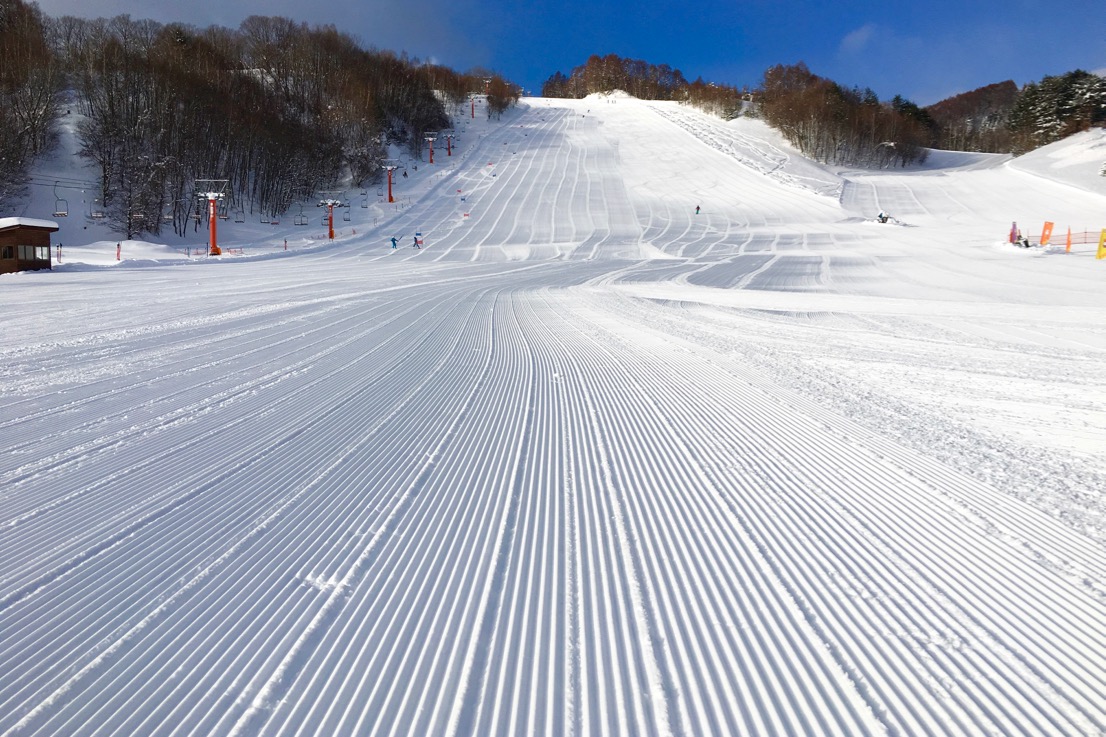
What role will the ski resort play in the village's efforts?
"I think there are two reasons. First, we at ski resorts are constantly keeping an eye on the weather, so it's easy for us to notice subtle changes in the environment. And ski resorts, which make their living from snow, are overwhelmingly passionate about climate change. Therefore, we should be able to be a stronger driving force behind efforts to combat climate change
Another aspect is that ski resorts act as huge attraction devices. They attract around 130,000 people from urban areas each season, making them a hub. They can convey the wonderful charms of the area to people coming from urban areas, and urban residents can give them ideas on what the region should do in this day and age. Ski resorts are a meeting point for people and possibilities. I think they have that role too."
Sawa is actually the chairman of the Kanto Cableway Association and vice chairman of the Japan Cableway Association, and is deeply involved in cableway operations such as ski resort lifts and gondolas. All sustainability efforts are based on safety. If safety is compromised, everything will collapse in an instant, no matter how much effort is put into it
Many people involved in the skiing industry have been making efforts and coming up with new ideas to support us so that we can continue skiing safely and comfortably on snowy mountains for as long as we like. As a skier, why not show your gratitude by visiting a green ski resort next time? If you have not yet skied in the Katashina area, why not try cat skiing in Oze National Park?
The person who taught me
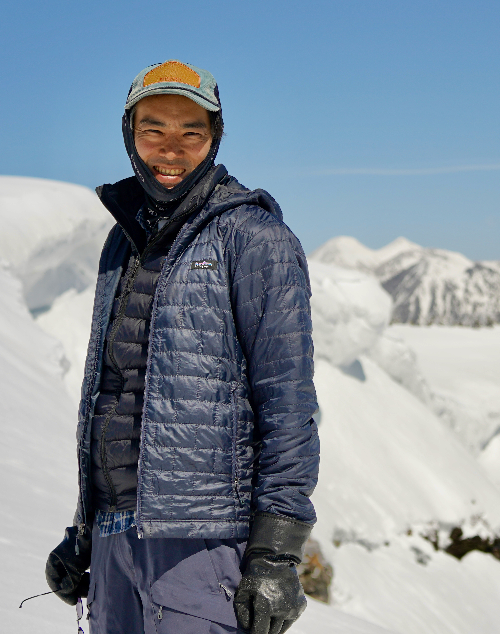
Mr. Ikumichi Sawa
Born in 1982, he is
Currently, as the representative director of a small to medium-sized enterprise, he is responsible for everything from marketing and organizational management to financial strategy, and works daily to transform the ski resort into a mountain resort and make it an even more attractive place, in cooperation with people in the area. the representative director of Daito Kaihatsu Co., Ltd. He graduated from the Faculty of Law at Aoyama Gakuin University. After that, he studied tourism at a university in Canada. While still a student, he worked for a travel agency headquartered in the UK and worked as a guide in Switzerland. After returning to Japan, he worked at Hoshino Resorts in marketing, as the president's assistant, and as the hotel front desk manager.
Information Katashina Kogen Ski Resort
◆Official Website:https://katashinakogen.co.jp/
◆Official Social Media:Facebook|X (formerly Twitter)