

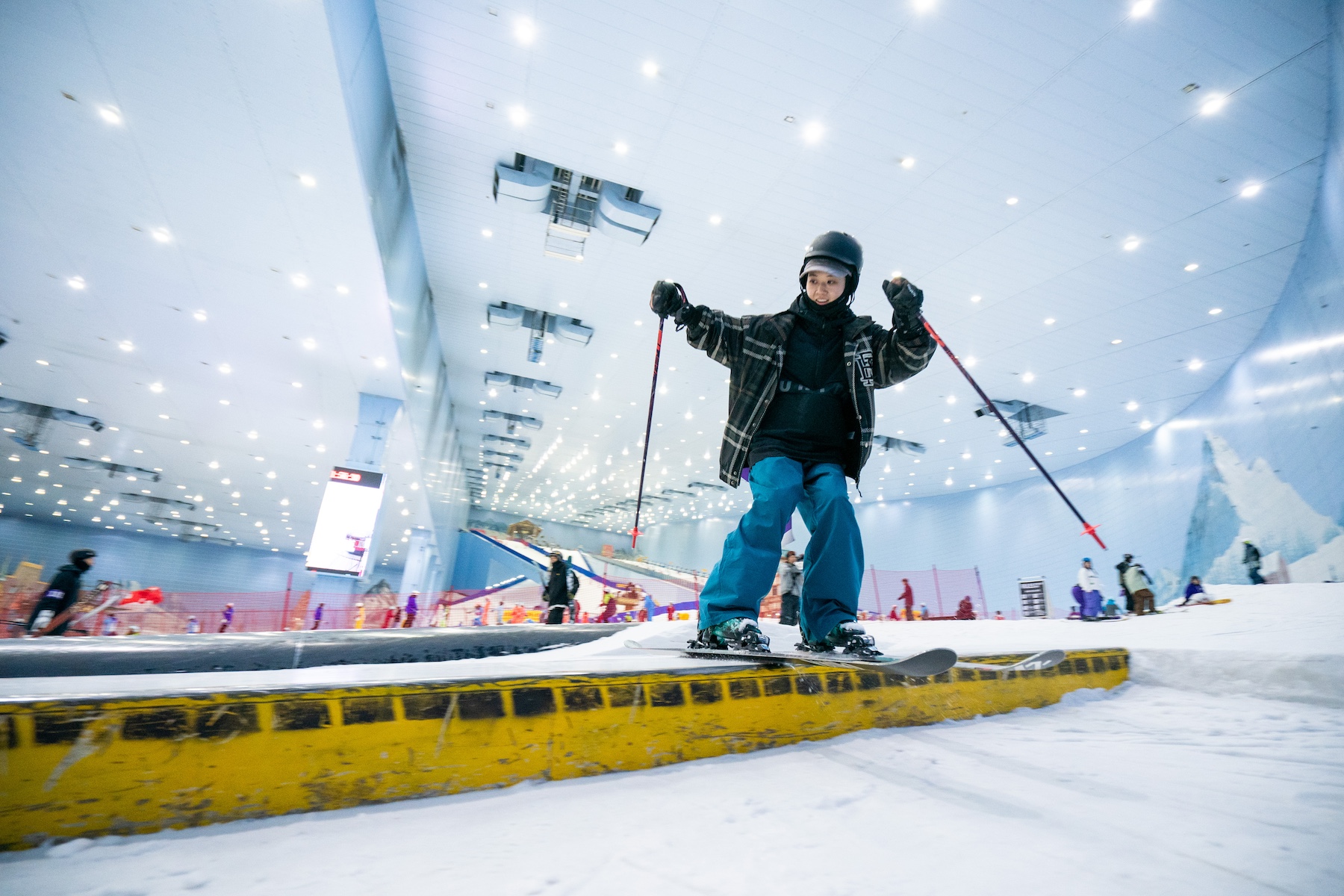
Guangzhou is located in southeastern China. Close to Hong Kong and Macau, the city is more associated with the sea than snowy mountains. On the outskirts of Guangzhou lies one of the world's largest indoor ski resorts. Simon Fujita, principal of the Kandatsu Free Ski School, was invited to coach at the ski school there, and here is his report
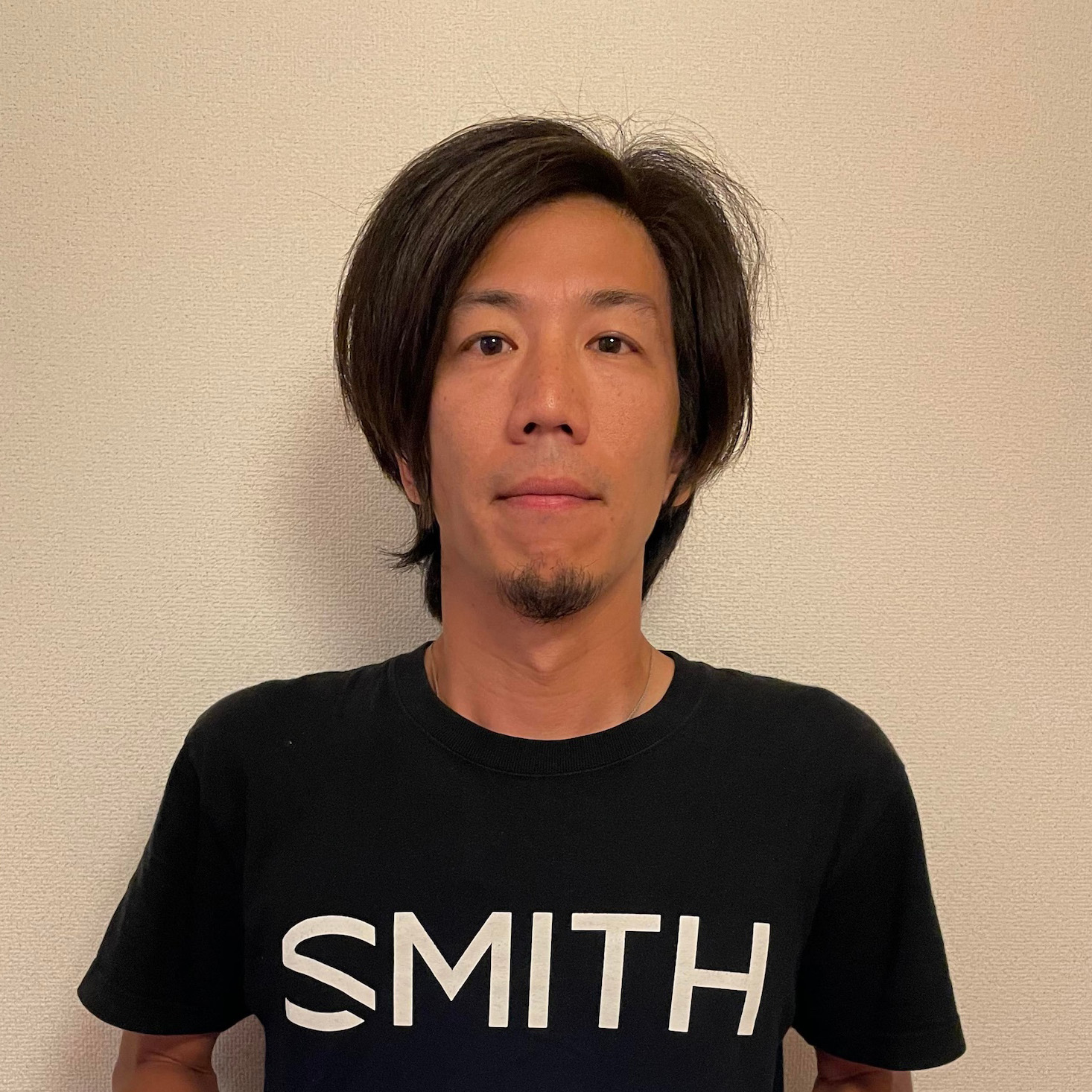
Simon Fujita
Principal of Kandatsu Freeski School. Coaching experience for over 20 years. He teaches beginners to advanced skiers with systematic and easy-to-understand lessons. He is also an active skier, aiming to become "an old man who can move."
Instagram: kandatsufreeski
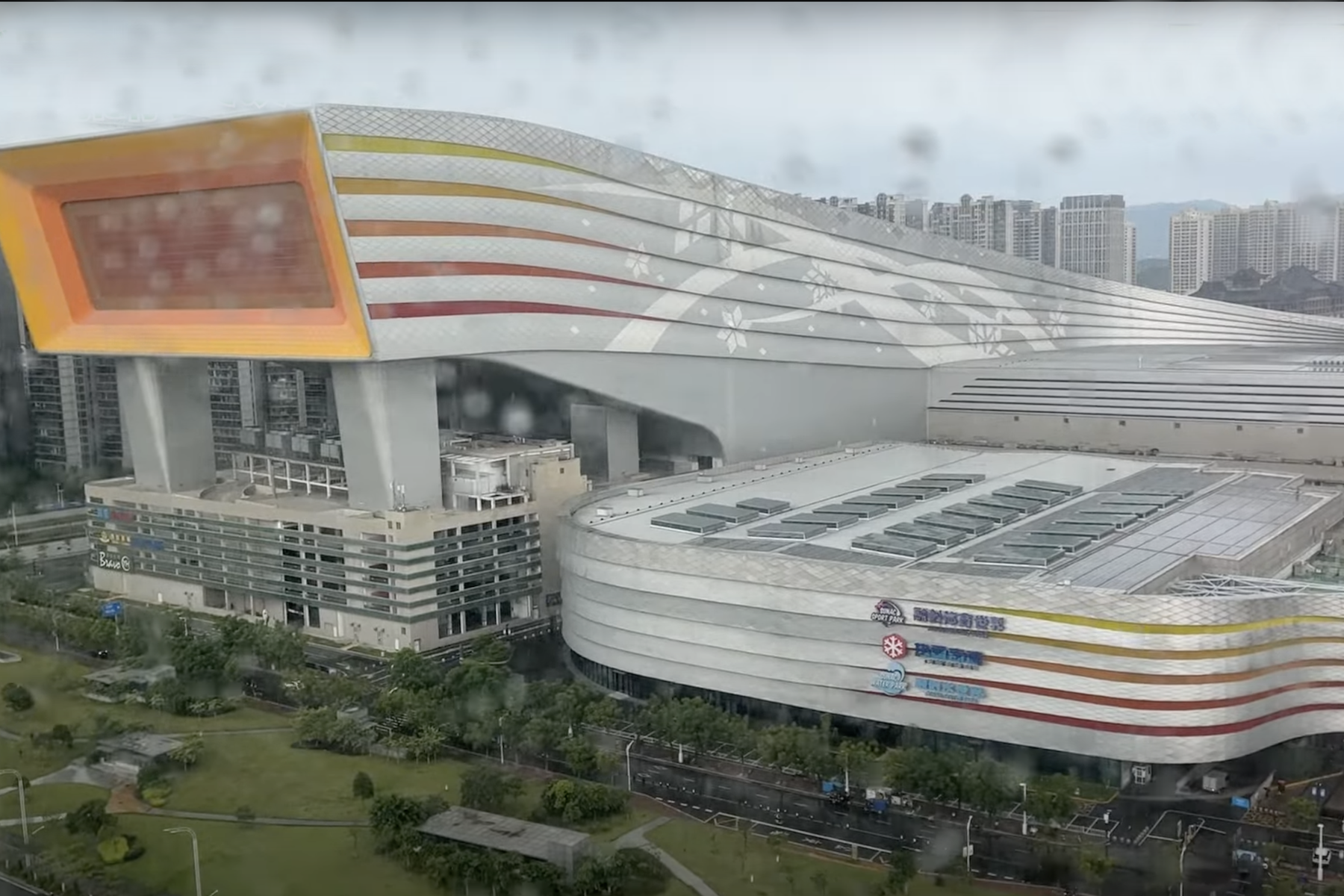
A huge facility that has been built with a huge investment
China implemented policies to significantly increase the number of skiers and snowboarders in the country in preparation for the Beijing Olympics, and the sport is now popular among young people. This summer, I received an offer from a local person to teach freeskiing, a sport that is currently gaining popularity in China. I headed to Guangzhou Melting Snow World, an indoor ski resort on the outskirts of Guangzhou. Before I got there, I imagined it to be similar to the Zeus ski resort in Japan, but everything about it exceeded my expectations
As is well known from daily news reports, China is a surveillance society, with surveillance cameras installed all over town. And the IT technology that supports this is also highly developed. While the term "surveillance society" tends to have a negative connotation for us Japanese, locals say that because of the cameras, even if something is stolen, the culprit can be found quickly, and the cameras act as a deterrent, resulting in a significant decrease in crime and making life much easier.
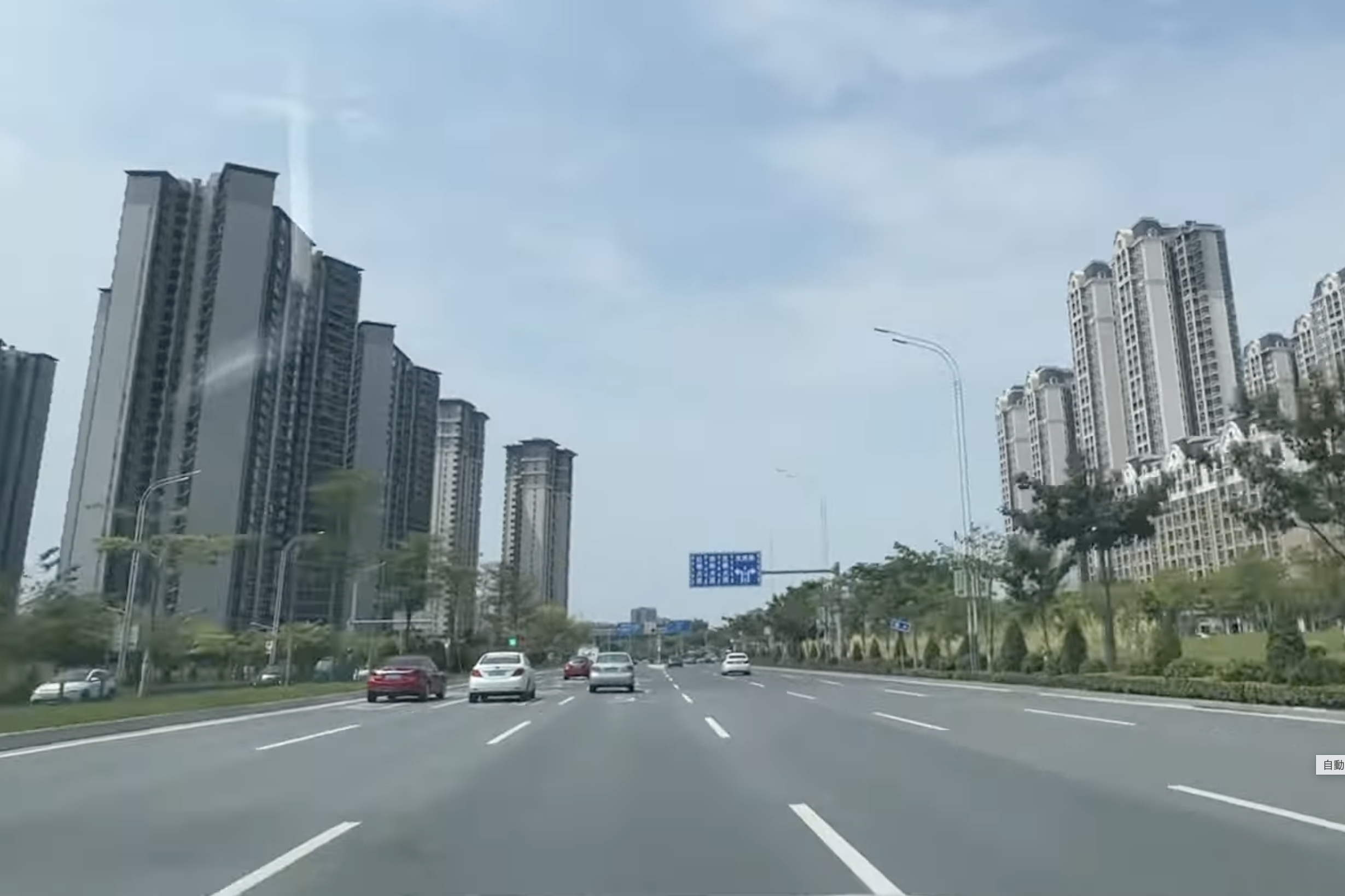
Also, most purchases are made using code payments, so cash isn't used. In fact, stores don't accept cash. Credit cards also don't work once you step outside the airport. And what's more, thanks to IT, when you're driving, the navigation system can tell you how many seconds until a red light turns green. I was surprised by this.
Amazingly, this ski resort distributes IC tickets to foreigners, but Chinese people generally do not receive lift tickets. Instead, they use facial recognition to board the lift. The system works by linking the ticket to a photo of the face registered in a system similar to the My Number system that individuals have. There are cameras at the lift boarding area, and the gate opens once the person is recognized
This will prevent fraudulent practices such as resale. I have skied at ski resorts all over the world, but this was my first experience of seeing a ticket with facial recognition. I also travel to ski resorts all over the world for work, and my impression is that China is far more advanced in terms of technological advancements than Europe and the United States

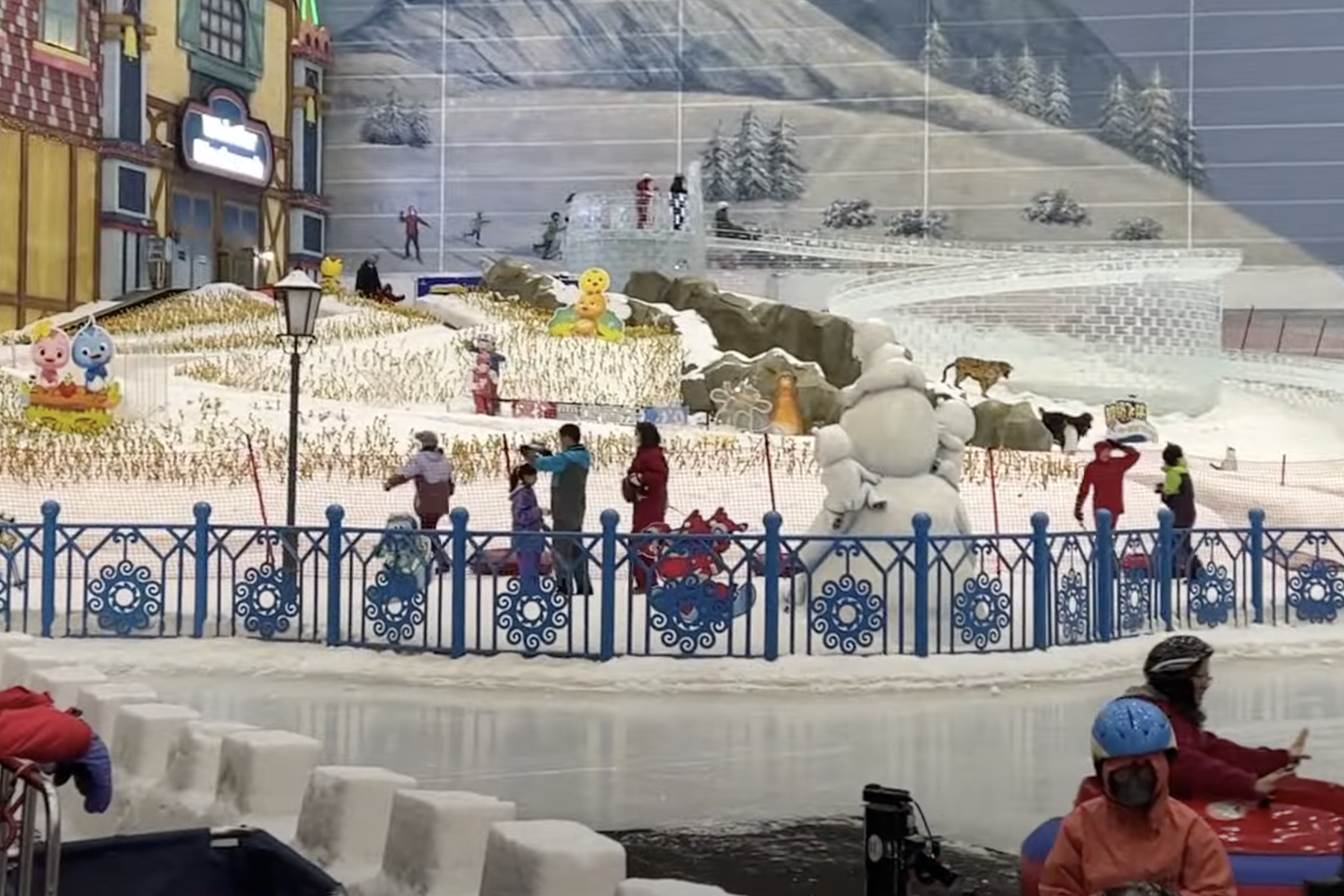
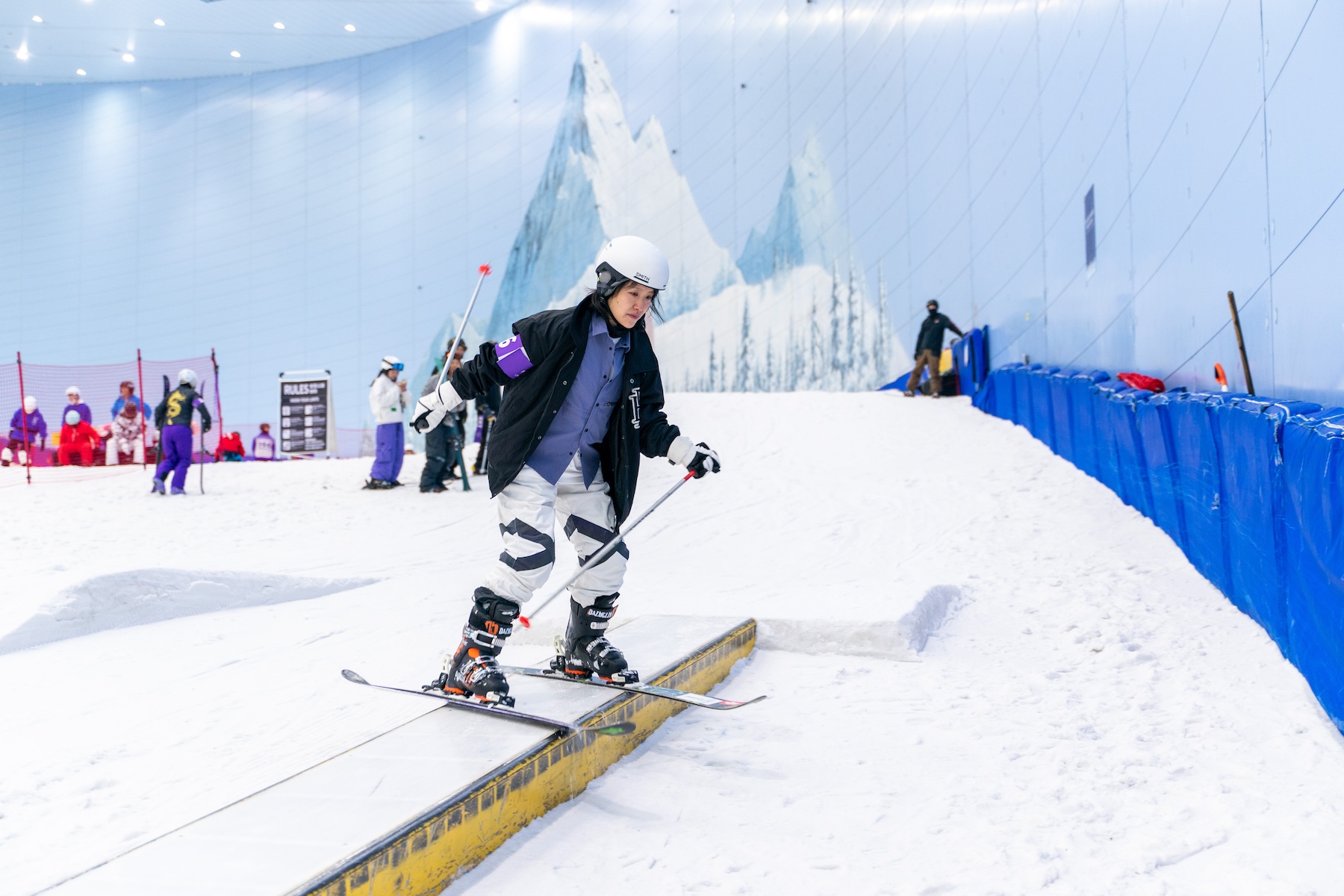
As for the actual slopes, the snow is soft and dry, similar to that of New Zealand. There are three runs: gentle, medium, and steep. There are also two parks. The parks have several cylinder rails, two wide boxes, one wave jump, and three kickers about 5m high. In terms of size for an indoor ski resort, it is more than adequate. There are apparently four other huge indoor ski resorts in China, and the park at Guangzhou Melt Snow World is relatively small. The indoor ski resort in Chengdu, a little further north, seems to have an even more extensive park
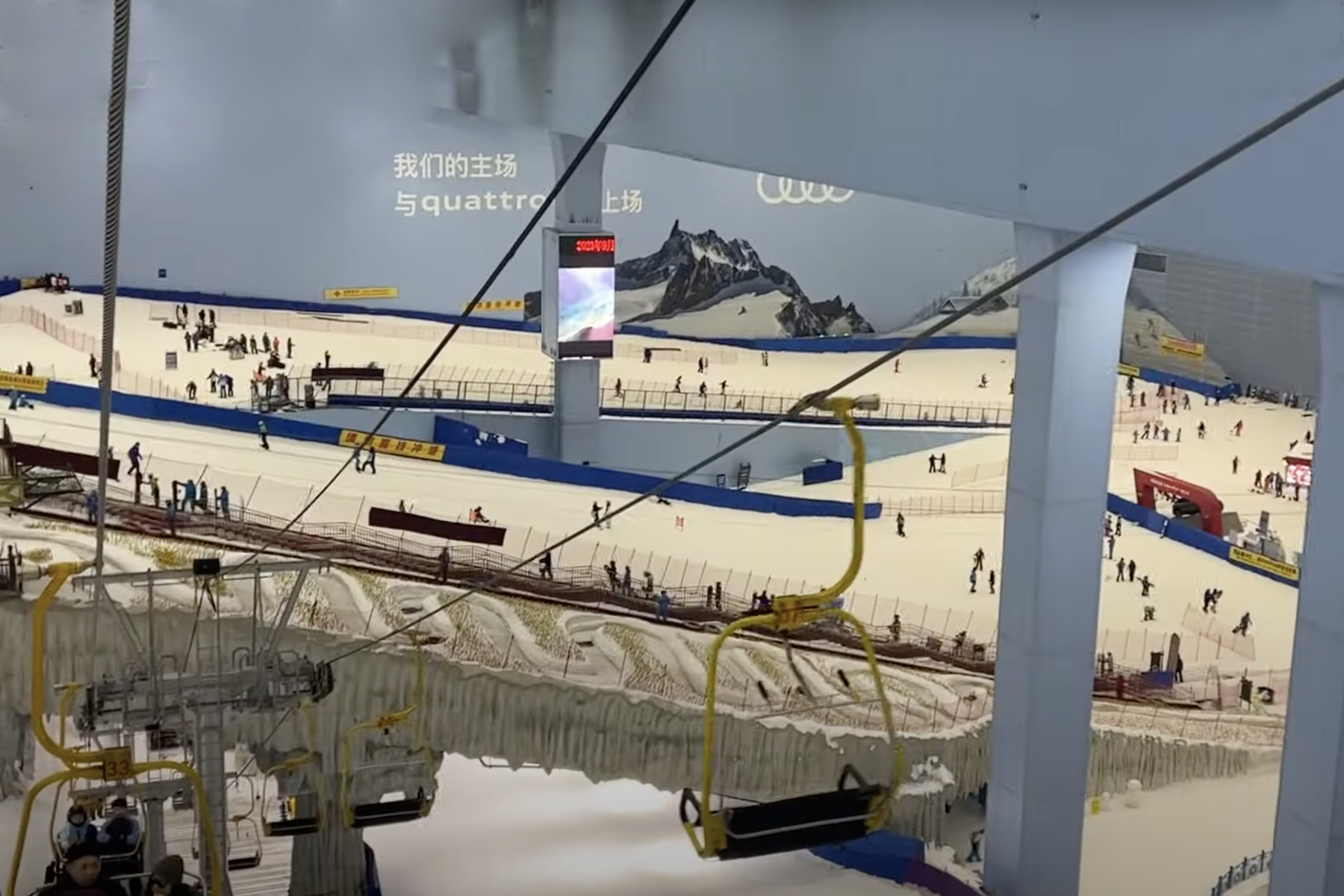
All courses are around 450m long. For advanced skiers, it feels like the course is over in a flash, but it is still much larger than other indoor ski resorts, and even feels like a real slope. It's long enough to be satisfying. And what's surprising is that even though it's indoors, there is a two-seater lift. You take this lift to access the advanced courses. There is a snow escalator on the beginners' course
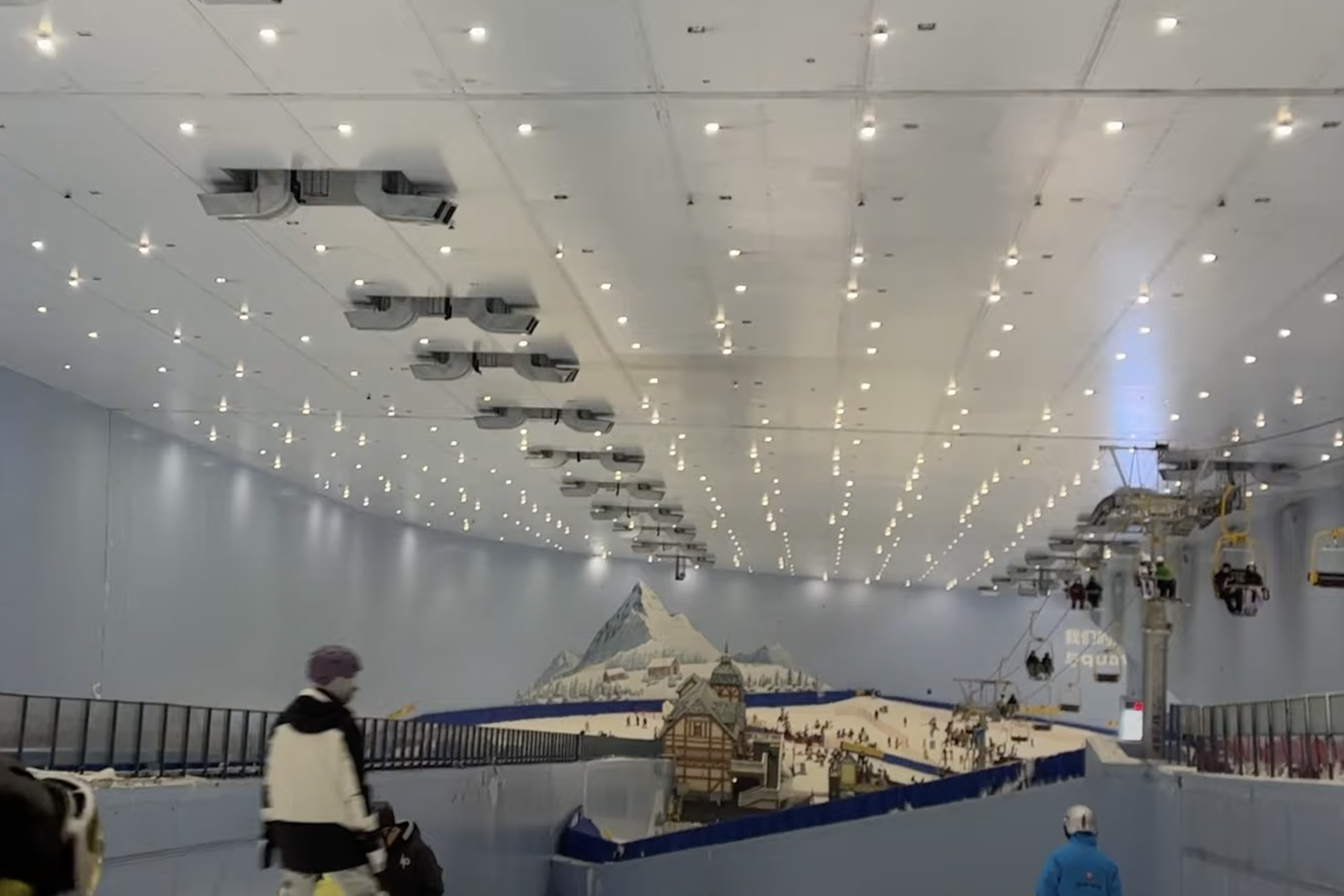
Snow actually falls from above. It comes from multiple ducts installed in the ceiling, just like a real ski resort. If you keep skiing on the same snow, it gradually gets dirty and becomes difficult to ski on, so every few months they completely reset all the snow inside. Not only is the size of the facility impressive, but you have to say they have an incredible amount of financial resources
Most users are young people, but freeskiing is also popular among women
In terms of customer numbers, it's fairly busy on weekdays, but extremely crowded on weekends. As for the skiing level, there aren't actually many people on the lifts. This means that most of the customers are beginners, and young people. There were probably only people under 30 years old. I was probably the oldest person on the slopes. Ski culture is new to China, and it seems to be taking off mainly among young people. It felt somewhat similar to the early days of skiing in Japan
There are many beginners, but there are also many people who no longer ski or snowboard. There are several attractions inside the park, such as tree adventures and tubing, making it feel like a theme park. So, even if you don't ski, couples and families come to have fun
There were a higher proportion of snowboarders. However, unlike in Japan, it seems like there are a lot of people who do both skiing and snowboarding. As a Japanese person, I'm a little surprised to see so many young people who bring their own skis and snowboards and buy a lift ticket for around 10,000 yen a day to come skiing. I would have
thought that most of the people who attended my lessons would come from wealthy families, but it seems that many of the people who attended my lessons were young people who had become company presidents at a young age and were working hard and financially successful.
While there are many beginners on the slopes, there are still fewer people skiing in the park. However, in the lesson I took this time, about 70% of the participants were women. There are definitely more female skiers skiing in the park than in Japan. This is probably due to the influence of Eileen Gu, a member of the Chinese national team who performed so well at the Beijing Olympics. Therefore, FACTION skis were the dominant choice
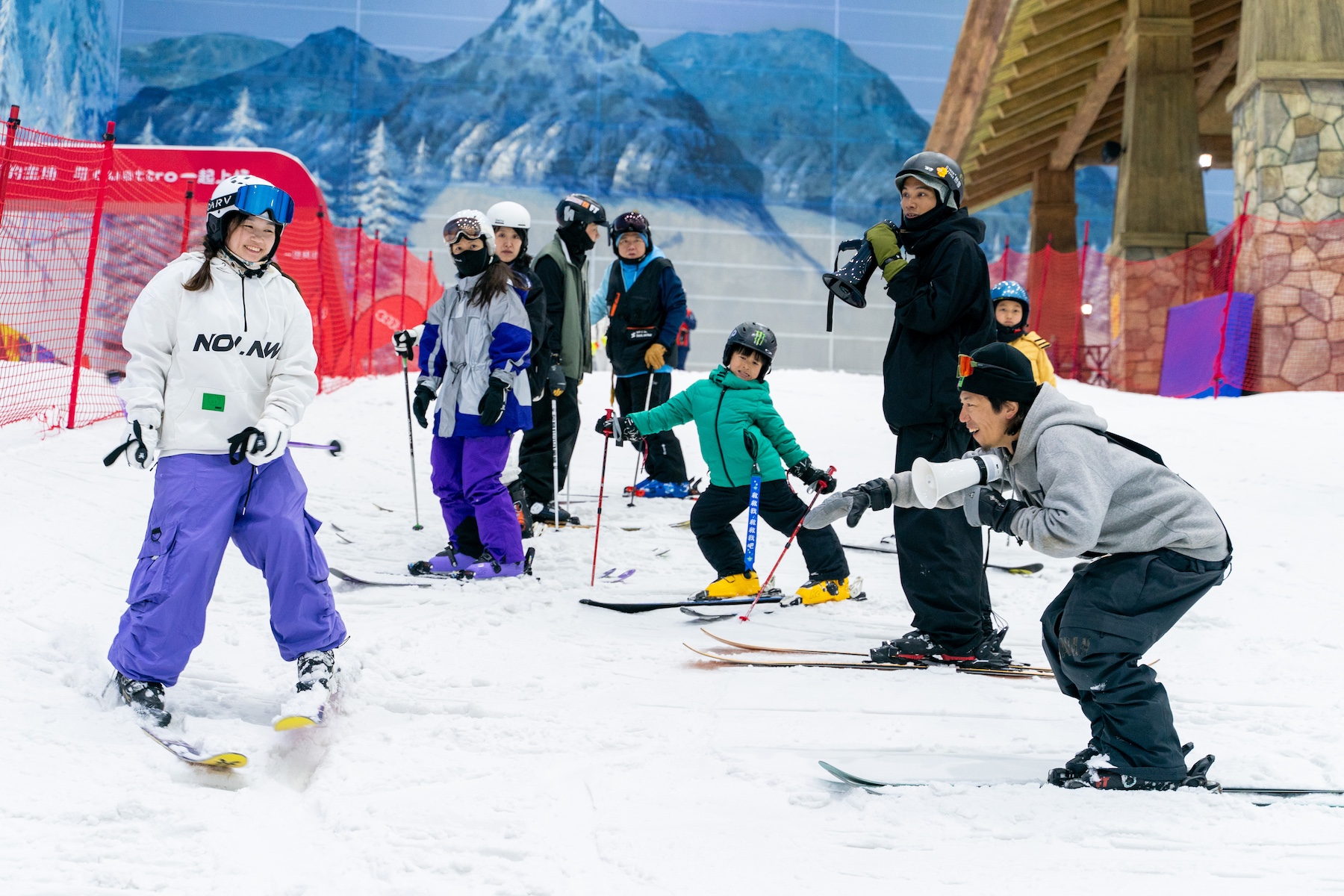
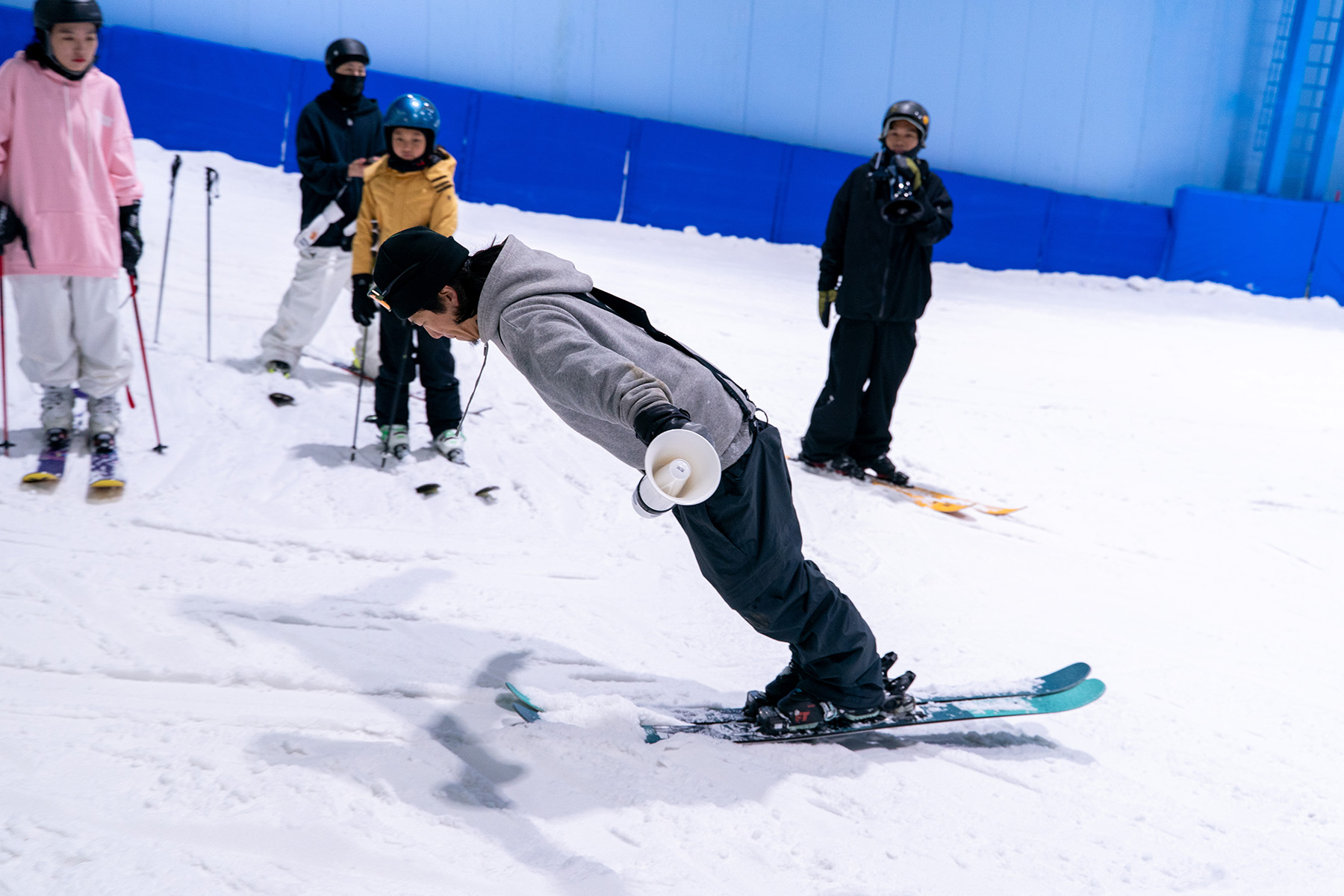
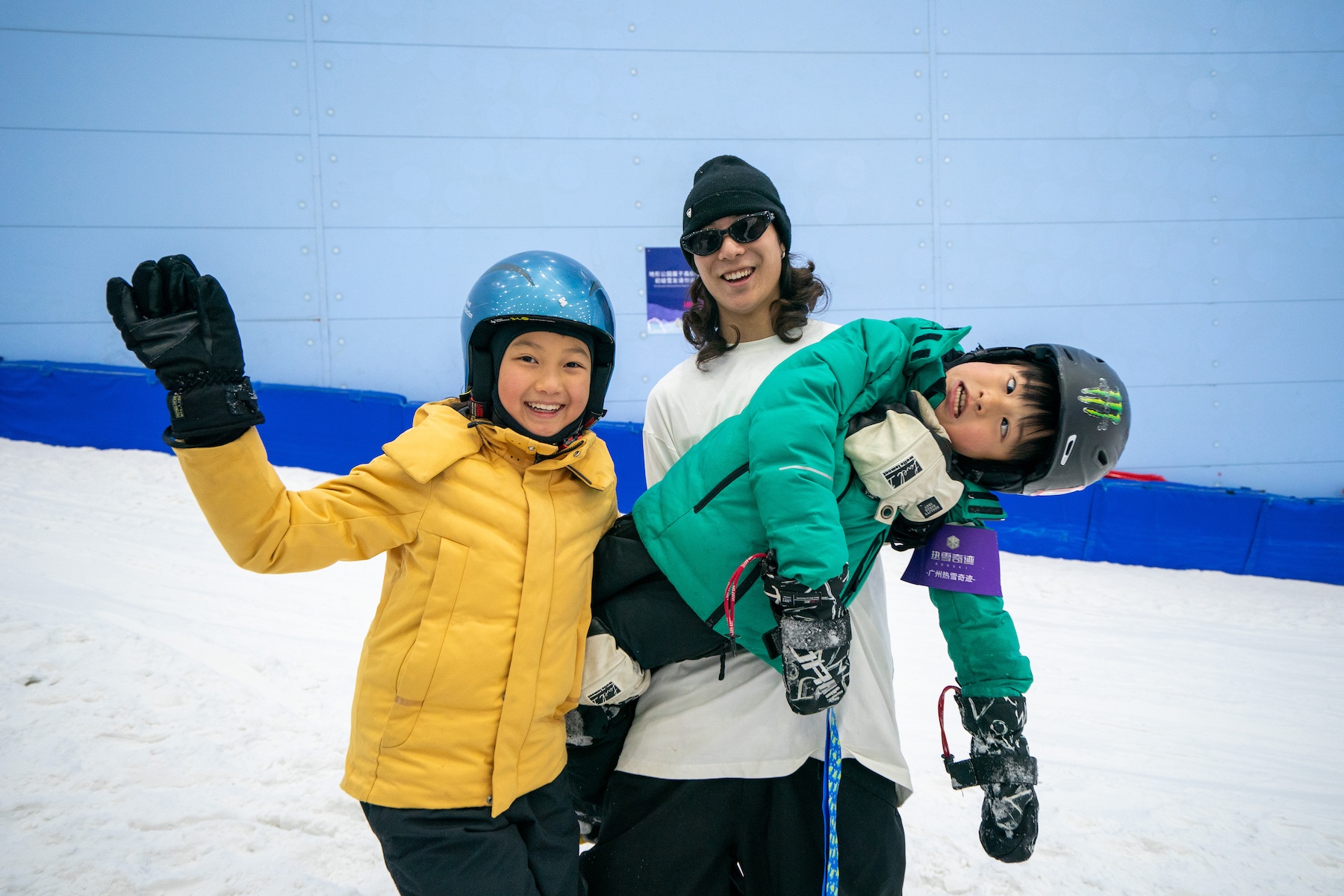
The freeskiing scene over there is still in its infancy, but it seems that fans use VPNs to watch YouTube. That's why Henrik Harlow is so popular over there. Everyone's wearing baggy clothing. And what's interesting is that my lesson videos seem to be circulating like crazy over there, so there are a lot of skiers who know me (laughs)
Not only outdoor but also indoor ski resorts are popular in China, but it seems that many people come to Japan if they want to ski on natural snow. If the popularity continues to grow, it is expected that more Chinese skiers will come to Japan
Freeskiing is well known in China thanks to the influence of Eileen Gu. There are still many beginners, so when I'm skiing in the park or doing freestyle tricks, I feel the intense stares of other visitors. People there like flashy things, so it looks like freeskiing will become even more popular. I personally hope that skiing will help create more friendships that transcend borders
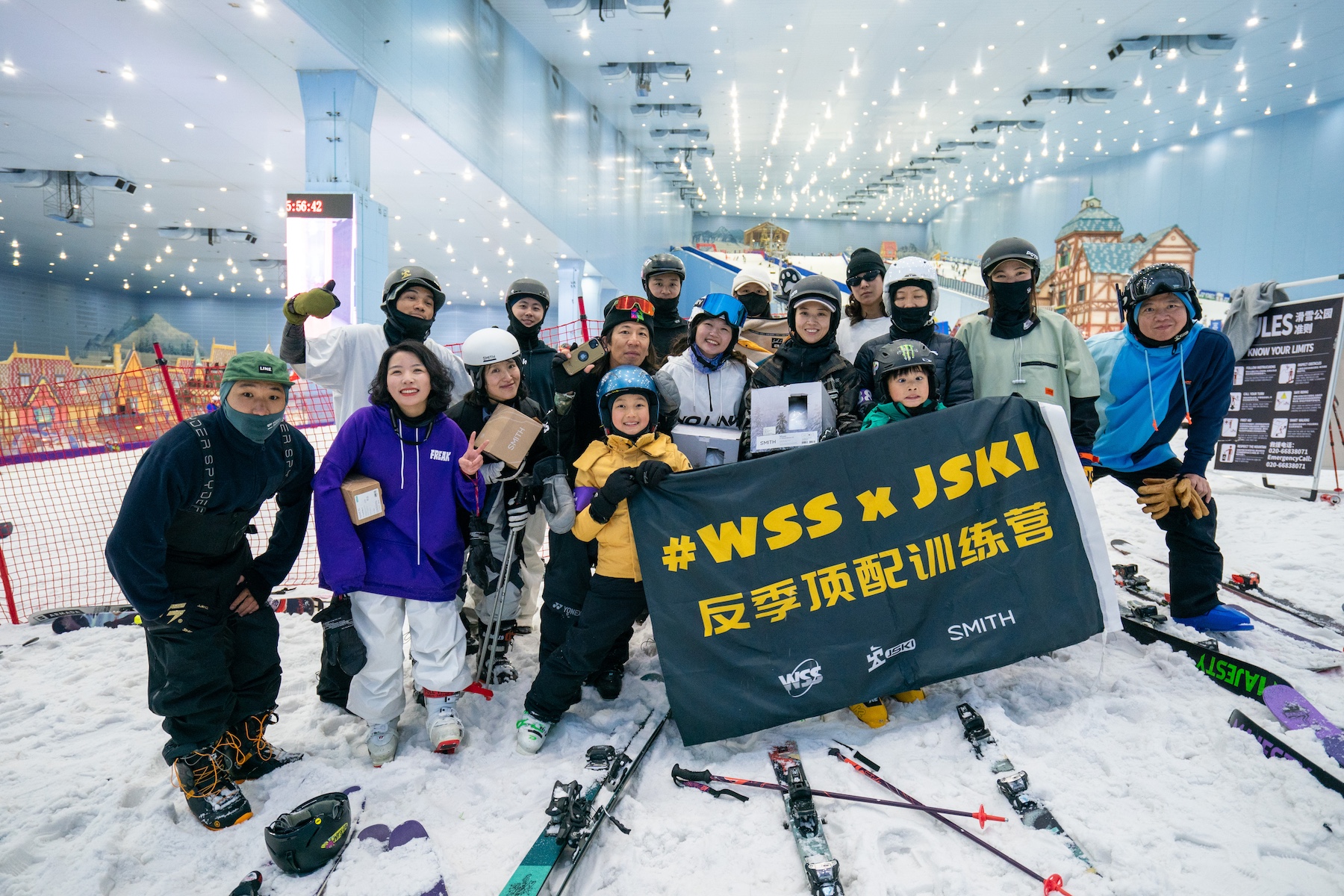
The trip was also posted on YouTube. If you want to know more about the skiing situation in China, check out our YouTube channel!
Photo: Simon Fujita, JSKI