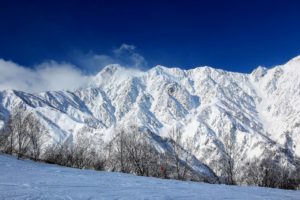


This book covers backcountry fields accessible from ski resorts in Joetsu and Gunma. The book focuses on areas that have gates at the entrance to the backcountry (BC) that are officially approved by the ski resort. It is based on comments from professional guides who provide BC guide services in those areas
[Notes]
As introduced here, there are many BC fields that can be accessed from ski resorts. However, using the altitude point you climbed using a ski resort lift as your starting point means suddenly entering a deep mountain. We need to be aware of this fact, and take careful preparation and the utmost caution. Be sure to have the right equipment, knowledge of mountain etiquette and risks, rescue methods and insurance in the event of an emergency, and take care of your own health.
The best way to enjoy skiing in BC more safely is to join a BC guided tour. Before heading to BC, you will be given a lecture on everything you need to know on the slopes, such as how to use gear and how to ski off-piste. First of all, let me tell you that it is a smart choice to entrust the management of the various risks that exist in BC to professionals, and then let's take a look at BC fields that have lift access.
Kagura Ski Resort | Niigata Prefecture
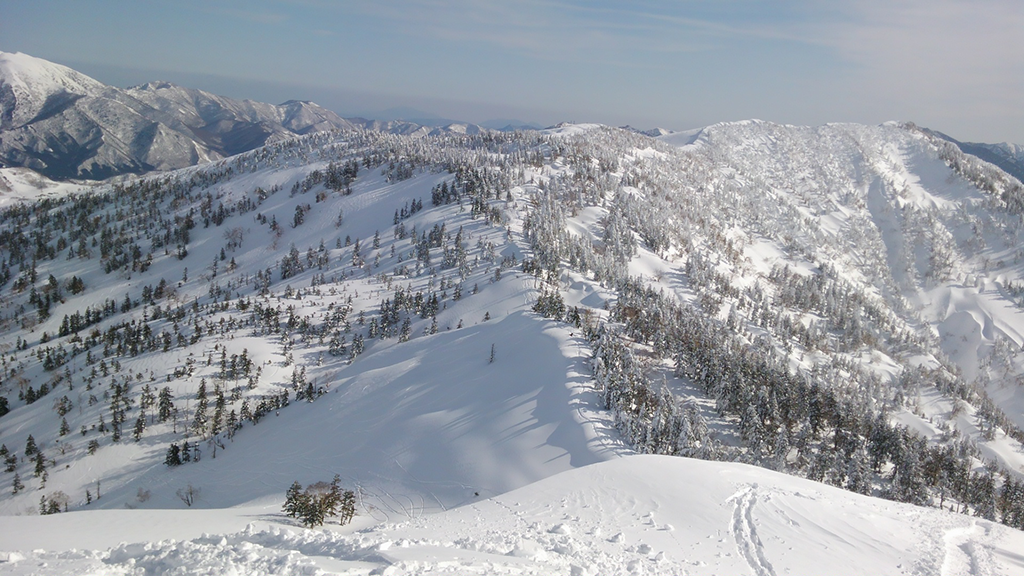
Ideal for beginners to BC.
The main points can be reached in about 60 minutes by hiking.
This ski resort is a popular destination for backcountry skiers from the Tokyo metropolitan area. Many guide clubs are based here, and it's known as a great spot for beginners to backcountry skiing
At the top of Kagura Ski Resort, after descending the 5th Romance Lift (commonly known as Goroma), you will find the BC Gate. It is open until 12:00 PM or 1:30 PM (depending on the season) except in bad weather or poor slope conditions. After submitting a mountain climbing report to the gate patrol, you can pass through the beacon checker to enter the field
From here, hike to areas with nicknames such as Kaguramine, Reflector, Nakaone, North Slope, and Triangle. It usually takes about 60 minutes to hike to the main points. The view from the ridge is spectacular, with views of Mt. Naeba, the highest peak in the area, the Tanigawadake mountain range, the Uonuma Sanzan mountains, and in the distance, the Myoko and Hakuba areas and the Sea of Japan. Of course, skiing is worth it, but the view alone makes the hike worthwhile
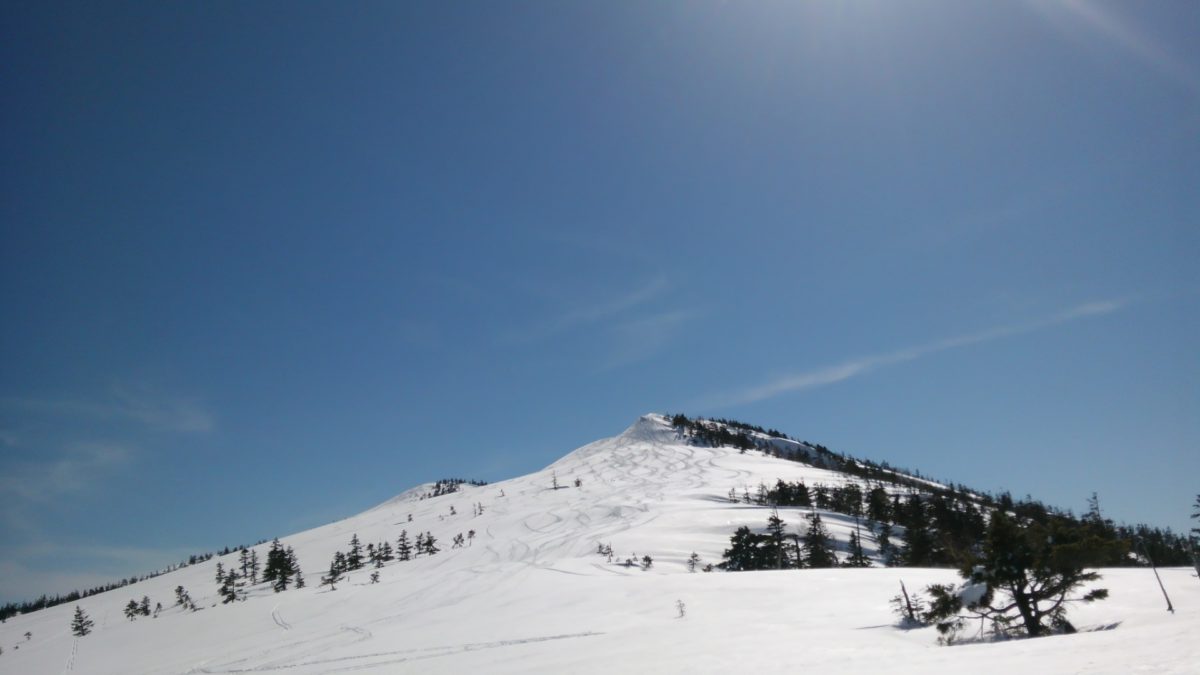
The base camp area is located between 2000m and 1500m above sea level, and each skiing point has a variety of slopes, including open runs and tree runs. Depending on the course you choose, you can enjoy fresh snow with a stress-free gradient of 400-500m in elevation, including large slopes and long runs. There are few steep slopes where avalanches frequently occur, but accidents such as getting lost or falling into streams occur every year, and it is not easy for beginner and intermediate base camp skiers who cannot read a map to go alone. It is best to enjoy it on a guide club tour or with experienced skiers
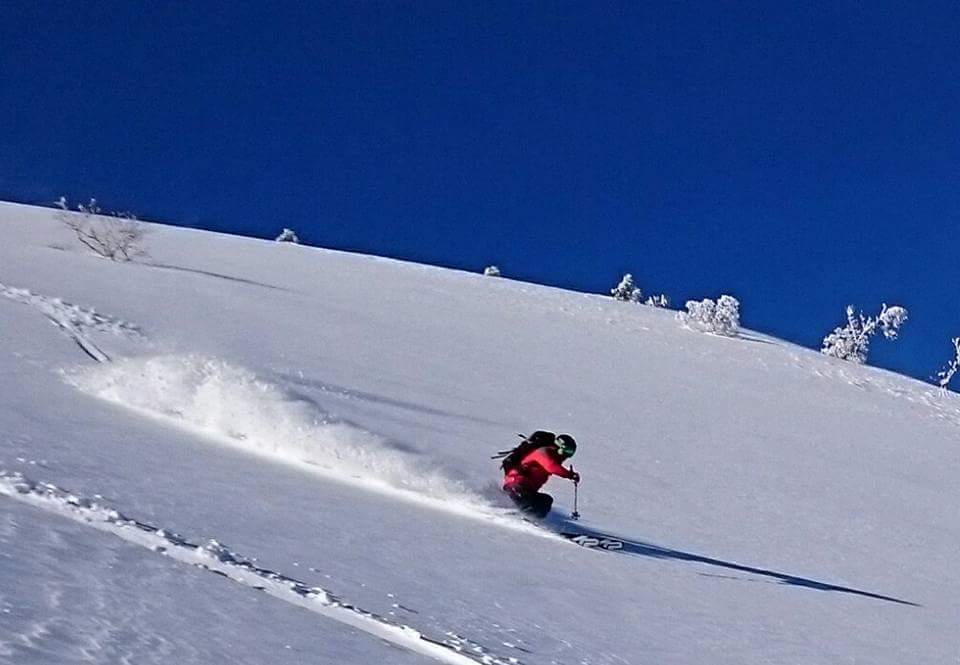
From either area, you can return to the Kagura or Tashiro ski resorts. Ski resorts require you to return to the slopes by 2:00 PM and to call to report your descent
[Comment] STEEP Editorial Department
Muika Snow Resort | Niigata Prefecture
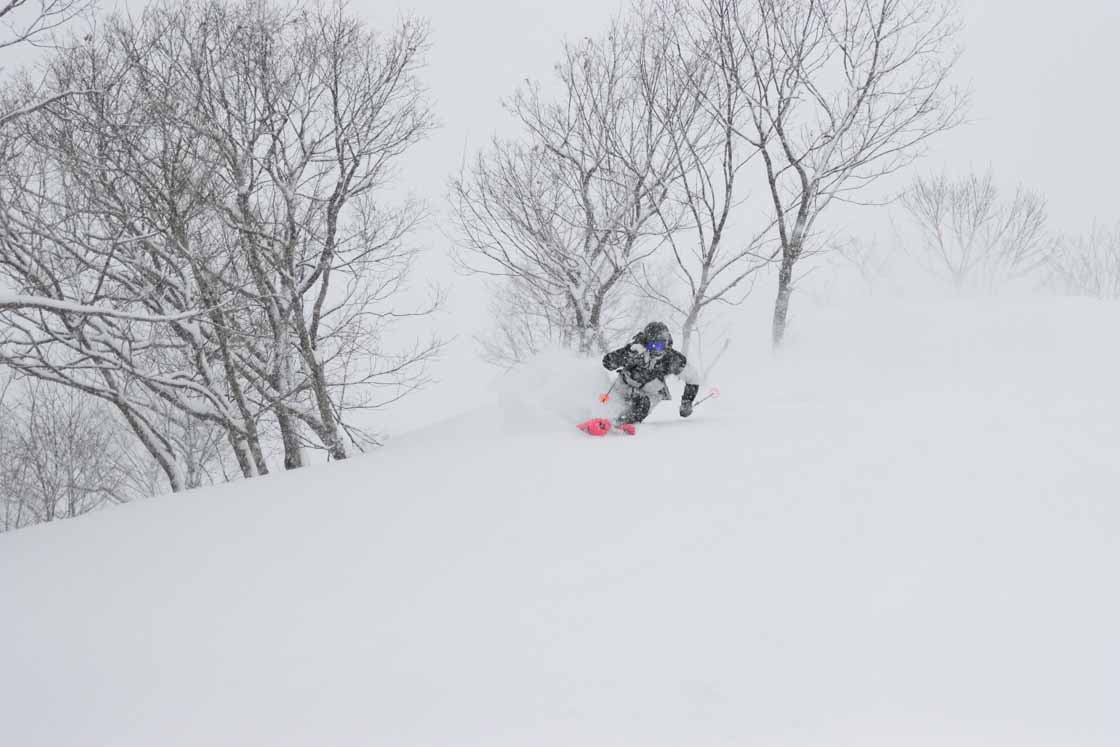
A 1.5km long run down a gentle slope
. A field that even beginners can enjoy.
The backcountry area (a mountain course outside the controlled area) spreads out on the slopeside of Muika Snow Resort in Muikamachi, Minamiuonuma City, Niigata Prefecture. Located in a heavy snow area, you can enjoy heavy powder snow that is reset almost every day during the high season
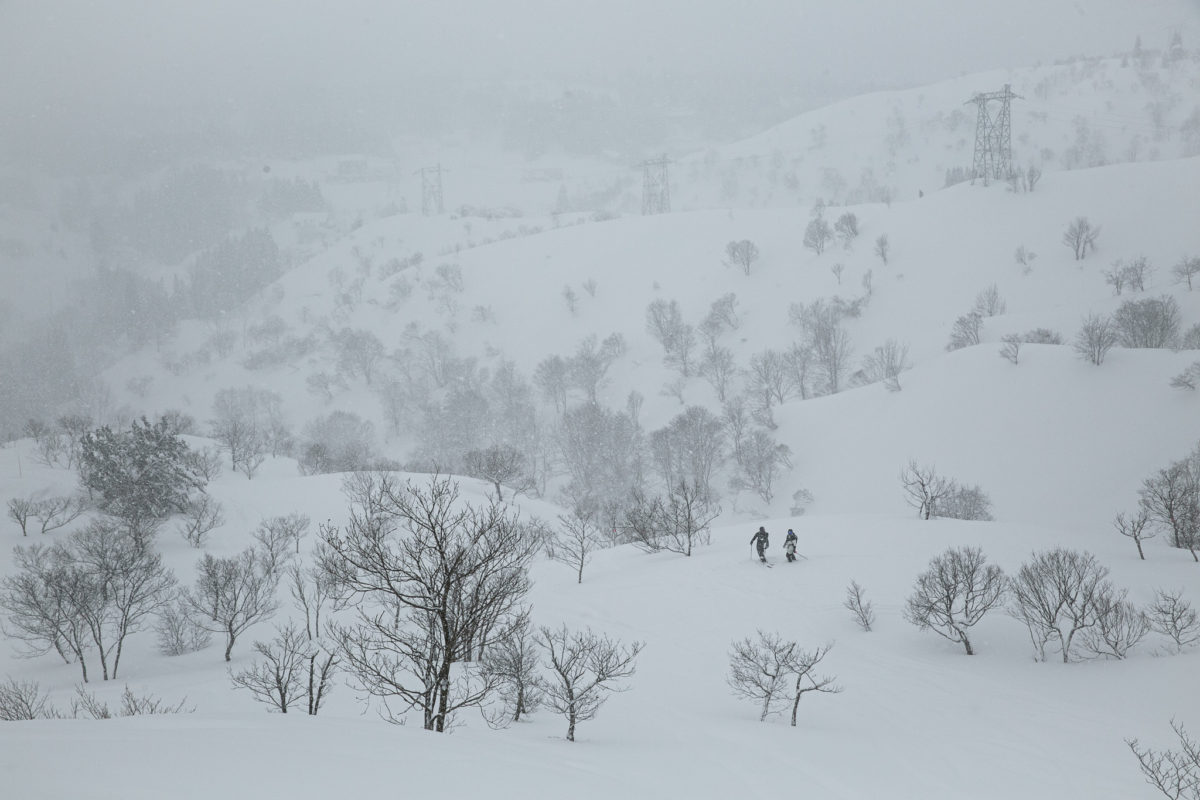
After descending the No. 3 Pair Lift, you hike up about 150 meters (about 15 minutes) to the summit of the ski resort (748 meters), where the backcountry field spreads out below. Muika is characterized by a sparse forest that almost feels like the tree line, even though the summit is less than 1,000 meters above sea level. It is a mysterious world where trees grow here and there on the vast slopes
This hiking zone is only paved with snow groomers, so you can walk barefoot. However, on snowy days it's more comfortable to bring climbing skins or snowshoes. Also, since the hike is only 150m long, it's recommended for beginners who want to practice climbing with climbing skins before heading out into the full-scale backcountry
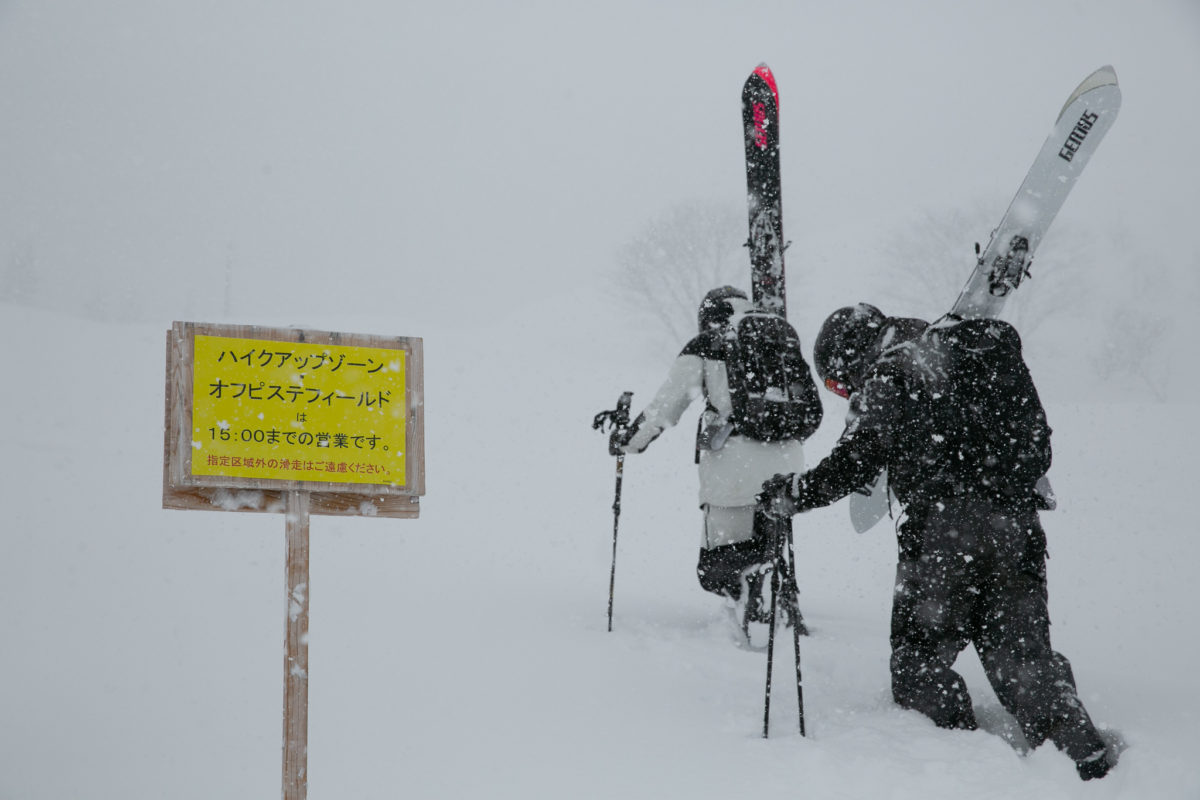
The appeal of this backcountry area is the long runs on the gentle slopes. You can ski a total distance of 1,500 meters, from an elevation of 748 meters at the top to 400 meters at the bottom. What's more, once you've skied down you can return to the parking lot at the base, making this an area that can be enjoyed by backcountry beginners and those who want to take on a challenge
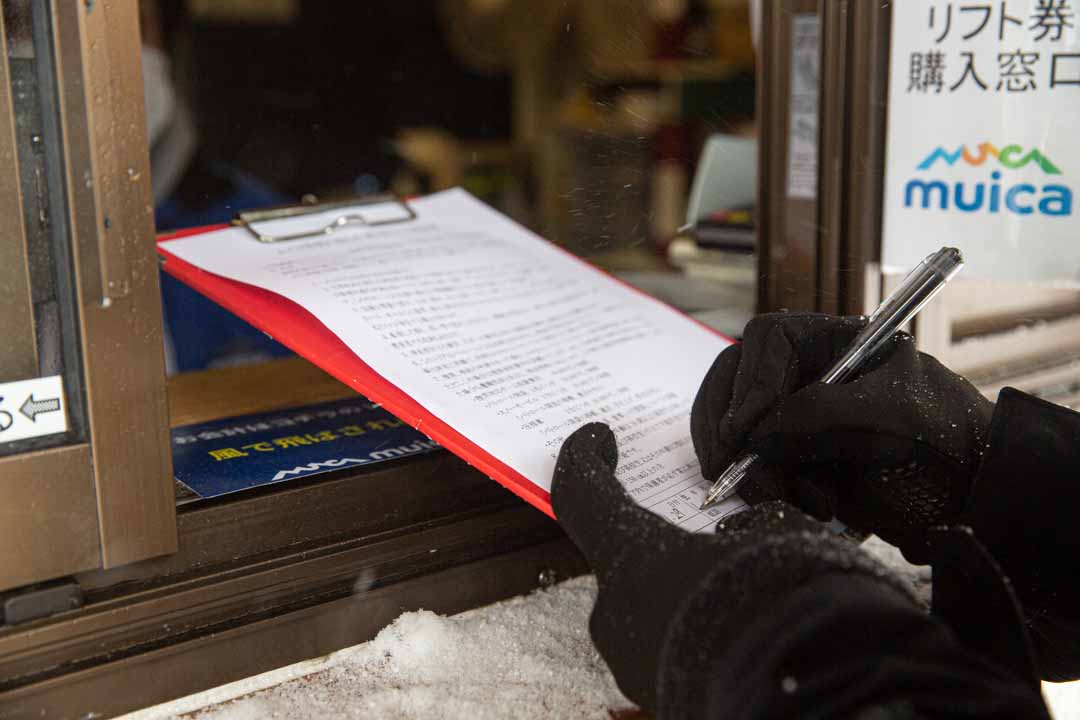
To enter this unmanaged mountain course, you must apply in advance at the ticket counter at Muika Ski Resort and wear an armband. A 1,000 yen deposit is required for the armband, which will be refunded when you return the armband
[Comment] STEEP Editorial Department
Myoko Akakura Tourist Resort | Niigata Prefecture
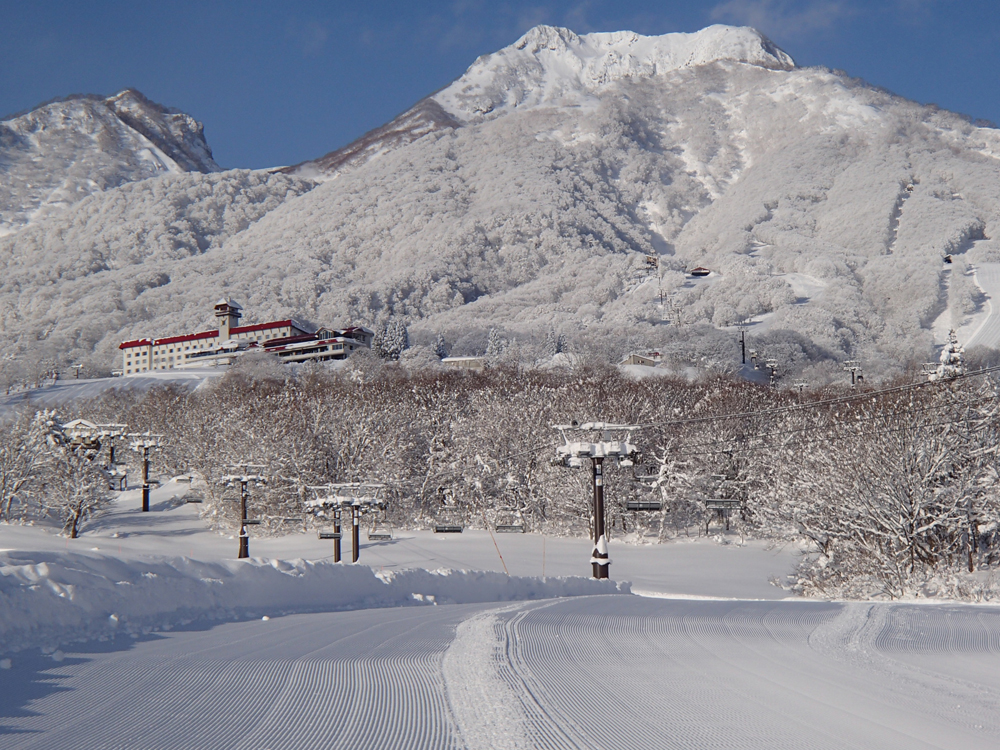
Enjoy tree runs while experiencing the changing vegetation.
The further you go, the more you'll be captivated by its profound charm.
Myoko is famous for its heavy snowfall. Mount Myoko, the symbol of the area, is made up of the main peak and five outer rim mountains: Maeyama, Mitaharayama, Akakurayama, Okurayama, and Kannayama. At the foot of the mountain are ski resorts such as Akakura Tourist Resort, Akakura Onsen, Myoko Suginohara, Ikenotaira Onsen Alpen Brick, and Seki Onsen, as well as the Myoko Kogen Onsen Village, which consists of seven hot springs
Backcountry skiing is possible on all five outer craters, but the gates are located at Akakura Tourist Resort. Access from there is to Maeyama. Put on your skis and start climbing from the end of the hotel's No. 5 lift, and after climbing just under 450 meters in altitude you'll reach the summit. From there, ski parallel to the ski resort and return to the resort
Tours usually involve gathering at 9am, taking the lift up, starting the climb at 10am, and arriving at the ridgeline in the early afternoon. From there, you ski down and disband around 3pm, making it a typical one-day tour. Climbing to the summit of Maeyama involves steep sections, making it difficult if you're not used to kick turns on snowshoes. Also, there are areas where avalanche accidents have occurred in the past, so taking a safe route is key, so it's best to take a guided tour
As the trail does not go beyond the tree line, there are trees even when you go up to the ridgeline, but the upper part is sparse forest, and in the middle part you will be skiing with a moderate gap between the trees. The upper part is made of Erman's birch, and halfway through it changes to a beech forest, so you can enjoy a tree run while enjoying the changes in vegetation. Once you reach the ridgeline you can get a good view of the Hokuriku Shinetsu mountains and even the Sea of Japan
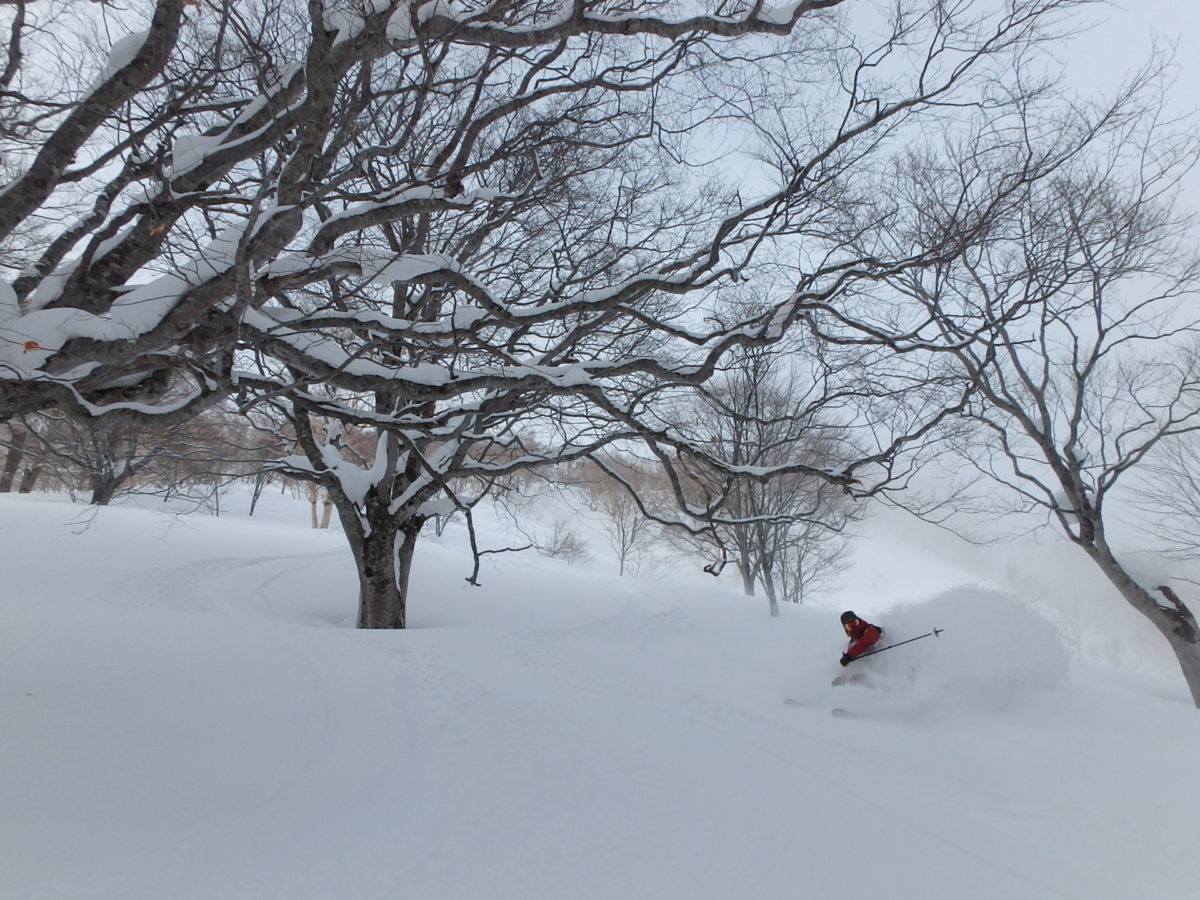
In January and February, the snow conditions are often quite good. On the other hand, sometimes it snows too much and you can't go to a base camp. It's a good idea to choose your destination flexibly from the vast fields depending on the weather and snow conditions each day. This is where the importance and value of local guide clubs who are familiar with the mountains comes into play. In March, the effects of temperature and sunlight become greater and the time that good snow is maintained becomes shorter, so the powder season generally runs from mid-January to early March
In terms of technical difficulty, considering that you'll be climbing all the way up to the ridgeline of the outer crater volcano, this is aimed at people with BC experience and intermediate or higher skiing skills. It will still be difficult for complete beginners. However, if you don't have much experience, you can still have fun just going partway up the mountain without going all the way to the ridgeline, and there are other options besides the outer crater volcano. This is a field that can be adjusted to suit your level
The appeal of Myoko BC isn't its striking appearance like the Hakuba mountain range, but the fact that it's hard to tell at first glance what's good about it just by looking at it from below. The further you go in Myoko, the more profound it becomes. Not only is the mountain itself deep, but the slopes change dramatically, and these changes continue one after another, making it never monotonous, so it really feels like you're enjoying a tour. It all depends on personal preference, but once you've started to understand the appeal of BCs, you may be able to appreciate the true beauty of Myoko. In fact, quite a lot of people come to Myoko after gaining experience at BCs at Tsugaike in Hakuba or Kagura in Niigata
[Comment]
Toyokazu Nakano
Infield Official Website https://www.in-field.com/
STEEP Introduction Article https://steep.jp/spot/2765/
Tanigawadake Yoch by Hoshino Resorts | Gunma Prefecture
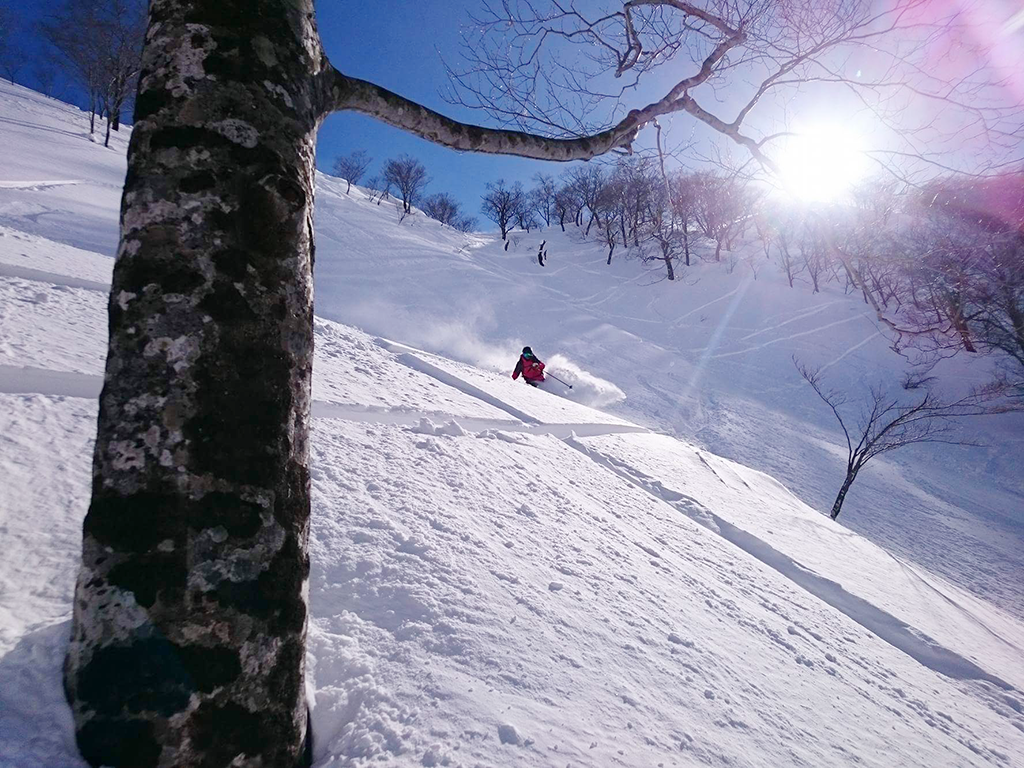
In mountainous areas with many steep slopes,
it is best to go on a guided tour or ski with an experienced skier.
The ski resort, which has had a new name since the 2024-2025 season, is now in the Tanigawadake area, where you can use the ropeway and lift to ski down a backcountry slope. From the top of the mountain, there are several steep ridges stretching out at the tree line, where avalanches are inevitable. While it is possible to enjoy adventurous skiing here, it is only recommended for experienced and advanced skiers who can adapt to snow conditions, weather, and changes in slopes
BC users submit a mountain climbing notification at the ropeway station at the base of the mountain. Many BC skiers use a point called Nishikurosawa. Take the lift to the summit. From here, go through a gate on the ridge to head to the BC field
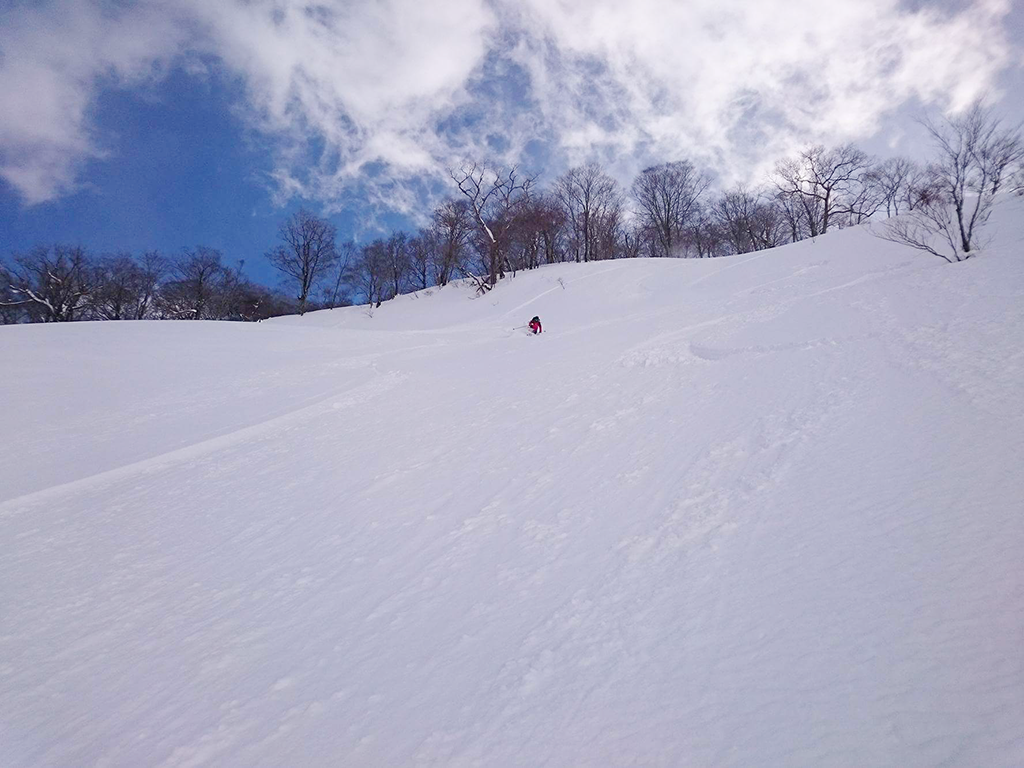
From the top of the ski resort, you'll ski down the ridgeline, then along the open runs and forested areas of the ridge that extend from here towards the ropeway's base station, but many of the slopes in this area are very steep. It's also known as an area where avalanche accidents occur frequently, with many thrilling slopes exceeding 40 degrees, so you need to be constantly aware of avalanches while skiing. It's recommended to avoid skiing in bad weather or skiing alone, and to join a guided tour or ski with an experienced skier. Skiing is prohibited in other areas that don't pass through gates. As this is an area where avalanche accidents and lost people are frequent, it's important to ski by following the rules
[Comment] STEEP Editorial Department